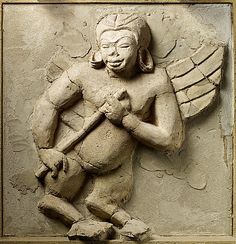
Haha and Huhu: Famous Musicians!

kinnara in thailand musuem
Kinnara in Thailand Museum

Research paper written by London Swaminathan
Research article No.1374; Dated 27th October 2014.

“Gandharvanam (aham) Chitra ratha:”
—Lord Krishna in Bhagavad Gita 10-26

Gandharvas and Kinnaras are celestial musicians in Hindu mythology.

Very interesting information about celestial musicians is available in Hindu literature. Not much research has been done about these semi divine beings. One must be very careful about this word ‘Gandharva’. It is used at two levels to convey two different messages. One is about the mythical semi divine beings in the heaven. Very often saints mentioned that they listened to such music. Sri Seshadri Swamikal of Tiruvannamalai was one who referred to their music (Please read my post about the miracles of Seshadri Swamikal, who was senior to Ramana Maharishi).
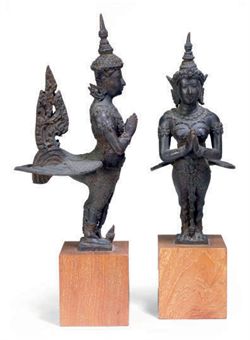
two_thai_bronze_kinnara_
Thai bronze Kinnaras

The second meaning is at terrestrial level about some race or community who occupied Indus valley. Several castes in India trace their origin to Devas or mythical beings or Hindu deities. We need more research in this area for two reasons:

1.Gandharvas are associated with the Indus Valley area.
2.Muscial instruments around the world have their names.

Amarakosa, the first dictionary cum thesaurus in the world, written by Amarasimha in Sanskrit, gives lot of interesting information about Hindu deities. In the sloka on celestial musicians known as Gandharvas, it gives the names of Haha and Huhu. We don’t know about these Gandharvas. But in the Bhagavad Gita Krishna mentions Chitraratha whom we know.

Chitraratha tried to stop Pandavas on their way to Punjab, but Arjuna defeated him and later released him at the request of his wife Kumbhinasi. Chitraratha thanked him by teaching him the art of Gandharva style of warfare and gave him divine horses. This is in the Adiparva of Mahabharata. Another chief of Gandharvas, Chitrasena taught Arjuna music in the heaven where he stayed for sometime before the great war. Later it helped him to become a music teacher during the 13th year of his stay (incognito) in the forest. This is in the third section of the epic. The same section adds one more bit of information about the fight between the armies of Kauravas and the Gandharvas. Duryodhana was captured alive and Karna ran for his life. Arjuna came and released Duryodhana through his good offices with his old friend Chitraratha.
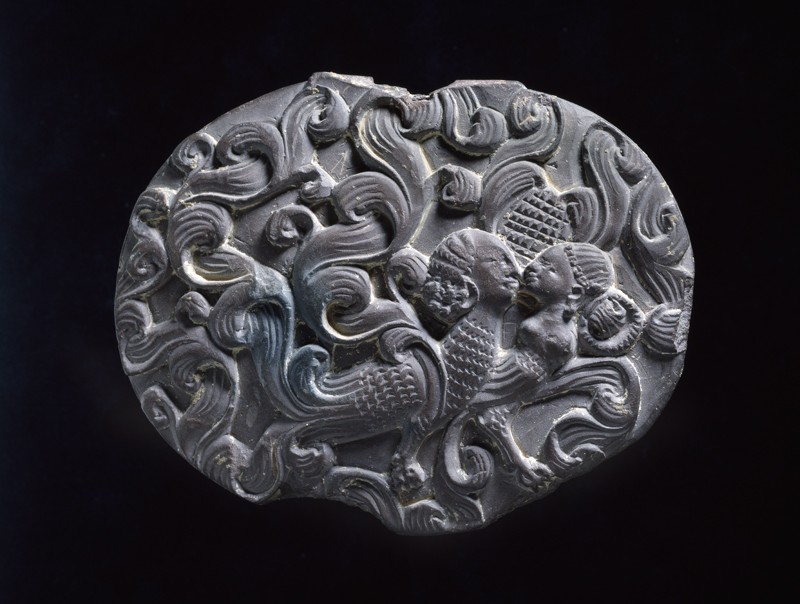
ashmoloean
Box with Kinnara, Ashmoloean Museum, Oxford, UK

Gandharvas in the Ramayana
Following is from my previous post: Ramayana Wonders Part 5 posted by me in this blog on 18 December 2012

Indus Valley Cities in Ramayana
The “destruction of Indus Valley cities” was debated by scholars at one time. The latest theory is that the civilisation declined not because of attacks by foreigners but by natural catastrophes. The changing course of Saraswati River and the resultant drought may be one of the causes. Ramayana gives valuable information about Indus valley. It was ruled by the Gandharvas and Rama sent Bharata to conquer the cities. The description of the Indus cities by Valmiki matches very well with Harappa and Mohanjo Daro. Gargya says these words:

“There is a country of Gandharvas, rich in fruits and roots, situated on the banks of Sindhu River; that the country is extremely fertile. The Gandharvas, armed and skilful warriors , defend it. When you have conquered them and destroyed their magnificent CITADELS, take possession of their CITIES, which are WELL CONSTRUCTED , none other can achieve this; the country is extremely beautiful.(Uttara Kanda, chapter 100)
Rajavalia, Sri Lankan history book, puts Rama’s date as 1844 years before the Buddha. This means Rama lived in2500 BC which coincides with the Indus Valley Civilization. Since information given by Rajavalia and Valmiki coincides we may consider it authentic. Later Lahore ( in Pakistan) is called Lava puri, named after Lava, son of Rama.

The information about the Gandharvas in the two epics shows that they were a powerful force in the western part of India. It is history, not mythology.
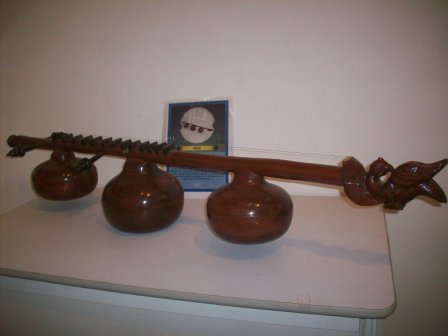
kinnari
Kinnari

Musical Instruments

One of the famous Gandharva singers was Tumburu. Narada, the Inter- galactic traveller of Hindu mythology, learnt music from Tumburu. Several musical instruments in Asia are named after Tumburu. Kinnaras also gave the name to several musical instruments around the world:

Eg.Tambura, Tamborine, Tambora, Kinnari; we can trace more musical instruments to Kinnari and Gandharva.

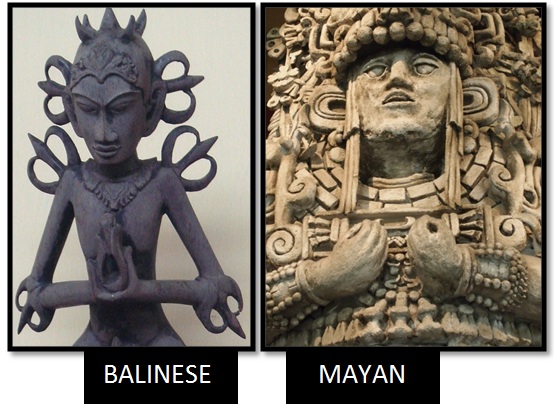
Gandharva and Kinnaras are depicted in pictures and sculptures throughout South East Asian countries. In fact, we find more figures in Thailand, Cambodia and Indonesia than India.

Gandharva myth travelled to other parts of the world and the name and story got corrupted slowly. Greeks called them Gantharus (Mycenaean civilization) and it became Centaurs in the classical Greek civilization. Like Tumburu of Hindu mythology, Chiron is portrayed as half horse and half human with a lyre in his hand.
Apsara women, the consorts of Gandharvas, are celestial dancers. The art of music and dance are categorised as Gandharva Veda in India.

chiron
Greek Chiron with Horse body

Vedic Gandharvas
Urvasi is known from the Vedic days. There is another Gandharvayena Baleya Agniveshya in the Baudhayana Srauta Sutra (20-25). Interesting coincidence is he also belonged to Punjab (Pancala). So the Gandharava rule of Indus area is attested even by the Vedic literature.

Mythological Gandharvas
Gandharvas are singers and Kinnaras are accompanying artistes. They are called Gatus and Pulakas. They were the offspring of Kashyapa and his wife Arishta. Another version is that they came from Brahma
Kinnaras play on instruments. The cities of Gandharvas are often referred to as being “very splendid”. This is the reason I believe that Mohenjo-Daro and Harappa are Gandharva cities. We have even recovered the dancing girl bronze from the place. Vishnu Purana described a fight between the Nagas of Narmada River basin and the Gandharvas. In this battle Gandharvas were defeated. Kinnaras were portrayed as half horse and half human or half bird and half human. They are sculpted in all the temples of India and South East Asia. History is mixed with myths and a scholar can filter the facts from the myths easily. One has to gather all the available materials from the Mycenaean Cantharus and Greek Chiron to Vedic literature for the research.
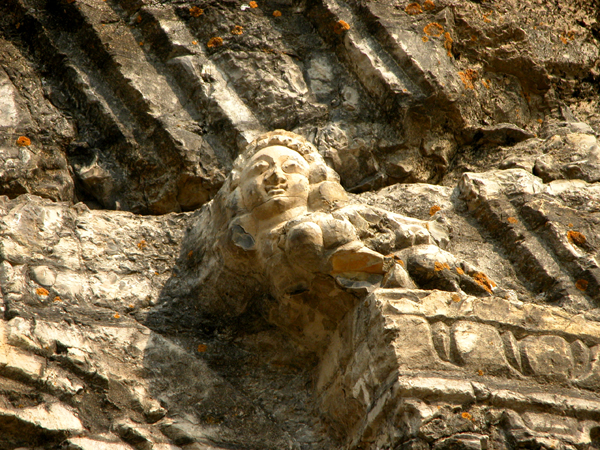
kashmir Kinnara_600x450
Kinnara from Avantipur, Kashmir

contact swami_48@yahoo.com

Gandharvas-Elephants

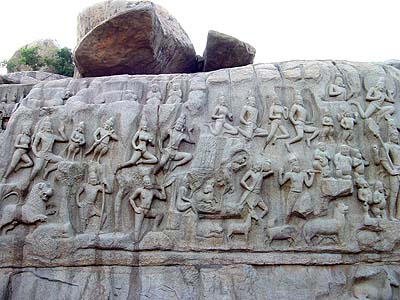
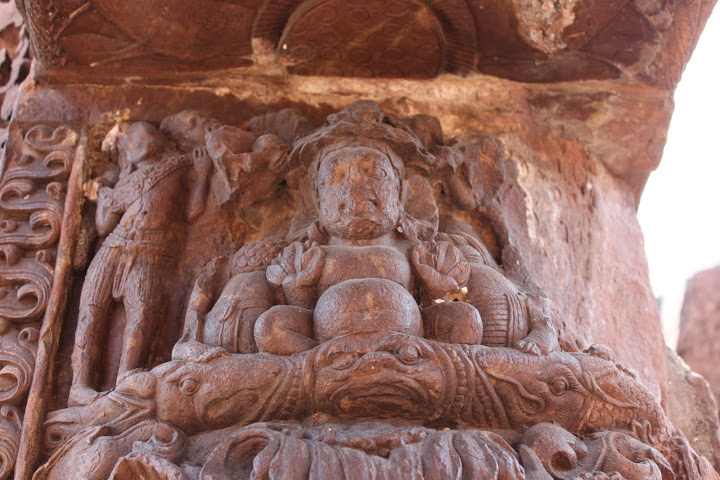
Gandharvas from Mamallapuram
celestials

தினமணியும் முரசொலியும்!

MURASOLI

கட்டுரையை எழுதியவர் :– லண்டன் சுவாமிநாதன்
கட்டுரை எண்- 1373; தேதி அக்டோபர் 27, 2014.

தினமணியில் ‘லவ் லெட்டர் நோட் புத்தகம்’ — என்ற முதல் பகுதியைப் படித்துவிட்டு இதைப் படிக்கவும்.

இந்தப் பகுதி தினமணி ஆசிரியர் ( காலஞ்சென்ற ) ஏ.என்.சிவராமன் (A.N.S) அவர்களுடன், சப் எடிட்டர் என்ற முறையிலும், குடும்ப உறுப்பினர் என்ற முறையிலும் உள்ள தொடர்பு பற்றியது. நான் 1971 முதல் 1986 வரை மதுரை தினமணியில் சீனியர் சப் எடிட்டராக இருந்துவிட்டு 1987-ஆம் ஆண்டில் லண்டன் வந்து விட்டேன். பி.பி.சி. தமிழோசை ஒலிபரப்பா ளராகத் தேர்ந்தெடுக்கப்பட்டேன். ஆகவே இங்கே குறிப்பிடப்படும் சம்பவங்கள் அனைத்தும் 1987-க்கு முந்தையவை.

மதுரையில் நான் வேலை பார்த்த தினமணி அலுவலகத்தில்,
“டேய், முரசொலி என்னடா சொல்றான்: ‘ஏய் சிவராமா?-வா’ அல்லது ‘சிவராம அய்யரா?” என்று சொல்லி, சிரித்துக்கொண்டே எங்களை நோக்கி ஏ.என்.எஸ் வருவார்.

நாங்கள் தினமணிப் பத்திரிக்கையில் வேலை பார்க்கும்போது எங்களுக்கு முரசொலி, விடுதலை, தினத் தந்தி, தினமலர், மாலைமுரசு முதலிய பத்திரிகைகள், “எக்ஸேஞ்சு காப்பி” வரும் – அதவது நாங்கள் எங்கள் பத்திரிக்கையை அனுப்பினால் அவர்கள் தங்களுடைய பத்திரிக்கை ஒன்றை அனுப்புவர். அவைகளைப் படித்து, ரசித்து, சுவைத்து, சிரித்து, அசைபோட்டு மகிழ்வோம். அதை ஏ.என். எஸ். புரிந்துகொண்ட அளவுக்கு நாங்கள் புரிந்து கொள்ளவில்லை. அவர், “டேய், முரசொலி என்னடா சொல்றான்: ஏய் சிவராமா?-வா அல்லது சிவராம அய்யரா?” என்பார். இதன் பொருள் என்ன?

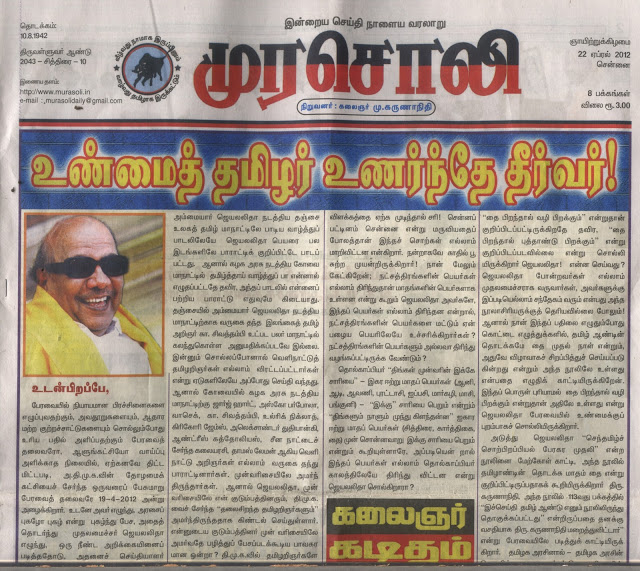
தி.மு.க.கொள்கைக்கோ அல்லது ஆட்சிக்கோ பிடிக்காத, ஒவ்வாத செய்தியை தினமணி வெளியிட்டிருந்தால் அடுத்த ஓரிரு தினங்களுக்குள் தி.மு.க.வின் கட்சிப் பத்திரிக்கையான முரசொலியில் “ஏய் சிவராமா” என்று ஏக வசனத்தில் துவங்கி திட்டித் தீர்ப்பார்கள். ஆரம்ப காலத்தில் பார்ப்பனர் முதலிய ஜாதி விஷயங்களையும் இழுத்து வம்பு செய்வார்கள். பின்னர் அது குறைந்துவிட்டது.

தி.மு.க. அரசின் சில கொள்கைகளைப் பாராட்டி தினமணி எழுதிவிட்டால், மறு நாளைக்கே முரசொலி பத்திரிக்கையில் “சிவராம அய்யர் அவர்கள் கூட” — என்று பஹுவசனத்தில் தலையங்கம் எழுதுவர். ஓரிரவில் ஏக வசனம் பஹுவசனமாக மாறிவிடும். இதை நாங்கள் ரசிப்பது போலவே அவரும் மறு நாள் ரசிப்பார். இதைத்தான் “டேய், முரசொலி என்னடா சொல்றான்: ஏய் சிவராமா?-வா அல்லது சிவராம அய்யரா?” என்று கேட்பார். அதாவது மாற்றுப் பத்திரிக்கை கருத்துக்களையும்—குறிப்பாக அப்போது ஆட்சியில் இருக்கும் கட்சியின் கருத்துகளையும் — கவனிக்க வேண்டும் என்பதே இதன் சாரம்.

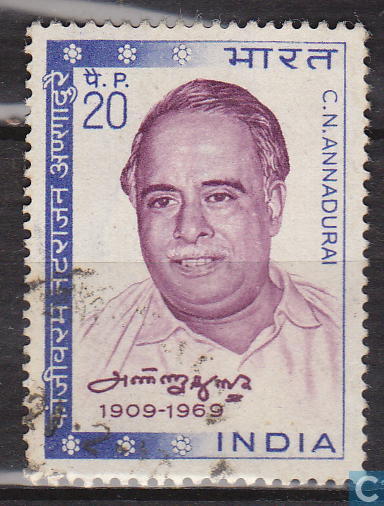
annadurai

அண்ணாதுரை டெலிபோன் ரகசியம்
1965 ஆம் ஆண்டில் ஜனவரி இந்தி எதிர்ப்புக் கிளர்ச்சி நடந்தது. அதைத் தொடர்ந்து 4, 5 மாதங்களுக்கு தமிழ்நாடு வன்முறைக்களமாக மாறியது. நாங்கள் எல்லோரும் அப்போது பள்ளி மாணவர்கள். “போலீஸ் மந்திரி கக்கா, மாணவர் என்ன கொக்கா? பக்தவத்சலக் குரங்கே மரத்தை விட்டு இறங்கு, தாய்த் தமிழ் இருக்க ———– யாள் இந்தி எதற்கு?” என்றெல்லாம் அர்த்தமே இல்லாமல் ரோட்டில் கோஷமிட்டுக்கொண்டு ஊர்வலம் செல்வோம். முடிந்தால் கற்களையும் வீசி எங்கள் வீர, தீர, சூரத் (அசுர) தனத்தைக் காட்டுவோம் ( அப்போது காங்கிரஸ் ஆட்சி இருந்தது. பக்தவத்சலம் என்பவர் முதலமைச்சர், கக்கன் என்பவர் போலீஸ்/ உட்துறை அமைச்சர்)

தமிழ்நாட்டில் தீவைப்பு, மாணவர்கள் தீக்குளித்தல் முதலியன கட்டுக் கடங்காமல் போயின. அப்போதைய தி.மு.க.தலைவரும் பிற்கால முதலமைச்சருமான சி.என்.அண்ணாதுரை, தினமணி ஆசிரியர் ஏ.என்.சிவராமனுக்கு போன் செய்து, இந்த வன்முறையை எப்படியாவது நிறுத்துங்களேன். பத்திரிகையில் கொஞ்சம் பெரிதாக எழுதினால் மக்கள் செவிசாய்ப்பரே என்று சொன்னார். அதற்கு “வன்முறையைத் தூண்ட மட்டுமே எல்லோராலும் முடியும், அதை நிறுத்த யாராலும் முடியாது. காட்டுத் தீ எப்படி முழுவதையும் எரித்துவிட்டு தானாகத் தணிகிறதோ அது போலத் தணியும்—என்று ஏ.என்.எஸ். பதில் சொன்னார். இது ஒரு ரகசிய (கான்பிடென்சியல்) விஷயம். இதை ஏ.என். எஸ்ஸே எங்கள் மேஜைக்கு அருகே வந்து பெருமையாகச் சொல்லிக் கொள்வார்.

திருநெல்வேலிக்காரன் என்பதற்கு என்ன அடையாளம் என்பதை ஒரு கெட்ட வார்த்தை சொல்லிக் காட்டி இப்படித் திட்டினால்தான் நெல்லைக்காரன் என்பார். அந்த கெட்ட சொல்— எழுத்தில் வடிக்கக் கூடாத சொல் என்பதால் இத்தோடு விடுகிறேன்.

அவர் நீண்ட கட்டுரைகள் எழுதும் போது எல்லாம் மதுரைக்கு வந்து விடுவார். பெரும்பாலும் எங்கள் வீட்டில்தான் தங்குவார். ஏனெனில் சுதந்திரப் போராட்ட காலத்தில் என் தந்தை வேங்கடராமன் சந்தானம், ஏ.என்.எஸ் எல்லோரும் ஒரு சேரப் போராடி சிறை சென்ற தியாகிகள். சென்னையில் திருவல்லிக்கேணியில் அவரது வீட்டில் ஒரு நாள் சமையல்—- எங்கள் வீட்டில் ஒரு நாள் சமையம் —- என்று முறைவைத்து சமைத்துச் சாப்பிடுவார்களாம். அப்போது நான் பிறக்கக்கூட இல்லை. எல்லாம் என் அம்மா சொல்லித்தான் தெரியும். எனது தந்தை தன்னைப் பற்றி ஒன்றுமே சொன்னதில்லை. இன்று நினைத்தாலும் ஆச்சர்யமாக இருக்கிறது. நான் அதற்கு நேர் மாறாக எவ்வளவு சுய புராணம் எழுதுகிறேன் என்று!!
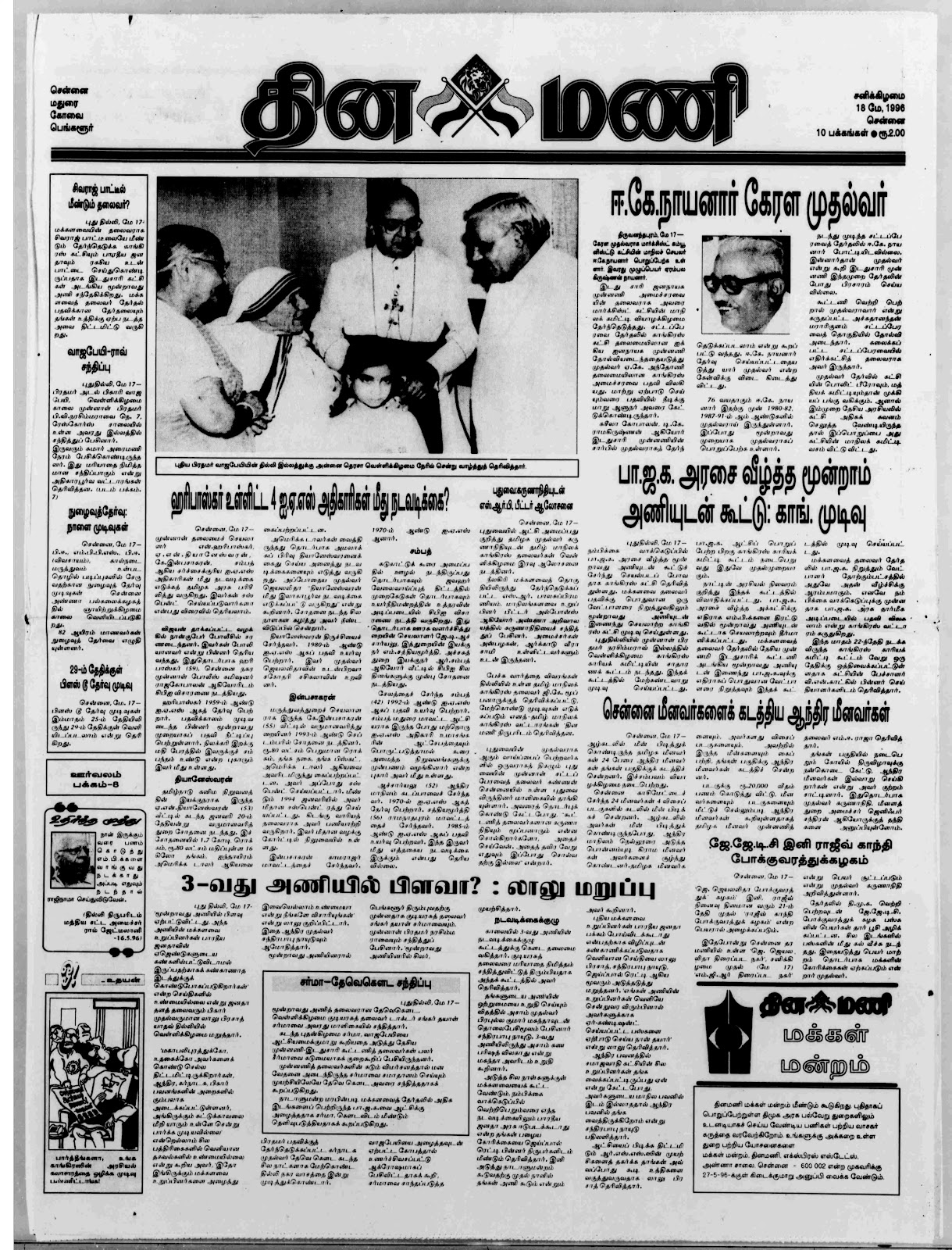
dinamani

சென்னை தெருக்களில்
“வீர சுதந்திரம் வேண்டி நின்றார் பின்னர்
வேறு ஒன்று கொள்வாரோ? – என்றும்
ஆரமுது உண்ணுதற்கு ஆசை கொண்டார், கள்ளில்
அறிவைச் செலுத்துவாரோ?”

என்ற பாரதி பாட்டைப் பாடிக்கொண்டு ஊர்வலம் போவார்களாம்.
“மணிக்கொடிக் காலம்” — என்ற பி.எஸ்.ராமையா புத்தகத்தில் எனது தந்தை வெ.சந்தானம் பற்றி இரண்டு பக்கங்கள் எழுதி இருக்கிறார்.

அப்பலோ-13 விண்ணீல் சென்று சிக்கலில் மாட்டியது பற்றியும், குன்னர் மிர்தலின் ஏசியன் ட்ராமா புத்தக அடிப்படையில் ரஷ்யா முதலிய கம்யூனிஸ்ட் நாடுகளின் மற்றும் இந்தியப் பொருளாதாரம் பற்றியும், பெட்ரோல் விலை ஏறியபோது பெட்ரோலியம் பற்றியும் கட்டுரைகள் எழுதினார் ஏ.என்.எஸ். அப்போது எல்லாம் எங்கள் வீட்டுக் கூடத்தில்— (பிராமணர் வீடுகளில் ஹால் என்பதை இப்படி கூடம் என்றும் குறுகிய பகுதியை ரேழி என்றும், பின்பகுதியை முற்றம் என்றும் சொல்லுவர்) — உட்கார்ந்து கொள்ளுவார். அவரைச் சுற்றி மலை போல புத்தகங்கள் – நாலா புறங்களிலும் – குவிந்திருக்கும்.

எனது தம்பி ச. சூரியநாராயணன் அப்போது கெமிஸ்ட்ரி பேராசிரியர் (பின்னர் சரஸ்வதி நாராயணன் கல்லூரி பிரின்ஸிபால்). இன்னொரு தம்பி பிசிக்ஸ் பட்டப்படிப்பு படித்துக் கொண்டிருந்தான். ஆகையால் ஏதேனும் ரெபரன்ஸ் வேண்டுமானால் அவர்களைப் பார்க்கச் சொல்வார். பெட்ரோலியம் நெருக்கடி பற்றி கட்டுரை எழுதுகையில் விஞ்ஞான விஷயங்கள் எல்லாவற்றையும் என் தம்பிகளிடம் சொல்லி சரி பார்த்துக் கொள்வார். ஏனெனில் அவர், என் தந்தை எல்லாம், சுதந்திரப் போராட்டத்துக்காக பாதியில் படிப்பை நிறுத்தியவர்கள் — எத்தனை வயதிலும் புதிய விஷயங்களைக் கற்கலாம்—அது முடியும் – என்பதற்கு ஏ.என்.எஸ். ஒரு உதாரணம். மணிக் கணக்கில் உட்கார்ந்து எழுதுவார் படிப்பார்—ஆனால் அவர் எழுதியதைப் படிப்பது மிகக் கடினம். அவ்வளவு கிறுக்கலாக இருக்கும். மதுரையில் தினமணியில் வேலைபார்த்த சதாசிவம் என்ற மோனோ ஆப்பரேட்டர் (Mono Machine Operator) மட்டுமே அவர் எழுத்தைப் படிக்கமுடியும்.

எங்கள் வீட்டில் சாப்பிடும் போது என் அம்மா இன்னும் வேண்டுமா? இன்னும் வேண்டுமா? என்று உபசரிப்பார். இதோ பார், இப்படிக்கேட்டால் நான் கூச்சத்தினால் கொஞ்சம்தான் கேட்பேன். கூட்டு, காய்கறிகளை இப்படி வைத்துவிடு. நானே போட்டுக் கொள்கிறேன் என்பார். அதன்படியே செய்வோம்.

vedapatasala

பத்திரிக்கைகளில் சாமி, பூதம் என்று போடுவதெல்லாம் அவருக்கு அதிகம் பிடிக்காது. ஆனால் என் தந்தை இதற்கு நேர் மாற்று. முதல் பக்க தினமணியில் சாமி, சாமியார் செய்திகளைப் போடுவார். அதை ஏ.என்.எஸ். கிண்டல் செய்வார்.

டேய் சந்தானம் நெல்லை ஜில்லாவில் — (அவரது சொந்த ஊர் ஆம்பூர், நெல்லை மாவட்டம்) — ஒரு கோவிலுக்குப் போனேன். நீங்கள் யார் என்று கோவில் பட்டர் கேட்டார். தினமணி பத்திரிக்கை எடிட்டர் ஏ.என்.சிவராமன் என்றேன். சந்தானம் அல்லவா எடிட்டர், நீங்கள் இல்லையே- என்று சொன்னார் என்பார். என் தந்தை அதைக் கேட்டு ஒரு புன்சிரிப்பு மட்டுமே செய்வார். அந்த அளவுக்கு தென் மாவட்டங்களில் என் தந்தை சமயச் சொற்பொழிவுகள் நடத்தியும் அந்தச் செய்திகளை வெளியிட்டும் பிரபலமானவர்.

திடீரென்று ஏ.என்.சிவராமனுக்கு வேதங்கள் பற்றி ஆராய்ச்சி செய்ய வேண்டும் என்று தோன்றிவிட்டது. அப்போது எங்கள் வீட்டில் தங்கியிருந்தார். எனது பெரிய அண்ணன் சீனிவாசனும், கடைசி தம்பி மீனாட்சிசுந்தரமும் அவருடன் மதுரை, குன்றக்குடி, பிள்ளையார்பட்டி வேத பாடசாலைகளுக்குச் சென்று எல்லா வேதங்களையும் டேப் ரிகார்டரில் பதிவுசெய்தனர். அற்புதமான ‘’கலெக்சன்’’ அது. பழைய கால கிரண்டிக் டேப்ரிகார்டரில் (ஸ்பூல் டைப்) செய்துவிட்டதால் பின்னர் பயன்படுத்த முடியவில்லை. டேப்புகள் மட்டும் என் தம்பியிடம் உள்ளன. வாக்ய பாடம், க்ரம பாடம் கன பாடம், ஜடா பாடம் என்று பலவகையில் ரிகார்ட் செய்தனர். இது பல மாதங்களுக்கு நடந்தது. இந்த ஆர்வத்தில் கண பாராயணம், ஜடா பாராயணம் என்றால் என்ன என்று தினமணியில் எழுதத் துவங்கினார். சில கடுமையான எதிர்ப்புக் கடிதங்கள் வந்தன. உடனே நிறுத்திவிட்டார். பத்திரிக்கை என்பது மதத்திற்கு அப்பாற்பட்டது என்பது அவர் கருத்து.

தொடரும்… …….. …………

இதே வரிசையில் நான் எழுதிய முந்தைய கட்டுரைகளையும் காண்க:

1.என் அப்பாவிடம் கற்றது (posted on 8-9-14)
2.என் அம்மாவிடம் கற்றது (4–10–2014)
3.கோயங்கா சாம்ராஜ்ய ரகசியங்கள் (posted on 9-9-14)
4.தினமணியில் ‘லவ் லெட்டர் நோட் புத்தகம்’ (20—10—2014)

17 Names of Kubera in Amarakosa

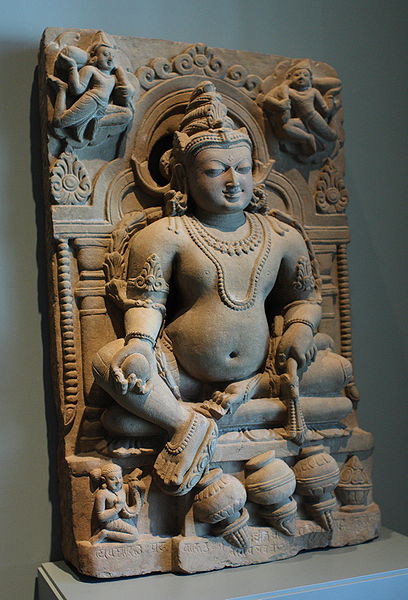
Kubera.
Kubera on Naravahana in Tala, Chattisgarh

Research paper written by London Swaminathan
Research article No.1372; Dated 26th October 2014.

Amarakosa is the world’s first dictionary cum thesaurus. It was written by Amarasimhan in Sanskrit. As usual the date of the work is uncertain. But in its current from it must have existed before seventh century. Tradition says that Amarasimha was part of Emperor Vikramaditya’s court. So it may be dated to first century BCE. Date is immaterial for such a scholarly work.

All Sanskrit students are supposed to memorize it. All the little children are asked to repeat every line of it in the class room for ten to 15 minutes every day. Sanskrit lesson starts with grammar and dictionary in the elementary school which is a world wonder!! Its other name is Namalinganusasanam. Amarakosa has

29 names for Brahma
46 names for Vishnu
52 names for Siva
21 names for Devi/Amba
8 names for Ganapathy
17 names for Skanda
35 names for Indra
34 names for Agni
14 names for Yama
15 names for Rakshasa/demons
5 names for Varuna
20 names for Vayu
17 names for Kubera
37 names for the Sun
17 names for Balarama
19 names for Manmatha
14 names for Lakshmi
18 names for Jina (Jain)
7 names for the Buddha

adilabad dt three legs
Kubera with three legs and eight teeth, Adilabad Dt.

Though the author was a Buddhist he gave Hindu gods more importancethan any other God by giving over 400 names of Hindu Gods. This is the first dictionary of synonyms. Over 2000 lines are there in Sanskrit. Several commentaries are written on it. Those who study the commentaries would become a master of Sanskrit language and Hindu religion.

I have already given the names of Indra and Agni. Let us look at the names of Kubera.

Kubera – one who has a vile body (ugly)
Trayambakasaka — Friend of Shiva, one who has three eyes
Yaksharat – king of Yakshas
Guhyakeswara – – one who keeps himself secret in the underground caves
Manushyadharma — one who follows morals of human beings
Danada: — one who gives wealth
Rajaraja:– king of kings
Danadipa: — lord of wealth
Kinnareswara: — lord of Kinnaras
Vaisravana – descendent of Visravas
Paulastya – belongs to Pulastya gotra
Naravahana: — carried by humans
Yaksha: — worshipful
Ekapinga: — looked at by the corner of Devi/goddess
Jadavida: — who came through Ida and Pingala or mother’s name Idavila
Sridha: — one who has Sri=Lakshmi
Punyadineswara: Lord of Punyajanas

kubera5buddhist
Biddhist Kubera

Garden of Kubera – Chaitra ratha

Children of Kubera: Nala kubara (Mayu raja) and Manigreeva (Varna kavi)
Daughter’s name: Minakshi
Wife’s Name: Charvi or Kaveri, daughter of Danava Mura.
Capital : Alagapuri in Kailash in the Himalayas
Plane owned by him – Pushpaka
Attendents – Kinnara, Kimpurusha, Thurangavathana: and Mayu:
Treasures held by him : Nidhi:, Sevadhi:, Bedha, Padmanidhi, Sanganidhi

Navanidhi of Kubera:Nine Kinds of Treasures
Mahapadma, Padma, Sankha, Makara:, Kachchapa:, Mukunda:, Kunda/Nanda, Neela, Kharba

Rattle_in_the_shape_of_Kubera,_India,_West_Bengal,_Chandraketugarh,_c._200_BCE,_terracotta,_HAA
2200 year old Kubera in West Bengal

Story of Kubera
Kubera was the half brother of Ravana, the Rakshasa king of Sri Lanka. Ravana drove him out and confiscated his Pushpaka airplane. Then Kubera migrated to Tibet in the Himalayas. Even Buddhists scriptures like Mahavamsa confirmed the presence of Yakshas in Sri Lanka. They were there even before Vijaya landed in Sri Lanka. And Vijaya’s first wife Kuvenna belonged to Yaksha race. This shows that there is historical information in Hindu mythology.

Mahabharata says that Kuvera (Kubera) was the son of Pulastya, but the sage being offended with with Kuvera for his adulation of Brahma reproduced the half of himself in the form of Visravas and had Ravana and other children.

He is the guardian deity of North. Hindus worship him when they install Yaga Kunda (Fire Pit). He is compared with Pluto, the God of Underworld in classical mythology.

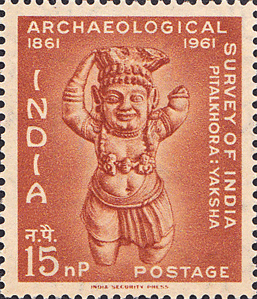
stamp-of-yaksha
Yaksha Stamp of India

He is very short and with a big belly. He is decorated with lot of ornaments. He is also known as Mayuraja (King of Kinnaras), Ratna garba( Belly of jewels),Nara raja (King of men), Ichchavasu (who has wealth at will) and Isasakhi (Friend of Siva). In the Vedas (Atharva Veda and Satapata Brahmana) he is shown as chief of the evil beings or spirits. He is shown with a mongoose. He carries a money bag and a pomegranate. He is worshiped by the Jains and Buddhists as well. Hindus always identify him with wealth. He is proverbial for anyone with wealth.

Hindus worship Kubera with magic square of numbers (Yantras) and mantras.

Japanese also worship Kubera as Bishomonten. Japanese god of rice Daikoku also looks like Kubera. Kubera figures are found in Thailand and other countries.
nepal
Kubera in Nepal

contact swami_48@yahoo.com

தென்புலத்தாருக்கு 96 கும்பிடு!

rameswaram
Rameswaram Agni Theertham where ancestors are worshiped on important days.

ஆராய்ச்சிக் கட்டுரையாளர்- லண்டன் சுவாமிநாதன்
கட்டுரை எண்- 1371: தேதி 26 அக்டோபர் 2014

தந்யம் யசஸ்யம் ஆயுஷ்யம் ஸ்வர்க்யம் சத்ரு விநாசனம்
குல சந்தாரகம் சேதி ச்ராத்தமாஹூர் மநீஷிண:
-மஹா பாரதம், அநுசாஸந பர்வம் ஸ.145

“ இறந்தோரை உத்தேசித்துச் செய்யப்படும் தர்ப்பணமானது செல்வம், புகழ், ஆயுள், ஸ்வர்கம் முதலிய நன்மைகளை அளிக்கும். எதிரிகளை ஒழிக்கும், தன் குலம் தழைத்தோங்கச் செய்யும்” —மஹா பாரதம், அநுசாஸந பர்வம் ஸ.145

உலகில் மிகவும் ஆச்சர்யமான பிறவிகள் இந்துக்கள். முன்னோர்களை அவர்கள் வழிபடும் முறை தனிச் சிறப்புடைத்து. இவர்கள் போல இறந்து போனோரைக் கொண்டாடும் இனம் உண்டோ என்றில், இல்லை என்று பகர ஒரு நொடியும் தேவை இல்லை. பெரிய தலைவர்கள் இறந்தால் அடக்கம் நடைபெறும் போது 21 முறை பீரங்கிக் குண்டு வெடித்து மரியாதை செய்வர். இதற்கு கடற்படை சம்பிரதாயமே காரணம் என்று கலைக் களஞ்சியங்கள் செப்பும். பின்னர் ஆண்டுதோறும் அவர்கள் கல்லறைக்குச் சென்று மலர் தூவுவர். ஆனால் இந்துக்களோ ஆண்டுக்கு குறைந்தது 96 முறை வணங்குவர். ஆதிகாலத்தில் மூன்று வர்ணத்தாரும் செய்த இக்கடன் இப்போது குறுகிப்போய் ‘’பிராமணர் மட்டும்’’ என்று ஆகிவிட்டது. அதுவும் அருகிப் போய் 96 முறைக்குப் பதில் 12 அல்லது 24 முறை என்று சுருங்கிவிட்டது. காலத்தின் கோலம்!!

தினமும் முன்னோர்களை வழிபடும் வழக்கத்தைப் “பஞ்ச யக்ஞம்” என்ற தினசரிக் கடமைகளில் காண்கிறோம். அது என்ன ஐவேள்வி?

திருவள்ளுவர் பதில் சொல்கிறார்:
தென்புலத்தார், தெய்வம், விருந்து, ஒக்கல், தான் என்றாங்கு
ஐம்புலத்தாறு ஓம்பல் தலை — (குறள் 43)

தென்புலத்தார்= தெற்கு திசையில் வசிக்கும் முன்னோர்கள்
தெய்வம்= கடவுள் என்பதன் சம்ஸ்கிருதச் சொல்
விருந்து = வீட்டிற்கு வரும் விருந்தாளிகள் (சாது, சந்யாசிகள்)
ஒக்கல் = சுற்றத்தார்,
தான் = தான் (அதாவது தனது சொந்தக் குடும்பம், அவர் வளர்க்கும் ஆடு, மாடு, மரத்தில் வசிக்கும் காக்கை, குருவி, வீட்டில் ஓடும் எறும்பு முதலியன. இதை பூத யக்ஞம் என்பர்= உயிரின வேள்வி)
என்று = என்ற
ஐம்புலத்து = ஐந்து இடங்களில் செய்ய வேண்டிய (பஞ்ச வேள்வி)
ஆறு= வழியினை
ஓம்பல் = பாதுகாத்தல்
தலை= சிறந்த அறம் ஆகும் (தர்மம்)
மனு ஸ்மிருதியில் 3-72 ஸ்லோகத்தில் கூறியதற்கும் இதற்கும் சிறிதும் வேறு பாடு இல்லை — மேலும் குறள் 41-ல்
இல் வாழ்வான் என்பான் இயல்புடைய மூவர்க்கும்
நல்லாற்றின் நின்ற துணை (41)
என்பது மனு ஸ்மிருதியின் 3-78 ன் மொழியாக்கம் என்பதையும் இரண்டையும் கற்ற சான்றோர் உணர்வர்.

அதாவது கிருஹஸ்தன் என்பவன் வானப் ப்ரஸ்தம், சன்யாசம், பிரம்மசர்யம் என்ற மற்ற மூன்று நிலையில் உள்ளவர்க்கும் உதவுவதால் அதுதான் சிறந்த அறம் — கல்யாணம் செய்து கொண்டு குழந்தைகளைப் பெற்றுக் கொண்டு மற்ற மூன்று நிலையில் உள்ளவர்களையும் ஆதரிப்பவர்கள் போற்றுதலுக் குரியவர்கள்.

thai amavasya

இதை எதற்குச் சொல்கிறேன் என்றால், பிள்ளை பெறுவது எதற்காக என்று புற நானூற்றில் கோப்பெருஞ்சோழன் சொல்கிறான் — சாகும் வரை உண்ணாவிரதம் இருந்த இடத்திற்கு வந்த பல புலவர்களில் ஒருவர் பொத்தியார். அவருக்கு இடம் தர மறுத்த சோழ மன்னன் புதல்வன் பிறந்த பின் வருக — என்கிறான். புதல்வர் எதற்காக? பிண்டோதக் கிரியை என்னும் இறுதி யாத்திரைக் கிரியை செய்வதற்காகும் என்று உரைகாரர்கள் நவில்வர்.

உரைகாரர் சொன்னால் நாங்கள் நம்பவேண்டுமா? என்போருக்கு அகநானூற்றுப் புலவர் செல்லூர் கோசிகன் கண்ணனார் — (கௌசிக கோத்ரத்துதித்த கிருஷ்ணன் என்னும் புலவர்) — வாய்மொழியாக உண்மை அறிதல் நலம்:

“இம்மை உலகத்து இசையொடும் விளங்கி
மறுமை உலகமும் மறு இன்று எய்துப
செறுநரும் விழையும் செயிர்தீர்காட்சிச்
சிறுவர்ப் பயந்த செம்மலோர்” எனப்——— அகம்.66

பிள்ளைகள் இல்லாவிட்டால் நரகமா?

பிள்ளைகள் எள்ளும் நீரும் இரைத்து தர்ப்பணம், திதி முதலியவற்றைச் செய்தால் மறுமை இன்பம் கிடைக்கும் என்றால், பிள்ளைகள் பெற்றுக் கொள்ளாதோருக்கும், பிள்ளைகளே பிறவாதோருக்கும், இது பற்றி அறியாத ஜாதியினருக்கும் நரகம் வாய்க்குமா?

இல்லை. இல்லவே இல்லை. ஏனெனில் அவர்களுக்கும் சேர்த்து பிராமணர்கள் எள்ளும் நீரும் தெளித்து விடுகின்றனர். ஐயர்கள் சொல்லும் தர்ப்பண மந்திரங்களை அறிந்தோருக்கு இது தெள்ளிதின் விளங்கும் —( ஸ்ரீ ராமகிருஷ்ண மடத்தின் வெளியீடுகளில் அண்ணா அவர்கள் எழுதிய தமிழ் மொழியாக்காத்தையும் உரையையும் அனைவரும் பயிலுதல் நன்று )

இதனால்தான் பிராமணர்களுக்குப் பொன்னும் பொருளையும் தமிழ் மன்னர்கள் வாரி வழங்கியதை சங்க இலக்கியத்திலும் 80,000 கல்வெட்டுகளிலும் காண்கிறோம்.

TharpaNam Pic

இதோ அவர்கள் சொல்லும் அற்புத மந்திரங்கள்:
எவர்களுக்குத் தாயோ தந்தையோ, சிநேகிதரோ, தாயாதிகளோ, பந்துக்களோ இல்லையோ — (தர்ப்பணம் செய்ய) — அவர்கள் எல்லாம் தர்ப்பை நுனியால் விடும் தீர்த்தத்தால் திருப்தி அடையட்டும்.

ஆகாய வழியாக வந்து இந்தத் தர்ப்பைப் புல்லில் எழுந்தருளுங்கள் என்று வேண்டும் போது அவர்கள் சொல்லும் மந்திரம் எல்லா இடங்களிலும் மங்களத்தையும் அமைதியையும் உண்டாக்கும்:

காற்று இனிமையாக வீசட்டும்
நதிகள் இனிமையைப் பெருக்கிக்கொண்டு ஓடட்டும்
செடி கொடிகள் இனிமை அளிக்கட்டும்
காடுகளில் உள்ள மரங்கள் இன்பம் தரட்டும்
சூரியன் மகிழ்ச்சி அளிப்பானாகுக
பசுக்கள் இனிமையான பாலைப் பொழியட்டும். (மதுவாதே ருதாயதே…..)

இவ்வாறு ஒரு ஆண் — தனது வம்சத்தில் பிறந்து இறந்த தந்தை, தாத்தா, கொள்ளுத் தாத்தா ஆகிய மூவருக்கும் நீர்க்கடன் செலுத்திய பின்னர், தாயின் வம்சத்திலும் தந்தை, தாத்தா, கொள்ளுத் தாத்தா என்று எள்ளும் நீரும் இரைப்பர். இந்த ஆறு பேருடைய மனைவிமார்களும் இதே போல மரியாதை பெறுவர். எல்லோரும் இறந்து போயிருந்தால் இப்படி 12 பேருக்கும் வழிபாடு நடக்கும். இந்த அற்புத முறையை உலகில் வேறு எங்கும் காண முடியாது!!

இனி இந்துக்கள் – குறிப்பாக பிராமணர்கள் செய்ய வேண்டிய 96 இறந்தார் கடமைகளைத் தருகிறேன் (ஸ்ரீரங்கம் பி.ஜே.ஸ்ரீனிவாசன் எழுதிய நூலில் இருந்து)
அந்தக் காலத்தில் தீ மூட்டி சிரார்த்தமாக நடந்தவை பின்னர் காலத்தின் கோலத்தினால் நீர்க்கடனாக மாறியது. அதில் ஆண்டுக்கு குறைந்தது 96 முறை இதைச் செய்ய வேண்டும் என்று சான்றோர் எழுதிய சாத்திரங்கள் கூறும்:

adi amavasya

12 மாதப் பிறப்பு தர்ப்பணங்கள்
12 அமாவாசை தர்ப்பணங்கள்
12 அஷ்டக தினங்கள் (மார்கழி, தை,மாசி,பங்குனி ஆகிய 4 மாதங்களின் சப்தமி,அஷ்டமி, நவமி தினங்கள்)
16 மஹாளய பட்ச தினங்கள் (சூரியன் கன்யா ராசியில் பிரவேசிக்கும் போது புரட்டாசி மாதத்தில் கிருஷ்ண பக்ஷத்தில் செய்யப்படும்)
4 யுக நாட்கள் (கிருத, த்ரேதா, த்வாபர, கலி யுகம் தொடங்கிய யுகாதி நாட்கள்)
14 மன்வந்தர நாட்கள் (14 மனுக்களின் ஆட்சி துவங்கிய நாட்கள்)
26 வ்யதீபாத—வைக்ருதி—விஷ்கம்ப தர்ப்பணங்கள் (27 வகை யோகங்களில் வ்யதீபாத யோகம் வரும் 13 + வைக்ருதி—விஷ்கம்ப யோகம் வரும் 13 தர்ப்பணங்கள்)
இது தவிர கிரகண காலங்களிலும் இறந்தோர் திதி வரும் நாட்களிலும் செய்வர்.

-சுபம்-

96 Salutes to Departed Souls!

rameswaram
Rameswaram on Mahalaya Amavasya (new moon day)

Research paper written by London Swaminathan
Research article No.1370; Dated 25th October 2014.

Whenever a state leader dies 21 gun salutes are given to him or her. Then he or she is forgotten. The canon balls are fired from the canons. On other occasions such as swearing in as the President of a country or a State visit also the custom is followed. There is no particular reason for the 21 gun salutes other than it is a naval tradition. But Hindu Brahmins salute the departed souls (manes or dead ancestors) 96 times a year!! Not with the canons, but with the water, Sesame seeds and Dharba grass! So the dead people will be remembered and respected throughout the year.

All Hindus pay respects to the departed relatives at least once a year or twice a year. But Brahmins used to give water oblations 96 times a year in the olden days. Now it has come down to 25 to 30 times every year.

thai amavasya
Thai month Amavasai (new moon day)

The beauty of the 96 ceremonies is that Brahmins do it for all the departed people. This was the reason for Hindu kings giving big donations of land and gold to the Brahmin priests. A large number of Tamil inscriptions out of the total 80,000+ inscriptions are about the donations made to the Brahmins or the temples.

When the Brahmins offer sesame seeds and water over the dharba grass in which they have invoke the departed people, they say that they offer it to all known and unknown people. First they say the names of three generations on father’s side and then three generations on mother’s side. On each side husbands and wives are remembered.

Another beauty is the mantra they recite. I will give you just one mantra:

“Please come through the sky route and take a seat here.
May the winds bring us happiness.
May the rivers carry happiness to us.
May the herbs give us happiness.
May night and day yield us happiness.
May the dust of the earth bring us happiness.
May the heavens give us happiness.
May the trees give us happiness.
May the sun pour down happiness.
May the cows yield us happiness. (Madu Vatha ruthayathe. . . . . . )

adi amavasya
Ad Amavasai Priest

This is actually from the Taitriya Aranyaka (10-39). They recite this mantra every time they pay respect to the departed relatives. There are more mantras like this in the same ceremony. When they finish it they say, “whoever has not got any friend or relative or father or mother or distant relatives let all souls be pleased with this offering (it is equal to Christian’s RIP= Rest in Peace)

Following days are selected by orthodox Hindus for this ceremony:
It is called Tarpanam or Srardham. In the olden days they were actually using fire to do this. Later it was simplified. I have already written a post about the use of Sesame seeds from Vedas to Indus Valley (Tarpanam means that which pleases; Srardham is that which is done with faith or sincerity)

12 New Moon Days called Amavasya
12 First days of 12 traditional months
12 Ashtaka days (Krishna Paksha Ashtami, Navami, Dasami of four months Margasirsha to Phalguna (3 X4 =12)
16 Mahalaya Paksha ( When the sun enters Kanya Rasi (Virgo in Hindu calendar, the ceremony is done during the dark period / Krishna Paksha)
14 Manvathi Sirardha days (Calendar shows the 14 Manvantara days. This is done to honour the rule of 14 Manus)
4 Yuga Adhi Srardham (This is to mark the beginning of 4 eras)
26 Vyadipada-Vaidruti-vishkambam (This is based on two of the 27 Yogas; 13+13=26 days are shown in traditional Panchang/calendars)
The total is 96.
TharpaNam Pic

This is practised all over India. Sanskrit literature has got hundreds of references to this custom. 2000 year old Sangam Tamil literature also refers to it. Hindus believed that the departed souls bless their living relatives from the heaven. They believed that they lived in the southern direction.

contact swami_48@yahoo.com

தொல்காப்பியருடன் 60 வினாடி பேட்டி

tolkappian-katturai

கட்டுரை மன்னன் :– லண்டன் சுவாமிநாதன்
ஆராய்ச்சிக் கட்டுரை எண்- 1369; தேதி அக்டோபர் 25, 2014.

( கேள்விகள் –சுவாமிநாதனின் கற்பனை, பதில்கள்-தொல்காப்பியத்திலிருந்து )
1.ஒல்காப் புகழ் தொல்காப்பியனாரே! தமிழனுக்கு கடவுள் யார்?
மாயோன் மேய காடுறை உலகமும்
சேயோன் மேய மைவரை உலகமும்
வேந்தன் மேய தீம்புனல் உலகமும்
வருணன் மேய பெருமணல் உலகமும்
முல்லை குறிஞ்சி மருதம் நெய்தல் எனச்
சொல்லிய முறையாற் சொல்லவும் படுமே (பொருள் 1-5)

2.துவக்கமே சுபமாக இருக்கிறது. விஷ்ணு, முருகன், இந்திரன், வருணன் நம் கடவுள்கள்.— வட வேங்கடம் தென் குமரி ஆயிடைத் தமிழ் கூறும் நல் உலகம் என்று பனம் பாரனார் கூறுகிறாரே?

செந்தமிழ் நிலத்து வழக்கொடு சிவணித்
தம்பொருள் வழா அமை இசைக்கும் சொல்லே (398)
செந்தமிழ் சேர்ந்த பன்னிரு நிலத்தும்
தம் குறிப்பினவே திசைச் சொற் கிளவி (சூத்திரம் 400)

3.ஆம், புரிகிறது. செந்தமிழ் நிலத்தில் பேசும் இயற்சொற்கள் மாறாது– பக்கத்திலுள்ள 12 பகுதிகளிலிருந்து வரும் சொற்கள் திசைச் சொற்கள். இது தவிர திரி சொல், வட சொல் ஆகியனவும் உண்டு. ஒவ்வொரு நிலத்திற்கும் தெய்வம், உணவு, மிருகம், மரம், பறவை, முரசு, தொழில், இசை ஆகியவும் உண்டா?

தெய்வம் உணா மா மரம் புள் பறை
செய்தி யாழின் பகுதியொடு தொகை இ
அவ்வகை பிறவும் கருவென மொழிப. (பொருள் 1-18)

4.சரி. அதைப் பட்டியலில் பார்த்துக்கொள்கிறேன். மனிதர்களுக்கு ஆறு அறிவு என்றால் மற்ற உயிரகளுக்கு எவ்வளவு அறிவு?

புல்லும் மரமும் ஓரறிவினவே பிறவும் உளவே அக்கிளைப் பிறப்பே
நந்தும் முரளும் ஈரறிவினவே பிறவும் உளவே அக்கிளைப் பிறப்பே
சிதலும் எறும்பும் மூவறிவினவே பிறவும் உளவே அக்கிளைப் பிறப்பே
நண்டும் தும்பியும் நான்கறிவினவே பிறவும் உளவே அக்கிளைப் பிறப்பே
மாவும் புள்ளும் ஐயறிவினவே பிறவும் உளவே அக்கிளைப் பிறப்பே
மக்கள் தாமே ஆறறிவுயிரே பிறவும் உளவே அக்கிளைப் பிறப்பே

15FR-_TOLKAPPIYAM__1120361e

5.அது சரி, 1610 சூத்திரங்களில் 68 இடங்களில் ‘’என்மனார்’’ என்றும், 15 இடங்களில் ‘’வரையார்’’ என்றும் இன்னும் பல இடங்களில் ‘’என்ப, மொழிப’’ என்றும் கூறுகிறீர். இதைப் பார்த்தால் உமக்கு முன்னரே நிறைய விதிகள் இருந்து நீவீர் அவைகளத் தொகுத்தது போல் அல்லவோ இருக்கிறது?
சிதைந்தன வரினும் இயைந்தன வரையார் (சொல் 402)

6.யான் பெற்ற இன்பம் இவ் வையகம் என்றும் ‘’லோகாஸ் சமஸ்தோ சுகினோ பவந்து’’ — என்றும் பெரியோர்கள் கூறுகிறார்களே. நீங்கள். . . . ..

எல்லா உயிர்க்கும் இன்பம் என்பது
தானமர்ந்து வரூஉம் மேவற்றாகும்

7.உங்களுடைய உண்மைப்பெயர் த்ருணதூமாக்கினி என்று சிலர் சொல்லுகிறார்கள். நீங்கள் வேதம் கற்ற பார்ப்பனரா?
அகத்தெழு வளியிசை அரில்தப நாடி
அளவிற்கோடல் அந்தணர் மறைத்தே
வானோர் அமிழ்தம் புரையுமால் எமக்கென

8.கடவுள் நம்பிக்கை இல்லாத தமிழரும் உங்கள் நூலைப் புகழ்கிறார்கள். நீரோ ‘’தர்மார்த்த காமம்’’ என்பதையும் கடவுளையும் பற்றிப் பேசுகிறீர். உண்மை என்ன?
கொடிநிலை,கந்தழி வள்ளியென்ற மூன்றும்
கடவுள் வாழ்த்தொடு கண்ணிய வருமே
இன்பமும் பொருளும் அறனும் என்றாங்கு
அன்பொடு புணர்ந்த ஐந்திணை

10.அட, நீரும் வள்ளுவனைப் போல அறம், பொருள் இன்பம் (தர்ம அர்த்த காம) பற்றிப் பேசிவிட்டீர் — பெண்கள் வாழ்க — என்பது உமது கொள்கையாமே?
செறிவும் நிறைவும் செம்மையும் செப்பும்
அறிவும் அருமையும் பெண்பாலான

11.தமிழில் மாற்றங்களை ஏற்க வேண்டுமா?
உணரக் கூறிய புணரியல் மருங்கிற்
கண்டு செயற்குரியவை கண்ணினர் கொளலே

tolkappaima

12.சரி. நீர் மாற்றங்களை ஆதரிப்பதற்கு நன்றி. ‘’பசுப் பாதுகாப்பு இயக்கம்’’ பற்றியும் நீர் பேசினீராமே?
வேந்துவிடு முனைஞர் வேற்றுப் புலக் களவின்
ஆ தந்தோம்பல் மேவற்றாகும் (1003)

13.போர் வேண்டாம் என்று எல்லோரும் சொல்லுகிறார்கள். உமது கருத்து என்னவோ?
இரு பெரு வேந்தர் தாமும் சுற்றமும்
ஒருவரும் ஒழியாத் தொகை நிலை

14.நன்றி. நீரும் போரை எதிர்ப்பதற்கு நன்றி. வள்ளுவன் சுருங்கs சொல்லி விளங்கி வைத்தான். நீர் எதிர்பார்ப்பது என்ன?
ஆடி நிழலின் அறியத் தோன்றி
நாடுதலின்றிப் பொருள் நனி விளங்க
யாப்பினுள் தோன்ற யாத்தமைப்பதுவே

15.அற்புத மாகச் சொன்னீர்கள். கண்ணாடியில் பார்ப்பது போல தெளிவு வேண்டும். அடடா, அருமை, அருமை. நன்றி! தொல்காப்பியனாரே!

முந்தைய 60 வினாடி பேட்டிகள்
இவைகளையும் படிக்க வேண்டுகிறேன்

1.அப்பருடன் 60 வினாடி பேட்டி
2.அருணகிரிநாதருடன் 60 வினாடி பேட்டி
3.ஆண்டாளுடன் 60 வினாடி பேட்டி
4.இளங்கோவுடன் 60 வினாடி பேட்டி
5.கம்பனுடன் 60 வினாடி பேட்டி
6.கண்ணதாசனுடன் 60 வினாடி பேட்டி
7.காரைக்கால் அம்மையாருடன் 60 வினாடி பேட்டி
8.சாக்ரடஸுசுடன் 60 வினாடி பேட்டி
9.சீத்தலைச் சாத்தனாருடன் 60 வினாடி பேட்டி
10..சுந்தரருடன் 60 வினாடி பேட்டி
11.தாயுமானவருடன் 60 வினாடி பேட்டி
12.தியாகராஜருடன் 60 வினாடி பேட்டி
12.திருஞானசம்பந்தருடன் 60 வினாடி பேட்டி
13.திருமூலருடன் 60 வினாடி பேட்டி
14.பட்டினத்தாருடன் 60 வினாடி பேட்டி
15.பாரதியுடன் 60 வினாடி பேட்டி
16.பாரதிதாசனுடன் 60 வினாடி பேட்டி
17.மாணிக்கவாசகருடன் 60 வினாடி பேட்டி
18.வள்ளுவருடன் 60 வினாடி பேட்டி
19.ஸ்ரீ கிருஷ்ணனுடன் 60 வினாடி பேட்டி
20.சிவவாக்கியருடன் 60 வினாடி பேட்டி
21.தொல்காப்பியருடன் 60 வினாடி பேட்டி
22.திரிகூடராசப்ப கவிராயருடன் 60 வினாடி பேட்டி

English 60 second Interviews:
60 second Interview with Swami Vivekananda
60 second Interview with Socrates
60 second Interview with Adi Shankara
60 second Interview with Sri Sathya Sai Baba

contact swami_48@yahoo.com

Strange Animals: Rig Veda Mystery-6

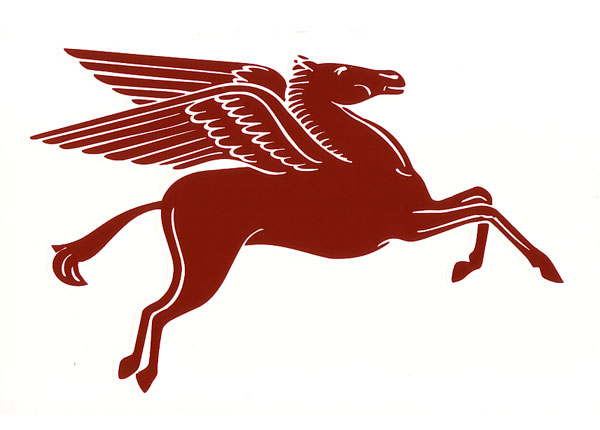
Pegasus_L
Dadhikravan of Rig Veda or Pegasus

Research paper written by London Swaminathan
Research article No.1368; Dated 23rd October 2014.

(Please read the other five parts of Rig Veda Mystery posted earlier)

Rig Veda has many mysterious words which no one can understand. The interpretation differs “widely and wildly” from once scholar to another scholar. If Sayana interprets one as a plant another foreign scholar interprets it as a ghost. Another one says that it is a beast!!

Yaska, the author of Nirukta, who lived in the eighth century BCE or before, could not understand the meaning of over 400 words in the Vedas (see page 27 of Sri Aurobindo’s Vedic Glossay). All the authors like Griffith, Wilson, Keith who translated the Vedic literature also added “ the meaning is obscure” in every other page! They indirectly tell us, please don’t depend on us for Vedic translation.

Some modern scholars who write for Christian run book companies see only sex in the Vedas. We are reminded of Ramakrishna Paramahamsa’s description of seven stages of mind. Whoever is in the lowest three categories can only think of lower body parts of the human beings!! (See page 211 of Bhagavad Gita commentary of Anna, Ramakrishna Mutt, Chennai).

Let us look a few intriguing words in the Rig Veda:

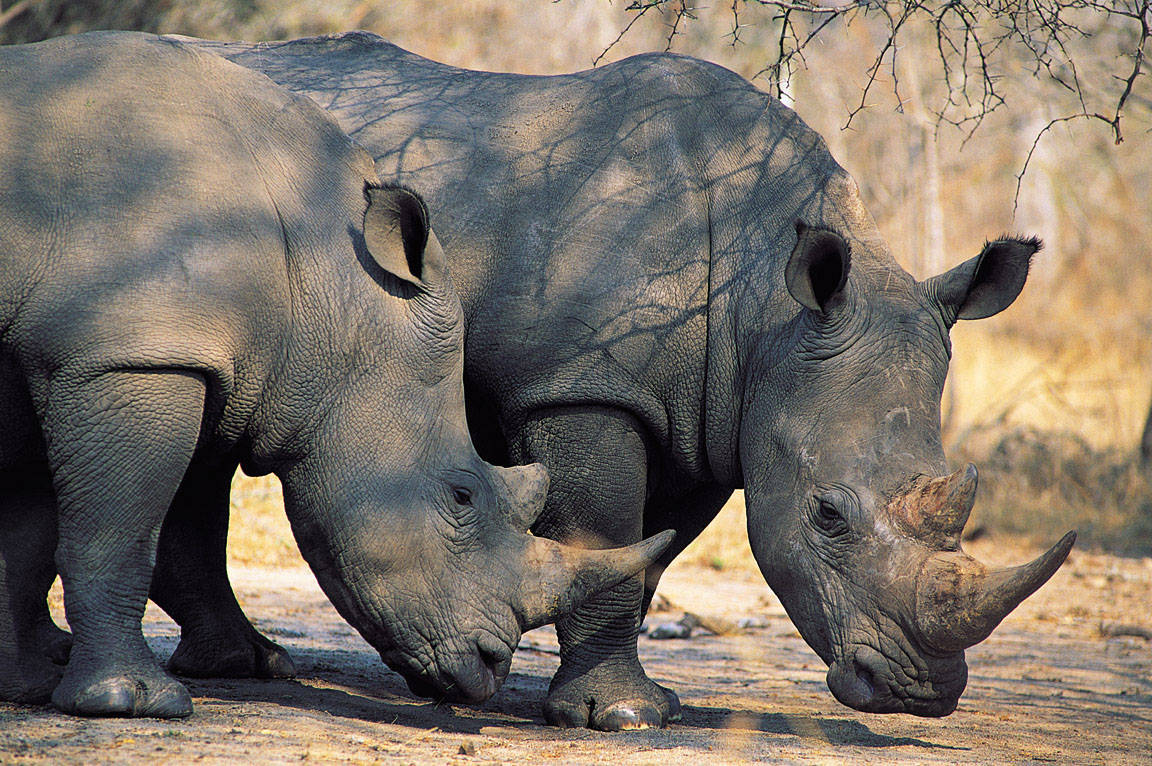
South Africa Mala Mala Two white Rhinoceros (Ceratotheruim simum) 425045

Parasvant
Parasvant denotes a large wild animal which Roth conjectures to be the wild Ass – St.Petersburg Dictionary
It is mentioned in the Vrsakapi hymn of the Rig-Veda — 10-86-18, twice in the Atharva Veda 6-72-2; 20-131-22 and in the list of victims at the Asvamedha – horse sacrifice – in the Yajurveda Samhitas, in all of which passages the sense of wild ass is satisfactory.

More doubtful is the meaning of the word Parasva (n) in Kausitaki Upanishad where commentary explains it as serpent. It is, of course, quite possible that the word has nothing to do with parasvant. Buhler suggests connexion with the Pali ‘palaasaada’ rhinoceros.

Taittriya samhita commentator takes it to be the wild buffalo!
So the same word is interpreted as Wild Ass, Serpent, Rhinoceros and Wild Buffalo!

buff1

Tauvilika
Tauvilikaa, occurring once in a hymn of the Atharvaveda 4-16-3 in a word of quite uncertain sense.

Roth thinks it means some kind of beast;
Zimmer and Whitney regard it as sort of plant;
Sayana explains it as a disease causing demon;
Bloomfield leaves the sense doubtful
So there are four different interpretations! Beast, Plant, Demon and Uncertain one!

Tsaru
This word seems to denote some sort of crawling animal in one passage of the Rig-Veda 7-50-1.
In the later literature the word means a handle, plough in the Atharvaveda.
So there are three interpretations:
Crawling animal (scorpion, centipede?)
A Handle
Plough!

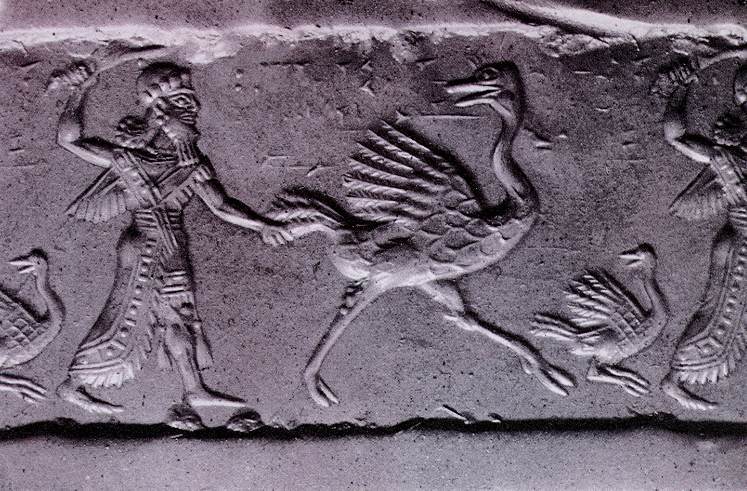
HeroChasesOstrich-1

Dadhikravan: Flying Horse!!

Dadhikravan is mentioned in 20 Richas in four Mandalas 3,4,7,10 of the Rig Veda.
It is translated as horse bird.

This is ostrich which existed in India in 12,000 BCE, says one of the researchers. But some may find it hard to believe.

Dadhikras (RV3-20-1) is a mythical being described as a kind of divine horse, and probably a personification of the morning sun, says Griifith. He is invoked in the morning together with Agni, Ushas and the Asvins. But the translation of the hymn contains descriptions of a bird. Other interpreters say that it is the Hayagriva form of Lord Vishnu.

One may wonder why the seers sing about a flying horse and that too comparing it with the birds. Brahmins recite a mantra about this mysterious flying horse thrice a day in their Sandhyavandhana mantra.

dadhikrAvNNo akArsham
jishNo: ashvasya vAjina: |
surabhi no mukhAkarat
praNa AyugmshitArishat ||

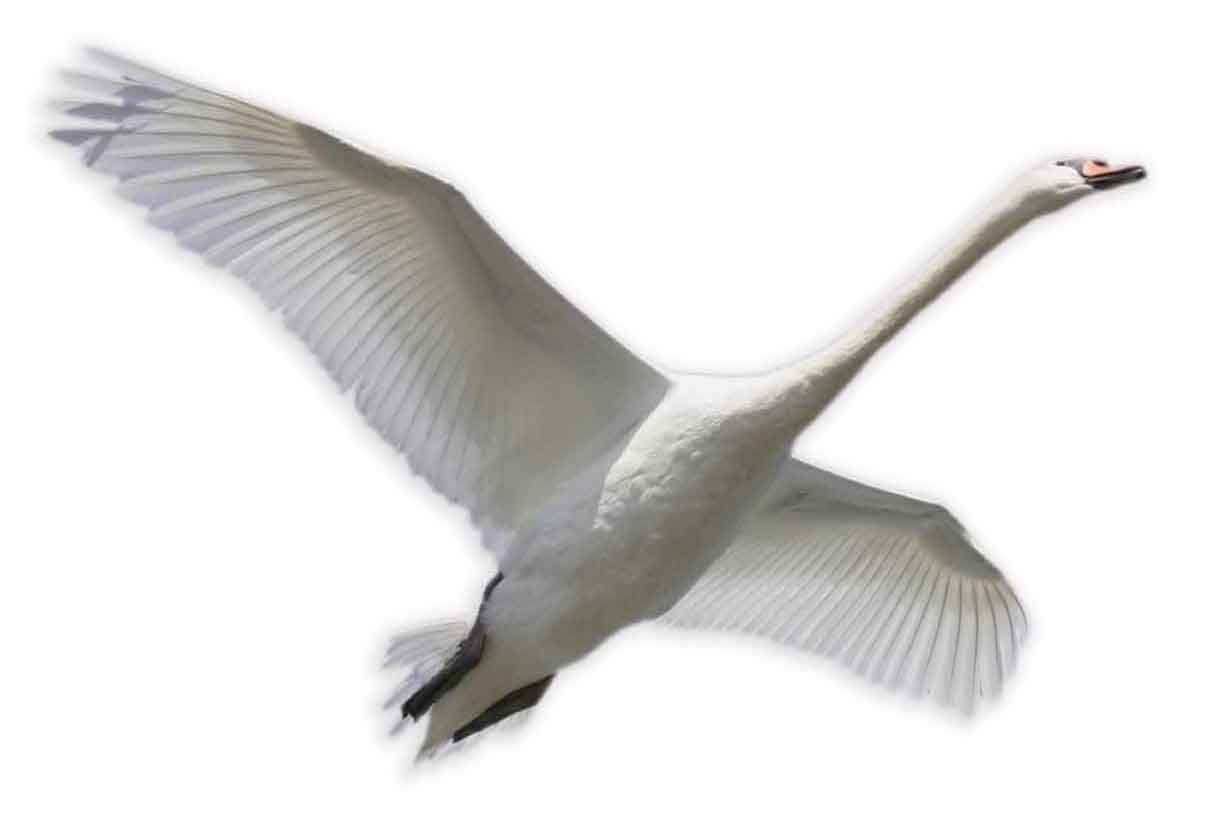
Dadhikras is identified with the eternal law of the universe and with all types or forms of the supreme being. He is the Hamsa, the swan of heaven, or the sun , the Vasu in mid-air or the wind, Agni as the priest and guest of men.

4th Mandala HYMN XL. Dadhikravan

1. LET us recite the praise of Dadhikravan: may all the Mornings move me to exertion;
Praise of the Lord of Waters, Dawn, and Agni, Brhaspati Son of Angiras, and Surya.
2 Brave, seeking war and booty, dwelling with the good and with the swift, may he hasten the food of Dawn.
May he the true, the fleet, the lover of the course, the bird-like Dadhikravan, bring food, strength, and light.

3 His pinion, rapid runner, fans him m his way, as of a bird that hastens onward to its aim,
And, as it were a falcon’s gliding through the air, strikes Dadhikravan’s side as he speeds on with might.
4 Bound by the neck and by the flanks and by the mouth, the vigorous Courser lends new swiftness to his speed.

Drawing himself together, as his strength allows, Dadhikras springs along the windings of the paths.
5 The Hamsa homed in light, the Vasu in mid-air, the priest beside the altar, in the house the guest,
Dweller in noblest place, mid men, in truth, in sky, born of flood, kine, truth, mountain, he is holy Law.

flying-swan

Occurance in Vedic texts:
“dadhikrAviNNo akArsham” occurs in Rig veda 4.39.6. It reappears in Taittriya samhita
Khanda I, prapAThaka V, (i.5.11). It reappears in TS in Khanda VII,
prapAThaka IV (vii.4.19). It appears in Kautuma Samaveda (Book 4,
Chapter 2, Decade 2, mantra 7), and in Shaunaka atharva veda
20.137.4. It appears in maitrayaNIya yajus samhita 2.1.3, while
discussing the protocols for agni surabhimati rite. It again appears
in Shathapatha brAhmaNa during the discussion of ashvamedha (Book 14
I guess & similar to khanda 7 of TS).

Translations:
“Of Dadhikravan have I sung,
The swift strong horse.
May he make our mouths fragrant;
May he lengthen our days.”

– from Keith’s translation of Taittriya Samhita

“I with my praise have glorified strong Dadhikravan,
conquering steed
Sweet may he make our mouths:
may he prolong the days we have to live!”

– from Griffith’s translation of Samaveda

The forts destroyed by Indra are described as forts in the sky! The demos described in the Rig Veda are described as sky dwellers. So we should not trust the foreigners who described demons as Dravidians driven out by the Aryans. One will easily conclude that all this as nonsense if they read about the Indus valley and the Rig Veda.

Source for Vedic hymns and trnslations : Vedic Index of Name and Places by A B Keith and A A Macdonel; translations of the Vedas by respective authors; comments are mine.

contact swami_48@yahoo.com

கடவுளை வீட்டுக்கு அழைப்பது எப்படி?

Bali-Acintya-God-Mayan-Stele-Richard Cassaro

கட்டுரை மன்னன் :– லண்டன் சுவாமிநாதன்
ஆராய்ச்சிக் கட்டுரை எண்- 1367; தேதி அக்டோபர் 24, 2014.

பல் வேறு மதங்களில் பல்வேறு விதங்களில் கடவுளை அழைக்கிறார்கள். இந்துக்கள் மட்டும் ஒரு விநோதமான வழக்கத்தைக் கடைப் பிடிக்கி றார்கள். இந்த அதிசயமான வழக்கத்தை வேறு எங்கும் காண முடிவதில்லை. இதற்குப் பெயர் “ஆவாஹனம்” என்று பெயர். அது மட்டுமல்ல. பூஜை அல்லது பிரார்த்தனை முடிந்தவுடன் கடவுளுக்கு “குட் பை” சொல்லி, போய்விட்டு வாருங்கள் என்று வழியனுப்பியும் வைக்கி றார்கள்.

இதில் இன்னும் ஒரு அதிசயம் என்னவென்றால், கடவுளை இருதயத்தில், ஹோம குண்டத்தில், நீர் நிரம்பிய கலசத்தில், களி மண் சிலைகளில், மஞ்சள் பொடியினானால் செய்யப்பட்ட விரல் அளவு பருமனுள்ள பிள்ளையாரில், தர்ப்பைப் புல்லில் என்று எல்லாவற்றிலும் கடவுளை அழைத்து, ஸ்தாபித்துவிட்டு, பூஜை முடிந்தவுடன் உங்கள் இருப்பிடத்துக்கே திரும்பிப் போவீர்களாக என்றும் கைகூப்பி வேண்டிக் கொள்கிறார்கள் (யதா ஸ்தானம் ப்ரதிஷ்டாபயாமி)— இதோ சில எடுத்துக் காட்டுகள்:-

வீட்டுக்கு விருந்துக்கு யாரையாவது அழைக்கும் போது என்ன செய்கிறோம்? அந்த நாள் வரை சேர்ந்திருந்த தூசு, தும்பட்டைகளைப் பெருக்கி சுத்தம் செய்கிறோம். ஒட்டடை முதலியவற்றை சுத்தம் செய்கிறோம். வீட்டை மெழுகி கோலம் போட்டோ வர்ணம் தீட்டியோ அலங்காரம் செய்கிறோம். வழக்கத்தை விட சுத்தமாக வைத்து “டைனிங் டேபிள்” அல்லது மெழுகிய தரையில் இலை போட்டு சாப்பாடு பரிமாறுகிறோம்.

இது போல இந்துக்கள் உடலைச் சுத்தம் செய்துவிட்டு (குளித்துவிட்டு), மனதையும் சுத்தம் செய்ய சில மந்திரங்களைச் சொல்லுவர். பின்னர் கடவுள் அல்லது இஷ்ட தேவதை பெயரைச் சொல்லி “ஆவாஹயாமி” என்று அழைப்பர். பிராமணர்கள் தினமும் மூன்று முறை செய்யவேண்டிய சந்தியா வந்தனத்தில் இப்படி (சூரிய) தேவனை சக்தி வடிவில் — காயத்ரீம் ஆவாஹயாமி சாவித்ரீம் ஆவாஹயாமி, சரஸ்வதீம் ஆவாஹயாமி —- என்று மந்திரம் சொல்லி அழைப்பர். அப்படிச் செய்யும் போது இரு கரங்களின் உள்ளங்கைகளும் இருதயத்தை நோக்கி இருக்குமாறு வைத்துக் கொண்டு உள்ளே வருமாறு — இருதய கமலத்தில் வீற்றிருக்கு மாறு — அழைக்கிறார்கள். 108 அல்லது 1008 தடவை காயத்ரீ மந்திரத்தை ஜபித்துவிட்டு “அம்மா தாயே, மேரு மலை மீதுள்ள உனது இருப்பிடத்துக்கே திரும்பிப் போய்விடு” என்று அனுப்பிவைப்பர் (உத்தமே சிகரே தேவி —- கச்ச தேவி யதா சுகம்).

red carpet

Rituals are steps to reach God!

கோவிலகளிலும், வீடுகளிலும் ஹோமம், யாகம் செய்யும்போது அங்கே வரும், குருக்கள் அல்லது புரோகிதர்களும் இப்படி ஆவாஹனம் செய்து கடவுளை அந்த இடத்தில் ஸ்தாபித்துப் பின்னர் பூஜை செய்வர். முடிந்தவுடன் யதா ஸ்தானம் பிரதிஷ்டாபயாமி என்று சொல்லி அவருடைய இடத்துக்கு கடவுளை அனுப்பி விடுவர். தன் முன்னால் உள்ள பொருள்களில் கடவுளை ஆவிர்பவிக்க உரிய முத்திரைகள், சைகைகளைப் பயன்படுத்துவர்.

இதை விடச் சுவையான விஷயம் அமாவாசை, மாதப் பிறப்புகளில் இறந்து போனோருக்காக நீரும் எள்ளும் தெளித்துத் தர்ப்பணம், திதி செய்யும் போது, இறந்து போனோரையும் இப்படி அழைத்து தர்ப்பைப் புல்லில் (கூர்ச்சம்) அவர்களை அமரவைத்து, மந்திரம் சொல்லி பூஜித்து பின்னர் வழியனுப்பி வைக்கிறார்கள்!

கடவுள் எங்கும் இருக்கையில் ஏன் இப்படிச் செய்கிறார்கள்? இது ஒரு –மேல் மாடிக்குச் செல்லும் படிக்கட்டு — போன்றது. எப்போதும் கடவுள் நம்முள்ளே இருப்பதாக நாம் எண்ணுவோமானால் —அந்தப் பக்குவம் வந்துவிட்டால் நாமும் ஆதிசங்கரர், விவேகானந்தர், நாயன்மார்கள், ஆழ்வார்கள் போல கடவுள் “பித்துப் பிடித்து” அலைவோம். தினசரி கடைமைகளைச் செய்யமுடியாது தவிப்போம். ஆகவே அந்த பக்குவம் ஏற்பட முதலில் கடவுளைக் குறிப்பிட்ட நேரம் மட்டும் அழைக்கவும், அப்படி அழைக்கும்போது சொல், செயல், சிந்தனை ஆகிய மூன்றும் சுத்தமாக இருக்கும் சூழ்நிலையை ஏற்படுத்தவும், வரும் இடம் இருதய தாமரையானாலும், வீட்டிலுள்ள வெறும் தரையானாலும் அதை சுத்தமாக வைக்கவும் பயிற்சி தருகின்றனர்.

இவ்வாறு பழகப் பழக, உடலையும், உள்ளத்தையும் எப்போதுமே சுத்தமாக வைக்கும் பழக்கம் கொஞ்சம் கொஞ்சமாக ஏற்படும். காஞ்சி பரமாசார்ய ஸ்வாமிகள் போன்ற முற்றும் துறந்த முனிவர்களும், அவருடைய குருமாரான ஆதி சங்கரரும் கூட இந்தச் சடங்கு சம்பிரதாயங்களைக் கடைப் பிடித்ததற்குக் காரணம் —- உயர் நிலைஅயை அடையும் மாடிப் படிக்கட்டு —- என்றும் எல்லோருக்கும் கிடைக்கவேண்டும் என்பதால்தான். அத்வைத தத்துவ சிகரத்தை எட்டியவர்களுக்குக் இந்தச் சடங்குகள் அவசியமே இல்லை. ஆயினும் தன்னைப் பின்பற்றுவோரும், படிப் படியாக முன்னேறி வரவேண்டும் என்று காலாகாலமாக இந்த எளிய வழிகளை, சுவையான சம்பிரதாயங்களை நமக்கு விட்டுச் சென்றனர்.

king

மனதின் அபார சக்தி

நாமும் கடவுளை வீட்டுக்கு அழைப்போம், இருதயம் என்னும் வீட்டுக்கு அழைப்போம். எல்லோருக்கும் தெரிந்த ஒரு கதையை மிகச் சுருக்கமாக நினைவு படுத்தி கட்டுரையை முடிக்கிறேன்:–

பூசலார் என்ற ஒருவர் திருவாரூரில் பிறந்தார். சிவ பெருமானுக்குக் கோவில் கட்ட ஆசை. அனால அவரோ பரம ஏழை — விரலுக்கு ஏத்த வீக்கம், ஏழைக்கேற்ற எள்ளுருண்டை — என்னும் பழமொழிகளுக்கு இணங்க, தன் சக்திக்குட்பட்ட கோவிலைக் கட்டினார். எங்கே?

மனதுக்குள் ஒரு கோவிலைக் கட்டினார். அதுவும் முறையாக— நல்ல நாள் பார்த்து மனதுக்குள்ளேயே அடிக்கல் நாட்டு விழா நடத்தி — செங்கற்களை அடுக்கினார். கோவிலைக் கட்டியும் முடித்தார். பஞ்சாங்கத்தைப் பார்த்து நல்ல முகூர்த்த நாளைத் தேர்ந்தெடுத்து சிவனுக்கும் சொல்லிவிட்டார். என்ன அதிசயம்? சேர, சோழ, பாண்டிய சாம்ராஜ்யங்களை நடுநடுங்கச் செய்த பல்லவ மன்னனும் காஞ்சீபுரத்தில் உலகம் வியக்கும் கைலாசநாதர் ஆலயத்தை நிர்மாணித்து— பெரியோர் சொற்படி —அதே நாளில் கும்பாபிஷேகத்துக்கு நாள் நிர்ணயித்தார். சிவ எருமான் அவர் கனவில் வந்து, மன்னர் மன்னவா, அந்த நாளில் நான் வேறு ஒரு இடத்துக்குப் போக ஒத்துக் கொண்டுவிட்டேன். திருநின்றவூரில் எனது அன்பன் பூசலார் கட்டிய கோவில் கும்பாபிஷேகத்துக்குப் போகிறேன். ஆகவே வெறு ஒரு நாளைத் தெரிவு செய்” – என்றார் பிறவா யாக்கைப் பெரியோன்.

மன்னனுக்கோ மஹா வியப்பு! அட! எனக்குத் தெரியாமல் ஒரு கோவிலா? என்று எண்ணி திருநின்றவூருக்குச் சென்று கோவிலைத் தேடினார். கற்கோவில் எதுவும் இல்லை. ஆனால் பூசலாரைத் தேடிக்கண்டுபிடித்து விசாரித்தபோது அது கற்கோவில் அல்ல – வெறும் சொற்கோவில் – மனக்கோவில் என்பது விளங்கிற்று.

இப்போது மன்னனை விட பூசலாருக்கு அதிக வியப்பு! என் மனதில் எழுப்பிய கோவிலை சிவபெருமானே அங்கீகரித்துவிட்டாரே என்று ஆனந்தக் கண்ணீர் சொரிந்தார். இது ஆயிரம் ஆண்டுகளுக்கு முன் எழுதப்பட்ட பெரிய புராணக் கதை —- பிராய்ட், யங் — போன்ற மேலை நாட்டு மனவியல் தத்துவ வித்தகர்களும் அறியாத அளவுக்கு நாம் உள்ளத்தின் ஆற்றலை அறிந்து வைத்திருந்தோம். மனிதின் அபூர்வ ஆற்றலை விளக்க இதைவிடச் சிறந்த எடுத்துக்காட்டு உலகில் இல்லை. நாம் எண்ணூம் எண்ணம் எல்லாம் ஆற்றல் மிக்க ஆயுதங்கள். அதைக் கொண்டு ஆக்கவும் முடியும் அழிக்கவும் முடியும். மனதினாலேயே ஸ்ரீ ராமர் பறக்க விட்ட புஷ்பக விமானம் பற்றி இப்பொழுது விஞ்ஞானமும் ஒப்புக் கொள்வதை முன்னர் வேறொரு கட்டுரையில் கண்டோம்.

“எண்ணிய முடிதல் வேண்டும் நல்லவே எண்ணல் வேண்டும்”

– சுப்பிரமணிய பாரதி.

—-சுபம்—-

Are you Mr or Miss Dirghasutri ?

long rope

Research paper written by London Swaminathan
Research article No.1366; Dated 23rd October 2014.

“The doer who is unbalanced, vulgar, obstinate, deceitful, malicious, indolent, despondent and procrastinating (Dirghasutri), he is said to be of the nature of dullness (Tamasik)” – Bhagavad Gita 18-28

In the Bhagavad Gita, Lord Krishna uses a beautiful word “Dirghasutri”. Literally translated it will be ‘Long Rope’. The word has got a bad connotation. One who is procrastinating is called a Dirghasutri. Postponing everything or delaying is the quality of lazy people. Those who don’t plan very well are also forced to do it. I was wondering why procrastination is called Long Rope. When I googled for the meaning, one site gave me the meaning of the English phrase, ‘to let someone commit mistake’.

Different poets use different terms for procrastinating. Tamil poet used Long water. Probably he meant diluted water. There are Sanskrit phrases which explain it in detail.

Procrastination-Cycle

1. diirghasuutrataa naama kaaryaantaram utpaadayaati — Padmaprabhrtaka
That is procrastination that needlessly generates other tasks.
My comment :- If we don’t pay the bills or fees on time, we have to more work to compensate the damage.

2. diirghasuutraayatee dharmé paapé siighraayaté bhrsam –Kahavat ratnakar. Page 132)
Quick to act sinfully, slow to act virtuously.
My comment :–How true it is! If it is a ticket for an entertainment show or a big sports event we do it by taking time off from work and standing in the long Queue . If it is any essential shopping for the house we conveniently forget it. If it is criticizing anyone we act quickly. If It is appreciating something, our laziness prevents us. Sometimes it becomes too late and then we do tell them lies!

3. Dirghasutri vinasyati – Pancatantra 4-41
The procrastinator is doomed
My comment: –This is very true in military action. Many attacks have failed because of procrastination. Lord Krishna told Arjuna (18-28) in the context of war in the battlefield of Kurukshetra. He also meant it for spiritual aspirants.

4.na kincid Diirghasuutraanaam sidhyatya aatma kshayaadrtee —Yoga Vasistha 3-78-8
Other than self destruction, the procrastinator achieves nothing.

5. na khalu kaalaksepah sreyase — Hanumannataka
Killing time will not bring prosperity
Tamil proverb is Kunthith thindraal kundrum karaiyum. The meaning is if any one sits idly and eats, even a hill of wealth will disappear.

large

6.na varam Diirghasuutrataa– Kahavat ratnakar p.140
Postponement is no good
7.praayoo subhasya kaaryasya kaalahaarah pratikriyaa –Kathasaritsagara
Procrastination is the solution for bad deeds.

7.Vilambee kaaryahaanis syaat
Delay harms work
These seven adages are taken from ‘’ Súktisudhá ‘’ published by Chinmaya international foundation, Ernakulam, 2010.

badami

Mr Three Steps (Tri Vikrama) in Badami caves.

Tamil Wisdom on Sloth

Like Lord Krishna’s Long Rope (Dirgha sutri), Tamil poet Tiruvalluvar used a rare word Neduneer (Long water) in couplet 605 under the Chapter Sloth:
Procrastination, forgetfulness, idleness, and sleep are the four ill-fated pleasure boats sailing towards ruin.

To reemphasize his point, the Tamil poet used the simile of Vamana avataram in the last couplet in the same chapter.

The king who is free from sloth shall gain all that has been measured by the feet of Lord Vishnu.
Lord Vishnu is known as Trivikrama who measured the entire earth in three steps. This is a well known story in Hindu mythology .

It is very interesting to imagine a cow with a long rope for it gives more space for her to graze. If it is a dog with a long rope, it can attack any one in its vicinity; if it is a wild animal no one can go into that area. So give one long rope, then you are in trouble. But it doesn’t give the sense of procrastinating. Probably Sanskrit speakers imagined a woman drawing water from a well. If you give more than required dip of the pot, it is going to waste time. Or when you have something to tie and bundle it to send as a parcel, using a long rope may delay the job and loosen the grip. In short, using more than required time or rope will go against us.

Don’t be a Mr Dirghasutri !!!

trivikrama

அசுரர்கள், அரக்கர்கள் அகராதி

krishna killing kesikasuran
Krishna killing Kesikasura

கட்டுரை மன்னன் :– லண்டன் சுவாமிநாதன்
ஆராய்ச்சிக் கட்டுரை எண்- 1365; தேதி அக்டோபர் 23, 2014.

‘’அசுரர்’’-கள் யார், ‘சுரர்’-கள் யார் என்று குணங்களின் அடிப்படையில் மனிதர்களை இந்துக்கள் தரம் பிரித்து வைத்தார்கள். இதற்கு ஆதாரம் எங்கே இருக்கிறது? பகவத் கீதையில் 16 ஆவது அத்தியாயத்தில் (தைவ அசுர சம்பத் விபாக யோகம்) இருக்கிறது. அசுர குணங்கள் எவை? தெய்வீக உணங்கள் எவை என்று கிருஷ்ண பரமாத்மா மிகத் தெளிவாகவே கூறி இரிக்கிறார். அது மட்டுமல்ல. விபூதி யோகம் என்னும் பத்தாம் அத்தியாயத்தில் ஒவ்வொரு பிரிவிலும் தான் யார் என்று பறவை, மிருகங்களைக் கூட சேர்த்திருக்கிறார். அதில் தன்னை அசுரர்களில் பிரஹலாதன் என்கிறார். இது எதைக் கட்டுகிறது? எல்லோரும் கடவுளின் படைப்பே.

“காக்கை குருவி எங்கள் ஜாதி, நீள் கடலும் மலையும் எங்கள் கூட்டம்” – என்று பாரதி பாடியதற்கு இந்த பத்தாவது ( விபூதி யோகம்) அத்தியாயமே காரணம்.

நம் எல்லோருக்கும் அசுர குணங்களும் தெய்வீக குணங்களும் உண்டு. சொல், செயல், சிந்தனை ஆகிய மூன்றிலும் தூயவர்களை – த்ரிகரணசுத்தி உடையவர்களை – நாம் மகான்கள் என்று போற்றுகிறோம். நம்மைப் போன்றவர்கள் அசுரர் அளவுக்குத் தாழ்ந்து போகவில்லை எனினும் அவ்வப்போது அசுர குணங்கள் தலை எடுப்பதால் நாம் இன்னும் சாதரண மனிதர்களாகவே இருக்கிறோம். ராவணன் போன்றோர் கலையிலும் கல்வியிலும், செல்வத்திலும் உயர்வு பெற்றும் ஒரு அசுர குணம் உச்சத்துக்குப் போனவுடன் அதன் காரணமாகவே இறக்க நேரிடுகிறது.

krishna throwing calf
Krishna killing Vatsasura

ஆக, சுருங்கச் சொல்லின் அசுர குணங்களில் ஏதேனும் ஒன்று ஒருவருக்கு, நூறு சதவிகிதம் மேலிடும்போது அவருக்கு அழிவு ஏற்படும் இது இந்து மதத்தில் பல்லாயிரக கணக்கான ஆண்டுகளாக உள்ள கொள்கை. இந்தக் கொள்கையில் வெள்ளைக்காரர் போன்ற சில வெளிநாட்டு “அறிஞர்கள்” அவர்களுடைய மதத்தைப் பரப்புவதற்காகவும் ஆட்சியை நிலை நாட்டுவதற்காகவும் ஆரிய—திராவிட வாதம் என்னும் விஷத் தூளைத் தூவினர். இது இந்திய வரலாற்றில் புரையோடிப் போய்விட்டது. இந்தியர்களை இரண்டாகப் பிரித்து, ஆரியர்கள் எல்லாம் தேவர்கள், திராவிடர்கள் எல்லாம் அசுரர்கள் என்று முத்திரை குத்தினர்.

இதைத் தாங்கள் சொல்லவில்லை என்றும் இந்து மத நூல்கள் சொல்கின்றன என்றும் இங்கொரு செய்யுள் அங்கொரு செய்யுள் என்று எடுத்து மேற்கோள் காட்டினர். இந்துக்களில் நிறையப் பேர் சோம்பேறித் தடியர்கள், விதண்டாவாதிகள், குதர்க்க வாதிகள், புத்திசாலிப் போல பேசும் கோணங்கிகள், அரை வேக்காடுகள் என்பது அவர்களுக்கு நன்கு தெரியும். ஏனெனில் ராமாயணத்தையோ, மஹாபரதத்தையோ, கீதையையோ, குறளையோ, தேவார திவ்யப் பிரபந்ததையோ வாழ்நாளில் ஒரு முறையும் படிக்க முயற்சி கூட செய்யாமல் கேள்வி மட்டும் கேட்கவும், குதர்க்க வாதம் மட்டும் செய்யவும் மட்டும் கற்றுக் கொண்டு விட்டனர்.

ஒரு கோணத்தில் இருந்து பார்த்தால், இந்துக்களைக் குறை சொல்வதிலும் நியாயம் இல்லை. அவர்களுடைய நூல்களைப் படிக்க நூறு பிறவி எடுத்தாலும் போதாது. பைபிள், குரான், ஆதிக்கிரந்தம் போன்றவற்றை சில மணி நேரங்களில் படித்து விடலாம். ஆனால் இந்து மத வேத புராண, இதிஹாச, உபநிஷத, ஸ்மிருதிகள் இவைகளைப் படிக்க கோடி கோடி ஜன்மங்கள் வேண்டும். ஏனெனில் சம்ஸ்கிருத மொழியில் உள்ள புத்தகங்களின் பெயர்களைப் படிக்கவே ஒரு ஜன்மம் போதாது!!!

இது எப்படி உங்களுக்குத் தெரியும் என்று கேட்பீர்கள். இப்பொழுதுதான் ஹாலந்து நாட்டுப் லெய்டன் பல்கலைக் கழகத்தில் இருந்து ஒவ்வொரு துறையில் உள்ள முக்கிய புத்தகங்கள் பற்றி எழுதி தனித்தனி பகுதிகளாக வெளியிட்டு வருகின்றனர்.

அதில் அகராதி என்று எடுத்தால் அதில் மட்டும் நூற்றுக் கணக்கான பெயர்களும் புத்தகங்களின் சுருக்கமும் இருக்கும். பாணினிக்கு முன் எத்தனை இலக்கண வித்தகர்கள் இருந்தனர் என்று படித்தால் வியப்பாக இருக்கும். அப்போது உலகில் யாருக்கும் இலக்கணம் என்ற வார்த்தையோ அகராதியோ என்ன என்று “ஸ்பெல்லிங்” கூடத் தெரியாது!!

Tarakasura
Tarakasura in Yakshagana, Mangalaore

மதம் என்று எடுத்துக் கொண்டால் இமய மலை அளவுக்கு நம்மிடம் புத்தகங்கள் உள. மற்றவர்களிடம் ஒரு உயர்ந்த மாடி வீட்டு அளவுக்குத்தான் புத்தகம். இதனால் அவர்களை மட்டம் தட்டுவதாக நினைத்து விடாதீர்கள். திருக்குறளில் உள்ள துறவறவியல் என்ற பகுதியில் மட்டும் கூட இந்துமதத்தை அடக்கிவிடலாம. அத்தனையும் அவ்வளவு அழகாக 130 குறள்களில் சொல்லிவிட்டார். 260 வரிகளில் இந்து மதத்தையே அடக்கிவிட்டார்.

கண்ண பிரான் 700 குறள்களில்– 1400 வரிகளில்– இந்து மத ‘’ஜூஸ் ‘’ பிழிந்து கொடுத்துவிட்டார் (குறள் ஈரடிச் செய்யுள். கண்ணனும் ஈரடியில் ஸ்லோக வடிவில் சொன்னான்). எதையும் படிக்காதது இந்துக்களின் குறையே.

மேலும் அசுரர்கள், தைத்யர்கள், தானவர்கள், ராக்ஷசர்கள் ஆகிய அனைவரும் ரிஷிகளுக்குப் பிறந்தவர்களே என்றும் புராண, இதிஹாசங்களில் மிக மிகத் தெளிவாக எழுதப்பட்டுள்ளது.

ஆகவே அசுரர்கள் என்பது குணத்தின் அடிப்படையில் அமைந்தது என்பதைப் புரிந்து கொண்டு கீழே உள்ள பட்டியலைப் படியுங்கள்:

கிருஷ்ணனால் கொல்லப்பட்ட அசுரர் பட்டியல்
பூதனா, சகடாசுரன், த்ரினாவர்த்தா, வத்சாசுரா, பகாசுரா, அகாசுரா, தேனுகாசுரா, காளீயன், ப்ராலம்பாசுரா, அரிஷ்டாசுர, கேசி அசுரா, சங்கசூடா, கம்ச, சாணூர, வ்யோமசுரா, மது, நரகாசுரா
அஹீ, விருத்திர

bhasmasura_mohini
Bhasmasura killing himself

இந்திரனால் கொல்லப்பட்ட அசுரர் பட்டியல்
அஹீ, விருத்திர பிராமண அசுரன்), திரிசிரஸ் (பிராமண அசுரன்),சம்பரன், அராரு, சுஸ்ன, குயவ, இலிபிஷ, உரன, ஸ்வர்பானு, அஹிசுவ, கரஞ்ச, பர்நாய, வாங்த்ர, அற்புத, ஔர்ணவாப, வ்ருகத்வார, பிப்ரு, சுமுரி, நமுசி, ரிதிக்ர, ஸ்ரீபிந்த, அனார்சனி, துனி, வல, ம்ரிக்ய, த்ர்பிக, துக்ர, வேடசு
இவர்கள் எல்லோருடைய பெயர்களும் அ,இ,உ என்னும் உயிர் எழுத்துக்களில் முடிவதால் இவை அனைத்தும் சம்ஸ்கிருத பெயர்களே. வெளி இனத்தாரோ, வெளி நாட்டாரோ இல்லை.

இந்திர, மித்ர, வருண, வாயு, அக்னி, அர்க, வாகீச, நாசத்ய, வாசஸ்பதி, பிருஹஸ்பதி என்ற வேதக் கடவுளர் பெயர்களும் இதே போல அ,இ,உ என்னும் உயிர் எழுத்துக்களில் முடிவதைக் காண்க.

அசுரர்களைக் கொன்ற கடவுளர்கள்
மது கைடப – ஹயக்ரீவ (விஷ்ணு)
ஹிரண்யகசிபு – நரசிம்ம
பலி – வாமன/த்ரிவிக்ரம
ராவண ( 50% பிராமண அசுரன்) – ராமன்
இந்திரஜித், கும்பகர்ண, மாரீச – ராமன்
கர, தூஷண, கபந்த, தாடகா- ராமன்
வாதாபி – அகஸ்தியர்
ஜடாசுர, பகாசுர – பீமன்
அந்தகாசுர, முயலக- சிவன்
பஸ்மாசுர – தன் வரத்தினாலேயே மரணம்
கஜமுகாசுரா- கணபதி
தாரக, சூரபத்ம- முருகன்
மஹிசாசுர,சும்ப, நிசும்ப, சுந்த, உபசுந்த—தேவி.
ராஹு, கேது ஆகியோர் அசுரர்களாகவும், கிரகங்களாகவும் கருதப்படுவர்.
durga2

Mahisasura was killed by Devi

இறுதியாக, புராண காலத்தில் அசுரர்கள் கூடுதலாகவும், இதிஹாச காலத்தில் குறைவாகவும் இருப்பதைக் காண்க. அதிலும் ராமாய ணத்தில் கூடுதலாகவும் மஹாபாரதத்தில் குறைவாகவும் இருப்பதையும் கவனிக்க — அதாவது, தீய குணங்களை உடையோர் அசுரர்கள் — புராண காலத்தில் வாழ்ந்திருந்தால் துரியோதணனைக் கூட அசுரர் என்று சொல்லி இருப்பர்!!. ரிக் வேத துவக்க காலத்தில் அசுரர் என்னும் சொல், நல்ல பொருளில் மட்டும் பயன்படுத்த ப்பட்டது. இந்திரனையும் அசுரன் என்றே போற்றுகிறது. பின்னர் கெட்ட பெயர் ஏற்பட்டுவிட்டது. சங்க காலத்தில் நாற்றம் என்றால் நல்ல (வாசனை) பொருள். இப்போது அதைக் கெட்ட பொருளில் (துர் நாற்றம்) பயன்படுத்துகிறோம். அதுபோலத் தான் அசுர என்ற சொல்லும் பொருள் மாறிப்போனது.

நம் எல்லோருக்கும் ‘’அசுர’’ பலம் கிடைக்கட்டும்!!
‘’சுர’’ குணமும் கிடைக்கட்டும்!

contact swami_48@yahoo.com

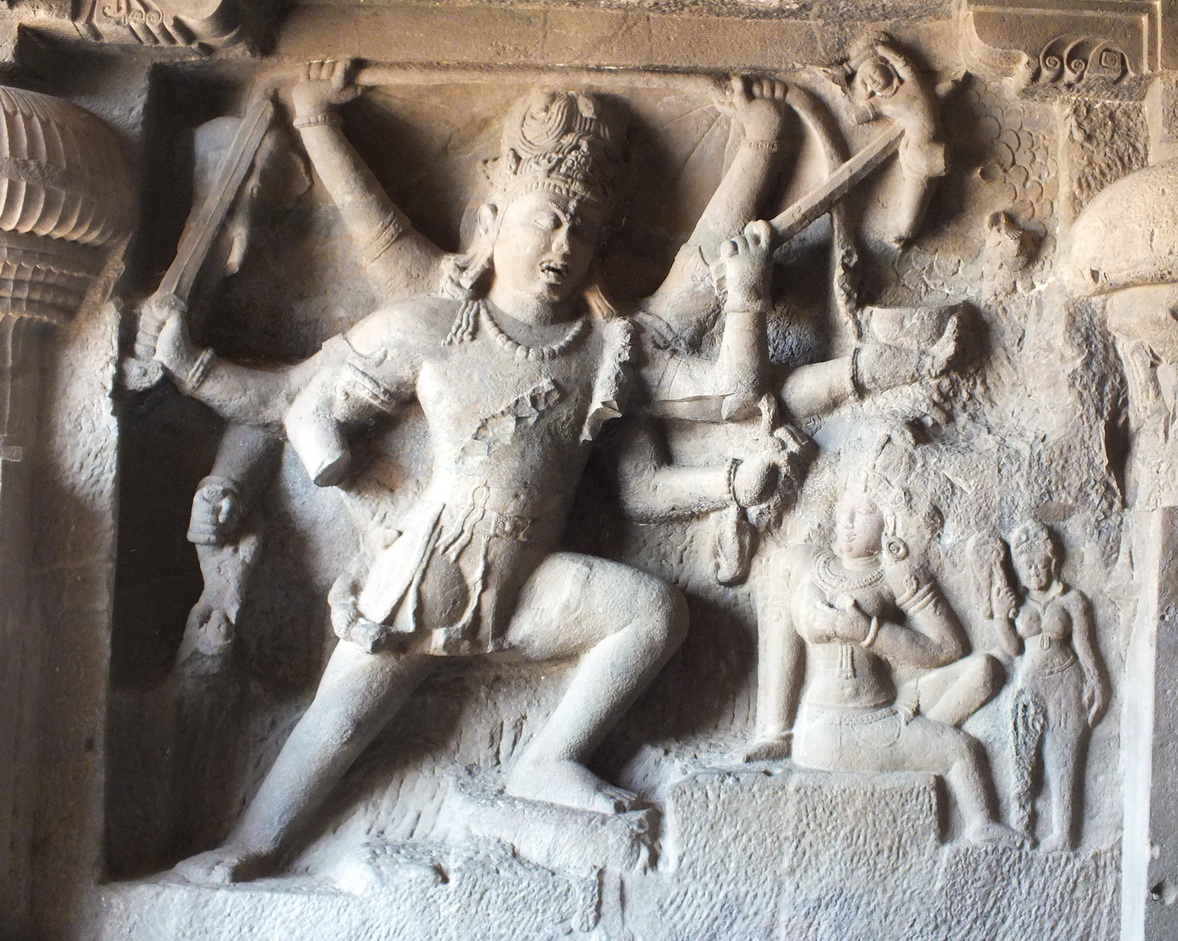
Andhakasura
Shiva killing Andhakasura