Pictures are taken from various sources for spreading knowledge; this is a non- commercial blog. Thanks for your great pictures.
tamilandvedas.com, swamiindology.blogspot.com
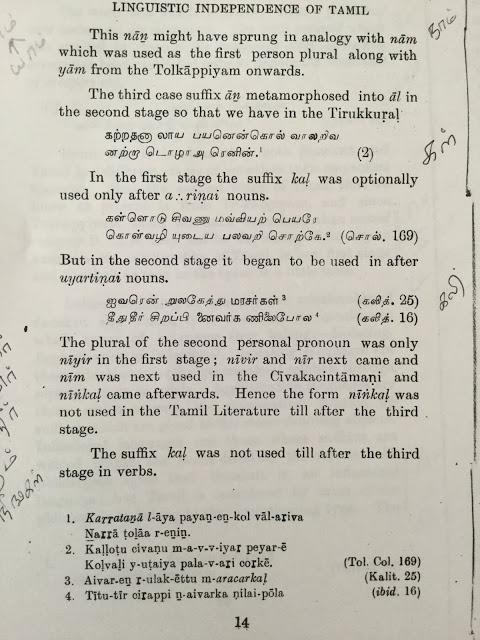
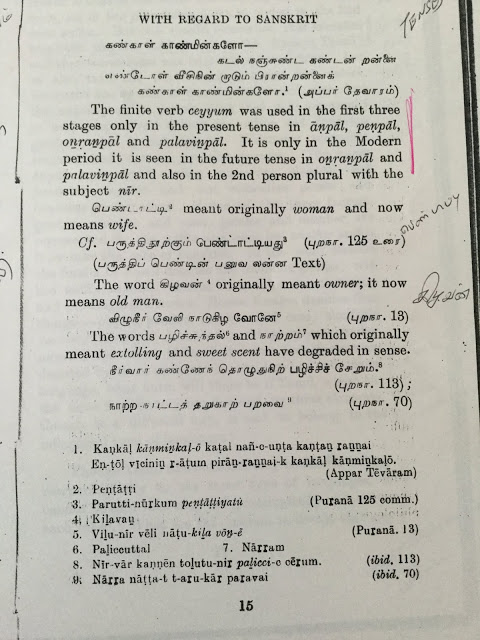
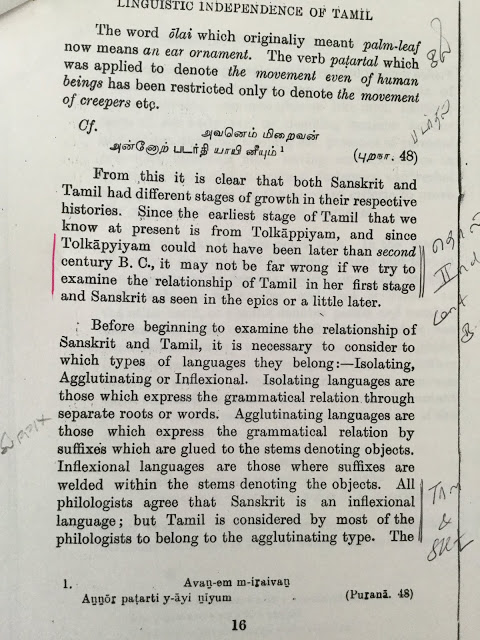
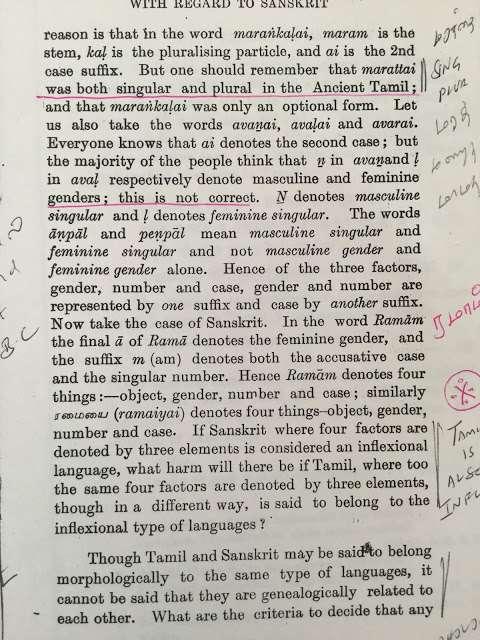
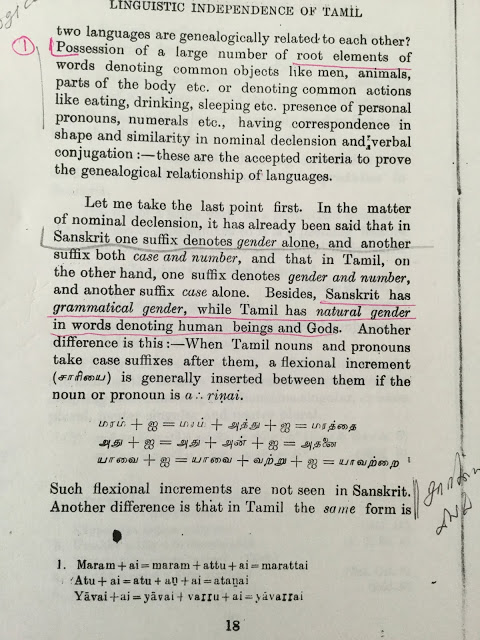
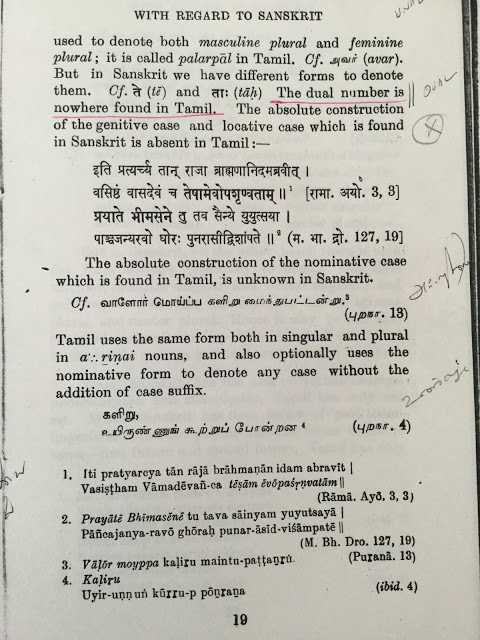
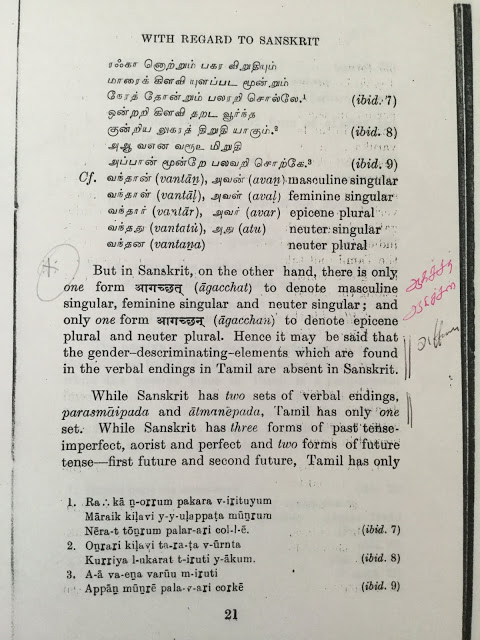
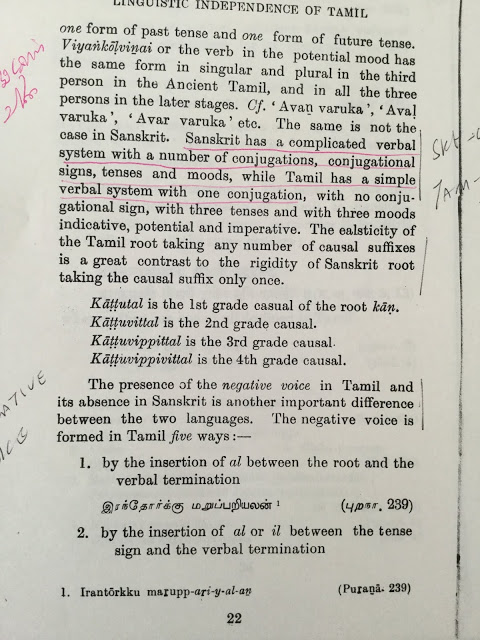
P S SUBRAHMANYA SASTRI’S LECTURE ON TAMIL SANSKRIT RELATIONSHIP IS CONTINUED; HERE IS PART THREE.
BULLET POINTS
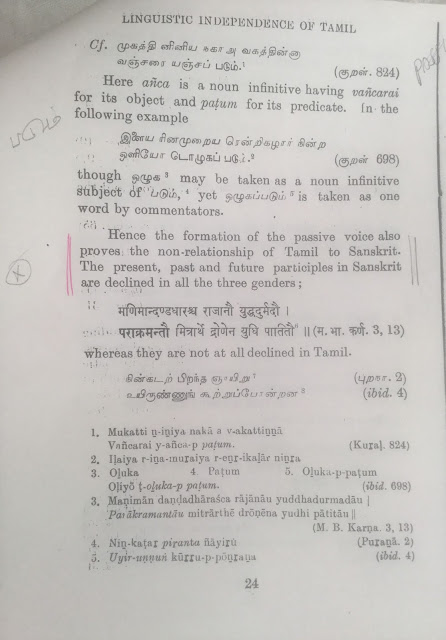
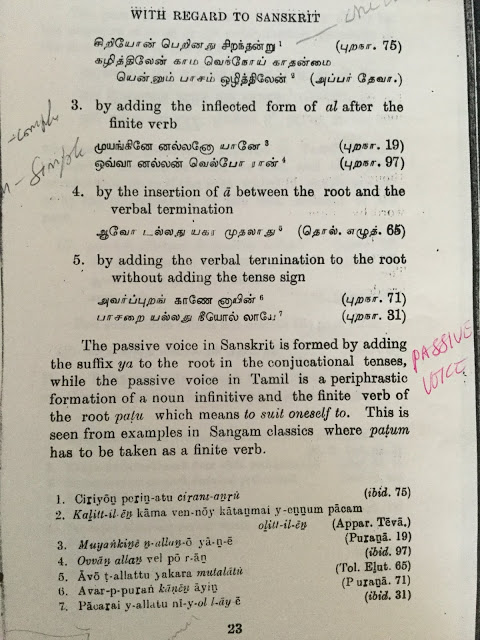
PAGE 24 -PASSIVE VOICE FORMATION
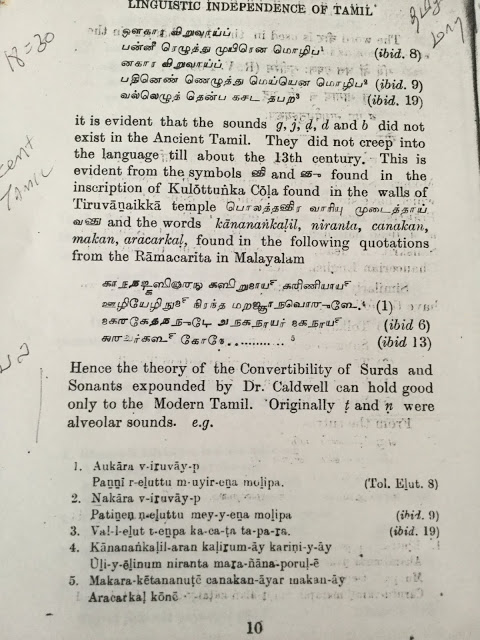
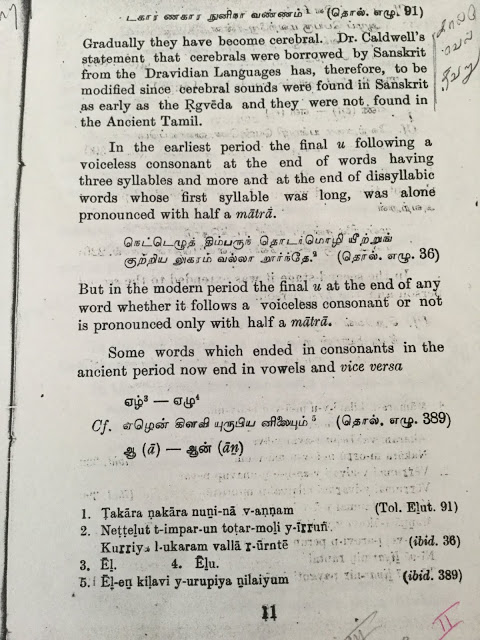
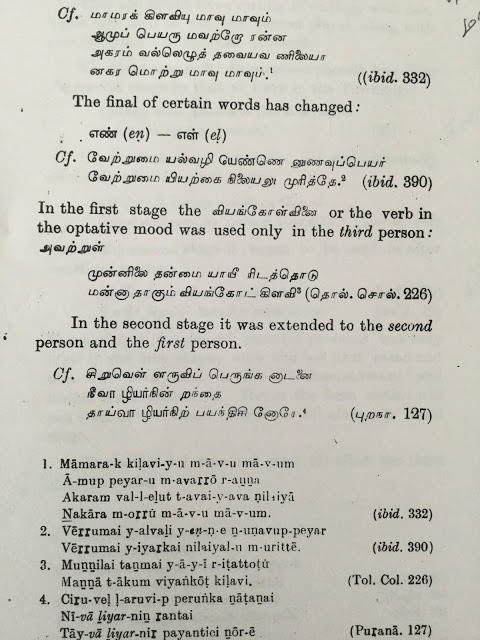
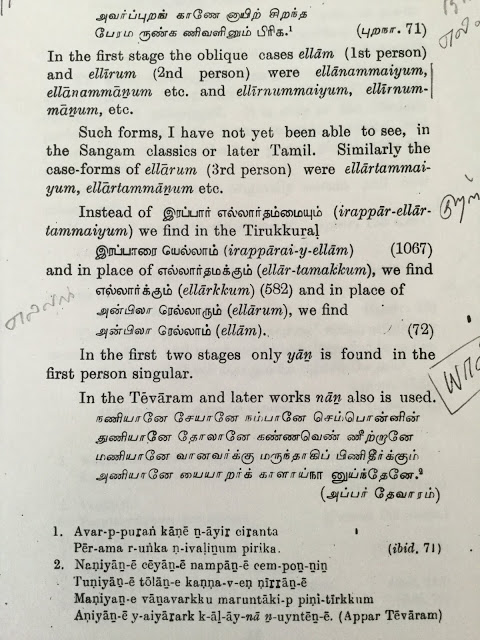
Tamil and Sanskrit form passive voice differently
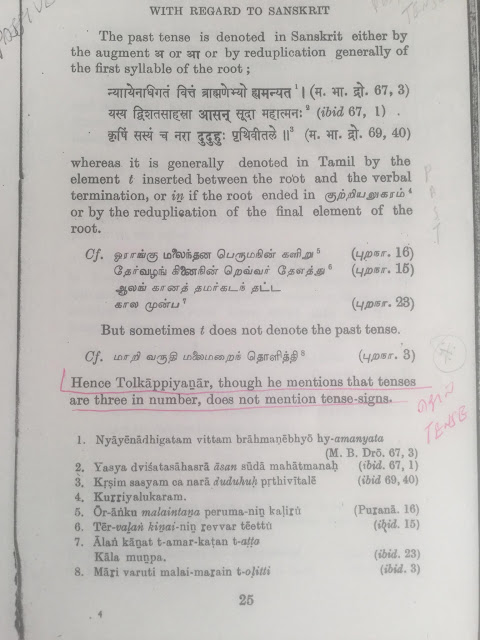
Page 25 – formation of past tense is also different
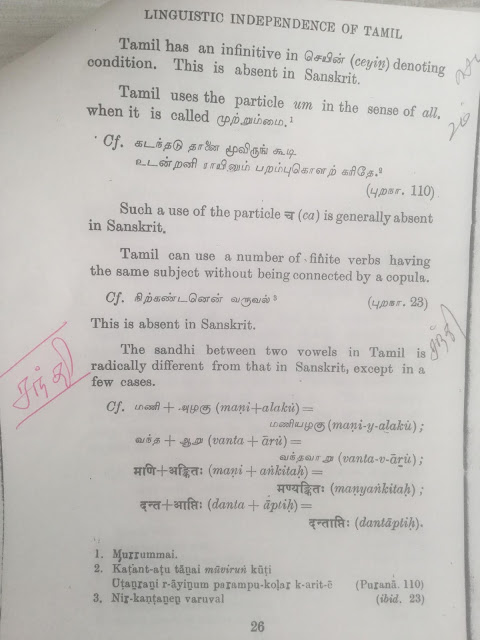
Page 26 – some sandhi rues are different
Page 27 – Sanskrit words in modern tamil
Page 28 – Tolkappiar on Sanskrit
Tamil influence on Sanskrit
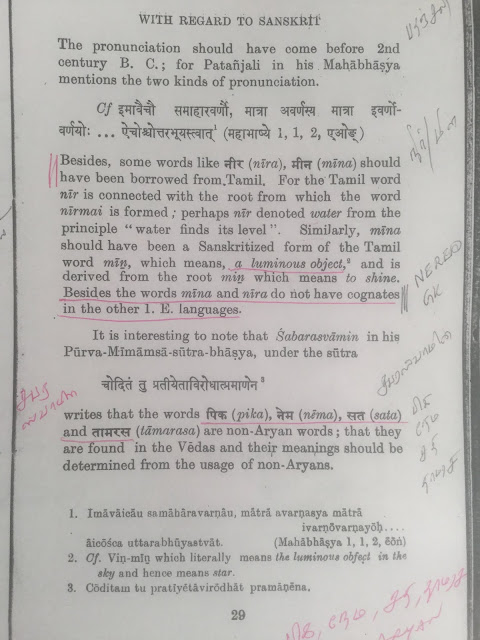
Page 29 – nir/water, min/fish in Sanskrit came from Tamil
SABARA SWAMIN ON NON-ARYAN WORDS
PIKA, NEMA, SATA, TAMARASA
PAGE 30 AND 31 – I DID NOT COPY THEM BECAUSE IT WAS IN SANSKRIT; BUT I HAVE ADDED THE SAME MATTER FROM ‘YONAS AND YAVANAS IN INDIAN LITERATURE’ by Finnish Oriental Society.
ON PAGE 30 FOLLOWING ENGLISH MATTER IS PRINTED—
“Kumaraila Bhatta in his commentary on the same bhasya goes further and says that, when words are borrowed from foreign languages like the Dravidian languages, they are slightly changed in form , and fanciful derivations are given to them”
Pictures are taken from various sources for spreading knowledge; this is a non- commercial blog. Thanks for your great pictures.
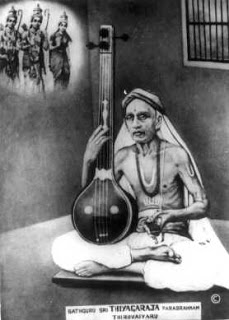
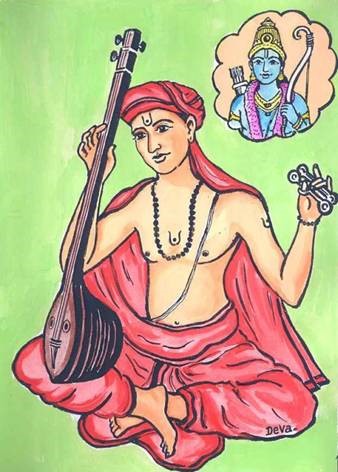
SRI TYAGARAJA-14 Way out of Karma
Hinduism is practical
Hindu religion is not centered on philosophical speculation, or too much of theoretical discussion. It takes certain facts as ‘given’ and prescribes certain practices-sure methods- for the realisation of Truth or the aim of life. There is remarkable level of uniformity or similarity in practice among the various branches, no matter the doctrine or dogma or philosophy they follow.
The social structure and other arrangements were designed to facilitate this. It is in this sense that our civilisation is ‘spiritual’.- not in he sense of being “other worldly” The worldly life is not neglected or negated, but made an instrument of the spiritual quest or aim. Thus all life becomes Yoga, as Sri Aurobindo says.
If we take the Veda and the Upanishad, there is practically no theoretical discussion in them, or speculation, on the nature of God, or world, or anything, though it is the fashion to talk of the ‘philosophy’ of the Upanishads.‘Ekam Sat, viprah bahuda vadanti’- That which is, is One ; sages call it variously- declares the Veda. There is no argument, or effort to force this conclusion on any one. In the Upanishad, which is the concluding part of the Veda, (hence Vedanta) the Sages (Rishis) simply relate their experiences and invite the student to undergo the required discipline and find out the truth for himself. They lead the sincere aspirant towards Truth- hence ‘upanishad’. The ultimate quest is for the unifying knowledge- ‘knowing which everything becomes known’. ( cf.ஒன்றாகக்காண்பதுவேகாட்சி– ஔவையார்.)
The Rishis approach the Truth from various angles, but don’t label them or make them into doctrines or cults,.. Later ‘intellectuals’ have developed any number of theories and theologies. The more confusion is created, and doubt sown, the greater is the intellectual!
Given Facts
What are the ‘given’ facts? It is that the world follows some order-Ritam. In practice, this becomes ‘dharma’. Dharma is accomplished through ‘karma’. The effect of past karma causes birth, and karma done now decides future births. So karma is both limitation and opportunity. Karmas are based on guna, which connects one to the world of prakriti. The human situation is coloured by guna, and the human effort is to transcend guna. ‘Traigunya vishayo Veda, nistraigunyo bhava’, is what Krishna tells Arjuna. .
How is this to be accomplished? Either by enquiry into one’s real nature- the real nature of one performing karma, or by surrendering to the Divine Power and seeking His (or Her or Its) grace. Though later thinkers have developed all sorts of fancy theories, some common facts are accepted by all Hindu sects in practice..These are:
1. Ekam Sat. 2. Bhukti and Mukti, Purusha and Prakriti, Papa and Punya , sukha and dukkha, etc 3. Three gunas, three states of consciousness, three states of manifestation ( srishti, stiti, layam), three taapas,three basic categories-jiva, jagat, Ishvara, three categories of Karma, 4. Four Varnas, Asramas, Purusharthas, Antahkaranas: manas, buddhi, chitta and Ahankara 5. Pancha bhutas, pancha indriyas, pancha maha yajnas 6. Six internal enemies, six senses, six Vedic deities, six darshanas, 7. Seven lokas (states of consciousness or planes of being), Sapta rishis, 8. Ashta vasus, ashta siddhis, 9. Nava grahas 10. Ten indriyas, Ten Avataras, etc
With many permutations and combinations out of these, many theories have evolved, both in philosophy and in theology. But the basic sub-stratum of Hindu sects is Karma and rebirth, avatara vada and the concept of adhikari bheda.
Can Karma be subdued?
The most important practical question for man is, if the present birth is the result of past karma, can the pain or suffering due to past bad karma be eradicated or lessened? Can man obtain relief from suffering? There are two clear answers: The absolute Vedantins say that the past karma is like a sent arrow or bullet; it cannot be called back or interfered with. Prarabda is pre-determined, and fixed. They hold that kama and artha are entirely due to prarabda. Our only freedom is to practice dharma and strive for Moksha, which is the real purushartha.( The popular astrological wisdom also goes: Padavi poorva punyanam)
The devotees of God say Divine grace can change the situation. ( W e now have missiles which can pursue and nullify any previously launched weapon or vehicle!)After all it is God who dispenses the effects of karma.He CAN dispense with it! We can never know, we pray and leave matters to Him. Many saints are known to have helped devotees overcome or mitigate their suffering. Popular religion is overwhelmingly based on the power and promise of practical relief, not just promises. It is resorted to as an aid to a prosperous worldly life, not for seeking Liberation.
Karma in many aspects
Sadguru Tyagaraja has reflected on these aspects and given us his advice. We should always remember that Tyagaraja speaks out of personal experience, not out of theoretical knowledge. There is no speculative element in his advice.
Satya roopa ninunu sannuti jesi
Tatvamu delisina Tyagaraju …..(ninnade naela)
This Tyagaraja has had your darshan, O of the form of Truth, and has understood the Truth.
People are bound by karmas; to escape from them, they require Divine grace- this is the basic approach of Tyagaraja. Sakala lokula phalaphalamu lerigi samrkshinchuchu nundaka ..(Aparadamula)
You know the results of the various karmas of people and you save them.
Bahu janmambula vasanayutulai Aahivisha sama vishaya krushtulai bahiraananulai ………..(Yajnadulu) People are governed by the vasanas of many previous janmas , are attracted by sense pleasures which equal the poison of the snake, and are world-oriented.
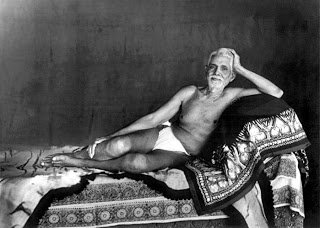
What is this vasana business? Suppose I am fond of coffee and used to a hot cup at 3 p.m.every day. If I have it today, I am satisfied, but this leaves the trace of its craving in me, and makes me anticipate it the next day too. Thus the momentary satisfaction of actually obtaining the object of desire is not the end of the matter. The craving remains. This is the vasana. Karma thus acts like the seed of further karma. When Jnanis warn us about karma, it is due to this. Ramana Maharshi says in his Upadesa Undiyar ( Upadesa Saram in Sanskrit):
Why have these people not understood your greatness, O Rama? What kind of karmas did they perform in previous births? (It is only by God’s grace due to good karmas
that we can even get devotion!
அவனருளாலே அவன்தாள் வணங்கி- மாணிக்கவாசகர்
We get devotion by His grace- Manickavachaka)
Nija bhakta nichaya paapa vimochana Gala pirudu lella goni ….(Yochana) You have acquired the title of one who destroyed the sins of real devotees.
Saranagata janaka nivaranabja……(Krupalavala) One who destroys the sins of those who take refuge in Him. Samsara chidraarttini teerche saktini ……(Talasinantate)
Your power which destroys the troubles and pain caused in samsara.
There is a kriti in which Tyagaraja indicates negatively what kind of Karma of previous births causes good results in this birth.
Toli ne jesina puja phalamu delisenu na paali daivama Paluvidha mula ne dalachi karagagaa balukaka ni vadu neniti gaaka Sarivaralalo jaulaka jesi vu- dara poshakulanu boruguna jesi haridasa rahita puramuna vesi dari jupakundaga Tyagararchita
My God who saves me! Even though I have been praying in many ways with deep yearning of the heart, you are indifferent; and I am neglected. From this, I have understood the (poor) effect of the pujas I did in my previous births.
You have let me get humiliated among my peers; you have surrounded me with people who are only interested in feeding their belly; you have made me reside in a place lacking in real devotees of God ( Haridasas); And you have not shown me a way out. From this I understand the effect of my pujas in poorva janmas!#
That is to say, it is only due to previous good karmas that one gets esteem among people, good company, the company of devotees, and a righteous way of living.
The same refrain he repeats elsewhere: Toli nenu jesina puja phala meelage velavesi teeyaga vachchuna veda deeruna manasaraga
It seems so little is the result of my pujas in previous births! Is it possible to purchase good results by paying a price? Will our troubles end by that?
We may recall here that in the very first hymn that Jnanasambandha sings – “todudaiya seviyan”, as a boy of 4, he refers to his having done puja with many flowers in previous births:
ஏடுடையமலரால்முனைநாள்பணிந்தேத்தஅருள்செய்த
Edudaiya malaraal munai naal panindaetta arul seida You blessed me to perform your puja with many flowers in previous days (births) Toli dushkrutamula nanase ni birudu. ………………… (Yuktamu gaadu) Your fame as one destroying old karmas Toli jesina papavana kudarama…..(Sara sara ) You are the axe to destroy the forest of sins committed in the previous births.
O the one who grants one’s desires! Can I get my desire fulfilled unless it is earned by my previous good karmas? In this Kali age, without knowing the truth, I blamed you. Don’t get annoyed with me. For Tyagaraja to obtain bhakti for your feet like the best of the bhagavatas- Narada, Prahlada, Parashara, (Bhadrachala) Ramadasa- is it possible unless it is destined by his good karma ?
Prarabdamitluntaka orula nana pani ledu
When my prarabda is like this, what is the point in blaming others? Ghanagha jeemutachuka ….(nenarunchinanu) You are like the strong wind that disperses the clouds of sins.
When there is Sitapati, bearing the sword called Nandaka, ready to destroy the forest of sins committed in previous births and confer ananda,
O Mind, what else do you want? Why are you not happy?
Kaamaadi lobha mohamada stoma tamam mulakunu soma surya netrudaina Sri Ramachandarude neeyandundaka, Ikakaavalasinademi
There is Sri Ramachandra, with Surya and Chandra like his two eyes, to remove the darkness caused by the combination of the six bad traits- internal enemies (of kama, kroda, lobha, moha, mata, maatsarya), what else do you want?
Bhakta papa vimochana………(Na moralanu) Rama is the one who removes the sins Sanchita karmamu tolakinchi nannae vela karuninchi broche daivamu …… (Ninne nera—Arabi)
Destroying my accumulated karmas, always bestowing his compassion on me, the God who protects me.
O Lotus-eyed One! What is the use of blaming you? Things only happen according to old karmas! God protects according to the Dharma observed. The quality of thoughts decides the level of spiritual outcome.
Worldly entertainment obtained is according to the money spent.
Vaari vaari manchiki dagi nattu vaari vaari bhagyamu leevaade- vaari …….(Sri Raghuvara) Will you not confer happiness on people according to their good deeds? Sujana nichaya paapa hima chanda surya ……..( Neevera kuladanamu) The Sun which removes the fog of the sins of good people.
Care: karma breeds karma
Sri Tyagaraja thus traverses the whole field of karma. This birth is due to karma, but only a portion is assigned to each birth, out of the karmas accumulated in innumerable births. ( They are more numerous than the sand particles on the shores of the seven seas, says Arunagirinatha: “Ezhukadal manalai alavidin adhikam yenaditar piravi avataram” எழுகடல்மணலைஅளவிடின்அதிகம்எனதிடர்ப்பிறவிஅவதாரம்) What is assigned for this birth is what is called Prarabda. The rest are in waiting- called Sanchita. But in working out prarabda, we generate and accumulate further karma- called Agami. This is because we do not know the right method of performing karma. “Gahana karmano gati:”- it is very difficult to understand the ways of karma, says Gita. So, the Gita tells us the right way of performing karma- how to acquire skill in it, what is this skill, etc ( Yoga karmasu kausalam).#
But whatever it is, it is clear that man by his own efforts cannot get rid of his accumulated karmas. We need Divine grace. But that is not extended arbitrarily- it has to be earned, deserved. So the great bhaktas too stress the importance of devotion, accompanied by right conduct and good works. Sri Tyagaraja has indicated all this in his kritis. Karma to nullify karma
We may look at one allied thought. Arunagirinatha says in his Kandar Anubhuti: ” vidi kaanum vudambu”:
விதிகாணும்உடம்பைவிடாவினையேன்
கதிகாணமலர்க்கழலென்றருள்வாய்
Vidi kaanum vudambai vidaa vinaiyen Gati kaana malark kazhal enru arulvaai
O Lord! When will you bless me with your Lotus Feet that I can come out of this destiny caused by karma which causes the body to be taken (repeatedly)?
It is karma that is the cause of the body. ie the body taken at birth is according to one’s karma. This also opens a way out: just as the present body is the result of past karma, the future body will be decided by present karma! At the same time, man needs Divine Grace to come out of the clutches of karma. Karma is jata- its effects are ordained by God. We have to deserve His grace by effort. Ramana Maharshi asks:
கன்மம்பயன்தரல்கர்த்தனதுஆணையால்
கன்மம்கடவுளோஉந்தீபற
கனமம்ஜடமதால்உந்தீபற
Kanmam payan taral kartanadu aanaiyaal kanmam kaduvlo? undipara Kanmam jatamataal undipara. Karma yields fruit, So the Lord has ordained it. How can karma be the Lord? It is insentient. So we must not commit the mistake of the purvamimamsakas , thinking of karma as ‘param’-supreme. Karma is powerful, but not supreme. It can be tamed with divine grace. This is the way shown by Saints who stress Bhakti. This is the basis of our hope and confidence. Sadguru Tyagaraja is an advocate of Bhakti to tackle karma.
Note: The word karma is not easy to define. It has several layers of meaning, each to be understood in context.The usual English translation is “action”. This is absurd as karma in the religious and philosophical context is a technical term, and in no way means just ‘action’. ( See for eg. Gita 8.3) Even modern Indian writers and speakers use the word ‘action’. This is wrong; the word “karma” is just not translatable.
In a recent book,”The Quest For A Moral Compass” (Atlantic Books, London, 2014), Kenan Malik writes much wrong things about Vedic religion, its chronology, etc, as most Westerners usually and willfully do. They will look for history and sociology even in the Veda, like a vulture sitting on a temple tower looking for carrion. But he has remarked on one aspect of Karma which hits the mark:
“The concept of karma embodies the sense both of free will and of fate. Every person is responsible for her acts and thoughts and hence for her karma. The character of the next incarnation will be shaped by the accumulation of past and current deeds. An individual may be constrained by her actions in past lives, but each can shape her own future through actions in the here and now.
“Karma provides an explanation for one of the most troubling questions within monotheistic faiths: why do bad things happen to good people and good things to bad people?”
“At a metaphysical level the concept of karma embodies an argument for free will. At a social level, however, it transforms itself into an argument for fate. Indeed, fate as a social phenomenon is justified by free will as a metaphysical claim….Freewill in the past becomes an explanation for fatedness in the present.”
page 82-83
This gives the hope that handling present karma well will make us free in the future!
Pictures are taken from various sources for spreading knowledge; this is a non- commercial blog. Thanks for your great pictures.
YAVANAS IN 3500 BCE IN INDIA ; YAVANA MUNDA IN PANINI
Thanks to a wonderful book on ‘YONAS AND YAVANAS IN INDIAN LITERATURE’ by Klaus Karttunen, Finnish Oriental Society ,2015 we get some new information about the Yavanas in India. He has collected hundreds of references, may be thousands, from different sources starting from Hindu epics Mahabharata and Ramayana.
Though I use his sources I form my own opinion about the Yavanas in India and hence this article.
Foreigners, I mean Non- Indians, did FOUR big blunders and mislead the scholarly world.
1.Whenever they found a word ‘Yavana’ in Indian literature (Sanskrit, Prakrit, Pali and Tamil) they translated it as ‘Greek’.
2.Whenever they found the word ‘Yavana’, they placed all those materials as Post Alexander Invasion materials
3.Though ‘Ionian’ meant originally a small area in Turkey, they thought that it was the vast area covered by Greece (after Alexander’s Invasion of India) that influenced India in Astrology, Medicine and Astronomy.
4.Last but not the least, till this day they reject all ‘Yavana’ references in Indian literature as later additions or interpolations!!
My conclusion: –
1.All Greeks are Yavanas , but not all Yavanas are Greeks.
2.Yavana in Indian literature meant five different groups of peoples in Sanskrit and Tamil; a)an ethnic group that were living in North Western part of India; b)Persians c)Romans; d) original Greeks, particularly after Alexander’s invasion of India and e)Muslims also known as Yonas and Jonas
Where is the proof?
Any one in North Western India with fair colour following Non-Vedic culture was called a Yavana.
They migrated to various parts of the world. Probably even the Ionians in Turkey and Greece were Hindu migrants. We have earlier proof of Kassites migrating from Kasi (Benares) kingdom to Babylonia, Hittites (in Sanskrit Kshatrias, now colloquially called Khatti) settling in Middle East and Hykshos (Yakshas in Sanskrit) invading Egypt. Mitanni Civilisation of 1400 BCE in Turkey-Syria has been accepted by all scholars as Hindu civilization with full of Sanskrit names.
Now to Yavanas in India
Mahabharata has over 40 references to Yavanas spreading over 13 out of 18 Parvans (chapters). Thanks to Finnish Oriental Society and Claus Kartunnen in particular, now we have easy access to those references.
No one could interpolate in 45 plus places for nothing. Yavanas are mentioned along with ten or 15 other groups. So I take them as genuine references.
Some may reject this saying the Mahabharata script that exists today can be dated only from fourth century BCE or later. But anyone who read Mahabharata as a whole book would see it as a weak argument. Yavana forces took part even in Mahabaharta war along with Duryodana. His friend King Jeyadratha of Indus valley Kingdom was a close friend of Yavanas. Here we mean a powerful, strong group called Yavanas who have nothing to do with Greece.
Other Sources
Charaka and Susruta, authors of Medical works, mentioned Yavana. Charaka clearly says that they were meat eaters, wheat eaters, wine drinkers and of unhygienic practitioners.
Yavanas are always presented with negative connotations- men of harsh words ,eating with women, drinking liquor a lot.
****
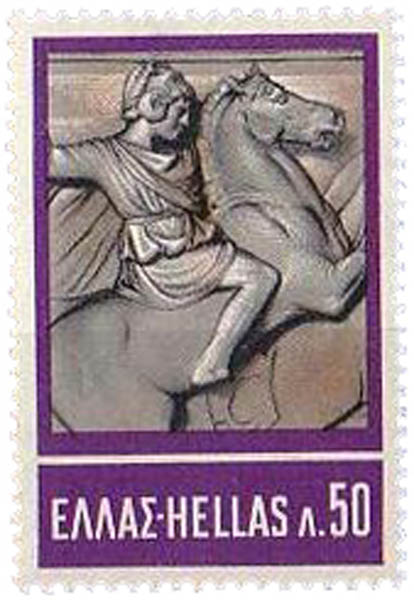
Panini on Yavana Mundas (shaven heads)
Panini of Seventh Century BCE, mentioned Yavanas in Grammar works.
Sutra Literature
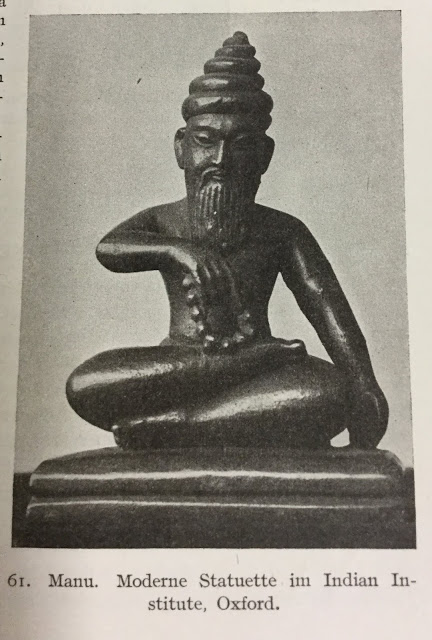
Even Gautama and Manu smrtis have references to Yavanas. No one would try to interpolate all these books!
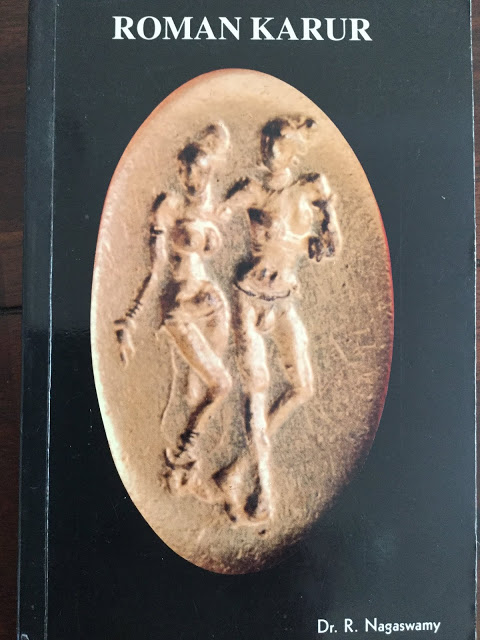
2000 year old Sangam Tamil literature has at least six references to Yavana and two more with the words Mlechha, again with negative connotation only, describing them as unsweet and harsh words. All of them are references to Romans, which is corroborated by the discovery of thousands of Roman coins in Tamil Nadu covering a period of five centuries. ‘Roman Karur’ of Dr Nagasamy, famous archaeologist and Historian gives full details about Tamil references.
Earlier famous poet and playwright Kalidasa ( I agree with other great Sanskrit scholars in dating him to first or second century BCE) mentioned Persians as Yavanas in his work Raghu vamsam.
I wouldn’t deal with any other material here that comes after first few centuries of modern era.
****
Origin of Yavanas
Mahabharata and Ramayana are noticeably clear that Yavanas originated from the Divine Cow Kamadhenu when King Viswamitra attacked Sage Vasishtha. It is a symbolic way of saying that these groups (Yavanas and others such as Pahlavas, Sakas, Hunas, Cinas, Pundras, Dramidas etc) have come from one source.
If we take them as a group of people in North West India, it would make sense and show them they have been there from at least 3500 BCE.
By the way, lot of things attributed to Yavanas, in later literature are not found in Greece or Rome. They are only in Hindu literature. That again proved they were talking about a group in N W India.
****
Three Important References
People who wanted to show that Yavana meant only Greeks cramp over 1000 references of Yavanas into few centuries around 4th century BCE. No genuine scholar would accept it. Those work themselves show that they were done at different periods.
1.Panini
Panini in his Ashtadyayi mentioned Yavana in a few places. We must remember that it is a grammar book.
Darius I mentioned Yavana in in 516 BCE in one of his inscriptions. Even Alexander found a colony of Nysian Greeks in Kabul valley.
Another important reference to ‘Yavana Munda’ in Gana pata which is bypassed my many scholars.
Patanjali on 2-4-10
Patanjali includes Yavanas among those Suudras who are NOT considered impure .
Suudraanaam aniravasitaaanaam
Gana 128 on panini 3-1-134
Yavana explained as verbal derivation
Gana 178 on panini 2-1-72
Bald heads of the Yavanas in a list of tatpurusa compounds
Kamboja Munda, Yavana Munda etc
(For more details go to the end)
2.In the Mahabharata
In one passage of the Mahabharata 1-80-26 , also quoted in the Matsya Purana 34-30 , the Yavanas are sons of Turvasu , the son of emperor Yayati and the brother of Puru ; because of a curse put on them by their grandfather, all the sons of Turvasu were doomed to become barbarians – Mlecha. They are treated as fallen Kshatriyas. Manu also confirmed in 10-44. He said they become Suudraas.
There is a gap of at least 15 generations between the king Yayati and Pandavas. Even if we leave 20 years for a generation it would take Yayati to 3400 BCE. Mahabharata war was fought around 3140 BCE according to Hindu calculations. If we take Indian average of 40 years per king it would make a difference of 600 years (15X40). Guptas and Chera kings were shown to have ruled for over 40 years each. (See Pathitrupathu in Sangam Tamil literature).
If some believe in the archaeological date given to Mahabharata 1500 BCE, even then Turvasu , pro genitor of Yavanas would have lived before 1800 BCE.
We must also remember Krishna’s fight with Kala Yavana (Black Yavana) and Krishna was called Yavanari (enemy of Yavanas) . It is in Bhagavatham and Hari Vamsam.
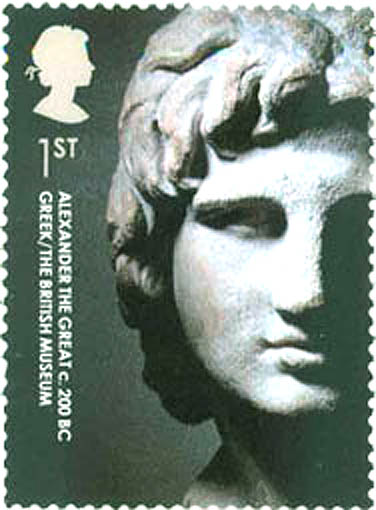
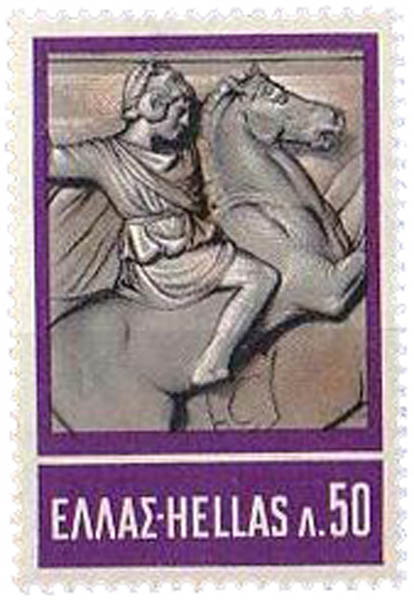
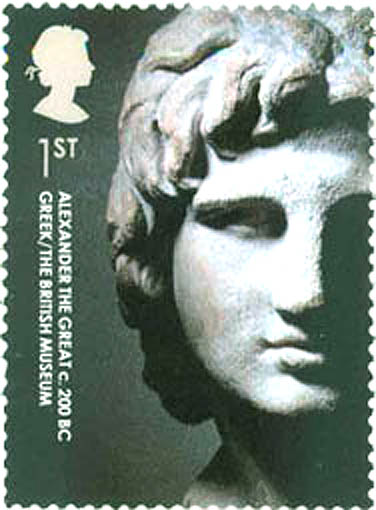
Barbarians /mlechas are called bald/munda in the Mahabharata battle 7-95-20 in which yavanas are included. But the Greeks are not bald headed. All of them, including Alexander were shown with much hair on their heads. So it is very clear they mentioned a group of people or a people of particular ethnicity had this custom of shaving their hair completely or with very short haircut.
3.Gautama Dharma Sutra
3.According to the Gautama dharma sutra 4-21 , the ofspring of the Kshatriyas and Suudra women are Yavanas.
The tone of Indian literature is that Yavanas are sinful and brutal.
ஹிந்தி படப் பாடல்கள் – 45 – பழையன கழிதலும்..! R. Nanjappa
கிளப் பாடல்களுக்கு அடுத்த இடத்தைப் பெற்றவை ‘பார்ட்டி” பாடல்கள். இவையும் கதையுடன் தொடர்புடையதாகவே இருக்கும்-இவற்றினால் கதையில் ஒரு திருப்பம் வரும். ஒன்று, ஹீரோ/ ஹீரோயினுக்கு யாராவது அறிவுரை சொல்வார்கள் அல்லது ஹீரோ/ஹீரோயின் பாடுவார்கள். அப்படி இரு பாடல்களைப் பார்க்கலாம்.
முட் முட் கே ந தேக்
मुड़-मुड़ के न देख, मुड़-मुड़ के ज़िंदगानी के सफ़र में तू अकेला ही नहीं है हम भी तेरे हमसफ़र हैं
आये गये मंज़िलों के निशाँ लहरा के झूमा झुका आसमाँ लेकिन रुकेगा न ये कारवाँ मुड़-मुड़ के न देख…
नैनों से नैना जो मिला के देखे मौसम के साथ मुस्कुरा के देखे दुनिया उसी की है जो आगे देखे मुड़-मुड़ के न देख…
दुनिया के साथ जो बदलता जाये जो इसके साँचे में ही ढलता जाये दुनिया उसी की है जो चलता जाये मुड़-मुड़ के न देख…
முட் முட் கே ந தேக் முட் முட் கே, ஃஜிந்தகானீ கே ஸஃபர் மே தூ அகேலா ஹீ நஹீ ஹை ஹம் பீ தேரே ஹம்ஸஃபர் ஹை
திரும்பித் திரும்பிப் பார்க்காதே!வாழ்க்கை என்னும் பயணத்தில் நீ மட்டும் தனியாக இல்லை!நாங்களும் உன்னுடன் சக பயணிகள் தான்!
ஆயே கயே மன்ஃஜிலோ(ன்) கே நிஷான்லேஹரா கே ஜூமா ஜுகா ஆஸ்மான்லேகின் ருகேகா ந ஏ கார்வான்..முட் முட் கே ந தேக்...
சென்று அடையவேண்டிய இடத்தின் அடையாளம் வந்து போய்விட்டது!.வானமும் மகிழ்ச்சியில் பொங்கி பூமியைத் தொட்டு நிற்கிறது!ஆனாலும் இந்த பயணிகள் சாரிசாரியாகச் செல்வது நின்று விடாது!
(வாழ்க்கை, உலகம் என்னும் பயணம் தொடர்ந்துகொண்டே இருக்கும்)திரும்பித் திரும்பிப் பார்க்காதே!
நைனோ(ன்) ஸே நைனா ஜோ மிலாகே தேகேமௌஸம் கே ஸாத் முஸ்குரா கே தேகேதுனியா உஸீ கீ ஹை ஜோ ஆகே தேகேமுட் முட் கே ந தேக்
வருவதை யார் உடன்பாட்டுடன் ஏற்றுக்கொள்கிறார்களோ,மாறும் காலத்தை யார் மகிழ்ச்சியுடன் ஏற்கிறார்களோ,யார் எதிர்காலத்தை நோக்கி இருக்கிறார்களோ-இந்த உலகம் அவர்களுக்கே சொந்தம்!திரும்பித் திரும்பிப் பார்க்காதே!
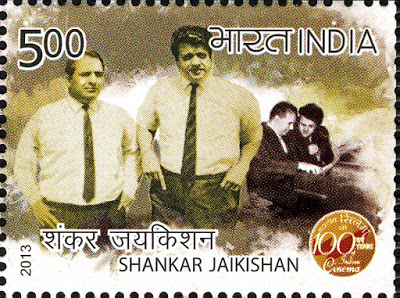
துனியா கே ஸாத் ஜோ பதல்தா ஜாயேஜோ இஸ்கே ஸாஞ்சே மே ஹீ டல்தா ஜாயேதுனியா உஸீகீ ஹை ஜோ சல்தா ஜாயேமுட் முட் கே ந தேக் முட் முட் கேஉலகத்தின் போக்கை ஒட்டி யார் மாறுகிறார்களோ,யார் அதன் வண்ணத்தில் தோய்கிறார்களோ,யார் நிற்காமல் சென்றுகொண்டே இருக்கிறார்களோ-இந்த உலகம் அவர்களுக்கே சொந்தம்!திரும்பித் திரும்பிப் பார்க்காதே! Song: Mud mud ke na dekh Film: Shri 420, 1955 Lyrics: ShailendraMusic: Shanker Jaikishan Singers: Asha Bhonsle, Manna Dey & chorus
பார்ப்பதற்கு ஏதோ விளையாட்டாகச் சொன்னது போலிருக்கும்- ஆனால் ஒரு பெரிய உண்மையை இப்பாடலில் சொல்கிறார் ஷைலேந்த்ரா. கடந்த காலத்தையே, நடந்து போனதையே நினைத்திருக்காதே, எதிர்காலத்தை ஏற்றுக்கொள்ள முயற்சி செய் என்கிறார். Let bygones be bygones, look to the future.
‘ஆத்மீ ஜோ சல்தா ரஹே தோ மில் ஜாயே ஹர் கஃஜானா” என்று இதே கருத்தை வேறு சொற்களில் சொல்வார் மஜ்ரூஹ் ஸுல்தான்புரி- சல்தீ கா நாம் காடி (1958) என்ற படத்தில்!சினிமாவில் இந்தப் பாடல் இத்தகைய ஆழ்ந்த கருத்தில் வரவில்லை! ஹீரோவின் மனதை மாற்ற முயற்சி செய்கிறார்கள்- இது முதல் இரண்டு பத்திகளில் வருகிறது. கடைசி இரு பத்திகள் ஹீரோ பாடுவது- அது அவன் மனம் மாறிவிட்டது என்பதைக் காட்டுகிறது! ஆக, இப்பாடல் இப்படத்தில் ஒரு முக்கிய திருப்பத்தைக் காட்டுகிறது.இது ஹிந்தித் திரையுலகில் இதுவரை வந்த படங்களிலேயே மிகச்சிறந்த பார்ட்டி பாடல் காட்சியாகக் கருதப்படுகிறது. இதில் நடித்த நாதிராவுக்கு நாட்டியம் தெரியாது! இதில் டான்ஸ்என்று எதுவும் பெரிதாக இல்லை! ஆனாலும் அந்த தோற்றத்தை அளித்து விட்டார்கள்!இந்தப் பாட்டிற்கு எத்தனை பெரிய ஆர்கெஸ்ட்ரா! இது அத்தனையும் நேரடியாகப் பதிவானது-
Live recording! இன்றுபோல் அன்று மின்சாதன உத்திகளோ, இசைக் கருவிகளோ இல்லை!அத்தனையும் அசல் வாத்தியங்கள்! இது ஒரு சாதனை தான்! எத்தனை இனிய மெட்டு! அதில் ஆஷா குரலுக்கும் மன்னா டே குரலுக்கும் ஏற்ற நுண்ணிய மாற்றங்கள்! ஷங்கர் ஜெய்கிஷன் அசத்தி இருக்கிறார்கள்.இதே கருத்தை வைத்து இன்னொரு பாட்டு.நைன்டீன் ஃபிஃப்டி சிக்ஸ்!
Nineteen fifty six nineteen fifty sevenNineteen fifty eight nineteen fifty nine Duniya ka dhaancha badla Kismat ka saanchaa badla Aankhen to kholo zaraa Lala ho kahaanLalalalarala lalallalaliralala Lalalalarala lalallalaliralala Ho ho he he
உலகின் அமைப்பு மாறிவிட்டது!விதியின் நிறம் மாறிவிட்டது!சற்று கண்ணைத் தான் திறந்து பார்!எங்கே அந்தப் பழைய ஆள்?
Taj niraale raaz niraale Jeewan ke saare saaz niraale Mehfil mehfil ghoom Dharti se jaaye ambar pe chaaye Phaila ke baahen chanda bulaaye Aa taaron ko choom
இன்று தலையில் கிரீடம் வேறு மாதிரி, ரகசியம் அலாதி!வாழ்க்கை முழுவதின் நாதம் மாறிவிட்டது!ஜன சமூகம் சப்தம் எழுப்பவில்லை!பூமியை விட்டுக் கிளம்புவோம்! வானைத் தொடுவோம்!சந்திரனைக் கையால் அணைப்போம்!தாரகைகளுக்கு முத்தம் தருவோம்!
Nineteen fifty nine Nineteen fifty nine Nineteen fifty nine Nineteen fifty six nineteen fifty sevenNineteen fifty eight nineteen fifty nineHello o myKal ki kahaani ho gayi puraani Duniya pe phir se aayi jawaani Bahki bahki chaal Saadi se choli holi se boli Milke machaa do rangon ki holi Ye fashion ka saal
நேற்றைய கதை பழசாகி விட்டது! அதை விடு!உலகில் மீண்டும் இளமை திரும்பி விட்டது!இதன் நடை- சற்று ஏமாற்றும்!குட்டையான சோலி, கேலியான பேச்சு,எல்லோரும் கலந்து வண்ண ஹோலி கொண்டாடுவோம்!இது புது ஃபேஷனுக்கான ஆண்டு!
Nineteen fifty nine Nineteen fifty nine Nineteen fifty nine Nineteen fifty six……… Ho ho he he Fashion badhenge Kapde ghatengen Maalik hi jaane kitne rahenge Mausam kaa ye khel Zulfen chantaao naakhoon badhaaoChehre pe naqli chehra chadaao Duniya saabun tel
ஃபேஷன் முன்னேறும்!ஆடையின் அளவு குறையும்!எந்த அளவில் நிற்கும் என்பது ஆண்டவனுக்கே வெளிச்சம்!இது காலத்தின் விளையாட்டு!தலைமுடியைக் குறைத்துவிடு! நகத்தை நீட்டிக்கொள்!பொய் முகத்தை அணிந்து அசல் முகத்தை மறைத்துக்கொள்!
Nineteen fifty nine Nineteen fifty nine Nineteen fifty nine Nineteen fifty six…… Ho ho he he.
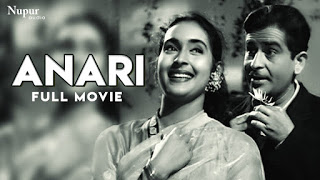
Song: nineteen fifty six Film: Anari 1959 Lyrics: ShailendraMusic: Shanker Jaikishan Singers: Lata, Manna Dey & chorus முட்முட் கே பாட்டு கொடுத்த அதே டீம்! இங்கு லதா பாடுகிறார்- குரல் சில இடத்தில் கிரிச் சென்று போகிறது! இந்த மாதிரி பாட்டைப் பாட லதா, ஆஷாவோ கீதா தத்தோ இல்லை!மன்னா டே மாஸ்டர்! எதையும் அனாயாஸமாகப் பாடுவார்!அருமையான ஆர்ச்செஸ்ட்ரேஷன், இனிய மெட்டு, ஷங்கர் ஜெய்கிஷனுக்கு மீண்டுமொரு ஷொட்டு!இங்கு டான்ஸ் ஆடுவது ஹெலன்! டான்ஸுக்கென்றே பிறந்தவர்! ரிஷிகேஷ் முகர்ஜி டைரக்டர்- விரசமில்லாத ஆட்டம்!இங்கும் முதல் இரண்டு பத்திகளைப் பிறர் பாட, ஹீரோ கடைசி பத்தியைப் பாடுகிறார்! ஆடையின் அளவு குறைகிறது, எங்குபோய் நிற்குமோ என்று பாடுகிறார். 60 ஆண்டுகளுக்குப்பிறகு, இன்னமும் குறைந்துகொண்டே வருகிறது!இந்தப் பாட்டு 1959 புது வருடத்தைக் கொண்டாடும் விதமாக வந்தது-இந்தப் படம் ஜனவரி 59ல் ரிலீசானது..
[கடைசி வரியில் “துனியா ஸாபுன் தேல்”என்பதன் பொருள் விளங்கவில்லை! சாபுன் என்றால் சோப்பு, தேல் என்றால் எண்ணெய்- இங்கு என்ன சொல்ல வருகிறார் என்று தெரியவில்லை. இந்தப் பாட்டின் அசல் ஹிந்தி வடிவம் கிடைக்கவில்லை]
The geniuses of the golden age converted every situation into an occasion for beautiful songs. Solo, duet or chorus song, melody reigned. The lyrics were meaningful, and rose above the filmy situation – the reason why we still love to listen to them.The relationship between the make-up man and the film actor is that of accomplices in crime.— Marlen Dietrich, 1901-1992, German-American actress
பின்பு யாதவர் கோனான நம்பி காளி தேச சஞ்சாரம் செய்து வந்த போது கொங்கு மண்டலத்தில் நெருவூர் என்னும் ஊரை அடைந்தார்.
கையேட்டுக்காரர்களால் நம்பி காளியின் நா வன்மையைக் கேட்டறிந்த அங்கிருந்த விப்பிரர்கள் பொறாமை கொண்டனர். நம்பி காளியையும் அவரது தமிழையும் இகழ்ந்தனர். இதற்கு உடனடியாக நம்பி காளியின் மாணாக்கர்கள் மறுப்புரை கூறினர்.
“தமிழும் தமிழ்ப் பாக்களும் தெய்வ அருள் பெற்றது எனில், இதோ பட்டுப் போயிருக்கிறதே, இந்த மரத்தை தழையும் படி அவர் பாடுவரோ” என்று அவர்கள் சவால் விட்டனர்.
உடனே மாணாக்கர்கள் நம்பி காளியை நோக்கி, தெய்வத் தமிழின் தெய்வத் தன்மையை இங்கு நிலை பெறச் செய்யுங்கள் என்று வேண்டினர். உடனே அவரும் ஒரு வெண்பாவைப் பாடினார்.
தெய்வத் தமிழென்னுஞ் செம்மொழியு மம்மொழிநேர்
செய்விப்பர் தேவரெனல் தேறத் – தெய்வஞ்
சுரந்தளிக்கு மாநெரூர்ச் சோலையிலே பட்ட
மரந்தளிர்க்க வின்று வளர்ந்து
என்ன ஆச்சரியம், பட்ட மரம் துளிர்த்தது. அனைவரும் வியந்து தமிழின் தெய்வத் தன்மையையும் நம்பி காளியின் நாவன்மையையும் புகழ்ந்து போற்றினர்.
இந்த வரலாறைக் கொங்கு மண்டல சதகம் தனது 78ஆம் பாடலில் இப்படிப் பதிவு செய்கிறது :
பரந்த கடலுல கெல்லா மறியப் பரமசிவ
னிரந்தர மாயருள் சண்முக வேலனன் னேயத்தினாற்
புரந்தரன் போற்றும் நெருவூரிற் காழிப் புலவன்பட்ட
மரந்தழை யக்கவி பாடிய துங்கொங்கு மண்டலமே
பாடலின் பொருள் : சுப்பிரமணியர் அருளைக் கொண்டு நெருவூரில் பட்ட மரத்தைத் துளிர் விட்டுத் தழைக்கும்படி தமிழ்க்கவி பாடிய காளிப் புலவனும் கொங்குமண்டலத்தைச் சேர்ந்தவனே என்பதாம்.
தமிழின் தெய்வத்தன்மையைப் பறை சாற்றும் வரலாறுகளில் இதுவும் ஒன்று!
Pictures are taken from various sources for spreading knowledge; this is a non- commercial blog. Thanks for your great pictures.
Saguna Upasana
God with form?
Worship of God is one of the five basic duties of every Hindu, one of the pancha maha yajnas. This is common to all sampradayas, though the deities, methods, mantras, etc may differ.
There have always been people who have questioned whether God has a form, can be confined to a form, whether the worship of just an idol or symbol made up of some material does not amount to sheer idiocy. The monotheistic religions condemn ‘idol’ worship but their own Churches are full of the pictures of saints, angels, Madonna and Child, Sacred Heart of Jesus, etc. And the church itself becomes a big idol!The Muslims do not have idols but the mere mosque becomes ‘sacred’ for them and they raise a storm over even a disused, dilapidated structure! They all simply miss the point that if God is omnipotent as they say, that power must include the power to take a form too!
Arjuna’s doubt
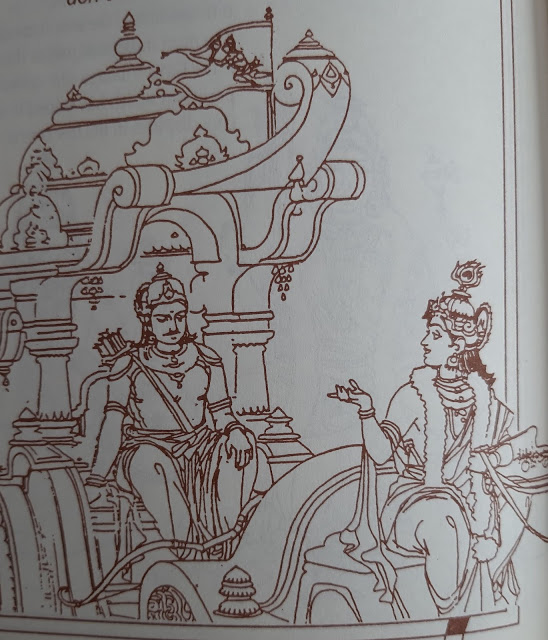
Arjuna had a doubt. After watching the Visvaroopa, he became frightened, and requested Krishna to resume his normal form, “kreetinam gadinam chakra hastam”! Then Bhagavan assumes this form and tells him:
Naham vedena tapasa
na daanena na chejyaya
Sakyam evam vido drashtum
drishtvaanasi maam yatha. 11.53
Neither by the Vedas, nor by tapas, nor by gifts, nor by yajna can I be seen as you have seen Me.
Bhaktya tvananyaya sakya
aham evam vida Arjuna
jaatum drashtum cha
praveshtum cha parantapa. 11.54
O Arjuna, scorcher of foes! Only by single-minded devotion I may, in this form, be known, seen in reality and also entered into.
Arjuna raises another doubt. Bhagavan had earlier spoken about himself as Unmanifested ( avyaktam) and Imperishable (aksharam) . Now He has shown his usual form with Sankha, chakra, etc. Which is better to worship?
Yevam satata yukta ye
Bhaktastvam parupasate
Ye chapyaksharam avyaktam
Teshaam ke yogavittama: 12.1
There are devotees who worship You (in the form just shown). There are devotees who worship the Imperishable, the Unmanifsted. Which of them is better versed in Yoga?
Bhagavan gives a clear, unambiguous answer:
Bhaktyavesya mano ye maam Nitya yukta upaasate Sraddhayaa paratopetaaste Me yukta tamaa mataa: 12.2
Those who fixing their mind on Me, worship Me, ever steadfast, and endowed with supreme sraddha, they in My opinion are the best of the Yogis.
Ye tvamakshara manisdesyam Avyaktam paryupaasate Sarvatragam achintyam cha Kutastam achalam druvam Sanniyamyendriyagramam Sarvatra sama buddhaya: Te prapnuvanti maam eva Sarva bhuta hite rataa: 12.3-4
But those too, who worship the Imperishable, the Indefinable, the Unmanifested, the Omnipresent, the Unthinkable, the Unchangeable, the Immovable, the Eternal- having subdued all the senses, even-minded everywhere, engaged in the welfare of all beings- they too reach only Me.
(But) Greater is the trouble of those whose minds are set on the Unmanifested; for the goal of the Unmanifested is very hard for the embodied being to reach. Teshamaham samudhdarta Mrutyu samsara saagarat Bhavaami nachirat Partha Mayyavesita chetasam. 12.7
O Partha! For those whose minds are set on Me, I become before long their Saviour out of the ocean of mortal samsara.
Mayyeva mana aadhatsva Mayi buddhim nivesaya Nivasishyasi mayyeva Ata urdhvam na samshaya: 12.8 (Therefore) Fix your mind on Me alone; place your intellect in Me; then you shall no doubt live in Me hereafter.
These are the very words of Bhagavan Himself and we do not need any other authority on the importance and necessity of saguna upasana.
Sri Ramakrishna Answers
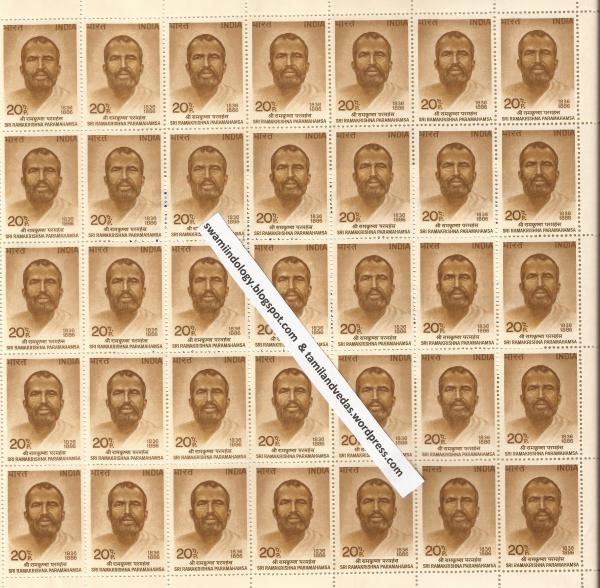
In modern times, this question was repeatedly raised by English-educated Bengalis, who were also under the influence of reform movements like the Brahmo samaj. Some of them also used to say that it should be made clear to the ‘idol’ worshippers that they were in fact worshipping the ‘spirit’ and not the mere image. Sri Ramakrishna used to answer them firmly.
You believe in God without form; that is quite all right. But never for a moment think that this alone is true and all else false. Remember that God with form is just as true as God without form. “That is the only hobby of you Calcutta people- giving lectures and bringing others to the light! Who are you to teach others?
The Lord has done so many things- will he not show the people the way to worship Him? Suppose there is an error in worshipping the clay image; doesn’t God know that through it He alone is being invoked? He will be pleased with that very worship. Why should you get a headache over it?” The Gospel, Feb, 1882
“God now and then assumes various forms for His lovers and reveals Himself to them as a Person.” October28, 1882 “Do you know what God with form is like? Like bubbles rising on an expanse of water,various divine forms are seen to rise out of the Great Akasa of Consciousness. The Incarnation of God is one of these forms.” December 14, 1882
“In a shoreless ocean visible blocks of ice are formed here and there by intense cold. Similarly, under the cooling influence, so to say, of the deep love of Its worshipper, the Infinite reduces itself to the finite and appears before the worshipper as God with form. Again, as, on the rising of the sun, the ice melts away, so on the awakening of Knowledge, God with form melts away into the same Infinite and Formless.” July 13, 1885
This was a question raging among the newly educated Bengalis, fresh from the University ( Remember, Calcutta university had been started in 1856, English education having been introduced by Macaulay in 1836). But this question was also engaging our own Vedantins, who believed in a nameless Absolute! As if all have become Brahmajnanis! Tyagaraja (1767- 1847) was active about 50 years before Sri Ramakrishna (1836-1886) and he addressed this question squarely.
Divine Wisdom will not come to people lacking in bhakti. The great jnanis ( Enlightened Ones) know this very well. Only those who eat slowly (enjoying every morsel) will derive satisfaction from food. ( Or like the one who is served a variety of items) In the same manner, it is only those who take to saguna worship ( with dhyana on the auspicious qualities of Bhagavan) who will enjoy or attain happiness and peace (saukhyam). Yellavaarivale bhavasaagaramunu eeta mansu raadu Vullamunanugani neeve nenai yanta teliya ledu. ( Siggu maali)
I do not feel like swimming in this ocean of samsara, like every one else.
Even after much thinking, I do not understand the method (Advaitic idea) of treating You as me!
Vinda vinda matamulalo jorabadi veda jendaga leda (Koniyade) I cannot enter the different sects and suffer. ( ie away from devotion to Rama)
Jaaji malle mandaara sarojamulanu manasaara Rajapadamu che Tyagarajanutuni pujinchaka….Tappi
Is it possible for men in this Kali age to escape from great dangers and sense pleasures, with a firm mind? Taking the metals like bronze and gold to be just like poison and broken pottery pieces, and keeping the mind away from them, Not getting attracted by the beautiful dresses and hairstyles of wily women,
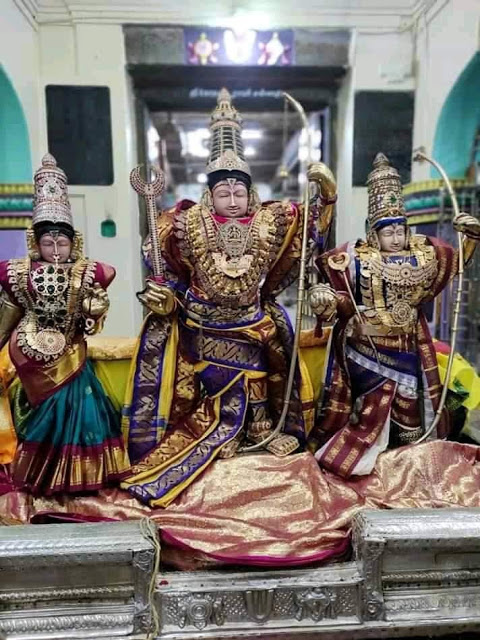
Is it possible to escape? Without worshipping Rama , adored by Tyagaraja, in the straight royal path , with flowers like jaji, jasmine, lotus , with full heart, is it possible to escape the dangers of Kali?
So here Tyagaraja gives his firm advice that saguna worship is necessary in this Kali age. We may also recall here that Sri Ramakrishna always warned his devotees about ‘Kamini, kanchana’, the two dangers specially stated by Tyagaraja here. Tyagaraja pursues the path shown in the Gita, and clears the way for Sri Ramakrishna later!
Pictures are taken from various sources for spreading knowledge; this is a non- commercial blog. Thanks for your great pictures.
உலக மஹா வியாகரண வித்தகன் பாணினி எழுதிய அஷ்டாத்யாயிக்குத் துணையாக நிற்கும் பகுதிகள் சில. வினைச் சொற்களின் பட்டியலைத் தரும் ‘தாது பாடம்’ , பெயர்ச் சொற்களின் பட்டியலைத் தரும் ‘கண பாடம்’ என்பன அவற்றுள் சில. இவையன்றி பாணினீயத்தைப் பயில முடியாதாகையால், இவையும் அவரே எழுதி இருக்க வேண்டும். அல்லது அதே காலத்தில் அவர்களுடைய மாணவர்கள் தொகுத்திருக்க வேண்டும் என்பது ஆய்ந்தவிந்தடங்கிய சான்றோர் கொள்கை.
2700 ஆண்டுப் பழமை உடைய கண பாடத்தில் — பெயர்ச் சொல் பட்டியலில் — யவனர்களைப் பற்றி ஒரு குறிப்பு வருகிறது. அவர்கள் தலை மயிரை முழுக்கச் சிரைத்து மொட்டையாக இருப்பது பற்றியது . இதை முண்டம் என்பர். வழுக்கைத் தலையன் என்றும் சொல்லலாம்.
“யவன முண்டா”
–பாணினி கண பாடம் 178, சூத்திரம் 2-1-72
கிரேக்க நாட்டில் வாழும் கிரேக்கர்களிடையே இவ்வழக்கம் எதுவும் இல்லை. ஆகவே யவனர்கள் என்பது கிரேக்கர் இல்லை; வடமேற்கு இந்தியாவில் வாழ்ந்த ஒரு ஜாதி என்பது தெளிவாகிறது. சங்கத் தமிழ் நூல்கள் பெரும்பாலும் ரோமானியர்களையே யவனர் என்று குறிப்பிடுகின்றன. ஐந்து நூற்றாண்டுக் கால ரோமானிய மன்னர்களின் காசுகள் இந்தியா எங்கும், குறிப்பாக தமிழ் நாடெங்கும் கண்டுபிடிக்கப்பட்டுள்ளன.
உலகம் போற்றும் காளிதாசனும் அவனது ரகு வம்ச மஹா காவியத்தில் பாரசீகப் பெண்களையும் வீரர்களையுமே யவனர் என்று குறிக்கிறான் . அவர்கள் கிரேக்கர்கள் அல்ல. யவனர் என்று தமிழிலும் சம்ஸ்க்ருதத்திலும் வரும் இடங்களை எல்லாம் கிரேக்கர்கள் (Greeks) அல்லது அயோனியன்ஸ் (ionians) என்று ஆங்கிலத்தில் எழுதி மகா குழப்பம் செய்துவிட்டனர் வெளிநாட்டு வரலாற்று ஆசிரியர்கள்.
யவனர்கள் யார் ?
வசிஷ்டர் என்ற மஹரிஷி வைத்திருந்த தெய்வீகப் பசுவான காமதேனுவை , அரசனாக இருந்த விசுவாமித்திரர் பலவந்தமாகக் கைப்பற்ற முயன்ற போது வசிஷ்டர் தனது மந்திர சக்தியால் காமதேனுவின் உடலிலிருந்து உருவாக்கிய பல்வேறு ஜாதிகளில், இனங்களில் ஒன்றுதான் யவன ஜாதி என்பதை ராமாயணமும் மஹாபாரதமும் தெளிவாகச் சொல்லுகின்றன.
மஹாபாரதத்தில் 40க்கும் மேலான இடங்களில் யவனர் பற்றி வருவதால் எவரும் இவைகளை இடைச் செருகல் (Interpolations) என்று ஒதுக்க முடியாது.
2000 ஆண்டுப் பழமை உடைய தமிழ் இலக்கியத்தில் ஆறு இடங்களில் வரும் ‘யவனர்’, மற்றும் சில இடங்களில் வரும் ‘மிலேச்சர்’ என்பனவெல்லாம் பெரும்பாலும் ரோமானியர்கள் என்பதை டாக்டர் இரா நாகசாமி எழுதிய ரோமன் கரூர் (Roman Karur by Dr R Nagasamy) புஸ்தகத்தில் காணலாம்.
துர்வாசு மன்னன் வம்சம்
யயாதி என்ற மன்னனின் மகனும் புரு என்பவரின் சகோதரனும் ஆன துர்வாசு என்பவனின் மகன்கள் தான் யவனர்கள் என்று மஹா பாரதமும் (1-80-26) மத்ஸ்ய புராணமும் (34-30) சொல்லுகின்றன. பாட்டனாரின் சாபத்தால் துர்வசுவின் மகன்கள் ‘மிலேச்சர்’ ஆனதாக மஹா பாரதம் மேலும் சொல்லும் (1-79-11). மநு ஸ்மிருதியும் இவர்கள் தாழ்த்தப்பட்ட க்ஷத்ரியர் என்று சொல்கிறது.
குறைந்தது இரண்டு யயாதி மன்னர்களை ஹிந்து மத நூல்கள் காட்டுகின்றன.
இங்கே வரும் துர்வாசு ‘முதல் யயாதி’யின் மகன்; நஹுஷனின் பேரன். அதாவது பஞ்ச பாண்டவர்களுக்கு குறைந்தது 15 தலைமுறைக்கு முந்தையவன். ஒரு தலைமுறைக்கு வெள்ளைக்காரர் போல 20 ஆண்டுக் கணக்கு வைத்தால் மஹாபாரதத்துக்கு 300 ஆண்டுக்கு முன்னாலும் இந்திய ஆடசி ஆண்டு சராசரிப்படி பார்த்தால் 500 ஆண்டு இடைவெளியும் வரும். அதாவது கி.மு. 3600. தற்போதைய குதிரை, இரும்பு ஆராய்ச்சிக்காரர்கள் சொல்லும் கி.மு.1500-தான் மஹாபாரத காலம் என்று கொண்டாலும் துர்வாசு-யவனர் காலம் கி..மு.2000 ஆகும். எப்படிப் பார்த்தாலும் அலெக்ஸ்சாண்டர் கால ‘உண்மை கிரேக்கர்’களும் மஹாபாரத யவனர்களுக்கும் ஸ்நானப் பிராப்தி கூட கிடையாது .
சரக சம்ஹிதை என்னும் மருத்துவ நூல் இவர்களை கோதுமை உணவு, மது, மாமிசப் பிரியர்கள் என்று பேசுகிறது 6-3-316
சுஸ்ருத சம்ஹிதை யவனர் ‘அட்டை’ (leeches) களை ரத்தம் உறிஞ்ச பயன்படுத்துவதை மட்டும் சொல்லும்.
இவை அனைத்தும் காட்டும் உண்மை என்னவென்றால் அலெக்சாண்டர் படையெடுப்புக்கு முன்னரே, ‘யவனர்’ என்ற சொல் பிரயோகம் இருந்தது; ஆனால் அவை கிரேக்கர்கள் என்று பொருள்படாது என்பதாகும். அலெக்ஸ்சாண்டர் திடீரென்று மரணம் அடைந்தவுடன் சிதறுண்ட அவரது வடமேற்கு இந்திய மாகாணங்களில் உண்மையிலேயே (Indo- Greeks) கிரேக்கர் தொடர்புடையோர் ஆண்டனர்.
சூத்ர பெண்களுக்கும் க்ஷத்ரிய ஆண் களுக்கும் பிறந்தவர்களே யவனர்கள் என்று கௌதம தர்ம சூத்திரம் 4-21 சொல்லும். ஆக எல்லாவற்றையும் கூ ட்டிக் கழித்துப் பார்த்தால் வேத தர்மத்தைப் பின்பற்றாத இந்துக்களே யவனர்கள், அவர்கள் இந்தியாவின் வடமேற்குப் பகுதியில் வாழ்ந்தவர்கள் என்பது தெளிவாகும். டேரியஸ் (Darius of Persia) என்னும் கி.மு.ஆறாம் நூற்றாண்டு மன்னர் படையிலேயே யவனர்கள் இருந்ததால் அலெக்ஸ்சாண்டருக்கு முன்னரே அவர்கள் இந்தியருடன் வாழ்ந்தது தெரிகிறது.
சமண மத புஸ்தகங்கள் யவனர்களைக் கொடூரமானவர்கள் , தீய எண்ணம் கொண்டவர்கள் என்று சித்தரிக்கின்றன.
மஹாபாரத யுத்தத்தில் யவனர் படைகளும் துரியோதனனுக்கு ஆதரவாகக் களம் இறங்கின. 7-95-20. போரில் ஈடுபட்ட மிலேச்சர்கள் அனைவரும் மொட்டைத் தலையர்கள் என்றும் மஹாபாரதம் சொல்கிறது.
பாகவதம் , ஹரி வம்சத்தில் பின்னர் வரும் கிருஷ்ணர் – கால யவனர் மோதல் கதைகளும் யவனரின் பழமையைக் காட்டும்.
புராணங்களும் அவர்கைளை ‘மீசை இல்லாதோர்’ அல்லது ‘மொட்டைத் தலையர்’ என்றே வருணிக்கின்றன.
திரவுபதியை அவமதித்த சிந்து தேச மன்னன் ஜெயத்ரதனின் தலை மயிரை பீமன் ஐந்து குடுமி மட்டும் நீட்டிக் கொண்டிருக்கும்படி சிரைத்ததை (ம.பா.3-256-9) -முன்னரே கொடுத்துள்ளேன்; மஹா வம்சம் என்னும் இலங்கை வரலாற்று நூலும் வங்காளத்தில் அட்டஹாஸம் செய்த விஜயனையும் அவனது சகோதரனையும் பாதிப்பகுதி தலை மயிரை மட்டும் சிரைத்து கப்பலில் ஏற்றி அனுப்பியதையும் அவர்கள் கடைசியில் இலங்கையில் வந்து இறங்கி சிங்கள ஆடசி அமைத்ததையும் எழுதிவைத்துள்ளது.. ஆக தலை மயிரை மொட்டை அடிப்பது அவர்களை கீழ் மட்டத்தினர் என்று அடையாளம் காட்டவும் இன்ன இனத்தினர் என்று காட்டவும் பயன்படுத்தப்பட்டது.























 Tamil and Vedas