Pictures are taken from various sources for spreading knowledge; this is a non- commercial blog. Thanks for your great pictures.
உயர்ந்தவர்களின் உள்ளம்!
ச.நாகராஜன்
உபகாரம் பெற்றால் துன்பம் அடைவர்!
உபகாரேண தூயந்தே ந சஹந்தேனுகம்பிதாம் |
ஆபத்ஸ்வபி துராராவ்யா நித்யதுக்கா மனஸ்வின: ||
உதவி மற்றவர்களால் தமக்குச் செய்யப்படும் போது அவர்கள் வேதனைப்படுகிறார்கள்; ஏனெனில் மற்றவர்களின் இரக்கத்தை அவர்களால் பொறுக்க முடிவதில்லை; கஷ்டகாலத்தில் கூட மற்றவர்கள் உதவி செய்ய அவர்கள் அனுமதிப்பதில்லை. அந்த உயர்ந்த உள்ளங்கள் (மற்றவர்களின் நலனுக்காக நித்ய துக்கத்தை (தினசரி கவலைப்படுவதை) கொண்டிருக்கின்றனர்.
When help Is rendered to them they are pained, they do not tolerate others sympathy, they do not allow themselves to be served even during calamities; Thus high-minded men are ever worried (for the sake of others)
(Translation by A.A.R.)
*
பாம்புக்கு பால் வார்ப்பது போல நீசருக்குச் செய்யும் உதவி!
உபகாரேண நீசானாம் அபஹாரோ ஹி ஜாயதே |
பய: பானம் புஜங்கானாம் கேவலம் விஷவர்தனம் ||
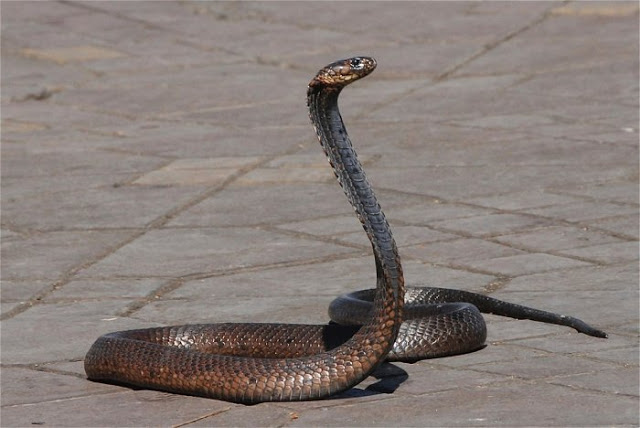
நீசர்களுக்குச் செய்யும் உதவி (உபகாரம்) அபகாரமாகவே (கெடுதலாகவே) அமைகிறது. பாலை அருந்தும் பாம்புகள், அவற்றின் விஷத்தையே கூட்டுகிறது.
Service rendered to a low person brings only disadvantage; enjoyment of milk increases only the poison of snakes.
*
வீரன் செய்நன்றி மறப்பதில்லை!
உபகாரேண வீரஸ்து ப்ரதிகாரேண யுஜ்யதே |
அக்ருதக்ஞோ ப்ரதிக்ரதோ ஹந்தி சத்தவவதாம் மன: ||
ஒரு வீரனானவன் மற்றவர்களிடமிருந்து பெரும் உதவியை நன்றியுடன் நினைத்து பதிலுக்கு நல்லதையே செய்கிறான். ஆனால் நன்றி கெட்ட ஒருவனோ அனைவராலும் நிந்திக்கப்படுகிறான்.
A chivalrous man feels grateful for the help he gets from others and does them good deed in return; but an ungrateful wretch is disdained by all.
(Translation by T.S.Raghavacharya)
*
தூரத்தில் இருக்கும் சூரிய, சந்திரர் போல உதவி புரிதல் வேண்டும்!
உபகார்யோபகாரித்வம் தூரே சேத் தா ஹி மித்ரதா |
புஷ்பவந்தௌ கிமாசன்னௌ பஷ்ய கைரவப்த்யயோ ||
தூரத்தில் இருந்தாலும் கூட உதவியைப் பெறுவதும் திருப்பிச் செய்வதுமே உண்மையான நட்பாகும்; (உண்மையைத் தான்) பாருங்களேன், சூரியனும் சந்திரனும் தாமரை மலருக்கும் அல்லி மலருக்கும் மிக அருகிலா இருக்கின்றன!
If the process of receiving and rendering help is done from afar that indeed is (true) friendship; see (the truth) are the sun and the moon quite near to the lotus and the lily ? (Translation by A.A.R.)
*
தீயதைச் செய்பவனுக்கும் நல்லதைச் செய்பவரே மகான்!
உபகாரிஷு ய: சாது: சாதுத்வே தஸ்ய கோ குண: |
அபகாரிஷு ய: சாது: ஸ சாது: சந்திருச்யதே ||
நல்லதைச் செய்யும் ஒருவனுக்கு நல்லதைச் செய்வதில் என்ன மகத்தான குணம் இருக்கிறது?! தீயதைச் செய்தாலும் நல்லதை திருப்பிச் செய்வதையே மகான்கள் குணமாகக் கொண்டுள்ளனர்.
Pictures are taken from various sources for spreading knowledge; this is a non- commercial blog. Thanks for your great pictures.
tamilandvedas.com, swamiindology.blogspot.com
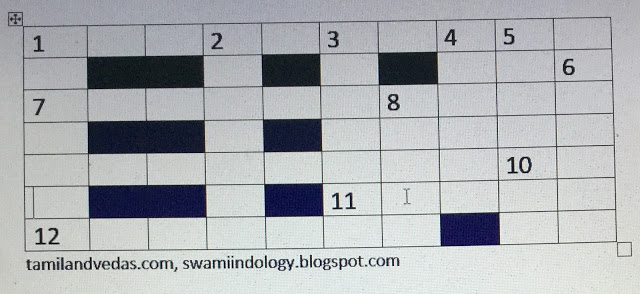
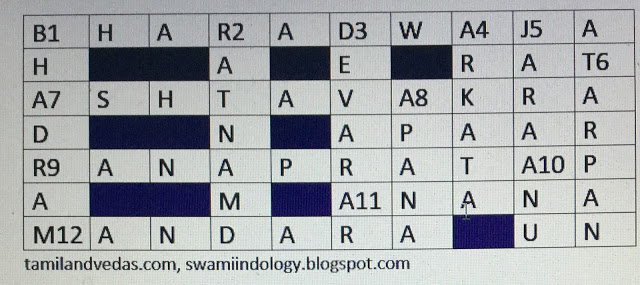
ACROSS
1.Bharadwaja – (10 letters) great sage who appears in the Vedas and Epics. Since it is gotra name several rishis has same surname. One of them was father of Drona
2.Ashtavakra – (10 letters) – a Vedic Rishi born with 8 bents in his body because of his father’s wrong pronunciation of Vedas.
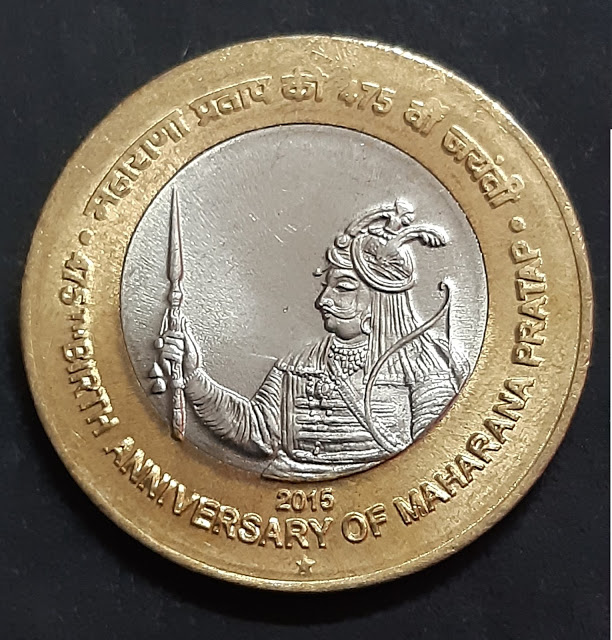
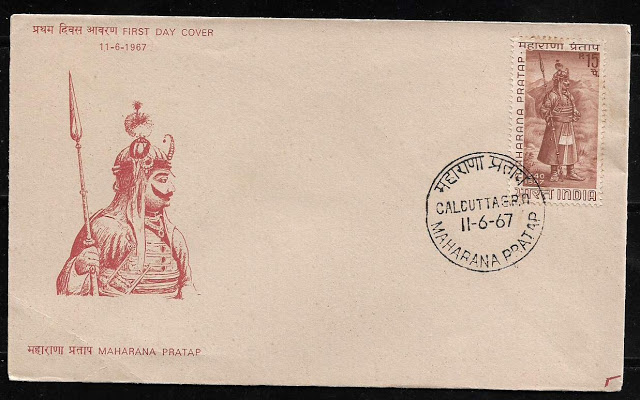
9.Rana Pratap– (10) Rajput king who fought with Akbar for several decades
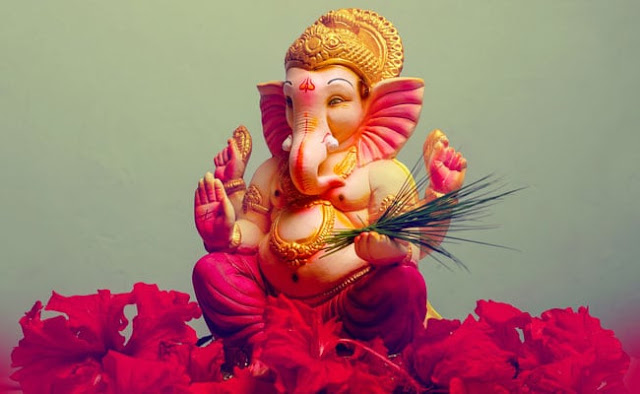
11.Anana – (5) head; Ganesh has elephant………
12.Mandara – (7) – Name of a hill; name of one of the trees in the heaven
DOWN
1.Bhadram – (7 letters) good fortune, auspicious, gracious
2.Ratnam — (6) gem stone
3.Devara – (6) brother-in-law
4.Arka – (4) Sun, a grass offered in rituals
5.Jara – (4) – old age; gerontology is derived from this word
6.Tarpan – (6)- offering to the departed souls on New moon days
8.Apana – (5) long sound meant a shop; short sound meant a type of wind in the body
Has life in the world been always difficult, or has something happened to make it particularly so, now?
Hinduism has a concept of time-Yuga- which implies progressive deterioration in the quality of life over long periods of time. From Krita or Satya Yuga, through Treta, Dwapara standards fall, and in Kali Age, we reach the lowest point. We are now living in Kali Age.
Such notion prevailed in the other ancient civilizations too. Graeco Roman world and even early Christianity believed in 4 ages- Gold, Silver, Bronze and Iron, which roughly correspond to our yugas.
Our scriptures like the Bhagavatam contain descriptions of how Kali age will be- registering progressive deterioration in the quality and standards in all walks of life.We also have the concept of Avataras which are supposed to arrest the deterioration, but they do not stop the wheel of time as it turns. Krishna even says in the Gita that he is Kala-the time spirit of destruction! Man has to learn to live with it, and it is the job of religion to teach him how under such circumstances. This is a divine dispensation. Each age evolves its own set of basic rules- called Yuga dharma.
How does this deterioration come about?
Life on earth depends upon three interactions:
1. man-nature interaction- the dominant fact of physical life. Each country or geographical living unit is differently endowed, and people everywhere learned to live with it,in spite of hardships. In pre-modern times, each country was self-sufficient, almost. In the absence of comparisons, each was contented too.
Modern science and technology disturbed this relationship, in the name of conquering Nature.
2.man-invisible forces interaction. Every ancient society/religion believed in a hierarchy of beings- invisible spirits with which man was in contact and communication. Gods, angels, fairies, spirits, etc actively intervened in human affairs and man was in awe of them. Christianity destroyed this belief. Though it invented its own set of spirits, up to the Trinity, it did not quite take the place of the old order.
3.man-man interaction- which is the social dimension of life. Family, clan, community to even larger aggregates- man is thus socially bound. There was a hierarchy governing this too- with fidelity to traditions and conventions, and submission to authority ( both religious and secular), which gave it stability. With the rise of ‘modern’ notions of individual freedom, and socio-political revolutions, this dimension has also been irreversibly altered. Society is now influenced by any passing fancy or floating fashion.
Thus Christianity , modern science, and social movements, have destroyed the stability of the old world, and contributed to progressive deterioration of the quality of life in all spheres. The old bases of morality and ethics are not honoured in the public space, and Judges even propound “Constitutional morality”- whatever it may mean, when Constitution itself is not a fixed entity, product of the human mind and ego, reflecting but the conditions of the times and hence subject to amendments from time to time!
Christianity, and following it Islam destroyed most ancient insights. But after Renaissance, science has thoroughly discredited Christianity. Though science has not contradicted or negated Hinduism in any way, the anti-christian stand of modern scientific temperament has translated into a general anti-religious, or at least an irreligious, secular attitude to life, which has today become global. This expresses itself in a lifestyle which:
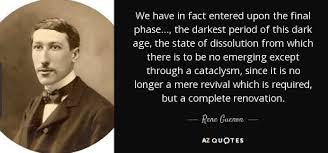
“admit nothing higher than rational or discursive knowledge, which is necessarily indirect and imperfect……” “this is the most conspicuous feature of the modern period: need for ceaceless agitation, for unending change and for ever-increasing speed…” “It is a dispersion in multiplicity, and in a multiplicity that is no longer unified by consciousness of any higher principle” (Rene Guenon)
Science on its part, and through its application in technology, has largely contributed to a serious deterioration in quality in all walks of life, besides obscuring the basic facts and purpose of life. The media and academia have led society to a general belief that we have progressed: look at GDP, the rise in average life span, the eradication of some diseases that used to plague humanity, the convenience and comfort brought in by modern gadgets , etc. But look around seriously and you will discover grave facts: pollution of earth,air and water, rise of new unidentified and un-treatable diseases, life-style and modern-food related epidemics like obesity,diabetes, hypertension, heart disease, stress; social problems like disruption of family, rising divorce, , teen-age pregnancy,single parent children, drugs, crime; and over all, increase in violence; constant, engineered change imposing the burden of adjustment, the lack of certainty in anything and rise of plain cynicism; rise of corporate generated greed leading to uncontained consumerism and exhaustion of non-renewable resources,etc.and the global environmental crisis about which 90% of the people are blissfully ignorant, and the rest can’t do much. As Lewis Mumford said, the modern age has mistaken comfort for civilization. Science has not only obscured the man-invisible order connection, but it has also seriously disrupted the man-nature connect.All this achieved in the name of science,progress and modernity- and we pat ourselves on the back!
The over-all effect is that life has become unsustainable. The puranas called the situation simply ‘boobaaram’. Saints and Sages understand and express it in terms of how difficult it has become for man to understand the basic facts of life – its fundamental purpose and adopt a lifestyle that will promote it. This precisely is the problem of the Kali age. This Kali has engulfed the whole world, as seen in the spread and prevalence of uniform economy, social systems and lifestyles, especially among the rising numbers of youngsters in all countries. Kali is global!
The Bhagavatam clearly declares:
Kalinaadharmitrena dhareyam baadidhaadhunaa Mahatmyam, 1.30 Now, the Kali which supports adharma, is controlling this whole world (the whole earth). Sri Tyagaraja deals with this universal character of Kali in his kritis.
Where does deterioration start from? There is a Bengali saying that the fish rots from the mouth- not tail. In the Hindu tradition, it is the King who represents and protects Dharma. That is why when the king realised he failed to render justice to Kovalan, he fell down giving up his life, saying ” am I the king, no I am a thief”. Valluvar says in the Kural:
(542-3)
The world looks up to the rain-cloud for life: so do men look up to the sceptre (righteous king) for protection.
It is the rightness of the king which protects the science (learning) of Brahmins and Dharma.
Lao Tsu said:
“In the first age, men have no rulers; in the second they love their rulers; in the third they fear them; and in the fourth they despise them.”
(Quoted by Arthur Osborne)
Tyagaraja says:
Kasichchede goppa yenura kalilo rajulaku
In this Kali age, kings think high only of giving money. (They think they can get anything done through dispensing money, or it is enough if they hand out money)
Haridasulu sevimparanuchu prabhuvulu
dayamaniri para menchaka boyiri
They have become merciless towards (real) devotees of God, because these do not serve the prabhus. They have given up thoughts about paraloka ( the life after death.)
Rajangamu koraku naalku jaatula
rakshana para sukhamo
Rajasulai sanmarga merugaka
paraku seya ghanamo
Aajanmamu goliche vipravarula
kaanandamu galado —
Nee maya gaani neeraja nayana
Just for running the government, is it enough if they only cater to the four jatis?
If not knowing the right way, due to the dominance of rajoguna, they give up dharma, will it lead to wellbeing?
If Brahmins serve such lords since birth, will they derive real happiness?
O the lotus eyed one! Perhaps this is all your maya!
Even while describing what is happening, Tyagaraja is aware that there is some inevitability to such developments – hence he calls it all Lord’s maya!
In India today, things have become even simpler! The ministers, M.Ps, M.L.As, Corporators, bureaucrats etc are the new prabhus! They have many schemes to distribute (and pocket) freebies!They do not have to please or protect all the 4 jatis now- it is enough if they cater to the dominant one! And nobody in govt. talks of Dharma- or even Aram in Tamil any more! It is all rule of law, provided the ruling party leader is not touched by law! And provided, further, that law is what they say it is!
Varusa tappu buddhulu neechulaku
vachchinadi teliyada (Aedi nee)
Are you not aware that people of the lower order are all indulging in unrighteous conduct?
Verapu leka tirigeru
They roam about without any fear.
Sarasa bhusurula baadhalu
It is only the righteous people who undergo troubles.
Brahmaneekamu baya neechula
bratukaaya nadigaakayi kalilo
Brahmamaina maatala nerchukoni
baragerayya (Sarasiruhanana)
Brahmanyam has disappeared. Brahmins have taken up the professions of the lower varnas. In this Kali Age, people have learnt to talk bogus Vedanta and make a living.
We should carefully note this observation of Tyagaraja made over 150 years ago. It talks not just about the decline of Brahmins, but about the disappearance of the very ideal of Brahmaneeyam or Brahmanatvam. Seniors among us may recall that the Dravidian movement opposed the dominance of Brahmins in several professions; but more than that some of their leaders articulated the idea that they opposed not Brahmins but “Brahmaneeyam.” And this in the name of self-respect for the Tamils. If we see Kural, by which these people swear as the Tamilians’ gospel, this is what Valluvar says:
Marappinum ottu kolalaagum paarppaan
pirappozhukkam kunrak kedum. 134
The Veda, even if forgotten, can be learned again.
But once he gives up his discipline-by- birth, the Brahmin falls from his position for ever.
This is an interesting Kural. It shows that what is essential in a Brahmin is not Vedic learning but the conduct enjoined on him by birth ie Brahmaneeyam! Most Brahmins have now not only given up Vedic learning, but also the conduct! And they have had to take to all professions and go to work around the globe,including Brhahmin girls! No Brahmin mutt or Acharya has been able to stem this tide.Most Brahmins today are only learned in the books, that too from secondary sources.
This is a phenomenon which requires to be studied from a socio-religious point of view. In fact,Brahmins are the victims. This is the way the spirit of the age seems to assert itself. It is remarkable that Tyagaraja talked about it 150 years ago!
Incidentally, this kural occurs in the chapter on Rightness of Conduct ( 14.Ozhukkamudaimai.) I found that even when this chapter is included in school textbooks in Tamil Nad, this particular kural is deleted! It may be because it supports Brahmin orthodoxy and goes against the stand of the Dravidian parties! Satyameva Jayate! (Vaaymaiye Vellum- as it is written in the emblem of Tamil Nad govt!)
Kali maanavadhamula karyamul
kama matsaraadhula krutyamul
chalachittamuleni vaaripudu
chaala Tyagaraja nutunito delupa (Evaraina)
Are there no great people of firm mind, who can inform Rama worshipped by Tyagaraja, of the bad acts of the low people, and of the acts undertaken, prompted by lust , greed, etc?
Kalinarulaku mahimalu
delipemi phalamanaleda
Did I not tell you that there was no use explaining your greatness to people of this Kali Age?
Daarasutukai dhanamulakaiyooru
Perulakai bahu pedda tanamukai
saareku bhakta vesamu konuvaariki
Tarakanama mahimalu
These people don the disguise of Bhaktas and act, for the sake of wife and children, for wealth, for name and fame. What is the use of telling them of your Taraka nama?
Kalilo maatala nerchukoni
kantalanu danayula brochutaku
silaatmudai paluka neratura (Nenarunchi)
In this Kali age, I cannot ,(like others) learning some pleasing words, lead a life of hardened heart, just for the sake of serving my wife and children.
Sattaleni dinamulu vachchena
Kalilona pratama paadamulo
tali tandri guru guru bhaktiyu leka
palumaru dushkrutyam bonarppa-
valena
Oh, the godless days, days without any essence have come!
Should it so happen that even in the first quarter of the Kali age ,days should come when without respect for mother, father, guru people indulge in evil deeds?
Kali purushudu natakamuna gatta
dalachinadu Khala matamulane yagamulaku me kaluga narula jesune (Idi samayamura) Kali Purusha has planned to enact a drama. He will offer people as sacrificial goats in the yajnas of the false religions which he has initiated. (Many false sects have arisen and people following them get destroyed, as the goats in sacrificial fire)
To escape from this, we need Divine grace. Daya juda iti samayamura Kali durmada gajaga Inakula Tilaka
O the star of the Surya vamsa! The one to control the masth-ful elephat of Kali! This is the ripe time for you to look at us with compassion! Chakkaganu bhakti sastra vidula chaalagani navvaru (Sari jesi) People make fun of those who are really learned in the bhakti sastras. Ee kalinanu sarinchina heenajaati martyula cheeekaku badaga darame (paripurnakama) How can I bear the troubles caused by the low class people who follow all the bad habits of the kali age?.
Tyagaraja is quite candid and explicit about the evils of Kali. Our scriptures are also quite plain and detailed while dealing with the problems of Kali. But for some reasons, our pravachanakartas do not deal with these portions fully or properlywhich is a pity. Kali represents a levelling down of standards everywhere- this is what we see in all spheres of life. The only hope and solution is devotion to God so that problems can be solved at individual level. This is the solution offered by Tyagaraja.
Note: The problems of modern life have been dealt with extensively by many thinkers and thoughtful writers. But these do not get coverage in the mainstream newspapers or magazines, nor do they form part of the subjects in the universities. So society , even so called educated people, are largely unaware of these insights and details. Rene Guenon was one of the earliest Western thinkers to point out the problems of the modern world. His book “The Crisis of the Modern World” was first published in French in 1927 and was translated by Arthur Osborne into English in 1942. The quotation in this piece is taken from this book. Arthur Osborne was influenced by the ideas of Rene Guenon. Later he became a follower of Ramana Maharshi and has 5 outstanding books related to him. The quotation given here is taken from his book: ‘The Rhythm of History’, first published in 1959.
Pictures are taken from various sources for spreading knowledge; this is a non- commercial blog. Thanks for your great pictures.
tamilandvedas.com, swamiindology.blogspot.com
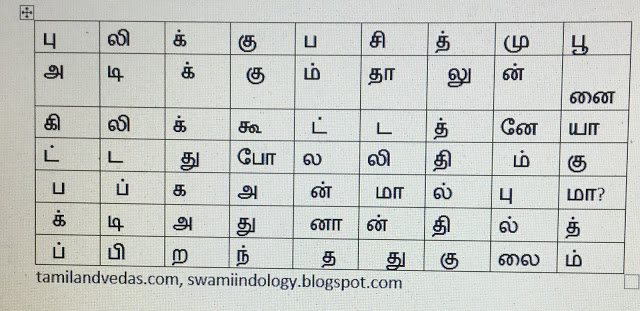
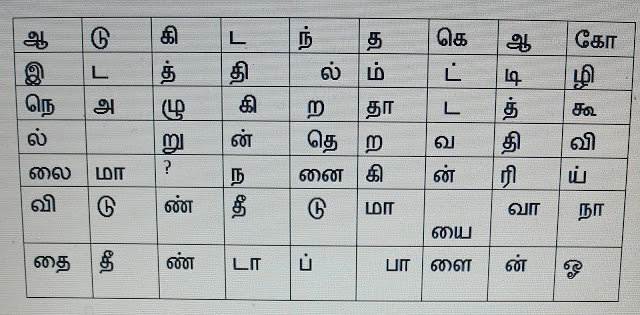
ஒரே சொல் மீண்டும் மீண்டும் வந்தால் ஓரிரு இடங்களில் மட்டுமே கட்டத்தில் இருக்கும். கொண்டு கூட்டி பொருள் கொள்க . விடை கீழே உள்ளது . சில நேரங்களில் படங்களைப் பார்த்தாலும் விடை காண உதவலாம்.
Pictures are taken from various sources for spreading knowledge; this is a non- commercial blog. Thanks for your great pictures.
tamilandvedas.com, swamiindology.blogspot.com
சில அதிசயச் செய்திகள்
காந்தப் பையனும் கணிதக் குதிரையும்
உலகில் காந்த சக்தியுள்ள மனிதர்கள் பத்துப் பதினைந்து பேர் இருக்கிறார்கள் .
ஆயினும் இவர்கள் பிற்காலத்தில் காந்த சக்திகளை இழந்து விடுகிறார்கள் போலும்; ஏனெனில் இவர்களின் பிற்கால வாழ்வு பற்றி செய்திகளே வருவதில்லை. கூகுள் google செய்து பார்த்தபோதும் இது கிடைக்கவில்லை. மத்திய பிரதேச சாகர் நகர் முதல் கிழக்கு ஐரோப்பிய நாடுகள் வரை ஸ்பூன் மேன் Spoon Man, அயன் மேன் Iron man, நெயில் மேன் Nail Man, பேன் மேன் Pan Man என்று பலர் காணப்படுகின்றனர்.
சிலர் இவர்களின் உடலில் இருப்பது காந்த சக்தி அல்ல; இவர்களின் தோல் கோந்து, பசை போல ஓட்டும் தோல் உடையோர்த்தான் (Sticky Skin) ; ஏனெனில் இவர்களின் உடம்பில் பிளாஸ்டிக் பொருட்களும் ஒட்டுகின்றன என்பர். இன்னும் சிலர் , இவர்கள் உடம்பை வைத்துக்கொள்ளும் முறையால் பொருட்களை (Knacks) நிறுத்தி வைப்பதாகச் சொல்லுவர் . இவற்றில் கொஞ்சம் உண்மை இருக்கலாம். ஆயினும் மேலும் ஆராயப்பட வேண்டிய விஷயமே .
2011ம் ஆண்டு மெட்ரோ பத்திரிகையில் வந்த செய்தி இதோ —
ஐ வான் ஸ்டோய்கோவிச் (Ivan Stoiljkovic) குரோவேஷியா நாட்டில் வசிக்கிறான். வயது ஆறு; ஆயினும் 25 கிலோ பொருட்களை உடம்பில் ஓட்ட வைத்துக் கொண்டு நிற்கிறான்.
ஐ வான் வசிக்கும் கோப்ரிவனிக்கா கிராமம் வடக்கு குரோவேஷியாவில் உளது . சரியான குண்டன். இவானுடைய சதை மடிப்புகளே 25 கிலோவைத் தாங்குவதாக , குறைகூறுவோர் செப்புவர்.
ஐ வானைப் பற்றிய அதிசயச் செய்திகள்
1. ஐ வான் 50 கிலோ சிமெண்ட் மூட்டையை முதுகில் சுமந்து கொண்டு கிராமத்தை வளம் வருவான்
2. ஐ வான் தொட்ட இடத்தில் காயங்கள் ஆறும்; வலி பறந்தோடிப் போகும்.
3. வீட்டில் பாட்டி, கதவுக்கு உடம்பு வலி என்றால் இவான் போய் தொடுவான்; வலி குட் பய் சொல்லிவிட்டுப் பறந்தோடிவிடும்.
4. கிராமத்தில் ஒருவருக்கு டிராக்டர் விபத்தால் காலில் கடும் வலி உண்டானது ; ஐ வான், அந்த ஆள் பக்கத்தில் போனவுடன் வலி மறைந்தது; அவன் வெளியே போனவுடன் அந்த ஆளுக்கு மீண்டும் வலி வந்தது; பின்னர் ஐ வானை அழைத்தபோது வலி ஓடி விட்டது. அபோது முதல் சிறுவனின் மஹிமை பரவத் தொடங்கியது. உடனே உலக மஹா ஊடககங்கள் ஐ வனை உலகெங்கிலும் காட்டின.
எங்கள் மதுரையில் யாருக்கேனும் சுளுக்கு, முதுகுப் பிடிப்பு வந்தால் இரட்டைக் குழந்தை பெற்றவளோ அல்லது இரட்டைக் குழந்தையில் ஒருவர் தொட்டாலோ சுளுக்கு போய்விடும் என்பர். அதுவும் உண்மைதானோ ???? !!!
ஆராய வேண்டிய விஷயம்தான்.
மின்சார மனிதர்கள் பற்றி நாம் அறிவோம். காந்த மனிதர்களும் இருக்கத்தானே வேண்டும் !!!
XXXXXXXX
கணக்குப் போடும் குதிரை Horse can Count
2012 மெட்ரோ பத்திரிகையில் கணக்குப் போடும் குதிரை பற்றி ஒரு செய்தி வெளியானது ; அந்த குதிரைக்கு 19 வரை எண்ணத் தெரி யுமாம்.
நான் சிறு வயதில் மதுரையில் ஆண்டுதோறும் நடக்கும் சித்திரைப் பொருட்காட்சிக்குப் (Chitra Exhibition in Madurai) போவேன். அங்கு கிளி சர்க்கஸ் Parrot Circus காட்சிக்கு பெரிய Q கியூ நிற்கும். அவர்களுக்கு நல்ல வசூல் . அங்குள்ள கிளிகள் வண்டி இழுக்கும்; கேட்ட கேள்விக்குப் பதில் சொல்லும். பத்து வரை கூட்டல், கழித்தல் கணக்குப் போடும்; கடைசியில் ஒரு தீக் குச்சியைக் கொண்டுபோய் பட்டாசு வெடிக்கும். அத்துடன் ‘ஷோ’ show முடியும்; 60 ஆண்டுகளுக்கு முன் பார்த்த காட்சிகள் இன்றும் மனக் கண் முன் காட்சி தருகின்றது.
அது போல இதோ கணக்குப் போடும் குதிரை
மெட்ரோ, ஏப்ரல் 20, 2012 செய்தி
குதிரையின் வயதும் 19; அதற்குத் தெரிந்த எண்களும் 1 முதல் 19 வரை.
வசிக்கும் இடம் — கலிபோர்னியா, அமெரிக்கா
குதிரையின் பெயர் – லூகாஸ் (Lucas) ;
அதை வளர்க்கும் பெண்மணி – கரேன் மர்டோக்.வயது 54.
திருமதி கரேன் மர்டோக் சொல்கிறார் :
“எனக்கு குதிரை சவாரி ரொம்பப் பிடிக்கும். லூக்காசை பார்த்தேன்; எலும்பும் தோலுமாக நின்றது; இனிமேல் பந்தயத்தில் ஓட முடியாது என்று தெரிந்தவுடன் எல்லோரும் ‘அம்போ’ என்று விட்டுவிட்டனர் அதை நான் சுவீகாரம் எடுத்தேன். ; அது மிகவும் புத்திசாலி என்று எனக்குத் தெரியும்; எதையேனும் கொண்டு வா என்று சொன்னால் நாய் போல ஒடி அதை எடுத்துவரும். 1 முதல் 19 வரை எண்களையும் அறியும். உட்கார் என்றால் உட்காரும்; கற்றுக் கொள்வதில் ஆர்வம் காட்டுகிறது. கொஞ்சம் கொஞ்சமாக shapes வடிவங்கள் numbers நம்பர்களையும் சொல்லிக் கொடுத்தேன்”.
xxxx
tags — காந்த , மனிதன், பையன், கணக்குப்போடும், குதிரை
Pictures are taken from various sources for spreading knowledge; this is a non- commercial blog. Thanks for your great pictures.
நுண்ணறிவை முழு ஆற்றலுடன் தரும் வேத கல்வி!
ச.நாகராஜன்
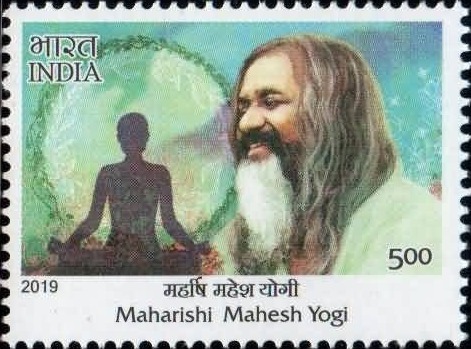
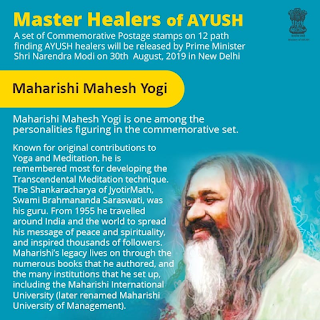
மஹரிஷி மஹேஷ் யோகி இன்றைய கல்வி முறையையும் வேதத்தின் அடிப்படையிலான கல்வி முறையையும் ஆழ்ந்து ஆராய்ந்த மாபெரும் யோகி.
இன்றைய கல்வி முறையின் மூலமாக மூளை ஆற்றலின் ஒரு பகுதி மட்டுமே வளர்ச்சியுறுகிறது என்பதை ஆணித்தரமாகக் கூறிய அவர் வேத அடிப்படையிலான கல்வியானது மூளை ஆற்றலை முழுவதுமாக வளர்க்கும் என்று அறுதியிட்டு உறுதியாகக் கூறினார்.
மூளை ஆற்றலை வளர்க்க அதன் 40 குணாதிசயங்களையும் தரும் அபூர்வமான வேத கல்வியே வேண்டும் என்று கூறியதோடு அந்த 40 குணாதிசயங்கள் என்ன என்பதையும் பட்டியலிட்டுக் காட்டினார்.
அதன் அடிப்படையிலான வேத நிறுவனத்தையும் நிறுவினார்.
இதை அறிவியல் பூர்வமாக ஆராயத் துடித்த விஞ்ஞானிகள் அளப்பரும் சக்தியை மஹரிஷி மஹேஷ் யோகி கூறும் வழிமுறையிலான யோகம், தியானம், கல்வி முறை தருகிறது என்பதைக் கண்டனர்; அறிவியல் ஆய்வுகள் மூலமாகவும் நிரூபித்தனர்.
நுண்ணறிவின் 40 அம்சங்கள் எவை எவை என்பதை அவர் சுட்டிக் காட்டியவாறே இங்கு பார்ப்போம்.
ஆற்றல் தரும் ஆழ்ந்த மௌனம் – (holistic) Dynamic Silence – Rk Veda
பாயும் விழிப்புணர்வு – Flowing wakefulness –flowing qulaity of intelligence – Sama Veda
அர்ப்பணித்தலும் உருவாக்கலும் – Offering and Creating –Yajur Veda
துடிதுடிப்போடு கூடிய முழுமை – Reverberating WHOLENESS –reverberating quality in every point of HOLISTIC intelligence
வெளிப்படுத்துதல் – Expressing – Shiksha
மாற்றுதல் – transforming – Kalpa
விரித்தல் – Expanding – Vyakran
சுய பரிந்துரை – Self-referral – Nirukt
அளத்தலும் அளவை நிர்ணயித்தலும் – Measuring and quantifying – Chhand
அனைத்தும் உணர்தல் – All knowing – Jyotish
இனப்படுத்தலும் முடிவெடுத்தலும் – Distinguishing and Deciding – Nyaya
குறிப்பிட்டுச் சொல்லல் – Specifying – Vaisheshik
விவரித்தல் – Enumerating – Samkhya
ஒன்றிணைத்தல் – Unifying – Yoga
பகுப்பாய்வு செய்தல் – Analysing – Karma Mimamsa
முழுமையாக வாழ்தல் – Lively Absolute – (Living WHOLENESS – I-ness or being) – Vedant
ஒருங்கிணைத்தல் மற்றும் லயப்படுத்தல் – Integrating and Harmonizing – Ghandarva Veda
வெல்ல முடியாமை மற்றும் முன்னேற்றம் – Invincible and Progressing – Dhanur Veda
புராதனம், என்றுமுள்ளது – Ancient and Eternal – Purana
ஞாபகசக்தி – Memory – Smiriti
எங்கும் பரவிய முழுமை – All pervading WHOLENESS – Rk Veda Pratishakhya
அமைதிப்படுத்தல், பகிர்தல், பரப்புதல் – Silencing, Sharing, and Spreading – Shukl – Yajur Veda Pratishakhya
மறைந்திருப்பதை வெளிக்கொணரல் – Unfolding – Atharva Veda Pratishakhya
கரைத்தல் – Dissolving – Atharva Veda Pratishakhya (Chaturadhyaya)
எங்கும் நிறைதல் – Omnipresent – Krishn – Yajur veda Pratishakhya (Taittiriya)
பகுதிகளை உருவழித்தல் ஆனால் முழுமையை உருவாக்கல் – Unmanifesting the parts but manifesing the whole – Sama Veda Pratishakhya (Pushpa Sutram)
எப்படிப்பட்ட ஒரு ஞான வெள்ளம் ஹிந்து மதத்தில் தொன்று தொட்டு இருந்து வருகிறது என்பதையும் அதை எப்படி மஹேஷ் யோகி வெளிப்படுத்துகிறார் என்பதையும் பார்த்துப் பிரமிக்கிறொம்!
இந்த வேத கல்வி அல்லவா மனித குலம் முழுமைக்கும் வேண்டும் என்பதையும் உணர்கிறோம்.
Pictures are taken from various sources for spreading knowledge; this is a non- commercial blog. Thanks for your great pictures.
tamilandvedas.com, swamiindology.blogspot.com
ஒரே சொல் மீண்டும் மீண்டும் வந்தால் ஓரிரு இடங்களில் மட்டுமே கட்டத்தில் இருக்கும். கொண்டு கூட்டி பொருள் கொள்க . விடை கீழே உள்ளது . சில நேரங்களில் படங்களைப் பார்த்தாலும் விடை காண உதவலாம்.
I AM BINNING ALL THE OLD NEWS PAPER CUTTINGS ; HERE ARE SOME MAATER WHICH WILL BE OF INTEREST TO MANY, PARTICULARLY, FUTURE RESARCHERS.
பழைய நியூஸ் பேப்பர் கட்டிங்குகளைத் தூக்கிப் போட்டுக்கொண்டு இருக்கிறேன். சில அதிசயச் செய்திகள் எதிர்கால ஆராய்ச் சியாளர்களுக்கு பயன்படலாம்.
உலகிலேயே அதிகமான துப்பாக்கி வியாபாரிகள் அமெரிக்காவில்தான் உள்ளனர். ஒரு பலசரக்குக் கடையைக் கண்டுபிடிப்பதைவிட துப்பாக்கிக் கடையை கண்டு பிடிப்பது எளிதாம் . பத்து வருடங்களுக்கு முன் எடுக்கப்பட்ட கணக்குப்படி 1,30,000 துப்பாக்கி வியாபாரிகள் உளர்.
XXXX
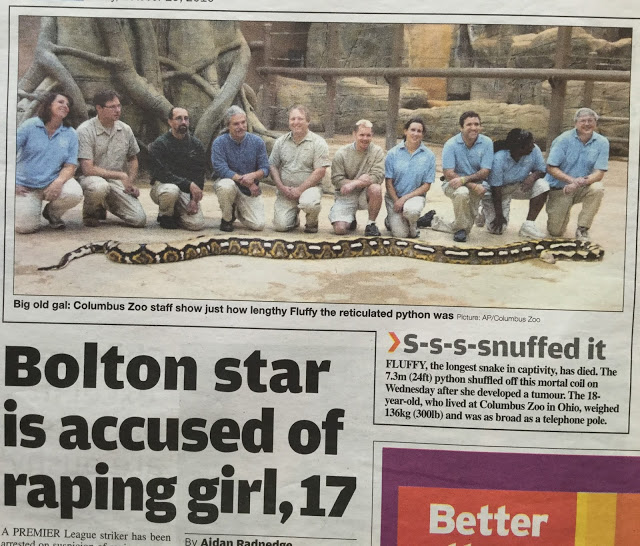
அமெரிக்காவில் ஒஹையோவில் கொலம்பஸ் மிருகக் காட்ச்சி சாலையில் இருந்த மலைப்பாம்பு இறந்து விட்டது . அதன் நீ ளம் 24 அடி. வயது 18. எடை 136 கிலோ. பர்மா நாட்டு மலைப் பாம்பு..
XXXX
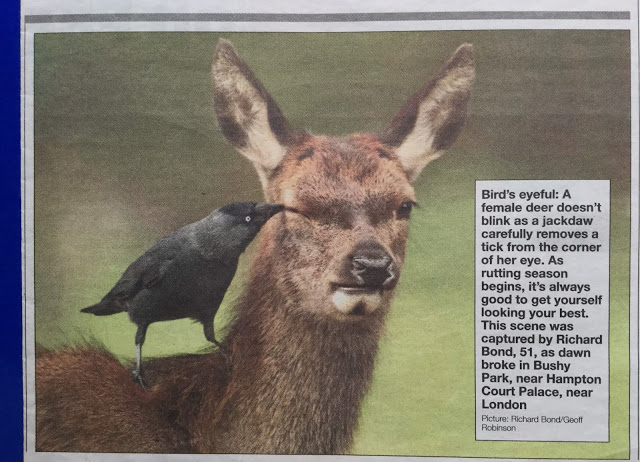
மிருகங்களுக்கும் பறவைகளுக்கும் இடையே ஒரு வினோதமான உறவு உண்டு. மிருகங்களின் கண் , பல், தோல் முதலியவற்றில் கிருமிகள், பூச்சிகள் ஆகியன வாழும். அவை அந்த விலங்குகளுக்குப் பெரிய தொல்லை. ஆனால் பறவைகளுக்கோ அவை உணவு. ஆகையால் அவைகளை எடுக்க வரும்போது அந்த விலங்குகள் பறவைகளை அன்புடன் வரவேற்கும். முதலை வாய்க்குள் கூட பறவைகள் புகுந்து சுத்தம் செய்யும். ஆனால் ஒரு தீ ங்கும் ஏற்படாது. இதோ லண் ட னில் ஒரு மானின் கண்களில் உள்ள பூச்சிகளை பறவை எடுப்பதைப் பாருங்கள் .
Xxxx
பாசி மழை
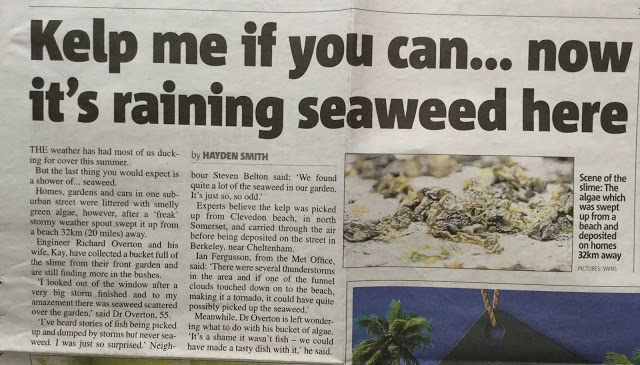
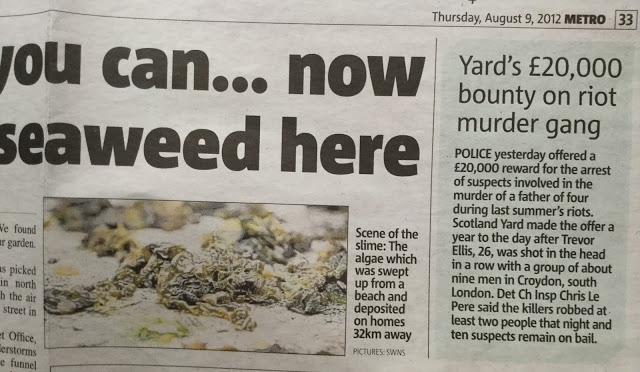
பாச மழை (அன்பு), பாச வலை (தமிழ் சினிமா), தவளை மழை , மீன் மழை , ரத்த நிறத்தில் மழை , முதலியன பற்றிக் கேள்விப்பட்டிருப்பீர்கள். ஆ னால் கடல் பாசி மழை போல வானத்திலிருந்து வருவதும், விழுவதும் அபூர்வமே. இங்கிலாந்தில் பெர்க்லி என்னும் நகரில் இப்படி பாசி மலை பெய்தது. எல்லோருக்கும் வியப்பு. 32 கிலோ மீட்டர் தொலைவில் வடக்கு சாமர்செட் பகுதியிலுள்ள கிளிவ்டன் கடற்கரையில் இருந்த பாசிகளை வாயுதேவன் சுமந்து வந்து தெரு முழுக்க வீசி மகிழ்ந்தான்.
விசித்திரமான பருவ நிலை இது போல பல விந்தைகளைச் செய்யும்.யாரோ உங்களுடைய எதிரிகள் இப்படி விஷமம் செய்வதாக நினைத்து ஆத்திரப்பட்டு விடாதீர்கள்.
xxxx
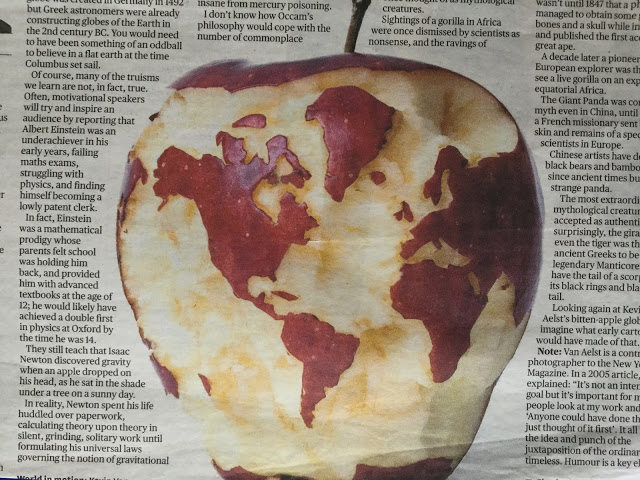
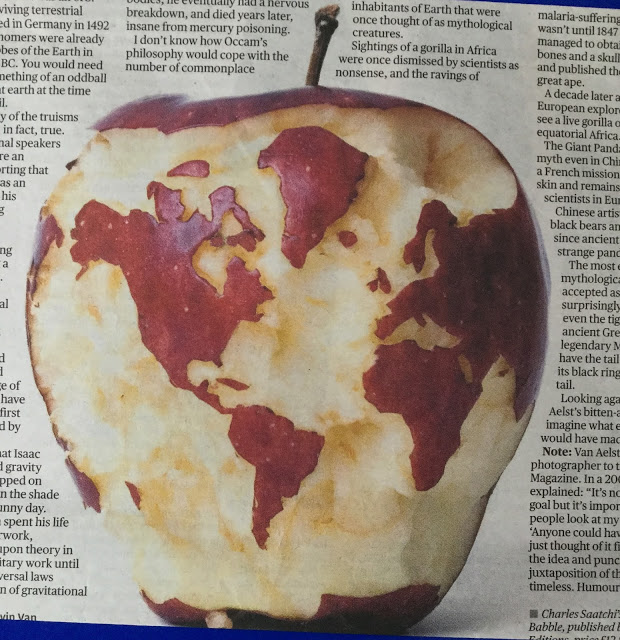
மண் உண்ட கண்ணன் கதை நம் எல்லோருக்கும் தெரியும்; யசோதை, அவன் வாயைத் திறக்கச் சொன்னவுடன் மண்ணுக்குப் பதிலாக உலகத்தையே கண்டாள். நீங்களும் உலகத்தையே சாப்பிட இதோ ஒரு ட்ரிக். ஒரு ஆப்பிளை எடுத்து, அதன் மீது உலக மேப் தெரியும்படி அழகாகக் கடியுங்கள் ‘ஆப்பிளே உலகம் உலகமே ஆப்பிள்’ என்ற வடிவம் வந்தபின்னர் , இதோ பார், ஒரு நிமிடத்தில் உலகையே விழுங்குகிறேன் பார் என்று கர்ஜியுங்கள். பின்னர் இதோ பார், என்று காட்டிவிட்டு உலக ஆப்பிளைக் கடித்துக் கடித்துச் சாப்பிடுங்கள் . பயங்கர ‘கை தட்டல்’ ஒலி
Pictures are taken from various sources for spreading knowledge; this is a non- commercial blog. Thanks for your great pictures.
tamilandvedas.com, swamiindology.blogspot.com
INTERESTING TREATMENT FOR SICKNESS- RASGOLLAS AND RICE DISH
“Two Rasgollas a day
Keeps doctor away “
—said Chief Minister of West Bengal once.
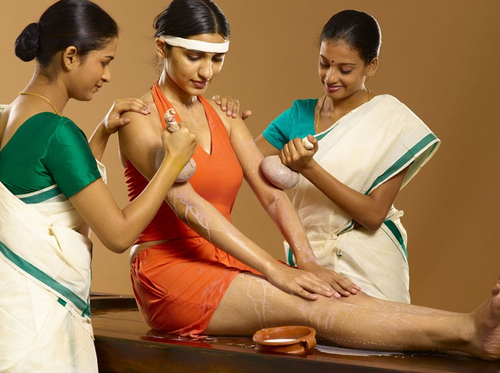
Do you have Rheumatism? We will treat you with cooked rice, say Ayurvedic doctors in Kerala.
Interesting medical information from my old (Organiser) paper cutting!!
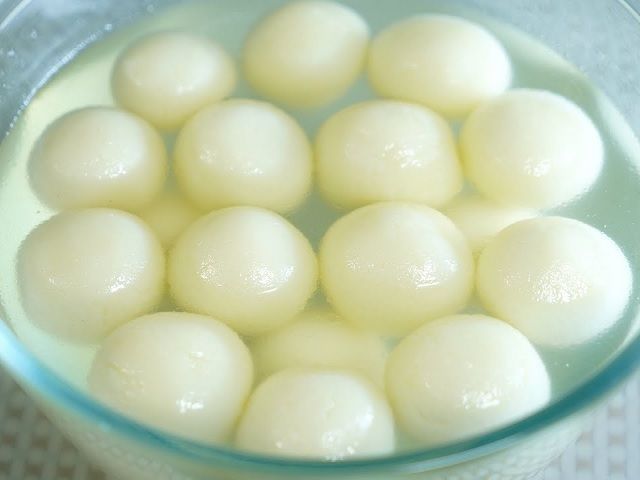
West Bengal’s second Chief Minister Dr B C Roy was a renowned physician too and even during the long years in office he used to regularly see patients at his residence in Kolkata. One gentleman who had a sickly son, managed to get an opportunity to consult Dr Roy one day . The doctor had just one look at that boy and immediately prescribed “Two Rosogollas ( a sweet) every morning” as the medicine.
The gentleman was aghast. He spoke about this ‘prescription’ to the contact man about the ‘cavalier attitude’ of Dr Roy. Upon which , Dr Roy made it known to the anguished father that the only malady his son suffered from was the lack of protein and rosogollas made from casein , would provide his son with adequate protein and make him healthy.
While rasagollas may be prescribed by doctors in rice eating Bengal as a potent medicine against protein deficiency, Ayurvedic doctors in another rice eating state, Kerala, would often prescribe rice as the medicine for various ailments. However, not every variety of rice has medicinal properties, otherwise no one in Kerala would have ever suffered from any ailment.
Njavara (Navara) rice is used as the medicine . The medicinal and nutraceutical potential of the ancient rice strain Sastika (Shashtika in Sanskrit) and Njavara
(Navara) in Malayalam was known since the period of Susrutha and Charaka. Both these Ayurvedic medical experts lived 2500 years ago.
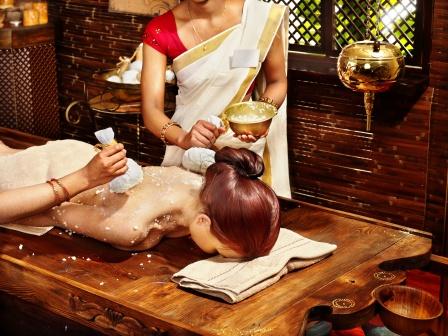
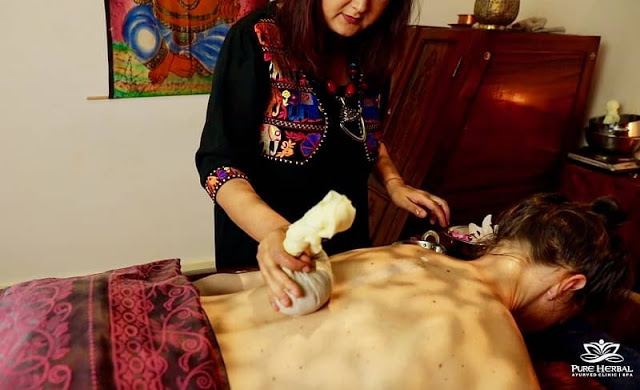
Nirvara and Shastika are mentioned in Yajurveda and Panini’s Ashtadhyayi. So Hindus have been using them for over 3000 years. Shastika means a paddy crop that is harvested in sixty days from sowing. Ayurvedic physicians have been using it until today. They make ‘Njavarakizi’ (cooked rice in small cloth pockets or bundles) and treat the rheumatic patients. The massage given that way is a rejuvenating and restoring therapy for patients with neural disorders .
Shastika anna lepa – pasting of Njavara grains cooked in milk on the whole body- is also practised. Njavara grains have been traditionally recommended to the emaciated and debilitated and Malayalees consume it as Karkidaka Kanji or Marunnu Kanji- a porridge prepared with this special kind of rice and some medicinal herbs.
(Karidaka is the name of a month; Marunthu means medicine; it is used during monsoon season in Kerala)
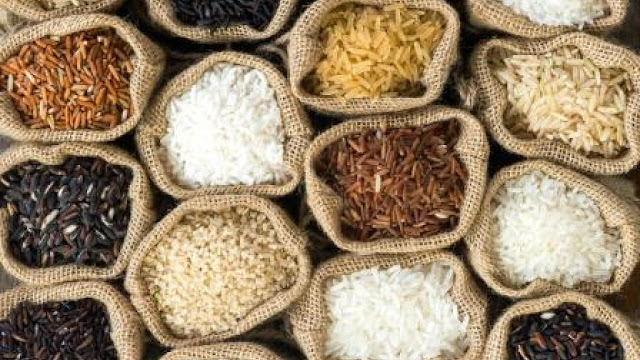
At least 50 rice varieties with medicinal properties have been used in different parts of India .
How old is rice as a food grain?
Archaeological findings from advanced Mesolithic or Pre Neolithic (about 8000 years ago) reveal the use of such wild rice varieties.
Some of the varieties used in different parts of India are given below:-
Shastika , Nivara or Njavara (in Malayalam) nirvara or Senthinai or Kar arisi (In Tamil)—used for Rheumatism and Neural disorders
Aalcha in Chattisgarh area used for curing Pimples
Baissor – treatment for chronic Headache and Epilepsy
Gathuhan, Karhani, Kalimooch varieties used respectively for treating Rheumatism, Paralysis and Skin Disorders
In Jeypore area of Orissa, tribal people use Mehar, Sariphul in treatment for various ailments
In Uttara Kannada district of Karnataka, Atikaya variety as health tonic and Kari Bhatta to treat skin infections.
Though Agripedia website gives a list of about 250 varieties of paddy , it is understood that there are 2000 varieties in Asia. Because of modern craze for new high yielding quick varieties, many of the old medicinal varieties are disappearing. Government and individuals must take steps to preserve the old and good varieties. Wild rice Nivara was used by our Rishis and Munis in the forest according to Sanskrit Kavyas.
(Organiser Weekly has published a report on second International Rice Conference held in 2006. I have collected details from the report and included my inputs in the above article)
tags – Njavarakizi, rice treatment, Rasgolla, Dr B C Roy, Ayurveda, Rheumatism, shastika


















 Tamil and Vedas