Written by S
Nagarajan
Date: 8 DECEMBER 2018
GMT Time uploaded in London –6- 50 am
Post No. 5751
Pictures shown here are taken from various sources including google, Wikipedia, Facebook friends and newspapers. This is a non- commercial blog
ஆங்கில இலக்கியம்
பதில் சொல்லார்! தர்க்கம் புரியார்!! செய்வர், அல்லது செத்து மடிவர்!!!
ச.நாகராஜன்
1
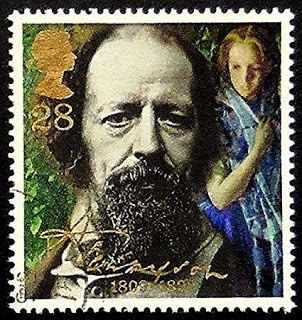
இங்கிலாந்தைச் சேர்ந்த கவிஞரான லார்ட் ஆல்ஃப்ரெட் டென்னிஸனின் (Lord Alfred Tennyson – பிறப்பு 6-8-1809 மறைவு 6-10-1892) அற்புதமான கவிதைகளில் ஒன்று ‘தி சார்ஜ் ஆஃப் தி லைட் ப்ரிகேட்’
கவிதை இதோ:
The Charge of the Light Brigade
I
Half a league, half a league,
Half a league onward,
All in the valley of Death
Rode the six hundred.
“Forward, the Light Brigade!
Charge for the guns!” he said.
Into the valley of Death
Rode the six hundred.
II
“Forward, the Light Brigade!”
Was there a man dismayed?
Not though the soldier knew
Someone had blundered.
Theirs not to make reply,
Theirs not to reason why,
Theirs but to do and die.
Into the valley of Death
Rode the six hundred.
III
Cannon to right of them,
Cannon to left of them,
Cannon in front of them
Volleyed and thundered;
Stormed at with shot and shell,
Boldly they rode and well,
Into the jaws of Death,
Into the mouth of hell
Rode the six hundred.
IV
Flashed all their sabres bare,
Flashed as they turned in air
Sabring the gunners there,
Charging an army, while
All the world wondered.
Plunged in the battery-smoke
Right through the line they broke;
Cossack and Russian
Reeled from the sabre stroke
Shattered and sundered.
Then they rode back, but not
Not the six hundred.
V
Cannon to right of them,
Cannon to left of them,
Cannon behind them
Volleyed and thundered;
Stormed at with shot and shell,
While horse and hero fell.
They that had fought so well
Came through the jaws of Death,
Back from the mouth of hell,
All that was left of them,
Left of six hundred.
VI
When can their glory fade?
O the wild charge they made!
All the world wondered.
Honour the charge they made!
Honour the Light Brigade,
Noble six hundred!
இங்கிலாந்தின் அரசவைக் கவிஞர் அவர்.

இந்தக் கவிதை 1854ஆம் ஆண்டு டிசம்பர் 2ஆம் நாள் எழுதப்பட்டு டிசம்பர் 9ஆம் தேதி தி எக்ஸாமினர் இதழில் பிரசுரிக்கப்பட்டது. சில நிமிடங்களில் இந்தப் பாடல் எழுதப்பட்டது. ரஷியாவிற்கு எதிராக நடந்த க்ரிமியன் போரைப் பற்றி எழுதிய இந்தக் கவிதையை அவர் ஏ.டி. என்ற பெயரில் வெளியிட்டார்.
இந்தக் கவிதை கருங்கடலின அருகே நடந்த பலக்லாவா சண்டையைப் (Battle of Balaclava) பற்றிய பாடலாகும்.
படைத் தலைவனின் தவறான ஒரு உத்தரவு காரணமாக (Someone had blundered)
ரஷியர்களை எதிர் கொண்டனர் பிரிட்டனின் போர் வீரர்கள். சாவு நிச்சயம் என்ற நிலையில் கூட அவர்கள் பின்வாங்கவில்லை. (Into the valley of Death
Rode the six hundred)
கீழே பள்ளத்தாக்கை நோக்கி அவர்கள் செல்ல எதிரில் எதிரி பீரங்கி வைத்துக் குண்டுமழை பொழிந்தான்!
உத்தரவுக்குக் கீழ்ப்படிந்தனர்; அவர்கள் பதில் சொல்லார்; தர்க்கம் புரியார்; செய்வர் அல்லது செத்து மடிவர். (Theirs not to make reply,Theirs not to reason why,
Theirs but to do and die)
ஆணை சரியா தவறா என்ற தர்க்கத்திற்கே அந்தக் களத்தில், அந்தக் கணத்தில் இடமில்லை.
சந்தோஷமாக சாவை அவர்கள் எதிர் கொண்டனர்; அவ்வளவு தான்!
அந்தப் போரில் படையில் பாதிக்குப் பாதி போர்வீரர்கள் இறந்தனர். ரஷியர்கள் பின்வாங்குவதை மீதி பாதிப்பேர் பார்த்தனர்!
பிரிட்டனின் ராணுவ வீரர்களின் தேச பக்தியையும் உயிர் தியாகத்தையும் புகழ்ந்து டென்னிஸன் இதை எழுதினார். அவர் தம் புகழ் என்றேனும் மங்குமா? மறையுமா! (When can their glory fade?)
இதை அமெரிக்க கவிஞரான ப்ரெடரிக் கோடார்ட் டக்கர்மேனும் இன்னும் சிலரும் கடுமையாக விமரிசனம் செய்யவே டென்னிஸன் கவிதையில் சில மாற்றங்களைச் செய்தார்.
இந்தக் கவிதை டாக்டலிக் டைமீடர் (dactylic dimeter) என்னும் சந்தத்தில் எழுதப்பட்ட கவிதையாகும். ஆறு செய்யுள்கள் அடங்கிய இந்தப் பாடலில் சின்னச் சின்ன வரிகளையே பார்க்க முடிகிறது; அது ஆழ்ந்த பொருளைத் தருகிறது!
2
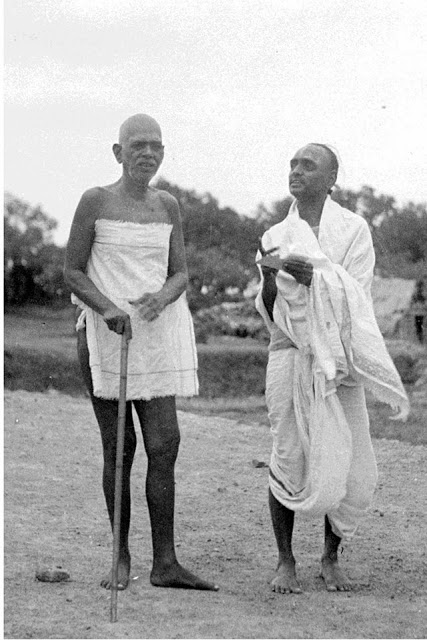
ரமணாஸ்ரமத்தில் டென்னிஸனைப் பற்றிய பேச்சு ஒரு முறை வந்தது.
தேதி 16-6-1946
அன்று பகலில் ஜி.வி.எஸ் என்ற அன்ப, ‘டென்னிஸன் தனது பெயரைப் பல முறை சொன்னவுடன் சுற்றி இருக்கும் உலகையே அவர் மறந்து விடுவார்; அது ஒரு மாயத் தோற்றம் தான் என உணர்வார்’ என்று கூறினார்.
இந்த விஷயத்தை அவர் எங்கு படித்தார் என்பதைப் பற்றிய ஒரு விவாதமும் கூடவே நிகழ்ந்தது.
இன்னொரு முறை ரமண மஹரிஷியின் அணுக்க பக்தரான தேவராஜ முதலியார் டென்னிஸன் பி.பி. ப்ளட் என்பவருக்கு எழுதிய கடிதத்தை பகவான் முன்னிலையில் படித்துக் காண்பித்தார். அதில் இளமைப் பருவத்தில் தனியாக இருந்த போது தன் பெயரை இரண்டு அல்லது மூன்று முறை சொன்னவுடன் தன் உணர்வை இழந்து இருந்ததை டென்னிஸன் குறிப்பிட்டிருந்தார்.பகவான் உடனே, ‘அந்த நிலை ஆன்மாவில் ஒன்றித் தங்கும் நிலை” என்று கூறினார்.
இதிலிருந்து டென்னிஸன் ஒரு உயரிய கவிஞர் என அறிய முடிகிறது!
3
மேலே கூறிய ரமணாஸ்ரம நிகழ்ச்சிகளின் மூலப் பதிவை ஆங்கிலத்தில் கீழே காணலாம்:
16-6-46
Later in the day G.V.S. said, “It is said that by repeating
his own name a number of times Tennyson used to get into a
state in which the world completely disappeared and he
realised that it was all illusion.” And a discussion ensued as
to where the quotation came from and whether we could
find it.
The following extract from a letter of the poet Tennyson to B. P. Blood was read out in Bhagavan’s presence: ‘… a kind of waking trance I have frequently had, quite up from boyhood, when I have been all alone. This has generally come upon me through repeating my own name two or three times to myself, silently, till all at once, as it were out of the intensity of consciousness of individuality, the individuality itself seemed to dissolve and fade away into boundless being; and this not a confused state but the clearest of the clearest, the surest of the surest, the weirdest of the weirdest, utterly beyond words, where death was an almost laughable impossibility, the loss of personality (if so it were) seeming no extinction but the only true life’. Bhagavan said, ‘That state is called abidance in the Self.’
***
 Tamil and Vedas