Compiled by
London swaminathan
swami_48@yahoo.com
Date: 23 April 2019
British Summer Time uploaded in London – 15-18
Post No. 6301
Pictures shown here are taken by London swaminathan
This is a non- commercial blog. ((posted by swamiindology.blogspot.com AND tamilandvedas.com))
Warning
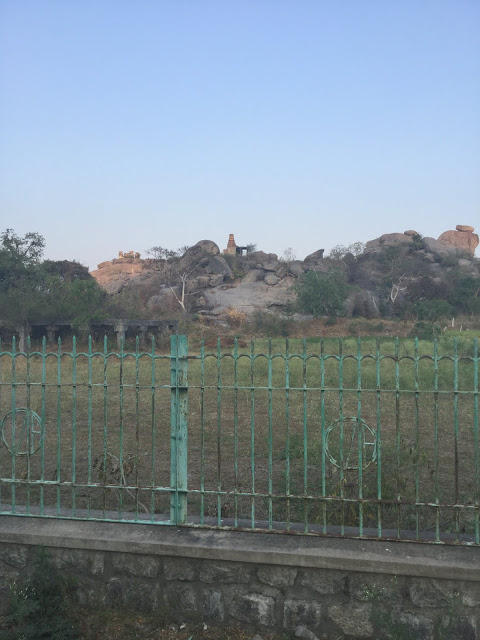
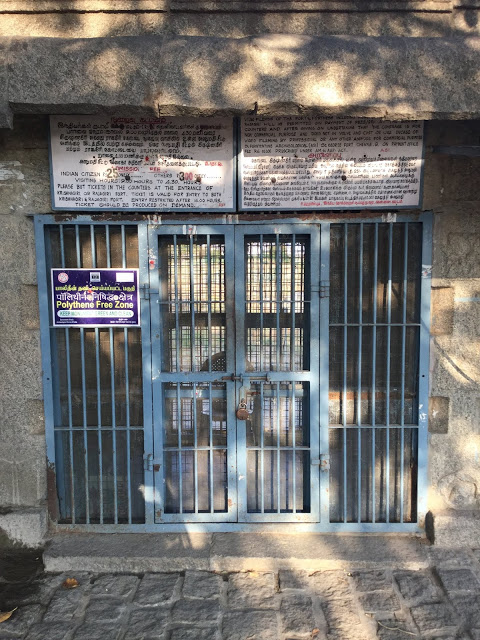
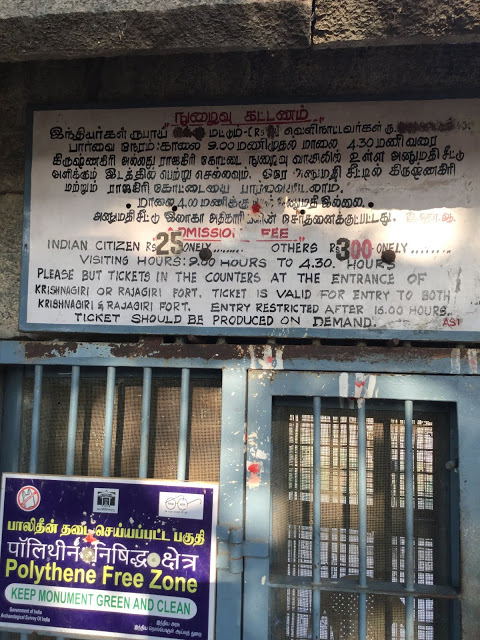
Though I was not able to see the forts or the temples I am writing about it to warn the future visitors. No book told us that the temples and the forts are under the control of the archaeological department and so they will be closed at 4 pm. Since we visited the place during summer we thought it would be wise to go in the afternoon. But at quarter to four the staff started closing the main gates. With his permission I ran inside and took some pictures. So please find out the opening and closing times of the places, particularly under government control. As a result of this limited opening hours that is 10- 4 we missed all the temples and the forts.
Date of our visit – 24-3-2019
Where is it?
28 kilometres from Tindivanam in Viluppuram district.
29 kilomtres from Tiruvannamalai.
What is there?
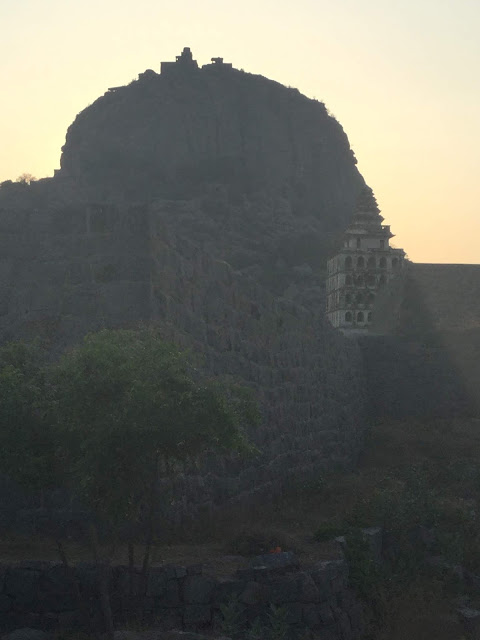
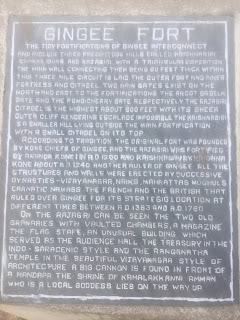
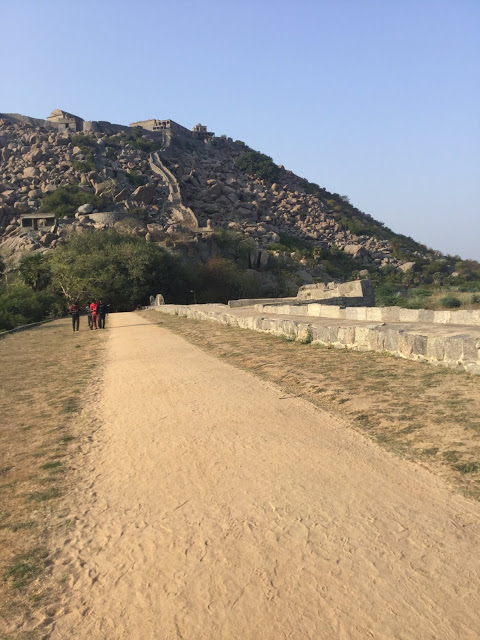
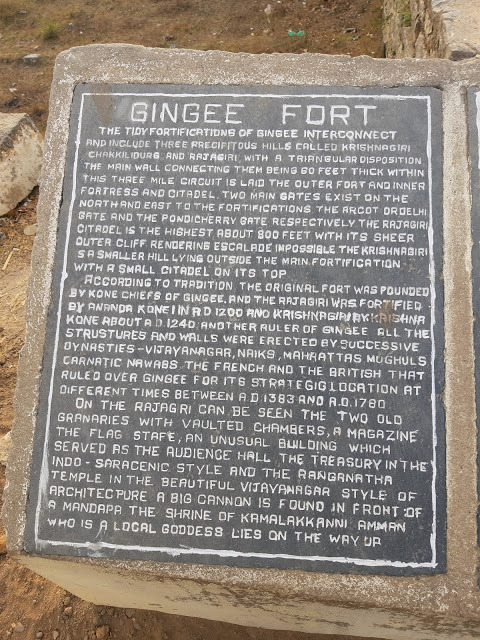
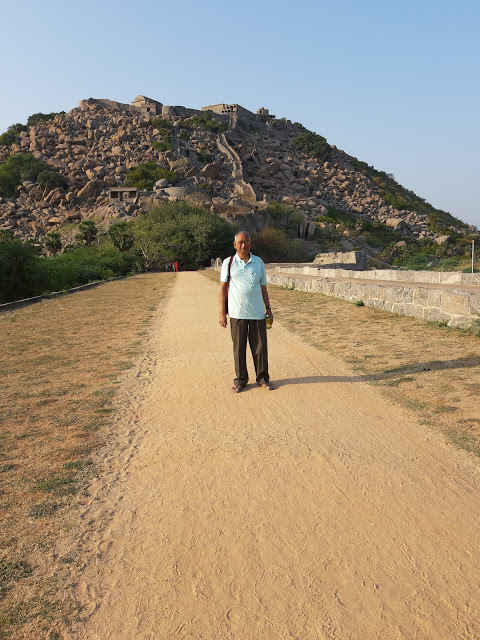
Gingee has three inaccessible hills-
KRISHNAGIRI, CHANDRAGIRI AND RAJA GIRI.
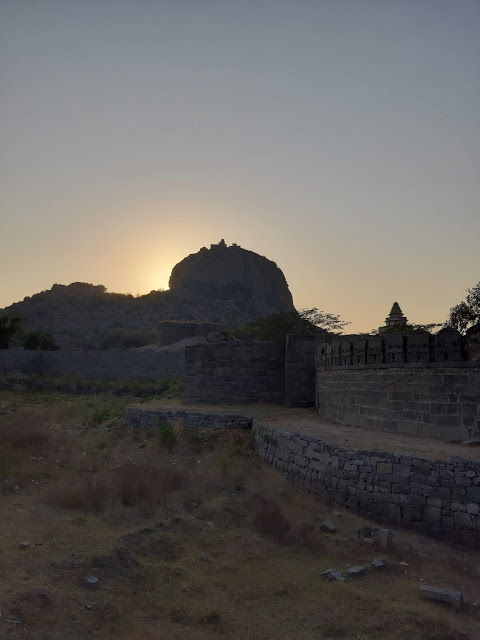
The three hills with forts are covered with
massive fortification walls. The Rajagiri citadel is the highest with 800 feet
in height. It is the most inaccessible with 20 meters deep chasm. Now it is
connected by a bridge.
Period- Ninth Century to 13th century
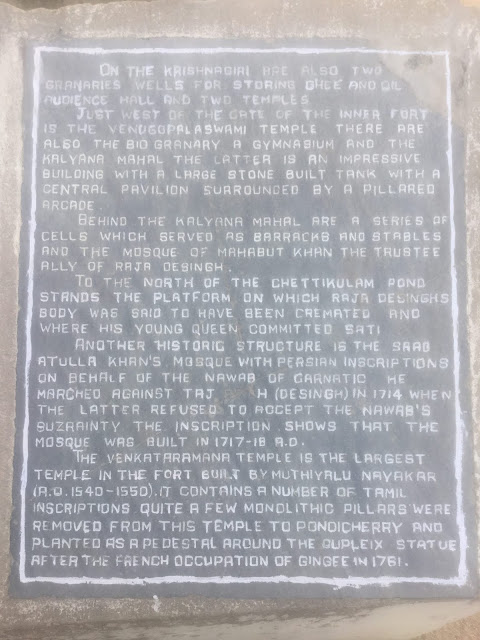
Barracks and Stables
A series of low vaulted and arched cells on the
western side of the Kalyana Mahal are referred to as the barracks and stables.
The archaeological conservation training camp is
located here.
Anaikulam
Located on the south of the barracks, the
Anaikkulam is a fine tank built of stone with cloistered mandapa surrounding
it.
Granary and Gymnasium
This is the largest granary built in stone with
a spacious entrance passage. The walls are nearly three meters thick. The
stucco decorations outside area are typical of the Vijayanagaram period.
A stone structure with a barrel vaulted roof
found on the north eastern side of the granary is said to be the Gymnasium.
Venkatramanana Temple
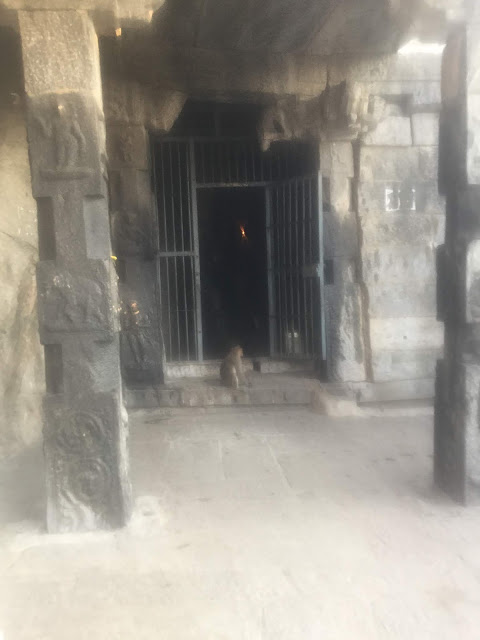
This sprawling temple with its striking pillars with carved sculptures narrates the aesthetic skills of the Nayaks. Many Tamil inscriptions are found in the walls of the Mandapas.
Venugopalaswami Temple
Located to the west of the inner gate of the
lower citadel, this temple contains a remarkable statue of Lord Krishna playing
on the flute with his consorts on his tow. A finely polished, broad and smooth
slab found in front of the temple is another striking feature.
Kamalakkanni Amman Temple
This temple contains a sacrificial altar and
well preserved mural paintings belonging to the Nayak period.
Citadel on Rajagiri hill
On top of Rajagiri Hill, an audience Hall built
in typical Indo Islamic style, is a domed roof supported by a series of
graceful little pointed arches.
The magazine building is also a noteworthy
structure.
The Ranganath temple is built in a typical
Vijayanagar style. A big iron cannon, four meters long and two metres in
circumference can be seen there.
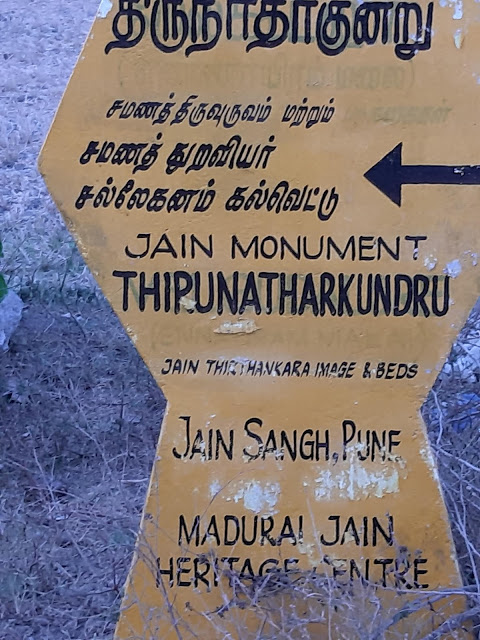
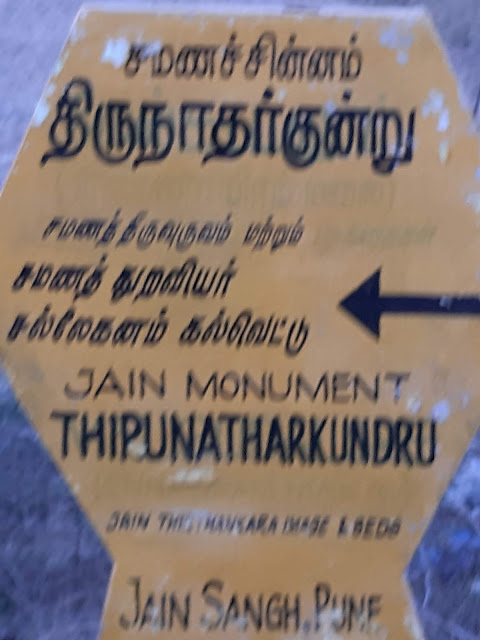
Two kilometers from
Chenji (Gingee) is Thiru Nathar Kundru (hill). The hillock on the western side
of the road has two Jain caves and a huge boulder containing sculptures of all
the 24 Theerthankaras (Jain Saints) in the ninth century style. An open rock
nearby was the place where monk Chandranandi observed 57 days of fasting and
died around sixth century CE.
Information from tourist book
Xxxx subham xxx

 Tamil and Vedas