
Compiled by London Swaminathan
swami_48@yahoo.com
Date: 16 May 2019
British Summer Time uploaded in London – 20–33 am
Post No. 6396
Pictures shown here are taken from various sources including google, Wikipedia, Facebook friends and newspapers. This is a non- commercial blog. ((posted by swamiindology.blogspot.com AND tamilandvedas.com))

A mother who was in the habit of asking her children, before
they retired at night, what they had done to make others happy, found her two
daughters silent.
She spoke tenderly of habits and dispositions founded on the
golden rule, “Do unto others as you would have them do unto you”. It is
in the Vidura Niti , Tamil Veda Tirukkural and the Bible.
Still these bright little faces were bowed in silence, and
the question was repeated.
“I cannot remember anything good all this day,
dear mother, said one of the little girls.; only one of my classmates was
happy, because she had gained the head of the class, and I smiled on her, and
ran to kiss her. She said I was good. That is all dear mother”.
The other spoke still more tenderly,
“A little girl who sat with me on the bench at school, lost a
little brother; and I saw that, while she studied her lessons, she hid her face
in the book and wept . I felt sorry, and laid my face on the same book, and
wept with her. Then she looked up, and was comforted, and put her arms around
my neck; but I don’t know why she said I had done her good.”
It is a remarkable circumstance, but a true one, that the joy
is increased by the same thing that lessens sorrow, by sharing it with another.
Every man rejoices twice, says Jeremy Taylor, when he has a
partner of his joy. A friend shares my sorrow, takes half of it away; but he
shares my joy, and makes it double.
Xxx
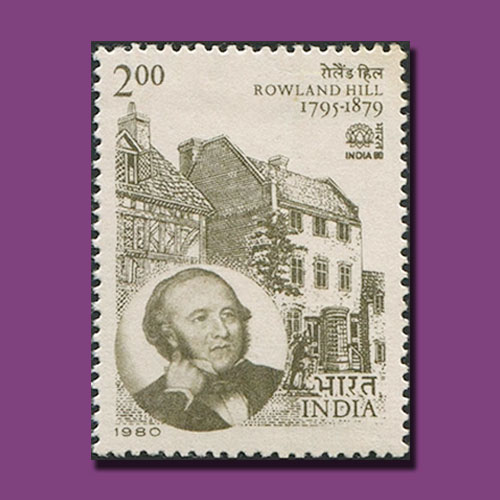
How to stop Swearing!
Rowland Hill was once returning from Ireland, and found
himself much annoyed by the conduct of the captain and mate , who were both
given to the habit of swearing. First the captain swore at the mate, then the
mate at the captain; then they both swore at the wind, when Mr Hill called out
with a strong voice, for fair play;
“Stop, stop”, I
cried.
“If you please, gentlemen, let us have fair play. It is my
turn now.”
“At what is your turn?” asked the captain.
“At swearing”.
“Well, they waited and waited, till their patience was exhausted, and then told me to haste and take my turn. I told them that I had a right to take my own time”.
To this the
captain replied, with a laugh,
“Perhaps you don’t mean to take your turn at all”.
“Pardon me, captain, I answered, that I do, as soon as I can
find the good of doing so”.
Mr Hill didn’t hear another oath for the rest of the voyage.
XXXX Subham XXXX


 Tamil and Vedas
R.Nanjappa (@Nanjundasarma)
/ May 17, 2019Joy shared is doubled or multiplied, sorrow shared is halved or divided- this seems to be based on a Swedish proverb. There are many versions in popular literature. This is a highly romanticised notion.
The normal human experience is that people gather in joy, to celebrate the pleasant.But is it so easy to share sorrow? Company dwindles when misfortune strikes. Adi Sankara asks in Bhajagovindam:
क्षीणे वित्ते कः परिवारः Kaheene vitte ka: parivara:
Where is the company, when your wealth declines?
We suffer in solitude. Poet Ella Wheeler Wilcox writes:
Laugh, and the world laughs with you;
Weep, and you weep alone;
For the sad old earth must borrow its mirth,
But has trouble enough of its own.
Sing, and the hills will answer;
Sigh, it is lost on the air;
The echoes bound to a joyful sound,
But shrink from voicing care.
Rejoice, and men will seek you;
Grieve, and they turn and go;
They want full measure of all your pleasure,
But they do not need your woe.
Be glad, and your friends are many;
Be sad, and you lose them all,—
There are none to decline your nectared wine,
But alone you must drink life’s gall.
Feast, and your halls are crowded;
Fast, and the world goes by.
Succeed and give, and it helps you live,
But no man can help you die.
There is room in the halls of pleasure
For a large and lordly train,
But one by one we must all file on
Through the narrow aisles of pain.
We bear the pain of sorrow and suffering alone. Macbeth pleads in pain to the doctor:
Canst thou not minister to a mind diseased,
Pluck from the memory a rooted sorrow,
Raze out the written troubles of the brain
And with some sweet oblivious antidote
Cleanse the stuffed bosom of that perilous stuff
Which weighs upon the heart?
But the doctor says the patient must cure himself:
DOCTOR
Therein the patient
Must minister to himself.
But it need not be so always. Valmiki’s distress and sorrow gave rise to the first Kavya- out of Shoka shloka was born!
Arjuna gives expression to his shokam indriyanam uchchoshanam = “sorrow blasting my senses”- almost the same sentiment expressed by Macbeth. But Arjuna turned to a divine doctor, who not only cures the sorrow, but removes the very cause.
Tamil and Vedas
/ May 19, 2019Laugh, and the world laughs with you;
Weep, and you weep alone; — is true. This is what happens in most of the cases. Mental health deteriorates when no one is there to share the grief or sorrow.