DIALOGUE POEMS IN THE RIG VEDA (Post No.7737)

WRITTEN BY LONDON SWAMINATHAN

Post No.7737

Date uploaded in London – 24 March 2020   

Contact – swami_48@yahoo.com

Pictures are taken from various sources for spreading knowledge; this is a non- commercial blog.Thanks for your great pictures.

Rig veda is not only the oldest anthology in the world but also it isonly old book with a number of dialogue poems. These conversation poems are a genre and Veda Vyasa was so clever that he collected most of them in the Tenth Mandala. Though foreigners consider the tenth mandala the latest in the whole collection, Hindus consider them a part of the original Veda. They are actually dance dramas. That is why most of them are collected in one place. The language of the conversation verses is different from other hymns because they’re meant to be acted by two or more persons. In some dialogue verses we see more than two voices. Many of them are sexy according to modern interpretations, particularly by foreigners, who have no knowledge of Hindu customs

Even in 2000 year old Sangam Tamil literature the language of Kalitokai and Paripatal are different from other sixteen books. The reason is they belong to a different genre with music and drama in the background.

Hindus celebrate a festival called Holi, a festival of colours. On the eve of Holi they stage Kama Dahana dance drama in the street junctions of villages and towns. If it is a big city several troops demonstrate the Kama Dahana (Burning of Cupid) in different parts of the town. Though the folk dancers make sexy gestures with sexy dialogues, the final message is Kama, the Cupid, is burnt alive by Lord Shiva with his third eye. If anyone observed the austerity like Lord Shiva, one can burn the amorous feeling with the Eye of Wisdom, the Third Eye.

Foreigners who pretend to be scholars would mention tenth mandala of RV as the latest whenever they want and hide it whenever they feel like. Even the funeral hymns and marriage hymns are only in the tenth mandala. So according to them Hindus did not get married or did not die until the tenth mandala is composed. Since Rig Veda never mentioned salt anywhere in the hymns, they argued Hindus never used salt in their food. They wouldn’t say these things openly, but they would hint at it. In the same way they referred to dialogue poems and interpreted them as sexy outbursts, incest, perverted sex and whatever evil things they practised in their life in the Western World.

Each of the poem appears to be sexy. But they are all double entendre.

Here are some dialogue or dance drama poems from the RV:-

10-102

Mudgala’s wife and the Bull in the Chariot

Xxxx

10-86

Indra and Vrsakapi -Indrani

Xxx

10-95

Puruuruvas and Urvasi

Xxx

10-10

Yamaa and Yami

Xxx

10-135

Yamaa and Spirit of the Dead

Xxxx

10-51

Agni and Gods

Xxxx

10-124

Indra and Agni

Xxxx

10-108

Saramaa and the Paanis

Xxx

10-28

Indra and his son Vasukra

Xxx

1-179

Agastya and Lopaamudraa

Xxx

1-165

Indra and the Maruts

Xxx

8-91

Apaalaa and Indra

Xxx

4-26; 27

Indra and Syena, the falcon

3-33

Visvaamitra and the Rivers

Of all these dialogue verses the strangest and the most debatable poem is the Indra, Indrani and Vrsakapi hymn (RV 10-86)

I will write about it in another post.

tags- dialogue poems, conversation poems, Rig Veda, Hymns,

—subham —

இரண்டு பேய்க் கதைகள் (Post No.7736)

WRITTEN BY LONDON SWAMINATHAN

Post No.7736

Date uploaded in London – 24 March 2020   

Contact – swami_48@yahoo.com

Pictures are taken from various sources for spreading knowledge; this is a non- commercial blog.

நரியிடம் ஏமாந்த பேய் இது ஒரு கிராமப்புற கதை

ஒரு காட்டில்  ஒரு நரி வசித்தது. ஒரு நாள் அதற்கு ரொம்பப் பசித்தது . ஆனால் அதன் துரதிருஷ்டம் ஒரு இரை கூட சிக்கவில்லை. ஒரு மரத்தடியில் யாரோ விறகு வெட்டி விட்டுச் சென்ற இரண்டு பழைய தோல் செருப்புகள் கிடந்த. அவை பல ஆண்டு பெய்த மழையில் தோய்ந்து நனைந்து மாமிசம் போல காணப்பட்டன . நரிக்கு நாக்கில் உமிழ் நீர் சுரந்தது . அதைச்  சாப்பிட ஆசை. ஒருவேளை அதன் சொந்தக்காரன் அருகில் இருப்பானோ என்று tamilandvedas.com, swamiindology.blogspot.com எண்ணி உரத்த குரலில் சொன்னது:-

“ஏய், இந்தச் செருப்பில் நான் ஒன்றை எடுத்துக் கொள்கிறேன் . என்னிடம் ஒரு தங்கக் காசு இருக்கிறது . காட்டு வழியே போன வணிகன் எனக்கு கொடுத்தான். அதை நான் செருப்புக்கு  விலை யாகத் தருவேன்” .

அந்த மரத்தின் மீது வசித்த பேய் இதைக் கேட்டு , “சரி , எடுத்துக்கொள் ; சாப்பிட்டு முடித்தவுடன் தங்கக் காஸைக் கொடு” என்றது. நரியும் சுவைத்துச்  சுவைத்து உண்டது. தின்று முடித்தவுடன் சுற்றும் முற்றும் பார்த்தது. ஆஹா , ஒரு ஆளும் இல்லை; ஒரே ஓட்டமாக ஒடி விடுவோம் என்று ஓடியது . நீண்ட தூரம் போனவுடன் மேல் மூச்சு கீழ் மூச்சு வாங்க ஒரு புதருக்கு அடியில் tamilandvedas.com, swamiindology.blogspot.com ஒளிந்து கொண்டது.

திடீரென்று எங்கிருந்தோ ஒரு குரல் கேட்டது —
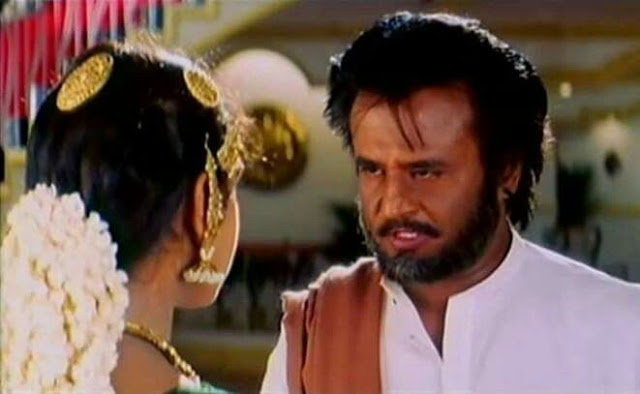
“ஏ நரியாரே ! எங்கே தங்கக் காசு?”

இதைக்கேட்ட நரி சிட்டாகப் பறந்து ஓடியது. பாறை, மரக்கிளை, முட்புதர் எல்லாவற்றிலும் அடிபட்டு ரத்தக் காயங்களுடன் ஒரு புதரில் மறைந்து கொண்டது. காலில்  அடி; முகத்தில் அடி ;ரத்தம் சொட்டியது.

எங்கிருந்தோ மீண்டும் ஒரு குரல் கேட்டது —
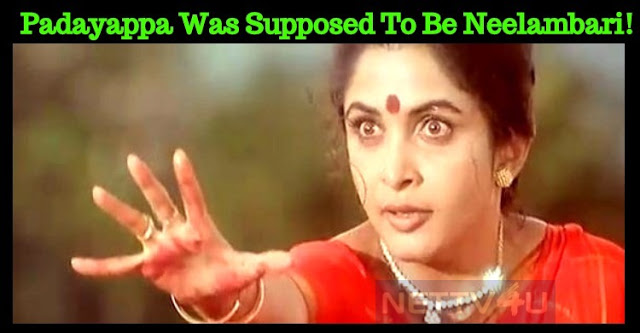
“ஏ நரியாரே ! எங்கே தங்கக் காசு?”

இபோது நரி , தனது வழக்கமான தந்திர குணத்தைப் பயன்படுத்தியது .”ஏய்  யாரது ? என்ன தங்கக் காசு ?”

உடனே மரத்தின் மீதிருந்த பேய் சொன்னது.:

“செருப்பை சாப்பிடுவதற்கு முன்னால்  ஒரு காசு தருவதாகச் சொல்லிவிட்டு tamilandvedas.com, swamiindology.blogspot.com சாப்பிட்டாயே !”

“சீ , அது நான் அல்ல.காட்டில் எவ்வளவோ நரிகள் இருக்கின்றன. நீ பார்த்த நரிக்கு கால்களில், முகத்தில் அடிபட்டிருந்ததா? முகத்தில் ரத்தம் சொட்டியதா?” என்று நரி அதட்டியது.

“இல்லை. அந்த நரிக்கு ஒரு அடியும் இல்லை ; ரத்தத்தையும் பார்க்கவில்லை” என்று பேய் சொன்னது.

“அப்படியானால் அந்த நரியைத்

தேடிக் கண்டுபிடித்துக் கேள் ; நான் அதைப்பார்த்தாலும் உன்னிடம் அனுப்பி  வைக்கிறேன்” என்று கூறியது.

ஏமாந்த பேயும் தன்னிடம் போய்ச் சேர்ந்தது.

நரியின் tamilandvedas.com, swamiindology.blogspot.com தந்திரம் பேயையும் ஏமாற்றிவிடும் !!

Xxxxx

பேயும் விவசாயியும்

ஒரு  ஊரில் ஒரு விவசாயி இருந்தான். அவன் எள் பயிரிட எண்ணினான். ஊருக்கு வெளியே இருந்த ஒரு புளிய மரத்தை வெட்டப்போனான். கோடரியால் ஒரு போடு போட்டான். மேலேயிருந்த ஒரு tamilandvedas.com, swamiindology.blogspot.comபேய் குரல் கொடுத்தது.

“ஏய், விவசாயி, நான் இங்கே நீண்டகாலமாக வசித்து வருகிறேன். எதற்காக இதை வெட்டுகிறாய்? “ என்று வினவியது.

அவன் செப்பினான்- “நான் எள் பயிரிடப் போகிறேன். அதற்கு நிலத்தைப் பண்படுத்தி, உழுவதற்கு ஒரு கலப்பை தேவை. அதற்காக புளியமரத்தை tamilandvedas.com, swamiindology.blogspot.comவெட்டுகிறேன்”.

பேய் புகன்றது-

“வெட்டாதே . நானே உனக்கு ஆண்டுக்கு ஆயிரம் கிலோ எள் கொண்டுவந்து தருகிறேன்.

விவசாயியும் மகிழ்ந்து போய் சரி நான் வெட்ட மாட்டேன்” என்று பகர்ந்து வீடு ஏகினான்.

பல ஆண்டுகளுக்கு இது நீடித்தது. புளிய மரப்  பேய்களைச் சந்திக்க ஒரு அசலூர் பேய் வந்தது.

“எல்லோரும் சவுக்கியம்தானே ! ஏன் இப்படி பேய் அடித்த மாதிரி முகம் எல்லாம் வெளிறிக் கிடக்கிறது?” tamilandvedas.com, swamiindology.blogspot.com என்று வினவியது.

“அதை ஏன் கேட்கிறாய் போ! நாங்கள் எல்லோரும் இந்த ஊர் விவசாயிக்குக் கடன் பட்டு விட்டோம்; 1000 கிலோ எள் தருவதாக வாக்குக் கொடுத்துவிட்டோம்” என்று புளியமரப்  பேய்கள் புலம்பின.

அயலூர் பேய் ஒரு அதிக பிரசங்கி.

“அட ச் சீ ! போ! மனிதனை கண்டு பேய் பயப்படுவதா? நான் போய் அந்த மனிதனைத் தீர்த்துக்கட்டிவிட்டு வருகிறேன்” என்று சொல்லிப் புறப்பட்டது. விவசாயி வீட்டு மாட்டுக் கொட்டிலில் மறைந்து நின்றது .

அந்த விவசாயி ஒரு புதிய மாடு வாங்கி இருந்தான். அது கட்டுக்கடங்காது ஆடி ஒடித் திரிந்ததால் அதற்குப் “புதுப் பேய்” என்று tamilandvedas.com, swamiindology.blogspot.com நாமகரணம் செய்திருந்தான்.

மாடுகளுக்கு விவசாயிகள் சூடு போடுவது  வழக்கம். ஆகையால் மனைவியை நோக்கி ஒரு சத்தம் கொடுத்தான்:–

அடியே! நீலாம்பிகை! “அந்தப் “புதுப் பேயை” என்னிடம் இழுத்து வா.

ஒரு சூடு போடுகிறேன்.”

பேய்களுக்கு தீ என்றால் ரொம்ப பயம்.

இதைக் கேட்டவுடன், புதுப் பேய் தன்னைத்தான் விவசாயி கண்டுகொண்டுவிட்டான் என்று எண்ணி பயந்து கொண்டு வெளியே வந்து அவன் காலடியில் விழுந்து ஒரு கும்பிடு போட்டது.

“யார் நீ?” என்றான். “நான்தான் புதுப் பேய். எனக்கு சூடு போட்டு விடாதே . உனக்கு என்ன வேண்டுமானாலும் தருகிறேன்” என்றது.

அது சரி, நீ எங்கிருந்து வருகிறாய்? ஏன் இங்கு வந்தாய்? என்று கேள்விக்கணை தொடுத்தான்.

பேய் விளம்பியது- “உனக்கு 1000 கிலோ எள் சப்ளை செய்யும் புளியமர பேய்கள் tamilandvedas.com, swamiindology.blogspot.com என்னை இங்கே அனுப்பின. உனக்கு எள் வேண்டுமா ? அல்லது எண்ணையாகவே சப்ளை (supply) செய்யலாமா?” என்று கேட்டுவருவதற்கு என்னை இங்கே அனுப்பின .

விவசாயி உரைத்தான்–

“பேஷ் , பேஷ் ! எண்ணெயாகவே வாங்கிக் கொள்வதில் எனக்கு ஒரு ஆக்ஷேபமும் இல்லை. இனி எண்ணையாகக் கொடுக்கச் சொல்” என்று கட்டளை இட்டான் .பேயும் சிட்டாகப் பறந்து சென்றது .

புளியமரப் பேய்கள் ஆவலோடு வினவின—“என்ன ஆயிற்று? விவசாயி செத்தானா ?” என்றன.

அசலூர் பேய் முகத்தில் அசடு வழிய ‘புதிய ஒப்பந்தம்’ (New Agreement)  பற்றி விளக்கியது .

எல்லாப் பேய்களும் தலையில் அடித்துக் கொண்டன.

இனி ‘நுணலும் வாயால் கெடும்’ என்ற தமிழ்ப் பழமொழியை “பேயும் வாயால் கெடும்” என்று மாற்றுவதற்கு ஏகமனதாக தீர்மானம் நிறைவேற்றின. “யாகா ராயினும் நா காக்க” என்ற வள்ளுவன் வாக்கை எல்லாப் பேய்களுக்கும் ஆரம்பப் பாடசாலையில் கற்பிக்கவும் முடிவு செய்தன.

“முட்டாள்கள் நண்பனாக  இருந்தால் வேறு எதிரியே தேவை இல்லை” என்று எழுதி போர்டு (board)  tamilandvedas.com, swamiindology.blogspot.com வைத்தன. அசலூர் பேய் குதிங்கால் பிடரியில் அடிக்க ஓட்டம் பிடித்தது.

Tags பேய்  விவசாயி, கலப்பை, எள் , நாரி, செருப்பு, தங்கக் காசு

xxxxxxx

புத்தரின் போதனை: சேற்றில் மலரும் செந்தாமரை போல இரு! (Post No.7735)

WRITTEN BY S NAGARAJAN                     

Post No.7735

Date uploaded in London – – 24 March 2020

Contact – swami_48@yahoo.com

Pictures are taken from various sources for spreading knowledge; this is a non- commercial blog.

ச.நாகராஜன்

புத்தர் வாழ்ந்த காலத்தில் அவரைப் போல புகழப்பட்டவரும் இல்லை; இகழப்பட்டவரும் இல்லை.

இரண்டையும் சமமாகக் கருதியதோடு அனைவரையும் புகழையும் இகழையும் ஒன்றாகக் கருதுமாறு அவர் உபதேசித்தார்.

ஒரு முறை ஒரு அந்தணர் அவரை தனது வீட்டிற்கு விருந்துண்ண வருமாறு அழைப்பு விடுத்தார்.

அதை ஏற்ற புத்தர் அவர் வீட்டிற்குச் சென்றார்.

விருந்து படைப்பதற்குப் பதிலாக கண்டபடி பல்வேறு வார்த்தைகளால் அவர் புத்தரை ஏசினார்.

புத்தர் அமைதியாக அவரை நோக்கிக் கேட்டார் : “ உங்கள் வீட்டிற்கு விருந்தாளிகள் வருவதுண்டா, ஓ, பிராமணரே?”

“வருவதுண்டு” என்றார் அவர்.

“அவர்கள் வரும்போது நீங்கள் என்ன செய்வீர்கள்?”

“அருமையான விருந்தைத் தயார் செய்து அவர்களுக்கு அளிப்பேன்.”

“ஒருவேளை அவர்கள் வரவில்லை எனில்..”

“அதை நாங்களே சாப்பிட்டு விடுவோம்.”
“ஆஹா, நல்லது. நீங்கள் பிக்ஷை ஏற்க எனக்கு அழைப்பு விடுத்தீர்கள். என்னை கண்டபடி ஏசித் தீர்த்தீர்கள். அந்த மொழிகளை நான் ஏற்கவில்லை. ஆகவே அதை திருப்பி எடுத்துக் கொள்ளுங்கள்.”

யாரையும் திருப்பித் தாக்காதீர்கள் என்றார் புத்தர். “வெறுப்பை வெறுப்பினால் ஒழிக்க முடியாது. வெறுப்பை அன்பினால்  துரத்தி விட முடியும்” என்றார் அவர்.

உபாலி என்ற கோடீஸ்வரர் ஒருவர் புத்தரது சீடராக ஆனார்.

கடகடவென்று புத்தரின் நூறு அற்புதமான குணங்களை எந்த வித முன்னேற்பாடும் இன்றி வரிசையாக அடுக்கிப் புகழ்ந்தார் அவர்.

புத்தரின் அற்புதமான ஒன்பது குணங்கள் இன்றும் கூட அவரைப் பின்பற்றும் அனைவராலும்  அவரது திருவுருவச் சிலைக்கு முன்னால் சொல்லப்படுகிறது.

புத்தர் இந்தப் புகழ்மொழிகளைக் கேட்டு அமைதியாகப் புன்னகை பூத்தார்.

இகழ்ச்சியையும் புகழ்ச்சியையும் அவர் ஒன்றாகவே பாவித்தார்.

உலகில் உள்ள பெரும்பாலானோருக்கு ஒருவரை இகழ்வது என்றால் மிகவும் பிடிக்கும்.

ஆனால் களத்தில் இறங்கிய யானை எப்படித் தன்மீது வரும் சரங்களை ஏற்கிறதோ அதே போல அவர் சுடுமொழிகளை ஏற்றார்.

புத்தர் ஒரு பெண்ணைத் தன் சீடர்களுடன் சேர்ந்து கொன்று விட்டதாக அவரை வழக்கமாகத் தூற்றும் ஒரு கோஷ்டி பழி சுமத்தியது.

தாங்க முடியாத அளவு இந்த தூற்றல் போய் விடவே ஆனந்தர் புத்தரை அணுகி, “ஐயனே! இந்த கிராமத்தில் நாம் இருக்க வேண்டாம். அடுத்த கிராமத்திற்குச் சென்று விடுவோம்” என்றார்.

“சரி அடுத்த கிராமத்திலும் நம்மைத் தூற்றினால்..?”- புத்தர் கேட்டார் இப்படி.

“நாம் இன்னொரு கிராமத்திற்குப் போய் விடுவோம், ஐயனே!”

“அப்படியெனில் இந்த பாரதம் முழுவதும் நாம் வசிப்பதற்கு நமக்கு ஒரு கிராமம் கூடக் கிடைக்காது, ஆனந்தா! பொறுமையாக இரு! இந்தத் தூற்றுமொழிகள் தானாகவே வலு இழந்து ஒழிந்து போகும்!”

மகந்தின்யா என்ற பேரழகி புத்தரை மணக்க ஆசைப்பட்டாள். அவளது தந்தை புத்தருக்கு அவளை மணம் முடிக்கத் தயாராக இருந்தார். ஆனால் புத்தரோ அவள் அழகில் ஈர்க்கப்படவில்லை.

தன் அழகைப் பழித்துக் கூறிய புத்தரை குடிகாரர்களை விட்டு பொது இடத்தில் அனைவருக்கும் முன்பாக கண்டபடி ஏசுமாறு ஏவினாள் அவள். புத்தர் அனைத்து இழிமொழிகளையும் கேட்டுக் கொண்டார்.

மனித குலத்தில் ஒருவர் புகழை அதிகம் பெறப் பெற அதைப் பொறுக்காமல் இருப்பவர்கள் ஏராளம். உயரத்தில் ஒருவர் செல்லச் செல்ல அதிகமான இழிச்சொற்களைக் கேட்கும் தெம்பு ஒருவருக்கு வேண்டும்.

  • மற்றவரிடம் உள்ள குற்றங்களைப் பார்ப்பதில் குருடனாக இரு!
  • நேர்மையற்ற பொய்யான வார்த்தைகளால் ஒருவரை மற்றவர்கள் இகழும் போது நீ செவிடனாக இரு!
  • மற்றவர்களின் குறைகளைக் கூற முனையும் போது நீ ஊமையாக ஆகி விடு!
  • தவறான குற்றச்சாட்டுகள், வதந்திகள் ஆகியவற்றிற்கு முற்றுப்புள்ளி வைப்பதென்பது இயலாத காரியம்.

இது தான் புத்தர் போதித்த போதனை!

புத்தர் போதித்த தர்மம் எளிமையானது!

வெற்று ஒலிகள் எழும் போது அசையாத சிங்கமாக இரு!

வலையில் அகப்படாத காற்றாகப் பற!

தான் தோன்றிய இடத்தில் உள்ள சகதியினாலும் சேறினாலும் பாதிக்கப்படாத தாமரையைப் போல இரு!

காண்டாமிருகம் போலத் தனித்துத் திரி!

காட்டிற்கு அரசன் என்பதால் சிங்கம் எதற்கும் அஞ்சுவதில்லை. மற்ற மிருகங்கள் ஓலமிடும் போது அதற்கு அது பயப்படுவதில்லை. இவ்வுலகில் தவறான குற்றச்சாட்டுகளைக் கேட்க நேரிடும். தரக்குறைவான விமரிசனங்களைக் கேட்க நேரிடும்.

சிங்கம் போல அவற்றை நாம் கேட்கக் கூட வேண்டாம், ஒதுக்கி விடலாம்.

பூமராங் போல எங்கிருந்து எவரால் அவை வீசப்பட்டனவோ அங்கேயே சென்று அவர்கள் மீதே அவை விழும்!

நாய்கள் குரைக்கும். ஆனால் ஒட்டகமோ அமைதியாக முன்னேறும்.

நாம் சேறும் சகதியுமாக உள்ள உலகில் வாழ்ந்து கொண்டிருக்கிறோம்.

அவற்றில் பாதிக்கப்படாது எண்ணற்ற தாமரை மலர்கள் பூக்கின்றன. தாமரை மலர் போல எதனாலும் பாதிக்கப்படாது, நம் மீது சேறு வீசி எறியப்பட்டாலும் கூட அற்புதமான ஒரு நல்வாழ்வை நாம் வாழ்வோம்!

மலர்கள் நம் மீது விழாது, சேறு தான் எறியப்படும் என்பதை மனதில் கொண்டு விட்டால் ஏமாற்றம் என்றுமே ஏற்படாது.

கஷ்டம் தான் என்றாலும் கூட, பற்றற்று இரு.

தனியாகவே இந்த உலகில் வந்தோம், தனியாகவே இந்த உலகத்தை விட்டுப் போவோம். பற்றற்று இருப்பது தான் இந்த உலகில் சந்தோஷம்.

கட்டுப்படாத நாக்குகள் நம் மீது வசைமாரி பொழிந்த போதிலும் கூட, நம் சக்திக்குத் தக்கபடி அனைவருக்கும் நாம் சேவை புரிவோம்.

இப்படித் தான் புத்தர் தன் வாழ்நாள் நெடுகிலும் போதனை செய்து வந்தார்.

அவர் கூறியபடியே தான் உலகத்தின் இயல்பு இன்றும் இருக்கிறது.

ஆகவே அவர் போதனையின் சத்தியத்தைப் புரிந்து கொண்டு சேறு நிறைந்த குளத்தில் பூக்கும் தாமரை போல சேற்றினால் பாதிக்கப்படாமல் சேவை புரியும் வழியைத் தேர்ந்தெடுப்பதே நல்லோர் வழி!

tags — புத்தர், போதனை ,செந்தாமரை

***

SWAMI CROSSWORD 233220 (Post No.7734)

WRITTEN BY LONDON SWAMINATHAN

Post No.7734

Date uploaded in London – 23 March 2020   

Contact – swami_48@yahoo.com

Pictures are taken from various sources for spreading knowledge; this is a non- commercial blog.

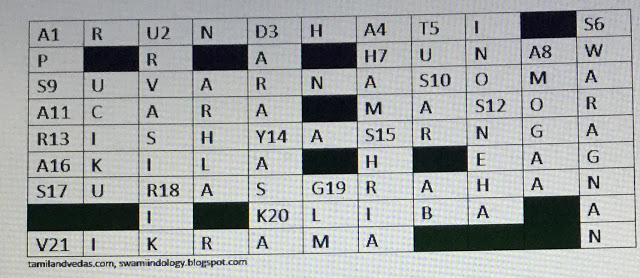
Across

1. (9 letters)- Most Chaste woman according to Vedas and Sangam Tamil Literature

7. (4) Invaders who ruled part of India; Mihirakula was a notorious king

9. – (7) Gold and popular feminine name

10. – (4) Moon or a special Vedic drink

11. – (5) behaviour, conduct

13. – (11) a seer with a horn like projection on his head

16. – (5) feminine name; all in Sanskrit

17. (4)  liquor in Vedas

19. – (5) Planet

20. – (5) eunuch , impotent

21. – (7) name of the famous king who is the hero in Vetala/ghost stories

XXXX

Down

1. – (7 letters) heavenly dancers

3. – (4) brother of Aurangzeb who translated Upanishads into Persian

2. (6) One of the Apsaras in the Heaven

4.– I in Sanskrit

5. – (5) name ; ice, cool is the meaning in Sanskrit

6. – (9) Knowledge of Music

8. – (5) a lot, abundant, bumper

12. -(5)  friendship; also feminine name

14. – (5) author of etymology in India

15. – (4) wealth; Lakshmi

18. –  (3) a verse, used with Vedic verse

–subham-

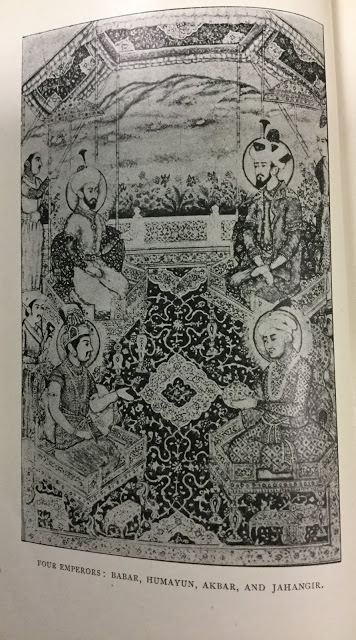
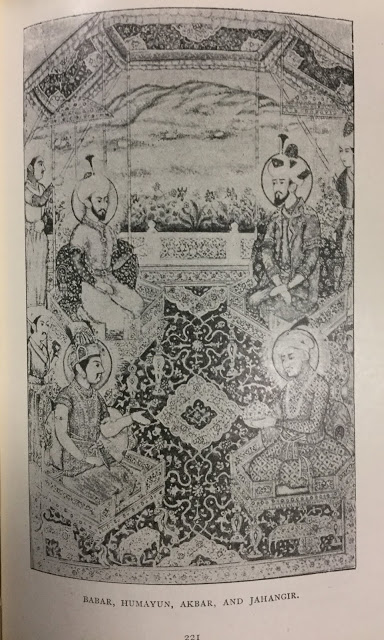
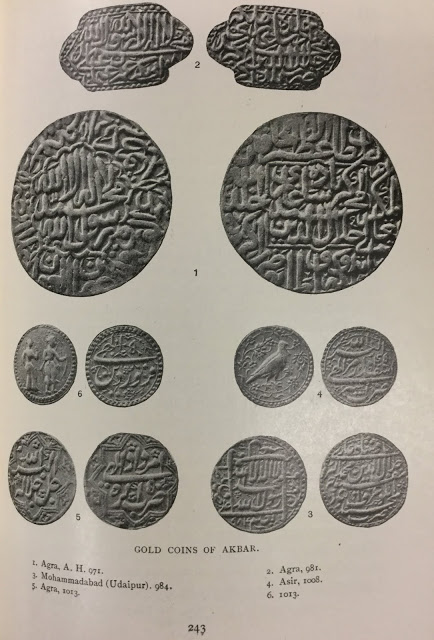
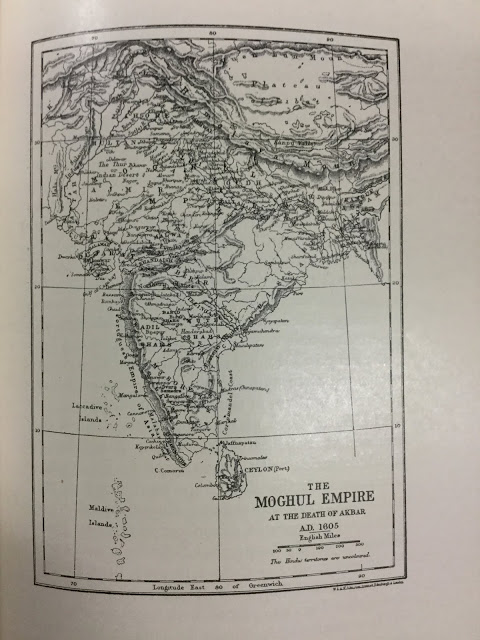
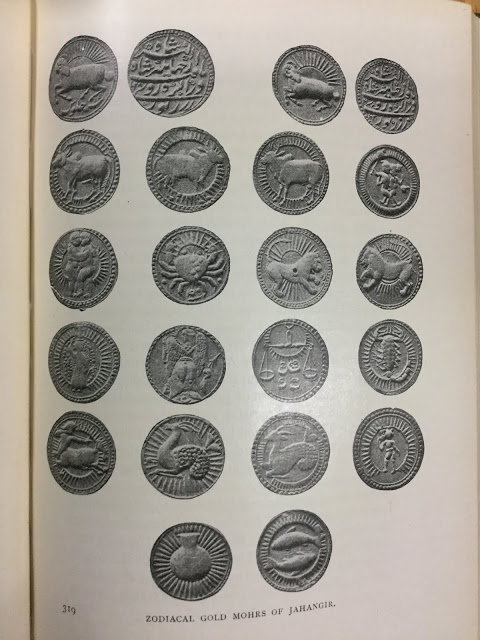
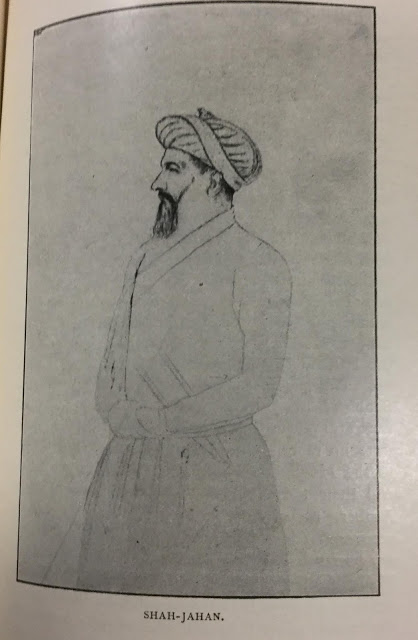
IMAGES OF MOGUL EMPERORS AND RARE COINS FROM INDIA (Post No.7733)

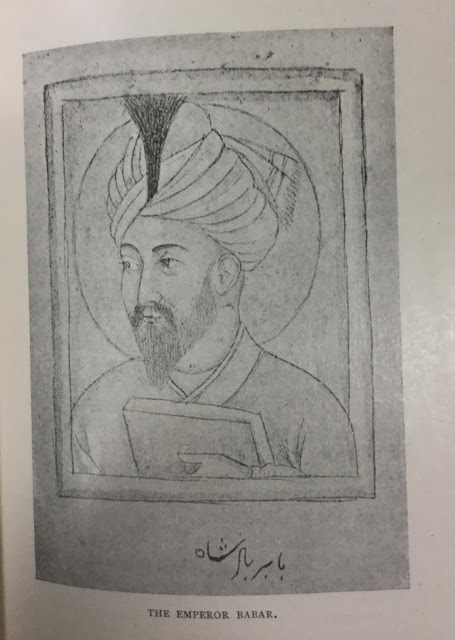
IMAGES OF BABAR, HUMAYUN, AKBAR AND JAHANGIR

WRITTEN BY LONDON SWAMINATHAN

Post No.7733

Date uploaded in London – 23 March 2020   

Contact – swami_48@yahoo.com

Pictures are taken from various sources for spreading knowledge; this is a non- commercial blog.

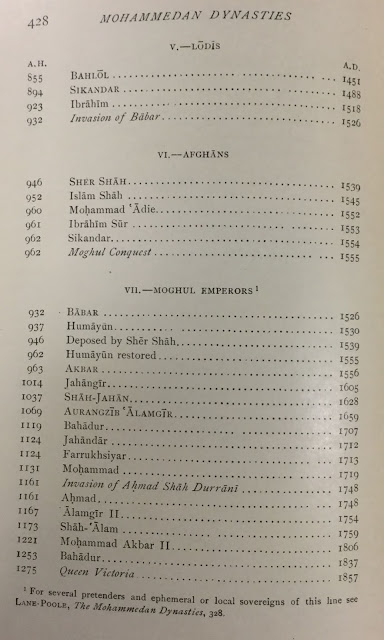
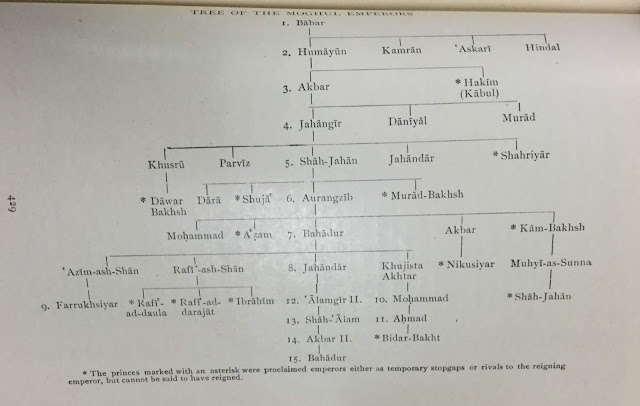
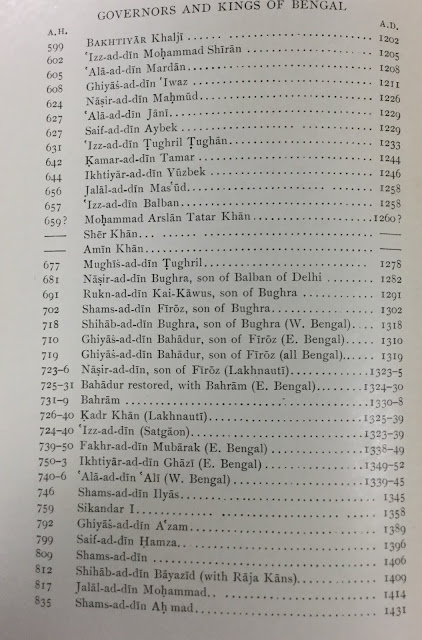
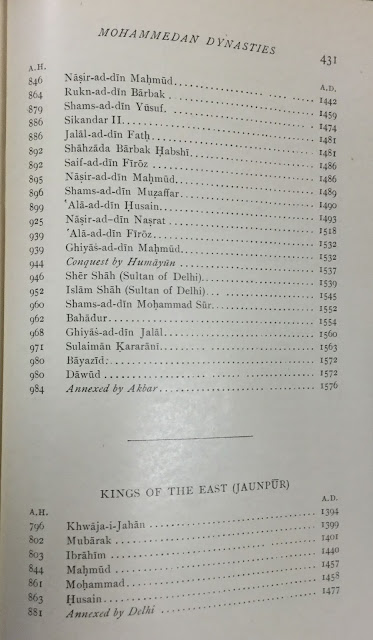
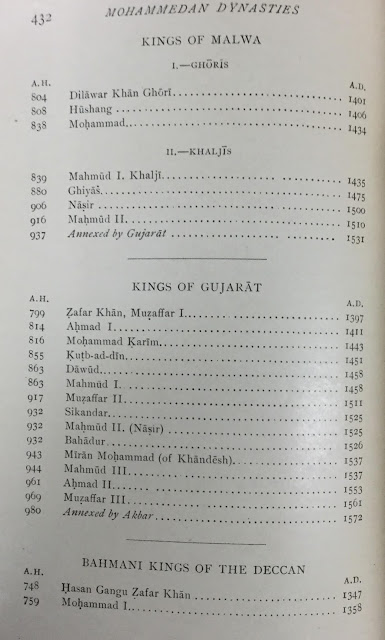
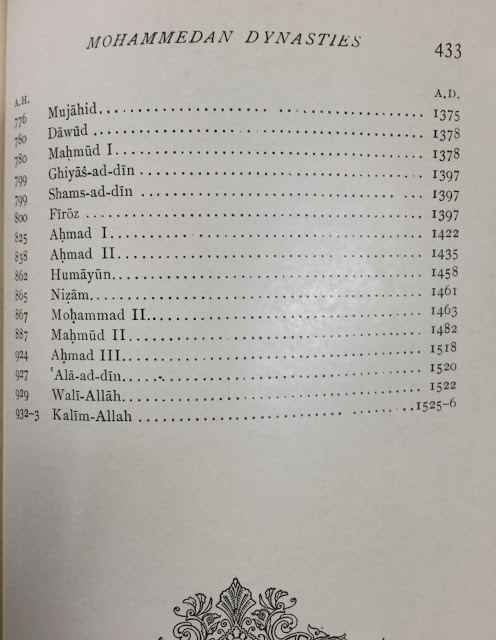
Following are pictures from a book published in 1903. It is about the Muslim rule in India.

Title of the book – MEDIEVAL INDIA (UNDER MOHAMMEDAN RULE) 712-1764 AD

Author – STANLEY LANE POOLE, NEW YORK, 1903

IMAGE OF BABAR
GOLD COINS OF AKBAR
MOGHUL EMPIRE MAP OF INDIA
ZODIAC COINS OF JAHANGIR
IMAGE OF SHAHJAHAN
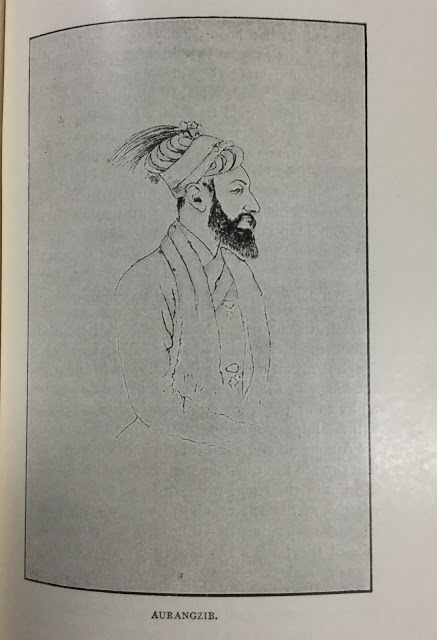
IMAGE OF AURANGZEB

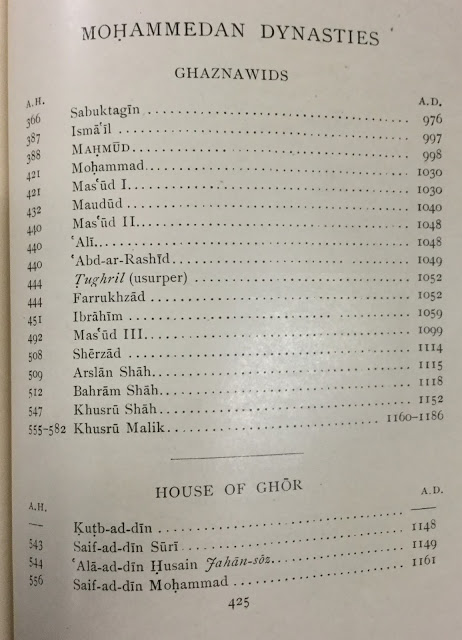
GHAZVANID MOHAMMAD AND GHORI MUHAMMAD 
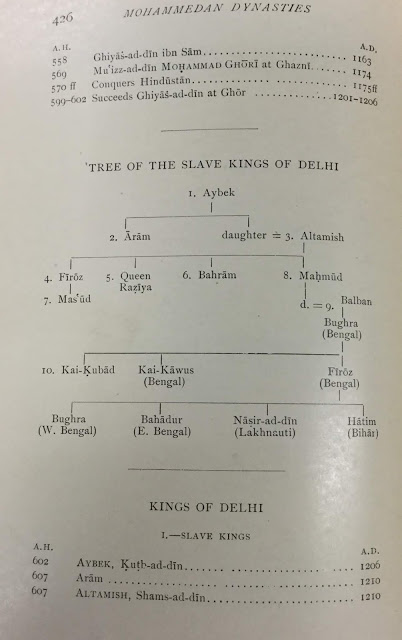
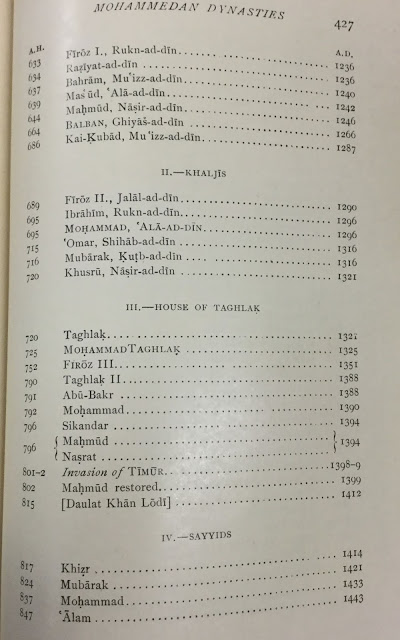
SLAVE KINGS OF DELHI
HOUSE TAGHLAK
MOGUL EMPERORS
 TREE OF MOGUL EMPERORS

TAGS- MUSLIM RULERS, MOGUL EMPERORS, IMAGES, ZODIAC COINS, AKBAR COINS

–SUBHAM–

Farmer and the Imps (Post No.7732)

WRITTEN BY LONDON SWAMINATHAN

Post No.7732

Date uploaded in London – 23 March 2020   

Contact – swami_48@yahoo.com

Pictures are taken from various sources for spreading knowledge; this is a non- commercial blog.

A farmer went down to cut down for a plough a tamarind tree which had been in the village for a long time. When he struck one blow at the trunk, the imps/ghosts who had lived in it for a long time came down and said,

Sir, why are you cutting this tree?

He said, I want to make a plough to plough my field for cultivating rapeseed plants.

They said,

Sir, please stop it. We will give you 1000 kilo rapeseed every year. He also agreed and received 1000 kilos of rapeseed every year.

While it was so, one imp from another town visited them. On seeing the imps, the vising imp asked,

Hey, imps why are you all sorrowful?

They said, oh we are all very tired . We have to supply a farmer in this town 1000 kilo rapeseed every year. By this we are worn out.

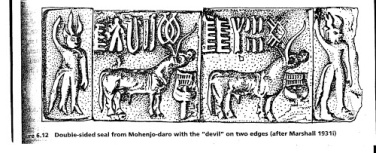
ghost in Indus Valley Civilisation

The new imp said,

Why are you afraid of a little man? I will go and kill him now. So saying he went down and sat in front of the farmers house without his knowledge. The farmer was branding the cows at that time. Farmers used to brand the cows. He had named one of his newly bought cows ‘New Imp’. So he instructed his wife,

Hey, bring that New Imp and tie it here now. I wanted to brand him.

The visiting imp thought he was going to brand it. So he went down and fell at his feet.

Sir, don’t brand me. I will give you whatever you want.

The surprised farmer asked,

Who are you? Where have you come from?

The imp told him ,

Sir, you know we are supplying a you1000 kilo rapeseed every year. Now they sent me to find out whether you still want the 1000 kilogram as rapeseed or in the form of oil.

He said,

Well. Ask them to provide me oil from now onwards

.

When the new imp went back to the tamarind tree and the imps, asked what happened?

The imp related all that happened. All the imps got disappointed and drove away the new imp.

Moral

Don’t poke your nose into everything.

In Tamil there is a proverb – (நுணலும் தன்  வாயால்  கெடும்)  A Frog’s croaking brings its own ruin.

In English – A fool’s tongue is clean enough to cut his own throat

tags — ghost, imp, farmer, rapeseed

–Subham—

நாட்டுப்புற கதை — நிஜ வாழ்வில் 'நீலாம்பரி' ! (7731)

WRITTEN BY LONDON SWAMINATHAN

Post No.7731

Date uploaded in London – 23 March 2020   

Contact – swami_48@yahoo.com

Pictures are taken from various sources for spreading knowledge; this is a non- commercial blog.

வாட்ஸ் அப் whats up அரட்டையால் குடும்பத்தில் பிளவுகள் உண்டாவது தெரிந்ததே. தமிழ் டெலிவிஷன்கள் குடும்பங்களை எப்படி எடுத்துக் கெடுப்பது என்று ஸீரியல்கள் மூலம் தினசரி சொல்லித் தருவதும் அறிந்ததே. ‘அடுத்துக் கெடுத்தல்’ என்பது மன்னர்கள்  மட்டும் கையாள வேண்டிய பஞ்ச தந்திரங்களில் ஒன்று என்று விஷ்ணு சர்மா நமக்குச் சொல்லிக் கொடுத்ததும் உண்மையே. தமிழ்த் திரைப்படத்தில் பழி வாங்கத்  துடிக்கும் நீலாம்பரிகளையும் பார்த்துவிட்டோம் . இதோ ஒரு பழைய நாட்டுப்புற நீலாம்பரன் கதை tamilandvedas.com, swamiindology.blogspot.com !

இரண்டு வழிப்போக்கர்கள் நடந்து, நடந்து கால் வலித்ததால் ஒரு வீட்டுத் திண்ணையில் மூட்டை முடிச்சுகளை இறக்கிவிட்டு ஒய்வு எடுத்தனர். அந்தக் காலத்தில் நடைப் பயணமாக யாத்திரை செல்லுவோருக்கு உதவுவதற்காக வீட்டின் முன்புறத்தில் திண்ணைகள் இருக்கும். இப் போது கலியுக அரக்கர்கள் பெருத்துவிட்டதால் வீட்டுக்கு பத்து அடி முன்னால் , ஒரு இரும்பு கேட் போட்டு, அதை பூட்டி விட்டு, வீட்டு வாசலில் ஒரு நாயையும் கட்டி வைப்பது, பெரிய அந்தஸ்து கொடுக்கும் என்பதும் எல்லோருக்கும் தெரியும்.

இரண்டு வழிப்போக்கர்களும் திண்ணையில் உடகார்ந்து ஒய்வு எடுத்த போது கணவன்- மனைவியின் காதல் பேச்சுக்கள் காதில் விழுந்தன. tamilandvedas.com, swamiindology.blogspot.com

“அன்பே ஆருயிரே! தேனே, மானே கல்கண்டே !

நாகப்பட்டினம் நெய் மிட்டாய்க்கட்டை  கோதுமை ஹல்வாவே ! திருநெல்வேலி லாலா கடை ஹல்வாவே! திருப்பதி லட்டே!!”

என்ற சப்தங்கள் வெளியே மெல்லிசாகக் கேட்டன.

முதல் வழிப்போக்கன் சொன்னான் —

அடடா! என்னே அன்பு ! என்னே அந்யோன்யம்!

நான் நினைக்கிறேன் இவர்கள் வாழ்நாள் முழுதும் இப்படியே இணை பிரியா ஜோடிகளாக வாழ்வர் என்று”.

இதைச் சொல்லி முடிப்பதற்குள் இரண்டாமவன் சொன்னான்-

“அட மூடா ! மடையா ! மனித மனம் பற்றி உனக்குத் தெரியவில்லையே. மனம் ஒரு குரங்கு என்பது தெரியாதா? கொஞ்சம் பொறு உனக்குப் புரியவைக்கிறேன்” என்று சொல்லிவிட்டு அந்த வீட்டின் கதவைத் தட்டி மெதுவாக உள்ளே  போனான்.

“இப்போதுதான் காசியிலிருந்து வருகிறேன். உங்கள் வீட்டுக்குப் போய் கங்கை ஜலம் தரும்படி சிவா பிரானே என் கனவில் சொன்னார் என்று கூ றிவிட்டு , கூஜாவில் உள்ள நீரை கணவன் கையிலும் மனைவி கையிலும் ஊற்றவே அவர்கள் அதை அமிர்தம்போல எண்ணி பய பக்தியுடன் சாப்பிட்டனர். பின்னர் என்ன கேட்பானேன். அவருக்கும் அவருடைய நண்பருக்கும் ராஜ உபசாரம்; பஞ்சபக்ஷ பரமான்னத்துடன்tamilandvedas.com, swamiindology.blogspot.comவிருந்து .

மதியம் ஆயிற்று ; கணவர் வழக்கமான வேலைகளுக்காக வெளியே சென்றார். இந்த வழிப்போக்கன் “அம்மையாரே உங்களை பார்த்தவுடன் பார்வதி தேவியைப் பார்த்தது போல இருக்கிறது ; ஆகையால் ஒரு உண்மையைச் சொல்ல விரும்புகிறேன்” என்றவுடன் அவளுக்கு ஆர்வம் அதிகரித்தது. அவள் அது என்ன? என்று வினவினாள்.

“உங்களை பார்த்தாலேயே தெய்வீகக் களை சொட்டுகிறது ஆனால் உமக்கு வாய்த்த கணவர் சரியில்லை . அவர் பூர்வ ஜென்மத்தில் உப்பு வியாபாரி. நீயோ மஹாராணியாக இருந்தாய்” என்றார் . நீங்கள் சொல்லுவதை நான் நம்புவதற்கு என்ன சாட்சி? என்றாள் அந்த புத்திசாலி.

“ஒன்றும் வேண்டாம்; இரவில் அவர் குறட்டை விட்டுத் தூங்கும்போது அவர் காலை நக்கிப் பார் ; அது கூட உப்புக்கரிக்கும்” என்றார் . அவளும் ஒரு நமஸ்காரம் போட்டு அப்படியே செய்கிறேன் சுவாமி ! என்று செப்பினாள் .

மாலை நேரம் ஆயிற்று ; மனைவி சமையல் அறைக்குள் கதவைச் சாத்திக்கொண்டு அறுசுவை உண்டி சமைத்துக் கொண்டு இருந்தாள் . அந்த நேரத்தில் சாமியார் tamilandvedas.com, swamiindology.blogspot.comபோல நடித்துக் கொண்டிருக்கும் வழிப்போக்கன் கணவனை அழைத்து அருள் உபதேசம் செய்தான். “அடடா, உன்னைப் போல ஒரு நல்ல ஆத்மாவை நான் காசியின் கங்கைக் கரையிலும் கண்டதில்லை. ஆகையால் உன்னிடம் ஒரு உண்மையை  விளம்பியாக வேண்டும் ; நீ உலக மஹா உத்தமன் . உனக்குப் போய் இப்படி ஒரு நாய் கிடைத்து விட்டதே” என்றார்.

“சுவாமி ! புரியவில்லையே கொஞ்சம் விளக்கமாக சொல்லுங்கள்” என்று கேட்டான் கணவன் .

வழிப்போக்கன் புகன்றான்- “உன் மனைவி பூர்வ ஜென்மத்தில் ஒரு நாய். இப்போதும் கூட அவளுக்கு அந்த நாய்க்குணம் போகவில்லை ; நான் சொல்லுவதை நீ நம்பவேண்டும் என்று கட்டாயப்படுத்தவில்லை. .உனக்கு ஏதேனும் ப்ரூப் (Proof) வேண்டுமானால் இன்றிரவு குறட்டைவிட்டுத் தூங்குவது போல பாசாங்கு செய். அவள் தினசரி உன் கால்களை நக்குவது தெரியும்” என்றான்.

இரவும் வந்தது. கணவனும் மனைவியும் வழிப்போக்கன் சொன்னபடி செய்தனர். tamilandvedas.com, swamiindology.blogspot.com

கணவன் குறட்டை விட்டுத் தூங்குவது போல பாசாங்கு செய்ய, அவள் அவன் கால் உப்புக் கரிக்கிறதா என்று நக்கிப் பார்க்க நள்ளிரவில் உலக மஹா யுத்தம் வெடித்தது.

“அடி நாயே! வீட்டை விட்டு வெளியே போடி ! “என்றான் கணவன்.

“அடச் சீ ! மானங்கெட்ட உப்பு வியாபாரியே ! என்னை ஏமாற்றிக் கல்யாணம் செய்து கொண்டாயா? நான் இப்போதே , என் அம்மா வீட்டுக்குப் போகிறேன்” என்று நகை நட்டுக்களை எடுத்துக் கொண்டு புறப்பட்டாள் . இரண்டு வழிப்போக்கர்களும் ஊருக்கு வெளியே புதரில் மறைந்து கொண்டு வேடிக்கை பார்த்தனர்.. tamilandvedas.com, swamiindology.blogspot.com

இதனால்தான் பகவத் கீதையில் கிருஷ்ண பரமாத்மாவும் “சம்சய ஆத்மா விநஸ்யதி (சந்தேகப் பேர்வழி அழிகிறான் -கீதை 4-40)” என்கிறார்.

பாரதியாரும் “நம்பினார் கெடுவதில்லை; இது நான்கு மறைத் தீர்ப்பு “ என்கிறார் .

—SUBHAM–

tags — நம்பினார் கெடுவதில்லை,சம்சய ஆத்மா விநஸ்யதி, நீலாம்பரி

மகளைப் பலி கொடுத்து அணையைக் காத்த சோழியாண்டான்! (Post.7730)

WRITTEN BY S NAGARAJAN                     

Post No.7730

Date uploaded in London – – 23 March 2020

Contact – swami_48@yahoo.com

Pictures are taken from various sources for spreading knowledge; this is a non- commercial blog.

பெற்ற மகளைப் பலி கொடுத்து அணையை நிலைத்திருக்கச் செய்த இம்முடிச் சோழியாண்டான்!

ச.நாகராஜன்

ஒரு உண்மை வரலாறு இது.

கொங்கு மண்டலத்தில் வட பரிசார நாட்டுப் பால வேளாளரில் விஜய விக்கிரம இம்முடிச் சோழியாண்டான் என்பவன் அவிநாசியப்பரின் துவஜ ஸ்தம்ப மண்டபம் உள்ளிட்ட பல திருப்பணிகளைச் செய்தவன். இவன் மங்கலம் என்னும் ஊரின் அருகில் நொய்யல் ஆற்றில் அணை ஒன்றைக் கட்டினான்; ஆனால் அது நிற்கவில்லை. உடைந்து உடைந்து போயிற்று.

என்ன செய்வதென்று அவன் திகைத்திருந்த வேளையில் ஒரு சிறுமி பேரில் சந்நதம் வந்தது; ஒரு தலைக் கன்னிகையைப் பலி கொடுத்தால் அணை உடையாது நிற்கும் என்றது.

பல நாட்களுக்குப் பல உயிர்கள் பிழைத்தற்கான ஒரு தர்மத்திற்கென ஒரு பெண்ணைப் பலி கொடுப்பது அரிதா என்ன என்று எண்ணிய இம்முடிச் சோழியாண்டான்  தான் பெற்ற அருமையான கன்னிகையைப் பலி கொடுத்தான்; அணையைக் கட்டினான். அது உடையவே இல்லை.

அவன் மகிழ்வெய்தினான். இவனது சாஸனம் அவிநாசியில் இருக்கிறது.

முகுந்தை என்னும் குரக்குத் தளியிலும் இருக்கிறது.

சாஸனத்தின் ஒரு பகுதி இதோ:

……. ஸ்ரீ விஜய ……சாலிவாஹன சக வருஷம் ஆயிரத்து நானூற்று இருபத்து ஒன்றுக்கு மேல் …. வருஷம் கார்த்திகை மாதம் …. முகுந்தனூர் உடையார் குருக்குத்தளி தம்பிரானார்க்கு ஸ்ரீ வீரனஞ்சராய உடையர் சீர்பிரதானன் (தெனைக்) வெளைக்கணாம்பை நாட்டு எம்மன் காலத்து நஞ்சரை செட்டியார் மகள் ஒன்னக்களச் செட்டியார் ….. பண்ணிக்கொடுத்தபடியாவது முகுந்தனூர் நஞ்சராயன் குள கீழ் நிலத்து உடையவர் மானியத்து தொட்டக்கட்டையில் கொவிபைவுரிக்கு மேற்கு குளவாய்க்காலுக்கு கிழக்கு சோழீஸ்வரமுடையார் கோயிலுக்கு வடக்கு கோட்டைக்கு தெற்கு இந்த சது சீமையில் உடையவர் பண்டாரத்துக்கு கிரயம் நாலு பொன் கொடுத்து நாம் கொண்ட நிலம் சலகை ஒன்றுக்கும் இருநூறு தென்னம்பழம் போட்டு தோட்டம் பண்ணி இந்தத் தோட்டத்தினாலுண்டான ஆதாயமும் உடையவர் அங்கரங்கபோகத்துக்கு நடத்தக் கடவதாகவும். இந்த ……வட பரிசார நாட்டுக் கவுண்டர்கள் செவ்வூர் அண்டா மன்றாடி மக்கள் சோழியாண்டான் சூரியதேவன் மசான உள்ளிட்டார் மக்கள் மக்கள் சந்திராதித்தவரை நடத்திவரக் கடவதாகவும்.

இந்த அரிய வரலாற்றை கொங்கு மண்டல சதகம் 86வது பாடலில் பெருமையுடன் பதிவு செய்கிறது.

பாடல் இதோ:-

பாயு மணைநிற்க வேண்டி மகளைப் பலிகொடுத்துந்

தோயுந் திருப்புக் கொளிகோயிற் நற்பணித் தொண்டுமிசை

ஆயும் பொருளந்தை யிம்முடிச் சோழியாண் டானளியின்

மாயன் வடபரி சாரநா டுங்கொங்கு மண்டலமே.

பாடலின் பொருள் ; – நொய்யல் ஆற்றில் அணை அடிக்கடி உடைந்து போனது. அது உடைந்து போகாது நிலைத்திருக்கக் கருதித் தான் பெற்ற மகளைப் பலி கொடுத்தும், அவிநாசி ஈசர் கோயிலில் கல் வேலையும் பிற திருத்தொண்டும் செய்த பொருளந்தை குலத்து வந்த இம்முடிச் சோழியாண்டானது உரிமையான வடபரிசார நாடும் கொங்கு மண்டலத்தைச் சார்ந்ததே என்பதாம்.

தனது அருமை மகளைப் பலி கொடுத்து அணையை நிலை நிறுத்திய இம்முடிச் சோழியாண்டானைப் பற்றி இன்று எத்தனை பேருக்குத் தெரியும்?!

மகத்தான தியாகி, தமிழ்ப் பெருமகன், பொதுநலத் தொண்டன், மாபெரும் தலைவன் இம்முடிச் சோழியாண்டானைப் போற்றிப் புகழ்வோம்!

tags— அணை , மகள், பலி , சோழியாண்டான் — 

****

Why is the sea salty? Why is the moon waxing and waning? (Post No.7729)

WRITTEN BY LONDON SWAMINATHAN

Post No.7729

Date uploaded in London – 22 March 2020   

Contact – swami_48@yahoo.com

Pictures are taken from various sources for spreading knowledge; this is a non- commercial blog.

Tamil poet Valluvar and first Law Maker of the world Manu agree on the power of ascetics. Here are three interesting stories

Manu gives three stories in one sloka/ couplet.

Who would not be destroyed if he provoked the anger of those who made,

1.Fire omnivorous

2.The ocean water undrinkable and

3The moon to wax and wane ?- Manu 10-314

Fire eats everything that comes into contact with it. It does not show any difference between the good and the bad.

Moon is waxing and waxing due to its position with the sun. But Hindu story is that it was cursed.

Sea is salty because the water evaporates in large quantity and the density of salt increases.

But Manu gives three stories behind these phenomenon.

Fire became Omnivorous

When the god of fire told an ogre that he had a right to take the wife of great sage Bhrgu, he cursed Fire to be omnivorous.

This story is in two places in the Mahabharata 1-6 and 12-369-43

Bhrgu is connected with the fire like the Greek Prometheus.

Bhrighus means roasters and consumers. They are a class of mythical beings who belonged to middle class of gods. They are connected with Agni, fire god. They are spoken of producers and nourishers of fire. They are associated with the Angirasas and Atharvans in Vedic literature.

Another Rishi with the same name Bhrgu was angry with Shiva and Brahma because they didn’t recognise him when he visited them. Whereas Vishnu, though was kicked by Bhrgu, welcomed him. So Bhrgu proclaimed that Vishnu only deserves worship by humans. This is in Padma Purana. These stories show that he was so powerful and even Gods were punished.

Actual message is that he was the one who showed the primitive men the proper use of fire.

Ocean made Salty

Vadavamukha meant ‘Horse Mouth’ and it is a sub marine fire. It is in the sea ever burning. He is a sage who was Vishnu’s incarnation. When he called the sea, it refused to come. So he cursed it to become salty with the sweat of the sage. This story is also in the Mahabharata.

As we know sun’s heat evaporates water in the sea and the salt becomes concentrated in the remaining water and it tastes salty. Here we may interpret Vadava heat to sun’s heat.

Waning and Waxing of Moon

Daksha had 27 daughters. He gave all his daughters in marriage to Soma, that is Moon. Soma favoured Rohini of the 27 stars. And so he cursed the moon to wax and wane. This is also in the Mahabharata.

All the natural phenomena were well observed by the Hindus and then incorporated into Puranic stories. If they Interpret them scientifically laymen wouldn’t understand them.

The 27 stars mentioned above form the Hindu Zodiac.

About the power of scholars and sages, Tamil poet Tiruvalluvar And Manu agree:

Manu says

Even during the utmost extremity, he/king should not make priests angry, for when angry they could instantly destroy him with all his army and vehicles. 10-313

Tamil poet Tiruvalluvar saysin his book Tirukkural,

If those of rigorous penance become enraged, even Indra will crash from power and position.

Though possessed of great support, they/kings who are exposed to the wrath of persons of exceeding penance will perish

Kural 899 and 900

Another translation of the above two couplets:-

If men of stern austerities were to frown, even the king of the gods would tumble down from the summit of his glory.

Though blessed with numberless allies, a sovereign perishes by the wrath of the men of severe penance (899 and 900 of Tirukkural)

Manu and Tiruvalluvar actually refer to Nahusa who when kicked the great sage Agastya, Nahusa was thrown out of the post of Indra from the heaven. Another bad king by name Vena was killed by the priests and a new son was made by cloning from his body. His name was Prithvi and the priests named the earth Prithvi.

tags –sea, salty, moon waxing, Vadavagni, , Manu, Bhrgu,27 daughters

Subham

தமிழ் குறுக்கெழுத்துப் போட்டி 2232020 (Post No.7728)

WRITTEN BY LONDON SWAMINATHAN

Post No.7728

Date uploaded in London – 22 March 2020   

Contact – swami_48@yahoo.com

Pictures are taken from various sources for spreading knowledge; this is a non- commercial blog.

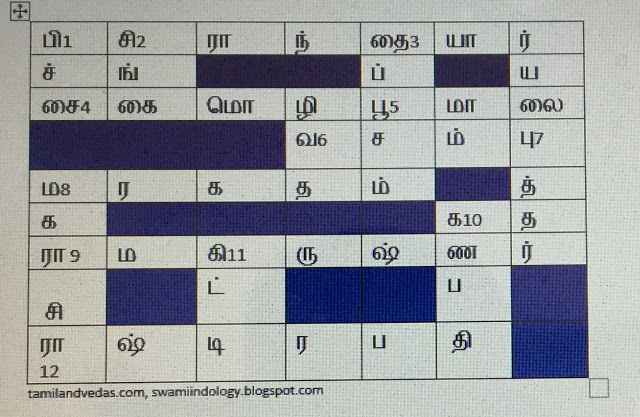
குறுக்கே

1. (7 எழுத்து) — தனக்கு ஏன் தலை நரைக்கவில்லை என்று பாடிய புறநானுற்றுப் புலவர்

4. – (4) காது கேளாதோர் பயன்படுத்துவது

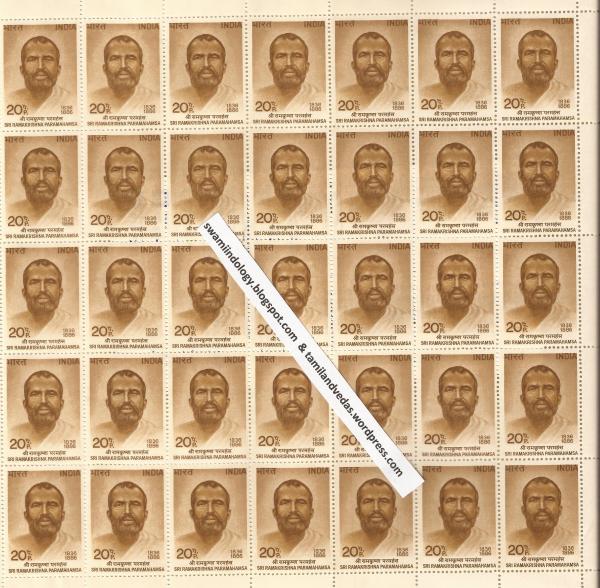
5. – (3)  தலைவர்கள் மிகவும் எதிர்பார்ப்பது

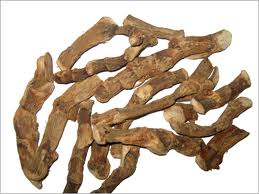
6. — (4) ஒரு மூலிகைச் சரக்கு; சிவனுடைய பெயருக்கு முன்னால் இருக்கும்

8. – பச்சை வர்ண ரத்தினம்

9.– (7)விவேகானந்தரின் குரு

12. – (6) ஜனாதிபதி

XXXXXX

கீழே

1.– (3) சோற்றுக்கு வழியில்லாதோர் எடுப்பது

2.–(3)  சிங்கப்பூரின் சுருக்கு எழுத்து

3.–(5)  வள்ளலாருடன் தொடர்புடைய திருநாள்

7. / (4) கீழிருந்து மேலே செல்லவும் – நந்தனார் ஜாதி

7. – (4)  கபிலவஸ்துவில் பிறந்த மஹான்

8.– (4) வீட்டுக்கு வந்த — என்று மணப்பெண்ணை வாழ்த்துவர்

10. – (4) முழுமுதற் கடவுள்

11.– (3) ரோட்டில் விளையாடும் விளையாட்டு; கிராமத்து கிரிக்கெட்

Xxxx subham xxxx