ஹிந்தி படப் பாடல்கள் – 39 – இசைபட வாழ்தல்!(Post No.7990)

WRITTEN BY R. NANJAPPA                        

Post No.7990

Date uploaded in London – – – 17 May 2020   

Contact – swami_48@yahoo.com

Pictures are taken from various sources for spreading knowledge; this is a non- commercial blog. Thanks for your great pictures.

ஹிந்தி படப் பாடல்கள் – 39 – இசைபட வாழ்தல்!

R. Nanjappa

இசைபட வாழ்தல்!

தோன்றின் புகழொடு தோன்றுக அஃதிலார்
தோன்றலின் தோன்றாமை நன்று.
வசைஎன்ப வையத்தார்க் கெல்லாம் இசையென்னும்
எச்சம் பெறா விடின்.  
                         —
திருக்குறள்

இவை, அறத்துப் பாலில், இல்லறவியலில் புகழ் என்னும் அதிகாரத்தில் திருவள்ளுவ நாயனார் சொல்வது. அது எப்படி புகழோடு “தோன்றுவது”? உயர் குடியில், ‘பெரிய இடத்தில்’ பிறந்தாலும் புகழோடு எவரும் பிறப்பதில்லை. பெரிய இடத்தில் பிறந்தால் publicity கிடைக்கும்- இது புகழல்ல.

புகழ் வாழும் வாழ்க்கையின் தன்மையால், செயலால் வருவது. ஒருவர் உலகை நீத்த பின்னும் நிலைத்திருப்பது.. “இசை என்னும் எச்சம்”.  இந்தப் புகழை எப்படி அடைவது?  நல்லது செய்யவேண்டும். “ஈதல் இசைபட வாழ்தல்” என்பார் வள்ளுவர்.

உலகில் உள்ள அனைத்து ஜீவராசிகளையும் பார்ப்போம். புல், பூண்டு, புழு பூச்சி என ஒவ்வொன்றும் ஒவ்வொரு வகையில் உலகுக்கு நன்மை செய்தே பிழைக்கின்றன.. நன்மை செய்யவேண்டும் என்ற சங்கல்பத்துடன் கிளம்புவதில்லை- இயற்கையில் அப்படி அமைந்திருக்கிறது. பூத்துக் காய்க்காத, நிழலே தராத மரம் கூட விறகாகவாவது ஆகி பயன்படுகிறது   

மனிதன் மட்டும் இதற்கு விலக்கு! அவன் வாழ்க்கையே பூமிக்கு ஒரு சுமை! உலகில், இயற்கையில் எல்லாவற்றையும் துய்க்கிறான்-பதிலுக்கு அவன் தருவது- “பொல்யூஷன்” (Pollution!). ‘நாகரிகம்’ மிகுந்த, பொருளாதார வளர்ச்சி மிகுந்த இக்காலத்தில் உலகைத் தாங்கும் ஐம்பெரும் பூதங்களும் அவன் செயலால், அவன் வாழ்க்கை முறையால்- தூய்மையிழந்து, பாழ்பட்டு நிற்கின்றன!

நம் பெரியவர்கள் மனிதனுக்கு மட்டும் ஆயிரம் நீதி போதனைகள் செய்தனர்! பல தர்ம சாஸ்திரங்கள் வந்தன. எல்லாவற்றையும் சுருக்கி வள்ளுவர் தந்தார்:

தென்புலத்தார் தெய்வம் விருந்தொக்கல் தானென்றாங்கு
ஐம்புலத்தா றோம்பல் தலை.

“ஓம்பல்” – வேள்வி என்றார். இதையே தர்ம சாஸ்திரங்களில் ஐம்பெரும்வேள்வி- பஞ்சமஹா யக்ஞம் என்பார்கள். உலகில் எல்லா உயிர்களுக்கும் உரிய முறையில் நன்மை- சேவை செய்யவேண்டும். தர்மத்தின் பரிமாணம் மூன்றுதான்: தன் ஆத்மாவுக்கு உறுதி தேடுவது, மக்கள் சமுதாயத்திற்குச் சேவை, இயற்கையில் பிற உயிர்களுக்கு (புல் பூண்டு உட்பட) சேவை. இதுவே மனித உடல் வாய்த்ததன் பொருள்.

சரீர மாத்யம் கலு தர்ம சாதனம்.

இப்படி வாழ்வாங்கு வாழ்பவன் புகழ் பெறுகிறான்!

‘ஏ மனிதா, நீ வாழ்ந்ததன் அடையாளமாக எதையாவது நல்லதை விட்டுச் செல்’- என்று பெரியவர்கள் அறிவுரை கூறுகிறார்கள்.

அமெரிக்க கவிஞர் லாங்க்ஃபெலோ Henry Wadsworth Longfellow எழுதுகிறார்:

A Psalm of Life

Tell me not, in mournful numbers,

   Life is but an empty dream!

For the soul is dead that slumbers,

   And things are not what they seem.

Life is real! Life is earnest!

 And the grave is not its goal;

Dust thou art, to dust returnest,

   Was not spoken of the soul.

Not enjoyment, and not sorrow,

   Is our destined end or way;

But to act, that each to-morrow

   Find us farther than to-day.

Art is long, and Time is fleeting,

   And our hearts, though stout and brave,

Still, like muffled drums, are beating

   Funeral marches to the grave.

In the world’s broad field of battle,

   In the bivouac of Life,

Be not like dumb, driven cattle!

   Be a hero in the strife!

Trust no Future, howe’er pleasant!

   Let the dead Past bury its dead!

Act, — act in the living Present!

   Heart within, and God o’erhead!

Lives of great men all remind us

   We can make our lives sublime,

And, departing, leave behind us

   Footprints on the sands of time;

Footprints, that perhaps another,

   Sailing o’er life’s solemn main,

A forlorn and shipwrecked brother,

   Seeing, shall take heart again.

Let us, then, be up and doing,

   With a heart for any fate;

Still achieving, still pursuing,

   Learn to labor and to wait.

                                   (1838)

துய்த்துத் தீர்ப்பதற்காக இந்தப் பிறவி வரவில்லை; எதாவது நல்லது செய்து உன் அடையாளமாக விட்டுச் செல்- பின் வருபவர்களுக்கு அது உதவட்டும்- Leave footprints on the sands of time!

இதை நம் திரைக்கவிஞர் ஷைலேந்த்ரா அருமையாகச் சொல்கிறார்!
தர்தீ கஹே புகார் கே

भाई रे
गंगा और जमुना की  गहरी है धार
आगे या पीछे, सबको जाना है पार

धरती कहे पुकार के, बीज बिछा ले प्यार के
मौसम बीता जाए, मौसम बीता जाए
मौसम बीता जाए

अपनी कहानी छोड़ जा, कुछ तो निशानी छोड़ जा
कौन कहे इत ओर तू फिर आए आए
मौसम बीता जाए

तेरी राह में कलियों ने नैना बिछाए
डालीडाली कोयल काली
तेरे गीत गाए, तेरे गीत गाए
अपनी कहानी छोड़ जा

हो भाई रे

नीला अम्बर मुस्काए, हर साँस तराने गाए
हाय तेरा दिल क्यूँ मुरझाए
मन की बंसी पे तू भी कोई धुन बजा ले भाई
तू भी मुस्कुरा ले
अपनी कहानी छोड़ जा… 

பாயீ ரே..

கங்கா ஔர் ஜமுனா கீ கஹரீ ஹை தார்

ஆகே யா பீசே ஸப்கோ ஜானா ஹை பார்

சகோதரர்களே….

கங்கை, யமுனையின் நீரோட்டம் ஆழமானது,

ஆனாலும் இன்றோ நாளையோ  அதைக் கடந்து போகத்தானே வேண்டும்!

தர்தீ கஹே புகார் கே, பீஜ் பிசா லே ப்யார் கே

மௌஸம் பீதா ஜாயே, மௌஸம் பீதா ஜாயே

மௌஸம் பீதா ஜாயே

பூமி உன்னை அழைத்துச் சொல்கிறது

அன்பெனும் விதையை விதைத்துச் செல்,

காலம் கடந்து போகிறது, காலம் கடந்நு போகிறது!

அப்னீ கஹானீ  சோட் ஜா, குச் தோ நிஷானீ சோட் ஜா

கௌன் கஹே இஸ் ஓர், தூ ஃபிர் ஆயே  ஆயே

மௌஸம் பீதா ஜாயே...

உன் சரித்திரத்தை இங்கு விட்டுச் செல்

உன் அடையாளம் எதையாவது விட்டுச் செல்

நீ மீண்டும் இந்தப் பக்கம் வருவாயோ, மாட்டாயோ

அதை யார் சொல்ல முடியும்?

காலம் கடந்து போகிறது

தேரீ ராஹ மே கலியோனே நைனா பிசாயே

டாலீ டாலீ கோயல் காலீ

தேரே கீத் காயே, தேரே கீத் காயே, ஹர் ஸான்ஸ் தரானே ஆயே

அப்னீ கஹானீ சோட் ஜா, குச் தோ நிஷானீ சோட் ஜா

மௌஸம் பீதா ஜாயே….

நீ போகும் வழியில் மொட்டுக்கள் மலிந்திருக்கின்றன

கிளைகளில் கருங் குயில்கள் உனக்காகவே இசைக்கின்றன

உன் சரித்திரத்தை விட்டுச் செல்,

உன் அடையாளமாக எதையாவது விட்டுச் செல்

காலம் கடந்து போகிறது!

ஹோ பாயீ ரே..

நீலா அம்பர் முஸ்காயே ஹர் ஸான்ஸ்  தரானே காயே

ஹாய் தேரா தில் க்யோ(ன்) முர்ஜாயே

மன் கீ பன்ஸீ பே தூ பீ கோயீ துன் பஜாலே பாயீ

தூ பீ முஸ்குரா லே

அப்னீ கஹானீ சோட் ஜா.

..சகோதரர்களே

நீல வானம் களிப்பில் இருக்கிறது!

காற்று கீதமிசைக்கிறது

பின், உன் உன் மனது மட்டும் ஏன் வாடி இருக்க வேண்டும்?.

சகோதரனே! மனமெனும் குழல் கொண்டு, நீயும் ஒரு கீதம் இசைப்பாயே!

நீயும் மகிழ்ச்சியுடன் முறுவலிப்பாயே !

உன் கதையை விட்டுச் செல், ஏதாவது அடையாளம் விட்டுச் செல்

காலம் கடந்து கொண்டிருக்கிறது!

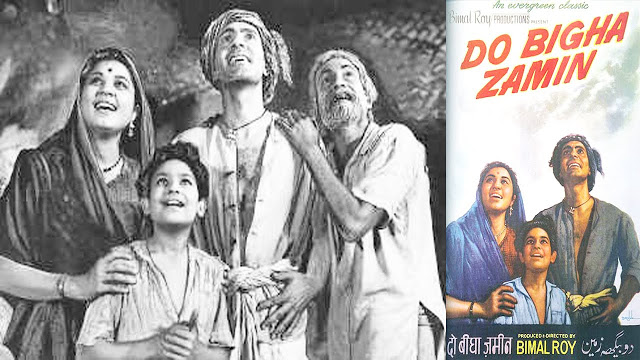
Song: Dharti kahe pukar ke Film: Do Bigha Zamin 1953 Lyrics: Shailendra

Music: Salil Chowdhury  Singers : Manna Dey & Lata Mangeshkar
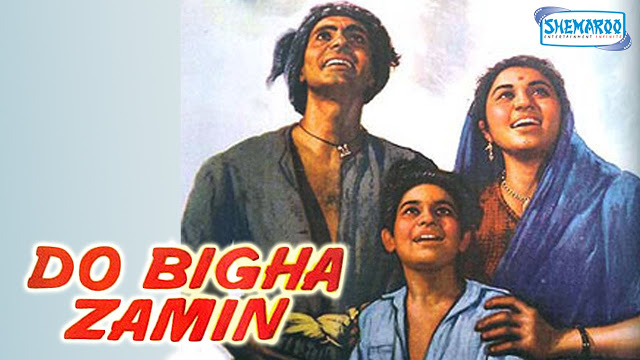
மீண்டும்  ஒருமுறை ஆங்கிலக் கவிதையைப் படித்துவிட்டு ஹிந்திப் பாடலைப் படிக்கவும்! லாங்க்ஃபெலோ சொன்ன கருத்துக்கள் அத்தனையும் இங்கு வந்துவிட்டன!

முதலில் சொன்ன கங்கை-யமுனை வெறும் நதிகளை மட்டும் குறிக்கவில்லை! அவை இந்த உலகுக்கே-சம்சாரத்திற்கே உவமையாக நிற்கின்றன. நாம் இதைத் தாண்டிப் போயாகவேண்டும்-however pleasant!

காலம் கடந்து போய்க்கொண்டிருக்கிறது: time is fleeting. நாம் வாளாவிருத்தலாகாது- பீஜ் பிசாலோ ப்யார் கே:  be up and doing! சரித்திரத்தை விட்டுச் செல்-ஏதாவது அடையாளம் விட்டுச் செல்:

leave footprints on the sands of time! 

இங்கு விவசாயப் பின்னணியில் இப்பாட்டு வருகிறது, அதனால் விதை பற்றிய பேச்சு எழுகிறது. ‘மௌஸம்” என்பது விதைக்கவேண்டிய பருவகாலம் “ஆடிப் பட்டம் தேடி விதை” என்று  நாம் சொல்வோம்.. தகுந்த காலத்தில் செய்யவேண்டும் – act in the living present வழியில் மொட்டுக்கள் என்று சொல்கிறார்- மலர் என்று சொல்லவில்லை. காரணம் என்னவாக இருக்கலாம்? மலர் மலர்ந்தபிறகு வாடி உதிர்ந்துவிடும்; மொட்டு – full of promise and potential! 

இப்படி முக்கிய கருத்தை எளிய ஹிந்தியில், சுருக்கமாகச் சொல்லிவிட்டார் ஷைலேந்த்ரா!

இது ஸலீல் சௌத்ரி இசையமைத்த முதல் ஹிந்திப் படம். இந்தப் பாட்டின் மெட்டிற்கு ஆதாரமாக ரஷ்ய மிலிடரியின் இசையிலிருந்து ஒரு வரியை எடுத்து, அதை  பைரவி ராகப் போக்கிற்கு இசையச் செய்துவிட்டார்!

அவர் இசையில் பல பாடல்களில் மேற்கத்திய இசையின் சாயல் இருக்கும்- ஆனால் நமது வண்ணத்தில்!..

இந்தக் கவிதை எழுதிய ஷைலேந்த்ராவும், இசையமைத்த ஸலில் சவுத்ரியும், அவர்களை ஊக்குவித்த பிமல் ராயும் தங்கள் எச்சத்தால் தங்களைத் தக்கார் எனக் காட்டிவிட்டனர்! என்றும் அழியா இசை என்னும் எச்சத்தை விட்டுச் சென்று விட்டனர் – their footprints on the sands of cine music! It will be quite a job to follow them!

tags — ஹிந்தி படப் பாடல்கள் – 39 , Longfellow

வெற்றிகரமான வாழ்க்கை அமைய ஒரு உத்தி! (Post No.7989)

WRITTEN BY S NAGARAJAN                     

Post No.7989

Date uploaded in London – – – 17 May 2020   

Contact – swami_48@yahoo.com

Pictures are taken from various sources for spreading knowledge; this is a non- commercial blog. Thanks for your great pictures.

மாலைமலர் 10-5-2020 இதழில் வெளியாகியுள்ள கட்டுரை!

வெற்றிகரமான வாழ்க்கை அமைய ஒரு உத்தி!

ச.நாகராஜன்

புத்தரும் பட்டுக் கைக்குட்டையும்

ஒருமுறை புத்தர் வழக்கத்திற்கு மாறாக தன் கையில் மிக அழகிய பட்டுக் கைக்குட்டை ஒன்றை வைத்திருந்தார். இதைப் பார்த்த அவரது நூற்றுக் கணக்கான சிஷ்யர்கள் ஆச்சரியத்தோடு அந்த அழகிய கைக்குட்டையைப் பார்த்து  அவர் ஏன் இதை வைத்திருக்கிறார் என்று தங்களுக்குள் பேசிக் கொண்டனர்.

புத்தர் உபதேச அருளுரை நேரம் நெருங்கியது. அவர் அந்தப் பட்டுக் கைக்குட்டையைத் தன் கையில் வைத்துக் கொண்டு பேச ஆரம்பித்தார்.

பின்னர் பேச்சின் இடையே மெதுவாக அனைவரையும் நோக்கி, “நீங்கள் என் கையில் என்ன பார்க்கிறீர்கள்?” என்று கேட்டார்.

அனைவரும் ஒருமித்த குரலில் அழகிய பட்டுக் கைக்குட்டையைப் பார்க்கிறோம் என்றனர்.

பின்னர் புத்தர் அந்த கைக்குட்டையில் ஒரு முடிச்சைப் போட ஆரம்பித்தார். ஒவ்வொன்றாக ஐந்து முடிச்சுகளைப் போட்டார்.

பின்னர் அனைவரையும் நோக்கி, “இப்போது என்ன பார்க்கிறீர்கள்?” என்றார்.

பலரும், “அதே கைக்குட்டை தான் என்றாலும் கூட அது இப்போது வேறு மாதிரி இருக்கிறது ஏனெனில் அதில் முடிச்சுகள் இருக்கின்றன”,என்றனர்.

புத்தர் அவர்களை நோக்கிக் கூறினார்: “நீங்களும் என்னப் போல புத்தர் தான். இதைத் தான் நான் உங்களுக்கு உபதேசிக்க வந்துள்ளேன். ஆனால் எப்படி முடிச்சுகள் இருக்கும் போது பட்டுக் கைக்குட்டையை உள்ளபடி உங்களால் பார்க்க முடியவில்லையோ அதைப் போல நீங்களும் புத்தர் தான் என்பதைப் பார்க்க முடியவில்லை. நான் முடிச்சு இல்லாத பட்டுக் கைக்குட்டையாக இருக்கிறேன்.”

பின்னர் அவர் கைக்குட்டைகளின் இரு பக்கங்களையும் பிடித்து நன்றாக இழுக்க ஆரம்பித்து, “இப்போது முடிச்சுகள் அவிழ்ந்து விடுமா” என்று கேட்டார்.

அனைவரும், “அது எப்படி? இன்னும் இறுகும்” என்றனர்.

புத்தர் புன்சிரிப்புடன் கேட்டார் :”அப்படியானால் ஏன் உங்கள் முடிச்சுகளை இன்னும் போட்டு இறுக்குகிறீர்கள்? அவிழ்க்க வேண்டும் என்ற உங்கள் நோக்கம் நல்ல நோக்கமாக இருக்கும் போது அந்த நல்ல நோக்கத்துடன் செய்யும் செயலே அதற்கு எதிராக அல்லவா அமைகிறது?”

பின்னர் புத்தர், “ யாராவது இந்த முடிச்சுகளை அவிழ்க்க ஒரு வழியைச் சொல்ல முடியுமா?” என்று கேட்டார்.

ஒரு பிட்சு எழுந்தார். “உங்கள் அருகில் வர அனுமதித்தால் நான் முயன்று பார்க்கிறேன்” என்றார் அவர்.

“வாருங்கள்” என்றார் புத்தர்.

அருகே வந்த பிட்சு இது எப்படி போடப்பட்டிருக்கிறது என்பதை உற்றுப் பார்த்தால் அவிழ்ப்பது எப்படி என்பது தெரிந்து விடும் என்றார்.

“ஆஹா! சரியான விடை!! இது தான் நான் இன்று சொல்ல வந்தது. உங்கள் முடிச்சுக்களை எப்படிப் போட்டிருக்கிறீர்கள் என்பதை உங்களில் ஒவ்வொருவரும் தியானித்துச் சிந்தித்தால் அவிழ்ப்பது எப்படி என்பதை நீங்களே உணர்வீர்கள்.”

புத்தர் தன் உரையை முடித்துக் கொண்டார்.

வாழ்வின் ஒரு பெரும் ரகசியத்தை அறிந்து கொண்ட திருப்தியுடன் அவரது சீடர்கள் கலைந்தனர்.

மனம் என்னும் விசித்திரம்!

மனம் என்பது விசித்திரமானது. பெரும் ஆற்றலைக் கொண்டது. ஒவ்வொரு நாளும் ஒருவர் குறைந்தபட்சமாக சுமார் 50000 எண்ணங்களை எண்ணுகிறார். அதாவது மணிக்கு சுமார் 2083 எண்ணங்கள். இவற்றில் பெரும்பாலானவை தேவையற்றவை; எந்த நல்ல பயனையும் தருவன அல்ல. மனமானது ஒவ்வொரு வினாடியும் 126 தகவல்களை பகுத்து ஆராயும் வல்லமை படைத்தது.

ஆகவே நாம் நம்மை கவனித்து எதை எண்ணுகிறோம் என்பதைப் பார்க்க வேண்டும். மனம் தெளிந்த நிலையை அடைய வேண்டும்.

இதைத் தான் புத்தர் பிரான் மனம்தெளிநிலை என்றார். ஆங்கிலத்தில் இது Mindfulness என்று சொல்லப்படுகிறது. இதற்கான பயிற்சிகளும், செய்முறை திட்டங்களும் மேலை நாடுகளில் பரவலாக இன்று ஏற்பட்டு லட்சக்கணக்கானோர் இதைப் பயில்கின்றனர். (இதைக் கற்க அவர்கள் தரும் கட்டணமும் மலைக்க வைக்கும் ஒன்று!)

மனம் தெளிதரு நிலை என்றால் சுயக் கட்டுப்பாட்டுடன் ஒன்றை ஆர்வத்துடன் அணுகுதல்;  இது தான் மைண்ட்ஃபுல்னெஸ் – Mindfulness.

இந்தத் தெளிவான மனத்தைப் பெற என்ன செய்ய வேண்டும்?

“உன்னைக் கவனி” என்றார் புத்தர்.

ஒரு இடத்தில் அமர்ந்து சில நிமிடங்கள் நம்மை நாமே உற்றுக் கவனிக்க வேண்டும்.

என்னை கவனித்துக் கொண்டு தான் இருக்கிறேன் என்று சொல்லிப் பயனில்லை. ஏனெனில் நமது எண்ணங்கள் நாம் அறியாமலேயே நம்மைச் சுற்றி வட்டமிடுகின்றன.

நிகழ்காலத்தில் வாழ்க!

ஒரு சிறிய கதை உண்டு.

பேப்பர் படிப்பதிலேயே பொழுதைப் போக்கும் கணவனிடம் ஒரு முக்கியமான அவசர செய்தியைச் சொல்ல வந்தாள் மனைவி.

அவன் கேட்பதாக இல்லை. பேப்பரிலேயே கவனம்.

“உங்கள் உடம்பில் ஒரு சிலந்தி ஓடுகிறது” என்று மெதுவாகச் சொன்னாள் அவள்.

ஊஹூம்! அவன் அசையவே இல்லை.

பார்த்தாள் மனைவி. ஒரு அலறல் அலறினாள் – “உங்கள் உடம்பில் ஒரு சிலந்தி ஓடுகிறது.ஊ..ஊ”

அலறி அடித்துக் கொண்டு எழுந்தான் கணவன். எங்கே எங்கே என்று தன் சட்டையைத் தட்டி விட்டுக் கொண்டு பரபரத்தான். சிலந்தியைக் கண்டுபிடித்து தூக்கி எறிய முனைந்தான்.

இதில் முக்கியமான விஷயம் மனைவி முதலில் கூறிய போது அவன் காதுகளில் வார்த்தைகள் விழுந்தன. ஆனால் அவன் காதிருந்தும் ‘கேட்கவில்லை’. அவள் அலறியபோது அவன் கேட்டான், அதில் உள்ள பொருளைப் புரிந்து கொண்டான், உடனே செயல்பட ஆரம்பித்தான்.

இதே போலத்தான் பெரும்பாலானோர் பல விஷயங்கள் தங்களை நெருங்கி வரும் போது அவற்றைக் கவனிப்பதில்லை; செயலில் ஈடுபட முன்வருவதில்லை.

எப்போதும் விழிப்புடனும் கவனத்துடனும் நிகழ்காலத்தில் வாழ்வது தான் வெற்றியைத் தரும்.

நிகழ்காலம் என்பது அதாவது இந்தக் கணம் என்பது ஒன்று முதல் மூன்று விநாடிகள் மட்டுமே நீடிப்பதாகும்.

இதில் கவனம் வைப்பவன் தான் அசாதாரணமான மனிதன். வெற்றியைப் பெறுபவன்.

சாதாரண மனிதனுக்கும் வெற்றி பெறும் அசாதாரமான சாதனையாளருக்கும் இடையே இருக்கும் வார்த்தை “அசாதாரணமான” (மனிதன்) என்பது தான்.

இதை அடைய உதவுவதே மைண்ட்ஃபுல்நெஸ் உத்தி.

மைண்ட்ஃபுல்நெஸ் தரும் பயன்கள்!

மனதை ஒருமுகப்படுத்தி நிகழ்காலத்தில் வாழப் பழகுவதற்கு பயிற்சி தேவை.

ஒரு சிறிய பொருளை எடுத்துக் கொண்டு அதன் மீது கவனம் செலுத்தி இந்தப் பயிற்சியை ஆரம்பிக்கலாம்.

அல்லது தனது எண்ண ஓட்டங்களை கவனித்து அதன் விளைவுகளைச் சிந்திக்கலாம்.

மெதுவாக மூச்சை உள்ளிழுத்து பின்னர் மெதுவாக வெளிவிடுவது ஒரு நல்ல பயிற்சியாகும்.

இப்படிச் செய்வதால் ஏற்படும் பயன்கள் :

மனத்தளர்ச்சி நீங்கும்.

மன அழுத்தம் போகும்.

பிரச்சினைகளை இனம் காண முடியும்; அதற்கான தீர்வுகள் கிடைக்கும்.

நமது உணர்ச்சிகள் நம் கட்டுப்பாட்டுக்குள் வரும்.

கவனசக்தியும் ஒருமுனைப்படுத்துவதும் மெம்படும்.

மூளைத்திறன் கூடும்.

நோய்த் தடுப்பு சக்தி கூடும்.

உயர் இரத்த அழுத்தம் குறைந்து சீராகும்.

இதயத்துடிப்பும் சீராகும்.

மொத்த ஆரோக்கியமும் மேம்படும்.

சுற்றுப்புறம் பற்றிய விழிப்புணர்ச்சி கூடும்.

மிக்க அமைதியாக ஆனால் வெற்றிகரமான ஒருவராக ஆக முடியும்.

உன்னைக் கவனி!

உலக இயல்பின்படி ஆயிரக்கணக்கான செயல்கள் ஆங்காங்கு நடந்து கொண்டே தான் இருக்கும்.

அனாவசியமாக அடுத்தவரைக் கவனித்து நம் நேரத்தை வீணாக்குவதை விட்டு விட்டு நம்மை நாம் கவனித்தால், நமது செயல்பாட்டை வகுத்துக்கொண்டால் வெற்றி நிச்சயம்.

புத்தர் கூறிய கதை ஒன்று உண்டு.

ஒரு கழைக்கூத்தாடி ஒரு பெரிய உயரமான மூங்கில் கம்பை தன் தலையில் தூக்கி வைத்துக் கொள்வான். அதில் ஒரு சிறு பெண் மெதுவாக ஏறி மேலே சென்று நிற்பாள். பின்னர் மூங்கில் கம்பில் மேல் இருக்கும் பெண்ணுடன் அவன் மெதுவாக நடந்து செல்வான். பார்வையாளர்கள் பிரமித்துப் பாராட்டுவர்.

எந்த விதமான விபத்தும் நேர்ந்து விடக்கூடாதே என்று எண்ணிய அந்தக் கழைக்கூத்தாடி சிறு பெண்ணிடம் கூறினான்: “ பெண்ணே! இந்த வித்தையின் போது நீ என்னைக் கவனி. நான் உன்னைக் கவனிக்கிறேன். எந்த விபத்தும் ஏற்படாது”

அதற்கு அந்த புத்திசாலியான சிறு பெண் பதில் கூறினாள் இப்படி: “வேண்டாம், உங்களை நீங்கள் கவனித்துக் கொள்ளுங்கள். என்னை நான் கவனித்துக் கொள்கிறேன். விபத்தே வராது.”

இந்த கதையின் உண்மைப் பொருள் ஆழமானது. அவரவர் தம் அளவில் தன்னைக் கவனித்துக் கொண்டால் அனைத்தும் சரியாக அமையும்.

உங்களை நீங்கள் கவனித்துக் கொண்டால் – உங்கள் மனதையும் உடலையும் நீங்கள் நன்றாக இருக்குமாறு பார்த்துக்கொண்டால் – உலகத்தில் இருக்கும் மற்றவர்களிடம் அதிக தயையுடனும் அதிக புரிந்துகொள்ளுதலுடனும் பழகுபவராக ஆவீர்கள்.

உலகில் முக்கியமான அதிக தூரம் எவ்வளவு?

நன்றாக வாழ்வது எப்படி என்பதைக் கற்றுக் கொடுக்கும் மாஸ்டரிடம் அதைத் தெரிந்து கொள்ளப் பலர் சென்றனர்.

அவர் கேட்டார் உலகில் மிக அதிகமான ஆனால் அதே சமயம் மிக முக்கியமான தூரம் எவ்வளவு என்றார்.

ஒருவர் தன் வீடு இருக்கும் ஒரு மைல் தூரத்தைச் சொன்னார். இன்னொருவர் 3500 மைல் தள்ளி இருக்கும் அயல் நாட்டு நகரின் பெயரைச் சொன்னார். மற்ற சிலரோ நியூயார்க், லண்டன் ஆகிய நகர்கள் இருக்கும் தூரங்களைக் கூறினர். ஒருவர் உலகைச் சுற்றி வரும் 25000 மைல் தூரம் தான் அதிகம் என்றார்.

மாஸ்டர் இறுதியில்  கூறினார் :” மிக முக்கியமான, அதிக தூரம் சுமார் 12 அங்குலம் தான்! இதயத்திற்கும் ஒருவனது தலைக்கும் இடையே உள்ள தூரம் தான் அது. ஒருவனுக்கு அபாரமான அறிவு இருக்கலாம். ஆனால் அந்த அறிவு பலருக்கும் பயன்படி அதைப் பயன்படுத்தி இதயபூர்வமாக வாழ வேண்டும். இல்லையேல் அதற்குப் பயன் இல்லை. ஆக, இந்த தூரத்தை இணைத்து உங்கள் வழியை அமைத்துக் கொள்ளுங்கள்!”

உள்ள முதிர்ச்சியுடனும் அன்புடனும் வாழ அந்தந்த கணத்தில் வாழ வைக்கும் மைண்ட்ஃபுல்னெஸ் மிக அவசியம்.

ஒரு சில நிமிடங்கள் அன்றாடம் நம்மை நாமே கவனித்து முன்னேறினால் போதும். வெற்றிகரமான வாழ்க்கையை வாழ்ந்தவர்களாக ஆவோம்.

இதைச் செய்ய பணம் தேவையில்லை. அந்தஸ்து, இனம், மதம், நாடு, வயது, ஆண், பெண் என்ற பால் வேறுபாடு எதுவும் தேவையில்லை.

எங்கும், எப்பொழுதும், யார் வேண்டுமானாலும் இந்தப் பயிற்சியைச் செய்யலாம்.

மூச்சை ஆழ்ந்து உள்ளிழுத்துப் பின்னர் மெதுவாக வெளியிட்டு நம்மை நாமே கவனிக்க ஆரம்பிப்போமா?

வாழ்க வளமுடன்!

tags — கைக்குட்டை, புத்தர், வெற்றிகரமான, வாழ்க்கை

***

SWAMI CROSSWORD 1652020 (Post No.7988)

WRITTEN BY LONDON SWAMINATHAN

Post No.7988

Date uploaded in London – 16 May 2020   

Contact – swami_48@yahoo.com

Pictures are taken from various sources for spreading knowledge; this is a non- commercial blog. Thanks for your great pictures.

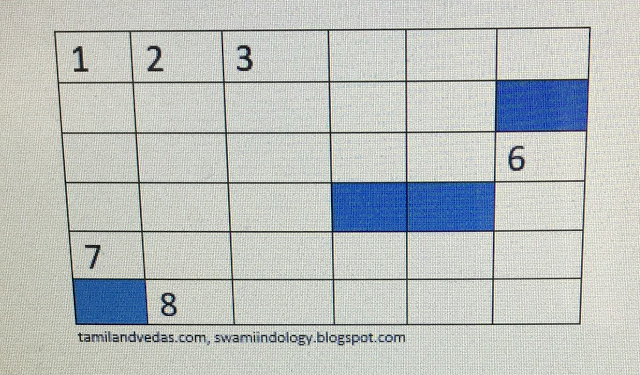
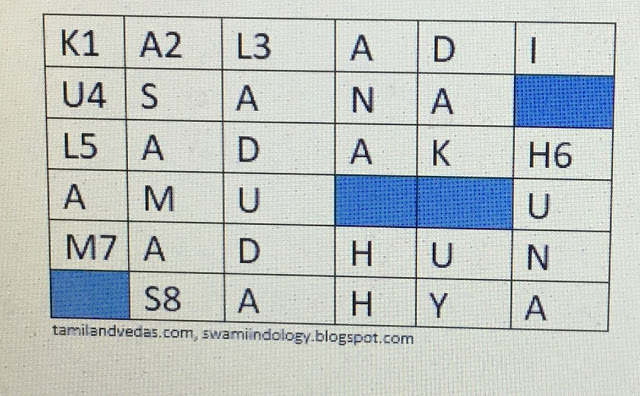
ACROSS 

1. – 6 letters–Birth Place of Adi Shankara

4. – 5–Vedic Poet of very ancient time; see Bhagavad Gita 10-37

5 – 6–India’s Northern  most state; part of which is Aksai chin occupied by China from 1962.

7. –5–honey; also means liquor

8. – -5–Western Ghats in Sanskrit

DOWN

1. – 5 letters–English word Clan came from this

2. –5–that which is not same; Unequal

3. – –4–round shaped sweet ball (LONG SOUND)

5. – 4–Central Asian tribe who ruled India till they were driven out by the Guptas.


—SUBHAM—

தமிழ் குறுக்கெழுத்துப் போட்டி1652020 (Post No.7987)

TAMIL POETS

WRITTEN BY LONDON SWAMINATHAN

Post No.7987

Date uploaded in London – 16 May 2020   

Contact – swami_48@yahoo.com

Pictures are taken from various sources for spreading knowledge; this is a non- commercial blog. Thanks for your great pictures.

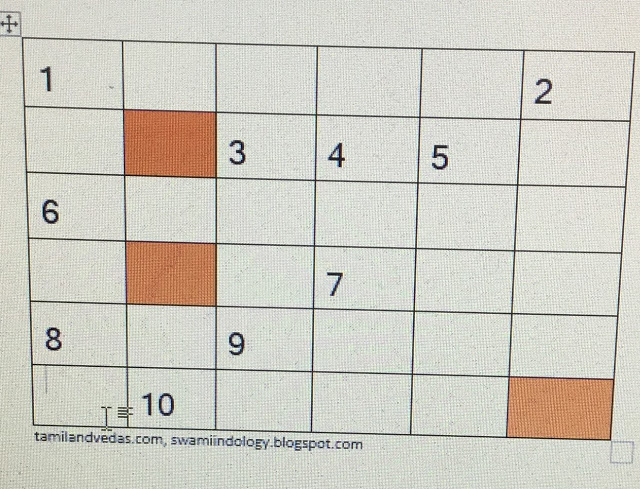
குறுக்கே

1. –6 எழுத்துக்கள்-யமுனைத் துறைவர், யமுனாசார்யார் என்ற பெயருடைய வைணவ ப் பெரியார்.

6.–3– முருகனின் மனைவி; வேடர் குலப் பெண்

7. – 2—குடுமி/ வலமிருந்து இடம் செல்க

8. –6 — கிராமத்தினர் மண்ணில் கூட்டு கிழித்து ஆட்டும் ஆட்டம்

10.—3– நெல்லில் உள்ள சத்தான பகுதி; இதை நீக்கிவிட்டு அரிசியைச் சோறாக்குகிறோம்

****

கீழே

1.—6 எழுத்துக்கள்-  ஈரப்பலா

2.-5– வடக்கு திசையிலுள்ள ஒரு நாடு. குதிரையின் காலில் அடிக்கப்படும் பொருளின் பெயர்.

3.–2– கீழிருந்து மேல் செல்க- எவர் துணையுமின்றி

3—3– சமையல் ; நைவேத்யம், அதை வைக்கும் பாத்திரத்துக்கும் பொருந்தும்

4.—5– தேன் உண்ணும் பறவை

5.—5— தண்ணீர் ஓடுவதை, இருப்பதைக் குறிக்கும்

9-– 2– புலவர்

–subham—

SRI TYAGARAJA-7,Genius & Divine Inspiration(Post No.7986)

WRITTEN BY R. NANJAPPA                        

Post No.7986

Date uploaded in London – – – 16 May 2020   

Contact – swami_48@yahoo.com

Pictures are taken from various sources for spreading knowledge; this is a non- commercial blog. Thanks for your great pictures.

Talent, Genius, Inspiration

We encounter  the phenomenon of genius in any field. It is easily recognised, though difficult to explain. But we know it is more than mere talent, or intelligence, even extraordinary levels of it.
We encounter them commonly in fields such as  arts, sports, medicine, literature, music.

We have an allied phenomenon- intuition. This too is difficult to define, but most of us have had moments of sudden inspiration, which leads to an intuitive insight. It is generally seen that talented professionals, who are dedicated and committed, develop intuition over the years. We have encountered doctors or lawyers who look at a case and just “know” what the matter is. Even great scientific discoveries have been due to such intuition, though most scientists would not talk about it openly.

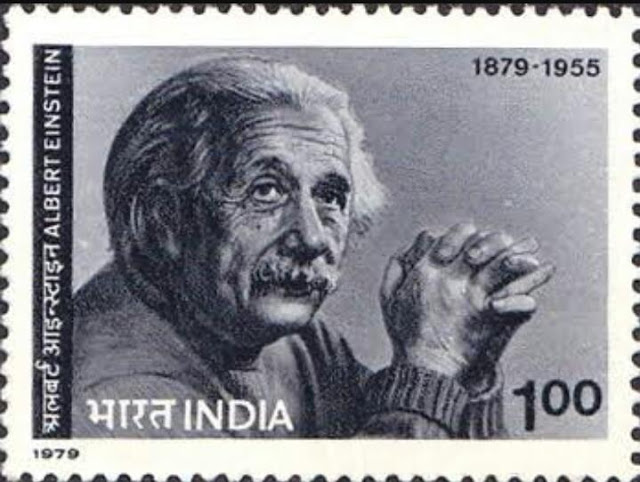
Einstein: Intelligence and Intuition

 Einstein, than whom we have seen no greater scientist in recorded history, warned us about overestimating the role of intelligence:

We have been endowed with just enough intelligence to be able to see clearly just how inadequate that intelligence is when we are confronted with what exists. If this humility could be imparted to everybody, the world of human endeavours would become more appealing. …
We should take care not to make intellect our God; it has of course powerful muscles, but no personality.

Contrast this attitude with the inordinate pride shown by an ordinary scientist, or even a student of science today! That is the case with all empty vessels.  Einstein also tells us about intuition:

All great achievements of science must start from intuitive knowledge, namely, in axioms, from which deductions are then made…..Intuition is the necessary condition for the discovery of such axioms.

 I believe in intuitions and inspirations…. I sometimes FEEL that I am right. I do not Know that I am.

Invention is not the product of logical thought, even though the final product is tied to a logical structure.


From: The New Quotable  Einstein, edited by Alice Calaprice, Princeton University Press, 2005.


Case of Mark Twain
  

It is seen in the case of great writers,especially. Mark Twain described life on the Mississippi in extraordinary ways. People wondered how he could do it. He had trained on the boats plying on the Mississippi, eventually working as the Pilot, acquiring “extraordinary abilities required to safely negotiate the hazards and eccentric characteristics of the river…… where what starts as a process of systematic empirical observation, of learning the ‘points’ on the river, rapidly becomes a herculean feat of honing one’s memory, judgement, decision and courage, until an unconscious and almost mystical power is attained”.

As Twain himself says:

“I can’t tell you. It is an instinct.By and by you will just naturally know one from the other [wind reef as opposed to a bluff reef], but you  never will  be able to explain why or how you know them apart.”

From: Mark Twain, ‘Life on the Mississippi’ , Introduction by Petr Barta, Wordsworth Classics, 2012.


An unconscious and almost mystical power”- that is it. Most people fight shy of using the term ‘mystical’, as if  it involves some magic or irrational belief. They have never gone beyond the lower reaches of vain intellect.


 MysticPoets


When it comes to poetry, we do  encounter talent or genius but this is mostly based on linguistic felicity, imagination, powers of communication. But we also come across some who use plain words but make us transcend mind. A poet who writes:


No man is an island.
Any man’s death diminishes me,
Because I am involved in mankind,
And therefore never send to know 
for whom the bell tolls;
It tolls for thee.      (John Donne)


Or who writes this:

To see a World in a Grain of Sand
And a Heaven in a Wild Flower,
Hold Infinity in the palm of your hand
And Eternity in an hour.       (William Blake)

Such a poet is not using mere word power, or mind power, but is revealing soul power. To most poets, such visions come as a flash, or in some moments or periods of revelation, but may not be sustained, or permanent. It is only a poet or artist who is divinely inspired who continues to enjoy such vision for long periods. But the great saints live in a state of higher consciousness, transcending the limitations of the human mind, however talented, and their words have extraordinary power.

Inspired poetry

Once a correspondent had  an interesting exchange with Sri Aurobindo.Sri Aurobindo held that the power or Force of Yoga creates new faculties or talents. But the correspondent  cited the case of Dilip (Kumar Roy) and felt that this could happen “because the things were in him” and he could as well have cultivated them “assiduously,sincerely,earnestly” even outside the influence of Sri Aurobindo. Sri Aurobindo wrote to him: 

Will you  explain to me how Dilip who could not write a single good poem and had no power over rhythm and metre before he came here, suddenly, not after long “assiduous” efforts bloomed into a poet,rhythmist and metrist after he came here? Why was Tagore dumbfounded by the “lame man throwing away his crutches and running” freely……Why was it that I who never understood or cared for painting, suddenly in a single hour by the opening of vision got the eye to see and the mind of understanding about colour, line and design?…….. here a faculty that did not exist appears quickly and spontaneously or impotence changes into highest potency or an obstructed talent changes with equal rapidity into fluent and facile sovereignty.

From: Nirodbaran: Corresponence with Sri Aurobindo.

Divine Inspiration


Sri Aurobindo is talking of the Yoga Force. But there is a even higher force: that of direct Divine inspiration or blessings from a genuine Saint or Sage. This is what is recorded in the cases of Valmiki,Jnanasambandha, Arunagirinatha. That is why their poetry has extraordinary power to save, to confer blessings and consolation, etc. And they were aware of that power and even expressed it. Valmiki says that his story will endure as long as the mountains last. Jnanasambandha asserts that his words (hymns) will save the reciters and erase their past karma. Arunagirinatha proclaims that he knows that his Tiruppugazh is like a fire to the enemies of devotees. ( “Sirippavar tamakkum pazhippavar tamakkum Tiruppugazh nerupp enru arivom yaam”, ” the enemies of those  who recite Tiruppugazh will be destroyed”- Vel Vaguppu,etc.)

(Care: In such cases, the ‘enemies’ are to be understood as our own lower nature, dominated by the ego, the 6 bad qualities like kama, krodha; the samsara itself, etc, and not referring to any personal enemies!)
 

Sri Aurobindo is talking of the Yoga Force. But there is a even higher force: that of direct Divine inspiration or blessings from a genuine Saint or Sage. This is what is recorded in the cases of  Valmiki,Jnanasambandha, Arunagirinatha. That is why their poetry has extraordinary power to save, to confer blessings and consolation, etc. And they were aware of that power and even expressed it. Valmiki says his story will endure as long as the mountains last. Jnanasambandha asserts that his words (hymns) will save the reciters and erase their past karma. Arunagirinatha proclaims that he knows that his Tiruppugazh is like a fire to the enemies of devotees. ( “Sirippavar tamakkum pazhippavar tamakkum Tiruppugazh nerupp enru arivom yaam”, ” the enemies of those  who recite Tiruppugazh will be destroyed”- Vel Vaguppu,etc.)

(Care: In such cases, the ‘enemies’ are to be understood as our own lower nature, dominated by the ego, the 6 bad qualities like kama, krodha; the samsara itself, etc, and not referring to any personal enemies!) 

Tyagaraja & Direct Divine Inspiration


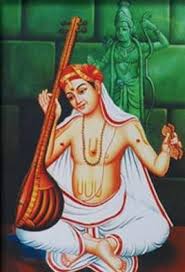
Sri Tyagaraja comes in this tradition. His real genius is not in his music, is not in the literary excellence of his language and lyrics, but in their capacity to make the reader or singer or listener understand and aspire to a higher consciousness, to make them feel blessed and  aspire for God-realisation. He was not a concert artiste, and he did not sing to please man- be he commoner or king. He sang to please God, and to express his own state of God-experience  in which he constantly dwelt. His music is great as art, but is greater as the vehicle  of expression of God-experience. For him music is the very body of God: nada tanum anisham, Sankaram; Sadhashiva maya magu Nada Onkaraswara, etc. 
 

Sri Tyagaraja was aware that his poetry was not due to his intelligence but a gift from God.

Manasa, mana samartyamemi, ‘O my mind, tell me what is our intelligence, what does it amount to’, asks Tyagaraja. And he acknowledges openly:

Bhukti mukti galgu nani kirtanamula bodhinchina…..( Dasarati, ni runamu- Todi)

It was Rama who taught him the excellent kirtanas, which confer both the happiness in this world and also liberation.That is the power and greatness of Tyagaraja Kirtanas, unmatched by any others. We have seen earlier how Tyagaraja gives the phalasruti for his Prahlada Bhakti Vijaya kirtanas. In a similar manner, he sings the phalasruti for his Nauka Charita kirtanas.

Tyagaraja krutaam punyam

Katham saadhu manoharaam

Ye srunvanti nara loke

Tesham Krishna: praseedati.

Lord Krishna will bless those who in this world listen to this sacred story which is written by Tyagaraja and which is dear to ( gladdens ) the heart of good souls. 

This is the power and grace of poetry blessed by Divine inspiration, and not arising due to mere human intelligence or genius. This is like a perennial river in which we all can bathe and be blessed! It is a balm to troubled minds.

tag- Tyagaraja -7

To be continued …………………………………

நன்றியுள்ள தமிழன்; நன்றியுள்ள நாய் (Post No.7985)

WRITTEN BY LONDON SWAMINATHAN

Post No.7985

Date uploaded in London – 16 May 2020   

Contact – swami_48@yahoo.com

Pictures are taken from various sources for spreading knowledge; this is a non- commercial blog. Thanks for your great pictures.

நிலம்புடை பெயர்வதாயினும், ஒருவன்

செய்தி கொன்றோர்க்கு உய்தி இல்” – (நன்றி மறக்காதே; ஆலத்தூர் கிழார், புறம் 34)

உலகிலேயே  முதலில் நாய்க்கு சிலை எழுப்பிய பெருமை தமிழனுடையதே !

ரிக் வேதத்தில் வரும் ‘சரமா’ என்னும் பெண் நாய், கிரேக்க நாடு வரை சென்று ஹெர்மஸ் (HERMES) என்று பெயர் பெற்றது. ஆனால் அதற்கு சிலை இல்லை.

பஞ்ச பாண்டவர்கள் புனித வடக்கு திசை நோக்கி பயணம் செய்து, ஒவ்வொருவராக தரையில் விழுது இறந்த பொழுது,  அவர்களுடன் சென்ற நாயும் மஹா பாரதம் மூலம் புகழ் பெற்றது . ஆனால் அதற்கும்  சிலை இல்லை.

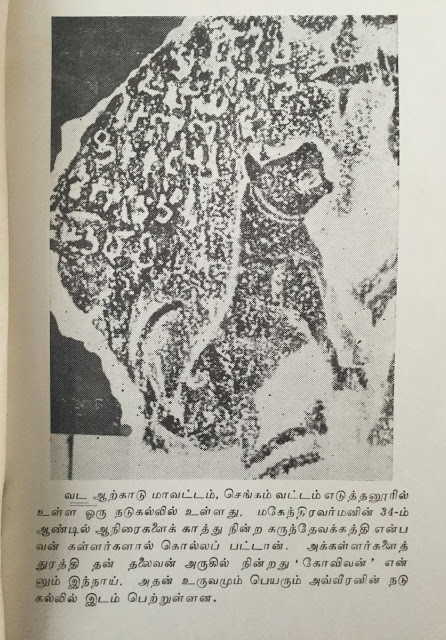
இதற்கெல்லாம் சில ஆயிரம் ஆண்டுகளுக்குப் பின்னர் வந்தாலும், சிலை பெற்ற முதல் நாய் தமிழ் நாய்தான். அதன் பெயர் ‘கோவிவன்’.

இதற்குப் பின்னர் உலகப் புகழ்பெற்றது டோக்கியோ ரயில்வே ஸ்டேஷனில் சிலை பெற்ற ஜப்பானிய நாய் ‘ஹசிகோ’ ஆகும். எஜமானன் இறந்து பல்லாண்டுகள் ஆனபின்னரும், தினமும் தனது எஜமானனை வரவேற்க பல ஆண்டுகளுக்கு ஸ்டேஷனுக்குச்  சென்றது. அதற்கு ஜப்பானியர்கள் சிலை வைத்து நன்றிக் கடனைத் தீர்த்தனர்.

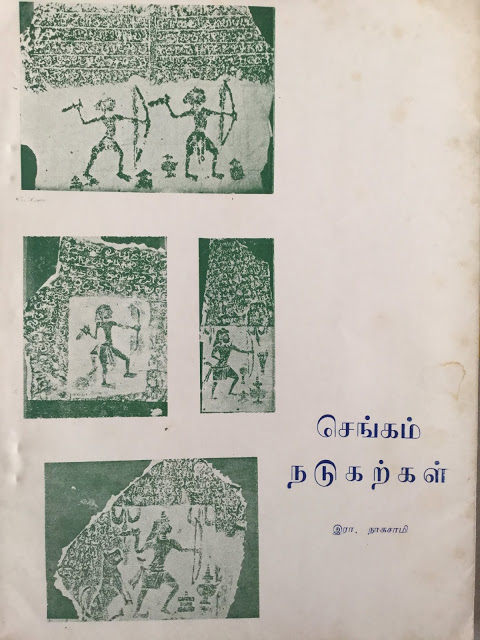
தமிழ் நாயோ மாமன்னன் மஹேந்திர பல்லவன் காலத்தில் வடஆற்காடு செங்கம் வட்டாரத்தில் எடுத்தனுரில் வாழ்ந்தது. அதாவது இற்றைக்கு 1400 ஆண்டுகளுக்கு முன்னர் கி.பி.624-ல் வாழ்ந்தது.

திருடர்கள் பசுமாடுகளைத் திருடிச் செல்ல வந்த பொழுது தன்னை வளர்த்த கருந்தேவக் கத்தி என்பானைக் காக்க போராடியது. ஆயினும் கள்ளர்களின் தாக்குதலில் நாயும் அதை வளர்த்த எஜமானனும் இறந்துபட்டனர். இருவருக்கும் சமைத்த நடுகல் மூலம் நாம் ந்த வரலாற்றை அறிகிறோம்.

செங்கம் வட்டார நடுகற்கள் பற்றிய 1972-ம் நூலில் அப்போதைய தொல்பொருட் துறை இயக்குனரும், வரலாற்று நிபுணருமான டாக்டர் இரா .நாகசாமி நமக்கு இன்னொரு புதுமையான தகவலை அளிக்கிறார். என்சைக்ளோபீடியாக்களில் பார்த்தால் மாமன்னன் மஹேந்திர வர்மன் 30 ஆண்டுகள் மட்டுமே  ஆண்டதாகக் கூறும். ஆயினும் அவனது 39-ஆவது ஆட்சி ஆண்டு கூட ஒரு நடு கல்லில் உளது; அவனது தந்தை சிம்ம விஷ்ணுவின் ஆட்சியின்போதே அவனுக்கும் பட்டாபிஷேகம் செய்விக்கப் பட்டதால் இப்படி ஆட்சி ஆண்டு உள்ளதாக அவர் கூறுகிறார்.

***

செய்நன்றி அறிதல்

செய்நன்றி அறிதல் என்னும் அதிகாரத்தில் பத்து குறட் பாக்களில் நன்றி கூறுவதன் முக்கியத்துவத்தை வள்ளுவன் வலியுறுத்தியதை நாம் அறிவோம்.

புறநானூறும் வால்மீகி ராமாயணமும் இக்கருத்தை வலியுறுத்துகிறது. விருந்தோம்பல், செய் நன்றி அறிதல் முதலிய பண்புகள் பாரத நாட்டில் மட்டுமே பெரிதாகப் போற்றப்படுகின்றன. மற்ற நாடுகளில் நன்றி தெரிவிக்கும் வழக்கம் மேம்போக்காகவே இருந்துள்ளது.

tags — மஹேந்திர பல்லவன், நன்றி, கோவிவன், நடுகல்

–SUBHAM–

ஹிந்தி படப் பாடல்கள் – 38 – கவிதையைக் கொண்டாடுவோம்! (Post No.7984)


WRITTEN BY R. NANJAPPA                          
Post No.7984  
Date uploaded in London – – – 16 May 2020   
Contact – swami_48@yahoo.com
Pictures are taken from various sources for spreading knowledge; this is a non- commercial blog. Thanks for your great pictures.      

ஹிந்தி படப் பாடல்கள் – 38 – கவிதையைக் கொண்டாடுவோம்!                            
  R. Nanjappa  

சமூக நிகழ்ச்சிகள் நடக்கும் சில இடங்களில் ‘காலணிகளை வெளியே விடவும்’ என  எழுதிவைத்திருப்பதைப் பார்த்திருக்கிறோம். கவிதையை வெளியே விட்டு வாருங்கள் என்பதைக் கேள்விப்பட்டிருக்கிறோமா?  உண்மையில் இப்படியும் நடந்தது!.   அயர்லாந்து நாட்டில் அந்த நாட்டு மக்கள் (ethnic Irish) வருடந்தோறும் ஒரு விழா நடத்துகிறார்கள். Tralee என்ற ஊரில் நடக்கும் இந்த விழாவுக்கு “Rose of Tralee” என்று பெயர். 4-5 நாட்கள் நடக்கும் இந்த விழாவில் கவிதையும் படிப்பார்கள். 2016ல் திடீரென்று இதை நிறுத்தினார்கள், 2017லும் இது தொடர்ந்தது. கவிதை வாசித்தால் நிகழ்ச்சிகளின் விருவிருப்பு குறைகிறது என்றார்கள். இதைப் பற்றி ஒரு அரைகுறை கவிதையும்  எழுதினார்கள்:   

There once was a time in the Dome
When Roses would recite the odd poem
Then times, they did change
Other things, now the rage
So we’ve asked them to leave poems at home.  
 

ஆம், கவிதையை வீட்டிலேயே வைத்துவிட்டு வாருங்கள் என்றார்கள்! இங்கிலாந்து நாட்டுக் கவிஞர் டென்னிஸன் பற்றி ஒரு நிகழ்ச்சி. அவர் புகழ் ஓங்கி, அவரை, அவர் வீட்டைப் பார்க்க வருபவர்களின் எண்ணிக்கை அதிகரித்து விட்டதாம். அவரால்  சமாளிக்க முடியவில்லை. 1869ல் வீட்டையே மாற்றிவிட்டார்!  இப்போது இப்படி நடக்குமா?  

கவிதைக்குக் குறையும் மதிப்பு  
கவிதைக்கு மதிப்பு குறைந்து வருகிறது.. ஏப்ரல் 2015.  அமெரிக்க “வாஷிங்க்டன் போஸ்டு” பத்திரிகையில் ஒரு கட்டுரை வந்தது. Christopher Ingraham எழுதிய இக்கட்டுரையின் தலைப்பு: “Poetry is going extinct”.  அமெரிக்க அரசின் கணிப்புப்படி, 1992ல் 17% மக்கள் வருடத்தில் ஒருமுறையாவது ஏதோ கவிதை படித்தார்கள்; 2012ல் (20 ஆண்டுகள் கழித்து) இத்தொகை 6.7% ஆகக் குறைந்தது!    நம்மிடம் புள்ளி விவரம் இல்லையென்றாலும் நம் நாட்டின் நிலவரம் தெரிந்தது தான்! மரபுக் கவிதை எழுதுவோர் இன்று அதிகம் இல்லை. இருக்கும் கவிதையையே படிக்கத் தெரியவில்லை. சொல்லுக்குச் சொல் பிரித்து எழுதினால் தான் படிக்கமுடியும்.    இதற்கும் திரை இசைக்கும் என்ன சம்பந்தம்? திரையிசைக்கு ஒரு வடிவம் கொடுப்பது சாஹித்யம், அது கவிதை நடையில் இருப்பது சிறப்பு. சொல்லுடன் சேர்ந்தால் தான் இசை மனதில் பதியும்.

அச்சொல் கவிதை நடையில் இருந்தால் இன்னும் விசேஷம்,  நினைவில்  கொள்வதும் சுலபம். நம் பழைய இலக்கியங்கள் அனைத்தும்- எந்தப் பொருள் பற்றியதானாலும் – கவிதை நடையிலேயே அமைந்திருக்கின்றன. அவற்றை எளிதில் மனப்பாடம் செய்யலாம்.   நம் திரைஉலகிலும் 60-70கள் வரை இப்படித்தானிருந்தது. பழைய பாடல்கள் எல்லாம்- காமெடியன் பாடும் பாடல்கள் கூட-இப்படிதானிருக்கும். இப்போது கவிதை எழுதுவதில்லை. எதை எழுதினாலும் புதுக்கவிதை என்பார்கள். ஹிந்தித் திரை இசையிலும் இந்த நிலைதான் நிலவுகிறது. 50-60 களில் இருந்த கவிகள் போல இன்று இல்லை. அன்று நாசூக்காகச் சொன்னதை இன்று வெளிப்படையாகச் சொல்கிறார்கள். சொல்லத் தயங்கியதையும் துணிந்து சொல்கிறார்கள். சென்சார் போர்டிலுள்ள பொறுப்புள்ள மனிதர்கள் தூங்குகிறார்கள்!
எல்லாவற்றிற்கும் அடிப்படை, இன்று வாழ்க்கையே வியாபார மயமாகிவிட்டது தான். வேறு பரபரப்பு, கிளுகிளூப்பு அம்சங்கள் பெருகிவிட்டன.

கவிதையைப் படித்து, கேட்டு ரசிக்கும் திறமையை பள்ளிக்கல்வி தருவதில்லை. அதற்கேற்ற பொறுமையும், மன நிலையும் இல்லை. இதையெல்லம் 250 ஆண்டுகளுக்கு முன்பே கணித்தார் ஆங்கிலக் கவி ஆலிவர் கோல்ட்ஸ்மித் (Oliver Goldsmith). நவீன நாகரிகத்தின் பிடியில் கவிதைக்கு மதிப்பில்லாமல் போகும் என்று எழுதினார்.    


And thou, sweet Poetry, thou loveliest maid, Still first to fly where sensual joys invade; Unfit in these degenerate times of shame, To catch the heart, or strike for honest fame; Dear charming nymph, neglected and decried, My shame in crowds, my solitary pride; Thou source of all my bliss, and all my woe, That found’st me poor at first, and keep’st me so; Thou guide by which the nobler arts excell, Thou nurse of every virtue, fare thee well!  

பொற்காலத் திரைக் கவிதைகள்   நல்ல வேளை ! பொற்காலத் திரையிசைப் பாடல்கள் இருக்கின்றன. இவை முக்காலும் இலக்கியத்தரம் வாய்ந்த கவிதைகள். பாடல்களைக் கேட்டு மகிழலாம், கவிதைகளைப் படித்து ரசிக்கலாம். வாருங்கள், இரு கவிதைகளைப் பார்ப்போம்.  


  कभी तो मिलेगी, कहीं तो मिलेगी
बहारों की मंज़िल राही
लंबी सही दर्द की राहें
दिल की लॅगन से काम ले
आँखो के इस तूफान को पी जा
आहों के बादल थाम ले
दूर तो है पर, दूर नही है
नज़ारों की मंज़िल राही
बहारों की मंज़िल राही 
  माना की है गहरा अंधेरा
गुम है डगर की चाँदनी
मैली ना हो धुंधली पड़े ना
देख नज़र की चाँदनी
डाले हुए है, रात की चादर
सितारों की मंज़िल राही
बहारों की मंज़िल राही     

கபீ தோ மிலேகீ, கஹீ(ன்) தோ மிலேகீ பஹாரோ(ன்) கீ மன்ஃஜில், ராஹீ பஹாரோ(ன்) கீ மன்ஃஜில், ராஹீ   பயணி! நீ விரும்பும் அந்த அழகிய  இடம்- எப்போதாவது கிடைத்துவிடும், எங்கேயாவது கிடைத்துவிடும்! நீ விரும்பும் அந்த இடம் கிடைத்துவிடும்!   லம்பீ ஸஹீ தர்த் கீ ராஹே(ன்) தில் கீ லகன் ஸே காம் லோ ஆங்கோ கே இஸ் தூஃபான் கோ பீஜா ஆஹோ(ன்) கே பாதல் தாம் லோ தூர் தோ ஹை, பர் தூர் நஹீ ஹை நஃஜாரோ(ன்) கீ மன்ஃஜில் ராஹீ பஹாரோ(ன்) கீ மன்ஃஜில் ராஹீ     துன்பம் நிறைந்த இந்தப் பாதைகள் நீண்டவை தான்- ஆனால் மனதில் தைரியத்துடன் செயல்படு கண்ணில் ஒளிரும் (அவநம்பிக்கை) என்ற புயலை அடக்கு பெருமூச்சு என்னும் மேகத்தைத்   தடுத்து நிறுத்து

நீ விரும்பும் அந்த அழகிய இடம்- தூரத்தில் தான் இருக்கிறது- ஆனால் அவ்வளவு தூரமில்லை! அந்த அழகிய காட்சிகள் அதிக தூரத்தில் இல்லை! ஒரு நாள் அவற்றை அடைவாய், எங்காவது அடைவாய்  


மானா கீ ஹை கஹ்ரா அந்தேரா கும் ஹை டகர் கீ  சாந்த்னீ மைலீ  நா ஹோ துந்த்லீ படே நா தேக் நஃஜர் கீ சாந்த்னீ டாலேஹுயே ஹை ராத் கீ சாதர் ஸிதாரோ(ன்) கீ மன்ஃஜில் ராஹீ பஹாரோ(ன்) கீ மன்ஃஜில், ராஹீ     இருள்  அடர்ந்து கவ்விக்கொண்டிருக்கிறது- நான் அறிவேன் வழியில் நிலவொளியும் இல்லை! இருந்தாலும், அழுக்கு சேரக்கூடாது, பாதை நழுவக் கூடாது- ஆம், கண்ணின் ஒளி என்னும் நிலவின் வெளிச்சம் இருக்கிறதல்லவா! இரவு என்னும் சால்வை எங்கும் போர்த்தி இருக்கிறது அந்த தாரகை மின்னும் இடம்-  நீ விரும்பும் அந்த அழகிய இடம்- என்றாவது ஒரு நாள் கிடைத்தே தீரும் எங்காவது கிடைத்தே தீரும்!

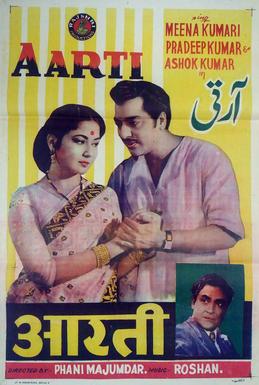
  Song: Kabhie to milegi  Film: Aarti 1962 Lyrics : Majrooh Sultanpuri Music: Roshan  Singer: Lata    


What a lovely inspirational poem this is, tuned into a lovely melody! The character to whom this is sung is himself a poet, so the song is full of the poetic essence : many expressions go beyond their literal meanings. The ‘Baharon ki manzil , the nazaron ki manzil the sitaron ki manzil he is seeking is not a physical place at all, or entirely! It is partly his wish, partly dream or imagination, poetic fancy!. We all have or did have such dreams, after all! Not that everything was realised, but the practical way to deal with it is to treat the difficulties as guideposts, and not to lose heart.

(dil ki lagan se kaam lo) The darkness of the night stands for more than physical darkness daalen huve hai raath ki chadar; so we should not get dirty, or lose the way! (maili na ho, dundli pade na) This is possible by  a clear mental sight (dekh nazar ki chandni). Aankhon ke is toofan-

what meaning can you give? This song is full of such profound suggestions and makes it a grand poem, though small. The deeper the meaning we get, the more closely we study! On the whole, the message is one of hope!   The lyricist, music director and the singer match wits here! What a nice offering! This poem can be enjoyed as a stand alone. Roshan was a sensitive composer, he knew the mood and spirit of the poem!  

கிஸீகி முஸ்குராஹடோ(ன்) மே ஹோ நிஸார்   किसी की मुस्कुराहटों पे हो निसार
किसी का दर्द मिल सके तो ले उधार
किसी के वासते हो तेरे दिल में प्यार
जीना इसी का नाम है

माना अपनी जेब से फ़कीर हैं
फिर भी यारों दिल के हम अमीर हैं
मिटे जो प्यार के लिए वो ज़िन्दगी
जले बहार के लिए वो ज़िन्दगी
किसी को हो ना हो हमें तो ऐतबार
जीना इसी का नाम है…


रिश्ता दिल से दिल के ऐतबार का
ज़िन्दा है हमीं से नाम प्यार का
के मर के भी किसी को याद आयेंगे
किसी के आँसुओं में मुस्कुराएँगे
कहेगा फूल हर कली से बार-बार
जीना इसी का नाम है…  
   

கிஸீ கி முஸ்குராஹடோ(ன்) பே ஹோ நிஸார் கிஸீ கா தர்த் மில் ஸகே தோ லே உதார் கிஸீ கே வாஸ்தே தேரே தில் மே ப்யார் ஜீனா இஸீ கா நாம் ஹை  

பிறர் மகிழ்ச்சியைக் கண்டு நாமும் மகிழ்ச்சியடைதல், பிறருக்குக் கஷ்டம் வந்தபோது அதைக் குறைத்தல், பிறருக்காக மனதில் அன்பு பாராட்டுதல்-  இப்படி வாழ்வது தான் வாழ்க்கை!
    மானா அப்னீ ஜேப் ஸே ஃபகீர் ஹை ஃபிர் பீ யாரோ தில் கே ஹம்  அமீர் ஹை மிடே ஜோ ப்யர் கே லியே ஓ  ஃஜிந்தகீ ஜலே பஹார் கே லியே ஓ ஃஜிந்தகீ கிஸீ கோ  ஹோ நா ஹோ ஹமே தோ ஐத்பார் ஜீனா இஸீ கா


நாம் ஹை   கையில் பொருள் இல்லை -அதனால் என்ன? மனதை நல்லதாக வைத்துக்கொள்ளலாமே! அன்புக்காக யார் வாழ்கிறார்களோ, வாழ்க்கையை மேம்படுத்த யார் தன்னை அர்ப்பணித்துக் கொள்கிறாரோ-  அப்படி வாழ்வது தான் வாழ்க்கை!  வேறு யாருக்கு இருக்கிறதோ இல்லையோ, இதுதான் என் நம்பிக்கை- இப்படி வாழ்வதுதான் வாழ்க்கை!  

ரிஸ்தா தில் ஸே தில் கே ஐத்பார் கா ஃஜிந்தா ஹை ஹமீ ஸே நாம் ப்யார் கா கே மர்கே பீ கிஸீ கோ யாத் ஆயேகீ கிஸீகே ஆன்ஸுவோ மே முஸ்குராயேங்கே கஹேகா ஃபூல் ஹர் கலீ ஸே பார் பார் ஜீனா இஸீ கா

நாம் ஹை       மனதோடு மனது பொருந்தி எழும் உறவு- அதைத்தான் அன்பு என்று சொல்லுவேன்! அதுவே வாழவைக்கிறது! இறந்த பின்பும் அவரை எவராவது நினைத்துக் கொள்வார்கள்! அவர் நினைவு அழுகையினிடையிலும் சிலரை முறுவலிக்கச் செய்யும்! மலர் ஒவ்வொரு மொட்டிடமும் சொல்லும்: இப்படி வாழ்வதுதான் வாழ்க்கை!

  Song: Kisi ki muskurahaton   Film: Anari 1959  Lyrics: Shailendra Music: Shankar Jaikishan   Singer: Mukesh    


எளிய ஹிந்திச் சொற்கள் தான்- எத்தனை பெரிய விஷயத்தைச் சொல்லிவிட்டார்! இது கவி ஷைலேந்த்ராவுக்குக் கை வந்த கலை! இந்த கொள்கைகளை Humanism என்பார்கள். சமய அடிப்படையிலும் இவை முக்கியமே! இந்த உடல் பிறருக்கு நன்மை செய்யவே கொடுக்கபட்டிருக்கிறது: பரோபகாரார்த்தம் இதம் சரீரம்!


பொருளில்லாதவர்கள் மனதால், உடலால் நன்மை செய்யலாமே! மிடே பஹார் கே லியே ஓ ஃஜிந்தகீ, ஜலே பஹார் கே லியே ஓ ஃஜிந்தகீ, – அருமையான வரிகள். “அன்புடையார் என்பும் உரியர் பிறற்கு ” என்ற குறளை நினைவு படுத்தும் ரிஸ்தா தில் ஸே தில் கே ஐத்பார்கா: இந்த வரி “நெஞ்சத்து அகம் நக  நட்பது நட்பு” என்ற குறளை நினவுபடுத்தும்! கஹேகா ஃபூல் ஹர் கலீ ஸே- மொட்டு தன் லட்சியத்தை இன்னும் எட்டவில்லை! மலர்ந்து, மணம் பரப்பி பிறரை மகிழச்செய்வதுதான் மொட்டின் இலக்கு! அந்த இலக்கைத் தொட்ட மலர், மொட்டுக்கு அதன் இலக்கை நினைவுபடுத்துகிறது! உலகில் பெரியோர்கள் செய்வதும் இதுதானே! ‘

சான்றோர் பலர் யான் வாழும் ஊரே” என்பார் புறநானூற்றில்!  இப்படி ஒரு எளிய கவிதையில் அரிய விஷயங்களைச் சொல்லிவிட்டார் கவிஞர் ஷைலேந்த்ரா! அருமையான இசையில் இக்கவிதையை தோய்த்திருக்கிறார்கள் ஷங்கர்-ஜெய்கிஷன்! மறக்க இயலாத வகையில் பாடியிருக்கிறா முகேஷ்!   இந்த இரண்டு கவிதைகளும் நற்செய்தியுடன் நம்பிக்கையை வளர்ப்பதாக இருக்கின்றன! கவிதையைக் கொண்டாடுவோம்!                                   ***      


tags — ஹிந்தி படப் பாடல்கள் – 38 , கவிதை


tags — ஹிந்தி படப் பாடல்கள் – 38 , கவிதை

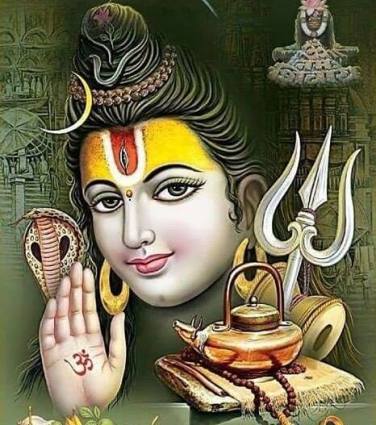
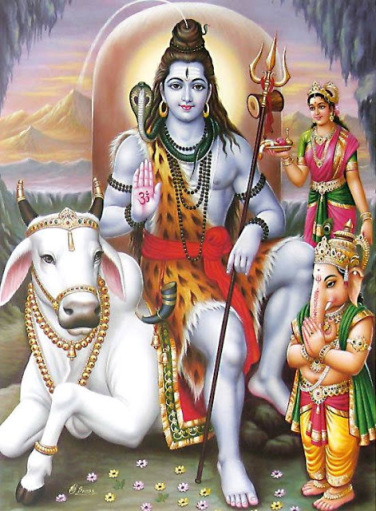
சிவபிரான் பாம்பை அணிந்தது ஏன்? (Post No.7983)

WRITTEN BY S NAGARAJAN                     

Post No.7983

Date uploaded in London – – – 16 May 2020   

Contact – swami_48@yahoo.com

Pictures are taken from various sources for spreading knowledge; this is a non- commercial blog. Thanks for your great pictures.

By ச.நாகராஜன்

பலபட்டடைச் சொக்கநாதப் புலவருக்கு ஒரு கசப்பான அனுபவம் ஒரு தட்டானுடன் ஏற்பட்டது போலும்!

அதை மனதில் வைத்துப் புழுங்காமல் ஒரு பாடலைப் பாடி விட்டார்.

சிவ பக்தரான அவருக்கு வந்தது ஒரு சந்தேகம் – செம்பொன் மேருமலையைக் கொண்ட சிவபிரான் அப்படிப்பட்ட சொக்கத் தங்கமே மலை போல் குவிந்திருக்க அதிலிருந்து ஒரு துளியைக் கூட ஆபரணமாகச் செய்து அணியாமல் பாம்பை ஏன் அணிய வேண்டும்?

சிந்தித்தார், கிடைத்தது ஒரு விடை. அதைப் பாடலாகப் பாடினார் இப்படி:

ஒட்டாக ஒட்டியுங் காற்பொன்னின் மாப்பொன் னுலோபமதாய்,

வெட்டாதி ரான்பணி செய்யாதிரான் செம்பொன் மேருவினைக்

கட்டாகக் கட்டிக் கடுகள வாய்நிறை காட்டவல்ல

தட்டானுக் கஞ்சியல் லோவணிந் தான்சிவன் சர்ப்பத்தையே

பாடலின் பொருள் :

ஒட்டாக ஒட்டியும் – பற்று உண்டாக ஒட்டியும்

கால் பொன்னில் – கால் வராகன் எடையுள்ள பொன்னில்

மாப்பொன் – ஒரு மா வராகன் எடைப் பொன்னை

உலோபமதாய் வெட்டாது இரான் – லோபமாக ஏமாற்றாமல் இருக்க மாட்டான்

பணி செய்யாதிரான் – ஆபரணங்களைச் செய்யாமல் இருக்க மாட்டான்

செம்பொன் மேருவினை – செம்பொன் மலையாகிய மேரு மலையை

கட்டாகக் கட்டி – கட்டாகக் கட்டி

கடுகு அளவாய் – ஒரு சிறு கடுகின் அளவாக

நிறை காட்டவல்ல – எடையைக் காட்ட வல்ல

தட்டானுக்கு அஞ்சி அல்லோ – தட்டானுக்குப் பயந்து  அல்லவா

அணிந்தான் சிவன் சர்ப்பத்தையே – சிவபிரான் பாம்பை அணிந்தான்!

வெள்ளி மலை, பொன் மலை ஆகியவற்றைக் கொண்ட சிவபிரான்,அதை ஆபரணம் செய்ய தட்டானிடம் கொடுத்தால் அவன் அதைத் தட்டித் தட்டிக் கடுகளவாகக் காண்பிப்பான் என்பதற்கு பயந்தே, பாம்பைத் தன் ஆபரணமாக அணிந்தான் போலும்!

*

பாண்டியன் சிவபிரானைப் பிரம்பால் அடித்ததை நினைத்து வருந்தினார் புலவர்.

பாடல் பிறந்தது இப்படி:-

மண்ணென்ற மண்டல மெல்லாம் புரக்கும் வழுதி சற்றும்

தண்ணென்ற நெஞ்சந் தரித்தில னேதனு வேடனெச்சில்

உண்ணென்ற போதுண் டவர்சொக்கர் பாதியுடலம்பச்சைப்

பெண்ணென் றறிந்து மடித்தா னெவ்வாறு பிரம்பு கொண்டே!

பாடலின் பொருள் :

மண்ணென்ற -மண் உலகம் என்று சொல்லப்பட்ட

மண்டலம் எல்லாம் – ராஜ்யத்தை எல்லாம்

புரக்கும் வழுதி  – காக்கின்ற பாண்டிய மன்னன் வழுதி

சற்றும் தண்ணென்ற நெஞ்சம் தரித்திலனே  – சற்றாவது குளிர்ந்த மனத்தை உடையவனாக இல்லாமல் இருக்கிறானே!

தனு வேடன்  -வில்லைக் கொண்ட வேடனாகிய கண்ணப்பன்

எச்சில் உண் என்ற போது உண்டவர் சொக்கர் – எச்சிலை உண் என்று சொன்ன போது அதை உண்டவர் சொக்கேசர் (சிவபிரான்)

பாதி உடலம் – (அவர் உடம்பில்) பாதி உடம்பு

பச்சைப் பெண் என்று அறிந்தும் – பச்சைப் பெண்ணாகிய உமாதேவி என்று அறிந்தும் கூட

பிரம்பு கொண்டே எவ்வாறு அடித்தான் -பிரம்பைக் கொண்டு எப்படித்தான் அடித்தானோ!

வேடன் கண்ணப்பன் அன்பினால் எச்சிலை உண் என்று சொல்ல அதை மனமுவந்து ஏற்றவன் சிவபிரான். அப்படிப்பட்ட சிவபிரானின் பாதி உடம்பை உமா தேவி கொண்டிருக்கும் நிலையில் வழுதி மன்னன், சிவனை எப்படித்தான் அடித்தானோ என்று வியக்கிறார் புலவர்.

***

பெருமை பல வாய்ந்த சிவபிரானுக்குத் தன் மீது சிறிது கூட இரக்கம் இல்லையே, அருள் தரக் கூடாதா என்று ஏங்குகிறார் புலவர். அது பாடலாக வடித்தது இப்படி:-

குதியால் நமனை யுதைத்துள்ளங் காலினிற் கூனிமிர

மதிராகந் தேய்த்தவ் விலங்கேசம் மாமுடி பத்துநக

நுதியால் மிதித்து முயலகன் மேனி நுறுங்க வின்னும்

மிதியாநின் றாலரு ளெங்கேசொக் கேசர்தம் மெல்லடிக்கே

பாடலின் பொருள் :-

குதியால் நமனை உதைத்து – குதிகாலினால் நமனைஉதைத்து

உள்ளங் காலினில் – உள்ளங்காலினால்

கூன் நிமிர – கூன் நிமிரும்படி

மதி ஆகம் தேய்த்து – சந்திரனின் உடம்பைத் தேய்த்து

அவ் இலங்கேசன்  மாமுடி பத்து நக நுதியால் மிதித்து – அந்த இலங்கை அரசனான இராவணனின் தலை முடி பத்தையும் நகத்தின் நுனியால் அழுத்தி மிதித்து

முயலகன் மேனி நுறுங்க – முயலகனின் உடல் நுறுங்கும்படி செய்து

இன்னும் மிதியா நின்றால் – இப்படி பல காரியங்களைச் செய்தும் இன்னமும் மிதிப்பதை நிற்காமல் இருந்தால்

சொக்கேசர் தம் மெல்லடிக்கே அருள் எங்கே – சொக்கேசப் பெருமானின் திருவடிக்கு அருள் எப்படி வரும்!

சிவபிரானின் திருவடிகளுக்கு ஏகப்பட்ட வேலைகள்! நமனை உதைப்பது, சந்திரனின் கூன் நிமிர உடலைத் தேய்ப்பது, இராவணனின் பத்து மகுடங்களையும் நக நுனியால் அழுத்துவது, முயலகனை நுறுங்கச் செய்வது என்று இப்படி பல வேலைகள் இருந்தால் எனக்கு அவர் பாதம் பிடிக்க வாய்ப்பு இல்லையே!  (அவருக்கு இந்தச் செயல்களுக்கே நேரம் போதவில்லையே!) எனக்கு சொக்கேசரின் அருள் எங்கே இருந்து வரும்!

புலவரின் அங்கலாய்ப்பு நியாயம் தானே!

tags — சிவபிரான், பாம்பு, சொக்கநாதப் புலவர்.

***

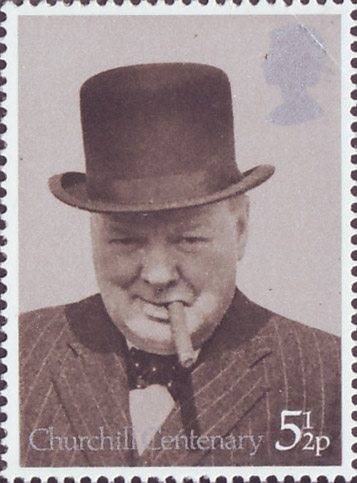
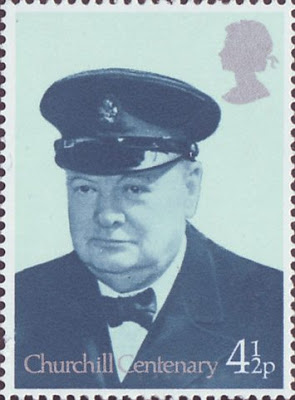
HOW DID CHURCHILL ESCAPE DEATH IN THE WW?(Post No.7982)

COMPILED BY LONDON SWAMINATHAN

Post No.7982

Date uploaded in London – 15 May 2020   

Contact – swami_48@yahoo.com

Pictures are taken from various sources for spreading knowledge; this is a non- commercial blog. Thanks for your great pictures.

More Battle Anecdotes

This is Winston Churchill s Story

“All was excitement and hustle at Abassiyeh Barracks in Cairo. Two squadrons of the 21st Lancers had already started up the Nile. The other two were to leave the next morning. Altogether seven additional officers from other cavalry regiments had been attached to the 21st to bring them up to full war strength.

A troop had been reserved for me in one of the leading squadron’s . But the delay and uncertainties about my coming had given this to another. Second lieutenant Robert Grenfell had succeeded in getting this vacancy. He had gone off in the highest spirits. At the base everyone believed that we should be too late for the battle. Perhaps the first two squadrons may get up in time, but no one could tell.

‘Fancy how lucky I am’, wrote Grenfell to his family. ‘Here I have got the troop that would have been Winston’s and we are to be the first to start.

Chance is unceasingly is at work in our lives, but we cannot always see its workings sharply and clearly defined. As it turned out this troop was practically cut to pieces in the charge which the regiment made in the battle of September 2, and its brave Young leader was killed”.

Xxx

CLEVER ANSWER

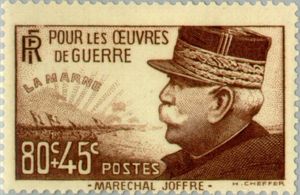
Almost everybody thought that Marshall Joffre had won the first battle of the Marne, but some refused to agree. One day a newspaper man appealed to Joffre

‘Will you tell me who did win the battle of the Marne ?’

“I can’t answer that, said Marshal. But I can tell you that if the battle of the Marne had been lost the blame would have been on me”.

Xxx

MARSHALL SAXE

It is notorious—- says Marmontel in his incomparable biography —- that with much nobleness and dignity of soul Marshall Saxe was fond of mirth and jollity. By taste, as well as by system, he loved merriment in armies, stating that French never did so as well as when they were led on gaily, and what they feared most in war, was weary inactivity. He had always a comic opera in his camp. It was at the theatre that he gave the order of battle: and on these occasions, the principal actress used to come forward and say,

“Gentlemen, tomorrow there will be no play on account of the battle that Marshall gives; after tomorrow the Cock of the village , with the Merry Intrigue etc.”

Tags-  More Battle anecdotes, Winston Churchill, Marshal Joffre

–SUBHAM–

Tyagaraja and Philosophy; SRI TYAGARAJA-6 (Post No.7981)

WRITTEN BY R. NANJAPPA                        

Post No.7981

Date uploaded in London – – – 15 May 2020   

Contact – swami_48@yahoo.com

Pictures are taken from various sources for spreading knowledge; this is a non- commercial blog. Thanks for your great pictures.

SRI TYAGARAJA-6

         Tyagaraja and Philosophy

Sri Tyagaraja is generally regarded as saint-philosopher, besides being a music composer- vaggeyakara. But what exactly do we mean by philosophy or philosopher?

This is one of those words in the English language which has no precise meaning, like God, Truth. Love, Wisdom, Democracy, Socialism, Freedom, etc. It can be made to mean anything,almost.

In its primary sense,it means love of wisdom. In the ancient world, it was understood that wisdom meant knowing the real meaning of phenomena, ie the meaning  or truth of existence. So, it naturally involved ideas about creation, meaning and purpose of existence, God etc. In the beginning, only those who had had some direct knowledge or experience expressed ideas on the subject. But once verbal communication began to flourish, it came to be dominated by intellectuals who indulged in speculation and semantic disputes, so that today in the West, philosophy means mere intellectual speculation on any subject.See this definition in the Oxford Dictionary of Philosophy,2008:

The study of the most general and abstract features of the world and categories with which we think: mind, matter, reason, proof,truth,etc. In philosophy, the concepts with which we approach the world themselves become the topic of enquiry… In this sense, philosophy is what happens when a practice becomes self-conscious. The contemporary spirit …prefers to see philosophical reflection as continuous with the best practice of any field of intellectual enquiry. 

Or this entry from the Penguin  Dictionary of Philosophy,2nd Edition,2005:

….it is often held that philosophy has as a distinct subject-matter the most fundamental or general concepts  or principles involved in thought, action and reality. It is also a common view that philosophical inquiry is a second-order inquiry which has for its subject matter the concepts, theories and presuppositions present in various disciplines and in everyday life.

If philosophy is taken to be a pure disinterested search for knowledge, it is understood not to have an ulterior purpose, but to be a quest undertaken for its own sake.
So, you can talk of a philosophy of anything ! It has no relation to Truth or Wisdom, but the act of philosophising for its own sake! In this sense, we may say philosophy is what the philosopher does! It is primarily preoccupation with concepts, or words.

The practical result of this state of affairs is that we have a plethora of views and opinions on everything, and no certainty on anything! The practical implication of this is terrible for humanity: In the ancient days, philosophy everywhere was concerned with the good life and involved concepts like ethics, virtue, justice, happiness, beauty, etc. Socrates believed that philosophy was not mere belief in doctrines, but virtuous conduct (Knowledge is virtue). True wisdom results in virtuous conduct, since wrong choice between good and evil  is due to ignorance, and not any original sin. He gave up his life, rather than his way of life! 

It is not that ancient philosophers or philosophies had all the right answers, or even the answers. But they were concerned with a deeper reality behind phenomena, however variously conceived, and constantly reminded man of his place in the scheme of things in the universe. What was he here for? Is there any meaning to life or the universe? What is man’s end? The answers were diverse: the Epicureans for instance said that what senses conveyed was infallible. The Stoics said there is no certainty about anything. But they developed a way of life which gave  some direction to people, based on some notion of moral virtue.

 But modern civilization does not  entertain or employ or encourage any idea of ‘virtue’ in the public domain.There is no sense of right or wrong. Public support may be drummed up for any cause. Modern secularists will even claim that to discuss morality in the public domain is itself an infringement of human rights! As Prof. Michael Sandel of Harvard says:
 

Some consider public engagement with  questions of the good life to be a  civic transgression, a  journey beyond the bounds of public reason. Politics and law should not become entangled in moral and religious disputes, we often think, for such entanglement opens the way to coercion and intolerance…Citizens of pluralist societies do disagree about morality and religion.


From: ‘Justice’- What is The Right Thing To Do? ,, Penguin,’2010. This is an important book which discusses this issue with current examples.

In short, modern society has become amoral in the name of progress. If people do get any guidance at all to the conduct of life, beyond civic order, it is from private religious sources, which are not honoured but may be just tolerated. 
But this is not the way the word ‘philosophy’ is ( or,was?) understood in India. In fact, we do not have a word for philosophy in the Western sense- we may call it ‘matam’ ie something held with the mati ie mind. It is just opinion, not Wisdom or Truth, which we call Jnana or personal experience of Tat- that which is. This Jnana is knowledge by identity, through personal experience-aparoksha anubhuti. It is almost impossible to find English equivalents for these words.  

Philosophy in India is essentially spiritual. It is the intense spirituality of India, and not any great political structure, or social organisation that it has developed, that has enabled it to resist the ravages of time and the accidents of history.

Throughout its life it has been living with one purpose. It has fought for truth and against error.

The spiritual motive dominates life in India. Indian  philosophy has its interest in the haunts of men, and not in supra-lunar solitudes.    The great works of Indian philosophy do not have that ex cathedra character which is so prominent a feature of the latter day commentaries. The Gita and the Upanishads are not remote from popular belief. They are the great literature of the country, and at the same time vehicles of the great systems of thought. The Puranas contain the truth dressed up in myths and stories, to suit the weak understanding of the majority. The hard task of interesting the multitude in metaphysics is achieved in India.

The founders of philosophy strive for a socio-spiritual reformation of the country. When the Indian  civilisation is called a Brahminical one, it only means that its main character and dominating motives are shaped by its philosophical thinkers and religious minds, though these are not all of Brahmin birth. The idea of Plato that philosophers must be the rulers and directors of society is practised in India.The ultimate truths are truths of the spirit,and in the light of them actual life has to be refined.

Religion in India is not dogmatic. ….It is the intimate relation between the truth of philosophy and the daily life of people that makes religion always alive and real.


From: Dr.S Radhakrishnan, Indian Philosophy,Vol.I, p.25-6,  Blackie,Second Edition, 1929, reprint 1977. 
This rather long extract explains the position admirably. Though written 90 years ago, no academic has written a better account yet. 

The Veda, Upanishads and the Gita constitute the fountain head of our philosophy, which is more appropriately called Darshana or Insight.Those who gave the truths were Rishis, and Avatara Sri Krishna in the Gita. These do not contain speculation, but spiritual truths directly experienced by the Rishis. They did not make a system out of their insights, but left for earnest people to undertake the discipline and find out for themselves. Later on, some thinkers tried to clothe them in intellectual garb, made formulae/ sutras out of it, built systems of doctrine. What was pure spiritual truth became theological dogmas, held on by different schools which often disagreed and argued with each other. So, sects were formed and quarreled among themselves. It is to be noted that all the sages/saints whom we saw  in earlier postings avoided all philosophical controversy and were only interested in showing a practical way to people to meet  the challenges of changing conditions.
 
Once dogmas and sects based on them arose, every aspect or question of life was subject to detailed analysis by each and a mind-boggling and sense-bewildering variety of propositions was given. These controversies concerned questions such as Advaita V.Dwaita, God with form or formless. Saguna or Nirguna, Who is superior or ultimate-Shiva, Vishnu, Shakti etc, Which way to follow- Jnana, Bhakti or Karma, etc, Freewill V. Fate or predetermination, karma or Grace, etc. It is an irony that while all the commentaries claimed to be based on the  same prastanatraya, people were satisfied with the commentaries and did not go to the original sources themselves!

By the time of Tyagaraja, the position was quite bad. But he avoided all commentaries and commentators and  went to the original sources, and restated the truths based on his own personal experience and insight, in contemporary idiom and language. He has dealt with and answered all the controversies mentioned above. He has shown a practical way for changing times, but based on perennial truths. In this sense, he is a great philosopher in the Indian meaning of the term, besides being a preeminent Sadguru. We shall see his position on these matters, by and by. 


tags – Tyagaraja and Philosophy, SRI TYAGARAJA-6

to be continued……………………………………………..