ஹிந்தி படப் பாடல்கள் – 68 – ஒரு ராகத்தில் இரு மலர்கள் (Post N0.8176)
WRITTEN BY R. NANJAPPA Post No. 8176Date uploaded in London – – – 15 June 2020
Contact – swami_48@yahoo.com
Pictures are taken from various sources for spreading knowledge; this is a non- commercial blog. Thanks for your great pictures. ஹிந்தி படப் பாடல்கள் – 68 – ஒரு ராகத்தில் இரு மலர்கள் –
திலக் காமோத் – 1 R. Nanjappa
திலக் காமோத் ராகம்
நமது ராகங்கள் பல சூழ்நிலைகளுக்குத் தகுந்த உணர்ச்சிகளை வெளிப்படுத்தக் கூடியவை. அதனால் ஒரே ராகத்தின் மீது பல மெட்டுக்களை அமைக்க முடியும். அப்படி திலக் காமோத் ராகத்தின் அடிப்படையில் அமைந்த இரு பாடல்களைப் பார்க்கலாம். ஹியா ஜரத் ரஹத் தின் ரைன்
hiyaa jarat rahat din rain ho raamaa jarat rahat din rain hiyaa jarat rahat din rain ho raamaa jarat rahat din rain ambvaa ki daali pe koyal bole ambvaa ki daali pe koyal bole tanik na aavat chain O raamaa jarat rahat din rain baswaari mein madhur sur baaje baswaari mein madhur sur baaje birhi papiharaa bolan laage madhure madhur madhu bain O raamaa jarat rahat din rai aas adhoori pyaasi umariyaa chaaye andheraa sooni dagariyaa darat jiyaa bechain darat jiyaa bechain O raamaa jarat rahat din rain hiya jarat rahat din rain O raamma jarat rahat din rain
ஓ ராமா, கண்கள் இரவு பகல் மூடாமல் விழித்திருக்கின்றன மூடாமல் விழித்திருக்கின்றன குழலில் இனிமையான ஸ்வரம் எழுகிறது மரத்தின் கிளைகளில் குயில் பாடுகிறது (ஆனாலும்) சிறிது கூட நிம்மதி இல்லை, ஓ ராமா! கண்கள் விழித்திருக்கின்றன பபிஹரா இனிய குரலில் பாடத்தொடங்கி விட்டது மதுரக் குரலில் பாடுகிறது ஓ ராமா, கண்கள் மூடவில்லை! ஆசைகள் நிறைவேறாமல் இருக்கின்றன ஏக்கம் நிறைந்தே வயது கழிந்துவிட்டது! எங்கும் இருள் பரவுகிறது வெற்று வழியாகி விட்டது மனதில் கவலை, நிம்மதி இல்லை கண்கள் இரவு பகல் மூடாமல் இருக்கின்றன ஓ ராமா, கண்கள் மூடவில்லை
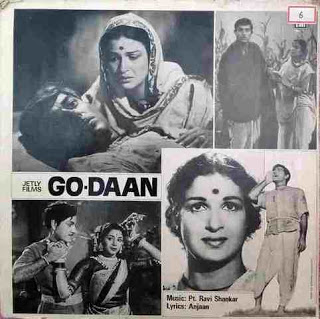
Song: Jarat rahat din rain Film: Godaan 1963 Lyrics: Anjaan Music: Pandit Ravishankar Singer: Mukesh Raag: Tilak Kamod
இது போஜ்புரி மொழியில் எழுதப்பட்ட பாடல். (இது உ.பி பகுதியில் பரவலாகப் பேசப்படும் பிராந்திய மொழி. இதை அரசியல் ஹிந்தி அல்லது ஹிந்தி அரசியல் கபளீகரம் செய்து வருகிறது,] ‘கோதான்’, முன்ஷி பிரேம்சந்த் எழுதிய (1936) புகழ்பெற்ற கதை. இப்படம் அதன் மீது எடுக்கப்பட்டது. இது ஒரு ஏழை விவசாயியின் வாழ்க்கையை விளக்குவது. இந்த பாட்டு வரும் இடம் மிக நன்றாக கிராமத்துச் சூழலை விளக்குவதாகத் தொடங்கும். ஆனால் நம் விவசாயிக்கு பல கவலைகள்-விவரித்துச் சொல்ல இயலவில்லை- கண்கள் இரவு பகல் மூடவில்லை என்கிறான். கடைசியில் வெளிப்படையாகவே சொல்கிறான்: தரத் ஜியா பேசைன்- மனதில் நிம்மதி இல்லை. இந்தப் பாட்டை முகேஷ் பாடியிருக்கும் விதம் மனதைக் கசக்கிப் பிழிவதாக இருக்கிறது; பாட்டின் கருத்தும் முகேஷின் குரலும் அப்படி ஒத்துப் போகின்றன! இதற்கு மெட்டமைத்த ஸிதார் மாஸ்டர் பண்டிட் ரவிஷங்கர் ஒரு ஜீனியஸ்! சரியான ராக பாவத்தைக் கொண்டுவந்து விட்டார்! இனி இதே ராகத்தில் இதே முகேஷ் பாடிய சற்று வித்தியாசமான பாடலைப் பார்க்கலாம்.
முஜே மில்கயீ ஹை mujhe mil gayi hai mohabbat ki manzil koi poochh le yeh mere hamsafar se mujhe mil gayi hai nazar se nazar ka bada faasla thhaa magar aaj dil ke kareeb ho gaye ho tujhe maine dekha dil ki nazar se meri bhi nazar mein haseen ho gaye ho haseen ho gaye ho mujhe mil gayi hai mere haath mein yoon tera haath aaya ke gulshan mein jaise bahaar aa gayi ho magar haath se yoon khincha haath tera main samjha kali koyi sharma gayi ho sharma gayi ho mujhe mil gayi hai mohabbat ki man jise sunkar dil ki huyi tez dhadkan mujhe aaj aisi kahani mili hai nigaho se chahe n nigahe mili na mohabbat ki lekin nishani mili hai mujhe mil gayi hai mujhe milgayi hai mohabbat ki manzil
இன்று எனக்கு காதலின் லட்சியம் எட்டிவிட்டது என் துணையிடம் கேட்டுப் பார்க்கட்டும்! காதலின் லட்சியம் எட்டி விட்டது! கண்களுக்கிடையே அதிக இடைவெளி இருந்தது ஆனால் இன்று இதயங்கள் நெருங்கி விட்டன இதயத்தின் வழியாக உன்னை நான் பார்த்தேன் என் கண்களிலும் அழகும் இனிமையும் நிறைந்துவிட்டன! எனக்குக் காதலின் லட்சியம் கிடைத்து விட்டது! என் கைகளில் உன் கை பட்டதும் சோலையில் வசந்தம் வந்தது போலாகியது! என் கைகளிலிருந்து உன் கை விலகினால், ஏதோ மலருக்கு வெட்கம் வந்தது என்று நினைப்பேன்! எனக்கு அன்பின் லட்சியம் கிடைத்துவிட்டது! கேட்டதும் மனது சந்தோஷத்தில் படபடக்கும்-அப்படிப்பட கதை இன்று கிடைத்துவிட்டது! முகத்தோடு முகம் சேரவில்லை- ஆனால் அன்பின் அடையாளம் கிடைத்துவிட்டது! எனக்கு அன்பின் லட்சியம் கிடைத்துவிட்டது!
இது வந்த சுவடே தெரியாமல் ஓடிப்போன படம்! B grade என்று கூடச் சொல்லமுடியாது. ஆனால் தத்தாராமின் இனிய இசையைக் கொண்டது. படம் படுத்துவிட்டதால் இசையை பலரும் அறியவில்லை. திலக் காமோத் ராகத்தையே விளக்கும் பாட்டு! அருமையான கவிதை எழுதியிருக்கிறார் குல்ஷன் பாவ்ரா!
அமெரிக்கரான ரேமாண்ட் கர்ஸ்வெய்ல் (Raymond Kurzweil – பிறப்பு : 12-2-1948, இப்போது வயது 72) ஒரு அதிசயமான விஞ்ஞானி. எதிர்காலம் எப்படி இருக்கப் போகிறது என்பதைச் சொவதில் இவர் வல்லுநர். ஜோதிடம் அல்ல இவர் கூறுவது; அறிவியல் கணிப்பு இவருடையது. சோவியத் யூனியன் சிதறுண்டு போகும் என்று இவர் சொன்னபடி நடந்தது. இண்டர்நெட் பெரிதாக வளர்ந்து உலகில் தகவல் புரட்சியைச் செய்யும் இன்று இவர் கூறியபடியே இன்று நடக்கிறது. ரொபாட்டுகளும், செயற்கை நுண்ணறிவும் அடுத்த புரட்சியை ஆரம்பிக்கும் என்று இவர் சொல்வது நடக்க ஆரம்பித்து விட்டது.
ஏராளமான கண்டுபிடிப்புகளைக் கண்டுபிடித்திருப்பதால் அமெரிக்க காப்புரிமை அலுவலகம் இவரை கௌரவிக்கும் வண்ணம் கண்டுபிடிப்பாளர் ஹாலில் இவர் பெயரை 2002 ஆம் ஆண்டு சேர்த்தது. பெறுதற்கு அரிய பரிசான 5 லட்சம் டாலர் (ஒரு டாலரின் இந்திய மதிப்பு சுமார் 76 ரூபாய்) பரிசுத் தொகையை லெமல்ஸன் – எம்.ஐ.டி.யிடமிருந்து 2001 இல் இவர் பெற்றார். இவரது ஏழு புத்தகங்களும் உலகில் பல லட்சக்கணக்கானோர் படித்து வியக்கும் புத்தகங்கள்.
இவர் உலகப் போக்கைக் கூர்ந்து கவனித்து தன் முடிவைக் கூறி இருக்கிறார். அவற்றில் தலையாய பத்து கணிப்புகளை, பத்திலிருந்து ஆரம்பித்து ஒன்று வரை செல்வோம் ;.
10. அயல்கிரகவாசிகளுடன் சந்திப்பு!
விண்வெளித் தொழில்நுட்பம் இன்னும் அதிக அளவில் வளர்ந்து தொலைதூர கிரகங்களுக்கு மனிதர்கள் சீக்கிரமாகச் செல்லும் காலம் வர இருக்கிறது. அயல்கிரகங்கள் பலவற்றில் உயிர் வாழும் இனங்களை நாம் சந்திக்கப் போகிறோம்.
9. பூமியின் எதிர்காலம்!
பூமி அழிந்து விடும், கடல் பொங்கும், காடுகள் அழியும், ஜனத்தொகை வீக்கத்தால் உலக மக்கள் பசியால் வாடுவார்கள் போன்ற பல அபாயங்கள் பல விஞ்ஞானிகளால் சொல்லப்பட்டு வருகிறது. இந்த சந்தேகப் பேர்வழிகள் சொல்வது போல எதுவும் நடக்காது. பூமி இன்னும் ஆயிரம் வருடம் கூட இருக்காது, எல்லா ஆதாரவளங்களும் குறைந்து மனித குலம் அழியும் என்ற இவர்களின் வாதத்தை ரே மறுக்கிறார். தொழில்நுட்பம் அபாரமாக வளர்ந்து நமக்குக் கை கொடுக்கும் என்பது அவர் கணிப்பு.
அது சரி, விண்வெளிக் கற்களும், எரி நட்சத்திரங்களும் வந்து மோதும் என்கிறார்களே அதற்கு என்ன சொல்கிறீர்கள் என்று அவரைக் கேட்டால், “இன்னும் அதிசயிக்கத் தக்க கண்டுபிடிப்புகள் நிகழும், அவற்றால் அழிவு என்பது எந்த விதத்திலும் நடக்காது. அழிவு பற்றிய எச்சரிக்கைகளும் ஊகங்களும் பொய்யாகும் என்கிறார் அவர்.
8. ஆற்றல் மற்றும் சுற்றுப்புறச் சூழல் மாசு
பூமி சுற்றுப்புறச்சூழல் மாசினால் மிகவும் கெட்டு விடும் என்ற விஞ்ஞானிகளின் கணிப்பை ரே மறுக்கிறார். “நேனோ டெக்னாலஜி எனப்படும் புது தொழில்நுட்பம் நமது ஆற்றல் தேவையை தேவைக்கு அதிகமாகவே தந்து விடும்; அது பூமியையும் வளி மண்டலத்தையும் சுத்தமாக்கும்; சுத்தமான காற்று, சுத்தமான பருகும் நீர் பூமி வாழ் மக்கள் அனைவருக்கும் நேனோ தொழில்நுட்பம் தந்து விடும்” என்கிறார் அவர்.
“இன்னொரு அதிசயம் நடக்கப் போகிறது! சூரிய ஒளியைப் ‘பிடித்து வைத்துக் கொள்ளப்’ போகிறோம். சோலார் பேனல்கள் ஏகப்பட்ட விந்தைகளை நிகழ்த்தும். 2030ஆம் ஆண்டிற்குள் இது நடந்து நமது ஆற்றல் தேவைகள் முற்றிலுமாக பூர்த்தி செய்யப்படும்” என்று அவர் கூறும் போது பிரமிக்க வேண்டியிருக்கிறது!
7. ஜனத்தொகை பெருக்கம் பற்றி கவலைப்பட வேண்டாம்!
இன்னும் ஆயிரம் வருடங்களில் நமது பூமியில் ஜனத்தொகை 1400 கோடியாக உயரப் போகிறது. (இப்போது 750 கோடி). இந்த ஜனத்தொகையிலிருந்து, ஏராளமான பேர்கள் ஒவ்வொரு பிரச்சினைக்கும் தக்க தீர்வை வழங்குவர். அதிகரிக்கும் உணவுத் தேவைக்கும், மனிதர்களின் பூரண ஆரோக்கியத்திற்கும் வழி கண்டுபிடிக்கப்படும்.
எப்படி தாவர வகைகள் தமக்கான ஊட்டச் சத்தை சூரியனிடமிருந்து பெற்றுக் கொள்கிறதோ அதே போல மனிதர்களும் தங்களுக்கான ஊட்டச் சத்தை சூரியனிடமிருந்தே பெறுவர். இதற்கான தொழில்நுட்பம் கண்டு பிடிக்கப்படும். ஆகவே இன்று நாம் உப்யோகிக்கும் கறிகாய், விடமின்கள் போன்ற ஆதார வளங்களை விட முற்றிலும் வேறான சத்தை நாம் பெறுவோம்.
அறிவியல் புனைகதைகளில் சொல்லப்படும் கதை போல இது இருந்தாலும் இப்படி நடக்கப் போவது உறுதி என்கிறார் ரே.
6. எதிர்காலத் தொழில்நுட்பம்!
சிங்குலாரிடி (Singularity) என்னும் ஒரு புது வித சேர்க்கை சீக்கிரமே உருவாகி விடும். சிங்குலாரிடி என்றால் என்ன? இப்போது புதுக் கண்டுபிடிப்புகளும் அதை உருவாக்குபவையும் ஒன்றாகி விடுவது தான் சிங்குலாரிடி. இதை சுலபமாக விளங்கிக் கொள்ள முடியும். கண்ணுக்குப் போடும் கண்ணாடியும் காண்டாக்ட் லென்ஸும் பார்வைக் கோளாறைப் போக்கி நமது பார்க்கும் சக்தியை இப்போது தருகிறது. இது மாறி பார்க்கப்படும் காட்சிகள் நேரடியாக நமது கண்களில் ரெடினாக்களில் எழுதப்பட்டு விடும்! இது நமது வாழ்க்கையையே முற்றிலுமாக மாற்றி விடும். அத்துடன் விண்வெளியிலிருந்தே நமக்குத் தேவையான அனைத்து ஆற்றலையும் நாம் பெறப் போகிறோம்!
நமது டி என் ஏ. எனப்படும் மரபணு ஆராய்ச்சி வெகுவாக முன்னேற்றம் அடைந்து விண்வெளியில் தொலை தூரங்களுக்கு நாம் வெகு விரைவில் சென்று விடுவோம். இனி நமது தொழில்நுட்பங்கள் மிக அதிகமான நுண்ணறிவைக் கொண்டிருக்கும்! இப்போது ஒவ்வொன்றையும் கண்டுபிடிக்க நிறைய காலம் ஆகிறது! ஆனால் இனி செயற்கை நுண்ணறிவானது மனித அறிவைப் போலவே செயல்பட ஆரம்பித்து புதிய அறிவுள்ள இயந்திரங்களை உருவாக்கும். சுருக்கமாகச் சொல்லப் போனால் இயற்கையான மனிதன் யார், செயற்கை நுண்ணறிவு மனிதன் யார் என்பதைச் சொல்லவே முடியாமல் போகும்!
5. நுண்ணறிவு இயந்திரங்கள்!
வரப்போகும் காலத்தில் நுண்ணறிவு இயந்திரங்கள் – ரொபாட்டுகள் மனிதர்களுக்குச் சரி பாதியாக இருக்கும். இந்த ரொபாட்டுகள் ஒரு கட்டத்தில் மனித அறிவை விட வேகமாகச் சிந்தித்து செயல்படும்.
இப்போதே மனிதன் நூறு நாட்கள் எடுத்துக் கொண்டு ஆராயும் புள்ளி விவரங்களை சூப்பர் கம்ப்யூட்டர் ஒரு நொடியில் அள்ளித் தந்து விடுகிறது!
இந்த புது ஜீவிகள் – ரொபாட்டுகள் நம்முடன் இரண்டறக் கலந்து நம் வாழ்க்கையையே மாற்றி விடும்!
இன்று படிப்படியாக ஆராய்ந்து கண்டுபிடிப்புகளைக் காணும் மனித குலம் ‘தாவித் தாவி’ பல அதிசயக் கண்டுபிடிப்புகளைக் காண இந்த புது ஜீவிகள் உதவும்!
4. விண்வெளி ஆராய்ச்சி இனி வரும் ஆயிரம் ஆண்டுகளில்!
இப்போது தரையில் மெதுவாக நடந்து செல்லும் மனிதன் சந்திரனுக்குச் சென்று காலடி பதித்தது உண்மை தான்! இன்னும் செவ்வாய் போன்ற கிரகங்களின் மீதும் மனிதன் பார்வையைச் செலுத்துகிறான். வருகின்ற ஆயிரம் ஆண்டுகளில் மனிதன் எவ்வளவு தூரம் செல்வான்?
இதற்கும் ரே பதிலைத் தயாராக வைத்திருக்கிறார். இன்று பிரபஞ்ச ஆராய்ச்சியில் வெகுவாக நாம் முன்னேறிக் கொண்டிருக்கிறோம். இதனால் விண்வெளியில் எங்கு என்ன நடக்கப்போகிறது என்பதை முன்னதாகவே துல்லியமாகத் தெரிந்து கொண்டு விடுவோம். ஆகவே நம்மை அழிக்க எநத சக்தியாலும் முடியாது.
மனித குலத்திற்கு உதவும் வகையில் நமக்கு ஆதரவான கிரகங்கள் கண்டுபிடிக்கப்படும்! ஒருவேளை பூமிக்கு இடர் ஏற்பட்டால் இந்த கிரகங்களுக்குச் செல்லவும் தயாராகி விடுவோம். ஆனால் பூமி போல நாம் வசிக்கக் கூடிய கிரகங்கள் நமது கற்பனைக்கும் அப்பாற்பட்ட தூரத்தில் இருப்பது உண்மை. அப்படியானால் மனித குலம் செய்யப் போவது என்ன?
3. எதிர்கால விண்வெளிப் பயணம்!
விண்வெளிப் பயணம் எளிதாக அமையப் போகிறது; இன்று விமானப் பயணம் மேற்கொண்டு தொலை தூரங்களுக்குச் செல்வது போல விண்வெளிப் பயணமும் அனைவரும் மேற்கொள்ளக் கூடிய அளவில் பாதுகாப்புடன், குறைந்த செலவுடன் கூடியதாக ஆகி விடும் என்றார் பிரபல விஞ்ஞானி ஆர்தர் சி.க்ளார்க். இதற்கு புதிய ராக்கெட் மெஷின்கள் ஒரு புறம் உதவும் என்றாலும், இப்படிப்பட்ட பயணங்களை மேற்கொள்ளும் போது மனித உடல் எதிர்கொள்ளும் பிரச்சினைகள் பல. ஆகவே நமது மரபணுக்களை விண்வெளிப் பயணத்திற்கு ஏற்ப மாற்றிக் கொண்டு விடுவோம் என்கிறார் ரே. இந்த மரபணு மாற்றம் தொலைதூர விண்வெளிப் பயணங்களை மனிதன் மேற்கொள்வதற்கு உதவும்.
2. மனிதனின் ஆயுள் நீட்டிக்கப்படுமா?
அது சரி, மனிதனின் ஆயுள் எப்படி இருக்கும் எதிர்காலத்தில்? மரபணு நிபுணர்களும், விஞ்ஞானிகளும் மனிதன் முதுமை அடைவதைத் தடுக்க முடியும் என்ற முடிவுக்கு வந்துள்ளனர்.
மனிதனின் ஆயுளை நீட்டிக்க நேனோ டெக்னாலஜியும், நேனோ-பாட்டுகளும் உதவும் என்கிறார் ரே. இந்த நேனோ-பாட்டுகள் மனித உடலில் பயணிக்கும். முதுமையை ஏற்படுத்தும் பாதோஜன்களை அழிக்கும். முதுமை அடைவதைத் தடுத்து மரபணுக்களை அதற்கேற்ப சரி செய்யும்.
இது சம்பந்தமாக ரே கூறும் இன்னொரு கருத்து நம்மை ‘அப்பப்பா’ என பிரமிக்க வைக்கும் ஒன்று. மனித மனத்தை இன்னொரு உடலுக்கு டவுன்லோட் செய்யும் காலம் வரும் என்கிறார்! அதே மனம்- புது உடல் எப்படிப் போகிறது கதை பார்த்தீர்களா? கதை அல்ல உண்மை என்கிறார் ரே.
1. மரணம் தவிர்க்கப்பட முடியுமா?
அடுத்த இன்ப அதிர்ச்சியையும் மனித குலத்திற்கு வழங்குகிறார் ரே!
முதுமை அடைவதைத் தடுக்கப் போகிறோம் என்பதை நினைத்தாலேயே ஆனந்தம் அடையும் மனித குலத்திற்கு அடுத்து ஒரு இன்ப அதிர்ச்சியைத் தன் கணிப்பாக வழங்குகிறார் ரே!
இப்படி மனிதனின் முதுமை அடைவதைத் தடுத்து வாழ்நாள் நீடித்துக் கொண்டே போகும் நிலையில் ஒரு நாள் மரணத்தையும் வெல்லும் வழி கண்டுபிடிக்கப்படும்!
உயிருடன் பிறந்த ஒரு மனிதன் மரணத்தை நிச்சயம் எதிர் கொள்ள வேண்டும் என்பது காலம் காலமாக நிலவி வரும் கொள்கை, இது வரை இது சத்தியம்!
ரே இதை மறுக்கிறார். மரணம் என்பது நாம் நமது உறவுகளை இழந்து நமது திறமைகளையும் சக்திகளையும் உடைமைகளையும் இழக்கும் ஒன்றாக இது வரை இருந்தாலும் வேறு வழியின்றித் தவிக்கும் நிலை போய் இனி என்றும் வாழும் நிலையை உருவாக்குவோம் என்று ஆணித்தரமாக அடித்துக் கூறுகிறார் ரே!
மருத்துவ விஞ்ஞானமும் நேனோ தொழில்நட்பமும் இணையும் போது மரணம் வெல்லும் அற்புதம் நிகழும் என்று முன்பேயே தனது ஃபண்டாஸ்டிக் வாயேஜ்: லிவ் லாங் எனஃப் டு லிவ் ஃபார் எவர்” என்ற தனது புத்தகத்தில் அவர் சொல்லி விட்டார்.
படிப்படியாக நேனோ டெக்னாலஜி வளர்ந்து நமது உடல் உறுப்புகளை மாற்றும் தன்மையை- அதாவது பழுதானவற்றை மாற்றி நல்லனவற்றை உடலில் ஏற்றிக் கொள்ளும் தன்மையை – நல்கும்; மனித குலம் அது வரை பொறுத்திருக்க வேண்டியது தான்!
இதற்கான முதல் படியாக, நாம் நமது என்ஜைம்களை இயக்கவும் தேவையெனில் நிறுத்தி வைக்கவும் கூடிய நிலைக்கு வெகு விரைவில் வரப் போகிறோம். இதன் மூலம் பல்வேறு நோய்களை விரட்டி அடிக்கப் போகிறோம். ஆயிரத்தி எண்ணூறுகளில் மனிதனின் சராசரி ஆயுட்காலம் 37 ஆண்டுகளாக இருந்தது; இன்று 70ஐ எட்டி விட்டது. இனி வரும் ஆயிரம் ஆண்டுகளில் மனிதன் சிரஞ்சீவியாக இருப்பான் என்கிறார் ரே.
நல்ல கதை என்கிறது இதைக் கேட்ட சாமான்யனின் மனம். ஆனால் ஏராளமான விருதுகளைப் பெற்று பல அறிவியல் கணிப்புகளை மெய்யாக்கிக் காட்டிய ரேயோ சிரித்தவாறே “நம்புங்கள், நான் சொல்வது கதை நிஜம்” என்கிறார்.
இதுவரை ரே கூறியுள்ள பிரமிக்க வைக்கும் 147 கணிப்புகளில் மூன்று தவிர மற்ற அனைத்தும் பலித்து விட்டன என்பதை எண்ணிப் பார்த்தால் ரேயின் அறிவியல் கணிப்புத் திறனை எளிதில் உணர முடியும்.
காலம் ரேயின் கணிப்புகளுக்கு சிறப்பான பதிலை கூறும்!
Pictures are taken from various sources for spreading knowledge; this is a non- commercial blog. Thanks for your great pictures.
tamilandvedas.com, swamiindology.blogspot.com
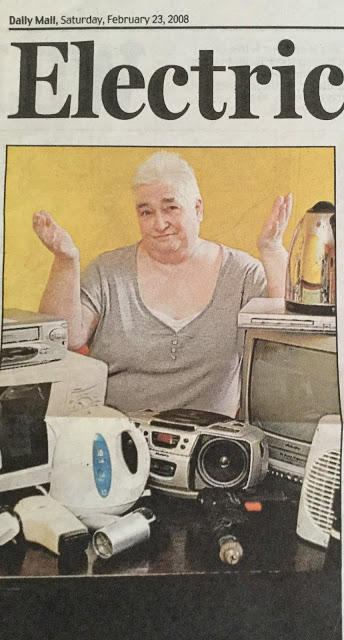
TRADITIONALLY MEN PROPSE TO WOMEN IN WESTERN COUNTRIES; BUT IN LEAP YEARS WOMEN CAN PROPOSE TO MEN. THIS LEAD TO MANY HUMOROUS COMMENTS, JOKES ETC. HERE ARE SOME OLD CARDS FROM DAILY MAIL DATED 23-02-2008.
Pictures are taken from various sources for spreading knowledge; this is a non- commercial blog. Thanks for your great pictures.
tamilandvedas.com, swamiindology.blogspot.com
OMKARAM, DASAVATARA & HINDU SAINTS IN SIKH’S HOLY BOOK of 6000 VERSES!
Not many people knew that the Ten Sikh Gurus respected Hindu gods and Hindu saints. Pranava mantra AUM and holy name of Lord Rama are in Sikh religion’s holy book Adi Granth.
Here are some interesting facts :-
In the Holy scripture of Sikhs, Shri Guru Granth Sahib, the word “Rama” is used 2533 times .The most frequently used word is “Hari” ;It is used 8344 times. The word “Gobind” is used 475 times. The word “Murari” is used 97 times.
Of the ten Gurus , three were killed by Muslim rulers.
All the attributes given to God in the Granth Sahib, are in Hindu Upanishads and Bhagavad Gita.
Guru Nanak, founder of Sikhism, who lived 500 years ago , has sung the glory of OM in (G.929, 930)
Sikhs believe in one formless god which is in Rig Veda (RV 1-164) and in the Upanishads.
Though One God is praised by the Sikhs, Holy Granth Sahib has all the Hindu beliefs such as
Suri Nara (G.775),
Devate kodi tetise (G.1079)
Tritia Brahma Bisanu Mahesa (G.839).
They believe in Punya, Papa, Karma theory and Rebirth.
Yama, Yama Dhuta and Yamadanda appear in Granth.
Mechanical recitation of Vedas without understanding the inner meaning is criticised both by Viveka Chudamani of Adi Shankara and Adi Granth.
Hindus’ Brahma Sutra says ‘God is not in any symbol (4-1-4)’ .That shows idol worship is not essential in Hinduism; it is only a step, particularly prescribed for people at lower levels.
***
Sikhs also praise Hindu Avatars of Vishnu.
Sunnahu upaje dasa avatara (G.1038)- declares Guru Nanakji praising Ten Avatars of Lord Vishnu.
Assuming the form of a child , you killed Kamsa, Keshi, Kuvalayapeeda- says Guru Ramdas (G.606).
Guru Arjun Dev enumerates various Avatars (G.1082)
Story of Prahalad is mentioned several times . This shows the sanctity and respect shown to Narasimha Avatara .
Guru Govind Singh, the tenth and last Guru wrote Ramavatara, Krishnavatara and Chobis Avatara.
Guru Govind Sing in his autobiographical Bachitra Natak says that the Bedis (Guru Nanak clan) and the Sodhis (his own clan) originated respectively from Kusha and Lava, the sons of Rama.
–facts collected from Organiser article dated 21-08-2005
***
From Wikipedia:–
Bhai Mati Das is one of the greatest martyrs in Sikh history, martyred at Chandni Chowk at Delhi in November 1675 to save Hindu Brahmins.
****
From Encyclopaedia of Sikhism
(following notes were taken by me on 3-10-1994)
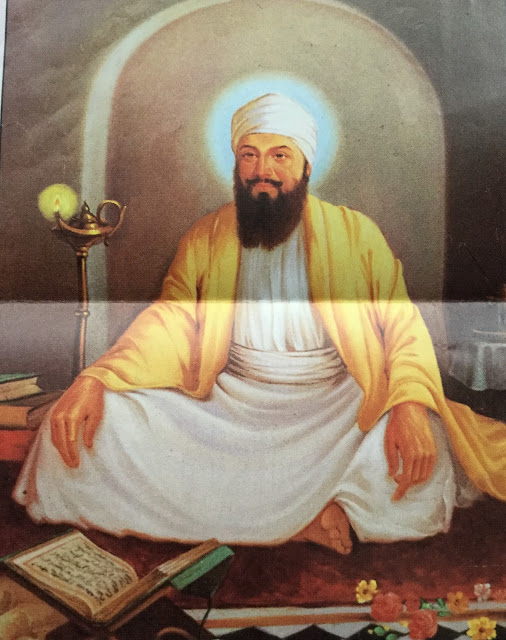
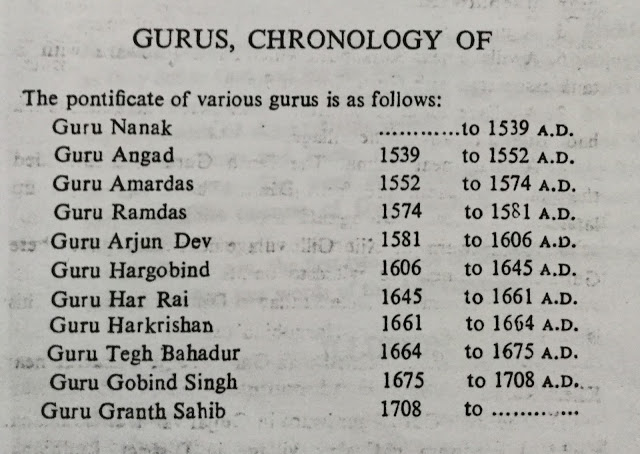
Guru Granth Sahib, the Sikh Holy book, also known as Adi Granth was made ‘the Guru’ in 1708. Before that there were Ten Gurus . They are
Guru Nanak until 1539 CE
Guru Angad – 1539-1552
Guru Amar Das 1552-1574
Guru Ram Das 1574-1581
Guru Arjun Dev 1581- 1606
Guru Har Gobind (Hari Govinda) – 1606-1645
Guru Har Rai – 1645- 1661
Guru Har Krishan (Hari Krishnan) 1661-1664
Guru Tej Bahadur 1664- 1675
Guru Gobind Singh 1675- 1708
Vaishnavite names dominate in the above list . Average life of Guruhood 20 years.
****
ADI GRANTH
The Holy Book of Sikhs, Adi Granth was compiled by Guru Arjun Dev. It was completed in 1604 and installed in the Golden Temple at Amritsar, Punjab. The second version was made by Guru Gobind Singh, who included his father Tej Bahadur’s hymns. He declared that there wont be any more Gurus, but the Holy Granth.
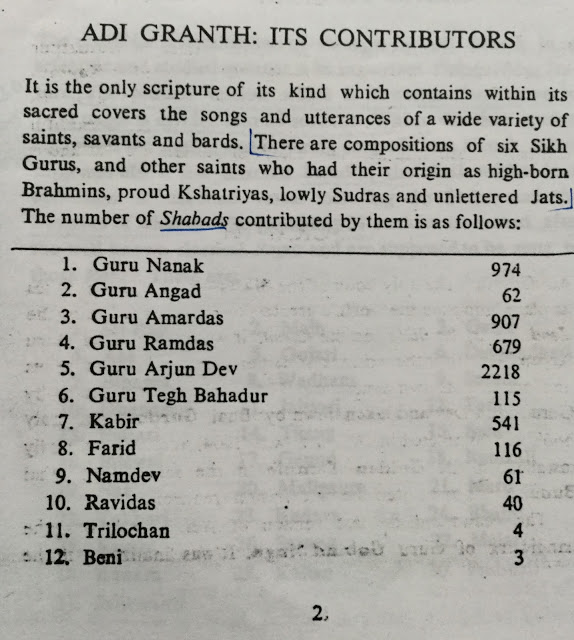
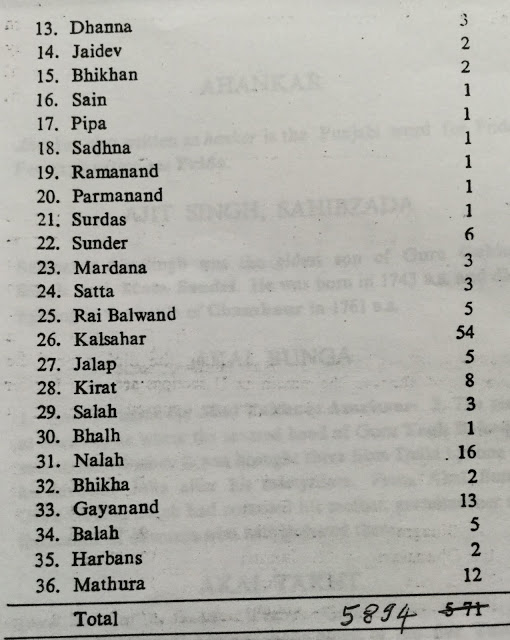
In the Granth there are contributions from 36 saints.
Nearly 6000 shahads/verses are in the book. Verses from Brahmins, Jats, Shudras, Kshatrias and six Sikh Gurus are in it.
Important saints and their contribution of Shahads:-
Guru Nanak -974, Guru Angad- 62, Guru Amardas- 907, Guru Ram Das 679, Guru Arjun Dev 2218, Guru Tej Bahadur 115.
From other saints (not Sikhs)-
Kabir 541, Namdev 61, Surdas 1
****
Languages in the Granth
Sanskrit, Prakrit, Persian, Arabic and Marathi
Pages in the printed version – 1430 pages;
Total sections – 33.
First section – Inspiring song of Guru Nanak called Japji and a few selected Paudis;
Last section- collection of assorted verses with slokas and the Swayyas of Bhatts.
31 ragas are used to sing the hymns.
(Please see the attached list)
***
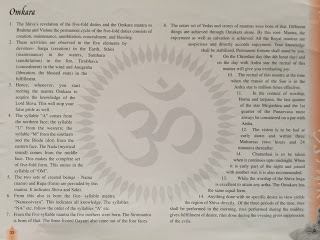
IK OMKAR
Ik Omkar constitute the most significant words in Sikhism as they define god and lay the foundation for Sikh theology.
The word Onkar is derived from the Sanskrit word OM which consists of three syllable sounds representing the trinity of Brahma, Vishnu and Shiva. Omkar therefore is God in his entirety. The word IK means one. It emphasizes the oneness of God which is a basic tenet of Sikhism.
Ik Onkar are the first two words of the Mul Mantra and indeed the first two words of Adi Granth.
–Encyclopaedia of Sikhism
tags —Adi granth, guru granth sahib, om, Hindu gods, Sikhism, Ragas in Adi Granth
Pictures are taken from various sources for spreading knowledge; this is a non- commercial blog. Thanks for your great pictures.
tamilandvedas.com, swamiindology.blogspot.com
சம்சாரம் தொட்டால் மின்சாரம் வரும்; இலவசம்!
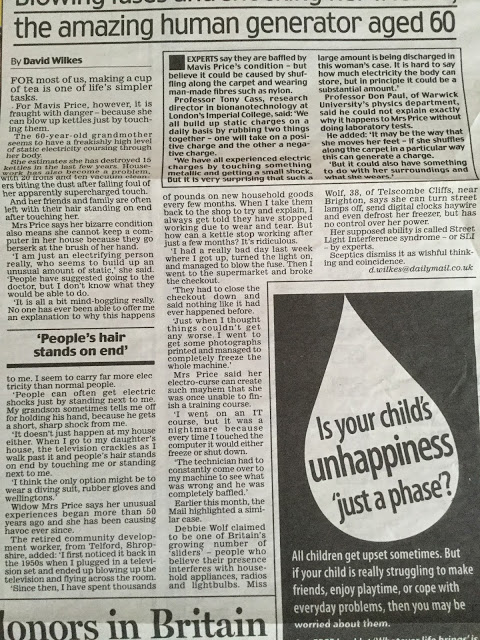
உலகில் பல அற்புத மனிதர்கள் வாழ்கிறார்கள் ; சிலர் உடலில் காந்த சக்தி இருக்கிறது. இன்னும் சிலர் உடலில் மின்சார சக்தி இருக்கிறது.ஞானிகளுக்கு நம்மைச் சுற்றியுள்ள ஒளி (AURA) வட்டத்தைப் பார்க்க முடிகிறது. அவ்வப்போது பத்திரிகைகளில் வரும் செய்திகளை சேகரிப்பது என் வழக்கம் இதோ 23-2-2008-ல் லண்டன் டெய்லி மெயில்
(DAILY MAIL) பத்திரிகையில் வந்த செய்தி.
இந்தப் பெண்மணி யின் பெயர் மேவிஸ் ப்ரைஸ் MAVIS PRICE ; வயது 60. இவர் எ தைத் தொட்டாலும் அதில் அதி பயங்கர மின் சக்தி பாய்கிறது. இதனால் இவர் மின்சார கெட்டில் பக்கம் போகவே அஞ் சுகிறார். அம்மணி தொட்டால் வீடு முழுதும் எலெக்ட்ரிக் கட் (ELECTRICITY CUT) தான் . எல்லாம் பியூஸ் (FUSE) போய்விடும்.
இருடைய சாதனை — இவர் தொட்ட 15 மின்சார கெட்டில்கள், 20 அயன் பாக்ஸ்கள் (IRONS) , 10 வாக்வம் கிளீனர்கள் (VACUMN CLEANERS) எல்லாம் விளங்காமல் போய்விட்டது.
சிலர் தொட்டதெல்லாம் பொன் ஆகும்; அவ்வளவு அதிர்ஷ்டக் கை ; இவர் தொட்டதெல்லாம் பியூஸ் ஆகும்; அவ்வளவு துரதிருஷ்டக் கை!!
இவருக்கு 50 ஆண்டுகளாக இந்த அபூர்வ சக்தி இருக்கிறது.
மேவிஸ் ப்ரைஸ் சொல்கிறார் “சிறு வயதில் ஒரு முறை டெலிவிஷன பிளக்கை சாக்கெட்டில் சொருகப் போனேன். டெலிவிஷனும் இயங்காமல் போனது. என்னையும் தூக்கிப் போட்டது. அறையி ல் ஒரு மூலையில் போய் நன் விழுந்தேன். என் பேரக் குழந்தைகள் பக்கத்தில் வந்தால் பாட்டி, எனக்கு ‘ஷாக்’ அடிக்கிறது என்பர்”.
இவர் வசிப்பது இங்கிலாந்தில் ஷ்ராப்ஸைர் பகுதியில் உள்ள டெல்போர்ட் நகர்(TELFORD IN SHROPSHIRE, ENGLAND, UK)
இது போல டெப்பி உல்ப் ( DEBBIE WOLF OF TELLSCOMBE CLIFFS, NEAR BRIGHTON, ENGLAND, UK) என்னும் 38 வயது பெண்மணி இங்கிலாந்தில் பிரைட்டன் நகர் அருகில் வசிக்கிறார். அவர் உடலில் பாயும் மின்சார சக்தி மிகவும் வினோதமானது. அவர் தெருவில் நடந்து சென்றால் மின்சார விளக்குகள் எல்லாம் அணைந்துவிடும். இரவு நேரத்தில் இவர் நடந்தால் எல்லோருக்கும் திண்டாட்டம். எந்த மின்சார சாதனமும் இவர் வந்தால் அப்படியே அசந்து போய்விடும். அவ்வளவு ‘மின்சார அழகு’!!
பெண்களின் அன்ன நடையைக் கண்டால் நாம் மயங்குவோம். இவர் நம் அருகில் அன்ன நடை பயின்றால் நாம் மயங்கி விழுந்து விடுவோம். நம் கம்ப்யுட்டர் , மொபைல் போன் ஆகியன எல்லாம் இவர் மீது காதல் கொண்டுவிடும்.
சம்சாரம் என்பது மின்சாரம் மட்டுமா ; ஸம்ஹாரமும் கூட !!
சம்சாரம் = மனைவி; ஸம்ஹாரம் = அழிவு (மின்சாரப் பொருட்களுக்கு மட்டும்).
இது பற்றி விஞ்ஞானிகள் கூறுவது என்ன ?
நம் எல்லோருடைய உடலிலும் ஸ்டாடிக் எலெக்ட்ரிசிட்டி (STATIC ELECTRICITY) இருக்கிறது. சில நேரங்களில் உலோகப் பொருட்களைத் தொடும்போது நமக்கு இது தெரியும்; சிலருக்கு செயற்கை இழைகளால் ஆன நைலான் முதலிய உடைகளை அணியும்போது இது அதிகரிக்கிறது. இரண்டு பொருட்களை உராயும்போது இந்த வகை மின்சக்தி வரும். ஆயினும் மேவிஸ் ப்ரைஸ் போன்ற சிலரின் உடலில் இருக்கும் மின் சக்தியின் அளவு விஞ்ஞானிகளையும் திகைக்க வைக்கிறது என்கிறார்கள். அவர் வீட்டிலுள்ள கம்பளம், அவர் அணியும் உடை , அவரது நடை ஆகிய எல்லாவற்றையும் கவனித்தால்தான் விளக்க முடியும் என்றும் சொல்கிறார்கள்.
அறிவியல் அறிஞர்களுக்கு அதிசய விஷயங்களில் நம்பிக்கை வராது . அதை ஆராய்வதில் ஆர்வம் மட்டுமே பிறக்கும்.
Pictures are taken from various sources for spreading knowledge; this is a non- commercial blog. Thanks for your great pictures.
R. Nanjappa
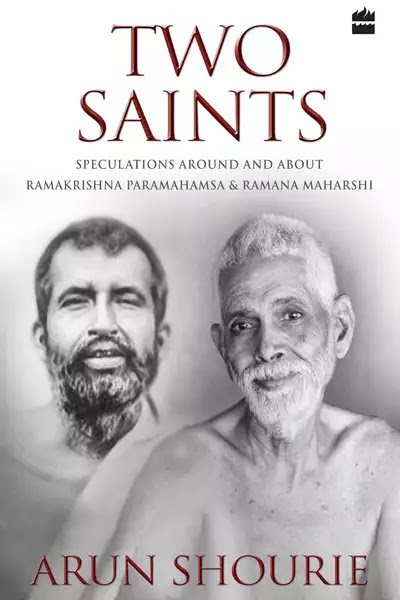
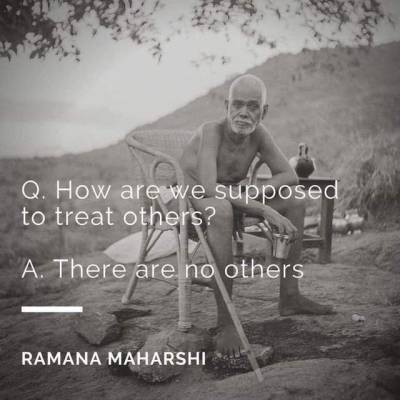
Sri Ramakrishna and Bhagavan Ramana
The life and teachings of Bhagwan Sri Ramana Maharshi differ from those of Sri Ramakrishna, in their outer aspects though ultimately they are like two sides of the same coin. In fact, many devotees came to Sri Ramana after studying the Gospel of Sri Ramakrishna.
Sri Ramakrishna’s childhood was soaked in mystic light. His noble parents were very pious, though very poor. His youth was spent in intense Sadhana for over 14 years; different Gurus came to him to instruct on various paths. His mission of teaching lasted another 14 years. [The Gospel covers only the last four and a half years of his life and teachings.] It so happened that he had to leave the place where had lived for 30 years- the Dakshineswar Kali temple precincts- in the last 10 months of his life due to his illness. The young devotees desired to bring him back to Dakshineswar, but the temple management did not allow him to come back.
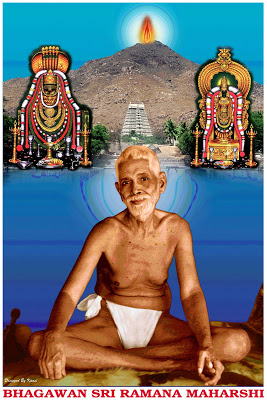
Sri Ramana reached Tiruvannamalai as a lad of 17 on 1 Sep, 1896 and did not leave the place even for a single day for 54 years, till he attained Maha Nirvana on 14 April, 1950. By the time he reached there, he was already a Jnani, a Realised Being. There was no further Sadhana, no tapas, no anything. There was no human Guru. He just remained as he was.
Sri Ramana’s name was Venkataraman. His life is well chronicled, so we need not concern ourselves with those details.
Now, what about his teaching?
He had not studied any religious or spiritual book, other than the Bible he was taught at the Missionary school, and the lives of the 63 Tamil Saivite saints. He had not received any instruction in religious matters and did not know any scriptures. He had no knowledge of Sanskrit.
But he had encountered Death and Realised what was life first hand some six weeks before he came to Tiruvannamalai, whose other name “Arunachala” had had a mystic hold on him even as a youngster. He was only interested in remaining in his natural state, a state of natural silence, with the mind completely annihilated. He did not feel inclined to talk or teach, certainly not to expound any theory or philosophy. Most people naturally fell silent in his presence, and experienced a sense of peace. Even animals remained calm and inactive in his presence.
However, some people kept approaching him for instructions from his earliest days, even when he was not talking. While he would not answer idle curiosity, or respond to mere learning, he was naturally inclined to help sincere sadhakas, whatever may be their path. So, he would answer their questions raised on the basis of the practical difficulties encountered by them, in writing in the days of silence. He was only interested in teaching a practical way to realise Truth. “What is Truth, and what is the way to attain it.” But this he did as a “silent influence on the heart”, in the words of Arthur Osborne. For those who were not able to respond to that, he explained in words:
Mind is a bundle of thoughts. The thought ‘I’ is the basic thought. If one questioned where this thought arose from, the mind would be absorbed in that source. Then one remained as one ever was. This questioning is not verbal, repetition of any formula, but paying attention to the source of one’s being. This he called “Self-enquiry” or finding out “Who Am I”. For those unable to follow this, he prescribed “Surrender”.
Enquire or Surrender- this is his only teaching. It has to be practiced, not studied.
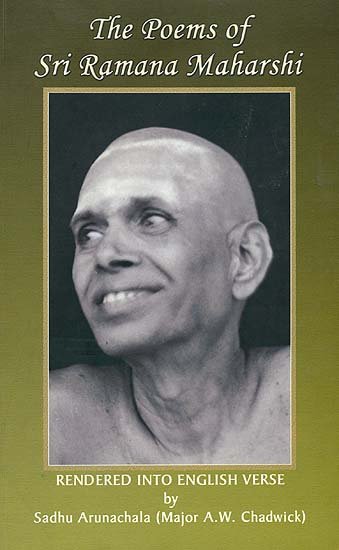
Over the years, as his name spread, visitors, Indian and foreign, started pouring in, raised questions in the light of their spiritual practices or difficulties and he had to answer. Then, in response to devotees’ requests he had to write something, in prose and verse, all in his mother tongue, Tamil. These have been collected and published as his ‘Collected Works’. These have been translated into English and other languages. Like the original works in any language, his words in Tamil are his own, based on his experience, and do not employ any jargon. Something of the beauty, and accuracy (and Power?) is lost in any translation, however competent. Lucky are those who can read the original.
There is precise history behind and reason for everything that Bhagavan Ramana wrote. (Though he was named Ramana Maharshi, it was usual for devotees to address him as “Bhagavan”. So, we will also follow that practice!) It is important to know this.
1.SELF-ENQUIRY:
This is the first work that Bhagavan wrote. Around 1901 one devotee Gambhiram Seshayya submitted to him a few questions. Since those days he was not inclined to speak, Bhagavan wrote out his answers. Seshayya had copied them in his diary. After many years, the diary was recovered, the material was edited by a devotee and published under this heading. It is available both in essay and original question -answer forms.
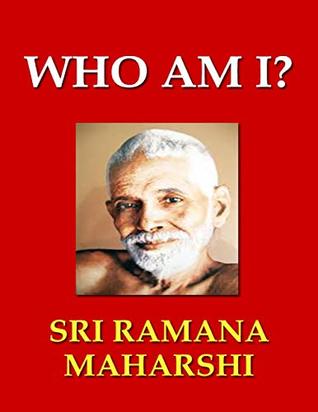
2. WHO AM I
Around the same time, one Sivaprakasam Pillai turned up. He had studied philosophy at the university, but was vexed by the question of one’s true identity ie ‘Who Am I’. He raised this and some related questions. Bhagavan’s answers were collected and later published under this heading. This too is both in the essay and question-answer forms.
Sivaprakasam Pillai is a very lucky devotee, and we are lucky too because of him. He raised the one question for which Bhagavan had already found the original answer! Later, on the advice of Bhagavan he went to his village and settled to a quiet life of sadhana. When he passed away years later, Bhagavan remarked: “Sivaprakasam has become Siva’s effulgence” (“Sivaprakasam Sivaprakasam aanaar”, “சிவப்ரகாசம்சிவப்ரகாசமானார்“in Tamil). This is high praise indeed, coming from Bhagavan! This teaching is the most characteristic of Bhagavan, though it had to be couched in conventional language to suit the questioner.
3.SPIRITUAL INSTRUCTION
This contains a record of conversations which took place on one of the early days between Bhagavan and devotees. They were noted down by a devotee, expanded and arranged and submitted to Bhagavan who appreciated them. We may however note that they were not the spontaneous teachings of Bhagavan, but his reaction to the discussions initiated by others.
4. FIVE HYMNS TO ARUNACHALA
These are the supreme devotional outpourings of a perfect Jnani, spontaneous expression of devotional exuberance in sublime poetry in the classical mould. Obviously devotional in tone, they distill perfect Jnana, and move heart and soul as nothing else. One simply melts.
1. The Marital Garland of Letters.
This is a hymn of 108 verses, sung in the nayaki-nayaka bhava ( bridal mysticism) showing the sublime union of the soul with God, where the individual merges completely with the object of devotion.
This was written about the year 1914. The devotees were then going round the town to beg their food and they wanted Bhagavan to compose something distinct for them to chant as they went about. But Bhagavan was not inclined, saying there were already many hymns written by saints. But one day as Bhagavan started going round the Hill, as was his wont, a devotee followed him with paper and pencil in hand. The verses started welling up and Bhagavan wrote them down, with profuse tears flowing down his eyes and obscuring his vision. By the time the round was over, the poem was completed.
2.The Necklet of Nine Gems.
One day, a learned Dikshitar of Chidambaram came to Bhagavan and requested him to visit that holy place, as it represented the Akasha tatva, which was superior to the other four elements. Bhagavan wrote the first verse in reply, showing how Arunachala was superior to all; the other verses were written afterwards. 3. Eleven Verses to Sri Arunachala
4. Eight Stanzas to Sri Arunachala.
About these, Bhagavan himself said:
“The only poems that came to me spontaneously and compelled me, as it were, to write them without anyone urging me to do so are the Eleven Verses to Sri Arunachala and the Eight Stanzas to Sri Arunachala. The opening words of the Eleven Verses came to me one morning and even though I tried to suppress them saying, ‘What have I to do with these words?’, they would not be suppressed till I composed a song bringing them in; and all the words flowed easily, without any effort. The remaining stanzas except two were also composed the same way.”
The last two were composed just before a devotee took them away for printing.
5.Arunachala Pancharatna (Five Stanzas)
These were composed by Bhagavan in Sanskrit at the urging of a devotee who was also a Sanskrit scholar. Bhagavan did not know Sanskrit but on composition, this was found to be flawless.
These Five Hymns are preceded by a verse written by Muruganar on the significance of Arunachala. This is followed by a verse by Bhagavan on the significance of the Deepa that is lit on the Hill every year. Then follow some verses on the glory of Arunachala rendered in Tamil from Skandapurana. In a court case involving the Temple and the Forest Dept. Bhagavan’s views were sought on the status of the Hill and Bhagavan then pointed out these verses, which he later rendered in Tamil.
5. VERSES WRITTEN AT THE URGING OF MURUGANAR.
The coming of Muruganar marks a glorious new chapter in the chronicles of Bhagavan. Muruganar was an acknowledged Tamil Scholar of standing, and a poet, working as a Tamil pandit, and was a member of the Tamil Lexicon committee. [His name was C.K.Subramanya Iyer, which he had rendered as ‘Muruganar’ due to his love of Tamil.] Coming to Bhagavan, he left everything and stayed with him permanently, outliving Bhagavan by 23 years. Bhagavan was the only God he knew. He has crucial role in Ramana Leela and Literature.
The Essence of Instruction: Upadesa Undiyar.
Once, he composed hymns in praise of Bhagavan, which have been collected together under the name Ramana Sannidhi Murai. In one part, he described all the Avatars as Bhagavan’s. There is one episode in the divine play of Lord Siva. The Rishis of Daruka forest became attached to the performance of karma, to the extent of even disregarding God. Lord Siva wanted to teach them a lesson. Muruganar recorded the episode but when it came to the teaching, he felt unequal to the task, and urged Bhagavan to write out that portion. The result is thirty verses, capturing the very essence of all sadhana, giving a gist of the whole spiritual path . These have been published separately under the title Upadesa Undiyar, translated in English as ‘The Essence of Instruction’. In verses of stunning beauty and brevity, Bhagavan shows how Self-enquiry constitutes the best path. Bhagavan himself later rendered it in Telugu, Malayalam and Sanskrit. The Sanskrit version is chanted daily at the Samadhi shrine along with other Sanskrit scriptures.
Reality in Forty Verses: Ulladu Naarpadu.
Bhagavan used to write stray verses occasionally on the urging of some devotee or other, or translate from Sanskrit; these contained or reflected his own teachings. Once there were 20 such verses. Muruganar who was a great scholar of ancient Tamil literature felt that like some ancient Tamil collections which had forty verses as standard , Bhagavan should also write forty verses, containing his teachings.” Please tell us the nature of truth and the way to attain it so that we may be saved: Maiyin iyalbum atai mevum tiranum uyyumpadi emakkarulga”, he used to urge Bhagavan. மெய்யின்இயல்பும்அதைமேவும்திறனும்உய்யும்படிஎமக்கருள்க“.
As Bhagavan composed , Muruganar started compiling them in some order, discarded some, and urged Bhagavan to write something more. Like this, he got a treasure of 40 original compositions from Bhagavan. He put them together under the name Reality in Forty Verses. The Tamil name derives from the first word of the first verse, which was later adopted as the benedictory verse. Bhagavan calls Truth : ULLADU- உள்ளது THAT WHICH IS- avoiding all jargon. This single verse conveys the essence of Bhagavan’s teaching: to find out the source of one’s Being or Self which always Is and abide as That! There is no other way!
3. Supplement to the Forty Verses:
This contains the verses excluded from the original Forty and contains many translations, but all having unity of subject. Here verse 39 is important. It instructs: Keep Advaita (bhava) at heart; never carry it out in action. Even if you practice it in the three worlds, it is never to be adopted with respect to the Guru. Nowadays, there is a kind of popular advaita which is tom-tomed, as if it can be easily done . Such people should remember the above verse.
Translations
Apart from the above, the Collected Works contain Bhagavan’s translations from Sanskrit sources: 2 pieces from Agama in verse; Atma Bodha and Dakshinamurti Stotram in verse, and Viveka Chudamani and Drik Drisya Viveka in prose from Acharya Sankara. He also extracted some portions from an earlier translation of a Hindi work Vichara Sagara, rendered in Tamil as Vichara Mani Mala
Bhagavad Gita
Devotees used to urge Bhagavan to indicate some important verses from Bhagavad Gita as they felt it was difficult to recite all the 700 verses daily. Bhagavan used to say all verses were important, and pointed to verse 20, Chapter X as significant. But on further urging, he selected 42 verses, rendered them in Tamil, rearranged them and wrote an invocatory verse.
பார்த்தன் தேரில் நல் வார்த்தையாலவன்
ஆர்த்தி போக்கருள் மூர்த்தி காக்கவே,
May that Murti, who removed, by his auspicious words, the distress of Arjuna in the chariot, , protect us.
This was published as Bhagavad Gita Saram, ‘Song Celestial’ in English.
There are some stray verses also included in the collected works.
The Significance of the Collected Works.
This collection itself reveals an important point. As the book was being readied for the press, in 1929, devotees desired that it should contain a preface, as was the convention. People kept discussing, but no one was prepared to write a preface to a work containing Bhagvan’s words. It was nearing midnight and they were still talking. Bhagavan called a devotee, T.K Sundaresa Iyer and told him why could he not write it himself. Saying he could do only with Bhagavan’s blessings, TKS sat down and wrote something and showed it to Bhagavan around 2 a.m. Bhagavan read it and gave it back with his approval. TKS took the paper away and had gone a few steps when Bhagavan called him again, took back the sheet and changed one word. TKS had concluded that it was “hoped” (Nambukiren நம்புகிறேன்) that this book containing the grace of Bhagavan would enable struggling souls to get rid of misery and attain bliss. Bhagavan scored out the word ‘hoped’ and wrote “CERTAIN” (TINNAM, திண்ணம் in Tamil) in his own hand and returned the sheet. This shows the importance of the work.
Pictures are taken from various sources for spreading knowledge; this is a non- commercial blog. Thanks for your great pictures.
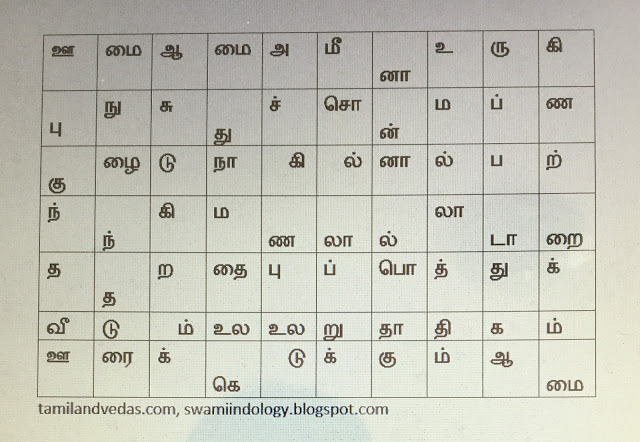
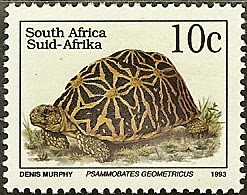
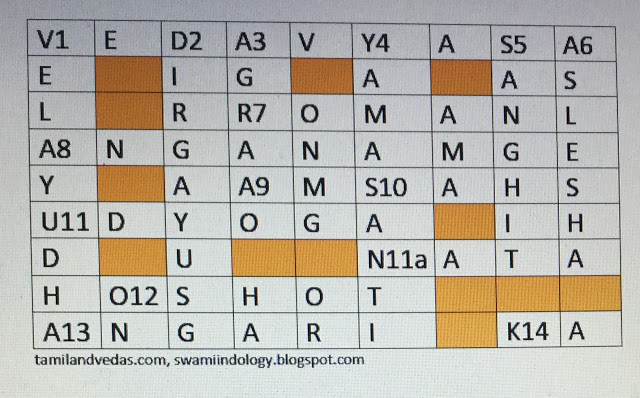
ஆமை பற்றிய 4 பழமொழிகள் – கண்டுபிடியுங்கள்
ஒரே சொல் மீண்டும் மீண்டும் வந்தால் ஓரிரு இடங்களில் மட்டுமே கட்டத்தில் இருக்கும். கொண்டு கூட்டி பொருள் கொள்க . விடை கீழே உள்ளது . சில நேரங்களில் படங்களைப் பார்த்தாலும் விடை காண உதவலாம்.
Pictures are taken from various sources for spreading knowledge; this is a non- commercial blog. Thanks for your great pictures.
ஹிந்தி படப் பாட்டுகள் – 67 – இரு மணிகள் – வடக்கு நோக்கி!
R. Nanjappa
வடக்கு நோக்கி!
பல ஹிந்திப் பாட்டுக்களின் மெட்டுக்கள் தமிழ்ப் படங்களில் எடுத்தாளப்பட்டிருக்கின்றன. இங்கிருந்து அங்கு போனது அனேகமாக இல்லை என்றே சொல்லலாம்.
சாஸ்திரிய இசையில் நிலை வேறு. அடிப்படை ஸ்வரங்கள் ஹிந்துஸ்தானி, கர்னாடகம் இரண்டு முறைகளிலும் ஒன்றுதான், ஆனால் கையாளும் முறை வித்தியாசப்படும். பல ராகங்கள் ஒன்றாக இருந்தாலும் முற்றிலும் வேறான ராகங்களும் உண்டு.
ஹிந்துஸ்தானி இசையிலிருந்து நமக்கு வந்த ராகம் ‘த்விஜாவன்தி’. ஜெய்ஜெய்வன்தி என்ற ராகத்தை இப்பெயரில் நமக்கு அறிமுகப் படுத்தியவர் ஸ்ரீ முத்துஸ்வாமி தீக்ஷிதர். அவர் தந்தை ஸ்ரீ ராமஸ்வாமி தீக்ஷிதர் உருவாக்கிய ராகம் ஹம்ஸத்வனி. இது இங்கிருந்து ஹிந்துஸ்தானிக்குப் போனது! அது அங்கு மிகவும் விரும்பத்தக்க ராகமாகிவிட்டது!
இப்படி நம்மிடமிருந்து வடக்கே போன இரு ராகங்களில் அமைந்த பாடல்களைப் பார்க்கலாம்
ஹம்ஸ்த்வனி ராகத்தில் அமைந்த அருமையான பாட்டு. எளிய நாட்டியப் பாடலாக அமைந்தது. ஷைலேந்த்ராவின் சாஹித்யம் எளியது- இது ராதா-க்ருஷ்ணரின் ஊடலைப் பற்றியது.
‘க்ருஷ்ணா, நீ போ, நான் உன்னுடன் பேசமாட்டேன், நீ என் கையைப் பிடித்தால் தான் என்ன, நான் பேச மாட்டேன்’ என்கிறாள் ராதை. கிருஷ்ணரின் குழலோ, குரலோ வேலை செய்யவில்லை. முதலில் ராதை அவற்றைக் கண்டுகொள்வதில்லை ( மானத் நஹி ராதா) பிறகு வழிக்கு வருகிறாள் ( மான் கயீ ராதா). டான்ஸ் பாட்டானதால் அதற்கே உரிய சொல் கட்டுக்கள் வருகின்றன. நாம் இந்த ராகத்தை வட இந்திய பாணியில் கேட்டு ரசிப்போம்!
இது ஹிந்துஸ்தானியில் ஜனரஞ்சகமான ராகமாகிவிட்டது இதோ சில சாஸ்திரீய ரிகார்டுகள்:
கேட்டு மகிழலாம். நம்மைவிட நிதானமாகப் பாடுகிறார்கள்!
கலாவதி
நம்மிடமிருந்து வடக்கே போன இன்னொரு ராகம் “கலாவதி” இதை நம்மவர்கள் ‘வலஜி / வலசி’ என்பார்கள். இந்த ராகத்தில் ஒரு அருமையான கவ்வாலியை அமைத்திருக்கிறார் ரோஷன். ‘பர்ஸாத் கீ ராத்” என்ற படத்தில் (1960) வரும் 12 நிமிட கவ்வாலி இது. இன்றுவரை நமது திரை இசையில் கவ்வாலிப் பாடல்களின் சிகரமாகக் கருதப்படுகிறது இது. முதலில் இந்த ராகத்தில் தொடங்கினாலும் பின்னர் வேறு ராகங்கள் கலந்துவிடுகின்றன இந்தக் கவ்வாலியை எழுதியது ஸாஹிர் லுதியான்வி. இதற்குப் பொருள் சொல்வது கடினம்- அதிலுள்ள நயங்கள் மறைந்துவிடும். பாட்டை ரசிப்போம்.இது மிக நீண்ட பாட்டு.
Song: Na to karwan ki talash hai Film: Barsat Ki Raat 1960 Lyrics: Sahir Ludhianvi
Music : Roshan Singers: Manna Dey, Mohammad Rafi, S.D.Batish, Asha Bhonsle, Sudha Malhotra
Hum Kisi Se Kum Nahin படத்திலும் ஒரு கவ்வாலி “ஹை அகர் துஷ்மன் ஃஜமானா- ஹம் கிஸீசே கம் நஹீ” இதே ராகத்தில் ஆர்.டி பர்மன் அமைத்திருக்கிறார்.
இந்த ராகத்தில் அவரோஹணத்தில் ஒரு சிறு மாற்றம் வந்தால் அது ‘ஜனசம்மோஹினி’ என்ற ராகமாக மாறிவிடுகிறது. இதில் அமைந்த பாடல்களில் பிரசித்தமான ஒரு பாடல் ரஃபி பாடியது.
படத்தை ஒட்டிய பாடல். இங்கே அவர் ‘கடல்’ என்று சொல்வது வேறு சமாசாரம்!
இது நௌஷத்-ஷகீல்- ரஃபி அணியின் பாடல்களில் ஒன்று. ஓஹோ என்று சொல்லும் படி எதுவும் இல்லை, எனினும் இந்த கலாவதி-ஜனசம்மோஹினி ராகங்களின் தொடர்பைக் காட்டும் நல்ல பாடல்களில் ஒன்று..
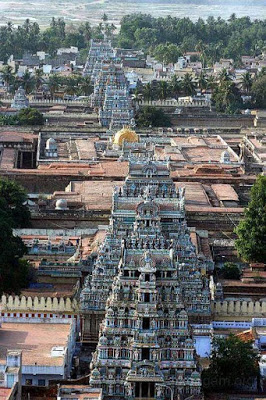
இந்தத் தலங்களின் பெருமை, பெயர்க்காரணம், இங்கு நடந்துள்ள திருவிளையாடல்கள், மகான்களின் அற்புதங்கள், இந்தத் தலங்களில் பாடப்பட்ட பாடல்கள் உள்ளிட்ட ஏராளமான சுவையான செய்திகளைப் படித்து உணர்வதற்கு ஒரு வாழ்நாள் போதாது.


















 Tamil and Vedas