Pictures are taken from various sources for spreading knowledge; this is a non- commercial blog. Thanks for your great pictures.
tamilandvedas.com, swamiindology.blogspot.com
‘நல்லா சாப்பிடுங்க, ஜமாய்ங்க’ — 2700 ஆண்டுகளுக்கு முன் கேட்ட பேச்சு !
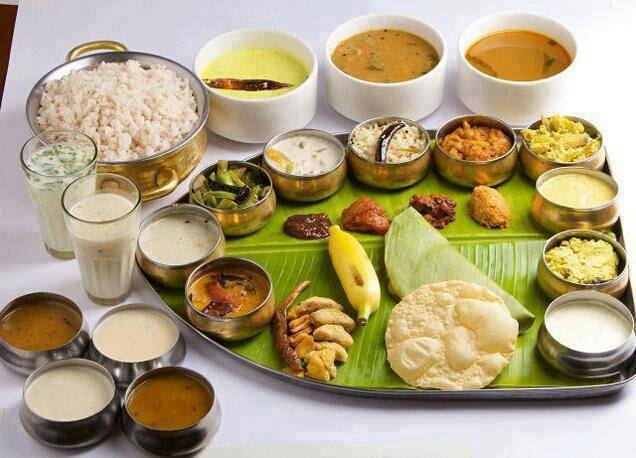
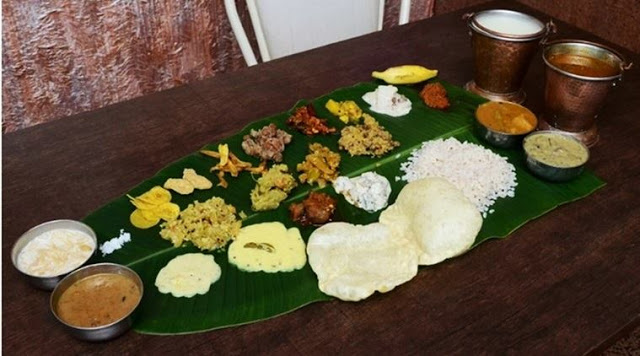
உலக மஹா இலக்கண வித்தகன் , உலகத்தின் முதல் மொழியியல் அறிஞன் , கவிஞன் பாணினி ஒரு மக்கள் கவிஞன் . அவன் 2700 ஆண்டுகளுக்கு முன்னர் சாமான்ய மனிதன் பேசிய பேச்சுக்களை அப்படியே உதாரணமாகத் தந்துள்ளான் . ஒரு வேளை கல்யாண மஹால் அல்லது பெரிய விருந்து நடந்த ‘டைனிங் ஹால்’ (Dining Hall) போயிருப்பார் போல; அதுமட்டுமல்ல சமையல் நடைபெறும் அடுப்பங்கரைக்கும் போயிருப்பார் என்றே தோன்றுகிறது. அவர் கேட்ட நான்கு வசனங்கள் இதோ :–
காதத – மோததா = சாப்பிடுங்க, சந்தோஷமா இருங்க;
அஸ்நீத – பிபதா = நல்லா சாப்பிடுங்க , குடிங்க;
பசத – ப்ரிஜ்தா = (சிக்கிரம்) சமைங்க, வறுங்க ;
பிந்த்தி – லவணா = (இதில்) உப்பு போடுங்க .
சமையல் நடைபெறும் இடத்தில் தலைமை ‘குக்’ (Chef) மற்ற பரிசாரகர்களை விரட்டி வேலை வாங்கியதையும் அவர் கேட்டிருப்பார் போலும். இவைகளையும் இன்னும் 20 உதாரணங்களையும் பட்டியலிட்டுவிட்டு சம்ஸ்க்ருதம் அக்காலத்தில் பேச்சு மொழியாக இருந்தது என்கிறார் டாக்டர் வி.எஸ். அக்ரவாலா . அவர் 1950களில் லட்சுமணபுரி பல்கலைக் கழகத்தில் பாணினி இலக்க ணத்தில் டாக்டர் பட்டம் பெற்றவர்..
பாணினி இலக்கணத்தைக் கற்ற வெளிநாட்டினரான கோல்ட் ஸ்டக்கர், கீத் , லைஃபிச் ஆகியோரும் நகர மக்களின் பேச்சு மொழியாக சம்ஸ்க்ருதம் இருந்தது என்பதை உறுதிப் படுத்துகின்றனர்.
பாணினி இலக்கண நூலான அஷ்டாத்யாயீதான் உலகின் முதல் இலக்கண நூல், முதல் மொழியியல் நூல் என்பதை உலக அறிஞர்கள் ஒப்புக்கொள்கின்றனர். பாணினி தனது புஸ்தகத்தில் சம்ஸ்கிருதம் என்ற மொழி யின் பெயரையே எங்கும் சொல்லவில்லை. அவர் ‘பாஷா’ என்ற சொல்லை மட்டுமே பயன்படுத்துகிறார். மொழி என்பது இதன் பொருள்; இந்தியா முழுதும் அறிஞர்களுக்குத் தெரிந்த மொழி என்பதாலும், உலகில் ஒரு இனத்தின் பெயரால் அமையாத ஒரே மொழி என்பதாலும் பாஷா என்றே சொல்லுவார். தமிழ், கிரேக்கம், சீனம் , லத்தின் , ஹீப்ரூ போன்ற ஏனைய பழங்கால மொழிகள் அனைத்தும் அந்தந்த இனங்களின் பெயரால் அமைந்தவை.
பாணினி, அவருக்கு மிகவும் முன்காலத்தில் இருந்த வேதகால கவிதை இலக்கணத்தையும் ஒப்பிட்டு எழுதி இருக்கிறார். அந்த இடங்களில் எல்லாம் ‘சந்தஸ்’ அதாவது ‘கவிதையில்’ என்று எழுதினார்.
அக்காலத்தில் உலகியல் வழக்கு என்பது சம்ஸ்கிருத மொழியாகவும், நாடக வழக்கு என்பது வேத கால கவிதை வழக்காகவும் அவர் கொண்டார் போலும்.
***
உமா துணி , அணு சாப்பாடு
இவர் சொல்லும் சில சொற்கள் கௌடில்யரின் அர்த்த சாஸ்திரத்தில் கூட இல்லை. பாணினி ‘உமா’ என்னும் தாவரத்தையும் ‘அணு’ என்ற தானியத்தையும் குறிப்பிடுகிறார். சுமார் ஆறு வகை அரிசியையும் இலக்கண மொழி உதாரணங்களாகக் காட்டுகிறார். இதில் ‘அணு’ என்பது தினை வகை தானியம். ஏழைகளின் உணவு. ‘உமா’ என்பது துணி நெய்வதற்குப் பயன்பட்ட தாவரம். அதிலிருந்து வரும் ‘அவுர்ண’ என்ற துணியையும் குறிப்பிடுகிறார். இவரை எல்லாம் அவர் 2700 ஆண்டுகளுக்கு முன்னர் இருந்தவர் என்பதைக் காட்டுகின்றன. இவர் பயன்படுத்தும் பணம், நாணயம் தொடர்பான சொற்களும் அர்த்தசாஸ்திர (கௌடில்யர்) காலத்துக்கு முந்தையவை. இவர் நந்தர் போன்ற மன்னர்களின் பெயரை எங்குமே குறிப்பிடவில்லை.
அதுமட்டுமல்ல . இவரால் குறிப்பிடப்படும் எந்த இலக்கண ஆசிரியரின் நூலும் நமக்குக் கிடைக்கவில்லை..ஆக இவர் காலம் 2700 ஆண்டுகள் அல்லது அதற்கும் முந்தையவர் என்பதை சம்ஸ்கிருத நிபுணர்கள் ஒப்புக்கொள்கின்றனர்.
Tags– நல்லா சாப்பிடுங்க, உமா, , அணு, பாணினி, 2700 ஆண்டு
Pictures are taken from various sources for spreading knowledge; this is a non- commercial blog. Thanks for your great pictures.
ஹிந்தி படப் பாடல்கள் – 59 – இரு மணிகள் – முகுல் ராய்!
R. Nanjappa
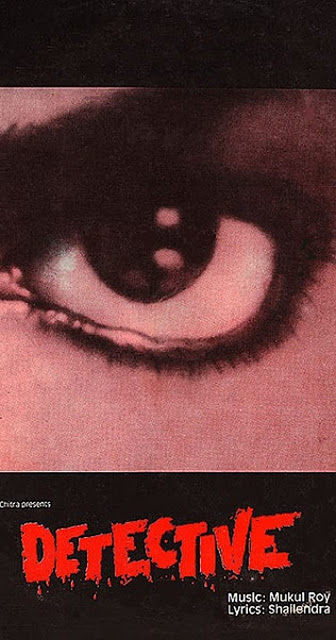
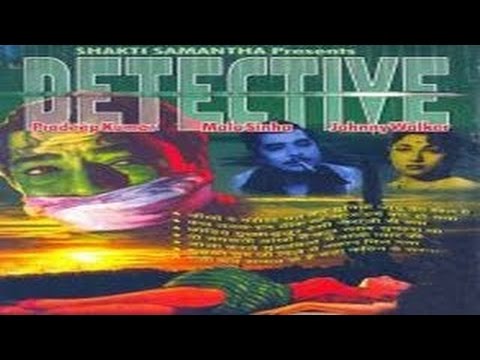
முகுல் ராய் [1926-2009] கீதா தத்தின் சகோதரர். இரண்டு படங்களுக்கு இசையமைத்தார். முதல் படம் “சைலாப்” 1956 கீதா தத்தே எடுத்தது, குருதத் இயக்கினார். முகுல் ராய் நல்ல இசையமைத்திருந்தார் – ஆனால் படம் ஓடவில்லை. இதில் கீதா தத் தன் செல்வம் அனைத்தையும் இழந்து, இன்சால்வென்ட் ஆனார். 1958ல் முகுல் ராயே ‘டிடெக்டிவ்” என்று படமெடுத்தார், சக்தி சமந்தா இயக்கி படம் பெரும் வெற்றிகண்டது. இதில் இவருடைய இசையும் நன்கு அமைந்தது. இதில் கீதா தத் பாடிய பாடல்கள் பெரும் வரவேற்பு பெற்றன. இருந்தும் என்ன, அவரை பிற படங்களில் பாட குருதத் அனுமதிக்கவில்லை! இந்தப் படத்திலிருந்து இரு பாடல்களைப் பார்க்கலாம்.
இதயத்தைத் தொடும் சோகம் இந்தப் பாட்டில் அடக்கியிருக்கிறார் ஷைலேந்த்ரா. எளிய சொற்களில் உணர்ச்சிக் கடலை அடக்கிவிட்டார்.
கீதா தத்தின் குரலில் இயற்கையாகவே சோகம் இழையோடுகிறது. சொந்த வாழ்க்கையிலும் அவர் மிகுந்த சோகம் அனுபவித்தார்.
இந்தப் பாட்டின் மெட்டு Harry Belafonte பாடிய Jamaica Farewell என்ற பாட்டின் மீது அமைந்தது. ஆனால் பெரிய மாற்றங்களும் செய்திருக்கிறார். ‘மூட்” முற்றிலும் மாறிவிட்டது! மூலத்தைக் கேட்க:
Pictures are taken from various sources for spreading knowledge; this is a non- commercial blog. Thanks for your great pictures.
இந்தியா மறந்து விட்ட ஆனால் ஜப்பான் போற்றும் ஒரு மகத்தான இந்தியர்!
ச.நாகராஜன்
‘டோக்கியோ ட்ரையல்ஸ்’(Tokyo Trials) – நடிகர் இர்ஃபான் இந்திய நீதிபதியாக நடிக்கும் படம் இது!
யாருக்காவது வரலாற்றின் இந்தப் பகுதி தெரியுமா? விடை ‘இல்லை’ என்று தான் பெரும்பாலோரிடமிருந்து வரும். இதோ படியுங்கள் ..
நாள் 1948, நவம்பர் மாதம் 12ஆம் நாள்.
‘டோக்கியா விசாரணை’ டோக்கியோவின் வெளிப்புறத்தில் ஒரு பெரிய தோட்ட வீட்டில் நடைபெற்றுக் கொண்டிருந்தது. இரண்டாம் உலகப் போரில் ஜப்பான் தோற்ற பின்னர் 55 ஜப்பானிய போர் குற்றவாளிகள் – அவர்களில் ஜப்பானிய அப்போதைய பிரதம மந்திரி டோஜோ உட்பட அதில் இருந்தார் – பற்றிய விசாரணை அது!
அதில் 28 பேர்கள் க்ளாஸ் –A (சமாதானத்திற்கு எதிரான குற்றங்கள்) போர்க் குற்றவாளிகள் ஆவர். குற்றம் நிரூபிக்கப்பட்டால் அவர்களுக்கான ஒரே தண்டனை – மரண தண்டனை தான். சர்வதேச நீதிபதிகள் பதினோரு பேர்கள் “குற்றவாளி”.. குற்றவாளி.. குற்றவாளி என்று அறிவித்தனர்.
திடீரென்று ஒரு குரல் முழங்கியது : “குற்றவாளி இல்லை!”
ஹாலில் அமைதி நிலவியது. யார் இப்படி மறுத்துக் கூறியவர்?
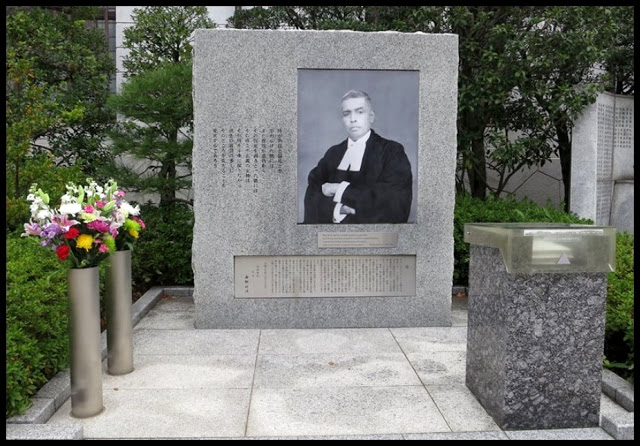
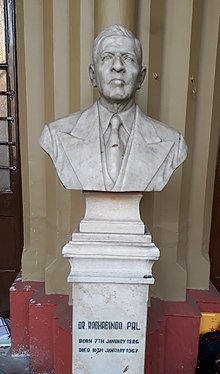
அவர் பெயர் ராதாவிநோத் பால், இந்தியாவிலிருந்து வந்திருந்த நீதிபதி!
1886ஆம் ஆண்டு கிழக்கு வங்கத்தில் குமில்லா என்ற இடத்தில் அவர் பிறந்தார். அவரது தாய் ஒரு வீட்டில் வேலை பார்த்ததோடு அவர்களின் பசுவையும் பராமரித்து வந்தார். பசுவிற்கு தீனி போடுவதற்காக, ராதா அந்தப் பசுவை அருகிலிருந்த உள்ளூர் ஆரம்பப் பள்ளிக்கு அருகில் இருந்த மேய்ச்சல் நிலத்திற்கு இட்டுச் செல்வது வழக்கம்.
பள்ளியில் ஆசிரியர் கற்பிக்கும் போது ராதா வெளியிலிருந்து அதைக் கேட்பது வழக்கம். ஒரு நாள் ஸ்கூல் இன்ஸ்பெக்டர் நகரிலிருந்து பள்ளிக்கு விஜயம் செய்தார். வகுப்பினுள் நுழைந்த அவர் மாணவர்களிடம் சில கேள்விகளைக் கேட்டார். அனைவரும் அமைதியாக இருந்தனர்…
வெளியில் வகுப்பின் ஜன்னலுக்கு அருகில் நின்றிருந்த ராதா கூறினார்; “எனக்கு நீங்கள் கேட்ட எல்லா கேள்விகளுக்கும் விடை தெரியும்” பிறகு ஒவ்வொரு கேள்விக்கும் அவர் விடையைக் கூறினார்.
இன்ஸ்பெக்டர், “பிரமாதம். எந்த வகுப்பில் நீ படிக்கிறாய்?” என்று கேட்டார்.
விடை வந்தது : “நான் படிக்கவில்லை. பசுவை மேய்க்கிறேன்.”
இந்த பதிலைக் கேட்ட் அனைவரும் அதிர்ச்சியுற்றனர். தலைமை ஆசிரியரை அழைத்த இன்ஸ்பெக்டர் அந்தப் பையன் பள்ளியில் சேர அட்மிஷனுக்கு உதவ வேண்டுமென்றும் உதவித் தொகை அளிக்கப்பட வேண்டும் என்றும் அறிவுறுத்தினார்.
இப்படியாகத்தான் ராதா விநோத் பாலின் பள்ளிப் படிப்பு ஆரம்பித்தது.
பின்னர் பள்ளி இறுதிப் படிப்பை மிக அதிக மதிப்பெண்களைப் பெற்று முடித்த அவர் பிரஸிடென்ஸி கல்லூரியில் சேர்க்கப்பட்டார்.
கல்கத்தா பல்கலைக் கழகத்தில் எம்.எஸ் சியை முடித்த அவர் பிறகு சட்டப்படிப்பை முடித்து டாக்டரேட் பட்டத்தையும் பெற்றார். இப்படி நேர் எதிர்துருவம் போல இருக்கும் இரு துறைகளைப் பற்றி அவர் ஒரு முறை இப்படிக் கூறினார் : “ சட்டமும் கணிதமும் அவ்வளவு ஒன்றும் வித்தியாசமானதில்லை”.
டோக்கியோ சர்வதேச நீதி மன்றத்திற்கு வருவோம் :-
அனைவரையும் ஈர்த்து ஒப்புக்கொள்ளக் கூடிய ஒரு வாதத்தை மற்ற ஜூரிகளின் முன் அவர் வைத்தார். அதில் அவர் இரண்டாம் உலகப் போரில் வெற்றி பெற்ற நேசநாட்டினர் கூட சர்வதேச சட்ட விதிகளையும் நடுநிலையையும் மீறியதையும் சுட்டிக் காட்டினார். அத்தோடு மட்டுமின்றி ஜப்பானின் சரணாகதி குறிப்புகளையும் அவர்கள் ஒதுக்கி விட்டதையும், இரண்டு லட்சம் அப்பாவி மக்களை அணுகுண்டு போட்டுக் கொன்றதையும் அவர் சுட்டிக் காட்டினார்.
1232 பக்கங்கள் அடங்கிய ராதா விநோத் பாலின் தர்க்கரீதியான குறிப்பைப் படித்த மற்ற நீதிபதிகள் குற்றவாளிகளை ‘க்ளாஸ் A’ குற்றச்சாட்டிலிருந்து பலவற்றை ‘க்ளாஸ் B’க்கு மாற்ற வேண்டிய நிர்பந்தத்திற்கு ஆளானார்கள்.
இந்த க்ளாஸ் B போர் குற்றவாளிகள் அவர்கள் நிச்சயமாக அடையவிருந்த மரண தண்டனையிலிருந்து காப்பாற்றப்பட்டனர். சர்வதேச நீதிமன்றத்தில் அளித்த அவரது தீர்ப்பு அவருக்கும் இந்தியாவிற்கும் ஒரு பெரிய கௌரவத்தை அளித்தது.
ஜப்பான் இவரைப் பெரிதும் போற்றுகிறது. 1966ஆம் ஆண்டு சக்ரவர்த்தி ஹிரோஹிடோ அவருக்கு ஜப்பானிய குடிமகனுக்கு அளிக்கக் கூடிய உயரிய விருதான, ‘கொக்கோ குன்சாவோ’ விருதை வழங்கினார்.
டோக்கியோவிலும் க்யோடோவிலும் உள்ள இரண்டு முக்கிய சாலைகளுக்கு அவர் பெயர் இடப்பட்டது. அவரது தண்டனை பற்றிய விவரங்கள் சட்டப் படிப்பில் பாடதிட்டத்தில் சேர்க்கப்பட்டது. டோக்கியோவின் சுப்ரீம்கோர்ட்டின் முன்புறத்தில் அவரது சிலை நிறுவப்பட்டது.
2007ஆம் ஆண்டு ஜப்பானிய பிரதம மந்திரி ஷின்ஸோ டெல்லியில் உள்ள அவரது குடும்பத்தினரைப் பார்க்க தன் விருப்பத்தைத் தெரிவித்தார். அங்கு வந்து அவரது மகனைப் பார்த்தார்.
டாக்டர் ராதா விநோத் பால் (27, ஜனவரி 1886 – 10, ஜனவரி 1967) ஜப்பானிய வரலாற்றில் நினைவு கூரப்படுகிறார். ஜப்பானில், டோக்கியோவில் ஒரு கண்காட்சி சாலை அவருக்கென உள்ளது. அவரது சிலை யாசுகுனி தலத்தில் நிறுவப்பட்டிருக்கிறது.
ஜப்பான் பல்கலைக் கழகத்தில் அவர் பெயரால் ஒரு ஆராய்ச்சி மையமும் உள்ளது.
அவரது போர் குற்றவாளிகள் பற்றிய தீர்ப்பால் சீனர்கள் அவரை மிகவும் வெறுக்கின்றனர். அவர் பல சட்ட புத்தகங்களை எழுதியுள்ளார். இந்தியாவில், பெரும்பாலும் ஒருவருக்கும் அவரைப் பற்றித் தெரியாது, ஏன் அவரது அண்டையில் வாழ்வோருக்கும் கூட அவரைப் பற்றித் தெரியாது!
‘டோக்கியோ ட்ரையல்ஸ்’என்ற பெயரில் அவரைப் பற்றி ஒரு ஹிந்திப் படம் எடுக்கப்பட்டது. இர்ஃபான் கான் அதில் நடித்தார். ஆனால் அந்தப் படத்தைப் பற்றிய செய்திகளே வரவில்லை. மிக பிரமாண்டமான மனிதர்- ஆனால் யாருக்கும் தெரியாத மிகவும் குறைவாக மதிக்கப்பட்ட மனிதர்களுள் அவரும் ஒருவர்!
சுயநலமே உருவான அரசியல்வாதிகளால் நாம் மிக மோசமாக ஏமாற்றப்படுகிறோம். அவர்கள் புத்திசாலித்தனமாக நமது தேசத்தின் பெருமையை மறைப்பதோடு இந்த நாட்டை பெருமைக்குரியதாக ஆகிய பெருமைவாய்ந்தவர்களையும் மறைத்து விட்டனர்.
எல்லையே இல்லாத, காலத்தையும் மீறிய தங்களது சுயபுராணம் ஒன்றில் தான் அவர்களுக்குக் குறி!
சீச்சீ! என்ன ஒரு வெட்கக்கேடு இது!
நன்றி : Kolata Weekly : TRUTH, 08-05-2020
*
இந்தக் கட்டுரையின் மூலத்தை ஆங்கிலத்தில் படிக்க விரும்புபவர்களுக்காக அது கீழே தரப்படுகிறது.
Snippets from Social Media
STATUE IN KOLKATA HIGH COURT
Remembered in Japan, forgotten in India……..
Tokyo trials on Netflix, Actor Irfan plays the Indian judge!
Do anyone in India know this piece of history? Answer must be a firm “No” from most of us! Now please read on.
The day was 12 November, 1948. Tokyo Trials are going on in a huge garden house on the outskirts of Tokyo. The trial of fifty-five Japanese war criminals including Japan’s then Prime Minister Tojo, after losing WWII.
Of these, twenty-eight people have been identified as Class-A (crimes against peace) war criminals. If proved, the only punishment is the “death penalty”.
Eleven international judges from all over the world are announcing… “Guilty”…. Guilty”…. “Guilty”……
Suddenly one thundered, “Not Guilty!”
A silence came down in the hallway. Who was this lone dissenter?
His name was Radhabinode Pal, a Judge from India.
Born in 1886 in the Kumilla of East Bengal, his mother made a living by taking care of a household and their cow. For feeding the cow, Radha used to take the cow to the land near a local primary school.
When the teacher taught in school, Radha used to listen from outside. One day the School Inspector came to visit the school from the city. He asked some questions to the students after entering the class. Everyone was silent.
Radha said from outside the classroom window…. “I know the answer to all your questions.” And he answered all the questions one by one. The Inspector said, “Wonderful!.. Which class do you read?”
The answer came, “… I do not read…I graze a cow.”
Everyone was shocked to hear that. Calling the Head teacher, the School Inspector instructed that the boy should be helped to take admission in the school and provided some stipend.
This is how education of Radha Binode Pal was started.
Then after passing the School Final and securing the highest marks in the district, he was admitted to Presidency College.
After completing M Sc. from the University of Calcutta, he studied law again and secured the Doctorate title. In the context of choosing the opposite of two things he once said, “Law and mathematics are not so different after all.”
Coming back again to the International Court of Tokyo–
In his convincing argument to the rest of the jurists he signified that the Allies, (winners of WWII), also violated the principles of restraint and neutrality of international law. In addition to ignoring Japan’s surrender hints, they killed two hundred thousand innocent people using nuclear bombardment.
The judges were forced to drop many of the accused from Class-A to B, after seeing the logic written on twelve hundred thirty-two pages by Radhabinod Pal.
These Class-B war criminals were saved by him from a sure death penalty. His verdict in the International Court gave him and India a great reputation.
Japan respects this great man. In 1966 Emperor Hirohito awarded him the highest civilian honor of the country, ‘Kokko Kunsao’. Two busy roads in Tokyo and Kyoto have been named after him. Contents of his sentence has – been included in the syllabus of their Law. In front of the Supreme Court of Tokyo, his statue has been placed.
In 2007, Prime Minister Shinzo Abe expressed his desire to meet his family members in Delhi and met his son.
Dr. Radhabinod Pal’s (27 January 1886 – 10 January 1967) name is remembered in the history of Japan. In Tokyo, Japan, he has a museum and a statue in Yasukuni shrine.
Japan University has a research center in his name.
Because of his judgment on Japanese warcriminals, Chinese intensely hate him.
He is the author of many books related to law. In India, almost nobody knew him and perhaps not even his closest neighbors knew him!
A hindi movie was made on him, TokyoTrials, starring Irfan Khan but that movie never
made any headlines……just one of the many many under-rated and unknown Indians,who were Great.
We have been terribly cheated by self-serving politicians. They have cleverly hidden the greatness of our nation and that of many great persons who made this country great! . They were interested only in self glory beyond all limits all the time!
What a shame!∎
Source : Thanks to weekly : TRUTH, 08-05-2020
TAGS – ஜப்பான் , இந்தியர், ராதாவிநோத் பால், Radhabinode Pal
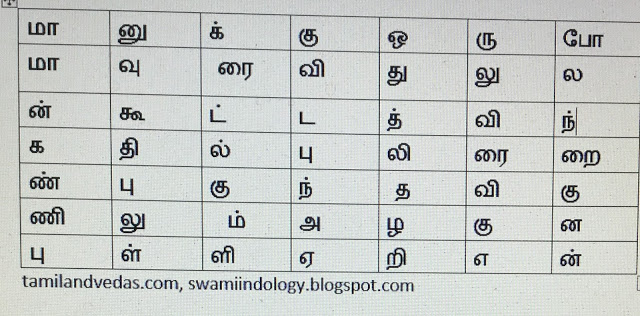
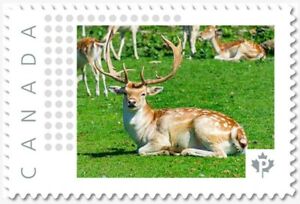
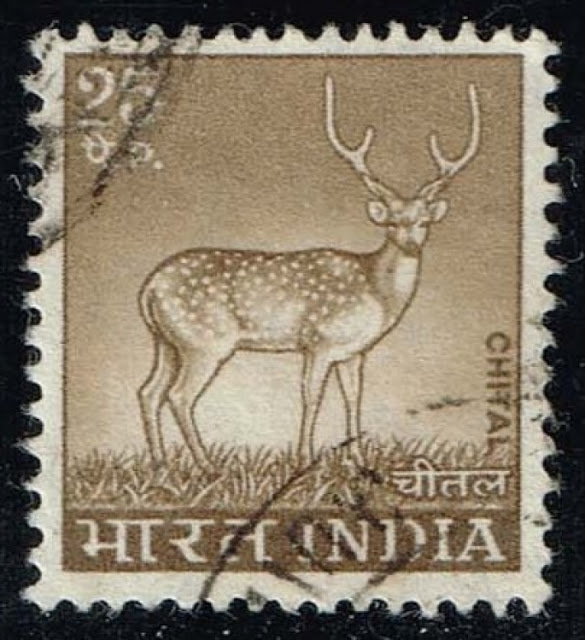
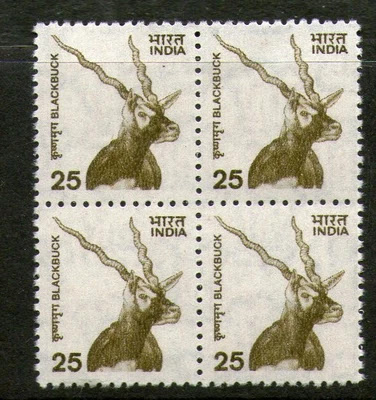
ஒரே சொல் மீண்டும் மீண்டும் வந்தால் ஓரிரு இடங்களில் மட்டுமே கட்டத்தில் இருக்கும். கொண்டு கூட்டி பொருள் கொள்க . விடை கீழே உள்ளது . சில நேரங்களில் படங்களைப் பார்த்தாலும் விடை காண உதவலாம்.
விடை
1.மானுக்கு ஒரு புள்ளி ஏறி என்ன, குறைந்து என்ன
2.மான் கண்ணிலும் அழகு விரைவிலும் விரைவு
3.மான் கூ ட்டத்தில் புலி புகுந்தது போல
Source book :–
பயன்படுத்திய நூல்- கழகப் பழமொழி அகர வரிசை, கழக வெளியீடு
Pictures are taken from various sources for spreading knowledge; this is a non- commercial blog. Thanks for your great pictures.
tamilandvedas.com, swamiindology.blogspot.com
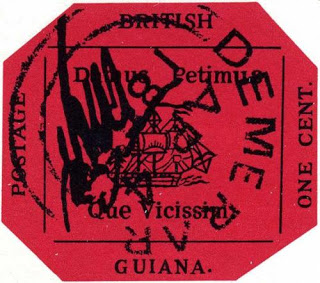
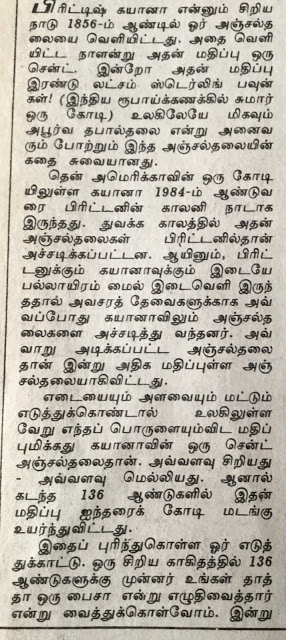
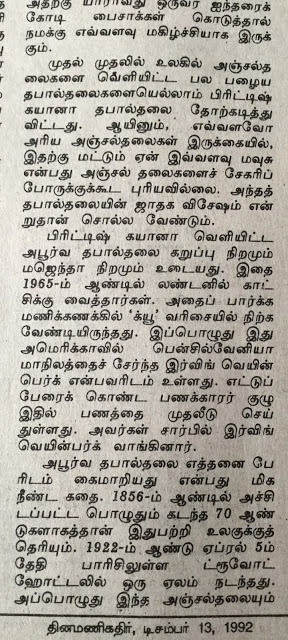
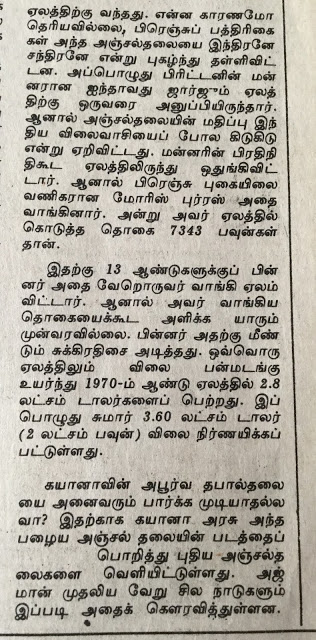
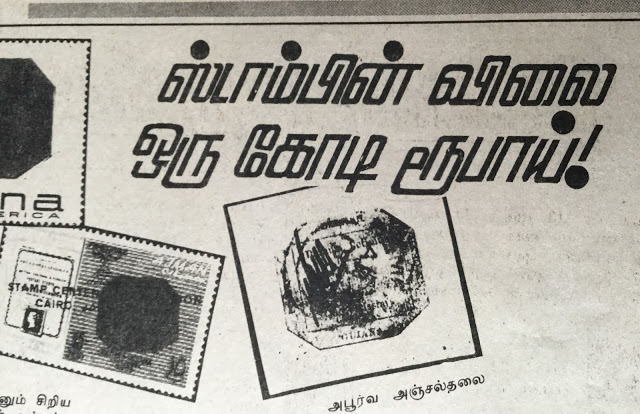
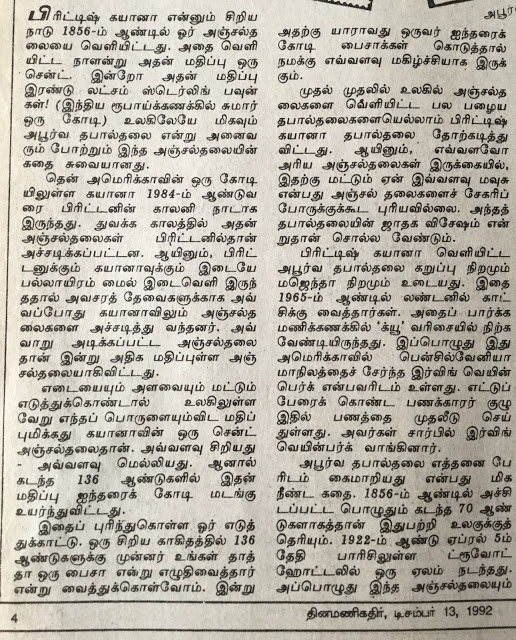
உலகின் விலை மதிப்புமிக்க தபால் தலை பற்றி 13-12- 1992ல் தினமணிக் கதிரில் ஒரு கட்டுரை எழுதினேன். அதன் பின்னர் அந்த தபலா தலை நாலாவது முறையாக நியூ யார்க் சதபிஸ் ஏல நிறுவனத்தில் ஏலம் விடப்பட்டது. அதை ஏலம் எடுத்தவர் 9-48 லட்சம் டாலருக்கு அதை ஏலம் எடுத்தார். அவர் பெயர் வெளியிடப்படவில்லை . ஆயினும் 2016ல் கூட அவர் அதை அமெரிக்காவில் காட்சியில் வைப்பதற்கு அனுமதி கொடுத்தார் .
கயானா என்னும் தென் அமெரிக்க நாடு 1856ல் வெளியிட்ட இந்த அஞ்சல் தலையின் விலை அப்போது ஒரு சென்ட் . கடைசி ஏலத்தில் அதன் மதிப்பு பத்து லட்சம் மடங்கு உயர்ந்தது. . இதோ எனது 1992ம் ஆண்டுக் கட்டுரை.
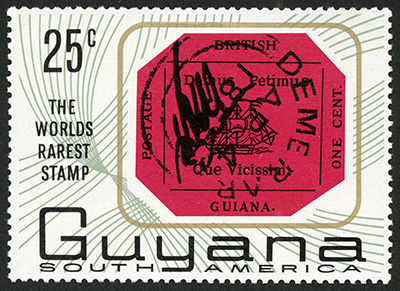
கயானா பல முறை அந்த சிறப்புமிக்க தபால் தலையின் படத்துடன் வெவ்வேறு மதிப்பில் புதிய தபால் தலைகளை வெளியிட்டது அவற்றின் மதிப்பு சாதாரண தபால் தலையின் மதிப்புதான்.
Pictures are taken from various sources for spreading knowledge; this is a non- commercial blog. Thanks for your great pictures.
tamilandvedas.com, swamiindology.blogspot.com
I and YOU did not change for 15, 000 Years in English
As a person interested in languages and linguistics, I have collected a lot of paper cuttings over the years. Now due to my old age, I have been discarding them at a great speed. Just before throwing some cuttings into dust bin I wanted to make certain comments.
English is changing quickly. The Oxford English Dictionary (OED) adds between 2000 and 2500 words each year according an article in New Scientist dated 3 March 2012.
By studying English texts from the last 1000 years ,two research scholars noticed that the less a verb is used, the more likely it is to become regular. If a word is rare ,we don’t always remember if it is irregular.
To wed is already changing. Nowadays people say newly ‘wedded’ rather than newly ‘wed’.
The researchers speculate that irregular plurals will follow a similar trend – men could become mans. By such research, scholars can predict which words would be ousted by new coinages or terms imported from another language.
English words often change their spelling and pronunciation over time, but some are replaced by another word that means the same.
According to their computer model ‘we’ did not change for 19,000 years. ‘Brid’ became ‘bird’ before 3200 years. Just ‘R’ changed its place.
Another interesting thing is Rig Vedic word ‘Nama’ is in oldest English book ‘Beowuf’. Now it is changed as ‘Name’. Probably we may find more Sanskrit words in Beowulf. It is over 1000 years old.
My comments
In 2000 years old Sangam Tamil literature , poets used only ‘Yaan’ for ‘I’; but in less than 500 years it changed to ‘Naan’ for ‘I’. Now Tamils use only Naan. But ‘Nee’ for’ you’ did not change for 2000 years at all. There is a new puzzle. ‘Neengal’ for You (plural) was not used in Sangam age!! Now it is very common.
In short English research is not applicable to Tamil!!
In Sanskrit ‘Aham’ for ‘I’ and ‘Tvam’ for ‘You’ remain same from Vedic period. Famous statements like ‘Aham Brahmasmi’, ‘Tat Tvam Asi’ never changed.
Why did it happen in one part of India differently? We have to do more research.
I and You in English
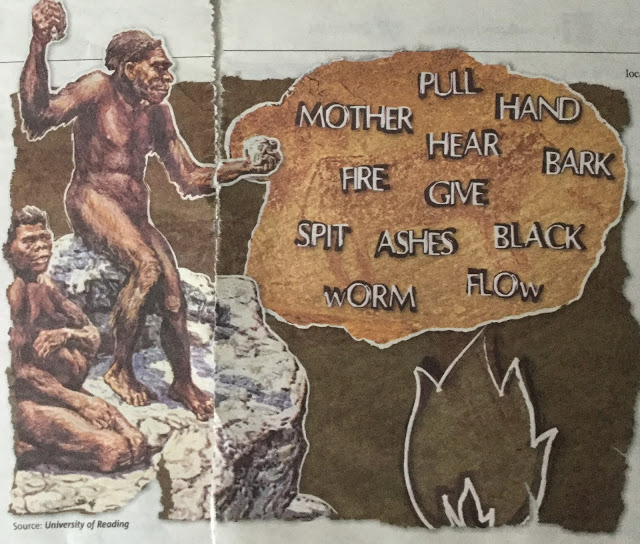
Another news item in Metro newspaper dated 8 May 2013 says 23 words were used 15,000 years ago by cave men. Once again they applied computer model by putting the words for the same object or pronoun from several European languages. They have come to the conclusion that there are Seven Super Language Families .
Research scholars from the University of Reading found out that our ancestors were not monosyllabic.
Using statistical models which examine the frequency with which certain words are used and their role in speech, those behind the study were able to predict which phrases were used at the time of the last Ice Age.
They claim people living in Southern Europe and Central Asia 150,00 years ago world have used words such as “I, You, Who, We and Not”. More interestingly words such as “Mother, Bark, Fire , Ashes, Spit, Worm” were also part of their vocabulary. In all 23 words were identified. The research pushes the boundaries of etymology in that it goes back 15,000 years
Hunter gatherers do a lot of spitting. There is a suggestion that ‘to spit’ is an onomatopoeia word – it sounds like what you are doing.
Onomatopoeia should be the same across different languages, the same sound. 15000 years ago everyone was a hunter gatherer.
‘Bark’ from the trees was used as an insulator. People slept on it. They burnt it to make fire. They used it to make fibres. Bark was sometimes used as medicine.
The word on the list which most caught the eyes of the researchers is ‘GIVE’. Human society is unique in the amount of ‘giving’ that they do.
We should be astonished really that our languages can be transmitted with such accuracy that they can retain traces of their ancestry for may be 15,000 years , Prof.Mark Pagel of the university’s evolutionary biology department said, adding that languages go back even further, perhaps 45000 years.
My comments
There is a beautiful Upanishad story which is at least 3000 years old. I have already posted it in this blog some years ago. This is about GIVING. When Humans, Devas and Sub Humans (Demons/Asuras) approached God for some advice God made the thunder to speak. It thundered ‘Da… Da…. Da……’ That sound was the advice they got. Humans lacked one virtue, i.e. Giving and Sharing. So they took Da means Datta Datta, Datta= Give Give Give.
Sub Human Demons lacked Mercy, Compassion be cause they were cannibals. So they took it Daya, Daya, Daya ;Be Compassionate , Be Compassionate, Be Compassionate.
Devas were always after Pleasure, Enjoying things. So they took Da as ‘Damyata, Damyata, Damyata’ = Have Self Control, Self Control, Self control.
Professor Pagel also said ‘GIVE’ was one of the 23 words that were used by the cave men
Second point I want to make is about the Tamils who claim their language and literature existed 10,000 or 20, 000 years ago. They must read the researches done in the field of Languages and Linguistics. They may also do some research by feeding the words into computer and come to the conclusion about their chronology.
BOLLYWOOD AND HOLLYWOOD GIVE NEW WORDS
The third paper cutting I am dust binning is from Metro newspaper dated 8 July 2008.
It says that a new English word is created every 98 minutes. But it will be included in the dictionary only when it is used at least 25,000 times in the mainstream global media.
Paul Payack of the Global Language Monitor said,
“language boils up from the people and we see this by the assimilation of words from hip-hop, Hollywood and Bollywood.
English is the global language. it is understood by 25 percent of the people on the planet. Despite having million words at our disposal, the average person’s vocabulary is fewer than 14,000 words. Someone linguistically gifted would use about 70,000 words.
Thanks to e mail and the internet new words are cropping up quickly.
Pictures are taken from various sources for spreading knowledge; this is a non- commercial blog. Thanks for your great pictures.
SRI TYAGARAJA-26, Prayer and Petition-2
Three important aspects are covered in the portions of Srimad Bhagavatam we saw in the last post.
1. The undesirability of seeking boons, in fact our inability to know what to seek! We do not know whether what we seek is in our interest.
2. The way to cultivate real devotion.
3. The way for a real devotee to conduct himself in the world, understanding the mysteries of karma.
On the first point, Bhagavatam gives original insights. On the second point too, it is almost entirely original, though something is shared with the Gita. On the third point, this is almost a total echo of the Gita! In the concluding portion, Bhagavan has given some very vital clues for spiritual life: how to get rid of the results of karma, how not to accumulate further results (good or bad, for both cause rebirth). Both enjoyment and suffering are due to past karma and get exhausted by experiencing them.This body is due to prarabda but in working it out,we incur further karma and have to face its consequences, leading to future births! Bhagavan gives here the secret of avoiding it: that karma has to be performed without desire and the fruits dedicated to Bhagavan- the message he explained to Arjuna! This is of momentous importance to practical spiritual life- this indeed is the ‘skill’ spoken of in the Gita as Yoga: “Yoga karmasu kausalam”.
We have seen in previous posts how Tyagaraja has dealt with the last two points. We will now see what he has to say on the matter of boons. We will notice how faithful he is to the ideal of devotion as laid down in the bhakti scriptures.
Tyagaraja says briefly ” Varaa laduga jaalara”- I cannot ask for boons- in the kriti ‘Eduta nilichite’; but has two remarkable kritis on the subject.
To ask for boon is tricky! Varalandukommani naayandu Vanchana seyuda nyaayama
O Rama! Venerated by both devas and asuras! When my mind is intent on bhakti alone, is it fair for you to tempt and deceive me , asking me to seek boons?
You honour those devotees who sincerely depend on you in their heart, without hankering after petty benefits. Such is your glory for which Prahlada, the son of Hiranyakasipu stands as witness. Does he not?
Even when, due to ignorance or otherwise, one seeks worldly pleasures, you confer on him an exalted and eternal status.Such is your magnanimity. Dhruva stands witness to this. Does he not?
Charaacharaatmaka surapujita ikaparaakulekanu satatamu nee daya raavalenanuchu korina Sri Tyagarajunipai krupaleka nanu…varaalandu
O the One who contains the whole universe within! O the one worshipped by the devas! This Tyagaraja is always longing for your mercy. Is it fair for you to ingore him, and tempt him with the offer of boons and thus trick him?
Well, friends! Is it possible to appreciate this kriti unless we know the full details of the Dhruva and Prahlada episodes? How deep is Tyagaraja’s fidelity to the scripture ! How strong is his adherence to the ideal of true devotion-ananya bhakti!
What boon to seek?
Ae vara madugudura Sri Rama nin Paavanamagu nee paada bhajanamu seyutakaina Dova lebaramainadi devara indu ne….ae vara
O Rama! What boon can I ask from you? It seems I have lost even the chance to serve your holy Feet!
Sri Raghuveera! sakalaadhara nee manasuna Gorina panulanu pada saarasamula naa manasaaraga vidavanane saaratara vairagyamu
saareki satatagati kumaaruni paalainadi
Raghuveera! Foundation of everything! To fulfil all your wishes (even unexpressed), and never to leave your lotus Feet- this has become the privilege of vayuputra Hanuman! (I can’t ask for it.)
O the One of the shade of the dark clouds! To ceaselessly attend on the crowds of your devotees and to have the pleasure of caring for them and thus be the subject of the bliss of your graceful sight- this has become the privilege of that youngster, Satrughna!
O the one with eyes like the red lotus! O the repository of all good qualities! To listen to your glories, to meditate on your blessed Name, to have darshan of your Padukas and have intense devotion for them- this has been appropriated by Bharataswami!
The opportunity to serve you every day, knowing the ways of your mind, without making a mistake, giving up food and sleep,- this has become the great fortune of Sumitra’s son Lakshmana.
Srihari! bharitasarasamooha sada ninu hrud- gehamunanukani duradaahamulanu rosi vi- vaahanudu neevanu mohambunanu marachi sohamanu sukamu Vaidehi paalai yundaga
Sri Hari! The one with mighty arrows! To always have your darshan in the heart, to destroy all the serious taapaas, to forget in love that you are the great Mahavishnu riding on the Garuda, to feel oneness with you-(So aham)- this privilege has become the property of Sita!
Ee jagatini galasukha raaajini mari nirjara rajapadambunu eejanmamuna naduganu rajavadana SriTyagarajuni madikeppudu rajapatha mulaite jayamau gaani
O one with moon-like face! In this birth, I will not seek from you the worldly pleasures, not even the position of Devendra. The royal path of bhakti alone will ever confer victory on the heart of Tyagaraja. So, what boon can I seek from you ?
Sri Tyagaraja fees so humble even among the devotees. When we think of the galaxy of devotees recorded in our scriptures, which of us can feel fit even to utter their names? Here Tyagaraja shows the ways in which his brothers , Sita and Hanuman serve Rama. This is a theme he covers in other kritis too. But here the focus is, that in view of the intensity of their devotion, these people have obtained such privileges no one else can even seek as a boon, even in the matter of service! This should make us all so humble, even among the devotees!
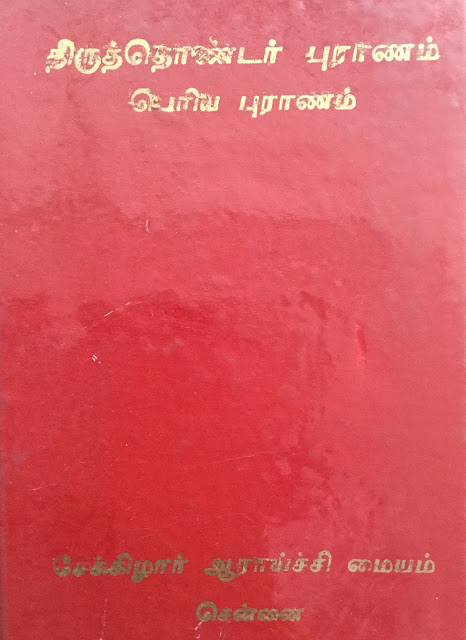
In the Tamil scripture “Periyapuranam”, dealing with the lives of the 63 great Saiva Saints, author Sekkizhar says on the nature of devotion of these saints:
They have contentment as the supreme wealth- so they are not bothered by loss or possession. They regard broken pot shred and gold in the same manner. Their love seeks nothing else, other than the chance to pay pure devotional obeisance.. They do not even seek Liberation. Such is their nobility and greatness.
So our great devotees across space and time have been of the same attitude: devotion is an end in itself, and is not a means to any other end. This is the highest standard which Indian scriptures hold up as the ideal of Bhakti. Sri Tyagaraja lived that ideal.
Note:
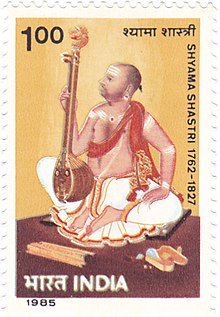
We do not know what is in our true interest. We have many wishes and seek their fulfilment through many means, in the name of religion and devotion. Often, the results are not what we expected.We regret what we prayed for- and got! Shyama Sastri therefore asks of the Divine Mother:
Birana vara lichi brovu, ninu nera nammiti!
O Mother, grant me all boons, but please also protect me ( that I do not suffer from getting them!) I depend on you.
Pictures are taken from various sources for spreading knowledge; this is a non- commercial blog. Thanks for your great pictures.
tamilandvedas.com, swamiindology.blogspot.com
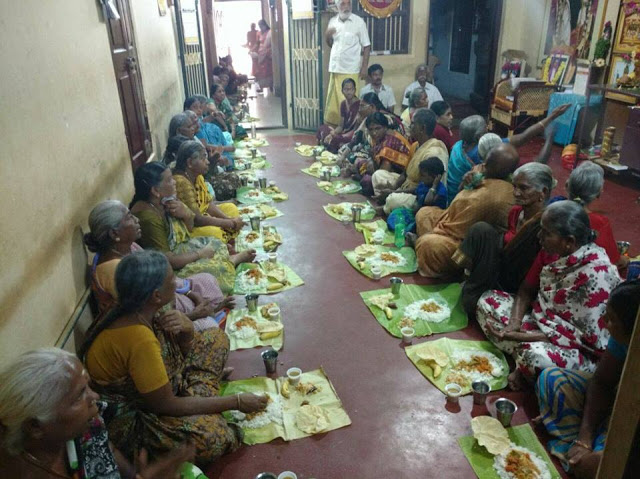
Khadata – Modata ‘Eat and be Happy ‘: A DINING HALL 2700 YEARS AGO!! (Post No.8109)
Panini wrote a grammar for the living, spoken language of his days. From his Ashtadhyayi we come to know what sounds he heard in the kitchen and public. He never mentioned Sanskrit anywhere in his work. He simply mentioned ‘bhaashaa’ for spoken language, that is Sanskrit and Chandas for Vedic poetry . He gives some interesting information about the sounds he heard in dining halls and kitchen 2700 years ago . He took into account the whole of India because he mentioned the dialectical differences in the languages of the East and North. He covered an area from Afghanistan to Assam and Asmaka on the Godavari. He spoke about black pepper, liqorice and sandal from the Southernmost part of India. He mentioned,
Khadata – modata = Eat and be Happy
Asnita – pibhataa = Eat and Drink
Pachata- bhrinjjtaa = Cook and Fry
Bhinddhi- lavanaa= Pour the salt
Panini must have heard all these in the festive kitchens and dining halls during his days.
This extraordinary penetration into popular life and language accounts for panini’s extensive linguistic material. He noticed even such minute details as the names of the wells on the left and right banks of the river Vyas/ Beas 4-2-74
The term ‘Bhaashaa’ as used by Panini is the language distinguished from the sacred texts , viz. Chandas and Brahmana literature. He notes variations of idiom in Sanskrit spoken in the east and the north in India .
****
LET US EAT ‘ANU’
Panini mentioned several types of rice, pulses and other cereals known to us. But he mentioned certain plants not even known to Kautilya of fourth century BCE .This shows he lived at least a few hundred years before Kautilya of Arthasastra
Anu (Panicum Miliacaeum, Varagu in Tamil, Cheena in Hindi) 5-2-4- a very small grain consumed mostly by poor people. It is grown as a rainy cop. It is mentioned with Priyangu in the Yajur Veda 18-13
Among the fibrous plants panini mentioned Umaa (linseed ) and Bhangaa ( hemp). Kautilya refers to Atasi and sana (Sanal in Tamil) in place of Uma and Bhanga . Panini also mentioned cloth made from linen as Aumaa 4-3-158
XXX
Spoken language or not ?
The question whether Sanskrit was the spoken language in Panini’s time or only a written language is often raised. Goldstucker, Keith and Leibbich hold that panini’s Sanskrit was the spoken language used by the cultured classes of his time. Grierson only disagreed with them.
Following quotes prove that Panini wrote a grammar for a spoken language –
Prasna 3-2-117
Prishta-prativachana 3-2-120 = questions and answers
Prasamsaa – kutsaa = praise and censure
Duraad- dhuute = calling from a distance
Greetings 8-2-83/86
Nigrihyaanuyoga = expressions in oxytone for censuring an opponent worsted in arguments
Bhartsana = threats 8-2-95
Vichaaryamaana= mental deliberation 8-2-97
Kshiyaa = censuring a lapse in polite conduct
Aasiih – benediction
Praisha = bidding 8-2-104
Aakhyaana = narration 8-2-105
Aamantrana = friendly persuasion 8-1-33
Pariipsaa = haste 8-1-42
Anujnaaaishanaa = permission 8-1-43
As nanu gachchhaami = May I go, Sir ?
Ayathaabhiprettaakhyaana 3-4-59
Manye – I think 1-4-106; 8-1-46
The activities of all grades of persons in society , such as a musician, hunter, shoe-maker, cook, salesman, trader, ferryman, author, mendicant, devotee, farmer, cowherd, prince, councillor etc., were analysed and taken note of grammatically.
Source –
INDIA AS KNOWN TO PANINI , V S AGRAWALA, UNIVERSITY OF LUCKNOW, 1953 (with my inputs/comments)
tags – Eat and be Happy, Panini on food, Kitchen, Dining hall
Pictures are taken from various sources for spreading knowledge; this is a non- commercial blog. Thanks for your great pictures.
ஹிந்தி படப் பாடல்கள் – 58 – இரு மணிகள் – கல்யாண்ஜீ – ஆனந்த்ஜீ!
R. Nanjappa
கல்யாண்ஜீ – ஆனந்த்ஜீ!
30 வருஷங்கள் ஹிந்தித் திரை இசையில் தங்களுக்கென ஒரு இடத்தைப் பிடித்தவர்கள் கல்யாண்ஜீ-ஆனந்த்ஜீ சகோதரர்கள். சுமார் 250 படங்களுக்கு இசையமைத்தார்கள். இவர்கள் திரையிசையின் பொற்காலத்தில் பழைய ஜாம்பவான்கள் இருந்த பொழுது துறைக்கு வந்தார்கள்.-இவர்கள் காலத்தில் திரை இசை தன் பழைய பெருமையை படிப்படியாக இழந்தது.
1958-59ல் கல்யாண்ஜி தனியாக இசையமைத்து வந்தார். ஆனந்த்ஜீ அவருக்கு உதவியாளர். அப்போது லக்ஷ்மிகாந்த்-பியாரேலாலும் அவர்களுக்கு உதவியாளர்கள்! சலியா (1960) படத்தின் மூலம் பிரபலமடைந்தார்கள். இவர்களை ஏழைகளின் ஷங்கர்-ஜெய்கிஷன் என்று சொல்வார்கள்! அவ்வப்போது அக்கால கட்டத்திற்குத் தகுந்த முறையில் இசையமைத்தாலும் Outstanding என்று சொல்லும் படி எதுவும் இல்லை என்பது என் கருத்து. ஹிமாலய் கீ கோத் மே, சரஸ்வதிசந்தர், டான், லாவாரிஸ், முகத்தர் கா ஸிகந்தர், குர்பானி போன்ற படங்களில் இவர்கள் இசை ஜனரஞ்சகமானாலும் நீடித்து நிற்கும் அம்சங்கள் எதுவும் இல்லை. இவர்கள் இசையில் இனிமை அவ்வளவாக இருக்காது. இவர்களின் ஆரம்பகாலப் பாடல்கள் இரண்டைப் பார்க்கலாம்..
இந்த வீடியோவைப் பார்த்தவாறே இந்தப் பாடலைக் கேட்கவேண்டும். எத்தனை இனிய பாடல்! முன்பின் தெரியாத அறிமுக நடிகர்கள் மீது படமாக்கப்பட்டது! பாட்டு மாமூல் காதல் பாட்டுதான்-பெரிதாக எதுவும் இல்லை.
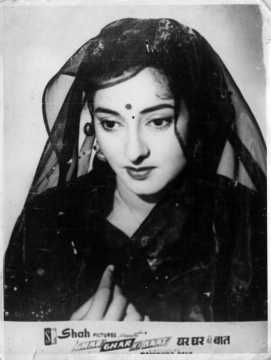
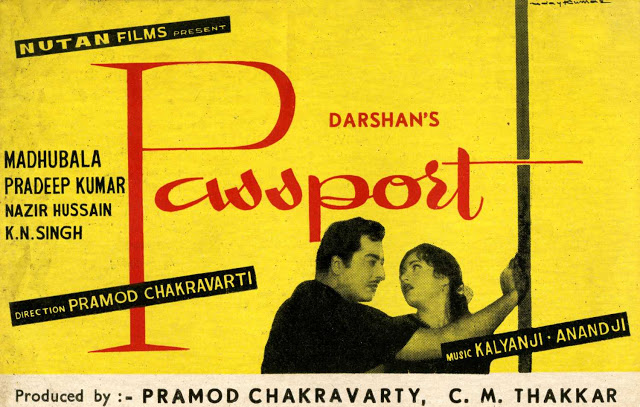
இது என்ன அழகான கவிதை! எத்தனை இனிமையான பாட்டு! 1961ல் இந்தப் படம் தான் வசூலில் முதலிடம் பெற்றது! சில நடிகர்களுக்கு நல்ல இசை ராசி! பிரதீப் குமார் சுமாரான நடிகர் தான், ஆனால் அவருடைய படங்கள் அனைத்துமே நல்ல இசை அமைந்தவை! இங்கே கருப்பு வெள்ளை படம் தான்-எத்தனை ரம்யமாக இருக்கிறது!
இந்த மெட்டிற்கும் முந்தைய பாட்டின் மெட்டிற்கும் உள்ள தொடர்பை கவனித்தீர்களா? அடிப்படையில் ஒரே மெட்டு அல்லது ராகம் தான்- ஓரிரு இடத்தில் சிறிது ஸ்வரத்தை மாற்றினால் வேறாகத் தோன்றுகிறது!
இங்கு ரஃபி-லதாவின் குரலில் இனிமை சொட்டுகிறது! முந்திய பாடலில் முகேஷ்-லதா!
இவ்விரண்டிற்கும் பின்னணி இசையும் கல்யாண்ஜீ ஆனந்த்ஜீயின் பிற பாடல்களிலிருந்து முற்றும் வித்தியாசமாக அமைந்திருக்கிறது!
இத்தகைய இனிய பாடலை பிறகு இவர்கள் இசையில் நாம் காணமுடியவில்லை!
These are exceptional songs from Kalyanji Anandji.
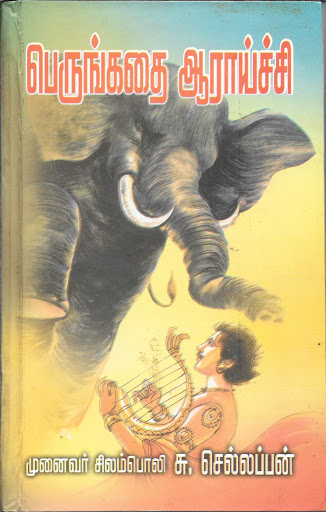
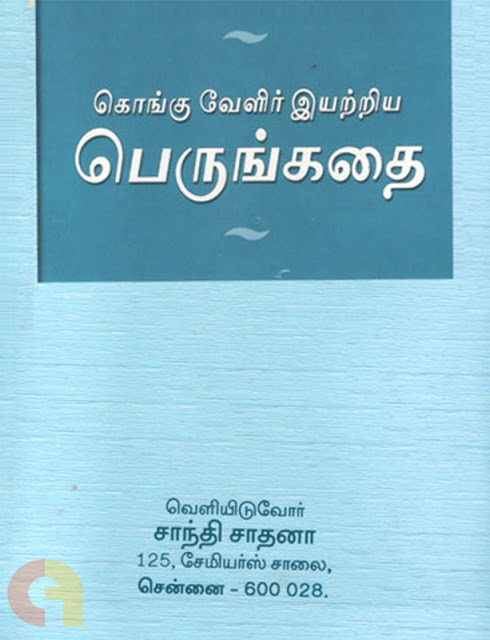
வச்ச தேசத்து அரசனான உதயணன் சரித்திரத்தை இந்தக் காவியம் விரித்துரைக்கிறது.
குணாத்யர் இயற்றிய ப்ருஹத் கதா இந்தக் காவியத்திற்கு மூலமாக அமைகிறது. (இது பற்றிய கட்டுரை எண் : 7965 வெளியான தேதி : 13-5-2020)
உதயணனின் தாய் கருவுற்று இருக்கையில் சரபம் என்னும் ஒரு பறவை அவளை அரண்மனையிலிருந்து தூக்கிச் செல்கிறது. விபுசாலம் என்ற இடத்தில் போடப்பட்ட அவளுக்கு உதயணன் பிறக்கிறான்.
உதயணனின் வீரச் செயல்களும் அவன் அரசனாகி பல பெண்களை மணம் செய்த வரலாறையும் பின்னர் அவன் துறவு பூண்டதையும் இந்தக் காவியம் 5 காண்டங்களில் கூறுகிறது.
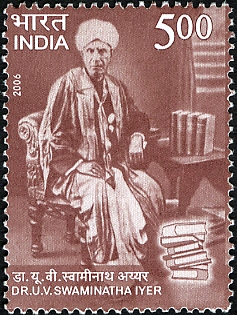
நூலின் சில பகுதிகள் கிடைக்கவில்லை. ஆறாவது காண்டமான துறவுக் காண்டம் முழுதுமாகக் கிடைக்கவில்லை. இதை அரும்பாடு பட்டு மஹாமஹோபாத்யாய உ.வே.சுவாமிநாதையர் (பிறப்பு 19-2-1855 மறைவு 28-4-1942) 1924ஆம் ஆண்டு பதிப்பித்தார்.
சிலப்பதிகாரத்திற்கு உரை எழுதிய அடியார்க்கு நல்லார் இந்த நூலைப் பற்றிப் புகழ்ந்து கூறியுள்ளார்.
இதற்கு கொங்குவேள் மாக்கதை, உதயணன் கதை என்ற வேறு பெயர்களும் உண்டு.
பிற்காலத்தில் பலரும் இந்த நூலின் பகுதிகளை மேற்கோளாகக் காட்டியதிலிருந்தே இதன் சிறப்பு நன்கு புலனாகிறது.
இப்படிப்பட்ட கொங்குவேளிர் இயற்றிய பெருங்கதை அரங்கேறியதும் கொங்கு மண்டலமே என இதனைப் புகழ்ந்து கொங்குமண்டல சதகம் 99வது பாடல் புகழ்ந்து கூறுகிறது.
பாடல் இதோ:
நீதப் புகழுத யேந்திரன் காதை நிகழ்த்துதற்குக்
கோதற்ற மங்கையின் மூன்று பிறப்புற்றா கொள்கையன்றி
மேதக்க சொற்சங்கத் தார்வெள்க வேகொங்கு வேளடிமை
மாதைக் கொண்டுத்தாஞ் சொன்னது வுங்கொங்கு மண்டலமே
பெருங்கதையில் வரும் ஒரு பகுதி இது:-
தல முத லூழியிற் றானவர் தருக்கறப்
புலம்க ளாளர் புரிநரப் பாயிரம்
வலிபெறத் தொடுத்த வாக்கமை பேரியாழ்ச்
செலவுமுறை யெல்லாஞ் செல்வகையிற் றெரிந்து
மற்றை யாழுங் கற்றுமுறை பிழையான்
பண்ணுந் திறனுந் திண்ணிதிற் சிவணி
வகைகயக் காணத்து தகைநய நவின்று
நாரத கீதக் கேள்வி நுனித்து
பரந்தவந் நூற்கும் விருந்தின னன்றித்
தண்கோ சம்பி தன்னக ராதலிற்
கண்போற் காதலர்க் காணிய வருவோன்
கார்வழி முழக்கி நீர்நசைக் கெழுந்த
யானைப் பேரினத் திடைப்பட் டயலதோர்
கான வேங்கைக் கவர்சினை யேறி
யச்சமெய்தி யெத்திசை மருங்கினு நோக்கினன்
உதயணன் கதை – வத்தவகாண்டம் – யாழ் பெற்றது
***
ஆங்காங்கு கிடைக்கும் ஓலைச் சுவடிகளை ஆராய்ந்து அரும்பெரும் பழைய தமிழ்நூல்களை வெளியிட்டு வந்த உ.வே.சாமிநாதையர் அவர்களுக்கு ஆரம்பமும் முடிவும் இல்லாத ஒரு நூலின் சுவடி கிடைத்தது. அது தான் கொங்குவேளிர் இயற்றிய பெருங்கதை. பெரும் உழைப்புடன் தயாரித்த பிரதியை ராவ்பகதூர் கனகசபை பிள்ளை என்பவர் தனது சொற்பொழிவுக்கு வேண்டும் என்று கேட்க ஐயர் அதைக் கொடுத்து உதவினார். ஆனால் எதிர்பாராத விதமாக பிள்ளை அவர்கள் இறக்கவே பெருங்கதை பிரதி திரும்பி வந்து சேரவில்லை. மீண்டும் கிடைத்த சுவடிகளை ஆராய்ந்து பெருங்கதையை ஐயர் அவர்கள் 18-2-1924 அன்று பதிப்பித்தார்.
ஐயர் அவர்களின் ‘என் சரித்திரம்’ தமிழன்பர்கள் படிக்க வேண்டிய ஒரு நூல்!














 Tamil and Vedas