மனைவி கிடைப்பாள் ; நண்பன் கிடைப்பான்; தம்பி கிடைக்காது! (Post No. 8206)
WRITTEN BY LONDON SWAMINATHAN
Post No. 8206
Date uploaded in London – 19 June 2020
Contact – swami_48@yahoo.com
Pictures are taken from various sources for spreading knowledge; this is a non- commercial blog. Thanks for your great pictures.
tamilandvedas.com, swamiindology.blogspot.com
மனைவி கிடைப்பாள் ; நண்பன் கிடைப்பான்; தம்பி கிடைக்காது — ராமன் வருத்தம்
புத்த ஜாதகக் கதைகள் 2300 ஆண்டுகளுக்கு முந்தையவை. பாரத நாட்டில் வழங்கிவந்த கதைகளை புத்தமயமாக்கி அதில் வரும் நல்லவரை புத்தரின் முற்பிறப்பு (போதி சத்துவர்) என்று காட்டும் 500 கதைகள் உள்ளன. இந்து மதக் கதைகளைத் திருடி, புத்தர் என்று சொன்ன போதிலும் இதிலும் ஒரு நன்மை கிடைத்தது. சம்ஸ்கிருதத்தில் அழிந்துபோன நாட்டுப்புற கதைகளும் இதில் கிடைத்துவிட்டன. அது மட்டுமல்ல 2500 ஆண்டுகளுக்கு முன்னர் பாரத நாட்டின் சமுதாய நிலை எப்படி இருந்தது என்பதையும் பாலி மொழியிலுள்ள புத்த ஜாதகக் கதைகள் காட்டுகின்றன.
அதில் ஒரு கதை வால்மீகி ராமாயணப் பழமொழியிலிருந்து வந்தது. அது கிரேக்க நாட்டு கதையுடன் ஒப்பிடற்பாலது .
வால்மீகி ராமாயணத்தில் யுத்த காண்ட த்தில் (101-12-13) ராவணன் அம்புகளால் அடிபட்டு விழுந்த லெட்சுமணனைப் பார்த்து ராமன் புலம்புகிறான் – “மனைவியரும் நண்பர்களும்/ உறவினர்களும் எங்கும் கிடைக்கும். ஆனால் தம்பி கிடைக்காது என்கிறான்.”
“தேசே தேசே களத்ராணி தேசே தேசே ச பாந்தாவாஹா
தம் தும் ந பஸ்யாமி யத்ர பிராதா சஹோதரஹ”
देशे देशे कलत्राणि देशे देशे च बान्धवाः | तं तु देशं न पश्यामि यत्र भ्राता सहोदरः || ६-१०१-१५
6-102-15. kalatraaNi = wives may be obtained; deshe deshe = everywhere; baandhavaaH = relatives (can be had) deshe deshe cha = everywhere; na pashyaami = I do not find; bhraataa = brother; sahodaraH = born of the same womb; yatra tam desham tu = as such a place; wherever.
“Wives may be obtained everywhere. Relatives can be had everywhere. However, I do not find a brother, born of the same womb, at such a place whatsoever.”
தம்பி உடையான் படைக்கு அஞ்சான் -என்பது தமிழ்ப் பழமொழி’
வால்மீகி ராமாயண வசனத்தை எதிரொலிக்கும் ஜாதகக் கதை இதோ:–
ஒரு பெண்ணின் கணவன் , அவளுடைய மகன், சகோதரன் ஆகிய மூவருக்கும் ஒரு வழக்கில் மன்னன் தூக்கு தண்டனை விதிக்கிறான். அவள் கதறி அழுகவே , யாரேனும் ஒருவருக்கு உயிர்ப் பிச்சை அளிப்பதாகக் கூறுகிறான் அரசன் .
அவள் சகோதரனது உயிர் பிழைத்தால் போதும் என்கிறாள் இதற்குக் காரணம் கேட்டபோது கணவனையும் மகனையும் எளிதில் பெறலாம். ஆனால் மீண்டும் ஒரு சகோதரனைப் பெறமுடியாது என்று சொல்கிறாள்
சோபோக்ளீஸ் என்ற கிரேக்க நாடக ஆசிரியர் எழுதிய ஒரு நாடகத்தில் மன்னனின் ஆணையையும் மீறி ஆன்டி கோணி (Antigone) என்ற பெண் மணி , சகோதரர்களின் மரணத்துக்கு துக்கம் அனுஷ்டிக்கிறாள்.
ஹெரோ டோட்டஸ் எழுதிய (இண்டா பெர்னஸ் சம்பவம் )சம்பவம் ஒன்றிலும் ஒருத்தி தன் கணவனுக்குப் பதிலாக சகோதரனையே காப்பாற்றுகிறாள்.
வால்மீகி ராமாயணத்தில் சகோதர வாஞ்சசையைப் போற்றும் பல மேற்கோள்கள் இருக்கின்றன. ராமன் ,, லெட்சுமணன் , சீதை ஆகிய மூவரும் 14 ஆண்டு லாக் டவுனில் (14 Year Lock down period inside forest) இருந்தபோதும் தனது உயர் குணங்களை இழக்கவில்லை:–
“ஒரு சகோதரன் கருத்து வேறுபட்டாலும் ஒருவன் எப்படி சகோதரனை விட்டு ஓடிப்போக முடியும் ?”
இவ்வாறு அண்ணன் -தம்பி அன்பைக் காட்டும் விஷயங்கள் வேற்று நாட்டு இலக்கியங்களில் மிகக் குறைவே. மஹாபாரதத்திலும் பஞ்ச பாண்டவர்கள் எப்படி 13 ஆண்டுக்காலம் லாக் டவுனில் (13 Year Lock down of Pandavas) இருந்த போதும் நிலை குலையாமல் ஒருவருக்கொருவர் உறுதுணையாக இருந்து வெற்றிபெற்றனர் என்பதைக் காண்கிறோம்.
Pictures are taken from various sources for spreading knowledge; this is a non- commercial blog. Thanks for your great pictures.
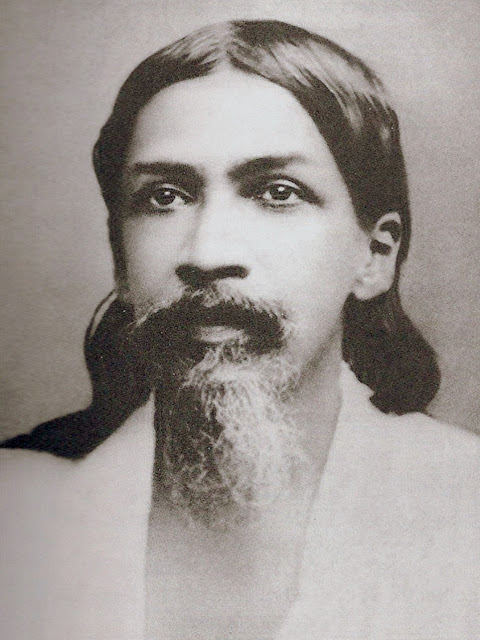
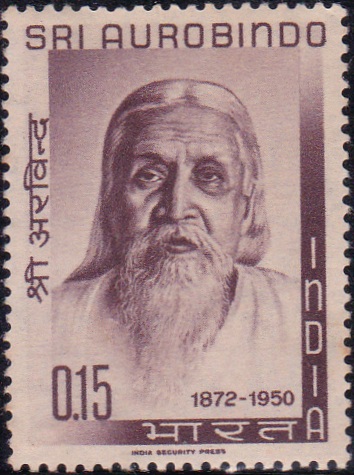
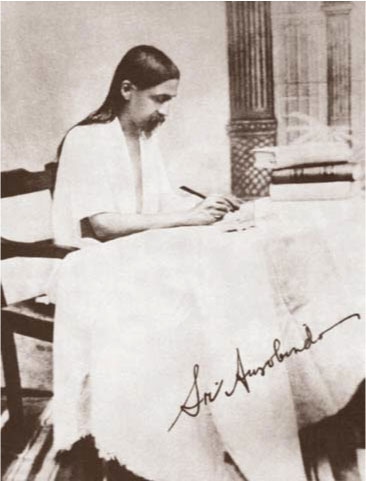
SRI AUROBINDO-2
R. Nanjappa
Sri Aurobindo provides a total contrast to both Sri Ramakrishna and Ramana Maharshi.
Sri Ramakrishna had no formal schooling. Sri Ramana attended high school, though he did not complete it. Sri Ramakrishna did not know any language other than his mother tongue. Sri Ramana was proficient in his mother tongue Tamil, and his poetry and prose had great literary charm. He knew Telugu and Malayalam to the extent he could compose poems in them. Neither had formally learnt Sanskrit, but Ramana had enough mastery to understand the scriptures and translate them. But neither of them was a “scholar” in the usual sense.
Sri Aurobindo had emerged from King’s college, Cambridge as a formidable scholar with mastery in Greek, Latin and English, proficiency in French and working knowledge in German and Italian. When he returned to India, he did not know his mother tongue or Sanskrit. Gradually he learnt Bengali too and he mastered Sanskrit , to be able to study and understand the Veda and Upanishads and other scriptures and offer comments and interpretations.
Sri Ramakrishna explained religion in the simplest possible terms, basing himself on the main Hindu puranas and Itihas urging people to do some sadhana and realise God, extolling Bhakti as the proper way for our age. He spoke in the same fashion to even college educated youths. Sri Ramana steered clear of all old scriptures, taught the direct way of self -enquiry or surrender and did not base himself on any school of philosophy, or any old scripture. He only replied to questions by sincere seekers who referred to the old scriptures.
Sri Ramakrishna’s practical teaching was mainly based on Bhagavata, though he talked of Vedanta too. Neither of them based his teaching directly on the Veda or Upanishad!
Sri Ramana’s teaching did not depend on or draw support from any old source, though people found connections and common bases. Sri Ramakrishna did not write anything, Sri Ramana wrote some amount of prose and verse, both original and translations. His conversations have been compiled into some books, but considering that he was an active spiritual guide and force, freely interacting with seekers who came to him, for over 50 years, these do not amount to much. All that he wrote is contained within a book of less than 300 pages of crown octavo size.(1949 edition).
Neither SriRamakrishna nor Ramana was interested in any issue other than spiritual realisation. Nor were they interested in offering commentaries on old canons like Prastanatraya. It was the job of others to translate their words into English or even other Indian languages.
Sri Aurobindo provides total contrast. Sri Aurobindo was very active in politics, providing a new turn to the national movement. He completely changed people’s consciousness, especially of the youth. When he left active politics to take up Yoga in 1910, Bengal was so pervaded by the revolutionary spirit that the colonial power decided to shift the Capital to Delhi!
He took up Yoga, experienced the personal and universal aspects of the Divine ( Vasudeva), suddenly left active politics, and dedicated himself to Yoga for the rest of his life.. But he continued to keep interest in national and international socio-political issues and wrote actively.
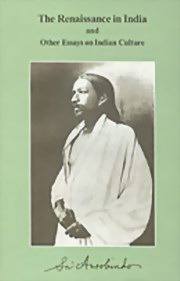
When Indian civilization was criticised by malicious and ill-informed Western writers, and he was not satisfied with the defence of others, Sri Aurobindo himself wrote a scintillating defence of Indian culture, now published under the title ,’The Renaissance in India”. And he had life-long interest in language and literature, especially poetry; being a poet himself, he wrote Savitri, the longest epic poem in the English language, till the last days. He translated parts of Veda and Upanishads, providing commentary and new interpretation. He wrote essays on the Gita, giving his own interpretation. Once he took up Yoga, he gave it his own orientation. He wrote all this in English of such standard that no other Indian or even few Englishmen are capable of. His writings are collected in 35 huge volumes, running into about 17,ooo pages. With this, the whole world became his stage.
Important Differences
But the most important way he differed from the others is in his interpretation of Vedanta. Traditionally, Vedanta has been interpreted largely on the basis of the commentary of the Acharyas. Not many thinkers have gone to the original sources themselves. The mainstream is dominated by Sankara’s interpretation of Vedanta.
Was Shankara Brahmavadin or Mayavadin?
Here the position is somewhat bewildering. Sankara considered that only Brahman is real, and the world is a mere reflection of that Reality. His usage of the word Maya has been subject to totally unwarranted explanations, making the world appear “unreal”. What Sankara said was that the world was not ‘True” since it was not permanent.( Sankara’s definition of Truth is Permanence.)
Sankara should actually be considered Brahmavadin, since he believed that Brahman is the ultimate Reality. In fact, it was Budddha was was the Mayavadin, not Sankara, since for the Buddha the ultimate reality was Nirvana. This point has been well brought out by Swami Chidbhavananda, Somehow, the so called followers of Sankara have accepted mayavada, and interpreted Advaita on that basis. This makes the world a dark place, a place of suffering and Liberation is taken to mean freedom from this world-samsara. Accordingly, to renounce the world as maya-unreal – is the real goal of life! Even the Gita seems to advocate this view at some point, as in the following pronouncements:
anityam asukham loke
dukkhalayam ashasvatam
mrutyu samsara sagarat
mrutyu samsara vartmani, etc
But Gita’s overall message is one of Hope.
Both Sri Ramakrishna and Ramana uphold the traditional view of the commentator-Acharyas, in a broad sense. Sri Ramakrishna used three key words in describing the world: nitya, maya , lila.. He extolled sanyasa, but asked householders to consider the world as God’s Lila. Thus Sri Ramakrishna accepted both the Jnani’s view of the world as maya, and the Bhagavata view of the world as ‘lila’. He felt happy when he found a youngster fit for renunciation.
Ramakrishna’s Guru on Vedanta was the Advaitin Tota Puri- a sanyasi belonging to one of the ten orders initiated by Sankara. But he said it was not proper for people to talk of Advaita, when they could not forget the body or ignore hunger and pain!
Sri Ramana never allowed any one to renounce the world. He avoided theoretical discussion about the reality of the world, but had to answer questions on the point raised by visitors. He responded according to the ripeness of the questioner. We have it on Muruganar’s authority that Ramana’s real position about the world was “Ajatavada”. [See verse 100, Guru Vachaka Kovai.] But he usually asked the questioner to enquire about his own reality. He clearly said that so long as one regarded the body as real, the world should also be considered real.
The Way of the Veda
If we go to the original source viz Veda and Upanishad, this is not the view advocated! There you are enjoined to live a full life of productivity, engaged in work! May we live for a hundred years, says the Veda! Jeevema Saradas shatam! Not just living anyhow, but enjoying- nandama saradas shatam, modama sarada shatam! The Isha Upanishad says you have to live only by doing Karma : kurvannaiveha karmani! Tena tyaktena bhunjitha does not mean to run away from life!
In more than a thousand years, it is Sri Aurobindo who went beyond the acharyas and commentators, to the original fountain of Indian inspiration- viz the Veda itself and recovered its Truth and founded a philosophy based on that. Veda says Bliss is the basis of creation, and that Bliss must be exhibited here in life! This is one of the basic departures of Sri Aurobindo from Sri Ramakrishna and Ramana , and also the tradition of our earlier Acharyas.. There are others.
Sri Aurobindo accepts the truth of Advaita as final , but does not agree with its interpretation based on mayavada, denying the reality of the world. The world has come from Brahman,and is therefore real! Purnamatha: Purnamidam! Truth of Advaita can be established without reliance on or recourse to mayavada. This is an important point in Sri Aurobindo’s philosophy.
Where does Sri Aurobindo Stand?
Sri Aurobindo himself made a statement of his position in 1934 as under ( referring to himself in the third person):
1. The teaching of Sri Aurobindo starts from that of the ancient sages of India (note: not medieval commentators) that behind the appearances of the universe there is the Reality of a Being and Consciousness, a Self of all things, one and eternal.
2. All beings are united in that One Self and Spirit, but divided by a certain separativity of consciousness, an ignorance of their true Self and Reality in the mind, life and body.
3.It is possible by a certain psychologial discipline to remove this veil of separative consciousness, and become aware of the true Self, the Divinity within us and all.
4. Sri Aurobindo’s teaching states that this One Being and Consciousness is involved here in Matter.Evolution is the method by which it liberates itself.
5. Life is the first step of this relief of consciousness ; mind is the second, but the evolution does not finish with mind.
6. The next step of the evolution must be towards the development of Supermind and Spirit as the dominant power in the conscious being.
7. While the former steps in evolution were taken by nature without a conscious will in the plant and animal life, in man nature becomes able to evolve by a conscious will in the instrument.
8. A conversion has to be made, a turning of the consciousness by which mind has to change into the higher principle. This method is to be found through the ancient psychological discipline and practice of Yoga.
9. In the past it has been attempted by a drawing away from the world and a disappearance into the height of the Self or the Spirit. Sri Aurobindo teaches that a descent of the higher principle is possible which will not merely release the spiritual Self out of the world, but release it in the world, replace the mind’s ignorance or its very limited knowledge by a supramental Truth-Consciousness.
10. The process of this self-discipline or Sadhana is long and difficult.
11. An outward asceticism is not essential, but the conquest of desire and attachment, and a control over the body and its needs, greeds and instincts are indispensable.
12. There is a combination of the principles of the old systems:
the way of knowledge through the mind’s discernment between the Reality and the appearance,
-the heart’s way of devotion, love and surrender
and the way of works turning the will away from the
motives of self-interest to the Truth and service of a
greater Reality than the ego.
13. In this discipline, the inspiration of the Master, and in the difficult stages his control and his presence are indispensable.
Note: This is almost entirely in the words of Sri Aurobindo. Numbering is mine.
It will be clear from the above what are the common elements among the three Masters and what is unique in Sri Aurobindo. The general position may be stated as under:
Sri Ramakrishna: Insistence on Bhakti as shown by Narada ie Bhagavata dharma, combined with viveka, and vairagya, and detachment. Other questions are not really relevant for practical religious life.
Sri Ramana Maharshi: Insistence on direct self-enquiry. This is Jnana marga, but totally different from the old way. It employs the budddhi to focus on the source of Being- buddhi idayatte porundi- as Bhagavan says in the Deepa Darsana Tatva. It does not involve enquiring about the truth of the world, but truth of the Self! The world appears to you, but who are you, Ramana would ask! If one is unable to take up enquiry, one should Surrender. Enquire or Surrender!
Sri Aurobindo: Insistence on the psychological method of Yoga, engaging all the faculties- emotion, will, and intelligence, so that it is integral. His insistence that the world is real, that the world is governed by the force of evolution, which is evolution of consciousness, and that in the next stage, there would be a Supramental Manifestation, replacing the limited mind. This again is an important difference between Sri Aurobindo and others. Sri Aurobindo says that his Yoga begins where the traditional Yogas end! [ The practical implication of this is that one has to master the conventional Yoga, culminating in Nirvikalpa Samadhi, ( but not stay there) before one can take up Sri Aurobindo’s Yoga!]
All methods are not same!
It will now be clear that all methods are based on a broad understanding of Vedanta, but they differ in essential ways . In converting theory into practice ie taking up Sadhana , some one discipline has to be followed.. No method is easy, or necessarily superior to another! That it may appear so is due to our temperament or suitability!
There are many practical differences between the methods which cannot be glossed over. There is no problem so long an aspirant follows one method , without trying to make a hotch potch., or unfair comparisons, not warranted in sadhana. Let us leave arguments to arm-chair academics, who have all the time!
In reality, all paths are difficult, like the sharp edge of the razor, as the Upanishad says. But the psychological method of Sri Aurobindo’s Yoga is intrinsically tougher than the others, and riskier without a proper guide or Guru. Sri Aurobindo himself said that his Yoga was not for all but only for those who had the call! So in his lifetime, he would not allow his Yoga to be “popularised.” Those who felt the call would come! It is one thing to read his writings, but quite another to follow his Yoga!
Fully realised souls are not common in any path. True Masters are rare.
Seclusion and After
Sri Aurobindo went into seclusion in November 1926 to devote his full time and attention to the realisation of Supramental Manifestation upon earth, one aspect of which was physical supramentalisation and divinisation of the body..
All earlier Indian philosophy- ie ‘darshana’ is based on the actual realisation of Rishis. There is no speculative element there. ( Leave the commentators aside!) But Sri Aurobindo’s advocacy of Supramental manifestation is based on his idea and interpretation of evolution , not actual realisation.
Did he succeed in his efforts in the last 24 years of his life?
His deep, lifelong devotees and scholars Nolini Kanta Gupta(1889-1983; revolutionary and prison mate of Sri Aurobindo, and most senior disciple)
Nolinida with Sri Aurobindo c.1915
and Amal Kiran [ K.D.Sethna- 1904-2011] have said that this realisation has been postponed to a future date.[ie it is not realised as yet.] Says Amal Kiran:
” ….he (Sri Aurobindo) for his own purpose gave up his body’s fulfilment and left it to the Mother to fulfil the ultimate aim. Now that she too had abandoned it for her own reasons,the whole problem… has arisen:”Will it be realised by any of her children in the near future?”
“As regards physical transformation, it is not only Amal who has written that it is postponed: Nolini also said the same thing.”
“Neither Sri Aurobindo nor the Mother achieved physical supramentalisation”
8.12.1991 p.266-67
“… supramentalisation and divinisation of the body…..this goal has been put by them in a far away future and that the central object has always been the realisation of the Divine- and now that our Gurus have left their bodies it is idle to think that any of us is going to do in a life time what they themselves didn’t.” 8.4.92 p.318
From: Life-Poetry-Yoga, Letters of Amal Kiran, Volume 2; The Integral Life Foundation, Waterford, USA, 1995.
This is a candid statement. The final position, as it appears from the above, is that “Supramental Manifestaion” -the most distinctive aspect of Sri Aurobindo’s Yoga has been consigned to a distant future. The immediate goal is shown as ‘Realisation of the Divine’ viz God Realisation. This is the goal of all the conventional Yogic disciplines or spiritual effort of India!
To the extent Sri Aurobindo’s philosophy banks on ‘the one Self and Spirit’ behind the universe, it is Advaitic. But to the extent it speaks of the world as being real, it shares the views of Dwaita and Vishishtadvaita. To some extent, it reflects the position of Sri Ramakrishna who regarded the world both as ‘nitya’ and ‘lila’.
These are theoretical considerations. Sri Aurobindo’s writings shed new light even on conventional wisdom. His writings on nationalism, Veda and Upanishads, on Yoga, and his defence of Indian culture are important sources for understanding the true heart and mind of India, that is a Shakti!
[Nolini Kanta Gupta and Amal Kiran are authentic exponents of Sri Aurobindo lore. They have written extensively on him, and also on other things in the light of Sri Aurobindo.]
Pictures are taken from various sources for spreading knowledge; this is a non- commercial blog. Thanks for your great pictures.
ஹிந்தி படப் பாடல்கள் – 72 – ஒரு ராகம் இரு மலர்கள் – ராகம் கமாஜ்!
R. Nanjappa
கமாஜ்
கமாஜ் ராகம் சிருங்கார ரசத்திற்கு உகந்ததெனச் சொல்வார்கள். அதன் பல நிலைகளையும் பிரதிபலிப்பது. கேட்பதற்கு மிக இனிமையானது, கனமானதல்ல. இந்த ராகத்தில் அமைந்த இரு பாடல்களைப் பார்க்கலாம்
What a tremendous song this is! Rajendra Krishan has written the ideal lyrics to bring out the Shringara rasa of this song! Hemant Kumar has set a delightful tune! The voices of the Mangeshkar sisters match well.
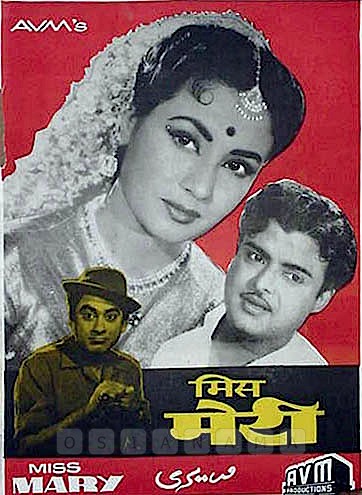
இந்தப் படம் தமிழில் ‘மிஸ்ஸியம்மா”, தெலுங்கில் ‘மிஸ்ஸம்மா” என்று வந்தது. இந்த சீனில் மீனாகுமாரி பாட்டு சொல்லித் தருகிறார். இதே சீனில் தெலுங்கில் ஆந்தோளிகா ராகத்தில் த்யாகராஜரின் “ராக ஸுதாரஸ” என்ற சங்கீதத்தின் பெருமையைச் சொல்லும் பாட்டு இருக்கும். தமிழில் அதே ராகத்தில் தஞ்சை ராமையாதாஸ் அதை தமிழில் எழுதினார். அங்கு சிருங்கார ரசம் இல்லை. இங்கு அந்த ரசமே பிரதானமாக இருக்கிறது- ஸாஹித்யம் அதற்கேற்ற மாதிரி அற்புதமாக அமைந்துவிட்டது! இரண்டு சரணத்தில் சொல்லவேண்டியதைச் சொல்லி விளக்கிவிட்டார் ராஜேந்த்ர க்ருஷ்ணா!
இது மிகப் பிரபலமான பாட்டு. ரஃபியின் குரலில் இனிமையாக அமைந்த பாடல். ரோஷனின் சிறந்த இசை. இருந்தாலும் இந்தப் பாட்டில் என்ன நயம் இருக்கிறது? ஒரு பெண்ணை வர்ணிக்கும் சராசரிப் பாட்டு தான்! மேலும் இந்த வர்ணனை இந்த நாயகிக்குப் பொருந்தவில்லை! முதலில் பார்த்த பாட்டிலும் இங்கும் நாயகி ஒருவர் தான்- மீனா குமாரி- இது தற்செயலாக அமைந்தது! இரண்டிலும் மீனா குமாரியின் தோற்றத்தைப் பாருங்கள்-எதில் உண்மை அழகு? பாட்டை நான் குறை சொல்லவில்லை- கவிதையில் நயம் இல்லை என்பது என் கருத்து.
முன்பு பார்த்த ராஜேந்த்ர கிருஷ்ணாவின் கவிதை இலக்கியத் தரத்தில் அமைந்தது.
இந்த இரண்டு பாடல்களும் ஒரே ராகத்தில் இருந்தாலும் மெட்டுக்கள் வேறு! சங்கீதப் பரிச்சயம் உள்ளவர்கள்தான் மெட்டை வைத்து ராகத்தைச் சொல்ல முடியும்!
Pictures are taken from various sources for spreading knowledge; this is a non- commercial blog. Thanks for your great pictures.
ஜோதிடர்களுக்கான தகுதி பற்றிப் படித்தோம்; ஆனால் கலிகாலத்தில் ஜோதிடர்கள் எப்படி இருக்கிறார்கள்? நையாண்டியாக பெரியவர் நீலகண்ட தீக்ஷிதர் என்ன சொல்கிறார் என்று பார்ப்போம்!
கலிகால ஜோதிடர்கள்!
ச.நாகராஜன்
கலி காலத்தில் எல்லா நல்லவையுமே தலை கீழாக மாறும் என்பது நாம் எல்லோரும் அறிந்த ஒன்று தான்!
இதற்கு ஜோதிடர்கள் மட்டும் விதி விலக்கா என்ன?
கலி காலத்தில் என்னவெல்லாம் நடக்கும் என்று நீலகண்ட தீக்ஷிதர் கலி விடம்பனா என்ற நூலில் அழகுறைக் கூறியுள்ளார்.
அதில் ஜோதிடர்களுக்கு மட்டும் ஒன்பது ஸ்லோகங்களை ஒதுக்கியுள்ளார்.
அவற்றைப் பார்ப்போம் :-
चारान् विचार्य दैवज्ञैर्वक्तव्यं भूभुजां फलम् ।
ग्रहचारपरिज्ञानं तेषामावश्यकं यतस् ॥ १४ ॥
உளவாளிகள் மூலமாக தேவையான தகவல்களைப் பெற்ற பின்னரே மன்னரின் வாழ்வில் எதிர்காலத்தில் என்ன நடக்கபோகிறது என்பதை ஜோதிடர்கள் மன்னனிடம் சொல்ல வேண்டும். அப்படி இருக்கும் போது மன்னரின் ஜாதகத்தைப் பொறுத்த வரையில் கிரகங்களைப் பற்றி அறிய வேண்டியதற்கும் அதன் சஞ்சாரங்கள் பற்றியும் அறிய வேண்டியதற்கு என்ன அவசியம் இருக்கிறது? (ஸ்லோகம் 14 )
The future events in the life of kings should be forecast by astrologers after getting the necessary information through spies. Where then is the need for them to study the planets and their movements, in relation to the horoscope of the kings? (Sloka – 14)
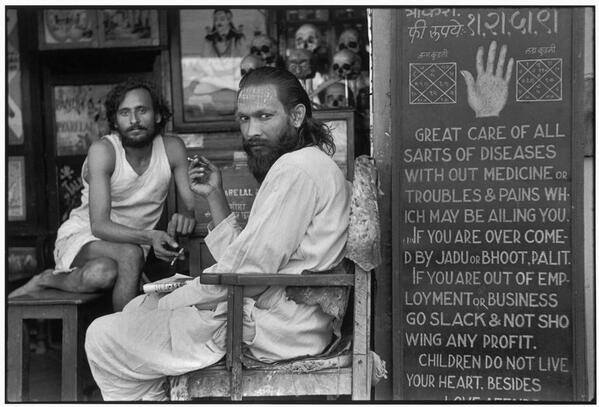
Astrologer Board in Wembley, London Year 2020
*
पुत्र इत्येव पितरि कन्यकेति मातरि ।
गर्भप्रश्नेषु कथयन् दैवज्ञो विजयी भवेत् ॥ १५ ॥
ஒரு ஜோதிடர் வெற்றி பெறுவது எப்படியெனில் : பிறக்கப் போகும் குழந்தை ஆண் குழந்தையென்று தந்தையிடமும், தாயிடம் அது ஒரு பெண் குழந்தை என்றும் சொன்னால் வெற்றி பெறலாம்! (ஸ்லோகம் 15)
The astrologer scores success in his predictions for would-be parents by telling the father to be that the newborn will be a boy and the would-be mother that it will be a girl. (15)
जीवन्तो बहुमन्यन्ते मृताः प्रक्ष्यन्ति कं पुनस् ॥ १६
ஜோதிடம் கேட்க வருவோர் தங்கள் ஆயுளைப் பற்றிக் கேட்கும் போது ஜோதிடர் சொல்ல வேண்டியது இது தான் – அவர்கள் நீடித்து வாழ்வர் என்று சொல்ல வேண்டும். அவர்கள் நீடித்து வாழ்ந்தால் அவர்கள் ஜோதிடரைப் பற்றி மிக உயர்ந்த அபிப்ராயத்தைக் கொள்வர். அவர்கள் (அற்பாயுளில்) இறந்து விட்டாலோ கேள்வி கேட்க அவர் இல்லை என்பதால் ஒருவித கேள்வியும் எழாது. (ஸ்லோகம் 16)
When persons enquire about their lifespan, the astrologer should say that they would live long. If they live that long, they will think highly (of the astrologer) and if they die, further questions do not arise as the questioner is no more (16)
*
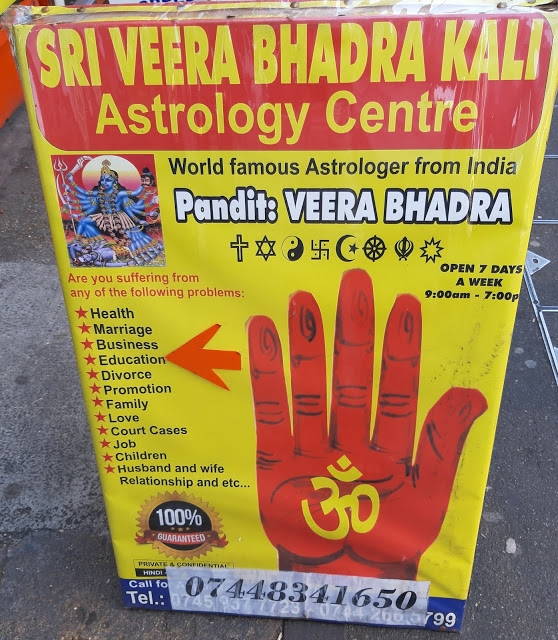
Astrologer Board in Wembley, London Year 2020
सर्वं कोटिद्वयोपेतं सर्वं कालद्वयावधि ।
सर्वं व्यामिश्रमिव च वक्तव्यं दैवचिन्तकैस् ॥ १७ ॥
நடந்து விட்ட கடந்த காலம் பற்றியோ அல்லது நடக்கவிருக்கும் எதிர்காலம் பற்றி ஜோதிடர் சொல்வதில் நடப்பனவற்றில் எதிரெதிர் கருத்துக்களைச் சொல்ல வேண்டும். எதிர்காலம் பற்றிய ஜோதிடர்களின் எல்லாக் கணிப்புகளிலும் அதை இரண்டு விதமாக எடுத்துக் கொள்ளும் படி இருக்க வேண்டும். (ஸ்லோகம் 17)
All that the astrologer says on the past or the future, should cover opposite poosibilities. All prophecies of astrologers should be capable of double interpretation. (17)
*
Astrologer Board in Wembley, London Year 2020
निर्धनानां धनावाप्तिं धनिनामधिकं धनम् ।
ब्रुवाणाः सर्वथा ग्राह्या लोकैर्ज्यौतिषिका जनास् ॥ १८ ॥
ஏழைகளுக்கு வளமான காலம் வரும் என்றும் பணக்காரர்களுக்கு இன்னும் அதிகப் பணம் வரும் என்றும் சொல்லும் ஜோதிடர்கள் எப்போதுமே மக்களால் பெரிதும் மதிக்கப்படுவர். (ஸ்லோகம் 18)
The astrologers who forecast properity for the poor and more prosperity for the rich are always respected by the people. (18)
*
Astrologer Board in Wembley, London Year 2020
शतस्य लाभे ताम्बूलं सहस्रस्य तु भोजनम् ।
दैवज्ञानामुपालम्भो नित्यः कार्यविपर्यये ॥ १९ ॥
ஜோதிடர் சொன்ன பலன் படி நூறு ரூபாய் கிடைத்தது எனில் அவர் சில வெற்றிலை மற்றும் பாக்குகளையும் வாங்கக் கூடிய அளவு தக்ஷிணை பெறுவார். அதுவே ஆயிரம் ரூபாயாக இருந்ததெனில் அவருக்கு நல்ல விருந்து கிடைக்கும். அவரது கணிப்பு தப்பாகப் போய் விட்டதெனில் அவருக்கு அதிக பட்சமாக எச்சரிப்பும் கண்டிப்பும் தான் கிடைக்கும்! (ஸ்லோகம் 19)
If the prediction of the astrologer results in gain of a hundred rupees, he will get enough to buy a few betel leaves and arecanuts. If it is a thousand rupees, he will be treated to a meal. If the prophecy goes awry, he may at best get an admonition. (19)
*
अपि सागरपर्यन्ता विचेतव्या वसुंधरा ।
देशो ह्यरत्निमात्रेऽपि नास्ति दैवज्ञवर्जितस् ॥ २० ॥
கடல் சூழ்ந்த இந்த பூமி முழுவதையும் ஒருவர் சோதித்தாலும் ஜோதிடர்கள் இல்லாத ஒரு சிறு துண்டுப் பகுதியைக் கூடக் காண முடியாது!
(ஸ்லோகம் 20)
Even if one examines the entire world girdled by the oceans, one will not find a piece of land not occupied by astrologers. (20)
*
वारान् के चिद्ग्रहान् के चित्के चिदृक्षाणि जानते ।
त्रितयं ये विजानन्ति ते वाचस्पतयः स्वयम् ॥ २१ ॥
சில ஜோதிடர்கள் நாள்களின் பெயர்கள் பற்றி நன்கு அறிந்திருப்பர். சிலரோ கிரகங்களைப் பற்றி நன்கு அறிந்திருப்பர். இன்னும் சிலரோ கிரகங்களின் குறிப்பிட்ட சஞ்சார நிலை பற்றி அறிந்திருப்பர். இவை அனைத்தையும் ஒரு ஜோதிடர் அறிந்திருந்தார் எனில் அவர் நிஜமாகவே (ஜோதிடத்தின் ஊற்றெனத் திகழும்) ப்ருஹஸ்பதிக்கு நிகரானவர் தான். (ஸ்லோகம் 21)
Some astrologers are familiar with the names of days, some with the names of the planets and others with the latitudes (and longitudes). Anyone who is familiar with all these three will verily be Lord Brhihaspati (the fountainhead of astrological science). (21)
*
नैमित्तिकाः स्वप्नदृशो देवतानाम् [[अमी त्रयः]] ।
निसर्गशत्रवः सृष्टा दैवज्ञानाममी त्रयस् ॥ २२ ॥
இயற்கையானது ஜோதிடர்களுக்கு மூன்று எதிரிகளை உருவாக்கியுள்ளது. அந்த மூன்று எதிரிகள் இவர்களே 1) சகுனங்களை விளக்கிக் கூறும் நிபுணர்கள் 2) கனவுகளை அலசி ஆராய்ந்து கூறுவோர் 3) தெய்வங்களை வழிபடுவோர்! (ஸ்லோகம் 22)
Nature has created three enemies for the astrologers: they are: experts in the interpretation of omen, analysts of dream and those who worship gods. (22)
நீலகண்ட தீக்ஷிதர் வாழ்ந்த காலம் : 17ஆம் நூற்றாண்டின் முற்பகுதியாகும்.
அவர் அன்றே கூறியது இன்றும் பொருந்துகிறது அல்லவா!
***
குறிப்பு :- கலிவிடம்பனா உள்ளிட்ட பல நல்ல நூல்களை பல தளங்களிலிருந்து தரவிறக்கம் செய்து கொள்ளலாம். பார்க்க வேண்டிய சில தளங்கள் :-
Pictures are taken from various sources for spreading knowledge; this is a non- commercial blog. Thanks for your great pictures.
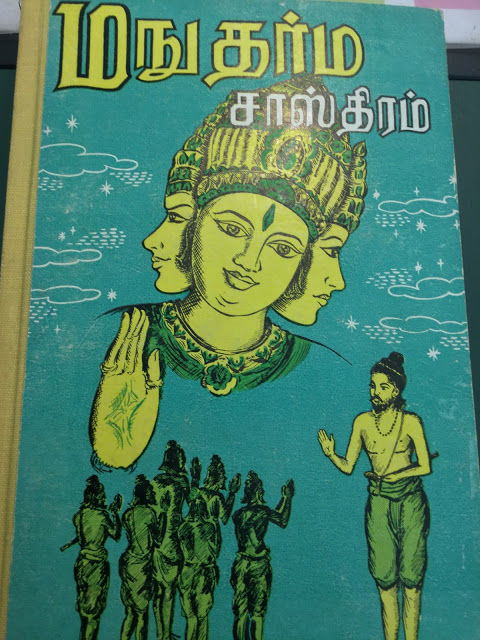
மநு நீதி நூல் – பகுதி 52
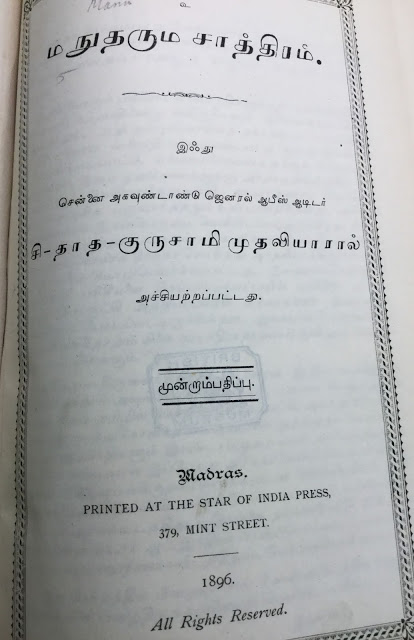
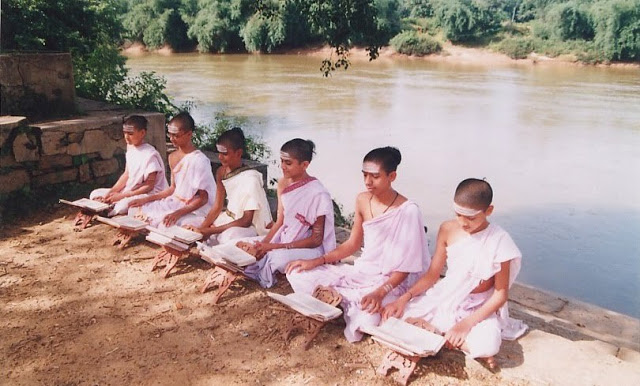
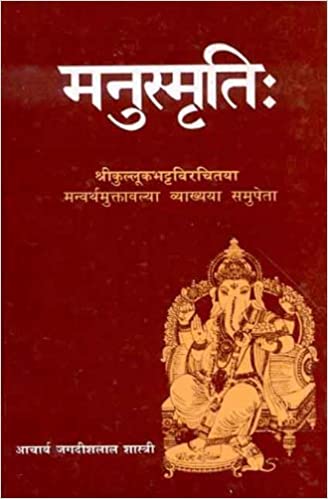
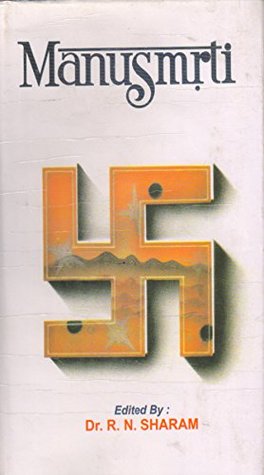
மானவ தர்ம சாஸ்திரம் என்றும், மனு ஸ்மிருதி என்றும் அழைக்கப்படும் மநு நீதி நூலின் கடைசி அத்தியாயத்தில் 12 ஆவது அத்தியாயத்தில் – 73 ஸ்லோகங்களை மே 9 ம் தேதி பதிவிட்டேன். மொத்தமுள்ள 2685 ஸ்லோகங்களில் மீதி உள்ள 73 ஸ்லோகங்களை இன்று காண்போம். கடைசி இரண்டு மூன்று அத்தியாயங்கள் பிரமாணர்களுக்கானது. ஆயினும் சில விஷயங்கள் பொதுவானவை.
இன்றுடன் மானவ தர்ம சாஸ்திரம் என்னும் உலகின் முதலாவது சட்டப் புஸ்தகம் நிறைவடைகிறது; இது 52-வது பகுதி . இதை நிறைவு செய்ய இரண்டு ஆண்டுகளுக்கு மேல் ஆயிற்று!
முதலில் Bullet Points புல்லட் பாயிண்டுகளில் சில சுவையான விஷயங்கள்:–
.
மநு தர்ம சாஸ்திரத்தின் ஸ்லோகங்கள் அனைத்தும் பிருகு என்னும் முனிவர் வாய் வழியாக வருகிறது. மநு நேரடியாக நம்மிடம் பேசவில்லை. சட்டப் புஸ்தகத்தை முடிக்கும் முன்பாக அவர் கூறுகிறார் –
“வேதங்கள் மனிதர்களின், முன்னோர்களின், கடவுளரின் சாஸ்வதமான கண்கள்.அவைகளை எவரும் முழுதாக அறிய முடியாது” (அவ்வளவு மறை பொருள் உடையன) -12-94
**
வேதங்கள்தான் மனித இனம் தழைக்க, நிலைத்து நிற்க உதவுகின்றன.12-99
**
எவன் ஒருவன் வேதத்தின் உட்பொருளை உணர்கிறானோ அவன் மோட்சத்தை அடைவான் 12-102
**
12-103 ல் மிக அழகாக சொல்கிறார்:- “வேதங்களைப் பற்றி தெரியாமலே இருப்பதை விட அதைப் படிப்பவன் மேலானவன்.;வேதத்தை பொருளே தெரியாமல் பாராயணம் செய்தாலும் நல்லதுதான். ஆனால் அதைவிட நல்லது அதை நினைவிற் வைத்துக் கொள்வது . அதையும் விட சிறந்தது வேத தர்மத்தைக் கடைப்பிடித்து ஒழுகுவதாகும்”. 12-103
இதை வள்ளுவனும் கூறுகிறான் :-
மறப்பினும் ஒத்துக்கொள்ளலாகும் பார்ப்பான்
பிறப்பொழுக்கம் குன்றக் கெடும் –குறள் 134
(வேதத்தை மறந்தாலும் கற்றுக்கொள்ள முடியும்; வேத தர்மம் சொல்லும் ஒழுக்கத்தைக் கைவிட்டால் விமோசனமே இல்லை–குறள் -134 )
வள்ளுவன் சொல்லும் பார்ப்பானின் பிறப்பொழுக்கம் என்ன என்றும் இதே அத்தியாயத்தில் மனு சொல்லி விடுகிறார் . அவை ஆறு குணங்கள் – ஸ்லோகம் 12-83
***
இரண்டு வகையான வேத தர்மங்கள் உண்டு; அவை பிரவ்ருத்தி மார்க்கம், நிவ்ருத்தி மார்க்கம் என்று சொல்லி அவற்றையும் 12-88 முதலான ஸ்லோகங்களில் விளக்குகிறார்.
***
ஜனநாயகம் வாழ்க !
பத்து பேர் கொண்ட அறிஞர் சபை மூலம் முடிவெடுக்கச் சொல்லி ஜனநாயக அசெம்பிளிக்கு பிள்ளையார் சுழி போடுகிறார் -ஸ்லோகம் 12-111 முதல் 12-115 வரை
ஆயிரம் முட்டாள்கள் உடைய அசெம்பிளியை விட ஒரு அறிஞன் சொல்லுவது மேல் என்றும் அடிக்கோடிட்டுக் காட்டுகிறார் .
**
பகவத் கீதை கருத்துக்களையும் காண்கிறோம் 12-91 மற்றும் 12-125.
**
இறுதியில் எவன் ஒருவன் இந்த நீதி நூலைப் பின்பற்றுகிறானோ அவன் வாழ்வாங்கு வாழ்ந்து நல்ல கதியை அடைவான் என்றும் சொல்லுகிறார் . பிராமணர்களுக்கு மநு விதிக்கும் கட்டுப்பாடுகள் மற்ற மூன்று ஜாதியினரையும் விட மிகக் கடுமையானது என்பதை 12 அத்தியாயங்களையும் படித்தவர்களுக்கு நன்கு விளங்கி இருக்கும் .
மனு நீதி நூல் 12-126 உடன் நிறைவு பெறுகிறது.
முழு ஸ்லோக மொழிபெயர்ப்புகளை இணைப்பில் காண்க:-
tags –வேதமே கண்கள், நூல் நிறைவு, மநு நீதி நூல் – பகுதி 52
Pictures are taken from various sources for spreading knowledge; this is a non- commercial blog. Thanks for your great pictures.
tamilandvedas.com, swamiindology.blogspot.com
We have come to the end of Manava Dharma Shastra, the world’s first law book, older than the Hammurabi’s. (Please see my earlier articles for the dating of Original Manu Smriti)
**Just before the conclusion, he says through the mouth of Bhrgu (the whole book is written by Bhrgu, not Manu) that the Vedas are eternal. That is, it was born with the Big Bang. It was born with the Gods.
**He adds no one can master it, no one can comprehend its full meaning (see sloka 12-94)
**The eternal teachings of the Vedas sustain all living beings – 12-99
**A man who knows the true meaning of the Vedas attains moksha 12-102
Good Better Best
**In 12-103 he says even reciting the Veda without understanding gives you something good.
Those who read the books are better than those who do not know them;
Those who remember them are better than those who read them;
Those who understand them are better than those who remember them;
And those who put them into action are better than those who understand them – 12-103
DEMOCRACY IN MANU SMRTI
**In slokas 12-111 to 12-115 Manu advocates meaningful democracy
**In sloka 12—91 and 12-125 Manu echoes Bhagavad
Gita
**Earlier in sloka 12-83 he lists six qualities which define Brahminism
**In slokas 12-86 to 12-91 he describes two types of Vedic activities
***
MANU SMRITI FINITO (12-73 to 12 -126)
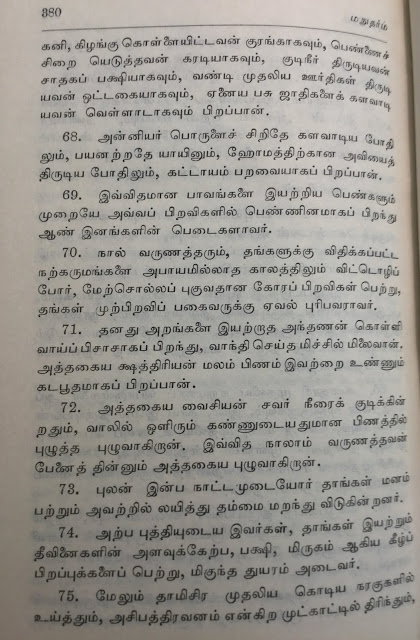
12- 73. In proportion as sensual men indulge in sensual pleasures, in that same proportion their taste for them grows.
74. By repeating their sinful acts those men of small understanding suffer pain here (below) in various births;
75. (The torture of) being tossed about in dreadful hells, Tāmiśra and the rest, (that of) the Forest with sword-leaved trees and the like, and (that of) being bound and mangled;
(21 Types of Hells are listed already in 4-84 to 4-91)
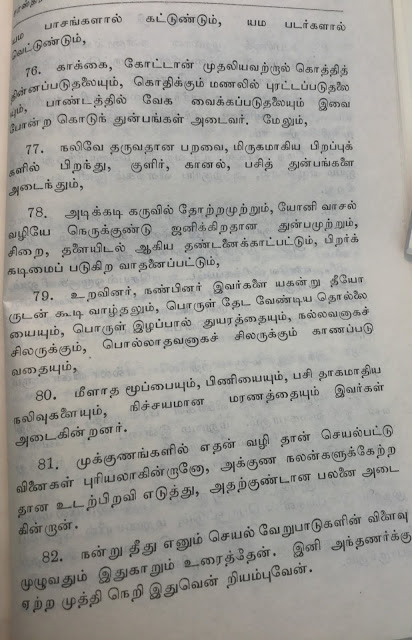
76. And various torments, the (pain of) being devoured by ravens and owls, the heat of scorching sand, and the (torture of) being boiled in jars, which is hard to bear;
77. And births in the wombs (of) despicable (beings) which cause constant misery, and afflictions from cold and heat and terrors of various kinds,
78. The (pain of) repeatedly lying in various wombs and agonizing births, imprisonment in fetters hard to bear, and the misery of being enslaved by others,
79. And separations from their relatives and dear ones, and the (pain of) dwelling together with the wicked, (labour in) gaining wealth and its loss, (trouble in) making friends and (the appearance of) enemies,
80. Old age against which there is no remedy, the pangs of diseases, afflictions of many various kinds, and (finally) unconquerable death.
81. But with whatever disposition of mind (a man) forms any act, he reaps its result in a (future) body endowed with the same quality.
82. All the results, proceeding from actions, have been thus pointed out; learn (next) those acts which secure supreme bliss to a Brāhmaṇa.
SIX ACTIVITIES FOR BRAHMINS
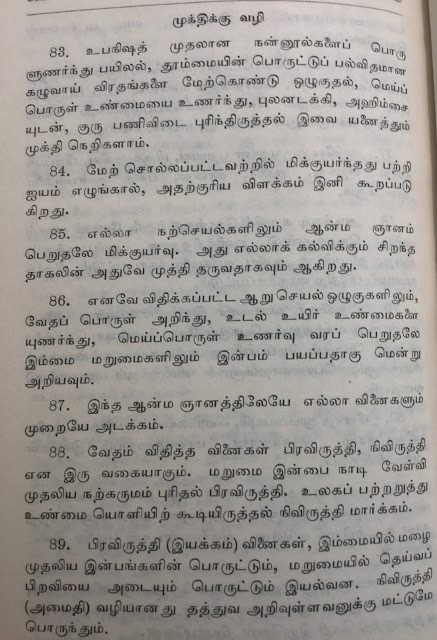
83. Studying the Veda, practising austerities, the acquisition of true knowledge, the subjugation of the organs, Ahimsa/abstention from doing injury, and serving the Guru are the best means for attaining supreme bliss.
84. If you as) whether among all these virtuous actions, performed here below, there be one which has been declared more efficacious than the res) for securing supreme happiness to man,
85. The answer is that the knowledge of the Soul is stated to be the most excellent among all of them; for that is the first of all sciences, because immortality is gained through that.
86. Among those six (kinds of) actions enumerated above, the performance of) the acts taught in the Veda must ever be held to be most efficacious for ensuring happiness in this world and the next.
87. For in the performance of the acts prescribed by the Veda all those (others) are fully comprised, (each) in its turn in the several rules for the rites.
TWO KINDS OF VEDIC ACTIVITIES (Pravritti & Nivritti)
88. The acts prescribed by the Veda are of two kinds, such as procure an increase of happiness and cause a continuation of mundane existence, Pravritti, and such as ensure supreme bliss and cause a cessation of mundane existence, Nivritti.
89. Acts which secure the fulfilment of wishes in this world or in the next are called Pravritti such as cause a continuation of mundane existence; but acts performed without any desire for a reward, preceded by the acquisition of true knowledge, are declared to be Nivritti such as cause the cessation of mundane existence.
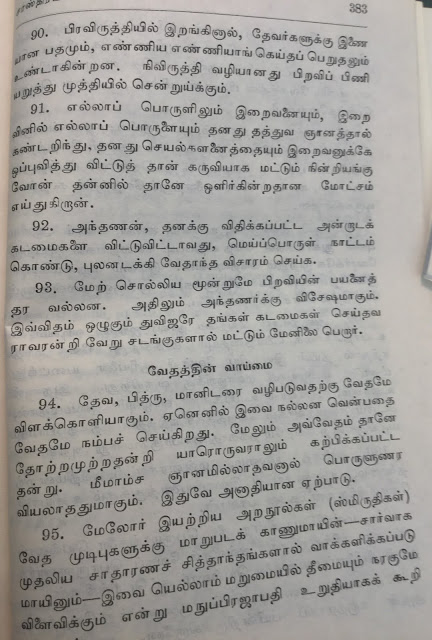
90. He who sedulously performs acts leading to future births (Pravritti) becomes equal to the gods; but he who is intent on the performance of those causing the cessation (of existence, Nivritti) indeed, passes beyond (the reach of) the five elements.
ECHO OF BHAGAVAD GITA
91. He who sacrifices to the Self (alone), equally recognising the Self in all created beings and all created beings in the Self, becomes independent like an autocrat and self-luminous.
92. After giving up even the above-mentioned sacrificial rites, a Brāhmaṇa should exert himself in (acquiring) the knowledge of the Soul, in extinguishing his passions, and in studying the Veda.
93. For that secures the attainment of the object of existence, especially in the case of a Brāhmaṇa, because by attaining that, not otherwise, a twice-born man has gained all his ends.
94. The Veda is the eternal eye of the manes, gods, and men; the Veda-ordinance is both beyond the sphere of human power, and beyond the sphere of human comprehension; that is a certain fact.
Doctrines to be rejected
95. All those traditions (smriti) and those despicable systems of philosophy, which are not based on the Veda, produce no reward after death; for they are declared to be founded on Darkness.
96. All those (doctrines), differing from the (Veda), which spring up and (soon) perish, are worthless and false, because they are of modern date.
The supreme source of knowledge
97. The four castes, the three worlds, the four orders, the past, the present, and the future are all severally known by means of the Veda.
98. Sound, touch, colour, taste, and fifthly smell are known through the Veda alone, (their) production (is) through the (Vedic rites, which in this respect are) secondary acts.
99. The eternal lore of the Veda upholds all created beings; hence I hold that to be supreme, which is the means of securing happiness to these creatures.
100. Commander of armies, royal authority, the office of a judge, and sovereignty over the whole world must know the Vedas ( he only deserves who knows the Veda-science_.
VEDIC FIRE DESTROYS SINS
101. As a fire that has gained strength consumes even trees full of sap, even so he who knows the Veda burns out the taint of his soul which arises from (evil) acts.
102. In whatever order (a man) who knows the true meaning of the Veda-science may dwell, he becomes even while abiding in this world, fit for the union with Brahman.
Good, Better, Best in possessing Vedic Knowledge
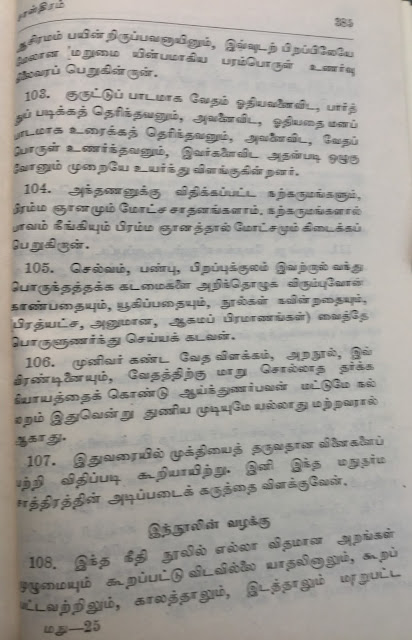
103. Even forgetful students of the sacred books are more distinguished than the ignorant, those who remember them surpass the forgetful students, those who possess a knowledge of the meaning are more distinguished than those who only remember the words, men who follow the teaching of the texts surpass those who merely know their meaning.
(This is in Tirukkural 134)
104. Austerity and sacred learning are the best means by which a Brāhmaṇa secures supreme bliss; by austerities he destroys guilt, by sacred learning he obtains the cessation of (births and) deaths.
105. The three (kinds of evidence), perception, inference, and the (sacred) Institutes which comprise the tradition (of) many (schools), must be fully understood by him who desires perfect correctness with respect to the sacred law.
106. He alone, and no other man, knows the sacred law, who explores the (utterances) of the sages and the body of the laws, by (modes of) reasoning, not repugnant to the Veda-lore.
107. Thus the acts which secure supreme bliss have been exactly and fully described; (now) the secret portion of these Institutes, proclaimed by Manu, will be taught.
108. If it be asked how it should be with respect to (points of) the law which have not been (specially) mentioned, (the answer is), ‘that which Brāhmaṇas (who are) Śiṣṭas propound, shall doubtlessly have legal (force).’
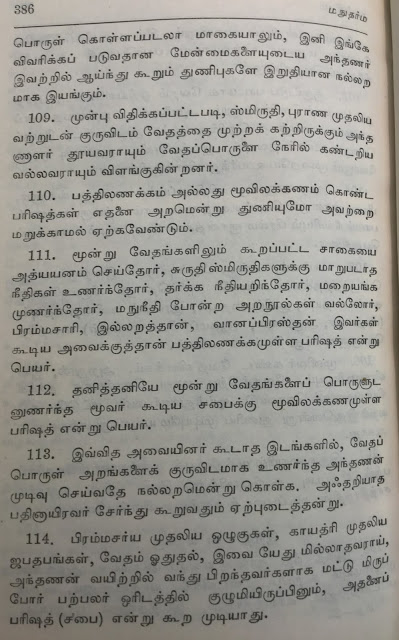
109. Those Brāhmaṇas must be considered as Śiṣṭas who, in accordance with the sacred law, have studied the Veda together with its appendages, and are able to adduce proofs perceptible by the senses from the revealed texts.
Democracy – Ten Member Council
110. Whatever an assembly, consisting either of at least ten, or of at least three persons who follow their prescribed occupations, declares to be law, the legal (force of) that one must not dispute.
111. Three persons who each know one of the three principal Vedas, a logician, a Mimāmsaka, one who knows the Nirukta, one who recites (the Institutes of) the sacred law, and three men belonging to the first three orders shall constitute a (legal) assembly, consisting of at least ten members.
112. One who knows the Rigveda, one who knows the Yajur-veda, and one who knows the Sāma-veda, shall be known (to form) an assembly consisting of at least three members (and competent) to decide doubtful points of law.
113. Even that which one Brāhmaṇa versed in the Veda declares to be law, must be considered (to have) supreme legal (force, but) not that which is proclaimed by myriads of ignorant men.
Assembly of 1000 Fools is NOT Democracy
114. Even if thousands of Brāhmaṇas, who have not fulfilled their sacred duties, are unacquainted with the Veda, and subsist only by the name of their caste, meet, they cannot (form) an assembly (for settling the sacred law).
115. The sin of him whom dunces, incarnations of Darkness, and unacquainted with the law, instruct (in his duty), falls, increased a hundredfold, on those who propound it.
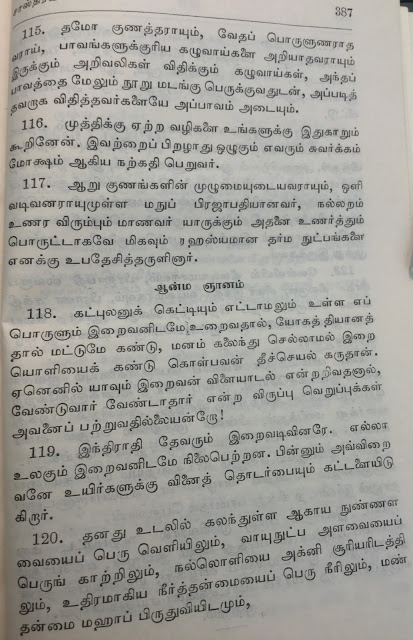
116. All that which is most efficacious for securing supreme bliss has been thus declared to you; a Brāhmaṇa who does not fall off from that obtains the most excellent state.
Conclusion of the sacred law
117. Thus did that worshipful deity disclose to me, through a desire of benefiting mankind, this whole most excellent secret of the sacred law.
118. Let (every Brāhmaṇa), concentrating his mind, fully recognise in the Self all things, both the real and the unreal, for he who recognises the universe in the Self, does not give his heart to unrighteousness.
119. The Self alone is the multitude of the gods, the universe rests on the Self; for the Self produces the connexion of these embodied (spirits) with actions.
120. Let him meditate on the ether as identical with the cavities (of the body), on the wind as identical with the organs of motions and of touch, on the most excellent light as the same with his digestive organs and his sight, on water as the same with the (corporeal) fluids, on the earth as the same with the solid parts (of his body);
Brahma , Vishnu, Maheswara
121. On the moon as one with the internal organ, on the quarters of the horizon as one with his sense of hearing, on Vishnu as one with his (power of) motion, on Hara as the same with his strength, on Agni (Fire) as identical with his speech, on Mitra as identical with his excretions, and on Prajāpati as one with his organ of generation.
122. Let him know the supreme Male (Purusha, to be) the sovereign ruler of them all, smaller even than small, bright like gold, and perceptible by the intellect (only when) in (a state of) sleep (-like abstraction).
123. Some call him Agni (Fire), others Manu, the Lord of creatures, others Indra, others the vital air, and again others eternal Brahman.
124. He pervades all created beings in the five forms, and constantly makes them, by means of birth, growth and decay, revolve like the wheels (of a chariot).
125. He who thus recognises the Self through the Self in all created beings, becomes equal (-minded) towards all, and enters the highest state, Brahman.
126. A twice-born man who recites these Institutes, revealed by Manu, will be always virtuous in conduct, and will reach whatever condition he desires.
–Subham– The End
Manu Smriti Finished
tags — Manu Smrti, last part, Veda Eternal eye, democracy
Pictures are taken from various sources for spreading knowledge; this is a non- commercial blog. Thanks for your great pictures.
By R. Nanjappa
15 August is Indian Independence Day!
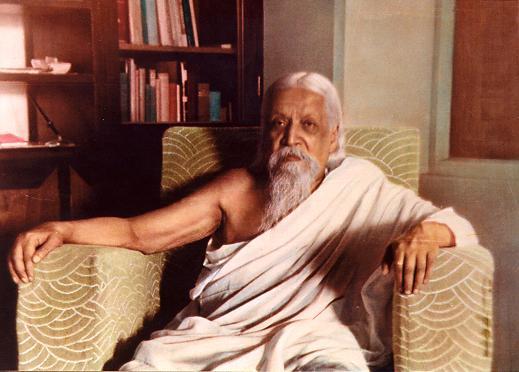
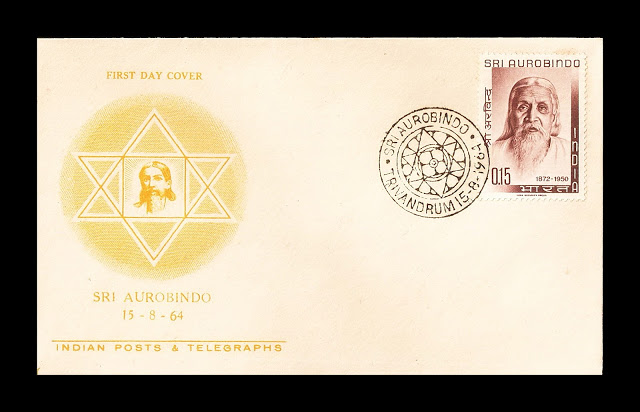
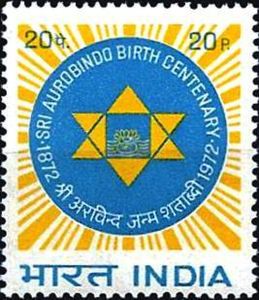
But the day had become sacred to us even before Independence. It was in the late night of 15 August 1886 that Sri Ramakrishna shed his mortal frame. And it was on 15 August 1872 that Sri Aurobindo was born.
Sri Aurobindo in England
Most Indians today do not have any idea of Sri Aurobindo. His father, a government doctor, was an Anglophile. Not outwardly religious, but full of the milk of human kindness for fellow beings. He did not want his children to be subject to any Indian influence, its language, literature, culture or religion. He sent his three sons to England for education, when Sri Aurobindo was 7. Sri Aurobindo remained there for the next 14 years, suffering in poverty, as his father could not send regular remittance for maintenance. He had thorough Classical education through English medium, emerging as a highly regarded scholar from King’s College, Cambridge. He had mastered Greek and Latin,besides English; he was proficient in French , knew German and Italian. He distinguished himself as a thorough scholar. He did not know Bengali, his mother tongue, or Sanskrit, or any Indian language. He cleared ICS too, but deliberately bunked the riding test. He returned to India in 1893 – the year in which Gandhiji went to South Africa, and Vivekananda went to America!
Sri Aurobindo in Politics: Prophet of Nationalism
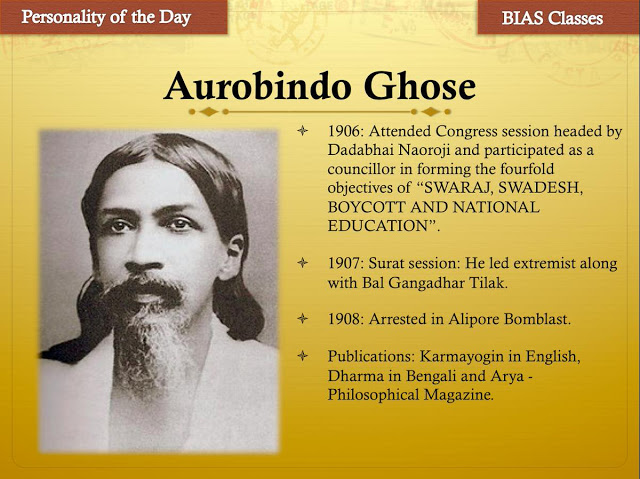
He entered service in the princely Baroda state, finally settling as professor and vice principal in the college. While he was abroad, he had felt a sense of being enveloped in darkness. This feeling left him when he stepped on Indian soil on his return! Gradually, he studied Sanskrit, practiced Yoga. The national situation attracted his attention, and he started contributing to a periodical but his writing was considered too revolutionary for the times. Politics drew his attention but being in state service, he did not want to come out in the open just then. He supported an active kind of politics, not just pacifist petitioning which the Indian National Congress was then following. But the Bengal Partition of 1905 and the spineless approach of the then Congress leaders brought him into the open. He resigned his position and jumped into public life. He spearheaded the opposition in Bengal, joined Tilak in splitting the Congress at Surat in 1907, and emerged as the national leader, giving a strong thrust and voice and face to the Nationalists. His writings brimmed with fire, but not venom. He became the most feared voice in British India- such was the force of his writing and his power to inspire youth.
Sri Aurobindo presiding over a meeting after the split in Surat Congress, 1907. Tilak is speaking.
He declared Mother India a Shakti, a Divine power, not just geography. Bande Mataram became the national mantra! The British were bent on silencing him somehow and thrice foisted sedition charges on him, but he was not found guilty by the courts! Such was the power of his writing- plainly seditious, but the law could not frame him, neither the courts could fix him! The second of these was the famous Alipore Bomb case, in which he was arrested in May 1908 and put behind bars. The trial went on for a year but the judge acquitted him in May 1909, though Sri Aurobindo was “the accused whom more than any other the prosecution are anxious to have convicted”.
The solitary confinement enabled him to practice ‘the sadhana of the Gita’ intensely. He realised the truth of the Sanatana Dharma, he realised the all pervading Vasudeva, and dedicated himself to Yoga. He heard the voice of discarnate Vivekananda on a point of Yoga for fifteen days. His experiences are broadly indicated in his Uttarpara speech. (May, 1909), where he declared :Sanatana Dharma, that is nationalism for us.” He brought a Vedantic perspective to politics, a fact which was noted by the judge. This is clearly reflected in his political writings, collected under the heads “Bande Mararam” and “Karmayogin”.
Immediately out of jail, he carried on with his political writings and speeches, though he was gravitating towards a full-fledged spiritual life. But the British had no mind to spare him. ” He is the most dangerous man we have to deal with at present and he has great influence with the student class”, wrote Lord Minto, Viceroy in April,1910! “he is the most dangerous man we now have to reckon with”, he wrote again in May 1910!
Out of Active Politics
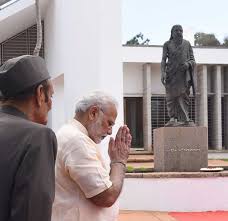
One day in February, 1910, Sri Aurobindo heard an inner command to leave Calcutta and within minutes he was on his way to Chandernagore, French enclave. Sister Nivedita had a role in alerting him to the evil designs of the colonial power. He got a further inner prompting and left for Pondicherry arriving there on 10, April 1910. He did not leave the place till his Mahasamadhi on 5 December,1950.
Sri Aurobindo was not an orator in the conventional sense, but his words were powerful and moved the audience.
Sri Aurobindo left active politics in 1910. But he had laid the lines on which the struggle for freedom was to continue: (These were followed by Sri Aurobindo during the agitation against the Partition of Bengal in 1905.)
Swaraj . Sri Aurobindo was the first public leader to declare ‘complete independence’ as the goal. The Congress under Gandhi adopt this as the goal only two decades later- in 1929!
Swadeshi Boycott of British goods, and encouragement of national enterprise
Boycott of govt education ( adoption of national education)
Boycott of British courts (settlement of disputes outside colonial courts)
Passive Resistance (later called Civil Disobedience and Non-cooperation)
Consideration for the downtrodden
It can be seen that these were the very programs adopted by Gandhi later, but without formal acknowledgement to Sri Aurobindo!
[ It may be noted here that the Bengal Nationalists were successful in their agitation against the colonial government and got the Bengal Partition of 1905 annulled, but Gandhiji’s movement could not avoid the Partition of the whole country!]
In the 20s it was felt that Gandhi’s programs were not leading us anywhere; Congress leaders invited Sri Aurobindo to come back to active politics, once even inviting him to preside over the Nagpur congress. In the 20s, Gandhi had himself felt dejected as he felt his programs were failing, he sent his son Devdas to Sri Aurobindo, asking him to return to politics. Sri Aurobindo said that India’s freedom was ordained, and his own work was different. But he had completely transformed Indian politics during the brief period he was engaged in active politics..
Arya
Sri Aurobindo’s life was entirely dedicated to Yoga from 1910.
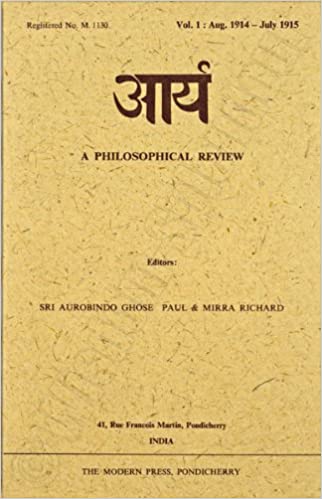
Here too he was a revolutionary. His teaching was founded on his own vision, experience, not past theories or masters. There is a strong common base in Vedanta, but his approach is based on the original insights themselves, not on later commentaries or commentators. He started publishing Arya a monthly philosophical review, from 15 August 1914, his 42nd birthday. For the next 6 1/2 years, he made this the vehicle of his thoughts. All his major works were first published here (except Savitri). The most important are:
THE LIFE DIVINE
This is Sri Aurobindo’s magnum opus, the exposition of a complete synthesis of integral philosophy. It begins:
“The earliest preoccupation of man in his awakened thoughts, and, as it seems, his inevitable and ultimate preoccupation,- for it survives the longest period of scepticism and returns after every banishment,-is also the highest which his thought can envisage. It manifests itself in the divinisation of Godhead, the impulse towards perfection, the search after pure Truth and unmixed bliss, the sense of a secret immortality.. The earliest formula of Wisdom promises to be its last,- God, Light, Freedom, Immortality.”
Explaining the significance of The Life Divine, Sri Aurobindo said:
“The philosophy of The Life Divine is such realistic Adwaita. The world is a manifestation of the Real and therefore is itself real. The reality is the infinite and eternal Divine, infinite and eternal Being, Consciousness-Force and Bliss. This Divine by his power has created the world or rather manifested it in his own infinite Being. But here in the material world or at its basis he has hidden himself in what seem to be his opposites, Non-being, Inconscience and Insentience. …The Being which is hidden..emerges in the world first in Matter, then in Life, then in Mind and finally as the Spirit…This is what we call evolution which is an evolution of consciousness and an evolution of the Spirit in things and only outwardly an evolution of species. Thus also the delight of existence emerges from the original insentience… has to find itself in the bliss of the Spirit or as it is called in the Upanishads, the bliss of the Brahman. That is the central idea in the explanation of the universe put forward in The Life Divine.” It is necessary to bear this in mind as this is the very foundation of all of Sri Aurobindo’s thoughts.
THE SECRET OF THE VEDA
This is the second most important original contribution of Sri Aurobindo. Though Indians venerated the Veda, few knew its meaning. Even the orthodox, who preserved the original intact, had lost the key to its meaning and considered it as predominantly ritualistic. The colonial powers and missionaries foisted their own theories and explanations. Someone like Max Muller, who could not understand spoken Sanskrit, and had no direct exposure to the living Sruti tradition, interpreted it according to his limited and imperfect knowledge of classical Sanskrit. The Veda was considered sacrificial compositions of primitive and barbarous race,around sacrifices meant to propitiate the forces of nature, conceived as gods by a priestly class. This view was propagated as scientific,adopting such new conjectural methods like philology,comparative mythology and comparative religion. They also invented the Aryan-Dravidian cleavage on racial lines.
As usual, Sri Aurobindo boldly declared:
“A new view of the Rig Veda is being published in the ‘Arya’ under the caption of ‘The Secret of the Veda’….which maintains that the real meaning of the Veda is spiritual, and being extremely profound and secret,is wrapped in symbolic words,various images, and expressions used in the performance of sacrifice. Though impenetrable to the ordinary person, this covering was, to the initiate in the Veda, only a transparent object which revealed all the limbs of the Truth. We have to look for the spiritual significance behind the images. If we can discover the ‘secret name’ of the gods and their respective functions, the sense of the code words, go, asva,somarasa,etc, the work of the daityas and the demons, and their inner meaning, the import of the Vedic metaphors and legends,then the significance of the Veda will become more or less clear. Of course, the true and subtle comprehension of its meaning comes only by a special knowledge and as the result of sadhana, and not by mere study of the Veda without any sadhana.”
From: Bengali Writings
On this basis Sri Aurobindo also translated some select hymns from the Veda, to show how their intent was spiritual, and not external ritual.
Alas! A hundred years later, more or less the same old view persists, taught through an Anglicised education system in the mainstream, patronized by the Brown sahibs and the political class. The orthodox elements too cling to their ritualistic interpretation of Sayana.
THE SYNTHESIS OF YOGA
This again is a basic, original contribution. In the very first issue of Arya, Sri Aurobindo wrote about the needed synthesis of “man himself”…”the harmony of his faculties.”, the “synthesis of religious aspiration and scientific faculty”, resulting in “integrality of inner experience”. The three main modes of Yoga- Karma, Bhakti and Jnana were well known, but were considered sharply divided, as in the works of Sankaracharya. Sri Aurobindo showed how they were integral. Later, he explained:
#
“The Synthesis of Yoga was not meant to give a method for all to follow. Each side of the Yoga was dealt with separately with all its possibilities, and an indication as to how they meet so that one starting from knowledge could realise karma and bhakti also and so with each part.”Sri Aurobindo had intended to revise it but could not do so. However, in the very first issue, he gave us a totally new understanding of Yoga:
“In the right view both of life and of Yoga all life is either consciously or subconsciously a Yoga. For, we mean by this term a methodised effort towards self-perfection by the expression of the potentialities latent in the being and in a union of the human individual with the universal and transcendent Existence we see partially expressed in man and in cosmos. But all life, when we look behind its appearances, is a vast Yoga of Nature attempting to realise her perfection in an ever increasing expression of her potentialities and to unite herself with her own divine reality. In man…she…devises self-conscious means and willed arrangements of activity by which this great purpose may be more swiftly and puissantly attained.”
Meaning of Arya
Explaining the very significance of the word Arya, which the journal carried in Devanagari script, Sri Aurobindo wrote:
“Indians know the word, but it has lost for them the significance which it bore to their forefathers. Western Philology has converted it into a racial term, an unknown ethnological quantity on which different speculations fix different values….the word in its original use expressed not a difference of race but a difference of culture. For in the Veda the Aryan peoples are those who had accepted a particular type of self-culture, of inward and outward practice, of ideality, of aspiration…..All the highest aspiration of the early human race, its noblest religious temper,its most idealistic velleities of thought are summed up in this single vocable.”
“In later times the word Arya expressed a particular ethical and social ideal, an ideal of well-governed life, candour, courtesy,nobility, straight dealing, courage, gentleness,purity, humanity compassion, protection of the weak, liberality, observance of social duty, eagerness for knowledge, respect for the wise and learned, the social accomplishments. .. Everything that departed from this ideal, evrything that tended toward the ignoble, mean, obscene,rude, cruel or false, was termed un-Aryan. There is no word in human speech that has a nobler history.
“Intrinsically, in its most fundamental sense, Arya means an effort or an uprising and overcoming. The Aryan is he who strives and overcomes all outside him and within him that stands opposed to the human advance. Self-conquest is the first law of his nature….Self-perfection is the aim of his self conquest. Therefore, what he conquers he does not destroy, but ennobles and fulfils.”
This was written in the second issue of Arya, in September,1914. Let us ask ourselves, English educated Indians, whether, today, 100 years later, we have any clear idea of what Arya means?
Life of Light
Sri Aurobindo was a life of light, who hailed from the very Source. Of him, we may clearly say, quoting his own poem, like waving camphor before the sun!:
“Seer deep-hearted, divine king of the secrecies,
Occult fountain of love sprung from the heart of God,
Ways thou knewest no feet ever in Time had trod. Words leaped flashing, the flame-billows of wisdom’s seas. Vast thy soul was a tide washing the coasts of heaven. Thoughts broke burning and bare crossing the human night, White star-scripts of the gods born from the presses of Light
Page by page to the dim children of earth were given.”
During the freedom movement, our later leaders including Gandhi obscured Sri Aurobindo. India as a Shakti was forgotten. Bande Mataram was forgotten. The government of free India too failed to recognise or honour him. But Mother India would not forget this her mighty son. Providence so arranged that Independence came to us on 15 August 1947, the 75th birthday of Sri Aurobindo! (even though he had left active politics in 1910).
This is, in Sri Aurobindo’s own words, “THE SANCTION AND SEAL OF THE DIVINE FORCE” on his life and work.
[ Congressmen coming to know that Independence was to come on 15 August, attacked Sri Aurobindo Ashram at Pondicherry, damaging the property , and a person was killed.]
The memory of Sri Aurobindo will be with us as long as we are Independent!
Note:1. This draws heavily on the original writings of Sri Aurobindo; often his own words are used as no one could express better what he had himself written. I openly acknowledge, and deeply bow. 2. The best way to understand Sri Aurobindo is to read him-not about him. His writings are immense and intense, but clear and direct, though one has to get used to his language. No other Indian, and even few Englishmen, have written like him. Writing was his chief mode of communication even with disciples. It requires a special approach- it cannot be done at a stretch, or in a hurry, as if ‘finishing one more book’. It is the experience of serious readers that it is a powerful way to engage with a pristine source of pure wisdom. In most cases, it will be a life-changing experience.
3.Sri Aurobindo’s literary output, even apart from Savitri, is considerable.. He has not left any aspect of life untouched, as his Yoga was not of the world-shunning type.
4. Sri Aurobindo’s original insights on the Veda were taken up by T.V.Kapali Sastry who did further work of translation on the same lines, and provided illuminating commentary on some mantras. Dr.R.L.Kashyap, Sri Aurobindo Kapali Sastry Institute of Vedic Culture, [SAKSHI] Bangalore has translated all the Vedas in the light of Sri Aurobindo’s insights. This clearly establishes that Veda is not a manual of mere rituals.
Pictures are taken from various sources for spreading knowledge; this is a non- commercial blog. Thanks for your great pictures.
tamilandvedas.com, swamiindology.blogspot.com
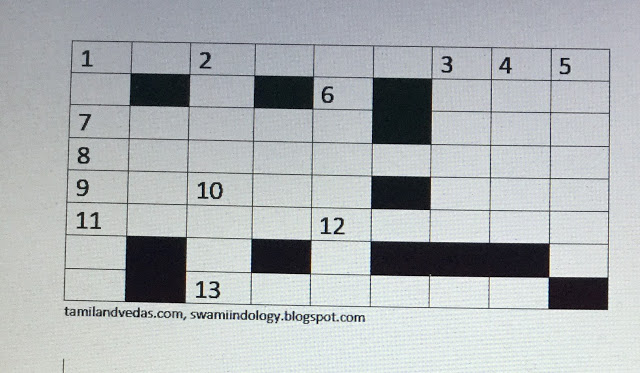
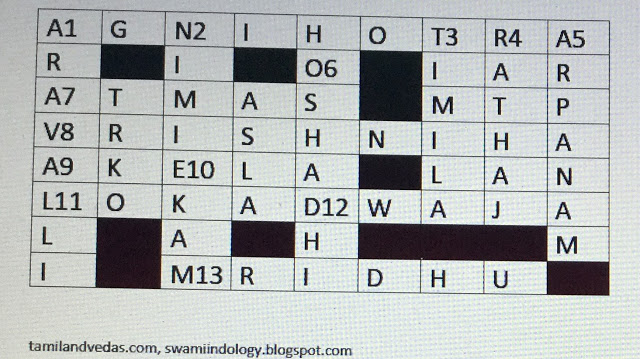
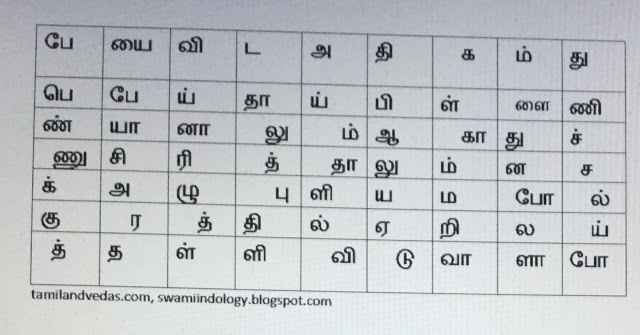
ஒரே சொல் மீண்டும் மீண்டும் வந்தால் ஓரிரு இடங்களில் மட்டுமே கட்டத்தில் இருக்கும். கொண்டு கூட்டி பொருள் கொள்க . விடை கீழே உள்ளது . சில நேரங்களில் படங்களைப் பார்த்தாலும் விடை காண உதவலாம்.
விடை
1.பேயை விட பெண்ணுக்குத் துணிச்சல் அதிகம்
2.பேய் பிள்ளையானாலும் தாய் தள்ளி விடுவாளா?
3.பேய் சிரித்தாலும் ஆகாது, அழுதாலும் ஆகாது
4.பேய் போய் புளியமரத்தில் ஏறினது போல (பேய்க்கு வாக்குப்பட்டால் புளியமரத்தில் ஏறித்தான் ஆகவேண்டும்)
Source book :–
பயன்படுத்திய நூல்- கழகப் பழமொழி அகர வரிசை, கழக வெளியீடு.
Pictures are taken from various sources for spreading knowledge; this is a non- commercial blog. Thanks for your great pictures.
ஹிந்தி படப் பாடல்கள் – 71 – ஒரு ராகம்-இரு மலர்கள் – 4 – தர்பாரி கானடா!
R. Nanjappa
தர்பாரி கானடா!
தர்பாரி கானடா ராகம் நம்மிடமிருந்து ஹிந்துஸ்தானி இசைக்குப் போனது. அக்பர் சபையில் இதை தான்ஸேன் அறிமுகம் செய்துவைத்தார். அதனால் இது “தர்பாரி” என்ற அடைமொழியுடன் வழங்கப்படுகிறது.. மிக கம்பீரமான ஆழ்ந்த ராகம். இரவில் பாடவேண்டியதெனச் சொல்வார்கள், இந்த ராகம் பல “மூட்” களைப் பிரதிபலிக்க உதவும். அவற்றில் இரண்டு பார்ப்போம்.
கித்னா ஹஸீன் ஹை மௌஸம்कितना हसीन है मौसम, कितना हसीन सफ़र है साथी है खुबसूरत, ये मौसम को भी खबर हैमिलती नहीं है मंज़िल, राही जो हो अकेला दो हो तो फिर जहाँ भी, चाहे लगा लो मेला दिल मिल गये तो फिर क्या, जंगल भी एक घर हैना जाने ये हवायें क्या कहना चाहती हैं पंछी तेरी सदायें क्या कहना चाहती हैं कुछ तो है आज जिस का हर चीज़ पर असर हैकुदरत ये कह रही है, आ दिल से दिल मिला ले उल्फ़त से आग ले कर, दिल का दिया जला ले सच्ची अगर लगन है, फिर किस का तुझको डर है
கித்னா ஹஸீ(ன்) ஹை மௌஸம், கித்னா ஹஸீன் ஸஃபர் ஹைஸாதீ ஹை கூப் ஸூரத் யே மௌஸம் கோ பீ கபர் ஹைஎத்தனை அழகான சூழல், எத்தனை இனிய பயணம்’உடன் இருப்பது நல்ல அழகி என்று இயற்கைக்கும் தெரியும்!மில்தீ நஹீ ஹை மன்ஃஜில், ராஹீ ஜோ ஹோ அகேலாதோ ஹோ தோ ஃபிர் ஜஹா(ன்) பீ சாஹே லகாலோ மேலாதில் மில் கயே தோ ஃபிர் க்யா, ஜங்கல் பீ ஏக் கர் ஹைதனியாக பயணிப்பவருக்கு அடையவேண்டிய இடம் கிடைப்பதில்லை!இருவராக இருந்தால் விரும்பிய இடத்தில் விழா கொண்டாடலாம்!மனதிற்குப் பிடித்து விட்டால் பின் என்ன, காடும் ஒரு வீடுதான்!
இந்தத் தென்றல் காற்று என்ன சொல்ல விரும்புகிறது என்று தெரியவில்லை!இந்தப் பறவைகளின் எதிரொலி என்ன சொல்ல விழைகிறது என்று தெரியவில்லை!இன்று ஏதோ மாயம் தான், ஒவொன்றிலும் அதன் தாக்கம் இருக்கிறது!குத்ரத் யே கஹ்ரஹீ ஹை, ஆ தில் ஸே தில் மிலாலேஉல்ஃபத் ஸே ஆக் லேகர், தில் கா தியா ஜலா லேஸச்சீ அகர் லகன் ஹை, ஃபிர் கிஸ்கா துஜ் கோ டர் ஹைமனதுடன் மனது இணையட்டும் என்று இயற்கை சொல்கிறது!அன்பு என்ற நெருப்பிலிருந்து இதயம் என்ற விளக்கை ஏற்று!அன்பு உண்மையாக இருந்தால் பின் எதற்கு அஞ்சவேண்டும்?
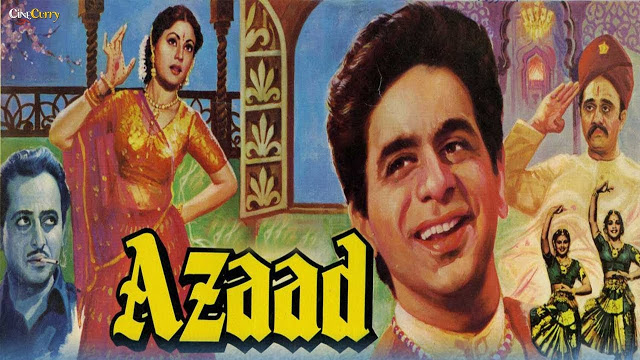
Song: Kitna haseen hai mausam Film: Azad 1955 Lyrics: Rajinder Krishan Music: C.Ramchandra Singers: C.Ramchandra & Lata Mangeshkar YouTube link: https://www.youtube.com/watch?v=jaZnV-zzl0o
தர்பாரி கானடா ராகத்தில் இத்தனை அழகிய டூயட்! சி. ராம்சந்த்ராவின் மேஜிக்! இந்தப் படத்தின் இசை பூராவுமே ஒரு மேஜிக் தான்! இது தமிழ் மலைக்கள்ளன் படத்தின் ஹிந்தி வடிவம். இதற்கு இசையமைக்க தயாரிப்பாளர் நௌஷத்தை அணுகினார். ஒரு மாதத்திற்குள் இசை தயாராகவேண்டுமென்றார். நௌஷத் அது தன் வழியல்ல என்று சொல்லிவிட்டார். வேறு சிலரை அணுகிய பின், சி.ராம்சந்த்ராவிடம் வந்தார். அவர் சவாலை ஏற்றுகொண்டதுடன் சிறந்த இசையமைத்து பாட்டுகள் பிரபலமாயின. இந்தப் பாட்டில் இன்னொரு விசேஷம். இந்த மெட்டு தலத் மெஹ்மூதுக்காக அமைக்கப்பட்டது! ஆனால் தலத்தால் அந்த சமயத்தில் பாடல் பதிவிற்கு வரமுடியவில்லை- சி.ராம்சந்த்ராவே பாடினார்! பாட்டும் சிறப்பாக அமைந்துவிட்டது! குரலும் தலத் குரல் போலவே இருக்கிறது! இது தலத் குரல் என்றே பலர் நினைத்தார்கள்! நம் ஷைலேந்த்ராவே அப்படித்தான் நினைத்து 100 ரூபாய் பெட்டும் கட்டித் தோற்றுப்போனார்! இப்பொழுது இன்னொரு பாட்டு பார்ப்போம்.
அப் கஹா(ன்) ஜாயே(ன்) ஹம்अब कहाँ जाएँ हम, ये बता ऐ ज़मीं इस जहां में तो कोई हमारा नहीं अपने साये से भी लोग डरने लगे अब किसी को किसी पर भरोसा नहीं अब कहाँ जाएँ हम…
हम घर-घर जाते हैं, ये दिल दिखलाते हैं पर ये दुनिया वाले, हमको ठुकराते हैं रास्ते मिट गए, मंज़िलें खो गईं अब किसी को किसी पर भरोसा नहीं अब कहाँ जाएँ हम…
नफ़रत है निगाहों में, वहशत है निगाहों में ये कैसा ज़हर फैला, दुनिया की हवाओं में प्यार की बस्तियाँ, ख़ाक होने लगीं अब किसी को किसी पर भरोसा नहीं अब कहाँ जाएँ हम…
हर साँस है मुश्किल की, हर जान है इक मोती बाज़ार में पर इनकी, गिनती ही नहीं होती ज़िन्दगी की यहाँ, कोई कीमत नहीं अब किसी को किसी पर भरोसा नहीं ये बता ऐ ज़मीं…
அப் கஹா(ன்) ஜாயே ஹம், யே பதா ஏ ஃஜமீன்இஸ் ஜஹா(ன்) மே தோ கோயீ ஹமாரா நஹீஅப்னே ஸாயே ஸே பீ லோக் டர் நே லகேஅப் கிஸீ கோ கிஸீ பர் பரோஸா நஹீஅப் கஹா(ன்) ஜாயே (ன்) ஹம்.…. இப்பொழுது நான் எங்கே போவது? பூமியே, நீயே சொல்!இந்த உலகில் எனக்கென்று யாருமில்லைமக்கள் தங்கள் நிழலைக்கண்டே பயப்படுகிறார்கள்இப்போது யாருக்கும் யார்மீதும் நம்பிக்கை இல்லை!இப்பொழுது நான் எங்கு போவேன்?ஹம் கர் கர் ஜாதே ஹை(ன்) யே தில் திக்லாதே ஹை(ன்)பர் யே துனியாவாலே ஹம் கோ டுக்ராதே ஹை(ன்)ராஸ்தே மிட் கயே, மன்ஃஜிலே(ன்) கோ கயீஅப் கிஸீ கோ கிஸீ பர் பரோஸா நஹீஅப் கஹா(ன்) ஜாயே ஹம்…நான் ஒவ்வொரு வீட்டிற்கும் போகிறேன்,
மனதாரப் பழகுகிறேன்ஆனால் இந்த உலகத்தவர் என்னை ஏற்றுக்கொள்வதில்லைவழி அழிந்துவிட்டது, இலக்கு மறைந்துவிட்டதுஇப்பொழுது எவருக்கும் எவரிடத்திலும் நம்பிக்கை இல்லை!நான் எங்கு போவது!நஃப்ரத் ஹை நிகாஹோ(ன்) மே, பஹ்ஶத் ஹை நிகாஹோ(ன்) மேயே கைஸா ஃஜ ஹர் ஃபைலா, துனியா கீ ஹவாவோ(ன்) மேப்யார் கீ பஸ்தியா((ன்) காக் ஹோனே லகீஅப் கிஸீ கோ கிஸீ பர் பரோஸா நஹீஅப் கஹா(ன்) ஜாயே(ன்) ஹம்.ஒவ்வொரு முகத்திலும் வெறுப்பு, ஒவ்வொரு முகத்திலும் மிருக வெறி தெரிகிறது!உலகத்தின் நிலைமையில் எந்த விதமான விஷம் பரவிவிட்டது!மக்கள் அன்பாக வாழ்ந்த இடங்கள் சாம்பலாகிப் போகின்றனஇப்பொழுது யாருக்கும் யாரிடமும் நம்பிக்கை இல்லை!ஹர் ஸான்ஸ் ஹை முஷ்கில் கீ, ஹர் ஜான் ஹை ஏக் மோதீபாஃஜார் மே பர் இன் கீ கின்தீ நஹீ ஹோதீ..ஜிந்தகீ கீ யஹா(ன்) கோயீ கீமத் நஹீஅப் கிஸீ கோ கிஸீ பர் பரோஸா நஹீஅப் கஹா(ன்) ஜாயே(ன்) ஹம்ஒவ்வொருவரும் கஷ்டப்பட்டுத்தான் வாழ்கிறார்கள்ஒவ்வொரு உயிரும் விலை மதிப்பில்லாதது!ஆனல் உலகமாகிய சந்தையில் இவற்றை யாரும் கணக்கில் எடுத்துக்கொள்வதில்லைஉயிருக்கு இங்கு எந்த மதிப்பும் இல்லைஇப்பொழுது எவருக்கும் எவர் மீதும் நம்பிக்கை இல்லை!நான் எங்கு போவேன்….
கானடாவின் முழு உருவை விளக்கும் பாடல்! அருமையான ஷங்கர் ஜெய்கிஷன் மெட்டிற்குத் தகுந்த அருமையான கவிதையை எழுதிவிட்டார் ஷைலேந்த்ரா. மன்னா டே அருமையாகப் பாடியிருக்கிறார்.








 Tamil and Vedas