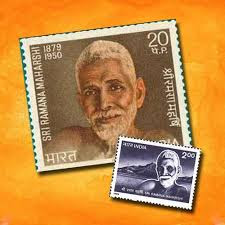
RAMANA: LESSONS FOR DAILY LIVING – 4 (Post No.8393)

    R. Nanjappa

Obedience to Authority

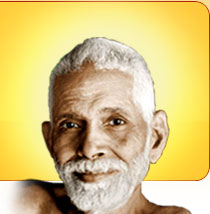
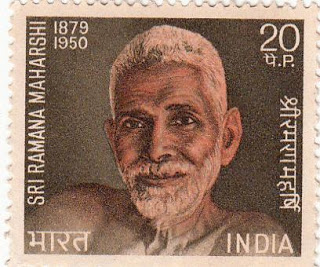
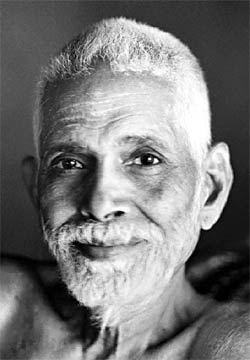
Bhagavan implicitly obeyed authority. Though it was in his name, the Asramam was a separate entity, run by different people, who had their own views and ways. Bhagavan had nothing to do with the administration. When they made a rule, Bhagavan would also obey it, however personally inconvenient.  It was the rule for instance that when anyone brought a book for Bhagavan, it must be submitted to the ‘office’. When someone brought something to him directly, he would have it sent to the office.

It is the practice in the Asramam for sadhus to be given food before serving food in the dining hall. Once they said that all sadhus should only receive their food outside. When they started serving food in the hall, they found Bhagavan missing. Then they saw him standing in the queue along with the other sadhus. He asked whether he was not a sadhu! He had his own subtle, but strong way to make his point!


Once, a foreign lady was found sitting with her leg stretched out in front, as they were not used to sitting cross legged on the floor.  The attendants asked her to bend her knees. The lady struggled to bend them!  Bhagavan noticed that and he too bent his knees and sat cross-legged. The attendants were shocked, as Bhagavan was suffering from rheumatism and bending the knee must have caused severe pain! They asked him to stretch his legs. He told them: ‘It is your rule here that no one should sit with legs stretched. If others stretching legs before me is disrespect to me, my stretching legs before them is disrespect to them! I would not break the rule’. It took lot of persuasion to make Bhagavan resume his normal position, along with the reversal of that rule! It was how things were done in the name of Bhagavan! Bhagavan would say that before anyone prostrated before him, he had already done his mental namaskar!  

Treat Everyone Alike
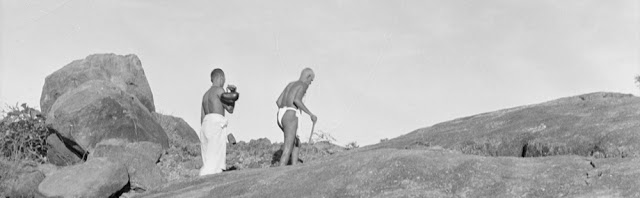

Bhagavan was very particular that every one should be treated alike. But this is something his attendants never learned willingly, or followed sincerely. In the early days, whatever eatable was brought into the hall, would be distributed then and there. Fruits like plantain would be distributed but by the end there would not be enough, and so only pieces would be given to some. Others like mango or guava would be cut into pieces but as the plate reached the end of the hall, the pieces would become smaller! In the dining hall, some items would be served in greater quantity on Bhagavan’s leaf, and smaller amount on others’! Or if it was buttermilk, it would be thick for Bhagavan, and get thinner as it went along! Bhagavan was an uncompromising enemy of such practices and totally detested such discrimination. He would repeatedly admonish them but people had their own ways! In the dining hall, the server was the king! Finally, Bhagavan decided that he would start eating only after everyone else had been served, ensuring equal treatment for everyone! When the monkey ‘king’ was served food, he was served on his own full leaf plate! 

Problem with Administration

When there is an Asramam, where people of all tastes and temperaments gather, some administrative arrangements become necessary, and their nature will depend upon the persons in charge – this is unavoidable. There would always be people to criticise whatever was done, and spread stories and carry tales. Ramanasramam was no exception. No one would dare to talk such things in the presence of Bhagavan, but if someone carried a grievance against the manager, Bhagavan would say: ‘who knows what kind of stories had been carried to the manager!’ Things would immediately fall into perspective! But it is also a fact that once something was mentioned to Bhagavan, correction or relief followed!


Punctuality

Bhagavan’s punctuality was phenomenal. His movements were regular, orderly. One could set the clock by his movements. His handwriting was like print. Some devotees would contrive something to have something written by him so that they could keep them. Some devotees like K.K.Nambiar were lucky to have entire notebooks written in the hand of Bhagavan!

People generally say that Bhagavan’s spiritual teaching is difficult to follow. If we look closely at the way he lived his external life, we would find that too is difficult for us to follow! His simplicity, frugality, avoidance of waste, equality in treatment for all, non-interference in others’ work or views, not being   judgemental,  love for all forms of life, obedience to authority, maintenance of order- what an array of civic or human virtues are there for us to learn and follow!  What high standards He has set! All taught by example!

***

CONCLUDED
உலகப் புகழ் பெற்ற ஒரு போட்டோ! (Post No.8392)

WRITTEN BY S NAGARAJAN                     

Post No. 8392

Date uploaded in London – – –24 July 2020   

Contact – swami_48@yahoo.com

Pictures are taken from various sources for spreading knowledge; this is a non- commercial blog. Thanks for your great pictures.

உலகப் புகழ் பெற்ற ஒரு போட்டோ!

ச.நாகராஜன்

கொரானா காலத்தில் ஒவ்வொரு மாநிலத்திலிருந்தும் இன்னொரு மாநிலத்திற்கு வேலை தேடி வந்தோர் தவிக்கும் பாட்டைப் பார்த்தால் மனம் கசிகிறது.

அன்றாடம் வேலை செய்து பெரும் சம்பளத்தால் வாழும் இவர்களுக்கு வேலை இல்லை எனில் ஏது சம்பளம்? எப்படிச் சாப்பிடுவர்? யாரையும் பார்க்கக் கூடாது, வெளியில் வரக் கூடாது, சொந்த ஊருக்கும் போக முடியாது.

இப்படி ஒரு நிலையைத் தந்த கொரானாவை எப்படித் தான் விவரிப்பது?

இதே போல ஒரு நிலை அமெரிக்காவில் 1932இல் ஏற்பட்டது.

இன்றைய கொரானாவைப் போல அவ்வளவு  மோசமில்லை என்றாலும் அதிலும் ஏராளமானோர் படாத பாடு பட்டனர்.

அதில் ஒரு பெண்மணி தான் Migrant Mother!

1929ஆம் ஆண்டு அக்டோபர் மாதம் 29ஆம் தேதி அமெரிக்க ஸ்டாக் மார்க்கெட் சரிந்து வீழ்ந்து அதல பாதாளத்திற்குப் போனது. இது பொருளாதார வீழ்ச்சியை உருவாக்க மக்கள் தவித்தனர். இந்த நிலையை வரலாறு Great Depression என்று பெயரிட்டு அழைக்கிறது.

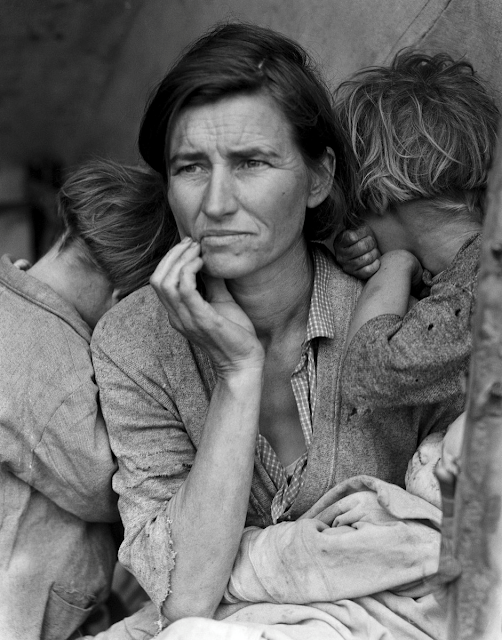
டொராதா லாங்கே (Doratha Lange) என்ற ஒரு பெண்மணி சிறந்த போட்டோகிராபர். (தோற்றம் 1895- மறைவு 1965) ஸ்டுடியோவிலிருந்து வெளியேறி, அவர் தனது வண்டியில் ஏறிக் கொண்டு ஊர் ஊராகச் சுற்றலானார். ஒரு நாள் கலிபோர்னியோவில் நிபோமோ என்ற இடத்தில் ஒரு வேதனை முகத்தில் ததும்ப இருக்கும் ஒரு தாயைக் குழந்தைகளுடன் கண்டார்.

பட்டாணிகளைப் பொறுக்கி எடுக்கும் வேலை அவருடையது. கடுமையான மழையால் பட்டாணிகள் அழிந்து போக அவருக்கு அதை எடுப்பதற்கான வேலையே இல்லாமல் போனது.

லாங்கே வேலையின்றி ஒரு கூடாரத்தில் உட்கார்ந்திருந்த பலரைப் பார்த்தார். அவர்களுள் ஒருவர் ஏழு குழந்தைகளுடன் வருத்தம் தோய்ந்த முகத்துடன் உட்கார்ந்திருந்தார். இரு குழந்தைகள் அவரை அரவணைத்திருக்க அவர் சோகமாக அவர் அமர்ந்திருந்தார்.

லாங்கே அவரை அணுகி அவரை போட்டோ எடுக்கலாமா எனக் கேட்டார்.

“ஏதோ இருக்கிறொம். உயிர் பிழைத்து விட்டோம். அப்படித்தான் சொல்ல வேண்டும்” என்று வருத்தத்துடன் அவர் சொன்னார்.  (We just existed. We survived. Let’s put it that way)

அவருக்கு வயது 32. சுற்றியுள்ள வயல்வெளிகளில் உறைந்து கிடக்கும் கறிகாய்களைப் பொறுக்கி எடுத்து அதில் உயிர் வாழ்வதாக அவர் கூறினார். குழந்தைகள் அடித்துக் கொன்று கொண்டு வரும் பறவைகளும் அவர்களுக்கு உணவாகிறது.

ஒரு வண்டியில் அமர்ந்தவாறே ஆங்காங்கு சென்று வேலை தேடும் அவர் கடைசி கடைசியாக தன் வண்டியின் டயர்களை விற்று உணவு வாங்கி வந்ததாகக் குறிப்பிட்டார்.

லாங்கே ஆறு போட்டோக்களை எடுத்தார். அதில் இரு படங்களை சான்பிரான்ஸிஸ்கோ நியூஸ் இதழ் வெளியிட்டது. அதில் ஒன்று உலகப் புகழ் பெற்று விட்டது.

Depression எப்படி அனைவரையும் பாதித்திருக்கிறது என்பதை அமெரிக்க மக்களின் மனதை உருக்கும் விதமாக அந்த 1936ஆம் வருடத்திய போட்டோ விளக்கியது. மைக்ரண்ட் மதர் (Migrant Mother) என்று அந்த போட்டோ தலைப்பிடப்பட்டிருந்தது.முகத்தைக் காட்டாமல் மறைத்து அம்மாவை அணைத்துக் கொண்டிருக்கும் குழந்தைகளை அணைத்தவாறு அந்தத் தாய் வெறிச்சோடி எதையோ பார்த்த வண்ணம் இருக்கிறார்.

அவர் பெயரைச் சொல்ல மாட்டேன் என்று லாங்கே உறுதி கூறியிருந்தார்.

பிற்காலத்தில் அவரது பெயர் ஃப்ளோரென்ஸ் ஓவன்ஸ் தாம்ஸன் (Florence Owens Thompson) என்பது தெரிய வந்தது.

குழந்தைகளின் தந்தை யார்? அவர் எங்கே? அவர் இல்லை. அந்தக் குழந்தைகளுக்கு அம்மா தான் எல்லாம். வயல்வெளிகளுக்குச் செல்லும் போது குழந்தைகளை மூட்டையாகக் கட்டிக் கொண்டு அவர் செல்வது வழக்கம்.

அமெரிக்க மக்களின் அடிமன உணர்வைத் தூண்டி விட்ட படம் இது என வரலாறு சொல்கிறது. போட்டோவின் விளைவாக 20000 பவுண்ட் மதிப்பிற்கான உணவு வகைகளை அரசு அந்த புலம் பெயர் தொழிலாளிகள் இருந்த இடத்திற்கு அனுப்பியது.

போட்டோ வெளியான போது அந்தத் தாய் வேறொரு இடத்திற்குச் சென்று விட்டார். அவரைப் பற்றிய ஆராய்ச்சியில் பத்திரிகை நிருபர்கள் உள்ளிட்ட பலரும் இறங்கினர்; ஒரு வழியாக அவரைக் கண்டுபிடித்தனர். அவரது வரலாற்றைக் கேட்டனர். அவரது பெயரும் அப்போது தான் தெரிந்தது.

இந்தப் படத்தால் தனக்கு ஒரு பைசா கூட வரவில்லை என்று அவர் பல வருடங்களுக்குப் பின்னர் அவரைக் கண்டுபிடித்த போது கூறினார்.

அவரது குடும்பத்தின் எண்ணிக்கை பத்தாக அப்போது உயர்ந்திருந்தது.

1983இல் தாம்ப்ஸன் பக்கவாத நோயால் பாதிக்கப்பட்டார்.

அவரது புதல்விகள் மருத்துவச் செலவிற்காக மக்களை அணுகினர். உடனடியாக 15000 டாலர் நிதி சேர்ந்தது.

படத்தை எடுத்த லாங்கே அமெரிக்காவின் சிறந்த போட்டோகிராபர்களுள் ஒருவராக மதிக்கப்பட்டார். அவருக்கு விருதும் கிடைத்தது.

மக்கள் மறக்க முடியாத உலகப் புகழ் பெற்ற போட்டோ மைக்ரண்ட் மதர்!

tags -உலகப் புகழ் பெற்ற , போட்டோ

***

SWAMI’S CROSSWORD 2372020 (Post No.8391)

WRITTEN BY LONDON SWAMINATHAN

Post No. 8391

Date uploaded in London – 23 July 2020   

Contact – swami_48@yahoo.com

Pictures are taken from various sources for spreading knowledge; this is a non- commercial blog. Thanks for your great pictures.

tamilandvedas.com, swamiindology.blogspot.com

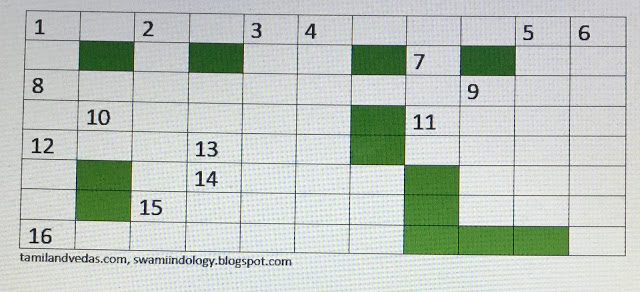
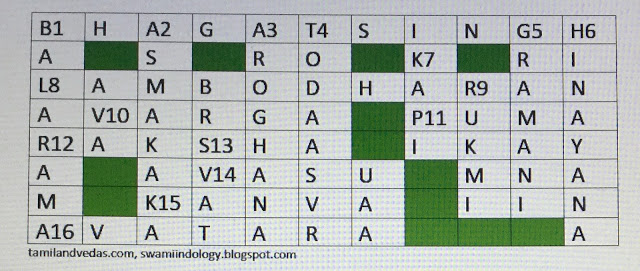
across

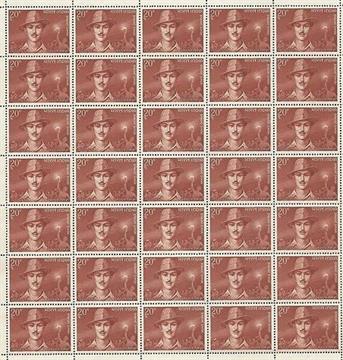
1.—11— he was  hanged for opposing the British rule in India along with two other people. He was more popular than the other two revolutionaries.

8.—10— long stomached Ganesh

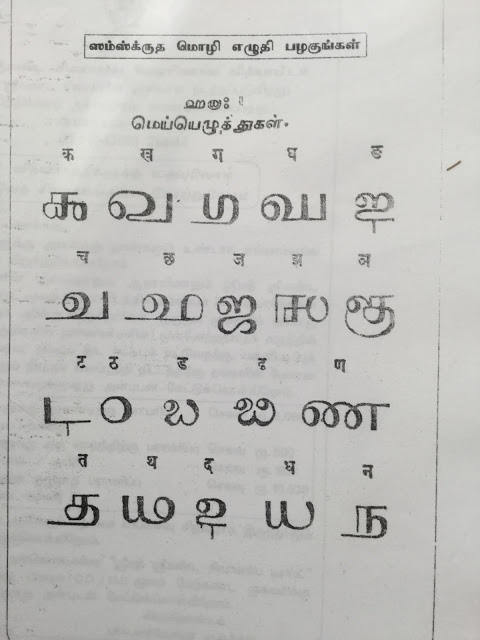
10. –5 – classes of consonants ka, sa, ta,pa; division in astrology

11.– 4—man; in animal world cougars, mountain lions

12. –6—protector; guard; bracelet; protective thread

14.—4—these 8 gods are part of 33 Vedic Gods

15.—5—important Rishi of 8th Mandala of the Rig Veda; Foster father of Sakuntala

16. – 7— incarnation; Vishnu has ten of these.

down

1–8— Elder brother of Krishna

2. -6— country on the bank of Godavari

3. – going up; particularly hoisting flag

4.—4—Tribes of  Nilgris

5.—7—Headman of a village from Rig Vedic days until now

6.—8— Mahayana and this branch are two important sects of Buddhism

7.—5—Monkey in Sanskrit

9.—5— brother of Rukmini

13. – Himalayan Valley, now in Pakistan; known as Switzerland of Pakistan

INDEX 19 எஸ்.நாகராஜன் கட்டுரை இன்டெக்ஸ் -19 (Post No.8390)

INDEX 19 எஸ்.நாகராஜன் கட்டுரை இன்டெக்ஸ் -19 (Post No.8390)

WRITTEN BY S NAGARAJAN                     

Post No. 8390

Date uploaded in London – – –23 July 2020   

Contact – swami_48@yahoo.com

Pictures are taken from various sources for spreading knowledge; this is a non- commercial blog. Thanks for your great pictures.

நமது பிளாக்கில் எஸ்.நாகராஜன் எழுதிய கட்டுரைகளின் பட்டியலை March 2015 முதல் வெளியிடுகிறேன். இது அகர வரிசைப்படி இல்லாவிடினும் இண்டெக்ஸ் INDEX போன்றதே.

இந்தப் பட்டியலை பிரிண்ட் செய்து வைத்துக் கொண்டால் உங்களுக்குத் பிடித்த கட்டுரைகளை நேரம் கிடைத்தபோது படிக்கலாம்

கட்டுரைகளை பிளாக்கில் பெறுவது எப்படி?

பிளாக்கிற்குப் போய் தேடுவதை விட கூகுளில் (google) தேடுவது எளிது. கட்டுரையின் தலைப்பை காப்பிcopy  செய்து கூகுளில் பேஸ்ட் paste செய்யுங்கள் அதன் பிறகு ஆங்கிலத்தில் from tamilandvedas.com  என்று எழுதி க்ளிக் (click) செய்யுங்கள்.

 from swamiindologly.blogspot.com

என்று எழுதியும் பெறலாம்.

எடுத்துக்காட்டு:

மோடி ஜி! தட்டிப் பார்த்தால் தங்கம்!!     from tamilandvedas.com

மோடி ஜி! தட்டிப் பார்த்தால் தங்கம்!!     from swamiindology.blogspot.com

நீங்கள் சிறு பிழை விட்டாலும் நீங்கள் எதிர்பார்த்தது கிடைக்காமல் வேறு விஷயம் வரும். அதில் நேரத்தை வீணடிக்காமல் மீண்டும் ஒரு முறை சரியாக எழுதி முயற்சி செய்யுங்கள். இரண்டு பிளாக்குகளில் ஒன்றில் கிடைத்து விடும்

கட்டுரை பெறுவதில் ஏதேனும் சிக்கல் இருந்தால் எங்களைத் தொடர்பு கொள்ளுங்கள் .

April 2016

  1-4-16    2685      மாசுகள் உருவாகும் வகைகள்! 

  3-4-16    2689  அருகி வரும் உயிரினங்களைப் பாதுகாப்போம்!

  4-4-16    2692     நவக்கிரகங்கள் பூஜித்த தலங்கள்! – 1 (ஞான ஆலயம்

             ஏப்ரல் 2016 இதழ் கட்டுரை)

 5-4-16    2695     சுப்புடுவுக்கே சுப்புடு!

   6-4-16   2698     நல்ல பதில்கள்!

 7-4-16    2701     ஏப்ரல் 22 – பூமி தினம்!

  8-4-16    2704     கோடிக்கணக்கான டன் கழிவுப் பொருள்கள்!

  9-4-16    2707      எமனைக் கை தட்டி அழைக்காதே!

10-4-16    2710     அளவறிந்து வாழ்க!

 11-4-16    2713     அனக்ராம் – 1

 12-4-16    2716   அனக்ராம் – 2

 13-4-16    2719     பெருமாள் கோவிலில் நீண்ட வரிசையில் காத்திருந்து வழிபட்ட

              முஸ்லீம் பெண்கள்!

 14-4-16    2723    அனக்ராம் – 3

15-4-16     2725    பிராயம் நூறு வயதை எட்டிய பெரியோர்! – 4 யோகி ஸ்ரீ

              திருமலை கிருஷ்ணமாசார்யா

16-4-16     2729     சூரிய கிரகணமும், மன்னர்கள் மரணமும் (பாக்யா 8-4-16

              கட்டுரை)    

17-4-16     2732    பிராயம் நூறு வயதை எட்டிய பெரியோர்! – 5 நிரோத் பரன், 

              அரவிந்த ஆசிரமம்

19-4-16     2737    சந்திரன் உலகை அழிப்பானா? (பாக்யா 15-4-16 அ.து.  )

20-4-16     2740   Life is Worth Living!

21-4-16     2743     கவிதைச் சித்தன் கும்மாளம்!

22-4-16    2747      அதிசய புத்த துறவி ஸூ யுன் – 1     

22-4-16    2751      அதிசய புத்த துறவி ஸூ யுன் – 2

24-4-16    2754      2900 ஆண்டுகளுக்கு முன் இந்தியர் செய்த மூளை அறுவை

              சிகிச்சை! (பாக்யா 22-4-16 கட்டுரை)

25-4-16    2755      பொன்னியின் செல்வனில் எத்தனை எழுத்துக்கள்?

27-4-16    2759      உப்பே உத்தமம்! ((சம்ஸ்கிருதச் செல்வம்)                 

28-4-16    2762      அதிசய புத்த துறவி ஸூ யுன் – 3

29-4-16    2765      அறிவியல் மாநாட்டில் சிவபெருமான்! (பாக்யா 29-4-16 அ.து.)

30-4-16    2768      படிப்பது எப்படி?      (சம்ஸ்கிருதச் செல்வம்)   


May 2016

  3-5-16    2775  Don’t Postpone!       (Rotarian July 1981)

  4-5-16    2779     நட்சத்திரங்கள் பூஜித்த பரிகாரத் தலங்கள்! – 1 (ஞான ஆலயம்

             மே 2016 இலவச இணைப்பு)

 5-5-16    2782     நட்சத்திரங்கள் பூஜித்த பரிகாரத் தலங்கள்! – 2 (ஞான ஆலயம்

             மே 2016 இலவச இணைப்பு)

   6-5-16   2785     நட்சத்திரங்கள் பூஜித்த பரிகாரத் தலங்கள்! – 3 (ஞான ஆலயம்

             மே 2016 இலவச இணைப்பு)

  7-5-16    2788     நட்சத்திரங்கள் பூஜித்த பரிகாரத் தலங்கள்! – 4 (ஞான ஆலயம்

             மே 2016 இலவச இணைப்பு)

  8-5-16    2791     நட்சத்திரங்கள் பூஜித்த பரிகாரத் தலங்கள்! – 5 (ஞான ஆலயம்

             மே 2016 இலவச இணைப்பு)

  9-5-16    2794     அதிசய புத்த துறவி ஸூ யுன் – 4

10-5-16    2797     விமானத்தில் பறக்கும் போது நோபல் பரிசு கிடைத்தது!ஞ

             (பாக்யா 6-5-16 அ.து.  )

 11-5-16    2800     அதிசய புத்த துறவி ஸூ யுன் – 5

 12-5-16    2803  எகிப்திய பிரமிடுகளின் மர்மங்கள் பற்றி பால் பிரண்டன் -1

 12-5-16    2806     எகிப்திய பிரமிடுகளின் மர்மங்கள் பற்றி பால் பிரண்டன் -2

 14-5-16    2809    எகிப்திய பிரமிடுகளின் மர்மங்கள் பற்றி பால் பிரண்டன் -3

15-5-16     2812    சந்திரனில் ஒரு கிராமம்! (பாக்யா 13-5-16 அ.து.  )

16-5-16     2815   காளிதாஸன் மீது போஜனின் நட்பு!-சம்ஸ்கிருதச் செல்வம்

17-5-16     2818     என் கணவர் – ராஜலக்ஷ்மி சந்தானம்

 21-5-16    2827      அதிசய ரஷிய யோகி குர்ட்ஜியெஃப் – 1 (பாக்யா 20-5-16 அ.து.)

21-5-16    2828      சிதையும் சிந்தையும் – சுவையான பாடல்! (சுபாஷிதம்)

24-5-16    2834      பலன் தரும் நவக்ரஹ யந்திரங்கள்!

25-5-16    2837      கீதையைப் படிக்காத வாழ்வு வீணே!

26-5-16    2840      அதிசய ரஷிய யோகி குர்ட்ஜியெஃப் – 2 (பாக்யா 27-5-16 அ.து. )

27-5-16    2843      அதிசய புத்த துறவி ஸூ யுன் – 6

28-5-16    2846      கீதத்தின் பெருமை! (சம்ஸ்கிருதச் செல்வம்)

29-5-16    2849      பாரதத்தின் பெருமை (சம்ஸ்கிருதச் செல்வம்)

30-5-16    2852      பலன் தரும் பரிஹார யந்திரங்கள்!                   

31-5-16    2855  தமிழகத்தில் உள்ள மஹாபாரதத் தலங்கள்! (ஞான ஆலயம்

             ஜுன் 2016 கட்டுரை)


June 2016

 1-6-16    2858  எனது மூன்றாவது மனைவி! – சம்ஸ்கிருதச் செல்வம்

  2-6-16    2861     அதிசய மலர் மருந்துகள் (பாக்யா 3-6-16 அ.து.)    

  5-6-16    2868     Efficacy of Vishnu Sahasranama

   6-6-16   2871     வெற்றிக்கு வழி!

  7-6-16    2874     உலகின் அதிசய நூல் யோக வாசிஷ்டம் – 1

  9-6-16    2880     உலகின் அதிசய நூல் யோக வாசிஷ்டம் – 2

10-6-16    2883     விஞ்ஞானிகளை வியக்க வைக்கும் செவ்வாய் சிறுவன்!

             (பாக்யா 10-6-16 அ.து.  )

 11-6-16    2886     அதிசய புத்த துறவி ஸூ யுன் – 7

 12-6-16    2888  வாழ்க்கையையே நஷ்டமாக்கிக் கொள்பவர்கள்!(சம்ஸ்கிருத 

             செல்வம்)

 13-6-16    2890     உலகின் அதிசய நூல் யோக வாசிஷ்டம் – 3

 14-6-16    2893    உலகின் அதிசய நூல் யோக வாசிஷ்டம் – 4

15-6-16     2896    விஞ்ஞானிகளை வியக்க வைக்கும் அதிசய மனிதர்கள்!

              (பாக்யா 17-6-16 அ.து.  )

 17-6-16     2901  மறுபிறப்பு உண்டா என்ன? சரகர் தரும் பதில்! (ஹெல்த்கேர் 

              மே 2016 இதழ் கட்டுரை)

 18-6-16     2904     புண்ய காரியங்களைச் செய்து நீண்ட நாள் வாழ

              ஆசைப்படுங்கள் (ஹெல்த்கேர் ஏப்ரல் 2016 இதழ் கட்டுரை)

 27-6-16      2924      மனித குலத்தையே மாற்றப் போகும் மாத்திரை

               (பாக்யா 24-6-16 அ.து.   )

30-6-16      2930  சிரிக்கவும் சிந்திக்கவும் வைக்க இக்நோபல் பரிசு!

           (பாக்யா 1-7-16 அ.து.   )

TO BE CONTINUED…………………………………………………..

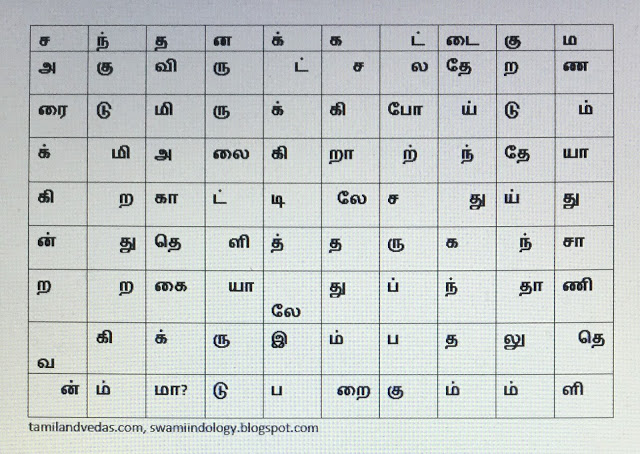
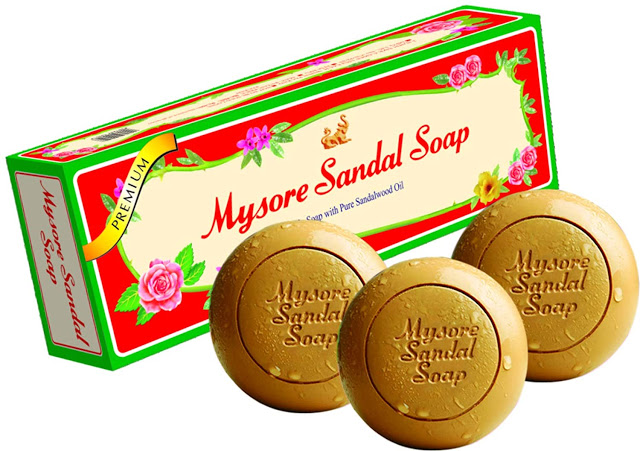
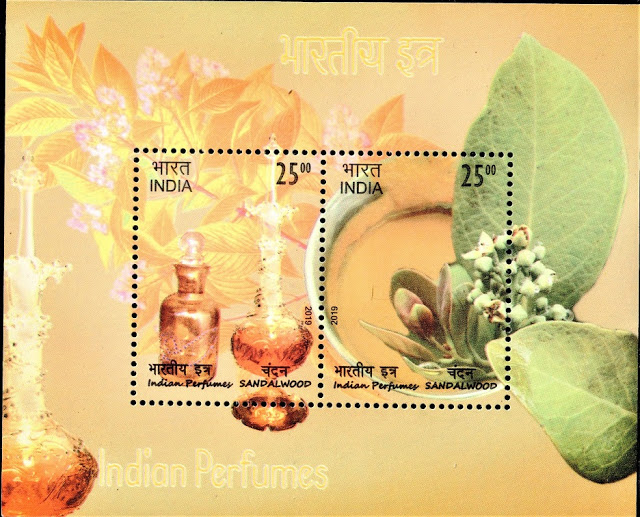
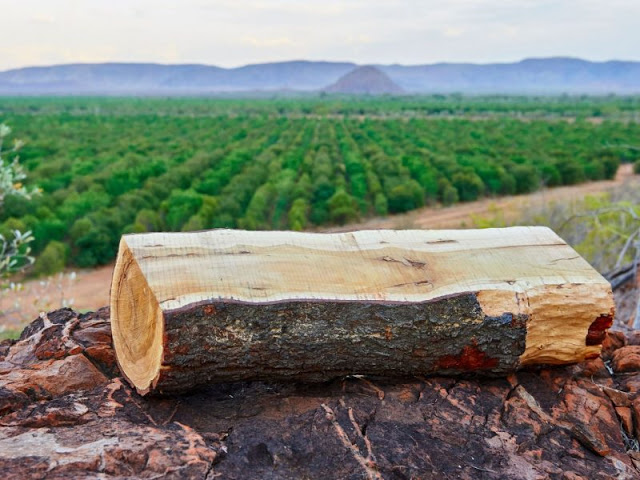
5 சந்தனப் பழமொழிகள் கண்டு பிடியுங்கள் (Post No.8389)

WRITTEN BY LONDON SWAMINATHAN

Post No. 8389

Date uploaded in London – 23 July 2020   

Contact – swami_48@yahoo.com

Pictures are taken from various sources for spreading knowledge; this is a non- commercial blog. Thanks for your great pictures.

tamilandvedas.com, swamiindology.blogspot.com

ஒரே சொல் மீண்டும் மீண்டும் வந்தால் ஓரிரு இடங்களில் மட்டுமே கட்டத்தில் இருக்கும். கொண்டு கூட்டி பொருள் கொள்க . விடை கீழே உள்ளது . சில நேரங்களில் படங்களைப் பார்த்தாலும் விடை காண உதவலாம்.

ANSWER

1.சந் தனக்கட்டை தேய்ந்து கந்தம் குறைபடுமா ?

2.சந்தனக்குறடு  தேய்ந்தாலும்  மணம்  குறையாது

3.சந்தனம் அரைக்கின்றவன் குடுமி அலைகிறாற்போல

4.சந்தன விருட்சமிருக்கிற காட்டிலே சருப்பம் இருக்கிறது போல

5.சந்தனம் தெளித்த கையாலே சாணி தெளித்தது போல

Tags—சந்தனம், பழமொழிகள்

GOLDSTUCKER TEARS MAX MULLER TO PIECES; VEDIC HINDUS KNEW WRITING! (Post No.8388)

WRITTEN BY LONDON SWAMINATHAN

Post No. 8388

Date uploaded in London – 23 July 2020   

Contact – swami_48@yahoo.com

Pictures are taken from various sources for spreading knowledge; this is a non- commercial blog. Thanks for your great pictures.

tamilandvedas.com, swamiindology.blogspot.com

THEODOR GOLDSTUCKER  was a great scholar in Sanskrit grammar, an authority on Panini . He showed how confused was Max Muller and how he contradicted himself in every statement he made.

Theodor  Goldstucker 1821 to 1872

Max Muller –  1823 to 1900

Max Muller said that Hindus did not know writing before 4th century BCE.

But Goldstucker showed that Hindus knew writing even during Vedic days.

Both of them were Germans ,but lived in Britain holding high posts in Universities.

Sekkilzar, a great Tamil Saivite saint, praises Lord Shiva as one who knows writing but gave the Unwritten Vedas (Ref.Periya Purana of Sekkilzar, verse 160

5). This is confirmed by Maheswara Sutras of Panini. Lord Shiva’s kettle drum made different sounds and from one side came Sanskrit and from another side came Tamil (Ref.Paranjothi Munivar’s Tiru Vilaiyadal Purana).

Lord Shiva deputed Rishi Agastya from the Himalayas to write a grammar for Tamil Language. This is sung by all Tamil poets until Bharati of modern day. This again confirms that Tamil and Sanskrit came from the same source. Though Shiva knew writing he made that Veda should be taught only orally. 2000 year old Tamil Sangam poet Pandyan Enati Nedun Kannan also described the Veda as the  Unwritten Learning (Ezuthaa Karpu) in Sangam Book Kuruntokai verse 156.

Max Muller and Gold Stucker lived before the Indus- Sarasvati Civilization seals were excavated. But yet Goldstucker knew that Vedic Hindus wrote other things but not the Vedas. And the biggest proof lies in teaching Vedas orally until this day, in spite of thousands of printed books.

Max Muller wrote in the History of Sanskrit Literature that Panini of Fourth Century BCE (MM’s Date for Panini)  never mentioned book or writing, pen or paper. Later he said that his contemporary Katyayana rightly interpreted Yavanani as Greek writing. Not only that, he over looked Panini’s word Lipi and Lipikara (Writing and Writer).

Goldstucker also showed that ‘Sutra’ (thread connecting palm leaves/strong), ‘Patalam’ (covering with bark), ‘Kanda’/trunk of tree, ‘Patra’/palm leaf all point out to the existence of books and Texts during Vedic times.

(Until this day Westerners are making the biggest blunder by interpreting Yavanas as Greeks.. Tamil literature called the Romans as Yavanas; Kalidasa called the Honey Comb Bearded Persians as Yavans. Later Sanskrit writers called the Greeks as Yavanas;  15th century onwards Muslims were called Yonas, Jonas and Yavanas. Earliest Mahabharata and Ramayana referred to Yavanas as the products of Divine Cow Kamadenu along with Chinese and Dravidians. In short whoever lived in North West but not the followers of Vedas were called Yavanas. So Persian, Karoshti and Greek writings were Yavanani scripts)

H H Wilson (1786-1860) recommended Goldstucker to a post in University College London. He was working there until his last day. Goldstucker died 18 years before Max Muller. That was a great loss for Sanskrit lovers.

Goldstucker dated Panini in Seventh Century BCE and dated Katyayana several centuries after Panini. G oldstucker  showed that  thousands of corrections and additions he made to Panini’s original book is the proof for it’. He told that this was not due to Panini’s mistakes, but due to the changes in the use of the language over several centuries. (We see such changes in Tamil grammar books as well)

***

Emperor Ashoka’s Brahmi

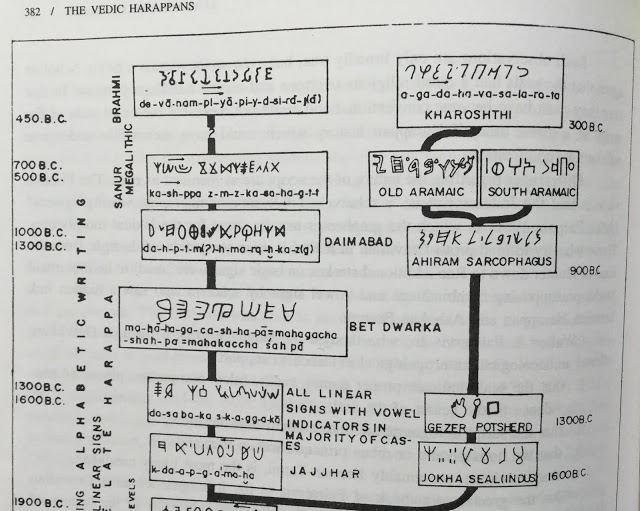
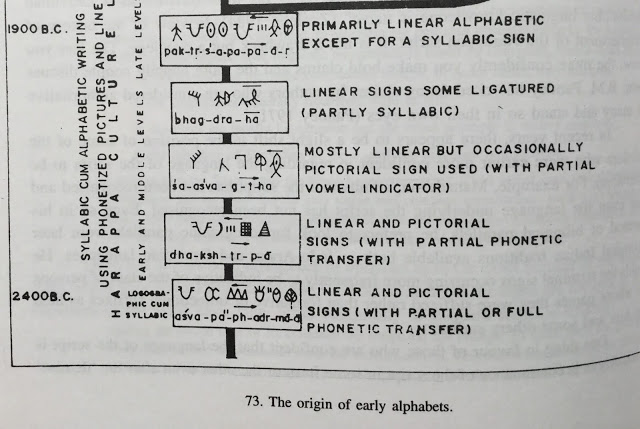
Asoka spread the Buddhist message from Afghanistan to the southernmost  part of Sri Lanka.. The Brahmi writings found in different parts of the Indian Sub Continent showed Max Muller was an wrong. More over Indus – Sarasvati writing showed that Hindus knew writing. But there is a mysterious gap between the Indus seals and Brahmi or Karoshti or X Y Z.

***

Writing in the Vedas

Egbert Richter Ushanas gives another important point about writing in his book ‘The Indus Script and the Rig Ved’a.

“There were also words for ‘to writ’e and ‘writer’ in Vedic times. Buhler mentions ‘lipi’ for script and ‘lipikara’ for writer in Panini’s grammar 3-2-21, but several words denoting ‘to write’ and ‘writer can’ be found in the Rg Veda itself. They have only not been recognised as such on account of deficient entries in dictionaries.

A Vedic word for writer is ‘rbhu’.. its root is related to rhaptein in Greek.  Its derivatives are ‘rhapsody’ and the name of the famous singer ‘Orpheus’. Synonymous and homophonous with ‘rabh’ in Sanskrit root ‘grabh’ corresponding to Greek ‘graphein’ for to write. ‘Grabh is not used in this sense in Veda, but we come across  the roots ‘gah’, to dive – pencil in the clay- ‘ri’ , to let flow, — the line of writing – and ‘r’ to move. This root is related to ‘rg’, the verse,’ rsi’, seer/singer and ‘rta’, order/truth, time of sacrifice. That means the seers were also writers. The word for writing in classical Sanskrit , ‘lipi’, is also derived from ‘rabh’. Another root that is used for to write is ‘pis’, to carve in stone.

My comments

We can easily see the connection of lipi- glyph- graph- write etc.

Also Persians pronounced Lipi as Dipi in Behitsun Inscription of (520 BCE).

Tamil also got Ezuthu for letter/lipi from WRITE

W = e

Ri = lu or Zu

Te = thu.

All point out to one source!!

tags -Goldstucker, writing, Max Muller, lipi, lipikara, Graphine

–subham–

RAMANA : LESSONS FOR DAILY LIVING – 3 (Post No.8387)

WRITTEN BY R. NANJAPPA                        

Post No. 8387

Date uploaded in London – – – 23 July 2020   

Contact – swami_48@yahoo.com

Pictures are taken from various sources for spreading knowledge; this is a non- commercial blog. Thanks for your great pictures.

RAMANA : LESSONS FOR DAILY LIVING – 3

                                                   R. Nanjappa


(Arul niraivana amudak kadalae! – Sri Bhagavan)

அருள் நிறைவான அமுதக் கடலே!

He would use every scrap of paper. He would cut the white edges of newspapers, stitch them into small books and use for his writing! The proof sheets of any books printed would be stitched by him and retained as his own copy! ‘Who would give us one?’, he would say! He would stitch torn books, mend their covers and bind them! Even the small pencil stub would not be thrown away. Once a devotee brought some nice new pencils. Bhagavan looked at them, admired them and returned them, saying  they were nice but he did not need them as he had his own in the Asramam! He then asked his attendant to search for their small stub and bring it!

When he ate, he would mix all items together and take them! He would not leave anything on the leaf- it would be as clean as an unused, new one! In fact, it used to be so clean that some people would eat on it, taking it as a privilege. This news spread, and there used to be a queue for the use of that leaf-plate! Once Bhagavan came to know of it, he got so annoyed, he started removing his own leaf after his meal! How things happen even in the shadow of the Jnani!

No interference in others’ affairs

Bhagavan would never interfere with the personal views of anyone and impose his own. He would never offer any advice on his own. He would never influence people’s decisions, or seek to change them. Only sincere devotees, who would follow his advice, like Devaraja Mudaliar would get some hints when needed or asked. Once Bhagavan told Mudaliar that he should not seek for pleasure, but might accept what came to him! He told Sivaprakasam Pillai, when asked, that he might go to his village and live there quietly in his Sadhana! But he would not otherwise interfere in others’ beliefs or practices.

 Somehow the practice started in the Asramam of reciting Vedas in the morning. The Vedic pundits used to come from the town. The news reached the Mutt of Kanchi Sankaracharya. They decided that since the Asramam was located in or near the burial ground and contained a samadhi, it was not permissible to recite Veda there! The pundits were told to stop the practice, or they would not be allowed to have allegiance to the Mutt. The pundits were disturbed and in a fix. When asked for his advice, Bhagavan told them that they were all orthodox pundits and they must decide on their own, in accordance with their authorities! Bhagavan did not want to be used as an occasion or excuse to break a sastric rule! He was not a social reformer, and would not interfere with others’ faith or functions! He never criticised any other authority or guru or system! 

Translations and Commentary

His non-interfering attitude sometimes created genuine problems. Learned people started translating his works, writing commentaries and explanations on that, etc. In the process, even his basic, clear teachings got distorted. There were some influential persons of learning who did not agree with what they felt was the extreme or absolute Advaitic nature of his teaching; they therefore translated and explained things in a different way. When other, regular followers of Bhagavan, who had had the benefit of listening to Bhagavan direct on these matters felt that those translations did not do justice, and non-Tamil knowing readers would get an incorrect view of the matter, Bhagavan refused to interfere. He merely said that sometimes questions were put with some intention in the mind, and he had answered accordingly; or that people wrote according to their persuasion. He told Lakshmana Sarma that if he was not satisfied with those translations, he might come up with his own! This Sarma did, and that was read, corrected and cleared by Bhagavan himself! But the incorrect interpretation too is still in circulation! Even in his biography, inaccuracies crept in! (Now, with the passage of time more and more books are being written. How to ensure accuracy? We have to stick to books published in Bhagavan’s own lifetime, and those written by direct followers who were with Bhagavan.)

To be continued

tags – ramana lessons-3

****

பாரத ஸ்தலங்கள் – 8 (Post No.8386)

WRITTEN BY S NAGARAJAN                     

Post No. 8386

Date uploaded in London – – –23 July 2020   

Contact – swami_48@yahoo.com

Pictures are taken from various sources for spreading knowledge; this is a non- commercial blog. Thanks for your great pictures.

(திருவாசகத் தலங்களும் மஹேஸ்வர மூர்த்தங்கள் அமைந்துள்ள தலங்களும்)

ச.நாகராஜன்

26. திருவாசகத் தலங்கள்!

  1. திருப்பெருந்துறை
  2. தில்லை
  3. உத்தரகோசமங்கை
  4. திருவண்ணாமலை
  5. திருக்கழுக்குன்றம்
  6. திருத்தோணிபுரம்
  7. திருவாரூர் 

மேலே கூறப்பட்டவை திருவிசைப்பா, திருப்பல்லாண்டு தலங்களாகவும் இடம் பெற்றுள்ளன.

27. திருவாசகத்தில் குறிக்கப்பெறும் தலங்கள்!

திருவாசகத் தலங்களன்றி திருவாசகத்தில் குறிக்கப்பெறும் தலங்களாக அறியப்படுபவை கீழ்க்கண்ட தலங்கள்.

  1. மகேந்திரமலை
  2. பஞ்சப்பள்ளி
  3. நந்தம்பாடி
  4. குடநாடு
  5. வேலம்புத்தூர்
  6. சாந்தம்புத்தூர்
  7. மதுரை
  8. திருப்பூவணம்
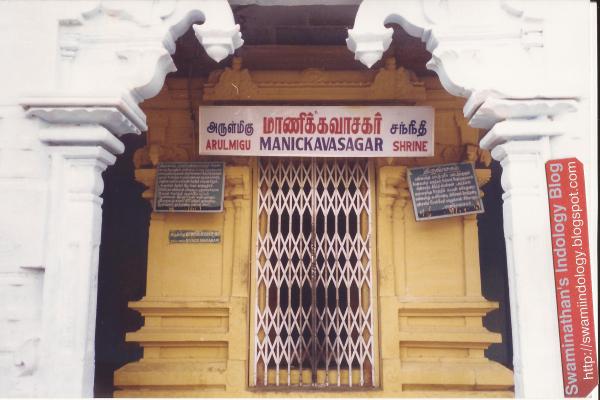
  9. திருவாதவூர் (மாணிக்கவாசகர் அவதரித்த தலம்)
  10. பூவலம்
  11. திருவெண்காடு
  12. பட்டமங்கலம்
  1. ஓரியூர்
  2. பாண்டூர்
  3. தேவூர்
  4. திருவிடைமருதூர்
  5. கச்சி ஏகம்பம்
  6. ஸ்ரீ வாஞ்சியம்
  7. கடம்பூர்
  8. ஈங்கோய்மலை
  9. திருவையாறு
  10. திருப்பூந்துருத்தி
  11. திருப்பனையூர்
  12. திருப்புறம்பயம்
  13. சந்திரதீபம்
  14. குற்றாலம்
  15. பாலை
  16. கல்லாடம்
  • மொக்கணீச்சுரம்
  • கூடல் (மதுரை)
  • திருப்பராய்த்துறை
  • திருச்சிராப்பள்ளி
  • கோகழி
  • திருப்பழனம்
  • இத்தி
  • மலைநாடு
  • அவிநாசி

மேற்கண்டவற்றுள் சில திருமுறைத் தலங்கள்.

ஏனையவற்றுள் பல பெயர்கள் எவ்வெத்தலங்களைக் குறிக்கின்றன என்பது சரியாகத் தெரியவில்லை.

28. மகேஸ்வர மூர்த்தங்கள் 25 அமைந்திருக்கும் தலங்கள்!

மகேஸ்வர மூர்த்தங்கள் சிவபெருமானின் 25 திருவுருவங்களைக் குறிப்பதாகும். இவ்வடிவங்கள் சிவாலயங்களில் கற்சிலைகளாகவும், பஞ்சலோக சிற்பங்கள் மற்றும் சுதைச் சிற்பங்களாகவும் வடிவமைக்கப்பட்டுள்ளன.

சிவாகமங்கள் சிவபிரானின் ஐந்து முகத்திற்கும் 5 மூர்த்திகளை சுட்டிக் காட்டுகின்றன.

ஈசானம் – சோமாஸ்கந்தர், நடராஜர்,ரிஷபாரூடர்,சந்திரசேகரர், கல்யாணசுந்தரர்

தற்புருஷம் – பிட்சாடனர், காமசம்ஹாரர், சலந்தராசுரர், கால சம்ஹாரர், திரிபுராந்தகர்

அகோரம் – கஜசம்ஹாரர், வீரபத்திரர், தட்சிணாமூர்த்தி, நீலகண்டர், கிராதர்

வாமதேவம் – கங்காளர், கஜாரி, ஏகபாதர், சக்ரதானர், சண்டேசர்

சத்யோசாதம் – லிங்கோத்பவர், சுகாசனர், அர்த்தநாரீஸ்வரர், அரியர்த்த மூர்த்தி, உமா மகேஸ்வரர்.

25 மகேஸ்வர வடிவங்களும் அவை அமைந்திருக்கும் தலங்களும் கீழே தரப்பட்டுள்ளன. (அடைப்புக்குறிக்குள் மாவட்டங்கள் தரப்பட்டுள்ளன)

  1. சோமாஸ்கந்தர் – திருவாரூர்
  2. நடராஜர் – சிதம்பரம்
  3. ரிஷபாரூடர் – வேதாரண்யம்
  4. கல்யாணசுந்தரர் – திருமணஞ்சேரி
  5. சந்திரசேகரர் – திருப்புகலூர் (திருவாரூர்)
  6. பிட்சாடனர் – வழுவூர் (நாகப்பட்டினம்)
  7. காமசம்ஹாரர் – குறுக்கை
  8. கால சம்ஹாரர் – திருக்கடையூர் (நாகப்பட்டினம்)
  1. சண்டேச அனுக்கிரகர் – கங்கைகொண்ட சோழபுரம் (அரியலூர்)
  2. ஏகபாதமூர்த்தி – மதுரை
  3. லிங்கோத்பவர் – திருவண்ணாமலை
  4. சுகாசனர் – காஞ்சிபுரம்
  5. உமா மகேஸ்வரர் – திருவையாறு (தஞ்சாவூர்)
  6. அரியர்த்த மூர்த்தி – சங்கரன்கோவில் (திருநெல்வேலி)
  7. அர்த்தநாரீஸ்வரர் – திருச்செங்கோடு (நாமக்கல்)
  8. நீலகண்டர் – சுருட்டப்பள்ளி( ஆந்திரா)

***tags- பாரத ஸ்தலங்கள் – 8 

INDEX 18 எஸ்.நாகராஜன் கட்டுரை இன்டெக்ஸ் -18 (Post No.8385)

WRITTEN BY S NAGARAJAN                     

Post No. 8385

Date uploaded in London – – –22 July 2020   

Contact – swami_48@yahoo.com

Pictures are taken from various sources for spreading knowledge; this is a non- commercial blog. Thanks for your great pictures.

நமது பிளாக்கில் எஸ்.நாகராஜன் எழுதிய கட்டுரைகளின் பட்டியலை March 2015 முதல் வெளியிடுகிறேன். இது அகர வரிசைப்படி இல்லாவிடினும் இண்டெக்ஸ் INDEX போன்றதே.

இந்தப் பட்டியலை பிரிண்ட் செய்து வைத்துக் கொண்டால் உங்களுக்குத் பிடித்த கட்டுரைகளை நேரம் கிடைத்தபோது படிக்கலாம்

கட்டுரைகளை பிளாக்கில் பெறுவது எப்படி?

பிளாக்கிற்குப் போய் தேடுவதை விட கூகுளில் (google) தேடுவது எளிது. கட்டுரையின் தலைப்பை காப்பிcopy  செய்து கூகுளில் பேஸ்ட் paste செய்யுங்கள் அதன் பிறகு ஆங்கிலத்தில் from tamilandvedas.com  என்று எழுதி க்ளிக் (click) செய்யுங்கள்.

 from swamiindologly.blogspot.com

என்று எழுதியும் பெறலாம்.

எடுத்துக்காட்டு:

மோடி ஜி! தட்டிப் பார்த்தால் தங்கம்!!     from tamilandvedas.com

மோடி ஜி! தட்டிப் பார்த்தால் தங்கம்!!     from swamiindology.blogspot.com

நீங்கள் சிறு பிழை விட்டாலும் நீங்கள் எதிர்பார்த்தது கிடைக்காமல் வேறு விஷயம் வரும். அதில் நேரத்தை வீணடிக்காமல் மீண்டும் ஒரு முறை சரியாக எழுதி முயற்சி செய்யுங்கள். இரண்டு பிளாக்குகளில் ஒன்றில் கிடைத்து விடும்

கட்டுரை பெறுவதில் ஏதேனும் சிக்கல் இருந்தால் எங்களைத் தொடர்பு கொள்ளுங்கள் .

January 2016

  1-1-16    2447     அக்னி பரிட்சையில் மீண்டு வந்த அற்புத மனிதர்கள்!

             (பாக்யா 1-1-16 கட்டுரை)

 2-1-16    2450      பாவச் செயல்களைப் பரப்பாதே! (வில்லி பாரதம்)

 3-1-16    2454  சென்னை மழையில் உலராத மன ஈரம்!

  4-1-16    2457    இராவணனை வென்றவனை வென்றவன்!

 5-1-16    2460     உவமைகளை அடுக்கும் உன்னதக் கவிஞர்! (வில்லி பாரதம்)

   6-1-16   2463      அக்பரும் சூரிய நமஸ்காரமும்!

 7-1-16    2466     ராக தேவதைகளின் அருள் பெற்ற தான்ஸேன்!

  8-1-16    2469     வள்ளுவரின் சுடும் குறள்கள்!

  9-1-16    2472      லலிதா சஹஸ்ரநாமம் சொல்வதில் ஒரு ரகசியம்!

10-1-16    2475     சிவனடியார் பாடிய முதலை பாடல்கள் – 1  (தேவார சுகம்)

11-1-16    2478    சிவனடியார் பாடிய முதலைப் பாடல்கள் – 2 (தேவார சுகம்)

12-1-16    2481   காயத்ரி மந்திரம் உச்சரித்த முஸ்லீம் பெரியார்!

13-1-16   2484      நல்லதும் கெட்டதும் ஏன் ஏற்படுகிறது?       

 29-1-16   2488      பரமஹம்ஸர் கூறிய பொற்கொல்லர் கதை!

30-1-16    2491      அறிவியல் சவால்! மில்லியன் டாலர் பரிசு (பாக்யா 8-1-16

             கட்டுரை)

31-1-16    2493      கிருஷ்ண சபதம்!

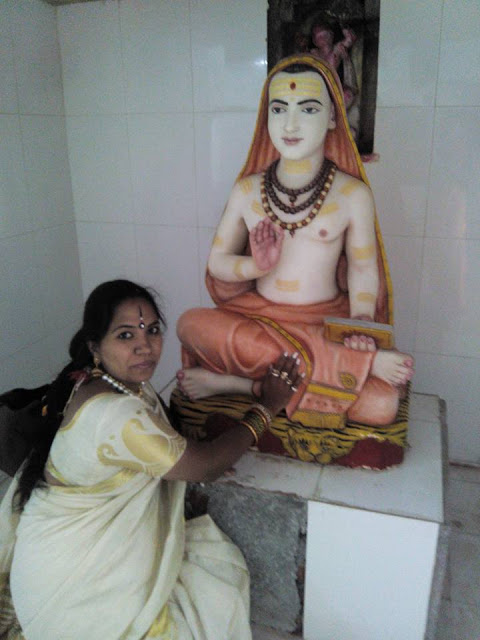
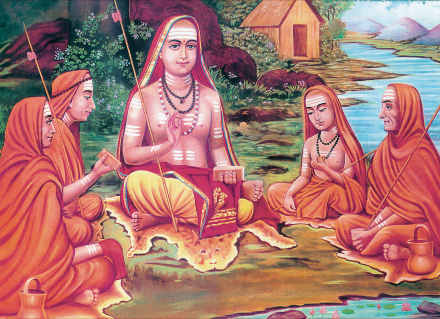
STATUE OF ADI SHANKARA

February 2016

  1-2-16    2496      புதுவகை அமேஸான் விளையாட்டு! (பாக்யா 29-1-16 கட்டுரை)

 2-2-16    2499      ஆவி உலகம் : உலகின் அபூர்வமான மீடியம் ஹோம்! (பாக்யா

              16-1-16 அ.து.)

 3-2-16    2504  உடலை நீட்டித்தும் குறுக்கியும் காட்டிய அதிசய மனிதர்

             ஹோம்! (பாக்யா)

  4-2-16    2506     இதயத்தை மெதுவாகக் கொல்லும் 6 உணவுகள் (ஹெல்த்கேர்

             ஜனவரி 16 இதழ்)

 5-2-16    2509     பிக்ஷுவே அப்போது என்ன செய்வா?

   6-2-16   2513     கர்ம பலன் : அந்த மாங்காய் இது அல்லவே! (நாகசேனர்)

 7-2-16    2516     மூளையை ஏமாற்றும் இனிப்பு மற்றும் கொழுப்பு உணவுகள்!

             (ஹெல்த்கேர் பிப்ரவரி 16 இதழ்)

  8-2-16    2519     மிதிலை தந்த செல்வம்!

  9-2-16    2522      கவிஞரின் வீட்டிற்குத் தானே வந்த கங்கை! 

10-2-16    2525   ஸ்வாமி விவேகானந்தரின் அற்புத அனுபவங்களும் ஆற்றலும்!- 1

11-2-16    2528    ஸ்வாமி விவேகானந்தரின் அற்புத அனுபவங்களும் ஆற்றலும்!

             – 2 கேட்டது கிடைக்கும்!

12-2-16    2531   ஸ்வாமி விவேகானந்தரும் அக்பர் சமாதியும்! (பாக்யா 12-2-16)

 13-2-16   2535      ஸ்வாமி விவேகானந்தரின் அற்புத அனுபவங்களும் ஆற்றலும்!       

  • 3 பேயை விரட்டிய விவேகானந்தர்!

14-2-16    2538    மூலிகைப் போர்! (பாக்யா 12-2-16 அ.து.)

15-2-16    2541    ஸ்வாமி விவேகானந்தரின் அற்புத அனுபவங்களும் ஆற்றலும்!    

  • 4 கும்பகோணம் கோவிந்த செட்டி சொன்னது எல்லாம் பலித்தது – விவேகானந்தர்

16-2-16     2545     ஆவி கொடுத்த ஆவணத்தை ஏற்றுத் தீர்ப்பளித்த நீதிபதி! 

              (பாக்யா 5-2-16 அ.து)

17-2-16     2548    மேற்குத் தொடர்ச்சி மலை வளத்தைக் காப்போம்!

18-2-16     2552    உரத் தொழிற்சாலைக் கழிவுகள்!

19-2-16     2554   வீட்டில் தோட்டம் வளர்க்கலாமே!

20-2-16     2558     வால்டேர் வளர்த்த கழுகு! (பாக்யா 19-2-16 பாக்யா கட்டுரை)

21-2-16     2560      நெப்போலியனின் வயது! (பாக்யா 19-2-16 பாக்யா கட்டுரை)

22-2-16     2563      பேய்களை ஆராய்ந்த விஞ்ஞானி!

23-2-16     2566      வேத பிராயம் நூறு வயதை எட்டிய பெரியோர் – 1

24-2-16    2569      செவ்வாய் குடியிருப்பு வேண்டாம்! கிண்டலான பரபரப்புக் கட்டுரை!

26-2-16    2575      தமிழகத்தில் புதிய கட்சி மு.மு.க. தேர்தலில் போட்டியிடுமா?

27-2-16    2579      முட்டாள்கள் முன்னேற்றக் கழகம் அழைப்பு!

28-2-16    2581      கோமாளி மன்றம்!

29-2-16    2583      ஸ்வாமி விவேகானந்தரின் அற்புத அனுபவங்களும் ஆற்றலும்!

          – 5 ஆவிகள் மீதும் பரிவு!

March 2016

  1-3-16    2586      நான் ஏன் எப்பொழுதும் சந்தோஷமாகவே இருக்கிறேன்?

 2-3-16    2589      கருகத் திருவுளமோ?

 3-3-16    2592  நையாண்டி மடல் 3 தமிழில் பிடிக்காத ஒரே வார்த்தை!

  4-3-16    2595     பத்திரிகையில் புல்லுருவிகள்!

 5-3-16    2598     காந்திஜியும் பத்திரிகையாளர்களும்!

   6-3-16   2603     ஆரோக்கியத்தைக் கெடுக்கும் பயங்கர ஒலிகள்!

 7-3-16    2606     இமயமலைக் காடுகளைக் காப்போம்!

  8-3-16    2609     தட்ப வெப்ப மாறுபாட்டினால் சீரழியும் மனித உறவுகள்!

  9-3-16    2612      ஒரே சமயத்தில் இரு இடங்களில் இருக்கலாம்! (பாக்யா 11-3-16

10-3-16    2615     ஸ்வாமி விவேகானந்தரின் அற்புத அனுபவங்களும் ஆற்றலும்! 

              பிறர் மனதை அறிவது எப்படி?

 11-3-16    2618     புறச்சூழலைப் பாதுகாக்கும் நவீன கண்டுபிடிப்புகள்!

 12-3-16    2622   நையாண்டி மடல் 4 கொள்கை என்ன என்று கேட்ட        

              கோமாளிகள்!

 13-3-16    2626      சுழற்சி பற்றிய அபூர்வமான ஹிந்து தத்துவம்!

 14-3-16    2629    அனக்ராம் – 3

15-3-16     2632    பிராயம் நூறு வயதை எட்டிய பெரியோர்! – 3 காஞ்சிப்

              பெரியவர்

16-3-16     2635     பூமியைக் காப்போம்!

17-3-16     2638    மின்சார சாதனங்கள் கழிவு பற்றிய விழிப்புணர்வை  

              ஊட்டுவோம்!

18-3-16     2641    வியாதிகளுக்கு எப்படி பெயர் சூட்டப்படுகிறது?

19-3-16     2645   நையாண்டி மடல் 5 ஜம் ஜம் பங்கஜம்!

20-3-16     2648     உருகும் பனிப்பாறைகள், எச்சரிக்கும் விஞ்ஞானிகள்!

21-3-16     2651      நையாண்டி மடல் 6 அநுமனைப் பிடித்தவரை ஆலோசகராக

              ஆக்குகிறோம்!     

22-3-16     2653      பாதிரியாருக்குத் தக்க பாடம் புகட்டிய விவேகானந்தர்!

23-3-16     2656      பார்வையற்ற முஸ்லீம் சிறுமி கூறும் பகவத்கீதை!

24-3-16    2658      சிவபிரான் தலையில் கங்கை இடம் பெற்ற காரணம்! (ஸ்வாமி

              விவேகானந்தர்)

25-3-16    2660      எங்கும் நிறைகின்ற பொருளே! (விவேகானந்த அமுதம்)

26-3-16    2664      இவர் யார்?  (ராம தீர்த்தர்)

27-3-16    2668      மல்யுத்த வீரர் ஒருவரின் புதிய யுத்தம்!                

28-3-16    2670      சுற்றுப்புறச் சூழலைக் காக்கச் சில வழிகள்!

29-3-16    2673      சந்திரனில் கடைசியாக நடந்த மனிதன்! (பாக்யா 25-3-16 அ.து.)

30-3-16    2676      இந்த நூல் எது?- 1      (சிருங்கார ப்ரகாஸம்)

31-3-16    2679      சூரிய கிரகணம் தந்த அறிவியல் வெற்றிகள் (பாக்யா 1-4-16 அ.து.)     

TO BE CONTINUED…………

TAGS- INDEX 18, எஸ்.நாகராஜன் ,கட்டுரை இன்டெக்ஸ் -18,

xxxxxxxxxxxxxxxxxxxxxxxxxxxxxxxxxxxxxxxxxxxxxxxxxxxxxxxxxxxxxxxxxxxxxxxxxxxxxxxxxxxxxxxxxxxxxxxxxxxxxxxxxxxxxxxxxxxxx      

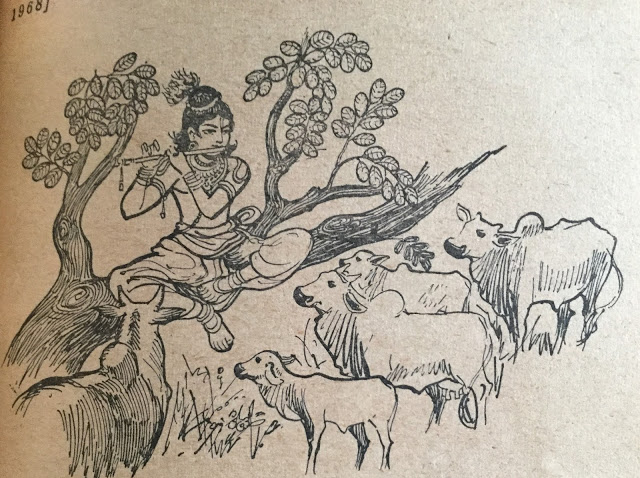
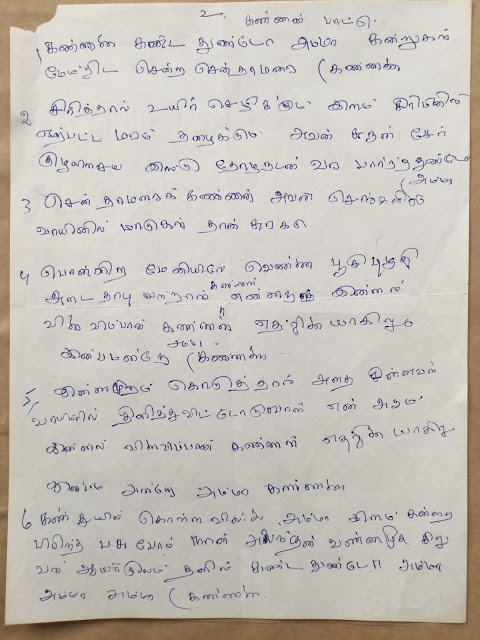
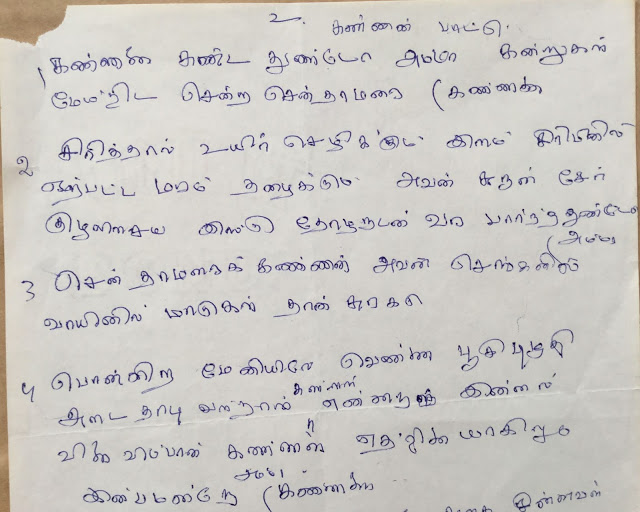
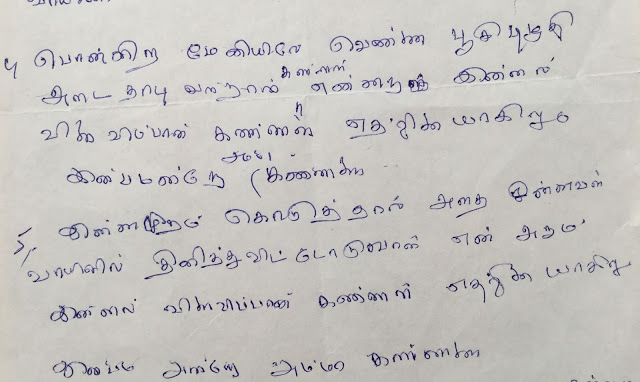
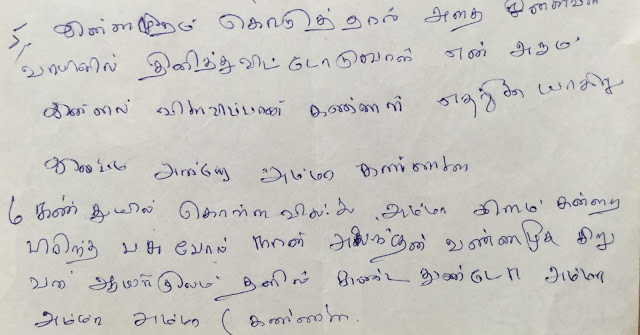
கண்ணனைக் கண்டதுண்டோ! எங்க அம்மா பாடிய பாட்டு ! (Post No.8384)

WRITTEN BY LONDON SWAMINATHAN

Post No. 8384

Date uploaded in London – 22 July 2020   

Contact – swami_48@yahoo.com

Pictures are taken from various sources for spreading knowledge; this is a non- commercial blog. Thanks for your great pictures.

tamilandvedas.com, swamiindology.blogspot.com

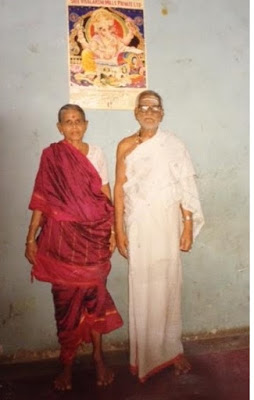
சுமார் 65 ஆண்டுகளுக்கு முன்னர் என்னுடைய தாயார் திருமதி ராஜலெட்சுமி சந்தானம், இரவில் எங்களைத் தூங்க வைப்பதற்குப் பாடிய பாட்டு இது. நீண்ட காலத்துக்குப் பின்னர் அவர் கைப்பட எழுதி வாங்கியதாக ஞாபகம். நாங்களே தூங்குவதற்கு முன்னர் , “அம்மா , கண்ணனைக் கண்டதுண்டோ பாட்டுப் பாடு” என்று கேட்போம் .

இன்னும் சில சமயங்களில் கோபால கிருஷ்ண பாகவதர் அல்லது அவர் மகன் சஞ்சீவி பாகவதர் பஜனை வீட்டில் நடக்கும் அல்லது அருகில் வசிக்கும் லெட்சுமண அய்யர் அல்லது சங்கர அய்யர் வீட்டில் நடக்கும். சரணு சரணு ஹரே என்ற பாடல் வருவதற்குள் அண்ணன் , தம்பி எல்லோரும் தூங்கி விடுவோம். இரவு 2 அல்லது மூன்று மணிக்கு எங்களை எழுப்பி சுண்டலும் பாலும் தருவார்கள் . தூக்க கலக்கத்தில் சாப்பிட்டுவிட்டு மீண்டும் குறட்டை விடுவோம்.

இவை அனைத்தும் மதுரையில் நடந்தவை.

இந்தப் பாடல் யாருடையது என்று நாங்களும் கேட்டதில்லை; அவரும் சொன்னதாக நினைவில்லை!!

பழைய குப்பைகளைத் தூக்கி எறிகையில் கிடைத்த பாடலும் மலரும் நினைவுகளும்!

tags- அம்மா, பாட்டு, கண்ணனை , கண்டதுண்டோ

–subham–