COMPILED BY LONDON SWAMINATHAN
Post No. 8441
Date uploaded in London – 2 August 2020
Contact – swami_48@yahoo.com
Pictures are taken from various sources for spreading knowledge; this is a non- commercial blog. Thanks for your great pictures.
tamilandvedas.com, swamiindology.blogspot.com
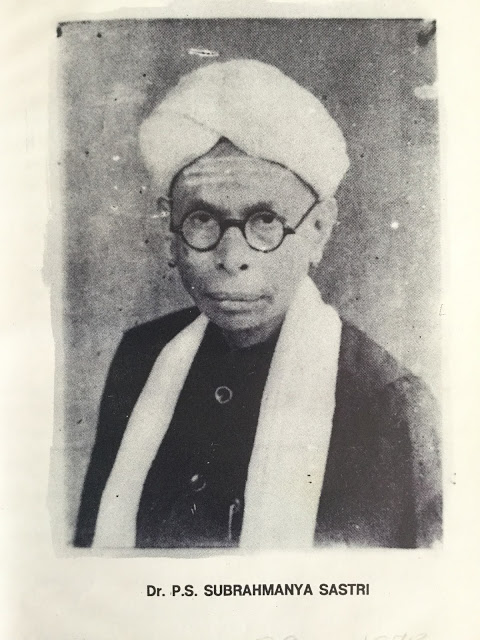
DR P S SUBRAHMANYA SASTRI (1890-1978) was a great scholar proficient in Tamil and Sanskrit.
He was one of the rarest scholars with deep erudition and insight in both these languages.
He was born in Balakrishnampatti village Trichy district as the eldest son of Swminatha Sastriar and Srimati Mangalammal. He studied mathematics at degree level and did his MA in Sanskrit. He started as a mathematics teacher at Tiruvaiyaru. Later he became the Principal of Rajah’s College , Tiruvaiyaru and Head of the
Department of Sanskrit at the Annamalai University between 1942 and 1947.
***
First Ph. D in Tamil
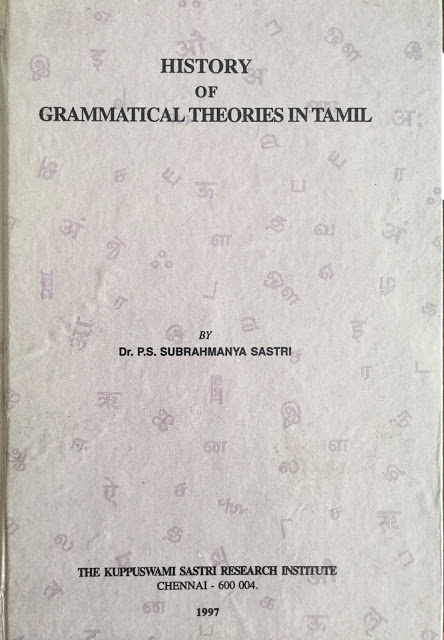
He was awarded the Ph. D. degree in Tamil in 1930 for his thesis ‘History of Grammatical Theories in Tamil and Their Relation to Grammatical Literature in Sanskri’t . He was the first to be awarded a Ph D degree in Tamil by the university of Madras. Linguistic scholars around the world welcomed his work.
Tamils wrote much in Tamil and extraordinarily little in English in those days.
So not many scholars knew what was in Tamil literature. Some works like ‘Tamils 1800 years Ago’ threw some light on Tamil culture and literature. But very few dealt with Tamil Grammar and Linguistics , comparative literature was still rarer. Sastri translated the oldest Tamil grammar Tolkappiam into English and gave the transliteration as well. He pointed out the blunders committed by Bishop Caldwell in his book of Comparative Study of Dravidian languages. A person with deep knowledge in Sanskrit only could do it. Bishop Caldwell with his shallow knowledge in Sanskrit and little knowledge in linguistics committed page after page in his book Dr Sastri exposed all such mistakes.
Dr Sastri’s expertise in three languages , viz. Tamil , Sanskrit and English got for him the title
‘Vani Triveni Prayaga from Kanchi Paramacharya (1894-1994).
Dr Sastri published the English translation of Tolkappiam in 1930. He gave the transliteration in Roman script. His theories were criticised by fanatics in both Tamil and Sanskrit.
They criticised him as anti- Tamil OR anti -Sanskrit. This shows that his approach in linguistics was scientific and honest.
After his demise on 20th May, 1978 at the ripe age of 88 at Tiruvaiyaru, one of his disciples , in his tribute, wrote,
“In him we had a rare combination of occidental scientific thinking and oriental orthodox culture”.
Though very firm in his look, he was always conscious about his own humble beginnings . Very simple in his style of living , he was extremely kind to his students. , particularly the poor among them. Without much ado , he paid the course and examination fees for
many of his students, not expecting anything in return.
***
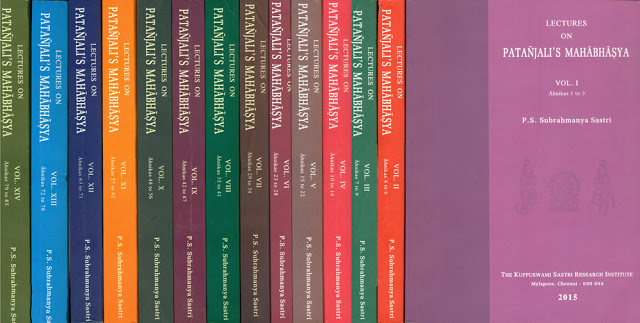
4000 pages on Patanjali’s Mahabhasya
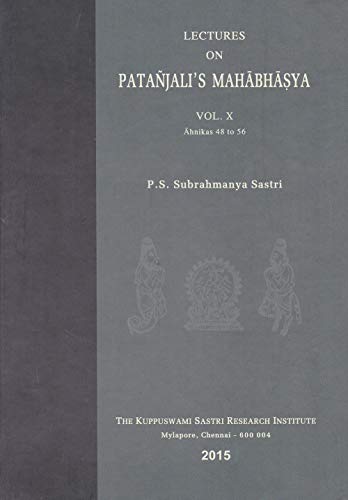
One of the greatest achievements of Dr PS Sastri is his talks on Mahabhasya of Patanjali.
After his retirement from academic positions in 1947, he produced his monumental work,
“Lectures on Patanjali’s Mahabhasya in English about 14 volumes running to about 4000 pages.
He wrote about 35 books. He had sound knowledge in Latin and German in addition to Tamil,
Sanskrit and English.
****
His conclusions
Following are some quotations from his book which reflect his views-
TAMIL AND SANSKRIT- TWO SEPARATE LANGUAGES
Hence it may be said that the in which sandhi takes in both the languages are so
different as to form one of the strong reasons to prove that Tamil and Sanskrit
are fundamentally different languages.
Xxx
It may be evident from what has been said that Tolkappianar clearly realised that Tamil was not related to Sanskrit either morphologically or genealogically and deftly exploited the ideas contained in the earlier grammatical literature in Sanskrit, particularly in those works which dealt with Vedic etymology without doing the least violence to the genius of the Tamil language,
On the other hand, the large influx of Sanskritic elements in Tamil since the time of Tolkappianar appears to have so far clouded the linguistic vision of the author of Viacoliyam.
He did not realise that Tolkappianar model was not Panini so much as the Pratisakhyas and the Nirukta.
Nannular was not the victim to the linguistic deflection which marred the value of Viracoliyam.

tags- Tolkappiam Translation, P S Subrahmanya Sastri, Viracoliyam, Tamil Linguistics
–SUBHAM–
 Tamil and Vedas
இரமேஷ் சதாசிவம்
/ August 9, 2020மிக்க நன்றி ஐயா! எந்தவித பக்கச்சார்பும் இன்றி நீங்கள் எழுதிவருகிறீர்கள்.எனைப்போன்ற தமிழ் உதவிப்பேராசிரியர்கள் எது சரி என்று அறிய ஆசைப்படுகிறோம்.ஆனால் அரசியல் இயக்கங்கள் எங்களைக்குழப்பி வைத்துள்ளன.உங்களைப்போன்றோரே எங்களுக்குத்தேவை.நன்றாகப்படித்தும் பல்கலை அளவில் இரண்டாம் நிலை பெற்றும் என்னால் வேலைக்குப்போகமுடியவில்லை.காரணம் ஊழல் தமிழ்நாட்டில் தலைவிரித்து ஆடுகிறது.20லட்சம் உதவிப்பேராசிரியர்க்கு, பலகோடிகள் கொடுத்தால் துணைவேந்தர் பணி கிடைக்கும் எல்லாமே ஊழல்.நான் காஞ்சி சங்கரா கல்லூரியில் மாதம் 18000 சம்பளம்! என்வயதோ 49! இப்போது கொரோனா காலத்தில் 13000 சம்பளம் திராவிட இயக்கங்கள் தமிழ் தமிழ் என்று எங்களை ஏமாற்றிவிட்டு ஊழலில் திளைக்கிறார்கள்.சரியாகப்படிக்காதவர்கள் பல லட்சங்களைக்கொடுத்து பணிவாய்ப்பை அடைகிறார்கள்.