அச்சா எழுத்து! அச்சுப் போன்ற எழுத்து!! (Post No.8514)

WRITTEN BY LONDON SWAMINATHAN

Post No. 8514

Date uploaded in London – 15 August 2020   

Contact – swami_48@yahoo.com

Pictures are taken from various sources for spreading knowledge; this is a non- commercial blog. Thanks for your great pictures.

tamilandvedas.com, swamiindology.blogspot.com

தமிழ்ப் பழமொழி அகராதியில்  ஓர் பழமொழி இருக்கிறது . அதில் ‘ஹம்ச பாதம்’ , ‘அன்னப்  பறவையின் கால்’ , என்று வரும்:-

ஆரம்பிக்கிறதற்கு பின்னே ஹம்ச பாதமா ?

ஆரம்பித்தவுடனே ஹம்சபாதமா? என்றும் சொல்லலாம். அதாவது உடனே தவறு செய்வது அல்லது எதையோ எழுத அல்லது சொல்ல மறந்துபோனதைக் குறிக்கும் பழமொழி இது.

ஹம்சபாதம்’ என்றால் என்ன ?

எழுதும்போது விட்டவற்றை , மேல் எழுதுவதற்கு , வரியின் கீழ் இடும் குறி ‘ஹம்சபாதம்’ .

ஹம்சம் எனப்படும் அன்னப் பறவையின் கால்களைப் போல இந்தக் குறி இருக்கும்.
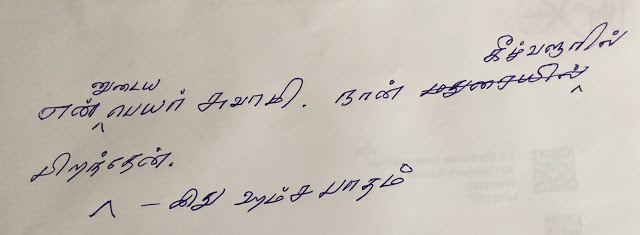
நம்மில் பலரும் கடிதம் எழுதும்போதோ கட்டுரை எழுதும்போது இப்படி ஹம்ச பாதக் குறியீடு போட்டிருப்போம். அதாவது சிந்திக்கும் வேகம் அதிகம்; எழுதும் வேகம் குறைவு. அதனால் இந்தப் பிழை வருகிறது. இரண்டு வேகமும் சரி சமமாக இருப்பதே நல்லது.

இதே போல சிலர் பேசும்போதும் வேகமாகப் பேசுவதால் சொல்லோ எழுத்தோ அடிபட்டு காயப்படுகிறது. அதுவும் பிழையே. ஊடகங்களில் செய்தி வாசிப்போர் , சிலர், பிழை ஏற்பட்டால், நிறுத்திவிட்டு பிழையைத் திருத்திக் கொள்வர். மற்றும் சிலர் பிழையே  விடாதது போல, அடுத்த வாக்கியத்திற்குச்  செல்வர்.

ஆர் எஸ் எஸ் (R S S ) இயக்கத்தின் தலைவராக இருந்த மாதவ சதாசிவ கோல்வால்கர் (குருஜி ) கடிதம் எழுதும் பொழுது, அடித்தல் திருத்தலே இராதாம் . மதுரையில் இருந்த புகழ் பெற்ற வழக்கறிஞரும் ஆர் எஸ் எஸ் இயக்கப் பிரமுகருமான ஆ .தக்ஷிணா மூர்த்தி (அண்ணாஜி) இதை எங்களிடம் சொல்லுவார்.அவருக்கு குருஜியிடமிருந்து கடிதம் வந்த பெருமையைச் சொல்லுவதை விட, நாமும் அது போன்ற விஷயங்களில் கவனமாக இருக்க வேண்டும் என்ற அறிவுரையே பிரதானம்.

என்னிடம் லண்டன் பல்கலைக் கழகத்தில் சுமார் 20 ஆண்டுகளில் 350 முதல் 400 பேர் வரை தமிழ் படித்திருப்பார்கள் . இது தவிர ‘பிரைவேட் கிளாஸ்’.

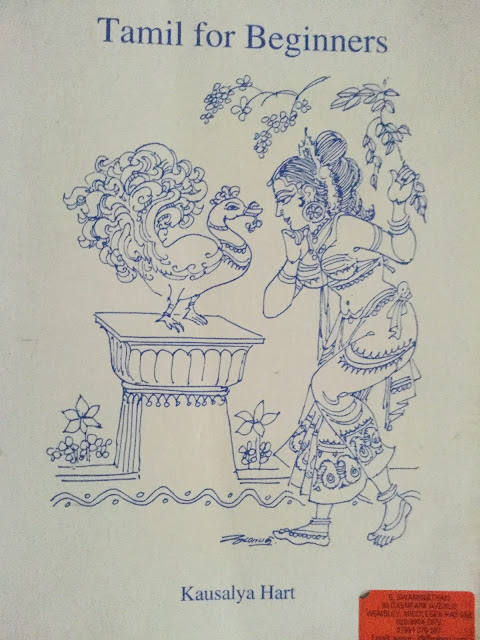
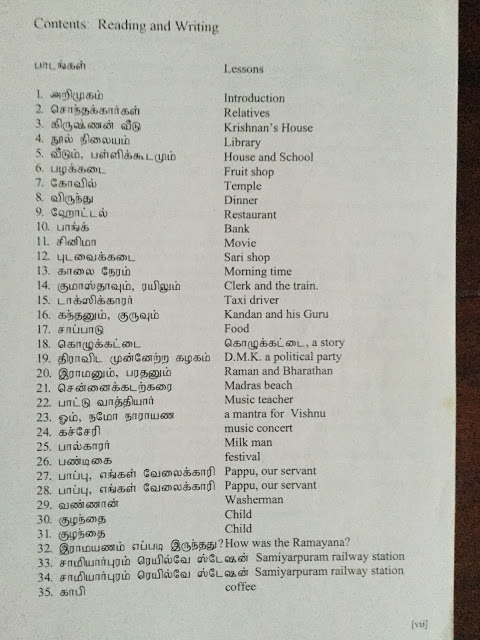
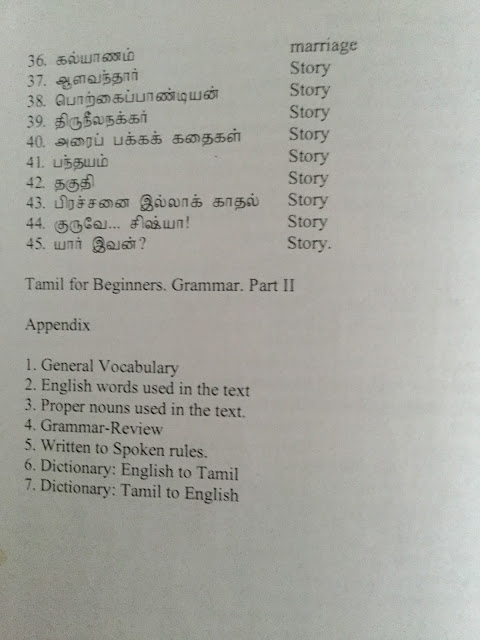
நான் அமெரிக்கப் பல்கலைக் கழகங்களில் தமிழ் கற்பிக்கப் பயன்படுத்திய  புஸ்தகத்தை இங்கும் பயன்படுத்தினேன். அது கௌசல்யா ஹார்ட் (TAMIL FOR BEGINNERS by KAUSALYA HART)  எழுதிய புஸ்தகம். முதல் பகுதியில் 45-க்கும் மேலான பாடங்கள் இருக்கும். இரண்டாவது பகுதியில் ஒவ்வொரு பாடத்திலும்  பின்பற்றப்பட்ட இலக்கண (GRAMMAR)  விஷயங்கள் இருக்கும் . மாணவர்கள் வகுப்புக்கு வரும் முன்பு பாடத்தை ஆங்கிலத்தில் மொழிபெயர்த்துக் கொண்டு வரவேண்டும். அதை நான் பாடம் நடத்துகையில் , அவர்கள் திருத்தி எழுதிக் கொள்வர். பயிற்சிகளை பாடம் முடித்த பின்னர் தொடர்வோம். அதை மறு வகுப்புக்கு (Next Class) வருகையில் சமர்ப்பிப்பர். நான் அதைத் திருத்திக் கொடுப்பேன்.
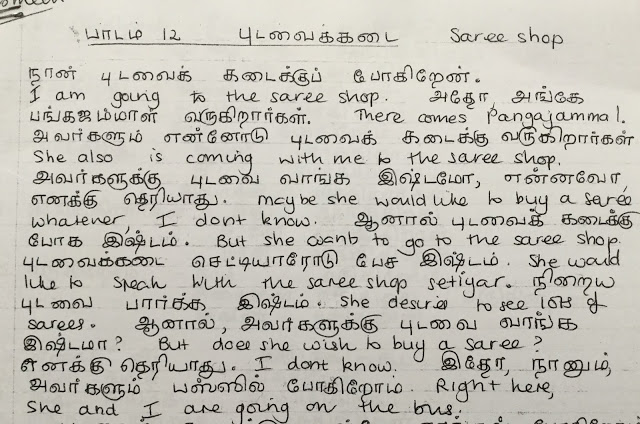
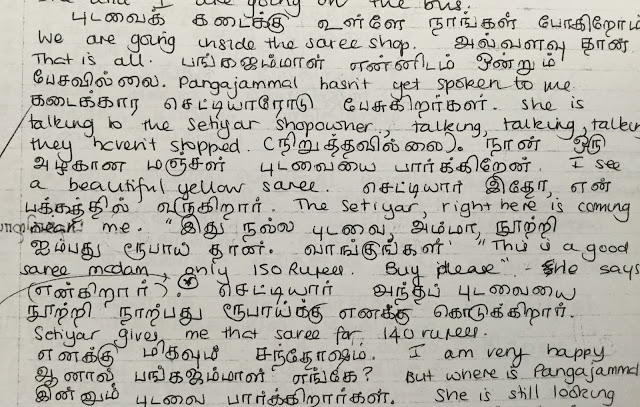
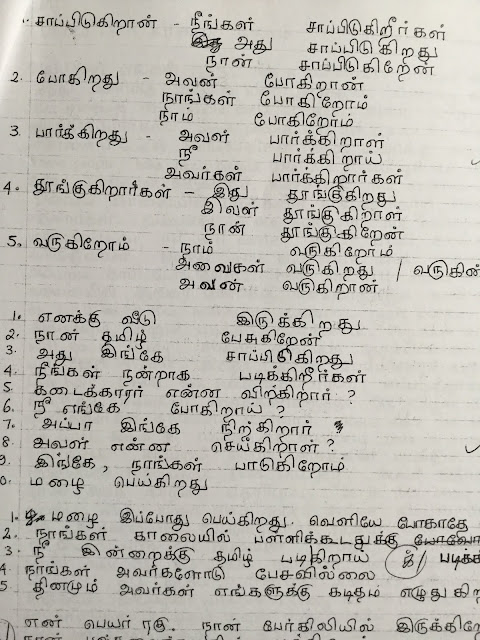
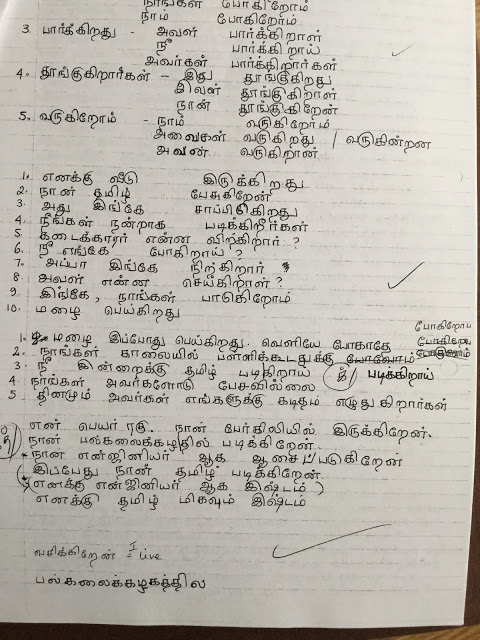
சுமார் 400 மாணவ, மாணவியரில் யாரும் 4, 5 கிளாஸுக்குப் பின்னர் சுணக்கம் காட்டுவர்.15 பாடம் முடித்த நிலையில் அவர்கள் 7 , 8 பாடம்தான் முடித்திருப்பர் . ஆனால் யாஸ்மின் (Yasmeen) என்ற ஒரு பெண் மட்டும் அத்தனை பாடங்களையும் ஆங்கிலத்தில் மொழி பெயர்த்து வாரம் தோறும் சமர்ப்பித்தார். அச்சுப் போன்ற எழுத்து!. ஹம்சபாதமே கிடையாது!! சில எழுத்துப் பிழைகள் மட்டும் இருக்கும்.

அச்சுப் போன்ற (BEAUTIFUL HAND WRITING) கையெழுத்துக்காக நான் ‘கூகிள்’ செய்தபோது தமிழில் பாரதியார் பாடலைத்  தப்பும் தவறுமாக எழுதி இருந்த படமே வந்தது. அதைப் பார்த்தபோதும், ஹம்சபாதம் பற்றிப் படித்தபோதும் யாஸ்மின் என்ற உண்மை மாணவியின் நினைவு வந்தது. அவர் எழுதிய பாடங்களை நான்  யுனிவர்சிட்டியில் போட்டோகாப்பி எடுத்து வைத்திருந்தேன். சில பகுதிகளை இங்கே இணைத்துளேன்.
***

நான் கட்டுரையில் விட்ட எழுத்துப் பிழைகளைப் பார்த்த — பார்த்துச் சகிக்காத — ஒரு பெண்மணி எனக்கு பேஸ்புக் (Facebook) கிலேயே ஒரு ‘அடி’ கொடுத்துவிட்டார்; வாழைப்பழத்தில் ஊசி ஏற்றுவது போல ஒரு ‘காமெண்ட்’ (COMMENT) எழுதியிருந்தார் —

“மிஸ்டர் சுவாமிநாதன், உங்கள் கட்டுரைகளை எனக்கு முன்கூட்டி அனுப்பினால் ‘ப்ரூப் ரீடிங்’ செய்து தருவேனே!’ – என்று.

எனக்குப் புரிந்தது. பல பிழைகள் ‘கூகிள்’ செய்யும் பிழைகள்; நாம் ஒன்று அடித்தால் அதில் வேறொன்று வருகிறது!!! பொறுமையாக தவறுகளைத் திருத்த   வேண்டும் என்பது உண்மைதான் !

வாழ்க யாஸ்மின் ! வளர்க்க தமிழ் எழுத்துக் கலை!
அரச மரம் பற்றிய 5 பழமொழிகளைக் கண்டுபிடியுங்கள் (Post No.8513)

WRITTEN BY LONDON SWAMINATHAN

Post No. 8513

Date uploaded in London – 15 August 2020   

Contact – swami_48@yahoo.com

Pictures are taken from various sources for spreading knowledge; this is a non- commercial blog. Thanks for your great pictures.

tamilandvedas.com, swamiindology.blogspot.com

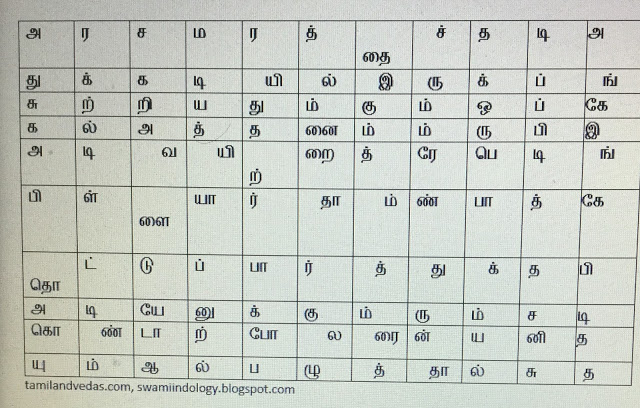
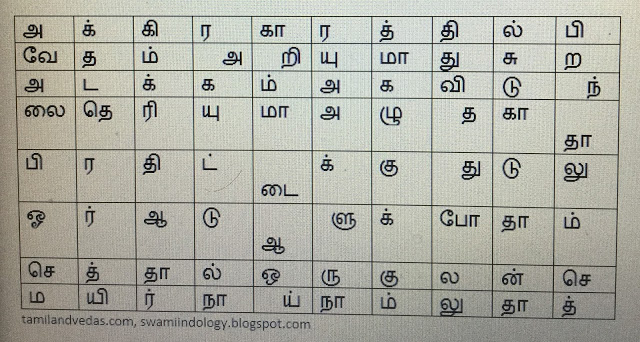
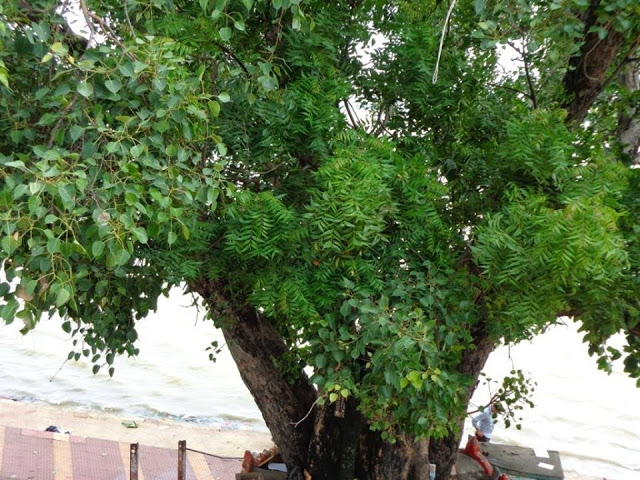
ஒரே சொல் பல பழமொழிகளில் வந்தால், ஒரு இடத்தில் மட்டுமே கட்டத்தில் காணப்படும் .

விடைகள் கீழே உள்ளன.

விடைகள்

அரச மரத்தைச் சுற்றியதும்  அடிவயிற்றைத் தொட்டுப் பார்த்துக் கொண்டாற்  போல

( கர்ப்பிணி  ஆகிவிட்டோமா என்று அறிய)

அரச மரத்துக்கடியில் இருக்கும் கல் அத்தனையும் பிள்ளையார்தாம்

அரச மரத்தடி பிள்ளையாரே அடியேனுக்கும் ஒரு பெண் பாரும்

அரச மரத்தைப் பிடித்த சனியன் பிள்ளையாரையும் பிடித்ததாம்

ஆல் பழுத்தால் அங்கே , அரசு பழுத்தால் இங்கே 

tags – அரச மரம் , பழமொழி,

—– subham —-

கத்துக்குட்டியின் 17 ஜோதிட- வானியல் கேள்விகள் (Post No.8512)

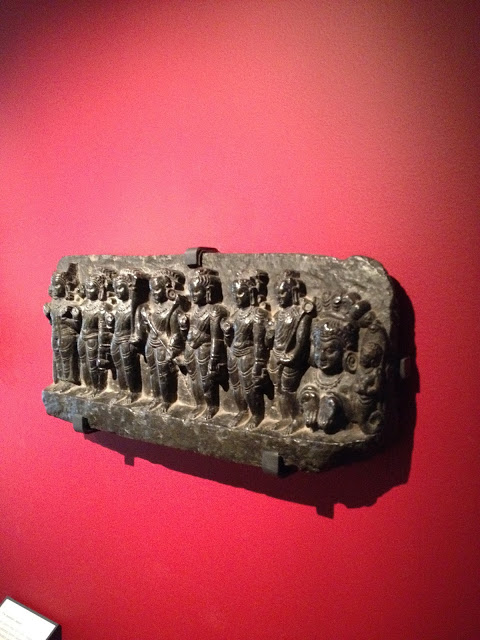
NAVA GRAHAS IN ASHMOLEAN MUSEUM , OXFORD, ENGLAND

WRITTEN BY KATTUKKUTY

Post No. 8512

Date uploaded in London – 15 August 2020   

Contact – swami_48@yahoo.com

Pictures are taken from various sources for spreading knowledge; this is a non- commercial blog. Thanks for your great pictures.

tamilandvedas.com, swamiindology.blogspot.com

1.எல்லாக் கிரகங்களும் மேற்கு கிழக்காகச் சுற்றுகின்றன ; ஆனால் ஒரு கிரகம்

மட்டும் கிழக்கு மேற்காகச் சுற்றுகிறது. அது எந்தக் கிரகம்?

2.மற்ற கிரகங்கள் சூரியனை வலமாகச் சுற்றுகையில் இரண்டு கிரகங்கள்

மட்டும் இடமாகச் சுற்றுகின்றன; அவை யாவை?

3.பகலும் இரவும் சமமாக வரும் நாட்கள் (12 மணி நேரம்) எவை?

4.பூமியின் வட பகுதியில் (வட கோளார்த்தம் ) வாழ்வோருக்கு

அதிக நேரம் இரவு வரும் நாள் எது?

5.பூமியின் வட பகுதியில் (வட கோளார்த்தம் ) வாழ்வோருக்கு

அதிக நேரம் பகல்  வரும் நாள் எது?

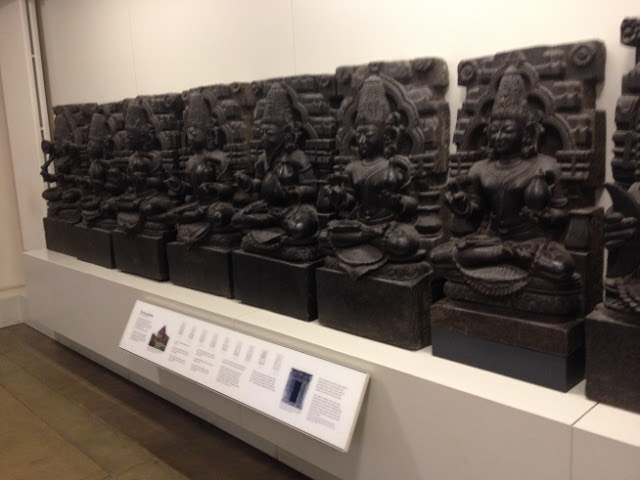
NAVA GRAHAS IN BRITISH MUSEUM, LONDON

6.கிரகங்களில் சிறிய கிரகம் எது?

7.கிரகங்களில் பெரிய கிரகம் எது?

8.சூரியனிடமிருந்து பூமிக்கு ஒளி வருவதற்கு எவ்வளவு நேரம் ஆகும்?

9.ஒலியின் வேகம் (SPEED OF SOUND) என்ன ?

10.ஒளியின் (SPEED OF LIGHT) வேகம் என்ன?

11.பூமியின் வயது என்ன ?

12.மனித இனம் தோன்றி எவ்வளவு ஆண்டுகள் ஆயின ?

13.பஞ்ச பூதங்கள் யாவை?

14.கிரகங்களில், கடவுள்களில், மனிதர்களில் யாருக்கு ‘ஈஸ்வரன்’ பட்டம் இருக்கிறது ?

15.கிரகங்களில் ஒருவரைக் குருடன் என்றும் மற்றொன்றை நொண்டி என்றும் பகடி செய்வார்கள் ? இந்தக் கிரகங்களைத் தெரியுமா ?

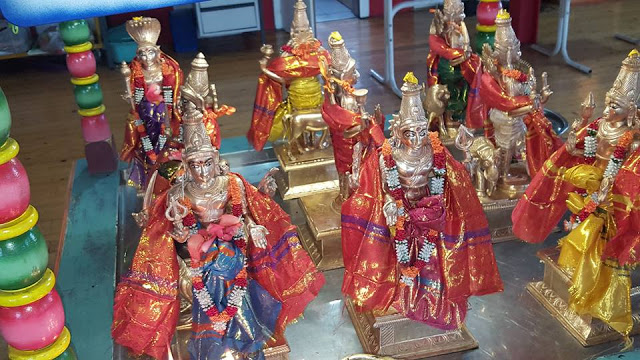
NAVA GRAHAS IN VARASITHY VINAYAKAR TEMPLE, SWITZERLAND 

16.சக்கரம் இல்லாத தேரில் பவனி வருபவன் என்றும் ஒரு சக்கரத் தேரில் பவனி

 வருபவன் என்றும் இலக்கியங்கள் புகழும் கிரகம் எது?

17. சனி பகவான் யார் ஒருவரைக் கண்டு மட்டும் பயப்படுவான் ?

கத்துக்குட்டி நாளை பதில் சொல்லுவார்.

TAGS – KATTUKUTY, quiz, ஜோதிட- வானியல் கேள்விகள்,

Books Indians Should Read – 16 (Post No.8511)

WRITTEN BY R. NANJAPPA                        

Post No. 8511

Date uploaded in London – – – 15 August 2020   

Contact – swami_48@yahoo.com

Pictures are taken from various sources for spreading knowledge; this is a non- commercial blog. Thanks for your great pictures.

Books Indians Should Read – 16

Chapter 6 –Part 1

COLLECTED WRITINGS OF

 DHARAMPAL-1

R. Nanjappa

Who is Dharampal?

Dharampal [1922-2006] was a Gandhian worker and thinker. He took part in the freedom movement, discontinuing his college studies, culminating in the Quit India activities, when he went underground. He was imprisoned, and later released, with entry denied to Delhi. He got interested in community work, rediscovering and regenerating the indigenous sources and modes of the organization of rural life. This culminated in his discovery of the roots and nature of the Village Panchayat system. He was sorely disappointed that the Indian Constitution did not recognise and incorporate the Indian aspects of administration and governance, even where these could be easily adopted.

 He was outraged by the disgrace India faced  at the time of the Chinese aggression of 1962. He, along with two friends, wrote an open letter to the Members of Parliament, demanding that PM Jawaharlal Nehru should resign, owning moral responsibility.  As a result, he was imprisoned along with his friends, and put into Tihar Jail! This was the great  secularist darling Nehru’s idea and display of democratic spirit!
 [Incidentally, this is how governments of free India have been treating peaceful protesters and dissenters, whether it is Sunderlal Bahuguna or Anna Hazare!] 


What did he do?

His study of the panchayat system in the villages of Tamil Nadu acquainted him with the way the colonial power brutally destroyed that working system, also extensively disrupting in the process  the economic, social and political life of the people.
 He wanted to study in detail the nature of Indian society as it existed at the time of British colonisation. For this he undertook a detailed and painstaking study of the original material lying in various archives, libraries, museums, etc abroad and in India. He thus accessed the records prepared by the officials of the East India Company and government servants, detailed correspondence between officials of all grades, at all levels, right up to Governor General and the Board of Commissioners in London. In the absence of photocopying facilities, and the means to afford them, he wrote down the documents in long hand, running into millions of words and thousands of pages. His writings are based on these original records. He thus performed a task which no other academic historian has attempted.


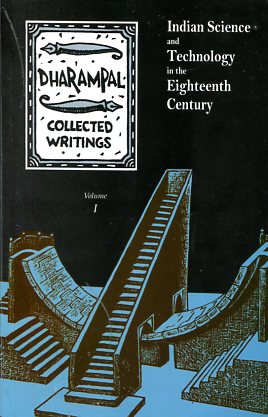
His writings have been gathered into some books. The Other India Press, Mapusa, Goa has brought out a beautiful set of five volumes, [2016] containing his major writings. The volumes are organised around themes as under:

I. Indian Science and Technology in the Eighteenth Century.

II. Civil Disobedience and Indian Tradition.

III. The Beautiful Tree: Indigenous Indian Education in the Eighteenth Century.

IV. Panchayat Raj and India’s Polity.

V. Essays on Tradition, Recovery and Freedom.

What is the significance of his work?

Our knowledge of our history, in recent times, is largely derived from what foreigners have written. The foreigners were of different types, with different motives: plunderers, invaders, scholar-travellers, traders, etc. At last came the Europeans as traders, but soon developed territorial ambitions. The British succeeded in the end more than the others, and established colonial rule. 

Dharampal shows that though officially it was only in 1858 that the Crown took over direct administration, the fact is that right from 1785 it was the English government which was directing Indian affairs, and the Company was only the executing arm. In 1858, that executing arm was dispensed with.

The colonial power was only interested in maximising its revenue from India. [This fact was noted by the great Adam Smith in his ‘Wealth of Nations’, 1776.] They had to understand the indigenous industries, technology, trading systems so that they could eliminate indigenous products and sell their own. 

Later, as a fall out from the Scottish Enlightenment movement which was developing, some sections wanted to study the local philosophies, religions, social systems, etc so that valuable knowledge accumulated by these societies in the past would not be destroyed, as it had happened in the Americas. So, the company officials were asked to gather information and file reports. It is in this process that many reports containing much valuable information was gathered from original sources relating to almost all aspects of Indian life. Some of the early students of Indian systems of knowledge and its languages were truly impressed by what they found, and this gave rise to British Indology. 

However, as the imperial ambitions gathered force, the colonial power as the ruling class did not want to admit the achievements or superiority of Indians in any field. They deliberately suppressed the facts, and gave a distorted image of Indian society as poor, backward, etc denigrating Indians as a whole. Thematerial gathered in the reports filed by the company officials were not made public, and did not serve as the basis for their administration.


 The colonial power wrote our history giving this distorted picture, and the educational system they imposed here made every Indian believe that he was indeed backward! This is the image which is still persisting, 70 years into so called Independence!

அன்னா கரீனா : தினமணி திரு. சந்தானம் மொழி பெயர்த்த அற்புத நாவல் (Post No.8510)

Sri V Santanam standing behind Rajaji.

WRITTEN BY S NAGARAJAN                     

Post No. 8510

Date uploaded in London – – –15 August 2020   

Contact – swami_48@yahoo.com

Pictures are taken from various sources for spreading knowledge; this is a non- commercial blog. Thanks for your great pictures.

1998ஆம் ஆண்டு. ஆகஸ்ட் 15. எங்களது தந்தையார் மதுரை எல்லிஸ் நகரில் ‘கொடி ஏத்தியாச்சா என்று கேட்டு விட்டு அமரரான நாள். அவருக்கு எங்கள் அஞ்சலி! – வெ.சந்தானம் குடும்பத்தினர்!

அன்னா கரீனா : எனது தந்தையார் தினமணி திரு வெ.சந்தானம் அவர்கள் மொழி பெயர்த்த அற்புத நாவல்! -1

ச.நாகராஜன்

1

    லியோ டால்ஸ்டாய் எழுதிய அன்னா கரீனா நாவல் ஒரு அற்புதமான நாவல். உலகப் புகழ் பெற்ற நாவல். இதை 1947ஆம் ஆண்டு தமிழ்ச் சுடர் நிலையம், திருவல்லிக்கேணி, சென்னை வெளியிட்டது.

இதை எனது தந்தையார் தமிழில் மொழி பெயர்த்தார்.

நூல் இரு பாகங்களாகப் பிரிக்கப்பட்டுள்ளது.

முதல் பாகம் 396 பக்கங்களைக் கொண்டது. இரண்டாம் பாகம் 348 பக்கங்களைக் கொண்டது. மொத்தம் 744 பக்கங்கள்.

நூலை வெளியிட்டவர் திரு அ.கி.கோபாலன், தமிழ்ச் சுடர் நிலையம், சென்னை.

அவர் நூலுக்கான பதிப்புரையைத் தந்துள்ளார்.

நூலுக்கு முகவுரை தந்துள்ளவர் பிரபல எழுத்தாளரான ரா.ஸ்ரீ.தேசிகன் அவர்கள்.

நூலுக்கு முன்னுரை தந்துள்ளவர் எனது தந்தையார்.

நூல் உருவான விதத்தையும் நூலின் தரம் பற்றியும், அன்னா கரீனாவின் கதைச் சுருக்கத்தையும் நான் விளக்குவதற்குப் பதிலாக இந்த நூலில் உள்ள முன்னுரை, பதிப்புரை மற்றும் முகவுரையே விளக்குவதால் அவற்றை இங்கே தருகிறேன்.

2

Mr V Santanam and Mrs Rajalakshmi Santanam in Madurai

முதலில் முன்னுரை இதோ:

முன்னுரை

     ஞானி டால்ஸ்டாயின் ‘அன்னா கரீனா வெறும் நாவல் மட்டும் அல்ல; பெரிய காவியம்; தன்னுள்ளே முத்துக்களை வைத்திருக்கும் மகா சமுத்திரம். இதில் வரும் கதா பாத்திரங்களை முற்றிலும் கற்பனை ஜீவன்கள் எனக் கூற முடியாது; அவர் ஏட்டிலே தீட்டியுள்ள அன்னாவையும், ஆப்ளான்ஸ்கியையும் கரீனையும் விரான்ஸ்கியையும், கிட்டியையும், டாலியையும், லெவினையும் ரஷ்யாவில் மட்டுமின்றி இந்தத் தேசத்திலே, இந்த உலகத்திலே எங்கும் காணலாம். அத்தனை பேரும் இன்றும் என்றும் காணப்படக் கூடிய உயிர்ச் சித்திரங்கள். மனித சமுதாயத்துக்கு ‘அன்னா கரீனா ஒரு வரப்பிரசாதம்.

   மனோரஞ்சித மலருக்கு ஒரு விசேஷ குணம் உண்டென்று சொல்வார்கள். அந்த மலரை முகரும் போது எந்தப் புஷ்பத்தின் வாசனையை நினைத்துக் கொண்டு முகருகிறோமோ அந்த வாசனையைத் தருமாம் மனோரஞ்சிதம். அது போலத்தான் ‘அன்னா கரீனா என்ற இந்த சிருஷ்டியும்.

   இந்த நாவலைத் தமிழில் வெளியிட வேண்டுமென்று தமிழ் சுடர் நிலையத்தின் அதிபர் ஸ்ரீ அ.கி.கோபாலன் அவர்கள் துடியாய்த் துடித்தார். அவருடைய மகத்தான உற்சாகமும் பேரறிஞர் டால்ஸ்டாயின் காவியப் போக்குந்தான் நானே திடுக்கிடும்படியான அளவு வேகத்தில் மிகக் குறுகிய காலத்தில் இதை மொழிபெயர்த்து முடிக்க என்னை ஊக்கி ஓட்டியவை. அந்த வேகத்தின் காரணமாகக் குற்றங் குறைகள் என்னை அறியாது ஏற்பட்டிருக்கலாம். “இப்படி அவசரமாக எழுதுவானேன்? ‘குற்றங் குறைகளை மன்னித்துக் கொள்ளுங்கள்’ என்று சம்பிரதாயமான பல்லவியைப் பாடுவானேன்?” என்று அன்பர்கள் கோபித்துக் கொள்ளக் கூடாது. நண்பர் கோபாலன் அவர்களின் ஆசையும், அன்பும், ஊக்கமும், தமிழன்னைக்குச் சேவை செய்ய வேண்டுமென்ற ஆர்வமும் என்னை அபாயமறியாத வேகத்தில் இந்தப் பணியைச் செய்யத் தூண்டி விட்டன. ஆகவே ‘அன்னா கரீனா’ தமிழ் மேடையில் ஏறிய பெருமை முற்றிலும் நண்பர் அ.கி. கோபாலன் அவர்களையே சாரும்.

   நான் மட்டும் தனியாக இருந்தேனாகில் இந்த முத்துக் கடலில் இறங்கும் துணிவு எனக்கு ஏற்பட்டிருக்காது. இந்தத் துணிவை ஏற்படுத்தி எனக்கு கைலாகு கொடுத்து உற்சாகமூட்டி உதவி செய்த அன்பர்கள் பலர். அவர்களில் விசேஷமாகக் குறிப்பிட வேண்டிய நண்பர், பல சிறு கதைகளும் நாவல்களும் எழுதியிருப்பவரும், சிறந்த எழுத்தாளர்களில் ஒருவருமான “கலைமகள்” ‘ஆர்வி’ ஆகும். அவர் செய்த உதவி மகத்தானது. ‘உயிரைக் கொடுத்து உதவுகிறேன்’ என்று சில நண்பர்கள் உபசாரமாகக் கூறுவர். ஆனால் இந்தக் கோபுரத்தை எழுப்பி முடிக்க, இரவு பகலெனப் பாராமல் உயிரைக் கொடுத்து உதவி செய்த ’ஆர்வி’க்கு என்றும் நான் கடமைப்பட்டவன்.

   இந்தப் புத்தகத்துக்கு மனமுவந்து அருமையான முகவுரை எழுதியிருக்கும்

ஸ்ரீ ரா.ஸ்ரீ.தேசிகன் அவர்களுக்கு என் நன்றி உரியதாகும். தாம்ப்ஸன் அச்சகத்தைச் சேர்ந்த ஸ்ரீ துரைசாமியின் ஒத்துழைப்பையும் என்னால் மறக்கவியலாது. மற்றும் சில ஆப்த நண்பர்கள் புத்தகம் வெளிவரப் பேருதவி செய்திருக்கின்றனர். அவர்களுடைய பெயர்களைப் பிரஸ்தாபிப்பதற்கில்லை. அவர்களுக்கும் என் நமஸ்காரம்.

   இங்கே ஒரு விஷயத்தை வாசகர்களுக்கு அறிவிக்க வேண்டியது என் கடமை. மூல நூலில் உள்ள ‘அன்னா கரினினா’ என்ற பெயரை ‘அன்னா கரீனா’ என்று மட்டுமே படிக்கும் சௌகரியத்தை உத்தேசித்து நான் மாற்றியுள்ளேன். ‘கரினினாவுக்கு, கரினினாவுடைய, கரினினின்’ என்று இம்மாதிரி வரும் இடங்கள் எல்லாம் எழுதுவதற்கும் படிப்பதற்கும் சிரமமாக இருக்கிறது என்று உணர்ந்து இந்த மாறுதலைச் செய்தேன். இதை அன்பர்கள் பொருட்படுத்த மாட்டார்கள் என்று நம்புகிறேன்.

   “பேணுமொரு காதலை வேண்டியன்றோ பெண்மக்கள்…” என்று மகா கவி பாரதி எழுதிய உண்மை துலங்கும் இந்த வாழ்க்கைச் சித்திரத்தைத் தமிழன்னையின் பிரதிநிதிகளான தமிழர் சந்நிதானத்தில் பக்தியுடனும், ஆர்வத்துடனும் சமர்ப்பிக்கிறேன். ஆசையில் செய்த பணி; அன்பர்கள் ஆசீர்வாதம் வேண்டி நிற்கும்

திருவல்லிக்கேணி

21-3-’47                                        வெ.சந்தானம்

**

அடுத்த பகுதிகளில் பதிப்புரை மற்றும் முகவுரையைப் பார்ப்போம்.

Tags – ‘அன்னா கரினினா’, வெ.சந்தானம், லியோ டால்ஸ்டாய்

Previous Post on Anna Karenina

Please Help to Find our Father’s Tamil Translation of Anna …

tamilandvedas.com › 2011/11/07 › p…

Translate this page

7 Nov 2011 – Anna Karenina was written by the famous Russian author Leo Tolstoy. My father Venkatraman Santanam translated it in to Tamil in the 1940s …

November | 2011 | Tamil and Vedas | Page 4

tamilandvedas.com › 2011/11 › page

11 Nov 2011 – 5 posts published by Tamil and Vedas during November 2011. … Please Help to Find our Father’s Tamil Translation of Anna Karenina.

to be continued………………………..

Part 3-சிவ பக்தர் படம் இங்கே ! பெயர் எங்கே? (Post No.8509)

WRITTEN BY LONDON SWAMINATHAN

Post No. 8509

Date uploaded in London – 14 August 2020   

Contact – swami_48@yahoo.com

Pictures are taken from various sources for spreading knowledge; this is a non- commercial blog. Thanks for your great pictures.

tamilandvedas.com, swamiindology.blogspot.com

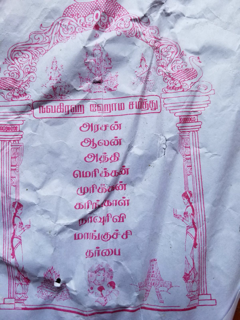
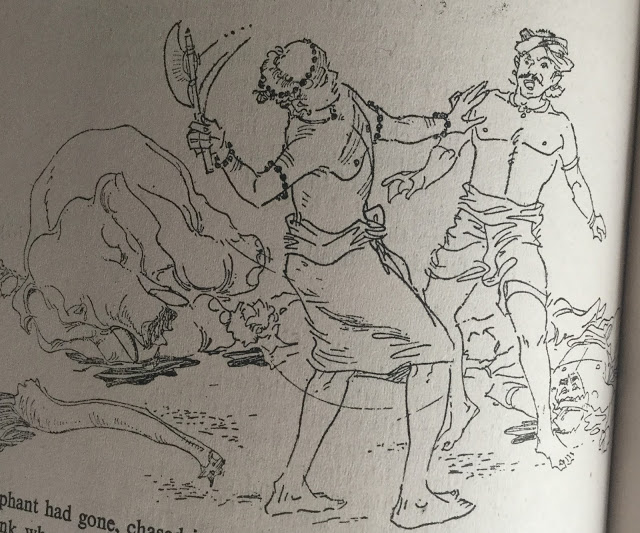
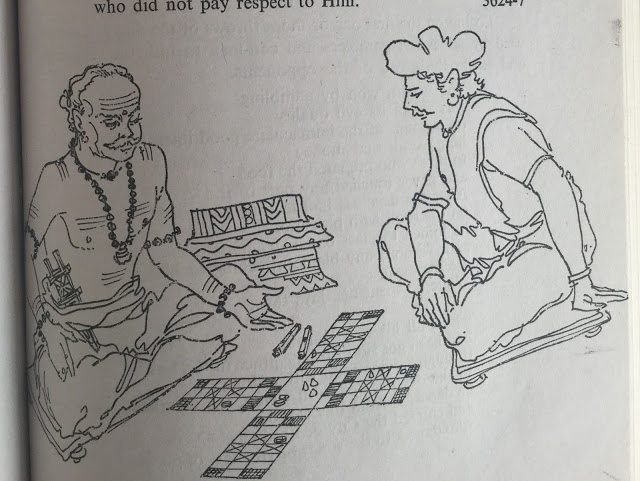
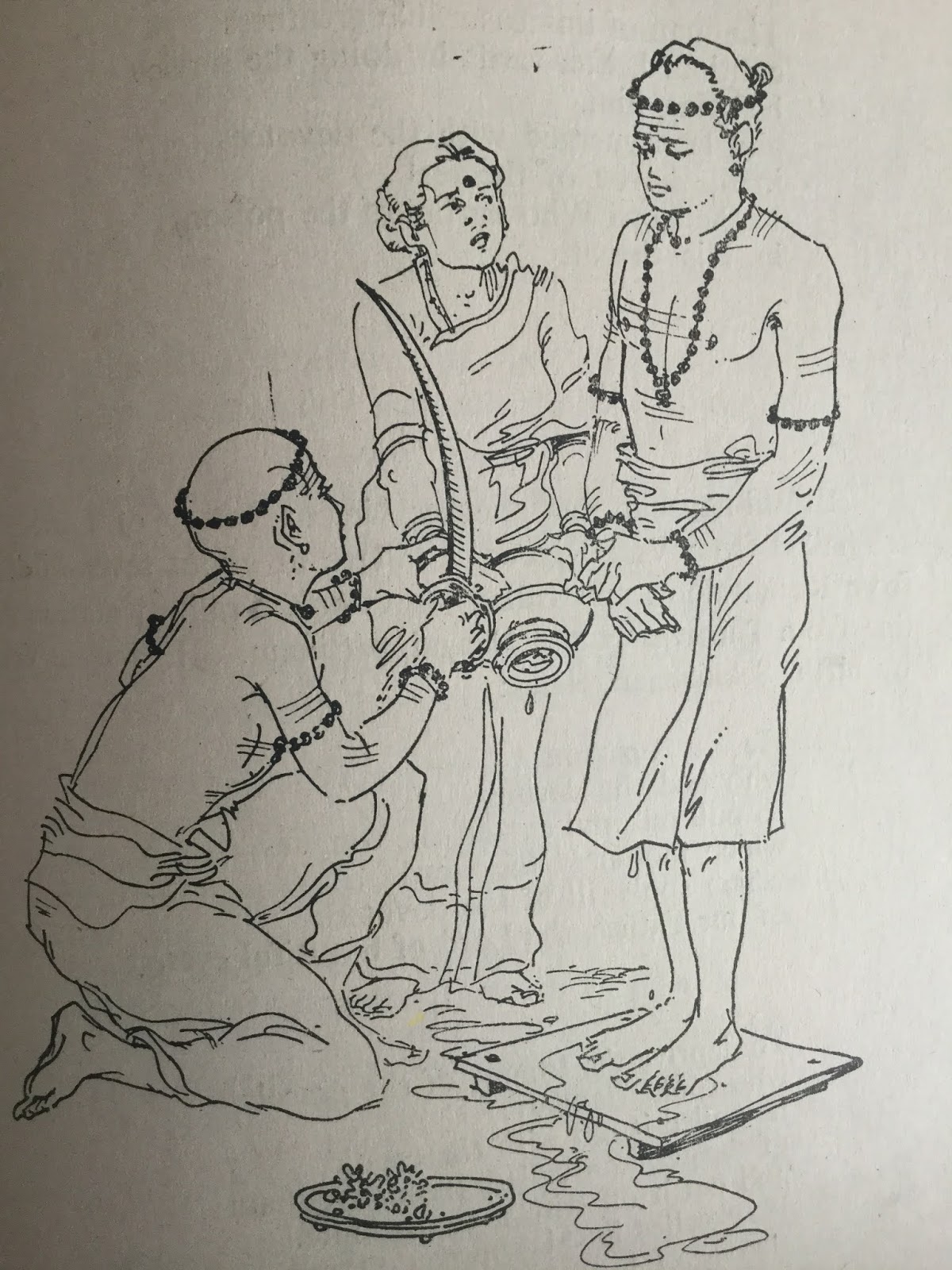
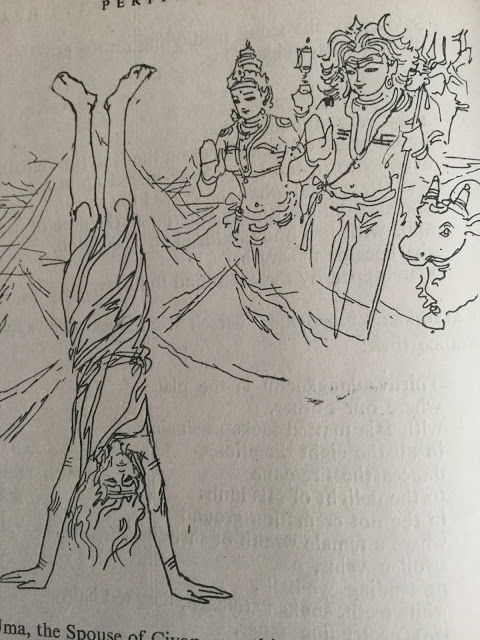
பெரிய புராணத்தில் சேக்கிழார் பெருமானால் பாடப்பட்ட 63 நாயன்மார்களில் , நேற்று பத்துப் பேரைக் கண்டோம். இதோ மேலும் சில படங்கள். –இவைகளைப் பார்த்தவுடன் நாயன்மாரின் பெயர்  நினைவுக்கு வருகிறதா என்று  பாருங்கள்.

picture 1
picture 2

picture 3

picture 4

picture 5
picture6
picture 7
picture 8
picture 9
picture 10

படங்களுக்கு விடைகள்:–

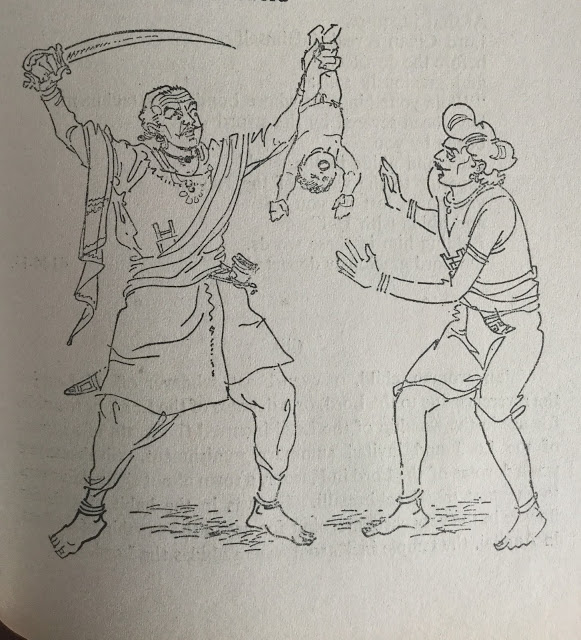
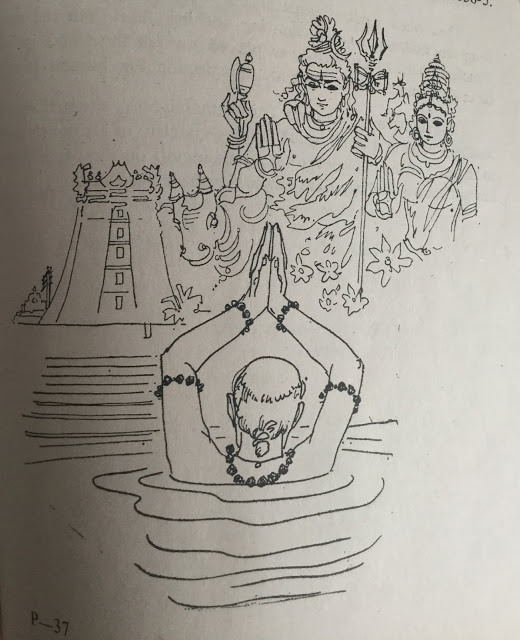
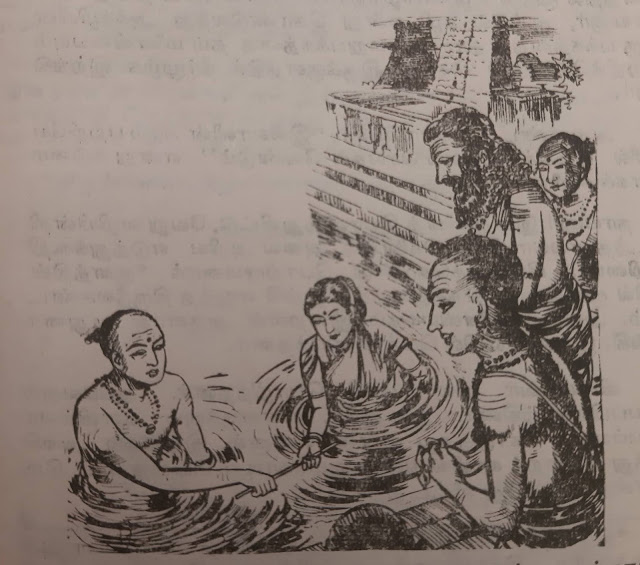
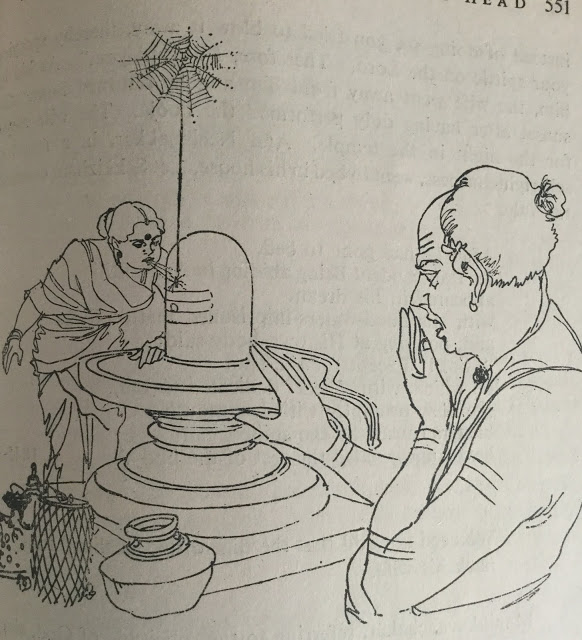
1.அதிபத்த நாயனார் 2.எறி பத்தர் 3. மூ ர்க்க நாயனார் 4.கலிக்கம்பர்
5.காரைக்கால் அம்மையார் 6.கோட்புலி நாயனார் 7.பூசலார்
8.ருத்ரப் பசுபதி நாயனார் 9.திருநீல கண்டர் 10. திருநீல நக்க நாயனார்.

tags –சிவ பக்தர் படம் -3, நாயனார்

INDEX 6 FOR S.SWAMINATHAN’S ENGLISH & TAMIL ARTICLES – 2012 (Post No.8508)

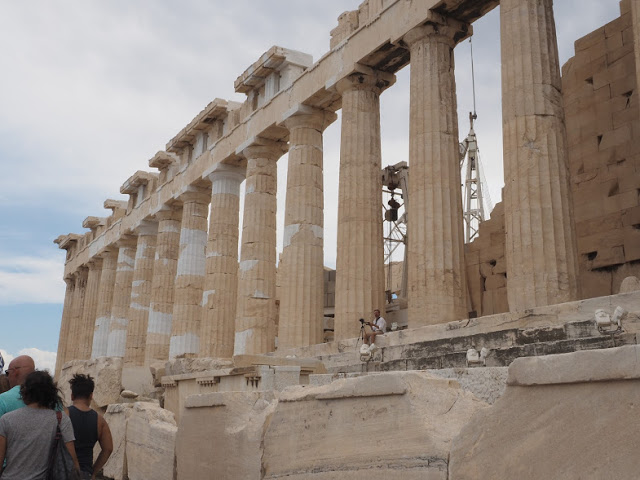
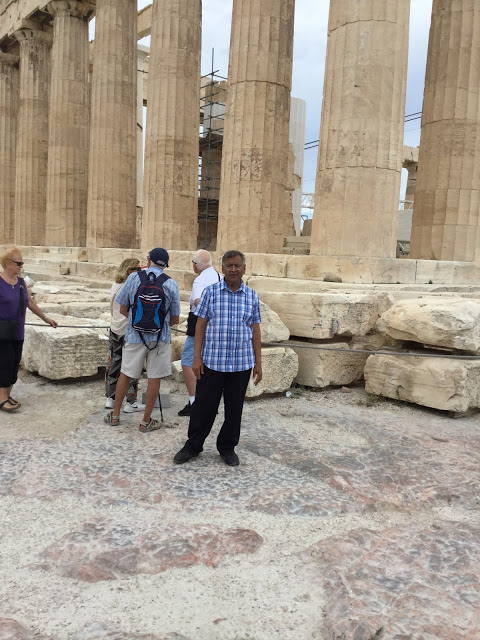
LONDON SWAMINATHAN IN ATHENS, GREECE

WRITTEN BY LONDON SWAMINATHAN

Post No. 8508

Date uploaded in London – 14 August 2020   

Contact – swami_48@yahoo.com

Pictures are taken from various sources for spreading knowledge; this is a non- commercial blog. Thanks for your great pictures.

tamilandvedas.com, swamiindology.blogspot.com

சுவாமிநாதன் கட்டுரை இன்டெக்ஸ்-6

ஜூன் 2012

பெண்கள் பற்றி 300 தமிழ்ப்  பழமொழிகள் – இறுதிப்பகுதி , ஜூன் 28, 2012

பெண்கள் பற்றி 300 தமிழ்ப்  பழமொழிகள் – பகுதி 2,  ஜூன் 26, 2012

பெண்கள் பற்றி 300 தமிழ்ப்  பழமொழிகள் – பகுதி 1, ஜூன் 28, 2012

பாரதி பாட்டில் பழமொழிகள் -ஜூன் 25, 2012

பொம்பளை சிரிச்சா, உதைச்சா , பார்த்தா போச்சு – ஜூன் 23, 2012

இந்து மதம் பற்றிய 200 பழமொழிகள் -பகுதி 1, ஜூன் 22, 2012

இந்து மதம் பற்றிய 200 பழமொழிகள் -பகுதி 2, ஜூன் 22, 2012

நாகராணி: சிந்து சமவெளி முதல் சபரிமலை வரை -ஜூன் 18, 2012

சிட்டுக்குருவி, சிட்டுக்குருவி சேதி தெரியமா ?- ஜூன் 17, 2012

மாதவியின் 11 வகை நடனங்கள் – ஜூன் 16, 2012

நாலு கடல் நீரில் ஒரே நாளில் குளியல் – ஜூன் 6, 2012

யானை பற்றிய நூ று பழமொழிகள் – ஜூன் 5, 2012

சஹஸ்ரலிங்கம்: கர்நாடகா- கம்போடியா அதிசய தொடர்பு- ஜூன் 5, 2012

கண்ணன் வழி  தனி …வழி –ஜூன் 2, 2012

நாமும் அனுமார் ஆகலாம் –ஜூன் 2, 2012

உலக செஸ் சாம்பியன் ஆனந்த் –ஜூன1, 2012

ஜூலை  2012

Tamil Quiz-3 தமிழ் தெரியுமா ஜூலை 29, 2012

Tamil Quiz-2 தமிழ் தெரியுமா ஜூலை 25, 2012

Tamil Quiz-1  தமிழ் தெரியுமா ஜூலை 23, 2012

Hindu Tamil Quiz-4  ஜூலை 20, 2012

Hindu Tamil Quiz-3, ஜூலை 16, 2012

சம்ஸ்க்ருதத்துக்கு உயிர் இருக்கிறதா –ஜூலை 15, 2012

Hindu Tamil Quiz-2,ஜூலை 14, 2012

தமிழ்த்தாய் வாழ்த்தை மாற்றுக –ஜூலை 13, 2012

Hindu Tamil Quiz -ஜூலை 11, 2012

கம்பன் வீட்டுக்  கட்டுத் தறியும்  கவி பாடும் –ஜூலை 17, 2012

ஸ்ரீ ருத்ர மஹிமை (நமகமும் சமகமும்) –ஜூலை 9, 2012

போஜராஜன் செய்த தந்திரம் – ஜூலை 7, 2012

குமரியில் புகழ் மிகு சிலைகள் –ஜூலை 7, 2012

JUNE 2012 Posts

Largest Gold Coin , June 29, 2012

Lie Detectors in Upanishads 27/6

Flags of Ancient Indian Kings 21/6

Serpent Queen: Indus Valley to Sabarimalai 17/6

Matavi’s 11 types of Classical Dance 15/6

Hindu Runners 6/6

Pictures of Sahasralinga in Karnataka, Cambodia 5/6

Latest News on Ganges Water 4/6

20000 Tamil Proverbs 1/6

Xxxxx

JULY 2012 by London swaminathan

Answers for Interesting Logo Quiz, July 31, 2012

INTERESTING LOGO QUIZ,30/7

MOST HATED NUMBERS 666 and 13, 29/7

ETRUSCAN-HINDU/TAMIL LINK 28/7

Rs 10 Gandhi Stamp is Rs 14,000 26/7

London is Changing 25/7

Hindu Picture Quiz-1 , 24/7

.Largest Golden Temple in the World 23/7

Can Birds Predict Your Future? 22/7

108,000 Temples in India 21/7

Hindu Quiz-4 20/7

Tamil Saint’s Mad Experiment 19/7

Sanskrit and Computers 18/7

Tiruvalluvar Statue in London 18/7

280 SANSKRIT WORDS FOR WATER 17/7

Hindu Quiz-3 16/7

Sanskrit in Bible 14/7

Secrets of Vishnu Sahasranama 13/7

Hindu Quiz-2, 12/7

Hindu Quiz-1,11/7

Four Birds in one Sloka: Adi Sankara and Nature 9/7

Largest Story Collection in the World 8/7

New York Ideas 7/7

Two Statues that inspired the World 5/7

Shakespeare or ‘Fake’speare? JULY 4, 2012

****

INTRODUCTION

I started blogging in tamilandvedas.wordpress.com and swamiindology.blogspot.com from June 2011, I am giving above the INDEX for JUNE and JULY  2012

 I did not give the date of loading or number for the article in the beginning. But all articles are available in both the blogs in the name of S Swaminathan.

Later I used ‘London Swaminathan’.

Like you did with S Nagarajan’s articles INDEX, get the articles by googling.

Following  is the method:-

Paste the title of the article in the google (space)and add ‘from tamilandedas.com or ‘from swamiindology.blogspot.com’

 Here is an example :

Is Brahmastra a Nuclear Weapon? from tamilandvedas.com

Or

Is Brahmastra a Nuclear Weapon? From swamiindology.blogspot.com

Since I am going to give nearly 6000 titles, you may not find time to read all the articles/ posts at once.

So, please take a printout of the Index or note down the titles and dates of your favourite posts.

Thanks for all your support. We are reaching two million hits now.

If you have any difficulty in getting the articles, please let us know.

Be careful about the spelling of the title. Even a small mistake will take you somewhere and waste your precious time.

TAMIL TITLES ARE GIVEN SEPARATELY.

***

IN THE BEGINNING I UPLOADED MY ARTICLES IN

1.THE SPEAKING TREE OF TIMES OFINDIA

2.TAMIL HERITAGE FOUNDATION SITE

3.TAMIL BRAHMINS.COM etc.

So you may find the same articles on different days on different blogs

*****

To be continued…………………….

Tags- சுவாமிநாதன், கட்டுரை இன்டெக்ஸ் 6, INDEX 6, S.SWAMINATHAN,  ARTICLES,

அக்கிரகாரம் பற்றிய 5 பழமொழிகளைக் கண்டுபிடியுங்கள் (Post No.8507)

WRITTEN BY LONDON SWAMINATHAN

Post No. 8507

Date uploaded in London – 14 August 2020   

Contact – swami_48@yahoo.com

Pictures are taken from various sources for spreading knowledge; this is a non- commercial blog. Thanks for your great pictures.

tamilandvedas.com, swamiindology.blogspot.com

ஒரே சொல் பல பழமொழிகளில் வந்தால், ஒரு இடத்தில் மட்டுமே கட்டத்தில் காணப்படும் .

விடைகள் கீழே உள்ளன.

விடைகள்:–

1.அக்கிரகாரத்தில் பிறந்தாலும் நாய் வேதம் அறியுமா ?

2.அக்கிரகாரத்தில் செத்தாலும் அடக்கம் சுடுகாடுதான்

3.அக்கிரகாரத்து நாய்க்கு அகவிலை தெரியுமா ?

4.அக்கிரகாரத்து நாய் பிரதிட்டைக்கு அழுதது போல

5.அக்கிரகாரத்துக்கு ஓர் ஆடு செத்தால் ஆளுக்கு ஒரு மயிர்

tags — அக்கிரகாரம் ,பழமொழி, கண்டுபிடியுங்கள்

நீங்கள் ஜனாதிபதி ஆகவேண்டுமா?! (Post No.8506)

WRITTEN BY KATTUKKUTY

Post No. 8506

Date uploaded in London – 14 August 2020   

Contact – swami_48@yahoo.com

Pictures are taken from various sources for spreading knowledge; this is a non- commercial blog. Thanks for your great pictures.

tamilandvedas.com, swamiindology.blogspot.com

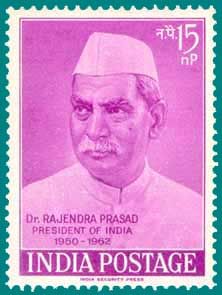
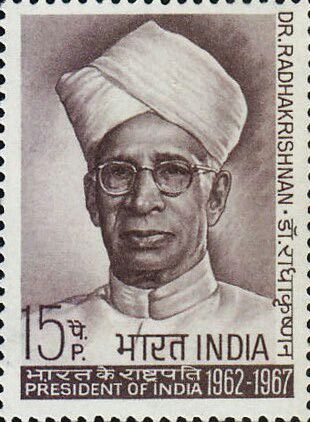
நீங்கள் ஜனாதிபதி ஆகவேண்டுமா?!

—KATTUKKUTY—

எல்லோருக்கும் ஆசைதான்……ஜனாதிபதியாக……இந்தியாவின்
முதல் குடிமகனாக ஆக!!!!


உடனேஓடிப்போய் உங்கள் ஜாதகத்தை எடுத்துக்கொண்டு
வருவீர்களே……..எனக்குத் தெரியும்…….


கொஞ்சமாவது ‘மு’ னா இருக்கா????? தப்பா நினச்சுக்காதீங்க
கொஞ்சமாவது முன்யோசனை இருக்கா என்றுதான் கேட்டேன்
உங்களுக்கு அந்த யோகம் இருந்தா இங்கே ஏனையா
Tamilandvedas.com ஐ பார்த்துகொண்டிருப்பீர்கள்????

டெல்லியில் அல்லவா இருப்பீர்கள் ????
( திரு .சாமிநாதன் அவர்கள் மன்னிக்க வேண்டும்)
சரி, விட்டுத்தள்ளுங்கள்……உங்கள் பேரன் பேத்தி ஜாதகங்களைக்
கொண்டு வாருங்கள் அவரகளுக்காவது இந்த யோகம் இருக்கான்னு பாப்போம்!!!!
ஜனாதிபதியாக 3 கண்டிஷன்தான்……


1. உங்களுக்கு 35 வயது முடிந்திருக்க வேண்டும்
2. இந்தியாவில் எங்காவது உங்களுக்கு ஓட்டுரிமை இருக்க வேண்டும்.
3. ???


சரி, ஜாதகத்திற்கு வருவோம்

பத்தாமிடத்து அதிபதி 4 ம் இடத்தில் நிற்க
நான்காம் இடத்து அதிபதி 10-ல் நிற்க
லக்னாதிபதி உச்சம் பெற்றால்
சாப யோகம் என்ற ஜனாதிபதி யோகமாம்.


ஓகே…… அடுத்த காம்பினேஷனுக்கு வருவோம்

லகனாதிபதி 10 லும், 10 க்குடையவன் லக்னத்திலும்
2- ம் இடத்தில் குருவும் சந்திரனும் கூடி லக்னாதிபதியை
குரு பார்க்க வேண்டும் (வேந்தன் யோகம்)

ஒகே, மூன்றாவது காம்பினேஷனுக்கு வருவோம்.

லக்னத்தில் சனி, 4- ம் இடத்தில் சந்திரன், 7- ம் இடத்தில்
செவ்வாய், 10- ம் இடத்தில் சூரியன், புதன், சுக்கிரன் கூடினால்
வேந்தன் யோகமாம்.


சரி முதல் காம்பினேஷனுக்கு வருவோம்.
10- ம் இடத்ததிபதி 4- இடத்தில் என்பது 9 பாதங்களைக்கொண்டது.
ஒவ்வொரு பாதங்களிலிருந்தும் மற்ற 9 பாதங்களுக்கும்
எண்ணிப் பார்த்தால், 729 காம்பினேஷன் வரும்.
சரி 2 இடத்திற்கும் சேர்த்து 1,458 காம்பினேஷன்கள் வரும்!!!!

அடுத்தாற் போல் லக்னாதிபதி உச்சம் பெற வேண்டும்
அப்போது அங்குள்ள 9 பாதங்களை கணக்கிட்டால்
13,062 என்ற தொகை வரும்.


ஜாதகத்தை ஆகா, 10 க்குடையோன் 4- ல், 4- க்கு உடையோன்
10- ல் என குதிக்கக் கூடாது ………..
எந்த பாதம் எந்த பாதத்துடன் சேர்ந்தால் பலம் பெருகிறது
பலன் கிடைக்கிறது எனப் பார்த்தால்தான் யோகம் வரும் ,!!!!
புரிகிறதா ????


இதையெல்லாம் மனத்தில் கொண்டுதான் நமது முன்னோர்கள்
ஒரு வழி கண்டு பிடித்திருக்கிறார்கள்.
கிரகம் இருக்கும் ராசியை, 2 ஆக பிரித்து கோட்கூறு எனவும்


3 ஆக பிரித்து திரேக்காணம் எனவும், 4 ஆக பிரித்து திரிசம்சம்
எனவும், 7 ஆக பிரித்து சப்தமாம்சம் எனவும், 9 ஆக பிரித்து
நவாம்சம் எனவும், 10 ஆக பிரித்து தசாம்சம் எனவும், 12 ஆக பிரித்து
துவதாம்சம் எனவும் 16 அக பிரித்து ஷோடசம்சம் எனவும்
60 கூறாக பிரித்து ஷஷ்டியாம்சம் என தச வர்க்கங்களாகப்
பிரித்தனர்!!!!!


இந்த தசவர்கங்களில் ஒவ்வொரு கிரகமும் உச்சம்,
மூலத்திரிகோணம், ஆடசி, வர்கோத்தமம், நட்பு ஆகிய
சுப அம்சங்கள் இருந்தால் ஒரு சுப வர்க்கம் எனக் கூறுகிறோம்
2-சுப வர்க்கம் இருந்தால், பாரிசாதாங்கிசம்………அதாவது
நற்குணம், தனம், சுகம், பெருமை கிடைக்கும்


3- சுப வர்க்கம் இருந்தால், உத்தமாங்கிசம் அதாவது அந்த ஜாதகர்
நல்ஒழுக்கம், நிபுணத்துவம் பெற்றவர்

4 சுப வர்க்கம் கொபுரம்சம் இருந்தால் பூமி, வீடு, வாகனம்,
தனம், நல்ல நோக்கமும் உடையவர்


சிங்கனங்கிசம் இருந்தால் செல்வம், அதிகாரம், ராஜ சன்மானம்
உடையவராவார்

பாராவதாங்கிசம் இருந்தால், வித்தை , செல்வம், கீர்த்தி உடையவராவார்

தேவலோகாங்கிசம் இருந்தால் சைன்யத்திற்கு அதிபதி,
கொடை வள்ளலாக இருப்பார்


வைசேஷாங்கிசம் இருந்தால் லோகதிபதியாவார்

ஐராவதாங்கிசம் இருந்தால் அஷ்ட ஐஸ்வர்யம் உடையவராவார்

தேவேந்திராங்கிசம் இருந்தால் இந்திரனைப் போல் வாழ்வார்


சரி, எல்லா கணக்கும் போட்டு வைசேஷேஷாங்கிசமோ
அதற்கு மேல் ஐராவதாங்கிசமோ, தேவேந்திராங்கசமோ
இருந்தால் பேரனோ, பேத்தியோ தான் ஐனாதிபதி !!!!
சந்தோஷத்துடன் செல்லுங்கள்!!!!
உங்கள் போட்டோவும் பேப்பரில் வரும்!!!! ***

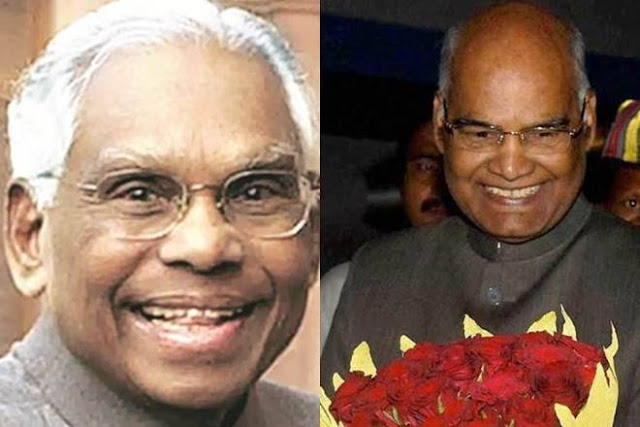
K R NARAYAN AND KOVIND

TAGS — ஜனாதிபதி , ஜாதகம்

Books Indians Should Read- 15 (Post No.8505)

WRITTEN BY R. NANJAPPA                        

Post No. 8505

Date uploaded in London – – – 14 August 2020   

Contact – swami_48@yahoo.com

Pictures are taken from various sources for spreading knowledge; this is a non- commercial blog. Thanks for your great pictures.

                 Books Indians Should Read- 15

                         Chapter 5 – Part 3

                               R.Nanjappa

Stoicism and Indian tradition

[My reflections]

Students of Indian philosophy and especially of the Gita will be thrilled at this approach. For,

this expresses the essence of the Gita, though without its theological aspects. 

The Discipline of Perception is what the Gita calls Sankhya- it is how the Gita

teaching actually begins! This is the right understanding. There is a Permanent

Presence, Immutable Order in the world, beyond the perishable elements! The

wise perceive the difference and act accordingly.


Na sato vidyate bhaavo
Naa bhaavo vidyate sata:
Ubhayorapi drushta: anta:
Anayo tatvadarshibhi:    2.16

 The Discipline of Action is what is termed Yoga in the Gita.. Shorn of desire and

hatred, without attachment to fruit, every action becomes Yoga or right action!

We cannot refrain from action in the world, so our effort should be to make every

action right action: Yoga karmasu kausalam!

The Discipline of the Will is what may be called Samatva in the language of the

Gita: maintaining equanimity and balance of mind, unaffected by the vagaries of

mind. (Samatvam Yoga uchyate ) The will has to be trained- by repeated practice

and renunciation: “abyaasena  vairagyena cha” ( 6.35)

Thus we see that the Stoic prescriptions become a very practical way to follow and practice

our own Gita in daily life! No wonder we feel so at home while reading these ancient Greek

philosophers.

Arjuna was interested not in philosophy, but in a practical way for his true well being:

Shreyas. The Stoics answered this very need: do not inquire into the nature of the world,

existence, etc. Understand that there are things beyond your control. Concentrate on what

you can control according to your reason. Accept the world order, understand your place in

it and organise your life accordingly. This is a very practical prescription, and not arm chair

philosophy or empty speculation. 

Note:
Zeno was a merchant.  His ship sank on a voyage and his cargo was lost.He became

acquainted with the philosophy of Socrates, and of Crates of Athens. This changed his life

and he developed his own philosophy-  Stoicism.

Epictetus was born a slave and served a master in Rome who was a secretary to Nero. He

studied philosophy under Musonius Rufus with permission of his master. Later he obtained

freedom and taught philosophy in Rome. Emperor Domitian banished all philosophers from

Rome in 93 AD. Epictetus then went to Greece where he lived and taught for the rest

of his life. 

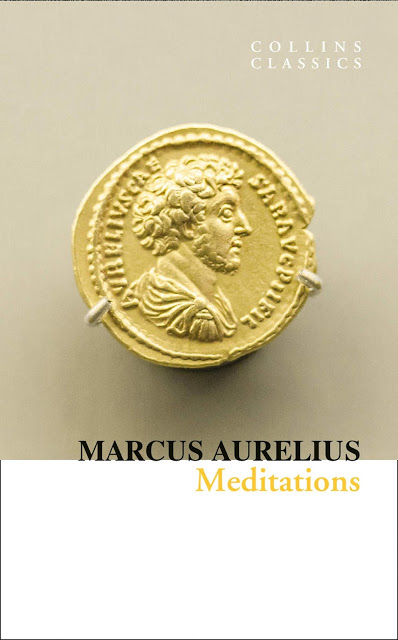
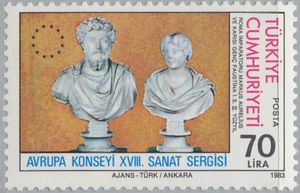
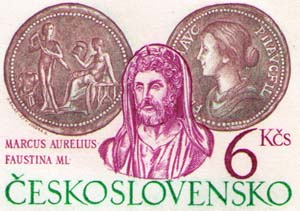
Marcus Aurelius  (121-180 AD) was a Roman Emperor (161-180 AD), considered the last

of the 5 great emperors. He had to engage in considerable military activity, yet practised

his philosophy and found time to write down his meditations which constitute an important

source of Stoic ideas.


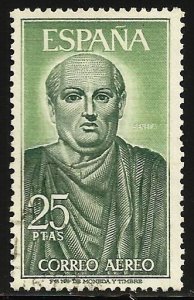
Seneca (4 BC to 65 AD) was an influential figure in Rome and an adviser to emperor Nero.

His life was not above controversy. He fell out of favour, and sought to live a quiet retired life,

away from Rome. But he was suspected of complicity in the attempt to murder Nero.

He was asked to commit suicide.

We may thus see that none of these philosophers was an arm-chair idler. They lived their

philosophy.

Works of Epictetus, Seneca, and Marcus Aurelius are available individually. However, this

is a very delightful book, and practical manual that Ryan Holiday and Stephen Hanselman

have written. They bring together the essential points from the masters in a new translation,

organised under convenient themes. This shows how in able hands philosophy becomes a

pleasure to read!


Words of the Masters

I conclude with three quotations from three famous stories.

The Chief task in life is simply this: to identify and separate matters so that I                                                                                    

 can say clearly to myself which are externals not under my control, and which

have to do with choices that I actually control. Where then do I look for good

and evil? Not to uncontrollable externals, but within myself to the choices

that are my own….

Epictetus

The first thing to do – don’t get worked up. For everything happens according

to the nature of  all things and in a short time you will be nobody and nowhere,  

even as the great emperors Hadrian and Augustus are now.
The next thing to do- consider carefully the task at hand for what it is, while

remembering that your purpose is to be a good human being.
 Get straight to doing what nature requires of you, and speak as you see most

just and fitting- with kindness, modesty, and sincerity.

Marcus Aurelius

None is crushed by Fortune, unless they are first deceived by her… Those who

aren’t pompous in good times, don’t have their bubbles burst with change.

Against either circumstance, the stable person keeps their rational soul

invincible, for it is precisely in the good times they prove their strength

against adversity.

Seneca


The Daily Stoic is gem of a book- will prove to be a loyal companion and reliable guide

for years. 

“Philosophy does not claim to get a person any external possession. To do so

would be beyond its field. As wood is to the carpenter, bronze to the sculptor,

so our own lives are the proper material in the art of living.”       Epictetus.

Note:
In its emphasis on right understanding based on reason and logic, and avoiding emotionalism,

Stoic philosophy parallels the disciplined approach of Acharya Sankara who held that right

knowledge ( Jnana) alone was the remedy for the ills of life. This, together with their idea of

accepting the world order as given, beyond human control, is also the general philosophical

position of our modern Sages  Sri Ramakrishna and Sri Ramana Maharshi. But our Sages also

approved of Devotion to personal God which element is missing in the Stoic discourse. 

                                                                          Chapter 5 concluded