Pictures are taken from various sources for spreading knowledge; this is a non- commercial blog. Thanks for your great pictures.
BOOKS INDIANS SHOULD READ- 11
Chapter 4 Part 2
R. Nanjappa
Woes of the Uninc.
The much tom-tomed reforms have focused on the narrow corporate sector which is
controlled by the central government. The Uninc. is at the mercy of the state govts which
are hardly touched by reform.
On the contrary, the Uninc. becomes victims of numerous state minions like the cops, various
departments, municipal authorities, local goons reporting to the party, etc. Though they have been
the growth drivers, they have not received recognition or benefits, if any.
In fact, moves like FDI in retail will hit them even more, due to the concessional terms
extended to the foreign entities, while even normal recognition is denied to the Uninc. It is also hit by various thoughtless moves. For instance, when the Court orders that the motor vehicles
should have electronic number plates, it drives out of employment thousands of workers who are now
earning a living painting such boards , without teaching them another craft, while conferring the
privilege of making the new number plates on four companies!
The Uninc. is not a burden on the society or the govt. It is self-reliant, generates its own business
and income, saves enormously. It has no benefits of steady income, regular wages, insurance or pension.
It does not depend on govt for employment. Yet,in the name of reform focusing on the big sector, people
from the Uninc are driven out. Is there any wonder why poverty is still a phenomenon?
Prof. Vaidyanathan also points out how the leftists are against the self-employed, calling them
petite-bourgeoisie!
“ Our government’s policies are likely to displace the self-employed and render them
unemployable.”
Law and Social capital
In a deeply perceptive chapter, the professor points out how it is so difficult for the small man to enforce
contracts under our legal system which does not appreciate the Time-Value of Money. What better can
we expect when the govt itself is the largest litigator? He records in a brilliant passage:
“It is extremely important to recognize the social capital we have accumulated in the
form of community and family linkages and we need to think afresh instead of getting
boxed into the Anglo-Saxon jurisprudence system. We need to remember that we have less
than ten thousand police stations in our country but have more than two million temples ie
places of worship.. by and large contract compliance is more due to the fear of God than
of legal processes”.
Bias against the sector
In spite of its essentially beneficial economic role, the Uninc. does not get adequate credit facilities
from the banking system which dotes on the corporate sector ( and gets kicked in return by way of
unrecovered loans.) But there is a deeper bias against this sector.
“the metropolitan elite are allergic to indigenous institutions and the communists are
stuck in their nineteenth century rhetoric.”
Corruption as a form of Tax
The book has an interesting chapter on taxation. He says:
“The perception that India is an under-taxed economy is a myth, if one takes into account
the endemic issue of under-coverage as well as corruption in the system.”
In other words, corruption is for us another form of taxation. He provides interesting list of services by
govt employees where corruption works as taxation ie regular fees for regular items. eg: birth and death
certificates!
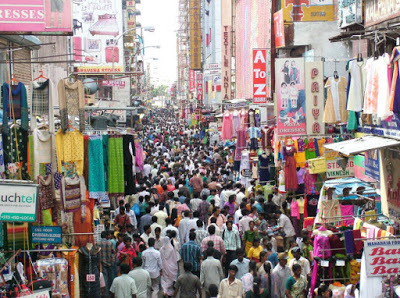
Shopping jungle in Ranganathan Street, T.Nagar, Chennai.
Who dominate here: corporates or Uninc?
Saving: Value of Gold
Those engaged in the Uninc. sector have to depend on their own means for their saving . This they often
find in gold, which also doubles up as insurance and pension. There is poor return, but great security.
The stock market is a big tragedy. It is a hoax. It is an eternal scam.In spite of all the hype in the media,
only about 100 scrips are active; even in these, more than 70% of trading is not for delivery- this is pure
speculation! His chapters on the financial markets provide many deep insights.
Caste
Analysing the caste factor, the book points out how more than 55% of the Uninc. enterprises
were owned by ST/SC/OBC in the rural areas, and about 50% of the total. These are clusters and
hierarchies and form important social capital. This is not generally understood or appreciated.
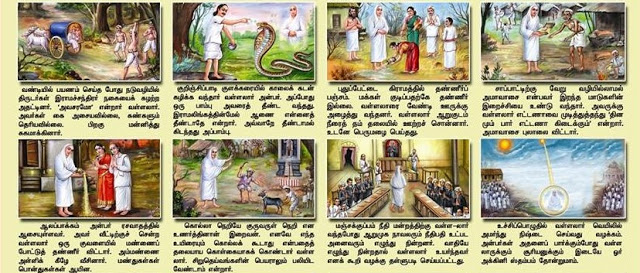
வள்ளலார் கருங்குழியில் இருந்த சமயம் பாலு ரெட்டியார் என்ற அன்பர் அவரை அணுகி தான் குஷ்ட நோயால் வருந்துவதைச் சொல்லி அதைத் தீர்க்க வேண்டும் என்று வேண்டினார். சுவாமிகளும் உடனே அவருக்கு திருநீறு கொடுத்து அருள் பாலிக்க அவர் குஷ்டம் நீங்கியது.
முத்து நாராயண ரெட்டியார் என்பவர் கண் பார்வையற்று வருந்தினார். சுவாமிகளிடம் தன் குறையைச் சொல்லவே அவருக்கு திருநீறு கொடுக்கவே அவருக்குக் கண் பார்வை வந்தது. இதனால் மனம் மிக மகிழ்ந்த ரெட்டியார் தன் செல்வம் முழுவதையும் அவர் பெயருக்கு எழுதி வைப்பதாகச் சொன்னார். அதை ஏற்க மறுத்த சுவாமிகள், ‘சீனிவாசப் பெருமாள் கோவிலுக்கு எழுதி வைத்து விடுங்கள்’, என்றார்.
ஒரு சமயம் அன்பர் ஒருவருடன் செஞ்சி மலைக்குச் சென்றார் சுவாமிகள். அன்பர் பசியால் வருந்த உடனே ஒரு லட்டையும் செம்பு நிறைய நீரையும் வரவழைத்துக் கொடுத்தார்.
கூடலூரில் அப்பாசாமி செட்டியார் என்ற அன்பருக்கு வாழைத் தோட்டம் ஒன்று இருந்தது. அதில் சென்ற போது சுவாமிகளை பேயன் வாழைமரத்திலிருந்த பாம்பு ஒன்று தலையில் தீண்டி விட்டது. அனைவரும் பதறினர். பாம்பைக் கொல்ல எத்தனித்தனர். சுவாமிகள் ‘அது தானாகவே இறந்து விடும். அது இறப்பதற்காகவே என்னைத் தீண்டியது’, என்றார். பாம்பின் விஷம் சுவாமிகளை ஒன்றும் செய்யவில்லை. சிறிது நேரத்தில் பாம்பு இறந்தது.
கூடலூர் அப்பாசாமி செட்டியார் வீட்டில் ஒரு சமயம் சுவாமிகள் ஒரு அறையில் இருந்தார். அப்போது ஒரு மனிதர் தங்கு தடையின்றி உள்ளே நுழைந்து சுவாமிகள் இருந்த அறைக்குள் சென்றார். அவரை எங்கேயும் காணாததால் சுவாமிகளை வினவ, “அவர் ஒரு சித்தர். என்னைக் காண வந்தார். இந்நேரம் காசியில் இருப்பார். இதோ அவர் கொடுத்த லட்டு” என்றார் சுவாமிகள்.
உள் நாக்கு வளர்ந்து பெரும் துன்பமுற்ற ஜவுளி வியாபாரி ஒருவர் சுவாமிகளிடம் தன் குறையைச் சொல்ல அவர், அதைத் திருநீறு கொடுத்தே தீர்த்தருளினார்.
அதே போல கண் நோயினால் முகம் வீங்கித் தவித்த ஒருவர் சுவாமிகளை அணுக, பக்கத்திலிருந்த ஒரு வாழைப்பழத்தை எடுத்து அவரிடம் கொடுத்து, “இதை வைத்துக் கட்டு” என்றார். அவர் சொன்னது போலவே வாழைப்பழத்தை வைத்துக் கட்டியவுடன் நோயும் நீங்கியது.
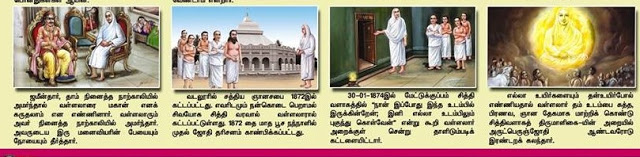
வேட்டவலம் என்னும் ஊருக்கு ஜமீந்தாராக விளங்கியவர் அப்பாசாமி. அவருக்கு இரு மனைவிகள். ஒரு மனைவியை பிரம்மராக்ஷஸ் பிடித்துக் கொண்டது. இன்னொரு மனைவியை மகோதர நோய் வருத்தியது. ஏராளமான பொருட்செலவில் பூசாரிகள், மந்திரவாதிகள் வைத்தியர்கள் உள்ளிட்டோர் வந்து பார்த்த போதும் பிரம்ம ராக்ஷஸ் போகவில்லை; மகோதர நோயும் போன பாடில்லை. ஜமீந்தார் சுவாமிகளைத் தனது அரண்மனைக்கு விஜயம் செய்ய வேண்டுமென்று வேண்டினார். சுவாமிகளும் இசைந்தார். ஜமீந்தார் இரு நாற்காலிகளை தயார் செய்தார். தான் நினைத்த நாற்காலியில் சுவாமிகள் அமர்ந்தால் தனக்கு நல்லது நேரும் என்று அவர் நினைத்து அப்படிச் செய்தார். சுவாமிகளை எதிர் கொண்டழைத்த ஜமீந்தாரின் மனைவி அவரிடமிருந்து திருநீறை வாங்கியவுடன் அவரைப் பிடித்த பிரம்மராக்ஷஸ் அகன்றது. ஜமீந்தார் கண்ணீர் வடித்தார். அவர் நினைத்த நாற்காலியிலேயே வள்ளலார் அமர்ந்தார். அவரது இன்னொரு மனைவிக்கு மூன்று வேளை திருநீறு கொடுக்க அவரது நோயும் தீர்ந்தது.
அன்பர்களின் வேண்டுகோளுக்கிணங்க அவ்வப்பொழுது இரும்பு, ஈயம், செம்பு ஆகிய உலோகங்களைத் தங்கமாக மாற்றிக் காண்பிப்பார் சுவாமிகள். பின்னர் யாரும் அதை எடுக்காதபடி கேணிகளிலும் குளங்களிலும் எறிந்து விடுவார். அவருடனேயே இருந்த வேம்பையர் என்பவர் சுவாமிகள் உலோகங்களை மாற்றும் விதத்தையும் அதற்கென அவர் கொண்டிருந்த பொருள்களையும் நன்கு கவனித்து வந்தார். அந்தப் பொருள்களைச் சேகரித்து தானும் மற்ற உலோகங்களைத் தங்கமாக மாற்ற முயன்றார். அவர் கண் பார்வை உடனே மங்கி ஒளியை இழந்தது. என்ன செய்தும் கண் பார்வை வரவில்லை. சுவாமிகளிடம் வந்து தான் செய்த தவறை ஒளிக்காமல் சொல்லி மன்னிப்பு வேண்டினார் அவர். சுவாமிகள் நீரை எடுத்து அவர் கண்ணில் பூசவே கண்ணொளி அவருக்கு மீண்டது.
விருத்தாசலத்தில் வசித்து வந்தவர் வேங்கடேச ஐயர் என்பவர். அவர் ஒரு வக்கீல். ஞாயிற்றுக்கிழமைகளில் சுவாமிகள் ஆற்றும் பிரசங்கங்களுக்குத் தவறாமல் வருகை புரிந்து அதைக் கேட்டு முடிந்த பின்னர் இரவு நேரத்தில் மூன்று மைல் தூரமுள்ள காட்டுப் பாதையைக் கடந்து அவர் ஊர் திரும்புவது வழக்கம். காட்டுப் பாதையில் செல்லும் போது அவர் முன்னர் (ஆள் யாரும் இல்லாமல்) இரு தீவட்டிகள் மட்டும் போய்க் கொண்டிருக்கும். அதை ஏந்துபவர் யாரும் இருக்க மாட்டார்கள். சுவாமிகளின் அருட்செயலே இது என்பதை உணர்ந்த ஐயர் வடலூருக்கு வந்து அங்கேயே தங்கி சுவாமிகளின் பூரண அருளுக்குப் பாத்திரர் ஆனார்.
சுவாமிகளின் சத்திய தரும சாலையில் ஒரு நாள் இரவு திடீரென்று நூறு பேர் வந்து சேர்ந்தனர். சமையல் எல்லாம் முடிந்து அனைவரும் உண்ணும் தருணம் அது. என்ன செய்வது என்று அனைவரும் தவித்தனர். ‘பிச், இலை போடுங்கள் எல்லோருக்கும்’ என்று கூறிய சுவாமிகள் தானே அனைவருக்கும் பரிமாற ஆரம்பித்தார். இருந்த உணவு நூறு பேருக்கும் போதுமானதாக இருந்தது. அனைவரும் திருப்தியுடன் உண்டனர்.
Pictures are taken from various sources for spreading knowledge; this is a non- commercial blog. Thanks for your great pictures.
tamilandvedas.com, swamiindology.blogspot.com
Though I started blogging in tamilandvedas.wordpress.com and swamiindology.blogspot.com from June 2011, I am starting here from NOVEMBER 2011.
I did not give the date of loading or number for the article in the beginning. But all articles are available in both the blogs in the name of S Swaminathan. Later I used ‘London Swaminathan’.
Like you did with S Nagarajan’s articles INDEX get the articles by googling.
Following is the method:-
Paste the title of the article in the google (space)and add ‘from tamilandedas.com or ‘from swamiindology.blogspot.com’
Here is an example :
Is Brahmastra a Nuclear Weapon? from tamilandvedas.com
Or
Is Brahmastra a Nuclear Weapon? From swamiindology.blogspot.com
Since I am going to give nearly 6000 titles, you may not find time to read all the articles/ posts at once.
So, please take a print out of the Index or note down the title and date of your favourite posts.
Thanks for all your support. We are reaching two million hits now.
If you have any difficulty in getting the articles ,please let us know.
Be careful about the spelling of the title. Even a small mistake will take you somewhere and waste your precious time.
Pictures are taken from various sources for spreading knowledge; this is a non- commercial blog. Thanks for your great pictures.
tamilandvedas.com, swamiindology.blogspot.com
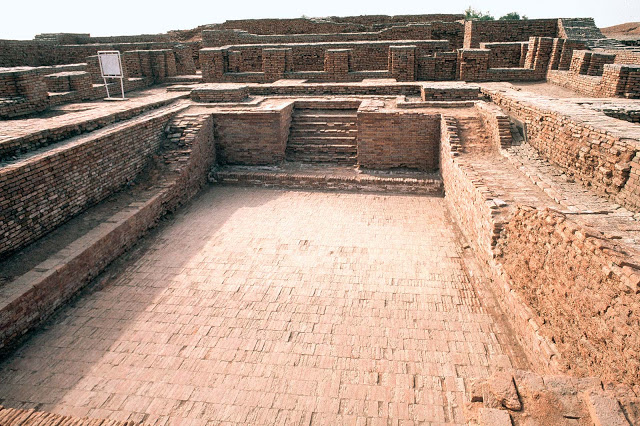
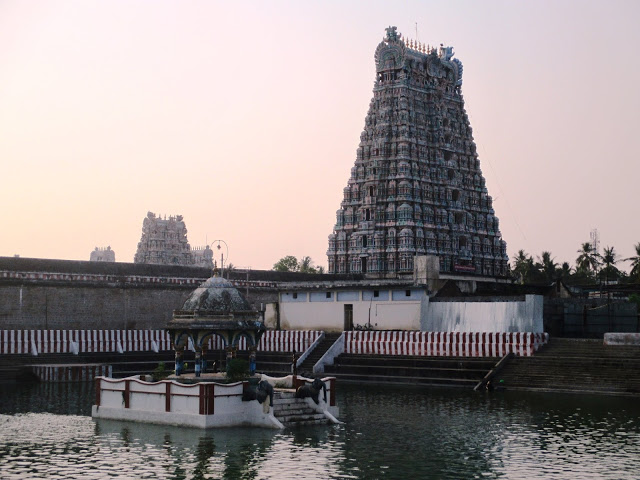
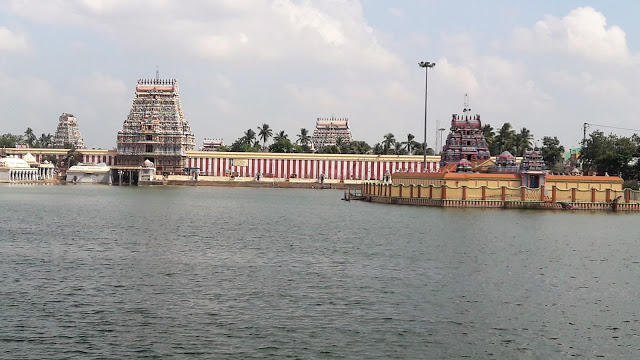
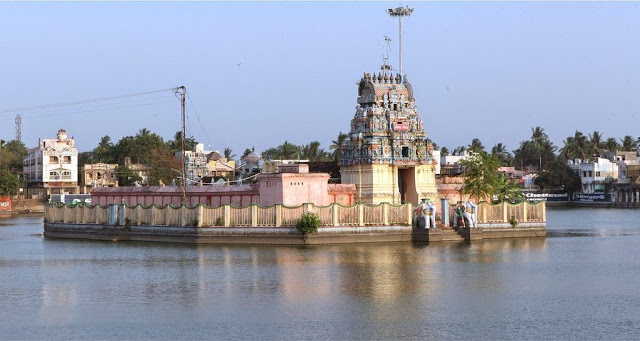
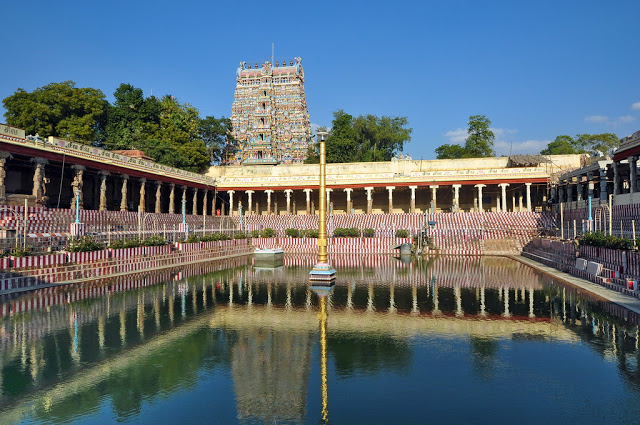
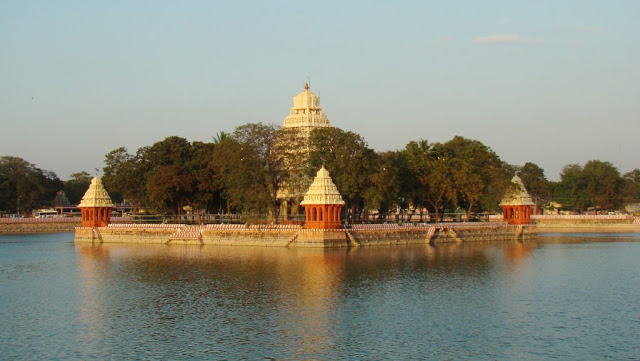
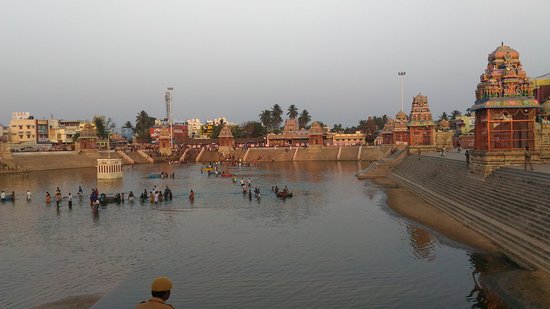
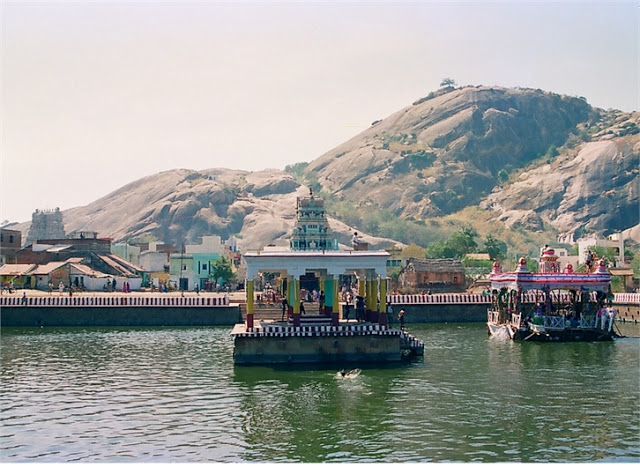
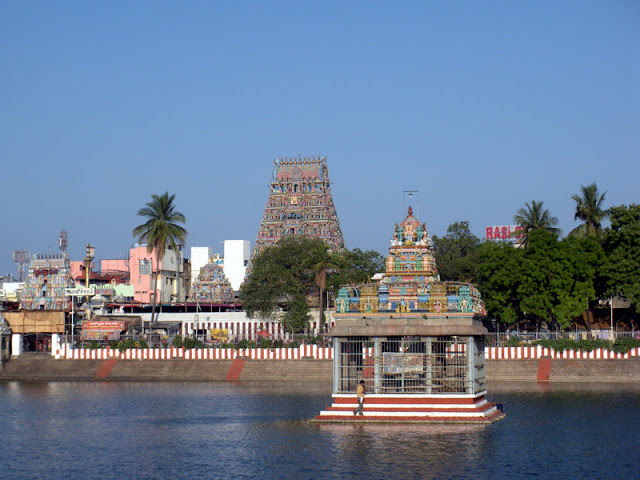
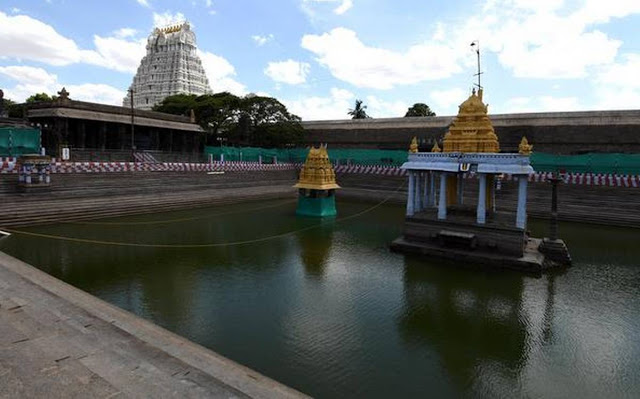
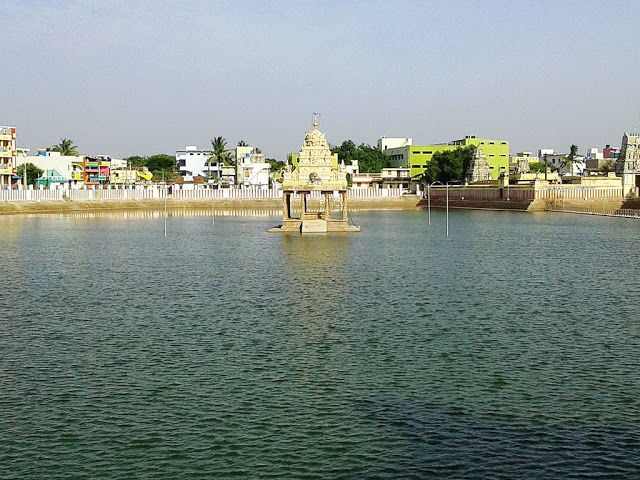
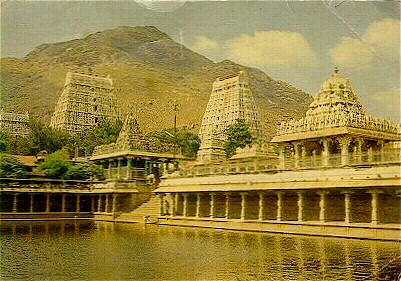
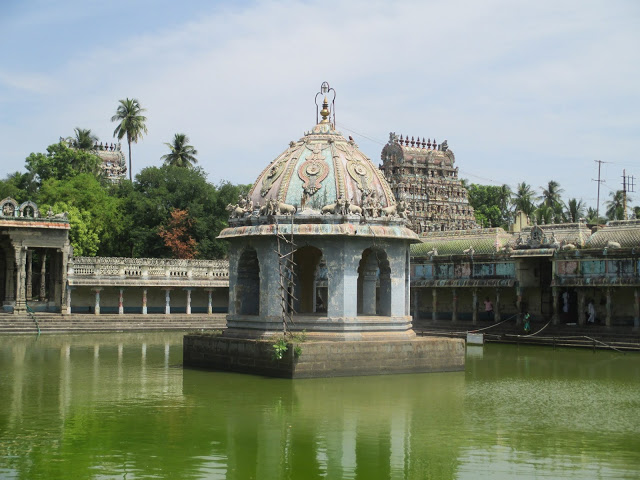
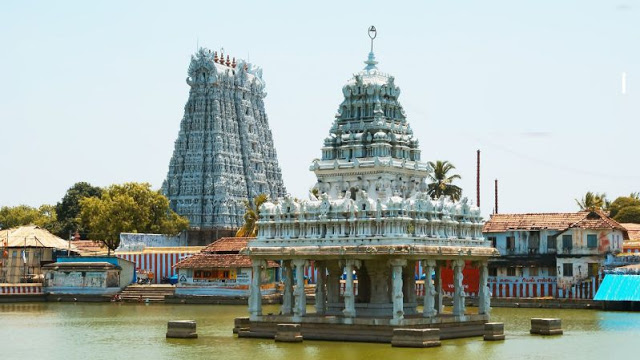
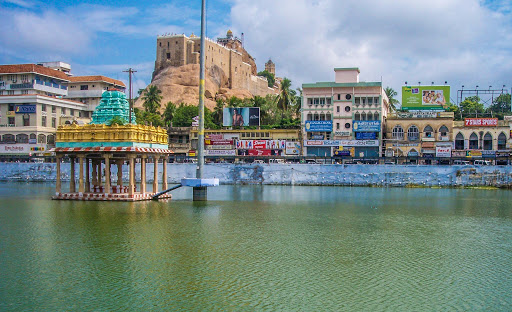
தமிழ் நாட்டிலும் ஆந்திரத்தில் பெயர்பெற்ற 14 குளங்களின் படங்கள் இங்கே உள்ளன. அவற்றை எந்த ஊரில் காணலாம்? அவைகளின் சிறப்புப் பெயர்கள் என்ன? என்று காண்போம். சில இடங்களில் குளத்துக்குப் பெயர் இல்லாவிடில் அது அந்தக் கோவிலின் பெயரால் அழைக்கப்படுகிறது . மன்னார்குடியில் உள்ள குளம்தான் மிகப்பெரியது 23 ஏக்கர் பரப்புடையது . அதற்கடுத்த இடத்தைப் பிடிப்பது மதுரை நகருக்கு வெளியே உளது (16 ஏக்கர்). திருவாரூர் குளமும் இதே பரப்பளவு கொண்டதுதான். சிந்து சரஸ்வதி நதி தீர மொஹஞ்சதாரோ (பாகிஸ்தான்) 837 சதுர அடி குளத்திலிருந்து தென் கோடி சுசீந்திரம் கோவில் வரை ஆயிரக்கணக்கான குளங்கள் இந்துக்களுக்கு புனிதா நீராட உதவுகின்றன. சில குளங்களை மட்டும் காண்போம் .
NUMBER ONE 1NUMBER ONE -1
***
NUMBER TWO 2
***
NUMBER THREE 3
***
NUMBER FOUR (4)
***
NUMBER FIVE (5)NUMBER SIX (6)NUMBER SEVEN -7UMBER EIGHT -8NUMBER NINE – 9NUMBER TEN -10NUMBER ELEVEN -11NUMBER TWELVE 12NUMBER THIRTEEN 13 NUMBER FOURTEEN -14
விடைகள் —
1.மன்னார் குடி ராஜகோபால சுவாமி கோவில் குளம்; இதன் பெயர் ஹரித்ரா நதி
2.திருவாரூர் தியாகராஜ சுவாமி கோவில் குளம். இதன் பெயர் கமலாலயம்
3.மதுரை, மீனாட்சி சுந்தரேஸ்வரர் கோவில் குளம்; பெயர் – பொற்றாமரைக்குளம்
4.மதுரை மாரியம்மன் தெப்பக்குளம்
5.கும்பகோணம் ; மகாமகம் குளம்
6.திருப்பரங்குன்றம் – சரவணப் பொய்கை
7.சென்னை மயிலாப்பூர் கபாலீஸ்வரர் கோவில் குளம்
8.காஞ்சி அத்தி வரதர் குளம் ;வரதராஜப் பெருமாள் கோவில்
9.திருவள்ளூர் வீரராகவப் பெருமாள் கோவில் குளம்
10.திருவண்ணாமலை அருணாசலேஸ்வரர் கோவில் குளம்
11.வைத்தீஸ்வரன் கோவில் குளம் ; ஊர்ப் பெயரும் கோவில் பெயரும் ஒன்றே
12. சுசீந்திரம் தாணுமாலயன் கோவில் குளம்
13. திருச்சி தெப்பக்குளம்
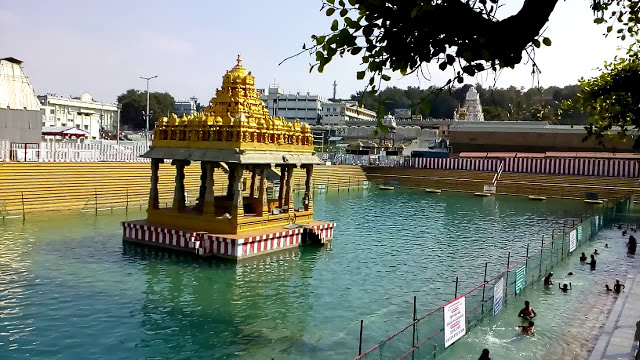
14. ஆந்திரத்தில் திருமலையில் வெங்கடாசலபதி கோவில் குளம் ; பெயர் ஸ்ரீவாரி புஷ்கரணி
Pictures are taken from various sources for spreading knowledge; this is a non- commercial blog. Thanks for your great pictures. And pictures are only representational; may not be connected to the story.
tamilandvedas.com, swamiindology.blogspot.com
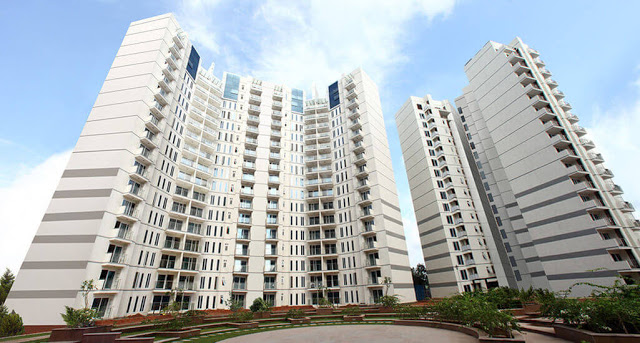
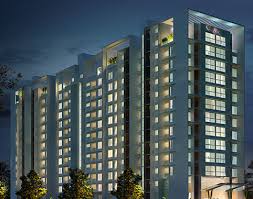
வீடு வாங்கலியோ வீடு! பிளாட் வாங்கலியோ பிளாட் !
‘வீடு வாங்கலியோ வீடு , பிளாட் வாங்கலியோ பிளாட்’- என்று கூவி விற்கும் அளவுக்குப் போய்விட்டது இன்றைய ‘ரியல் எஸ்டேட் பிஸினஸ்’ (Real Estate Business) ! பலர் துண்டைக் காணோம் துணியைக் காணோம் என்று ஓடி ஒளிகிறார்கள் . வாரம் ஒரு முறை ஒரு பக்க விளம்பரம்.
சீரியல் நடிகைகளும் , சில நடிகர்களும் மத்தியான வேளையிலும் சரி, இரவு வேளையிலும் சரி ,கதறிக் கதறி, அடி வயிற்றிலிருந்து, (அவர்கள் நிழலைப் பார்த்தாலே தெரிகிறது அவர்கள் வெயிலில் நின்றுகொண்டு போஸ் தருவது) பேசுவதைக் கேட்டால் பரிதாபமாக இருக்கிறது.
சரி, டீ.வி, காட்சிக்கு வருவோம்.
ஒருவரைப் பார்த்து அழகான நடிகை கேட்கிறாள்
உங்கள் பெயர் ?
அவரும் பதில் சொல்கிறார் – என் பெயர் ……..
எதற்காக இங்கே வீடு வாங்குகிறீர்கள் ?
நான் …… ஊரிலிருந்து ……. ஊருக்குப் பஸ்ஸில் போகையில் ‘அழகான மரங்கள், தென்றல் காற்று, , பக்கத்திலேயே ரயில்வே ஸ்டேஷன், பஸ் ஸ்டாண்டு’ (இதைச் சொல்லும்போதே முகத்தில் வேர்வை வடிய பக்கத்தில் உள்ளவரிடம் துண்டை வாங்கி முகத்தைத் துடைத்துக் கொள்கிறார் ) இவைகளை பார்த்து இந்த இடத்துக்கு வந்தேன் . இந்த போர்டையும் (Board) கண்டேன் (உடனே போர்டை சில நிமிடங்களுக்கு காட்டுவார்கள்).
இந்த ஓனரிடம் (owner) 4 பிளாட்டுகள் வாங்கி விட்டேன் .
டி .வி. நடிகை (ஆச்சர்யத்துடன்) என்ன ….. 4 ……… பிளாட்டுகளா ?
ஆமாம். ஒன்று எனக்கு; இரண்டு பிளாட்டுகள் என் பையனுக்கும், பெண்ணுக்கும். நாலாவது பிளாட் என் மச்சினனுக்கு .
(அடடா, என்ன அண்டப்புளுகு; ஒரு பிளாட் நமக்கு வாங்குவதற்குள் மூச்சுத் திணறி, நாக்கு வெளியே வந்து விடுகிறது. இவர் மச்சினனுக்கு வேறு வாங்கி விட்டாராம்).
நடிகை – உங்கள் அருகில் நிற்பவர் யார்?
ஓ , இவரா, இவர் என் நண்பர் . சும்மா, பிளாட்டுகளைக் காட்ட அழைத்து வந்தேன். அவரோ இந்த இடத்தைப் பார்த்த மாத்திரத்தில், செல் போனை எடுத்தார். சொந்தக் காரரிடம் பேசி 8 பிளாட்டுகள் ‘புக்’ செய்து அட்வான்ஸ் தொகையும் அனுப்ப ஏற்பாடு செய்துட்டார்.
உடனே காமிரா டெலிவிஷன் நடிகையை நோக்கி திரும்புகிறது ; அவர் சொல்கிறார்.
ஒரு விஷயம் சொல்ல மறந்து விட்டேன். இந்த இடத்தில் ஒரு சதுர அடி ரூ. 2000. ஆனால் நாங்கள் 50% டிஸ்கவுன்ட்டில் (Discount) ரூ.1000குத் தருகிறோம் . அது மட்டுமா? 4 பிளாட்டுகள் வாங்கினால் ஒரு பிளாட் இலவசம். கிட்டத்தட்ட எல்லா பிளாட்டுகளும் ‘புக்’ ஆகிவிட்டன. இன்னும் ஒரு சில பிளாட்டுகளே பாக்கி!
நீங்கள் எப்போ த வரப்போகிறீர்கள்? இதோ எங்கள் விலாசம் —
………..
……….
…………
பின் கோடு – பூஜ்யம், பூஜ்யம் பூஜ்யம் …..
புரிகிறதா?
உங்களுக்கும் ‘பூஜ்யம்’ தான்
நீங்களும் சிந்திக்கத் துவங்கி இருப்பீர்கள் என்று நம்புகிறேன்.
Pictures are taken from various sources for spreading knowledge; this is a non- commercial blog. Thanks for your great pictures.
For readers convenience we are giving serial nos.BOOKS INDIANS SHOULD READ- 10 (Chapter 4 – part 1) R. Nanjappa INDIA UNINC. The state of the Indian economy is very much in the news- for whatever reason. The Modi sarkar has been assailed for the mismanagement or poor performance of the economy by its own partymen, who are knowledgeable.
However, this preoccupation with economic matters is not new. After all, Britain was running the affairs in India only for its own economic benefit- at the expense of India’s welfare. Even such a liberal politician like Dadabhai Naoroji wrote about our poverty and ‘unBritish rule’! India’s economic welfare was a major concern with Gandhiji, who prescribed his own solution and devised and demonstrated certain practical steps. Nehru started the planning era, discarding all Gandhian ideals, and since then, India has been focusing on the Economy strongly. It ended in disaster in the early 90s, and then we began LPG regime ( Liberalization, Privatization, Globalization) in the name of reforms under pressure from IMF/World Bank. But it seems to have run into a quicksand- that is where the Modi govt. finds itself. The ship has lost steam, the compass does not seem to work. Modi Government has already raided the Reserve Bank of India twice for funds. There is now the added burden of post- Covid 19 recovery. Are we preparing well to meet the challenges? What is the ‘Economy’?
But what is it we mean when we talk of the “economy”? Most people hear of GDP, employment, poverty, stock market, Public Sector, Private Sector, organized and unorganized sectors, Big industry, banks, transport and communication and, not to forget, IT! We have the govt and RBI dishing out figures (which no one follows ) and reports (which no one reads) and other agencies ‘monitoring’ the economy for their own purposes, and from their own angles. And we have the newspapers and the cacophony in the electronic media. Few even among the so called educated circles really understand these things. But to know the jargon or catch phrase is enough!
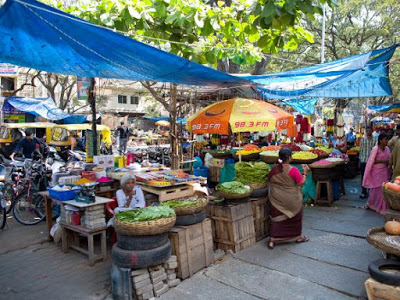
We always speak of Development, Growth, Progress. There is not one among us who is not a votary of development- whatever it may mean! The focus on the mainstream media is on the Organised sector, big industry and its magnates, automobiles, IT, certain numbers and indices, etc. Yet what is their precise part and function in the economy? Take a walk in the busy areas of our markets in cities like Bangalore or Chennai. We find literally hundreds of petty shops lined across crowded streets and on pavements, doing brisk business. This is a set up flourishing day in, day out, parallel to the big shops and glitzy big stores/malls.
Street market in Gandhi bazaar, Bangalore. More than 100 years old. Picture from: entrappedspaces.tumblr. Or recall the scenes from our smaller towns.
Street market in the temple town Chidambaram, Tamil Nadu. photo:sjoneall.net This can be multiplied a million times across India. Where do they figure in our economy? Finance Minister or RBI governor cannot tell you. The bloated bureaucratic bunch cannot tell you. The big economic pundits or Harvard educated dons won’t tell you. They all focus on the govt and the corporate sector. For the politicians people matter as but voters; for the so called economists, they are but consumers or mere numbers. Other things do not matter.
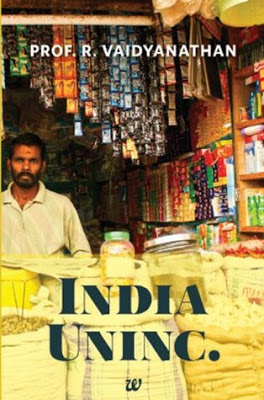
But that is exactly what Prof. R.Vaidyanathan tells us in his book: INDIA UNINC.
Published by Westland Limited, 2014.
Shown here for purely educational purpose. What is India Uninc?
Official sources talk in terms of “Organized” and “unorganised” sectors. This is utter nonsense since every activity follows some order and organization. The correct terminology should be ‘Incorporated and Unincorporated’ or ‘formal and informal’ sectors. The so called organised sector includes all companies registered under the Companies Act, and all units registered under the Factories Act. Everything else falls under the unorganised sector- ie it is the unincorporated sector. It consists of individuals, proprietorships, family enterprises and partnerships.The unincorporated sector is much larger than the so called organised sector. It comprises the non-agricultural and non-govt sectors. India Uninc. is in short the non-corporate sector.It is the most dominant part of our economy.
Some big, basic facts: The unincorporated sector in India contributes about 45% of the national income, which far surpasses the corporate sector’s contribution of around 15% and yet its contribution remains unacknowledged. The non-corporate sector dominates service activities which in turn constitutes two thirds of our e conomy. Sectoral composition of national savings: (%to GDP) Household (which includes unincorporated sector ) 72% Private corporate sector 24% Government 4 % The noncorporate sector of the economy has the largest share in our national income, manufacturing activities, services, savings , investment, direct and indirect taxes,the credit market, employment, forex earnings, etc. Yet this sector has never been the focus of our government so far.
The govt has now become a dissaver and its role is now to feed its employees with salary, wages, perks and pensions. The vast army of govt employees of around 20 million is taken care of by the remaining 380 million of the workforce. The private corporate sector depends on the govt to facilitate the appropriation of the savings of the household sector through banking and financial sector intermediation. Service activities dominated by the non-corporate sector have grown much faster than agriculture or manufacturing. Prof.R.Vaidyanathan. Photo: Free Press Journal. Thanks.
Prof. Vaidyanathan’s book is full of statistics- as he supports his arguments on the basis of established statistics ( he does not talk in the air); and where statistics are plain bunkum or not available, he does not hesitate to say so. For instance, the Uninc. sector is a mighty saver, but its precise contribution is not known as this statistics is not available! ***
திரு அருட்பிரகாச வள்ளலார் பெருமானின் திவ்ய சரித்திரம் ஒவ்வொரு தமிழனும் படிக்க வேண்டிய ஒன்றாகும்.
தமிழர்களின் நல்வினைப் பயனாக அவரது சரித்திரத்தை “திரு அருட்பிரகாச வள்ளலார் தலை மாணாக்கர் தொழுவூர் வேலாயுத முதலியார் எழுதிய உண்மைகள்” என்று அவரே தலைப்பிட்டு 77 பக்கங்களில் தருகிறார்.
‘பரதகண்டத்தின் பண்பு’ என்று முதலாம் பகுதி ஆரம்பிக்கிறது, ’திருமருதூர் என்று மறைந்தார்’ என்று 117ஆம் பகுதி முடிகிறது.
இந்தப் பகுதிகளில் வள்ளலார் வாழ்வில் நிகழ்ந்த அற்புதங்கள் பல சிறப்பாகக் கூறப்பட்டுள்ளன. ஏழாவது பகுதியில் தெய்வத் தந்தையார் திரு அவதாரம் என்ற தலைப்பில் அவர் தரும் ஜனனக் குறிப்பு இது. அவரது ஜாதகத்தையும் தந்துள்ளார் அவர்.
“வள்ளலார் பெருமான் கலி 25-48 சுபானு வருடம், தட்சணாயனம், வருஷ ருது புரட்டாசி மாதம், 21ந் தேதி, பூர்வ பக்ஷம், துதியை திதி, ஞாயிற்றுக்கிழமை, இளஞாயிறே போன்று உதயாதி 29 நாழிகை, மீன லக்கினம், சித்திரை நட்சத்திரம் 4ஆங் கால் துலா ராசி (5-10-1823) கூடிய சுப தினத்தன்று நம் தெய்வத் தந்தையார் திரு மருதூர்ப் பதியிலே திரு அவதாரம் செய்தார்.”
இனி அவர் சரித்திரத்தில் நிகழ்ந்த சில நிகழ்வுகளின் தலைப்புத் தகவலை மட்டும் இங்கு காணலாம்.
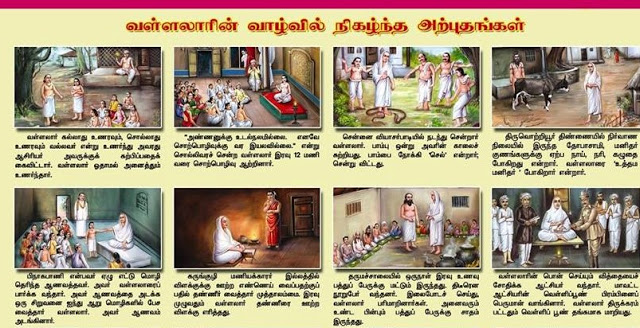
அருட்குழந்தை அம்பலக் காட்சியை சிதம்பரத்தில் கண்டது. குழந்தையைப் பார்த்த பெரும் மகானான அப்பய்ய தீக்ஷிதர், “இக்குழந்தை அம்ப்லவாணரின் அருட் குழந்தையே” என்று வாழ்த்தினார்.
பெருமான் ஓதாது அனைத்தையும் உணர்ந்தார்.
திருவிளக்கை ஏற்றி அறையில் இருந்த கண்ணாடிக்கு கற்பூரம் காட்டிய போது திருத்தணிகைக் கந்தப் பெருமானார் தெய்வத் திருவுருவம் தெரிந்தது.
வள்ளலாரின் தமையனார் சபாபதி பிள்ளை திருஞானசம்பந்தர் சரித்திரத்தை ஒரு நிகழ்ச்சியில் சொல்ல இருந்த போது திடீரென்று சுகவீனமுற்றார். வள்ளலார் பெருமான அந்த நிகழ்ச்சியில் சிறப்புரை ஆற்றி அனவரையும் மகிழ்வித்தார்; வியக்க வைத்தார்!
மாணவர் தொழுவூர் வேலாயுத முதலியார் தானே கடினமான நடையில் சிலேடைப் பாடல்களைப் பாடி பெருமானாரிடம் அவரை சோதிக்கக் கருதி, “சங்க காலத்துப் புலவர்கள் பாடியது இது” என்று சில ஓலைச் சுவடிகளைக் கொடுத்தார். அவற்றை ஒரு கணம் நோக்கிய பெருமான், “அப்பா, இவை பொருள் இலக்கணம் தேறாக் கற்றுக் குட்டி பாடியவை” என்றார். முதலியார் அன்றிலிருந்து அவரது அத்யந்த சீடரானார்.
ஒற்றியூரில் ஒரு நாள் இருந்த போது, அன்றிரவு சத்திரத்தில் ஒரு குருக்கள் வந்து அவருக்கு அன்னமளித்துச் சென்றார். மறுநாள் விசாரித்த போது அந்தக் குருகள் வெளியூர் சென்று இரண்டு நாட்கள் ஆயிற்று என்ற விவரம் வெளி வந்தது. தியாகப் பெருமானே குருக்களாக வந்தது ஊர்ஜிதமாயிற்று.
ஒரு வயது முதிர்ந்த மூதாட்டி பெருமானாரிடம் வந்து”ஓர் அற்புதம் காட்டி அருள வேண்டும்” என்று இறைஞ்சினார். அவர் வயதைக் கருதி ஒரு பிடி மணலை எடுத்து அவர் கையில் கொடுத்த பெருமானார் அதை மூடிக் கொள்ளச் சொன்னார். பிறகு அந்த அம்மையார் கையைத் திறந்த போது மணல்களெல்லாம் சிவலிங்கங்களாகத் தோன்றின.
வியாசர்பாடியில் ஒரு நாள் சொற்பொழிவாற்ற நண்பர்கள் சூழ பெருமானார் சென்றார்.வழியில் பெரிய பாம்பு ஒன்று வர அனைவரும் ஓடி விட்டனர். பாம்போ அடிகளின் திருவடியில் சற்று நேரம் சுற்றிக் கொண்டிருந்ததது. பின்னர் பெருமான், ‘உன் வழி ஏகு’ என்று கூற பாம்பு விலகிச் சென்றது!
ஒரு முறை திருவொற்றியூரில் தரிசனத்திற்காக எல்லோரும் செல்லும் கீழண்டை மாட வீதி வழியாகச் செல்லாமல் பெருமானார் தேரடி வீதி வழியாகச் சென்றார். அங்கு இருந்த ஒரு நிர்வாண சந்யாசி போவோர் ஒவ்வொருவரையும் பார்த்து, ‘கழுதை போகிறது, மாடு போகிறது’ என்று சொல்வது வழக்கம். ஆனால் அவர் பெருமானாரைப் பார்த்து, “இதோ உத்தம மனிதன் போகிறான்” என்றார். அவரிடம் சென்று பெருமானார் சிறிது நேரம் சில உரைகளைக் கூற அன்றே அந்த சந்யாசி அந்த இடத்தை விட்டு அகன்றார்.
சங்கராச்சாரியாருக்கு ஒரு முறை ஒரு நூலில் சந்தேகங்கள் வர அவற்றிற்குத் தெளிவுரை கூற வள்ளலார் பெருமான் தகுந்தவர் என்று ஒரு பிராமணர் கூறினார். பெருமானாரோ தன் மாணாக்கரான தொழுவூர் வேலாயுத முதலியாரை சந்தேகம் தீர்க்கச் சொன்னார். அவரும் சந்தேகங்களைத் தீர்த்தார்.
வித்வான் கண்ணாடி சுப்பராய முதலியார் என்பவர் பல ஆண்டுகளாக வாத நோயால் வருந்தினார். அதை வள்ளலார் போக்கவே அவர் மகிழ்ந்து அவரைப் போற்றிப் பாடல் ஒன்றைப் பாடினார்.
ஒரு நாள் இரவு நேரம் வீட்டிற்குத் தாமதமாக வந்ததால் திண்ணையில் படுத்தார் வள்ளலார். அவரைத் தட்டி எழுப்பிய தமக்கையார் அமுது படைத்தார். மறுநாள் தமக்கையார் தான் கதவை உட்தாளிட்டு இருந்ததாகவும் வெளியே வரவே இல்லை என்றும் வியப்புடன் கூறினார். அமுது படைத்தது வடிவுடைய நாயகியே என அனைவரும் தெளிந்தனர்; வியந்தனர்!
பல வருடங்களாக் குஷ்ட நோயினால் வருந்திய ஒருவர் வள்ளலாரை வணங்கி நோய் நீங்கப் பெரும் கருணை புரிய வேண்டும் என்று பிரார்த்தித்தார். வள்ளலார் திருநீறு கொடுத்தார்; நொடிப்பொழுதில் அந்த நோய் நீங்கிற்று.
கருங்குழி என்னும் ஊரில் ஒரு நாள் வேங்கட ரெட்டியார் வீட்டில் அவரது வேண்டுதலின் பேரில் வள்ளலார் தங்கி இருந்தார். அன்று இரவு ரெட்டியார் வெளியூர் செல்ல வேண்டி இருந்ததால் விளக்கை ஏற்றி விட்டு அருகிலிருந்த மண்பாண்டத்தில் பழகுவதற்காக நீரை நிரப்பி விட்டுச் சென்றார். பாக்களை இயற்றிக் கொண்டிருந்த வள்ளலார் விளக்கு அருகில் எண்ணெய் இருக்கிறதென்று எண்ணி அதை எடுத்து ஊற்றியவாறே இருந்தார். விளக்கு நீரால் எரிந்து கொண்டே இருந்தது. விடியற்காலையில் வீடு வந்த ரெட்டியார் நடந்ததை உணர்ந்து பரவசமெய்தினார். அன்று முதல் அனைவரும் பெருமானாரை தெய்வமாகக் கருதலாயினர். சுவாமிகள் தண்ணீரால் விளக்கை எரித்த அந்த அறையை இன்றும் தைப்பூசத்தன்று அன்பர்கள் தரிசித்து வருகின்றனர்.







 Tamil and Vedas