BOOKS INDIANS SHOULD READ – 35 (Post No.8618)

WRITTEN BY R. NANJAPPA                        

Post No. 8618

Date uploaded in London – – – –3 SEPTEMBER 2020   

Contact – swami_48@yahoo.com

Pictures are taken from various sources for spreading knowledge; this is a non- commercial blog. Thanks for your great pictures.


                             BOOKS INDIANS SHOULD READ – 35

                                            R.Nanjappa

                                       Chapter 13 Part 2

             THE COLLECTED WRITINGS OF DHARAMPAL-8

GANDHIJI’S  SCHEME

So for Gadhiji, Swaraj meant a direct reversal of the prevailing pattern of exploitation and

exchange, in favour of the urban areas, and against the villages. This would be possible

only if the Polity of free India restored to the village its dignity and economic strength

and autonomy in local affairs. The village had to be made the basic unit of administration,

and economic and political life. He said:

There are seven hundred thousand villages in India each of which would be

organised according to the will of the citizens, all of them voting. Then there

would be seven hundred thousand votes. Each village…. will have one vote.

The villagers would elect the district administration; the district administrations

would elect the provincial administration and these in turn would elect the

President who is the head of the executive….


Gandhiji’s ideas were the base of Congress policies. His ideas on the reorganaistion of

village  life and restoration of its powers were widely shared by Congressmen, many of

whom had taken part in the Constructive Programme. 

However, Nehru did not have much love for the villages. He wrote to Gandhiji in 1945: 

” I do not understand why a village should necessarily embody truth and non-violence. A

village, normally speaking, is backward intellectually and culturally, and no progress can

be made from a backward environment.”  

[Nehru also had strong Socialist views, running counter to Gandhi’s ideas. It is strange

that Gandhiji still chose Nehru as his heir!]


HUMBUG BY THE DRAFTING COMMITTEE 

When the Constituent Assembly was formed to draft the Constitution, B.N.Rau, a pucca

bureaucrat, was given the job of making the initial draft. He did this by studying  and

borrowing from the Constitutions of the countries of Europe, Americas and USSR. He

submitted the draft just after Independence. The Assembly then appointed a committee to

scrutinise the draft and suggest  amendments. 

The members of the Committee were:

  • Alladi Krishnaswamy Ayyar
    – N.Gopalaswami Ayyangar
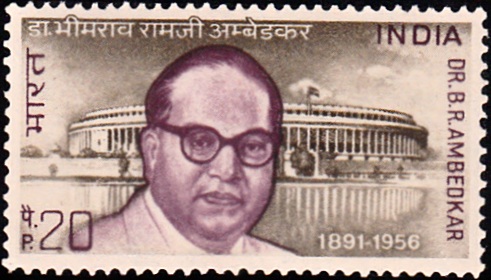
    – Dr.B.R.Ambedkar
    – K.M.Munshi
    – Saiyed Mohd.Saadulla
    – B.L.Mitter
    – D.P.Khaitan

    When the draft of the constitution was read and discussed in the Assembly, the

omission of any place of importance to the villages was noticed and seriously

discussed.

  • Member after member expressed support for recognising the village and the

overwhelming opinion was in favour of it. But it did not finally happen.

The problem was with the composition of the Committee itself. Of the seven members,

only K.M. Munshi had taken part in the freedom struggle under Gandhiji. Dr.Ambedkar

had been a supporter of the British and worked against Gandhiji. Saadulla had been

a British supporter. The others had no concern with the

freedom movement. None of them could therefore enter into the spirit of the freedom

struggle and the ideals that had motivated them. 

Three members made strong points.
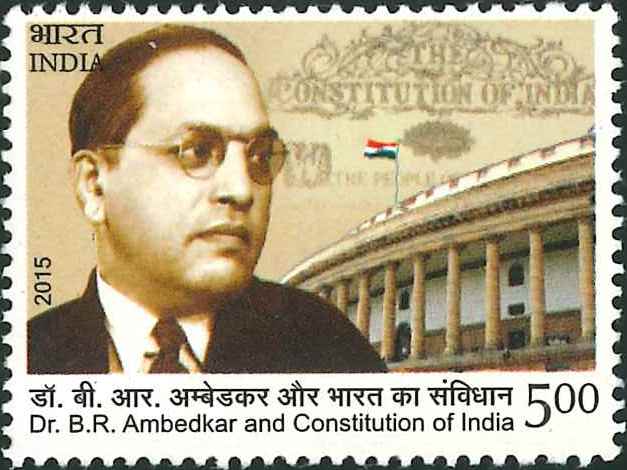

T.T.Krishnamachari: on 5 November 1948:

….the amount of attention that was necessary for  the purpose of drafting a Constitution …

has not been given to it by the Drafting Committee. ….of the seven members nominated…

one has resigned… and was replaced. One died and was not replaced. One was away in

America and his place was not filled up..another person was engaged in State affairs and

there was a void to that extent. One or two were far away from Delhi and perhaps reasons

of health did not permit them to attend… the burden of drafting this Constitution fell on

Dr.Ambedkar…attention that was due to a matter like this has not been given to it by the

Committee as a whole. …certain aspects of our Constitution have not had the amount of

expert attention that was necessary.

[He also pointed out a legal lacuna in the status of the Committee’]

                                                                  *

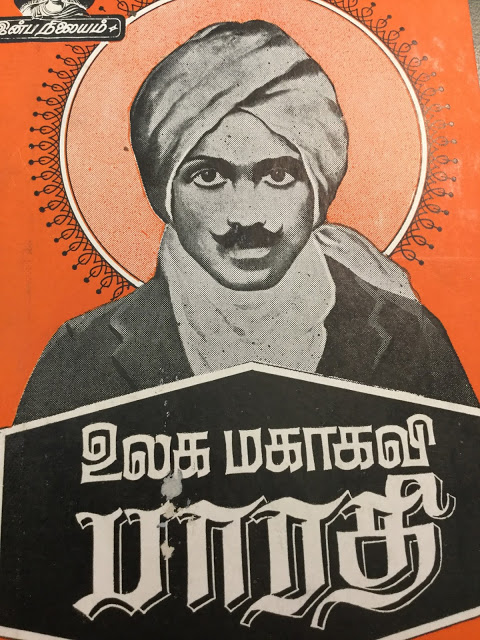
தீபாவளி பற்றி பாரதியார் (Post No. 8617)

WRITTEN BY S NAGARAJAN                     

Post No. 8617

Date uploaded in London – – 3 SEPTEMBER 2020   

Contact – swami_48@yahoo.com

Pictures are taken from various sources for spreading knowledge; this is a non- commercial blog. Thanks for your great pictures.

பாரதியார் தீபாவளி பண்டிகை மற்றும் இதர பண்டிகைகளைப் பற்றி கவிதைகள், கட்டுரைகள் எழுதியுள்ளாரா?

ச.நாகராஜன்

ஒவ்வொரு திங்களன்றும் இந்திய நேரம் மாலை 6-30க்கு – லண்டன் நேரம் பகல் 1.30க்கு ஒளிபரப்பாகும் ஹிந்து மதம் பற்றிய கேள்வி- பதில் நிகழ்ச்சி மற்றும் ஹிந்து ஆலயச் சிறப்புச் செய்திகள் உள்ளிட்ட பல நிகழ்ச்சிகள் ஒளிபரப்பப்படுவதை www.tamilandvedas.com நேயர்கள் நன்கு அறிவர். இதற்கு உலகெங்குமுள்ள அன்பர்கள் கேள்விகளை அனுப்பி வருகின்றனர்.

31-8-2020 அன்று ஒளிபரப்பப்பட்ட நிகழ்ச்சியில் வந்த கேள்வி ஒன்று இது:

பாரதியார் தீபாவளி பண்டிகை மற்றும் இதர பண்டிகைகளைப் பற்றி கவிதைகள், கட்டுரைகள் எழுதியுள்ளாரா?

இதற்கு பதில் அளிக்கும் பொறுப்பு எனக்கு வந்தது.

அந்தப் பதிலின் (உரையின்) சாரம் இதோ:-

பாரதியார் தீபாவளி பண்டிகை பற்றியும் இதர ஹிந்து பண்டிகைகளைப் பற்றியும் நிறைய கவிதைகள், கட்டுரைகள் எழுதியுள்ளார். அநேகமாக ஒவ்வொரு சிறப்புப் பண்டிகைக்கும் உரிய கவிதையை அவரிடமிருந்து கற்கலாம்; உட்பொருளை விளக்கும் கட்டுரைகளையும் காணலாம்.

சில பண்டிகைகளைப் பற்றி மட்டும் இங்கு நாம் காணலாம்.

உலகில் பல்வேறு பழைய நாகரிகங்கள் தோன்றிய காலமும் அவை மறைந்த காலத்தையும் துல்லியமாக வரலாற்று அறிஞர்கள் சொல்கின்றனர். இப்படி பாபிலோனிய நாகரிகம், அஸிரிய நாகரிகம், எகிப்திய நாகரிகம், ரோமானிய நாகரிகம் தோன்றிய காலமும் மறைந்த காலமும் நமக்குத் தெரியும். ஆனால் ஹிந்து நாகரிகம் என்று பிறந்தது என்பதை யாராலும் சொல்ல முடியவில்லை. கல் தோன்றி மண் தோன்றாக் காலத்திற்கு முன் தோன்றிய நாகரிகம் இது.

மஹாகவி பாரதியார் மிக அழகுற இதைச் சொல்கிறார்:

தொன்று நிகழ்ந்த தனைத்தும் உணர்ந்திடு

    சூழ்கலை வாணர்களும் இவள்

என்று பிறந்தவள் என்று ணராத

   இயல்பினளாம் எங்கள் தாய்.

இப்படி இந்தியத் தாயை – ஹிந்துத் தாயை – அவள் என்று பிறந்தவள் என்று யாராலும் கணிக்க முடியாத சிறப்பைக் கூறுகிறார்.

ஹிந்து மதம் ஒரு மதம் மட்டுமல்ல, ஒரு தத்துவமும் கூட, மதமும் தத்துவமும் மட்டுமல்ல, அது ஒரு வாழ்க்கை முறை என சாமர்செட்மாம் என்னும் மேலை நாட்டு எழுத்தாளர் தனது ‘Points of View” என்ற புத்தகத்தில் குறிப்பிடுகிறார்.

(The Hindu Religion is not only a Religion but also a Philosophy, not only a religion and philosopy but it is a Way of Life.)

உண்மை. இதை மஹாகவி பாரதியார் வலியுறுத்தியதோடு அந்த வாழ்க்கை முறையைப் பண்டிகைகளின் வாயிலாகப் படம் பிடித்துக் காண்பித்தார்.

தீபாவளி பற்றிய அவரது கட்டுரை முக்கியமான ஒன்று.

பாரதியார் நடத்திவந்த ‘இந்தியா’ பத்திரிகையில், 1906-இல் அக்டோபர் 20-ஆம் தேதி இதழில் தலையங்கமாக வெளிவந்தது இந்தக் கட்டுரை. பின் ‘கலைமகள்’ பத்திரிகையில் 1941-இல் அக்டோபர் மாதம் வெளியாயிற்று.

கட்டுரை இது தான்:-

“நம் நேயர்களுக்கெல்லாம் கங்கா ஸ்நான பலன் கிடைத்தது பற்றி மகிழ்ச்சி அறிவிக்கின்றோம்.
சரீர சுத்தியுடன் மனோசுத்தியும் ஆத்மசுத்தியும் அவர்களுக்குப் பிராப்தியாக வேண்டுமென்று விரும்புகிறோம்

தற்காலத்திலே இந்து ஜனங்களின் ஆத்மாவைப் பற்றியிருக்கும் அழுக்குகளாகிய பயம், அதைரியம் முதலியவையெல்லாம் அகன்று போய், அவர்கள் ஒளி மிகுந்த உள்ளத்தவர்களாகி விளங்க வேண்டுமென்பதே நமது கோரிக்கை.

நமது நாட்டைப் பற்றிய நரகாசுரன் இறந்து போய்விட்டான்.
பகவானுடைய சக்தியும் எல்லா ஐசுவரியங்களுக்கும் ஆதாரமும் ஆகிய லட்சுமிதேவி நம்மீது கருணை
கொண்டவளாகி நரகாசுரனை வதைத்துவிட்டாள்.

நாமெல்லோரும் அது பற்றிச் சந்தோஷமடைந்து மங்கள ஸ்நானம் செய்து, நல்லாடைகள் புனைந்து ஆனந்தவசமாகி இருக்கின்றோம்.

ஆனால் சிறுகுழந்தைகளைப் போல் விளையாட்டுக்கு ஸ்நானம் செய்தும், தீபங்கள் கொளுத்தியும் சும்மா இருந்துவிடாமல் நாம் செய்யும் செய்கையினது பொருளை நன்றாக அறிந்து காரியங்கள் செய்ய வேண்டும்.

எத்தனை தரம் கொன்றபோதிலும் மறுபடியும் மறுபடியும் உயிர் தளிர்ப்பது ராட்சதர்களுடைய சுபாவம். அவர்களுடைய மர்ம ஸ்தலத்தை அழித்த பிறகுதான் மடிவார்கள்.

அதுபோலவே லட்சுமிதேவி நரகாசுரனை வதைத்தவுடனேயே நாம் அவனுடைய மர்ம ஸ்தானத்தை அழித்து விடாமையால் அவன் மறுபடியும் தளிர்க்கத் தொடங்குகிறான். ஆதலால் நாம் இனியேனும் நரகாசுரனுடைய மர்ம ஸ்தலத்தை நன்றாக அறிந்து அதைத் தாக்காமல் இருப்போமானால் யாதொரு பிரயோஜனமும் கிடையாது.

தீபாவளி தினத்திலேகூட அந்நிய தேசத் துணிகள் வாங்கும் ஈசுவரத் துரோகிகள் நமது நாட்டிலே இருப்பார்களானால் நரகாசுரன் எவ்வாறு ஒழிவான்? லட்சுமிதேவி எப்படி ஜயமடைவாள்?

ஆரிய குமாரர்களே! ராட்சதர், அசுரர், பிசாசர் முதலான துர்க்குணங்களுடைய ஜன்ம விரோதிகளே! உங்களுடைய உண்மையான சுபாவத்தை அறிந்து கொள்ளுங்கள்.

மஹா வீரத்தன்மை பெற்று அஷ்ட லட்சுமிகளுக்கும் இருப்பிடமாகி விளங்குதற்குரிய வழிகளைத் தேடுங்கள். உங்களுக்கெல்லாம் பரிபூர்ணமான ஆரியத்தன்மையும் சர்வாபீஷ்டங்களும் சித்தியடைவதாக. ஓம் தத் ஸத். வந்தேமாதரம்.”

வந்தேமாதரத்துடன் கட்டுரை முடிவடைகிறது.

பழம்பெரும் பண்டிகையான தீபாவளியின் சிறப்பைக் கூறிய பாரதியார் காலத்திற்குத் தக அந்நிய தேசத் துணிகளை வாங்கி அணிவோரை ஈஸ்வர துரோகிகள் என்கிறார்.

இப்படி தேசபக்தியை தெய்வப் பண்டிகை மூலம் அவர் ஊட்டினார்.

1908ஆம் ஆண்டிலிருந்து 1918ஆம் ஆண்டு வரை பாரதியார் புதுவையில் வாசம் செய்தார்.

புதுவையில் உள்ள மணக்குள விநாயகர் மீது 40 பாடல்கள் கொண்ட விநாயகர் நான்மணி மாலை -யை அவர் பாடியுள்ளார்.

                    *** (உரை தொடர்கிறது, அடுத்த கட்டுரையுடன் முடியும்)

tags- பாரதியார், தீபாவளி , பண்டிகை,

INDEX 20 FOR LONDON SWAMINATHAN’S ENGLISH & TAMIL ARTICLES (Post No.8616)

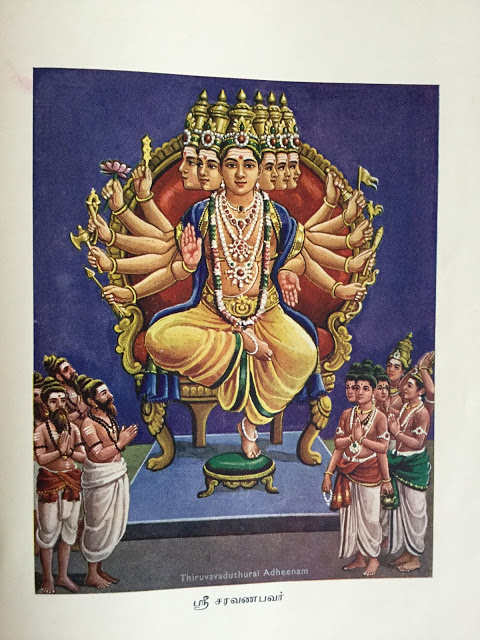
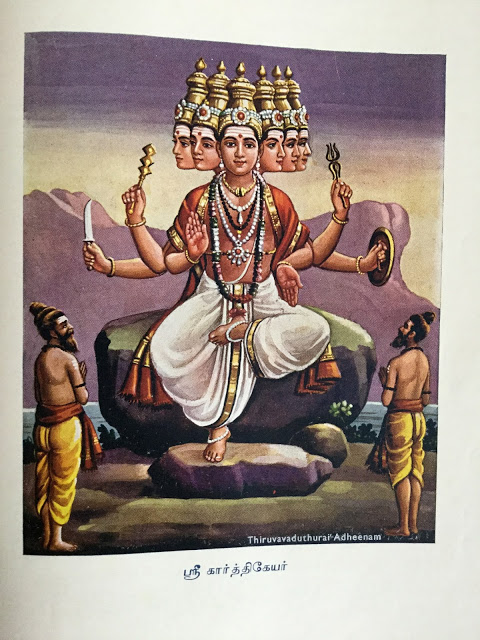
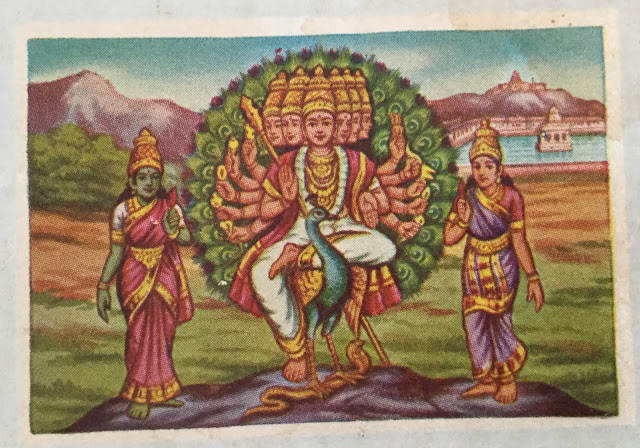
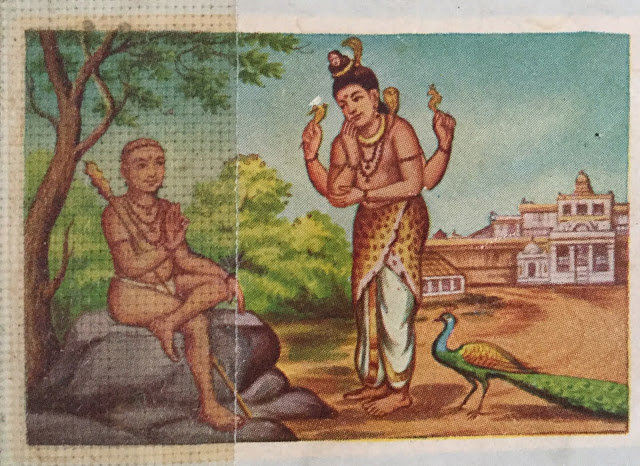
 LORD SKANDA’S PICTURES ARE FROM THIRUVAVADUTHURAI ADHEENAM SOUVENIR

WRITTEN BY LONDON SWAMINATHAN

Post No. 8616

Date uploaded in London – –2 SEPTEMBER 2020   

Contact – swami_48@yahoo.com

Pictures are taken from various sources for spreading knowledge; this is a non- commercial blog. Thanks for your great pictures.

tamilandvedas.com, swamiindology.blogspot.com

JULY 2014 ARTICLES

THIS IS AN OLD LIST PREPARED IN 2015.

MISSING NUMBERS MEAN  S. NAGARAJAN’S ARTICLES WHICH ARE POSTED SEPARATELY

NUMBERS DENOTE POST NUMBER. DATE AT THE END SHOWS DATE OF POSTING IN MY TWO BLOGS AND OTHER BLOGS.

1141.மஹாபாரதத்தில் ஒரு அதிசயப் பறவை 1-7-2014

1142.Herbs and Diseases in the Vedas 1-7-14

1143.ஐந்து கவிஞர்கள் பாடிய பதினாறும் பெற்றுப் பெரு வாழ்வு வாழ்க 2/7

1144.Priest who changed New Moon Day to Full Moon Day 2/7

1146.Sanskrit: Deva Bhasa or Pundit Bhasa 3/7

1148.Caste Divisions in Ancient Tamil Nadu 4/7

1149.இழி பிறப்பாளன் கருங்கை சிவப்ப 5/7

1151.Vedic Origins of Thousand Pillar Hall 5/7

1152.உலக அதிசயம்: ஆயிரம் கால் மண்டபம் 6/7

1153.Mystery about Swan: Can it separate milk from water 6/7

1155.அன்னப் பறவை பற்றிய அதிசய செய்திகள் 7-7

1156.When did Buddha become an avatar of Vishnu 7/7

1158.புத்தர் எப்படி, எப்போது இந்துவானார்? 8/7

1159.Miracles of Asvins in the Vedas8/7

1161.No Atheists in Ayodhya 9/7

1163.நாஸ்திகர் இல்லாத நகரம் அயோத்தி10/7 (missing in swamiindology)

1164.Doubting Thomas Perishes:samsayatma vinasyati 10/7

1166.The sleepless Four: Garuda Purana List 11/7

1168.Five ascetics who entered Fire: Vedavati,sabari,sarabanga..12/7

1171. Do you know Indra? 14/7

1173.Baisc questions about Tamils and Hinduism (15/7)

1175.இந்திரனைத் தெரியுமா உங்களுக்கு??16/7

1176.Tamil or Sanskrit: which is older?16/7

1177.தமிழ் தலைவன் யார்? கம்பன் பதில் 17/7

1178.How many people did Indra Kill? 17/7

1179. தமிழனுக்கு வானவியல் தெரியுமா?? 18/7

1180.Nine Planets in Hindu Astronomy 18/7

1181.லண்டன் புறாவும் கம்பன் புறாவும் 19/7

1182.Be a Guest in India 19/7

1183.ஆசை பற்றி அறையலுற்றேன் 20-7-14

1184.Hindu’s Amazing Knowledge in Botany (20/7/14)

1185.அரசனின் குணநலன்கள்: கம்பனும் காளிதாசனும்

1186. Six Seasons: Same for South and North Indians (21/7/14)

1187. ஆறு பருவங்கள்: ஆரிய திராவிட வாதத்துக்கு அடி(21/7/14)

1188. Those who Struggle win (22/7/14)

1189. தமிழ் பக்தர்களின் அபார தாவரவியல் அறிவு 23-7-14

1190.Why did 102 dancers accompany a Tamil king? 23-7-14

1191.முயற்சி திருவினை ஆக்கும் 24-7-14

1192.Tolkappian on Women in Business Trips 24-7-14

1193.சேரன் செங்குட்டுவனுடன் சென்ற 102 நாட்டியப் பெண்கள்l 25-7-14

1194. Interesting story about an Unknown Tamil King 25-7-14

1195. முக்கிய சிலப்பதிகாரப் பாடல்கள் 31 (26-7-14)  ஆகஸ்ட் காலண்டர்

1196. A Jain story in Tamil Epic 26-7-14

1197. சிலப்பதிகாரப் பொன்மொழிகள்–Part 2 (27-7-14)

1198.Quotations from Tamil Epic Silappadikaram 27-714

1199.இளங்கோ அடிகள்: பிராமணரா, ஸ்ரமணரா?Part 1 (28-7-14)

1200.Let Madurai burn; but Don’t Harm Brahmins 28-7-14

1201. இளங்கோ அடிகள்: பிராமணரா, ஸ்ரமணரா? Part 2 (29-7-14)

1202. Was Ilango a Brahmana or a Sramana? 29-7-14

1203.பாண்டிய ராணி  வந்தாள்………….. கூடவே…… 30-7-14

1204. 31 Quotations from Valmiki Ramayana 30-7-14

1205.சேர நாட்டு ராஜா வந்தார் ………….. கூடவே 31-7-14

1206.Yavana (Mlecha) mystery in Tamil Literature 31-7-14

XXXXX

INTRODUCTION

I started blogging in tamilandvedas.wordpress.com and swamiindology.blogspot.com from June 2011, I am giving above the INDEX for JULY,  2014

 I did not give the date of loading or number for the article in the beginning. But all articles are available in both the blogs in the name of

 ‘London Swaminathan’.

Like you did with S Nagarajan’s articles INDEX, get the articles by googling.

Following  is the method:-

Paste the title of the article in the google (space)and add ‘from tamilandedas.com or ‘from swamiindology.blogspot.com’

 Here is an example :

Is Brahmastra a Nuclear Weapon? from tamilandvedas.com

Or

Is Brahmastra a Nuclear Weapon? From swamiindology.blogspot.com

Since I am going to give nearly 6000 titles, you may not find time to read all the articles/ posts at once.

So, please take a printout of the Index or note down the titles and dates of your favourite posts.

Thanks for all your support. We are reaching two million hits now.

If you have any difficulty in getting the articles, please let us know.

Be careful about the spelling of the title. Even a small mistake will take you somewhere and waste your precious time.

***

IN THE BEGINNING I UPLOADED MY ARTICLES IN

1.THE SPEAKING TREE OF TIMES OFINDIA

2.TAMIL HERITAGE FOUNDATION SITE

3.TAMIL BRAHMINS.COM etc.

So you may find the same articles on different days on different blogs

*****

To be continued…………………….

Tags- சுவாமிநாதன், கட்டுரை இன்டெக்ஸ் 20, INDEX 20,   LONDON SWAMINATHAN,  2014 ,POSTS

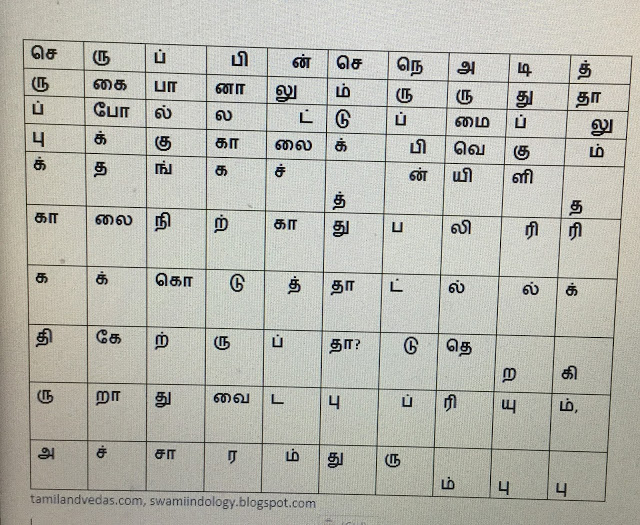
செருப்பு பற்றி 6 பழமொழிகள்- கட்டத்தில் கண்டுபிடி (Post.8615)

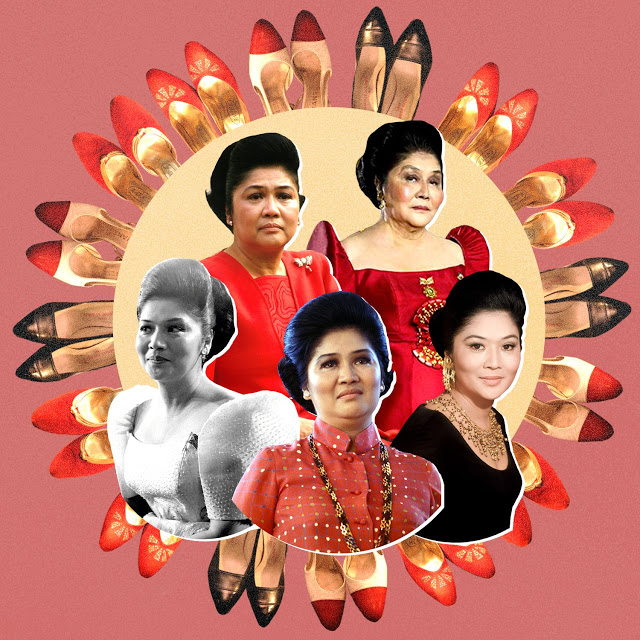
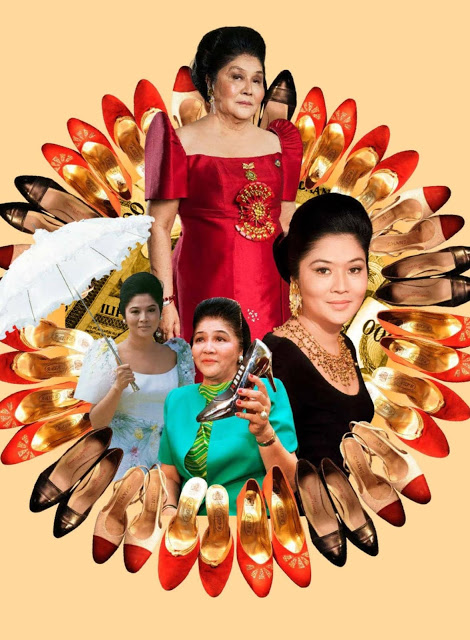
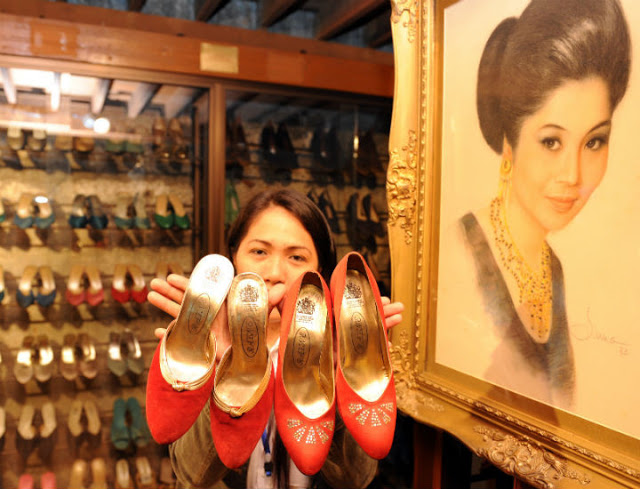
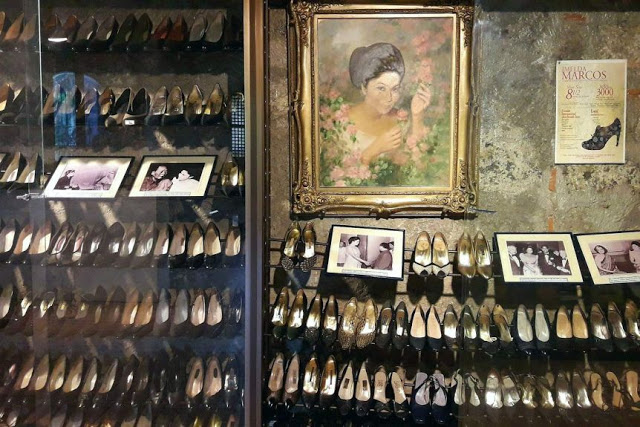
Imelda Marcos, First Lady of Philippines , was famous for her 3000 pairs of shoe

WRITTEN BY LONDON SWAMINATHAN

Post No. 8615

Date uploaded in London – –2 SEPTEMBER 2020   

Contact – swami_48@yahoo.com

Pictures are taken from various sources for spreading knowledge; this is a non- commercial blog. Thanks for your great pictures.

tamilandvedas.com, swamiindology.blogspot.com

ஒரே சொல் பல பழமொழிகளில் வந்தால், ஒரு இடத்தில் மட்டுமே கட்டத்தில் காணப்படும் .

விடைகள் கீழே உள்ளன.

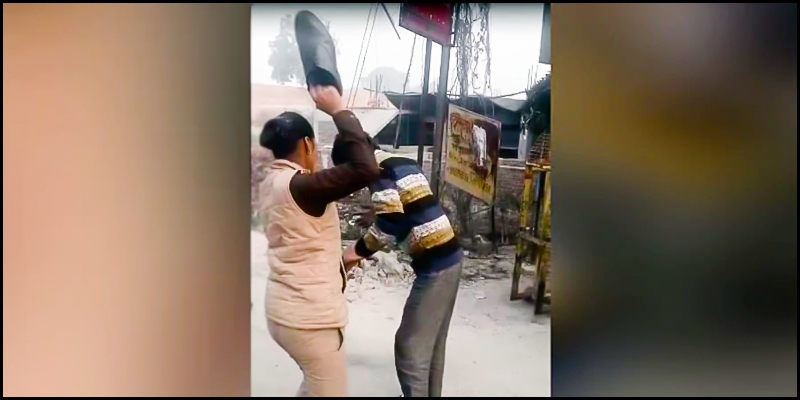
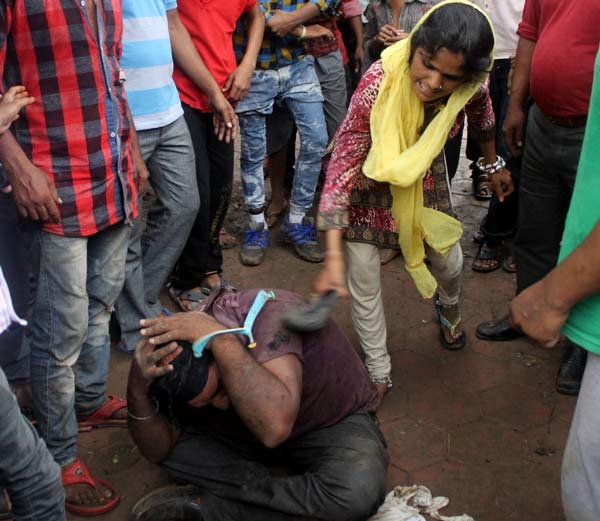
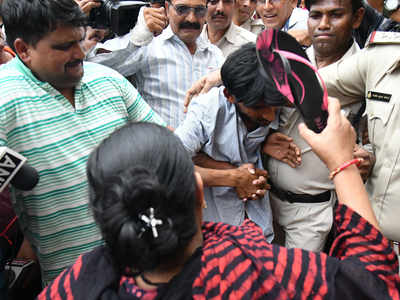
BEATING EVE TEASERS WITH SHOES.

விடைகள்:–

1.செருப்பின் அருமை வெயிலில் தெரியும், நெருப்பின் அருமை குளிரில் தெரியும்

2.தங்கச் செருப்பானாலும் தலைக்கேறாது

3.செருப்பால் அடித்தாலும் திருட்டுக் கை நிற்காது

4.செருப்பால் அடித்துப் பட்டுப்புடவை கொடுத்தாற்  போல

5.செருப்புக்காகக் காலைத் தரிக்கிறதா

6.செருப்புக்கு அச்சாரம் துரும்பு

செருப்பு,பழமொழிகள்


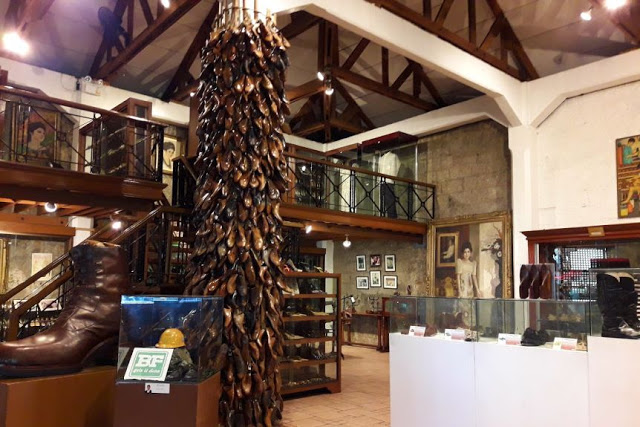
PICTURES FROM SHOE MUSEUM ; OF IMELDA’S 3000 PAIRS, 800 ARE DISPLAYED IN SHOE MUSEUM IN PHILIPPINES

HERBAL MEDICINE WILL KILL CHINESE VIRUS (Post No.8614)

COMPILED BY LONDON SWAMINATHAN

Post No. 8614

Date uploaded in London – –2 SEPTEMBER 2020   

Contact – swami_48@yahoo.com

Pictures are taken from various sources for spreading knowledge; this is a non- commercial blog. Thanks for your great pictures.

tamilandvedas.com, swamiindology.blogspot.com

HERBAL MEDICINE WILL KILL CHINESE VIRUS (Post No.8614)

TWO GOOD NEWS ITEMS

TWO GOOD NEWS ITEMS HAVE BEEN PUBLISHED IN NEW INDIAN EXPRESS AND HINDUSTAN TIMES NEWSPAPERS THIS WEEK.

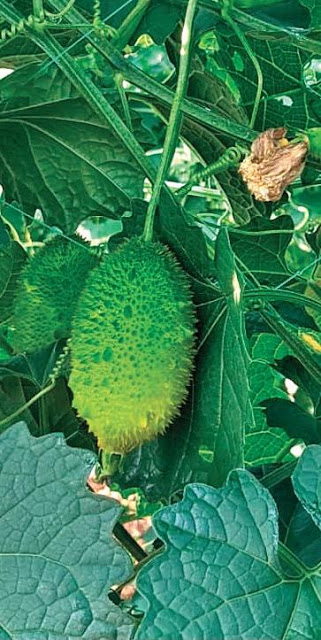
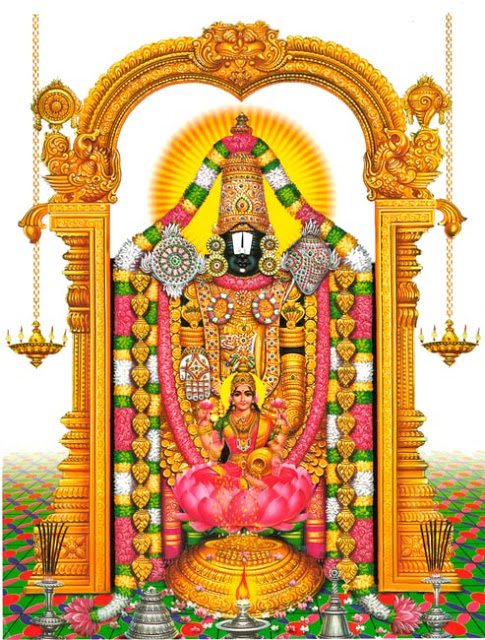
1.ONE FARMER FAMILY CULTIVATED TEASEL GOURD INSTEAD OF ARECA NUT AND MADE MORE MONEY. THE INTERESTING BIT IN THE NEWS ITEM IS THAT IT IS PUT IN THE HUNDI OF BALAJI TEMPLE IN TIRUPATI- TIRUMALAI.

2.THE SECOND NEWS ITEM IS ABOUT MAKOI (MANA THAKKAALI IN TAMIL) WHICH PROMISES SOME CURE FROM CHINESE VIRUS ATTACKS.

HERE ARE THE IMPORTANT PARTS FROM THE NEWS ITEMS:

SHIVAMOGGA: Anyone who has visited the Malnad region will remember its green hills and arecanut palms — and the heavy rains if they’ve been there in the monsoon. The monsoons have become increasingly unpredictable in recent years, threatening the region’s agrarian economy and prompting many to seek alternatives to arecanut. And now, they are turning to the spiny wonder.

One such person is HC Shankaramurthy, a BCom graduate who worked as a stock broker in Shivamogga city for 20 years and decided to call it quits to return to his agricultural roots and look after his family land in Kuppalli village, Shivamogga district, full time. But that choice was fraught with uncertainties and calculated risks, says Shankaramurthy.

“Profits from arecanut are only once a year. That too is uncertain because of disease and the threat from ban on gutka (which has arecanut).

But teasel gourd creepers have a cycle of one-and-a-half months from planting to harvest,” he said. “I planted the Assam variety in mid-February, on the guidance of horticulture scientist Dr Bharathi. By the first week of April, I had a yield. During the lockdown, I went around wherever there was local demand and sold my produce. Between April and the second week of August, I sold 200kg,” Shankaramurthy told The New Sunday Express.

Each kilo fetched him between Rs 150 and Rs 200 – much higher than returns on other vegetable crops.

GOD BALAJI LIKES IT

Devotees commonly put seeds of the teasel gourd into the hundi at the Tirumala Temple, believing that cash donations will not reach the God, but the seeds will. Powdered teasel gourd seeds are ground into the ‘tilaka’ that is applied to the idol of Balaji.

Teasel gourd the vegetable, he had known his whole life —  it is popular among the Konkani-speaking community, it is used in festivals celebrated by Brahmins in the region, and there are stories about Balaji of Tirupati associated with the small, spiky vegetable.

******

MAKOI- MANATHAKKALI மண தக்காளி KILLS CHINESE VIRUS

A team of pharmacologists and researchers in search of plant compounds that could help with Covid-19 treatment (CHINESE VIRUS) has found an edible weed that showed promise in lab studies. Researchers from Delhi Pharmaceutical Sciences and Research University found it in Delhi’s Aravalli Biodiversity Park, which they have been visiting since March.

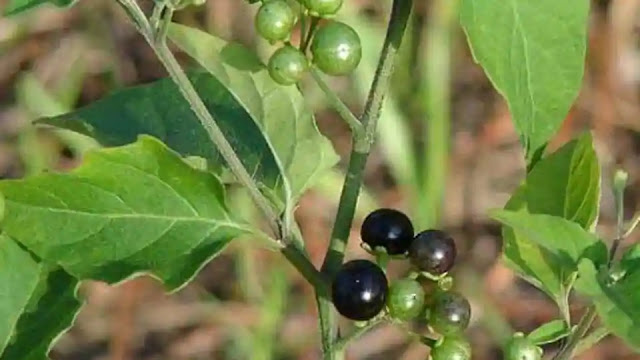
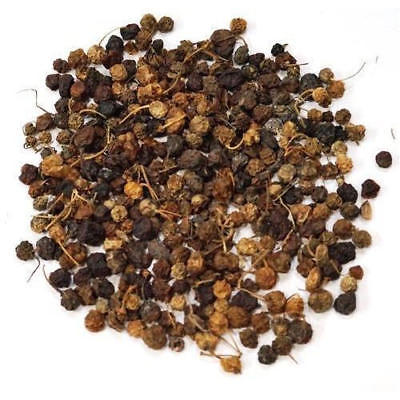
In molecular docking studies conducted recently, Solanum nigrum (black nightshade; Makoy in Hindi மணித்தக்காளி IN TAMIL), a weed and a vegetable commonly consumed in many parts of the country, the team says they found remarkable results.

Their research showed its constituents bind with ACE 2 (an enzyme the Sars-Cov-2 virus uses to enter the body) and have the potential to inhibit viral replication; cytokine storm and inflammation.

We wanted to develop a phytopharmaceutical drug. Professor CR Babu (Professor Emeritus, Delhi University) who developed the Aravalli Biodiversity Park had guided us through the park and helped us collect samples from eight potential plants. At that time, we didn’t know much about the pathogenesis of the disease, so my team and I first worked on that and wrote a paper on how the disease impacts the body,” said Professor Ramesh K Goyal, Vice Chancellor of the University.

PURE PLANT EXTRACTS AND NOT HERBS

Phytochemicals are compounds that are produced by plants (“phyto” means “plant”). They are found in fruits, vegetables, grains, beans, and other plants. Some of these phytochemicals are believed to protect cells from damage that could lead to cancer.

The Council of Scientific and Industrial Research (CSIR) is also in the process of developing a phytopharmaceutical drug for Covid-19.. Its safety is demonstrated. We believe ACQH to be antiviral,” said Shekhar C Mande, director general, CSIR.

“Phytopharmaceuticals work slightly differently from one cause-one purified compound theory of modern medicine. This involves extract of a compound which has a signature. But this is different from Ayurveda. It follows the same guidelines as modern medicine,” Mande added.

“Phytochemicals are coming up in a big way. They provide hope in supportive or palliative care but will take a long time in becoming a therapeutic solution. Docking studies are done on a computer but we have to see how they work on the body.

Researchers are studying anti-viral agents of all kinds but my personal feeling is that it will be a long way because the virus multiplies very rapidly,” said Dr Shobha Broor, former head, department of microbiology, All India Institute of Medical Sciences (AIIMS), Delhi

“Some phytopharmaceutical drugs for Covid-19 are already undergoing trials. They are different from Ayurveda or those specified in classical texts. These are purified and well characterised extracts from plants which are then standardised trough chemical, animal and clinical trials,” said Dr VG Somani, Drugs Controller General of India.

Source – NEW INDIAN EXPRESS, HINDUSTAN TIMES

TAGS –   SOLANUM NIGRUM, TEASEL GOURD, herbal medicine,

—–subham—-

உலக நாடுகளின் ஜாதகங்கள் (Post No.8613)

WRITTEN BY KATTUKKUTY

Post No. 8613

Date uploaded in London – –2 SEPTEMBER 2020    

Contact – swami_48@yahoo.com

Pictures are taken from various sources for spreading knowledge; this is a non- commercial blog. Thanks for your great pictures.

tamilandvedas.com, swamiindology.blogspot.com

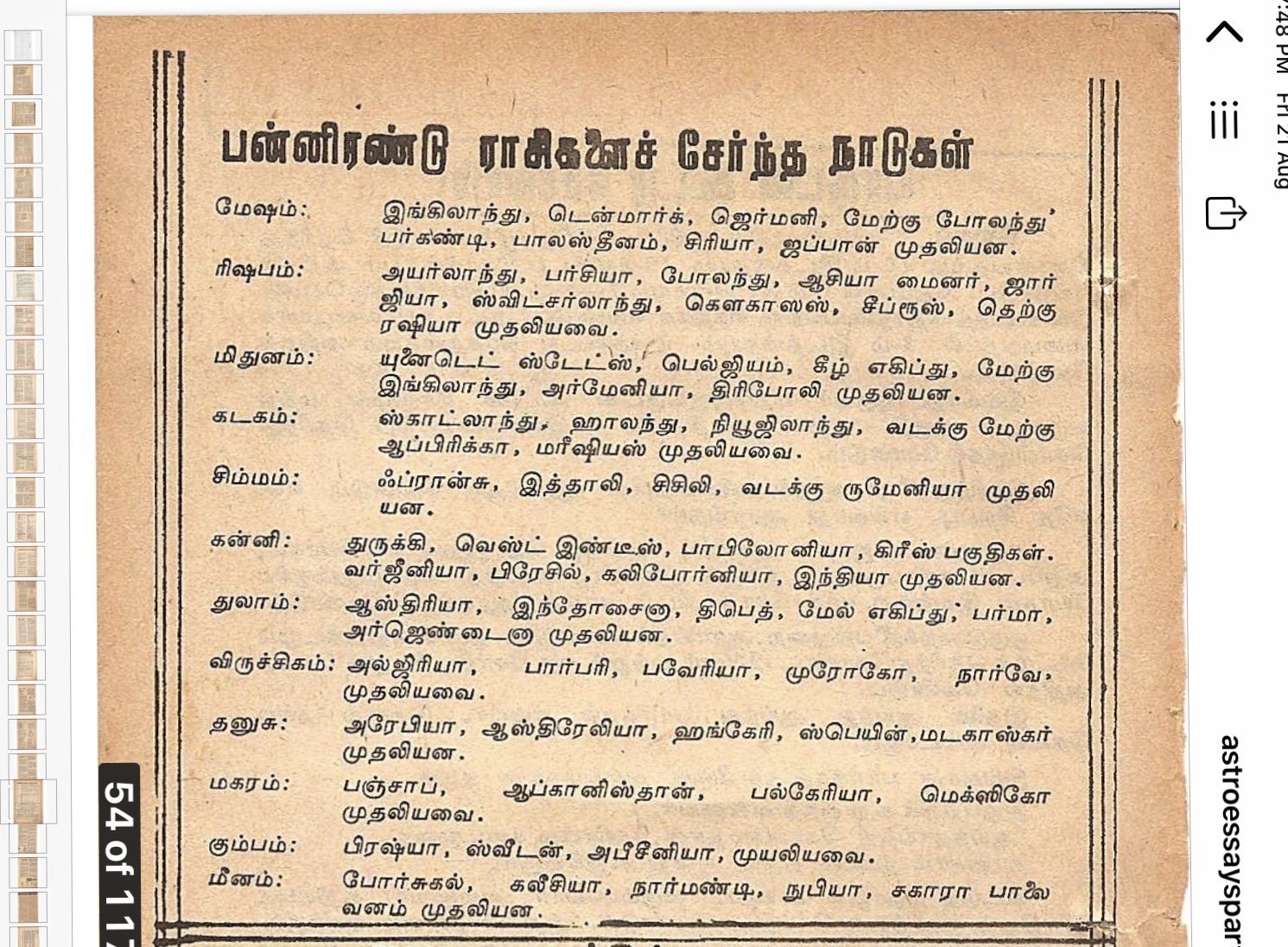
    COUNTRIES AND RASIS   
 

கிரகங்கள் என்றால் சும்மாவா???
மனிதர்களை ஆட்டி படைப்பது போல.
நாடுகளையும் நாட்டியமாட வைக்கும் சக்தி படைத்தவை;
கன்னி ராசியான இந்தியாவிற்கு  சிம்மத்தில் சனி வந்ததும்
ஏழரை நாட்டு சனி இந்தியாவிற்கு பிடித்தது.அது போலவே
குரு, ராகு , கேது பெயர்ச்சிகளும்…….

உதாரணமாக, தற்சமயம் சனி தனுசில் உள்ளது
தனுசு ராசியான நமக்கு என்ன பலனோ அதே பலன்தான்
அரேபியா,ஆஸ்திரேலியா, ஹங்கேரி,ஸ்பெயின், மடகாஸ்கர்
நாடுகளுக்கும்!!!


நீங்களே அந்தந்த நாடுகளுக்கும் பார்த்துக் கொள்ளலாம்
உங்களுக்கு இன்ட்ரஸ்ட் INTEREST இருந்தால்!!!

TAGS – நாடுகள், ராசிகள், ஜாதகங்கள்

BOOKS INDIANS SHOULD READ – 34 (Post No.8612)

WRITTEN BY R. NANJAPPA                        

Post No. 8612

Date uploaded in London – – – –2 SEPTEMBER 2020   

Contact – swami_48@yahoo.com

Pictures are taken from various sources for spreading knowledge; this is a non- commercial blog. Thanks for your great pictures.

BOOKS INDIANS SHOULD READ – 34

                                                 R.Nanjappa

                                            Chapter 13 Part 1

             THE COLLECTED WRITINGS OF DHARAMPAL-8


                 Our Constitution: A Fraud on Mahatma Gandhi?


VILLAGE SWARAJ, THE BASIS OF SWARAJ

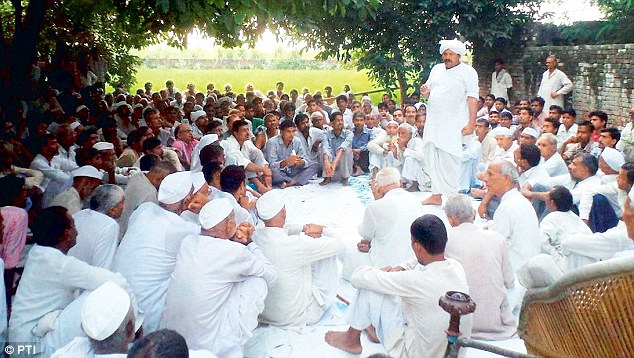
In leading the struggle for Independence for 30 years, Gandhiji never forgot that the

object of Independence was the emancipation of the villages.
Gandhiji wrote:

India is not Calcutta and Bombay. India lives in her seven hundred thousand

villages. 

” India does not live in its towns but in villages. But if the cities want to

demonstrate that their populations will live for the villagers of India the bulk

of their resources should be spent in ameliorating the condition of and

befriending the poor. We must not lord it over them, we must learn to be

their servants.”


Young India, 23-4-1931


In the nearly 90 years since these lines were written, India has continued to live in villages.

According to 2011 census, there were 6,49,481 villages of which 5,93,615 were inhabited.

83 crore people or 68.8% of our population still lived in villages. There has been large scale

migration towards the towns and cities. Such migration continues. Still most Indians live in

villages.
But do these villages live? What sort of life do they lead? Are they villages or illages?


PROSPEROUS INDIA

When the British came to India, India was a nation of prosperous village republics. Kings

and kingdoms, big and small, existed. But the villages lived on their own. Each had its own

system of finance, public services, education, administration of justice. These have been

well documented by the British themselves. [See the previous articles.] They had survived

invasions and onslaughts by Muslims and others. Charles Metcalfe wrote:

Dynasty after dynasty tumbles down. Revolution succeeds to revolution. Hindoo, Pathan,

Mogul, Maharatha, Sikh, English are all masters in  turn but the village communities remain

the same. In times of trouble they arm and fortify themselves. A hostile army passes

through the country. The village communities collect their cattle within their walls, and

let the enemy pass unprovoked.

And:

The village communities are little republics having nearly everything that they want

within themselves. They seem to last where nothing else does.

“This union of the village communities, each one forming a separate little state in itself,

has, I conceive, contributed more than any other cause to the preservation of the people

of India, through all the revolutions and changes which they have suffered and is in a high

degree conducive to their happiness and to the enjoyment of a great portion of freedom

and independence.”  


[Care: This does not mean that the villages were isolated. They were economically

independent but socially, religiously, culturally cohesive.]

India lived on through all these changes because the villages were prosperous and lived.


FEEDING THE URBAN MONSTER

The British system of administration drastically changed this.They lived in cities and

fortifications. Their aim was to suck the wealth of India and send it to England, which

they did for well nigh two centuries. To this end, they changed land taxation, which took

away all surplus. The local communities were left without resources to continue public

services like medical care, education, etc . When taxation became excessive, they

abandoned farming and migrated to cities and towns. But the British took over local trade,

and closed down industries, in order to promote their own goods. Industries also declined,

and along with it employment. Vast numbers were shoved into poverty, and famine struck.

This is how India lost its freedom.


Among all our leaders, Mahatma Gandhi alone realised this from the beginning. He knew

that it was impossible to create jobs for all the seekers in the towns and cities. The jobs

had to go to where people lived. The villages had to be revived. Thus ‘village swaraj’

became the building block of Indian Swaraj. Three items in his 18-point Constructive

programme directly related to villages: village industries, village health, and improvement

of the lot of agriculturists.


Gandhiji was not idealising or idolising the village. He was fully aware of the shortcomings

and defects of village life. But he knew that these were the direct result of the British

model of top-down administration, where the village survived to serve the urban economic

monster. The villages were sucked to feed the town and the city. Villagers toiled so that

urbanites might prosper. The village and villager were mere numbers. Only cities and urban

elites mattered.
                                                          * To be continued
பாரத ஸ்தலங்கள் – 11 (Post No.8611)

PICTURES ARE FROM LALGUDI VEDA

WRITTEN BY S NAGARAJAN                     

Post No. 8611

Date uploaded in London – – 2 SEPTEMBER 2020   

Contact – swami_48@yahoo.com

Pictures are taken from various sources for spreading knowledge; this is a non- commercial blog. Thanks for your great pictures.

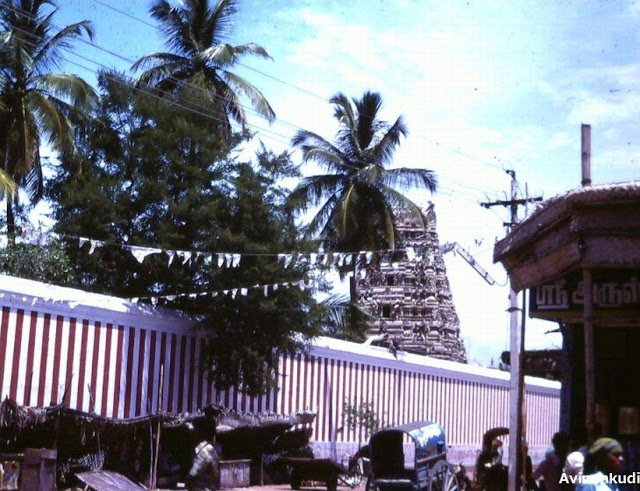
குறிப்பு : இது வரை நாம் பார்த்த தலங்கள் (இந்தக் கட்டுரையில் உள்ள தலங்கள் உட்பட) 2222 தலங்கள் ஆகும். சில தலங்கள் சிறப்பியல்புகளின் காரணமாக வெவ்வேறு தலைப்புகளிலும் இடம் பெற்றிருக்கக் கூடும். அவற்றையும் கவனத்தில் எடுத்துக் கொள்ள வேண்டும்.

பாரத ஸ்தலங்கள் – 11

திருநாவுக்கரசர் அருளிய அடைவுத் திருத்தாண்டகத்தில் உள்ள 142 ஸ்தலங்கள் !

ச.நாகராஜன்

34. அடைவுத் திருத்தாண்டகத் தலங்கள் 142

திருநாவுக்கரசர் (அப்பர் பெருமான்) வெவ்வேறு தலப் பெயர்களின் முடிவைக் கண்டு அந்த முடிவுகளின் படி தலங்களைப் பாகுபடுத்தி அடைவுத் திருத்தாண்டகப் பதிகம் ஒன்றைப் பாடி அருளியுள்ளார்.

ஆறு, ஈச்சுரம், ஊர், களம், கா, காடு, குடி, குளம், கோயில், துறை, பள்ளி, மலை, வாயில், வீரட்டம் ஆகிய பதினான்கு  முடிவுகளின் படி அவர் தொகுத்த தலங்கள் வருமாறு

 ஆறு – 6 தலங்கள்

ஈச்சுரம் – 15 தலங்கள்

ஊர் – 19 தலங்கள்

களம் – 3 தலங்கள்

கா – 4 தலங்கள்

காடு – 8 தலங்கள்

குடி – 19 தலங்கள்

குளம் – 4 தலங்கள்

கோயில் – 8 தலங்கள்

துறை – 12 தலங்கள்

பள்ளி – 10 தலங்கள்

மலை – 17 தலங்கள்

வாயில் – 9 தலங்கள்

வீரட்டம் – 8 தலங்கள்

பொருப்பள்ளி வரைவில்லாப் புரமூன் றெய்து
    புலந்தழியச் சலந்தரனைப் பிளந்தான் பொற்சக்
கரப்பள்ளி திருக்காட்டுப் பள்ளி கள்ளார்
    கமழ்கொல்லி யறைப்பள்ளி கலவஞ் சாரற்
சிரப்பள்ளி சிவப்பள்ளி செம்பொன் பள்ளி
    செழுநனி பள்ளிதவப் பள்ளி சீரார்
பரப்பள்ளி யென்றென்று பகர்வோ ரெல்லாம்
    பரலோகத் தினிதாகப் பாலிப் பாரே

பள்ளி – 10 தலங்கள்

பொருப்பள்ளி,  சக்கரப்பள்ளி, திருக்காட்டுப்பள்ளி,  கொல்லியறைப்பள்ளி, சிராப்பள்ளி, சிவப்பள்ளி, செம்பொன் பள்ளி,  நனிபள்ளி, தவப்பள்ளி, பரப்பள்ளி என்று இத்தலப்பெயர்களைப் பலகாலும் சொல்லுவார் எல்லாரும் மேலான தேவருலகை அடைந்து அதனை இனிமைமிகக் காப்பாராவார்.

காவிரியின் கரைக்கண்டி வீரட் டானங்
    கடவூர்வீ ரட்டானங் காமருசீ ரதிகை
மேவியவீ ரட்டானம் வழுவைவீ ரட்டம்
    வியன்பறியல் வீரட்டம் விடையூர்திக் கிடமாம்
கோவல்நகர் வீரட்டங் குறுக்கைவீ ரட்டங்
    கோத்திட்டைக் குடிவீரட் டானமிவை கூறி
நாவில்நவின் றுரைப்பார்க்கு நணுகச் சென்றால்
    நமன்தமருஞ் சிவன்தமரென் றகல்வர் நன்கே

வீரட்டம் – 8 தலங்கள்

 கண்டியூர் வீரட்டானம், கடவூர் வீரட்டானம், அதிகை வீரட்டானம், வழுவூர் வீரட்டானம், பறியலூர் வீரட்டானம், கோவலூர் வீரட்டானம், குறுக்கை வீரட்டானம், விற்குடி வீரட்டானம் என்னும் வீரட்டானங்கள் எட்டினையும் முறைப்பட முன்னர் ஒருமுறை மொழிந்து பின்னர் அம்முறையே நாவில் பழகிப் பலகாலும் போற்றுவார்க்கு அருகில் இயமதூதர்கள் ஒருகால் செல்ல நேரிடின் இவர் சிவபெருமானுக்கு அடியர் என்று உடனே உணர்ந்து அவரைவிட்டு வெகு தொலைவு அகல நீங்குவர்.

நற்கொடிமேல் விடையுயர்த்த நம்பன் செம்பங்
    குடிநல்லக் குடிநளிநாட் டியத்தான் குடி
கற்குடிதென் களக்குடிசெங் காட்டங் குடி
    கருந்திட்டைக் குடிகடையக் குடிகா ணுங்கால்
விற்குடிவேள் விக்குடி நல்வேட்டக் குடி
    வேதிகுடி மாணிகுடி விடைவாய்க் குடி
புற்குடிமா குடிதேவன் குடிநீலக்குடி
    புதுக்குடியும் போற்றஇடர் போகு மன்றே

குடி – 19 தலங்கள்

செம்பங்குடி, நல்லக்குடி,  நாட்டியத்தான்குடி, கற்குடி,  களக்குடி, செங்காட்டங்குடி, கருந்திட்டைக்குடி, கடையக்குடி, விற்குடி, வேள்விக் குடி, வேட்டக்குடி, வேதிகுடி, மாணிகுடி, விடைவாய்க் குடி, புற்குடி, மாகுடி,, தேவன்குடி, நீலக்குடி, புதுக்குடி, என்பனவற்றையும் புகழ்ந்து கூறத் துன்பம் நீங்கும்.

பிறையூருஞ் சடைமுடியெம் பெருமா னாரூர்
    பெரும்பற்றப் புலியூரும் பேரா வூரும்
நறையூரும் நல்லூரும் நல்லாற் றூரும்
    நாலூருஞ் சேற்றூரும் நாரை யூரும்
உறையூரும் ஓத்தூரும் ஊற்றத் தூரும்
    அளப்பூரோ மாம்புலியூ ரொற்றி யூரும்
துறையூருந் துவையூருந் தோழூர் தானுந்
    துடையூருந் தொழஇடர்கள் தொடரா வன்றே

ஊர் – 19 தலங்கள்

 ஆரூர், பெரும் பற்றப்புலியூர், பேராவூர், நறையூர், நல்லூர், நல்லாற்றூர், நாலூர், சேற்றூர், நாரையூர், உறையூர், ஓத்தூர், ஊற்றத்தூர், அளப்பூர், ஓமாம்புலியூர், ஒற்றியூர், துறையூர், துவையூர், தோழூர், துடையூர், என்னுமிவற்றைத் தொழத் துன்பங்கள் தொடர மாட்டா.

பெருக்காறு சடைக்கணிந்த பெருமான் சேரும்
    பெருங்கோயில் எழுபதினோ டெட்டும் மற்றுங்
கரக்கோயில் கடிபொழில்சூழ் ஞாழற் கோயில்
    கருப்பறியற் பொருப்பனைய கொகுடிக் கோயில்
இருக்கோதி மறையவர்கள் வழிபட் டேத்தும்
    இளங்கோயில் மணிக்கோயில் ஆலக் கோயில்
திருக்கோயில் சிவனுறையுங் கோயில் சூழ்ந்து
    தாழ்ந்திறைஞ்சத் தீவினைகள் தீரும் அன்றே

கோயில் – 8 தலங்கள்

 சிவபெருமான் திகழும் பெருங்கோயில்கள் எழுபத்தெட்டுடன், கடம்பூர் கரக்கோயில், ஞாழற்கோயில், கருப்பறியலூரில் கொகுடிக்கோயில், இளங்கோயில், மணிக்கோயில், ஆலக்கோயில் (கச்சூர்), திருக் கோயில் என்னும் சிவபெருமானுறையும் கோயில்களை வலம் வந்து வீழ்ந்து வணங்கத் தீவினைகள் யாவும் தீரும்.

மலையார்தம் மகளொடுமா தேவன் சேரும்
    மறைக்காடு வண்பொழில்சூழ் தலைச்சங் காடு
தலையாலங் காடுதடங் கடல்சூ ழந்தண்
    சாய்க்காடு தள்ளுபுனற் கொள்ளிக் காடு
பலர்பாடும் பழையனூ ராலங் காடு
    பனங்காடு பாவையர்கள் பாவம் நீங்க
விலையாடும் வளைதிளைக்கக் குடையும் பொய்கை
    வெண்காடும் அடையவினை வேறா மன்றே
.
காடு – 8 தலங்கள்

மறைக்காடு, தலைச்சங்காடு, தலையாலங்காடு, சாய்க்காடு,   கொள்ளிக்காடு,  பழையனூர் ஆலங்காடு, பனங்காடு,  வெண்காடு ஆகியவற்றை அடைந்து வணங்க வினைகள் விட்டு நீங்கும்.

கடுவாயர் தமைநீக்கி யென்னை யாட்கொள்
    கண்ணுதலோன்நண்ணுமிடம்அண்ணல்வாயில்
நெடுவாயில் நிறைவயல்சூழ் நெய்தல் வாயில்
    நிகழ்முல்லை வாயிலொடு ஞாழல் வாயில்
மடுவார்தென் மதுரைநக ரால வாயில்
    மறிகடல்சூழ் புனவாயில் மாட நீடு
குடவாயில் குணவாயி லான வெல்லாம்
    புகுவாரைக் கொடுவினைகள் கூடா வன்றே
.

வாயில் – 9 தலங்கள்

அண்ணல்வாயில், நெடு வாயில், நெய்தல்வாயில்,  முல்லைவாயில், ஞாழல்வாயில், ஆலவாயில், புனவாயில், குடவாயில், குண வாயில், ஆகிய இவற்றுள் எல்லாம் புகுந்து வணங்குவாரைப் பாவச் செயல்கள் ஒரு நாளும் பற்றமாட்டா.

நாடகமா டிடநந்தி கேச்சுரமா காளேச்
    சுரநாகேச் சுரநாக ளேச்சுரநன் கான
கோடீச்சுரங் கொண்டீச் சுரந்திண் டீச்சுரங்
    குக்குடேச் சுரமக்கீச் சுரங்கூ றுங்கால்
ஆடகேச் சுரமகத்தீச் சுரமய னீச்சுர
    மத்தீச்சுரஞ் சித்தீச்சுர மந்தண் கானல்
ஈடுதிரை யிராமேச்சுர மென்றென் றேத்தி
    யிறைவனுறை சுரம்பலவு மியம்பு வோமே

ஈச்சுரம் – 15 தலங்கள்

நந்திகேச்சுரம், மாகாளேச்சுரம், நாகேச்சுரம், நாகளேச்சுரம், கோடீச்சரம், கொண்டீச்சரம், திண்டீச்சரம், குக்குடேச்சுரம், அக்கீச்சரம், ஆடகேச்சுரம், அகத்தீச்சுரம், அயனீச்சுரம், அத்தீச்சுரம், சித்தீச்சுரம், இராமேச்சுரம் என்றெல்லாம் இறைவன் தங்குகின்ற ஈச்சுரம் பலவற்றையும் கூறி அவனைப் புகழ்வோமாக.

கந்தமா தனங்கயிலை மலைகே தாரங்
    காளத்தி கழுக்குன்றங் கண்ணா ரண்ணா
மந்தமாம் பொழிற்சாரல் வடபற்பதம்
    மகேந்திரமா மலைநீலம் ஏம கூடம்
விந்தமா மலைவேதஞ் சையம் மிக்க
    வியன்பொதியின் மலைமேரு உதயம் அத்தம்
இந்துசே கரனுறையும் மலைகள் மற்றும்

   
ஏத்துவோம் இடர்கெடநின் றேத்து வோமே

மலை – 17 தலங்கள்

கந்தமாதனம், கயிலைமலை, கேதாரம், காளத்தி, கழுக்குன்றம், அண்ணாமலை, வடபற்பதம், மகேந்திரமாமலை, நீலமலை, ஏமகூடமலை, விந்தமாமலை, வேதமலை, சையமலை, பொதியின் மலை. மேருமலை, உதயமலை, அத்தமலை ஆகிய இவையும் பிறவுமாகிய சந்திரனை முடியிலணிந்த சிவபெருமானுடைய மலைகளைப் புகழ்வோம். எம் இடர்கெடத் திசைநோக்கி நின்று அவற்றைப் புகழ்ந்து போற்றுவோம்.

நள்ளாறும் பழையாறுங் கோட்டாற் றோடு
    நலந்திகழும் நாலாறுந் திருவை யாறுந்
தெள்ளாறும் வளைகுளமுந் தளிக்குளமு நல்
    லிடைக்குளமுந் திருக்குளத்தோ டஞ்சைக் களம்
விள்ளாத நெடுங்களம்வேட் களம்நெல் லிக்கா
    கோலக்கா ஆனைக்கா வியன்கோடிகா
கள்ளார்ந்த கொன்றையான் நின்ற ஆறுங்
    குளம்களங்கா என அனைத்துங் கூறுவோமே

ஆறு – 6 தலங்கள், குளம் – 4 தலங்கள், களம் – 3 தலங்கள்,

கா – 4 தலங்கள்

நள்ளாறு, பழையாறு, கோட்டாறு,  நாலாறு, திருஐயாறு, தெள்ளாறு, வளைகுளம், தளிக்குளம், நல்ல இடைக்குளம், திருக்குளம், அஞ்சைக்களம், நெடுங்களம், வேட்களம், நெல்லிக்கா, கோலக்கா, ஆனைக்கா, கோடிகா என்றெல்லாம்  சிவபெருமான் விளங்கும் ஆறு, குளம், களம், கா ஆகிய எல்லாவற்றையும் கூறுவோம்.

கயிலாய மலையெடுத்தான் கரங்க ளோடு
    சிரங்களுரம் நெரியக்கால் விரலாற் செற்றோன்
பயில்வாய பராய்த்துறைதென் பாலைத் துறை
    பண்டெழுவர் தவத்துறைவெண் டுறைபைம் பொழிற்
குயிலாலந் துறைசோற்றுத் துறைபூந் துறை
    பெருந்துறையுங் குரங்காடு துறையி னோடு
மயிலாடு துறைகடம்பந் துறைஆவடு
    துறைமற்றுந் துறையனைத்தும் வணங்கு வோமே

துறை – 12 தலங்கள்

சிவபெருமான் உறையும் பராய்த்துறை, தென்பாலைத்துறை,  தவத்துறை, வெண்டுறை, ஆலந்துறை, சோற்றுத்துறை, பூந்துறை, பெருந்துறை, குரங்காடுதுறை, மயிலாடு துறை, கடம்பந்துறை, ஆவடுதுறை ஆகியவற்றையும் துறை என்னும் பெயர் தாங்கும் மற்றைத் திருத்தலங்களையும் வணங்குவோம்.

இப்படி 142 தலங்களைப் பட்டியலிட்டுப் பாடிப் பரவுகிறார் அப்பர் பெருமான்.

இந்தத் தலங்களின் பெயரைச் சொன்னாலேயே – அதாவது இந்தப் பதிகத்தைக் கூறினாலேயே-

இவர்கள் சிவனுடையவர்கள் என்று நமனும் அவன் ஆட்களும் விலகி அகன்று விடுவார்கள் என அருளுகிறார் அப்பர் பிரான்!  (இவை கூறி நாவில் நவின் றுரைப்பார்க்கு நணுகச் சென்றால் நமன்தமருஞ் சிவன்தமரென் றகல்வர் நன்கே) தீவினைகள் அகலும்,இடர்கள் தொலையும், பரலோகத்து இனிய வாழ்வு கிடைக்கும் என்பன போன்ற நற்பலன்களையும் அப்பர் இதில் கூறி அருளுவதைக் கண்டு பரவசமடையலாம்.

TAGS- பாரத ஸ்தலங்கள் – 11,

***
முத்து பற்றிய 6 பழமொழிகள்- கட்டத்தில் காணுங்கள் (Post No. 8610)

WRITTEN BY LONDON SWAMINATHAN

Post No. 8610

Date uploaded in London – –1 SEPTEMBER 2020    

Contact – swami_48@yahoo.com

Pictures are taken from various sources for spreading knowledge; this is a non- commercial blog. Thanks for your great pictures.

tamilandvedas.com, swamiindology.blogspot.com

,

ஒரே சொல் பல பழமொழிகளில் வந்தால், ஒரு இடத்தில் மட்டுமே கட்டத்தில் காணப்படும் .

விடைகள் கீழே உள்ளன.

விடைகள்:–

1.முத்தால் நத்தை பெருமைப்படும் மூடர்  எத்தாலும் பெருமைப்படார்

2.முத்தைத் தெளித்தாலும் கலியாணந்தான் ,மோரைத் தெளித்தாலும் கலியாணந்தான்

3.முத்துக்கு முத்தாயிருக்கிறது

4.முத்தை அளக்கிறவளும்  பெண்பிள்ளைதான் ,மூசப்பயறு அளக்கிறவளும்  பெண்பிள்ளைதான்

5.முத்தளந்த கையினாலே மோர் விற்கிறதா

6.முத்திலும் சொத்தை உண்டு,பவழத்திலும் பழுது உண்டு.

tags-  முத்து ,பழமொழிகள்

18 எண் மஹிமை – பகுதி 3 (Post No.8609)

WRITTEN BY LONDON SWAMINATHAN

Post No. 8609

Date uploaded in London – –1 SEPTEMBER 2020   

Contact – swami_48@yahoo.com

Pictures are taken from various sources for spreading knowledge; this is a non- commercial blog. Thanks for your great pictures.

tamilandvedas.com, swamiindology.blogspot.com

நேற்றும்,அதற்கு முந்தைய தினமும் 18 என்ற எண்ணின் மஹிமையைக் கண்டோம் ; இன்று மேலும் சில 18க்ளிக் காண்போம்.

18 வகை கூலம்

நெல், புல் , வரகு, தினை,

சாமை, இறுங்கு/சோளம் , துவரை,

கேழ்வரகு , எள்ளு , கொள்ளு, பாசிப் பயறு,

உளுந்து, அவரை, கடலை,

மொச்சை , காராமணி , கோதுமை,

தட்டைப்பயறு ;  சில நூல்களில் தோகை என்ற வகை காணப்படுகிறது.

******

18 வகை குடிமக்கள்

வண்ணான் , நாவிதன்/அம்பட்டன், குயவன், தட்டான், கன்னான் ,

கல்தச்சன், கொல்லன், தச்சன், எண்ணை வாணிகன், உப்பு வாணிகன்,

இலை வாணிகன், பள்ளி, பூமாலைக்காரன், பறையன் ,

கோவிற்குடியான், ஒச்சான், வலையன், பாணன்.

****

குற்றங்கள் 18

பிங்கலம் என்னும் நிகண்டு கூறும் 18 குற்றங்கள்–

பசியும், பயமும், நீர்வேட்டலும்,

 வெகுளியும் உவகையும் வேட்டலும் ,

நினைப்பு, உறக்கமும் ,நரையும்

நோய் படுதலும் பிறப்பு, இறப்பு,மதமும்,

இன்பமும் அதிசயமும், வியர்த்தலும் ,

கேதமும் ,நகை யும்.

******

18 மூலிகைகள் / அஷ்டதசமூலம்

கொடிவேலி , கண்டங்கத்தரி, எருக்கு,நொச்சி ,

முருங்கை, மாவிலிங்கம்,சங்கங்குப்பி ,

தழுதாழை, குமிழ், பாதிரி,

வில்வம், கறிமுள்ளி, சிற்றாமல்லி,

பேராமல்லி, கரந்துறை,  தூதுளை,

நன்னாளை, வேர்க் கொம்பு.

****

அஷ்டாதச ரஹஸ்யம்

(விசிஷ்டாத்வைதம் முமுக்ஷு ப்படி )

தத்வத்ரயம், அர்த்தபஞ்சகம்,ஸ்ரீவசனபூஷணம்,

 அர்த்தசராதி , பிரமேயசேகரம், பிரபன்னபரித்ராணம் ,

சாரசங்கிதம், சம்சார சாம்ராஜ்யம் , நவரத்னமாலை,

நவவித சம்பந்தம், யாத் ருசிகப்படி,பரந்தபடி ,

ஸ்ரீயப்பதிகப்படி, தத்வசேகரம், தனித்வயம்,

தனிச்சரமம், தனிப் பிரணவம் .

முன்பு கண்டது போல மஹாபாரத பர்வங்கள் 18, பகவத்கீ தை அத்தியாயங்கள் 18, மஹாபாரதப் போர் நடந்த நாட்கள் 18 என்பதுடன் , யதுவின் வழிவந்த யாதவர் குடிகள் 18 என்றும் மஹாபாரதம் இயம்பும். அதைவிட அதிசய விஷயம் மாபாரதத்தின் பழைய பெயர் ‘ஜய’ அதன் எண்ணும் கடபயாதி முறைப்படி 18 ஆகும்.

tags –

–சுபம்–