WRITTEN BY S NAGARAJAN Post No. 10,595 Date uploaded in London – – 25 JANUARY 2022
Contact – swami_48@yahoo.com Pictures are taken from various sources for spreading knowledge; this is a non- commercial blog. Thanks for your great pictures. tamilandvedas.com, swamiindology.blogspot.com
கொங்குமண்டல சதகம் பாடல் 96
வீட்டின் முகப்பில் பனையேடும் எழுத்தாணியும் மாட்டிய பண்பாளன்! ச.நாகராஜன்
வலது கை கொடுப்பதை இடது கை அறியாது என்பது நமது முதுமொழிகளுள் ஒன்று. அப்படிப்பட்ட கொடையாளர்கள் வாழ்ந்த பூமி பாரத பூமி.
கொங்கு மண்டலத்தில் ஒரு வள்ளல். பெயர் வாணராயன். தங்களுக்கு வேண்டியதைக் கேட்கப் புலவர்கள் கூச்சப்படுவார்களே என்று தன் வீட்டின் முகப்பில் ஒரு பனையேடும் எழுத்தாணியும் மாட்டி வைத்தான் வாணராயன். தேவைப்படுவோர் தேவைப்பட்டதை அதில் எழுதினால் போதும்; அது வழங்கப்படும்.
இப்படிப்பட்ட அதிசய வள்ளலைப் பற்றி கொங்குமண்டல சதகம் தனது 96ஆம் பாடலில் விவரிக்கிறது. பாடல் இதோ:
பாடலின் பொருள் : – வீட்டின் வாயில் முகப்பில் பனையேடும் ஒரு எழுத்தாணியும் தொங்க விட்டு வேண்டியவற்றை வாயால் சொல்லாமல் எழுதி விட, அதில் குறித்த அனைத்தையும் வந்த புலவருக்கு உதவி, மறுபடியும் வர வேண்டும் என்று உபசரிக்கும் பவள குலத்தவனான வாணராயன் வாழ்ந்திருப்பதும் கொங்கு மண்டலமே.
கொங்கு வேளாளரில் பவள கூட்டத்தில் வாணராயன் என்னும் ஒரு தமிழ்ப் புலவரை ஆதரிக்கும் வள்ளல் இருந்தான். அவன் நல்லோரைப் போற்றி வந்தான். அவர்கள் வாய் திறந்து கேட்கக் கூச்சப்படுவார்களே என எண்ணி ஒரு பனையேட்டையும் எழுத்தாணியையும் மாட்டி வைத்தான் வீட்டு முகப்பில்.
அவர்கள் எழுதியதைக் கொடுத்த பின்னரேயே அவர்களுடன் பேசுவது என்ற பழக்கத்தை வாணராயன் கொண்டிருந்தான்.
மண்ணவராகப் பிறந்தவர் கல்வி, அறிவு கை வரப் பெற்றிருந்தால் அவர் விண்ணவரே போல்வர் என்பது அக்காலக் கொள்கை.
வாணராயர் என்பது ஆராயப்பட வேண்டிய ஒரு தொடர். இந்தப் பட்டப் பெயரைக் கொண்டவர்களது மரபினர் இன்றும் சமத்தூர் (பனையபட்டு) ஜமீன் மரபாக வாழ்கின்றனர். அவர்கள் பவள குலத்தவர்கள்.
சமத்தூர் சோழீசர் கோவிலிலும் அங்கிருந்து 3 மைல் தொலைவில் உள்ள பாலாற்றங்கரை சித்தாண்டீசுரர் ஆலயத்திலும் சில கல்வெட்டுக்கள் உள்ளன. இந்தக் கல்வெட்டுக்களில் வாணராயன், வாணாதிராயன், வாணவராயன் என்ற பெயர்கள் உள்ளன.
இவற்றைப் பிரித்து அடுக்கும் போது அவை அற்றுப் போனதால் முழுவதுமாகப் பெற முடியவில்லை. இந்தத் தொடரைப் பற்றி ஆராய பல தாமிர சாசனங்களும் கல்வெட்டுக்களும் உள்ளன.
முறையாக ஆய்வை நடத்தினால் பல உண்மைகள் தெரியவரும். தமிழை ஆதரித்த வள்ளல்களில் ஒரு புதுமை வழியைக் கண்டவன் வாணராயன் என்பதை இந்த கொங்குமண்டல சதகப் பாடலால் அறிகிறோம். *
Pictures are taken from various sources for spreading knowledge.
this is a non- commercial blog. Thanks for your great pictures.
tamilandvedas.com, swamiindology.blogspot.com
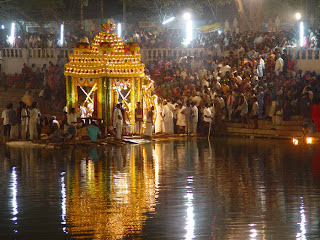
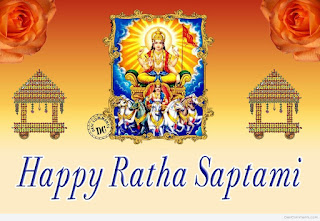
FESTIVALS – FEB.8 RATHA SAPTAMI; 16/17- MASI MAGAM (16 AND 17 FLOAT FESTIVAL IN MANY TEMPLES)
NEW MOON DAY- NO NEWMOON DAY IN FEBRUARY
FULL MOON DAY- 16
EKADASI HINDU FASTING DAYS- 12, 26
AUSPICIOUS DAYS – FEB.6, 11, 14
Kalidasa’s quotations are given topic wise.
February 1 Tuesday
Absorption
By your own self, you come to know your self and by your own self,you create yourself. When you have completed your work, you get absorbed in yourself- Kumarasambhava 2-10
Xxxx
February 2 Wednesday
Acumen
Every old poem is not good just because it is old nor is every new poem to be blamed because it is new. Sound critics after a proper scrutiny , chose one or the other. The blockhead is guided by others —
Malavikagnimitra, Nandi
Xxx
February 3 Thursday
Administration
The anxiety of acquiring dominion gives extreme pain and when it is fairly established the cases of supporting the nation incessantly harass the sovereign just as a large umbrella, the staff of which a man carries in his hand, tires him while it also shades him- Shakuntala, act 5
Xxx
February 4 Friday
Administration usually follows shapes of surpassing beauty.
Malavikagnimitra, Nandi
Xxx
February 5 Saturday
Age
In regard to people spiritually old,age is not a criterion for respect.
Kumarasambhava, 5-16
Xxx
February 6 Sunday
The proverb that a lovely person can never be sinful is never untrue.
Kumarasambhava, 5-36
Xxx
February 7 Monday
Aid
Even a person, who can use his eyes, cannot see without a light an object in the darkness–Malavikagnimitra, act 2
Xxx
February 8 Tuesday
Alliance
Matrimonial alliances effected by the good hardly go wrong or end badly.
Kumarasambhava, 6, 29
Xxx
February 9 Wednesday
Allies
One with allies is able to accomplish an undertaking surrounded with obstacles–Malavikagnimitra, act 1
Xxx
February 10 Thursday
Ambition
The great men of this world with extreme difficulty rise to the summit of ambition but from it they also easily and swiftly descend-
Shakuntala, act 4
Xxx
February 11 Friday
Amiss
Who does not feel, in the absence of contentment, that something is wrong , a heartache or a twinge of grief-Rtusamhara, canto 2,17
Xxx
February 12 Saturday
Appreciation
Regard shown by the great often creates a confidence in one’s own merits- Kumarasambhava, 6, 29
Xxx
February 13 Sunday
Arrogance
The good are never rendered arrogant by wealth-Shakuntala, act 5
Xxxx
February 14 Monday
Ashoka tree
This Ashoka tree is delaying to burst into blossom because it waits to be touched by a lovely woman s foot- Malavikagnimitra, act 2
Xxx
February 15 Tuesday
Aspiration
If you aspire to gain heaven , then your attempts are fruitless.
Kumarasambhava., 5,45
Xxx
February 16 Wednesday
Assistance
While fire becomes extremely brilliant from the Sun s aid, the moon also acquires splendour when favoured by the night.
Malavikagnimitra, act 1
Xxxx
February 17 Thursday
Attainment
All are happy in achieving a desired object but with kings, such a state results only in trouble. Attainment of the desired object destroys all keenness because the very aim of protecting what has been secured cause worry- Shakuntala,,a ct 5
Xxx
February 18 Friday
Beauty
It is rarely false that a lovely person can never be sinful
Kumarasambhava, 5
Xxx
February 19 Saturday
She was created by god as if with a desire to see all loveliness in one place with the collection of all objects of comparison set in their proper places- Kumarasambhava, 1,49
Xxx
February 20 Sunday
Though dark moths may settle on the head of a water lily, it is still beautiful. The moon, with its dewy beams, rendered yet brighter by its dark spots- Shakuntala, act 1
Xxxx
February 21 Monday
A beautiful figure is charming in whatever state it may be.
Shakuntala, act 6
Xxx
February 22 Tuesday
Benefactor
With ripening fruits, trees bend; on account of fresh water, , the clouds hang low; with prosperity the good becomes humble. Such is , in truth , the real nature of benefactors -Shakuntala, act 4-12
Xxxx
February 23 Wednesday
Butcher
A butcher, who sells meat and whose actions are cruel, may have a tender heart- Shakuntala act 6
Xxxx
February 24 Thursday
Calm
A good man never allows grief to triumph . Even in a tempest the mountains are calm- Kalidasa, act 6:Shakuntala
Xxx
February 25 Friday
Carbuncle s
Carbuncles are naturally soft to touch but, if they are penetrated by the sun , s rays, they burn the hand -Shakuntala, act 2
Xxxx
February 26 Saturday
Choice
Your longing to own this rustic maiden when you have already bright jewels in your palace is like the fancy of one who has lost his appetite for dates and yearns for the tamarind– Shakuntala, act 11
Xxxx
February 27 Sunday
Conceit
All men are likely to think favourably of themselves-
Shakuntala, act 11
Xxx
February 28 Monday
Control
A good man never permits grief to control him. The mountains even in a storm are not perturbed.
Shakuntala, act 6
Xxxx
BONUS QUOTATIONS
Dancing
Dancing is the principal amusement of mortals though their tastes vary.
Malavikagnimitra, act 1
Xxx
The art of dancing is a matter of practice.
Malavikagnimitra, act 1
XXXX SUBHAM XXXXX
tags- Kalidasa, quotations, February 2022, calendar
Pictures are taken from various sources for spreading knowledge.
this is a non- commercial blog. Thanks for your great pictures.
tamilandvedas.com, swamiindology.blogspot.com
மந்திர சப்தத்தால் வெற்றி!!
அதர்வண வேதத்தில் நவீன விஞ்ஞானத்தை மிஞ் சும் ஒரு செய்தி உள்ளது. அ தாவது ஒலியைப் பயன்படுத்தி எதிரிகளை வெல்வது. இரண்டாவது உலக மகா யுத்தத்தில் ஹிட்லரின் பிரச்சார மந்திரி கோயபெல்ஸ் தினமும் பொய்ச் செய்திகளைப் பரப்பி ஹிட்லருக்கு நிறைய வெற்றி தேடித் தந்தார். ஒரு பொய்யைப் பத்து முறை சொன்னால் அது உண்மையாகிவிடும் என்பது அவரது சித்தத்தாந்தம் ; இன்று பல அரசியல் கட்சிகள் இதைக் கடைப்பிடித்து மக்களை ஏமாற்றுவதைக் காண்கிறோம்.
இது ஒருபுறமிருக்க விஞ்ஞான வசதிகளை பயன்படுத்தி சண்டை போடும் செய்திகளும் வருகின்றன. அதாவது ஒரு நாடு ஒளிபரப்பும் விஷயங்களை மற்றவர்கள் கேட்காமல் இருக்க அந்த ஒளி அல்லது ஒலி பரப்பை ஜாம் JAMMING செய்துவிடுவது . அதாவது அந்த அலைகளை, அறிவியலைப் பயன்படுத்தி அழித்துவிடுவது . இது போல ஒரு செய்தி அதர்வண வேதத்தில் உள்ளது.
இதில் விஞ்ஞானம் எதுவும் இல்லை என்று எண்ணினாலும் இந்த உத்தியை தேவர்கள் கடைப் பிடித்ததிலிருந்து வேத காலத்தில் எவ்வளவு முன்னேற்றம் இருந்தது என்பதை அறியமுடிகிறது . விஷயம் என்னவென்றால் தேவர்கள் சொல்லிய சொற்களில் அசுரர்கள் குழம்பிப் போனார்கள் ; அதனால் அவர்கள் தோற்று ஓடிப்போனார்களாம் !
இதோ அதர்வண வேத சூக்தம் 721ன் அடிக் குறிப்பு —
இங்கு ஆறு பாடல் உள்ளன. இவை பிராவாஹ்கலிகம் என்று அழைக்கப்படும் மொழிபெயர்க்கத் தகுதியுடைவனாக இல்லை. புதிராக உள்ளன; இவற்றைக் கூறி தேவர்கள் அசுரர்களைக் குழப்பத்தில் ஆழ்த்தினர். வேள்வியைச் செய்பவர்களும் இவற்றைக் கூறி எதிரிகளைத் தோற்கடிக்கலாம் என்று RALPH TH GRIFFITH கிரிப்பித் எழுதியுள்ளார்.
ஆனால் ஜம்புநாத ஐயர் தன்னுடைய நாலு வேத மொழிபெயர்ப்பில் இதை மொழி பெயர்த்துள்ளார். சிலேடைப் பொருளில் பார்த்தால் கொஞ்சம் விரசமான – செக்ஸ் SEXY – பொருளும் தொனிக்கும்
“இரண்டு கிரணங்கள் விசாலமாயுள்ளன. புருஷன் அவற்றை அரைக்கிறான் குமாரியே ! நீ நினைப்பது போல் அது இல்லை”
கடைசி வரி ‘குமாரியே ! நீ நினைப்பது போல் அது இல்லை’ என்று ஆறு மந்திரங்களிலும் அது வரும். உடலுறவுப் பாடல்களைப் போல வரிகள் இருக்கும்.
XXX
எனது கருத்து
இது போல, பல துதிகளை வரிசையாக வைத்து, அவற்றை யாகத்தில் பயன்படுத்தியதாகவும் பிற்கால பிராமண நூல்களில் எழுதி வைத்துள்ளனர். இவற்றின் மறைபொருள் என்ன என்று நமக்கு இன்று தெரியவில்லை. தமிழ்த் திரைப்படப்பாடல்களில் கூட சில பாடல்கள் இப்படி விரசமான விளக்கத்துக்கு வழிசெய்கின்றன. நான் எடுத்துக்கட்டுகளைத் தரத் தேவையே இல்லை. வாசகர்களுக்கே தெரியும்
முதல் பகுதியில் “கரக் முறக், தஸ் புஸ்” — மந்திர ஒலிகள் பற்றி எழுதி இருந்தேன் இந்த பொருளற்ற அல்லது பொருள் புரியாத முதல் மூன்று மந்திரங்கள் பிரதிராதா என்று அழைக்கப்படுவதாக அடிக்குறிப்பு சொல்கிறது. இதைச் சொல்லி, அசுரர்களை தேவர்கள் முறியடித்தார்கள் .அதில் 11 முதல் 13 வரையுள்ள மந்திரங்களை ‘பூதேச்சத்’ என்று அழைத்தனர். ‘கண்ணைப் பறிக்கும் ஒளி’ என்பது அதன் பொருளாம்.
முதல் பகுதியில் ‘பிலு ’PIILU என்னும் தாவரம் பற்றியும் உள்ளது. இது சோழ நாட்டில் மலைப்பகுதியில் வளரும் மரம் என்றும் என்றும் கரேயா ஆர்போரியா CAREYA ARBOREA அல்லது சால்வடோரா பெர்சிகா SALVADORA PERSICA என்ற மரமாக இருக்கலாம் என்றும் அடிக்குறிப்பு கூறுகிறது. 12 ஆவது மந்திரத்தில் நடுங்கும் புறா பற்றிய வரியுடன் இதன் பழத்தை இந்திரன் புறாவுக்கு கொடுத்ததாக வருகிறது. அந்தக் கதை இப்போது இல்லை; வேறு இரண்டு புறாக்கதைதான் உள்ளன என்றும் முதல் பகுதியில் கண்டோம். மொத்தத்தில் பாடல் முழுதும் புரியாத ஒலிகள், புரியாத விஷயங்கள், புரியாத கதைகள் உள்ளன . இவை அனைத்தும் யாகத்தில் பயன்படுத்தப்பட்டுள்ளன. இந்த ஒலிகள் அசுரர்களைக் குழம்பச் செய்து தோல்வியைத் தழுவச் செய்தன.
ரிக் வேத (RV), அதர்வண வேத (AV) மந்திரங்களை இலவசமாக படிக்கலாம். அனைத்தும் கூகிள் GOOGLE செய்தால் கிடைக்கும். ஆங்கிலம் மற்றும் சம்ஸ்க்ருதத்தில் அவை உள்ளன.
WRITTEN BY S NAGARAJAN Post No. 10,592 Date uploaded in London – – 24 JANUARY 2022
Contact – swami_48@yahoo.com Pictures are taken from various sources for spreading knowledge; this is a non- commercial blog. Thanks for your great pictures. tamilandvedas.com, swamiindology.blogspot.com
யோக வாசிஷ்டம் மோக்ஷம் அடைவது எப்படி? வஸிஷ்டர் கூறிய விதஹவ்யன் கதை!
ச.நாகராஜன் மோக்ஷம் அடைவது எப்படி? அது எங்கே இருக்கிறது? வஸிஷ்டர் தெளிவாக பதிலைத் தருகிறார்.
மோக்ஷம் என்பது சுவர்க்கத்திலும் இல்லை, பாதாளத்திலும் இல்லை அல்லது பூமியிலும் இல்லை. அது பிரக்ஞையைப் பொறுத்து அமைந்துள்ள ஒன்று. அது தான் ஆத்ம ஞானம்! மோக்ஷத்தை விரும்பும் ஒருவன் ஆசைகள் வசப்படுகிறான், எண்ணங்கள் வசப்படுகிறான், ஆகவே அவனுக்கு பந்தம் என்னும் தளை ஏற்படுகிறது.
ஆகவே வஸிஷ்டர் மிகத் தெளிவாகக் கூறுகிறார் -“ மோக்ஷம் அடைய வேண்டும் என்ற ஆசையைக் கூட விட்டு விடு” என்று!
வஸிஷ்டர் ராமருக்கு இது சம்பந்தமாக ஒரு கதையைச் சொல்ல ஆரம்பித்தார். விதஹவ்யன் என்ற ஒருவர் ஆத்ம ஞானம் பெற விரும்பினார். அதற்காக மலைகளுக்குச் சென்றார். மனம் மற்றும் உடல் சம்பந்தமான உபாதைகளிலிருந்து விடுபட இதுவே சரியான வழி என்று அவர் நினைத்தார். சாஸ்திரங்கள் கூறிய படி என்னவெல்லாம் செய்ய வேண்டுமோ அந்தக் கர்மங்களை எல்லாம் ஒன்று விடாமல் செய்தார். ஆனால் அவருக்கு சாந்தி கிடைக்கவில்லை. அலைபாயும் மனம் அப்படியே தான் இருந்தது.
புலன்களை அடக்கினார். மனத்தை அடக்கினார். ஒருவாறாக கடைசியில் சமாதி நிலையில் இருக்க அவரால் முடிந்தது. சமாதி நிலையில் நெடுங்காலம் இருந்தார். இதனால் அவர் தனது உடல் இறுகிப் போய்விட்ட நிலையை அடைந்திருப்பதை உணர்ந்தார். அவரால் நகரக் கூட முடியவில்லை. தான் முயற்சி செய்து எப்படியாவது நகர வேண்டுமா அல்லது இப்படியே இதே நிலையில் தொடர்ந்திருக்க வேண்டுமா – அவருக்கு ஒரே குழப்பமாக இருந்தது. என்ன செய்வதென்று தெரியாமல் திகைத்தார். விதஹவ்யனைப் பார்த்த சூரிய பகவான் அவரது பிரச்சினை என்னவென்பதைப் புரிந்து கொண்டார்.
அவர் மீது பிரகாசமான தன் ஒளியைப் பாய்ச்சினார். அவரை அவரது பிரச்சினையிலிருந்து விடுவித்து அவரது உடலை அவர் நகர்த்துமாறு செய்தார். விதஹவ்யரால் இப்போது நகர முடிந்தது. நேராக மலையிலிருந்து இறங்கி மக்கள் அனைவரும் இருக்கும் இடத்திற்குச் சென்றார். இப்போது மைத்ரி என்னும் அனைவருடனுமான சம பாவ நட்புக் கொண்டு எல்லோருடனும் பழக முடிந்தது. அத்துடன் கருணை என்னும் அளப்பரிய இரக்கத்துடன் அனைவருடன் பழக முடிந்தது. அவர் விருப்பம், ஆசை, வெறுப்பு, சந்தோஷம், துக்கம் ஆகிய அனைத்து நிலைகளையும் கடந்தார்.
வஸிஷ்டர் இந்தக் கதையைக் கூறியதோடு இது சொல்லும் நீதியை விளக்கலானார். சிலர் கஞ்சா, அபினி போன்ற போதை மருந்துகளை உட்கொண்டு மனதை அடக்க முயல்வதை வஸிஷ்டர் வெகுவாகக் கண்டித்தார். இதன் மூலம் மனதை சாந்தி அடையச் செய்யவோ அல்லது அடக்கவோ முடியாது என்று தெள்ளத் தெளிவாக அவர் கூறினார். அத்துடன் சில சித்திகளை அடைந்தவுடன் அதை அனைவருக்கும் காட்டும் விருப்பத்தையும் அவர் கண்டித்தார். அந்த அதீத சக்திகளைக் காண்பிக்கக் கூடாது என்று அவர் அறிவுரை கூறினார். ஹத யோகம் மூலம் உடலைக் கட்டுக்குள் கொண்டு வரலாமே தவிர மனதை அடக்கவே முடியாது என்றும் அவர் கூறினார்.
உலகியல் என்பது உடலிலும் மனம் என்னும் கருவியிலும் இருக்கிறது என்று அவர் விளக்கினார். ஆகவே மோக்ஷம் பற்றி எண்ணும் ஒருவன் முதலில் எல்லா வாஸனைகளையும் – ஆசைகளையும் – வெல்ல வேண்டும் என்றார் அவர். இது வாஸனா க்ஷயம் எனப்படும். வாஸனா க்ஷயம் அடைந்தவுடன் மனோ நாசம் ஏற்படும். அலைபாயும் மனம் இருக்காது. ஆத்ம விசாரம் செய்யும் ஒருவனின் பாதையே சரியான பாதை என்பது வஸிஷ்டரின் முடிவு. இந்த விசாரத்தினால், வைராக்யத்துடன் தொடர்ந்து செய்யும் இந்தச் செய்கையால், ஒருவன் படிப்படியாக முன்னேறி மோக்ஷத்தை அடைய முடியும். எவன் ஒருவன் அமைதியான மனதுடன் இருக்கிறானோ, எவன் ஒருவன் எல்லா ஆசைகளையும் துறந்து விடுகிறானோ, அவன் ஏழையாக இருந்தாலும் சரி பணக்காரனாக இருந்தாலும் சரி, அவன் உயரிய அந்தஸ்தில் இருந்தாலும் சரி, தாழ்ந்த அந்தஸ்தில் இருந்தாலும் சரி, அவன் சந்தோஷத்தை அடைவான்.
ஆக இந்தக் கதை மூலம் ஆத்ம விசாரம் வலியுறுத்தப்படுகிறது.
இதையே பகவான் ரமண மஹரிஷி திருப்பித் திருப்பித் தன்னை அடைந்தவர்களுக்கெல்லாம் சொல்லி வந்தார். இதுவே மோக்ஷத்திற்கான ரகசியம். யோக வாசிஷ்டத்தில் வரும் 55 கதைகளில் 25வது கதையாக இது அமைகிறது. இது உபசாம பிரகரணத்தில் வரும் கடைசி கதையாக அமைகிறது.
tags — யோக வாசிஷ்டம், மோக்ஷம், வஸிஷ்டர், விதஹவ்யன், கதை,
Pictures are taken from various sources for spreading knowledge.
this is a non- commercial blog. Thanks for your great pictures.
tamilandvedas.com, swamiindology.blogspot.com
POWER OF BRAHMINS IS GREATER THAN THE POWER OF RULERS: SANGAM TAMIL LITERATURE AND MAHABHARATA
The clash between the great two Vedic Rishis Vasishta and Viswamitra is a well known story. It established the supremacy of Brahmins. Both rishis/seers figure in the oldest book in the world- The Rig Veda (RV). People who are pure at heart and selfless are more powerful than the AK 47 wielding Clint Eastwoods!
This message is in both the Mahabharata, the longest epic in the world and Purananuru, the oldest anthology in 2000 year old Sangam Tamil literature.
First let us look at Mahabharata (Adi Parva, the first of the 18 Books in the Mahabharata):_
Once upon a time great king Viswamitra went out on a hunting expedition. When he and his retinue were tired, they visited the great saint Vasistha. His ashramam (House of Saints; hermitage) was in the middle of the forest. He had a beautiful cow named Nandini. It had the power of fulfilling anyone’s wishes like Kamadhenu.
Vasistha received him with great honour. He gave to Viswamitra precious jewels which were obtained from his wonder working cow Nandini. Viswamitra wondered how come this sage in the middle of the forest , could feed all his retinue and give him precious gifts. Vasishta explained that his holy cow can give anything he wished for. Viswamitra asked Vasishta to give him the cow in exchange for hundred million cows or even his kingdom. When Vasishta refused to comply with his demand Viswamitra threatened to use force. He dragged the cow and pushed it hither and thither, but she would not move. She became angry and in order to punish Viswamitra and his army, she created Pahlavas , Dravidas, Sakas,Yavanas , Kiratas and other tribes. The words of the poet Vyasa are
Shame on a Kshatriya’s strength. The strength of a Brahmins lustre is strength indeed. Determining what is strength and what is weakness, we see that, penance is the greatest strength.
This legend is found in Valmiki Ramayana as well .
Later Viswamitra went for doing Tapas(penance), but failed in first two attempts because of ego and women (Trisanku Episode and Menaka episode). When he won at the third attempt, Vasishta himself called him “Hello Mr Brahmin” (Brahma Rishi). That has become a phrase in Hindusim equal to ‘From the horse’s mouth’ in English.
The power of penance is in Purananuru, oldest portion of 2000 year old Sangam Tamil literature and later moral book Tirukkural of Tiru Valluvar
Here is the verse from Purananuru:-
Vanmiki , similar to Valmiki, the Ramayana author, has penned the verse 358 in Purananuru. Though there are very interesting information in these seven lined verse, I will highlight only one point here. If you weigh the earth and the penance, penance is so big that earth will look like an iota. Earth means earthly life that is family life, but penance is far greater than the family life. Tamil poet Vanmiki use the Sanskrit word Tavam. Tapo in Sanskrit is tamilized Tavam (P=V). here we are concerned only about the greatness of penance. It is a repetition of what is said in Mahabharat. True Brahmins are doing penance even when they are in family life. So the word Antanar is used for anyone who is inward looking, ie. God searching. Brahmin also meant the same, i.e. Brahmam seeking. So it is an echo of Mahabharata lines. Even a kshatriya like Viswamitra is called Brahmin when he competed his penance successfully.
Tiruvalluvar also elucidated the power of saints. If any one does any harm to a saint the empire will crumble like dust, he says.
“If those of rigorous penance become enraged, even Indra will crash from power and position” – Kural 899
Venthan is the Tamil word used in this couplet. It means King or Indra. Tolkaappiam used the word for Indra.
The next couplet emphasizes this point,
“Though possessed of great support, they who are exposed to the wrath of persons of exceeding penance will perish”- Kural 900.
Pictures are taken from various sources for spreading knowledge.
this is a non- commercial blog. Thanks for your great pictures.
tamilandvedas.com, swamiindology.blogspot.com
அதர்வண வேதத்தில் (அ.வே) நாம் அறியாத கதைகள் ஆங்காங்கே பொதிந்துள்ளன. பல கதைகள் நமக்குத் தெரியாமலேயே அழிந்துவிட்டன. வேதங்கள் அவ்வளவு பழமையானவை. உலகிலேயே அதிக சமய இலக்கியம் இந்துக்களிடத்தில்தான் உள்ளது. கிரேக்கர்களும், தமிழர்களும், ரோமானியர்களும் எழுத்து என்பதை அறியாத கி.மு.1000-ம் ஆண்டிலேயே பிரமாண்டமான இலக்கியங்கள் சம்ஸ்க்ருதத்தில் தோன்றிவிட்டன. இதை மறுப்பார் எவருமில்லை. இரு வேறு கருத்துக்கு இடமே இல்லை . 20,000 வேத மந்திரங்கள் மற்றும் சங்கேத பாஷையில், மர்ம மொழியில் (CODED, ENIGMATIC) அமைந்த கதைகளும், விஷயங்களும் வேதத்தில் , பிராமண நூல்களில் வந்துவிட்டன. 20,000 வேத மந்திரங்களையும் எழுதாமல் வாய் மொழியாகவே காத்து வரும் உலக மஹா அத்புதம் இன்று வரை நீடிக்கிறது.
200 ஆண்டுகளுக்கு முன்னர் வெள்ளைக்காரர்கள் வேத ஆராய்ச்சியில் இறங்கியவுடன் இவை புஸ்தக வடிவில் இடம்பெற்றன. அதற்கு முன்னர் சாயனர் போன்றோர் சுமார் 700 ஆண்டுகளுக்கு முன்னர், எழுத்து வடிவில் உரைகளோடு , பாஷ்யங்களோடு, நமக்கு ஓலைச் சுவடிகளில் அளித்தனர்.
xxx
நடுங்கும் புறாக்கதை
அ .வே.யில் இருபது காண்டங்களுள்ளன. இருபதாவது காண்டத்தில் இனம்புரியாத மந்திரங்கள் உள்ளன. குண்டாப மந்திரங்கள் எனப்படும் அவைகளை யாகத்தில் பயன்படுத்தியதாக பின்னர் எழுந்த ஐதரேய பிராமணம் கூறுகிறது.
இந்த தேவர்கள் தப்பான வழியில போய்ட்டாங்க ! அத்வர்யு ! விரைவில் வேலையை முடித்துவிடு
…………………………………
இப்படி 13 மந்திரங்கள். இவை எல்லாவற்றுக்கும் பொருள் உண்டு. நமக்குத் தெரியாது. வெள்ளைக்காரப் பயல்கள் இவை எல்லாம் ஒலி நயம் மிக்க பிதற்றல்கள் (ONOMOTOPEIC ) என்று எழுதிவைத்துவிட்டான். வேதத்தில் 60090 போன்ற எண்கள் வந்த இடம் எல்லாம் இவை கற்பனை சிறகடித்ததால் வந்த பொருளற்ற எண்கள்(FACY NUMBERS) என்று எழுதி வைத்துவிட்டான். சாயனர் போன்றோர், நமக்கு 700 ஆண்டுகளுக்கு முன்னர் வாழ்ந்ததால் அவர்களுக்கும் பொருள் விளங்கவில்லை. நாம் இப்போது பேந்தப் பேந்த முழிக்கிறோம். ஆயினும் இவைகள் யாகத்தின்போது பயன்படுத்தப்பட்டன என்பதை அறிகிறோம்.
இதில் ஒரு கதை வருகிறது : நடுங்கிய புறாக்கதை
துதி/ஸூக்தம் 723; அ .வே .காண்டம் 20 (ATHARVANA VEDA; BOOK 20; SUKTA 723)
மந்திரம் 12
“ஓ இந்திரா ! நீ சிறகு ஒடிந்த, நடு நடுங்கிய புறாவுக்கு நல்ல தானியத்தை அளித்தாய்.; ‘பிலு’வையும் அளித்தாய்; அதற்குத் தாகம் எடுத்தபோது தண்ணீரையும் கொடுத்து உதவினாய்” —
என்று ஒரு ரிஷி படுகிறார்.
இந்தக் கதை எதிலும் இல்லை. அதாவது கால வெள்ளத்தில் அடித்துச் செல்லப்பட்டுவிட்டது. ஆயினும் முதலில் உள்ள டஷ் புஷ் , கரக் , முறுக் மந்திரங்களுக்கு சாயனர் போன்ற பாஷ்யக்காரர்கள் விளக்கம் தருகின்றனர்.
முதலில் புறாக்கதையைப் பார்ப்போம்; சிபிச் சக்ரவர்த்தி புறாக்கதை எல்லோருக்கும் தெரியும்; சோழர்கள் தாங்கள் வடமேற்கு இந்தியாவில் ஆட்சி புரிந்த சிபி என்னும் மாமன்னனின் வழிவந்தவர்கள் என்று சங்க இலக்கியம், மற்றும் சிலப்பதிகாரத்தில் தம்பட்டம் அடிக்கின்றனர். கழுகு வடிவில் இந்திரன் வந்தான்;புறவு வடிவில் அக்கினி வந்தான். கழுகு , அது எனது உணவு; தடுக்காதே சிபியே என்றது.சிபி, புறவுக்காக பரிந்து பேசி, கழுகுக்கு தன் சதையையே அளித்தான் என்பது கதை . இது மேற்கூறிய மந்திரத்துக்குப் பொருத்தமாக இல்லை.
XXXX
இரண்டாவது புறாக்கதை
மாபாரதம் , புராணம், புறநானூற்றில் சிபி கதை உளது. அதற்கு முன்னர் ராமாயணத்தில் வேறு ஒரு புறவின் கதை உளது. முன்னரே இந்த ‘பிளாக்’கில் உளது. சுருக்கமாகப் பார்ப்போம்.
ஒரு காட்டில் இரண்டு புறாக்கள்; இணை பிரியாத ஜோடிகள்; அன்பே ! ஆருயிரே ! என்று கொஞ்சிக் குலவும் அந்யோன்யம் ; ஆண் புறா இரை தேடச் சென்றது . பக்கத்துக் கிராம வேடன் வந்து வலை விரித்தான் ; மரத்தின் மீதுள்ள பெண் புறா தவறி விழுந்து வலையில் அகப்பட்டது ; அப்போது வேடன் அங்கு இல்லை. காட்டிற்குள் சென்ற வேடன் கடும் புயல் மழையில் சிக்கித்தவித்தான் ; இருள் சூழ்ந்தது. ஒரு வழியாக மரத்துக்கு அடியில் வந்து, ‘வன தேவதையே! என்னைக் காப்பாற்று’ என்று கதறினான். இதைக் கேட்ட பெண் புறா , அடடா , அதிதியாக வந்த விருந்தாளியை நாம் காப்பாற்ற வேண்டும் ; விருந்தோம்பல் என்னும் பண்பு நம்முடையது என்று கருதியது.
அதே நேரத்தில் ஆண்புறாவும் கூட்டுக்குத் திரும்பியது; அன்பு மனைவி அங்கே இல்லாமல் கீழே வலையில் அகப்படத்தைக் கண்டு கண்ணீர் விட்டது. ஆனால் பெண்புறாவோ என்னைப் பற்றிக் கவலைப்படாமல் வந்த அதிதியை, விருந்தாளியான வேடனை உபசரி என்றது . ஆண் புறாவும் பழம் , கிழங்கு, தனியங்களைக் கொடுத்து வேடனை உபசரித்தது. அவனோ தினமும் மாமிச உணவில் மிதப்பவன். இதை உணர்ந்த ஆண் புறா அருகிலுள்ள கிராமத்துக்குச் சென்று சுள்ளிக் கட்டைகளைக் கொண்டு வந்து தீ மூட்டியது; ‘என்னை உண்டு பசி ஆறு’ என்று சொல்லி உயிர்த் தியாகம் செய்தது; இதைப் பார்த்த பெண் புறாவும் உயிர்விட்டது. புறாக்களின் உயிர்த் தியாகத்தைக் கண்டு மெய் சிலிர்த்த வேடன் இனி எந்த உயிரையும் கொல்வதில்லை என்று திட விரதம் பூண்டான்.
இந்தப் புறவின் கதை நாடு எங்கிலும் தெரிந்த கதை போலும். ஏனெனில் ராமபிரான் வால்மீகி ராமாயணத்தில் சரணாகதி தத்துவத்தை விளக்க இதை கோடி காட்டுகிறான்; கதை முழுவதையும் சொல்லவில்லை. சுக்ரீவன் , அனுமன் போன்றோர் , அண்ணனைக் கவிழ்த்துவிட்டு ஓடிவந்த விபீஷணனுக்கு அடைக்கலம் தரக்கூடாது என்று வாதிடுகின்றனர்; கருணைக் கடலான ராமனோ, சரணாகதி அடைந்த அகதிகளைக் காப்பது இந்து தர்மம்- சனாதன தர்மம் என்று சொல்லி விபீஷணனை ஏற்கும்போது வேடனுக்காக உயிர்த் தியாகம் செய்த புறாக்களின் கதைதான் உங்களுக்குத் தெரியுமே என்று சொல்கிறான்; பாரதம் முழுதும் பிரசித்தமான இக்கதையை வால்மீகி கோடி காட்டிவிட்டுப் போய்விடுகிறார். பிற்கால வியாக்கியனகார்கள் நமக்கு கதை சொல்கின்றனர்.
ஆயினும் இந்தக் கதையும் ‘நடுங்கும் புறாவுக்கு இந்திரன் பிலு கொடுத்தத்தை’ச் சொல்லவில்லை. ஆக அந்தக் கதையை சுவடுகள் இன்றி காலம் அழித்துவிட்டது.
கட்டுரையின் இரண்டாம் பகுதியில் வேறு சில கதைகளைக் காண்போம் . பிலு என்றால் என்ன? ஏன் ‘டஷ் புஷ் கரக் முறுக்’ மந்திரம் வந்தது என்பதைக் காண்போம்.
Pictures are taken from various sources for spreading knowledge;
this is a non- commercial blog. Thanks for your great pictures.
tamilandvedas.com, swamiindology.blogspot.com
தொழில்களில் சிறந்தது எது? தண்டபாணி சுவாமிகள் பதில்!
ச.நாகராஜன்
திருநெல்வேலியில் சைவ வேளாளர் மரபிலே உதித்தவர் பெரும் புலவர் தண்டபாணி சுவாமிகள்.
இவரை முருகதாச சுவாமிகள் என்றும் திருப்புகழ் சுவாமிகள் என்றும் உலகம் பாராட்டிக் கொண்டாடியது.
சிறந்த முருக பக்தர். சந்தப் பாக்கள் பாடுவதில் வல்லவர்.
இவர் பல நூல்களை இயற்றியுள்ளார்.
அவற்றில் சில:
தில்லைத் திருவாயிரம்
திருவரங்கத் திருவாயிரம்
ஒலியலந்தாதி
புலவர் புராணம்
திருவாமாத்தூர்ப் புராணம்
அறுவகை இலக்கணம்
திருமயிலைக் கலம்பகம்
சென்னைக் கலம்பகம்
ஆங்காங்கே சமயத்திற்கு ஏற்றபடி பல தனிப்பாடல்களைப் புனைந்து பாடியவர் இவர்.
செய்யும் தொழில்களுள் சிறந்த தொழில் எது என்று ஒரு கேள்வியைக் கேட்டுக் கொண்ட இவர் பல தொழில்களையும் சீர் தூக்கிப் பார்த்துத் தனது விடையை ஒரு பாடலில் அளித்துள்ளார்.
பாடல் இதோ:
செய்யுந் தொழிலனைத்துஞ் சீர் தூக்கிப் பார்க்குங்கால்
நெய்யுந் தொழிலுக்கு நிகரில்லை – வையகத்தில்
தெள்ளு தமிழ்வேதஞ் செப்பியந்நாட் சீர்படுத்தும்
வள்ளுவனார் கொண்ட தல்ல வா
எல்லாத் தொழில்களையும் ஆராய்ந்து சீர் தூக்கிப் பார்க்கும் போது நெய்யும் தொழிலுக்கு நிகரே இல்லை. இந்தப் புவியில் தெள்ளு தமிழில் வேதம் எனக் கொண்டாடப்படும் அரும் நூலான திருக்குறளை எழுதியவர் திருவள்ளுவர். அவர் மேற்கொண்ட தொழில் அல்லவா இது?
இதற்கு மேல் என்ன சிறப்பு வேண்டும்!
அடுத்தாற் போல பல தொழில்களில் ஈடுபட்டவர்களிடம் பழகி அவர்களிடம் நல்ல அனுபவத்தைப் பெற்ற இவர் பல தொழில்களின் தன்மையையும் அந்தத் தொழில் புரிவோரின் தன்மையையும் நன்கு உணர்ந்து கொண்டார்.
அதை அப்படியே ஒரு பாடலில் பதிவு செய்து விட்டார் இப்படி:-
தட்டானிடத்தில் தங்க நகைகள் செய்யும் பணியைக் கொடுத்து விட்டால் போதும், அதை எண்ணியபடி உருப்படியாக வாங்குவதற்குள் போதும் போதும் என்று ஆகி விடுமாம்.
அடுத்து சூதாட்டம், குடி என தீய பழக்கத்திற்கு அடிமைப் பட்டாரைச் சந்தித்து பேசி அவரை நல் வழிப் படுத்துவது லேசுப்பட்ட காரியமல்ல. அவரை நல்ல மார்க்கத்தில் வைப்பது இருக்கிறதே, அதைச் செய்தால் அது ஒரு சாதனை தான்!
அடுத்து பல பல ஓலைச் சுவடிகளை உள்ளதைப் பாதுகாக்கும் பொருட்டு அச்சுப் பதிப்பாக காகிதத்தில் அடித்துக் கொடுங்கள் என்று அச்சகத்தில் கொடுத்தால், கொடுத்தது கொடுத்தது தான். அதை அச்சிட்டு பிழை திருத்தம் பார்த்து புத்தகமாக வாங்குவதற்குள் போதும் போதும் என்று ஆகி விடும்.
இந்த விஷயங்களை ஆர்வக் கோளாறினாலோ அல்லது அவசியத்தினாலோ தொட்டால் அப்படித் தொட்டவர் படும் பாடு அவரே அறிவார்.
தண்டபாணி சுவாமிகள் தான் பட்ட பாட்டைச் சொல்லி விட்டார்.
ஒரு சமயம் தேவிகோட்டையில் முத்தப்பன் என்று ஒருவனைச் சந்தித்தார் அவர். அவனோ சாதாரணமானவன் அல்ல; திருட்டு எண்ணம் கொண்டவன். ஒரு தப்பு, இரண்டு தப்பு அல்ல மூன்று தப்பு என்று போய்க் கொண்டே இருக்கும் அளவு தப்பு செய்பவன்.
அவன் பெயர் முத்தப்பன்.
அவனது இயல்பு குறித்து தண்டபாணி சுவாமிகள் ஒரு பாடலைப் பாடினார் இப்படி:
சித்தப் பிரமை திருட்டெண்ணந் தீங்குடனே
முத்தப்பு முள்ளானை முத்தப்ப னென்றுரைத்தார்
எத்தப்பு மில்லாநீ ரெப்படியோ கைக்கொண்டீர்
மெத்தப் புகழ்படைத்த மேல வீட் டுள்ளாரே
மெத்தப் புகழ் படைத்த மேல் வீட்டில் உள்ளவரே, எத்தப்பும் இல்லாதவர் நீர்.
ஆனால் முத்தப்பன் கதையைக் கேளும். பைத்தியம், திருடு, தீங்கு ஆகிய முத்தப்பும் உள்ளவனை முத்தப்பன் என்று பெயர் வைத்து அழைத்து வந்தனர். அவனிடம் அல்லவா பலரும் மாட்டிக் கொண்டார்கள்!
சமயத்திற்கேற்றபடி தனது அனுபவங்களையும் தனது கருத்துக்களையும் பாடல்களாகப் பாடுவதில் வல்லவர் தண்டபாணி சுவாமிகள்.
முருகனைப் பற்றிய இவரது பாடல்கள் புகழ் பெற்றவை.மேலே கூறியுள்ள நூல்களும் இவரது புலமையைப் பறை சாற்றுபவை.
Pictures are taken from various sources for spreading knowledge.
this is a non- commercial blog. Thanks for your great pictures.
tamilandvedas.com, swamiindology.blogspot.com
THIS IS SECOND STORY; FIRST STORY WAS POSTED YESTERDAY.
Very strange verses are found in the last part of Atharvana Veda (AV); only from Aitareya Brahmana we come to know where they were used. Reading them separately wouldn’t mean anything to users. If you read the translation, you would understand it. But the commentaries on it ,give some information.
HYMN CXXXV
Verses called Frustration, Abuse, the Gods’ Offering, and Dazzling Power
1Bang! here he is. A dog, 2Swish! it is gone. Falling of leaves. 3Crunch! it is trodden on. A cow’s hoof. 4These Gods have gone astray. Do thou, Adhvaryu, quickly do thy work. 5There is good resting for the cows. Take thy delight.
6O singer, the Ādityas brought rich dakshina to the Angirases. Singer, they went not near to it. Singer, they did not take the gift. 7Singer, they went not near to that; but, singer, they accepted this: That days may not be indistinct, nor sacrifices leaderless. p. 372 8And quickly Both he fly away, the White Horse swiftest on his feet, And swiftly fills his measure up. 9Ādityas, Rudras, Vasus, all pay worship unto thee. Accept this liberal gift, O Angiras, This bounty excellent and rich, this ample bounty spreading far. 10The Gods shall give the precious boon: let it be pleasant to your hearts. Let it be with you every day: accept our offerings in return.
11Vouchsafe us shelter, Indra, thou to be invoked from far away. Bring treasure hither to reward the far-famed bard who praises thee. 12Thou, Indra, to the trembling dove whose pinions had been rent and torn. Gayest ripe grain and Pilu fruit, gavest him water when athirst. 13The ready praiser loudly speaks though fastened triply with a strap. Yea, he commends the freshening draught, deprecates languor of disease.
xxx
Here is a story from the last book of (book 20) from AV:-
AV- Book 20- Sukta 723- Hymn 135
Mantra 12
“You, Indra, to the trembling dove whose wings had been rent and torn
Gave ripe grain and Piilu fruit, gave him water when thirsty.”
This story is not found anywhere in Hindu literature apart from this scanty reference.
First look at the explanation given by Griffith and then my comments on it:
R T H Griffith says,
Piilu- Careya Arborea- a tree of immense size, growing on the mountains of coromandel etc (Choza Mandala of Tamil Nadu), where it blossoms during the hot season, and the seed ripens three or four months after- Roxburg.
According to others it is the Salvadora Persica , a rather uncommon middle-sized tree which produces flowers and fruits all the year round.. I cannot trace the story referred to; but it was somewhat resembling that of the Suppliant Dove in the Mahabharata. (See Scenes from the Ramayana. pp 327-331
xxx
MY COMMENTS
In the Mahabharata and Sangam Tamil literature we have the famous Sibi Chakravarthy Story. Indra comes as Eagle and Agni comes as Dove and Emperor Sibi saves the dove by giving his own flesh (see my links below for full story).
But that does not match with the description in Mantra 12. There is another Dove story in Ramayana, which is also different from Mantra 12.
Here is the Dove Story from Ramayana:-
In the Yuddha kanda of Valmiki Ramayana, Rama tells the monkeys army a story of two doves which sacrificed themselves to satisfy the hunger of a murderous, cruel hunter. Rama cites this story to impress upon others who objected to taking Vibhishana, brother of Ravana , as a refugee. In both the incidents the message is that ‘one should not abandon one who seeks refuge’.
Story of Two Doves
The Two Dove Story must be very popular in those days. Rama just quotes it, but commentators give us the details; The story in short is as follows:
Two doves, male and female, were living happily in a forest. One day a hunter comes from the nearby village into the forest and spread his net to catch the birds. When the male dove went in search of food, the female dove gets caught in the net. The hunter who went out was caught in a stormy rain and could not locate his net in the darkness that follwed. After a great struggle he returns to the net he laid. In the meantime, the male dove also returned and wept on seeing his beloved caught in the net.
At the same time the hungry hunter also cried to the Deity of the Forest (Goddess Vana Devata) to save him. On seeing this the female dove advised her companion to entertain the ‘guest’ (hunter). One who has come as a guest to their place must always be saved. Male dove agreed ,also tried his best to satisfy the hunger of the guest/hunter. When he still felt hungry, the male dove went to a near by village , brought fire and made it big with sticks and fell into it saying that the hunter can eat him and satisfy his hunger. Female dove watching his sacrifice also died immediately. The hunter was moved by the birds’ sacrifice and decided not to kill animals anymore in his life.
This chapter in Valmiki Ramayana is considered very important because it explains the ‘Saranagati Tatva’ i.e. one who surrenders to you seeking help must be accepted and protected.
Though here we see the shivering and shaking doves, Indra is not seen. So we don’t know the story behind the AV reference. Probably that is gone into oblivion.
Xxx
Additional information on this hymn :
First three stanzas contain onomatopoeic riddles.
Stanza 7- The White Horse is Sun. We find highest number of words for Sun in Vedas. From Cow to Horse, Stars to Stones, everything is interpreted as Sun in the Vedic commentary. That may not be correct.
Stanzas 11-13 are called the Bhuutechchad or Dazzling Power from the effects produced by their employment by the gods in their contest with the Asuras. Similarly, the recitation will enable the sacrificer to overcome his enemy. This is another strange story of Gods defeating Asuras/demons with Songs and Sounds. I will narrate it in another article.
12 Mar 2015 — Now let us look at some strange bird stories in the Mahabharata. Swan. (1).Water birds appear in the Yaksha Prasna (Questions of a Ghost) story.
1 Nov 2021 — this is a non- commercial blog. Thanks for your great pictures. tamilandvedas.com, swamiindology.blogspot.com. The word for dove or pigeon is …
15 Jul 2013 — He was a righteous king. Indra and Agni wanted to test his integrity and so they took the form of birds hawk and dove. The hawk chased the dove …
There is another story in the epic where two doves sacrificed their lives in the … more so when beauty and virtue are coupled – Valmiki Ramayana 1-77-27.
–Subham—
Tags- strange story, two doves, Atharva Veda, Ramayana story,









 Tamil and Vedas