The Story of Indian Gooseberry Tree in Hinduism (Post No.11923)

WRITTEN BY LONDON SWAMINATHAN

Post No. 11,923

Date uploaded in London – –  21 APRIL 2023                  

Contact – swami_48@yahoo.com

Pictures are taken from various sources for spreading knowledge.

this is a non- commercial blog. Thanks for your great pictures.

tamilandvedas.com, swamiindology.blogspot.com

https://www.pustaka.co.in/home/author/london-swaminathan

Xxx

BOTANICAL INFORMATION

Phyllanthus emblica, also known as emblic,emblic myrobalan, myrobalan, Indian gooseberry, Malacca tree,or amla,from the Sanskrit आमलकी (āmalakī), is a deciduous tree of the family Phyllanthaceae. Its native range is tropical and southern Asia.

Hindus are great scientists and in particular, great botanists. That is evident from fixing ‘sthala vriksha’ (Temple tree) for hundreds of temples from Himalayas to Kanyakumari. Almost all ancient Shiva temples in Tamil Nadu have a particular tree as sacred tree. If you go to Alandi in Maharashtra they have Ajaana vrksham as a sacred tree. If you go to Kurukshetra we see Banyan tree (Akshaya Vrksha) under which Krishna addressed Arjuna. If you go to Pancha vati you see huge Vata (Banyan Tree) trees. To cut it short Hindus have incorporated all animals and herbal or medicinal trees in their day to day worship. The best examples are Tulsi and Bilva (Vilva). And they named three Ficus trees belonging to the same family Moraceae as Vishnu in the Sahasranama.

Coming to Amalaka (aamalaka) in Sanskrit, Avali (aavali) in Marathi, Phyllanthus emblica in Latin and Nellikkay in Tamil, we have an interesting story.

Hindus fast on two days at least every month and it is called 11th day, in Sanskrit Ekadasi (eekaadasi). Since Hindus divided a month into two halves, they get two Ekadasis every month. The Ekadasi that falls on 11th day of bright half (Sukla Paksha) of Kartika month is called Prabodhini Ekadasi,meaning Awaking 11th Day. Vishnu who was ‘sleeping’ for four months, is wide awake on that day. In fact, Vishnu did not go ‘to sleep’. Hindus made him “to sleep”, because it is rainy period for the people along Western Coast in India. For over 1000 miles from Thiruvananthapuram in Kerala up to Mumbai in Maharashtr,a South West Monsoon brings very heavy rains.

Phyllanthus emblica is worshipped as Vishnu at the end of the sleeping period. Maharashtrians organise a picnic called Vana Bhojan or Avali Bhojan between tenth day to 15h day, that is Dasami to Poornima. One of these days, families go with their friends to an Aavali Tree (Aamalaka) or a grove and have a big feast under it. When they go there, they go playing music like Tamils do on Aadi 18 to River Kaveri or any river in Tamil Nadu.

But Marathi Hindus worship the tree, tie threads around it (equal to wearing a clothe) and sprinkle water in its roots. They salute the tree with all veneration and then only feast. They worship it with mantras and circumambulation. After children playing in the grove or under the tree for the whole day, they return home.

This is a popular festival among women and children. Those who have laid their Vishnu image to rest, restore it today to an upright position.  The image from some temples is carried to a tank or a river and invoked to awake. It is then carried back with rejoicings. This day marks the end of the rainy season, and the return to a more open-air life.

(Since Tamil Nadu and Andhra have a different rainy season under the influence of North East Monsoon, they celebrate Kartik Purnima in a different way)

Xxx

Interesting Ekadasi Story

The story runs that there was a giant named Kumbh. He had a son named Mrdumanya, who performed severe austerities. Shiva can be easily pleased, and he becomes very happy when one worships him. He is called Aasutosh (becomes happy quickly) he appeared before Mrdumanya and gave him what he asked for. He asked for freedom from death at the hands of any men and women. Shiva granted it under one condition that he was subject to death at one woman that was NOT born out of a womb. He thought that it was impossible for anyone to have such a birth.

He conquered all devas in the heaven and Durga, Lakshmi and Sarasvathi ran away and hid themselves in a hole of an Aavali Tree (Phyllanthus emblica).  Because they lived in a tightly packed space their inhalation produced a girl and she was named Ekadasi. She went and killed the demon Mrdumanya. And from that day all Ekadasis are celebrated as sacred Fasting Days. That is how the Aavali tree came under worship on Ekadasi day.

xxx

Science behind this story

Three people’s inhalation did not produce a girl. Their thought produced a girl with enormous power. Hindus respect all trees and tell uneducated people a story like this so that they would also respect the tree.

Another point is this Aamalaka/ Aaavali is eaten by Tamils also on the Dwadasi Day (12th Day). The scientific reason is there will be more acidity formed during the 24 hour fasting. To neutralize such acidity

people need Agathi Keerai or Sundaikkay or Aamalak to neutralize the acid. Tamils  consume these after fasting.

The last point is, all trees are protected and preserved in this way. Aamalaka is made popular by Chyavanprash Lehya and other medicinal products. 2000 year old Sangam literature praised it. Later Arnagirinathar and Alberuni praised it. (See my 2012 article in this blog).

When a Tamil Chieftain named Athiyaman, who is one of the Last Seven Tamil Philanthropists, given a rare elixir like Gooseberry, he presented to poetess Avvaiyar saying that her life is more precious than his life. Alberuni also wrote about rare type of black gooseberry.

Since Hindus are great botanists and medical experts they associated Aamalaka with Vishnu and Ekadasi.

Tamils who don’t know Avali Bhojan of Maharashtra also use Nellikkay (Avali, Amli) immediately after the Ekadasi fasting.

Long live Phyllanthus emblica!

–subham—

Tags- Phyllanthus emblica, Myrobalan, Amalaka, Avali Bhojan, Nellikkai, Indian gooseberry, Ekdasi story, Vishnu

HINDU TREE WONDERS (Post No.6082)

https://tamilandvedas.com › 2019/02/16 › hindu-tree-…

16 Feb 2019 — The Avali tree is Embilica myrobalan and it is sacred to Vishnu. It is well known for its medicinal use (Amalaki in Sanskrit and Nelli in .

Hasthamalaka | Tamil and Vedas


https://tamilandvedas.com › tag › hasthamalaka

23 Feb 2013 — Posts about Hasthamalaka written by Tamil and Vedas. … you have explained what you are ‘like a goose berry in the hand’ (Hastha Amalaka).

இந்து மதத்தில் நெல்லிக்காய் மர  வழிபாடு (Post No.11,922)

WRITTEN BY LONDON SWAMINATHAN

Post No. 11,922

Date uploaded in London – –  21 APRIL 2023                  

Contact – swami_48@yahoo.com

Pictures are taken from various sources for spreading knowledge.

this is a non- commercial blog. Thanks for your great pictures.

tamilandvedas.com, swamiindology.blogspot.com

https://www.pustaka.co.in/home/author/london-swaminathan

Xxx

நெல்லிக் காய், நெல்லிக் கனியின் (Phyllanthus emblica, Indian gooseberry) மருத்துவ பயன்கள் ஏராளம். அவ்வையாருக்கு அதிய மான் கொடுத்த நெல்லிக்கனி முதல் ஆல்பெருனி தனது  புஸ்தகத்தில் எழுதிய அபூர்வ நெல்லிக்கனி வரை நாம் ஏற்கனவே படித்துள்ளோம் (இந்த பிளாக்கில் எனது தமிழ், ஆங்கிலக் கட்டுரைகளில் காண்க)

இந்துக்கள் மிகப் பெரிய விஞ்ஞானிகள் ; மருத்துவ குணமுள்ள எல்லா தாவரங்களையும் தல விருட்சம் என்ற பெயரிலோ அல்லது பிள்ளையாருக்கு உகந்தது , சிவனுக்குப் பிடித்தது, விஷ்ணுவின் அம்சம் இது என்ற பெயரிலோ நூற்றுக் கணக்கான செடி, கொடி , மரங்களை இந்துக்களின் வாழ்வில் பின்னிப் பிணைத்துவிட்டனர் . அதில் ஒன்று நெல்லிக்காய் மரம்.

மஹாராஷ்டிர மாநிலத்தில் கார்த்திகை மாதத்தில் சுக்லபட்ச ஏகாதசியை பிரபோதின ஏகாதஸி  என்று கொண்டாடுவார்கள். அதாவது விழித்தெழுந்த பதினோராம் நாள் என்பது இதன் பொருள். விஷ்ணு , நான்கு மாத காலம் தூங்கிய பின்னர் எழுந்த நாள் இது.. இதற்கு மறுநாள் துளசி கல்யாணமும் நடைபெறும்.

அதற்கு மறுநாள் துவாதசி (12ம் நாள் என்று அர்த்தம்) அன்றைய தினம் வன போஜனம் நடை பெறும் . இதை மஹாராஷ்டிரர்கள் நெல்லிக்காய் மர (ஆவலி ) போஜனம் என்றும் அழைப்பார்கள் . வசதியின் பொருட்டு இதை பத்தாம் நாள்முதல் 15ம் நாள் (தசமி முதல் பெளர்ணமி வரை) வரை கூட செய்வார்கள். காரணம் குடும்பத்தினர் எல்லோரும் சேர்ந்து PICNIC பிக்னிக் போவார்கள். ஒரு நெல்லிக்காய் மரம் அல்லது தோப்புக்குச் சென்று மரத்துக்கு அடியில் பாய் விரித்து,  உண்டு களிப்பார்கள் .

தமிழர்கள் 18ஆ ம் பெருக்கு அன்று சிறு தேர்களை இழுத்துக்கொண்டு காவிரி அல்லது உள்ளூர் நதிக்குச் சென்று போஜனம் செய்வது போல பல குடும்பங்கள் நண்பர்கள் சகிதம் பாடிக்கொண்டு செல்வார்கள்.

நெல்லிக்காய் மரம் விஷ்ணுவின் அம்சம். ஆகையால் மரத்தின் வேர்களில் பயபக்தியுடன் நீரைப் ப்ரோக்ஷித்து (தெளித்து) அதைச் சுற்றி நூல் கட்டுவார்கள் . மரத்தை வலம் வந்து வணங்குவார்கள் நாள் முழுதும் ஆடிப்பாடி சிறுவர்களை விளையாடவிட்டு மாலையில் வீட்டுக்குத் திரும்புவார்கள்.

வீட்டில் விஷ்ணு உருவத்தை வைத்து வழிபடுவோர். கடந்த நான்கு மாதங்களில் அவரை சயன கோலத்தில் (உறங்கும் நிலை) வைத்திருப்பார்கள். இன்று அவரை நின்ற கோலத்தில் நின்ற நெடுமால் ஆக வைப்பர். விஷ்ணு கோவில்களிலிருந்து பெருமாள் புறப்பட்டு நதிக் கரைக்கோ குளக்கரைக்கோ  எழுந்தருளுவார். மழைக்காலம் முடிந்ததை இது குறிக்கும்

(திருவனந்தபுரம் முதல் மும்பாய் வரை 1000 மைல்களுக்கு ஜூன் முதல் செப்டம்பர் வரை மழைக்காலம். தென் மேற்கு பருவக் காற்று, பேய் மழையைக் கொட்டிவிட்டு இமையமலையை நோக்கிச் செல்லும். பின்னர் திரும்பிவரும் பருவாக்காற்று (Returning Monsoon)  என்ற பெயரில் வட இந்தியாவில் சில இடங்களில் மழையைக் கொட்டும். இந்துக்களும் ஆங்ககாங்கு உள்ள, பருவ மழை , அறுவடைக் காலம் ஆகியவற்றுக்குதக விழாக்களை மாற்றி அமைத்துக்கொள்ளுவர்.

அவர்கள் மிகப்பெரிய விஞ்ஞானிகள். எதையும் அறிவியல் முறையில்தான் அணுகுவார்கள். உலகில் ஆல மரம், அரச மரம் , நெல்லிக்காய் மரம் முதலியவற்றுக்கு நூல் சுற்றி (ஆடை அணிவித்து) மரியாதை செய்வதை வேறு எங்கும் காண முடியாது

நெல்லிக்காய் மரம் ஏன் ?

முதலில் எல்லா மரங்களுக்கும் மதிப்பும் மரியாதையும் கொடுக்க (Environmental awareness) வேண்டும் என்பதாகும்.

இரண்டாவது நெல்லிக்காயின் துவர்ப்புச் சுவை, ஏகாதசி பட்டினி கிடந்த வயிற்றில் சுரந்த அமிலத்தை (neutralising acidity in the stomach)  சமப்படுத்திடும்.

தமிழ்நாட்டிலும் கூட ஏகாதசி உண்ணாவிரதம் இருப்போர் மறுநாள் துவாதசி பாராயணம்/ பாரணை  செய்கையில் நெல்லிக்காய் துவையல், அகத்திக் கீரை ,சுண்டைக்காய், கறி சகிதம் உண்ணுவதைக் காணலாம்

கார்த்திகை மஹாத்மிய புராணம், விரத கெளமுதி முதலிய நூல்களில் ஆவலி / ஆமலக போஜன விஷயங்கள் விளக்கப்பட்டுள்ளன

ஏகாதசி பற்றி ஒரு கதையும் உண்டு

கும்ப என்று ஒரு அசுரன் இருந்தான்.அவனுக்கு ம்ருது மன்ய என்ற பெயரில் ஒரு மகன் இருந்தான். சிவனை நோக்கி கடும் தவம் புரிந்தான். சிவனுக்கு ஆசுதோஷ் என்று ஒரு பெயர் உண்டு. அவரை எளிதில் த்ருப்திப்படுத்திவிடலாம் என்பது இதன் பொருள் . அவரும் அரக்கனின் மகன் முன் தோன்றி அப்பா நீ கேட்பது என்ன அருள் புரிதல் என் தொழில் என்கிறார் சிவன்.

பூவுலகில் பிறக்கும் ஆண்  மகனோ , பெண் மகளோ என்னைக் கொல்ல க்கூடாத வரம் வேண்டும் என்றான். சிவனும் தந்தேன் போ என்றார் . அவன் அட்டஹாஸம் செய்யத்து வங்கியவுடன், பிரம்மா, விஷ்ணு, சிவன் எல்லோரும் அலறினர். துர்கா, லெட்சுமி, சரஸ்வதி மூவரும் ஒரு நெல்ல்லிக்காய் மரப்பொந்தில் ஒளிந்து கொண்டனர். அவர்கள் மூவரும் சுவாசித்த காற்றிலிருந்து ஏகாதசி  என்ற பெயருள்ள பெண் பிறந்தாள் . அவள் சென்று ம்ருது மன்யநைக் கொன்றுவிடுகிறாள் . இவள் பூவுலகிலும் தோன்றவில்லை; பெண்களின் கர்ப்பப் பையிலும் உதிக்கவில்லை . ஆகையால் சிவன் தந்த வரம், ம்ருது மன்யநைப் பாதுகாக்கவில்லை. அவள் நினைவாக அல்லது அசுரனைக் கொண்ட நாளாக ஏகாதசி என்ற பெயரில் இந்துக்கள் மாதத்துக்கு இரண்டு முறை உண்ணாவிரதம் இருக்கிறார்கள்

துளசி வில்வம் முதல் ஆல மரம் , புளிய மரம் வரை எல்லா மரம் செடி கொடிகளுக்கும் மரியாதை கொடுக்கும் ஒரே ஜாதி இந்துக்களே . விநாயக சதுர்த்தியன்று 21 வகை பத்திரங்களை (21 types of leaves)  கணபதிக்கு சமர்ப்பிக்கவேண்டும் என்று சொன்னவுடன் ஒரு Botany Class பாட்டனி கிளாஸ் போன அறிவு வரும். 21 பத்திரங்கைள அறிய தாய், தந்தையர் சொல்லிக் கொடுப்பர். நவக்கிரக ஹோமத்தில் நவதானியம் படைத்து ஒன்பது வித ஹோம சமித்து க்களை அக்கினியில் போட வேண்டுமென்று சொன்னவுடன் 18 பொருள்கள் பற்றி Botany Lesson பாட்டனி லெஸ்ஸன் கிடைக்கும். நவ தானியம் எது ? நவ சமித்து எது? என்பதை கடைக்கார செட்டியார் முதல், ஐயர்  வீட்டுப் பயன் வரை அனைவரும் அறிவர் . மிகப்பெரிய விஞ்ஞான மதம் இந்துமதம். நாள் தோறும் இப்படி இயற்கை அறிவை வளர்க்கும் மதம் உலகில் வேறு எங்கும் இல்லை. உங்களை Botanist and Scientist பொட்டானிஸ்ட் , சைன்டிஸ்ட் என்ற நிலைக்கு உயர்த்திவிடும் .

BOTANICAL INFORMATION

Phyllanthus emblica, also known as emblic,emblic myrobalan, myrobalan, Indian gooseberry, Malacca tree,or amla,from the Sanskrit आमलकी (āmalakī), is a deciduous tree of the family Phyllanthaceae. Its native range is tropical and southern Asia.

(மதுரை சேதுபதி உயர்நிலைப்பள்ளி வாசலில் உப்பு மிளகாய்பொடியோடு நெல்லிக்காயும், வெள்ளரிக்காயும் வாங்கிச் சாப்பிட்டதை என்னால் மறக்கவே முடிவதில்லை. சிவானந்த பக்தர்கள் நடத்தும் மதுரை தெய்வ நெறிக்கழகத்தில் அவ்வப்போது இமயமலை ரிஷிகேஷ் தயாரிப்பான சியவனப்ராஸ் லேகியம் (நெல்லிக்காய் லேஹியம் ) சாப்பிடத்தையும் மறப்பதற்கில்லை)

Athiyaman

https://tamilandvedas.com › tag › athiyaman

31 Jan 2012 — அதியமான், அவ்வையார், ஆல்பிரூனி, அருணகிரிநாதர் ஆகிய நால்வருக்கும் …

-subham—

Tags- நெல்லிக்காய், மரம், ஆமலக ,  வன போஜனம் , லேகியம், மரம், ஏகாதசி கதை, துவாதசி , ஆவலி போஜனம்,மர  வழிபாடு,  நெல்லிக் கனி

இரண்டாம் உலகப் போர் – கிண்டர் டிரான்ஸ்போர்ட்! (Post No.11,921)

WRITTEN BY S NAGARAJAN

Post No. 11,921

Date uploaded in London –   21 APRIL 2023                  

Contact – swami_48@yahoo.com

Pictures are taken from various sources for spreading knowledge.

this is a non- commercial blog. Thanks for your great pictures.

tamilandvedas.com, swamiindology.blogspot.com

யுத்தத் துளிகள் – ரத்தத் துளிகள்

புதிய நெடுந்தொடர் 

இரண்டாம் உலகப் போர் – கிண்டர் டிரான்ஸ்போர்ட்!

ச.நாகராஜன்

3 

கிண்டர் டிரான்ஸ்போர்ட்

இரண்டாம் உலக போரில் மனதைப் பதைபதைக்க வைக்கும் ஒரு விஷயம் கிண்டர் டிரான்ஸ்போர்ட்!

கிண்டர் என்றால் ஜெர்மானிய மொழியில் குழந்தைகள் என்று பொருள்.

இந்தக் குழந்தைகளை கொடூரமாகப் பயணப்பட வைத்தான் ஹிட்லர்.

அது தான் கிண்டர் டிரான்ஸ்போர்ட்!

எதற்காக?

நெஞ்சமே நடுநடுங்க வைக்கும், எழுதவே கை நடுநடுங்கும் விதத்தில் யூதக் குழந்தைகளை கொலை செய்வதற்காக!

ரீடர்ஸ் டைஜஸ்ட் ஆங்கில மாத இதழில் ஏராளமான உலகப்போர் பற்றிய கட்டுரைகள் வந்துள்ளன.

அவற்றில் கிண்டர் டிரான்ஸ்போர்ட் பற்றிய ஒரு கட்டுரை வெளிவந்துள்ளது. அதில் ஒரு பகுதி இது:

ஜெர்மானிய நாஜிப் படைகள் கிழக்கு பிரான்ஸைப் பிடித்து ஆக்கிரமித்துக் கொண்டது.

ஒரு நாள் அங்கு ரெட் க்ராஸ் -இல் பணி புரியும் ஒரு பெண்மணி ஒரு ரயில் நிலையத்தில் ரயில் ஒன்றின் அருகே சென்று கொண்டிருந்த போது விசித்திரமான ஒரு சத்தத்தைக் கேட்டாள். ஒரு ரேடியோ சிக்னலில் ஓசை போல அது இருந்தது. மிக மெல்லியதாக வந்த ஓசையால் அந்தப் பெண்மணி திகைத்தாள்.

எங்கிருந்து வருகிறது இந்த ஓசை? எதனால்?

ரயிலில் இணைக்கப்பட்டிருந்த பெட்டிகளில் ஒவ்வொன்றாகப் பார்த்துக் கொண்டே சென்றாள். ஒரு பெட்டியிலிருந்து அந்த ஓசை வந்ததை அவள் கண்டாள்.

என்ன பயங்கரம?!!

அந்த குட்ஸ் வண்டிப் பெட்டியில் 80 யூதக் குழந்தைகள் திணித்து அடைக்கப்பட்டிருந்தன. இடமில்லாமல் ஒன்றை ஒன்று அந்தக் குழந்தைகள் பிடித்துக் கொண்டிருந்தன.

 இரண்டு ரொட்டித் துண்டுகள் ஒரு குடுவை நீர் – இவற்றுடன் அந்தக் குழந்தைகள் ஜெர்மானியரால் பாரிஸிலிருந்து கிளம்பும் வண்டியில்  திணிக்கப்பட்டிருந்தன. 18 மணி நேரப் பயணத்தை அவர்கள் மேற்கொண்டிருந்தனர்.

வண்டி நிற்கும் இந்த இடத்தில் அந்தப் பெண்மணி இதைக் கண்டுபிடித்தாள்.

அந்தக் குழந்தைகள் ‘Reich’-  ஆம் அது தான் ஹிட்லர் தனது சாம்ராஜ்யத்திற்கு அளித்திருந்த பெயர் – THIRD REICH-க்குக்  கடத்திச் செல்லப்பட்டுக் கொண்டிருந்தன.

அதில் நான்கு குழந்தைகள் ஏற்கனவே கொடூரப் பயணத்தால் இறந்து விட்டிருந்தன.

மீதிக் குழந்தைகளோ இடமின்மை, கடும் இருள், என்ன நடக்கப் போகிறதோ என்ற பயம் ஆகியவற்றால் மனம் கலங்கி இருந்தன.

பலருக்கு பைத்திய நிலை.

அந்தக் குழந்தைகளின் அடையாள அட்டைகளை ஜெர்மானியர் துண்டித்துத் தூக்கி போட்டிருந்தனர். பலருக்கு தங்கள் பெயரைக் கூடச் சொல்லத் தெரியாத அளவு குறைந்த வயது.

ஒரு புத்திசாலிக் குழந்தை தான் வசித்து வந்த வீட்டின் எண் 16 என்று கூறியது. தெருவின் பெயர் அதற்குத் தெரியவில்லை.

ஆனால் ஒரு விதத்தில் இந்தக் குழந்தைகள் அதிர்ஷ்டசாலிகளே.

உரிய நேரத்தில் கண்டுபிடிக்கப்பட்டு காப்பாற்றப் பட்டார்கள்.

ஆனால் பிரான்ஸில் ஜெர்மானியர்கள் பிடித்த யூதக் குழந்தைகள் 15000 பேர்கள்.

அவர்கள் பார்சல் கட்டப்பட்டு  ஜெர்மனிக்குக் கடத்தப்பட்டனர்.

எல்லாக் குழந்தைகளும் படுகொலை செய்யப்பட்டன.

பின்னார் நடந்த ஆய்வில் அந்தக் குழந்தைகள் போலந்திற்கு எடுத்துச் செல்லப்பட்டு நச்சு வாயு அறையில் கொலை செய்யப்பட்டது தெரிய வந்தது.

நாஜிக்களால் கொல்லப்பட்ட யூதர்கள் அறுபது லக்ஷம் பேர்கள்.

அதில் குழந்தைகளும் உண்டு, ஆண் பெண் நடுத்தர வயதினர், இளைஞர்கள், முதியோர் என்ற பேதமே இல்லை. அவர்கள் அனைவருக்கும் பொதுவாக இருந்த ஒரே ஒரு அம்சம் – அவர்கள் யூதர்கள் என்பது தான்.

****                                           தொடரும்

Story of Banyan Tree in Hinduism (Post No.11,920)

WRITTEN BY LONDON SWAMINATHAN

Post No. 11,920

Date uploaded in London – –  20 APRIL 2023                  

Contact – swami_48@yahoo.com

Pictures are taken from various sources for spreading knowledge.

this is a non- commercial blog. Thanks for your great pictures.

tamilandvedas.com, swamiindology.blogspot.com

https://www.pustaka.co.in/home/author/london-swaminathan

Xxx

Ficus bengalensis in the botanical name of Banyan tree. This is known as Maha Vrkisham in the Vedas, It has been mentioned in the Rig Veda, Atharvana Veda and Aitareya Brahmana. It was called Naisa Saaka or Nyagrotha – both meaning downward growing. The very word banyan which is derived from the word bania is also of Sanskrit origin. Banias are vendors under the banyan tree. Vanik or Vaanik is the Sanskrit word for vendor, shop owner, business man etc. bania is the corrupted form of Vanika. V=B change is known in all the old languages.

All the poets from Pancha tantra in Sanskrit to Athiveera rama Pandyan in Tamil has sung the glory of this huge tree. It symbolises eternal, immortal, undying, perpetual, deathless, never ending etc. Banyan tree is the only living organism that never dies. Its roots are spreading for ever. It is shown with the Krishna as baby lying on it after the Great floods (Maha Pralaya).

In Sanskrit it is popularly known as Vat or Vata vrksham. The world-famous Cambodian Hindu temple Angkor Vat has also this Vata in its name signifying the presence of banyan tree. It is the National Tree of India and the sthala vrksha in at least six Tamil temples and the famous immortal tree is also in Kurukshetra.

This tree is worshipped by the Hindus from Nepal to Bengal and from Himalayas to Vindhyas during Vata Savitri Vrata. Tamils celebrate the same Vrata as Kardaiyan Nonbu at a different date.

There is no Hindu woman who has not heard about Savitri who was as chaste as Arundhati . Story of Sathyavaan – Saavitri has been taken as feature films at least 40 times and enacted throughout India thousands of times in stage dance dramas . Her life is associated with this Savitri Vrata or Vata Poornima which falls on the 13th, 14th and 15th day of Sukla Paksha of Jyeshta month in Hindu calendar. 15th day is the Full moon/ Poornima day. On that day, Hindu women go to banyan trees in sarees and tie a thread around the banyan tree seven times. This, they believe, will ensure long life for her husband, eventually giving her married status until she dies in ripe old age. That way both husband and wife can look after their children and grand-children, in some cases even great grand-children.

PICTURE OF BANYAN TREE IN KURUKSHETRA

They draw the figures of Sathyavan and Savitri in sandal paste or keep their figures in metal and worship near the banyan tree. Each woman greets another woman Janma Savithri Ho (Long Live like Savithri or Be Another Savithri) जन्म सावित्री हो .

Here is the story of Satyavan in brief from Mahabharata and other Puranas.

Sathyavan was a prince who was looking after his blind father and the mother in a forest. They were dethroned by the enemy kings. Savithri was the beautiful girl born to Asvapathi and Malavi, the king and queen of Madra Desa. They asked Savitri to find her own man and she fell in love with Sathyavan after seeing his devoted service to his father and mother. But the heavenly messenger, inter-continental traveller Narada appeared before them and told that Sathyavan would die within a year. But Savithri decided to marry and live with him.

During the last three days, she prayed to God strongly which allowed her to see Yama, God of death. She followed him and argued with him. At the end of persistent argument Yama yielded to her and was ready to give her a boon. She tricked him and asked for a blessing as Deerga Sumanagli (Never becoming a widow). That is the usual blessing offered to every married woman in India (Deerga Sumangali Bhavah) by the elders and Sadhu Sanyasins. Yama readily said ‘Yes; so that be. Then he realised that he had to revive her husband so that she could be a Sumaangali (married status till her death). This story is known to all Hindus and they name their daughter after Savithri from Himalayas to Kanyakumari. Savithri is the name of goddess Gayathri as well. Brahmins worship Gayathri, Savithri and Saraswati three times a day

But what is the connection between the banyan tree and Savithri?

There are two interpretations:

That Sathyavan died under the banyan tree and she was praying for three days under the tree.

Another interpretation is that the banyan tree symbolises eternal life for her and her husband. It is very true they are remembered until this day. They attained immortality. As I said earlier Banyan tree is the one that lives for thousands of years through its spreading roots. That is the largest tree occupying acres of land.

XXXX

MORE POINTS FROM 100 YEAR OLD BOOK ON HINDU FESTIVALS:

Savitri is regarded as the highest type of conjugal fidelity, and her example is held out to every daughter of the Indian for imitation.

She was given three boons by Yama and Savitri asked

1.the restoration of the lost eyesight of father in law and mother in law

2.crown of her father in law (he should become king again)

3.birth of 100 sons

Some versions say that Satyavan died because of snake bite; other versions say he died when the tree branch fell on him. But all agree that he was lying his head on Savitri’s lap at the time of death.

The Savitri Vrata is a fast kept by Hindu women on the last three days of the bright half of Jeshta (June) to avert widowhood.

—- subham —–

Tags- Banyan tree, bania, Vata, vat, Savitri, Poornima, Sathyavan, Yama, Ficus bengalensis , Vrata

MY OLD ARTICLES IN THIS BLOG:

Banyan tree | Tamil and Vedas

tamilandvedas.com

https://tamilandvedas.com › tag › banyan-tree

26 May 2012 — They consider it represents Brahma , Vishnu and Shiva (Tri Murti). They reside in its roots, barks and branches respectively. FAMOUS BANYAN …


banyan | Tamil and Vedas

https://tamilandvedas.com › tag › banyan

12 Nov 2017 — Huge banyan tree, another Ficus species (Ficus indica), is also worshipped in the same way. This tree is sacred to Vishnu.


SACRED TREES IN JAINISM – JAINS’ LOVE AFFAIR WITH …

Blogger

https://swamiindology.blogspot.com › 2020/01 › sacre…

16 Jan 2020 — Regarding the Banyan tree, a lot of things are in our religion and litrature. It is Vishnu’s name (Nyagrodha); it is worshipped by women …

 —- SUBHAM—

இந்து மதத்தில் ஆலமர வழிபாடு (Post No.11,919)

WRITTEN BY LONDON SWAMINATHAN

Post No. 11,919

Date uploaded in London – –  20 APRIL 2023                  

Contact – swami_48@yahoo.com

Pictures are taken from various sources for spreading knowledge.

this is a non- commercial blog. Thanks for your great pictures.

tamilandvedas.com, swamiindology.blogspot.com

https://www.pustaka.co.in/home/author/london-swaminathan

Xxx 

இந்துக்கள் வழிபடும் ஆல மரம், அரச மரம், அத்திமரம் மூன்றும் ஒரே தாவர  குடும்பத்தைச் சேர்ந்தவை. இவை மூன்றும் மனிதர்களுக்கு பல்வேறு வகையில் பயன்படுவதோடு பறவைகளுக்கும் பயன்படுகின்றன. மஹாபாரதத்தில் வரும் விஷ்ணு சஹஸ்ரநாமத்தில் இந்த மூன்று மரங்களையும் விஷ்ணுவின் அம்சங்களாக தினசரி இந்துக்கள் துதி பாடுகின்றனர். மாமன்னன் அலெக்ஸ்சாண்டர் கண்டு வியந்த இந்த ஆல மரம் ரிக்வேதத்தில் மஹா வ்ருக்ஷம் என்று குறிப்பிடப்படுகிறது.அந்த வேதத்தின் பிராமண நூலான ஐதரேய பிராமண புஸ்தகத்தில் , பின்னர் எல்லா சம்ஸ்க்ருத புராணங்களிலும் இது குறிப்பிடப்படுகிறது. கிருஷ்ணர், ஆலிலையில் அமர்ந்த கோலம் பிரசித்த மானது.

நைஸ சாக , ந்யக்ரோத என்ற இரண்டு சம்ஸ்க்ருத சொற்கள் கீழ் நோக்கி வளரும் மரம் என்பதாம். இதன் விழுதுகள் கீழே சென்று பரவுவதால் இதைத் தமிழர்களும் பல மொழிகளிலும் பாடல்களிலும் குறிப்பிடுகின்றனர் (எனது 2012 ம் ஆண்டு 2020ம் ஆண்டு கட்டுரைகளில் முழு விவரங்களும் உள்ளன.)

இந்தக் கட்டுரையில் பெண்கள் அனுஷ்டிக்கும் வட சாவித்திரி விரதத்தில் ஆல மரத்தின் பங்கினைக் காண்போம். வட என்றால் ஆலமரம் என்று பொருள். அங்கோர் வட் என்னும் உலகப் புகழ்பெற்ற கம்போடியா நாட்டு இந்துக்கோவிலும் ஆலமரம் காரணமாகவே அங்கோர் வாட்’ , ‘வட் ‘ என்று அழைக்கப்படுகிறது.

ஆங்கிலத்தில் இதை பானியன் ட்ரீ Banyan Tree என்று அழைப்பதும் ஸம்ஸ்க்ருதச் சொல்லே. பனியா என்றால் வியாபாரிகள். அந்தக் காலத்தில் ஆலமரத்துக்கு அடியில் அவர்கள் கடை விரித்து வியாபாரம் செய்தனர். பணியா இருக்கும் மரம் பானியன் மரம் என்று ஆனது. பணியா  என்பது  வாணிக, என்ற ஸம்ஸ்க்ருதச் சொல்லின் மருவு. ப= வ மாற்றம் தமிழ் உள்பட உலகின் எல்லா பழைய மொழிகளிலும் உளது 

சாவித்திரியின் கதையை அறியாத இந்துப் பெண்கள்/ இந்தியப் பெண்கள் இருக்க முடியாது 

தாவரவியலில் இந்த மரத்தை  பைகஸ் பெங்காலின்சிஸ் என்றும் அழைப்பர் பழங்கால புஸ்தகங்களைப் பார்த்தால் பைகஸ் இண்டிகா என்றும் இருக்கும். இப்போது இதை வேறு ஒரு தாவரத்துப்  பயன்படுத்துவதால்  பைகஸ் பெங்காலின்சிஸ் என்ற பெயர் மட்டுமே நிலவுகிறது

Ficus benghalensis, commonly known as the banyan tree.

இந்த மரம் அழிவுக்கு அப்பாற்பட்டது. உலகில் அழியாத ஒரு உயிரினம்  இருக்குமானால் அது ஆல மரம் மட்டுமே. இது விழுது விட்டு வேரூன்றி பரவிக்கொண்டே இருக்கும். ஆகையால் இதை சனாதனசாஸ்வத, அக்ஷய , அழிவே இல்லாத என்ற பொருளில் இந்துக்கள் காண்கின்றனர். எமனுடன் சண்டைபோட்டு, சாவித்திரி என்னும் பெண், தனது கணவன் சத்தியவானின் உயிரை மீட்டுவந்ததால் இந்த மரம் வட சாவித்திரி வீரத்தில் இடம்பெறுகிறது.

ஜேஷ்ட எனப்படும் ஆனி மாத சுக்ல பட்ச 13,14, 15ஆவது நாட்களில் வட இந்தியா , நேபாளம் முழுதும் வட சாவித்திரி விரதத்தை பெண்கள் கடைப்பிடிப்பார்கள்  15 ஆவது நாள் பெளர்ணமி ஆகும். ஆகையால் இதை வட பூர்ணிமா என்பர். அன்றுதான் மூன்று நாள் விரதம் நிறைவு பெறும். இதன் மூலம் அவர்களுக்கு சாவித்திரி போல கணவனை இழக்காத தீர்க்க சுமங்கலித்துவம் கிடைக்கும். மூன்று நாட்களுக்கு விரதம், நோன்பு கடைப்பிடிக்கும் பெண்கள், புடவை, நகை நாட்டுக்குகளை அணிந்துகொண்டு ஆலமரத்தை வழிபடுவார்கள். அவர்கள் சத்தியவான் சாவித்திரி உருவங்களை வைத்து அல்லது சந்தனத்தால் வரைந்துவிட்டு ஆலமரத்தைச் சுற்றி 7 முறை நூல் சுற்றுவார்கள். ஒருவரை ஒருவர் பார்த்து ஜன்ம சாவித்திரி ஹோ “जन्म सावित्री हो என்று வாழ்த்துவர். சாவித்திரி போல நீடூழி வாழ்க என்பது இதன் கருத்து. தீர்க்க சுமங்கலி பவஹ  என்ற வாழ்த்துக்கு இணையானது இது.

மஹாபாரதத்தில் வரும் சாவித்திரி- சத்தியவான் கதையின் சுருக்கம் ,

அஸ்வபதி என்ற பத்ர நாட்டு மன்னனின் மகள் சாவித்திரி. மனைவி பெயர் மாலதி / மாளவிகா. சாவித்ரியை வணங்கியதால் நீண்ட காலத்துப் பின்னர் பிறந்தவள் சாவித்திரி.

உனக்குப் பிடித்த கணவனை நீயே தேர்ந்தெடு என்று அவர் சொல்ல, அந்தப் பெண் காட்டில் சந்தித்த சத்தியவான் மீது காதல் கொள்கிறார். ஏனெனில் சத்தியவான், கண் தெரியாத பெற்றோர்களை நன்றாக கவனித்து வந்ததைக் கண்டவுடன் இப்படிப்பட்ட நல்லவனைத்தான் நான் கல்யாணம் கட்டுவேன் என்று முடிவு செய்கிறாள்.

இடையில் நாரதர் வந்து , பதவி பறிபோன மன்னனின் மகன் சத்தியவான் என்றும் அவன் ஓராண்டுக் காலத்தில் இறந்து விடுவான் என்றும் ஆரூடம் சொல்கிறார். அப்படியே நிகழ்கிறது . அவனை மணந்து கொண்ட சாவித்திரி கணவனின் மரணம் நெருங்குவதற்கு முன்னர் மூன்று நாட்கள் விரதம் அனுஷ்டிக்கிறார். விதிப்படி எமன் உயிரைக் கவர்ந்தபோது தன்னுடைய கற்பின் சக்தியால்  யமனைப் பின்தொடர்ந்து சென்று வாதாடுகிறாள் . அவன் கணவன் உயிரைத் தரமுடியாது , வேறு எந்த வரம்  கேட்டாலும் தருவேன் என்கிறான். என்னை தீர்க்க சுமங்கலி என்று ஆசீர்வதி அது போதும் என்கிறாள். யமனும் அதன் முழு விளைவையும் அறியாது ததாஸ்து (அப்படியே ஆகட்டும்) என்கிறான். பின்னர்தான் யமனுக்கு ஷாக் shock அடித்தது.  அடக்கடவுளே!

தீர்க்க சுமங்கலி என்றால் கணவன் உயிரோடு இருக்க வேண்டுமே என்று கருதி சத்தியவானை உயிர்ப்பிக்கிறான் . கணவனைத் தொழுபவள் பெய் என்றால் மழை பெய்யும் என்ற திருவள்ளுவரின் வாக்கை நம்பும் தமிழ்ப் பெண்கள் அனைவரும் இதை அப்படியே நம்புவதால் தமிழ் நாடு முழுதும் சத்தியவான்- சாவித்திரி நாடகமும், திரைப்படமும் பிரசித்தமாயின..

மாதம் பற்றி ஒவ்வொரு கட்டுரையிலும் எச்சரித்து வருகிறேன். மாதங்களை இரண்டுவிதமாக இந்துக்கள் கணக்கிடுவர். தமிழர்கள் 12 ராசிகள் ஒவ்வொன்றிலும் சூரியன் பிரவேசிக்கும் நாளை மாதம் துவங்குவதாகக் கணக்கிடுவர். ஏனையோர் அமாவாசை முடிந்த மறுநாளைக்கு அந்த மாதம் துவங்குவதக்க கொள்ளுவர். அவரவர் பின்பற்றும் பஞ்சாங்க்கப்படி பண்டிகைகளைக் கடைப்பிடிப்பது உத்தமம்.

xxxx

சாவித்ரி பெளர்ணமி என்று அழைக்காமல் ஆலமர பெளர்ணமி (வட பூர்ணிமா ) என்று அழைப்பது ஏன் ?

ஆலமரம் போன்ற நிலையான, உறுதியான நீண்ட ஆண்டு வாழ்வு கணவனுக்கு இருக்க வேண்டும். அப்போது அந்தப் பெண்ணும் விதவை வாழ்வு வாழ வேண்டியிராது. இருவரும் சேர்ந்து பிள்ளைகளை நன்கு வளர்க்கலாம். இதனால் குல தருமம் செழிக்கும். பெண்களுக்கு மறுமணம் தேவைப்படாது . இப்படி எல்லா குடும்பங்களும் வாழ்ந்தால் சமுதாயம் முன்னேறும்

சாவித்திரி என்ற பெயர் தமிழ்நாட்டிலும் பெண்களுக்கு வைக்கப்படுகிறது. மேலும் பழைய தமிழ் நூல்கள் அனைத்திலும் சாவித்திரி விரதம் இருக்கிறது.

தமிழ் ஆண்டின் கடைசியில் காரடையான் நோன்பு இதே  கதையியைக் கூறுவதால் வட சாவித்திரி விரதத்தை தமிழர்கள் வேறு நாளில் கொண்டாடுகிறார்கள் என்றே சொல்ல  வேண்டும்.

சில மாநிலங்களில் அமாவாசை அன்றும் சாவித்ரி விரதம் பின்பற்றப்படுகிறது இந்தியாவில் பல்வேறு மொழிகளில் சத்தியவான் சாவித்ரி பற்றி 40 திரைப்படங்கள் வெளியாயின.

— subham—–

TAGS- இந்து மதம்,  ஆலமர வழிபாடு, வட சாவித்திரி , விரதம் , காரடையான் , நோன்பு ,நைஸ சாக , ந்யக்ரோத ,பனியா

ஆலமரம் மரம் | Tamil and Vedas

tamilandvedas.com

https://tamilandvedas.com › tag

·

 1 Jun 2020 — ஆலமரம் மரம் – 4 பழமொழிகள் … ஆலமரம் பழுத்தால் வேடன் பாடு கொண்டாட்டம்.

ஆலமரம் | Tamil and Vedas

https://tamilandvedas.com › tag

27 May 2012 — ஆகவே மக்கள் இரு தரப்பட்டவர்கள்; சிலர் பனை மரம்; சிலர் ஆலமரம்.

இரண்டாம் உலகப் போர் – ஆரம்பமும் முடிவும்! (Post No.11,918)

WRITTEN BY S NAGARAJAN

Post No. 11,918

Date uploaded in London –   20 APRIL 2023                  

Contact – swami_48@yahoo.com

Pictures are taken from various sources for spreading knowledge.

this is a non- commercial blog. Thanks for your great pictures.

tamilandvedas.com, swamiindology.blogspot.com

யுத்தத் துளிகள் – ரத்தத் துளிகள்

புதிய நெடுந்தொடர் 

இரண்டாம் உலகப் போர் – ஆரம்பமும் முடிவும்!

ச.நாகராஜன்

டிரான்ஸ்அட்லாண்டிக்

மனித குலத்தில் நமக்குத் தெரிந்து நன்கு ஆவணப்படுத்தப்பட்ட பெரும் போராகத் திகழ்வது இரண்டாம் உலகப் போர்.

இதைப் பற்றியும் இதைத் தொடர்ந்து முதல் உலகப் போர் பற்றியும் பல யுத்தத் துளிகளைச் ‘சிந்தும்’ தொடர் இது.

ரத்தத் துளிகளாக இவை பெரும்பாலும் இருப்பதால் மனதை நிச்சயம் நெகிழ வைக்கும்.

இதை எழுதக் காரணமாக இருந்தது நான் சென்ற வாரம் நெட்ஃப்ளிக்ஸில் பார்த்த TRANSATLANTIC என்ற தொலைக்காட்சித் தொடர் தான்.

7 பகுதிகளைக் கொண்ட இந்தத் தொடர் Anna Winger மற்றும் Daniel Hendler ஆகியோரால் உருவாக்கப்பட்ட தொடர். இது ஜூலி ஓரிங்கர் எழுதிய ‘தி ஃப்ளைட் போர்ட்ஃபோலியோ” (The Flight Portfolio by Julie Orringer)  என்ற நாவலை அடிப்படையாகக் கொண்டு தயாரிக்கப்பட்ட தொடர்.

‘எமர்ஜென்ஸி ரெஸ்க்யூ கமிட்டி’ என்ற அவசர கால மீட்புக் குழு எப்படியெல்லாம் பிரான்ஸிலிருந்து யூதர்களையும் பிரிட்டிஷ் ப்ரிஸனர் ஆஃப் வார் POW – கைதிகளையும் படு பாதகக் கொலையிலிருந்து காத்து அவர்களைத் தப்பிக்க வைத்தது என்பதை சுவாரசியமாகச் சொல்லும் தொடர் இது.

இரண்டாம் உலகப் போரின் ஒரு மிகச் சிறிய பகுதியை ஒரு சிறிய வட்டத்திற்குள் சித்தரிக்கும் இந்தத் தொடரே நம்மை நெகிழ வைக்கிறது என்றால் முழு உலகப் போர் செய்திகள் நம்மை எப்படியெல்லாம் உளவியல் ரீதியாகப் பாதிக்கும் என்பதை எண்ணிப் பார்க்கலாம்.

இன்னும் ஒரு உலகப் போர் நிச்சயமாக உருவாகக் கூடாது என்ற உணர்வு குழந்தைகளிலிருந்து முதியோர் வரை மனதில் வேரூன்ற வேண்டும் என்பதால் தான், இதையும் உலகப் போர் பற்றியும் அறிய வேண்டிய அவசியம் இன்று ஏற்படுகிறது.

2

இரண்டாம் உலகப் போர் ஆரம்பமும் முடிவும்!

1-9-1939 அன்று ஹிட்லர் போலந்து மீது படையெடுத்ததைத் தொடர்ந்து உலகப்போர் ஆரம்பமானது. 3-9-1939 அன்று பிரிட்டனும் பிரான்ஸும் ஹிட்லருக்கு எதிராகப் போரை அறிவித்தன.

1945,ஆகஸ்ட் மாதம் ஆறாம் தேதி அமெரிக்கா ஜப்பானில் உள்ள ஹிரோஷிமாவில் காலை 8.15 மணிக்கு  அணுகுண்டைப் போட்டது. உலகில் போடப்பட்ட முதல் நாசகரமான பேரழிவு ஆயுதம் இது தான்.

அது போட்ட அந்தக் கணத்திலேயே 80000 பேர்கள் இறந்தனர்.

அடுத்த அணுகுண்டு அமெரிக்காவினால் ஜப்பானில் உள்ள நாகசாகி நகரின் மீது 1945 ஆகஸ்ட் மாதம் ஒன்பதாம் தேதி போடப்பட்டது. போடப்பட்ட அந்தக் கணத்திலேயே 40000 பேர்கள் இறந்தனர்.

ஜப்பானிய மன்னர் திகைத்தார். உலகமே திகைத்தது.

இதைத் தொடர்ந்து ஜப்பான் சரணாகதி அடைய உலக யுத்தம் முடிவுக்கு வந்தது.

இன்னொரு உலகப் போர் உருவாகி அணுகுண்டுப் போராக அது மாறினால் உலகம் என்ன ஆகும்?

பெர்ட் ரண்ட் ரஸ்ஸல் கூறிய படி மூன்றாம் உலக போர் ஏற்பட்டால் அதற்கு அடுத்த போரில் மனிதர்கள் கற்காலத்திய சண்டை போல கல்லினாலும் கையாலும் தான் சண்டை போட வேண்டி வரும்.

ஆம் நாம் கற்காலத்திய மனித நிலைக்குத் திரும்பி விடுவது உறுதி.

ஆகவே உலகப் போர் பற்றிய இந்த யுத்தத் துளிகளை – அது சிந்திய ரத்தத் துளிகளை அனைவரும் அறிவது அவசியம்.

வாருங்கள் துளிகளைப் பார்ப்போம்.

****               தொடரும்

Interesting story about Balsam and Apaamaarga Plant worship in Hinduism (Post No.11,917)


WRITTEN BY LONDON SWAMINATHAN

Post No. 11,917

Date uploaded in London – –  19 APRIL 2023                  

Contact – swami_48@yahoo.com

Pictures are taken from various sources for spreading knowledge.

this is a non- commercial blog. Thanks for your great pictures.

tamilandvedas.com, swamiindology.blogspot.com

https://www.pustaka.co.in/home/author/london-swaminathan

Xxx 

Gauri festival is celebrated on the seventh, eighth and ninth (Saptami, Ashtami, Navami) of Bhadrapada Suklapaksha (bright half of the month). This goddess, wife of Shiva and mother of Ganesh, is considered the goddess of harvest and the protectress of women. Her festival, chiefly observed by women, closely follows Ganesh Chaturthi. Her festival, celebrated especially in Maharashtra, consists of three parts.

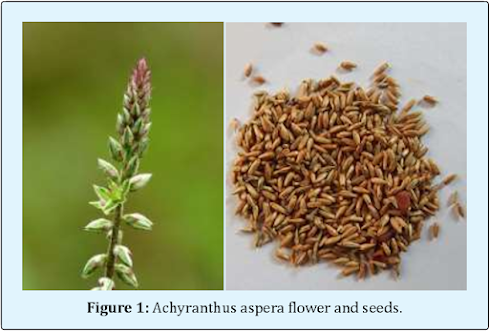
1.On the first day a bundle of aghaada (Achyranthes aspera or apamaarga in Sanskrit) is brought into house.

In some parts balsam or touch me not plants are used.

The plants are ceremoniously collected by maid servants, brought home and placed in the veranda on a low stool with the roots towards the main entrance of the house. Under the stool is drawn the Swastika, Devi’s footprint and other auspicious symbols. While the plants are collected, maid servants worship them and wrap them in a silk cloth.

On the first day evening it is placed on the lap of an unmarried girl and she is worshipped as goddess (devi). A priest recites mantras at that time.

The girl who carries the bundle representing Gauri is regarded as her agent for movement and speech, and is lead by the women of the house from room to room, in each being seated on a stool and having lamps waved around her.

In each she is asked: What have you brought? And she answers according to the nature of each room,

Treasure to fill a city,

Delicious food,

Beautiful children and so on.

Balsam Plant with flowers

The woman replies, “Come on golden feet, and stay for ever.” This is believed to bring good fortune to each room. The bundle is then placed on a stool, offered sweets, milk etc. and the night is spent by young girls in singing before her.

Her husband, Shiva is supposed to have followed her secretly, and is represented by a pot of rice and a coconut hidden under a fold of her cloth.

2.On the second day she is offered food, and worshipped, and at noon a big feast is held.  At night there is singing before her, and sometimes dancing in her praise.

3.On the third day she is put into a winnowing tray (Suurpa) and carried by a woman servant to a nearby tank or river. The women are told not to look back. At the water source the plants are taken from the silk cloth and thrown into the water, the winnowing tray and the cloth are brought home and the festival is over.

An important piece of ritual is this :

The woman servant must bring home from the bank of the river or tank a handful of gravel, which is thrown over the house to bring luck and over the trees to protect them from vermin, after being worshipped.

The girl who represented as Gauri is given money and the priest is also given Dakshina/fees. Women who participated get basket full of auspicious objects and sweets.

Number 16

On the middle day of the festival , women take lengths of  cotton cloths sixteen times f their height, fold them into skeins and lay them before the goddess for her to bless.

In some places sixteen knots are made in thread, sixteen Laddus (sweet dish) are offered to Goddes. In Devi hymns Goddess Lalitha is called Shodasi (16). This is explained as her Mantra is 16 syllabled or is ever sweet sixteen in age.

This Gauri festival is celebrated in different parts of the country at different months and in different ways. Slight changes are made from the above ritual.

There is along story about the origin of this festival. A poor man who saw such Pooja could not do it when his little daughter asked him to do it, so that she can also enjoy the fun, but goddess herself came and helped him.

Xxx

My comments on the festival:

Even a small plant like Achyrnthes is given importance and elevated to divine status. This is because of the medicinal properties of Apaamaarga (in Tamil Naayuruvi). Four or five research papers are published in medical journals about the use of this plant.they described that this plant can cure several diseases including cancer Even Charaka and others have referred to this plant and its medical uses.

There is much psychology is also involved in the festival. From young age, children are asked to think positively. They learn it with fun an frolics and singing and dancing.

More over youngsters involvement in this will be in their mind for ever green. It will strengthen their belief in religion.

In those days such festivals with positive thoughts helped Hindus to survive and surmount difficulties and obstacles. It reduced divorces, mental sickness, depression and suicides. And above all, the festivals focussed on one or two medicinal herbs which helped to preserve them. It is not just Tulsi and Bilva but also plants like achyranthes also saved from extinction.

Botanical Information  

Achyranthes aspera (common names: chaff-flower,[1] prickly chaff flower,  devil’s horsewhip,[3] Sanskrit: अपामार्ग apāmārga) is a species of plant in the family Amaranthaceae. It is distributed throughout the tropical world.[ 

–subham—

Tags- Gauri, festival, Balsam, Apamarga plant, Achyranthes, Number 16, Shodasi, girls, positive thought

இந்து மதத்தில் காசித் தும்பை , நாயுருவிச் செடி வழிபாடு! (Post No.11,916)

Picture of காசித் தும்பை (Balsam) 

WRITTEN BY LONDON SWAMINATHAN

Post No. 11,916

Date uploaded in London – –  19 APRIL 2023                  

Contact – swami_48@yahoo.com

Pictures are taken from various sources for spreading knowledge.

this is a non- commercial blog. Thanks for your great pictures.

tamilandvedas.com, swamiindology.blogspot.com

https://www.pustaka.co.in/home/author/london-swaminathan

Xxx

இந்து மதத்தில் நாயுருவிச் செடி (Achyranthes aspera ; apaamaarga in Sanskrit) பற்றி சுவையான கதை உள்ளது . மஹாராஷ்ட்டிர மாநில  இந்துக்கள்  கெளரியை வணங்கும் ஒரு விழாவை புரட்டாசி மாதம் அனுஷ்டிக்கிறார்கள். சுக்ல பட்ச சப்தமி, அஷ்டமி, நவமி ஆகிய மூன்று நாட்களில் கெளரியை (Gauri Festival)  வணங்கி வழிபடுவார்கள் . சில இடங்களில் காசித் தும்பை (Balsam)  அல்லது தொட்டாற் சிணுங்கி (Touch me not) செடிகளும்  இந்தப் பண்டிகையில் பயன்படுத்தப்படுகின்றன

கெளரி என்பவள் சிவனின் மனைவியான பார்வதி ஆகும். பெண்கள் கொண்டாடும் பண்டிகை இது . கணேஷ் சதுர்த்தியைக்  கொண்டாடிய பின்னர் இது வரும்.

Picture of நாயுருவிச் செடி (Achyranthes aspera 

பிள்ளையார் சதுர்த்தியில் பயன்படும் 21 இலைகளில் அபமார்க என்று அழைக்கப்படும் நாயுருவிச் செடியும் ஒன்றாகும் . இதை மஹாராஷ்டிரர்கள் அகாத (aghaada) என்று அழைப்பார்கள் .

முதல் நாளன்று நாயருவிச் செடியின் ஒரு கட்டை (கட்டு bundle) எடுத்து வருவார்கள்.. அன்று மாலையில் அதை ஒரு பட்டுத் துணியில் (Silk cloth) கட்டி ஒரு திருமணம் ஆகாத கன்னிப் பெண்ணின் மடியில் வைத்து மந்திரங்களைச் சொல்லுவார்கள் .தரையில் அழகான ரங்கோலி கோலங்களை வரைவார்கள். அதில் சுவஸ்திகாகெளரியின் பாதங்கள் இருக்கும். எந்தப் பெண்ணின் மடியில் நாயு ருவிச் செடிக் கட்டு உள்ளதோ அவள் தேவியின் அம்சம். அவளை ஒவ்வொரு அறைக்கும்  வீட்டுத் தலைவி அழைத்துச் செல்லுவாள். ஒவ்வொரு அறையிலும் அவளை ஆசனத்தில் அமர வைத்து தீபாராதனை காட்டுவார்கள் தீபத்தை வலமாகச்  சுற்றுவார்கள்.

ஒவ்வொரு அறையிலும் அவளை வீட்டுத் தலைவி (Housewife)  கேள்வி கேட்பாள்.

நீ என்ன கொண்டு வந்திருக்கிறாய்?

உடனே தேவியின் அம்சமான அந்தப் பெண்,

‘நான் பெரிய பொக்கிஷத்தைக் கொண்டு வந்து இருக்கிறேன்’ என்பாள்.

அவளை சமையல் அறைக்கு அழைத்துச் செல்லுகையில் அவள் ‘நான் சுவையான உணவு வகைகைகளைக்  கொண்டுவந்து இருக்கிறேன்’ என்பாள்.  ‘இன்னும் ஒரு அறைக்கு வருகையில் ‘அழகான குழந்தைகளைக் கூட்டிக்கொண்டு வந்துள்ளேன்’ என்பாள் .

இவ்வாறு அறைக்குத்  தகுந்தவாறு அந்தப் பெண், நல்ல  விஷயங்களைச் (Positive matter) சொல்லிக் கொண்டே வருவாள்.

உடனே வீட்டுத் தலைவி தங்கக் கால்கள் உடைய பெண்ணே (woman with golden feet)  எந்த நாளும் இங்கே தங்கி இருப்பாயாக என்று சொல்லிக்கொண்டே வருவாள்.

இவ்வாறு செய்வதால் ஒவ்வொரு அறைக்கும் நல்ல செல்வங்கள் வந்து சேரும் என்ற நம்பிக்கையே இதற்கு காரணம் .

வாழ்க்கையே எப்போதும் நல்லபடி நடக்கும் என்ற பாஸிட்டிவ் (Positive thoughts) எண்ணங்களை ஏற்படுத்தும் பண்டிகை இது. இந்துக்கள் இப்படி பல பாஸிட்டிவ் எண்ணங்களை ஏற்படுத்தும் பண்டிகைகளைக் கொண்டாடிய காலத்தில் மண முறிவு (Divorce) , தற்கொலைகள் (Suicides)  , மனத் தொய்வு, மன நோய்கள் (Depression, mental illness) இல்லை. இப்போது பண்டிகைகள் திசை மாறிப்போனதால் பிரச்சனைகள் அதிகமாகிவிட்டன.

அன்றைய தினம் அந்தப்பெண்ணை உட்காரவைத்து நல்ல தெய்வீகப் பாடல்களைப் பாடுவார்கள் . அதற்கு முன்னதாக அவள் கொண்டுவந்த பட்டுத்துணி சுற்றிய நாயுருவிச் செடிக்கட்டை ஒரு ஆசனம் அல்லது ஸ்டூலில் (Stool)  வைத்தது அதற்கு இனிய பண்டங்கள் , பால் முதலியவற்றைப் படைப்பார்கள் /நைவேத்யம் செய்வார்கள்

கெளரி ஒவ்வொரு அறைக்கு வரும்போதும் அவளுடைய கணவன் சிவனும் அவளை ரகசியமாகப் பின்தொடர்ந்து வருவார். இதைக்குறிக்கும் வகையில்  ஒரு பானையில் அரிசியையும் அதற்குள் தேங்காயையும் மறைத்துவைத்து அவளுடைய புடவை மடிப்புக்குள் வைத்துவிடுவார்கள்.

இரண்டாம் நாள் அந்தப் பெண்ணுக்கு விருந்து பரிமாறிவிட்டு குடும்பத்தினரும் நண்பர்களும் பெரிய விருந்தினை உண்டு களிப்பார்கள் . இரவில் ஆடலும் பாடலும் இடம்பெறும்.

மூன்றாம் நாள் கெளரி தேவியை (good bye) வழி அனுப்பிவைப்பார்கள். அப்போது அந்தப் பெண்ணுக்கு பணமும், மந்திரங்களைச் சொன்ன புரோகிதருக்கு தட்சிணையும் வழங்கப்படும்

இதே போல கெளரி பூஜை நாட்டின் வெவ்வேறு பகுதிகளில் வெவ்வேறு காலங்களில் சிற்சில மாறுதல்களுடன் நடத்தப்படுகிறது. அங்கெல்லாம் நோன்புச் சரடில் 16 முடிச்சுகள் போடுவது16 லட்டுகள் படைப்பது, 25 கூடைகளில் பரிசுப் பொருட்களைப் பெண்களுக்கு வழங்குவது, கெளரி உருவத்தை மண்ணால் செய்து மூன்றாம் நாள் ஆற்றிலோ குளத்திலோ விடுவது முதலிய அம்சங்களும் இருக்கின்றன. இது பற்றிய கதைகளும் புழக்கத்தில் உள்ளன.

Number 16,  எண் 16

அம்பாளுடைய மந்திரங்களில் ஒன்று சோடசி மந்திரம் ;இதன் பொருள் 16 எழுத்து. அவுளுடைய பெயர் சோடாசாக்ஷரி – 16 எழுத்து வடிவானவள். இதற்கு விளக்கம் எழுதியோர் அவள் என்றும் 16 வயது இளமை உடையவள் என்றும் எழுதியுள்ளனர். சோடசி என்பதை  ச, ட , சி என்று பிரித்து 16 எண்ணையும் காட்டியுள்ளனர்

இதில் நாயுருவிச் செடி எப்படி வந்தது? என்பதை பண்டிகை பற்றி எழுதியவர்கள் விளக்கவில்லை

xxxx

என் கருத்து

நாயருவிச் செடி பற்றி அண்மைக்காலத்தில் மருத்துவ பத்திரிகைகளில் நல்ல கட்டுரைகள் வந்துள்ளன. சரகர் போன்ற வைத்தியர்களும் சம்ஸ்க்ருத நூல்களில்  விளக்கியுள்ளார்கள். இது சகல ரோக நிவாரணி என்னும் வகையில் அக்கட்டுரைகள் அமைந்துள்ளன. ஒருவேளை இதன் மருத்துவ குணங்கள் மக்களுக்குத் தெரியவேண்டும் என்று கருதித்தான் இதை கெளரி பூஜையில் அறிமுகப்படுத்தினார் போலும் .

இரண்டாவது விஷயம்,

நிறைய ஆடலும் பாடலும் விருந்தும் வேடிக்கையும் உள்ள இது போன்ற பண்டிகைகளில் கல்யாணமாகாத பெண்களையும் ஈடுபடுத்துகையில் வாழ்நாள்  முழுதும் இவைகளை அவர்கள் மறக்க மாட்டார்கள். மதத்தை அவர்களுடைய ரத்தத்தில் கலந்துவிடும். மாதத்துக்குப் பத்து பண்டிகைகளைக் கொண்டாடும் மதம் இந்து மதம் ஒன்றே.

மூன்றாவது விஷயம்,

இது ஒரு உள்ளவியல் / மன இயல் (Psychological) பண்டிகை. பாஸிட்டிவ் / நேர்மறை எண்ணங்கள் இருந்தால் செல்வமும் வெற்றியும் அங்கு தானே வரும். கஷ்டங்கள் இல்லாத வாழ்க்கை உலகில் எவருக்கும் இல்லை. கோடீஸ்வரர்களின் படாடோபங்களுக்கு அடியில் ஆழமாகவுள்ள துன்பங்கள் , அவர்கள் ஜோதிடர்களிடமும் சாது சந்நியாசிகளிடமும் வரும்போது அம்பலத்துக்கு வருகின்றன. அத்தகையோருக்கும்  இது போன்ற பண்டிகை கள்  ஷாக் அப்சார்பர்களாக (Shock absorbers)  விளங்குகின்றன. வறுமைக் கோட்டுக்குக் கீழே போன சமுதாயங்களில் பிரெஞ்சுப் புரட்சியும், ரஷ்யப் புரட்சியும் வெடித்து ரத்தக் களரியை உண்டாக்கியது. வேறு பல நாடுகளில் ராணுவப் புரட்சி வெடித்தது. இந்தியா மட்டும் புரட்சி வெடிக்காத, உலகின் மாபெரும் ஜனநாயகமாக விளங்குவதற்கு இந்து மதமே காரணம்.. இப்போது வறுமைக் கோட்டைக் கடந்து விட்டதற்கும் மதத்தின் அணுகுமுறையே காரணம் .

வாழ்க பண்டிகைகள் ; வளர்க பாசிட்டிவ் எண்ணங்கள்!

Xxx

Botanical Information 

Achyranthes aspera (common names: chaff-flower,[1] prickly chaff flower,  devil’s horsewhip,[3] Sanskrit: अपामार्ग apāmārga) is a species of plant in the family Amaranthaceae. It is distributed throughout the tropical world.[

My Old Articles  

21 பத்ரம் | Tamil and Vedas

tamilandvedas.com

https://tamilandvedas.com › tag › 21-பத்ரம்

–subham—Tags- நாயுருவி, காசித் தும்பை, வழிபாடு, கெளரி விழா, அபமார்க, எண் 16

வெள்ளிப் பல்லக்கில் ஏற இருந்த சிஷ்யரைத் தடுத்த மஹாசந்நிதானம் (Post No.11,915)

WRITTEN BY S NAGARAJAN

Post No. 11,915

Date uploaded in London –   19 APRIL 2023                  

Contact – swami_48@yahoo.com

Pictures are taken from various sources for spreading knowledge.

this is a non- commercial blog. Thanks for your great pictures.

tamilandvedas.com, swamiindology.blogspot.com

வெள்ளிப் பல்லக்கில் ஏற இருந்த சிஷ்யரைத் தடுத்த மஹாசந்நிதானம்!

ச.நாகராஜன்

சிருங்கேரியில் நடந்த உண்மைச் சம்பவம் இது.

நாள் :- 1931ஆம் ஆண்டு மே மாதம் 22ஆம் தேதி.

இளம் துறவியான ஶ்ரீ அபிநவ வித்யா தீர்த்தரை பட்டத்து இளவரசராக நியமிக்கும் வைபவம் நடக்கும் தினம்.

ஶ்ரீ சிருங்கேரி சாரதா பீடத்தின் 34-வது பீடாதிபதியாகத் திகழ்ந்த ஶ்ரீ சந்திரசேகர பாரதீ மஹா ஸ்வாமிகள் அவரை தனது அடுத்த பீடாதிபதியாக நியமிக்க, அந்த பட்டத்து இளவரசர் வைபவம் நிகழ இருந்தது.

சிருங்கேரியே கோலாகலமாக இருந்தது.

பக்தர்கள் திரண்டனர்.

குருவும் சிஷ்யருமாக  இரு ஆசார்யர்களும் ஊரில் பட்டணப் பிரவேசமாக ஊர்வலமாக வருவதற்கு ஏற்பாடுகள் மிகச் சிறப்பாகச் செய்யப்பட்டிருந்தன.

இரு ஆசார்யர்களும்  ஶ்ரீ சாரதாம்பாள் கோவிலில் தரிசனம் செய்து பிரதட்சிணமாக கோயிலுக்கு வெளியே வந்தனர்.

மஹா சந்நிதானத்திற்கென தங்கப் பல்லக்கும் சிஷ்யருக்கென வெள்ளிப் பல்லக்கும் அலங்கரிக்கப்பட்டு தயாராக இருந்தது.

குருவிற்கு வலது புறம் அவரது வலது கை சுட்டு விரலைப் பிடித்தவாறே சிஷ்யர் வந்து கொண்டிருந்தார்.

கம்பீரமான நடை.

பார்த்தவர்கள் பரவசமடைந்தனர்.

வெள்ளிப் பல்லக்கு அருகே வந்ததும் குருவான சந்திரசேகர பாரதீ மஹா ஸ்வாமிகள் தனது கை சுட்டு விரலை டக்கென்று விடுவித்து வேகமாக வெள்ளிப் பல்லக்கில் ஏறி அமர்ந்து விட்டார்.

பார்த்தவர்கள் திகைத்தனர்.

வழக்கமில்லா வழக்கம் இது.

சிஷ்யருக்கு வெள்ளிப் பல்லக்கு. குருவிற்குத் தங்கப் பல்லக்கு.

பாரம்பரிய நடைமுறை இது தான்.

ஏதேனும் தவறாக நடந்து விட்டதோ என்று யாரும் எண்ணுவதற்கு இடம் கொடுக்காமல் மஹா சந்நிதானம் இளையவரை நோக்கி சைகையால் சிஷ்யரை முன்னே சென்று தங்கப் பல்லக்கில் அமருமாறு ஜாடை செய்தார்.

அனைவருக்கும் குழப்பம். சிஷ்யருக்கும் அதே குழப்பம்.

வயதில் மூத்த பக்தர்களும் அதிகாரிகளும் ஓடி வந்து நிலைமையைச் சரிப்படுத்த முயன்றனர்.

மஹாசந்நிதானம் வெள்ளிப் பல்லக்கிலிருந்து எழவே இல்லை.

கடைசியில் ஸர்வாதிகாரி ஶ்ரீ கண்ட சாஸ்திரிகளே மஹா சந்நிதானத்திடம் வந்து விண்ணப்பம் செய்து கொண்டார்.

ஆசார்யரோ, கணீரென்ற குரலில் பிரகடனம் செய்தார் இப்படி:

“இன்றைய வைபவத்தின் நோக்கம் என்ன? அதை முதலில் நினைவு படுத்திக் கொள்ளுங்கள். ஶ்ரீ அபிநவ வித்யாதீர்த்தர் என்று பட்டப்பெயர் சூட்டப்பட்டு இதோ இருக்கிறாரே இவருக்கே இன்று முதல் எல்லா மரியாதைகளும் உபசாரங்களும் உரித்தாகின்றன. நான் சுதந்திரமாகத் தனித்து வாழ விரும்புகிறேன்.  என் விருப்பத்திற்கு என்னை வாழ விடுங்கள்”

அனைவரும் விக்கித்துப் போயினர்.

மஹா ஸ்வாமிகள் தன்னில் லயித்து பரமாத்மாவுடன் ஒன்றுபவர்.

பல நாட்கள் அவர் தியானத்திலேயே இருப்பது வழக்கம்.

இது மடத்தின் நிர்வாகத்திற்குச் சில சமயம் சங்கடத்தைத் தந்ததும் உண்டு.

ஆனால் அரசால் நியமிக்கப்பட்ட அதிகாரி வந்து இதைச் சோதிக்க நேர்ந்த போது அவர் விடை பெறும் சமயம் மஹா சந்நிதானம் அவரிடம் ‘வந்த வேலை முடிந்ததா’ என்று கேட்டு ‘அவர் வந்த வேலை என்ன’ என்பதையும் சுட்டிக் காட்டினார்.

அதிர்ந்து போனார் அரசு அதிகாரி.

ஒரு பெரும் மஹானின் முன்னிலையில், பரப்ரஹ்மத்துடன் ஐக்கியமாகி நிற்கும் நிலை கொண்டவரின் முன்னிலையில், தான் இருப்பதை உணர்ந்த அவர் அரசுக்கு இப்படிப்பட்ட மகானைத் தான் கண்டதே இல்லை என்று எழுதி அனுப்பினார்.

மஹா சந்நிதானத்தின் வரலாறை அனைவரும் படிக்க வேண்டும். சம காலத்தில் வாழ்ந்த அவரைப் பற்றி அறிவது நமது பாக்கியமே.

ஜய ஜய சங்கர! ஹர ஹர சங்கர!!

***

This picture is from Dharmapuram in Tamil Nadu

ஆதாரம், நன்றி ஶ்ரீ குரு கிருபா விலாஸம் மூன்றாம் பாகம்.

கிடைக்குமிடம் ஶ்ரீ சந்திரசேகர பாரதீ ப்ரஹ்ம வித்யா டிரஸ்ட் 5, பிருந்தாவன் தெரு,  மைலாப்பூர், சென்னை – 4

Coconut tree in Hinduism; Why do we break coconut in temples? (Post No.11,914)


WRITTEN BY LONDON SWAMINATHAN

Post No. 11,914

Date uploaded in London – –  18 APRIL 2023                  

Contact – swami_48@yahoo.com

Pictures are taken from various sources for spreading knowledge.

this is a non- commercial blog. Thanks for your great pictures.

tamilandvedas.com, swamiindology.blogspot.com

https://www.pustaka.co.in/home/author/london-swaminathan

Xxx

Coconut is considered an auspicious symbol in Hinduism. They see it as goddess Lakshmi or Varuna. When placed on the top of a metal pot it is seen as Varuna, the god of rain.

The tradition runs that the coconut tree is the Kalpaka Vriksha meaning wish granting tree. Its stems supply beams for cottages or when scooped out it serves as a boat.  The leaves cover huts as roof, the coconut yields sweet water for a thirsty mouth. The coconut itself is used in many food items. Coconut oil and milk juice are also used for preparing delicious items . The shell of the coconut is used as fuel. The husks supply ropes for building huts. Coconut chutney is also used as side dish. No part of this tree goes waste.

In Ganapati Homam (havan) copra is the main offering. Ganesh favourite Modaka is made with coconut. South India is peninsular and so they get coconuts easily. So every temple use them for Puja/worship.

It is part of Poorana Kumbha (metal pot decorated with mango leaves and coconut. That is offered to elders, famous people visiting towns. It is part of purification ceremony. Water in such a metal pot is used as purification liquid after Varnua Japa recited from the Vedas.

It is sold in millions in temples and so it gives money to small farmers and vendors.

It is exchanged as auspicious symbols in Hindu Engagement (betrothal) ceremonies before wedding. Both the bride and bride groom families exchange turmeric smeared coconuts and keep them till the wedding is over. It is the witness for their marriage. The exchange takes place only after announcing the wedding of X with Y three times in front of a big audience of elders. All the father, grand father, would be father in law’s names are repeated three times to show who is the bride and bridegroom. Then only each side gives two turmeric coloured coconuts to the other side. It is followed by South Indian Brahmins even today.

xxxx

In Maharashtra

It plays a main role in Gauri Puja and Ganesh Chaturthi.

Women desiring children secretly drop a coconut into some vessel in a Brahmin’s house. This is known as Avachita fal (Secret Fruit)

A woman throws two coconuts into a neighbour’s house  and begs for two in exchange saying “Kelte  gyaa raaangate dhyaa (Take a toy and give a child)

Another version is . एक खेळणी घ्या आणि मुलाला म्हण द्या Ēka khēḷaṇī ghyā āṇi mulālā mhaṇa dyā

Xxx

Why do we break coconuts in temples?

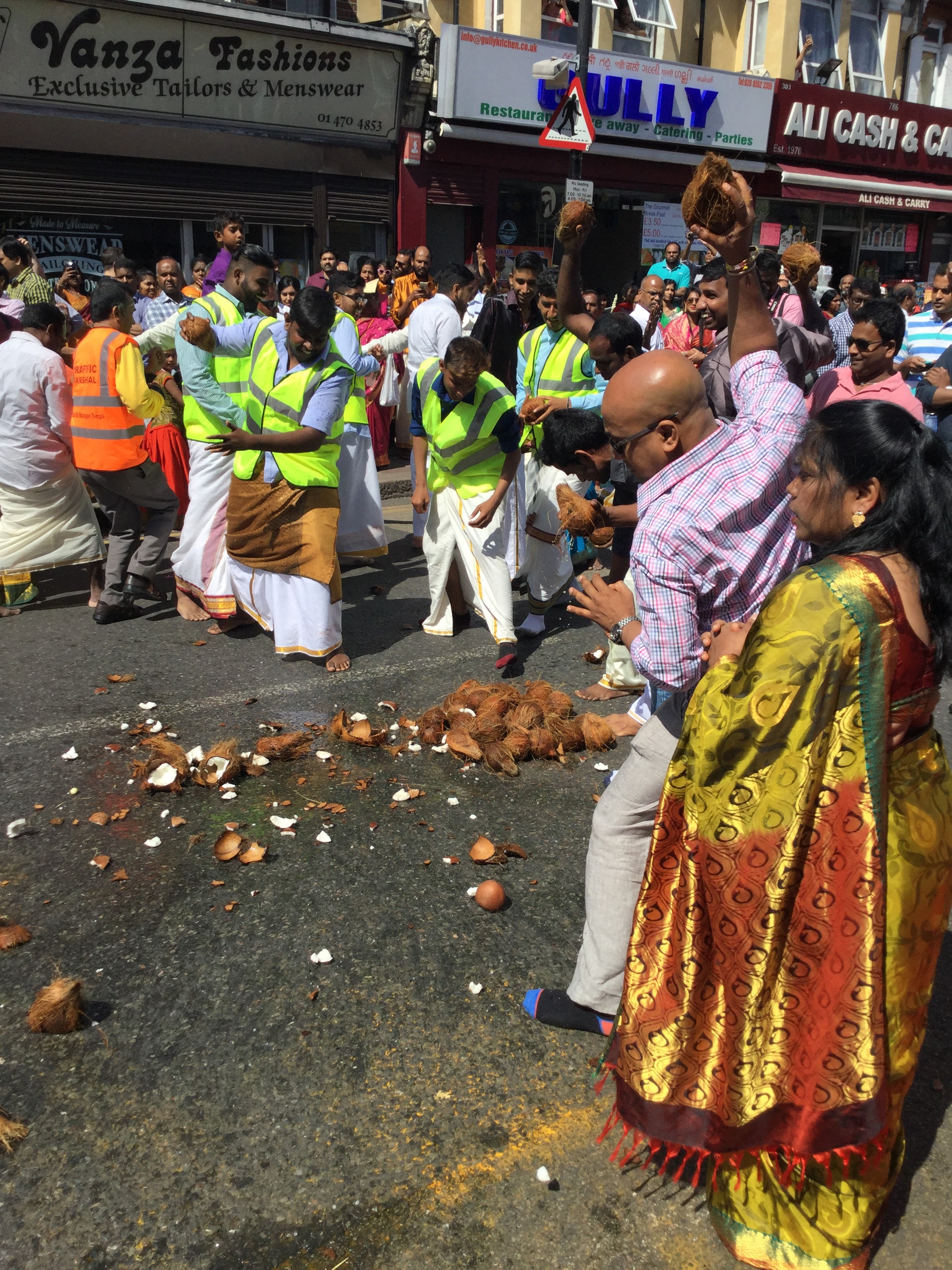
In Tamil Nadu, people break coconuts by forcefully hitting it on a stone platform in the temple. It is done in all Ganesh (Pillaiyar in Tamil) temples. It is also done before a religious procession starts. There are some explanations given by religious speakers. If one looks at coconut one can see Three Eyes on top. These three represent the three bad qualities Kaama, Krodha and Lopa, which Lord Krishna described as Three Gates of Hell in the Bhagavad Gita. So these three Amorous desire, Anger and Greediness must be broken or thrown out to see God. That is the reason to forcefully throwing coconuts on the stone. It is called Sathir Thengaay in Tamil. Some vow to break 108 coconuts if their wishes are fulfilled. (We do it very often in Madurai Ganesh temple known as Nehru Aalaalasundara Vinaayakar temple)

Saiva siddhaantis name the three bad qualities as Aanava, Kanma, Maayaa malas.

Another explanation is that you have to remove the outer shell of hard and fibrous part to see the inner soft pure white coconut fruit with sweet water which means remove your bad desires to see God. Whatever the meaning is breaking coconuts gives a lot of money to small vendors and enough coconut to restaurants to make Chutney and Side dishes.

Naarali Poornima (Coconut Full moon Day)is celebrated in the month of Shraavan (Aavani in Tamil) in Hindu calendar. It corresponds with July/August in English calendar. In Maharashtra and along the western/ Konkan coast, great fairs are held on the sea shore. The ocean is worshipped, and coconuts are thrown into it as offerings, hence the name Naarali from Naaral- a coconut. In Sanskrit it is Naarikela. In botanical term it is coconut  nucifera.

xxxx

Narali Poornima Festival Maharashtra

Narali Poornima or Coconut Festival is celebrated by the Hindus of fishing community of Maharashtra with a lot of fervour and on the full moon day or Poornima of the month of Shravan, which also happens to be one of the auspicious months of the Hindu calendar. The festival also goes by the name of Raksha Bandhan, Rakhi Poornima, and Shravani Poornima.

Naral means coconut and on the full moon day in the month of Shravan, coconut is offered to the sea and hence, the name.

The festival is celebrated to mark the end of the monsoon season, as the fishermen now can begin fishing safely and start-off with their trade. Apart from offering coconut to Varuna, the sea-God, people also worship the sea and offers prayers so that the God keeps them safe while they are out in the sea, fishing.

No fishing is done during this period and no fish is consumed as well. It’s only after Narali Poornima, after a coconut has been offered to the God at high tide that people can start fishing and consume fish. The traditional food of this festival is a sweet curry made from coconut.

Raksha Bandhan is also celebrated on the same day. Sisters tie rakhi on the wrist of their brothers that is also known as the thread of protection. Brahmins do Upakrama on that day to change their sacred thread and start the Vedic studies anew.

Xxx

Poets on Coconut trees

Tamil poetess Avvaiyar and Bhartruhari in his Neetisataka praise the sacrifice of the coconut tree. They say ‘Look at that tree and its message. It sucks water from the ground, stand in scorching sun to give human beings sweet water’

Another poet in Neethi neri venba classified the entire humanity into three kinds.

First type of men is higher in the ladder. They are like palmyra trees. Even if you don’t water it, palmyra gives you fruits. Men with fine qualities don’t expect anything from you and yet they help you.

Next below in the ladder are middle class type. The coconut trees need periodical watering. Some people will help you only when you praise them sky high. Or they expect something from you as reciprocation.

The lowest type of people is like the betelnut tree or banana/ plantain trees. They need continuous watering and then only they give you their yields. Lowest people always expect something from you and then only come forward to help you.

These are the messages or lessons from the trees according to Bhartruhari and Tamil poets.

xxxx

MY OLD ARTICLES

INTERESTING STORY ABOUT COCONUT! (Post No.6500)

tamilandvedas.com

https://tamilandvedas.com › interesti…

6 Jun 2019 — A blog exploring themes in Tamil and vedic literature. INTERESTING STORY ABOUT COCONUT! (Post No.6500). Written by London swaminathan.

coconut tree

https://tamilandvedas.com › tag › c…

6 Jun 2019 — A blog exploring themes in Tamil and vedic literature. Tagged with coconut tree. INTERESTING STORY ABOUT COCONUT! (Post No.6500).

Tags- Coconut, breaking, types of men, Naral festival, Purana kumbha, trees, auspicious,