Compiled by London swaminathan
Date : 6 September 2015
Post No. 2131
Time uploaded in London : – 21-54
Dictionary of 10,000 Indian Kings – Part 21
Summary of Previous 20 Parts:–
160 Kings in Rig Veda published here on 23rd November 2014.
First part of the article –146 kings beginning with letter ‘A’.
Second part– 65 Pandya Kings of Madurai+ Puranic Kings
Third part — 122 kings beginning with letter ‘B’
Fourth Part- 43 Kings of Vijayanagara Empire + 34 Kings under letter C.
Fifth Part – 106 Kashmiri Hindu Kings
Sixth Part – 30 Satavahana Kings + 136 Kings under letter D.
Seventh Part – 35 Tamil Pandya Kings of Sangam Age.
Eighth Part – List of Chera (Kerala) 22 kings of Sangam Age+ Kings listed under E (3),G(37) & H(28)=68kings
Ninth Part- 39 Choza Kings of Tamil Nadu
Tenth Part- 104 kings from Cambodia, Champa, Sri Vjaya Kingdom of Indonesia and Pallava
11th part:Under ‘I’ 13 kings+ Under ‘J’ 40 kings+ Under ‘K” 147 kings are listed.
12th Part:– 113 kings of various Indonesian kingdoms are listed.
13th Part –UNDER ‘L’ 14 + UNDER ‘M’ 72 + PANDYA II LIST 36=122 KINGS
14TH PART:Dynasties of Vishnukundina (10), Vakataka (16),Salankayana (4),Andra Ikshvaku (4) and Names under “N”(60)=94 kings.
15th Part:—-Kadamba dynasty – 14 kings, Badami Chalukya -10 kings, Rashtrakuta dynasty kings- 16
Western Chalukya kings – 14, Kakatiya dynasty – 16, Eastern Chalukya kings – 33, Ganga vamsa – 16, Kalachuri dynasty- 14,Pala vamsa -21, Chandela dynasty 34, Gurjara Pratihara -17
Hoysala-13, Alupa – 32 kings are listed = Total 226 kings
16th part – Under R—121 kings and 152 Kings of Nepal = 273 kings
In this 17th part, I have listed Kings under ‘S’
18th part I list the kings of Kushan (18), Gupta Dynasties(26) and Kings under the letter ‘T’ (38 kings).
19th Part- kings under ‘U’—39, under ‘V’—131 and Sri Lankan Kings 202= Total 2937
List 20:– The kings under letters ‘y’ from Dates and Dynasties in Earliest India by R.Morton Smith; all dates are BCE unless stated otherwise.
Y- 20 Kings+ Nanda- 9 kings+ Maurya- 9+Sunga—10+Saka—70 kings+Thanjavur Marathas -9 kings+ Jath/Deshmuk Rulers -12+Gaekward Rulers – 20=159 kings in Part 19.
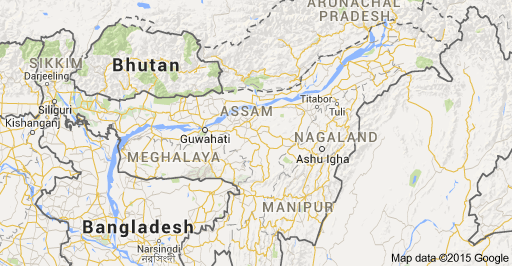
In the Part 21 today, I have added 44+41=85 Kings from Assam making a TOTAL of 3181 Kings until today.
TOTAL So far 3181 kings.
Narakasura and Diwali Festival
All of us know the famous story behind Deepavali. Narakasura was killed by Lord Krishna and according to his request people remembered him by firing crackers and sparklers on that day every year. In the same way Malayalees in Kerala celebrate the return of the Asura king Mahabali. He was also killed by Vamana, one of the Ten Avatars (incarnation), like Krishna. This shows that even when Asuras were killed, people celebrated his ‘return’ i.e. annual remembrance. Foreigners interpreted it wrongly. They wrote that it was a compromise between two races. But those who read Hindu history in s the scriptures knew that their interpretation was absurd. How?
The very scriptures that give the story say that Devas and Asuras were cousins. Moreover all Asura stories show that they also prayed to Hindu gods for boons. Only difference was that they did not follow the basic principles like Satya (Truth) and Rta (Rhythm ,orderly rule). Both these are empahsised in Vedas and Epics.
Krishna’s grandson Anirudh married an Asura girl. Assam King Banasura’s daughter Usha married Anirudh. Banasura was also defeated by Krishna.
As we know from Vishnu Purana, Hari Vamsa and Kalika Purana, there was a king in Assam (Kamarupa) by name Narakasura at Krishna’s times. i.e. 5000 years ago. This was the belief of Assamese as well. Huein Tsiang who visited Assam (Kamarupa) in 643 CE also said that there were 1000 generations ruling Assam before his time. So we know what foreigners wrote was wrong.
Ramayana and Mahabharata mentioned Naraka. His life was associated with Janaka and Katyayani. People mistook it for the Kings of same name in different periods. Moreover Janaka is a title for all the kings who ruled Videha.
Traditional Kings:
1.Mahiranga Danava
2.Hatakasura
3.Sambarasura
4.Rantnasura
5.Ghatakasura
6.Bhagadatta (Mahabaharata period)
7.Dharmapala
After a gap of 3500 years Assamese written history begins with
8.Pushya Varman – Fourth Century CE
- Samudra Varman
10.Bala Varman
11.Kalyana Varman – 5th century CE
12.Ganapati Varman
13.Mahendra Varman
14.Narayana Varman
15.Mahabhuti Varman -6th century CE (Did Asvameda Yajna)
16.Candramukha Varman
17.Stita Varman
18.Susthita/ Mrganka Varman
19.Suprastita Varman -7th century CE
20.Bhaskara Varman
Bhaskaravarman says that there was a gap of 3000 years between the death of Vajradatta and him. This is also confirmed what the Chinese pilgrim said about the Assamese history. All these beleifs were not foisted on them by any Araya- Dravidian racists. This was the true belief they possessed about their land.
(Nidhanpur Copper Plates discovered in Bangladesh and Doobi epigraphs give us historical information).
The Bargaon Copper plates of Ratnapala say that Naraka’s decendents ruled or several generations.
Around seventh century CE Mlechas captured the country.
The copper plates say that there 21 generations between Salastamba and Thyagasimha.
21.Salastambha –Seventh century CE
22.Vijaya (Vigrahastambha)
23.Palaka
24.Kumara
25.Vajradatta
26.Harsa
27.Balavarman
28.Cakra, Arathi
29.Pralambha
30.Harjjhara
31.Vanamala
32.Jayamala
33.Thyagasimha – Tenth century CE
34.Brahma pala (Later 10th century)
35.Ratna pala
36.Purandara pala
37.Indra pala
38.Go pala
39.Harsa pala
40.Dharma pala
41.Jaya pala (12th century)
42.Rayarideva
43.Udayakarna
44.Vallabhadeva

Ahom Dynasty from Wikipedia
| 1 | Sukaphaa | 1228–1268 |
| 2 | Suteuphaa | 1268–1281 |
| 3 | Subinphaa | 1281–1293 |
| 4 | Sukhaangphaa | 1293–1332 |
| 5 | Sukhrangpha | 1332–1364 |
| Interregnum | 1364–1369 | |
| 6 | Sutuphaa | 1369–1376 |
| Interregnum | 1376–1380 | |
| 7 | Tyao Khamti | 1380–1389 |
| Interregnum | 1389–1397 | |
| 8 | Sudangphaa | 1397–1407 |
| 9 | Sujangphaa | 1407–1422 |
| 10 | Suphakphaa | 1422–1439 |
| 11 | Susenphaa | 1439–1488 |
| 12 | Suhenphaa | 1488–1493 |
| 13 | Supimphaa | 1493–1497 |
| 14 | Suhungmung | 1497–1539 |
| 15 | Suklenmung | 1539–1552 |
| 16 | Sukhaamphaa | 1552–1603 |
| 17 | Susenghphaa | 1603–1641 |
| 18 | Suramphaa | 1641–1644 |
| 19 | Sutingphaa | 1644–1648 |
| 20 | Sutamla | 1648–1663 |
| 21 | Supangmung | 1663–1670 |
| 22 | Sunyatphaa | 1670–1672 |
| 23 | Suklamphaa | 1672–1674 |
| 24 | Suhung | 1674–1675 |
| 25 | Gobar Roja | 1675–1675 |
| 26 | Sujinphaa | 1675–1677 |
| 27 | Sudoiphaa | 1677–1679 |
| 28 | Sulikphaa | 1679–1681 |
| 29 | Supaatphaa | 1681–1696 |
| 30 | Sukhrungphaa | 1696–1714 |
| 31 | Sutanphaa | 1714–1744 |
| 32 | Sunenphaa | 1744–1751 |
| 33 | Suremphaa | 1751–1769 |
| 34 | Sunyeophaa | 1769–1780 |
| 35 | Suhitpangphaa | 1780–1795 |
| 36 | Suklingphaa | 1795–1811 |
| 37 | Sudingphaa | 1811–1818 |
| 38 | Purandar Singha | 1818–1819 |
| 39 | Sudingphaa | 1819–1821 |
| 40 | Jogeswar Singha | 1821–1822 |
| 41 | Purandar Singha | 1833–1838 |
–Subham–
 Tamil and Vedas
You must be logged in to post a comment.