
WRITTEN BY R. NANJAPPA
Post No. 8078
Date uploaded in London – – – 31 May 2020
Contact – swami_48@yahoo.com
Pictures are taken from various sources for spreading knowledge; this is a non- commercial blog. Thanks for your great pictures.
SRI TYAGARAJA-22- Ways to Worship God
However much we may think of Bhakti, we need a method to practice it. In the absence of proper practice, it will remain a mere theory or sentimental interest.
Personal teacher
In respect of mundane professions like law, medicine, accountancy etc, there is a system of formal apprenticeship, even after obtaining theoretical qualification. In fact this was the method followed in the pre-modern period in any field: the student lived with the teacher and imbibed the knowledge and skills. In many cases. the father himself was the teacher. Today in India, this is still prevalent to some extent only in the field of classical music.
In the religious-spiritual area, the physical presence and guidance of a teacher is highly valued, is considered indispensable. This is not so much from the angle of theoretical learning, not even from the need to learn the correct techniques, avoid pitfalls ; it is from the deeper need to imbibe the values, attitudes ,and even more importantly in order to benefit directly from the power and presence of the Teacher. But in this case, the teacher himself must be a Realised or at least advanced soul. No teacher can take the student beyond what he himself had reached
Place of Scriptures
However, the Bhakti path is widespread as it is simple to adopt, and one is permitted great variety , latitude and liberty in practice. There have been great Saints whose teachings and example are available for study, reflection,emulation and adoption. There are manuals to teach us authentic methods- like Narada Bhakti Sutras and Sandilya Bhakti Sutras. Numerous teachings and techniques are explained in other scriptures, especially the Gita and Bhagavatam.
The Gita
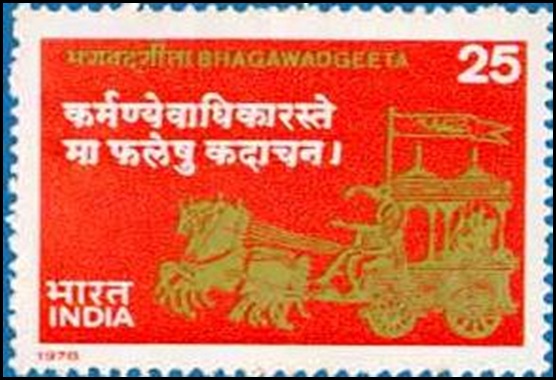
The Gita is stated in its colophon to be Upanishad, Brahmavidya and Yoga sastram- that is, it takes one near the object, teaches the ultimate Truth and imparts the right techniques! The practice starts with formal worship, according to set rules and methods, called Vaidi Bhakti, (vidhi poorvakam) and gets transformed in numerous ways as one matures and advances on the path. Bhagavan says very clearly:
Ye yatha mam prapathyante
Taams tathaiva bhajaamyaham 4.11
In whatever manner the devotee worships Me, I approach him in the same manner.
Bhagavan also gives the assurance that His devotee is never destroyed:
Na Me bhakta: pranasyati 9.31
My devotee is never destroyed.
But who is a devotee, in the first place?
Bhagavan talks of 4 types of devotees:
Chaturvidhaa bhajante Mam
Janaa: sukritinoarjuna
Aarto jijnasur artharthi
Jnani cha bharatarshabha. 7.16
O Arjuna, four kinds of virtuous men worship Me- the one in distress (desiring relief), the seeker of Enlightenment, the seeker of (worldly or heavenly) enjoyment, and the Jnani, O bull among the Bharatas.
Sri Suka Brahmam says in Bhagavata:
Akama: sarvakamo va mokshakama udaradhi:
Tivrena bhaktiyogena bhajet purusham param.
2.3.10
Let a man be without desire, or with many desires; if he is intelligent and a sincere aspirant after Liberation, let him worship the Supreme Being with intense devotion.
But this is not a licence for resorting to devotion as a means of fulfilling worldly desires! (Many modern gurus and Christian evangelists promise just this!) Real devotion seeks nothing but God. That also is the highest Wisdom. Bhagavan clarifies in the Gita:
Teshaam jnani nityayukta
Ekabhaktir visishyate 7.17
Of them ( the 4 type of bhaktas) the Jnani, ever steadfast in devotion to the One (alone) excels.
Udaraa: sarva evaite
Jnani tvaatmaiva Me matam
Aasthita: sa hi yuktatma
Maamevanuttamaam gatim 7.18
They are all noble indeed. But I regard the jnani as My very Self.For with his mind steadfast, he is established in Me alone, as the supreme goal. (He does not desire anything else.)
Ananyachetaa:satatam yo Mam
Smarati nityasa:
Tasyaham sulabha: Partha
Nityayuktasya yogina: 8.14
Arjuna! I am easily attainable by that yogi who always thinks of Me, and remembers me daily with single mindedness ( completely united with Me in consciousness)
Teshaam satata yuktanam
Bhajatam preeti poorvakam
Dadaami buddhiyogam tam
Ye na Mam upayanti te. 10.10
To those who are engaged in constant dhyana on Me and are engaged in worship with deep love- I grant them that Wisdom by which they can reach Me.
Such is the power, promise and potential of Bhakti. Whether jnani, yogi or devotee-pure devotion is essential. This Bhagavan makes clear in the Bhagavatam too.
Srimad Bhagavatam
Mayi bhaktir hi bhutanam
Amrutatvaya kalpate 10.82.45
Loving devotion to Me (alone) enables all beings to attain Immortality (Mukti or Liberation)
Bhaktyoddhavanapayinya sarvaloka maheswaram
Sarvotpatyapyayam brahma karanam mopayaati sa:
11.18.45
Through constant and deep-rooted loving devotion, man attains to Me- the Supreme master of all the worlds, the First Cause and Brahman, in whom creation,preservation and destruction of the worlds take place.
Yathagni:susamruddharchi:karot yedhaamsibhasmasaat
Tatha madvishaya bhaktiruddhavainaamsi
krutsnasa:
Na saadhayati Mam yogo
Na sankhyam dharma Uddhava
Na swadhyayas tapas tyago
Yatha bhaktir Mamorjita
Bhaktyahamekaya graahyaa:
Shraddhayatma priya: satam
Bhakti: punaati mammnista
Shvaapaakanapi sambhavaat. 11.14.19-21
(These words are addressed to Uddhava, parama bhagavata)
Just as the flames of blazing fire burn up all the fuel, even so devotion to Me destroys all sins.
Neither yoga, nor sankhya, nor dharma, nor scriptural study, nor austerity, nor renunciation can attract and dominate Me as deep-rooted devotion can.
With the aid of unswerving devotion coupled with earnest faith, holy men are able to attain Me, who am dear to them as their very soul. Deep-rooted devotion to me purifies even one who is a born sinner.
Prahlada and Nine Modes
In the Bhakti literature, the ideal of bhakti is expressed through nine modes, called nava vida bhakti. Prahlada, ranked first among the devotees in the classical tradition, gives the standard statement in the Bhagavatam.
Sravanam kirtanam vishno:
smaranam padasevanam
Archanam vandanam dasyam
Sakhyam atmanivedanam
Iti pumsarpita vishnau
Bhaktischen nava lakshana
Kriyate bhagavat yaddha
Tanmanye adheetam uttamam 7.5.23-24
The practice of devotion takes the following nine forms:
- Sravanam: hearing about Bhagavan
- kirtanam: Singing His greatness and glories
- smaranam : constant remembrance
- padasevanam: serving Him ( can include through consecrated images, devotees and holy men and living beings, generally)
- archanam: worshipping Him in holy consecrated images
- Vandanam: paying obeisance
- dasyam: practicing the attitude of servant towards Him
- sakhyam: cultivating loving intimacy with Him, as in the case of a friend or companion
- atmanivedanam: surrendering one’s body, mind and soul to Him.
A person who offers this nine-fold devotion, in truth and spirit, is indeed a well-educated person.
Prahlada says further:
Naalam dwijatvam devatvam rishitvam
vasuratmaja:
preenanaaya Mukundasya na vruttam na
bahujnata
Na daanam na tapo nejya na saucham
na vrataanicha
Preeyate amalaya bhaktya hariranyad
vidambanam 7.7.51,52
Children of the asuras! In order to please Mukunda, it is not necesary to be a Brahmin, a deva, an all-renouncing Muni. Sadacharam or different types of jnana are not required. Danam, tapas, yajna, ceremonial cleanliness, vrataas- these are not required. Whatever is done without sincere devotion for Hari, is all mere external show.
Narada and Eleven Modes
- Sage Narada has given us his exposition on devotion in his Sutra on Bhakti. He mentions Sanatkumara and three other Rishis, Vyasa, Suka, Sandilya, Garga, Vishnu, Kaundinya, Seshan, Uddhava,Aruni, Bali, Hanuman, Vibhishana as the Acharyas of the Bakti path who did not listen to the vain talk of people but unanimously held Bhakti to be supreme. Narada simply defines Bhakti as the form of “parama prema rupa” – the supreme love for the Divine. Though it is one, it takes eleven forms: “Ekadhab ekadasadha bhavati”. These are: (Sutra 82)
- Desire to listen to the auspicious qualities of Bhagvan (guna maahaatmya)
- Desire to see the Divine forms of the Lord (Rupa)
- Desire for performing His puja
- Desire for constantly remembering Him (Smarana)
- Desire to be His servant (Dasyam)
- Desire to be His companion (Sakhyam)
- Desire to be His beloved (Kantha)
- Desire to treat Him as one’s child (Vatsalya bhavam)
- Desire to offer oneself fully (Atma nivedanam)
- Desire to merge with Him, to become Him (tanmayad)
- Desire to suffer, unable to stand separation from Him ( Viraha bhavam)
- Though Narada mentions many Acharyas, he gives only one example of Bhakta: Yatha Vraja Gopikanam (Sutra 23). What is so special about the blessed Gopis? Bhagavatam gives us a glimpse.
- Gopis supreme Bhaktas
Ya dohane avahanane mathanopalepa
prenkhkenkhanar bharudi toshana marjanadau
Gaayanti chaina manuraktadhi yoasru kanthyo
Dhanya vrajastriya urukrama chittayaanaa:
10-44-15
While milking the cows, while winnowing the grains, while churning curd, while cleaning the courtyard, while putting the children to sleep or while cajoling them with sweet nothings to pacify them while they cry, while washing the house with water, while cleaning with the broom, – while engaged in all this , their heart brimming with love, eyes brimming with tears, with voice choked due to emotion, the Gopikas were singing of Sri Krishna! Oh the Gopis of Vraja! How blessed they are, that they had their mind always fixed on Sri Krishna!
Tan manaskaastadaalaapaas
tad vicheshtaastadaatmikaa:
Tad gunaneva gaayantyo
Naatmaagaaraani sasmaru: 10.30.44
The mind of the Gopis had become Krishnamaya.
No speech escapes their mouths, except about Krishna. Their bodies displayed only those motions meant for Krishna, very much like those of Krishna!
Why express so much? Their whole atma had become Krishnamaya. They were singing only about the gunas and leelas of Krishna. They had become so integrated with Krishna that they did not even have any thought or memory of their very homes!.
No wonder even the Divine Sage Narada could only think of the Gopis of Vraja while talking of the ideal Bhakta! They did not want anything other than Bhagavan. This indeed is the ultimate mark of a true devotee. No wonder that great bhakta, Uddhava, desired to be born as a blade of grass in the land of Gopis!
Says Krishna in Bhagavatam:
Na paarameshthyam na mahendradhishnyam
Na saarvabhaumam na rasaadipatyam
Na yogasiddheerapurnavam va
Mayyarpitaatmechchati madvinaanyat. 11.14.14
Those who have dedicated themselves to Me- they do not like anything other than Me: either the position of Brahma, or the post of Indra. The desire to rule even the fourteen worlds does not arise in their mind; nor do they want kingship of Rasatala. They do not even desire the siddhis obtained through expertise in Yoga or even Liberation.
How do such devotees spend their time?
Machchitta madgadaprana :
Bodhayanta:parasparam
Kathayantascha Mam nityam
Tushyanti cha ramanti cha.
Teshaam satata yuktaanam
Bhajataam preeti poorvakam Gita. 10.9-10
The devotees who have dedicated their entire mind to Me, and offered their life force to Me- they discuss among themselves their devotion and thus enlighten themselves mutually; they engage in talks about my gunas and stories; thus they are always full of contentment and delight. They are ever steadfast and serve Me with affection.
Since Sri Tyagaraja belongs to the line of Bhakta-Bhagavata, I wanted to preface this piece with some initial references to the tradition, before covering what Tyagaraja himself wrote. Only that would enable us to appreciate Tyagaraja properly. But the references kept coming, and even after cutting down a lot, this section has become longish. We will cover Tyagaraja’s own words next.
TO BE CONTINUED………………………………….
 Tamil and Vedas