Hindu Magic — Indra Jal!

rope trick karachi

Written by London Swaminathan
Post No. 1046; Dated 16th May 2014

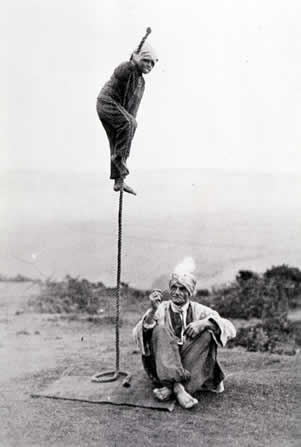
Magic is one of the Sixty Four Arts in the Sanskrit book Kamasutra. Vatsyayana recommended it even for women. More than their friends and relatives, they can make their children enjoy it. But in actual practice, we see only men. They dominate the World of Magic. Of all the Indian magic tricks the Rope Trick was the most famous one. The magician would climb a rope that is going towards sky and disappear from there!

The Indian Rope trick was the oldest Indian magic. Adi Shnkara mentioned it in his commentary on Vedanta. Kanchi Paramacharya put his date somewhere before Christ. So the trick must be at least 2000 year old. Vatsyayana also metnioned magic as one of the 64 arts. Later, traveller Ibn Batuta (1304-1377) has mentioned a similar trick which he saw in China. Adi Shankara has clearly said it was an illusion. So people knew that there was no mystery behind it, but only an illusion or just tricks.
Mickey's-Magic-Show-J-web

A lot of tricks fall under the category of Indrajal. We don’t know why Indra’s name is attached to it. It may be due to its colourful presentation. Rainbow with seven colours is called Indra’s bow in Sanskrit and Tamil literature.

The Sanskrit Prose Kavya ‘’Dasakumaracharitam’’ by the Seventh Century poet Dandin gives an interesting account of a magic show.

Rajavahana was a prince of Magadha country. Manasara, King of Malawa, had a daughter by name Avantisundari. Rajavahana’s father was driven out of the country by Malawa king and he was living in exile in the forest. He allowed Rajavahana to go on an all India tour. He was separated from his group of nine friends on the way and arrived at Ujjaini, capital of Malawa desa. There he met his old friend who married a girl who is close to Avantisundari. When he met her one day he fell in love with her. She also wanted to marry him. But he knew his father wouldn’t allow that relationship, because she was the daughter of his enemy.
Magic Series - smoke and mirrors

By chance he met a magician by name Vidyeswara who was ready to help Rajavahana in his wedding plan. Through Avantisundari, Rajavahana got one magic show arranged in the palace. The description of the magic show reveals how the old magic shows looked like. Here is the detail:

Trumpets were sounded, music was played, songs were sung by enchanting songstresses, and then fierce looking snakes, displaying their hoods, roamed about the court emitting out poison. Shrieks were heard and people rushed to the doors, when a flight of vultures descended from above the sky and flew away each with one serpent in its mouth. Before the people had come to their senses, a growl like thunder was heard, and people saw with their own eyes Vishnu- assuming his half man half lion form (Narasimha form),killing the demon Hiranyakasipu.
indrajal

Thus holding the whole audience spellbound for half an hour, the clever magician saluted the king and said, “Your Majesty, I think I should conclude my programme with a pleasant and auspicious show to cheer up my spectators. I am afraid, I have taxed their nerves too much. And what else would be more pleasant that a marriage between a girl resembling your daughter and a handsome youth, an exact match for the bride?”
The king who was more than pleased with what the magician had already shown, smilingly agreed to the novel idea.

In came Rajavahana, hand in hand with Avantisundai and the marriage ceremony was conducted by a proper priest. Then the magician waved his wand and shouted ‘vanish’. Both Rajavahana and Avantisundari disappeared through a secret door in the palace.

19_Coin_Tricks_Getting_Started_xxxlarge
Though it was only a fiction, we knew that the magic shows were performed 1200 years ago. Legendary King Vikramaditya’s wife Bhanumati and Bhoja were experts of this art.
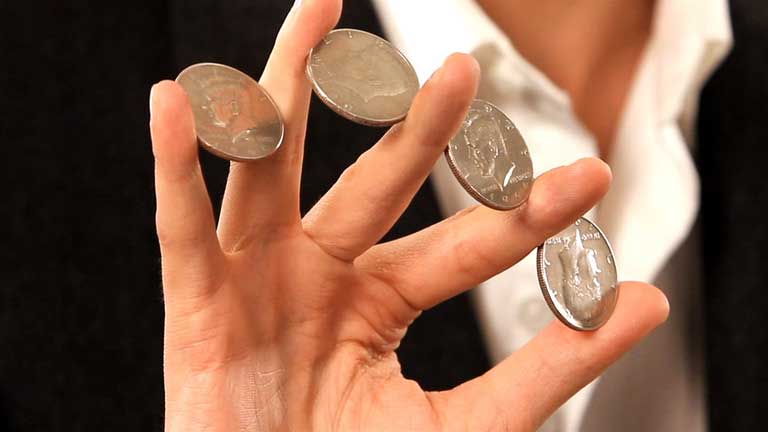
Sutrakrida, tricks with coloured threads, Hasta laghava, tricks by hands were also known in those days.

Contact swami_48 @yahoo.com

மாய மந்திரம்! இந்திர ஜாலம்!

rope trick karachi
Written by London Swaminathan

Post No.1045: : Dated 16th May 2014
English version of the article is posted under the title Hindu Magic: Indra Jal

சிறு வயதில் சர்கஸ், பொருட்காட்சி, விழாக்கள் போன்றவற்றில் மாயா ஜாலக் காட்சிகளைப் பார்த்திருக்கிறோம். டெலிவிஷன் வந்த பிறகு அதிலும் பல ‘மாஜிக்’ தந்திரக் காட்சிகள் வந்தன. இந்திர ஜாலம் என்பது இதற்கான வடமொழிச் சொல். தமிழில் இதற்குக் கண்கட்டு வித்தை என்று பெயர். ஆனால் அதிலும் வித்தை என்பது சம்ஸ்கிருதம்! மாயாஜால தந்திரக் காட்சிகள் என்றால் எல்லோருக்கும் எளிதில் விளங்கும். காமசூத்திர நூல் எழுதிய வாத்ஸ்யாயனர், இதையும் பெண்களுக்கான 64 கலைகளில் ஒன்றாகச் சேர்த்திருக்கிறார்.

ஆதிகாலம் முதற்கொண்டு இந்தியர்கள் செய்துவந்த மிகப்பெரிய மாயாஜாலக் காட்சி ‘கயிறு வித்தை’ என்பதாகும். இதைப் பற்றி பல வெளி நாட்டு யாத்ரீகர்கள் எழுதி வைத்துள்ளனர். மந்திரவாதி ‘’\சூ! மந்திரக் காளி!’’ சொன்னவுடன் ஒரு கயிறு தானாகவே மேலே எழும்பும். அதைப்பிடித்துக் கொண்டு ஒரு மந்திர வாதி வானத்தை நோக்கி மேலே மேலே செல்வான். பிறகு மறைந்து போய் விடுவான். சில காட்சிகளில் அவன் பெயரைக் கூப்பிட்டவுடன் கீழே வந்து நிற்பான். இபின் படூடா என்ற யாத்ரீகர் 700 ஆண்டுகளுக்கு முன் இதே போல ஒரு காட்சியை சீனாவில் பார்த்ததாக எழுதிவைத்துள்ளார்.
ஆதிசங்கரர் எழுதிய வேதாந்த பாஷ்யத்தில் இந்த கயிற்று வித்தையைக் குறிப்பிட்டு இதை மாயம் என்கிறார். ஆக அவரது காலத்துக்கு முன்னரே 2000 ஆண்டுகளாக இந்த வித்தை இந்தியாவில் காட்டப்பட்டு வருகிறது!!

19_Coin_Tricks_Getting_Started_xxxlarge
இதற்கும் இந்திரனுக்கும் ஒரு தொடர்பும் இல்லை. ஆனால் வானவில்லை இந்திரனின் வில் (இந்திர தனுஸ்) என்று சம்ஸ்கிருதத்தில் அழைப்பர். அது போல இந்த ‘’மாஜிக் ஷோ’’வும் வண்ணம் நிறைந்ததாக இருந்ததால் இப்பெயர் வந்திருக்கலாம்.

இந்த இந்திர ஜாலம் பற்றி 1300 ஆண்டுகளுக்கு முன் தண்டி என்ற கவிஞர் எழுதிய தசகுமார சரித்திரம் என்ற வடமொழிக் கதைப் புத்தகத்தில் ஒரு சுவையான கதை வருகிறது.

சுவையான மாய மந்திரக் கதை

மகத நாட்டில் ராஜவாஹனன் என்ற இளவரசன் வசித்து வருகிறான். அவனுடைய தந்தையை மாளவ மன்னன் மானசாரன் தோற்கடித்து காட்டுக்கு விரட்டி விடுகிறான். ராஜவாஹனன் தாய் தந்தையரின் அனுமதி கேட்டு நாட்டைச் சுற்றிப் பார்க்கப் புறப்படுகிறான். அவனுடன் வந்த பத்துப் பேரையும் இடையில் தவற விடுகிறான். பின்னர் அவன் மட்டும் தனியாகப் பயணம் செய்து உஜ்ஜையினி நகரை அடைகிறான். அதுதான் மானசார மன்னனின் தலை நகரம். அந்த மன்னனுக்கு அவந்திசுந்தரி என்ற அழகிய மகள் உண்டு.
href=”https://tamilandvedas.com/wp-content/uploads/2014/05/indrajal.jpg”>indrajal

எதிர்பாராத விதமாக உஜ்ஜையினி நகரில் அவனுடைய பழைய நண்பனைச் சந்திக்கிறான். அவன், அவந்தி சுந்தரியின் தோழியைத் திருமணம் செய்துகொண்டு செல்வாக்குடன் விளங்குபவன். அவர்கள் மூலமாக அவந்தி சுந்தரியைச் சந்திக்கிறான். காதல் மலர்கிறது. ஆனால் தந்தையைக் காட்டிற்கு விரட்டிய மன்னனின் மகளைக் காதலிப்பதால் வெளிப்படையாக எதுவும் செய்ய முடியாது.

Magic Series - smoke and mirrors
இதுபற்றி எண்ணி எண்ணிக் கவலைப் பட்டுக் கொண்டிருந்தபோது, வித்யேஸ்வரா என்ற மந்திரவாதியின் தொடர்பு கிடைக்கிறது. அவன் உதவி செய்ய முன்வருகிறான். இருவரும் ஒரு திட்டம் தீட்டுகின்றனர். அதன்படி அவந்திசுந்தரி தனது தந்தை மானசாரனிடம் சொல்லி ஒரு மாயாஜாலக் காட்சியை ஏற்பாடு செய்கிறாள். அதில் அற்புதமான காட்சிகள் வருகின்றன.

தாரை ,தம்பட்டைகள் முழங்குகின்றன. ஒளி வெள்ளம் பாயும்போது விண்ணிலிருந்து பாம்புகளும் கழுகுகளும் இறங்குகின்றன. இரண்டு கழுகுகள் இரண்டு பாம்புகளைப் பிடித்துச் செல்லுகையில் மற்ற பாம்புகள் விஷம் கக்கி அரண்மனையை வலம் வருகின்றன. விஷ்ணுவானவர், நரசிம்ம வேடத்தில் வந்து இறங்கி ஹிரண்யகசிபுவைக் கிழித்து வதம் செய்கிறார். மக்கள் எல்லோரும் திகைப்புடன் பார்க்கையில் மந்திரவாதி மெதுவாக மன்னனிடம் சொல்கிறான்:

“அரசே நல்ல காட்சியை மங்களமாக முடிக்கவேண்டும் ஆகவே ஒரு திருமணக் காட்சியுடன் முடிக்க அனுமதி தேவை என்கிறான். உங்கள் மகளைப் போலவே அலங்கரிக்கப்பட்ட ஒரு மணமகளை வரவைக்கிறேன் என்றான். மன்னனும் திகைப்பிலிருந்து வெளியே வரவில்லை. ஆகவே என்ன வேண்டுமானாலும் செய்யுங்கள் என்கிறான். ஒரு அழகான இளைஞன் மணப் பெண்ணுடன் வருகிறான். ஐயர் ஹோமம் வளர்த்து கல்யாணம் செய்துவைக்கிறார். எல்லாம் மாயாஜாலக் காட்சி போலவே நடக்கிறது. ஆனால் உண்மையில் மணப் பெண் போல வந்தது அவந்தி சுந்தரி. அவளை மணந்தவன் ராஜவாஹனன்.

கல்யாணம் முடிந்தவுடன், சூ! மந்திரக் காளீ! இரண்டு பேரும் மறைந்து போங்கள் என்கிறான். பெண்ணும் மாப்பிள்ளையும் அரண்மனையில் இருந்த ரகசிய சுரங்கக் கதவு மூலம் தப்பித்து ஓடிவிடுகிறார்கள். கதை எப்படிப் போனாலும் அந்தக் காலத்தில் மாயாஜாலக் காட்சிகள் அரண்மனையில் நடத்தப்பட்டதை நாம் அறிய இந்தக் கதை உதவுகிறது.
Mickey's-Magic-Show-J-web<a

கயிறு வித்தை தவிர, மந்திரத்தால் மாங்காய் மரம் உண்டாக்குவது, கலர் நூல்களைப் பயன்படுத்தி (சூத்திர க்ரீடா) தந்திரங்கள் செய்வது, கணக்கு வித்தைகளைச் செய்வது, கைகளை லாகவமாகப் பயன்படுத்தி காசுகளை மறைப்பது (ஹஸ்த லாகவம்) முதலியன அக்காலத்தில் தந்திரக் காட்சிகளில் இடம்பெற்றன.

contact swami _ 48@yahoo.com

Interesting Story about Ancient Beds

Deogarh_Vishnu_w
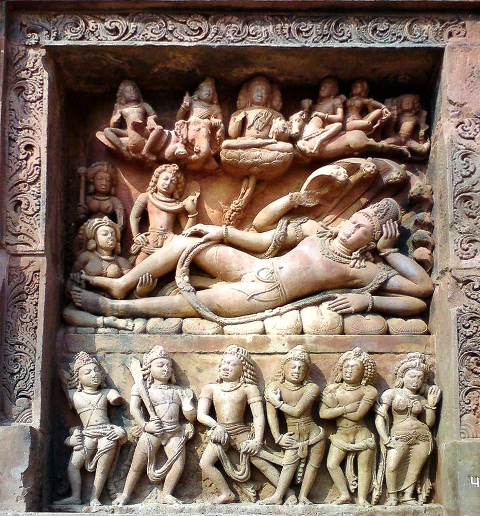
Vishnu on Snake Bed, Deogarh

Written by London Swaminathan
Post No.1044; Dated 15th May 2014.

Indian civilization has reached its pinnacle even 2500 years ago. They were masters of every art in the world from painting to bed making. We have very interesting details about beds and bedding in Tamil and Sanskrit literature. Kings and queens were sleeping on ivory beds according to Tamil literature. They used beds and pillows made up of feathers of swan. The beds were as soft as the hair shed by swan (see Nedunal Vaadai).There is a very interesting story about the fine art of making beds in the Vetala and Vikram Stories. Other books refer to different types of beds.

First let us look at the story:

Bhojana vilasin and Sayyavilasin, two persons lived in a country whose fame spread far and wide because of their knowledge about food and beds. Food expert Bhojanavilasin was very fussy about beds and was fussy about his food. Bothe of them cannot be easily satisfied because they can find even the minute thing which others can’t find. When the king came to know about them, he called both of them and announce that they would be rewarded if they can prove who was the best among the two. Both of hem accepted the challenge.

snake bed of vishnu, M B puram
Vishnu, Mahabalipuram

Best cooks were invited to the palace to make the tastiest food in the cleanest way. They took every care so that nothing goes wrong. The number of items they made was staggering. Even the king has not seen so many times on a single day. They thought it would easily tackle the gourmet. The ingredients like rice, dhal, spices were all brought from the best stores in the country. Now our food expert was invited to have dinner with the king. As soon as he entered the dining room, king thought he would soon by looking at the number of delicious items. But he quietly sat down and did not touch anything that was served. King was very annoyed and asked him the reason. He told the king that the rice smelt like corpse (dead body). The king was very angry but yet could not punish his guest without knowing the truth. All the kitchen staff were summoned and questions about everything was asked. When he asked about the rice, the king was told that it was bought from a particular shop. When the king summoned the, the grocer, he told him that the rice he bought was from a grower near the crematorium. The king was wonderstruck. Immediately he rewarded the food expert.

Next was the turn of the bed expert Sayyavilasin. The king ordered the best bed makers to accept his challenge. They all said that they would together make the best bed in the world. When the bed was ready, he was asked to test it. As soon as he climbed onto the bed, he jumped out of it complaining of discomfort. He told there was a hair somewhere in the bed and could not sleep. When the king ordered to examine the bed they found a hair under the seventh quilt. W The bed expert was rewarded more than the food expert.

andal bed
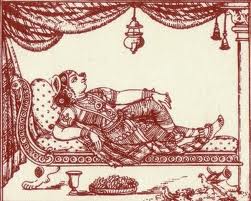
Andal on Bed

Ramakrishna Paramahamsa and the Bed Experiment

Swami Vivekananda’s Guru Sri Ramakrishna Paramahamsa never touched a coin in his life, saying that money would be a hindrance in the path of spiritual progress. One day Vivekananda himself tested his Guru with a coin under his bed. Without his Guru knowing, he put a coin deeper under the mattress so that he wouldn’t know. Ramakrishna could not sleep and complained of something in the bed making him uncomfortable. Only when Swami Vivekananda removed the coin, he was able to sleep.

In the story of Vikarmaditya it was the skill of Sayyachacin that made him to find the hair. In the case of Paramahamsa, spiritual power made him to see the coin under his bed.

Following excerpts are from the bokk Sixty Four Arts in Ancient India by A B Gangully:–
“The heroines of Sanskrit kavyas (classics), when in love often like to lie down on flower beds spread in a bower or a grove. On such a bed lay Sakuntala, when she fell in love with Dusyanta in Kalidasa’s drama Sakuntalam.

lotus AJANTA-01
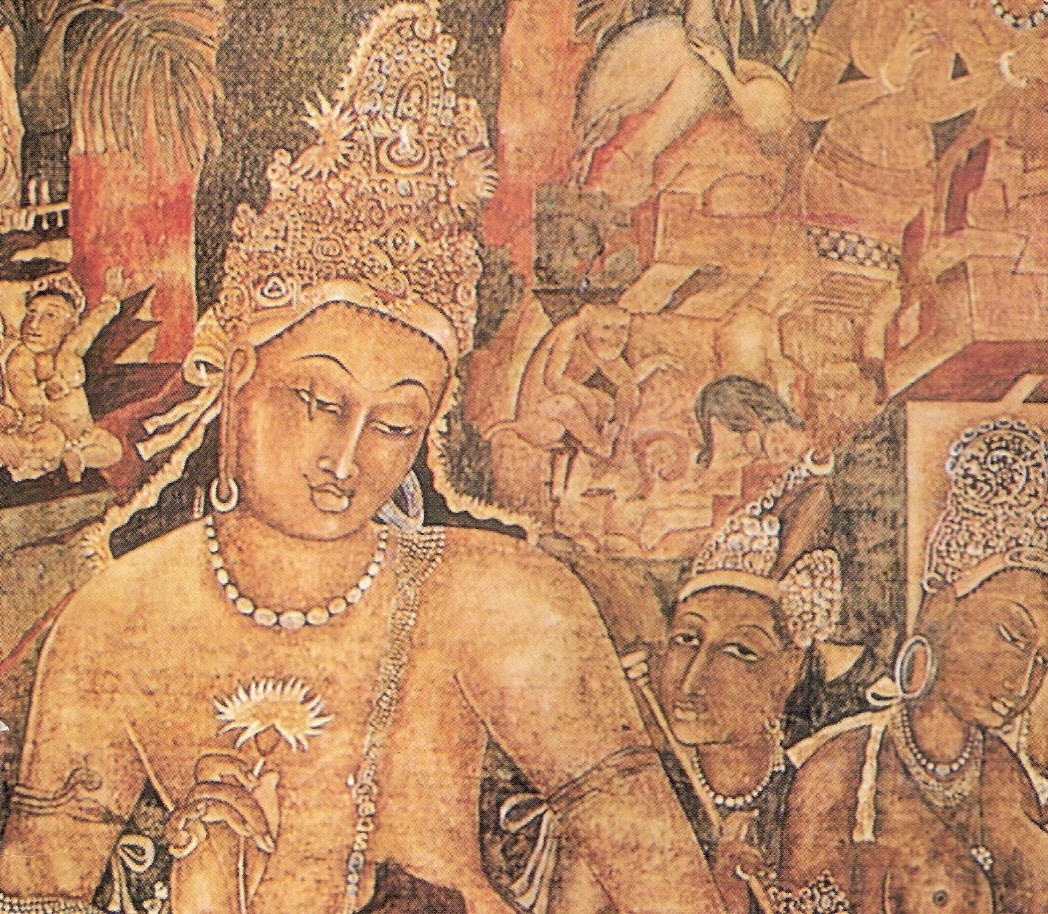
Padmapani from Ajanta

In Bhasa’s drama Svapnavasavadattam, Udayana’s second queen Padmavati had a serious head ache and her bed was prepared at the Samudragraha, i.e. a room in the middle of a tank.

In Banabhatta’s immortal romance we find the Gandharva princess Kadambari lying on a soft bed of flowers pining for her beloved Candrapida who is far away. She was wearing lotuses in her ears and bangles made up of lotus stalk and holding a lotus in her hand. Her friends are fanning her with lotus leaves.”

Looking at the above remarks, I guess flower therapy was used in the olden days. In addition to sandal paste, they used lotus flower for cooling effect.

etruscanbed-11.8493139_std
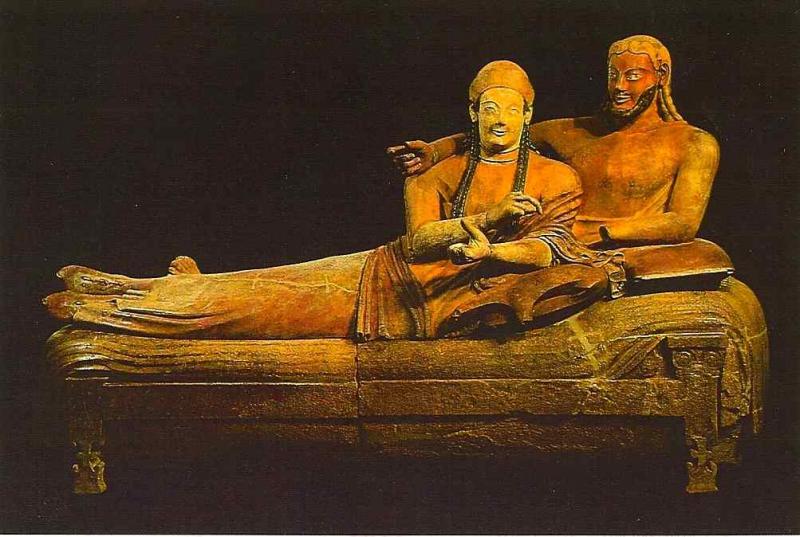
Etruscan bed from Italy.

Contact:– swami _48 @ yahoo.com

இந்திய படுக்கை அதிசயங்கள்: ஒரு சுவையான கதை

Deogarh_Vishnu_w
Snake Bed of Vishnu, Deogarh.

Written by London Swaminathan
Post No. 1043; Dated 15th May 2014.

( Also published in English under “Interesting Story about Ancient Beds”” on 15th May 2014. Following is the Tamil version )

இந்திய நாகரீகம் 2000 ஆண்டுகளுக்கு முன்னரே உச்சகட்டத்தை எய்தி இருந்ததை சங்க இலக்கியம் மூலமாகவும், சம்ஸ்கிருத காவியங்கள் மூலமாகவும் அறிய முடிகிறது. அப்போது இந்தியா முழுதும் வாழ்ந்த இந்துக்கள் தொடாத கலையே இல்லை, தொடாத துறையே இல்லை. பௌத்தர்களும் சமணர்களும் துறவறம் ஒன்றே வழி என்று வலியுறுத்திய காலத்தில் இந்துக்கள் இல்லறமே (கிருஹாசஸ்தாஸ்ரம்) மற்ற மூன்று அறங்களையும் விடச் சிறந்தது என்று பறை சாற்றினர்.

மனுதர்ம சாஸ்திரத்தில் மனு எழுதியதை (மனு 3-78) அப்படியே வள்ளுவனும் மொழிபெயர்த்தான்:

இல்வாழ்வான் என்பான் இயல்புடைய மூவர்க்கும்
நல்லாற்றின் நின்ற துணை (குறள் 41)

சந்யாசி, பிரம்மச்சாரி, வானப்பிரஸ்தன் ஆகிய மூவரையும் ஆதரிப்பவன் கிருஹஸ்தன் என்பது இக்குறளின் பொருள்.

இல்லறம் தழைத்தால் நல்லறம் ஓங்கும். இல்லறம் தொடர்பான 64 கலைகள் பெருகும். இப்படி உண்மையிலேயே கலைகள் பெருகியதால் நாடகம், நாட்டியம் தொடர்பாக பரதம் என்னும் நாட்டிய சாஸ்திரத்தை பரத முனிவர் வடமொழியில் எழுதினார். வாத்ஸ்யாயன மகரிஷி ‘செக்ஸ்’ பற்றி எழுதினார். பாணிணி இலக்கணம் பற்றி எழுதினார். வராகமிகிரர், வான சாஸ்திரம், ஜோதிடம், மற்ற அறிவியல் துறைகள் பற்றி எழுதினார்.

snake bed of vishnu, M B puram
Snake Bed ,Mahabalipuram,Tamil Nadu

படுக்கை செய்வது, படுக்கையை பூக்கள் கொண்டு அலங்கரிப்பது, கட்டில்கள் செய்வது முதலிய கலைகள் வளர்ந்தன. இதை நிரூபிக்க பல கதைகள் இருக்கின்றன. இதோ விக்ரமாதித்தனும் வேதாளமும் என்ற கதைத் தொகுப்பில் உள்ள ஒரு கதை:–

ஒரு ஊரில் இரண்டு புகழ்பெற்ற ஆட்கள் வாழ்ந்தனர். அவர்களுடைய பெயர்கள் போஜனவிலாசின் (சாப்பாட்டு மன்னன்), சய்யவிலாசின் (படுக்கை மன்னன்). இருவரும் அவரவர் துறையில் அதிசயக்கத் தக்க அளவில் சிறந்து விளங்கியதால்தான் புகழ் ஓங்கியது இவர்களுடைய புகழ் ராஜாவின் காதுகளையும் எட்டவே, அவன் அவர்களைச் சோதித்து பரிசு கொடுக்க விரும்பினான்.

ராஜா அழைத்தவுடன் இருவரும் வந்தனர். இருவரில் யார் அதிகம் சிறந்தவரோ அவருக்குப் பரிசு என்று அறிவித்தான். இருவரும் எல்லா நிபந்தனைகளையும் ஒப்புக்கொண்டனர். ஒருநாள் மிகப் பெரிய விருந்துக்கு ஏற்பாடாகியது. அரண்மனை இதுவரை காணாத அளவுக்கு அதிகமான அறுசுவை பதார்த்தங்கள் தயாராயின. நாட்டிலேயே தலை சிறந்த சமையல்காரர்கள், மிகச் சிறந்த சாமான்களைக் கொண்டு சமைத்தனர். சாப்பாடு தயாரானவுடன் மன்னரும் அவனும் (சாப்பாட்டு மன்னன்) ஒரே வரிசையில் உட்கார்ந்தனர். அங்கிருந்த நூற்றுக்கணக்கான பண்டங்களைப் பார்த்தவுடன் அவன் மயக்கம் போட்டுவிடுவான் என்று அரசன் எண்ணியிருந்தான். ஆனால் அவனோ இலையில் போட்ட எதையும் தொடக்கூட இல்லை!

andal bed
Andal Bed, 19th century drawing

மன்னனுக்கு ஒரு பக்கம் எரிச்சல், மறுபக்கம் வியப்பு. உபவாசம் இருப்பவனையும் தின்னத் தூண்டும் சுவைமிகு, மணம் மிகு உணவு. அப்படியும் தொடவில்ல. ஆனால் அவனைக் காரணம் கேட்டபோது இந்த அரிசிச் சோற்றில் சுடுகாட்டு அரிசி வாடை அடிக்கிறது என்றான். அரசனுக்கு அதிபயங்கர கோபம். இருந்தபோதிலும் ஒருவனைத் தண்டிக்கும் முன்னர், தீர விசாரிப்பதே முறை என்று எண்ணி அத்தனை சமையல்காரர்கள், கணக்குப்பிள்ளைகள் எல்லோரையும் அழைத்து விசாரித்தான்.

சமையல்காரன் எந்தக் கடையில் அரிசி வாங்கினானோ அந்த வியாபாரியை விசாரித்ததில் சுடுகாட்டுக்குப் பக்கத்தில் சாகுபடி செய்வோனிடம் வாங்கிய நெல்லைத் தான் விற்றதாகச் சொன்னான். அரசனுக்கு ஒரே வியப்பு. எவ்வளவு மணப் பொருட்களை சேர்த்தபோதும் சாப்பாட்டு மன்னன் ஒரு குறையைக் கண்டு பிடித்துவிட்டான் என்று பாராட்டி அவனுக்குப் பரிசுகள் தந்தார் ராஜா.

அடுத்ததாக படுக்கை மன்னன் தனது திறமையைக் காட்ட முன்வந்தான். தலை சிறந்த படுக்கை கட்டில் நிபுணர்கள் வந்து உலகிலேயே தலை சிறந்த படுக்கையை தயார் செய்து அலங்ரித்தனர். அதில் அவனைப் படுக்கும்படி ராஜா கூறினார். அவனோ படுத்த மாத்திரத்தில் படுக்கையில் இருந்து குதித்து எழுந்து விட்டான். ஏதோ உறுத்துகிறது என்று முறையிட்டான் ராஜாவுடனே சிரித்துவிட்டுச் சோதித்துப் பார்ப்போமே என்றார். படுக்கையில் ஏழு போர்வைகள் ஏழு மெத்தைகளுக்கு கீழே ஒரு ‘முடி’ இருந்தது.. ராஜா அதைப் பார்த்தவுடன் மேலும் அதிசயித்து முன்னைவிட ஏராளமான பரிசுகளைக் கொடுத்தனுப்பினான்.
etruscanbed-11.8493139_std
Etruscan Bed ( please see my earlier post about Etruscan- Indian link)

ஆக சாப்பாடானாலும் படுக்கையானாலும் எல்லாவற்றிலும் முடிசூடா மன்னர்கள் இருந்த நாடு பாரத நாடு. சங்க இலக்கிய நூலான ‘’நெடுநல் வாடை’’யில் அன்னப் பறவையின் இறக்கை மென்மை போல (அன்னத்தூவி மயிர் போல) வெண்மையான, மென்மையான படுக்கைகள் இருந்ததாக எழுதி இருக்கின்றனர். தந்தக் கட்டிகள் பற்றியும் தமிழ் இலக்கியம் பேசுகிறது. இதை வடமொழி நாடகங்களும் மெய்ப்பிக்கின்றன.

சாகுந்தலம் என்ற நாடகம் எழுதி உலகப் புகழ் அடைந்த காளிதாசன், சகுந்தலை என்பவள் காதல் வயப்பட்டவுடன் மலர்ப் படுக்கை அமைத்து தூங்கினாள் என்று எழுதினான்.

அவனுக்கு முன் 13 சம்ஸ்கிருத நாடகங்களை எழுதிப் புகழ் பெற்ற பாஷா என்பவன் எழுதிய ‘’ஸ்வப்னவாசவதத்த’’மில் உதயணனின் இரண்டாவது மனைவி பத்மாவதிக்கு தலைவலி வரவே, குளத்துக்கு நடுவில் அமைக்கப்பட்ட சமுத்ரக் க்ருஹத்தில் மலர்ப் படுக்கையில் படுத்ததாகக் கூறுகிறான்.
lotus AJANTA-01
Padmapani (Lotus Holder) in Ajanta paintings

பாணபட்டன் எழுதிய காதம்பரியில், இளவரசி காதம்பரி சந்திரபீடன் என்பவனை நினைத்து வாடவே தோழியர் தாமரை இலை கொண்டு வீசுகின்றனர். காதம்பரியின் காதுகளில் தாமரைப் பூ, கைகளில் தாமரைப் பூ, மணிக்கட்டில் தாமரைத் தண்டு வளையல், மார்பில் தாமரை இலைகள், நெற்றியில் சந்தனக் குழம்பு!! எலாம் தாமரைமயம்!!! அந்தக் காலத்தில் மலர் மருத்துவம் இருந்தது போலும்!

விவேகானந்தர் கதை

ராமகிருஷ்ண பரமஹம்சர், தனது வாழ்நாளில் பணத்தைத் தொட்டதே இல்லை. ஆன்மீக முன்னேற்றத்துக்கு பெரும் தடை பணத்தாசை என்பது அவருடைய உபதேசம். ஒரு முறை அவருடைய சீடர் சுவாமி விவேகானதர் தன்னுடைய குருவையே சோதிக்க விரும்பினார். பரமஹம்சருக்குத் தெரியாமல் படுக்கைக்கு மிக ஆழத்தில் ஒரு காசை வைத்து போர்வையால் மூடி மறைத்துவிட்டார்.

LotusFlower
வழக்கம் போல இரவில் தூங்கச் சென்ற ராமகிருஷ்ணருக்குத் தூக்கம் வரவில்லை. புரண்டு புரண்டு படுத்தார். ஏன் தூக்கம் வரவில்லை என்று கேட்டபோது படுக்கையில் இருக்கும் ஏதோ ஒன்று இப்படி அசௌகரியத்தை ஏற்படுத்துகிறது என்றார். அப்புறம் அந்தக் காசு வெளியே தூக்கி எறியப்பட்டது. ஆக விக்ரமாதித்தன் கதையில் சய்யவிலாசி தனது படுக்கை அறிவினால் முடியைக் கண்டு பிடித்தான். பரமஹம்சர் போன்ற ஞானிகள் மெய்யறிவினால் காசைக் கண்டுபிடிக்கின்றனர். இப்படிப் படுக்கை அதிசயங்கள் பற்றிப் பல கதைகள் உண்டு.
egypt-bed
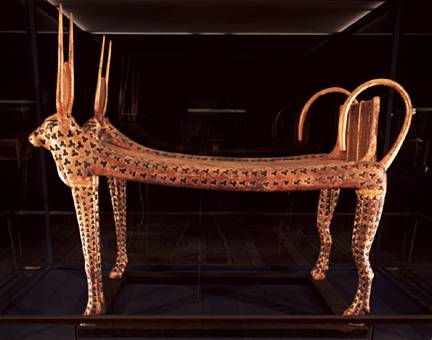
Egyptian Bed of Boy King Tutankhamen

Swami_48@yahoo.com

Cremation : Sumerian – Hindu similarities

Civilisation_Sumer

Written by London Swaminathan
Post No. 1042; Dated 14th May 2014.

Most of the Hindus cremated the bodies of the people who died during Vedic days. Even Hindus prefer cremation only. We see cremation in Indus Valley as well. Hindus practised burial in the case of ascetics and infants only. Among the Hindus, very few sects followed burial. Sumerians did cremation and their funeral rites have many similarities with the Hindus.

First let me give the cremation procedures in Sumerian civilization:
1.“In the ancient near east, cremation did not normally result in complete destruction of the body, and the burned bones were collected and buried, often in a pottery container.

2.It is sporadically attested in all areas from the sixth millennium BCE on. Isolated instances of cremation among the more usual inhumation (practice of burying) as sometimes interpreted as ’burials of foreign residents or individuals somehow distinguished from the rest of the population, for example prisoners, lepers or criminals.

sumi

3.Textual evidence hints at the cremation of the dead king in the Ur III period, and of the dead substitute king in the neo – Assyrian period.

4.Cremation was practised systematically by the Hittites in the second millennium BCE. At the cemetery of the Osmankayasi, the burned remains were put in vessels inside storage jars laid in pairs mouth to mouth, and placed in a grotto. Several Hittite cremation rituals describe the treatment of the royal corpses, the best preserved being a fourteen day ritual. This took place at the capital, Hattusas, and the royal dead were brought there even if they normally resided in the provinces and had died far away. The corpse was burned in a special location, and the burned bones were wrapped in a linen cloth and placed in a grave chamber, as part of the ritual, heads of horses and oxen, and picks, spades and ploughs were also burned and the ashes scattered.

5.Cremation remained common in Syria and Anatolia in the first half of the first millennium BCE, probably lingering to a Hittite tradition. It was also known in Palestine and especially Phoenicia, often practised alongside inhumation. However there was no uniformity in the treatment of the cremated remains, which ranged from burials in urns in built tombs to placement of burnt bodies in sandpits.

6.There were a range of beliefs and funerary customs in the ancient Near East.
They believed in afterlife. If food, drink and oil were not offered as part of funerary offerings the ghost would be forced to wander around and might haunt the living. If the body is not buried properly, the treatment will be different. In the under world there are horrifying demons. The dead live in utter darkness.

From “Dictionary of the Ancient Near East”, The British Museum, London .
(all underlining and bolding are mine: swami).

sumerios

My comments
Hittites in the Middle East followed lot of Hindu customs. If it is due to the influence of Hittites, then it is definitely Hindu influence.

Hindu ceremonies are almost the same. But it differs slightly from community to community and from area to area. It may be due to geographical conditions, climate and availability of priests and materials. Since India is a vast country, they always considered what is practical and feasible.

In places like Varanasi the half burnt bodies were thrown into the Ganges River because of the special qualities of its water. Bones and ashes were collected in other places and kept in vessels to be taken to holy rivers. South Indian Brahmins even buried the urn and erected a stone in the olden days. Now it is done only for saints. On top of the saints burials (‘’Samadhis’’), either a Shiva Linga installed or Holy Basil plants (Tulsi) grown. (Compare it with paragraph numbered 1).

Hindus also observe a fourteen day ritual. After the 13th day, they wear new clothes and go to temple, formally ending the mourning period. The polluted period also finishes on that day. Even the Indian government announce a period of mourning for thirteen days when a national leader dies (Compare paragraph numbered 4).

Sangam Tamil literature which is 2000 year old has references to burial urns and cremations. They were only Hindus. They performed all the Hindu ceremonies and believed in the Hindu customs which is evident from a number of poems (Compare Para 5)

Sangam Tamil literature references:
Cremations : Purananuru 231,240,245,246,363
Burial in urn : Purananuru 256,228

Hindus also believed in ghosts and funerary gifts (see para 6). Nearly hundred different types of gifts are prescribed in the scriptures.

If the ancient Near East can have so many types of cremations and burials, then a vast country like India should have more varieties.

Contact swami_48@yahoo.com

உலக அதிசயம்: 2300 ஆண்டு பழமையான நாடக அரங்கு!

sitabenga cave
Sitabenga cave near Ambikapur

மேலும் ஒரு உலக அதிசயம்: 2300 ஆண்டு பழமையான நாடக அரங்கு!

Written by London Swaminathan
Post No. 1041; Dated 14th May 2014.

Already published in English under “Colour Coding in Ancient India Theatres” on 13th May 2014. Following is the Tamil version)

இந்தியாவில் உலகிலேயே மிகப்பெரிய தங்கக் கோவில், உலகிலேயே ஆழமான கிணறு, உலகிலேயே மிகப் பெரிய ஒற்றைக் கல் சிலை —இப்படிப் பலரும் அறியாத அதிசயங்கள் எவ்வளவோ உள்ளன. இவ்வகையில் பலரும் அறியாத நாடக அரங்குகள் ஒரிஸ்ஸாவிலும் சத்திஷ்கர் மாநிலங்களிலும் இருக்கின்றன. இவைகள் இரண்டும் 2300 ஆண்டுகளுக்கு முந்தையவை. பரத முனிவர் வடமொழியில் எழுதிய நாட்டிய சாஸ்திரத்தில் குகை வடிவில் நாடக அரங்குகள் அமைக்கப்பட வேண்டும் என்றும் அதன் நீளம், அகலம் இத்தனை அடிகள் இருக்க வேண்டும் என்றும் எழுதி வைத்திருக்கிறார். அதன்படியே இந்த நாடக அரங்குகள் மலைக் குகைகளில் இருக்கின்றன.

இந்த அரங்குகள் நமக்கு மேலும் பல உண்மைகளைப் புலப்படுத்துகின்றன. பரதர் எழுதிய சம்ஸ்கிருத நாட்டிய சாஸ்திரம் கி.மு.மூன்றாம் நூற்றாண்டுக்கு முந்தையதாக இருக்க வேண்டும்; அல்லது அவர் சொன்ன விஷயங்கள் 2300 ஆண்டுகளுக்கு முன்னரே இருந்தவற்றை அவர் நூல் வடிவில் தந்திருக்க வேண்டும் என்பது முதல் உண்மை. காளிதாசர் கி.மு.முதல் நூற்றாண்டுக்கு முந்தையவர் என்று பல சம்ஸ்கிருத நிபுணர்கள் கருத்து தெரிவித்துள்ளனர். நானும் சங்கத் தமிழ் இலக்கியத்தில், காளிதாசனில் காணப்படும் 200–க்கும் மேலான உவமைகள் இருப்பதை எழுதிவருகிறேன். காளிதாசனும் அவனுக்கு முந்தைய புகழ்பெற்ற பாஷா, கவிபுத்ர, சௌமிள ஆகீய நாடக ஆசிரியர்களைக் குறிப்பிடுகிறார். அதில் பாஷா எழுதிய 13 நாடகங்கள் கிடைத்துள்ளன. மற்றவர்கள் எழுதியது எதுவும் கிடைக்கவில்லை. ஆக பாஷா 2300 அல்லது 2400 ஆண்டுகளுக்கு முந்தையவர் என்பதையும் இந்த நாடக அரங்குகள் மறைமுகமாக நிரூபிக்கின்றன.

சுவையான சில விஷயங்கள்
லண்டனில் நடந்த ஒலிம்பீக்கில் பல வண்ண நாற்காலிகள், அரங்குகளை அமைத்து ‘இந்த வண்ண டிக்கட்டுகள் இருப்பவர்கள் இந்தப் பக்கம் போங்கள், அந்த வண்ண டிக்கட்டுகள் இருப்பவர்கள் இந்தப் பக்கம் போங்கள், மேலே போங்கள்’ — என்றெல்லாம் புதிய உத்திகளை கையாண்டனர். இதை முதலில் சொன்னவர் பரத முனிவர்தான்.

empty_seats_2292113b

பரதமுனிவர் எழுதிய நாட்டிய சாஸ்திரம் பிராமணர்கள் அமரும் இடத்தில் வெள்ளைத் தூண்களும், க்ஷத்ரியர்கள் அமரும் இடத்தில் சிவப்புத் தூண்களும், வைசியர்கள் அமரும் இடத்தில் மஞ்சள் நிறத் தூண்களும், சூத்திரர்கள் அமரும் இடத்தில் கறுப்பு நிறத்தூண்களும் நடப்படவேண்டும் என்று எழுதி வைத்துள்ளார். பிராமணர்கள் முதல் வரிசையில் அமர வேண்டும் என்றும் எழுதி வைத்துள்ளார். இன்று இதைப் படிக்கும் போது சினிமா தியேட்டர் (“Colour Coding’’) சீட்டுகளில் கூட ஜாதி விஷயமா என்று அங்கலாய்ப்பார்கள். ஆனால் எந்த ஒரு ஆசிரியரையும் நாம் எடை போடும் முன்னர், அவர்கள் வாழ்ந்த காலத்தைக் கருத்தில் கொள்ளவேண்டும்.

இன்னொரு சுவையான விஷயத்தையும் சொல்லுகிறேன். நான் 30 ஆண்டுக்காலம் வாழ்ந்தது மதுரையில். அங்கு மீனாட்சி கோவிலுக்கு அடுத்த அளவு பிரசித்தி பெற்றது வடக்கு மாசிவீதி கிருஷ்ணன் கோவில்தான். சங்க காலம் முதல் இருந்து வரும் பெருமாள் கோவிலைவிட இந்தக்க் கோவிலுக்கு ஏன் பெருமை என்றால் மதுரையில் மீனாட்சி கோவிலுக்கு அடுத்தபடியாக நாலு மாசிவீதிகளிலும் சுவாமி பவனி வருவது கிருஷ்ணன் கோவில்தான். அதாவது எல்லா உற்சவ நாட்களிலும்!!

empty 2

இது யாதவரின் கட்டுப்பாட்டில் உள்ளது. எங்கள் 10, 15 பிராமணர் வீடுகளைத் தவிர அங்கே வாழ்ந்தவர்கள் பெரும்பாலும் யாதவர்கள்தான். தமிழ்நாடு சபாநாயகராக இருந்த தமிழ்க்குடி மகன் போன்றோர் வீடு எங்கள் வீட்டுக்கு எதிரேதான். அந்தக் கோவிலில் பிராமணர்களுக்குதான் காலையிலும் மாலையிலும் முதலில் பிரசாதம்!! அது மட்டுமல்ல பிராமணர்கள், கர்ப்பக் கிரகத்திற்குப் பக்கத்தில் உள்ள உயரமான மேடையில் நிற்கவேண்டும். மற்றவர்கள் நாலைந்து படிகள் கீழே இறக்கமான இடத்தில் பள்ளத்தில் நிற்பார்கள்!!

நான் 27 ஆண்டுகளுக்கு முன் லண்டனில் குடியேறும்வரை இந்த வழக்கம் இருந்தது. இதில் மேலும் சுவையான விஷயம் அந்த யாதவகுலத்தைச் சேர்ந்த இளைஞர்களில் 10, 15 பேர் திராவிடக் கழகத்தினர். தீபாவளி அன்றைக்கு துக்க தினம் அனுஸ்ஹ்டிக்க கருப்புச் சட்டைப் போட்டுக் கொண்டு வருவார்கள். ஆனால் யாதவ குல கிருஷ்ண பரமாத்மா உற்சவம் வந்துவிட்டால் கோவிலுக்கு தொண்டு செய்ய வந்து விடுவார்கள். எங்கள் கூட அவர்களும் சேதுபதி உயர்நிலைப் பள்ளியில் படித்ததால் உரிமையோடு கிண்டல் செய்வோம். ‘’ஆ! இது எங்கள் குல யாதவர் பண்டிகை அதனால் விட்டுக் கொடுக்க மாட்டோம்’’ என்பார்கள். அந்த யாதவ குல கிருஷ்ணனைத் தான் பிராமணர்களாகிய நாங்கள் கும்பிடுகிறோம் என்றால் சிரித்து மழுப்பிவிட்டுப் போய்விடுவார்கள். ஆக முப்பது ஆண்டுகளுக்கு முன் மதுரை யாதவர் கோவிலிலேயே பிராமணர்களுக்கு இவ்வளவு மதிப்பு என்றால் 2300 ஆண்டுகளுக்கு முன் பிராமனர்களுக்கு இருந்த மதிப்பை பரதர் எழுதி இருப்பதில் வியப்பதற்கு என்ன இருக்கிறது?

2300 ஆண்டுகளுக்கு முன் உலகம் முழுதும் புத்த மதத்தைப் பரப்ப தனது மகனையும் மகளையும் அனுப்பிய அசோகன், அவனுடைய கல்வெட்டுகளில் பிராமணர்களைக் குரிப்பிட்டுவிட்டுப் பின்னர்தான் பௌத்தர்களைக் குறிப்பிடுகிறான். புத்தரும் அவரது தம்ம பதத்தில் பிராமணர்களைப் போற்றி சில கருத்துகளைச் சொல்லிவிட்டு பிராமணர்களுகு என ஒரு தனி அத்தியாயமே பாடி இருக்கிறார். ஆகவே பரத முனிவரைக் கோபிக்காமல் அடுத்த விஷயத்தைக் காண்போம்.

cave ramgarh
Ramgarh Caves

சீதாபெங்கா யோகிமாரா குகைகள்
சட்டிஷ்கர் மாநிலத்தில் அம்பிகாபூர் அருகில் ஒரு பெரிய மலைக் குடைவரைக்குள் சீதாபெங்கா, யோகிமாரா என்று இரண்டு குகைகள் இருக்கின்றன. அவைகளில் பரதர் கூறியது போலவே அமைப்புகள் இருப்பதால் அந்தக் காலத்தில் அங்கே நாடகம் நடந்திருக்கும் என்றே அறிஞர்கள் கருதுகின்றனர். அந்தக் காலத்தில் மரம், செங்கல் ஆகியவற்றால் ஆன ஆசனங்கள் இருந்தன.

செவ்வகம், சதுரம், சாய் சதுரம் முதலிய நான்கு வடிவமைப்புகளையும் 18 வகை அரங்குகளையும் (ஸ்டேஜ்) பரதர் குறிப்பிடுகிறார். நாடக அரங்கின் பெரிய சுவர்களில் ஓவியங்கள், புடைப்புச் சிற்பங்கள் ஆகியன இருந்தன. கிராமீய, நகரக் காட்சிகளும், காடுகளும் ஆறு மலைகளும் அதில் வரையப் பட்டிருந்தன. தேவைக்கேற்ப அவைகளை துணி மூலம் மறைத்தோ காட்டியோ வசனம் பேசியிருப்பர். அது மட்டூமல்ல.

பரத முனி மிகப் பெரிய புத்திசாலி, விஞ்ஞானி!! ஒலியியல் சாஸ்திரம் (Sage Bharata knows Acoustics!) தெரிந்ததால் மலைக் குகை வடிவில் நாடக அரங்குகள் இருக்கவேண்டும் என்று எழுதினார். ஒலி பெருக்கி இல்லாத காலத்தில், மெதுவாகப் பேசினாலும் இது சப்தத்தை அதிகரிக்கும். இசைக்கருவிகள் பெரிதாக கேட்டிருக்கும். மேலும் நாடக அரங்குகளை இரண்டு மாடிக் கட்டிடம் போலக் கட்ட வேண்டும் என்று எழுதி இருக்கிறார். பூலோகக் காட்சிகள் கீழ் மட்டத்திலும் தேவலோகக் காட்சிகள் மேல் மாடியிலும் நடக்கும். மக்களுக்கு எளிதில் விளங்க இந்த உத்தி.

நாடக மேடையில் சுவரில் இரண்டு வாசல்கள் துணியால் மூடப்பட்டிருக்கும். நாடக நடிகர்கள் ஒரு வழியாக மேடைக்குள் வந்து மறு வாசல் வழியாக வெளி ஏறுவர். அங்கே போடப் பட்டிருக்கும் துணிக்கு ‘’யவனிகா’’ என்று பெயர். இதுவும் கோபம், போர் என்றால் செந்நிறமாகவும், நகைச் சுவை என்றால் வெண்ணிறமாகவும் மாறும். இப்போது நாட்டியம் ஆடுகையில் கோபக் கனல் வீசும் நாட்டியக்காரியின் முகத்தில் சிவப்பு விளக்கு ஒளியை வீசுவது போன்றது இது. ஆக பரதரின் எல்லா உத்திகளையும் இன்றும் நாம் கடைப்பிடிக்கிறோம். உலகில் முதல் நாடக, நாட்டிய நூலை எழுதிய பெருமை அவரையே சாரும்.

நாடகங்களில் ராஜா, உயர் அதிகாரிகள், மந்திரிகள், பிராமணர்கள் சம்ஸ்கிருதத்திலும், மஹாராணி, பெண் கதா பாத்திரங்கள், கீழ் மட்ட ஊழியர்கள், நகைச் சுவை நடிகர் ஆகியோர் பிராக்ருதத்திலும் பேசுவர். நகைச்சுவை நடிகராக எப்போதுமே பிராமணர்கள்தான் நடிப்பர். இப்போது சினிமாவில் பெரிய கதா பாத்திரங்கள், கதாநாயகன் ஆகியோர் செந்தமிழிலும் நகைச்சுவை நடிகர், பட்டிக்காட்டு ஜனங்கள் ஆகியோர் கொச்சைத் தமிழிலும் பேசுவது போன்றது சம்ஸ்கிருத – பிராக்ருதப் பாகுபாடு. இரண்டும் ஒரே மொழிதான். ஆர்ய என்றால் அஜ்ஜ என்று பிராக்ருதத்தில் வரும். அது தமிழில் அய்யர் என்று மருவியது.

ranigumpa near Bhuvaneswar 3rd c,BCE
Ranikumbha near Bhuvaneswar

ஒரிஸ்ஸாவில் புவனேஸ்வர் அருகில் ராணிகும்பா என்ற இடத்தில் பெரிய கட்டிடங்கள் இரண்டு கண்டுபிடிக்கப்பட்டன. ஸ்கந்தகிரி என்ற மலைக்கருகில் இவை உள்ளன. இதுவும் 2300 ஆண்டுகளுக்கு முன் இருந்த நாடக அரங்கே!! அங்கிருக்கும் பிராமி கல்வெட்டுகள் மூலம் காலத்தை அறிய முடிகிறது

Contact swami_48@yahoo.com

Colour Coding of Seats in Ancient Theatres!

sitabenga cave
Amazing Cave Theatre: Sitabenga near Ambikapur.

Compiled by London Swaminathan
Post No. 1040; dated 13th May 2014.

Specimens of ancient theatre stages are available now. They are found in two caves in a series of hillocks named Ramgarh in Chhattisgarh. These two caves are named as Shitabenga and Yogimara caves and they are near Ambikapur in Chhattisgarh. There are two dramatic stages coupled up with green rooms as they were prevalent in the olden days when Sanskrit plays used to be staged. It is said that these caves are at least 2200 years old.

In the Natya sastras we have references to 18 different types of stages. Some of these stages were triangular, some of them were of square size and often the stages were quadrilateral in shape. A quadrilateral stage has some characteristics of its own, its length being twice its breath. If its length could be measured at 64 yards its breadth would be 32 yards.

Square shaped stages were more common, measuring four yards each side. The auditorium was in front of the stage with seats made up of wood and bricks. The seats meant for the Brahmanas had white pillars in the front and the seats meant for Kshatriyas had red coloured pillars in their front. The Brahmanas would sit in the front row and the Kshatriyas would sit behind them. Usually the seats of the Brahmanas used to be at the nearest point of the stage. Then the Vaisyas had their seats in the Vayukona i.e. North West corner of the auditorium and those seats were marked by the yellow colour pillars. Sudras used to sit in the Isana kona i.e. the north east corner and their seats used to be marked with black colour pillars.

cave ramgarh
2300 year old Ramgarh Caves used to stage dramas

Usually the stage used to be a two -storeyed one. Any play centering round the men and matters of the earth would be staged on the groud floor of the stage, while the incidents which were heavenly or celestial used to be enacted on the first floor of the stage.

Screen and Background Wall

Scenes of cities, villages, rooms, houses, rivers, forests etc., figured prominently in the scenic depictions on the wall. On each side of the wall there was a door kept hidden by a thin piece called Yavanika. This had many colours. If it is a comedy play white Yavanika was used, because poets associated white with laughter. Fame, glory and laughter are described as white. (it may be due to the white teeth and white umbrella of the Royals). If it is a warfare Yavanika was in red colour(blood and anger were associated with red in old literature). The actors and actresses used the doors on the wall to enter and exit from the stage. Beautiful girls were employed to lift the screens.
(from’ Sixty Four Arts in Ancient India’ by Anil Baran Ganguly, The English Book Store, New Delhi-1, Year 1962).

ranigumpa near Bhuvaneswar 3rd c,BCE
2300 year old Ranigumpha used as Theatre near Bhavaneswar in Odisha

Sage Bharata knows Acoustics!

The Natyasastra of Bharata is a compendious treatise on practically all the literary aspects of drama and all matters relating to the theatre, from the construction of the play house or ‘natya mandapa’ to audience response.

“ The play house (Natya mandapa) should be designed in the shape of a mountain cave, have two ground levels, small windows and free from gusts of wind, so that the voices of the actors and singers as well as the sound of musical instruments will be resonant (Natyasastra 2-80/82)
The ‘shape of a mountain cave’ is an interesting detail, because not only does it reveal an awareness of the acoustical properties but it also suggests that originally shows and spectacles and even plays might have been presented in cave theatres.
Jewels and precious gems were placed underneath the stage during the building of the play house according to prescriptions based on their auspiciousness.

Sanskrit drama clearly reveals its dance-origins; miming is often indicated by the stage-directions. Dance is very much part of it. Dramatic performances were usually held on special occasions; coronations and other royal events, great weddings, religious festivals and fairs. Open air performances are also known. Bhavabhuti’s play ‘Malati Madhava’ was performed for the festival of Kala priya natha (Siva).

empty_seats_2292113b
Colour Chairs in London Olympics

Languages : Sanskrit and Prakrit

The classical drama of India used Prakrit or regional dialects as well as Sanskrit. Brahmins, kings and high officials spoke Sanskrit. Women, even queens, children and the court jester spoke Prakrit; low characters like the fishermen and policemen in Act 6 of Kalidasa’s ‘Sakuntalam’ also spoke in dialect. This provided Sanskrit plays a rich variety in speech.

( from Kalidasa, The Loom of Time by Chandra Rajan, Penguin Classics, 1990)

empty 2

சுமேரியாவில் சம்ஸ்கிருத சொற்கள்!!

borobudur_aerial
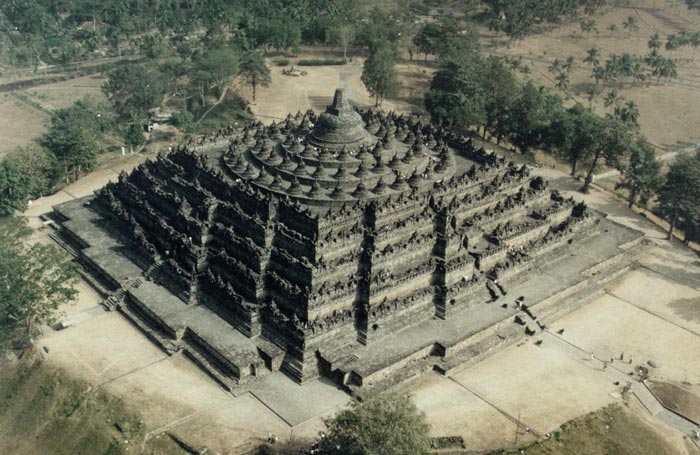
Borobudur Temple in Indonesia in Meru style!

Written by London Swaminathan
Post No. 1039; Dated 13th May 2014.

(Already published in English under “Sumerian Words in Sanskrit: Sumukan Mystery on 12th may,2014. Following is the Tamil version)

டைக்ரீஸ், யூப்ரடீஸ் நதிகளுக்கு இடைப்பட்ட பிரதேசத்தை மெசபொடேமியா என்பர். இங்குதான் உலகின் மிக முக்கிய நாகரீங்களான பாபிலோனிய, சுமேரிய, அக்கடிய, மிட்டனி, ஹிட்டைட், காசைட் நாகரீகங்களும் வம்சங்களும் தழைத்தோங்கின. இவைகளில் மிட்டனி நாகரீகத்தில் தசரதன் பிரதர்தனன் என்ற புராண மன்னர்களின் பெயர்களும் ரிக் வேத துதிகளும் இருப்பது விந்தையிலும் விந்தை. கி.மு. 1400 ஆண்டுகளிலேயே துருக்கி- சிரியா பகுதிகளில் வேத கால நாகரீகம் இருந்தது வெள்ளைக்கார அறிஞர்களைத் திடுக்கிட வைத்தது—திக்கு முக்காடச் செய்தது. காஞ்சி பரமாசார்ய சுவாமிகள் போன்றோர் 1932 ஆம் ஆண்டிலேயெ சென்னைச் சொற்பொழிவில் இதைக் குறிப்பிட்டபோதும் இந்திய அறிஞர்களோ வெளிநாட்டு அறிஞர்களோ இதைக் கண்டு கொள்ளவே இல்லை. உலக நாகரீகங்கள் பற்றிய கலைகளஞ்சியங்களில் மட்டும் இதற்கு ஒரு பக்கம் அல்லது இரண்டு பக்கம் ஒதுக்கி இருக்கிறார்கள்!!

காரணம் என்ன? இதை விரிவாக ஆராய்ந்தால் அவர்கள் சொன்ன ஆரிய—திராவிட வாதத்தை குழிதோண்டிப் புதைத்து சமாதி கட்டியது போல ஆகிவிடும். ஆகவே அமுக்கமாக இருந்துவிட்டனர். இந்தியர்களோவெனில் அந்தக் காலம் முதல் இந்தக்காலம் வரை வெளிநாட்டு அறிஞர்களுக்கு ஒத்து ஊதுவதே தமது ‘’தெய்வீகக் கடமை’’யாகக் கொண்டுவிட்டனர்!!

சுமேரியாவில் களிமண் ஏடுகளில் கண்டுபிடிக்கப்பட்ட 60,000 வரிகள் கொஞ்சம் கொஞ்சமாக வெளிவருகிறது. லண்டன் பல்கலைக் கழகம் போன்ற பெரிய பல்கலைக் கழகங்களில் இதற்கெனவே துறைகள் இருப்பதாலும், பிரிட்டிஷார் உலகம் முழுதும் வரலாற்றுப் பொக்கிஷங்அளைக் கொள்ளையடித்து பிரிட்டிஷ் மியூசியத்தில் குவித்து வைத்திருப்பதாலும் சுமேரிய பாபிலோனிய விஷயங்களில் அக்கறை செலுத்துகின்றனர். இந்தியர்களும் கண்ணில் விளக்கு எண்ணெய் ஊற்றிப் படித்தால், பல ரகசியங்கள் வெளிவரும். சிரியா- எல்லை அருகில் உள்ள மிட்டனி, ஹிட்டைட், காசைட் ஆகிய மூன்று நாகரீகங்களும் “ஆரிய” செல்வாக்குடைய நாகரீகங்கள் என்ற வரிகளுடன் வெள்ளைக்காரர்கள் முடித்து விடுகின்றனர். இவைகளை தீர ஆராய்வது நம் கடமை. உலகம் முழுதும் இந்தியர்கள் எப்படி நாகரீகத்தைப் பரப்பினர் என்பதை இதில் அறிய முடியும்.

sri yantra
Sri Yantra with Meru as centre is used in Hindu Pujas

‘’சுமேரு’’ சொல் விளக்கம்
எகிப்தியர்களும் சுமேரியர்களும் தாங்கள் அந்த நாட்டுக் குடிமக்கள் அல்ல என்றும் வெளியில் இருந்து வந்த ‘வந்தேறு குடிகள்’ என்றும் தெள்ளத் தெளீவாக எழுதிவைத்துள்ளனர். இதற்கு நேர் மாறாக சங்கத் தமிழ் இலக்கியமும் இந்து மத வேத ,இதிஹாச, புராணங்களும் பாரத புண்ய பூமியில் இந்துக்கள் தொன்று தொட்டு வாழ்வதாகக் கூறுகின்றன. பாரதியார் போன்ற உண்மை விளம்பிகள், ‘எந்தையும் தாயும்’ போன்ற பாடல்களில் இதைப் பாடியும் வைத்தனர்.

மேரு என்பது கடவுளின் இருப்பிடம் என்றும் அது தொலைவில் வடக்கே இருப்பதாகவும் இந்துமத புராணங்கள் இயம்பும். மேலுலத்தில் ஒரு மேரு இருப்பதும் (தேவியின் வசிப்பிடம்), அதே போல பூமியில் ஒரு இடம் இருப்பதும் வெள்ளிடை மலை என விளங்கும். புத்த மதத்தினர் கைலாஷ் மலைப் பகுதியைக் கூட மேரு என்பர். சுருக்கமாக்ச் சொல்ல வேண்டுமானால், உயரமான மேடு (மேரு) கடவுள் வசிக்கும் இடம்; இது புனிதமான பகுதி.

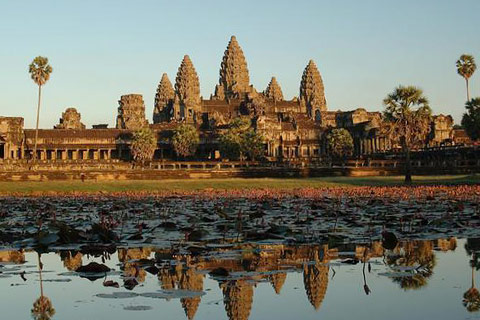
வட துருவத்தை சுமேரு என்றும் தென் துருவத்தை குமேரு என்றும் அழைப்பர் (காண்க: காஞ்சி பரமாசார்யார் சொற்பொழிவுகள்). பாமீர் பீட பூமி என்பது பா+மேரு என்பதன் சுருக்கம். கென்யாவில் (ஆப்பிரிக்கா) உயரமான சிகரத்தின் பெயர் மேரு. இந்தோநேஷியாவில் போரோபுதூர் கோவில், கம்போடியாவில் அங்கோர்வட் கோவில் ஆகியன மேரு வ்டிவில் அமைக்கப்பட்ட கோவில்கள். தேவி உபாசகர்கள் வணங்கும் ஸ்ரீசக்ரமும் நடுவில் மேருவை உடையததே.
Angkor-Wat
Angkor Wat Temple in Cambodia designed as Meru

சுமேரியா என்பதற்கு தெளிவான பொருள் கிடைக்கவில்லை என்று எல்லா கலைக் களஞ்சியங்களும் செப்புவதைக் காணலாம். இதற்கு நம்முடைய வட மொழி விளக்கமே சாலப் பொருந்தும். சு+மேரு. உயரமான பகுதியின் பெயரை அவர்கள் வைத்ததற்கு அவர்களுடைய பூர்வீக இந்து மத நம்பிக்கை காரணமாக இருக்கலாம். இதற்கு என்ன ஆதாரம்?

உலகில் பெர்லின் என்ற பெயரில் மட்டும் இருபதுக்கும் மேலான ஊர்கள் இருக்கின்றன. அமெரிக்காவில் ஒரு சேலம் நகரம் இருக்கிறது. தமிழ் நாட்டு சேலம் எல்லோரும் அறிந்த ஊர். மேலூர், புதூர் போன்ற ஊர்கள் தமிழ்நாட்டில் ஏராளம். ஆக இரண்டு பெயர்கள் ஒன்றாக இருந்தால் உடனே இரண்டும் ஒன்று என்று பி.எச்டி. ‘தீஸிஸ்’ எழுதி விட முடியுமா? முடியவே முடியாது. உலகில் எல்லா மொழிகளிலும் சில, பல சொற்கள் ஒன்றாக இருக்கின்றன. ஆக எல்லா மொழிகளும் ஒன்று என்று சொல்லி விட முடியுமா? முடியாது. நமது கொள்கைகளை வலியுறுத்த வேறு பல ஆதாரங்களும் அவசியம்.

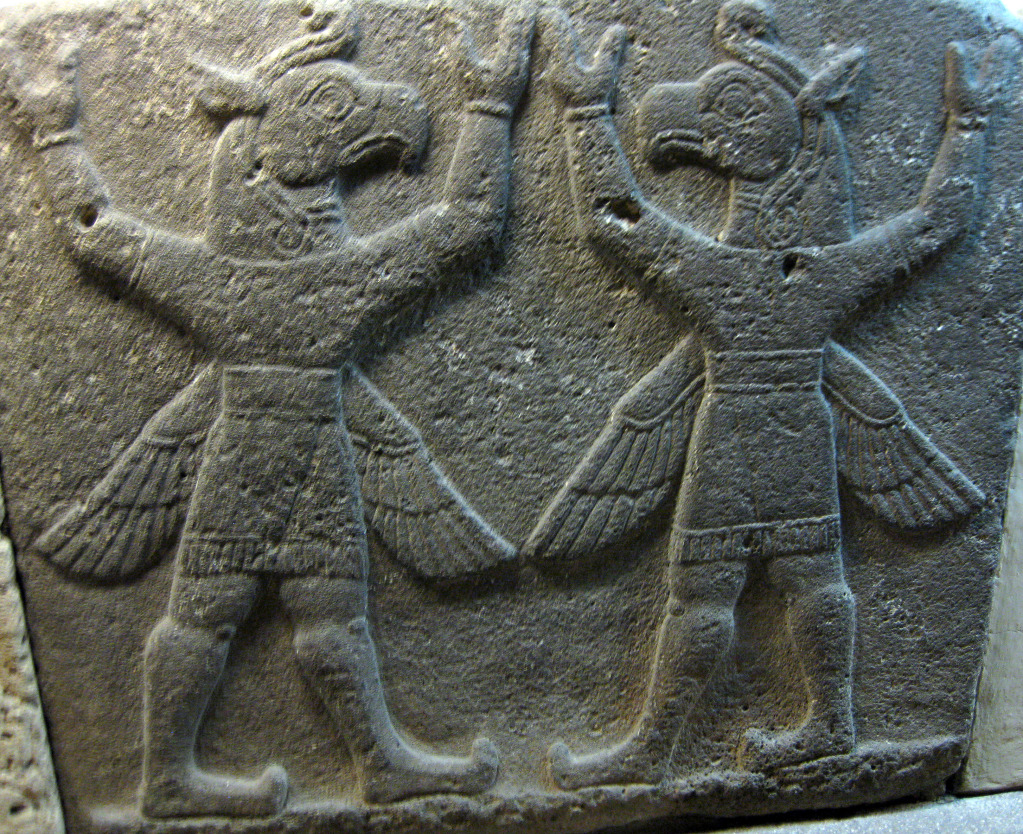
இந்த அடிப்படையில் சுமேரிய கலாசாரத்தை அணுகினால் சுமுகன் என்ற வடமொழிப் பெயரும், அழிகி, விழகி போன்ற அதர்வண வேதச் சொற் களும் கிடைக்கின்றன. இவைகளுக்கு சுமேரிய நிபுணர்களும் வேறு விளக்கம் சொல்ல முடியவில்லை. நான் நேற்று எழுதிய ‘’சுமேரியாவில் இந்து புராணக் கதை’’ என்ற கட்டுரையில் உலகம் முழுதும் கருடன் இனம்- நாகர் இனம் என்ற பெயரில் மனிதர்கள் மோதிக் கொண்டதையும் பிற்கால உபந்யாசகர்கள் அவைகளை உண்மையான பாம்புகள், கழுகுகள் என சித்தரித்ததையும் விளக்கினேன்.

சுமுகன் என்பது கருடனுக்கு ஒரு பெயர். அதன் பகைவனான பாம்புக்கும் ஒரு பெயர். பரமபத சோபான படத்தில் சுமுகன் பாம்பைப் பார்க்கலாம். விஷ்ணுவுக்கும் சுமுகன் என்பதை விஷ்ணு சஹ்ஸ்ரநாமம் பாராயணம் செய்வோர் அறிவர். வீடுகளுக்கு வந்து பூஜை செய்யும் ஐயர்கள் முதலில் பிள்ளையார் பூஜை போடுகையில் ‘சுமுகாய நம:’ என்று பிள்ளையாருக்கும் அதே பெயரைச் சொல்லுவதைக் கேட்கலாம். ஆக அழகான, மங்களகரமான முகம்= சு+முகம். இந்தப் பெயர் சுமேரியாவில் கடவுளாகவும், கடவுளின் தோழனாகவும் வருகிறது!

smallNaramSin
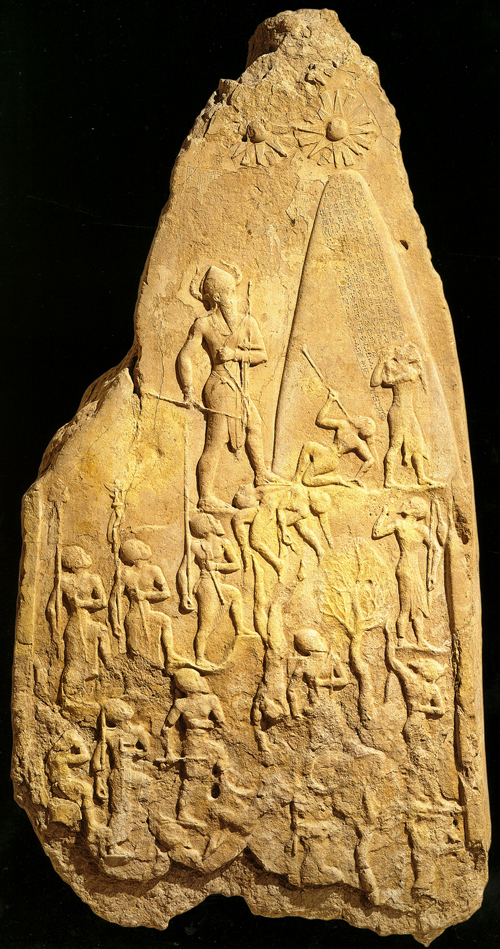
Stele of Naram Sin (2620 BCE) with Cosmic Mountain (Meru)

அழிகி, விழிகி என்ற பாம்புகள் (சொற்கள்) அதர்வண வேதத்தில் வருகின்றன. இவகளுக்கு விளக்கம் தெரியாமல் நம்மவர்களும் அதர்வண வேதத்தை ஆங்கிலத்தில் மொழி பெயர்த்து வெளியிட்ட வெளிநாட்டினரும் முழித்தனர். அசீரிய மன்னர்களின் பெயர்களில் இவை இருப்பது அண்மைக் கால ஆராய்ச்சியில் தெரிய வந்துள்ளது. ஆக மேலும் மேலும் சுமேரிய பாபிலோனிய நாகரீகங்களை ஆராய்ந்தால் புதிய, வியப்பான தடயங்கள் கிடைக்கலாம். அதன் பின்னர் அந்தப் பெயர்கள் எப்படிப் பரவின என்பதை நடு நிலையில் நின்ற ஆராய்ந்து பின்னர் நம் கொள்கைகளைப் பகரலாம், பறைசாற்றலாம்.
carchemish birdment 9C BCE
Birdmen from Carchemish.

Contact swami_48@yahoo.com

Sanskrit words in Sumerian culture :Sumukan Mystery

borobudur_aerial
Borobudur in Indonesia in Mount Meru Design

Written by London Swaminathan
Post No. 1038; Dated 12th May 2014.

This article is a sequence to my article posted yesterday under the title “ A Hindu Story in Sumerian Civilization. This explains two Sanskrit words found in Sumeria: Sumeru and Sumukhan.

Sumeru : new information

The etymology of the word Sumeru is not known. But I guess it is a Sanskrit word: Su+ Meru. Vayu Purana says, “The earth had been stripped of vegetation. Brahma made an arrangement to refertilize the earth. He created Sumeru the calf and re-invigorated all types of seeds from the ground, yielding all types of vegetation, and they bore fruit. In the beginning of the Treta Yuga all the 14 types of cultivated cereals and pulses were created for the first time (Vayu Purana 141-149).

Meru is a mythical mountain in Hindu literature with various interpretations. Some identify it with the North Pole (Su Meru) and the South Pole (Ku Meru). Apart from the two, we have Pamir plateau (Pa+ Meru). We have another Meru peak in Kenya. It shows that any high place was also called Meru (In Tamil : Medu). So we should not confuse it with the original Meru. It is a word of Hindu (Sanskrit) origin. That is all I wanted to say. Sumerians say that they migrated to that area. They might have come from India. Sumukan and other unexplained Sanskrit words show their connection to India.

Angkor-Wat
Angkor Wat in Cambodia in Mount Meru Design

Who is Sumukan?
In Sanskrit hymns we have Sumuka as one of the names of Vishnu (SeeVishnu Sahasra Nama) and one of the names of Lord Ganesh. Of the 16 names of Lord Ganesh, Sumukha is the first name. It simply means good faced, Auspicious faced etc. It is also the name of Garuda (eagle).

SUMUKHA In the Mahabarata :

The following story from Mahabharata explains clearly a clash between two groups called Nagas ( snake people) and Eagle people.

“Sumukha was a Naga. He was chosen by Matali to be the husband of his daughter Gunakeshi. His grandfather Aryaka was very pleased when informed about it by Narada .But the eagle who had previously devoured Sumukha’s father Chikura, had vowed to soon devour Sumukha also. In spite of being told of the expected short life span of Sumukha, Matali nevertheless wanted to go ahead with the marriage. He then went to Indra and requested him to give long life to Sumukha. When Indra granted this, the eagle accused Indra of giving shelter to his rightful prey and then tried to scare Indra by showing off his strength. To put the eagle in his place, Indra put his arm on the eagle’s shoulder and then asked him to lift it. The eagle found himself crushed by the weight of Indra’s arm and acknowledged his defeat. (MB:5-103/4)

This episode of early times was related to Duryodhana by Kanva Rishi in an effort to convince him that like the eagle he too would be crushed if he went ahead in his determination to fight against the Pandavas. But even these efforts made no impact on Duryodhana”.
(p.281 of who is who in the Mahabharata).

carchemish birdment 9C BCE
Birdmen in Carchemish, Ninth century BCE

Kumaratantram, Chapter 5, Verse 13, an Agama says that is the name of a Dwarapalaka( Gatekeeper in the sanctum sanctorum):

Left: Sutehar
Right: Sumukhan

To sum it up, we have the name Sumukha for a Naga, an eagle (Garuda), and two gods (Lord Ganesh and Lord Vishnu). It is now clear that it is a Sanskrit word.

In Sumerian
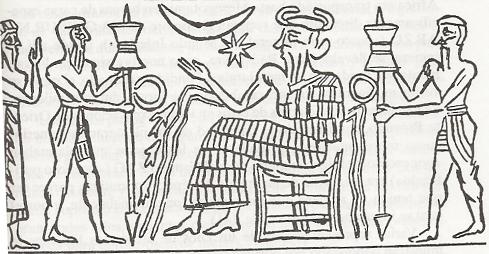
In the Sumerian literature, we come across a name Sumukan. He has accompanied Etana, the first king of Kish in Sumer. But no one knows more than that. Etana story is connected with Eagle and Snake conflict (Please read my post “A Hindu Story in Sumerian civilization”, Post No. 1036, posted on 11th May).

Encyclopedia of Mythology also has very brief descriptions:
Sumukan: Anointed priest of the Great Gods
Sumugan: God of the river plains. Mesopotamian/Sumerian. In creation mythology he is given charge by the god Enki over the flat alluvial lands of southern Mesopotamia.

smallNaramSin

Sumerian King Naram Sin looking at cosmic mountain (Meru)

Atharva Veda names in Sumerian

Following excerpt is from my earlier post, “Serpent Queen: Indus Valley to Sabarimalai”, posted on 17 June 2012 in this blog:-

Rig Veda, the oldest religious book in the world, refers to a Sarpa Ranji (serpent queen). Atharva Veda also mentioned two snakes called Aligi and Viligi. Modern research by scholars showed that these were actually the names of two Assyrian Kings who lived in 3000 BC. If it is correct the Atharva Veda predates Indus Valley civilization. The fact that the Vedic civilization is older than the Indus valley is confirmed by the BARC (Bhaba Atomic Research Centre) research on Saraswati River that had frequent references in the Vedas. Saraswati River dried even before Indus culture reached its peak. May be the Indus culture was the continuation of Vedic culture. Now we have two proofs, one from the Assyrian sources and the other from the Vedas to prove its antiquity.

Contact swami_48@yahoo.com

சுமேரியாவில் இந்து புராணக் கதை!

eagle 883 BCE
Eagle headed genie with divine water (amrita) in Assyria 893 BCE

By London swamiathan
Post No.1037; Dated 12th May 2014.

சுமேரியா என்பது இன்றைய இராக், ஈரான் ஆகிய நாடுகளைக் கொண்ட பகுதியில் நிலவிய பழங்கால நாகரீகம். உலகில் எல்லா நாகரீகங் களுக்கும் முன்னதாக அது இருந்ததற்கான தொல்பொருட் சின்னங்கள் ஏராளமாகக் கிடைத்துள்ளன. களிமண் பலகைகளில் 60,000 வரிகள் அளவுக்கு விஷயங்கள் கிடைத்து இருக்கின்றன. இது சம்ஸ்கிருதம் போல தெள்ளிய நடை இலக்கியம் மற்றும் கணக்கு வழக்குகள். இதே போல மேலும் ஒரு 60,000 வரிகள் பேச்சு வழக்கு இலக்கியம் வேறு இருக்கிறது. இது பிராக்ருதம் போன்றது. எப்படி வடமொழி நாடகங்களில் பெண்களும் நகைச்சுவை நடிகரும் மட்டும் பிராக்ருதம் பேசினார்களோ அதே போல பெண்கள் மட்டும் கொச்சை வழக்கு சுமேரியன் மொழியைப் பேசினர். இவை எல்லாவற்றையும் படித்து வெளியிட இன்னும் பல ஆண்டுகள் பிடிக்கும். அதற்குப் பின்னர்தான் இதில் முத்துக் குளிக்க முடியும்.

சம்ஸ்கிருதத்தில் இதைவிடப் பன்மடங்கு இலக்கியம் இருந்தபோதிலும் அதன் பழமையை– சுமேரியாவுக்கும் முந்தையது என்று– மேல்நாட்டினர் ஒத்துக் கொள்வதில்லை. ஆனால் ஜாகோபி பொன்ற ஜெர்மானிய அறிஞர்கள் ரிக் வேத காலம் கி.மு.6000 என்று ஒப்புக்கொள்வர். அப்போது இவ்வளவு சுமேரிய விஷயங்கள் வெளியாகவில்லை.

இதுவரை வெளியான சுமேரிய இலக்கியங்களில்கூட இந்து மத நூல்களோடு ஒப்பிடும் பல வியப்பான விஷயங்கள் உள்ளன. எல்லோரும் அறிந்த விஷயம்—பிரளயம் பற்றிய கதை. இது நமது மச்சாவதாரத்தில் இருப்பது போல பைபிள் மற்றும் பல மத்திய கிழக்கு நூல்களில் உள்ளன. நான் பார்த்த வரையில் கருட புராணக் கதை, அதர்வ வேத (பாம்பு) நாகங்கள், சுமுகன் என்ற சம்ஸ்கிருத சொல் முதலியன கிடைத்திருக்கின்றன. முதலில் கருடன் கதையைப் பார்ப்போம்.

உலகம் முழுதும், நாகர்களுக்கும் பறவை ( கருடன் ) மனிதர்களுக்கும் நடந்த சண்டை பற்றி இலக்கியங்கள் பேசுகின்றன. அங்கே எழுதினவர்கள் நாகர்களையும் கருடன்களையும் மனிதர்கள் என்று பொருள்படவே எழுதினர். பிற்காலத்தில் இதை பாம்பு, கழுகு என்று மாற்றிச் சொல்லத் துவங்கிவிட்டனர். இதை மாயா, எகிப்திய, சுமேரிய நாகரீகங்களிலும் காணலாம்.
garuda vahan

மஹாபாரதம், புராணங்களில் வரும் நாகர்- கருடன் சண்டை பலருக்கும் தெரிந்திருக்கும். காஸ்யப மகரிஷிக்கு இருந்த பல மனைவியரில் விநதா என்பவளுக்கு கருடனும் கத்ரு என்பவளுக்கு பாம்புகளும் (நாகர்கள்) பிறந்தன என்றும் கொடுமைக்காரியான கத்ரு, விநதாவை அடிமையாக வைத்திருந்ததாகவும் தேவ லோக அமிர்த்தத்தைக் கொண்டுவந்து கொடுத்தால் அடிமை விலங்கை முறிப்பதாகச் சொன்னதாகவும் கதை.

உடனே கருடன் இந்திர லோகம் சென்று அமிர்தத்தைத் திருடியதாகவும் இந்திரன் சண்டை போடவே கருடன் ஒரு இறகைக் கொடுத்து கொஞ்சம் அமிர்தத்தை மட்டும் பெற்று நாகர்களுக்குக் கொடுக்க விநதா விடுதலை ஆனதாகவும் படிக்கிறோம். இதில் மேலும் சுவையூட்ட அந்த அமிர்தம் தர்ப்பைக் காட்டில் சிந்தியதை நாகங்கள் நக்கியதால் பாம்புகளின் நாக்கு பிளவுபட்டதாகவும் சொல்லுவர். இது எல்லாம் அடையாளபூர்வ சங்கேத மொழி. இதன் ஆழ்ந்த பொருளை ஊன்றிப் படிப்பவர்கள் புரிந்து கொள்ளமுடியும்.

கருடனைப் பற்றி ரிக்வேதம் முதல் புராணங்கள் வரை மூன்று விஷயங்கள் வருகின்றன: 1) அமிர்தத்தைக் கொண்டு வந்தது 2). தொலை தூர மலைகளில் இருந்து சோமயாக த்துக்கான சோமலதையைக் கொண்டுவந்தது 3) மலைப் பள்ளத் தாக்குகளில் இருந்து மரகதக் கற்களைக் கொண்டுவந்தது.

மரகதக் கல்லுக்கு கருட ரத்னம் என்றும் குபேரனின் கல் அது என்றும் சொல்லுவர். பிற்காலத்தில் இந்தக் கதைகள் எல்லாம் அராபியர்களால் திருடப்பட்டு அரேபியன் இரவுகள கதைப் புத்தகத்துக்குப் போய்விட்டன.
garuda vahanam, tiruppullani, fb

சுமேரியாவில் கருடன் கதை

சுமேரியாவில் கிஷ் என்னும் நகரத்துக்கு முதல் மன்னன் ஏதனன். அவனுக்குக் குழந்தைகள் இல்லை. ஷாமாஷ் என்னும் சூரியக் கடவுளிடம் முறை இடுகிறான். குழந்தை பிறப்பதற்கான மர்ம மூலிகையின் பெயரைச் சொல்லுமாறு வேண்டுகிறான். மலைக்குச் செல்லும் படி சூரியதேவன் உத்தரவிடுகிறான். இதற்கிடையில் மலையில் பாம்புகளுக்கும் கருடன்களுக்கும் இடையில் சண்டை. எல்லா பாம்புகளையும் கருடன் பிடித்துத் தின்பதாக புகார். உடனே பாம்புகள் கடவுளிடம் முறையிட்டன. கருடனைப் பிடிக்க கடவுள் ஒரு திட்டம் தருகிறார். கருடனும் அகப்பட்டுக் கொள்கிறான். அந்த நேரத்தில்தான் ஏதனன் அங்கு செல்கிறான்.

கருடனை ஏதனன் காப்பாற்றுகிறான். நன்றிக்கடனாக அவனை தேவலோகத்துக்கு அது அழைத்துச் செல்கிறது. ஏதனன் உயரத்தைக் கண்டு பயப்படவே திரும்பிவிடுகின்றனர். பின்னர் பூவுகத்துக்கு வந்தவுடன் ஒரு கனவு வருகிறது. .மீண்டும் தேவ லோகம் செல்லுகின்றனர். இந்த்
இடத்தில் களிமண் பலகை உடைந்திருக்கிறது.

இருந்தபோதிலும் பிற்கால களிமண் பலகைகளில் ஏதனனின் மகன் பலி அரசாண்டதாக வருவதால் தேவ லோக மூலிகை பெற்று குழந்தை பெற்றிருப்பான் என்றே ஆராய்ச்சியாளர்கள் எண்ணுகின்றனர். இந்தக் கதையிலும் இந்துமத கருடன் கதையிலும் கருடன்- நாகர் சண்டை வருவதும், அமிர்தம் அல்லது அற்புதக் குளிகை கொண்டுவர தேவலோகம் செல்லுவதும் ஒரேமாதிரியாக உள்ளன.

Map Sumeria

ஏதனன் மீண்டும் மீண்டும் முயற்சி செய்ததால் அவனை யத்னன் என்று அழைத்திருக்கலாம். யத்ன என்ற சம்ஸ்கிருதச் சொல்லுக்கு விடாமுயற்சி என்று பொருள். யத்னன் உடன் சென்றவன் பெயர் சுமுகன். அவனுடைய மக்ன் பெயர் பலி. அதுவும் சம்ஸ்கிருத சொல். சுமுகன், சுமேரு மற்றும் அதர்வ வேதத்தில் வரும் தியமத், அலிகி, விலிகி ஆகிய சம்ஸ்கிருத சொற்கள் சுமேரியாவில் காணப்படுகின்றன. இவை எதற்கும் மேலை நாட்டினர் விளக்கம் சொல்ல முடியவில்லை.
ரிக்வேதத்தில் கருடனை சுபர்ணன், ஸ்யேனன் என்று அழைக்கின்றனர்.
சுமுகன், சுமேரு. அலிகி, விலிகி பற்றி தனியாகக் காண்போம்.

hit_eagle

கீழ்கண்ட கட்டுரை (25-12-2011-ல் வெளியிடப்பட்டது)
சுமேரியாவில் தமிழ் பறவை
ச.சுவாமிநாதன்

துருக்கியில் இரு தலைப் புள், கி.மு 1400
சங்கத் தமிழ் இலக்கியமான அகநானூற்றில் ஒரு அரிய செய்தி வருகிறது. அது ஒரு இரண்டு தலைப் பறவை பற்றிய செய்தி. இந்தப் பறவை சுமேரியாவில் கி.மு 3800 சிலிண்டர் முத்திரை ஒன்றிலும் இருக்கிறது. அதுமட்டுமல்ல, பஞ்ச தந்திரக் கதைகளிலும் அச்யுத ராயரின் தங்கக் காசுகளிலும் இதே இரு தலைப் புள் கண்டரண்ட பறவை என்ற பெயரில் உள்ளது.அல்பேனியாவின் தேசியக் கொடியிலும் ரஷ்யாவின் காசு, கரன்சி நோட்டுகளிலும் தமிழ்நாடு,ஆந்திர,கர்நாடக கோவில்களிலும் இந்தப் பறவையின் ஓவியங்களையும் சிலைகளையும் பார்க்கலாம்.எப்படி ஒரு தமிழ் பறவை இப்படி உலகெங்கும் பறந்து சென்று வெற்றிக் கொடி நாட்டியது என்பது ஒரு சுவையான செய்தி.

இதோ அகநானூறு கூறுவதைக் கேளுங்கள்:
“யாமே,பிரிவு இன்று இயைந்த துவரா நட்பின்
இருதலைப் புள்ளின் ஓர் உயிரம்மே”
–கபிலர் (பாடல் எண் 12)

இதன் பொருள்: இனி யாங்களோ ஒரு பொழுதும் பிரிதல் இல்லாது கூடிய வெறுத்தல் இல்லாத நட்பினால் இரண்டு தலைகளுடைய ஒரு பறவையின் உடம்பில் உள்ள ஓர் உயிர் போல் உள்ளோம்.
இரண்டு தலைப் பறவைக்கு தலைகள் மட்டுமே இரண்டு.ஆனால் வயிறு ஒன்றுதான். கபிலர் பாடிய பாடலில் இருவர் இருந்தாலும் உயிர் ஒன்றுதான் எனப் பாடியுள்ளார். அந்தக் காலத்தில் இந்தியா முழுதும் இப்பறவை பற்றி தெரிந்திருக்கிறது. ஆகையால் 2000 ஆண்டுகளுக்கு முன் எழுதப் பட்ட வடமொழி நூலான பஞ்ச தந்திரக் கதையிம் இப்பறவை வருகிறது. புறாக்கள் அனைத்தும் வேடனின் வலையில் சிக்கி அவை அனைத்தும் ஒன்றாகப் பறந்து சென்று வேடனை ஏமாற்றிய கதையை அனைவரும் அறிவோம். அந்தக் கதையில் ஒரு துணைக் கதையாக கண்ட பேரண்ட பட்சி கதை வருகிறது. இரு தலை பறவையின் இரண்டு தலைகளும் ஒன்றுக்கொன்று சண்டை யிடும் கதை. ஒரு தலை தனக்கு அம்ருதம் வேண்டும் என்றும் இன்னொரு தலை தனக்கு விஷம் வேண்டும் என்றும் சண்டை போடுகின்றன. இறுதியில் ஒரு தலை விஷம் அருந்தவே அப்பறவை இறக்கிறது. ஒற்றுமையின்மையால் இருதலைப் பறவை இறக்கும் கதை இது.

சங்கத் தமிழ் நூல்களான பரிபாடல் (8-72), கலித்தொகை (89), பிற்கால நூலான தகடூர் யாத்திரை ஆகியவற்றிலும் இருதலைப் பறவை உவமை வருகிறது.அந்த அளவுக்குப் பிரபலமான கதை. சேர மன்னனும் அதியமானும் ஒரே குலத்தவராயிருந்தும் சண்டை போட்டதற்கு உவமையாக தகடூர் யாத்திரை இதைக் காட்டுகிறது. சுமேரியாவில் இது லகாஷ் நகர தெய்வம் நினூர்தாவின் சின்னமாகக் கருதப் பட்டது.

துருக்கியில் ஹட்டுசா முதலிய நகர்களில் இது இரண்டு தலைகளாலும் இரண்டு முயல்களைத் தூக்குவது போல பெரிய உருவங்கள் செதுக்கப் பட்டுள்ளன. இது கி. மு 1400ல் செதுக்கப் பட்டது.துருக்கியின் வரலாற்றில் பின்னிப் பிணைந்துவிட்ட இப்பறவைக்கு வானத்தில் விண்கலத்திலிருந்து பார்க்கும் அளவுக்கு பிரம்மாண்டமான ஒரு வடிவத்தை எர்சூரும் மாகாணத்தில் இப்போது கட்டிவருகிறார்கள்.

flag_of_albania
Flag of Albania

நாயக்க மன்னர் காலத்தில் இப்பறவை மிகப் பலம் வாய்ந்த டினோசர் பறவை போல சித்தரிக்கப்பட்டுள்ளது. அச்யுத ராயர் (1530-1542) வெளியிட்ட தங்க நாணயத்தில் இரண்டு யானைகளைத் தூக்குவது போல படம் உள்ளது. அவ்ருக்கு முந்திய மன்னன் நாகரி எழுத்தில் பெயரை மட்டும் பொறித்தான்.

தமிழ்நாட்டில் ஆவுடையார் கோவில் ஒவியத்தில் இது பல யானைகளைத் தூக்குவது போல சித்தரிக்கப்பட்டுள்ளது. கர்னாடகத்தில் கேலடி கோவில் சிற்பத்திலும்,தட்சசீலத்தில் சமணர் கோவில் சிற்பங்களிலும் இப்பறவை உண்டு. ஸ்ரீசைலம்,பேலுர்,கோரமங்கலா கோவில்களிலும் இதைக் காணலாம்.

achyuta-raya-gold

அச்யுத ராயரின் தங்கக் காசு

மைசூர் மன்னர் உடையார், இதை 500 ஆண்டுக் காலமாக ராஜவம்ச சின்னமாக பயன்படுதுகின்றனர். இன்றும் அரண்மனையில் இதைக் காணலாம். கர்நாடக அரசும் இதை தனது சின்னத்தில் பொறித்துள்ளது.
இப்பறவை ரஷ்ய நாணயங்கள், கரன்சி நோடுக்கள், அல்பேனியா,பல்கேரியா தபால் தலைகள், தேசியக் கொடி எல்லாவற்றிலும் இருக்கிறது. சுருக்கமாகச் சொன்னால் இரு தலைப் பறவை இல்லாத இடமே இல்லை. 2000 ஆண்டுகளுக்கு முன் கபிலர் பாடிய இப்பறவை எங்கெல்லாம் பறந்து செண்றுவிட்டது!!

அல்பேனியாவின் தேசியக் கொடி ரஷ்ய ரூபிள் நாணயம்

குறுந்தொகையில் இருதலைக் குழந்தை

சங்க இலக்கிய நூல்களில் ஒன்றான குறுந்தொகையில் ஒரு இரு தலைக் குழந்தை Siamese Twins பற்றிய சுவையான செய்தி வருகிறது. பாடல் எண் 324 ஐ எழுதியவர் பெயரே கவைமகன்.அதாவது இருதலை உடையோன். கவட்டை, ஆங்கிலச் சொல் gap ஆகியவை இதனுடன் தொடர்புடைய சொற்களாக இருக்கலாம்.

ரிக் வேதத்தில் பெயர் தெரியாத மிகப் பழைய புலவர்களுக்கு அவர்கள் பயன் படுத்தும் சொற்றொடர்களைக் கொண்டு பெயரிடப் பட்டதாக அறிஞர் பெருமக்கள் எழுதியுள்ளனர். ஐந்தாம் நூற்றாண்டில் தமில் இலக்கியத்தைப் பகுத்து வைத்தோரும் அதே நடை முறையைப் பயன் படுத்தி ஏறத்தாழ 20 புலவர்களுக்கு இப்படி காரணப் பெயர்களை இட்டுள்ளனர்.
siamese
Siamese Twins

கவைமகன் (twins or Siamese Twins) எழுதிய குறுந்தொகை 324 ல் இருதலைப் புள்
போலவே கருத்து கூறியுள்ளார்.
கவை மக நஞ்சு உண்டா அங்கு,
அஞ்சுவல் பெரும! என் நெஞ்சத்தானே.
— கவை மகனார்

பொருள்: இத்தலைவியோ தன் அறியாமையினால் வருந்துகின்றாள். யான் என் மனத்தினுள்ளே இரட்டைப் பிள்ளைகள் நஞ்சுண்டால் இருவர் திறத்தும் ஒரு தாய் வருந்துவதைப் போல நீ அங்கனம் வருதலை எண்ணி அஞ்சுவேன்.

ஒட்டிப் பிறக்கும் இருதலை குழந்தை மிகவும் அபூர்வம்.ஒரு லட்சத்தில் ஒர்ன்றுதான் இப்படிப் பிறக்கும்.அக் குழந்தைகளை ஆபரேஷன் செய்து தனியே பிரிக்க 18 மணி நேரம் கூட ஆகும்.இப்படிப் பட்ட நீண்ட நேர அறுவைச் சிகிச்சைகள் அண்மையில் நடந்தன.
மேற்கூறிய கவை மகன் உவமையில் ஒரு தலை விஷம் உண்டால் மறு தலையும் இறக்கும் என்பது விளக்கப் பட்டுள்ளது.

ஆங்கிலத்தில் இக் கட்டுரையைப் படிக்க விரும்புவோர் Please go to swamiindology.blogsot.com or tamilandvedas.wordpress.com
coin

இதே பொருள் பற்றிய முந்தைய கட்டுரைகள்:
Double headed Eagle: Sumerian Indian Connection (posted on 18-12-2011)
Birds for Finding Direction: Sumerian to Tamil Nadu via Indus Valley (8-4-13)
Hindu Eagle Mystery Deepens Feb.16, 2013
Karikal Choza and Eagle Shaped Fire Altar
Are Mayas, Hindu Nagas?
Four Birds in One Sloka
Hindu Vahanas around the World
Gods and Birds
Vishnu Seal in Indus Valley Civilization
Bahrain (Dilmun) Mysteries (posted 10-11-2012)
Confusion about Vedic Soma Plant (Posted on 5-5-2013)
பஹ்ரைன் அதிசயங்கள்“( posted 7-11-2012)
Contact swami_48@yahoo.com