Written by London Swaminathan
Date:1 November 2016
Time uploaded in London: 10-28 AM
Post No.3309
Pictures are taken from various sources; thanks to Facebook friends.
Hindu youths and rationalists may wonder why orthodox Hindus “waste” precious materials like rice, ghee, milk and clothes by throwing them into fire when they perform fire ceremonies. The fire ceremonies are broadly classified into Homas, Yanjas and Yagas (Havan).
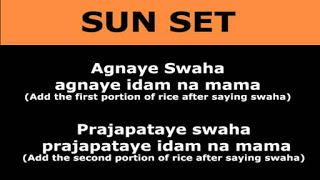
People who do Agnihotram put rice, ghee and milk into fire every day and the mantras end with the words IDAM NA MAMA. The meaning of these Sanskrit words is IT IS NOT MINE.
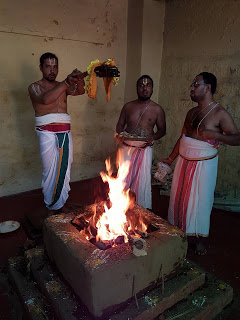
Since Hindus have been performing Pancha Yajnas (Five Ceremonies) from the days of Manu, it is considered one of the five duties of a Hindu to propitiate God. This is to give our thanks to five groups of living beings. This type of Yajnas teach them the concept of sacrifice. That is we have to share with others what we have and we have to thank the beings concerned for the provision of these materials.
I have already written about the Pancha Yanjas. But very briefly it means
Brahma yanjnah – sacrifice to Brahman or the Vedas
Deva yajnah – sacrifice to Devas
Pitru yajnah – sacrifice to departed souls
Manushaya yajnah –sacrifice to men (feeding the poor and guests)
Bhuta yajnah – sacrifice to all living beings (animals, birds and spirits)
(Manu- 3-70, 73, 74, 75; 3-80; 3-92, 94)
In Tamil literature a king known as Pari gave his golden chariot as a support to a jasmine creeper. When the creeper was dancing in the breeze, he thought that it was struggling for a support. Another Tamil king Bekan gave his costly shawl to a peacock when it was dancing. He thought that it was shivering in the cold. These and other five great Tamils are praised in Sangam literature as Seven Great Philanthropists. No body criticised them as idiots for giving valuable chariot and shawl. In the Tamil hagiology Periyapuranam we see lot of saiva devotees did sacrifice their wives, sons and body parts to propitiate God Siva or to entertain his devotees. People saw in them a great devotion and sacrifice. In the Mahabharat we have the example of Karna. In the Ramyana we have the example of a little squirrel which “helped” Rama to build a bridge to Ravana’s Sri Lanka. In the same way, people saw great sacrifice when they threw useful materials into fire. There are other side benefits like getting the rain (using the scientific technique of seeding carbon di oxide ice in the clouds) and killing the germs. When Bhopal Poisonous Gas killed 3000 people, only the Agnihotri house was spared. So much power is in the Agnihotram fire ceremony.
So sacrifice and thanks giving are the basis of these fire ceremonies with the side benefits of attracting rain and killing the germs and insects.
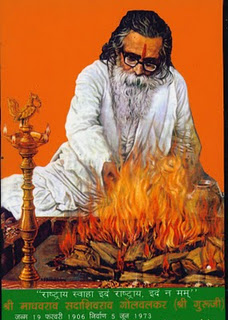
I always wonder why the rationalists never criticise Cigarette smokers who also do a sort of “Fire ceremony”, but harmful to them and to the passive smokers like us. Vedic fire rites made our forefathers live hale and healthy for 100 years. These modern Cigarette smoking kill people causing cancer.
So, whether we do Yagas or Yajnas, at least we can learn the concept of sacrifice by saying Idam Na Mama and parting some cash or kind for good causes.
Idam Na Mama= It is Not Mine!
–Subham–
 Tamil and Vedas