SERPENT WORSHIP IN GREECE AND ITALY (Post No.4874)

WRITTEN by London Swaminathan 


Date: 2 April 2018


Time uploaded in London –  13-34  (British Summer Time)


Post No. 4874


Pictures shown here are taken from various sources such as Facebook friends, Books, Google and newspapers; thanks. Pictures may be subject to copyright laws.


WARNING: PLEASE SHARE MY ARTICLES; BUT DON’T SHARE IT WITHOUT AUTHOR’S NAME AND THE BLOG NAME. BE HONEST; OTHERS WILL BE HONEST WITH YOU


Worshipping snakes is a very common sight in India. From Kashmir to Kanyakumari we have thousands of towns and villages named after the snakes. Sanskrit words Naga and Sarpa gave birth to English words such as S +naga (snake) and Serpent (serpent). Thousands of snake (Naga) statues are worshipped in almost all famous temples in South India. Kashmir’s History book Nilamata purana and Kalahana’s Raja Tarangini give lot of stories about Naga Kings. Naga Panchami and Varuna Panchami, celebrating the snakes, are followed by devoted Hindus even today. Nilamata Purana CONTAINS AN EXTENSIVE LIST OF THE NAGAS. IT GIVES THE NAMES OF 527 NAGAS. It surpasses in length of all lists from Sanskrit literature.


Abul- Fazl, Prime Minister of Moghul Emperor Akbar, had collected interesting notes from Kashmir snake worship. He also mentioned the miraculous powers of Nagas.


Naga rani (snake queen) Naga worship were found in the Vedas and Indus valley (Please read my previous article)
Snake worship in Greece

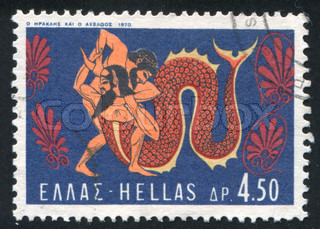
In Greece serpent became the guardian of the city and healing god. Similar to Hindu myths of Krishna subduing Serpent Kaliya, Greeks have Apollo destroying dragon Python. Cadmus fought and killed the dragon that devoured his men.

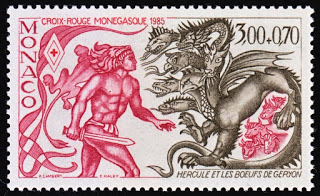
Though Hercules is said to be the destroyer of serpents, he was the progenitor of snake race through Echidna.


Like Hindus feeding snakes living in ant hills, Greeks fed the snakes in the caves of Delphi and Trophonius. The serpents figure in Greek mythology as the representative of gods, or as delivering oracles, or guarding sacred places.


The great centre of Serpent worship was Epidaurus where the serpents were kept and fed until the time of Pausanias (second century CE).
Plutarch tells us that Olympias, mother of Alexander, kept tame snakes in her house. Philip and Lucian believed that Alexander was born of a serpent.


Tiberius imported Snakes from India!

Lanuvium, 16 miles from Rome, had a large and dark grove, where there was a temple of Argive Juno. Aelian tells us that virgins of Latium were taken in to the cave annually to ascertain their chastity, which was indicated by the dragon. If the serpent accepted their offering, not only was their purity  confirmed but also a fertile harvest was assured.


Two snakes sent by Minerva to destroy Laocoon for his attempt to undeceive the fated Trojans. Two serpents were painted on the walls to indicate the palace was sacred.

Roman Scipio Africanus believed that he was nursed by a snake.

Emperor Tiberius kept a tame serpent for his amusement but one morning when he found it was eaten by ants, he procured a large serpent from India and placed it in the temple of Jupiter Olympias at Athens.

My old articles on Nagas:–

Serpent Queen:Indus Valley to Sabarimalai | Tamil and Vedas

Serpent Queen:Indus Valley to Sabarimalai

17 Jun 2012 – British archaeologist Arthur Evans excavated at the palace of Knossos in Crete and revealed to the world the fascinating details of a new civilization that existed between 2700 BC and 1500 BC coinciding with theIndus Valley Civilization. The famous serpent queen figure is of a priestess holding two snakes …


Nagas from Meera Rai Post

Snakes and Snake Bites in Mahabharata! | Swami’s Indology Blog

swamiindology.blogspot.com/2015/03/snakes-and-snake-bites-in-mahabharata.html

10 Mar 2015 – The stories in Hindu scriptures are real life stories. They are not concocted. The best examples are stories of snake bites. From the story of Parikshit to down south Tamil stories of Periya Purana and Tiruvilaiyadal Purana, we hear about several deaths due to snake bites. In some stories gods or saints came ..


included the Olmec, the Mixtec, the Toltec, the Aztec, and the Maya.

snake miracle | Tamil and Vedas

https://tamilandvedas.com/tag/snake-miracle/

(for old articles go to tamilandvedas.com ORswamiindology.blogspot.com). sesha … Though there is no religion or culture without a snake in it, Hindus are the only community who worship snakes from the Vedic days until today. There are millions of … All the Hindu gods are linked with a snake in one way or another. All the .


Are Mayas, Indian Nagas? | Tamil and Vedas

Are Mayas, Indian Nagas?

28 Apr 2012 – Maya calendar begins on 11th August 3114 BC. Indiancalendar Kaliyuga begins in 3102 BC. But Hindu mythology is very clear about their existence long before Kali yuga. Kaliyuga is the last of the four yugas. But Mayas are silent about their existence before this date 3114 BC. The amazing co incidence …

Amazing Similarities between Mayas and Hindu Nagas | Tamil and …

https://tamilandvedas.com/…/amazing-similarities-between-mayas-and-hindu-nagas/

28 Apr 2012 – Amazing Similarities between Mayas and Hindu NagasAmazing Similarities between Mayas and Hindu Nagas ( The first part of this article is Are Mayas, Indian Nagas?) 1. Strange co incidence: Kali Yuga 3102 BC and Maya Yuga beginning 3114 BC 2. Maya appearance:Maya people of Central America …


Naga Yakshi | Tamil and Vedas

https://tamilandvedas.com/tag/naga-yakshi/

We have Nagapanchami celebrations celebrated throughout India where live snakes are worshipped. Hindus respect Nature and Environment and use the natural resorces to the minimum. Snake Goddesses such as Manasa Devi and Naga Yakshi are worshipped in India. The Vedas has an authoress named as Serpent …

Gondwana | Tamil and Vedas

https://tamilandvedas.com/tag/gondwana/

They celebrate Hindu festivals such as Dasara and Naga Panchami. Like any other village community they have their own stories for everything. They are well versed in arts and building. They have divided themselves into four different castes lie the four divisions of work in ancient Hindu society. They form the biggest tribe …


–subham–


த்ரிவிக்ரம பட்டரின் நள சம்பு முடியாதது ஏன்? (Post No.4873)

Date: 2 April, 2018


Time uploaded in London- 5- 59 am


Written by S NAGARAJAN


Post No. 4873


PICTURES ARE TAKEN from various sources. PICTURES MAY NOT BE RELATED TO THE ARTICLE; THEY ARE ONLY REPRESENTATIONAL.


WARNING: PLEASE SHARE MY ARTICLES; BUT DON’T SHARE IT WITHOUT AUTHOR’S NAME AND THE BLOG NAME. BE HONEST; OTHERS WILL BE HONEST WITH YOU.


சம்ஸ்கிருதச் செல்வம்


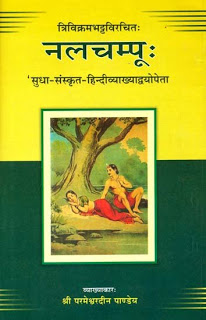
த்ரிவிக்ரம பட்டரின் நள சம்பு முடியாதது ஏன்?


ச.நாகராஜன்


உலகின் முதல் காதல் சரித்திரம் நள- தமயந்தி கதை. இதை மஹாபாரதம் விரிவாகக் கூறுகிறது. ஆனால் உலகின் ஆதி நூலான வேதத்தில் நளனைப் பற்றிய குறிப்பைக் காணலாம்.

சுக்ல யஜுர் வேதத்தில் சதபத பிராமணத்தில் நளனைப் பற்றிக் கூறப்படுகிறது.

மஹாபாரதத்தில் கூறப்பட்ட நள – தமயந்தியின் அழகிய கதையை வைத்து ஏராளமான நூல்கள் இயற்றப்பட்டன.

இவற்றில் பல இன்னும் அச்சேறாமல் சுவடிகளாகவே இருப்பது வருந்தத் தக்கது.


ராஷ்ட்ர கூட மன்னனான மூன்றாம் இந்திரனின் அரசவையில் ஆஸ்தான புலவராக இருந்தவர் த்ரிவிக்ரம பட்டர். போஜ மஹாராஜன் அவரைப் பற்றித் தன் நூலான சரஸ்வதிகண்டாபரணம் என்ற நூலில் குறிப்பிடுகிறான்.

அவர் நள சம்புவை இயற்றிய காலம் உத்தேசமாக கி.பி.915 என்று நிர்ணயிக்கப்படுகிறது.

நள சம்பு அல்லது தமயந்தி கதா என்ற நூல் ஏழாம் அத்தியாயத்துடன் நிற்கிறது. நூல் முற்றுப் பெறவில்லை.

சம்பு காவியம் என்றாலே அது கவிதையும் உரைநடையும் கலந்த ஒரு நூல் என்று பொருள்.


இது ஏன் முற்றுப் பெறவில்லை என்பதற்குச் சுவையான கதை ஒன்று பாரம்பரியமாக வழங்கி வருகிறது.


கதை இது தான்:

தேவாதித்யா என்ற ஒரு பிராம்மணன் சகல கலைகளையும் கற்றுத் தேர்ந்த விற்பன்னராகத் திகழ்ந்தான். ஒரு முறை அவன் வெளியூர் செல்ல நேர்ந்தது.


அந்தச் சமயம் இன்னொரு நகரிலிருந்து வந்த புலவன் ஒருவன் தன்னை எதிர்கொள்ளும் ஒருவரை உடனடியாக அரசவைக்கு வருமாறு சவால் விடுத்தான். இல்லையேல் தானே சிறந்த அறிஞன் என்பதற்கான ஜயபத்ரம் தருமாறு மன்னனை வேண்டினான்.

மன்னனோ உடனடியாக தேவாதித்யாவை அழைத்து வருமாறு காவலர்களை அனுப்பினான். ஆனால் தேவாதித்யாவோ ஊரில் இல்லை.


அவரது மகனான த்ரிவிக்ரம பட்டர் தனது அறியாமையை எண்ணி மிகவும் வருத்தப்பட்டார்.


சரஸ்வதி தேவியிடம் மனதார வேண்டினார். சரஸ்வதி அவரிடம் ‘உனது தந்தை திரும்பி வரும் வரை உன் நாவில் நான் அமர்வேன், கவலைப்படாதே’ என்று அருளினாள்.

சரஸ்வதியின் அருளினால் சவாலுக்கு அழைத்த புலவரை எதிர்கொண்டு த்ரிவிக்ரம பட்டர் வென்றார்.

அவரைப் பாராட்டிய மன்னன் சகல வெகுமதிகளையும் கொடுத்து அவரை கௌரவித்தான்.


சரஸ்வதி தன் நாவில் இருக்க்ம் போதே ஒரு காவியத்தை இயற்ற த்ரிவிக்ரம பட்டர் எண்ணினார்.


“புண்ய ஸ்லோகோ நளோ ராஜா” என்று நள சரித்திரத்தைத் தொடங்கினார்.


ஏழாவது அத்தியாயத்தை முடித்த அன்று அவரது தந்தை தேவாதித்யா ஊர் திரும்பினார்.


உடனடியாக சரஸ்வதி அவரது நாவை விட்டு அகல நூல் முற்றுப் பெறாமல் அப்படியே நின்று விட்டது!


மிக அருமையான சிலேடையும் அரிதான செய்யுள்களின் அமைப்பையும் கொண்டுள்ளது நள சம்பு.

ஆகவே அதன் பல ஸ்லோகங்கள் பின்னால் வந்த கவிஞர்களால் எடுத்துக்காட்டப்படுவது வழக்கமானது.

நள சம்புவிற்கு சில உரைகள் உண்டு.

அனைவராலும் பாராட்டப்படும் நூலாக நள சம்பு இன்றளவும் திகழ்கிறது!

***

IF YOU SALUTE ELDERS YOU GET FOUR BENEFITS- MANU’S ASSURANCE (Post No.4872)

WRITTEN by London Swaminathan 


Date: 1 April 2018


Time uploaded in London –  18-18 (British Summer Time)


Post No. 4872


Pictures shown here are taken from various sources such as Facebook friends, Books, Google and newspapers; thanks. Pictures may be subject to copyright laws.


WARNING: PLEASE SHARE MY ARTICLES; BUT DON’T SHARE IT WITHOUT AUTHOR’S NAME AND THE BLOG NAME. BE HONEST; OTHERS WILL BE HONEST WITH YOU


FOLLOWING VERSES ARE FROM THE SECOND CHAPTER OF MANU SMRTI ALIAS MANAVA DHARMA SHASTRA


MY COMMENTS:

The interesting points in this section of the Second Chapter of Manu Smrti are:

1.Why should one stand up before elders?

When a person who commands, respect comes suddenly into your room, you get a shock. If you stand up and show respect, you slowly come out of the shock. The reason being the person who is shown respect says something nice to you.

2.How to greet?

Hindu way of greeting a person is very unique. You say Hello by introducing you fully with the details of your Kula, Gotra (clan) who are your forefather seers, what Veda you learn and then say I salute you by touching his feet. This is unique to Hindus. But they never say all these things before of a sanyasi (an ascetic)because he considers everyone equal irrespective of his Kula or Gotra.

  1. Elders always greet the youngsters Long Live (with health and wealth).
  2. Priests, Vedic scholars and educated get respect even if they are young.

5.Friendship rules are interesting. Artists get more value. Verse 2-134

6.Five Criteria for Respect is very interesting: Educated are more respected than aged or relationship, wealth etc. Verse 2-136

  1. Right of way rules, road transport rules are very interesting- verse 2-138

8.Definition of Acharya, Upadhyaya, Guru etc is also interesting

9.Mother is 1000 times more respectful than father (verse 2-145) –shows the highest respect for women.


Manu Smrti- Second Chapter


WHY SHOULD YOU STAND UP BEFORE ELDERS?

2-119. One must not sit down on a couch or seat which a superior occupies; and he who occupies a couch or seat shall rise to meet a superior, and afterwards)salute him.

2-120. For the vital airs of a young man mount upwards to leave his body when an elder approaches; but by rising to meet him and saluting he recovers them.

  1. He who habitually salutes and constantly pays reverence to the aged obtains an increase of four things, (viz.) length of life, knowledge, fame, and strength.
  2. After the word of salutation, a Brahmana who greets an elder must pronounce his name, saying, ‘I am N. N.’ Also announce that I belong to this clan, learning this Veda, Shaka, his forefather seers etc.
  3. To those persons who, when a name is pronounced, do not understand the meaning of the salutation, a wise man should say, ‘It is I;’ and he should address in the same manner all women.
  4. In saluting he should pronounce after his name the word bhoh; for the sages have declared that the nature of bhoh is the same as that of all proper names.


Long Live Greeting!

  1. A Brahmana should thus be saluted in return, ‘May’st thou be long-lived, O gentle one!’ and the vowel ‘a’ must be added at the end of the name (of the person addressed), the syllable preceding it being drawn out to the length of three matras.

e.g swaminathaaa, kartikeyaaa

  1. A Brahmana who does not know the form of returning a salutation, must not be saluted by a learned man; as a Sudra, even so is he.
  2. Let him ask a Brahmana, on meeting him, after (his health, with the word) kusala, a Kshatriya (with the word) are you free from diseases?, a Vaisya (with the word) are you getting enough money?, and a Sudra (with the word) are you healthy?.

Even Young Vedic Scholars must be respected

2-128. He who has been initiated (to perform a Srauta sacrifice) must not be addressed by his name, even though he be a younger man; he who knows the sacred law must use in speaking to such (a man the particle) bhoh and (the pronoun) bhavat (your worship).

  1. But to a female who is the wife of another man, and not a blood-relation, he must say, ‘Lady’ (bhavati) or ‘Beloved sister!’
  2. To his maternal and paternal uncles, fathers-in-law, officiating priests, (and other) venerable persons, he must say, ‘I am N. N.,’ and rise (to meet them), even though they be younger (than himself).
  3. A maternal aunt, the wife of a maternal uncle, a mother-in-law, and a paternal aunt must be honoured like the wife of one’s teacher; they are equal to the wife of one’s teacher.
  4. (The feet of the) wife of one’s brother, if she be of the same caste (varna), must be worshipped every day; but (the feet of) wives of (other) paternal and maternal relatives need only be worshipped on one’s return from a journey.
  5. Towards a sister of one’s father and of one’s mother, and towards one’s own elder sister, one must behave as towards one’s mother; (but) the mother is more venerable than they.

Who can be Your Friends? Friendship Rules

2-134. Fellow-citizens are called friends and equals though one be ten years older than the other, men practising the same fine art though one be five years older than the other, Vedic scholars though three years but blood-relations only if the difference of age be very small.

  1. Know that a Brahmana of ten years and Kshatriya of a hundred years stand to each other in the relation of father and son; but between those two the Brahmana is the father.


Five Criteria for Respect

2-136. Wealth, kindred, age, the due performance of rites, and, fifthly, sacred learning are titles to respect; but each later-named cause is more weighty than the preceding ones. That is the educated are the most respectful

  1. Whatever man of the three (highest) castes possesses most of those five, both in number and degree, that man is worthy of honour among them; and (so is) also a Sudra who is ninety years old.

Right of Way, Road Rules

2-138. Way must be made for a man in a carriage, for one who is above ninety years old, for one diseased, for the carrier of a burden, for a woman, for a Brahmana, for the king, and for a bridegroom.

  1. Among all those, if they meet at one time, a Brahmana and the king must be most honoured; and if the king and a Brahmana meet, the latter receives respect from the king.


Teacher

  1. They call that Brahmana who initiates a pupil and teaches him the Veda together with the Kalpa and the Rahasyas, the teacher.

Upadhyaya

  1. But he who for his livelihood teaches a portion only of the Veda, or also the Angas of the Veda, is called the sub-teacher (upadhyaya).

Guru

  1. That Brahmana, who performs in accordance with the rules (of the Veda) the rites, the Garbhadhana (conception-rite), and so forth, and gives food (to the child), is called the Guru (the venerable one).

Officiating Priest

  1. He who, being (duly) chosen (for the purpose), performs the Agnyadheya, the Pakayagnas, (and) the (Srauta) sacrifices, such as the Agnishtoma (for another man), is called (his) officiating priest.

Equal to Parents

  1. That (man) who truthfully fills both his ears with the Veda, (the pupil) shall consider as his father and mother; he must never offend him.

MOTHER 1000 TIMES MORE VENERABLE THAN FATHER

2-145. The teacher  is ten times more venerable than a sub-teacher (upadhyaya), the father a hundred times more than the teacher, but the mother a thousand times more than the father.

  1. Of him who gives natural birth and him who gives the knowledge of the Veda, the giver of the Veda is the more venerable father; for the birth for the sake of the Veda ensures eternal rewards both in this life and after death.
  2. Let him consider that he received) a (mere animal) existence, when his parents begat him through mutual affection, and when he was born from the womb (of his mother).

TO BE CONTINUED…………………….

பெரியோருக்கு வந்தனம் சொன்னால் என்ன கிடைக்கும்? மநு பதில் (Post No.4871)

பெரியோருக்கு வந்தனம் சொன்னால் என்ன கிடைக்கும்? மநு பதில் (Post No.4871)


WRITTEN by London Swaminathan 


Date: 1 April 2018


Time uploaded in London –  15-06 (British Summer Time)


Post No. 4871


Pictures shown here are taken from various sources such as Facebook friends, Books, Google and newspapers; thanks. Pictures may be subject to copyright laws.


WARNING: PLEASE SHARE MY ARTICLES; BUT DON’T SHARE IT WITHOUT AUTHOR’S NAME AND THE BLOG NAME. BE HONEST; OTHERS WILL BE HONEST WITH YOU


மநு நீதி நூல்- Part 14 (Post No 4871)


குருவின் ஆசனத்திலும் படுக்கவும் உட்காரவும்  கூடாது; ஒரு மாணவன் தனது படுக்கையில் படுத்திருக்கும் போது அல்லது  உட்கர்ந்திருக்கும்போது குரு வந்தால் எழுந்து நின்று வந்தனம் (வணக்கம்) செய்ய வேண்டும். 2-117 (235)


வயதிலும் கல்வியிலும் பெரியவர்களானவர்கள் வரும்போது ஒருவன் உடகார்ந்திருந்தால் அவனுடைய பிராண வாயு மேலெழுந்து வெளியே செல்ல முற்படும்; எழுந்து நின்றால் அது சம நிலையை அடையும். 2-118 (236)


நான்கு கிடைக்கும்!


பெரியார்களை நாள்தோறும் வந்தனம் செய்கிறவனுக்கும் தரிசிக்கிறவனுக்கும் நான்கு கிடைக்கும்:- அவையாவன- ஆயுள், கல்வி, புகழ்/கீர்த்தி, பலம் 2-119 (237)


பெரியோர்களுக்கு வணக்கம் சொல்லுகையில் தன்னுடைய பெயர், குலம், கோத்திரம், தான் படிக்கும் வேதம், ஷாகை ஆகியவற்றைச் சொல்லி அபிவாதனம் செய்ய வேண்டும்.

அபிவாதனம்– மிகவும் அடக்கத்துடன் குனிந்து எதிரேயுள்ள பெரியோரின் காலைத் தொட்டுச் சொல்லுதல்


யாருக்கு ஆசீர்வாதம் செய்யத் தெரியாதோ அவர்களுக்கும் பெண்களுக்கும் வணக்கம் சொல்லுகையில் அபிவாதயே மந்திரம் சொல்லத் தேவை இல்லை. தன்னுடைய பெயரை மட்டும் சொன்னால் போதும்


பெயரைச் சொன்ன பின்னர் ‘போ’ (தாங்கள் = தங்களை வணங்குகிறேன்) என்று சொல்லி முடிக்க வேண்டும்.அந்த சப்தமானது பெயர்களின் ஸ்வரூபம் (நிறைவு பெற்றது) என்று ரிஷிகளால் சொல்லப்படுகிறது.


சிறியோர்கள் வந்தனம் சொல்லும்போது பெரியோர்கள் “நீ நீண்டகாலம் வாழ்வாயாக” என்று வாழ்த்த வேண்டும்; சம்ஸ்க்ருதத்தில் ஆயுஷ்மான்  பவ,

என்று வந்தனம் சொன்னவர் பெயரை நெடில் எழுத்தில் சொல்ல வேண்டும் (உ.ம். ஆயுஷ்மான்  பவ ஸ்வாமிநாதா, கார்த்திகேயா)


இவ்வாறு எந்தப் பிராமணனுக்கு ஆஸீர்வாதம் செய்யத் தெரியவில்லையோ அவனுக்கு வந்தனம் செய்யக்கூடாது- அவன் சூத்திரனுக்குச் சமம்.


இவ்வாறு வணக்கம் செய்பவனை – பிராமணனாக இருந்தால் குசலம் (நலமாக இருக்கிறீர்களா?) விசாரிக்க வேண்டும்; க்ஷத்ரியனாக இருந்தால் நோயற்ற வாழ்வு வாழ்கிறீர்களா? எனக் கேட்க வேண்டும்; வைஸ்யனாக இருந்தால் நல்ல பணம் வருகிறதா? என்றும் சூத்திரனாக இருந்தால் சுகமாக இருக்கிறீர்களா? என்றும் கேட்கவேண்டும்.

யாகம் செய்வதற்காக தீக்ஷை அணிந்தவன் – வயதில் சிறியவனாக இருந்தாலும் அவரைப் பெயரைச் சொல்லி அழைக்கக்கூடாது. ‘போ’, ‘பவான்’ (தாங்கள்) என்றே அழைக்க வேண்டும்


வயதான மாதர்கள் பிறருடைய மனைவியாகவோ, உறவினர் அல்லாதவர்களாகவோ இருந்தால் ‘பவதி’, ‘சுபகே’, ‘பகினி’ என்று அழைக்க வேண்டும் அதாவது அவர்களை அக்கா, அம்மா, அம்மணி என்ற மரியாதையுடன் நடத்துவதாகும்.


அம்மான், சிற்றப்பன், பெரியப்பன், மாமனார், யாக புரோகிதர்கள், குரு  வந்தால் எழுந்து நின்று  அபிவாதனம் செய்து மரியாதை செய்தல் வேண்டும்.

அண்ணன் மனைவியை நாள் தோறும் வணங்க வேண்டும். ஞாதி- சம்பந்திகளின் மனைவிமார்களை ஊருக்குப் போய் வந்தபோது மட்டும் வணங்க வேண்டும்- 132

பெரிய அத்தை, தாயுடன் பிறந்த பெரிய தாய், சிறிய தாய்- ஆகியோரிடத்தில் தாயைப் போல மரியாதை காட்டவேண்டும்; ஆனால் தாயார், இவர்கள் எல்லோரையும் காட்டிலும் உயர்ந்தவள்

யாரை நண்பன் ஆக்கலாம்?

ஓர் பட்டணம், ஊரில் வசிப்பவன் தனக்கு பத்து வயது மூத்தவனோடும், சங்கீதம் முதலிய வித்தைகள் தெரிந்தவன் ஆனால் ஐந்து வயது மூத்தவனோடும், வேதம் தெரிந்திருந்தால் மூன்று வயது மூத்தவனோடும், ஞாதி ஆகியோருடன் கொஞ்சம் வயது வயது மூத்தவனோடும் சிநேகம் செய்யலாம் (நட்புறவு கொள்ள வேண்டும்).


பத்து வயதுள்ள பிராமணனையும் 100 வயதுள்ள க்ஷத்ரியனையும் தகப்பன்- பிள்ளயாக கவனிக்க வேண்டியது. அதாவது பிராமணனை தகப்பன் மரியாதையுடனும் க்ஷத்ரியனை புத்திரன் மரியாதையுடனும் நடத்த வேண்டும்.


பூஜிக்கத்தக்க 5 அம்சங்கள்

நியாயமாய்த் தேடிய பொருள், சிற்றப்பன் முதலிய உறவினர்கள்,  உயர்ந்த வயது, நல்ல ஒழுக்கம், கல்வி ஆகிய ஐந்தும் ஒருவனை பூஜிப்பதற்குரிய /மதிப்பதற்குரிய ஐந்து அம்சங்கள் –  வரிசைக் கிரமத்தில் பார்த்தால் இவை ஒன்றைக் காட்டிலும் ஒன்று உயர்ந்தது. இந்த ஐந்து அம்சங்/தகுதி/களில் ஏதேனும் இரண்டு, மூன்று அம்சங்கள்/தகுதிகள் உடையோரை ஒன்று மட்டுமே உடையவர்கள் பூஜிக்க வேண்டும்; 90 வயதுக்கு மேற்பட்ட சூத்திரர்களுக்கு எல்லோரும் மரியாதை செய்ய வேண்டும்.


90 வயதுக்கு மேற்பட்டவன், நோயாளி, சுமையாளி, மாதர்கள், அநுஷ்டானமுள்ள பிராமணர்கள்,அரசன், கலியானம் செய்யப்போகும் மாப்பிள்ளை ஆகியோருக்கு வண்டி வாஹனங்களில் வருவோர் வழிவிட வேண்டும்.


இவர்களில் பலரும் வந்தால் அனுஷ்டானமுள்ள பிராமணனுக்கும் மன்னனுக்கும் முதலில் வழிவிட வேண்டும். பிராமணனும் அரசனும் வந்தால் பிராமணனுக்கே முதலில் வழிவிடவேண்டும்.


யார் ஆச்சார்யன்?

எவன் உபநயனம் செய்வித்து வேத, யாக மந்திரங்களையும், வேதாந்தங்களையும் ஓதுவிக்கிறானோ, அவனே ஆச்சார்ன் எனப்படுவார்.

எவன் கர்ப்பதானம் முதலிய கிரியைகளைச் செய்வித்து ஜீவனோபாயத்தைக் கற்பிக்கிறானோ அவன் குரு எனப்படுவான்.

எவன் அக்னிசந்தானம், அக்னிஷ்டோமம் முதலிய யாகங்களைச் செய்விக்க வேண்டும் என்று கேட்டுக்கொள்ளப்பட்டு அதனைச்

செய்விக்கிறானோ அவனை ரித்விக் என்று சொல்லுவார்கள்.


எவன் ஸ்வரத்தோடு கூடிய வேத ஒலியினால் தன் காதுகளை நிறைவிக்கின்றானோ அவன் தாய், தந்தைக்குச் சமமானவன்; அவனுக்கு ஒருக்காலும் துரோகம் செய்யக் கூடாது.


உபத்தியாயனைவிட ஆச்சார்யன் பத்து மடங்கு உயர்ந்தவன். ஆச்சார்யனைவிட உபநயனம் முதலிய சடங்குகளைச் செய்வித்த தந்தை நூறு மடங்கு  உயர்ந்தவன்.. அவரைவிட ஒருவனுடைய தாய் ஆயிரம் மடங்கு உயர்ந்தவள்.


பெற்ற தகப்பனை விட இரண்டாவது ஜன்மம் உண்டாக்கும் பிரம்மோபதேசம் செய்த ஆச்சார்யன் உயர்ந்தவன்; அவ்விரண்டாவது பிறப்பானது இம்மையிலும் மறுமையிலும் அழியாதது.


மாதாவும் பிதாவும் புணர்ந்து அதன் காரணமாக யோனி வழியாகப் பிறக்கும் உடல் மிருகங்களைப் போல உறுப்புகளை மட்டும் உண்டாக்கும் (2-147)


எனது கருத்து


மேற்கூறிய ஸ்லோகங்கள் பற்றி எனது கருத்துகள்:


வயதானோருக்கு வந்தனம் சொன்னால் புகழ், வலிமை, ஆயுள், கல்வி கிடைக்கும் என்ற ஸ்லோகமும் ஒருவனைப் பூஜிக்க அடிப்படையான ஐந்து அம்சங்களை விளக்கும் ஸ்லோகமும் அருமையானவை


.தமிழ்நாட்டிலும் மஹாராஷ்டிரத்திலும் தோன்றிய அரசியல்வாதிகள் பிராமணர் அல்லாதோர் அனைவரையும் சூத்திரர் ஆக்கிவிட்டார்கள். உண்மையில் அந்த நாலாவது வருணத்தார் மிகவும் குறைவே.


அவர்களில் மிகவும் வயதானோரை மற்ற மூன்று வருணத்தாரும் மதிக்க வேண்டும் என்ற ஸ்லோகம் குலத்தால் ஒருவர் தாழ்ச்சி இல்லை என்பதைக் காட்டுகிறது.


ஒவ்வொருவரையும் நலம் விசாரிப்பது எப்படி என்ற ஸ்லோகத்தில் சூத்திரனை, சுகமாக இருக்கிறீர்களா? என்று மரியாதையுடன் விசாரிக்க வேண்டும் என்று மநு விதிக்கிறார். ஆகையால் எவ்வளவு சம நிலையுடன் அணுகப்படுகிறது என்பது புலப்படும். விஷ்ணு சஹஸ்ரநாம ஸ்லோகத்திலும் “சூத்ர சுகம் அவப்னுயாத்” என்று வேண்டப்படுகிறது. எங்குமே அவனுக்கு எதிராக நெகட்டிவ் – வசவு வாக்கியம் கிடையாது.


வேதப் படிப்பு முதலியவற்றில் அவன் தொடர்பு இருக்கக் கூடாது என்ற கடுமையான வாசகங்களைக் காண்கிறோம்; அவர்கள் ஏதோ வேதம் கற்க ஆர்வத்தோடு ஓடி வந்த போது பிராஹ்மணர்கள் அதைத் தடுத்துவிட்டார்கள் என்று எண்ணுவது நகைப்புக்குரிய விஷயமாகும்; பிராஹ்மணர்களே வேதம் கற்பதை நிறுத்திவிட்ட இன்றை நிலையைப் பார்க்கையில் இது இன்னும் நன்றாக விளங்கும்.

ஜாதி என்பது உலகம் முழுதும் உளது. இந்தியாவில் அரசியல்வாதிகள், தங்கள் குடும்பத்தினரை மந்திரி பதவியில் அமர்த்துகின்றனர்; கட்சிப்பதவிகளில் நியமிக்கின்றனர். கீழ்ஜாதி மக்கள் தங்களி மேலும் கீழ் ஜாதிகளாக அறிவித்து எப்போதும் வேலை, கல்வி நிறுவனச் சலௌகை தரவேண்டும் என்கின்றனர். அவர்கள் செல்வந்தர்களாக இருந்தும் ஜாதி ஒதுக்கீட்டு ம்சலுகைகளைப் பெறுவதிலிருந்து அவர்கள் செய்யும் மோசடி அம்பலம் ஏற்கிறது. பிரிட்டனிலும் ஆதிகள் உண்டு; அரச ஜாதியினரே அரசனாக முடியும்; பிரபுக்களின் வம்சாவளியினரே பிரபு வாக முடியும்; இவை அனைத்தும் பிறப்பு மூலமே கிடைக்கின்றன. நடிக,நடிகையர் மகன்கள், மனிவிகள் மட்டும் ஏதாவது ஒரு சினிமாத் துறயில் புகுந்து விடுகின்றானர்.


ஆயிரம் தகப்பன் = ஒரு தாய்


பெண்ணின் மதிப்பை மநு தொடர்ந்து போற்றி வருகிறார். இங்கே ஒரு ஸ்லோகத்தில் ஒரு தந்தையைவிட தாய் ஆயிரம் மடங்கு உயர்ந்தவள் என்ற ஸ்லோகம் மிகவும் அருமையானது.


வண்டிகள் போக்குவரத்தில் யார், யாருக்கு வழிவிட வேண்டும் என்ற விதிமுறை போன்றவற்றைப் பார்க்கையில் , இக்காலத்தில் உள்ள ப்ரயாரிட்டி PRIORITY, RIGHT OF WAY ரைட் ஆf வே நினைவுக்கு வருகிறது. மநு இந்தப் போக்குவரத்து பற்றி கூட பேசுகிறார்

அண்ணன், மனைவி முதலியோருக்குக் கூட மதிப்பும் மரியாதையும் தரப்படுகிறது.


உபாத்யாயன், ஆச்சார்யன், குரு, ரித்விக் முதலிய வருணனைகள் இக்காலத்துக்குத் தேவை இல்லாதாகிவிட்டது..


தொடரும்………………….


பாரதி போற்றி ஆயிரம் – 66 & 67 (Post No.4870)

Date: 1 April, 2018


Time uploaded in London- 7-17 am


Compiled by S NAGARAJAN


Post No. 4870


PICTURES ARE TAKEN from various sources. PICTURES MAY NOT BE RELATED TO THE ARTICLE; THEY ARE ONLY REPRESENTATIONAL.


WARNING: PLEASE SHARE MY ARTICLES; BUT DON’T SHARE IT WITHOUT AUTHOR’S NAME AND THE BLOG NAME. BE HONEST; OTHERS WILL BE HONEST WITH YOU.


பாரதி போற்றி ஆயிரம் – 66

  பாடல்கள் 485 முதல் 491


கவிதை இயற்றியோர்: பல்வேறு கவிஞர்கள்

தொகுப்பு : ச.நாகராஜன்


கலைமாமணி கவிஞர் கே.பி.அறிவானந்தம் பாடல்கள்

பாரதி பத்துப்பாட்டு

நூலில் பத்து அத்தியாயங்கள் உள்ளன. இங்கு மூன்றாம் அத்தியாயமான பராசக்தி பார்வையில் பாரதி தொடர்கிறது.

மூன்றாம் அத்தியாயம்: பராசக்தி பார்வையில் பாரதி

31 முதல் 37 வரை உள்ள பாடல்கள்

எத்தனையோ தெய்வங்களைப் பாடிடினும் யாவிலுமிச்

     சக்திதன்னை யேநீயும் கண்டாய் – அவை

     அத்தனையும் என்வடிவே என்றாய் – உலகில்

சக்திதாசர் என்றிடவே வாழ்ந்தவரும் உன்போலே

     தத்துவத்தில் உறுதிகொண்ட தில்லை – கவியில்

     நித்தமெனைக் கண்டதுந்தன் எல்லை


மணக்குளத்து விநாயகர் நான்மணிமா லைதனிலும்

     மணப்பதெலாம் என்புகழே யன்றோ? – அதன்

     மகத்துவத்தை உணர்த்துவதுதான் என்றோ? – பாவில்

இணக்கமாய் சக்திதொழில் யாவுமெனில் சஞ்சலமேன்

     எனவுரைத்து போற்றினையே என்னை – அதனை

     இனியுணர்ந்து போற்றுவரே உன்னை


முருகனவன் பெருமைகளை உரைக்கின்ற போதினிலே

     அருமையுடன் ஒருவரியைச் சொன்னாய் -குகன்

     அருளாகிய தாய்மடிமேல் என்றாய் – மேலும்

ஒருமுறையா இருமுறையா உமைமைந்தன் என்பதனை

     திருக்குமரன் சிறப்பெனவே கொண்டாய் – மயில்மேல்

     வரும்முருகன் தனிலுமெனைக் கண்டாய்


கலைமகளும் திருமகளும் கண்களெனக் கொண்டதினால்

     காமாட்சி என்றபெயர் பெற்றேன் – அதுபோல்

     காணுமுந்தன் பாட்டினிலும் உற்றேன் – இன்று

நிலையுரைக்க இயலாத பரமனோடு கண்ணனையும்

     நிகழ்சக்தி வடிவெனவே சொன்னாய் – எதிலும்

     நீக்கமற நிற்பவள்யான் என்றாய்


எங்கணும் சக்தி எதனிலும் சக்தி

    என்பதே உந்தன் கவித்துவ சக்தி

அங்கத னால்நீ ஆவேச முற்றே

    யாரையும் பணிய மறுத்திட் டாயே

சிங்கமென் றுன்னைச் சொல்லிடும் வண்ணம்

    சீரிய மேனி இருந்திட்ட போதும்

அங்கங் கலைந்தே அளவிலா துன்பம்

    அடைந்த தினாலுடல் சிதைவுற் றாயே


நூறாண்டு வாழ்ந்திட வரமது கேட்டாய்

     நோயுடன் அவ்விதம் வாழ்ந்திடல் நன்றோ?

சீரான வாழ்வின்றி எத்தனைக் காலம்

     சிந்தைநொத் துலகில் இருந்திடக் கூடும்?

ஆறான தொருநாள் சமுத்திரம் தன்னில்

     ஆவலாய் சங்கமம் ஆகிடுந் தானே

பேரான படைப்புகள் போதுமென் றேநான்

     பிள்ளையே உந்தனை அழைத்துக் கொண்டேன்


என்றுமிங் கொருவன் எத்தனைக் காலம்

     இருந்தனன் என்பதில் பெருமைதான் உண்டோ?

பொன்றிடும் முன்னர் வேடிக்கை மனிதர்

     போலவீ ழாமல்சா திக்கநி னைத்தாய்

இன்றுள படைப்பே இவ்வுல கிங்கே

     இருந்திடும் வரையுன் சிறப்பினைக் கூறும்

நன்றினை என்றுன் கவிமலர் யாவும்

     நான்மகிழ் தேற்றேன் வாழ்கநீ வாழ்க!

பராசக்தி பார்வையில் பாரதி முற்றும்


தொகுப்பாளர் குறிப்பு:
பாரதிப் பத்துப்பாட்டை வெளியிட மகிழ்ச்சியுடன் அனுமதி தந்த கவிஞருக்கும் சந்தனத் தென்றல் பதிப்பக உரிமையாளர் கவிஞர் சி.காசிநாதன் அவர்களுக்கும் எமது நன்றி.

கவிஞரைப் பற்றிய அறிமுகம் ஏற்கனவே தரப்பட்டுள்ளது.

 xxxx

பாரதி போற்றி ஆயிரம் – 67

  பாடல்கள் 492 முதல் 525


கவிதை இயற்றியோர்: பல்வேறு கவிஞர்கள்

தொகுப்பு : ச.நாகராஜன்


கலைமாமணி கவிஞர் கே.பி.அறிவானந்தம் பாடல்கள்

பாரதி பத்துப்பாட்டு

நூலில் பத்து அத்தியாயங்கள் உள்ளன. இங்கு நான்காம் அத்தியாயமான பாஞ்சாலி பார்வையில் பாரதி இடம் பெறுகிறது.

 பாஞ்சாலி பார்வையில் பாரதி

1 முதல் 34 வரை உள்ள பாடல்கள்

திருவுடைப் பாஞ்சால நாட்டினில் தோன்றலால்

       திகழ்பாஞ் சாலி யென்பார்

துருபதன் மகளாய் வளர்ந்ததால் எந்தனை

      திரௌபதி என்ற ழைத்தார்

கிருட்டிணன் தங்கையென கருநிறம் பெற்றதால்

      கிருட்டிணை என்று சொன்னார்

பெருந்திறல் கொண்டதோர் பாண்டவர் தேவியென

      புகழ்தலே உயர்வாய்க் கொண்டேன்


தீயவை யாவையும் தீய்த்திட வந்ததால்

      தீயினில் தோன்றி வந்தேன்

தீயதை மாசுகள் தீண்டாது என்பதால்

      திகழ்ஐவர் தேவி யானேன்

ஆயயிப் புவிமுறைகள் ஏதுமெனக் கேலாது

     ஆய்ந்தவர் இதை யுணர்வார்

தூயநன் னெறிதனில் நினைத்ததால் அல்லவோ

     தெய்வமாய் சிறப்புப் பெற்றேன்


அரனருள் முற்பிறவி வரத்தினால் தோன்றினும்

      அரிமகிழ் தங்கை யானேன்

அரண்மனை தன்னிலே வளர்ந்தவ ளாயினும்

     அடவியில் வாழலானேன்

அரணெனும் ஐவர்தம் தேவியா யிருந்தும்

     அடுத்தவன் இழுத்துச் சென்று

அரசவை தன்னிலே ஆடைகள் பறித்திட

      அபலையென தவித்து நின்றேன்


அன்றுமுதல் என்மனதில் நான்கொண்ட பாரமே

     அரிய பாரதமாய் ஆக

என்றுமென் நெஞ்சத்தில் குமுறிய ஆவேசம்

     ஏயும்குருச் சேத்ர மாக

அன்றங்கு பதினெட்டு அக்ரோணி சேனைகள்

     அவளால் அழிந்த தென்று

என்றுமெனைப் பழிப்போர்கள் இருந்தாலும் காரணம்

     எவரிங்கு ஆய்ந்து சொன்னார்?


பாரதி எனும்புலவா – இந்தப்

பாஞ்சாலி துயரினை நீயுணர்ந்தாய்

பாரதிர்ந் திடநடந்த – அந்தப்

பாரதப் போரின் காரணத்தை

ஈரநெஞ் சத்துடனே – ஆய்ந்து

எனது நிலையினைத் தேர்ந்துரைத்தாய்

சீரற்ற கௌரவர்கள் – செய்த

சூழ்ச்சியால் விளைந்ததை ஆய்ந்துரைத்தாய்


காலத்தின் கண்ணாடியாய் – பல

கவிதைகள் புனைகின்ற பணியிருந்தும்

சாலநற் சுதந்திரப்போர் – தனில்

சற்றேனும் ஓய்வற்ற உழைப்பிருந்தும்

ஏலவோர் இடமுமின்றி – சென்று

எங்கெங்கோ உறைகின்ற வாழ்விருந்தும்

சீலமாய்ப் பாஞ்சாலி – நிலையை

சிறப்புறப் பாடுவேன் எனயெழுந்தாய்


எண்ணற்றா காவியம் நாட்டினுண்டு – அதில்

     எனைப்பற்றிப் பாடினோர் பலருண்டு

திண்ணமாய் முன்னமென் கதையுரைத்த – ஞானம்

     திகழ்கின்ற வியாசனின் பெருமையுண்டு

உண்டிடத் திகட்டாத அமுதமென்ன – வில்லி

     உரைத்திட்ட அற்புதப் பாடலுண்டு

பண்ணிலே எனதருங் கதையைநாளும் – இங்கு

     பாடியே வைத்திட்டோர் நிறையவுண்டு


எத்தனைப் பேரென்னைப் பாடியென்ன? – அதில்

     எவருமென் நிலையெண்ணித் துடித்ததுண்டோ?

பித்தனைப் போலந்த துரியன்அன்று – செய்த

     பேய்ச்செயல் கண்டிங்கு பதைத்ததுண்டோ?

நித்தமும் நிகழ்கின்ற எளியசெயலாய் – எந்தன்

     நிலைபற்றி இயல்பாக எழுதிவைத்தார்

அத்தகை யோர்க்கெலாம் எனதுவாழ்வு – பெண்ணின்

     அவலமல்ல ஆங்கதுவோர் கதைமட்டும்தான்


பாரதி நீயொருவன் தானே அய்யா

     பதறினாய் குமுறினாய் கோபமுற்றாய்

சீரற்ற மாந்தரின் சிறுமை கண்டு

    சீறினாய் மாறினாய் சாபமிட்டாய்

யாரவர் நெட்டைக ரங்க ளென்றாய்

    எல்லாரும் பெட்டைகள் எனப்பழித்தாய்

வேரற்ற மரமாக வீழ்ந்தி டாமல்

    வீறுகொண் டெழுந்தெனை முழங்கச் செய்தாய்


பாரதத்தை என்னுருவில் பார்த்திட் டாயோ?

      பாஞ்சாலி பாரத மாதாஎன்றே

சாரமுடன் உன்மனதில் தேர்ந்திட் டாயோ?

      சார்ந்திட்ட தீவிர வாதியாக

சூரனெனும் பீமனை நினைத்திட் டாயோ?

      சூழ்நிலையை உணர்ந்தவையில் பேசிநின்ற

வீரனருச் சுனந்தன்னை மிதவா தத்தின்

      விளங்குமொரு வடிவமெனப் படைத்திட் டாயோ?


தருமனையே அறத்திற்கோர் வடிவ மென்றே

     தக்கோர்கள் யாவருமே புகழ்ந்து சொல்வார்

தருமன்போல் என்றேதான் பண்பிற் கெல்லாம்

     தலைமையுறு உவமையென எவரும் சொல்வார்

தருமனவன் சூதாட்டம் தன்னில் கொண்ட

     தாளாத மோகத்தால் ஈடு பட்டே

தருமத்திற் கெதிராக எனையே அங்கு

     தான்வைத்து ஆடியதை எவர்தான் சொன்னார்?


ஆதலினால் தருமன்தான் நாட்டை வைத்தே

    ஆடிய போதேநீ கோபம் கொண்டு

சீதமதி குலத்திற்கே களங்கம் நேர

     சீச்சீயிவன் சிறியர்செய்கை செய்தான் என்றாய்

ஏதமுற அதன்பின்னும் மனையாள் தன்னை

     ஏற்றதொரு பணயமென வைத்திட் டானே

ஈதறமோ நற்செயலோ எனக்கொ தித்தே

     இவன்கையை எரித்திடுவோம் என்றிட் டாயே


இத்தனைக் கடுமையுடன் – தருமனை

     எவர்விமர் சித்தாலும்

அத்தனைப் பேருமாங்கே – அவர்மேல்

     ஆத்திரம் கொண்டிருப்பார்

வித்தகம் ஏன்நானும் – அவரை

     விழியால் எரித்திருப்பேன்

நித்தியப் புலவனேநீ – காட்டிய

     நியாயங்கள் அருமையன்றோ?


ஆதலி னால்தானே – அதனை

      அனைவரும் ஏற்கின்றார்

நாதனைப் பழித்தபோதும் – உந்தன்

     நடுநிலை நானுணர்ந்தேன்

வேதனைப் பட்டவள்நான் – நானே

     வியந்திட விரித்துரைத்தாய்

சாதனை செய்திட்டாய் – புதிய

     சரித்திரம் படைத்திட்டாய்


பாரதப் போர்நடக்கக் – காரணம்

     பாஞ்சாலி சிரிப்புயென்றே

பாரத நாடெங்கும் – கதையைப்

     பாங்குடன் சொல்லுகின்றார்

யாரதில் என்செயலை – மிகவும்

    இயல்பென உணர்த்துகின்றார்?

பாரதி நீயல்லவோ – திருத

     ராட்டின ராயுரைத்தாய்


  தடுமாறி விழும்போதில் – பெற்ற

     தாய்கூட நகைப்பளன்றோ?

கடுஞ்செய லாகிடுமோ – மைத்துனி

     கண்டங்கு சிரித்திடல்தான்

நடுநிலைக் கருத்திதுதான் – இதனை

     நயமுறச் சொல்லவைத்தாய்

எடுத்திதை யாருரைத்தார்? -இன்னும்

     ஏன்பழங் கதையுரைத்தார்?


காவியம் ஒன்றைப் படைத்திட நீயும்

    கருதிய போதினிலே

மேவிய கதைகள் எத்தனை எத்தனை

     மனதினில் உதித்திருக்கும்

பாவினில் வடிக்கப் பொருத்தம் நானென

     பல்வகைப் பாத்திரங்கள்

தாவிமுன் வந்தே எந்தனைப் பாடென

     தாமே கேட்டிருக்கும்


சங்க இலக்கியம் தனிலுறை மாந்தர்

     சரித்திரம் அறியாயோ?

பொங்கும் பக்தியில் சிறந்தவர் தம்மை

     போற்றிட உணராயோ?

தங்கும் ஐம்பெருங் காப்பியங்களில்தான்

    தகுந்தவர் கிடையாதோ?

எங்கும் புகழ்ந்திடும் இராமா யணத்துள்

    ஏதும் பொருந்தாதோ?


இத்தனைக் கதைகள் இருந்திட்ட போதிலும்

    ஏனந்த பாரதம் தன்னை

நித்தமும் நிலைத்திடும் காவிய மாக்கிட

     நீதேர்ந் தெடுத்தனை யென்று

இத்தினம் உந்தனை ஆய்வுகள் செய்பவர்

    ஏதேதோ காரணம் சொல்வார்

அத்தனைக் கும்மேலாய் ஆழ்மனத் தில்இந்த

     அபலையை நினைத்தனை யன்றோ?


இவ்விதம் பாரதக் கதைதன்னில் ஓர்பகுதி

    எழுதலென ஏற்ற பின்பும்

எவ்விதம் எப்பகுதி தனைநாமும் தேர்ந்திங்கு

    ஏற்பதென குழப்பம் தோன்றும்

செவ்விய பாரதம் சமுத்திர மல்லவோ

     செப்பமுற அதனுள் மூழ்கி

வவ்வியே ஓர்முத்தை எடுத்திடல் எளிதாமோ

     வாய்த்தசோ தனைதான் அன்றோ?


சந்திரன் மரபினில் வந்திட்ட மன்னவர்

    சரித்திரம் பற்பல உண்டு

அந்தநாள் அத்தின புரத்தினில் நடந்துள

    அரியணைப் போட்டிகள் உண்டு

எந்நாளும் யாவரும் போற்றிடும் கண்ணனின்

    எண்ணற்ற லீலைகள் உண்டு

இந்தநாள் நினைப்பினும் பதறிடும் குருசேத்ர

     யுத்தத்தின் கொடுமையும் உண்டு


எந்தனைப் பற்றியே பாடுதல் என்றாலும்

     யானன்று வேள்வி தன்னில்

செந்தணலில் தோன்றிய சிறப்புண்டு எனக்குற்ற

    சுயம்வரப் போட்டி உண்டு

இந்திரப் பிரத்தத்தின் அரசியெனும் புகழுண்டு

    இருண்டவன வாசம் உண்டு

சிந்திய இரத்தத்தில் சீற்றம் தணிந்தெந்தன்

    சிகைதனை முடித்த துண்டு


இத்தனையும் விடுத்து – ஏன்

எந்தன் சபதத்தை

அத்தினம் தேர்ந்தெடுத்தாய்? – யான்தான்

அதனை அறிந்திடுவேன்


இளமைப் பிராயத்தில் – நீ

எந்தன் கதைதன்னை

விளங்கும் தெருக்கூத்தில் – அந்நாள்

விருப்ப முடன்பார்த்தாய்


திரௌபதி வேடத்தில் – உள்ள

திறன்மிகு நடிகர்தனை

துரியன் சபைதனக்கே – அந்த

துச்சா தனன்தானும்


இழுத்து வருகியிலே – காண்போர்

இதயம் துடித்திருக்க

அழுது கதறிநிற்கும் -அந்த

அபலை பதைத்திருக்க


ஆடை பறித்திடுவாய் – என்று

அண்ணன் சொன்னவுடன்

வேடன் பறவைதனை – அங்கு

வீழ்த்திடும் நிலைபோல


துச்சா தனன்பாய்ந்தான் – அவளைத்

துகிலு ரியமுனைந்தான்

அச்சத் துடனதனைக் – காண

அனைவரும் காத்திருந்தார்


அந்நிலை தான்கண்டே – நீயும்

ஆத்திரம் கொண்டெழுந்தாய்

இந்நிலை வந்ததுஏன் – என

எண்ணிலா வினாதொடுத்தாய்


தெருக்கூத் தென்பதையே – மறந்து

தீரமாய் வாதிட்டும்

ஒருவரும் ஏற்கவில்லை – சிறுவன்

உளரலென விடுத்தார்


அன்றுன் பிள்ளைப் பிராயத்த்தில் – கொண்ட

     அரியநற் சிந்தனை வித்தன்றோ – நித்தம்

பன்னருங் கேள்வியாய் கிளைவிட்டு – பின்னர்

     பாஞ்சாலி சபதமாம் விருட்சமாகி – தமிழில்

என்றுமே நிலைத்திடும் காவியமாய் – எளிய

     இன்னருங் கவிகளாய் கனிகளாகி – கற்றோர்

உண்டிடத் திகட்டாத நிலைபெற்றது – என்னை

     உன்னத நிலைக்கு உயர்த்திட்டது


எளியபதம் எளியநடை எளிதாய் இங்கு

     எவருமதன் பொருளுணர இனிமை யோடு

தெளிவுறவே அமையுமொரு காவி யந்தான்

     தெள்ளுதமிழ்க் கிந்நாளில் தேவையென்று

அளியுறவே அந்நாளில் அமைத்துத் தந்தாய்

     அதற்குரிய தலைவியென என்னைக் கண்டாய்

ஒளியினால் சூழலையே சிவக்க வைக்கும்

     உயர்ரத்ன மாயுளங்கள் சிவக்கச் செய்தாய்


சமநோக்கே நற்கவிஞன் பன்பு என்றே

     சகுனிக்கும் சிலநியாயம் உரைத்திட் டாயே

எமதன்னை எனயேற்று எந்தன் குரலாய்

     எண்ணற்ற கேள்விகளைத் தொடுத்திட் டாயே

தமதரும் பக்தியினால் பலரும் இங்கே

     திரௌபதி கோயிலென அமைத்த போது

நமதன்னை கற்கோயில் தானா காண்பாள்

    நான்சொற்கோ யில்தருவேன் எனதந் தாயே


பாரதக் கதைபுவியில் வாழ்கின்ற வரையிந்தப்

     பாஞ்சாலி தானும் வாழ்வாள்

பாரமுள என்கதையைப் பாங்குடனே பாடியதால்

     பாவலனே நீயும் வாழ்வாய்

பாரதிநின் படைப்பினிலே யாவுமே மறைந்தாலும்

     பாஞ்சாலி சபதம் போதும்

பாரதனில் உன்புகழைக் காலமெலாம் காத்திருக்கும்

    பைந்தமிழ்போல் வாழ்க! வாழ்க!!


     பாஞ்சாலி பார்வையில் பாரதி முற்றும்


தொகுப்பாளர் குறிப்பு:
பாரதிப் பத்துப்பாட்டை வெளியிட மகிழ்ச்சியுடன் அனுமதி தந்த கவிஞருக்கும் சந்தனத் தென்றல் பதிப்பக உரிமையாளர் கவிஞர் சி.காசிநாதன் அவர்களுக்கும் எமது நன்றி

கவிஞரைப் பற்றிய அறிமுகம் ஏற்கனவே தரப்பட்டுள்ளது.

***


***