WRITTEN BY London Swaminathan
swami_48@yahoo.com
Date: 19 JULY 2019
British Summer Time uploaded in London – 16-26
Post No. 6651
Pictures are taken from various sources including Facebook, google, Wikipedia. This is a non- commercial blog. ((posted by swamiindology.blogspot.com AND tamilandvedas.com))
I continue here with the comparative study of Bhartuhari’s Niti Sataka with the verses of Tamil poet Tiruvalluvar, Hindi Poet Tulsidas and verses from the Bhagavad Gita:–
“There are very few saints who are full of the nectar of good deeds in their mind, speech and body. They win over the love of all the three worlds by serving them and they describe the smallest virtue of others as a mountain! They really evolve and progress with joy and joy bliss in their hearts”.
मनसि वचसि काये पुण्यपीयूषपूर्णास्
त्रिभुवनम् उपकारश्रेणिभिः प्रीणयन्तः ।
परगुणपरमाणून्पर्वतीकृत्य नित्यं
निजहृदि विकसन्तः सन्त सन्तः कियन्तः ॥ BHARTRUHRI’S Niti Sataka1.79 ॥
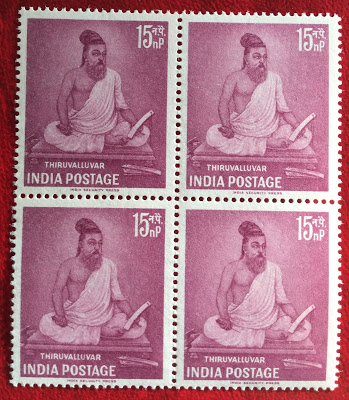
Tamil poet Tiruvalluvar says,
“The wise are good in heart. Still, they find new joy and energy in good friends -Kural 458
Though the help rendered is as small as a grain it will be considered as large as a tree by those who appreciate the value of it” – Kural 104
“THERE IS NO PROFIT WITHOUT CAPITAL; THERE IS NO STABILITY FOR A LEADER WITHOUT THE SUPPORT OF THE WISE AND THE VIRTUOUS”- Kural 449
(See Tulsidas’ poem in the end)
xxx
“What profit is there in Meru, the mountain of gold,
or of the hill of silver, where the trees that grow remain
.the same trees without any change ? We honour the hills
of Malaya, for by contact with them common trees like
the Trophis Aspera, the bitter Nimba, and the Karaya
become themselves even as sandal trees”.
किं तेन हेमगिरिणा रजताद्रिणा वा
यत्राश्रिताश्च तरवस्तरवस्त एव ।
मन्यामहे मलयम् एव यद्आश्रयेण
कङ्कोलनिम्बकटुजा अपि चन्दनाः स्युः ॥ 1.80 ॥
LET US COMPARE THIS VERSE WITH TIRUKKURAL,
“The cruel arrow may be straight and shapely and the sweet
Lute or lyre may be curved and shapeless. Therefore not by the appearance but by the deeds should the nature of men be judged”- Kural 279
“The quality of water changes with the soil. The mind changes with the association- Kural 452
Admittedly purity of mind would lead to heaven,
Even so good associations provide strong support”- Kural 459
XXX
The Praise of Constancy.
“So. The gods rested not until they had gained posses-
sion of the nectar: they were not turned aside from the
search by pearls of great price, nor by fear of terrible
poison. Even so men of constant mind do not rest until
they have completely accomplished their object”.
रत्नैर्महार्हैस्तुतुषुर्न देवा
न भेजिरे भीमविषेण भीतिम् ।
सुधां विना न परयुर्विरामं
न निश्चितार्थाद्विरमन्ति धीराः ॥ 1.81 ॥
Author of Tamil Veda Tirukkural says,
“Those who plan will get what they plan for, just as they planned it, provided they have strength of mind– Kural 666
Though hardships come thick, muster up courage and do that which will bring happiness in the end- Kural 669
The remnant of an action and of an enemy will, on reflection, be found as ruinous as the remnant of a fire”– Kural 674
XXX
“ At one time a man may lie on the ground, at an-
other he may sleep on a couch ; at one time he may live
on herbs, at another on boiled rice ; at one time he may
wear rags, at another a magnificent robe. The man of
constant rnind, bent on his purpose, counts neither state
as pleasure nor pain.”
क्वचित्पृथ्वीशय्यः क्वचिदपि च परङ्कशयनः
क्वचिच्छाकाहारः क्वचिदपि च शाल्योदनरुचिः ।
क्वचित्कन्थाधारी क्वचिदपि च दिव्याम्बरधरो
मनस्वी कार्यार्थी न गणयति दुःखं न च सुखम् ॥ 1.82 ॥
This verse is similar to the verses in Bhagavad Gita:-
“He who behaves alike to foe and friend, also to good and evil repute and who is alike in cold and heat , pleasure and pain and who is free from attachment.
He who holds equal blame and praise, who is silent, content with anything, who has no fixed abode and is firm in mind , that man who is devoted dear to Me”- B.G.12- 17/18
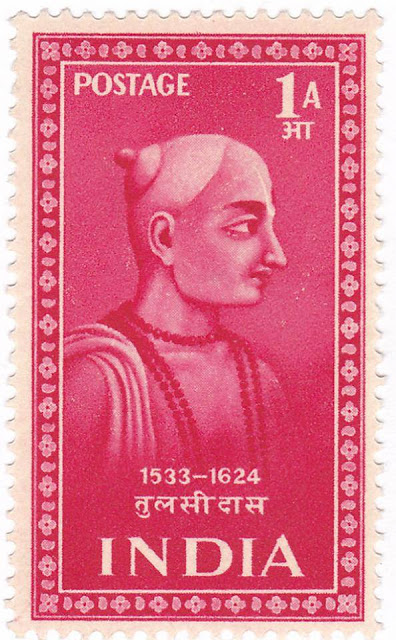
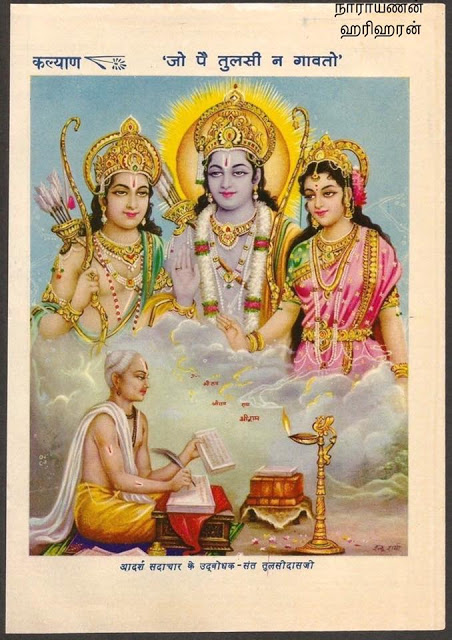
Tulsidas also echoed this in his poem
“Grant me , O Master, by thy grace
To follow all the good and pure
To be content with simple things
To use my fellows not as means but ends
To serve them stalwartly in thought, word and deed
Never to utter word of hatred or of shame
To castaway all selfishness and pride;
To speak no ill of others
To have a mind at peace
Set free from care and led astray from thee
Neither by happiness nor woe
Set thou my feet upon this path
And keep me steadfast in it
Thus only shall I please thee , serve thee right”
–Translated by Mahatma Gandhi (M K Gandhi), Songs from Prison, 1934, p.52
XXX
Courtesy is the ornament of a noble man, gentle-
ness of speech that of a hero; calmness the ornament of
knowledge, reverence that of sacred learning; liberality
towards worthy objects is the ornament of wealth, free-
dom from wrath that of the ascetic; clemency is the
ornament of princes, freedom from corruption that of jus-
tice. The natural disposition, which is the parent of the
virtues in each, is their highest ornament.
ऐश्वर्यस्य विभूषणं सुजनता शौर्यस्य वाक्संयमो
ज्ञानस्योपशमः श्रुतस्य विनयो वित्तस्य पात्रे व्ययः ।
अक्रोधस्तपसः क्षमा प्रभवितुर्धर्मस्य निर्वाजता
सर्वेषाम् अपि सर्वकारणम् इदं शीलं परं भूषणम् ॥ 1.83 ॥
Tiruvalluvar in his Tamil Veda Tirukkural says,
“No jewels are more befitting a man than humility and pleasing speech – Kural 95
Without a word , he who understands the mind of the leader, is an ornament to the changeless sea-bound world –Kural 701
Humble reserve is good for all, it is an ornament for the rich in particular” — Kural 125
xxx
“ The constant man may be blamed or praised by
those skilled in discerning character ; fortune may come
to him or may leave him ; he may die to-day or in ten
thousand years’ time ; but for all that he does not turn
aside from the path of righteousness”.
निन्दन्तु नीतिनिपुणा यदि वा स्तुवन्तु
लक्ष्मीः समाविशतु गच्छतु वा यथेष्ठम् ।
अद्यैव वा मरणम् अस्तु युगान्तरे वा
न्याय्यात्पथः प्रविचलन्ति पदं न धीराः ॥ 1.84 ॥
The noble- natured will not swerve from equity in adversity or prosperity — Kural 115
NB:- Number of the verses of Niti Sataka may differ from other books; Since new slokas are introduced in different editions, we may never know which are of Bhartruhari’s. Fortunately, they are not many.
–subham–
 Tamil and Vedas