அறிவியல் வியக்கும் யோகா!(Post No.7717)

SWAMI SIVANANDA OF RISHIKESH

WRITTEN BY S NAGARAJAN                     

Post No.7717

Date uploaded in London – – 20 March 2020

Contact – swami_48@yahoo.com

Pictures are taken from various sources for spreading knowledge; this is a non- commercial blog.

பாக்யா  1-3-2020 இதழில் அறிவியல் துளிகள் தொடரில் வெளியாகியுள்ள கட்டுரை – அத்தியாயம் 443. இந்த இதழில் பத்தாம் ஆண்டு தொடங்குகிறது.

(பத்தாம் ஆண்டு முதல் கட்டுரை)

அறிவியல் வியக்கும் யோகா!

ச.நாகராஜன்

A B C D E …….. OF YOGA

 அன்பு வாசகர்களுக்கு வணக்கம். 4-3-2011 பாக்யா இதழில் ஆரம்பித்த அறிவியல் துளிகள் தொடர் ஒன்பது ஆண்டுகள் முடிந்து பத்தாவது ஆண்டில் அடியெடுத்து வைக்கிறது. இதற்கு முழு முதல் காரணம் வாசகர்களின் அன்பும் ஆதரவும் ஆர்வமுமே. வாசகப் பெருமக்களுக்கு என் அன்பு கலந்த நன்றி. சுவர் இல்லையேல் சித்திரம் ஏது? இதைத் தொடர்ந்து வெளியிட ஊக்கமளிக்கும் பாக்யா ஆசிரியர் டைரக்டர் திரு கே.பாக்யராஜ் அவர்களுக்கும், பாக்யா ஆசிரியக் குழுவினருக்கும் என் நன்றியைத் தெரிவித்துக் கொள்கிறேன்.                 ச.நாகராஜன், பெங்களூரு

யோகா பற்றி ஆயிரக்கணக்கான சோதனைகளை அறிவியல் உலகம் உலகெங்கும் நடத்தி விட்டது. பிரமிக்க வைக்கும் யோகாவின் பலன்களை அறிவியல் பட்டியலிட்டுத் தருவதோடு அதை அனைவரும் மேற்கொண்டு பலன்களை அடையுமாறும் வலியுறுத்துகிறது.

மனதை ஒருமுகப்படுத்தி சில நிமிடங்கள் செய்யும் தியானத்தின் பலனே தனி. (தியானம் பற்றியும் -அத்தியாயம் 54- 9-3-2012 இதழ்- ஐன்ஸ்டீன் பற்றியும் – அத்தியாயம் 7- 15-4-2011 இதழ்) இந்தத் தொடரில் விளக்கப்பட்டிருப்பதால் அந்த விவரங்கள் மீண்டும் இங்கு தரப்படவில்லை)

 கவனத்தை ஒழுங்குபடுத்துவதன் மூலம் ஒரு தனிமனிதனின் உணர்வில் செல்வாக்கை ஏற்படுத்தும் ஒரு உத்தியே தியானம் என அறிவியல் தியானத்தை வரையறுத்துக் கூறுகிறது. ஆனால் இதைத் தோற்றி வளர்த்துக் காக்கும் இந்து மதமோ, “ஆன்மாவை உணர்வதற்கான அடிப்படைக் கலையே யோகா” என்று கூறுகிறது.

தியானத்தின் பலன்கள் எண்ணற்றவை. அவற்றில் சில இதோ:-

  1. வெவ்வேறு வகையான மனிதர்களிடம் அவர்கள் எந்த வகையாக இருந்தாலும் எப்படி வேறுபட்டிருந்த போதிலும் தியானம் பெரிய அளவில் நல்ல மாற்றத்தை ஏற்படுத்துகிறது.
  2. மருத்துவத்தில் சுயக்கட்டுப்பாட்டு உத்தியான அது பெரும் நல்விளைவை ஏற்படுத்துகிறது.
  3. கவலையையும் மன அழுத்தத்தையும் அது போக்குகிறது.
  4. மனிதனின் நிஜமான நிலைமைக்கும் இலட்சியமான ஒரு நிலைமைக்கும் அது நல்லதொரு உறவை ஏற்படுத்துகிறது.
  5. மருத்துவத்துறையில் அது ஒரு அங்கமாகவே ஆகி விடுகிறது.
  6. நான் என்னும் அகங்காரத்தை அது போக்குகிறது.
  7. ஒரு மனிதனை ‘இந்தக் கணத்தில்’ (Living in Present) என்ற தற்போதைய நிலையில் அது வைக்கிறது.
  8. தேவையற்ற சிந்தனைகளை அகற்ற அது ஒரு நல்ல வழியாக அமைகிறது.
  9. ஆரோக்கிய மேம்பாட்டிற்கான நல்ல ஒரு  கருவி அது.
  10.  தியானம் மூலமாக உடலைக் கட்டுப்படுத்தி வியக்க வைக்கும் அதீதமான செயல்களைச் செய்ய முடிகிறது. (Levitation எனப்படும் அந்தரத்தில் மிதப்பது உட்பட்ட பல சித்திகளை அடைய முடியும்)
  11. தியானம் மூலமாகத் தானியங்கி நரம்பு மண்டலத்தைக் கூடக் கட்டுப்படுத்த முடிகிறது.
  12.  மன அழுத்தம் சம்பந்தமாக ஏற்படுத்தும் நோய்களை தியானம் போக்குகிறது.
  13. மனிதனின் ஆற்றலின் எல்லையற்ற தன்மையை உணர்ந்து அதைச் செய்து காட்ட வைக்கிறது. (தொலைதூரத்தில் நடப்பதை உணர்வது போன்ற அதிமானுஷ செயல்கள்)
  14.  நவீன தொழில்நுட்பத்தின் மூலமாக ஏற்படும் பல்வேறு வியாதிகளைப் போக்குகிறது.
  15. மனித வாழ்க்கையின் எல்லையற்ற மதிப்பை அறிய வைக்கிறது.
  16. மிக எளிதாக ஒருவர் கற்கும் உத்தி தியானம் தான்.
  17. இதைக் கற்கப் பணச்செலவு ஏதும் இல்லை.
  18. இதைக் கற்க வயது வரம்பு எதுவுமில்லை.
  19. ஆண் பெண் என்ற பேதமின்றி அனைவருக்கும் பொருத்தமானது இது.
  20.  தியானத்தை எங்கு வேண்டுமானாலும் ஒருவர் செய்யலாம்.
  21. தியானத்தை எந்த நேரத்தில் வேண்டுமானாலும் ஒருவர் செய்யலாம்.
  22. தியானம் சுலபமாகக் கற்று, செய்முறையில் கடைப்பிடிக்க வல்லது.
  23.  மதம், இனம், நாட்டு எல்லைகள் போன்ற அனைத்திற்கும் அப்பாற்பட்டது இது.
  24. இதைச் செய்ய அந்தஸ்து எதுவும் கிடையாது.
  25. இதனால் உடல் ரீதியாக ஒருவர் மேம்பாடு அடையலாம்.
  26. இதனால் மனோ ரீதியாக ஒருவர் மேம்பாடு அடையலாம்.
  27. இதனால் ஆன்மீக ரீதியாக ஒருவர் மேம்பாடு அடையலாம்.
  28. மனித பாரம்பரியத்துடன் தொடர்பு படுத்தப்படும் அனைத்து நல்ல குணங்களையும் தியானம் மூலமாக அடையலாம்.
  29. அதிசயக்கத்தக்க, பிரமிக்க வைக்கும் அனுபவத்தைத் தருவது தியானம்.
  30.  நீண்ட ஆயுளைத் தருவது தியானம்.
  31. கெட்ட கனவுகளை நீக்குவது தியானம்.
  32. இரவில் நல்ல உறக்கத்தைத் தர வல்லது தியானம்
  33.  மன அழுத்தம் மேலிட்ட நிலையில் ஒருவர் செய்யும் செயல்களான தாடையை இறுக்குவது மற்றும் முதுகுவலி, தோள்வலி ஆகியவற்றை அகற்றுவது தியானமே.
  34.  எப்போதும் மன அமைதியைத் தருவது தியானம்.
  35. எப்போதும் தூய்மையாக, மலர்ச்சியுடன் புன்னகை பூத்த முகத்துடன் இருக்க வைப்பது தியானம்.
  36. வெட்க உணர்ச்சியை நீக்குவது தியானம்.
  37. Intution எனப்படும் உள்ளுணர்வு ஆற்றலைத் தர வல்லது தியானம். ஆறாவது அறிவு என்று சொல்லப்படும் இந்த உள்ளுணர்வால் தான் அரும் பெரும் கண்டுபிடிப்புகள் உலகில் கண்டுபிடிக்கப்பட்டன; கண்டுபிடிக்கப்படுகின்றன!
  38. படைப்பாற்றல் திறன் அதிகரிக்கவும் உதவுவது தியானமே.

ஒரு பொருளைத் தொலைத்து விட்டால் அதை எங்கே வைத்தோம் என்று அலறித் தவிக்கிறோம். இரவில் ஓய்வாகப் படுக்கையில் படுக்கும் போது திடீரென்று அதை வைத்த இடம் நினைவுக்கு வருகிறது. ஓய்வு மனதின் ஆற்றலைச் சீராக்கும். இதற்கு வழி வகுப்பது தியானமே.

ஐன்ஸ்டீன் எப்படி ஒப்புமைக் கொள்கை எனப்படும் தியரி ஆஃப் ரிலேடிவிடியைக் கண்டுபிடித்தார் என்பதை பீட்டர் ரஸ்ஸல் என்னும் அறிஞர் தன் புத்தகத்தில் விளக்கும் போது ஐன்ஸ்டீனுக்கு எல்லா எண்ணங்களும் சித்திர வடிவில் மனதில் தோன்றும். பின்னர் அவர் அவற்றை கணிதச் சமன்பாடுகளாகவும், வார்த்தைக் கோவைகளாகவும் மாற்றுவது வழக்கம் என்கிறார். இதையே உள்ளுணர்வு ஆற்றல் என்கிறார் அவர். லாரி நாடல் (Laurie Nadel) , ‘தி சிக்ஸ்த் சென்ஸ்’ என்ற தனது புத்தகத்தில் இந்த உள்ளுணர்வு ஆற்றல் பற்றி விரிவாக விளக்கியுள்ளார்.

இந்த ஆற்றலைத் தருவது தியானமே.

மஹரிஷி மஹேஷ் யோகி கற்பித்த ஆழ்நிலை தியானத்தைப் பற்றி ஏராளமான அறிவியல் சோதனை முடிவுகள் இரு பாகங்களாக படங்களுடன் வெளியிடப்பட்டிருக்கிறது; விவரங்கள் நம்மை பிரமிக்க வைக்கின்றன.

யோகா பயில்வோம்; தியானத்தைச் செய்வோம்; அனைத்து வழிகளிலும் மேம்படுவோம்.

அறிவியல் அறிஞர் வாழ்வில் ..

ராட்சத ராட்டினம் என்று அழைக்கப்படும் ஜெயிண்ட் வீல் இல்லாத பொருட்காட்சி இல்லை.இதைக் கண்டுபிடித்தவர் ஜார்ஜ் டபிள்யூ. கேல் ஃபெர்ரிஸ் (George W.Gale Ferris) என்பவர். இவர் ஒரு மெக்கானிகல் எஞ்ஜினியர். 1893ஆம் ஆண்டு கொலம்பஸ் அமெரிக்காவில் இறங்கியதன் 400வது ஆண்டு நினவாக சிகாகோவில் அகில உலக கொலம்பியன் பொருட்காட்சி நடந்தது. அதில் இதை அறிமுகப்படுத்த எண்ணினார் அவர். ஆனால் பொருட்காட்சியை ஏற்பாடு செய்த நிர்வாகிகளோ பயந்தனர். இவ்வளவு பெரிய ராட்டினம் அபாயமில்லாமல் சுற்றுமா, ஏடாகூடமாக ஏதாவது ஆகி விட்டால் கெட்ட பெயர் ஏற்பட்டு விடுமே என்று பயந்தனர். இருந்தாலும் 1889இல் பாரிஸில் நடந்த பெரும் பொருட்காட்சிக்காக ஈஃபில் டவர் அமைக்கப்பட்டிருப்பதற்குப் போட்டியாக ஏதாவது செய்ய வேண்டிய நிர்பந்தமும் அமெரிக்கர்களுக்கு இருந்தது. ஆகவே துணிந்து ராட்சத ராட்டினத்தை ஓட விட்டனர். 23-6-1893இல் துவக்க விழா நடைபெற்றது. என்ன ஆச்சரியம், பிரபலங்கள் உட்பட அனைவரும் முதலில் பார்க்க வந்தது இதைத் தான்! 36 பெட்டிகள் இருந்தன. ஒரு பெட்டியில் 60 பேர் வீதம் ஒரு தடவையில் 2160 பேர் இதில் ஏறிச் சுற்றலாம். சக்கரத்தின் குறுக்களவோ 76 மீட்டர் அதாவது 249 அடி.

இதில் ஏறி உயரத்திற்குப் போனவர்கள் நடுநடுங்கி சிகரட்டையும் மதுவையும் குடித்து பதைபதைப்பைப் போக்கிக் கொண்டனர். ராட்டினத்தில் ஒரு தவறும் ஏற்படவில்லை. ஒரு முறை கூட நிற்கவில்லை. அழகாகச் சுற்றி அனைவரையும் பிரமிக்க வைத்து அசத்தியது. ஃபெர்ரிஸுக்கும், பொருட்காட்சி நிர்வாகிகளுக்கும் அபாரமான நற்பெயர் கிடைத்தது. அன்றிலிருந்து பெரிய பொருட்காட்சி என்றால் ராட்சத ராட்டினம் இருக்க வேண்டும் என்ற கட்டாயம் ஏற்பட்டது!

TAGS- யோகா , ஆசனம், தியானம் ,விஞ்ஞானம், ராட்சத ராட்டினம்

***

உலக மொழிகள் தமிழில் இருந்து உதித்தனவா? (Post No.7716)

WRITTEN BY LONDON SWAMINATHAN

Post No.7716

Date uploaded in London – 19 March 2020   

Contact – swami_48@yahoo.com

Pictures are taken from various sources for spreading knowledge; this is a non- commercial blog.

சேலம் என்ற நகரம் அமெரிக்காவிலும் உண்டு. தமிழ்நாட்டிலும் உண்டு. பெர்லின் என்ற பெயரில் 30 நகர்கள் உள்ளன. நல்லூர் என்ற பெயரில் நூற்றுக் கணக்கான ஊர்கள் இருக்கின்றன. இவைகளை வைத்து ஒன்றுடன் ஒன்று தொடர்புபடுத்த முடியாது. வேறு சில வட்டாரங்களில் (SECONDARY EVIDENCE) இருந்து சான்று கிடைத்தால் ஆராய்ச்சியைத் தொடரலாம். 1987-ல் நடந்த ஒரு நிகழ்வு இதோ.

தொழில் அதிபரும் தமிழ் அறிஞருமான பொள்ளாச்சி மகாலிங்கம் ஆதரவில் சாத்தூர் சேகரன் என்ற மொழி ஆராய்ச்சியாளர் லண்டனுக்கு வந்தார் . சுமார் 30 ஆண்டுகளுக்கு முன்னர்,  பி.பி.சி.யில் (B B C TAMIL SERVICE) சாத்தூர் சேகரனைப் (30-09-1991) பேட்டி கண்டு ஒலிபரப்பினேன். தமிழோசை நேயர்கள் அதற்கு பெரும் வரவேற்பு கொடுத்தனர். ஆனால் அவர் உலகிலுள்ள 140-க்கும் மேலான மொழிகள் தமிழ் மொழியில் இருந்து தோன்றியதற்கான சான்றுகள் இருப்பதாகச் சொல்லி பல புத்தகங்களை எனக்கும் தமிழோசை சங்கர் அண்ணாவுக்கும் வழங்கினார். அவர் சொன்ன கருத்தில் எனக்கு ஒப்புதல் இல்லை என்பதை தனிப்பட்ட உரையாடலில் விளம்பினேன்.

 அதற்குப் பின்னர் லண்டனில் CHANNEL FOUR சானல் ஃபோர் (4) நிகழ்ச்சியில் ஒரு சுவையான நிகழ்ச்சி ஒலிபரப்பாகியது. அதில் புதிய மொழிக் கொள்கையை முன்வைத்த ஒரு ரஷ்யயரையும் இஸ்ரேலியரையும் காட்டினார்கள். அவர்களின் கூற்றுப்படி பைபிளில் கூறப்படும் TOWER OF BABEL பேபல் கோபுரக் கதை உண்மையே என்றும் ஆதிகாலத்தில் நம் முன்னோர்கள் ஒரே கூரையின் கீழ் வாழ்ந்ததால் ஒரு மொழிதான் பேசினர் என்றும் காலப்போக்கில் அவர்கள் பிரிந்து சென்ற பின்னர் மொழிகள் கிளைவிட்டுப் பரவின என்றும் பகர்ந்தனர்.

அண்மையில் லண்டன் பல்கலைக் கழக நூலகத்த்தில் இருந்து உலக மொழிகளின் அட்லஸ் (ATLAS OF WORLD LANGUAGES) என்ற புத்தகத்தைப் படித்தபோது நியூ கினி (NEW GUINEA) தீவில் ஆதி வாசி மக்கள் 750-க்கும் அதிகமான மொழிகள் பேசுவதும், ஆஸ்திரேலியப் பழங்குடி (AUSTRALIAN ABORIGINES) மக்கள் 250 -க்கும் அதிகமான மொழிகள் பேசுவதும், உலக மொழி இயல் அறிஞர்களுக்குப் புதிராக விளங்குகிறது; பழைய மொழியியல் கொள்கைகளுக்குச் சவாலாக அமைந்துள்ளது என்று செப்பியு ள்ளதை அறிந்தேன்.

தாமஸ் பர்ரோ, மர்ரே பி. எமனோவ் ஆகிய இருவரும் வெளியிட்ட  திராவிட மூல சொற்கள் சுமார் 4500 மட்டுமே என்று எழுதிய (ETYMOLOGICAL DICTIONARY OF DRAVIDIAN LANGUAGES) புத்தகத்திலும் உள்ள தவறுகளைச் சுட்டிக்காட்டி ஆராய்ச்சிக் கட்டுரை எழுதினேன். அரிசி,  நீர் என்பன மற்ற ஐரோப்பிய மொழிகளில் ஆதிகாலத்தில் இருப்பதைக் காட்டினேன். நீர்த் தேவதைகளை நீரெய்ட்ஸ் என்று கிரேக்கர் அழைப்பர். கிரேக்க மொழியில் பழைய (PALEO) தொலை (TELE) ஓடு (ODOMETER) கை (CHI), நீர் (NEREIDS=WATER NYMPHS)  முதலிய சொற்கள் அலக்ஸாண்டரின் இந்தியப் படையெடுப்புக்கு முன்னரும் இருப்பதைக் காட்டினேன். யவன, ஹோரா (தொல்காப்பியத்தில் ஓரை) முதலிய சொற்கள் பற்றி மயிலை வேங்கட சாமி, வையாபுரிப் பிள்ளை ஆகியோர் எழுதியவையும் தவறு என்று கண்டேன். யவன என்ற சொல் ஆதிகாலத்தில் இருந்தே மஹாபாரதம் முதலிய நூல்களில் உள்ளது.

ஆக நான் கண்ட உண்மை இதுதான்:

உலகிலுள்ள பழைய மொழிகளில் சில சொற்கள் ஒன்றாகவே இருக்கும்; தமிழ் சொற்களான அப்பா. அம்மா உலகில் பல மொழிகளில் உள்ளன. இதை வைத்து மட்டும் அவை தமிழில் இருந்த வந்ததாகச் சொல்ல முடியாது. இன்னும் சில சொற்கள் ஒலியை அடிப்படையாக வைத்து வரும் உலகிலுள்ள பெரும்பாலான மொழிகளில் பறவைகளின் பெயர்கள் “கா, கீ, கு, கொ,கெ, கோ, கே” என்ற சொற்களில் துவங்கும்; அவைகளின் ஒலியில் இருந்து மனிதன் உருவாக்கிய சொற்கள் இவை. இதில் வியப்பு எதுவும் இல்லை.

 உலகிலுள்ள பழைய மொழிகளை ஆராய்ந்தால் அவைகளின் சொற்கள் ஸம்ஸ்க்ருதத்தில் இருந்தோ தமிழில் இருந்தோ கிளைவிட்டுப் பரவியிருப்பதைக் காணலாம்.

சில அடிப்படை மொழி இயல் கொள்கைகளைப் பயன்படுத்தினால் அவை எப்படி மாறின என்பதையும் புரிந்து கொள்ளலாம்.

உதாரணமாக உலகிலுள்ள எல்லா மொழிகளிலும் ஆர் (R=L) என்பதும் எல் என்பதும் இடம் மாறும்

எம்- வி- பி (M=V=P/B) என்பன இடம் மாறும்

ஆர் (R=D) டி என்பது இடம் மாறும்

த-வும் ச- வும் ஒலி மாறுவதை TION என்று முடியும் சொற்களில் காணலாம்  ( உச்சரிக்கும் விதம் ஷன் SION ). ஆக திரு = ஸ்ரீ = ஸர் பட்டம் என்பதையும் காணலாம். இதை CERES தெய்வமாகவும் காண்கிறோம். லெட்சுமி, லக்ஷ்மீகரம் என்பதே பொருள். திருமிகு என்பதை ஸர்/ SIR (ஸ்ரீ) பட்டம் கொடுத்து ஆங்கிலேயர் கௌரவிப்பர்

T=S ( சீர், திரு) Sri= Ceres (Goddess of Wealth in the West)

அடுத்ததாக கண்ணாடி பிரதிபலிப்பு விதி; அதாவது

மிர்ரர் இமேஜ் (MIRROR IMAGE) ஏற்படும்;

 அதாவது யாளி  (YAALI= LEO) என்பதை எழுதி கண்ணாடியில் காட்டினால் லியோ என்று வரும் (LEO= சிங்கம், சிம்ம ராசி)

தமிழில் கூட இலக்கணப் போலி உண்டு வாயில் என்றாலும் இல்வாய் என்றாலும் ஒன்றே.

ஆக எனது கொள்கை இதுதான்.:–

ஆங்கிலத்தில் ஆயிரக்கணக்கான தமிழ் சொற்கள் உண்டு. அவைகள் அனைத்திற்கும் ஸம்ஸ்க்ருத மூலம் கிடையாது .மொழியியல் அறிஞர்கள் ஆங்கிலம் என்பது ஸம்ஸ்க்ருதத்துடன் தொடர்புடையது, திராவிட மொழி என்பது வேறு என்று இயம்புவர். அது தவறு.

ஸம்ஸ்க்ருத மூலம் இல்லாத ஆங்கிலச் சொற்களில் தமிழ் மூலமிருப்பதை, உற்று நோக்கினால் புரிந்து கொள்ளலாம். சில சொற்களுக்கு ஸம்ஸ்க்ருதத்தைவிட தமிழ் நெருக்கமாக இருப்பதையும் காணலாம்; ONE ஒன்று=ஒன், EIGHT எட்டு= எய்ட், COT கட்டில்=காட்

 ஆகவே உலக மொழிகள் அனைத்தும் பரஞ்சோதி முனிவர் திருவிளையாடல் புராணத்தில் புகல்வதைப் போல சிவனின் உடுக்கை ஒலியில் இருந்து (மாஹேஸ்வர சூத்ரம்) பிறந்தவையே; அது ஒரு புறம் தமிழாகவும் மறு புறம் ஸம்ஸ்க்ருதமாகவும் பரிணமித்தது. உலக மொழிகள் அனைத்தும் தமிழ்-ஸம்ஸ்க்ருத மூல ஒலிகளில் இருந்து தோன்றியவையே. அப்படிப் பார்க்கையில் ஆங்கிலமும் தமிழ் -ஸம்ஸ்க்ருத மூல மொழியில் இருந்து பிறந்ததே.

கீழ்கண்ட சொற் பட்டியல் மாதிரிக்காக கொடுக்கப்பட்டுள்ளது. எனது அகராதி மார்ஜினில் (MARGINAL NOTES) உள்ள சொற்கள் அனைத்தையும் போடுவது இயலாது; அதாவது ஆயிரக்கணக்கான சொற்கள் தமிழ் தொடர்புடையவை. 1991 ஆம் ஆண்டில் சாத்தூர் சேகரன் என்னிடம் பி பி ஸி தமிழோசைப் பேட்டியில் சொன்னது ஓரளவு உண்மையே. அவர் ஸம்ஸ்க்ருதத்தைச் சொல்லத் தவறிவிட்டார் (எனது முந்தைய மொழி இயல் கட்டுரைகளில் மேலும் பல உதாரணங்கள் உள்ளன. கிரேக்க- தமிழ் தொடர்பு ஆராய்ச்சிக் கட்டுரையிலும் பல எடுத்துக் காட்டுகளை முன் வைத்துள்ளேன். கண்டு மகிழ்க!)

இந்த வகையில் நோக்கினால் ஒரு சொல் தமிழ் சொல்லா, அல்லது ஸம்ஸ்க்ருதச் சொல்லா என்று நீண்ட காலமாக நிகழ்ந்துவரும் சர்ச்சையும், வாதப் ப்ரதிவாதங்களும் முடிவுக்கு வரும்

 COGNATE WORDS

சில சொற்கள் ஸம்ஸ்க்ருதத்திலும் காணப்படும்

Tamil/ Sanskrit                                          English

Deivam/ Deva                                     Deo தெய்வம்;

Kadavul                                               God கடவுள்

Periya/ Bruhath                                               Big பெரிய

Ondru                                                  One ஒன்று

Ettu /Ashta                                                      Eight எட்டு

 Paraththai/ Para Stree                                    Prostitute பரத்தை

Veera                                                              Hero வீரன்

Manathu/ Manas                                            Mind மனது காம

Kama/ Kama                                       amorous காம

Patha=Adi                                                        Path, Pedestal, Foot பத, பாத, அடி

Dharma=aram                                    Moral அறம்

Neer                                                                Nereids= water nymphs நீர்

Puttil                                                                Bottle புட்டில்

Arukan/ Bargo                                    Argos (light, sun) அருகன்

Andira/ Aindra/Indra                          Andrew (English name) அண்டிரன் /ஐந்திர,  இந்திர

Pillai                                                                Fille (French) பிள்ளை

Tarai                                                                Terrain தரை

Tele (phone, scope, vision)                 Tolai தொலை

Pazaiya                                                            Paleo (ntology) பழைய

Piththu                                                 Fad பித்து

Kuuli                                                                Ghoul/Ghost கூலி

Vathuvai /Bride                                               Wed வதுவை

Paiyul (Purananuru)                            Paiyon (Greek)= song பையுள்

Aiyavi (smallest seed)                         Iota ஐயவி

Maaya                                                 Magic (g=y) மாய

Staanu/ Thun                                      Stand தாணு

AAndu                                                  Annum, annual ஆண்டு

Duusi                                                               Dust தூசி

 MORE COGNATE WORDS

TAMIL WORDS                        ENGLISH WORDS

ATHLETE -ATALAR அடலர் ஏர் உழுதல்;  AUGURY- ARIKURI அறிகுறி

ARABLE- ER UZAKKUUTIYA/ ஏர் உழுதல்;

APOLLO- PAKALAVAN (MIRROR IMAGE) பகலவன் AURUM/GOLD- AADAKAM (AOR/HEBREW WORD, MIRROR IMAGE RAYI SKT.WORD) ஆடகம்

 ANTHEM/ANTHOLOGY – SANTHAM சந்தம்; ATHRO(POLOGY)- AAN=MAN ஆண்

MAN- AAN மனிதன்/மானுடன்; ARGOTER (BEG)- ERPATHU (IKAZSSI) ஏற்பது (இகழ்ச்சி); AVER(T)- THAVIR தவிர் ;A-VENGE- VANJI வஞ்சி; AWE- ACHCHAM அச்சம்; AXIS-ACHU அச்சு A-TTACK- THAAKKU தாக்கு ; ANCHOR- NANGUURAM நங்கூரம்; ATTIRE-AADAI ஆடை ;ARDENT, ARDOUR- AARVAM ஆர்வம் ;CUMULATE/ACUMULATE- KUVI, KUMITHTHU குவி/குமித்து;  AWARE- ARI (VEN) அறி ;ANTIQUITY- AATHI (KUTI) ஆதி ;ALL-ELLAA (MIRROR IMAGE) எல்லா;ATTAIN-ADAI அடை

ADAMANT- ADAAVADI அடாவடி ;AMPHORA- AMBARAA (SHAPE) அம்பறா (துணி- வடிவம்); BAY-VAAY வாய்; BURG- PURA, UUR புரம்/ஊர்; BOAT-PATAKU படகு

BETEL-VETTALAI வெற்றிலை; BIRD- PARAVAI, ANNAP’’PEDU’’SEVAR PEDU பறவை/ பேடு; BRIDE- VADUVAI வதுவை; BIRTH-PIRATHTHAL பிறத்தல்

BARRIER- VARAIYARAI வரையறை; BLAZING- PALAPALAPPU பளபளப்பு

BARN- ARAN/LOFT பரண்; BLUFF-ULARU உளறு; BOY- PAIYAN பையன்/பியூன்

 BARE – VERUM வெறும் ;BARREN- VARANDA வறண்ட ;BURY-PUTHAI புதை;

BEAT- PUTAI- NAIYAP PUDAI புடை/ நையப்புடை; BLAST- PILA, VIlAASU பிள/விளாசு; FLAW- PIZAI பிழை ;BATTER- PAATARAI பட்டறை வேகு/வேக்காடு; BAKE- VEGU, VEKKAADU வேகு/வேக்காடு;

BABY- PAAPPAA பாப்பா ;BAG- PAKKU (SANGAM TAMIL) பக்கு

C

CONCH- SANGU சங்கு சரடு கயிறு; CORD- KODI, SARADU சரடு

COIR- KAYIRU  கயிறு; COWRY- SOZI சோழி; CHIRO- KAI/HAND கை கல் செறி, செழுமை, சீர், திரு; CAL- KAL (STONE), CALCULATE கல் ;CERES- SIIR, SRI, SEZUMAI, THIRU, செறி, செழுமை, சீர், திரு

 CHAFF- SAAVI சாவி செப்பு/செம்பு; COPPER- SEPPU செப்பு/செம்பு

CRORE- KODI கோடி; CLAY- KALI (MAN) களி; COPRA- KOPPARAI கொப்பறை

CASH- KAASU காசு; CHOULTRY- SATTHTHIRAM சத்திரம் ; CHIT- SIITU (KKAVI), SITTAI சீட்டு/சிட்டை; CURRY- KARI கறி; CURL- SURUL சுருள் ; CUTE-SUTTI சுட்டி ;

CHAR- KARI கரி ;CUP- KOPPAI, KUVALAI  கோப்பை,குவளை; CROOKED- KURUKIYA குறுக்கு  குறுகிய

COLD, CHILL- KULIR குளிர் ; CURVE- SUZIVU சுழிவு ; COOPT- KUUTTU கூட்டு

CUDDLE-KATTU கட்டு ; CROWD- KUUTTAM கூட்டம்; CHAOS- KUZAPPAM குழப்பம்

CHEER – SIRI சிரி ; CELEBRATE- KALI (PPU) களி(ப்பு); COARSE- SORASORA(PPU) கரகர, சொர சொர; CHATEAU –KOTTAI கோட்டை; COASTAL- KADAL +ORA கடல் ஓர

CYST- KATTI  கட்டி; CRACK- KIRUKKU கிறுக்கு ; CODNEMN- KANDI, KANDANAM கண்டி/கண்டனம், ;COIL- SUZAL, சுழல்/குழல்

இதோ ரிக் வேதத்தில் சில தமிழ்ச் சொற்கள்:-

எண்கள் பற்றி:-

ரிக் வேதத்தில் பத்து மண்டலங்கள் உள்ளன. அடைப்புக்குறிக்குள் உள்ள எண்களில்முதலில் மண்டலம், பின்னர் மந்திரத் துதியின் எண், அதிலுள்ள மந்திர வரியின் எண் என்ற வரிசையில் கொடுத்துள்ளேன். இந்த எண்களை எடுக்க உதவிய நூல் பகவான் சிங்கின் ‘வேதிக் ஹரப்பன்ஸ்’ Vedic Harappans என்ற நூலாகும்.

உஷ் ட் ர – ஒட்டகம் (ரிக். 1-138-2; 8-5-37;8-6-48)

கர்தப- கழுத (ர=ல)/ கழுதை (1-29-5; 3-53-23)

காகம்பிர- காகம் (6-48-17)

மயூர- மயில் (1-191-4; 3-45-1; 8-1-25)

சிம்ஹ- சிங்கம் (5-44-1)

உட்ச- ஊற்று (2-16-7)

கூப – கூவம்/ கிணறு 1-105-17

குல்யா – குளம் , கால்வாய்

நீர் – நீர்

பூமி-புவி 2-14-7

யூப – 5-2-7 சங்கத் தமிழ்

புஷ்ப/ பூ – அதர்வ 8-712

பலி- 1-70-9

மது- தேன் 1-90-6

மத்ஸ்ய/ மச்ச – 10-68-8

ரத்ன- 1-20-7

ரஜ்ஜுப் பொருத்தம் – ரஜ்ஜு 1-162-8

ராஜசூயம்- அதர்வ – 4-8-1

புறநானூற்றின் அடிக்குறிப்பில் ராஜசூயன் வேட்ட பெருநற்கிள்ளி என்ற பெயர் உள்ளது

சங்கு- அதர்வ 4-10-1

களம்- நெல் அடிக்கும் களம் (10-48-7)

சில சொற்களை அப்படியே தமிழ்க் கவிதைகளில் பயன்படுத்தியுள்ளனர். அது ரிக்வேத காலம் முதல் இன்று வரை புழக்கத்தில் இருப்பதும் வியப்புக்குரிய செய்தி. இதோ சில சொற்கள்:

ரிஷபம் (6-16-47) (இடபம்/விடை – தேவாரத்தில்

வாரணம் (யானை) – (ஆண்டாள் வாரணம் ஆயிரம்)

கபி/கவி – குற்றாலக் குறவஞ்சி (10-86-5)

கோ (3-1-23)- கோவலன்/ கோபாலன் (சிலப்பதிகாரம்)

xxx

இன்னும் சில சொற்கள் சர்வ சாதாரணமாக பேச்சு வழக்கிலும் பத்திரிக்கைகளிலும் புழக்கத்தில் இருக்கின்றன.

ஸர்ப- சர்ப்பம்/பாம்பு (10-16-6),serpent

ம்ருக (மான்) – மிருகம்

மேஷ- மேட ராசி/ மேஷராசி

வராக – வராஹ அவதாரம்

ஹம்ச- அன்னம் (2-34-5)

ஆரண்யப் பசு – காட்டு மிருகம்/ எருமை (10-90-8) ;ஆரண்யம் (காடு) என்ற சொல் வேதாரண்யம் முதலிய ஊர்ப்பெயர்களில் காணப்படும்

பாச (கயிறு)- 2-27-16)

பஹு அன்ன – நிறைய உணவு

 (பஹு என்பது தமிழில் வெகு என்று மாறும் (ப=வ)

அன்னம் – உணவு இப்பொழுதும் புழக்கத்தில் உள்ள சொல் – அன்ன தானம்

அங்குச- அங்குசம் (8-17-10)

 கச (கசையடி)- (5-83-3)

தண்ட – தடி (8-33-6)

தடி எடுத்தவன் எல்லாம் தண்டல்காரன் – தமிழ்ப் பழம்ழொழி

 பந்தன – கட்டுதல் (5-12-4); ரக்ஷா பந்தன்

தான்ய – தானியம் (5-53-13)

பீஜ – விதை (ப=வ) (5-53-13)

சகன் – சாணம் (அதர்வண வேதம் 3-14-4)

வது/ பெண்5-37-3

ஸ்வப்ன – சொப்பனம் – 2-28-10

வசனம், வாக்கியம், வார்த்தை

இவற்றிலிருந்து என்ன தெரிகிறது?

ரிக் வேதம் என்பது உலகிலேயே பழைய நூலாக இருந்தாலும் அவற்றிலுள்ள சொற்களை இன்றும் நாம் பயன்படுத்துகிறோம். நான் கொடுத்த எடுத்துக் காட்டுகள் தவிர நூற்றுக் கணக்கான சொற்கள் உள்ளன. இன்னும் ஆங்கிலத்தில் நமக்குத் தெரிந்த சாதாரன சொற்களையும் ஒப்பிட்டால் அடுத்த நிமீடமே நமக்கு ஏறத்தாழ ஆயிரம் ரிக்வேதச் சொற்கள் தெரிந்து விடும். முப்பதுக்கும் மேற்பட்ட ஆங்கில, ஜெர்மானிய, பிரெஞ்சு அறிஞர்கள் வேதங்களைப் பற்றி எழுதியுள்ளனர். இப்படி வெளிநாட்டுக்காரர்களே வேதத்தைப் படிக்க இயலுமானால் நம்மால் முடியாதா? இதை உணர்ந்து அனைவரும் முறையாக வேதத்தைப் பயிலல் வேண்டும்.

 அப்படிச் செய்தால் புதிய உண்மைகள் வெளிப்படும். திராவிட, இந்திய-ஆரிய மொழிக் குடும்பக் கொள்கைகள் தவிடு பொடியாகும்.

ஆன்றோர்கள் `அரியும் சிவனும் ஒன்னு; அறியாதவன் வாயில் மண்ணு` என்பர். நாம் `தமிழும் சம்ஸ்கிருதமும் ஒன்னு; அது நமக்குக் கண்ணு; அதைப் புரிந்துகொள்ளாதவன் வாயில் மண்ணு` என்போம்.

வாழ்க தமிழ்

மொழிகள்,தமிழ் , ஆரிய , மொழிக் குடும்பம், திராவிட

How the jackal fooled a Ghost; Two more Tamil Folk Tales (Post No.7715)

WRITTEN BY LONDON SWAMINATHAN

Post No.7715

Date uploaded in London – 19 March 2020   

Contact – swami_48@yahoo.com

Pictures are taken from various sources for spreading knowledge; this is a non- commercial blog.

A jackal which had been beaten by the rain and wind, and three days without getting any prey came out with great hunger to seek for food. Under a banyan tree in the road there was a pair of sandals left behind by a firewood cutter, wetted and well soaked by the rain. The jackal seeing the sandals and wishing to eat, thinking that the owner of the sandals was nearby said,

“Sir, can I eat one of the sandals? If you give me one sandal, I will give you one gold coin which I got it from a merchan”t. An invisible ghost inhabiting the tree said,

“Well , I will give you one sandal. I agree with your proposal”.

Immediately on hearing that, the jackal ate one sandal. As he was coming away after eating the first sandal , it did not see any one there. It said to itself, if I remain here any longer I must give the money. So let me run as fast as I can. So running very swiftly for a great distance, it sat under a tree and took rest. Suddenly a voice came from somewhere.

“Hey, where’s the gold coin?”

The jackal got scared and ran faster. It got hurt while running. The thorns, stones and tree stumps gave him bloody injuries. The wounded jackal hid himself in a thicket of bush. The importunate creditor came there also. The invisible ghost asked, “Hey, where’s the gold coin?”

Now the jackal wanted to use its usual cunningness. It got bold and asked, “What gold coin you are talking about? Which jackal did promise you a gold coin, for what?

Did it have injured legs and bloody wounds?”

The invisible ghost said,

“The gold coin you promised me to give for the sandal.”

The jackal said,

“Oh you are talking about someone else.

Did that jackal was blind and lame?”

“No it was not”, said the ghost.

“Then go away, it was not I”.

The ghost being surprised at its craftiness vanished away.

Xxx

Haste makes Waste

A man reared a dog. It was clever in hunting and other sports. When someone needed the dog for hunting that person hired the dog. The person used to place some deposit money with the dog owner as security in addition to the hiring charge.

While things were in this state one night a thief came to the house of the man who hired the dog. The thief came down the chimney and took out bags full of money and jewels. The dog which was there at the time jumped on him and bit him to death. Then it woke his master by barking. When he came out and saw what the dog had done he felt very happy. He was much pleased and the very next morning, tying round the dog’s neck a ‘thanks message’ and sent the dog back to it’s owner. Dogs always find their home easily. And in the note he wrote that he did not even need the security deposit back, because the dog did a great job. When he said ‘Go to your Master’, it reached master’s house expecting a pat and hug from it’s master.

But the master came to hasty conclusion. ‘Oh, oh! It is coming back tricking my friend and breaking my bargain’. He took a strong pole and gave a blow on its head saying ‘go back to friend’s house’. The poor dog died on the spot. When he untied the chain from the dog, he saw the thanking note. He felt very sad for killing the dog.

There is a similar story in the Sanskrit

Panchatantra fables and Tamil epic Silappadikaram about a mongoose. While a house woman went out to fetch water from the village tank a snake came near her child. Her pet mongoose used to guard the house. Seeing the snake, the mongoose fought with it and killed it. It was waiting at the entrance of the house to welcome the house woman. When she came back with a pot full of water and saw the blood-stained mouth of the mongoose, she thought it killed her baby. She threw the water pot on its head and it died on the spot.

Moral

Never jump to conclusions. Be considerate. Don’t take any hasty action.

tags Mongoose, snake, jackal,sandal, ghost, dog

Xxx Subham xxxx

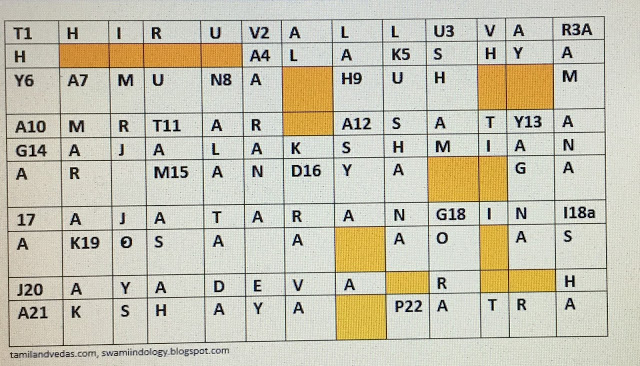
SWAMI CROSSWORD 1932020(Post No.7714)

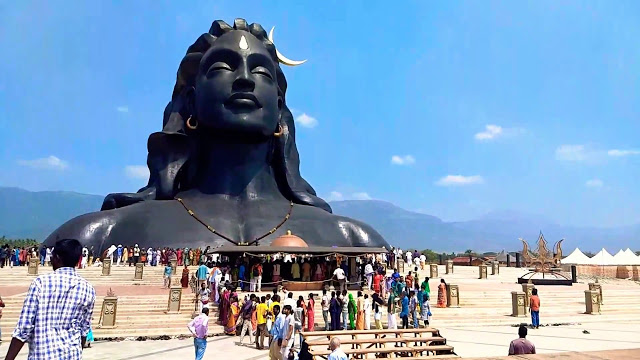
ADI SIVA NEAR KOYAMUTHUR IN TAMIL NADU

WRITTEN BY LONDON SWAMINATHAN

Post No.7714

Date uploaded in London – 19 March 2020   

Contact – swami_48@yahoo.com

Pictures are taken from various sources for spreading knowledge; this is a non- commercial blog.

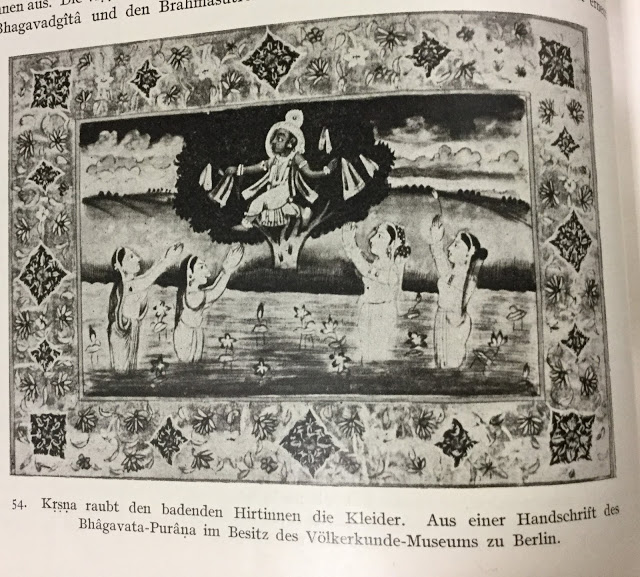
LORD KRISHNA PLAYING WITH THE GOPIS IN THE RIVER

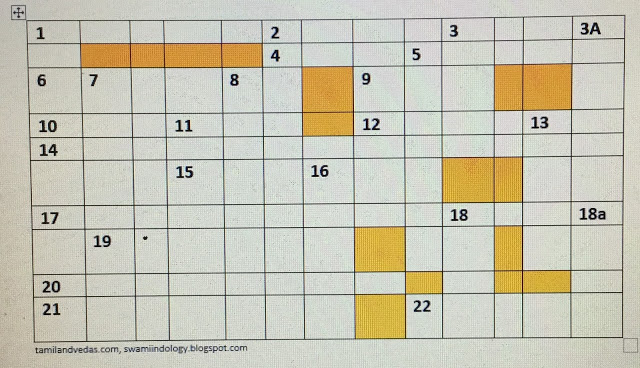
ACROSS

1. – (13 letters) Author of Tamil Veda Tirukkural

4. – (8)  ignoring ; careless

6. – (6) the river where Lord Krishna played with Gopis

10. – (5)- elixir; Sanskrit word used in Sangam Tamil literature

12. (6) opposite of Truth in Sanskrit

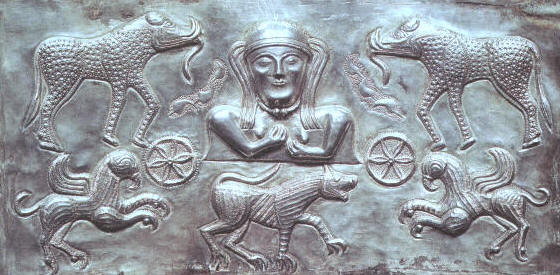
14. – (11) Hindu Goddess of wealth found in Gundestrup Cauldron in Denmark 2200 years ago

15 – (6) Karnataka city famous for Sugar Export

17. – (13) Kashmir History written by Kalhana one thousand year ago.

19. – (4)  compilation, curtain/cover in Sanskrit

20. – (8) Poet who wrote Gita Govindam with Ashtapatis in Sanskrit

21. – (7) that which is not destroyed; Draupati had one vessel with this name

22. – (5) leaf, vessel in Sanskrit attached as suffix in names and things

XXX

DOWN

1. (10 letters) – one of the Musical Trinity of Karnatik music who composed kritis mostly in Telugu

2- (6)- elephant, conch

3. – (4)- goddess of dawn

3a. – (6) Great saint of Tiruvannamalai who attracted foreign devotees such as Paul Brunton

5. – (7) Famous king Kanishka was from this dynasty

7. – (5) no death in Sanskrit; eternal; world’s first thesaurus has this name

8. (4) – Husband of Damayanti

9. – (5) One of the Nava Rasas meaning Laughter

11. – (6)- lowest of the three virtues symbolising inaction, laziness, dull etc

13. – (5) – fire sacrifice in Vedas

16. – (5) – liquid

18.—(4) – ugly in Sanskrit

18a – (4)- lord, ruler; Jaggi Vasudev has a foundation in this name

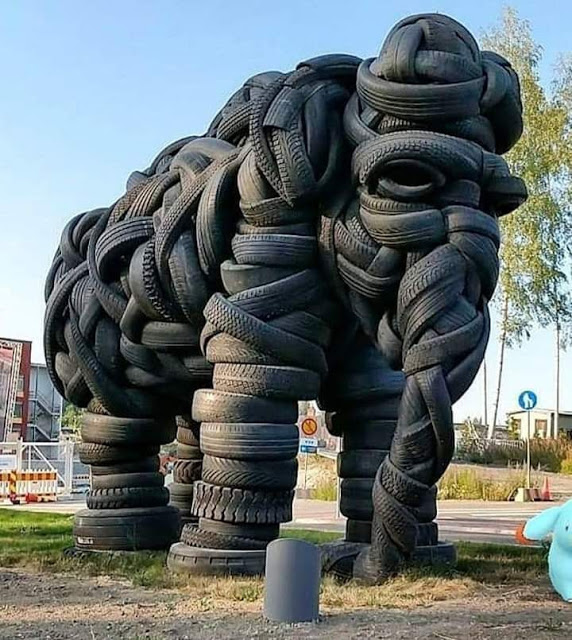
ANIMAL MADE UP OF TYRES
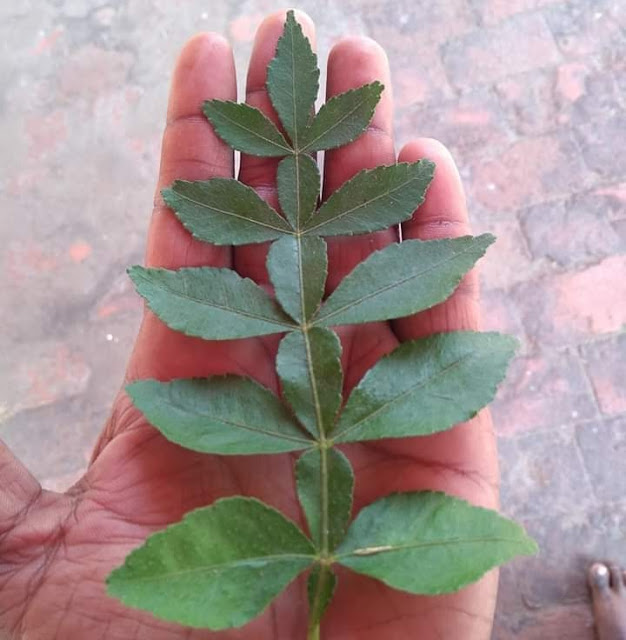
RARE BILVA / VILVA LEAF
HINDU GODDESS IN DENMARK CAULDRON

–subham–

மஹரிஷி சரபங்கர்!(Post No.7713)

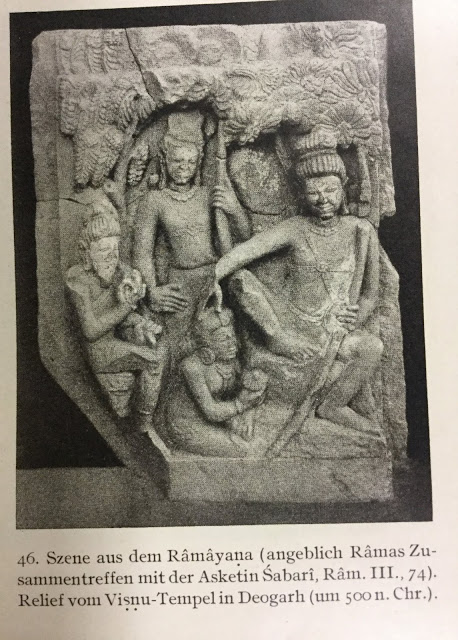
RAMA AND WOMAN ASCETIC SABARI

WRITTEN BY S NAGARAJAN                     

Post No.7713

Date uploaded in London – – 19 March 2020

Contact – swami_48@yahoo.com

Pictures are taken from various sources for spreading knowledge; this is a non- commercial blog.

மஹரிஷி சரபங்கர்!

ச.நாகராஜன்

 இராமபிரான் வாழ்ந்த காலத்தில் தண்டக வனத்தில் வாழ்ந்த பெரும் மஹரிஷி சரபங்கர்.

அரிய தவத்தை பல கல்ப காலம் செய்து வந்த அவர் இராமபிரானின் வருகைக்காகவே காத்திருந்தார்.

அவரை தரிசித்த பின் தன் உடலை அக்கினிக்கு ஆகுதியாக அளித்து பெறுதற்கரிய பெரும் மோக்ஷத்தை அடைந்தார்.

சரபங்க மஹரிஷி இராமபிரானை தரிசித்த விவரம் பற்றி வால்மீகி ராமாயணத்தில் ஆரண்யகாண்டத்தில் ஐந்தாவது அத்தியாயம் விவரமாகக் கூறுகிறது. இதில் 40 ஸ்லோகங்கள் உள்ளன.

கம்ப ராமாயணத்தில் ஆரண்ய காண்டத்தில் இரண்டாவது படலமாகத் திகழ்வது சரபங்கன் பிறப்பு நீங்கு படலம். இதில் அருமையான 44 கவிகள் உள்ளன.

சரபங்கன் என்பதற்கு (மன்மத) பாணங்களைப் பங்கப்படுத்தினவன் (அதாவது வென்றவன்) என்று பொருள்.

முக்குற்றங்களில் முதலாவதாகத் திகழும் காமத்தை வென்ற மாமுனிவன் என்பதால் மற்ற வெகுளி, மயக்கத்தையும் இவன் வென்றது தானே புலப்படும்.

சரபங்கரின் பெருந்தவத்தை நெடுந்தவம் என கம்பன் வர்ணிக்கிறான். இந்தத் தவத்தைக் கண்டு வியந்த பிரம்மதேவன் இந்திரனை அனுப்பி அவனை தனது லோகமான சத்தியலோகத்திற்கு அழைத்து வருமாறு கூற இந்திரனும்  ஐராவதத்தில் ஏறி சரபங்கரின் ஆசிரமத்திற்கு வந்தான்.

அவனை வரவேற்று உபசரித்த சரபங்கர் பிரம்மதேவனின் சத்தியலோக அழைப்பை இந்திரன் கூறக் கேட்டார்.

வால் அறிவான் எனக் கம்பன் புகழும் பெரும் தத்துவ ஞானியான சரபங்கர்

‘அல்லேன்’ – ‘இதற்கு உடன்பட்டு வரமாட்டேன்’ என்று கூறுகிறார்!

காரணம்?

‘என் அரும் தவமோ கற்பம் பல சென்றது; அற்பம் கருதேன்’ – பல கல்பங்கள் கழியப் பெற்ற பெரும் தவம் என்னுடையது. ஆகவே அற்பமான பதவியை மனதாலும் நினைக்க மாட்டேன் என்றார் சரபங்கர்.

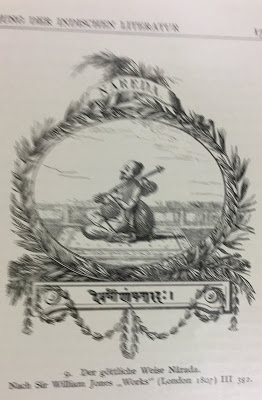
DEVA RISHI NARADA

சத்தியலோகம் என்றாலும் கூட அதுவும் ஒரு காலத்தில் அழியக் கூடியது தானே!

ஆகவே அழியா வைகுந்த பதத்தை அடைவதே எனது நோக்கம் என்றார் அவர்.

இந்திரன் அப்போது ராமபிரான் அங்கு வந்ததைக் கண்டு சரபங்கரிடம் விடை பெற்றான்.

பெரும் காரியமாக வந்துள்ள ராமனை இப்போது தரிசிக்க மாட்டேன். இராவணனை வதம் செய்யும் காரியம் முடிந்த பிறகு சந்திப்பேன் என்று கூறி விடை பெறுகிறான்.

இது வால்மீகி அளிக்கும் சித்திரம்.

கம்பனோ இந்திரன் இராமபிரானைக் கண்டதையும் இராமனைத் துதிப்பதையும் கூறுகிறார்; இங்கு வால்மீகியிடமிருது அவர் மாறுபடுகிறார்.

இங்கு கம்பன் ஆறு கவிகளில் இந்திரன் துதியைக் கூறுகிறார்.

இதில் ஒரு அதிசயம் கம்பன் கவிதையில் இருப்பதால் அதைத் தனியே (அடுத்த கட்டுரையில்) காணலாம்!

உள்ளே வந்த இராமபிரானை அன்புடன் வரவேற்ற சரபங்கர் தாங்க முடியாத மகிழ்ச்சியால் அழுதார்.

(‘ஆனவன்  அடி தொழ அருள் வர அழுதான்’ – கம்பர்)

ஒரிரவு இராமன் சீதையுடனும் லக்ஷ்மணனுடனும் சரபங்கர் ஆசிரமத்தில் தங்கினார். பின்னர் வனத்தில் வசிக்க இடம் கேட்க, சரபங்கர் ‘சூசௌ தபஸ்வினம் சுதீஷ்ணம் அபிகச்ச’ – பரிசுத்தமான பிரதேசத்தில் தவம் புரியும் சுதீஷ்ண ரிஷியை சென்று காண் – எனக் கூறுகிறார்.’

பின்னர் அக்னியை வளர்த்து நெய்யினால் ஹோமம் செய்து தனது மனைவியுடன் அக்கினியில் புகுந்தார்.

இதை ஆச்சரியத்துடன் ராமர், சீதையுடனும் லக்ஷ்மணருடனும் பார்த்தார்.

பல உலகங்களைக் கடந்து பிரம்மலோகத்தை சரபங்கர் அடைய பிரம்ம தேவன் ‘சுஸ்வாகதம்’ – நல்வரவாகட்டும் – என்று கூறி அவரை வரவேற்றான்.

‘தீயிடை நுழைவது ஓர் தெளிவினை உடையான், ‘நீ விடை தருக என நிறுவினன்’” – கம்பர்.

சரபங்கர் அது வரை தான் ஈட்டிய நல்வினைகளை எல்லாம் இராமபிரானின் திருவடிகளில் சமர்ப்பித்து அதன் பயனாக யாரும் பெறுதற்கு அரிய பெரும் பதத்தைப் பெற்றான்.

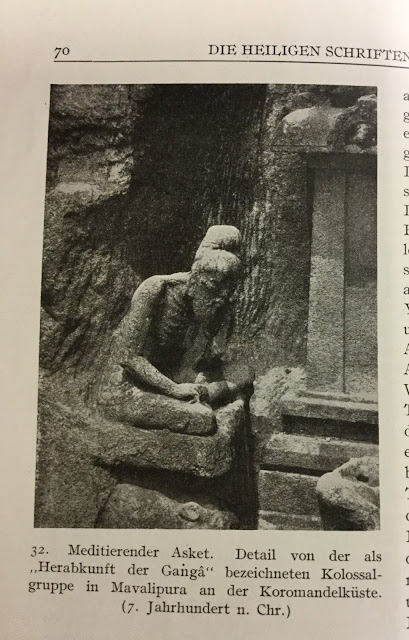
RISHI IN MAHABALIPURAM, TAMIL NADU

சரபங்க மஹரிஷியின் வரலாறு ஆச்சரியமான ஒரு வரலாறு.

வால்மீகி முனிவர் விவரிக்கும்  ஸ்லோகங்களையும், கம்பனது கவிகளையும் படிப்போர் உளம் மகிழ்ந்து பக்தியால் நெகிழ்வர்!

***
அடுத்த கட்டுரை கம்பன் தரும் ஒரு ஆச்சரியம் சரபங்கன் பிறப்பு நீங்கு படலத்தில் உள்ளது. அது என்ன என்பது பற்றித் தான்!.

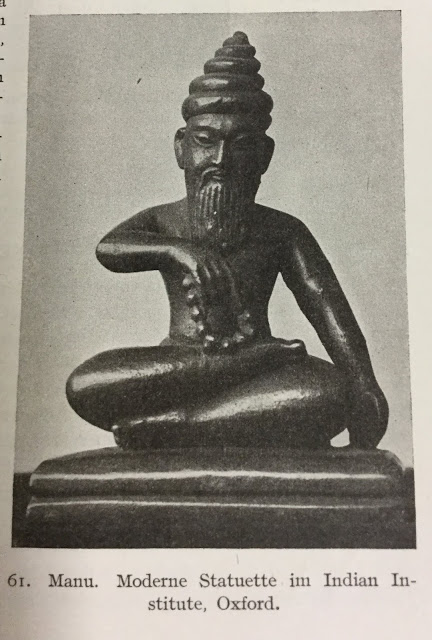
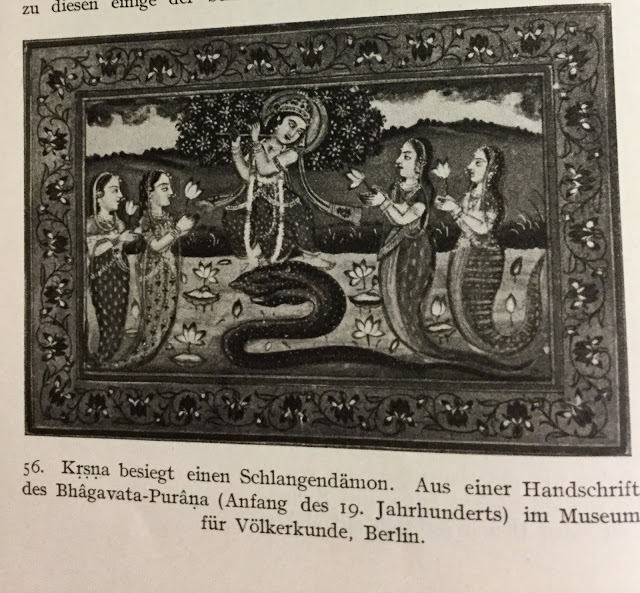
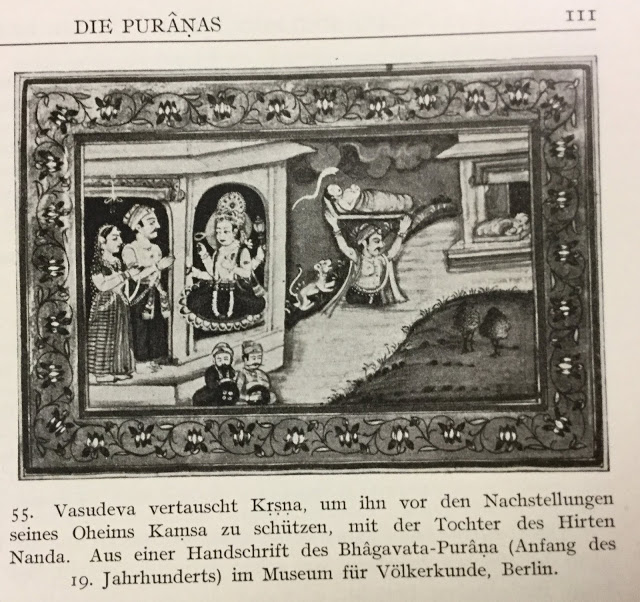
MANU AND VEDA VYASA STATUES IN OXFORD, ENGLAND(Post No.7711)

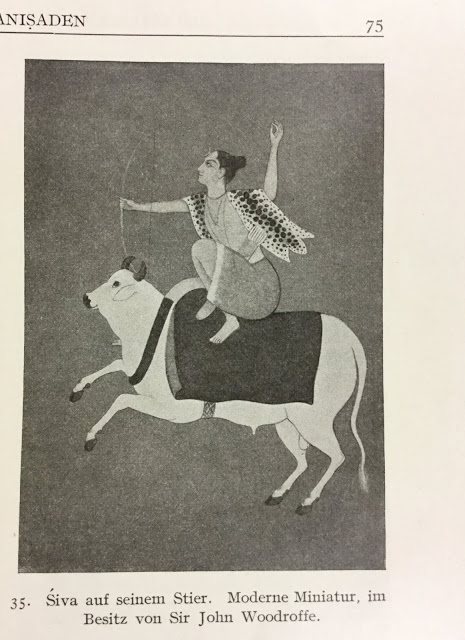
Lord Shiva on Bull

COMPILED BY LONDON SWAMINATHAN

Post No.7711

Date uploaded in London – 18 March 2020   

Contact – swami_48@yahoo.com

Pictures are taken from various sources for spreading knowledge; this is a non- commercial blog.

FOLLOWING IS THE PART TWO OF RARE PICTURES FROM AN OLD GERMAN BOOK ON INDIA. I PUBLISHED THE FIRST PART YESTERDAY.

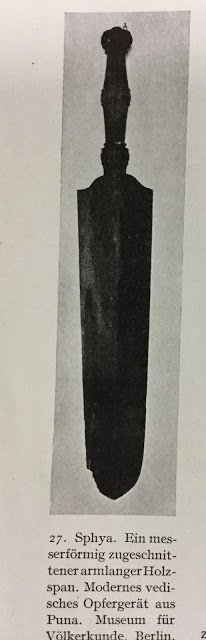
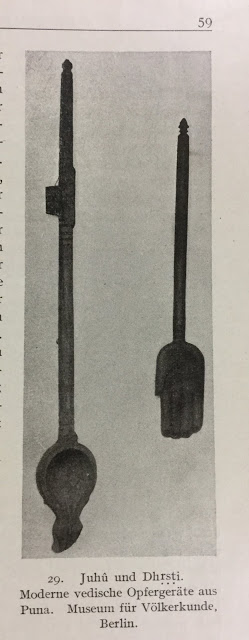
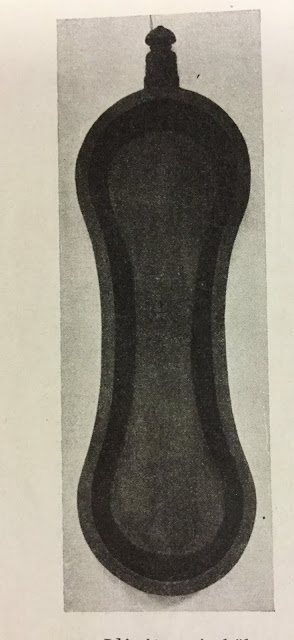
Yaga Spoons
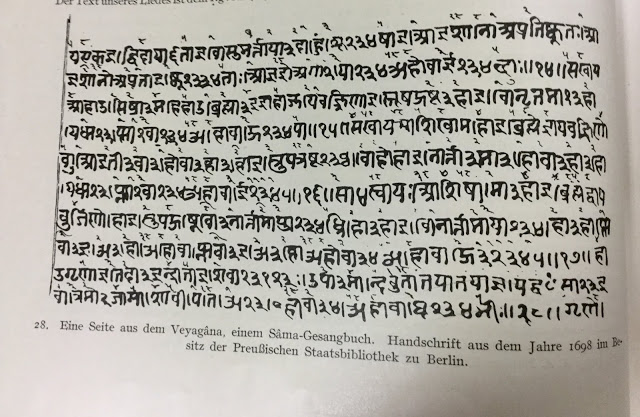
Sama Veda script in Berlin, Germany
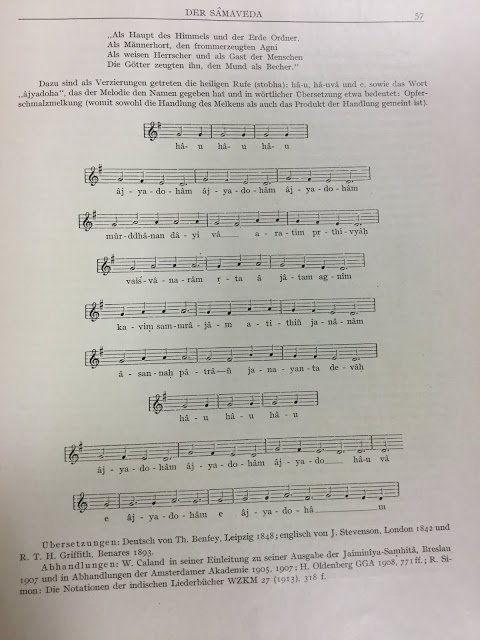
Sama Veda set to music
Ladles used in Fire Ceremonies
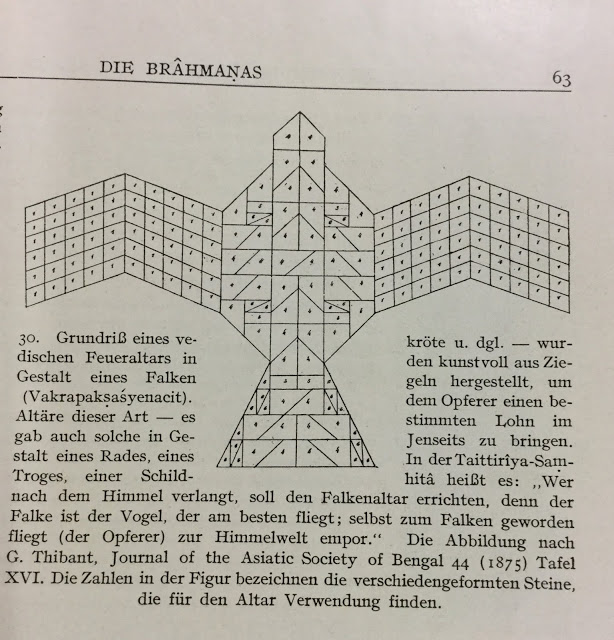
Vedic Fire altar in Eagle shape
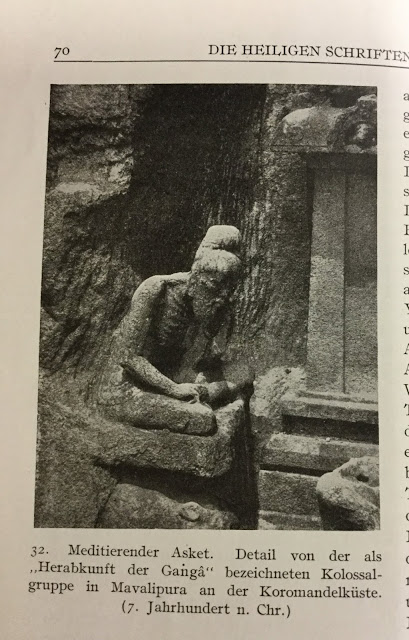
figure from Mahabalipuram, Tamil nadu, India
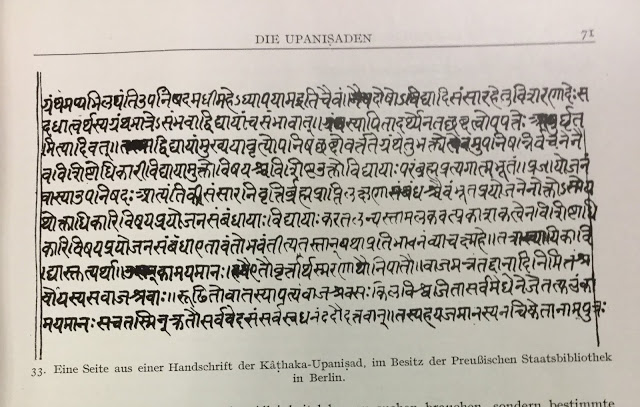
Upansishad script in Berlin
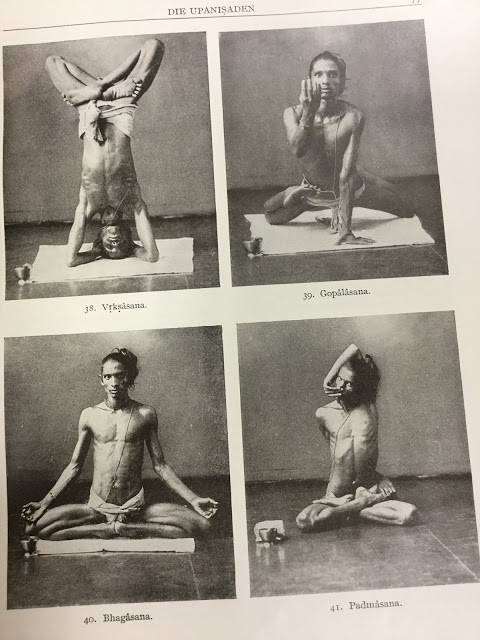
Hindu Yoga Asanas
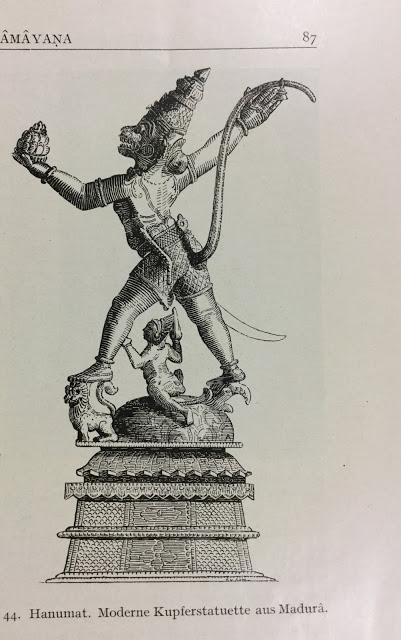
Anjaneya in Madura
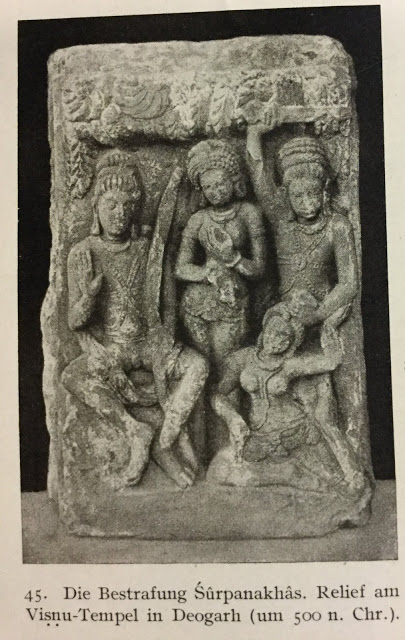
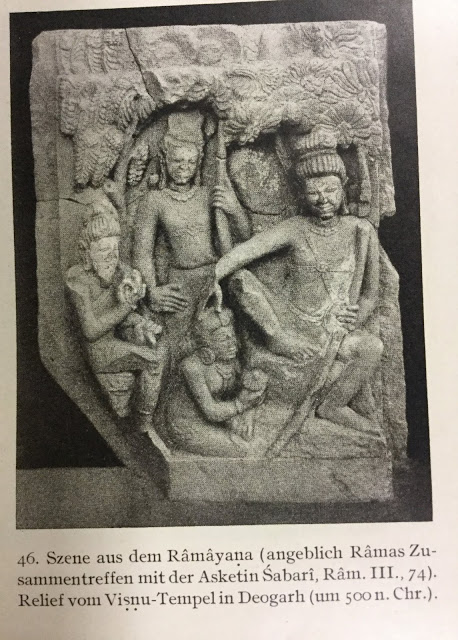
Ramayana Sculptures, Deogarh; Surpanakha image
Sabari
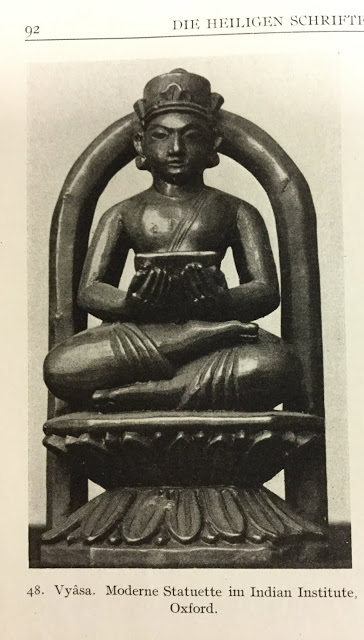
Veda Vyasa, Oxford
Manu
Lord Krishna’s Life Story

MANU, VEDA VYASA STATUES and VEDIC SCRIPTS IN BERLIN MUSEUM  ARE POSTED HERE.

STORY OF PANINI AS TOLD BY KANCHI SHANKARACHARYA(Post No.7710)

COMPILED BY LONDON SWAMINATHAN

Post No.7710

Date uploaded in London – 18 March 2020   

Contact – swami_48@yahoo.com

Pictures are taken from various sources for spreading knowledge; this is a non- commercial blog.

Kanchi Shankaracharya Sri Chandrasekara Indra Sarasvati (1894-1994) was a great scholar in Sanskrit and Tamil. He spoke other languages too. The way he explains things is very interesting. He gives lot of information while explaining something. We may even forget the context. But he will bring us back to the original thread.

While he explained the six subjects studied along with the Vedas, he described the matters allied to grammar. It is one of the six subjects studied by the Vedic students.

Here is the story of Panini in his own words:-

Nataraja has a drum in one hand, called the dhakka or damaruka. When Nataraja dances, Sanaka and his brother sages Patanjali and Vyaghrapada and so on stand around him. Nataraja’s dance can be seen only by those who has inner vision of Jnana. Sanaka and others saw the dance with their real eyes. Vishnu played the drum and Brahma kept the time. At the close of the dance the concluding beats produced fourteen sounds. Branches of Vedic learning are also the same number — Caturdasa Vidyaa.

The fourteen sounds produced by Nataraja’s drum are the means by which the reality of Siva is to be known and experienced within us in all its plenitude. Nandikesvara has commented upon the fourteen sounds in his Shivabhakti Sutra.

Among those present at Nataraja’s dance was Panini. His story is told in the Brhatkatha which was written by Gunadhya in the Prakrit called Paisaci. Ksemendra produced a summary of it in Sanskrit , and based on it, Somadeva Bhatta wrote the Katha Sarit Sagara. It is the source of some of the stories of The Arabian Nights, Pancatantra and Aesop’s fables. Perunkatai is a Tamil version.

The story of Panini is told in the Katha Sarit Sagara – (ocean of stories). In Pataliputra in Magadha, modern Patna (in Bihar), there were two men called Varsopadhyaya and Upa varsopadhyaya, the second was the younger of the two. Upaa kosalaa was the daughter of Upavarsopadhyaya. Panini and Vararuchi were Varsopadhyaya’s students. Panini made little progress in his lessons. So his teacher asked him to go to the Himalayas and practise austerities. The student did so and through the grace of Iswara (Shiva) received the power to see the Tandava dance of Nataraja. With this divine gift of the Lord, Panini indeed saw the Tandava and heard the fourteen sounds at its conclusion. For him these fourteen sounds meant the fourteen cardinal Sutras of grammar and on them he based his Ashtadhyayi. As its very name suggests, this work which is the source of Sanskrit grammar, has eight chapters (Ashta+ Adhyaya).

The fourteen sounds are recited at the Upakarma (Sacred Thread)  ceremony. Since they emanated from the drum of Maheswara, they are called Maheswara sutras.

How did panini make use of the fourteen sounds? He created an index from the sutras to vocalise the letters or syllables together. According to the arrangement made by him, the first letter or the syllable of a Sutra voiced with the last letter or syllable of another Sutra will indicate the syllables or letters in between. For example, the first syllable of the Hayavarat, the first letter ‘ha’ and the last letter of Hal’ I’ together make ‘Hal’. This embraces all the consonants in between. Similarly, the first letter of the first Sutra ‘a’ and the last letter of the fourth Sutra together form ‘ac’. — that includes all the vowels. The first letter of the first Sutra and the last letter of the fourteenth Sutra together form al— it includes all letters.

Fourteen Maheswara Sutras are

1.a i u 

2. Ṛḷ k
3. e o 

4. ai au c
5. ha ya va ra 

6. la 

7. ña ma 
a na m
8. jha bha ñ
9. gha 
ha dha 
10. ja ba ga 
a da ś
11. kha pha cha 
ha tha ca a ta v
12. ka pa y
13. śa 
a sa r
14. ha l

tags Panini Story, fourteen , sutras, Maheswara Sutrani

–subham–

SUN LIGHT SHINES ON NANDHI/BULL IN HINDU TEMPLE (Post No.7712)

WRITTEN BY LONDON SWAMINATHAN

Post No.7709 changed to 7712

Date uploaded in London – 18 March 2020   

Contact – swami_48@yahoo.com

Pictures are taken from various sources for spreading knowledge; this is a non- commercial blog.

Some days ago, I published a news item in this blog about sun light entering the Madurai Muktheeswar Tempe of Lord Shiva. Hindus were great engineers, even 1500 years ago, who could construct temples in such a way to allow sunlight into the Garba Griha- the sanctum sanctorum. Now my friend Devapriyaji has posted one more news item of such sun light wonders in Facebook.

Here is the matter in English

Chengam Rishabeswar Temple is in Tiruvannamalai District. It is a shiva temple which is at least 600 year old. (All Shiva temples have Nandhi/bull installed in front of the main shrine) .Ever year sun light falls on this Bull and changes it into golden colour. That is, the bull appears to be made of gold in the sun light. It lasts for a few minutes. Since it is an annual event large number of devotees gathered there to see the natural wonder on 16th March 2020 .

Hindus are nature lovers. From the days of 6000 year old Rig Veda (date according to Herman Jacobi and Freedom Fighter B G Tilak), Hindu scriptures are full of descriptions of nature. Since the SUN is the biggest source of energy for all the living beings on earth, they showed it to every one and asked to see Gayatri Devi in it.

In short, they saw God through Sun Light.  Several Hindu temples in South India are very big. And yet the temple builders found out ways to get the sun light into the inner most part of temple what is called Garbha Griha in Sanskrit.

Chengam Temple is one of the temples where you can see sun light playing with the statues inside the temple

Chengam is approximately 230 kilometres from Chennai in Tamil Nadu.

–subham–

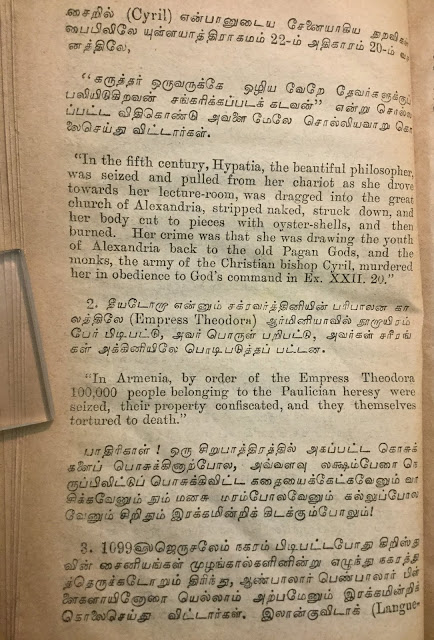
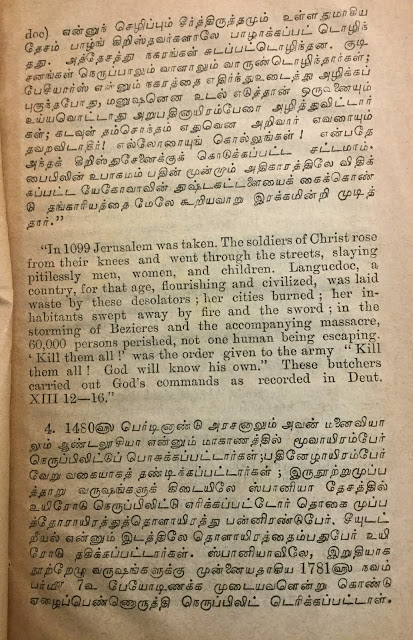
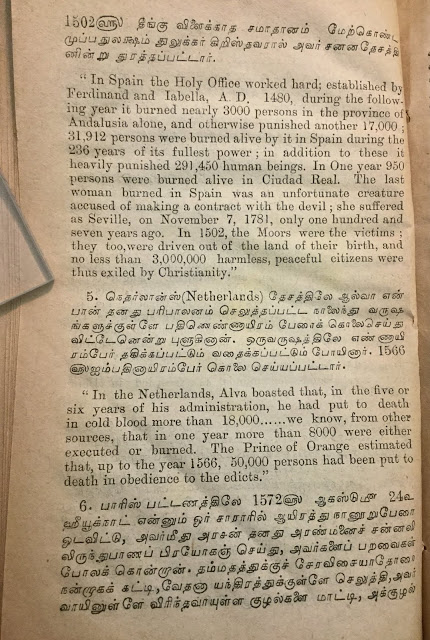
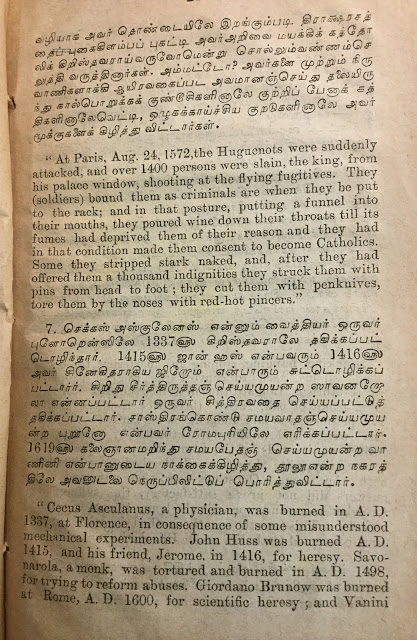
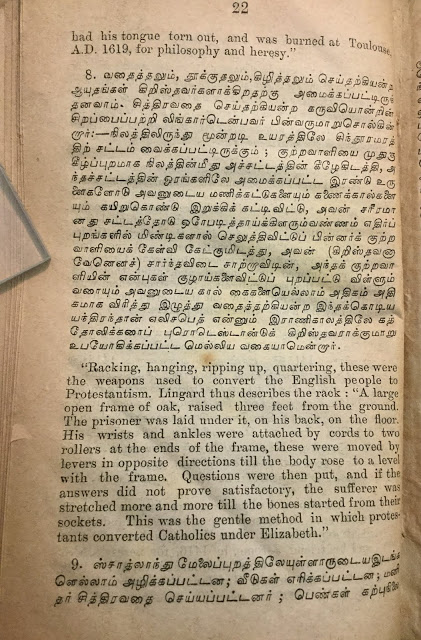
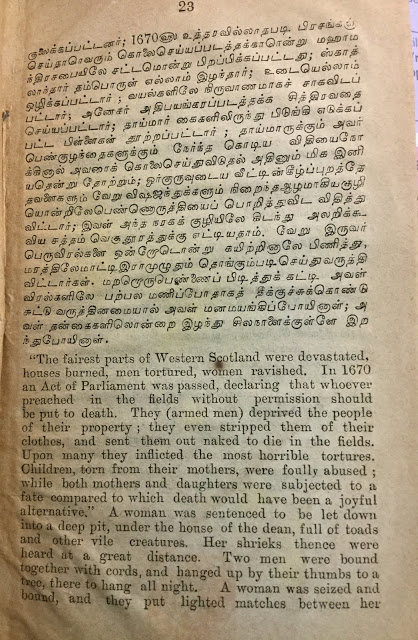
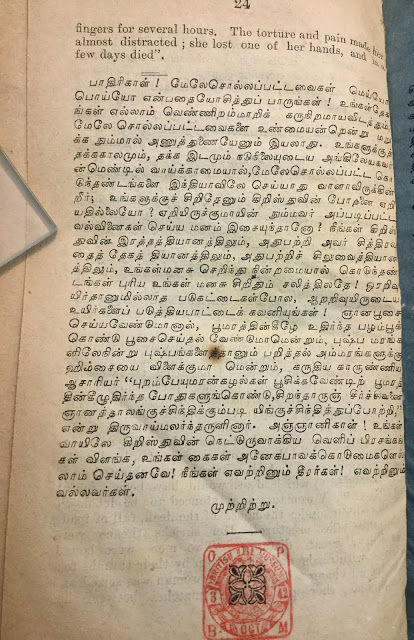
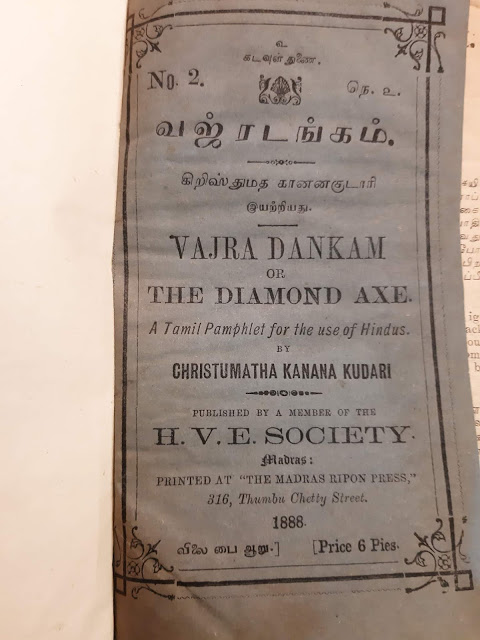
Part two – Diamond Axe- Hindus’ Reply to Christian Attacks கிறிஸ்தவர் புகார்களுக்கு ஆப்பு 1888 நூலில்!-2(Post No.7709)

COMPILED BY LONDON SWAMINATHAN

Post No.7709

Date uploaded in London – 18 March 2020   

Contact – swami_48@yahoo.com

Pictures are taken from various sources for spreading knowledge; this is a non- commercial blog.

Part two- Diamond Axe- Hindus’ Reply to Christian Attacks கிறிஸ்தவர் புகார்களுக்கு ஆப்பு 1888 நூலில்!-1(Post No.7705)

Following book contains Hindus’ reply  to Christian criticism in English and Tamil. Book is available in the British Library in London.

This is the second and last part

நாடார்கள் பேய்களை வழிபடும் கீழ்ஜாதிகள் என்றும் கிருஷ்ண பரமாத்மா பெண் பித்தன் என்றும் பிஷப் கால்டு வெல் (Bishop Caldwell 1814-1891) போன்ற விஷமிகள் விஷ(ம)ப் பிரசாரம் செய்து வந்ததை எதிர்த்து இந்துக்கள் தமிழிலும் ஆங்கிலத்திலும் பதில் கொடுத்து புஸ்தகம் வெளியிட்டனர். 1888-ம் ஆண்டிலேயே இவ்வளவு ஹிந்து விழிப்புணர்ச்சி இருந்தது வியப்பூட்டுகிறது. அதுமட்டுமல்ல “கல்வி கற்ற இந்துக்களுக்கு” என்ற தலைப்பில் 4 பகுதி கொண்ட ஆங்கிலப்புஸ்தகத்தில் கிருஷ்ணனையும் மகாபாரதத்தையும் குறைகூறி பிஷப் கால்டு வெல் எழுதியதற்குப் பதிலாக இந்தப் புஸ்தகம் உள்ளது. ஐந்தாம் நூற்றாண்டில் கணிதம் கற்பித்த பேரழகியை தர தர என்று தெருவுக்கு இழுத்து வந்து அவளை உயிருடன் கொளுத்திய சம்பவம் முதல் தென் அமெரிக்க நாகரீகங்களை  கிறிஸ்தவப் பாதிரியார்கள் தீக்கிரை ஆக்கிய சம்பவம் வரை எல்லாவாற்றையும் சுருக்கமாகக் கொடுத்துள்ளனர். இதில் ஒரு சம்பவம் கூட மிகைப்  படுத்தப்பட்டதல்ல என்பதை இன்று வரலாறு படிப்போர் அறிவர். எல்லா என்சைக்ளோபீடியாக்களிலும் உலகமே  ஒப்புக்கொண்ட உண்மைச் சம்பவங்கள் இவை.

புஸ்தகத்தின்  பெயர் – வஜ்ரக் கோடாலி/கோடரி  (சம்ஸ்க்ருதத்தில் வஜ்ர டங்கம் )

கிடைக்குமிடம்- பிரிட்டிஷ் லைப்ரரி, லண்டன்

நான் இதை பிரிட்டிஷ் லைப்ரரியில் படித்தவுடன் “யான் பெற்ற இன்பம் பெறுக இவ்வையகம்” என்ற திருமூலர் வாக்கு நினைவுக்கு வந்தது . உடனே இதை பேஸ் (Facebook) புக்கில் போட்டேன் . இப்பொழுது எனது இரண்டு ‘பிளாக்’குகளிலும் பதிவு செய்கிறேன்.

Tags —  வஜ்ர டங்கம் , கிறிஸ்தவ மதம், ஆப்பு , பிரசாரம் , பிஷப் கால்டுவெல், கோடரி, PART TWO

Second and last part finished

—subham—

உதவிக் குறிப்புகள்! – 8 – HELPFUL HINTS – 8 (Post No.7708)

WRITTEN BY S NAGARAJAN                     

Post No.7708

Date uploaded in London – – 18 March 2020

Contact – swami_48@yahoo.com

Pictures are taken from various sources for spreading knowledge; this is a non- commercial blog.

உதவிக் குறிப்புகள்! – 8 – HELPFUL HINTS – 8

Be Busy!

ச.நாகராஜன்

எனது பழைய நோட்புக்கில் எழுதி வைத்துள்ள, நான் படித்து வந்த, பல நல்ல புத்தகங்களின் சில முக்கிய பகுதிகளின் தொடர்ச்சி இதோ:

HELPFUL HINTS

குறிப்பு எண் 53 : From the book : How to stop worrying and start living by Dale Carnegie

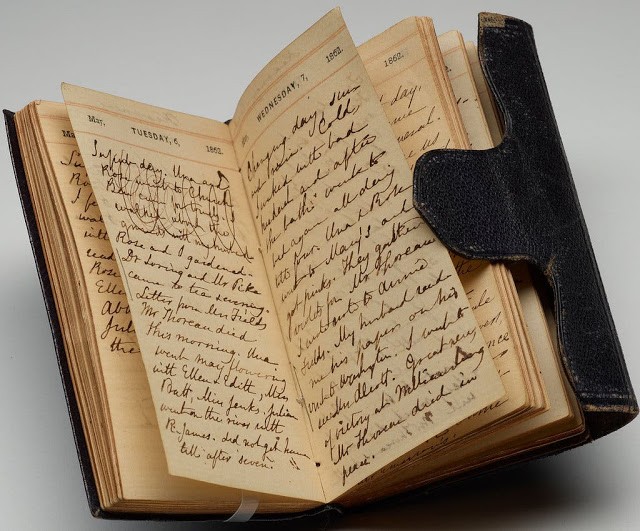
Keep a Diary!

Keep a Diary! You record your triumphs in the application of these principles

குறிப்பு எண் 54 : From the book : How to stop worrying and start living by Dale Carnegie

BE BUSY!

Worrying person must lose himself in actions lest he wither in despair – BE BUSY!

குறிப்பு எண் 55 : From the book : How to stop worrying and start living by Dale Carnegie

Dont get upset!

Disraeli said – “Life is too short to be little.” Let us not allow ourselves to be upset by small things we should despise and forget

குறிப்பு எண் 56 : From the book : How to stop worrying and start living by Dale Carnegie

Examine!

Let us examine the record – Let us ask ourselves : “What are the chances according to law of averages, that this event I am worrying about will occur.”

குறிப்பு எண் 57 : From the book : How to stop worrying and start living by Dale Carnegie

Co-operate with the inevitable!

Co-operate with the inevitable: Accept the things which you can not change.

குறிப்பு எண் 58 : From the book : How to stop worrying and start living by Dale Carnegie

Don’t worry over the past!

Dont try to saw sawdust i.e., Do not woory over Past – “Don’t Cry over split milk”

குறிப்பு எண் 59 : From the book : How to make your Daydreams  come true! By Elmer Wheeler

Birds of success flock together

Birds of  success flock together. Go where success breeds. Try to get as near as you can to people successful in the way you  want to be successful!

குறிப்பு எண் 60 : From the book : How to make your Daydreams  come true! By Elmer Wheeler

Give your mind a chance to work with the body.

குறிப்பு எண் 61 : From the book : How to make your Daydreams  come true! By Elmer Wheeler

First, do only the things you ought to do, and second, don’t do the things you know you ought not to do!

குறிப்பு எண் 62 : From the book : How to make your Daydreams  come true! By Elmer Wheeler

Always try to do a little : ”Something Special” for the people you work with and success will take care of itself.

குறிப்பு எண் 63 : From the book : How to make your Daydreams  come true! By Elmer Wheeler

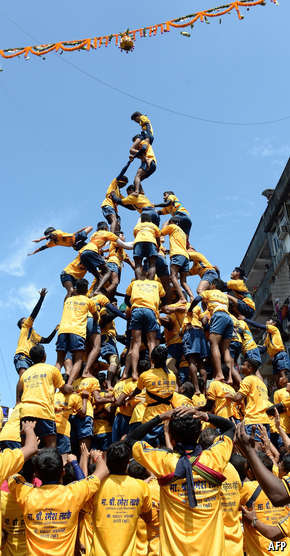
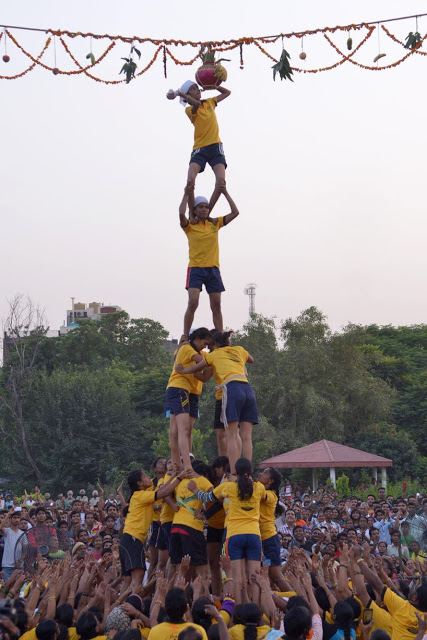
Hindu Festival Janmashtami encourages Team work

Teamwork

One of the success secrets is – TEAMWORK!

குறிப்பு எண் 64 : From the book : How to get whatever you want! by M.R. Kopmeyar

First job you have to do is to sell you on yourself. Write a commercial about you and read it many times every day!

குறிப்பு எண் 65 : From the book : How to get whatever you want! by M.R. Kopmeyar

Alwaya walk and act as though you had jut closed a Million dollar deal. This will change your whole attitude!

குறிப்பு எண் 66 : From the book : How to get whatever you want! by M.R. Kopmeyar

Get in front of a mirror and give yourslef a peptalk. Some of the world’s most successful people do that everyday!

குறிப்பு எண் 67 : From the book : How to get whatever you want! by M.R. Kopmeyar

Look like a Success …. Talk like a Success … Act like a Success… Think like a Success… And you will be a Success.

குறிப்பு எண் 68 : From the book : Pushing to the front by Orison Swett Marden

Promptness!

“Promptness is a contagious inspiration.” It is one of the practival virtues of civilisation.

குறிப்பு எண் 69 : From the book : Here is Help by M.R. Kopmeyar

Do not emotionalise trouble; you can not fix a damaged watch with a hammer!

குறிப்பு எண் 70 : From the book : Here is Help by M.R. Kopmeyar

Do not be oversensitive to imperfection; Do not over react in disapproval. . Keep a quiet mind!

Most of the Hindu Festivals are based on team work; this is Janmashtami- Lord Krishna’s Birth Day
 

****