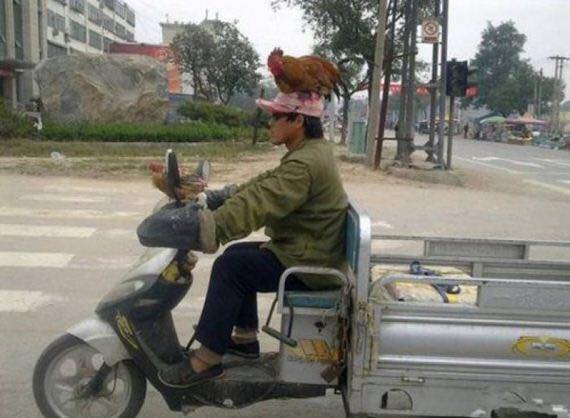
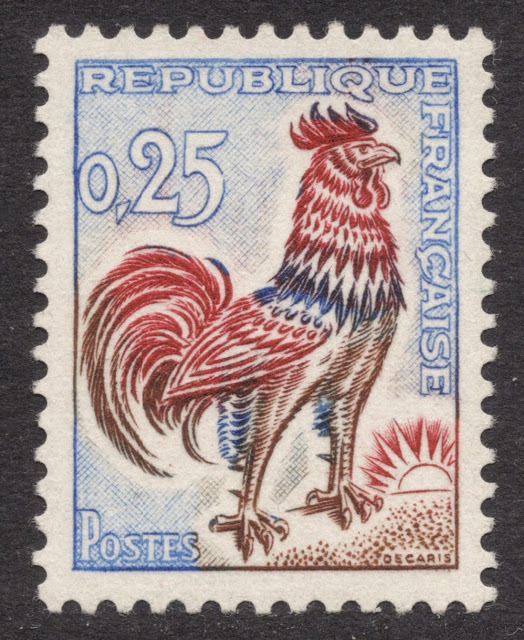
TAMILS KNEW RIVER GANGA BUT NOT SINDHU!! (Post No.7875)

RESEARCH ARTICLE WRITTEN BY LONDON SWAMINATHAN

Post No.7875

Date uploaded in London – 24 April 2020   

Contact – swami_48@yahoo.com

Pictures are taken from various sources for spreading knowledge; this is a non- commercial blog. Thanks for your great pictures.

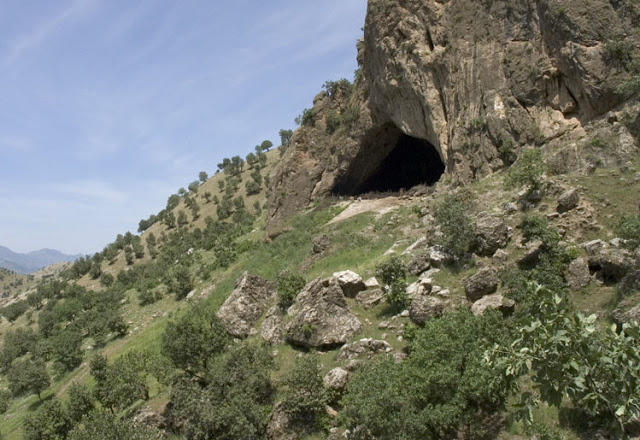
Holy Kailash

HOLY GANGA AND HIMALAYAS IN TAMIL SANGAM LITERATURE

 Tamil language has 18 old books called Sangam literature. Sangam is a Sanskrit word meaning association, assembly. In Tamil it was used for association of Tamil poets. But it did one additional task of preserving the quality of the language. It was like an academy and gave approval only to standard works . Oldest grammarian Tolkappiar in his book ‘TOLKAPPIAM’ banned Tamils from using words beginning with ‘SA’ and yet Tamils used the Sanskrit word Sangam for their academy. This academy existed from first century BCE for at least 400 years .

Ancient Tamils were very familiar with holy river Ganga  and holy Himalayas. They never said a single word about Sindhu or holy Sarasvati river.

Even the praise about Holy Ganga and Holy Himalayas was copied from Kalidasa. I doubt all the poets who praised them actually went to the Himalayas which is 3000 miles away from Tamil Nadu . They were very much influenced by Kalidasa’s works. Sangam poets used 200 of Kalidasa’s 1500 similes and imageries. That showed that Kalidasa lived in 2nd century BCE which date is supported by Sanskrit and foreign scholars.

TAMILS AND INDUS VALLEY CIVILISATION

The surprising thing about Tamil Sangam works is that they have no knowledge of river Sarasvati or river Sindhu. It proved that Tamils have nothing to do with Indus- Sarasvati River basin civilization. They have mentioned only Yavanas of Rome because of their commercial contacts with them in the first few centuries of common era CE . They have also mentioned  Yavanas of north western India . They may be Greeks or original Yavanas, i.e. one of the four types of Yavanas mentioned in Indian literature.

Tamils mentioned holy Ganges and holy Himalayas at least 15 times . Following are the important references-

Avur Mulankizar who shows his amazing knowledge about 21 types of Hindu Yagas and yajnas in Purananauru (Puram.) verse 166 depicts Himalayas. He describes the great height of the mountains saying that the clouds have to look up and climb over them. He wished a brahmin Srotria, Kaundinya Vishnu Dasan (Vinnan Thayan in Tamil)  to live like the Himalayas. That is with eternal fame like the northern mountains. When he described the mountains he adds the words long mountain chain which shows his thorough knowledge of Kalidasa. The length of the Himalayan range is approximately 1500 miles. Kalidasa described it as the ‘measuring rod of the earth’!

A poet named Rudraksha – in Tamil  Katiyalur Uruttiran Kannanar — depicted the Himalayas and the Ganga descending from it in his work Perumpanatruppadai – lines 429-431

Mamulanar must be one of the oldest poets in the Sangam period. He sings the praise of Nandas and Mauryas of 4th century BCE. In one of his poems in

Akananuru , verse 265, he picturises the sky high Himalayas. He states that it rises high like smoke , approaches the sky  and there looks like flame covered with snow.

I believe that he really went to Himalayas and saw the golden mountain Kailash. The Himalayan range when covered with snow glows like shining gold in the sunlight .

The roar of thunder is generally said to be harsh. It is so fierce that it splits hills and even it shakes the Himalayas according to  Kuruntokai verse 158 by Avvaiyar.

Poet Paranar’s beautiful poem about bird migration is in Natrinai poem 356. He sang about the migratory swans/geese that took fishes in the southern coast and going to Himalayas to feed its young ones. He compared it with hero’s heart that always longed for his sweet heart and always travel towards her.

Purananuru is the book among the 18 works of Sangam corpus , that has the oldest poems. And in particular the first 10 or 15 poems talk about the ancient Tamil kings. Tamil poets bless their patrons and kings to live a long and happy life for as many years as the drops of rain water poured on earth or the grains of sand on the sea shore or the river bed or bank or to live unperturbed and most reputed and unique life like the mountains, the Himalayas and the Potiya mountains .

Puram 166 of Avur mulankizar and Puram verse 2 Muranjiyur Mudinagarayar referred to the Himalayas thus. Muranjiyur Mudinagarayar is Mr. Nagaraja (Sanskrit name)  .

He is unique because he mentioned about the feeding of Panadavas and Kauravas during Mahabharata war by the Chera king Uthiyan Cheralathan. He is the one who used all the descriptions of Kalidasa in four lines such as the brahmins in the Himalayas worshipping three types of fires by the side of deer at the foot hills of the Himalayas.

Though Sangam literature never mentioned Agastya by name this poet praised Potiya mountains in the south with the Himalayas in the north. All the Tamil literature talk about lord Shiva in the Himalaya sending Agastya to south who settled on the Potiya  for ever. Two centuries before him, Kalidasa mentioned the Pandyas and Agastya for the first time in Indian literature (Raghuvamsa). This poem is unique which showed the influence of Kalidasa on Sangam poets.

**

Muthukudumi Peruvazuthi was one of the most ancient Pandya kings who has the epithet, ‘one who had many yaga salas’ . He lived before the great tsunami that devoured lot of Tamil lands. His river

Pahruli is praised by the poets and that river disappeared like the Vedic Sarasvati river after a tsunami. The poems mentioned the Himalayas as big northern rock and snow covered long mountain chain in Puram poems 6 and 17 by poets Karikizar and Krunkoliyur kizar .

**

Mudamosiyar of Uraiyur enicheri , author of puram verse 132, also repeated all that is said about the Himalayas such as deer grazing the Narantham grass taking rest by the side of the holy seers. Scenes described by Kalidasa.

**

Kumattur Kannanar who sang the glory of

Imayavaramban Neduncheralathan in Pathirupathu goes one step further in describing the Himalayas.  He says that the deer are sleeping and dreaming about the Narantham grass which they ate in the morning and the waterfalls. He also described the Himalaya as the place of Aryas and the commentators interpreted Aryaas as the Holy seers. (Pathirupathu verse 11)

Xxxx

River Ganga (Ganges)

Nalvellaiyar , author of Natrinai verse 369 , says

“My love and feelings are uncontrollable like the Ganges  floods  that overflows the banks and smashes the dams  in its course “; powerful description of the feelings of an amorous woman.

**

Mankudi Maruthan was the head of Tamil poets at the time of Pandya King Neduncheziyan. He sang the longest poem with 782 lines named ‘Madurai Kanchi’. He described the Ganges as wide as the sea (Line 696)

**

Poet Maha Chitra –in Tamil Perunchittiranar – used Ganges in a simile in Purananuru 161,

The description of the holy river and the Himalayas is most appropriate and highly realistic. The clouds rise from the sea, gather themselves, appear huge and dark like mountains in the sky , roar with thunder and pour in torrents; when such a rainy season is past and when the summer reigns supreme making the lakes and rivers everywhere dry , the Ganges flows full of water for  the benefit of the whole of mankind, mostly in summer as it is then that the snow in the Himalayas melt and flow into Ganga. The poet describes it in comparison with the bountiful help rendered by the philanthropist and patron Kumanan.

**

The Ganges descending from the Himalayas is always overflowing its banks – Purananuru 161, Perumpanatruppadai 429-31

**

Later Tamil epics Silappadikaram and Manimegalai have more references to the Ganges river and Himalayan mountain ranges. The very fact that King Senguttuvan took a holy stone from the Himalayas and bathe it in the Holy river Ganga shows the sanctity  of the river.

Source book

The Treatment of Nature in Sangam Literature, M Varadarajan, 1969

**

Two of the poems already quoted in the above passage are translated by P T Srinivasa Iyengar as follows:–

Puram 2 by Mudinagarayar/Nagarajah

“May you live without fear,  your full length of years , like the Podiya hill and the gold peaked Himalayas on whose side the small headed stag and the large eyed hind sleep beneath the light of the Triple Fire at which Brahmins offer their evening libations”.

**

Pathitrupathu 11 by Kumattur Kannanar

“You quelled the valour of those who called themselves monarchs of the land between Kumari  on the south and the famous Himalayas on the north , where the aryas / saints abound and the yak sleeps on the hills covered thick with the Oleander and dreams of the broad mountain streams and the Narantham grass.”

There are other references where vague terms such as Northern Big Rock and northern long chain of hills are used.

–subham–

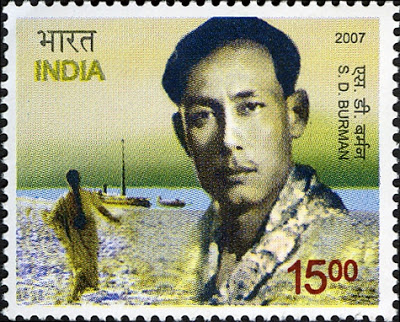
ஹிந்தி படப் பாடல்கள்- 16 – கலையின் வளர்ச்சியும் வீழ்ச்சியும்! (Post No.7874)
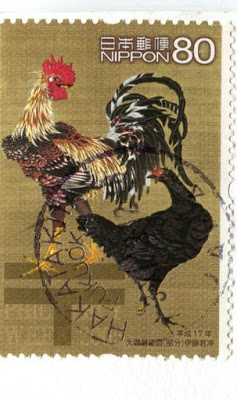
WRITTEN BY R. NANJAPPA                        

Post No.7874

Date uploaded in London – – 24 April 2020

Contact – swami_48@yahoo.com

Pictures are taken from various sources for spreading knowledge; this is a non- commercial blog. Thanks for your great pictures.

ஹிந்தி படப் பாடல்கள் – 16 – கலையின் வளர்ச்சியும் வீழ்ச்சியும்!

R.Nanjappa

கலையின் வளர்ச்சியும் வீழ்ச்சியும்

உலகில் ஒவ்வொரு கலையும் ஒரு பரிணாம விதிக்கு உட்பட்டது போலும். எங்கோ, எப்படியோ தோன்றி வளர்ச்சியடைந்து ஓர் உன்னத நிலை எய்துகிறது; பின்னர், படிப்படியாகச் சரிந்து விடுகிறது. அஜந்தா, சித்தன்னவாசல் போன்ற சித்திரக்கலை இன்று இல்லை. நம் புராதனக் கோவில்கள் போன்று இன்று கட்ட முடியாது. கலை இருக்கிறதுஆகம, சில்ப சாஸ்திரம் இருக்கிறது. ஆனால் அந்த புராதனக் கோவில் போன்று இன்று கட்ட முடியுமாஅதற்கு ஆதரவு இல்லை. பெரிய அளவில் செய்ய இயலாது.

கோவில் கட்டும் கலை

ஸ்ரீ ரமணாஸ்ரமத்தில் பகவானின் தாயார்ஸ்ரீ மாத்ருபூதேஸ்வரர் – கோவில் 1939ல் கட்டத் தொடங்கி 10 ஆண்டுகள் சிரமப்பட்டு 1949ல்  நிறைவுபெற்றது. மிகச் சிறிய கோவில்தான். ஆனால் அற்புத   சிற்ப வேலைப்பாடுகள் கொண்டதுஆகம விதி மீறாமல் கட்டப்பட்டது. இதைப் பார்வையிட்ட அன்றைய கவர்னர் ஜெனரல் ராஜாஜி  அசந்துபோனார். இத்தகைய கலை அழிந்துபோகக் கூடாது என நினைத்தார். அதன் விளைவாக அரசினர் சிற்பக் கல்லூரி மஹாபலிபுரத்தில் தோன்றியது. இந்தக் கோவில் கட்டிய ஸ்ரீ வைத்யநாத ஸ்தபதியே அக்கல்லூரியின் முதல் முதல்வரானார். கலை அழியவில்லைஆனால்  முன்புபோல்  massive scale இன்று நடக்குமா? அந்த சகாப்தம் இன்று இல்லையே.

இதற்கும் சினிமா இசைக்கும் என்ன சம்பந்தம் என்று கேட்கிறீர்களா?  சொல்கிறேன்.  

1930களில் தொடங்கிய திரை இசை 40களில் வளர்ச்சியடைந்தது. 1950களில் புதிய உத்தி, வடிவம், பொலிவு பெற்று உச்ச நிலை எய்தியது. அதற்குப் பிறகு சரிவுதான். அந்தத் துறையைச் சேர்ந்தவர்களே 50களைத்தான் பொற்காலம் என்று சொல்கிறார்கள்நடப்பது பிளாஸ்டிக் காலம் போலும்!

இசை என்று அங்கங்கும் கூப்பாடு போடுகிறார்கள்.ஆரவாரம் மிகுந்துவிட்டது. ஆனால் முன்பிருந்த தரம் இல்லையே! இன்று டாப் ஹிட் என்று ஒரு பாடலை கொண்டாடுகிறார்கள் மூன்று  மாதத்தில் அதை மறந்துவிடுகிறாகள். எல்லாம் இன்ஸ்டன்ட் காஃபி மாதிரிதான். பழைய கோவில்கள் போன்று 50களின் இசை இன்னும் மதித்துக் கேட்கப்படுகிறது. இன்று வியாபார உத்திகள் பெருகிவிட்டன, கலையம்சம் குறைந்துவிட்டது. தொழில் நுட்பம் வளராத அந்த நாட்களில் உன்னத இசை படைத்தார்கள். தொழில் நுட்பம் மிகுந்துவிட்ட இந்த நாட்களில், அந்தத் தரம் இல்லை. நடைபாதைக் கோயில்கள் போன்று ஏதோ நடக்கிறது!

ரமணாசிரமக் கோயில் எங்கோ மூலையில் இருப்பதுபோல். நல்ல இசையும் எங்கோ முடங்கிக்கிடக்கிறது!

டூயட்சிறப்புச் செல்வம்!

டூயட் பாடல்களை உருவாக்குவது ஒரு சிறப்புக் கலை. பாடகர்படகி குரல்கள் அடிப்படையிலேயே வித்தியாசமானவைசுருதிகள் வேறுபடும். பாடகர்கள் பாடும் பாட்டை பாடகிகள் பாடுவதாக சில சமயம் அமையும், அவற்றைக் கவனமாகக்  கேட்டுப் பாருங்கள்வித்தியாசம் புரியும். ஆனால் இருவரும் சேர்ந்து பாடும்போது அவை தனிச் சிறப்புப் பெறுகின்றன, இது நம் இசைஞர்களின் திறமைக்கு ஒரு சான்று!

இப்படி அமைந்த சில பாடல்களைப் பார்ப்போம்.

தேகே தோ  
वो देखे तो उनकी इनायत, ना देखे तो रोना क्या
जो दिल गैर का हो उसका होना क्या और ना होना क्या

தேகே தோ உன் கீ இனாயத் நா தேகே தோ ரோனா க்யா

ஜோ தில் கைர் கா ஹோ உஸ்கா ஹோனா க்யா ஔர் நா ஹோனா க்யா

அவள் என் பக்கம் பார்த்தாள் என்றால், அது அவள் நல்ல மனது.

பார்க்கவில்லையென்றால் அதற்காக அழவேண்டுமா?

அறிமுகமாகாதவரின் மனது உன் பக்கம் இல்லையென்றால்,

அதனால் ஆவதென்ன, ஆகாததென்ன? ( நமக்கென்ன?)

इश्क दिलों का मेल है प्यारे, ये नज़रों का खेल नहीं
जब तक दो दिल एक ना हो ले, दिल की लगी का रोना क्या

இஷ்க் திலோ(ன்) கா மேல் ஹை ப்யாரே, யே நஃஜ்ரோ(ன்) கா கே நஹீ

யே நஃஜ்ரோ(ன்) கா கேல் நஹீ

ஜப் தக் தோ தில் ஏக் நா ஹோலே, தில் கீ லகீ  கா  ரோனா க்யா

காதல் என்பது மனங்கள் ஒன்று சேர்வதே யாகும்.

இது கண்களின் கூத்தில்லை, கண்களின் விளையாட்டு இல்லை!

இப்படி இரு மனங்கள் ஓன்றுபடவில்லையெனில்அது காதல் இல்லையே

அதற்காக ஏன் அழவேண்டும்?


इश्क की बाजी सीधी बाजी, दिल जीतो और दिल हारो
इस सौदे में दिलवालों, पाना क्या और खोना क्या

இஷ்க் கீ பாஜீ ஸீதீ பாஜீ, தில் ஜீதோ ஔர் தில் ஹாரோ

இஸ் சௌதே மே தில்வாலோ, பானா க்யா ஔர் கோனா க்யா

இந்த காதல் என்னும் விஷயம் நேரடியானது

ஒருவர் மனதில் இடம்பிடி, உன் மனதைக் கொடுத்துவிடு!

இந்த விவகாரத்தில்  எது லாபம்? எது நஷ்டம்?

நல்ல மனதுடையவர்களே, யோசியுங்கள்!

Song: Wo Dekhe tho unki inayat Film: Funtoosh 1956 Lyricist: Sahir Ludhianvi

Music: S.D.Burman  Singers: Kishore Kumar & Asha Bhonsle

What a fantastic song! What a tremendous message the poet is bringing! Love is not light hearted  affair. It is serious and straight. It is not a plaything.

What a composition by Burmanda!

People said KIshore was not formally trained. They should listen to how he sings the passages ‘Haiya ho haiyaa” and ‘Ishq  ki baaji”.  This song is based on the Raag Gaud Sarang and Kishore sang it with  such verve! And yet how modern it sounds! That is the genius of our old music directors. To repeat a Raga note by note-swara by swara- is not art. It is imitation. Creation is taking some notes and making a tune! Out of three notes, a star is born, as Browning said!

கிஷோர்குமாரின் ‘ஜீனியஸ்’ஸிற்கு எல்லையே இல்லை! மேற் கண்ட பாட்டிலிருந்து முற்றும் மாறுபட்ட ஒரு பாடலைக் கேளூங்கள்:

யே ஸமா ஹம் தும் ஜவான்

adi odley ae oyee
ki yodley ae oyee  

ये समाँ, हमतुम जवाँ, पहलू से दिल सरक जाए
ये प्यार की टेढ़ी गली, अब छोड़ी जाए, हाय रे हाय

யே ஸமா ஹம் தும் ஜவா(ன்), ஃபஹலூ சே தில் ஸரக் ஜாய்

யே ப்யார் கீ  டேதீ கலீ, அப் சோடீ ஜாய், ஹாய் ரே ஹாய்

இனிய பொழுது, நாம் இருவரும் இளவயது, மனம் நழுவிப் போகிறதே!

காதலின் இந்த வளைந்து போகும் பாதைஅது விலகாமல் இருக்கவேண்டுமே!


मिल जाए गर तुझसे नज़र, नन्हासा दिल धड़क जाए
ये प्यार की टेढ़ी गली, अब छोड़ी जाए, हाय रे हाय

மில் ஜாயே கர் துஜ் ஸே நஃஜர்  நன் ஹா ஸா தில் தடக் ஜாய்

யே ப்யார் கீ  டேதீ கலீ, அப் சோடீ ஜாய், ஹாய் ரே ஹாய்

உன்னைக் கண்டதும்  இந்தச் சிறிய மனது  படபடக்கிறதே!

காதலின் இந்த வளைந்த பாதை விலகாமல் இருக்க வேண்டுமே!

la la la laa laa
la la la laa laa

adi odley ae oyee
ki yodeli ae oyee

भीगीभीगी ये चाँदनी रात आँखोंहीआँखों में जाए रे
मैं कुछ कहूँ दिल कुछ कहे, याद बैरी बलम की सताए रे
बिन तेरे मुझको ग़म घेरे, रहे मेरा दिल उदास हरदम
चिकी बम चिकी बम चिकी चिकी बम बम
ये तो चोरीचोरी मिलने का मौसम
ये समाँ, हमतुम जवाँ

…  

பீகீ பீகீ யே சாந்த்னீ ராத் (ன்)கோ ஹீ (ன்)கோ மே ஜாயேரே

மை குச் கஹூ(ன்) தில் குச் கஹே, யாத் பைரீ பலம் கீ ஸதாயேரே

பின் தேரே முஜ் கோ கம் கேரே, ரஹே மேரா தில் உதாஸ் ஹர் தம்

சிகி பம் சிகி பம் சிகி சிகி பம் பம்

யே  தோ சோரீ சோரீ மில்னே கா மௌஸம்

யே ஸமா, ஹம் தும் ஜவா(ன்)……..

நிலவொளி தவழும் இந்த இரவுமெல்ல மெல்ல கண்களைத் தழுவுகிறதே!

நான் ஏதோ சொல்கிறேன், மனது ஏதோ சொல்கிறது

அன்பரின் நினைவு மனதை அலைக்கிறதே!

நீ இல்லாமல் என்னை வருத்தம் அணைத்துக்கொண்டுவிட்டது

மனது சதாகாலமும் வருத்தமாகவே இருக்கிறது!

நாம் ரகசியமாகச் சந்திக்கவேண்டிய நேரமிது.

la la la laa laa
la la la laa laa

adi odley ae oyee
ki yodley ae oyee

मेरीमेरी, नज़रों के भेजे हुए तार का तो जवाब दो
मेरेमेरे, थी क्या ख़बर तुम भी नीयत के इतने ख़राब हो
तेरी बांकी नज़र की झांकी, लड़खड़ाती है मेरे क़दम
चिकी बम चिकी बम चिकी चिकी बम बम
ये तो चोरीचोरी मिलने का मौसम
ये समाँ, हमतुम जवाँ …  

மேரீ மேரீ நஃஜ்ரோ கே பேஜே ஹுயே தார் கா தோ ஜவாப்  தோ

மேரே மேரே தீ க்யா கபர் தும் பீ னீயத் கே இத்னே கராப் ஹோ

தேரீ பா(ன்)கீ நஃஜர் கீ ஜாங்கீ, தட்கடாதீ ஹை மேரே ஸனம்

சிகி பம் சிகி பம் சிகி சிகி பம் பம்

யே தோ சோரீ சோரீ மில்னே கா மௌஸம்

யே ஸமா ஹம்  தும் ஜவா(ன்)……..

லல லாலா, லல லாலா..

என் கண்கள் அனுப்பிய செய்திக்குப் பதில் என்ன?

நீ இப்படியெல்லாம் நியதி மீறி நடந்துகொள்வாய் என எப்படித் தெரியும்?

உன் கண்களின் அசைவைக் கண்டு என் கால்கள் தள்ளாடுகின்றன!

நாம் ரகசியமாக சந்திகவேண்டிய நேரமிது!

Song: Ye sama hum tum jawan  Film: Mshuka 1953 Lyricist: Shailendra

Music; Roshan Singers: Kishore Kumar & Meena Kapoor.

இது ஷைலேந்த்ராவின் சிறந்த பாடல் எனச் சொல்லமுடியாது, பண்பாடு உள்ளவர்கள்   cultured circles பேசக் கூசும் சில சொற்களைப் பயன்படுத்துகிறார்.[ தேரே பா(ன்)கீ, நஜர் கீ ஜா(ன்)கீ, நஜ்ரோனே பேஜே ஹுயே தார், etc] இதற்குக் காரணம் இருக்கவேண்டும்!

இந்தப் படம் பாடகர் முகேஷ் எடுத்தது, அவரே ஹீரோ. அதனால் இந்தப் பாட்டு அவருக்காக எழுதியதல்ல. காமெடி நடிகர் ஆகாவுக்காக எழுதியது. அதனால் இப்படிப் பட்ட நமக்குப் பொருந்தாத சொற்கள் வருகின்றன போலும்! ஆனால் நாம் இங்கு கவிதைக்காக இந்தப் பாடலைப் பார்க்கவில்லை! அதன் இசைக்காகவே பார்க்கிறோம்.

எத்தனை racing, light-hearted பாடல், பாருங்கள். இரண்டு சுருதி  நிலை உள்ளவர்களின் குரலை இழைத்திருகிறார்! மீனா கபூரின் குரலில் தான் எத்தனை குழைவு! இனிமையோ இனிமை! கடைசி வரிகளில் இரண்டு சுருதி உள்ள இருவரையும் சேர்ந்தே, இரண்டு சுருதிகளிலேயே இணைந்து பாடவைத்திருகிறார்மீண்டும் கேளுங்கள். ஆனால் காதுக்கு இதமாகவே இருக்கிறது! இது அசாத்யச் செயல். சபாஷ் ரோஷன்!

இந்தப் பாடலில் Yodeling என்னும் உத்தியை முதன் முதலில் இந்தியத் திரை இசைக்கு அறிமுகப் படுத்தினார் கிஷோர்குமார்! இவருக்கு முன்னும் பின்னும் இந்த யாடலிங்க் வேறு எவருக்கும் வராத புதுமை! சபாஷ் கிஷோர்!

மீனா கபூர் நல்ல பாடகர். பாவம். லதாவின் நிழலில் அவருக்கு அதிக வாய்ப்பு இல்லை!

ரோஷன் சிறந்த, ரசனைமிக்க sensitive இசைஞர், பாவம் அதிக நாள் இருக்கவில்லை. “பர்ஸாத் கீ ராத்” (1960) என்ற படத்தில் இவர் அமைத்தகவ்வாலி” [  தோ கார்வான் கீ தலாஷ் ஹை}]  நமது சினிமா உலகிலேயே  இன்றுவரை தலையிடத்தைப் பெற்றுத் திகழ்கிறது! அதை மிஞ்ச ஆளில்லை!

இந்த மஷூகா படம் படுதோல்வி கண்டது. அதனால்  இந்தப் பாட்டு பிரபலமடையவில்லை.

கேட்டு ரசிப்பதற்கு  நமக்கென்ன தடை!

இனி, இன்னொரு கிஷோர் பாடிய டூயட் பார்ப்போம்:

ஆங்கோ(ன்) மே க்யா ஜீ

आँखों में क्या जी, रुपहला बादल
बादल में क्या जी, किसी का आँचल
आँचल में क्या जी, अजब सी हलचल

(ன்)கோ மே க்யா  ஜீ, ருபஹலா பாதல்

பாதல் மே க்யாஜீ, கிஸீ கா ஆஞ்சல்

ஆஞ்சல் மே க்யாஜீ, அஜப் ஸீ ஹல்சல்!

உன் கண்ணில் தான் என்னவோ?

அதுவா, அழகிய மேகம்!

மேகத்தில் தான் என்னவோ?

யாரோ ஒருவரின் முந்தானை!

அந்த முந்தானையில் தான் என்னவோ?

, அங்கு வினோத அசைவு!

रंगीं है मौसम
तेरे दम की बहार है
फिर भी है कुछ कम
बस तेरा इंतज़ार है
देखने में भोले हो पर हो बड़े चंचल
आँखों में क्या जी…  

ரங்கீ(ன்) ஹை  மௌசம்

தேரே தம் கீ பஹார் ஹை

ஃபிர் பீ  ஹை குச் கம்?

பஸ், தேரா இந்தஃஜார் ஹை!

தேக் நே மே போலே ஹை பர் ஹோ படே சன்சல்

ஆன்) கொ மே க்யா ஜீ

பொழுது ரம்யமாக இருக்கிறது!

அது  உன் மூச்சுக் காற்றால்  உண்டான வசந்தம்!

இருந்தாலும் ஏதோ குறைகிறதோ?

அதுவா, அது உனக்காகக் காத்திருப்பதுதான்! ( நீ இன்னமும் வரவில்லையே, அதுதான்)

பார்ப்பதற்கு சொத்தையாய் இருக்கிறாய், ஆனால் நீ குறும்பு பிடித்த  ஆள் தான்!

झुकती है पलकें

झुकने दो और झूम के
उड़ती है ज़ुल्फें
उड़ने दो होंठ चूम के
देखने में भोले हो पर हो बड़े चंचल
आँखों में क्या जी…  

ஜுக்தீ ஹை பல்கே(ன்)

ஜுக்னே தோ ஔர் ஜூம் கே

உட்தீ ஹை  ஜுல்ஃபே(ன்)

உட்னே தோ ஹோன்ட் சூம் கே

தேக்னே மே போலே ஹோ பர் ஹோ படே சன்சல்

(ன்)கோ மே க்யாஜி..

கண் இமைகள் கீழே தாழ்கின்றனவே?.

இன்னும் தான் ஜோராகத் தாழட்டுமே!.

கூந்தல் விரிந்து எழுகின்றதே?

எழுந்து உதடுகளைத் தான் தழுவட்டுமே!

பார்ப்பதற்கு சொத்தையாய் இருக்கிறாய், ஆனால் குறும்பு போகவில்லையே!

झूमें लहराएं

नयना मिल जाये नैन से
साथी बन जाएँ
रस्ता कट जाये चैन से
देखने में भोले हो पर हो बड़े चंचल
आँखों में क्या जी…  

ஜூமே லஹராயே

நைனா மில் ஜாயே நைன் ஸே

ஸாதீ பன் ஜாயே(ன்)

ரஸ்தா கட் ஜாயே சைன் ஸே

தேக்னே மே போலே ஹோ பர் ஹோ படே சன்சல்

(ன்) கோ மே க்யா ஜீ……

மகிழ்ச்சி அலை பொங்குகிறதே!

நம் கண்களின் பார்வை இணையட்டுமே!

நாம் சேர்ந்தே பயணம் செய்வோமே!

ஐயோ, பாதை கண்களிலிருந்து மறைந்துவிடுமே!

நீ பார்ப்பதற்கு சொத்தை, ஆனல் குறும்பு போகவில்லையே

கண்ணில் தான் என்னவோ?

Song: Ankhon mein kya ji Film: Nau Do Gyarah 1957 Lyricist: Majrooh Sultanpuri

Music: S.D.Burman  Singers: Kishore Kumar & Asha Bhonsle

இதுவும் ஒரு கேள்விபதில் பாடல் Teasingகுறும்புத்தனம் வெளியாகிறது. .மஜ்ரூஹ் சுல்தான்புரியின் கவிதை இதை அழகாக கொண்டுசெல்கிறது!

கிஷோர்ஆஷா பாடிய பல ஹிட் பாடல்களில் இதுவும் ஒன்று. குறும்புத்தனம் பாடல் தொனியிலேயே தெரிகிறது!

Ideal romantic song, polished expressions, and sung in a jovial spirit!  S.D.Burman was 51 years old when he composed this youngish melody! Makes one feel young!

ஸாஹிர் லுதியான்வி பிரிந்தபின், மஜ்ரூஹ் பர்மன் படங்களுக்கு பாடல்கள் எழுதினார். சிலர் படங்களில் டூயட் எடுபடுவதில்லை என்று சொல்லி வந்தனர். மஜ்ரூஹ் ஒப்பவில்லை. ஆடத்தெரியாத ஆசாமி கூடம் பத்தாது என்று சொல்வதைப் போன்றது இது, பாட்டு நன்றாக இருந்தால் ரசிப்பார்கள் என்று சொன்னர். பல ஹிட் டூயட்களை எழுதினார்.1992 வரை எழுதினார். தீவிர கம்யூனிஸப் பற்றுள்ள இவர் புரட்சி அரசியலில் சம்பந்தப்பட்டதாகக்  கருதப்பட்டு 2 ஆண்டுகள் சிறையில் இருந்தார். ரஷ்யாவிலும் சீனாவிலும் கம்யூனிஸம் போன போக்கைக் கண்டு வெறுப்படைந்தார், கவிதையிலேயே காலம் கழித்தார். சிறந்த  உருதுக் கவிகளில் ஒருவராகக் கருதப்படுகிறார்.

tags – ஹிந்தி படப் பாடல்கள் – 16 ,  கலை,  வளர்ச்சி, 

***

.

பெரிய மரங்கள் இருந்தால் சிறிய மரங்கள் வளராது: ஸ்வாமிஜி! (Post No.7873)

WRITTEN BY S NAGARAJAN                                    

Post No.7873

Date uploaded in London – – 24 April 2020

Contact – swami_48@yahoo.com

Pictures are taken from various sources for spreading knowledge; this is a non- commercial blog. Thanks for your great pictures.

பெரிய மரங்கள் இருந்தால் சிறிய மரங்கள் வளராது : ஸ்வாமிஜி!

ச.நாகராஜன்

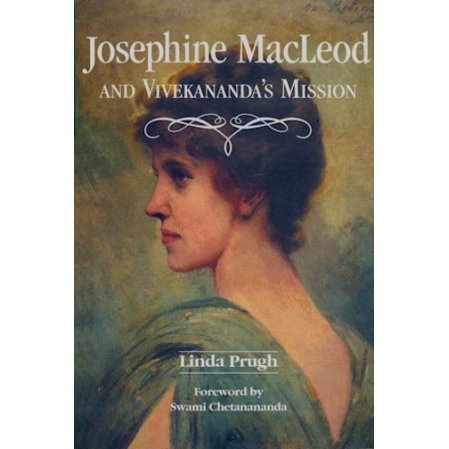
ஜோஸபைன் மக்லியாட் (Josephine MacLeod) ஸ்வாமி விவேகானந்தரின் அணுக்க சிஷ்யைகளுள் ஒருவர்.

1902ஆம் ஆண்டு, ஏப்ரல் மாதம்.

ஒரு நாள் ஸ்வாமி விவேகானந்தர் அவரைப் பார்த்துச் சொன்னார்;”  எனக்கென்று இந்த உலகத்தில் ஒன்றும் கிடையாது; ஒரு பென்னி கூடக் கிடையாது. எனக்குக் கொடுத்த அனைத்தையும் நான் கொடுத்து விட்டேன்.”

ஜோஸபைன் ஸ்வாமிஜியைப் பார்த்துச் சொன்னார் ;” ஸ்வாமி! நீங்கள் உயிருடன் இருக்கும் வரை மாதம் ஒன்றுக்கு 50 டாலர் நான் தருகிறேன்”.

ஒரு நிமிடம் யோசித்த ஸ்வாமிஜி கேட்டார்: “அதில் நான் வாழ முடியுமா?”

ஜோஸபைன் “ “ஓ! நிச்சயமாக!! ஆனால் தாராளமாகச் செலவழிக்க முடியாது” அவர் ஸ்வாமிஜிக்கு உடனே 200 டாலர் தந்தார். ஆனால் நான்கு மாதத்திற்கான அந்தத் தொகை முடியும் முன்னரே ஜூலை மாதம் 4ஆம் தேதி ஸ்வாமிஜி சமாதி எய்தினார்.

பேலூர் மடத்தில் ஒரு நாள் சகோதரி நிவேதிதை விளையாட்டு வீரர்களுக்குப் பரிசுகளை வழங்கிக் கொண்டிருந்தார்.

மடத்தில் இருந்த ஸ்வாமிஜியின் படுக்கை அறையில் ஜன்னலுக்கு அருகில் ஜோஸபைன் நின்று அதைப் பார்த்துக் கொண்டிருந்தார்.

அப்போது ஸ்வாமிஜி ஜோஸபைனைப் பார்த்துச் சொன்னார்: “நான் நாற்பது வயதைப் பார்க்க மாட்டேன்.” (I shall never see forty)

அப்போது அவருக்கு வயது 39.

ஜோஸபைன் கூறினார்:” ஆனால், ஸ்வாமிஜி, புத்தர் தனது பெரும் பணியை 40இல் ஆரம்பித்து 80 முடிய இருந்து தானே செய்தார்.”

ஸ்வாமிஜி பதில் கூறினார் : “எனது செய்தியை நான் கூறி விட்டேன். நான் போக வேண்டும்.”

“ஏன் போக வேண்டும்?”

“பெரிய  மரத்தின் நிழல் சிறிய மரங்களை வளர விடாது. அவர்களுக்கு வழி விட நான் போக வேண்டும்.” (The shadow of a big tree will not let the smaller trees grow up, I must go to make room.)

இதன் பின்னர் ஜோஸபைன் இமயமலை சென்றார். பின்னர் இங்கிலாந்திற்குச் சென்றார்.

ஜூலை 4ஆம் தேதி அவருக்கு ஸ்வாமிஜி நிர்வாண நிலையை அடைந்து விட்டதாக அவருக்குச் செய்தி பறந்தது.

அவர் திக்பிரமை பிடித்து பிரமித்து நின்று விட்டார். அவர் மனதில் ஏற்பட்ட ரணம் ஆறவில்லை.

மேட்டர்லிங்க் எழுதிய ஒரு வரியைப் படித்த பின்னர் தான் அவருக்குச் சற்றுத் தெளிவு ஏற்பட்டது : “ எந்த ஒருவராலும் நீங்கள் பெரிதும் செல்வாக்குக்கு உட்பட்டவராக இருந்தீர்கள் என்றால்,  அதை உங்கள் வாழ்க்கை மூலம் நிரூபியுங்கள்; அழுது அல்ல.”

உடனே ஜோஸபைன் அழுவதை நிறுத்தி விட்டார். 14 ஆண்டுகள் கழித்து  இந்தியாவிற்கு அவர் வந்தார்.

முழு இந்தியாவும் ஸ்வாமிஜியின் செய்தியால் நிரம்பி வழிந்தது. 6 மடாலயங்கள், ஆயிரக்கணக்கான மையங்கள், நூற்றுக் கணக்கான சங்கங்கள்!

அங்கெல்லாம் அவரை அழைத்தனர்.

ஏனெனில் ஜோஸபைன் ஸ்வாமிஜியை தன் வாக்கில் உயிருடன் வைத்திருந்தார். அவரைப் பற்றிப் பேசினார்; அனைவருக்கும் உத்வேகம் ஊட்டினார்.

ஸ்வாமிஜியின் செல்வாக்குக்கு உட்பட்ட அவர் இறுதி வரை ஸ்வாமிஜியின் சொல்படி வாழ்ந்து காட்டினார்!

tags —  ஜோஸபைன் மக்லியாட், Josephine Mac Leod ,  ஸ்வாமி விவேகானந்தர்

xxxxxx

தமிழ் குறுக்கெழுத்துப் போட்டி2342020 (Post No.7872)

WRITTEN BY LONDON SWAMINATHAN

Post No.7872

Date uploaded in London – 23 April 2020   

Contact – swami_48@yahoo.com

Pictures are taken from various sources for spreading knowledge; this is a non- commercial blog. Thanks for your great pictures.

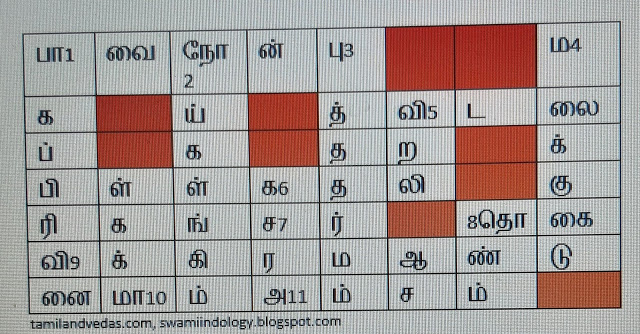
குறுக்கே

1. –(5)– மார்கழி மதம் பெண்கள் இருக்கும் விரதம்

5.– (3) டீன்ஏஜ் — பருவம்- பள்ளிப்படிப்பு முடியும்- கல்லுரிப் படிப்பு துவங்கும் காலம்

6. –(3)- வாழை பழத்தின் ஒரு பெயர்

7. –(4)– வலமிருந்து இடம் செல்க- சங்கரனின் பெண்பாற் பெயர்

8. –(2) – எண்ணிக்கை

9.–(8) – ஒரு மன்னரின் பெயரிலுள்ள ஆண்டு 60 ஆண்டு  சுழற்சியும் இதன் கீழ் வரும்

11.–(4) பெண்கள் கற்களைத் தூக்கிப்போட்டு லாவகமாக பிடிக்கும் விளையாட்டு

11. –(4)– வலமிருந்து இடம் செல்க — ராசி என்றும் இந்தப் பெயரிலும் ஜாகக்கட்டம் போடுவர்

XXX

கீழே

1.–(7) – சொத்து இருந்தால் யாருக்கு எவ்வளவு என்று

2. –(4)- வியாதிகள்

3.–(7)- புத்தர் போதித்த து

5. –(3)- பாணனுடன் வரம் கூத்து ஆட்டும் பெண்

4.– (5) – குன்றுகளில் சிங்கம், புலி வசிக்கும் இடம்

10. –(4)– கீழிருந்து மேல் செல்க – ஜனங்கள் மிருக குணத்துடன் இருந்தால்

XXXXXXXXXXX

சிலப்பதிகாரக் கதை : கோழி -யானை சண்டை (Post No.7871)

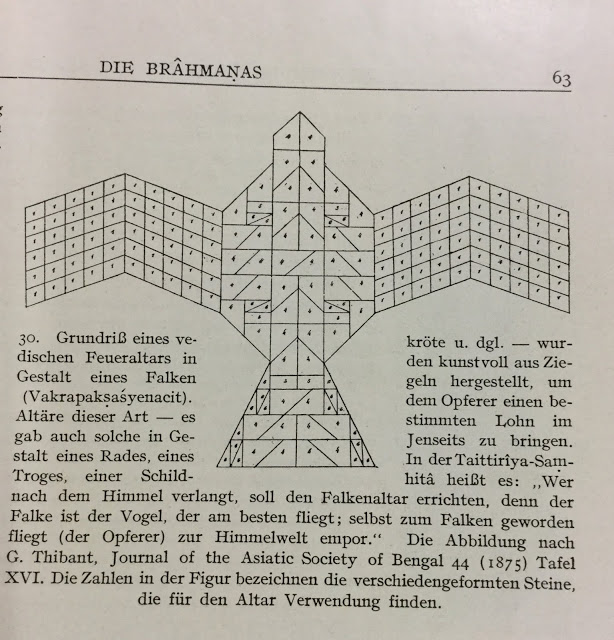
கரிகாற் சோழன் அமைத்த பருந்து வடிவ யாக குண்டம்

WRITTEN BY LONDON SWAMINATHAN

Post No.7871

Date uploaded in London – 23 April 2020   

Contact – swami_48@yahoo.com

Pictures are taken from various sources for spreading knowledge; this is a non- commercial blog. Thanks for your great pictures.

திருச்சிக்கு  அருகிலுள்ளது உறையூர். ஒரு காலத்தில் சோழரின் தலைநகராக விளங்கியது . இதற்கு மற்றோரு பெயர் கோழியூர்  . புறநாநூற்றில் (பாடல் 212)   கோப்பெருஞ்சோழனை பிசிராந்தையார் ‘கோழியோன்’ என்று பாடுகிறார்.

இதன் பின்னாலுள்ள கதையை வைத்து சிலப்பதிகாரத்தில் இளங்கோ அடிகள் ‘வார்த்தா ஜாலம்’ செய்கிறார். சம்ஸ்கிருதத்தில் ‘வாரணம்’ என்ற சொல்லுக்கு யானை, கோழி/சேவல் என்று இரு பொருள் உண்டு. இவைகளை இளங்கோ அடிகள் ‘முறச் சிறை வாரணம்’, ‘புறச் சிறை வாரணம்’ என்று வருணிக்கிறார்.  அதாவது முறம் போன்ற காதுகளுடைய யானையும் புறத்தே சிறகுகளுடைய கோழியும் போரிட்டதில் இறுதியில் கோழி வென்றது. இதன் காரணமாக உறையூருக்கு ‘கோழியூர்’ என்றும் அதைத் தலைநகராகக் கொண்டு அரசாண்ட  சோழனுக்கு ‘கோழியோன்’  என்ற சிறப்பு அடை  மொழிகளும் உண்டு. உறையூருக்குள் கோவலனும்  கண்ணகியும் புகுந்ததைச் சொல்லும் போது, இதைப் போகிற போக்கில் இளங்கோ சொல்லுவதால்   அ ந்தக் காலத்தில் இது எல்லோருக்கும் தெரிந்த விஷயமாக இருந்திருக்க வேண்டும். பிசிராந்தையாரின் குறிப்பைப் பார்க்கையில் இது 2000 ஆண்டுகளுக்கு முன்னர் நடந்தது என்பது தெளிவாகிறது .

காவுந்தி ஐயையும் தேவியும் கணவனும்

முறம்செவி வாரணம் முன்சமம் முரு க்கிய

புறஞ்சிறை வாரணம்  புக்கனர் புரிந்துன்

–நாடுகாண் காதை , புகார்க் காண்டம் , சிலப்பதிகாரம்

இது குறித்து உரைகள் விளம்புவது யாதெனில்,

முற்காலத்தே ஒரு கோழி, யானையை எதிர்த்து போரில் புறங் கொடுத்தோடச் செய்தது . இன் நிகழ்ச்சியைக்கண்ட சோழ மன்னன் இந்நிலத்திற்கு ஒரு சிறப்புண்டென்று கருதி அவ்விடத்தே தன தலை நகரை அமைத்துக்கொண்டு அரசாட்சி செய்தனன். அந்த நகருக்கே ‘கோழி’ என்று பெயர் சூட்டினான் . அதனைக் காணும் அவாவோடு கண்ணகியும் கோவலனும் அவ்வூருக்குள் நுழைந்தனர் .

‘கோழியூர்’ என்பதற்கு உரைகாரர்கள் மற்றோரு விளக்கமும் தருவார்கள்.  அந்நகரம் அமைக்கும்போது கழுத்து போலவும் இரு புறம் சிறகுகள் இருப்பது போலவும் — பறவை வடிவில் — நகரம் அமைக்கப்பட்டதால் புறம் சிறை வாரணம் என்று இளங்கோ சொன்னதாக வியாக்கியானம் செய்வர் சிலர். இது அடியார்க்கு நல்லாரின் உரையில் உளது.

இவ்வாறு பல பிராணிகள் – ஊர்களை தொடர்புபடுத்தும் கதைகள் பாரத நாடு முழுதும் இருக்கின்றன. வேட்டை நாய்கள் முயல்களை விரட்டிச் சென்றபோது, திடீரென்று வேட்டை நாய்களை முயல்கள் வீரம் கொண்டு விரட்டத்  துவங்கியதைக் கண்ட வீர பாண்டிய கட்டபொம்மன் அந்த இடத்தில் பாஞ்சாலங்குறிச்சி கோட்டையைக் கட்டினான். ‘புலியை விரட்டு’ என்று முனிவர் சொன்னவுடன் அதை விரட்டிக் கொன்ற மன்னரின் வம்சம் ‘ஹொய்சாள’ எனப்பட்டது. மயில் வளர்த்த சாதாரணக் குடிமகனை சாணக்கியன் என்ற பார்ப்பன ன், பிராமணத் துவேஷிகள் நிறைந்த  நந் த வம்சத்தை அடியோடு ஒழித்ததால் மயில் வளர்த்த முராதேவியின் வம்சம் ‘மௌர்ய வம்சம்’ ஆயிற்று. கர்ப்ப நிலையில் தவித்த தவளைக்கு பாம்பு குடை பிடித்து பாதுகாப்பு கொடுத்ததைக் கண்ட ஆதிசங்கரர், அந்த சிருங்கேரியில் முதல் மடத்தை அமைத்தார் என்பர். இப்படி ஒவ்வொரு ஊரிலும் ஒரு கதை இருப்பது இந்துக்களின் இயற்கையோடு இயைந்த வாழ்வைக் காட்டுகிறது .

பருந்து வடிவில் அமைந்த யாக குண்டத்தில் கரிகாற் சோழன் யாகம் செய்ததை சங்க இலக்கியம் கூறும். பறவை வடிவில் படை வியூகம் அமைத்த செய்தி மஹாபாரதத்தில் வருகிறது.

tags – கோழி , கோழியூர், உறையூர் , வாரணம், சிலப்பதிகாரம், யானை , சண்டை , கோழியோன்

-subham-

Dog and the Room of Mirrors (Post No.7870)

WRITTEN BY LONDON SWAMINATHAN

Post No.7870

Date uploaded in London – 23 April 2020   

Contact – swami_48@yahoo.com

Pictures are taken from various sources for spreading knowledge; this is a non- commercial blog. Thanks for your great pictures.

The Brahman is well known as the adorable being, the Atman of all, which is to be meditated upon as the worshipful Self in all beings. All beings love Him who knows it thus.– Kenopanishad 4-6

The person who hates another being is like the dog in the parable of the Maharajah (king)  and the mirrors. The maharajah had a room which was mirrored on all sides so that he could stand in the middle and see himself from all angles. Normally this room was closed, but one day, the maharajah went out leaving the door ajar. The palace guard dog found the door, entered the room and discovered to his rage that there was another dog in the palace and, what is more, it was brazenly blocking his path.

The guard dog barked and so did the other dog, and so did another dog to his right and left. The guard dog realised he was surrounded by dogs all barking, jumping, crouching, and snapping whenever he did so. The guard dog flew into a frenzy, throwing himself biting and snarling at his opponents.

When the maharajah returned, he found his dog dead in a pool of his own blood, surrounded by shattered glass. The mirrored room which had been the means for the maharajah to see himself better was the means of destruction for the dog because he was ignorant. He did not know it was his own reflection that he saw. We are all like this dog because we do not understand that the world we experience is our own reflection. We bark, it barks, we bite, it bites. We are in a pool of our own blood.

Five years ago I Posted two more similar stories; Here is the link:–

Two Stories: See yourself in all beings! | Tamil and Vedas

tamilandvedas.com › 2015/09/19 › two-stories-see-you…

  1.  

19 Sep 2015 – Post No2172. Time uploaded in London :– 20-22. (Thanks for the pictures). In order to have some fun a man procured innumerable small …

Source book for the first story Dog and the Room of Mirrors is ,

THE ESSENTIAL TEACHINGS OF HINDUISM , Edited by  Kerry Brown, RIDER, London ,1987

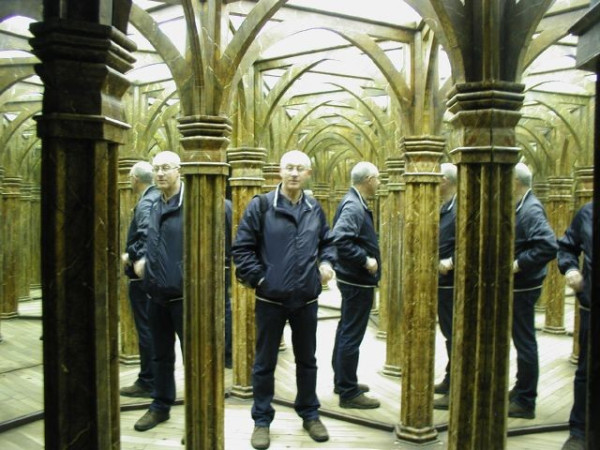
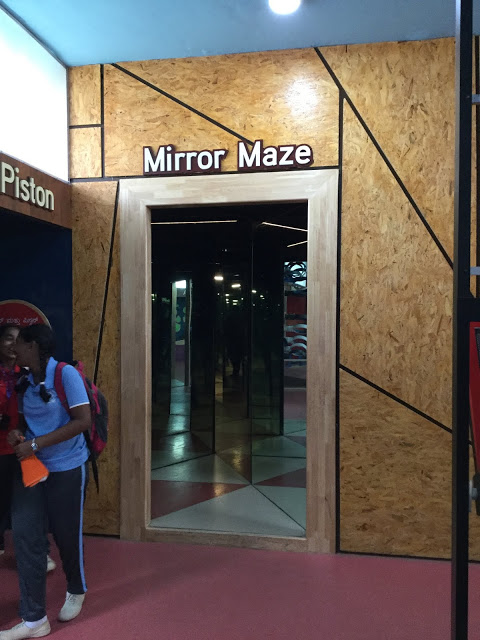
Mirror Maze in Science Museum, Bengaluru
tags – Mirror Maze in Science Museum, Bengaluru

Xxx subham xxx

ஹிந்தி படப் பாடல்கள் – 15 – ராகமும் மெட்டும்! (Post No.7869)

WRITTEN BY R. NANJAPPA                        

Post No.7869

Date uploaded in London – – 23 April 2020

Contact – swami_48@yahoo.com

Pictures are taken from various sources for spreading knowledge; this is a non- commercial blog. Thanks for your great pictures.

ஹிந்தி படப் பாடல்கள் – 15 – ராகமும் மெட்டும்!

R. Nanjappa

ராகமும் மெட்டும்

திரை இசையின் தோற்றத்திற்கும் ஏற்றத்திற்கும் இசையமைப்பாளர்களும்  (இவர்களைஇசைஞர்கள்எனச் சொல்லலாமா?] பாடலாசிரியர்களான கவிஞர்களும் இணைவதுதான் அடிப்படை. இசை கடல்போல் பரந்து  இருக்கிறதுஇடத்திற்குத் தகுந்தமாதிரி மெட்டமைப்பது சுலபமல்ல. ஒரு ராகத்தை அப்படியே எடுத்தாண்டால் எடுக்காது! அதற்கு இசைஞன் தேவையில்லை. ராகத்தின் ஒரு பகுதியை  வைத்துசில ஸ்வரங்களை வைத்துகற்பனையுடன் மெட்டு வருவதுதான் அருமை! ஆங்கிலக் கவி  ராபர்ட் ப்ரௌனிங்க் சொல்கிறார்:

And I know not if, save in this, such gift be allowed to man,

That out of three sounds he frame, not a fourth sound, but a star.

Consider it well: each tone of our scale in itself is nought;

It is everywhere in the world- loud, soft, and all is said.

Give it to me to use! I mix it with two in my thought:

And there! Ye have heard and seen: consider and bow the head!

[Robert Browning: ABT VOGLER ]

அனேகர்  “பாட்டுஎன்று ஏதோ எழுதிவிடலாம்சொற்களை அடுக்கிவிடலாம். அதைக் கவிதையாக எழுதுவது சுலபமல்ல. உதாரணம் சொன்னால் கோபம் வரலாம். இந்த தமிழ்ப் பாட்டை எடுத்துக்கொள்ளுங்கள்:

ஓங்காரமாய் விளங்கும் நாதம் அந்த 

ரீங்காரமே இன்ப கீதம்

ஆங்கார உள்ளமே அமைதியும் பெறுமே

நீங்காத துயர் மாறி நிம்மதி தருமே

ஓங்காரம்ரீங்காரம்ஆங்காரம்ஒலியின் ஜாலம், சரி

ஓங்காரம் ரீங்காரமாகுமா? ரீங்காரம் கீதமாகுமா? ஒருவருக்கு கோபமோ, வருத்தமோ, கவலையோ இருக்கும் போது இசையை ரசிக்க முடியுமா? கொரோனா நோய் உள்ள வீட்டில் இந்தப் பாடல் ரசிக்குமா?

இது நல்ல சினிமா பாட்டே தவிர, கவிதையாகுமா?

நல்ல இசைஞனும் கவிஞனும் சேருவது  சிறந்த பாடல் வருவதற்கு வழி வகுக்கிறது.

மெட்டாபாடலா? எது முதல்?

இசைஞர்கள்கவிஞர்கள் தொடர்பான முக்கிய விஷயம்மெட்டா, பாடலா, எது முதலில் வருவது என்பது பற்றியது.

சில இசை டைரக்டர்கள் முதலில் மெட்டமைப்பார்கள்டடடா, டட்டடா, என்றெல்லாம் ஏதோ சொற்களைப் போட்டு மெட்டு இருக்கும் . அதற்குப் பாட்டு எழுதவேண்டும்/ ஸ்ரீ420 படதில் வரும்ராமையா வஸ்தாவய்யாஎன்ற பாட்டு இப்படி உருவானதுதான்! மியூசிக் இயக்குனர் ஷங்கர் (ஜெய்கிஷன்ஹைதராபாத்தில் இருந்தவர், தெலுங்கு தெரியும். அதனால் மெட்டமைக்கும்போது இந்த தெலுங்கு வார்த்தைகளைப் போட்டார்! அது தயாரிப்பாளருக்குப் பிடித்துப் போகவே , அதைத் தொடர்ந்தே ஷைலேந்த்ரா மீதிப் பாடலை எழுதி முடித்தார். இந்தப் பாட்டு இந்தியா முழுதும் ஹிட் ஆனது மெட்டுக்குப் பாட்டு என்ற உத்தியை தீவிரமாகப் பின்பற்றியவர்கள் எஸ்.டி பர்மன், ஷங்கர் ஜய்கிஷன்.

ஆனால் சில கவிஞர்களும், கவிதையில் பிடிப்புள்ள இசைஞர்களும் இதை ஒப்புக்கொள்வதில்லை. இது கவியின் சுதந்திரக் கற்பனையை குறுக்குவதாகும் என்பது அவர்கள் கருத்து. பொதுவாக ஒரு சிறந்த கவி  பாடல் எழுதும்போது அதனுள் ஒரு rhyme, metre பொதிந்திருக்கும். [பாரதியார் பாடல்களுக்கு அவரே ராகம் குறித்திருக்கிறார்இது தமிழ் இலக்கிய மரபும் கூட. ஒவ்வொரு வகைப் பாடலும் உரிய ராகத்தில் பாடப்படவேண்டும். இதை டாக்டர் .வே.சா அவர்கள் தன் சரித்திரத்தில் எழுதியிருக்கிறார். அதன்படி தான் மெட்டு அமைய வேண்டும். அதனால் சில இசை டைரக்டர்கள் முதலில் பாடலைப்  பெற்று அதற்குத் தக்க இசைஅமைப்பார்கள். சி.ராம்சந்த்ரா, ரவி போன்றவர்கள் இதற்கு உதாரணம்.

எது சிறந்தது? இருவகையிலும்  சிறந்த பாடல்கள் உருவாகி மக்களிடையே பிரபலமாகியிருக்கின்றன. ஆனால் எழுதிய பாட்டுக்கு மெட்டமைப்பது சற்றுக் கடினம்அதிக திறமை தேவை. “சலோ இக் பார் ஃபிர்ஸே” [ படம்: கும்ராஹ்] போன்ற சிறந்த பாடல், கவிதை முதலில்  எழுதப்படாமல் வந்திருக்க முடியாது

இந்த விதத்தில் ஒரு இசைஞருக்கு ஒரு கவி  ஏற்புடையதாகி ஒரு “டீம்” உருவாகிறது-அதற்கு ஒரு “கெமிஸ்ட்ரி” தோன்றி வளர்கிறது. மிகப் பல பிரபலமான பாடல்கள் இதன் விளைவுதான்!

காதல் டூயட் !

இந்திய திரை இசையில், காதல் பாடல் என்றால் , முதலில் கவனத்திற்கு வருவது, டூயட் பாடல்கள்தான்! இது இந்திய சினிமா உலகிற்கு அளித்த மிகப்பெரிய கொடை! இதை ஹாலிவுட்டிலோ வேறு எங்குமோ காணமுடியாது!

நிஜ வாழ்க்கையில் இப்படி சேர்ந்து பாடுகிறார்களா? சேர்ந்து பாடுவதை விடுங்கள். எவ்வளவு பேர் தனியாகப் பாடுகிறார்கள்? சினிமா ஒரு மாயாஜால உலகம் அதில் இசை ஒரு சிறப்பு அம்சம். இருவர் சேர்ந்து பாடுவது  இன்னும் விசேஷம்!

 நூற்றுக் கணக்கில் நல்ல டூயட் பாடல்கள் இருக்கின்றன. தேர்ந்தெடுப்பது  சிரமம். பாடகருக்கு ஒன்றாகப் பார்க்கலாம். இங்கும் கவிதையின் தரத்துக்கே முதலிடம் கொடுப்போம்.

ஹம் ஆப் கீ (ன்)கோ மே

हम आपकी आँखों में, इस दिल को बसा दें तो
हम मूँद के पलकों को, इस दिल को सज़ा दें तो

ஹம் ஆப்கீ (ன்)கோ மே இஸ் தில் கோ பஸா தே(ன்) தோ?

ஹம் மூந்த் கே பல்கோ(ன்) கோ இஸ் தில் கோ ஸஜா தே(ன்) தோ?

 நான்  உன் கண்களில் , இந்த என் இதயத்தை நிறப்பி விட்டால்?

நான் கண்களை  மூடி, இந்த இதயத்தைச் சிறைப்படுத்தி விட்டால்?

इन ज़ुल्फ़ों में गूँधेंगे हम फूल मुहब्बत के
ज़ुल्फ़ों को झटक कर हम ये फूल गिरा दें तो
हम आपकी आँखों में

இன் ஃஜுல்ஃபோ(ன்) மே கூந்தேங்கே ஹம் ஃபூல் மொஹப்பத் கே

ஃஜுல்ஃபோ (ன்) கோ ஜடக் கர் ஹம் யே ஃபூல் கிரா தே(ன்) தோ?

உன் அழகிய கூந்தலில் நான் காதல் என்னும் மலரை  நெய்வேனே!

நான் கூந்தலை அவிழ்த்து அந்த மலரைக் கீழே தள்ளிவிட்டால்?

हम आपको ख्वाबों में ला, ला के सतायेंगे
हम आपकी आँखों से नींदें ही उड़ा दें तो
हम आपकी आँखों में

ஹம் ஆப் கோ க்வாபோ(ன்) மே லா லாகே ஸதாயேங்கே

ஹம் ஆப்கீ (ன்)கோ  ஸே நீந்தே ஹீ உடா தே(ன்தோ?

 நான் உன்னை என் கனவில் அடிக்கடி வரவழைத்து  சதாய்ப்பேனே!

நான் உன் கண்களிலிருந்து தூக்கத்தையே துரத்தி விட்டால்?

हम आपके कदमों पर गिर जायेंगे ग़श खाकर
इस पर भी हम अपने आंचल की हवा दें तो
हम आपकी आँखों में…  

ஹம் ஆப்கே கத்மோ(ன்பர் கிர் ஜாயேங்கே கஸ் காகர்

இஸ் பர் பீ ஹம் அப்னே ஆஞ்சல் கீ ஹவா தே(ன்) தோ?

ஹம் ஆப் கீ (ன்)கோ மே…..

 நான்   துக்கத்துடன் உன் காலடியில் விழுந்து விடுவேனே!

அப்பொழுதும் நான் தயவு வைக்கா விட்டால்?

ஹம் ஆப் கீ (ன்) கோ மே இச் தில் கோ பஸா தே(ன்) தோ

Song: Hum aap ki aankhon mein  Film: Pyaasa 1957 Lyricist: Sahir Ludhianvi

Music: S.D.Burman  Singers: Mohammad Rafi & Geeta Dutt

என்ன கற்பனை பாருங்கள்குறும்புத் தனமான பதில்கள் ( ஆனால் கதையில் இதுதான் நடக்கிறது, அதை வைத்துத்தான் இப்படி எழுதினாரோ?) இது கீதா தத்தின் குரலில் நன்கு பிரதிபலிக்கிறது!

ஆஞ்சல் கீ ஹவா என்றால் முந்தானையின் காற்று என்று நேரடிப் பொருள். It is a folk expression, indicating a sense of favour.

Note the excellent piano notes and the beautiful violin in this song. Other worldly stuff. யார் இசைத்தார்களோ தெரியவில்லை.

The voices of Rafi  and Geeta Dutt blend so well! Real romantic song.

மன் தீரே தீரே  காயே ரே

man dheere dheere gaaye re

man dheere dheere gaaye re

maaloom nahin kyun

maaloom nahin kyun

bin gaaye rahaa na jaaye re

bin gaaye rahaa na jaaye re

maaloom nahin kyun maaloom nahin kyun 

மனது மெல்ல மெல்ல பாடத்தொடங்கி விட்டது!

 பாடத் தொடங்கி விட்டது

ஏன் என்று புரியவில்லை!

பாடாமல் இருக்க முடியவில்லை

ஏன் என்று தெரியவில்லை!

ik baat zubaan par aaye re

maaloom nahin kyun

maaloom nahin kyun

kahte huye dil sharmaaye re

maaloom nahin kyun

maaloom nahin kyun

man dheere dheere gaaye re

ஒரு விஷயம் நாக்கில் வந்துவிட்டது, ஏன் என்று தெரியவில்லையே!

சொல்வதற்கே வெட்கமாகிறதே, ஏன் என்று தெரியவில்லையே!

palkon mein chhupaa kar gori laayi hai

milan ki dori ab saath hai

jeewan bhar kaa lo thaam lo

bainyaa mori sab dekh nazar lalchaaye re

sab dekh nazar lalchaaye re

maaloom nahin kyun maaloom nahin kyun

man dheere dheere gaaye re  

பிரியாத வாழ்க்கை என்னும் இழையை இவள் கண்களில் மூடி மறைத்துக் கொண்டுவந்து விட்டாள்!

இனி என்ன, ஆயுள் முழுதும் சேர்ந்து வாழ்வோம், இதோ, என் கையைப் பிடி!

எல்லாம் கண்டு கண்களில் ஆனந்தம்!

ஏன் என்றே புரியவில்லை!

aashaaon ne li angdaayi tan man mein

baji shehnaayi dil doob gayaa masti mein

ik lahar khushi ki aayi dil haath se nikalaa jaaye re

maaloom nahin kyun maaloom nahin kyun

man dheere dheere gaaye re

maaloom nahin kyun maaloom nahin kyun

man dheere dheere gaaye re…  

நம்பிக்கை தளர்ச்சியைப் போக்கிவிட்டது!

 உடலிலும் மனதிலும் ஷெஹ்னாய் இசைக்கத் தொடங்கி விட்டது!

மனம் ஆனந்தத்தில் அமிழ்ந்து விட்டது!

சந்தோஷத்தின் அலை எழுந்து விட்டது!

மனம் கட்டுப்பாட்டை இழந்து வருகிறது, கட்டுப்பாட்டை இழந்து வருகிறது!

மனம் மெதுவாகப் பாடத்தொடங்கி விட்டது!

ஏன் என்று புரியவில்லை, ஏன் என்று தெரியவில்லையே!

Song: Man dheere dheere gaye re  Film: Malik 1958 Lyrics: Shakeel Badayuni

Music: Ghulam Mohammad Singers: Talat Mahmood  & Suraiya.

எத்தனை இனிய மெட்டு, எவ்வளாவு இனிய பாடல்!

Such a lilting melody.

Notice the sheer voice quality, without any electronic gimmicks!

Suraiya was a singing star. Talat aspired to be one, but all the films he acted in flopped. In the process, he lost his market as a singer too.

Ghulam Mohammad was a good composer, whom people remember today for the music of Pakeezah , which was released after his demise. Shakeel Badyuni was a good Urdu poet. This song is a sheer beauty. Delightfully romantic.

ஸா(ன்)வ்லே ஸலோனி ஆயே தின்

 साँवले सलोने आये दिन बहार के
झूमते नज़ारे झूमे रंग उगार के
 
नदी किनारे
 
कोई पुकारे
 
आया ज़माना गाओ गीत प्यार के …  

சா(ன்)வ்லே ஸலோனி ஆயே தின் பஹார் கே

ஜூம்தே நஃஜாரே  ஜூமே ரங்க் உகார் கே

நதீ கினாரே

கோயி புகாரே

ஆயா ஜமானா காவோ கீத் ப்யார் கே 

வஸந்தத்தின் ரம்யமான நாட்கள் வந்துவிட்டன

வண்ணமயமான காட்சிகள் கண்முன் எழுகின்றன

நதியின் கரையில்யாரோ அழைக்கிறார்கள்

இன்ப நாட்கள் வந்து விட்டன  அன்பு கீதங்கள் இசைப்பீர்!

 झूउम के पवन देखो चली चली
प्यार के नशे में खिली कली कली
 
फूलों के दर से ये भँवरा पुकारे
आये दीवाने तेरे इंतज़ार के …  

ஜூம் கே பவன் தேகோ சலீ சலீ

ப்யர் கே நஷே மே கிலி கலீ  கலீ

பூலொ(ன்) கே தர் ஸே யே பவ்ரா புகாரே

ஆயே தீவானே தேரே இன்த்ஃஜார் கே

காற்று எப்படி அழகாக வீசுகிறது பார்!

அன்பின் போதையில் பூக்கள் எப்படி மலர்ந்து ஆடுகின்றன!

பூக்களின் இடையிலிருந்து கொடி கூவி அழைக்கிறது

அன்புப் பைத்தியங்களே, வந்தீர்களா, உங்களுக்காகவே  காத்திருக்கிறேன்!

 डोलती घटा के संग डोले जिया
बाग में पपीहा बोले पिया पिया
 
ऋत रंगीली कहे करके इशारे
छेड़ो फ़साने दिलबेक़रार के …  

டோல்தீ கடா கே ஸங்க் டோலே ஜியா

பாக் மே பபீஹா போலே பியா பியா

ருத் ரங்கீலி கஹே கர்கே இஷாரே

சோடோ ஃபஸானா தில்பேகரார் கே

உருண்டு ஓடும் மேகங்களுடன் மனமும் அசைந்தாடுகிறது!

சோலையில் குயில்கள் கூவுகின்றன!

ரம்யமான இந்தப் பருவம் சமிக்ஞை செய்து சொல்கிறது– 

தயக்கத்தை விடுமனம் மகிழ்ச்சியில் பொங்கட்டும்!

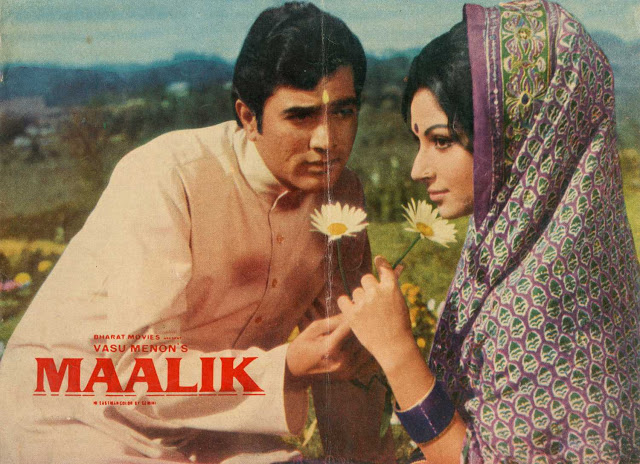
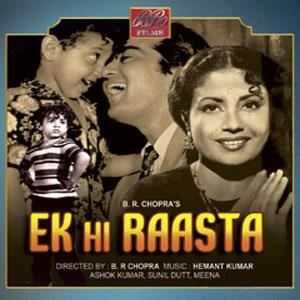
Song: Sanwale saloni aye  Filk: Ek Hi Rasta 1956 Lyricist: Majrooh Sultanpuri

Music: Hemant Kumar  Singers: Hemant Kumar & Lata Mangeshkar

What a nice song! Breezy, with nice mouth-organ interludes. I have heard that the mouth organ was played by either Milon Gupta or R.D.Burman

Classically romantic, with all the right associations of Nature- the breeze, the clouds, the garden, river bank, the hint of colours, koel bird, flowers and creepers! The poet reads a message in these forms of nature. Nice poetry.

This is the only bright song in this movie. People had high expectations of Hemant Kumar after his huge success with Nagin the previous year. But Christmas does not come every day. I saw this film in December, 1957. I remember an incident. When we got up to leave after the show and as the lights were switched on, someone shouted in the hall: “ஏமாந்த குமார்” .He was meaning Hemant Kumar, the music director!

But this is a delightful melody, lilting and we feel like singing along!

Incidentally, this song was shot in the Aarey Milk Colony in Bombay. This is under threat now, as the Maharashtra govt wants to build Metro shed there, and for some housing , cutting down thousands of trees. 

tags– ஹிந்தி படப் பாடல்கள் – 15 ,  ராகம் , மெட்டு

ஆதி சங்கரர் அருளிய நூல்கள் – 6 – ஸ்ரீ ஷட்பதி ஸ்தோத்ரம் (Post No.7868)

WRITTEN BY S NAGARAJAN                     

Post No.7868

Date uploaded in London – – 23 April 2020

Contact – swami_48@yahoo.com

Pictures are taken from various sources for spreading knowledge; this is a non- commercial blog. Thanks for your great pictures.

ஆதி சங்கரர் அருளிய நூல்கள் – 1 – பஜகோவிந்தம் – கட்டுரை எண் 7579 – வெளியான தேதி 16-2-2020;

2 – சிவானந்த லஹரி – கட்டுரை எண் 7611 – வெளியான தேதி 24-2-2020;

3 – சௌந்தர்ய லஹரி – கட்டுரை எண் 7656 – வெளியான தேதி 6-3-2020

4 – ஸ்ரீ தக்ஷிணாமூர்த்தி ஸ்தோத்ரம் – கட்டுரை எண் 7704 – வெளியான தேதி 17-3-20

5 – ப்ரச்நோத்தர ரத்ன மாலிகா – கட்டுரை எண் 7801 – வெளியான தேதி 9-4-20

ஆதி சங்கரர் அருளிய நூல்கள் – 6 -ஸ்ரீ ஷட்பதி ஸ்தோத்ரம்

ச.நாகராஜன்

6. ஸ்ரீ ஷட்பதி ஸ்தோத்ரம்

ஆறுகால் ஸ்தோத்திரம் என்று தமிழில் அழைக்கப்படும் ஷட்பதி ஸ்தோத்ரம் ஆறு ஸ்தோத்ரங்களையும் பல ஸ்ருதியையும் கொண்டது. வண்டு ஸ்தோத்ரம் என்றும் இது சொல்லப்படுவதுண்டு.

இதற்கு அருமையான விளக்கத்தை 1932ஆம் ஆண்டு ஜகத்குரு காமகோடி பீடம் பெரியவாள் அருளிய உரைகளிலிருந்து ஆறு கால் ஸ்தோத்திரம் என்ற தலைப்பில் 1977ஆம் ஆண்டு பல வாரங்கள் கல்கி வார இதழில் கட்டுரைகள் வெளியாகின.

 ஸ்ரீ ஷட்பதீ ஸ்தோத்ரம்

அவினயமபனய விஷ்ணோ தமய மனச்சமய விஷயமிருகத்ருஷ்ணம்
பூததயாம் விஸ்தாரய தாரய ஸம்ஸார ஸாகரத: (1)

Oh Lord Vishnu! Drive away (my) immodesty, quell (my) mind and dispel the mirage of objects of worldly pleasure. Spread out compassion (in me) for all beings. Make me cross the ocean of worldly existence (to the shore, viz. moksha) (1)

(English Translation from http://www.kamakoti.org)

திவ்யதுநீமகரந்தே பரிமள பரிபோக ஸச்சிதானந்தே
ஸ்ரீபதிபதாரவிந்தே பவபயகேதச்சிதே வந்தே (2)


I bow at the lotus-feet of vishïu (the Lord of Lakshmi) of which the celestial Gañgá is the pollen (or honey), which afford the enjoyment of their fragrance and stand out as ‘Sat’, ‘Cit’ and ‘Ánanda’ (as the true Brahman) and which cut off the terror and pain of birth in this world. (2)

ஸத்யபி பேதாபகமே நாத தவாஹம் நமாமகீநஸ்த்வம
ஸமுத்ரோஹி தரங்க:க்வசன நதாரங்க: (3)

Oh! Protector! Even with the difference (between You and me) passing off, I become Yours but You do not become mine. Indeed (though there is no difference between the waves and the ocean) the wave belongs to the ocean but nowhere (never) does the ocean belong to the wave. (3)

உத்ருத நக நகபிதநுஜ தநுஜகுலாமித்ர மித்ரசசித்ருஷ்டே
த்ருஷ்டே பவதி ப்ரபவதி நபவதி கிம் பவத்ரஸ்கார: (4)

Oh Lord who held aloft the mountain and who are the younger brother of the mountain-breaker (Indra)! Oh Lord who are the enemy of the race of demons and who have the Sun and the Moon as your eyes! When You, the mighty Lord, are seen, does not the setting aside of birth (removal of samsára) come about? (4)

மத்ஸ்யாதிபிப்ரவதாரைரவதாரவதா(அ)வதா ஸதாவஸுதாம்
பரமேச்வர பரிபால்யோ பவதா பவதாபீதோஹம் (5)

Oh Supreme Lord! I am frightened by the suffering caused by birth (samsára). I am fit to be (I must be) saved by You who, coming down in the form of incarnations as fish, etc., always protect the world. (5)

தாமோதர குண்மந்திர ஸுந்தரவதனாரவிந்தப்கோவிந்த
பவ ஜலதி மதனமந்தர பரமம் த்ரமபனயத்வம் மே (6)

Oh Lord with the (mark of the) binding rope on Your belly! Oh abode of all auspicious qualities! Oh charming Lord of the lotus-face! Oh Govinda! Oh Lord who are the very Mandara mountain in the matter of churning the ocean of Samsára (worldly life)! Please remove my great dread. (6)

நாராயண கருணமய சரண்ம் கரவாணிதாவகௌ சரணௌ
இதி ஷட்பதீமதீயே வதனஸரோஜே ஸாதாவஸது (7)

May the combination of the six words (the honey-bee) revel for ever in my lotus-mouth. (May this prayer – ”Oh Náráyna! Oh Merciful One! Let me resort to your two feet as my refuge” ever revolve in my mouth. (7)

முதல் ஸ்லோகம் அவிநயத்தைப் போக்கு, ஹே விஷ்ணு, கானல்நீர் போன்ற உலகியல் இன்பங்களை அகற்று என்கிறது.

இரண்டாம் ஸ்லோகம் ஸ்ரீபதிபதாரவிந்தத்தில் பணிகிறேன், அது கொடிய பவபயத்தைப் போக்கும் என்கிறது.

மூன்றாவது ஸ்லோகம் நான் உன்னுடையவன். சமுத்திரத்திற்கும், அலைக்கும் வித்தியாசம் இல்லை; அலை சமுத்திரத்திற்குறியதே; சமுத்திரம அலைக்கு உரியதல்ல என்கிறது.

நான்காவது ஸ்லோகம் சூரிய சந்திரரைக் கண்ணாகக் கொண்டுள்ள நீ பார்க்கப்படும்போது பவ திரஸ்காரம் ஏற்படுகிறது இல்லையா என்கிறது.

ஐந்தாவது ஸ்லோகம் சம்சார துன்பத்தால் பயப்படுகிறேன். மச்சாவதாரம் உள்ளிட்ட அவதாரங்களை எடுத்த நீ உலகைக் காப்பாற்றுகிறாய்; உன்னால் நான் காப்பாற்றப்பட வேண்டும் என்கிறது.

ஆறாவது ஸ்லோகம் ஹே தாமோதர, சகல நற்குணங்களின் இருப்பிடமே, என்னை சம்சாரம் என்னும் பேரச்சத்திலிருந்து காப்பாற்று என்கிறது.

ஏழாவது பல ச்ருதி ஸ்லோகம் – நாராயண கருணமய சரணம் கரவாணிதாவகௌ சரணௌ என்ற ஆறு வார்த்தைகள் அடங்கிய பிரார்த்தனை எனது தாமரை வாயில் எப்போதும் இருக்கட்டும் என்கிறது.

இதனைப் பாராயணம் செய்தால் பகவானிடத்தில் பக்தி, வைராக்யம், மோக்ஷம், ஞானம் ஆகியவை உண்டாகி மனக்கவலையும் கிரஹதோஷமும் நீங்கும் என்பது ஆசார்யாள் அருள்வாக்கு!

ஏராளமான, நுட்பமான அர்த்தங்கள் அடங்கிய ஸ்ரீ ஷட்பதீ ஸ்தோத்ரம் நமக்கு ஆதி சங்கரரால் அருளப்பட்ட அற்புத ஸ்தோத்ரமே!

Tags – ஆதி சங்கரர் நூல்கள் – 6 ,  ஸ்ரீ ஷட்பதி ஸ்தோத்ரம்

***

ASTROLOGY – COCK AND CHICKEN IN GREECE AND ROME (Post No.7867)

WRITTEN BY LONDON SWAMINATHAN

Post No.7867

Date uploaded in London – 22 April 2020   

Contact – swami_48@yahoo.com

Pictures are taken from various sources for spreading knowledge; this is a non- commercial blog. Thanks for your great pictures.

It is very interesting to study the origin of English words – auspicious, hygiene, panacea etc.

Let us look at two interesting anecdotes: –

Last minute in the life of Socrates

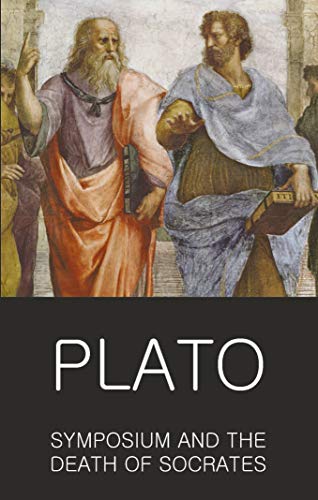
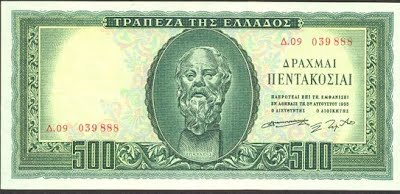
Socrates took the cup of hemlock/poison and drank it. At this all his disciples including Plato, Crito burst into tears. But Socrates was unperturbed. He rebuked them for crying.

Plato describes the death of Socrates —

“He walked about, when he said his legs were heavy, lay down on his back, for such was the advice of the attendant. The man who had administered the poison laid his hands on him and after a while examined his feet and legs, then pinched his foot hard and asked if he felt it. Socrates said , No; then after that , his thighs; and passing upwards in this way he showed us that he was growing cold and rigid. And again he couched him and said that when it reached his heart, he would be gone.

The chill had now reached the region about the groin, and uncovering his face, which had been covered, he said—and these were his last words –

‘Crito , we owe a cock to Asclepius . pay it and do not neglect it’.

‘That , said Crito, shall be done’. But see if you have anything else to say.

To this question he made no reply, but after a little while he moved; the attendant uncovered him; his eyes were fixed. And Crito , when he saw it, closed his mouth and eyes”.

This is from Plato’s description.

Asclepius – hygiene – panacea

Asclepius was originally a heroic Greek  physician, later seen as the god of medicine . He was the son of Apollo and pupil of Chiron . He extended his treatment to the resurrection of the dead. The religious cult of Asclepius mixed medicine with magic. The Greek god is usually portrayed with a staff, a serpent coiled around it, attended by a dog.  His children were Hygieia and Panaceia . Cocks are traditionally sacrificed to Asclepius. English words hygiene, panacea are derived from this.

Xxx

Chicken in Rome

In 249 BCE the Roaman consul Publius Claudius wanted to carry out a surprise attack on the  Carthaginian Adherbal’s fleet in the harbour of  Drepana—now known as  Trapani in  Sicily. Poor weather foiled the element of surprise and Publius took the auspices – (explained at the bottom) — to see what to do next. But the sacred chickens refused to eat. This was a bad omen. Publius determined to see the matter through, however.

“So they refused to eat, eh, he said.

Then they can drink” – saying this he hurled them overboard. By now Adherbal had sailed out of harbour and had the Romans trapped against the shore . Publius lost virtually every ship, returned to Rome in disgrace and was exiled – not for being defeated but for sacrilege! That was the point; since the Roman religion was ritualistic , it was no surprise that the gods would turn against you if you got the rituals wrong or ignored divine warning signs.

Xxx

Two more English words ‘Auspices’ and ‘Sacrilege’

Livy tells us that Numa wanted his reign to be validated by the gods. So auspices were instituted.

Auis – bird

Specio – I inspect

That is the will of gods was determined by looking for signs , usually in the flight of birds. The ritual , which anyone can perform , was similar to Etruscan versions and became standard for  all later bird auspices.

The literal meaning of sacrifice is

I make something sacred.

Latin ‘sacer’ – sacred+ ‘facio’ – I make. That is , I hand something over to a god and so that humans can use it no longer. The more precious the item made sacred and removed from human use, such as a bull, the greater the sacrifice and the more pleased the god would be.

‘Sacrilege’ is the violation of misuse of what is regarded as sacred.

Indians also follow AUSPICES until this day. All Tamil Panchangams (almanacs) has one page devoted for Five Bird Astrology (Pancha Pakshi Shastra) and Lizard Click Noise astrology. It is called Sakuna (omens) which came from the Sanskrit word for bird ‘Sakuna’. The world famous poet Kalidasa’s most famous Drama Sakunatalam means ‘Story of Bird Girl’. Sakunatala was a girl without name left in the middle of the forest and the birds brought her food and everything. Then Seer Kanva found her and raised her. So Sakuna is auspices. Varahamihira also devoted a few chapters for this Sakuna Shastra.

tags – Socrates, Crito, cock, chicken, sacrifice, Asclepius, Sakuna, Bird astrology

— subham—

ஆடி கழிஞ்ச அஞ்சாம் நாள் கோழி அடிச்சு கும்பிட்டானாம்! (Post No.7866)

WRITTEN BY LONDON SWAMINATHAN

Post No.7866

Date uploaded in London – 22 April 2020   

Contact – swami_48@yahoo.com

Pictures are taken from various sources for spreading knowledge; this is a non- commercial blog. Thanks for your great pictures.

Pictures are taken from various sources for spreading knowledge; this is a non- commercial blog. Thanks for your great pictures.

கோழி அடிச்சு கும்பிட்ட சுவையான சம்பவங்களைக் காண்போம்.

தமிழில் கோழி பற்றிய 28 பழமொழிகளை மூன்று ஆண்டுகளுக்கு முன்னர் இங்கே தொகுத்து அளித்தேன் (கீழே இணைப்பைக் காண்க) . அதில் ஒரு பழமொழி – ‘ஆடி கழிஞ்ச அஞ்சாம் நாள் கோழி அடிச்சு கும்பிட்டானாம்’ — என்பதாகும். தாமதமாகச் செய்வதைக் கிண்டல் செய்யும் பழமொழி இது. சம்ஸ்கிருதத்தில் அத்தகையோரை ‘தீர்க்க சூத்ரி’ என்று அழைப்பர் ; அதாவது நீண்ட கயிறு; தமிழில் ‘கை  நீளம்’  என்றால் ஆள்  ஒரு திருடன் என்று அர்த்தம்; சம்ஸ்க்ருதத்தில் ‘கயிறு நீளம்’ என்றால் ஆள் படு சோம்பேறி என்று அர்த்தம். நாம் அவர்களைத் ‘திரு நாளைப் போவார்’ என்றும் கிண்டல், கேலி, பகடி, நக்கல் செய்வோம். இப்படி ஒரு ‘லேட்’ (late) டாகக் கோழி அடிச்சுக் கும்பிட்ட சம்பவம் ரோமாபுரியில் நடந்தது.

கோழி அடிச்சு சாமி கும்பிடும் வழக்கம் கிரேக்க நாட்டிலும் இத்தாலி நாட்டிலும் (ரோம் சாம்ராஜ்யம்) உண்டு.

கிரீட்டோ – சாக்ரடீஸ் (Crito- Socrates)

புகழ்பெற்ற கிரேக்க தத்துவ வித்தகர் சாக்ரட்டீஸ், மரணதண்டனை விதிக்கப்பட்டு , அதன் காரணமாக, விஷம் குடித்து இறந்தார். அவர் கடைசியில் தனது ஆப்த நண்பனுக்கு- உயிர்த் தோழனிடம் என்ன சொன்னார்?

“ஏ , கிரீட்டோ ! மறக்காமல் அ ஸ்க்ளிப்பியஸ் (Asclepius)  தேவனுக்கு சேவலை பலி கொடுத்துவிடு . நான் சொல்வதை அலட்சியம் செய்யக்கூடாதென்றார். அவரும் நான் ‘அப்படியே செய்கிறேன்’ என்று சொன்னவுடன் சாக்ரட்டீஸின் ஆவி பிரிந்தது. அஸ்க்ளிபியஸ் என்பது கிரேக்க நாட்டு மருத்துவ தேவன் ஆகும்.

(Aesculapius /Asclepius is the god of medicine)

Xxx

கோழி ஜோதிடம்

ரோமாபுரியில் கோழியால், போரில் தோற்றுப்போன வரலாறு ஒன்றுண்டு.

சிசிலி தீவில் த்ரப்பனா (Drepana in Sicily) என்னுமிடத்தில் கார்த்தஜீனிய தளபதி அதிர்பாலனின் கடற்படை நின்று கொண்டிருந்தது. அதை திடீரென்று தாக்குவதற்கு ரோமாபுரி தளபதி  பப்லியஸ் க்ளாடியஸ் (Publius Claudius)  திட்டம் போட்டான். நாம் சகுனம் பார்ப்பது போல (சகுனம் என்ற சம்ஸ்கிருத சொல்லுக்கு பறவை என்று அர்த்தம் . அதைவைத்து ஆரூடம்  பார்ப்பதே சகுன சாஸ்திரம்) ரோமானியர்களும் சகுனம் பார்ப்பார்கள். கோழிக் குஞ்சுகளுக்கு இரை போட்டான் . அவை சாப்பிட மறுத்தன. அதாவது அபசகுனம். கோபம் வந்தது ‘இரை சாப்பிடாவிட்டால் அவை தண்ணீர் குடிக்கட்டும்’ என்று சொல்லி கடலில் தூக்கி எறிந்தான். கப்பற்படையுடன் சிசிலி தீவை நோக்கிப் புறப்பட்டான். இதற்குள் எதிரி அதிரபாலனின் ( Adherbal of Carthage) கப்பற்படை அவனை சூழ்ந்துகொண்டது. பெரும்பாலான கப்பல்களை அவன் இழக்க நேரிட்டது.   பருவ நிலை மோசமானதும் இதற்கு ஒரு காரணம்.

தோற்றுப்போன பப்ளியஸ் ரோமாபுரிக்குள் அவமானத்துடன் நுழைந்தான். அவனை ரோம் அரசு நாடுகடத்தியது. தோற்றுப் போனதற்காக அல்ல; கோழி ஜோதிடத்தை (sacrilege) அவமதித்ததற்காக !  ரோமானியர்களுக்கு சகுன சாஸ்திரத்தின் மீது அவ்வளவு நம்பிக்கை!

நாம் நம்புகிறோமோ இல்லையோ , இன்றும்கூட நமது பஞ்சாங்கங்களில் பஞ்ச பட்சி  சாஸ்திரம் உள்ளது. 1400 ஆண்டுகளுக்கு முன்னர் வராஹமிஹிரரும் ஆருடம் பற்றி எழுதியுள்ளார். காளிதாசன் எழுதிய உலகப் புகழ்பெற்ற சம்ஸ்கிருத காவியத்தின் பெயரே பறவைப் பெண்- காட்டில் கிடந்த பெண்ணை சகுந்தங்கள் வளர்த்ததால் அவள் பெயர் – சகுந்தலா – பறவைப் பெண். அவளை கதாநாயகியாக வைத்து  காளிதாசன்  எழுதிய நாடகமே சாகுந்தலம்.

கோழி பற்றிய பழமொழிகள் | Tamil and Vedas

tamilandvedas.com › tag › கோழ…

24 Sep 2017 – 27.பெட்டைக் கோழி தட்டிக் கூவுமா? 28.ஆடி கழிஞ்ச அஞ்சாம் நாள் கோழி அடிச்சுக் கும்பிட்டானாம். ஒவ்வொரு பழமொழியையும் …

Tags — கிரீட்டோ , சாக்ரடீஸ், கோழி அடிச்சு,கோழி , ஜோதிடம்

–subham–