THE TAMILS 3000 YEARS AGO (Post No.7845)

WRITTEN BY LONDON SWAMINATHAN

Post No.7845

Date uploaded in London – 18 April 2020   

Contact – swami_48@yahoo.com

Pictures are taken from various sources for spreading knowledge; this is a non- commercial blog. Thanks for your great pictures.

A Madras lawyer called Viswanatha Kanakasabhai Pillai (1855-1906) wrote an excellent book under the title ‘THE TAMILS 1800 YEARS AGO’ in English and spread the name and fame of the Tamil community in the world. Though there were more scholarly works before him , all those works were mostly in Tamil. He was the first one to bring out a solid book in English about the Tamils. Though the book contains many absurd remarks such as Tamil originated in Mongolia etc, the credit goes to Pillai for enlightening the Non -Tamil Speaking world. Of late, lot of scholarly works in English such as ‘The Smile of Murugan’ by Czech scholar Kamil Zvelebil (1927-2009) threw more light on the Tamil.

( I always recommended this book and A L Basham’s ‘The Wonder That was India’ to all my students at the SOAS, University of London).

Now with the knowledge we have acquired from various archaeological and literary sources we may even write a book ‘THE TAMILS 3000 YEARS AGO’. Now we know that men started living in the heart of India one lakh years ago. The Bhimbetka caves in Madya Pradesh show that primitive men lived there 100,000 years ago started painting the caves 40,000 years ago.

In Tamil Nadu we have evidence to show that men lived here at least 40,000 years ago in the Palaeolithic age.
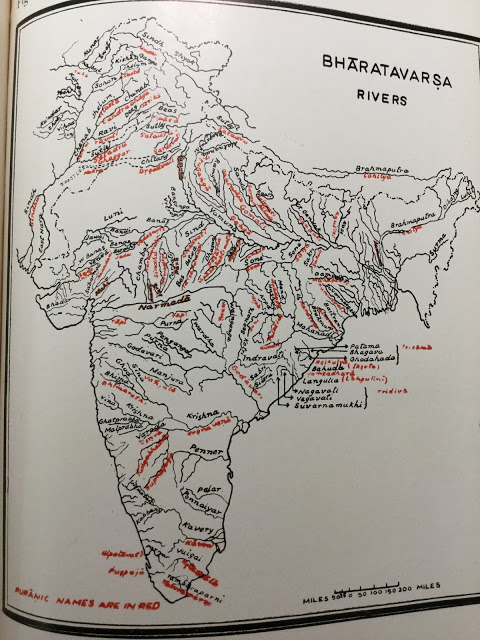
But when were the people in the South civilized?

When did the Tamil civilization begin?

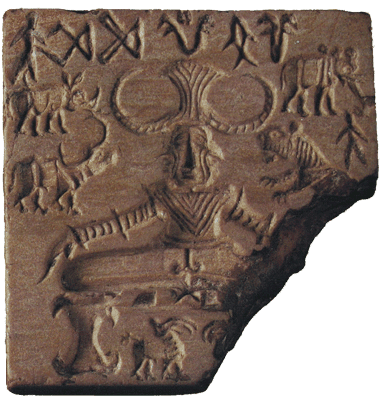
1.Tamils are fanatics and they claim every day that they were the first civilized human beings on the earth. There is even a saying that ‘Tamils appeared with swords in their hands before the rocks became sand’. You have to imagine a rocky surface like Moon or Mars and imagine Tamils fighting among themselves with swords. 2.There is another group of fake Tamil scholars who claim their origin in Indus-Sarasvati River basin. 3.There is yet another group of fake and fanatical people who claim they originated in Kumari Kandam also known as Lemuria.

You can have a good laugh at these three groups and enjoy their jokes if you are familiar with linguistics, sociology, anthropology and world history. They take some words like Dravidian etc out of context and interpret it in their own way. Soviet and Finnish “scholars” said something about the structure of Indus script or words. Even after 80 years not an inch of progress made in that direction with all the super computers in our hands. So it is absurd. And over  fifty interpretations are there for Indus Script!
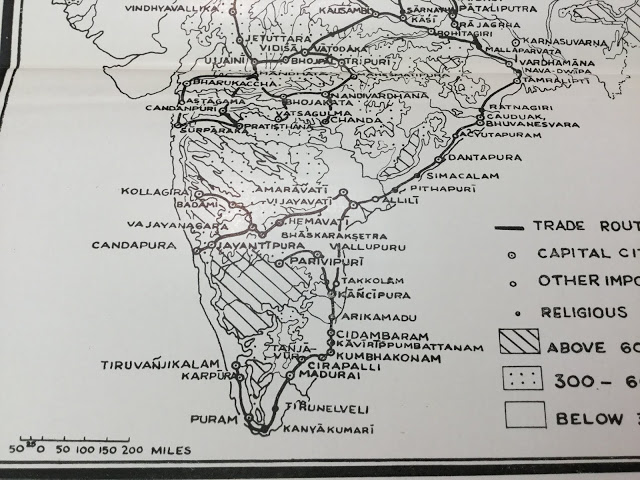
So what is the truth?

Ramayana has reference about the Kapatapuram devoured by the Sea.

Mahabharata has reference to Arjuna’s marriage with a lady in the South .

Manu smriti has reference to people in the South.

All Tamil literature speak of Agastya codifying a grammar for Tamil Language which proves that Tamil language existed before Agastya; that Engineer Agastya even diverted River Kaveri into the plains of Tamil Nadu like the North Indian engineer Bhageertha diverted Ganges in to the plains of  Uttar Pradesh, Bihar and Bengal. He even took Tamils to South East Asia to establish Hindu culture there which lasted until 16th or 17th century. We find statues of Agastya in almost all South East Asian country.

HERE ARE THE FACTS

2700 years ago, Panini wrote the first grammar book in the world; he mentioned Marica (black pepper). Commentators who came a few hundred years after him, wrote about various routes. So it might have come by land route from the South.

Before him Engineer and Great Rishi Agastya laid a land route via Vindhya Mountains. Till then there was no land route along the mountainous area. But this Agastya is not the Rishi mentioned in Rig Veda as the husband of Loamuda. But a descendent in the same Agastya Gotra. Puranas clearly say he ‘belittled Vindhya Mountains’ (Garva Bhangam).

Rama and Lakshmana contemporary of Agastya might have used the land route via mountains or coastal route. But we have clear reference to Rocky caves of Kishkinda, now identified with Hampi in Karnataka. What we know from Ramayana is that there were semi civilized race with monkey or ape totems. They were literate, educated but lived with a different set of rules. In course of time they were pictured as monkeys.

Reference about Kapatapuram may be later additions. BUT Kapatapuram comes from three difference sources. From Ramayana, from Chanakya’s Arthsastra (kapata pearl) and Tamil Iraiyanar Akapporul Urai (Tamil Sangam) ; so it must be true. But the period of sea devouring Kapatapuram may be Second century BCE when there was a big Tsunami according to geological scientists.

Then came Mahabharata, where we see more civilised people once again with different set of rules. Arjuna married Chitrangatha, one among them. Tamils called her Alli Rani in their folk tales.

Though there are references to Pandya, Kapatapura in the epics, they were all in the updated versions of the epics. The evidence shows that Hindus constantly edited their scriptures and updated them. That is why we have different versions in the Puranas.

These are all non -historical literary sources.

But we know that Ravana lived in an island beyond India. Because Sanskrit word lanka means Island.
Historical Literary  sources

1.Rig Veda 10-61-8; 1-179-6

Though there are two remarks about Dakshinapatha- Southern route and Agastya’s connection with two classes, both are very vague. Different interpretations are available.

R V 1 – 179- 6  says about two classes and Agastya .

But except Jambunathan no body translated ’two classes’ as Tamils and Northerners. So we have to leave it.

The dakshinapatha/southern route reference in 10-61-8 gets some support  from Vedic Index of AA Macdonell and A B Keith. It is in Bodhayana Dharmasutra as well.  Other reference to Tamil women wearing flowers to decorate their head and hair is also in dharma sasatras.

2.Panini’s Ashtadhyayi

The reference about Marica/ pepper clearly show the southern connection

3.Kautilya’s Reference to Pearl as Kapata Muktam also shows Tamil city Kapatapuram existed at 4th century BCE.

4.Mahavamsam of Sri Lanka

Mahavamsam says that Pandya king of Madurai sent his daughter along with the daughters of ministers to Sri Lanka for marrying the Royals in Sri Lanka IN THE Sixth century BCE. But we don’t know which Madurai. Then (South) Madurai was devoured by the sea.
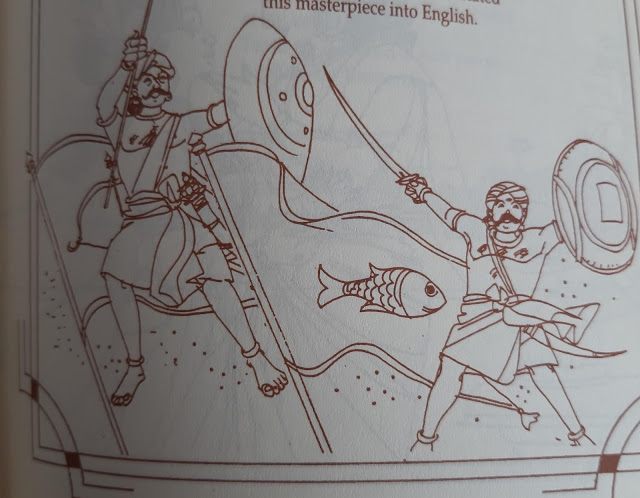
5.Megasthanes reference about Pandya Queen

Megathanes , Greek Amabassador mentioned a Panadaiya (Pandy Rani Goddess Meenakshi??)  queen ruling in the south.

6.Asokan ,Kharavelan Inscriptions

Very clear matter is available from the 2300 old Asokan inscriptions. It mentioned the Tamil Kingdoms

Two hundred years after Asoka, Kharavelan of Orissasays that he defeated the Pandya King in spite of the Tamil Front formed by the three kingdoms.
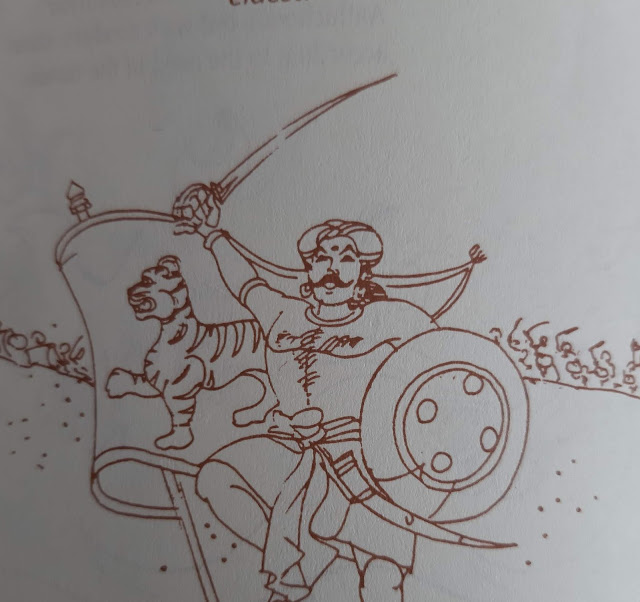
7.Sanskrit literature- Kalidasa etc

Kalidasa was the first poet in India to mention the Pandya – Agastya connection. My research and famous foreign and Indian scholars place him in second century BCE. Sangam Tamil never mentioned Agastya but indirectly connects Pothiyil (Southern Mountains) and Himalayas in one Purananuru’s verse. This confirm two stories related by later commentators:

1.To control the population explosion in Northern India, Lord Shiva sent him to the South; He also ordered him to give Tamil a grammar. He brought 18 tribes to South India according to Tamilcommentators.

2.He is the one who wrote the first grammar book for Tamil language Known as Agaththiyam; it is lost; but his disciple Tolkappiar wroe the next grammar which is followed to day.

8.Sangam Tamil literature

Sangam Tamil literature commentators say a Chera King fed both Kaurava and Pandava army. Without any secondary evidence it is very difficult to believe that. Actual word used in the poem is ‘Perum Soru’ meaning big feast. My opinion is this is given to honour the departed souls every year. Even today, Saivite saints departure days are celebrated as Guru Puja and all are fed on that day.

In Purananuru verse 201 Kapilar, the brahmin poet who contributed highest number of poems to the Sangam corpus,talks about 49 generations of a chieftain known as Irungovel . If we give 1000 years for 49 generations we can guess his tribe came with Ahastya to Tamil Nadu around 1000 BCE.

9.Three Tamil Sangams

Three Tamil Sangams are given an incredible period of 10,000 years which cannot be supported by anyone who knew world history. Again the fabulous dates are given in a coded language. (I have explained it in my article on the Age of Three Sangams)

10.Foreign trade with Rome Egypt and Babylonia

Roman trade between South India and Rome for 400 years from First century BCE is confirmed by Tamil Sangam books and discoveries of coins throughout South India. Cross references are available in Roman books. Other links have only Sanskrit words such as Kapi (monkey) Tuki (Siki for Peacock) Maricha (for black pepper) etc.

11.Tsunamis – geological evidence

One Tsunami that happened in second century BCE corresponds well with our Tamil Sangam stories. Language of the second Tamil Sangam verses are like the Third Tamil Sangam poets without any difference. So the gap between each Tamil Sangam is only 100 years or so.

12.Kumarikandam called Lemuria might have existed before civilised men appeared on the face of earth. There is no scientific proof for a civilized land mass.

xxx
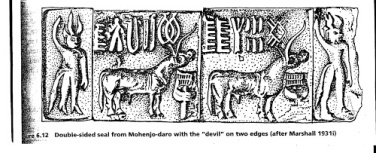
 TAMILS HAVE NO CONNECTION WITH INDUS; NOT EVEN THE RIVER IS MENTIONED IN SANGAM LITERATURE, WHERE AS GANGA AND HIMALAYA ARE MENTIONED 20 TIMES.

13.CONCLUSION

We have confirmed sources to show that 18 civilised groups/ tribes came to Tamil Nadu under the leadership of Engineer cum Sailor cum Seer Agastya in the 10th century BCE. He may be a later Agastya, not the Rig Vedic one. Agastya is a gotra name and so many people with the same name existed.

But even before this migration of 18 tribes from the north semi civilised groups with Vanara (apes) totems lived in South India.

Though Palaeolithic and Neo lithic tools show that people lived for several thousand years before this, they may not be civilised.

All ancient Sanskrit scriptures tell us that sons and descendants of Kshatriya turned Brahmana Rishi Visvamitra had 50 sons. They did not follow Vedic rituals and were demoted as Sudras and sent to South. Like British sent all criminals to Australia and other places, Hindu criminals were also banished to the South. Price Vijaya, a criminal from Bengal was sent to Sri Lanka.

Now we can write a book The Tamils 3000 Years Ago.

 THE TAMILS, 3000 YEARS AGO, INDUS CIVILIZATION, KUMARI, LEMURIA

–subham–
ஹிந்தி படப் பாடல்கள் – 10 – ஸ்வரமும் சாஹித்யமும் (Post No.7844)

WRITTEN BY R.NANJAPPA                         

Post No.7844

Date uploaded in London – – 18 April 2020

Contact – swami_48@yahoo.com

Pictures are taken from various sources for spreading knowledge; this is a non- commercial blog. Thanks for your great pictures.

ஹிந்தி படப் பாடல்கள் – 10 – ஸ்வரமும் சாஹித்யமும்

                                                                             R.Nanjppa

இசை – ஸ்வரமும் சாஹித்யமும்

இசைக்கு அடிப்படை ஸ்வரங்கள். ஆனால் இசை சாஹித்யத்துடன் சேரும்போதுதான் அதற்கு ஒரு முழுமை , நிறைவுத்தன்மை கிடைக்கிறது, மனதில் நிலைக்கிறது.

நமக்கு தித்திப்பு சாப்பிடவேண்டும். சர்க்கரை, வெல்லம் , தேன் இவற்றை நேரடியாகச் சாப்பிடலாமா? எவ்வளவு சாப்பிட முடியும்ஒரு தின்பண்டமாகச் செய்தால் தான்  அதிகம் சுவைக்கலாம்..

டைகர்வரதாச்சாரியார்  ரயில் பயணத்தின் போது (சிதம்பரம்சென்னை) ஸஹானா ராகத்தை  எடுத்தால் விடியவிடிய , சென்னை வந்து சேரும் வரை ஆலாபனை செய்வாராம்

இன்று இதை எத்தனை வித்வான்கள் செய்வார்கள்? எத்தனை பேருக்கு கேட்டு ரசிக்க இயலும்

ராகத்தை ஸ்வரத்தால் உருவாக்குகிறோம். இது மனக் கற்பனை தான்இதைச் சிலர்தான் அனுபவிக்கமுடியும். இத்தகைய மன ஓட்டம்  அமைவது அரிது. அதற்கே சாஹித்யம் என்ற சால்வையைப்  போர்த்தினால் பலரும்  தரித்துக் கொள்ளலாம்

நமது புராதன சங்கீதம் அதிக வழக்கில்லாமல் இருந்தபோது, சாஹித்யமியற்றி ராகங்களை நிலைக்கச் செய்து, இசை மக்களிடையே பரவச்செய்தவர்கள்  கர்னாடக இசையின் மும்மூர்த்திகள். அவர்களுக்கும் முன்பு வந்தவர் புரந்தரதாசர். இவர்கள்  இயற்றிய சாஹித்யமில்லாமல் பல ராகங்கள் நமக்குப் புரியவே புரியாது. நம்மில் பலருக்கும் இன்றும் ஸ்வரங்களை மட்டும் வைத்தே ஒரு ராகத்தை அடையாளம் காண முடியாது. சக்கனி ராஜ என்றால் கரஹரப்ரியா என்போம். ஆரோஹணம்அவரோஹணம் மட்டும் சொன்னால் என்ன புரியும்

கர்னாடகஹிந்துஸ்தானி மரபுகள்

கர்னாடக இசை சாஹித்யத்தையே சார்ந்திருக்கிறது. ஹிந்துஸ்தானி இசை பெரும்பாலும் ஸ்வரத்தையே வைத்துப் பாடுவது. ஏன் இப்படி ஆயிற்றுஹிந்துஸ்தானி இசையில் ஏன் சாஹித்யம் அதிகமில்லை? இதற்கு ரா.கணபதி ஒரு விளக்கம் தருகிறார்இந்திய இசைக்கு இரு பெரும் ஆதாரங்கள் நாரதரும் ஹனுமானும் ஆவர்.. நாரதர் சாஹித்யத்திற்கு முக்கிய இடம் தந்தார்அவர்தான் கர்னாடக இசையின் ஆதி குரு. ( “நாரத குரு ஸ்வாமிஎன்று தியாகையர் பாடுகிறார்.) 

ஹனுமாரோ, சுத்த ஸ்வரத்தை மட்டுமே வைத்து இசையை வளர்த்தார்இது வட இந்தியாவில் நிலைபெற்றது, இதன் விவரத்தை ரா.கணபதி எழுதியஜய ஹனுமான்என்ற புத்தகத்தில் காணலாம். ஸ்வாமி விவேகானந்தரின் கருத்து வேறு. ]

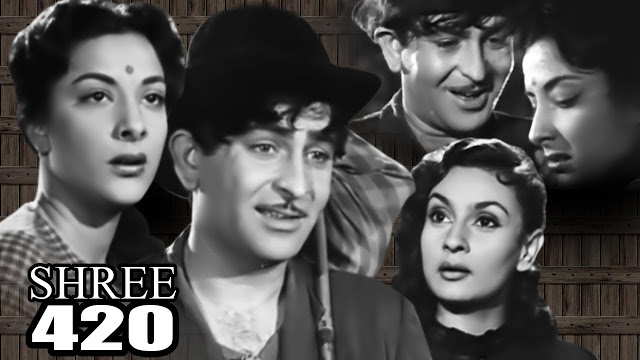
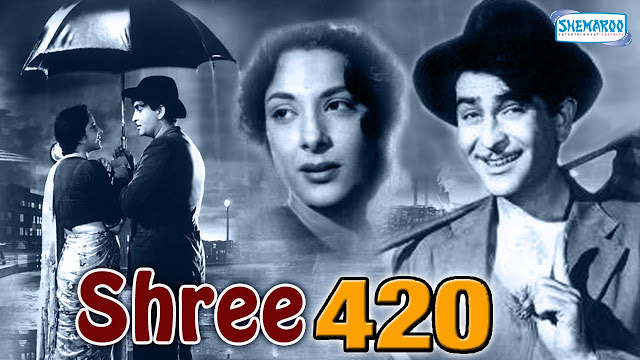
  ஒன்று மட்டும் தெளிவு. ராகத்தைப் பாடுவதில்ஆலாபனை செய்து வளர்ப்பதில்  ஹிந்துஸ்தானிப் பாடகர்களுக்கு இணை இல்லை. சாஹித்யம் இல்லாமல் நம்மவர்களால் அதிக  நேரம் தாக்குப்பிடிக்க முடியாது! ஹிந்துஸ்தானி இசையில் கற்பனைக்கு அதிக இடம் இருக்கிறது, நம்மவர் இசையில் கணக்கு அதிகம். அதனால்தான் ஹிந்தி இசையமைப்பாளர்கள்  ஒரே ராகத்தை வைத்து அனேக மெட்டுக்கள் அமைக்கிறார்கள். ஆவாரா, ஸ்ரீ420 படங்களில் பெரும்பாலான மெட்டுக்கள் பைரவி  (ஹிந்துஸ்தானி) ராகத்தின் அடிப்படையில் அமைந்தவை என்பதை எத்தனை பேர் நம்புவார்கள்?

    இன்னொரு காரணமும் உண்டு.இந்திய  பாரம்பரிய இசை நமது சமய, புராணஇதிஹாசங்களூடன் நெருங்கிய தொடர்புடையது. அதனால் ஸாஹித்யமும் அப்படித்தான் இருக்கும் இந்த நிலையை இன்று வரை கர்னாடக இசையில் காணலாம். ஹிந்துஸ்தானி இசையும் அப்படித்தான் இருந்தது. ஆனால் வட இந்தியாவில் முஸ்லிம் சுல்தான்கள் வந்தபிறகு நிலை மாறியது. சங்கீத வித்வான்கள் அரசர்கள்பிரபுக்கள் ஆதரவை நம்பியே பிழைக்கவேண்டிய  நிலையில் இருந்தனர்ஆனால் சுல்தான்களுக்கு நமது தெய்வ சம்பந்தமுள்ள இசை ஒத்துவராது. [இஸ்லாம் மதம் இசையை அனுமதிப்பதில்லை.]

அதனால் ஸாஹித்யம் அதிகமில்லாத  வழக்குகளைப் பின்பற்றினர். இருக்கும் ஸாஹித்யமும் சிருங்கார ரசத்துடன் கூடியது அதனால் ஹிந்துஸ்தானி இசை அவ்வளவாக பொதுமக்களிடையே பரவவில்லை. சாதுசன்துக்கள், பக்திமான்கள்   வாயிலாக பக்தி சங்கீதம் பரவலாக மக்களைச் சென்றடைந்தது. ஹிந்தி சினிமா  இசையின் வாயிலாகத்தான்  சங்கீதத்திற்கு பொதுமக்களிடையே  பெரும் ஆதரவு கிடைத்தது.

[ இங்கே ஒரு செய்தி. முஹம்மது ரஃபி ஹிந்தித் திரையிசையில் முன்னணியில் இருந்தவர். ஒரு சமயம் இவர் மெக்கா யாத்திரை போனார். சில முல்லாக்கள்சினிமாவிற்குப் பாடிப் பிழைப்பது இஸ்லாம் மதத்திற்கு எதிரானது என்று ரஃபியிடம் சொன்னார்கள்நல்ல மனிதர் ரஃபிக்கு இது மன உளைச்சலைத் தோற்றுவித்தது. ரஃபி பாடத் தயங்கினார்அவர் மார்க்கெட் சரிந்தது என்று சொல்வார்கள்.]

ஹிந்தி திரை இசைக் கவிஞர்களின்  பணி

ஹிந்தியில், 50,60களில் இருந்த  பாடலாசிரியர்கள் எல்லோருமே உண்மையிலேயே கவிஞர்களாக இருந்தவர்கள். இலக்கிய  மரபு சிதையாமல், இலக்கணம் வழுவாமல் எழுதியவர்கள்.They were not mere wordsmiths, but wove real poetry and philosophy through words. இவர்கள் உருதுஹிந்தி கவிச் சம்மேளனங்களில்  கலந்துகொண்டு பெயர் வாங்கியவர்கள். பாடல்களில் படச் சூழ்நிலையை மீறிய கருத்துக்களைச் சொன்னவர்கள். அதனால் தான் சினிமா பார்க்காதவர்கள் கூட அப்பாடல்களை இன்னமும் ரசிக்கமுடிகிறது.

இதிலும் தனி மரபுகள் உண்டு. ஸாஹிர் லுதியான்வி. ஷகீல் பதாயுனிமஜ்ரூஹ் ஸுல்தான்புரி, ஹஸ்ரத் ஜய்புரி போன்றோர்  பெரிய உருதுக் கவிகள். பரத் வியாஸ் இலக்கண ஹிந்தி எழுதியவர். ஷைலேந்த்ரா பழகு ஹிந்திஹிந்துஸ்தானியில் எழுதியவர். ராஜேந்த்ர கிஷனும் அப்படித்தான். இவர்கள் அனைவரின் பாடல்களுமே இலக்கிய வளம், சமுதாய நோக்கு, ஆன்மீக நாட்டம் [ அல்லது உலகியல் மீறிய நிலைப்பாடுஆகிய அம்சங்கள் அமைந்தவை. இவர்கள் எழுதிய பாடல்கள் கவிதைகள், இன்றுவரை அறிஞர்களால் பாராட்டப் படுகின்றன.மக்களால் ரசிக்கப்படுகின்றன.

இவர்கள் இசைக்கு ஆற்றிய பணியின் இன்னொரு பரிமாணம் குறிப்பிடத்தக்கது

ஹிந்தி சினிமா தொடங்கியது முதல் இசை அதன் முக்கிய அங்கமாகத் திகழ்ந்து வருகிறது. இந்தப் பாடலாசிரியர்கள்  எளிய சாஹித்யம் இயற்றி நல்ல கருத்துக்கள் மக்களைச் சென்றடைய வழிவகுத்தார்கள்இசை இயக்குனர்களின் திறமையுடன்  கவித்திறமையும் சங்கமித்து இசை ஆறு வெள்ளமெனப் பாய்ந்தது! இதுவே ஹிந்தித் திரைப் பாடல்களீன் ஜனரஞ்சகத் தன்மைக்கு முக்கிய காரணம். இதில் திரைக் கவிஞர்களீன் பங்கை குறைத்து மதிப்பிட முடியாது

கவிஞர்கள் காட்டும் கற்பனை உலகு !

உலகை விமர்சித்த, ரசித்த கவிகளைச் சில கட்டுரைகளில்  பார்த்தோம். இவர்கள் சொல்லும் மாற்று என்ன? சில  உரைகளைப் பார்ப்போம்.

வேறு இடம் நாடு!

मेरे दिल कहीं और चल
ग़म की दुनिया से दिल भर गया
ढूँढ ले अब कोई घर नया

மேரே தில் கஹீ(ன்) ஔர் சல்

கம் கீ துனியா ஸே தில் பர் கயா

டூன்ட் லே அப் கோயீ கர் நயா


மனமே, வா இங்கிருந்து கிளம்பி விடுவோம்

வேறு எங்காவது  புதிய இடம் தேடிக் கொள்வோம்

உலகத்  துன்பங்கள் மனதை நிறைத்துவிட்டன


चल जहाँ ग़म के मारे हो
झूठी आशा के तारे हो
उन बहारों से क्या फ़ायदा
जिस में दिल की कली जल गयी
जख्म फिर से हरा हो गया

சல் ஜஹா(ன்) கம்ஸே மாரே ஹோ

ஜூடி ஆஷா கே தாரே ஹோ

உன் பஹாரோ(ன்) ஸே க்யா  ஃபாய்தா

ஜிஸ்மே தில் கீ கலீ ஜல் கயீ

ஜஸ்ம் ஃபிர் ஸே ஹரா ஹோகயா

துன்பத்தின் அடி விழாத அந்த இடத்துக்குப் போவோம், வா

பொய்யான ஆசைகள் இல்லாத அந்த இடத்திற்குப் போவோம் வா

மொட்டுக்களைக் கருக்கி விடுகிறதேஅத்தகைய வசந்தத்தினால்

என்ன பயன்?

பழைய புண்களை மீண்டும் திறக்கும் அதனால் என்ன பயன்?

வேறு இடத்திற்கும் போவோம், வா


चार आँसू कोई रो दिया
फेर के मुँह कोई चल दिया
लूट रहा था किसी का जहां
देखती रह गयी ये ज़मीन
चूप रहा बेरहम आसमान  

சார் ஆஸூ(ன்) கோயீ ரோ தியா

ஃபேர்  கே முஹ் கோயீ சல் தியா

லுட் ரஹா தா கிஸீ கா ஜஹா(ன்)

தேக்தீ  ரஹ கயீ  ஃஜமீன்

சுப் ரஹா பே ரஹம் ஆஸ்மான்

சிலர் கண்ணீர் விடுகிறார்கள்

சிலர் முகத்தைத் திருப்பிக்கொள்கிறார்கள்

சிலர் இடம் இங்கே கொள்ளை போகிறது

இந்தப் பூமி அதைக் கண்டவாறே இருந்துவிட்டது

இரக்கமற்ற வானமும் பேசாமல் இருந்துவிட்டது

 Song: Ae mere dil kahin aur chal Film: Daag 1953 Lyricist: Shailendra

Music: Shankar-Jaikishan  Singer: Talat Mahmood. This  song was a top hit, is popular still.

Talat had a unique voice, with vibration. It was silky smooth, mellifluous. His Urdu diction was superb, the best in the industry. His rendering was always sensitive to the lyrics. He was the original king of Ghazals. Soaked in the culture of Lucknow, he did not run after music directors for chance. In the 60s, changes in recording technology worked against his voice, as the vibrato was magnified and appeared as tremolo. The kind of gentle songs he sang went out of fashion. In his day, he was the top voice. He can never be imitated.

நாம் எல்லோரும் கலப்பற்ற சந்தோஷத்தையே நாடுகிறோம், ஆனால் அதைத் தவறான இடத்தில் தேடுகிறோம் என்பார்கள் ஞானிகள்.

உலகை எப்படி எதிர்கொள்வது?

புதிய இடம் தேடவேண்டுமானால், முதலில் இருக்கும் இடத்தின் குறைகளைத் தெரிந்துகொள்ள வேண்டும். இந்த உலகம் ஏன் வேண்டாம்?

உலோகாயதமாக என்ன சொன்னாலும் நமது ஆன்மீக மரபில், இந்த உலகம் நமது சாஸ்வதமான இடம் அல்ல என்பதை வலியுறுத்துகிறார்கள்.

naliniidalagata jalamatitaralaM

tadvajjiivitamatishayachapalam

viddhi vyaadhyabhimaanagrastaM

lokaM shokahataM cha samastam .

  நளினீ தளகத ஜலம் அதி தரளம்

தத்வத் ஜீவிதம் அதி சபலம்

வித்தி வ்யாத்யபி மான க்ரஸ்தம்

லோகம் ஷோ ஹதம் சமஸ்தம்

வாழ்க்கை தாமரையிலைத் தண்ணீர் போல சஞ்சலமானது. இது நோய், தன்னலம், துக்கம் ஆகிய வற்றுக்கு இருப்பிடமானது என்பார் ஆதி சங்கரர். இது கஷ்டம்துக்கம்  வந்தபோது சொன்னதல்ல. பொதுவாகவே இதுதான் உலகின் இயல்பு.

பகவான் கிருஷ்ணர் கீதையில் இந்த உலகின் இயல்பை ஆறு இடங்களில் சொல்கிறார்.

துக்காலயம் அஸாஸ்வதம்  8.15

ம்ருத்யு ஸம்ஸார வர்த்மனி 9.3

அனித்யம் அஸுகம் லோகே     9.33

ம்ருத்யு ஸம்ஸார ஸாகராத் 12.7

ஜன்ம ம்ருத்யு ஜரா வ்யாதி துக்க தோஷானு தர்சனம்  13.8

ஜன்ம ம்ருத்யு  ஜரா துக்கைர்         14.20

புத்தர் இந்த விஷயத்தையே தன் அடிப்படைக் கொள்கையாக்கினார். உலகம் துக்க மயம்,அதற்குக் காரணம் இருக்கவேண்டும், பரிகாரம் இருக்கவேண்டும், அதை அடைய மார்க்கம் இருக்கவேண்டும்இவையே புத்தரின் மதம்

[ஆனால் கிருஷ்ணருக்கும் புத்தருக்கும் ஒரு முக்கிய வித்தியாசம். கிருஷ்ணர் யாரையும் உலகைத் துறக்கச் சொல்லவில்லை! அர்ஜுனன் சன்னியாசியாவேன் என்ற போது அவனைக் கடிந்து கொண்டார்! இந்த உலகின் உண்மை நிலையை அறிந்து , நம் இறுதி லட்சியத்தையும் உணர்ந்து அதற்குத் தக்கபடி வாழ்க்கை நடத்தவேண்டும் என்பதே கிருஷ்ணரின் உபதேசம்உலக வாழ்கையை விட்டுசன்னியாசம் மேற்கொள்ளவேண்டும் என்பது புத்தரின் முக்கிய போதனை. இது ஹிந்து தர்மத்தின் வழியல்ல.]

இந்த விஷயத்தையே நமது கவிகள் சினிமாவுக்கு உகந்த முறையில் பாடுகிறார்கள்.

யாருக்கு என்ன நடக்கிறது?

दुनिया वही, दुनियावाले वही
कोई क्या जाने किसका जहां लुट गया  

துனியா வஹீ, துனியா வாலே வஹீ

கோயீ க்யா ஜானே கிஸ்கா ஜஹா(ன்) லுட் கயா

Song: Ramayya vastavayya  Film: Shri420  Lyricist: Shailendra

Music: Shnakar Jaikishan Singer : Mukesh (this stanza)

வெளிப்பார்வைக்கு உலகமும்  அதில் வசிக்கும் மக்களும் ஒரே மாதிரி தான் தென்படுகிறார்கள். உலகம் அதன் வழியில் வழக்கம் போல் சென்றுகொண்டே இருக்கிறது.ஆனால் யார் வீட்டில்  என்ன கொள்ளை நடந்தது என்பது யாருக்குத் தெரியும் என்று கேட்கிறார் ஷைலேந்த்ரா..

ஆனாலும் உலகைக் கொளுத்து என்று எல்லோரும் சொல்வதில்லை! மனதை மேம்படுத்து என்று சொல்கிறார்கள்கவிஞரின் கற்பனை பாருங்கள்.

हमसे छुपाओ बच्चों हमें तो बताओ
आने वाली दुनिया कैसी होगी समझाओ
आने वाली दुनिया में सबके सर पे ताज होगा
भूखों की भीड़ होगी, दुखों का राज होगा
बदलेगा ज़माना ये सितारों पे लिखा है

..

ஹம்ஸே   சுபாவோ பச்சோ ஹமே தோ பதாவோ

ஆனே வாலீ துனியா கைஸே ஹோகீ ஸம்ஜாவோ

ஆனே வாலீ துனியா மே சப்கே ஸர் பே தாஜ் ஹோகா

பூகோ(ன்) கீ பீட் ஹோகீ, துக்கோ (ன்) கா ராஜ் ஹோகா

பத்லேகா ஜமானா யே தாரோ(ன்)   பே லிக்கா ஹை

குழந்தைகளே! என்னிடம் மறைக்காமல் சொல்லுங்கள்

வரப்போகும் உலகம் எப்படி இருக்கும்?

வரப்போகும் உலகில் எல்லோர் தலையிலும் கிரீடம் இருக்கும்!

பசித்து வாடுபவர்களின் கூட்டம் இருக்காது,

துன்பம் அங்கே ஆட்சி செலுத்தாது!

இந்த உலகம் மாறும் என்பது  நிச்சயம்

இது  நட்சத்திரத்தில் (வானில்) எழுதப்பட்டிருக்கிறது!

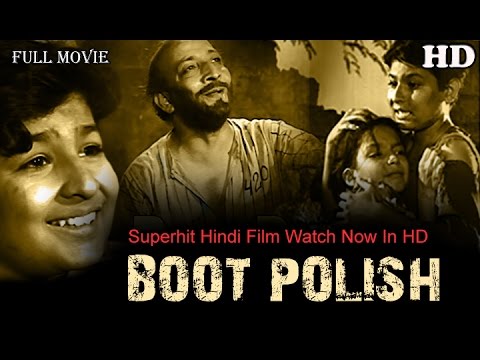
Song: Nannhe Munnhe bachche Film: Boot Polish  1954 Lyricist: Shailendra

Music: Shankar -Jaikishan Singers: Manna Dey and Asha Bhonsle

எத்தனை நம்பிக்கயுடன் குழந்தைகள் சொல்கின்றனர்! இத்தகைய நம்பிக்கை ஊட்டுவதுதானே நல்லோர்களின் செயல்? எல்லோரும் இந் நாட்டு மன்னர் என பாரதியார் பாடவில்லையா? அப்படித்தானே பாரத சமுதாயம் வாழவேண்டும்?

எதிர்காலத்தில் நம்பிக்கையூட்டும் இன்னொரு பாடல்,

तुझे अपने पास बुलाती है, तेरी दुनिया
कबसे बाँहें फैलाती है, तेरी दुनिया
तुझे अपने पास बुलाती है 

वहाँ छोटेबड़े सब एकसे

नहीं कोई जो तेरे दुख पे हँसे
वहाँ रिश्ते होंगे झूठ के
सबको सीने से लगाती है, तेरी दुनिया

तुझे अपने पास बुलाती है 

 துஜே அப்னே பாஸ் புலாதீ ஹை தேரீ துனியா

கப் ஸே பாஹே(ன்) ஃபைலாதீ தை தேரீ துனியா

துஜே அப்னே பாஸ் புலாதீ ஹை தேரீ துனியா

வஹா(ன்) சோடே படே ஸப் ஏக் ஸே

நஹீ கோயீ  ஜோ தேரே துக் பே ஹஸே

வஹா(ன்) ரிஷ்தே ஹோங்கே ஜூட் கே

ஸப்கோ ஸீனே ஸே லகாதீ ஹை தேரீ துனியா

துஜே அப்னேபாஸ் புலாதீ ஹை தேரீ துனியா

உன்னுடைய உலகம் உன்னைத் தன்னிடம் அழைக்கிறது

எப்போழுதிலிருந்தோ கதவைத் திறந்து வைத்திருக்கிறது!

உன் உலகம் உன்னை அழைகிறது!

அங்கு சிறியவன்பெரியவன் எல்லாம் ஒன்றுதான்

உன் துக்கத்தைக் கண்டு சிரிப்பவர்கள் யாரும் இருக்க மாட்டார்கள்

அங்கே போலி உறவினர்கள் எவரும் இருக்கமாட்டார்கள்

எல்லோரையும் தன் மார்புடன் அணைத்துக் கொள்ளூம்  உன் உலகம்

உன் உலகம் உன்னை அழைக்கிறது.

Song: Tujhe apne paas bhulaati hai Film: Daag 1953 Lyricist: Shailendra

Music: Shankar-Jaikishan Singer. Talat Mahmood

சிறியவன்-பெரியவன் விஷயம்  ” பெரியோரை வியத்தல் இலமே, சிறியோரை இகழ்தல் அதனினும் இலமே”  என்ற புறநானூற்று வரிகளை நினைவுபடுத்துகிறது.

மேலும் ஒரு கற்பனை

दुनियावालों से दूरजलनेवालों से दूर
जा, जा चले कहीं दूरकहीं दूर, कहीं दूर 

वो प्यार का जहाँ हैं, हर दिल पे मेहरबाँ हैं
कुछ और वो ज़मीं हैं, कुछ और आसमाँ हैं
ना ज़ुल्म का निशाँ हैंना ग़म की दास्ताँ हैं
हर कोई जिसको समज़े वो प्यार की ज़ुबाँ हैं

துனியா வாலோ(ன்) சே தூர் ஜல்னே வாலோ(ன்) ஸே தூர்

ஆஜா ஆஜா சலே(ன்) கஹீ (ன்தூர் கஹீ  (ன்) தூர் கஹீ(ன்) தூர்

வோ  ப்யார் கா ஜஹ(ன்) ஹை, ஹர்தில் பே மெஹர்பா(ன்) ஹை

குச் ஔர் யே ஃஜமீன் ஹை, குச் ஔர் ஆஸ்மான் ஹை

  ஃஜுல்ம் கா நிஷா(ன்) ஹை, கம் கீ தாஸ்தான் ஹை

ஹர் கோயீ ஜிஸ்கோ சம்ஜே ப்யார் கீ ஃஜுபான் ஹை

இந்த உலகத்தவரிடமிருந்து, பொறாமை பிடித்த இவர்களிடமிருந்து

வா, நாம் வேறு எங்கோ செல்வோம்

அது அன்பு நிறைந்த இடம், ஒவ்வொருவர் மனதிலும் கருணை இருக்கும்

அங்கு பூமியும் வானமும் வேறு தன்மை கொண்டவை !

அங்கு குற்றத்தின்  குறியே இருக்காது

துன்பத்தின் சாயையே இருக்காது

அங்கு யார் எது பேசினாலும் அது அன்பின் மொழியாகவே இருக்கும் !

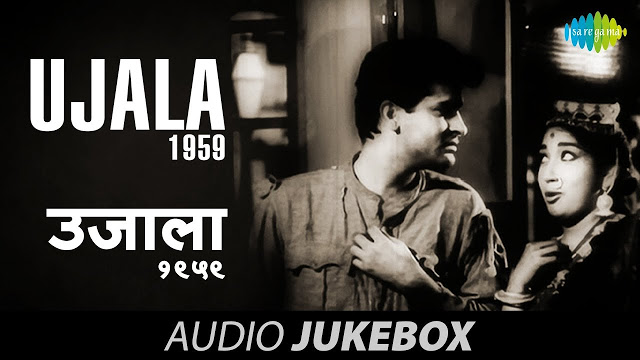
Song: Duniya walon se duur  Film: Ujala 1959 Lyricist: Shailendra

Music: Shankar-Jaikishan Singers: Mukesh & Lata Mangeshkar

நம்மால் இப்படிக் கற்பனையாவது செய்யமுடிகிறதா?

பாரதியாரின் கற்பனையூர்

ஜான் ஸ்கர்  John Scur (?)என்ற ஆங்கிலக் கவிஞர்  “The Town of Let Us Pretendஎன்று எழுதிய கவிதையை  மஹாகவி பாரதியார்  தமிழில் மொழிபெயர்த்தார். அதில் சில பத்திகள்:[ மூல ஆங்கிலக் கவிதையோ, எழுதியவர் பற்றிய குறிப்போ  கிடைக்கவில்லை.]

கற்பனையூரென்ற நகருண்டாம்அங்குக்

கந்தர்வர் விளையாடுவாராம்

சொப்பன நாடென்ற சுடர் நாடுஅங்குச்

சூழ்ந்தவர் யாவர்க்கும் பேருவகை

எக்காலமும்  பெரு மகிழ்ச்சியங்கே

எவ்வகைக் கவலையும் போருமில்லை.

கள்ளரவ் வீட்டினிற் புகுந்திடவேவழி

காண்பதி லாவகை செய்திடுவோம்!

பிள்ளைப் பிராயத்தை இழந்தீரே! – நீர்

பின்னுமந்  நிலைபெற வேண்டீரோ

 குழந்தைக ளாட்டத்தின் கனவையெல்லாம்அந்தக்

கோலநன்  னாட்டிடைக் காண்பீரே;

இழந்த நல் லின்பங்கள் மீட்குறலாம்நீர்

ஏகுதிர் கற்பனை . நகரினுக்கே.

இதில் நாம் கள்ளம்கபடை விட்டு மனதில் தூய்மையாகி குழந்தைபோலாகிவிடல் வேண்டும் என்கிறார்,

இதற்கு எழுதிய குறிப்பில், ” கவலைகளை முற்றும் துறந்துவிட்டு உலகத்தை  வெறுமே லீலையாகக் கருதினாலன்றி மோக்ஷம் எய்தப் படாதுஎன்று எழுதியிருக்கிறார்

உலகம் லீலைவிளையாட்டு, கனவல்ல. விளையாட்டு எனில், அதில் ஈடுபடுவோரெல்லாம் குழந்தைகளல்லவாமக்கள்  குழந்தை போன்ற கள்ளமில்லா  மன நிலையைப் பெறவேண்டும்.

இந்த உலகின் கவலைகஷ்டங்களை மறக்க ஒரே வழி இந்த உலகை நடத்தும் சக்தியின் துணையை நாடுவதுதான். வள்ளுவர் சொல்லிவிட்டார்:

தனக்குவமை யில்லாதான் தாள்சேர்ந்தார்க் கல்லால்

மனக்கவலை மாற்றல் அரிது.

பிறவிப் பெருங்கடல் நீந்துவர்; நீந்தார்

இறைவன் அடி சேராதார், 

Reach and Grasp!

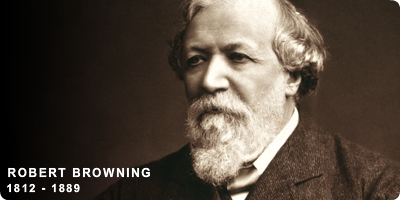
 இத்தகைய நம்பிக்கைதான்  இவ்வுலக வாழ்க்கைக்கு ஆதாரம். ஆங்கிலக் கவிஞர் ராபர்ட் ப்ரௌனிங்க்

எழுதினார்:

I, painting from myself to myself,

Know what I do, am unmoved by men’s blame

Or their praise either. Somebody remarks

Morello’s outline there is wrongly traced

His hue mistaken; what of that ? or else,

Rightly traced and well ordered; what of that?

Speak as they please, what does the mountain care?

Ah, but a man’s reach  should exceed his grasp,

Or what is a heaven for?

[Robert Browning: Andrea del Sarto 1853

இந்த உலகை மீறிய சக்தி ஒன்றின் மீது வைத்த நம்பிக்கையால்தான், இந்த உலகில் வாழமுடியும். [ Reach will exceed the grasp by faith in heaven!]

திரைக்கவிகள் இதைக்  கற்பனையில் காண்கின்றனர். Poetry takes us to philosophy.

[இன்று எல்லா பாடல்களும் கவி  ஷைலேந்த்ராவினுடையதாக அமைந்து விட்டன! இது தற்செயலாக  நிகழ்ந்தது.. ஷைலேந்த்ரா உண்மையான கவி ஆர்வம் கொண்டவர். பெரிய கவியாக வேண்டுமென்று நினைத்தவர். 1947-48ல் ஒரு கவி சம்மேளனத்தில் இவர் வாசித்த கவிதையைக் கண்டு ரசித்த ராஜ்கபூர் இவரை சினிமாவிற்கு பாடல் எழுதும்படி அழைத்தார். சினிமாவுக்கு பாடல் எழுதுவது அகௌரவம் என்று நினைத்த ஷைலேந்த்ரா மறுத்துவிட்டார். பின்னர்,  பம்பாயில் மதுங்கா ரயில்வே  பட்டறையில் வேலை பார்த்துவந்த ஷைலேந்த்ரா 1949ல்  பணக்கஷ்டத்தால் வருந்தி, தானே ராஜ்கபூரிடம் சென்று படத்திற்குப் பாட்டெழுத சான்ஸ் கேட்டார்.  ‘பர்ஸாத்” படத்தில் முதலில் எழுதத்தொடங்கி 1966 வரை பல சிறந்த பாடல்களை எழுதினார்.]

tags – ஹிந்தி படப் பாடல்கள் – 10 , ஸ்வரம் , சாஹித்யம், Shree 420, Daag,R Nanjappa

****

மஹரிஷி ஜாபாலி! -2 நாத்திக வாதம் (Post No.7843)

ச.நாகராஜன்

ஜாபாலி ராமரைப் பார்த்துக் கூறிய நாத்திக வாதம் வால்மீகி ராமாயணத்தில் மட்டுமே உள்ளது; கம்ப ராமாயணத்தில் கம்பன் இதைச் சொல்லவில்லை.

(வால்மீகி ராமாயணத்தில்) ஜாபாலி ராமரைப் பார்த்துக் கூறுகிறார் :

ஓ! ராமா! தனது தேசத்தின் ஒழுக்கங்களில் பற்றுடையவனும் குலதர்மானுஷ்டம் உடையவனுமான்  உனக்கு பாமர மனிதனுக்கு ஏற்ற இந்த சமயத்திற்கொவ்வாத புத்தி நிச்சயம் கூடாது. (அயோத்யா காண்டம் அத்தியாயம் 108 ஸ்லோகம் 2)

“Enough, O Rama! Let not your wisdom be rendered void like a common man, you who are distinguished for your intelligence and virtue.” (2)

யாருக்கு யார் பந்து? யாரால் யாருக்கு என்ன ஆக வேண்டும்? ஏனெனில் ஒரு ஜீவன் தனியாகவே பிறக்கிறது. தனியாகவே இறக்கிறது. (3)

“Who is related to whom? What is there to be obtained by anything and by whom? Every creature is born alone and dies alone.”  (3)

ஒ! ராமா! எந்த மனிதன், “இவர் எனது தந்தை,இவள் எனது தாய்” என்று பாசம் வைக்கிறானோ அவன் முழுப் பித்தன் என்று அறி!  எவனும் எவனுக்கும் எந்த உறவும் இல்லை. (4)

“O, Rama! He who clings to another, saying, ‘This is my father, this is my mother, he should be known as one who has lost his wits. There is none who belongs to another.” (4)

ஓ! ராமா! ஒரு மனிதன் ஒரு கிராமத்தைக் கடக்கும் போது ஓரிடத்தில் இரவைக் கழிக்கிறான். அடுத்த நாள் அந்த இடத்தை விட்டுக் கிளம்பி தனது பயணத்தைத்  தொடர்கிறான். அதே போலத் தான் தாய், தந்தை, வீடு, உடைமைகள் எல்லாம்! அவை தங்குமிடமே! புத்திசாலி அவற்றின் மேல் பற்று கொள்வதில்லை. (5,6)

“O, Rama! As one who passes the a strange village spends the night the and the next day leaves that place and continues his journey, so are mother, father, home and possessions to a man; they are but a resting place. The wise do not become attached to them”. (5,6)

ஓ! புருஷோத்தம!  தந்தையிடமிருந்து வந்த அந்த ராஜ்யத்தைத் துறந்து துன்பம் தருவதும் பல பீடைகளையுடையதுமான இதுவரை முன்னோர்களால் அனுஷ்டிக்கப்படாததுமான வக்ர வழியை நீ அனுஷ்டிக்கக் கூடாது. (7)

“O, chief of men! You as such should not abandon your father’s kingdom in order to dwell in a lonely forest, that is excruciating hard to traverse and full of thorny thickets.” (7)

நகர தேவதையானது ஒற்றைப் பின்னலுடன் உன்னையே எதிர்பார்த்துக் காத்திருக்கின்றாள். உன்னை பாக்கியம் பெற்ற அயோத்தியில் அபிஷேகம் செய்து கொள். (8)

“Get yourself crowned in the prosperous kingdom of Ayodhya. That city is waiting for you, with your locks duly unfound.” (8)

ஓ! சக்ரவர்த்தி குமாரா! தேவ லோக அரசனான இந்திரனுக்கு நிகராக அயோத்தியில் மிகச் சிறந்த அரச சுக போகங்களை அனுபவி. (9)

“O, prince! Enjoy the royal luxuries worthy of you. Move around in Ayodhya as Indra the Lord of celestials does in heaven!” (9)

தசரதன் உமக்கு உறவினர் அல்லர்;  அவருக்கு நீரும் உறவுமில்லை. அரசன் வேறு; நீர் வேறு. ஆகவே நான் சொல்வதைக் கேள். (10)

“Dasaratha is none to you nor you in anyway to him. That king is another and your are another. Hence, do what is told by me?” (10)

picture sent by Lalgudi Veda

இவ்வுலகில் தந்தை ஒரு ஜீவனுக்கு நிமித்த மாத்திரமே. ஒருவனுக்கு ருது நீராடியுள்ள தாயால் சேகரிக்கப்பட்ட  சுக்கிலம், சோணிதமே முழு முதற் காரணம். (11)

“The father is only the seed of a being. The sperm and the ovum blend at the right time in the mother’s womb, so that a human being is born in this world.” (11)

அந்த அரசன் அவர் போய்ச் சேர வேண்டிய இடத்திற்குப் போய்ச் சேர்ந்து விட்டார். இதுவே மனிதர்களுக்கு இயல்பு. ஆகவே பொய்யான சம்பந்தத்தால் நீ துன்புற்றுக் கொள்கிறாய். (12)

“The king has gone, where he had to go. This is the fate of all being unnecessarily, you are still frustrated over the matter.” (12)

பொருள், தர்மம் இவற்றில் எவரெல்லாம் பற்றுள்ளவர்களோ அவர்களைக் கண்டு நான் வருந்துகிறேன். மற்றவர்களைப் பற்றி நான் வருந்தவில்லை. ஏனெனில் அவர்கள் இவ்வுலகிலும் துன்பத்தை அடைந்து  செத்தும் அழிந்தனர். (13)

“I pity all those whosoever, devoted to wealth and religious merit, not other (who are devoted to sense-enjoyment), for, they, having undergone suffering in this life, have met with extermination after death.” (13)

இந்த மூட ஜனம் அஷ்டகா சிரார்த்தம் (எட்டாம் நாள் கிரியை), பிதிரு சிரார்த்தம் என்று இதுவே நோக்கமாக அனுஷ்டிக்கிறது. எவ்வளவு உணவு வீணாகிறது என்று நீயே பார்! செத்த மனிதன் எப்படி உண்ணுவான்? (14)

“These people say, ‘The eighth day should be given up to sacrifices for the spirits of our ancestors.’ See the waste of food. What will a dead man eat?” (14)

அன்னமானது ஒருவனால் இங்கு உண்ணப்பட்டு இன்னொரு உடலைச் சேருமானால், தூரப் பயணம் மேற்கொண்டு வேறு தேசம் செல்பவனுக்கு இவ்விடத்திலேயே சிரார்த்தத்தைச் செய்ய வேண்டும். அப்போது அவர்களுக்கு வழியில் கட்டுச்சாதம் தேவையில்லை. (15)

“If food eaten by one here, reaches another’s body, then let a sacrifice be offered for those who are setting out on a distant journey. Will it not become a food on their path?” (15)

யாகம் செய்; தானம் கொடு; தீக்ஷை மேற்கொள்; தவம் புரி; அனைத்தையும் துற என்று கூறும் இந்த நூல்கள் தானங்களில் ஆசை உண்டு பண்ணுவதற்காக புத்திமான்களால் செய்யப்பட்டவையே! (16)

“Perform sacrifices, distribute gifts, consecrate yourselves, practise ansterity and renunciation’ – These writings are composed by learned men for the sake of inducing others to give.” (16)

ஓ! புத்திசாலியே! ஆகவே,  இந்த உலகமன்றி பரலோகம் இல்லை என்றே தீர்மானி!! எது கண்களுக்கு புலன் ஆகின்றதோ அதை மட்டும் எடுத்துக் கொள்; கண்ணுக்குப் புலன் ஆகாததை விட்டு விடு. (17)

“O, the highly wise! Arrive at a conclusion, therefore, that there is nothing beyond this Universe. Give precedence to that which meets the eye and turn your back on what is beyond our knowledge.” (17)

பரதனால் வேண்டப்பட்ட நீ,உலகத்தார் எல்லோரும் ஒப்புக் கொண்ட முன் சொன்ன நிச்சயத்தை முன்னிட்டு ராஜ்யத்தை ஏற்றுக் கொள். (18)

“Honour the judgment of the wise and regarding that which is approved by all, accept the kingdom as propitiated by Bharata.” (18)

 (ஆங்கில மொழியாக்கம் கீழ்க்கண்ட தளத்திலிருந்து தரப்பட்டது:

https://sanskritdocuments.org/sites/valmikiramayan/ayodhya/sarga108/ayodhyaitrans108.htm#VerseLocator )

இப்படி ஜாபாலி நாத்திகர்களுக்குத் தலைவனாக இருந்து அந்தப் பழைய காலத்திலேயே நாத்திகத்தைச் சொல்லி இருக்கிறார்.  இதை ராமர் தூக்கி எறிந்து விட்டார்.

“அஸத்தியத்தைப் பேசாதீர்” என்று அவரை அடக்கி விட்டார். அவர் மீது சிறிது கோபமும் கொண்டார். ராமரின் பதிலையும் மஹரிஷி ஜாபாலி பற்றிய இதர சில விஷயங்களையும் அடுத்த கட்டுரையில் காண்போம்!

tags — மஹரிஷி, ஜாபாலி! -2 , நாத்திக வாதம்

***

SANGAM TAMIL VERSE THROWS MORE LIGHT ON RIG VEDA (Post No.7842)

WRITTEN BY LONDON SWAMINATHAN

Post No.7842

Date uploaded in London – 17 April 2020   

Contact – swami_48@yahoo.com

Pictures are taken from various sources for spreading knowledge; this is a non- commercial blog. Thanks for your great pictures.

Two thousand years ago about 450 Tamil poets composed 2500 plus poems. Around fourth century CE, those poems were made into 18 books. They are called Sangam Tamil works. Though Tamils are banned from using ‘SA’ beginning words tSangam Age Tamil scholars used the Sanskrit word ‘Sangam’. Tamils used it to mean academy and assembly of poets. Of the 18 Sangam works the most important book is Purananuru, part of Eight Anthologies. Other ten works are made into a separate book.

Purananuru consists of approximately 400 verses. This book deals with various aspects of Tamil life. We come to know about the kings, their trade with Rome, the wars they fought, the support they gave to poets and Tamil language and their religious life . Sangam period Tamils were predominantly Hindus . They never mentioned Buddha or Mahavira in their poems, though we have few indirect references to their followers. Post Sangam works like Silapaadikaram and Manimegalai, the Twin Epics, have more references to them.

Karikala,one of the Choza kings , did a Yaga in eagle shaped altar. Another Choza king Perunarkilli performed Rajasuya Yajna. One Pandyan king had done innumerable Yahas and installed Yupa pillars every where. The coins with his name Peruvazuthi has horse picture. He must have performed an Asvamedha Yaga. Another Brahmin poet approached a Chera king and requested him to send  him to Swarga/ Heaven. At the performance of tenth Yaga, both his wife and himself disappeared. They went to heaven and it is documented in one of the Eight Anthologies.

Though there are several poems about Hindu gods, their Vahanas, their flags, their temples I want to compare one Purananuru verse with two Rig Vedic Hymns. When Sayana of 13th century wrote a commentary on the Rig Veda , world ‘s oldest book, it looked like he guessed lot of things and wrote. Religious heads like Shankaracharyas never use them because they follow the old tradition that you should not look into the meaning of verses but follow it literally for its magical mantra effect. In short no body corrected Sayana or challenged him . Western indologists were cunning enough to quote him wherever it served their motives and in other places gave their opinions

There are several verses where even Sayana says he couldn’t understand. Griffith was honest enough to admit in every other page saying he ‘could not understand’, ‘meaning is obscure’, ‘he is not certain’ etc. Other translators made guesses according to their whims and fancies.

The Purananuru verse number 166 may help Vedic scholars to understand some difficult hymns of Rig veda.

First let me give some salient features of verse 166 and then show how we can use them to interpret Rig Vedic verse 1-164 and 1-72

In Purananuru 166, poet Avur Mulan kizar praises one Brahmin called Vinnan Dayan.

Vinnan Daayan is the tamilized Sanskrit name Vishnu dasa. Poets surname shows that he was from the caste of agriculturists.

He got gifts, probably, after attending the Yajna . This shows that even non Brahmins attended yagas and received prizes.

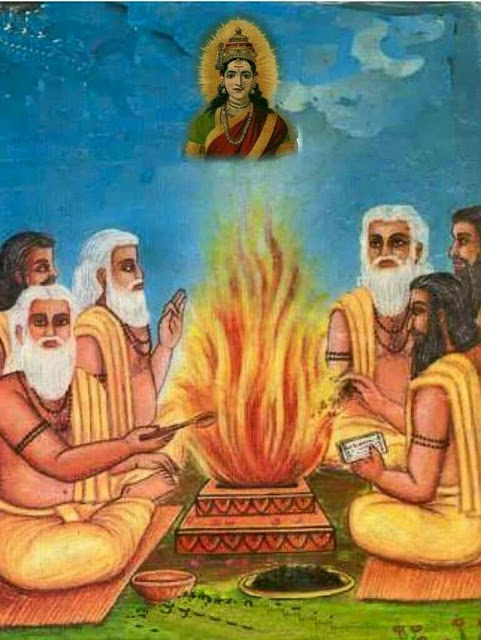
The verse begins with a praise for Lord Shiva. He says Vishnu dasa was a great devotee of Lord Shiva whose mouth is always reacting Vedas .

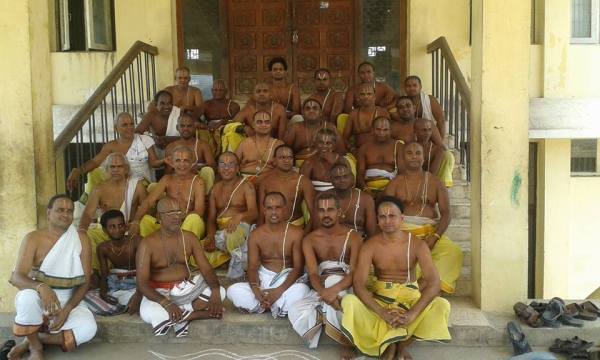
He praised Brahmins mastered Four Vedas And Six ancillary subjects. We know that it includes grammar, astrology, etymology etc.

He also said Brahmins rejected the atheists argument and established One Dharma.

While praising Brahmins like this he says Vishnu dasa came in the family of who did 21 types of Yagas.(see the explanation at the bottom)

This is the one which helps us to understand RV I-164-3.

Dirgatamas, the blind poet of Rig Veda, used lots of numbers.

He says

THE SEVEN WHO ON THE SEVEN WHEELED CAR ARE MOUNTED HORSES, SEVEN IN TALE, WHO DRAW THEM ONWARD.

SEVEN SISTERS UTTER SONGS OF PRAISE TOGETHER, IN WHO THE NAMES OF THE SEVEN COWS ARE TREASURED… RV 1-164-3

Commentators interpreted the Seven as seven swaras of music, seven meters in

Prosody, seven rays of sun etc.

The three sevens may mean 3×7 Yagas. The Vedic hymn might have meant two types of cows like the Tamil poem.

Here is another mantra with Number Seven,

KNOWING THE LAW, THE SEVEN STRONG FLOODS FROM HEAVEN, FULL OF GOOD THOUGHT, DISCERNED THE DOORS OF THE RICHES.

SARAMA FOUND THE CATTLE S FIRM BUILT PRISON WHERE BY THE RACE OF MAN IS STILL SUPPORTED – RV 1-72-8.

Here also the seven floods from heaven is not explained satisfactorily.

Three Sevens are all not explained by the Vedic commentators.

So we have to review all the sevens in the verses. Sangam Tamils commentaries may help us to clear the vagueness.

xxxx

What is 3 X 7 ?

In the commentary of Puram 166,

The doyen of Tamil literature Dr U V Swaminatha Iyer listed all the 21 yagas..

They are broadly divided into three sevens and they are

Soma Yajnas 7

Havir yajnas 7

Paga Yajna  7.

(I have given all the 21 names in my Tamil article.)

What is  2 X 7 ?

And in another Tamil line of the verse two (2×7)  sevens come. These are ghee made from the milk of seven domestic cows and ghee made from the milk of seven wild cows.

Later the poet added that the Brahmin ladies who assisted Vishnu dasa wore special head ornaments and the gentleman wore deer skin.

Sangam Age Tamils were very familiar with the Himalayas and the Ganges river because of Kalidasa’s works. Of the 1500 images and similes of Kaliadsa, Sangam poets have used at least 200 similes. Avur Mulankizar wished the king to live a “long life like the Himalayas”.

When he praised the wife of Vishnu dasa he praised their chastity and their beauty. He added two interesting points also,

She is a woman of few words.

And she did what he said.

Here we are reminded of the saying of Greek philosopher Democritus, who said,

FEWSNESS OF WORDS IS AN ORNAMENT TO A WOMAN- Democritus.

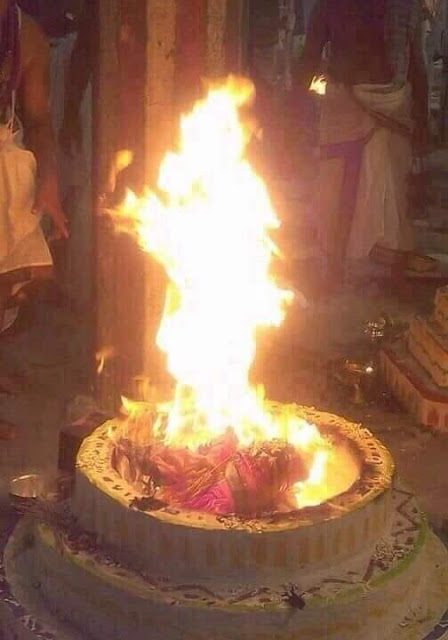
Vishnudasa performed the Yagas, Fire Ceremonies, where

His use of Ghee (clarified butter) shamed Water

His lot of Yagas shamed the Numbers

His Spread of fame shamed the Earth

(such was his great ness, says the poet.)

–subham–
SWAMI CROSSWORD 1742020 (Post No.7841)

WRITTEN BY LONDON SWAMINATHAN

Post No.7841

Date uploaded in London – 17 April 2020   

Contact – swami_48@yahoo.com

Pictures are taken from various sources for spreading knowledge; this is a non- commercial blog. Thanks for your great pictures.

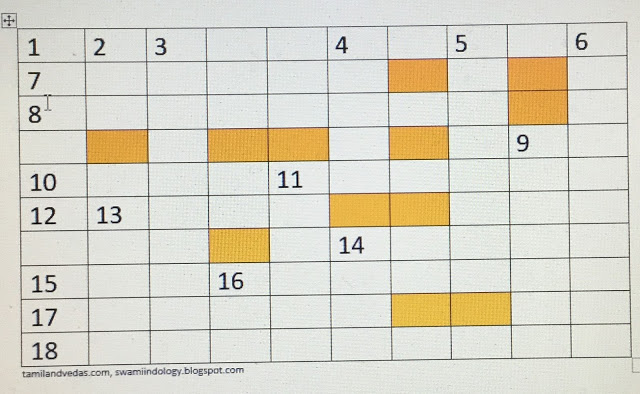
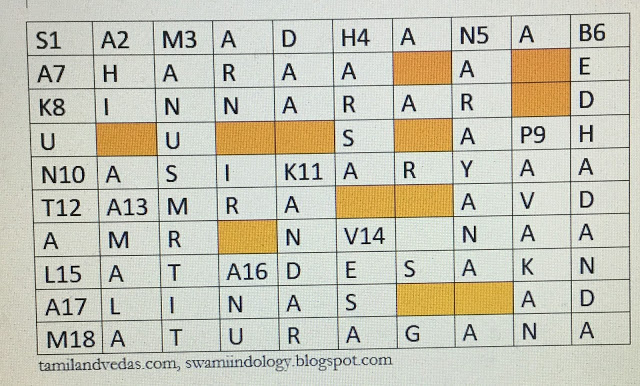
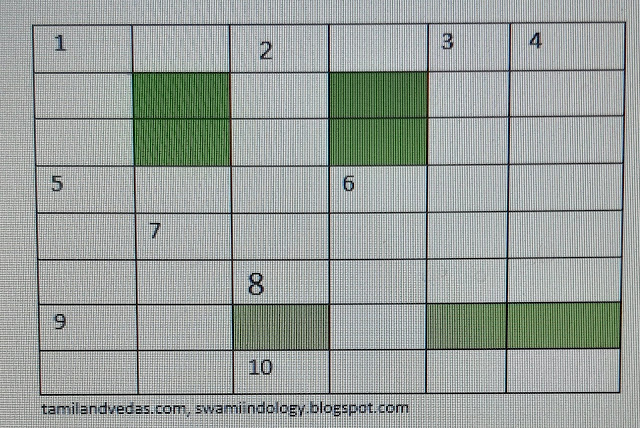
Sanskrit words used in almost all Indian languages are given here.

across

1. — (9)- Kautilya /Chanakya suggested four ways to find a solution to political problems and the first two are here. In Sanskrit

7. (5) – food we eat in Sanskrit

8. –  (7)- Celestial musician

10. (6) Nose; English word nose came from this Sanskrit word

11. – (5)  Work; job in Sanskrit

12. – (5) metal copper in Sanskrit

15. – (8) – one of the 56 Desas/ countries of Ancient India. Ptolemy wrote Larike, a region in Soth Gujarat.

17. (5)- Vedic Tribe, friends of Trtsus in the Rig Veda

18. (10)– Sweet Music In Sanskrit

XXX

down

1. (10) – World famous Sanskrit Drama written by Kalidasa, meaning Bird Girl

2. –  (3) Snake in Rig Veda; also a demon In Sanskrit

3 – (10)- World’s first Law  Book written in Sanskrit- Pre Hammurabi literature

4. – King praised by Bhana Bhatta

5. – (8) – name of Vishnu in Vaishnavites Great mantra In Sanskrit

6. (10)- Kautilya /Chanakya suggested four ways to find a solution to political problems and the last two are here. In Sanskrit

9 – In Sanskrit bright, pure, fire

11. – Neck In Sanskrit

13.– Without impurities; pure; feminine name

14. – disguise, dress In Sanskrit

16. – atomic particle In Sanskrit


–subham–
புறநானூற்றில் 21 யாகங்கள் பற்றி அதிசயச் செய்திகள் (Post No.7840)

WRITTEN BY LONDON SWAMINATHAN

Post No.7840

Date uploaded in London – 17 April 2020   
Contact – swami_48@yahoo.com

Pictures are taken from various sources for spreading knowledge; this is a non- commercial blog. Thanks for your great pictures.

புறநானூற்றில் யாகங்கள் பற்றி அதிசயச் செய்திகள் உள . ரிக் வேதத்தில் புரியாத ஒரு  (RV 1-164; 1-72) பாடலைப்  புரிந்துகொள்ள சங்கத் தமிழ் நூல்கள் உதவலாம். பதினெட்டு சங்கத் தமிழ் நூல்களில் மிகவும் முக்கியமானது புறநா னூறு . இது இல்லையேல் தமிழர் பற்றிய பாதி செய்திகள் தெரியாமல் போயிருக்கும். இதிலுள்ள யாக யக்ஞங்கள் பற்றிய செய்திகள் ரிக்வேதப் புதிர்களை விடுவிக்கலாம். அது மட்டுமல்ல சங்க காலத்தில் சேர சோழ , பாண்டிய மன்னர்கள் செய்த அபூர்வ யாகங்கள் பற்றியும் சங்க நூல்கள் பேசுகின்றன.

ஒரு பார்ப்பனப் புலவரை சேர மன்னன், உங்களுக்கு என்ன வேண்டும்? என்று கேட்டான். நான் இந்த உடம்போடு சொர்க்கம் போக வேண்டும் என்றார் . அதற்கு என்ன வழி ? என்ன என்று கேட்டான். இந்த குறிப்பிட்ட பத்து யாகங்கள் செய்ய வேண்டும் என்று அந்த பிராஹ்மணப் புலவர் சொன்னார். பத்தாவது யாகம் செய்யும்போது அந்தப் பார்ப்பனரும் அவரது மனைவியும் மாயமாய் மறைந்தனர் என்ற அதிசயச் செய்தி பதிற்றுப் பத்து என்னும் சங்க நூலில் உளது.

இன்று புறநானூற்றின் 166ஆவது பாடலைக் காண்போம் .

இதைப் பாடியவர் ஆவூர் முலங்கிழார்

பாடப்பட்டவர் பூஞ்சாற்றுர் பார்ப்பான் விண்ணன்தாயன். இந்தப்பாடலின் துறை ‘பார்ப்பன வாகை’.

விஷ்ணுதாசன் என்னும் சம்ஸ்கிருதப் பெயர் தமிழில் விண்ணந்தாயன் ஆகும்.

தமிழ் இலக்கியத்தில் ‘பார்ப்பன வாகை’ என்றே ஒரு துறை உளது. யாகத்தின் மூலம் வெற்றியடையும் விஷயத்தைக் கூறும் துறை. வேண்டுவன வேண்டி, வேள்வி செய்து, வெற்றி வாகை சூடுவதால் இப்பெயர் .

முதலில் இதிலுள்ள அதிசயச் செய்திகளை BULLET POINTS புல்லட் பாயிண்டுகளில் தருகின்றேன் —

இதைப் பாடியவர் ‘கிழார்’ என்று அழைக்கப்படுவதால் வேளாளர் ஜாதியைச் சேர்ந்தவர். அவர் இந்த யாகத்துக்கு வந்து பரிசு பெற்றது புதிய செய்தி. பிராமணர் தவிர மற்றவர்களுக்கும், யாகத்தின் பொருட்டு  பரிசு முதலியன வழங்கப்பட்டன.

அதுமட்டுமல்ல அவர் கூறும் பல செய்திகள் , உரை இல்லாவிடில் எவருக்கும் அர்த்தம் புரியாது. அவ்வளவு யாக நுணுக்கங்களை ஒரு வேளாளர்  சொல்லுவது வியப்புக்குரியது. இவர் பாடிய மேலும் பல பாடல்கள் இதே நூலில் இருப்பதால் இவரைப் பற்றி நன்கு அறியமுடிகிறது.

முதலில் சிவபெருமானின் பெரிய பக்தர் என்று விஷ்ணுதாசனைப் புகழ்கிறார் புலவர் . அந்தக் காலத்தில் சிவ – விஷ்ணு பேதம் கிடையாது என்பதை இவர் பெயரே பறைசாற்றும்.

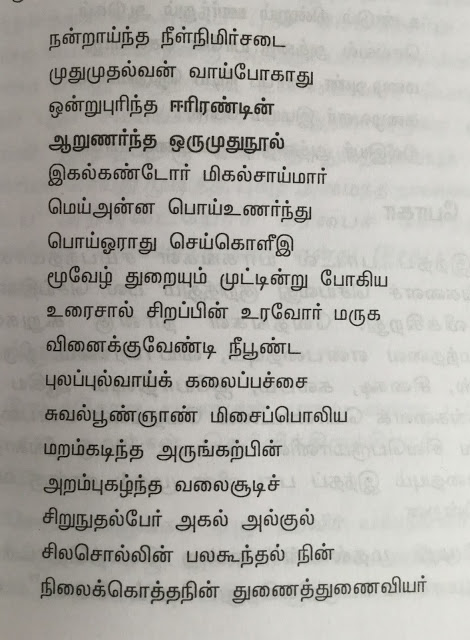
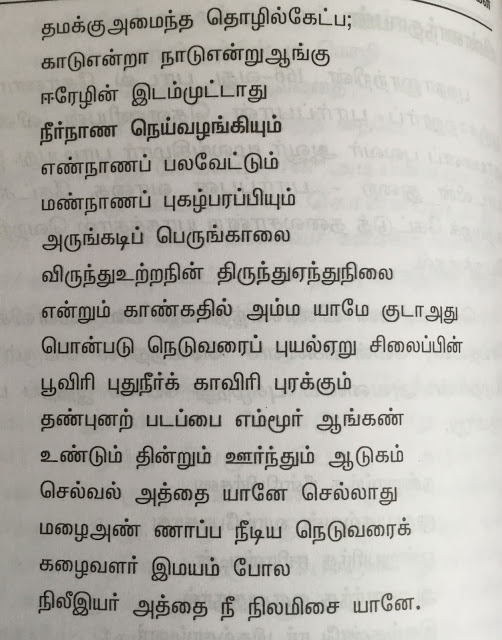
‘நீள் நிமிர்சடை முது முதல்வன்’ – சிவ பெருமான் ;

சிவபெருமான் வாயிலிருந்து எப்போதும் வேத முழக்கம் கேட்டுக்கொண்டே இருக்கும் என்ற செய்தியை “முது முதல்வன் வாய்போகா” என்று சங்கப்புலவர் விதந்து ஓதுகிறார்.

பிராமணர்களைப்  புகழும் போதெல்லாம் சங்கப்  புலவர்கள் , 1, 2, 3, 4, 5, 6 என்ற எண்களை ஏற்றிப் பாடுவார்கள் . பிற்காலத்தில் இது எழு கூற்றிருக்கை என்ற புதிய பாணியை உருவாக்கியது (1-7)

தர்மம் ஒன்றே அவர்களின் குறிக்கோள்.

நான்மறைகளை அறிந்தோர்.

துணைப்பாட ‘சிலபஸ்’ஸில் ஜோதிடம், இலக்கணம்  உள்பட மேலும்

 ஆறு ‘சப்ஜெக்ட்’டுகளைப் படித்தோர்  பிராமணர் என்று புலவர் பாராட்டுகிறார்.

இதில் மூன்று அற்புதமான வரிகள் வருகின்றன.

“நீர் நாண நெய் வழங்கியும்

எண் நாணப் பலவேட்டும்

மண் நாணப் புகழ் பரப்பியும்”– என்று பாடுகிறார்.

அந்தப் பிராமணன், யாகத்துக்குப் பயன்படுத்திய நெய்யைப் பார்த்து தண்ணீருக்கே வெட்கம் வந்துவிட்டதாம்.

அந்தப் பிராமணன், செய்த யாகங்களின் எண்ணிக்கையைப் பார்த்து எண்களுக்கே  வெட்கம் வந்துவிட்டதாம்.

அந்தப் பிராமணன், பரப்பிய புகழ் கண்டு பூமிக்கே  வெட்கம் வந்துவிட்டதாம்.

அவர் வாழும் சோழ நாட்டுக்கு வளம் சேர்க்கும் காவிரி நதியை “பூ விரி புது நீர்க் காவிரி” என்கிறார்.

உலகில் பெண்களுக்கு இந்துமதம் கொடுக்கும் மதிப்பு வேறு எந்த மதத்திலும் இல்லை. ஏனெனில் பெண்கள் , தாவது மனைவி இல்லாமல் எவரும் யாகம் செய்ய முடியாது. அந்த மனைவியின் குண நலத்தை வருணிக்கையில் ‘சில சொல்லின் பல கூந்தல் மகளிர்’ என்கிறார். அதாவது அவருடைய மனைவி அதிகம் பேசமாட்டார்.

Fewness of words is an ornament to a woman – Democritus

என்று 2400 ஆண்டுகளுக்கு முன்னர் கிரேக்க தத்துவ ஞானி சொன்னதும் இங்கு நினைவு கூறத்தக்கது.

‘மறம் கடிந்த அருங் கற்பின்’ என்று அந்தக் கற்புக்கரசியைப் பாராட்டிவிட்டு சொன்ன சொல் கேட்கும் துணைவி என்கிறார்.

‘நின் நிலைக்கொத்த நின்துணைத் துணைவியர்

தமக்கு அமைந்த தொழில் கேட்ப’ — என்றும் போற்றுவார்

துணைவியர் என்றால் பல மனைவி என்று பொருளல்ல. சிலவகை யாகங்களில் பணிவிடை செய்ய குறைந்தது மூன்று பத்தினிப் பெண்கள் இருக்கவேண்டும். அப்போது நெருங்கிய உறவினர்களின் மனைவிமார்கள் வந்து துணையாக நிற்பார்கள் .

21 வகை யாகங்கள்

3x 7 என்று சில சடங்குகளும் யாகங்களும் ரிக் வேத முதல் மண்டலத்தில் 1-71,  1-164  கவிதைகளில் குறிப்பிடப்படுகின்றது இவற்றை 21 வகை மர்மச் சடங்குகள் என்று கிரிப்பித் (Griffith) மொழிபெயர்த்துள்ளார். ஆனால் புறம் -166 உரையில் உ.வே.சாமிநாதையர் 21 யாகங்களை விளக்குகிறார் —

சோம யக்ஞங்கள் -7

ஹவிர் யக்ஞங்கள் -7

பாக யக்ஞங்கள் -7

அக்னிஷ்டோமம் அதியக்னிஷ்டோமம் உக்தியம் , ஷோடஸி , வாஜபேயம், அதிராத்ரம் , அப்தோர்யாமம் ஆகிய ஏழும் சோம யக்ஞங்கள்.

அக்நியாதேயம், தர்சபூர்ணமாசம் , சாதுர்மாஸ்யம், அக்நிஹோத்ரம் , நிரூ டபசுபந்தம், ஆக்கிரயணம், சௌத்ராமணி  ஆகிய ஏழும் ஹவிர் யக்ஞங்கள்.

அஷ்டகை, ஆபார்ணவம் , சிராத்தம் , சிராவணி , ஆக்கிரகாயனி , சைத்ரி, ஆச் வயுஜி ஆகிய ஏழும் பாக யக்ஞங்கள்.

இந்த விஷயம் கிரிப்பித் தின் ஆங்கில மொழிபெயர்ப்பிலோ, ஜம்புநாதனின் ரிக்வேத தமிழ் மொழிபெயர்ப்பிலோ இல்லை.

‘வேதங்களை ஏற்றிப்போற்றும் தமிழ் இலக்கியங்கள்’ என்ற நூலில் கே. சி.லெட்சுமிநாராயணன் இந்த அரிய விஷயத்தை உ.வே.சா . உரையிலிருந்து தந்துள்ளார். இதைப்படித்த பின்னர் ரிக்வேத 1-72, 1-164 துதிகளுக்குப் புதிய அர்த்தம் கிடைக்கிறது

இன்னொரு அரிய விஷயம்

“காடு என்றா நாடு என்று ஆங்கு

ஈரேழின் இடம் முட்டாது”

என்ற வரிகளில் 7, காட்டுப்பசுக்கள் 7 நாட்டுப் பசுக்கள் ஆகியவற்றின் பாலிலிருந்து தயாரிக்கப்பட்ட நெய்யால் யாகம் செய்தார் என்று புலவர் போற்றுகிறார்.

இது தவிர கிழார் சொல்லும் விஷயங்கள்

யாகத்துக்கு வ ரு ம் பெண்கள் ‘சாலகம்’ என்ற சிறப்பு அணியை அணிவர்;

யாகம் செய்யும் பிராமணன் பூணுலுக்கு மேலே மான் தோலை அணிவர்.

மெய் போலப் பொய் பேசுவோர் சாருவாகர் ; இனிமையாக, கவர்ச்சியாகப் பொய் பேசுவதைக் கேட்டால் இதுதான் உண்மையோ என்று மயங்கி விடுவர் பாமரர்கள்;  அத்தகையோரை வாதத்தில் தகர்த்து அழித்தான் இந்தப் பார்ப்பனன்.

சிலர் புத்த சமண மத ‘வாயாடி’ களையும் , இவர் ‘வாதாடி’ வென்றார் என்று உரை எழுதியுள்ளனர்.

XXXXX

ரிக்வேதத்தின் முதல் மண்டல 164-ஆவது பாடலுக்கு இதுவரை எவருமே முழு விளக்கம் சொல்ல முடியவில்லை. மேலை நாட்டார் விழி பிதுங்கிப் போயினர். வேதத்துக்கு பாஷ்யம் எழுதிய சாயனரும் சில இடங்களில் புரியவில்லை என்று சொல்லிவிட்டார். அந்தக் கவிதையையும் இந்த 166ஆவது பாடலையும் ஒப்பிட்டால் பல உண்மைகள் புலப்படும் . ஏனெனில் இரண்டு பாடல்களிலும் 7+7+7 வருகிறது. 7 பசுக்கள் வருகின்றன.

பிராமணன் ஒருவன் 2000 ஆண்டுகளுக்கு முன்னர் ‘தாசன்’ என்று பெயர் வைத்துக்கொண்டான். இவனுக்கு முன்னர் வாழ்ந்த காளி’’தாசனும் தாசன் என்று பெயர் சூட்டிக் கொண்டான். ரிக்வேதத்திலும் திவோதாஸன் என்ற மன்னர் பெயர்வருகிறது . ஆக ‘தாச’ , ‘தஸ்யூ’ என்ற சொற்களுக்கு  வெள்ளைக்காரர் சொல்லும் வியாக்கியானங்களைக் கொண்டு மயங்கி விடக்கூடாது  .

இந்தப் பார்ப்பனன் வாழ்ந்த பூஞ்சாற்றுர் தஞ்சை ஜில்லாவில் உள்ளது. அவர் கவுண்டின்ய கோத்திரத்தைச் சேர்ந்தவர் என்பதை கவுணியன் என்ற அடைமொழியிலிருந்து அறிகிறோம். திருஞான சம்பந்தரும் தன்னைப் பல பாடல்களில் கவுணியன் என்று பெருமைபடப் பேசுகிறார்.

தென் கிழக்கு ஆசிய நாடுகளுக்குச் சென்று இந்து நாகரீகத்தை நிலை நாட்டியவரும் கௌண்டின்யர் ஆவார்

ஆவூர் மூலங்கிழார், குளமுற்றத்துத் துஞ்சிய கிள்ளிவளவனைப் பாடியவர்.  இதேகாலத்தில் கோவூர் கிழார் , நப்பசலை, கல்லாடனார், இடைக் காடனார் ஆகியோரும்  வாழ்ந்தனர்

இவருடைய ஸ்டைல் / பாணி சிறு சிறு சொற்களுடன் பாடுவதாகும் ; இந்திய தேசிய கீதம் “ஜன கண மன அதி நாயக ஜயஹே” என்று சிறு சொற்களுடன் அமைந்தது போல இவர் பாடுகிறார். பாடலை இணைப்பில் காண்க.

இமயம் போல வாழ்க

2200 ஆண்டுகளுக்கு முன்னர் வாழ்ந்த காளிதாசனை எல்லா சங்கப் புலவர்களும் நன்கு அறித்திருந்தனர் . இதனால் சங்கப் புலவர்களுக்கும் இமயமலை, கங்கை நதி முதலியன அத்துபடி. காளிதாசனின் 1500 உவமைகளில் 200 உவமைகளை சங்கப் புலவர்கள் கையாண்டுள்ளனர். ஆவூர் கிழாரும் அதையொட்டி ஐயரை, ‘இமயம் போல வாழ்க’ என்கிறார். அந்தக் காலத்திலேயே உலகிலேயே உயர்ந்த மலை இமய மலை என்பது இந்தியர் களுக்குத்  தெரியும்.

XXXX

வேத பாஷ்யக்காரர்கள் திணறல்

வேதங்களுக்கு உரைகண்டவர்களை  ஏழு (7) என்ற எண் திணறடிக்கிறது.

ரிக்வேதம் 1-164- 3-ல் கண் தெரியாத அந்தப் புலவர் திரு. நீண்ட இருள் — தீர்க்க தமஸ் – இப்படிப் பாடுகிறார்—

ஏழு சக்கரங்கள் கொண்டதும் , ஏழு குதிரைகளால் இழுக்கப்படுவதுமான இந்த தேரிலே ஏழு பேர் அமர்ந்திருக்கிறார்கள். இதன் முகப்பில் ஏழு சகோதரிகள் வருகிறார்கள். இதில் பசுக்களின் ஏழு நாமங்கள்/பெயர்கள் வைக்கப்பட்டிருக்கின்றன.”

இதற்கு உரை கண்டோர் இப்படி இருக்க’லாம்’, அப்படிச் சொல்லியிருக்க’லாம்’ என்பர்; உறுதி யான  பொருளைக் கூறமுடியாது திணறுகின்றனர்.

ஏழு சகோதரிகள் என்பது நதியாக இருக்கலாம் என்பர்.

ஏழு பசுக்களை இசையின் 7 ஸ்வரம் என்பர்.

உண்மையில் இவை ஆவூர் மூலங் கிழார் பாடிய ஆரண்யப் பசு 7, கிராமப் பசு 7 என்றே நான் கருதுகிறேன்.

இதே போல ரிக் 1-72-6–ல் மூவேழு 7+ 7+7 மர்ம யக்ஞங்கள் பற்றி வருகிறது எவரும் உ.வே. சா. சொன்ன விஷயங்களைச் சொல்லவில்லை 1-72-8-ல் “வானத்திலிருந்து பாயும் ஏழு நதிகள்” என்பதற்கு விளக்கமே இல்லை.

ஆக தமிழ் சங்க உரைகளை படிப்போருக்கு ரிக் வேத பாடல்களுக்கு முழு விளக்கம் கிடைக்கும் என்று நான் கருதுகிறேன்.

யாகங்களைப் பற்றி மேலும் பல பாடல்கள் உள்ளன; அவற்றின் விளக்கங்களைப் பின்னர் காண்போம்.

tags — புறநானூறு, 166 , யாகங்கள், விண்ணன்தாயன், ஆவூர் முலங்கிழார்

–SUBHAM–

ஹிந்தி படப் பாடல்கள் – 9 – ஆஹா, வந்தது முதல் தேதி! (Post No.7839)

WRITTEN BY R.NANJAPPA                         

Post No.7839

Date uploaded in London – – 17 April 2020

Contact – swami_48@yahoo.com

Pictures are taken from various sources for spreading knowledge; this is a non- commercial blog. Thanks for your great pictures.

ஹிந்தி படப் பாடல்கள் – 9 – ஆஹா, வந்தது முதல் தேதி!

R.Nanjappa

இது 2020 ஆகிய நல்லாண்டு. ஒரு 70 வருஷம் பின்னோக்கிப் போவோமா? அப்போது முக்காலும் நடுத்தர வர்க்கத்தினர்தான்- மாத வருமானம் அதிகமில்லை. சொத்து சுகம் பலருக்கும் இல்லை. வங்கிகள் அதிகம் இல்லை, பலருக்கும் அதில் கணக்கில்லை. ஏடிஎம் இல்லை, கிரெடிட் கார்டு இல்லை! மாத வருமானத்தை நம்பியே  வண்டி ஓடவேண்டும். இது பெரும்பாலும் பெண்களின் பொறுப்பு- அல்லது  சுமை! அல்லது சமர்த்து!  இந்த நிலையில் மாதம் முதல் தேதி  வந்தால் கொண்டாட்டம்தான்!  எல்லோரும் ஒரு நாள் சுல்தான் தான்! விவசாயிக்கு பருவ மழைபோல , முதல் தேதிக்கு அவ்வளவு  முக்கியத்துவம். எத்தனை தான் சாதாரண வேலையாக இருக்கட்டுமே, குறைந்த வருமானமாக இருக்கட்டுமே, இன்று வீடு முழுதும் மகிழ்ச்சி வெள்ளம்தான். அப்படிப்பட்ட ஒரு நடுத்தரக் குடும்பத்தில் என்ன நடக்கும்?  கவிஞர் பார்க்கிறார்-பாடுகிறார்.   ஆஹா, வந்தது முதல் தேதி!  

Din hai suhana aaj pehli tarikh hai Din hai suhana aaj pehli tarikh hai Khush hai zamana aaj pehli tarikh hai Pehli tarikh aji pehli tarikh hai


இன்று இனிய நாள்- இன்று முதல் தேதி உலகமே மகிழ்ச்சியில் திளைக்கிறது-இன்று முதல் தேதி முதல் தேதி-ஆம், இன்று முதல் தேதி !  

Biwi boli ghar zara jaldi se aana Jaldi se aana Sham ko piya ji hume cinema dikhana Hume cinema dikhana Karo na bahana ha bahana bahana Karo na bahana aaj pehli tarikh hai Khush hai zamana aaj pehli tarikh hai Pehli tarikh aji pehli tarikh hai  

மனைவி சொல்லிவிட்டாள்- ‘என்ன, இன்று சீக்கிரம் வீட்டிற்கு வந்துவிட வேண்டும்- என்ன, தெரிகிறதா, சீக்கிரம் வந்துவிடவேண்டும்! மாலையில் சினிமாவுக்குக் கூட்டிப் போகவேண்டும்- சினிமா பார்க்கவேண்டும் ! சால்ஜாப்பு- கீல்ஜாப்பெல்லாம் எதுவும் செல்லாது- இன்று முதல் தேதி- சால்ஜாப்பு நடக்காது இன்று முதல் தேதி- உலகமே மகிழ்ச்சியில் திளைத்திருக்கிறது !  

Kisne pukara ruk gaya babu Lalaji ki jaan aaj aaya hai kabu Aaya hai kabu Ho paisa zara lana Ho paisa zara lana lana lana Ho paisa zara lana aaj pehli tarikh hai Khush hai zamana aaj pehli tarikh hai Pehli tarikh aji pehli tarikh hai   


அதோ, யார் கூப்பிட்டது? ஏன் பாபு நின்று விட்டார்? ஓ, கடைக்காரர்- அவர் குரல்தான் ஆணையிட்டது ! அவரிடமிருந்து ஆணை வந்துவிட்டது ! ஓ, பைசா கொண்டு வா, கொண்டு வா! பைசா  கொண்டு வா ! உலகம் மகிழ்ச்சியில் திளைத்திருக்கிறது இன்று முதல் தேதி !   [அப்பொழுதெல்லாம் மளிகைக் கடையில் மாசக் கணக்கு வைத்திருப்பார்கள்.]  

Bada bekar hai kismat ki maar hai Sab din ek hai roz aitbaar hai Mujhe na sunana ha sunana sunana Mujhe na sunana aaj pahli tarikh hai Khush hai zamana aaj pehli tarikh hai Pehli tarikh aji pehli tarikh hai


இது என்ன பெரிய கஷ்டம்! விதி ஒரு போடு போட்டுவிட்டதே! இன்று முதல் தேதி போல் இல்லையே- எல்லா நாளும் ஒன்று தானோ? தினமும் நம்பிக்கையில் தான் ஓடவேண்டுமா? இன்று முதல் தேதி- என்னிடம் ஒன்றும் சொல்லாதே! இன்று முதல் தேதி- உலகமே மகிழ்ச்சியாக இருக்கிறது !  

Daftar ke samne aae mehman hai Bade hi sharif hai purane meharaban hai Bade hi sharif hai purane meharban hai Are jeb ko bachana bachana bachana Jeb ko bachana aaj pehli tarikh hai Khush hai zamana aaj pehli tarikh hai Pehli tarikh aji pehli tarikh hai

ஆஃபீஸ் வாசலில் இது என்ன- விருந்தாளிகள் வந்துவிட்டார்களே!
நல்லவர்கள், பெரிய மனதுள்ளவர்கள் ! ஓ, அப்பனே, உன் பாக்கெட்டை பத்திரமாகப் பார்த்துக்கொள் இன்று முதல் தேதி- உன் பாக்கெட்டை பத்திரமாகப் பார்த்துக்கொள்!

[ விருந்தாளிகள் பிக்பாக்கெட்டுகள்]
  Dil bekarar hai soye nahi raat se Sethaji ko gham hai ki paiso chalo hath se Are lutega khazana khazana khazana Lutega khazana aaj pehli tarikh hai Khush hai zamana aaj pehli tarikh hai  Pehli tarikh aji pehli tarikh hai  

சேத்ஜீக்கு வருத்தம்- மனது கெட்டுவிட்டது இரவெல்லாம் தூக்கம் பிடிக்கவில்லை இன்று பணப்பெட்டி காலியாகிவிடுமே, காலியாகுமே ! இன்று முதல் தேதி – பணம் பட்டுவாடா ஆகுமே இன்று முதல் தேதி- உலகமே மகிழ்ந்திருக்கிறது!  


Aye cinema walo aao aao khel mazedar hai Ho khel mazedar hai ji khel mazedar hai Aagha hai bhagwan hai kishore kumar hai Nimmi geeta bali hai ashok kumar hai Naragis raaj kapur hai dilip kumar hai Gito ka toofan hai nach ki bahar hai Nach ki bahar hai Panch aane ka das aana Are wapas nahi jana jana jana Wapas nahi jana aaj pehli tarikh hai Khush hai zamana aaj pehli tarikh hai Pehli tarikh aji pehli tarikh hai


ஆ, சினிமாவுக்கு வந்தீர்களா, வாரும் வாரும் நல்ல மனதுக்கினிய படம் ஓடுகிறது! ஓ, இனிய படம் இனிய படம் ஆகா உண்டு, பக்வான் உண்டு, கிஷோர் குமாரும் உண்டு  நிம்மி, கீதா பாலி, அஷோக்குமார்-எல்லோரும் உண்டு நர்கீஸ் ராஜ்கபூருடன் திலீப் குமாரும் உண்டு பாட்டுக்களின் புயல், நாட்டியத்தின் வசந்தம்! நாட்டியங்களின் வசந்தம்! ஐந்தணா டிக்கட் சும்மா பத்தணாதான்! அரே, திரும்பிப் போகாதீர்கள்- வெறும் பத்தணா தான்! இன்று முதல் தேதி- திரும்பிப் போகாதீர்கள் உலகமே மகிழ்ச்சியில் திளைத்திருக்கிறது!!

Mil jul ke bachcho ne bapu ko     Ghera bapu ko ghera Kehte hai sare ki bapu hai Mera baapu hai mera Khilone zara lana Khilone zara lana aaj pehli tarikh hai Khush hai zamana pehli tarikh

குழந்தைகள் அப்பாவைச் சூழ்ந்து கட்டிக்கொண்டு விட்டன ! எல்லோரும் கூடிச் சொல்கிறார்கள்; ‘அப்பா, உன்னைப்போல் உண்டா !’ அப்பா, மாலையில் விளையாட்டு பொம்மை வாங்கிவா ! இன்று முதல் தேதி, விளையாட்டு சாமான் வாங்கிவா ! உலகமே மகிழ்ச்சியாக இருக்கிறது! இன்று முதல் தேதி !

Song: Din hai suhana Film: Pehli Tarikh 1954 Lyricist: Qamar Jalalabadi Music: Sudhir Phadke Singer: Kishore Kumar.

எத்தனை இயற்கையான நிலையை விவரிக்கிறது இப்பாடல்! இது போலெல்லாம் நாம் சிறுவயதில் பார்த்து, அனுபவித்தது தானே! இத்தகைய குடும்பங்களும் மகிழ்ச்சிச் சூழல்களும் இருக்கத்தானே செய்கின்றன! முள்ளுடன் ரோஜாவும் தானே இருக்கிறது!   

Despite the Muslim sounding Urdu name. Qamar Jalalabadi was a Punjabi HIndu. LIke most Punjabis of pre-partition days, he learnt Urdu. His name was Om Prakash Bhandari. Qamar means moon, and Jalalabad was his hometown.

ICONIC என்ற சொல்லை இன்று தாராளமாக பயன்படுத்துகிறார்கள். இந்தப் பாடல் உண்மையிலேயே ICONIC. இந்தப் படம் வந்தது முதல் ஒவ்வொரு மாதமும் முதல் தேதியன்று காலை 7.30 மணிக்கு ரேடியோ சிலோனில் இது ஒலிபரப்பாகும். நீண்ட பாட்டானதால் ஓரிரு பத்திகளே ஒலிபரப்பாகும். ஜனவரி முதல்தேதியன்று முழுப்பாடலும் ஒலிபரப்பாகும். எங்கள் கல்லூரி நாட்களில் முதல்தேதியன்று இதைக் கேட்பது எங்களுக்கு ஒரு சாங்கியம், ஒரு ரக்ஷை மாதிரி! ! எல்லா வேலையும் விட்டு ரேடியோ பெட்டி அருகில் உடகார்ந்துவிடுவோம். கரன்ட் இருக்க வேண்டுமே என்று வேண்டாத தெய்வமில்லை ! இன்றுவரை இப்பாடல் முதல் தேதியன்று ரேடியோ சிலோனில் ஒலிபரப்பாகிறது!!

உலகில் வேறு எங்காவது இப்படி நடக்கிறதா என்று தெரியவில்லை. இதுதானே உண்மையில் ICONIC!     சுமார் 35 வருஷங்களுக்குமுன் ஒரு முதல் தேதியன்று இப்பாடலில் முதல் இரண்டு-மூன்று வரியுடன் ஒலிபரப்பு நின்றுவிட்டது.. எங்களுக்கெல்லாம் பகீர் !. பின் , இந்த ரெகார்டு பழுதடைந்ததாகவும், மேற்கொண்டு ஒலிபரப்பமுடியவில்லை என்றும் அனௌன்ஸர் வருத்தத்தோடு சொன்னார். மேலும் நேயர்கள் யாரிடமாவது இந்த ரெகார்டு இருந்தால் அவர்களுக்கு அனுப்பும்படியும் கேட்டுக்கொண்டார்! இப்படியெல்லாம் இருந்ததால் தானே ரேடியோ சிலோனுக்கு அவ்வளவு ஆதரவு கிடைத்தது! இதை எழுதிய கமர், இசை அமைத்த ஸுதிர் ஃபட்கே., பாடிய கிஷோர், இதில் பெயர் வரும் நடிக நடிகையர்கள்- என எல்லோருமே அமரத்வம் வெற்று விட்டார்கள்!   சிலர் ஒரே ஒரு விஷயத்திற்காக புகழ் பெறுகிறார்கள்.


அமெரிக்காவில் ஒரு இலக்கியக் கூட்டத்தில் எழுத்தாளர்கள் குழுமியிருந்தனர். பலர் பல புத்தகம் எழுதியவர்கள். ஒரு பெண்மணி அமைதியாக அமர்ந்திருந்தார். பக்கத்திலிருந்தவர் பேச்சுக்கொடுத்தார்.எத்தனை புத்தகம் எழுதியிருக்கிறீர்கள் என்று கேட்டார். அம்மையார், ‘ஒன்றுதான்” என்று சொன்னார். கேட்டவர் முகத்தில் ஏளனப் புன்னகை மலர்ந்தது. ‘புத்தகம் பெயர் என்னவோ’ எனக் கேட்க “GONE WITH THE WIND’ எனப் பதில் வந்தது, கேட்டவருக்கு வாயடைத்தது. இந்த ஒரு புத்தகத்தால் உலகப் புகழ் பெற்றவர் அந்த அம்மையார் Margaret Mitchell. அதே போல To Kill A Mocking Bird (1960) என்ற ஒரு புத்தகத்திற்காகப் புகழ் பெற்றவர் Harper Lee. இது படமாக வந்த போது 1962அதில் நடித்து அகாடமி அவார்டு வாங்கினார் Gregory Peck. சுதீர் ஃபட்கேவுக்கும் கமர் ஜலாலாபாதிக்கும் இந்த ஒரு பாடல் போதும்! முதல் தேதி என்று தமிழிலும் ஒரு படம் வந்தது. 1955. அதில் ‘முதல் தேதி-இன்று முதல் தேதி’ என ஒரு பாட்டு இருந்ததாக நினைவு. விவரம் தெரியவில்லை. தமிழ்ப்படம் ‘இரும்புத்திரையில்’ காசு பற்றாக்குறை பற்றி ஒரு பாட்டு வரும். “கையிலே வாங்கினேன் பையிலே போடலே   காசு போன இடம் தெரியலே” என்று நினைவு. எஸ்.சி. க்ருஷ்ணன் தங்கவேலுவுக்காகப் பாடியது. இது அன்றைய கீழ் நடுத்தரக் குடும்பத்திற்கு வருமானம் போதவில்லை என்பதைச் சொல்ல வந்தது. இந்தப் பாட்டிற்கு நடிக்க தங்கவேலுவுக்கு இஷ்டமில்லை. இந்தப் பாட்டில் “அறம் விழுந்தது”, இதைச் சேர்க்கவேண்டாம் என்று தங்கவேலு சொல்லிப் பார்த்தார். தயாரிப்பாளர்கள் – ஜெமினி ஸ்டுடியோ கேட்கவில்லை. பின்னர் படிப்படியாக ஜெமினி வீழ்ச்சி யடைந்தது என்று தங்கவேலுவுக்கு வேண்டியவர்கள் சொல்லக் கேட்டிருக்கிறேன்.


கிராம இந்தியா-காந்தீய இந்தியா
இந்தியா 7 லட்சம் கிராமங்கள் கொண்ட நாடு என்பதில் காந்திஜிக்குப் பெருமை அதிகம்.
எளிமை, கள்ளம்-கபடமில்லாத தன்மை கொண்ட மக்கள், யார் வந்தாலும் உபசரிக்கும் பண்பு, ஒருவரை ஒருவர் சார்ந்திருக்கும் நிலை, வறுமையிலும் ஒரு நிறைவு, தன்னம்பிக்கை. கம்பீரம்-இத்தகைய பண்புகளை நாம் கிராமப்புறங்களில் பார்த்திருக்கிறோம். இதையெல்லாம் நமக்குப் படம் பிடித்துக் காட்டுகிறார் ஒரு கவிஞர்.
தேவதைகளின் இடம்
ஒரு நகர்ப்புற இளைஞன் கிராமத்திற்கு வருகிறான். அங்கு காணும் காட்சிகளை விவரிக்கிறான்.  

फरिश्तों की नगरी में मैं आ गया हूँ, मैं
आ गया हूँ
फरिश्तों की नगरी में
ये रानाइयाँ देख चकरा गया हूँ मैं
आ गया हूँ मैं
आ गया हूँ…


ஃபரிஷ்தோ(ன்) கீ நகரீ மே மை ஆ கயா ஹூ (ன்) மை
ஆகயா ஹூ(ன்) ஃபரிஷ்தோ(ன்) கி நகரீ மே  …ஆ கயா ஹூ((ன்) யே ரானாயியா(ன்) தேக் சக்ரா கயா ஹூ(ன்) மை ஆ கயா ஹூ(ன்) மை …ஆகயா ஹூ(ன்)     நான் இங்கே தேவதைகளின்   இடத்திற்கு வந்துவிட்டேன் ஆம், தேவதைகளின் இடத்திற்கு வந்திருக்கிறேன் ! இந்த அழகைக் கண்டு மதி மயங்கி விட்டேன் இங்கே வந்துவிட்டேன்

यहाँ बसने वाले, बड़े ही निराले
बड़े सीधे सादे, बड़े भोले भाले
पति-पत्नी मेहनत से करते है खेती
तो दादा को पोती, सहारा है देती
यहाँ शीरी फरहाद कंधा मिलाकर
है ले आते झीलों से नदिया बहाकर
ये चांदी की नदिया, बहे जा रही है
कुछ अपनी जुबां में, कहे जा रही है
फरिश्तों की नगरी में… 


    யஹா(ன்) பஸ்னே வாலே, படே ஹீ  நிராலே படே ஸீதே ஸாதே,  படே போலே பாலே   பதீ-பத்னீ மேஹனத் ஸே கர்தே ஹை கேதீ தோ தாதா கோ போதீ ஸஹாரா ஹை தேதீ யஹா(ன்) ஷீரி ஃபர்ஹாத் கன்தா மிலாகர் ஹை லே ஆதே ஜீலோ(ன்) ஸே நதியா பஹாகர் யே சாந்தீ கீ நதியா, பஹே ஜா ரஹீ ஹை குச் அப்னீ ஜுபா(ன்) ஸே , கஹ ஜா ரஹீ ஹை ஃபரிஷ்தோ (ன்) கீ நகரீ……     இங்கே வசிப்பவர்கள்  தனித்தன்மை கொண்டவர்கள் கள்ளம்-கபடம் இல்லாதவர்கள், எளியவர்கள் (பார்) புருஷன்-பெண்ஜாதி சேர்ந்து வயலில் உழைக்கிறார்கள் (கூடவே)  தாத்தாவுக்குப் பேத்தி உதவி செய்கிறாள் ! இங்கே ஷிரின்-ஃபர் ஹாத் சேர்ந்து  மலைக்கு அப்பாலிருந்து நதியை இங்கே  அழைத்துவந்து பெருகச் செய்கிறார்கள் தெள்ளிய வெள்ளிபோல்  நீருடன் இங்கே நதி பாய்கிறது! தன்னுடைய மொழியில் அது ஏதோ சொல்லிச் செல்கிறது! நான் தேவதைகளின் இடத்திற்கு வந்திருக்கிறேன்!

  कन्हैया चला, ढोर बन में चराने
तो राधा चली, साथ बसी बजाने
बजी बांसुरी, नीर आँखों से छलका
मुझे हो गया है, नशा हल्का हल्का
परिंदे मेरे साथ गाने लगे हैं
इशारों से बादल बुलाने लगे हैं
हँसी देख कर मुस्कुराने लगे हैं
कदम अब मेरे डगमगाने लगे हैं
फरिश्तों की नगरी में…


கன்ஹையா  சலா, தோர் பன் மே சரானே தோ ராதா சலீ, ஸாத்பன்ஸீ பஜானே பஜீ பான்ஸுரி நீர் , ஆங்கோ ஸே சல்கா முஜே ஹோ கயா ஹை நஷா ஹல்கா ஹல்கா பரிந்தே மேரே ஸாத்  கானே லகே ஹை இஷாரோ ஸே பாதல் புலானே லகே ஹை ஹ(ன்) ஸீ தேக் கர் முஸ்குரானே லகே ஹை கதம் அப் மேரே ஜக்மகானே லகே ஹை ஃபரிஷ்தோ(ன்) கீ நகரீ…..   பார், மாடுகள் மேய்க்க கண்ணன் வனம் செல்கிறான் ராதா சும்மா இருப்பாளா, அவளும் செல்கிறாள் குழல் ஊத! அந்த குழலின் வாசிப்பில், கண்ணில் நீர் பெருகுகிறது!  எனக்குச் சிறிது சிறிதாக போதை ஏறுகிறது ! பறவைகள் என்னுடன் சேர்ந்து பாடத்தொடங்கிவிட்டன! மேகமும் சமிக்ஞை செய்து என்னை அழைக்கிறது! என் சிரிப்பைக் கண்டு புன்முறுவல் பூக்கிறது! என்னுடைய நடை இப்பொழுது தடுமாறத் தொடங்கிவிட்டது! ஆம், நான் தேவதைகளின் இடத்திற்கு வந்திருக்கிறேன் !
अरे वाह लगा है, यहाँ कोई मेला
तो फिर इस तरह मैं, फिरूँ क्यों अकेला
मैं झूले पे बैठूँगा, चूसूँगा गन्ना
किसी का तो हूँ मैं भी हरियाला बन्ना
ओ भैया जी लो ये, दुअन्नी संभालो
चलो मामा उतरो, मुझे बैठने दो
फरिश्तों की नगरी में…
 
அரே வாஹ் லகா ஹை, யஹா(ன்) கோயீ மேலா தோ ஃபிர் இஸ் தரஃப் மை, ஃபிரூ(ன்) க்யோ(ன்) அகேலா மை ஜூலே பே பைடூங்கா, சூஸூங்கா கன்னா கிஸீ கா தோ ஹூ(ன்)  மை பீ ஹரியாலா பன்னா ஓ பையா ஜீ லோ யே, துவன்னீ ஸ்ம்பாலோ, சலோ மாமா உத்ரோ, முஜே பைட்னே தோ  ஃபரிஷ்தோ(ன்) கீ நகரீ…..     அடடே, இங்கே ஏதோ திருவிழா போல் தெரிகிறதே ! பின் நான் ஏன் இப்படி  தனியாகச் சுற்றவேண்டும்? நான் ராட்டினத்தில் உட்காருவேன், கரும்பு கடித்துத் தின்பேன்! எனக்கும் யாரோ இருக்கிறார்கள், நான் ஏன் ஆதரவற்றவன் போல் இருக்கவேண்டும்? அண்ணா, இந்தா, இந்த இரண்டணாவைப் பிடி! மாமா, இடத்தைக் காலி செய், நான் உட்காரவேண்டும்! ஆம், நான் தேவதைகள் வசிக்கும் இடத்திற்கு வந்திருக்கிறேன்!   { இங்கே நம் ஆள் ராட்டினத்தில் உட்காருகிறான்]   

यहाँ बसने वाले, बड़े ही निराले
बड़े प्यारे-प्यारे, बड़े भोले भाले
मुझे डर है हो जाए दिल की न छुट्टी
लो मैं इनको भूला, चलो इनसे कुट्टी
ये ठण्डे पसीने जो आने लगे हैं
कदम इस तरह डगमगाने लगे हैं

फरिश्तों की नगरी में.  


யஹா(ன்) பஸ்னே வாலே, படே ஹீ நிராலே படே ப்யாரே ப்யாரே,, படே போலே பாலே முஜே டர் ஹை ஹோ ஜாயே தில் கீ ந சுட்டீ யே டண்டே பஸீனே ஜோ ஆனே லகே ஹை கதம் இஸ்  தரஹ் ஜகமகானே லகே ஹை ஃபரிஷ்தோ கீ நகரீ……     இங்கே வசிப்பவர்கள் தனியானவர்கள் தான்! பிரியமானவர்கள்,  கள்ளம் கபடில்லாதவர்கள் மனதை இங்கேயே இழந்துவிடுவேனோ என்று பயம் வந்துவிட்டது! குளிர்ந்த வியர்வை வரத்தொடங்கிவிட்டது ! கால்கள் இப்படி தடுமாறத்   தொடங்கிவிட்டன! நான் தேவதைகள் வசிக்கும் இடத்திற்கு வந்துவிட்டேன்!   

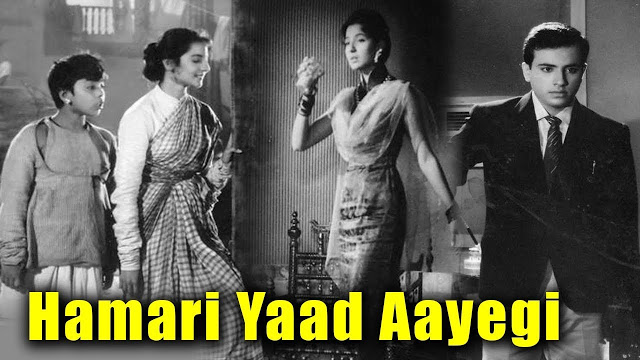
Song: Farishton ki nagari  Film: Hamari Yaad Aayegi 1961 Lyrics: Kidar Sharma Music; Snehal Bhatkar  Singer: Mukesh ( one version; Mubarak Begum) Beautiful song, excellent rendering by Mukesh. Kidar Sharma was a producer, director, lyricist- a doyen of the industry. Snehal Bhatkar was a sensitive composer, but did not promote or market himself into prominence.  This song was picturised on a novice, so did not get the prominence it deserved.  

மறையும் கிராமங்கள்   எத்தனை அருமையான பாடல்! கிராமப்புறக் காட்சிகளை அப்படியே விவரிக்கிறது. 70/75 வயதான நம்மில் பலர் இத்தகைய இடங்களிலிருந்து வந்தவர்கள் தாமே! இத்தகைய காட்சிகளை தினமும் கண்டவர்கள் தாமே! ஷிரீன் -ஃபர் ஹாத் என்பவர்கள் லைலா-மஜ்னு போன்ற காதல் ஜோடி-வட இந்தியாவில்  பிரபலமாக இருப்பது. இங்கு நம் ஹீ ரோவுக்கு ஒவ்வொரு கிரமப்புற ஜோடியும் ஷ்ரீன்-ஃபர் ஹாத் ஆகத் தெரிகிறது. அதேபோல் இங்கிருக்கும் மாடுமேய்க்கும் இளைஞர்கள்  க்ருஷ்ணன்-ராதா போல் தெரிகின்றனர்.   நம் கிராமப்புறங்களில் இத்தகைய காதல் ஜோடிகள் இல்லாமல் இல்லை. இதெல்லாம் மிகைப்படுத்திச் சொல்லப்பட்டதோ? இத்தகைய இடங்களிலிருந்து வந்தவர்கள் (அடியேன் உட்பட) அப்படி நினைக்கவில்லை. இதெல்லாம்  நாம் கண்ட காட்சிகள்.     இன்று  இத்தகைய கிராமங்கள் இல்லை, ஒவ்வொரு நகரமும் விரிந்து, பல கிராமங்களை விழுங்கி வருகின்றன. பெங்களூரில் சில பகுதிகள் கிராமப்புறங்களாக இருந்து  Bangalore Rural  என்று ஒரு ஜில்லாவே இருந்தது. இன்று இங்கு கிராமமே இல்லை என்று அரசு சொல்கிறது! இந்தியா முழுவதும் இதே நிலைதான். டிவி, செல்ஃபோன் வந்தபிறகு  நகரத்திற்கும்-கிராமத்திற்கும் இடையேயான வித்தியாசம் அளவிலேயே தவிர வகையில் இல்லை. Difference of degree, not of kind!  இருந்தாலும் நல்லவர்கள் எங்கும் இருக்கிறார்கள். நாடு முழுவதும் கெட்டுப்போகவில்லை. சென்ற கட்டுரையில் கண்டபடி எல்லாம்

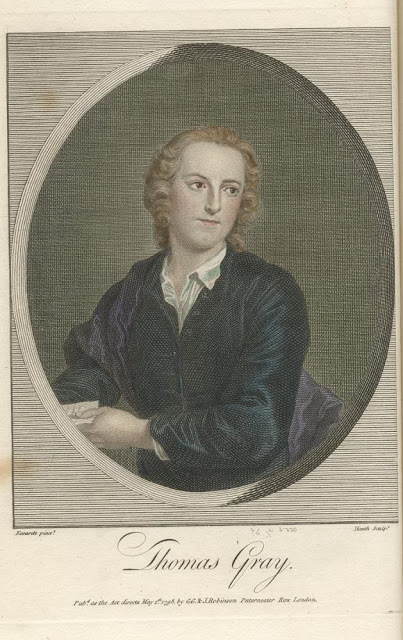
மோசமாகிவிடவில்லை. நல்ல இடங்கள், நிகழ்ச்சிகள் இருக்கின்றன, நல்லவர்கள் இருக்கிறார்கள். கவிஞர்களின் பார்வை வெவ்வேறாக இருப்பதால்  காட்சியும் மாறுபடுகிறது.    ஆங்கிலக் கவிஞர் தாமஸ் க்ரே  இத்தகைய ஒரு கிராமத்தை விவரிக்கிறார்:  


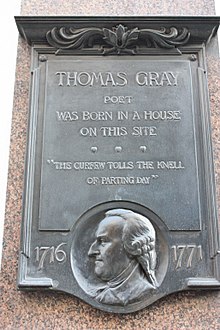
Elegy Written in a Country Churchyard BY THOMAS GRAY 1751   The curfew tolls the knell of parting day,          
The lowing herd wind slowly o’er the lea,
The plowman homeward plods his weary way,    
      And leaves the world to darkness and to me.
  Now fades the glimm’ring landscape on the sight,         
 And all the air a solemn stillness holds, Save where the beetle wheels his droning flight,        
  And drowsy tinklings lull the distant folds;  
Beneath those rugged elms, that yew-tree’s shade,          
Where heaves the turf in many a mould’ring heap, Each in his narrow cell for ever laid,          
The rude forefathers of the hamlet sleep.  
The breezy call of incense-breathing Morn,        
  The swallow twitt’ring from the straw-built shed,
The cock’s shrill clarion, or the echoing horn,        
  No more shall rouse them from their lowly bed.  
Full many a gem of purest ray serene,        
  The dark unfathom’d caves of ocean bear:

Full many a flow’r is born to blush unseen,         
 And waste its sweetness on the desert air.

  ஆம், நம்மில் பலர் இத்தகைய இடங்களிலிருந்து தான் வருகிறோம் . நம் குலத்துப் பெரியவர்கள் அங்குதான் வளர்ந்து, வாழ்ந்து இன்னமும் ஆத்ம சக்தியாக விளங்கிக் கொண்டிருக்கிறார்கள்.  

  Yes, that is where “forefathers of the hamlet sleep”.  That India is also true, not only the one described by Sahir Ludhianvi. Some poets do not want to see the real India, its ticking soul!  


—xxxxx—

மஹரிஷி ஜாபாலி! -Part 1(Post No.7838)

WRITTEN BY S NAGARAJAN                     

Post No.7838

Date uploaded in London – – 17 April 2020

Contact – swami_48@yahoo.com

Pictures are taken from various sources for spreading knowledge; this is a non- commercial blog. Thanks for your great pictures.

மஹரிஷி ஜாபாலி பற்றிய மூன்று கட்டுரைகளில் இது முதல் கட்டுரை!

மஹரிஷி ஜாபாலி! -1

ச.நாகராஜன்

ஜாபாலி என்ற பெயரில் நான்கு மஹரிஷிகள் இருப்பதை புராண, இதிஹாஸங்களில் காண்கிறோம்.

நாம் இங்கு ராமாயண காலத்து மஹரிஷியான ஜாபாலி குறித்து மட்டும் பார்ப்போம்.

தசரதரின் அரசவையில் எட்டு ரிஷிகள் இருந்ததாக வால்மீகி ராமாயணம் பால காண்டம் 48ஆம் ஸர்கத்தில் காண்கிறோம். சுயக்ஞர், வாமதேவர், ஜாபாலி, கஸ்யபர், வசிஷ்டர் போன்றோர் தசரதரின் அரண்மனையில் வசித்து வந்து அவருக்கு ஆலோசனைகள் கூறி வந்தனர்.

பரதன் ராமரை மீண்டும அயோத்திக்கு வருமாறு வேண்டிக் கொள்ள ஆரண்யம் சென்ற போது ஜாபாலியும் பரதனுடன் கூட வே சென்றார்.

அங்கு அவர் ராமரிடம் மீண்டும் அயோத்தி வருவதற்காகப் பல காரணங்களைக் கூறினார். இவையனைத்தும் ராமருக்கும் கோபத்தை உண்டு பண்ணின. ஒரு மஹரிஷியிடம் ராமர் கோபம் கொண்டது இந்த ஒரு தடவை தான் என்பதைப் பார்த்து வியக்க முடிகிறது.

ஏன் ராமர் கோபம் கொண்டார் எனில் ஜாபாலி ராமரிடம் கொண்ட அளவு கடந்த அன்பால் நாத்திக வாதம் பேச ஆரம்பித்தார்.

அதையெல்லாம் செவி மடுத்த ராமர் அஸத்தியத்தைப் பேசும் அவரது ஒரு வார்த்தையைக் கூடத் தன்னால் ஏற்றுக் கொள்ள முடியாது என்று திட்ட வட்டமாகத் தெரிவித்தார்.

அது மட்டுமல்ல,

“விஷமபுத்தியைக் கொண்ட உம்மை எனது தந்தையார்  தமது சேவையில் சேர்த்துக் கொண்டார் என குற்றம் சாட்டுகிறேன். இப்படிப்பட்ட தவறுதலான வழிகாட்டும் புத்தியால் உண்மையை விட்டு விலகும் நாஸ்திகத்தில் நீர் வீழ்ந்து விட்டீர்” என்று கடுமையான வார்த்தைகளையும் ராமர் கூறுகிறார்.

“நிந்தாம்யஹம் கர்ம பிது: கர்தும் த

த்யஸ்த்வாமாஹ்ரிநாத்ய விஷமஸ்த புத்திம்

புத்தயாநயைர்ஏவம் வித்யயா சரந்தம்

சுநாஸ்தீகம் தர்மர்பயாதபேதம் ||

निन्दाम्यहं कर्म पितुः कृतं त |
द्यस्त्वामगृह्णाद्विषमस्थबुद्धिम् |
बुद्ध्यानयैवंविधया चरन्तं |
सुनास्तिकं धर्मपथादपेतम् || २-१०९-३३

33. aham = I; nindaami = accuse; tat = that; karma = act; kR^itam = done; pituH = by my father; tvam aagR^ihNaat = in taking you into his service; yaH = you; viSamastha buddhim = with your misleading intelligence; charantam = moving; evam vidhayaa = with this type; buddhyaa = of intelligence; sunaastikam = a firm atheist; apetam = fallen; dharma pathaat = from the true path.

“I accuse the act done by my father in taking you into his service, you with your misleading intelligence, a firm atheist fallen from the true path.”

இப்படி ராமரைக் கோபமுறை வைத்த அவர் பேசிய நாத்திக வாதம் என்ன என்பதை அடுத்த கட்டுரையில் பார்ப்போம்.

ஜாபாலி பற்றி மஹாபாரதம், அநுசாஸன பர்வத்தில் நான்காம் அத்தியாயத்தில் 55வது ஸ்லோகத்தில் ,”அவர் விஸ்வாமித்திரரின் புதல்வர்களில் ஒருவர்” என குறிப்பிடுகிறது.

ஆனால் அவர் வசிஷ்டரிடம் சிஷ்யராக இருந்து பாடம் கேட்டார். (வசிஷ்டருக்கும் விஸ்வாமித்திரருக்கும் இடையே உள்ள போட்டி, பகையை நினைத்தால் இது சற்று ஆச்சரியமாகத் தான் இருக்கும்!)

வியாஸர் வேதத்தை நான்காக வகுத்து அதர்வண வேதத்தை சுமந்துவுக்குக் கற்பித்தார். சுமந்து தனது சிஷ்யர் கபந்தருக்குக் கற்பிக்க, அவர் அதை இரண்டு பகுதிகளாக்கி  தமது இரண்டு சிஷ்யர்களான தேவதர்ஸருக்கும் பத்யருக்கும் கற்பித்தார்.

தேவதர்ஸர் தனது சிஷ்யர்களான மகதர், ப்ரஹ்மபாலி, சௌத்காயனி ஆகியோருக்கு இதைக் கற்பிக்க பத்யர் தமது பங்கிற்கு தான் கற்றதை ஜாபாலி, குமுதர், சௌனகர் ஆகிய மூவருக்குக் கற்பித்தார்.

ஆக ஜாபாலி அதர்வண வேதத்தில் நிபுணர் என்பது தெரியவருகிறது. இந்தத் தகவல்களை விஷ்ணுபுராணம் மூன்றாம் அம்சத்தில் தெரிவிக்கிறது.

வால்மீகி ராமாயணத்தில் பட்டாபிஷேக ஸர்க்கத்தில் (யுத்த காண்டம் 131வது ஸர்க்கம், 60ஆம் ஸ்லோகம்) ராமரின் பட்டாபிஷேகத்தின் போது அந்த நிகழ்வில் கலந்து கொண்டு ஆசி கூறிய ரிஷிகள் எண்மர். வசிஷ்டர், வாமதேவர், ஜாபாலி, காஸ்யபர், காத்யாயனர், சுயக்ஞர், கௌதமர், விஜயர் ஆகிய இந்த எண்மரில் ஜாபாலியும் ஒருவர். இவர் ராமரின் மீது கொண்ட பேரன்பாலேயே அவர் அயோத்திக்கு மீண்டும் வர வேண்டும் என்ற ஆசையினாலேயே நாத்திகவாதத்தை முன் வைத்தார் என்று கொள்ள வேண்டியிருக்கிறது.

ஜாபாலி வாதம் இன்றைய நாஸ்திகர்களுக்கு பெரிதும் பிடித்த வாதம்.

அதை அடுத்துக் காண்போம்.

** தொடரும்

தமிழ் குறுக்கெழுத்துப் போட்டி 1642020 (Post No.7837)

WRITTEN BY LONDON SWAMINATHAN

Post No.7835

Date uploaded in London – 16 April 2020   

Contact – swami_48@yahoo.com

Pictures are taken from various sources for spreading knowledge; this is a non- commercial blog. Thanks for your great pictures.

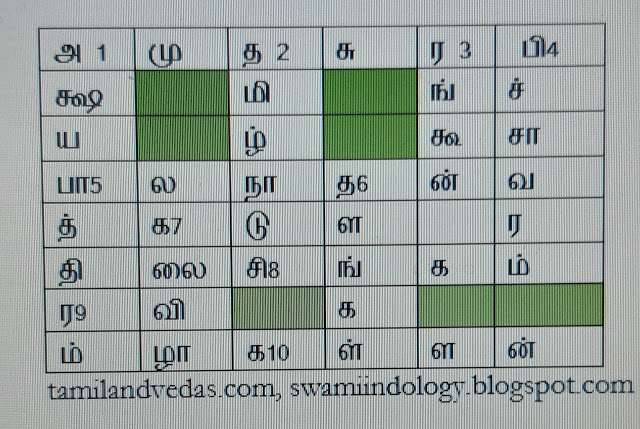
குறுக்கே

1.—(6) – மணிமேகலைக்குக் கிடைத்த பாத்திரம்; எடுக்க எடுக்க குறையாது உணவளிக்கும் கலம்.

5. – (5) இலங்கையில் பிரபலமான பெயர்; சுருக்கம் பாலு; திரைப்பட டைரக்டர் பாலு மகேந்திராவின் முதல் பெயர்

8. -(4)- தமிழில் அரிமா

9.– (2) தமிழில் பகலவன்

10. (4)  திருடன்; களவு செய்பவன்

கீழே

1. – (8) திரவுபதிக்குக் கிடைத்த பாத்திரம்; எடுக்க எடுக்க குறையாது உணவளிக்கும் கலம்.

2.– (5) – இந்தியாவின் தென் கோடி மாநிலம்

3.– (4) பர்மாவின் தலைநகர்

4.–(6)- சிதம்பரம் அருகிலுள்ள சதுப்பு நிலக்காடுகள் ; படகு சவாரி செய்யலாம்; கடல் வரை செல்லலாம்

6.–(5)- ராணுவங்கள் அமைக்கும் தாக்குதலமைப்புக்கள்

7. – ஆண்டுதோறும் பல இடங்களில் நடக்கும். நடனம் நாடகம், நாட்டுப்புற இசை, ஆடல், பாடல் அனைத்தும் நிகழும்

XXXXXX

Bankers are Eagles- Abraham Lincoln (Post No.7836)

Compiled  BY LONDON SWAMINATHAN

Post No.7836

Date uploaded in London – 16 April 2020   

Contact – swami_48@yahoo.com

Pictures are taken from various sources for spreading knowledge; this is a non- commercial blog. Thanks for your great pictures.

Stocks and Bonds Anecdotes

During the hectic days following the crash of 1929, many discussions of the whys and wherefores were overheard along Wall Street. One of the more honest and direct explanations of his plight was the following:

I hear that you lost quite a lot of money in the crash.

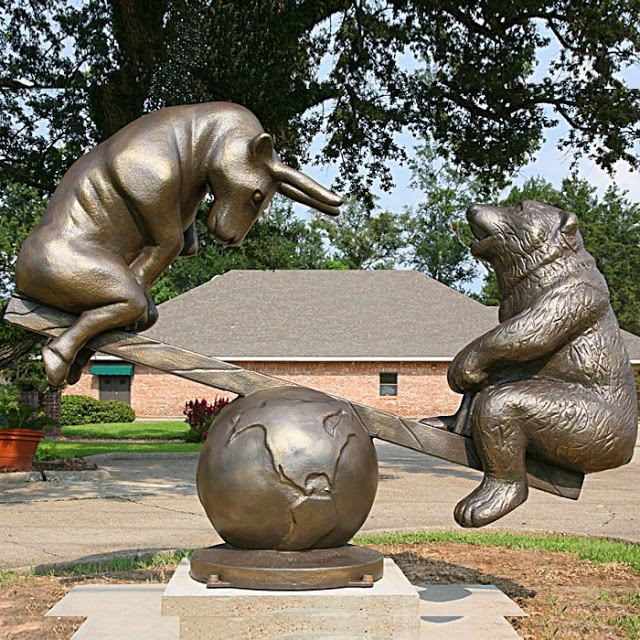
Were you a bull or a bear?

Neither, just a plain, simple jackass.

(The term “bull market” refers to a stock market that has been rising; a “bear market” is one where prices have been falling. … When it comes to individual investors, a “bull” expects stocks to rise, while a “bear” acts on the assumption they will fall.

Jackass – A Stupid Person.)

Xxx

Please Buy, Buy!

A stock broker suffering a slight nervous breakdown from the constant pressure of fluctuating business, was taken to hospital to rest.

While more or less in a daze, his nurse say, as she handed the patient’s chart to the doctor,

Temperature today 102.

Weakly the broker raised his head and said,

When it reaches 100-5, sell, then wearily fell back against his pillow.

Xxx

Bankers Meeting with Lincoln

The Hon.Hugh McCulloch, Secretary of the Treasury during Lincoln’s second term, was once announced with a delegation of New York bankers. As the party filed into the room, he proceeded them and said to the president, in a low voice,

These gentlemen from New York have come on to see the Secretary of the Treasury about our new loan. As bankers they are obliged to hold our national securities. I can vouch for their patriotism and loyalty, for, as the good Book says,

“Where the treasure is , there will the heart be also.”

To which Lincoln quickly replied,

There is another text Mr McCulloch I remember, that might equally apply,

“Where the carcass is there will the eagles be gathered together”.

Xxx

You hang People without ID!

Judge Giles Baker of a Pennsylvania county was likewise cashier of his home bank. A man presented a cheque one day for payment. He was a stranger. His evidence of identification was not satisfactory to the cashier.

Why, judge, said the man, I have known you to sentence men to be hanged on no better evidence than this!

Very likely, replied the judge. But when it comes to letting go of cold cash we have to be mighty careful.

Tags — bankers, stocks, bonds , anecdotes

Xxx Subham xxxx