Pictures are taken from various sources for spreading knowledge; this is a non- commercial blog. Thanks for your great pictures.
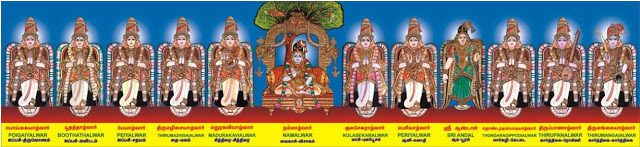
பொய்கை ஆழ்வாரின் அற்புத சொல்வீச்சு
சம்ஸ்க்ருதத்தில் பாணினி என்ற இலக்கண வித்தகனும் தமிழில் தெய்வப்புலவர் திருவள்ளுவனும் சொற்களைக் குறைவாகப் பயன்படுத்தி நிறைய பொருள்களை வழங்கினர்.
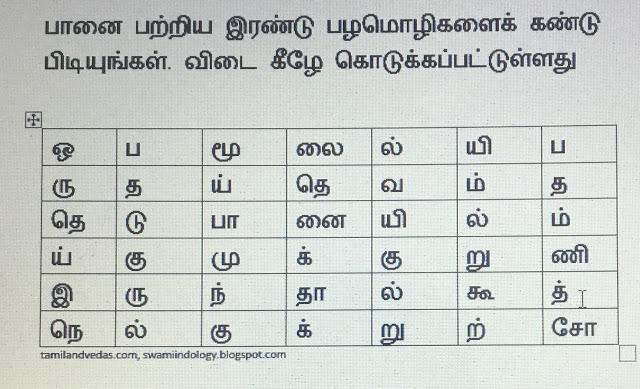
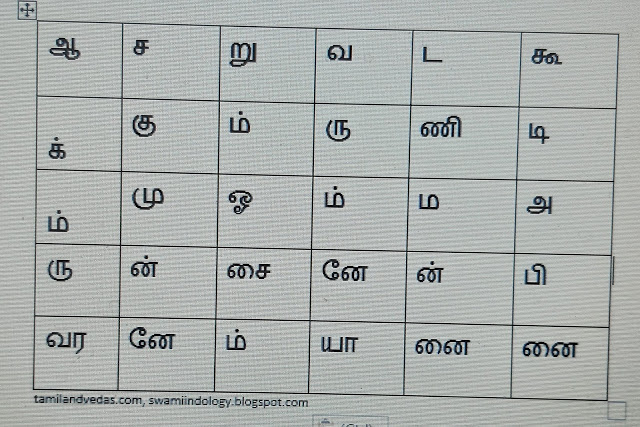
‘சுருங்கச் சொல்லி விளங்க வைத்தல்’ (Brevity is the soul of wit) என்ற கலையில் வல்லவர்கள் . அவ்விருவரும் . அவர்களுக்குப் போட்டியாக வருகிறார் பொய்கை ஆழ்வார். இவர் கி.பி ஐந்தாம் அல்லது ஆறாம் நூற்றாண்டைச் சேர்ந்தவர் . அவர் பாடிய ஒரு பாடலில் கிருஷ்ண பரமாத்மாவின் பத்து லீலைகளை அடுக்கி, அந்த பத்து லீலைகளுக்கும் விளக்கம் தரும் வினைச் சொற்களை (Verbs) தனியே அடுக்குகிறார்
ஒரு சிறுவனுக்கு அவனது பாட்டியோ, அம்மாவோ கிருஷ்ணனின் பத்து லீலைகளையும் விவரித்துக் கூறு வதற்கு சிலமணி நேரமாவது ஆகும். ஆனால் பொய்கையை ஆழ்வாரோ ஒரே மூச்சில் சொல்லி விடுகிறார். வானவில்லின் ஏழு நிறங்களை நினைவிற் வைத்துக்கொள்ள, பள்ளிக்கூட விஞ்ஞான ஆசிரியர்கள் ‘விப்ஜியார்’ VIBGYOR என்ற ஆங்கில (Acronym) எழுத்தை சொல்லித் தருவார். அதிலுள்ள ஒவ்வொரு எழுத்துமொரு வண்ணத்தைக் குறிக்கும். அதேபோல பொய்கை ஆழ்வார் சுருக்கெழுத்தில் பத்து வினைச் சொற்களைத் தொடுக்கிறார். இதோ முதல் திருவந்தாதியில் வரும் அந்தப் பாசுரம் :–
கொம்பை முறித்து , பசுக்கள் மேய்த்து, குருந்த மரத்தை முறித்து, புல்லின் வாய் பிளந்து, குரவை கோத்து குடக் கூத்தாடி, , பூதனையின் முலையை உண்டு, மல்லர்களைக் கொன்று , மலையை எடுத்துப் பிடித்து அரியன செய்தவன் திருமால்.
விளக்க உரை
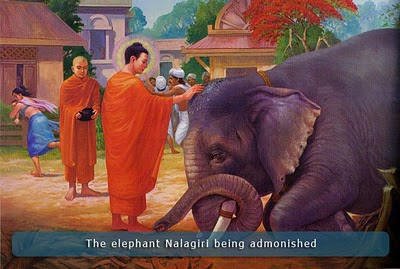
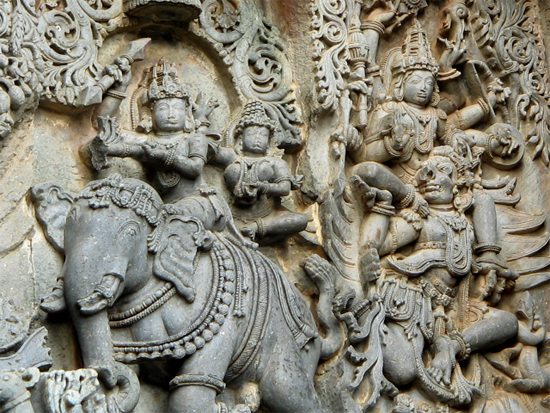
செந்தாமரைக் கண்ணனாகிய அவன் மறைவு இன்றி காளிய நாகத்தை விட்டடித்தும் ,ஏவி விடப்பட்ட குவளயா பீடம் என்ற யானையின் தந்தத்தை முறித்து அதைக் கொன்றும் , பசுக்களை மேய்த்தும், குருந்த மர வடிவில் வந்த அசுரனை ஒடித்து அழித்தும், பகாசுரன் வாயைப் பிளந்தும், இடையர் குலப் பெண்களோடு கை கோர்த்து குரவை ஆடியும் , குடங்களை தலையில் வைத்து ஆடியும், கொல்ல வந்த பூதனையின் முலையை உறிஞ்சி அவளைக் கொன்றும் , கம்சனால் ஏவப்பட்ட மல்லர்களைக் கொன்றும் , இடைக்குல மக்களை பெரும் மழையிலிருந்து காப்பாற்ற கோவர்த்தன மலையையே குடையாகப் பிடித்தும் அருள் பாலித்தான் .
ஸ்ரீ காஞ்சி பிரதிவாதி பயங்கரம் அண்ணங்கராசாரியார் எழுதிய
விளக்க உரை
ஈற்றடியில் ‘எடுத்த’ என்றது –’ அன்’ சாரியை பெறாத பலவின் பாற்பெயர்; சாரியை பெறின் ‘எடுத்தன’ என நிற்கும். இப் பாட்டில், அரவு முதலிய பெயர்ச்சொற்கள் ‘விட்டு’ முதலிய வினைச் சொற்களை முறையே சென்று இயைதலால் முறை நிரனிறையாம்; இதை வடமொழியில் ‘யதாஸங்க்யாலங்காரம்’ என்றும், தென்மொழியில்’ நிரனிறையணி’ என்றும் அலங்கார சாஸ்திரிகள் கூறுவர்.
English Translation
The Lord reveals himself in his various acts; he let go the snake kaliya, killed the elephant kuvalayapida, graced the cows, broke the kurundu trees, ripped the bird’s beaks, danced the kuravai with Gopis, played with pots as an acrobat, drank the poison breast, wrestled with killers, and lifted the mount, Out senkammal Lord is he !”
Source :-
நாலாயிர திவ்ய பிரபந்தம்
பாணினியுடன் ஒப்பீடு
பாணினி சூத்ரம் ஒன்றை எடுத்துகாட்டக பார்ப்போம் :_
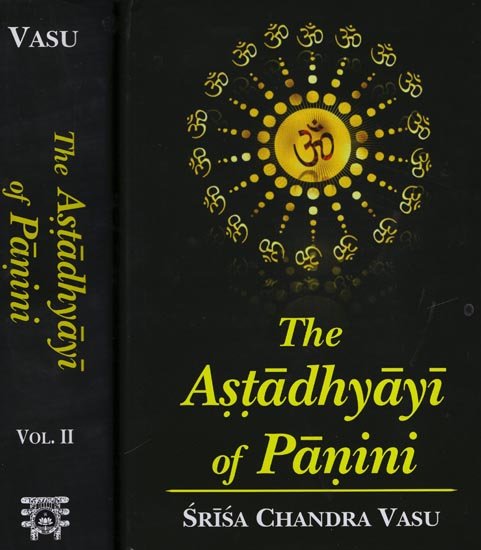
அஷ்டாத்யாயி 2-3-16
நமஹ ஸ்வஸ்தி, ஸ்வாஹா ஸ்வதா அலம் வஷட் யோகாத்ச
பிற் காலத்தில் வந்த விளக்க உரை –
நமஹ, ஸ்வஸ்தி, ஸ்வாஹா, ஸ்வதா, அலம், வஷட் ஆகிய சொற்களோடு
நிற்கும் பெயர்ச் சொல்லோடு நான்காம் வேற்றுமை உறுப்புகளை இணைக்கவேண்டும்
எடுத்துக் காட்டுகள் —
நமோ தேவேப்யஹ – வணக்கம் தேவர்களுக்கு
சுவாஹா அக்நயே – அர்ப்பணம் அக்கினிக்கு
ஸ்வஸ்தி ப்ரஜாப்யஹ – நன்மை குடிகளுக்கு = குடிகளுக்கு நன்மை உண்டாகட்டும் .
ஸ்வதா பித்ருப்யஹ – அர்ப்பணம் பித்ருக்களுக்கு
அலம் , பிரபு, க்தஹ – மல்லோ மல் லாய= மல்லனுக்கு மல்லன் ஏற்றவன்- சரியான ஜோடி
வஷட் அக்நயே – அக்கினிக்கு இது
Source book
பாணினியின் அஷ்டாத்யாயி, பகுதி 1, முனைவர் கு.மீனாட்சி , உலகத் தமிழாராய்ச்சி நிறுவனம், சென்னை, 600 113
Pictures are taken from various sources for spreading knowledge; this is a non- commercial blog. Thanks for your great pictures.
ஹிந்தி படப் பாடல்கள் -37- பறவையிடமிருந்து கற்போம்!
R. Nanjappa
பறவையிடமிருந்து கற்போம்!
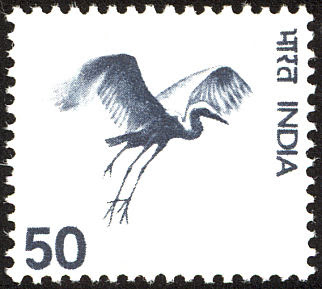
பறவைகளைக் கண்டால் நமக்கெல்லாம் ஒரு சந்தோஷம்- இனம் புரியாத மகிழ்ச்சி! நீல வானில் சிறகடித்துப் பறக்கும் பறவைகள் போல நாமும் சுதந்திரமாகத் திரிய மாட்டோமா என்றிருக்கிறது! நமது வேத கால ரிஷிகள் பறவைகளையும் இரண்டு கால் உயிர்கள் என்று மனிதனுடன் சேர்த்து எண்ணினர்-அவற்றுக்காகவும் பிரார்த்தனை செய்தனர் :- “ஸம் நோ அஸ்து த்விபதே”.
காக்கை குருவி எங்கள் ஜாதி என்று பாடினார் மஹாகவி பாரதியார்.
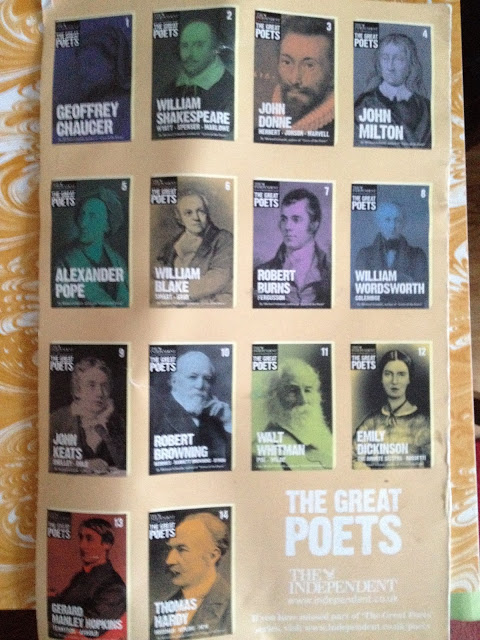
ஆங்கிலக் கவி ஜான் கீட்ஸ் நைட்டிங்கேல் பறவைவயைக் கண்டு, அதன் குரலைக் கேட்டு வியந்து பாடினார், வாழ்க்கைத் தத்துவத்தையே :அதற்குள் புதைத்து வைத்தார்:
Thou wast not born for death, immortal Bird!
No hungry generations tread thee down;
The voice I hear this passing night was heard
In ancient days by emperor and clown:
Perhaps the self-same song that found a path
Through the sad heart of Ruth, when, sick for home,
She stood in tears amid the alien corn;
The same that oft-times hath
Charm’d magic casements, opening on the foam
Of perilous seas, in faery lands forlorn. (7)
John Keats: Ode To A Nightingale, 1819
நம் திரைக் கவிஞர்களும் பறவையை வைத்துப் பாடாமலிருப்பார்களா? இதோ இரண்டு பாடல்கள்.
ओ दिल ये चाहे बहारों से खेलूँ ओ गोरी नदिया की धारों से खेलूँ ओ चाँद सूरज सितारों से खेलूँ ओ अपनी बाहों में आकाश ले लूँ बढ़ती चलूँ गाती चलूँ अपनी लगन में आज मैं आज़ाद…
ओ मैं तो ओढूँगी बादल का आँचल ओ मैं तो पहनूँगी बिजली की पायल ओ छीन लूँगी घटाओं से काजल ओ मेरा जीवन है नदिया की हलचल दिल से मेरे लहरें उठे ठंडी पवन में आज मैं आज़ाद…
Music: Shankar Jaikishan Singer: Lata Mangeshkar & Manna Dey
எத்தனை இனிய பாட்டு! அதற்கேற்ப கண்களை உறுத்தாத நடனக் காட்சிகள். நடனமாடுபவர்களின் விரசம் இல்லாத அங்க அசைவுகள் எப்படி இசையுடன் இழைகின்றன, பாருங்கள்!
உருதுக் கவிஞர் இனிய, எளிய ஹிந்தியில் அரிய கவிதை படைத்துவிட்டார்!
இனிய மெட்டில் இப்பாட்டை அமைத்திருக்கின்றனர் ஷங்கர் ஜெய்கிஷன்! இதற்கு அடிப்படை ஸ்காட்லாந்து
நாட்டின் “Comin’ Thro’ the Rye” என்ற நாட்டுப்புறப் பாடலாகும். நம் இசைவாணர்கள் இது பூபாளிராகத்தில்भूपालीஅமைந்த பாடல் என்பார்கள்! இரண்டும் கலந்து நம்மை மயக்க வைக்கும் பாடல்!
ஒரு பறவை எப்படிக் கற்பனையைத் தூண்டிவிட்டது!
What we call a ‘feel good” song!
மற்றொரு பாடல்
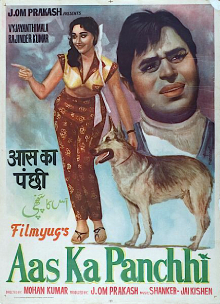
தில்மேராஏக்ஆஸ்காபஞ்சி
dil meraa ek aas kaa panchhi, udtaa hai unche gagan par pahunchegaa ek din kabhi to chaand ki ujli jameen par dil meraa ek aas kaa panchhi, udtaa hai unche gagan par
ye duniyaa hai naujawaanon ki, zamaanaa hai naujawaanon kaa hawaayen bhi gungunaati hain, taraanaa ham naujawaanon kaa badlegi ek din ye hasti, chamkegaa ek din muqaddar aayegaa jhoomtaa saberaa, jeewan mein roshni ko lekar dil meraa ek aas kaa panchhi,
kabhi manzil bhi mil jaayegi, abhi to har aas baaki hai ummmeedon par naubahaaren hain, jahaan tak ye saans baaki hai poori hogi har tamannaa, chhoo loongaa aasmaan ko badhkar chaahe to ruk naa sakegaa, duniyaa ke raaston pe chalkar dil meraa ek aas kaa panchhi,
Song: Dil mera ek aas ka panchi Film: Aas Ka panchi 1961 Lyrics: Hasrat Jaipuri
Music: Shankar Jaikishan Singer: Subir Sen
சுபிர் சென் பாடிய இன்னொரு அழகிய பாட்டு. ஹஸ்ரத் ஜெய்புரியின் மற்றொரு சிறந்த கவிதை. Feel good song.
இந்த உலகம் புதிய இளைஞர்களுக்குச் சொந்தமானது:- 61ல் எழுதிய இந்த வரி- இன்று உண்மையாகிவிட்டது! இன்று இந்தியாவின் மக்கள் தொகையில் 50% மேல் இருப்பவர்கள் 25 வயதிற்குக் கீழ் உள்ளவர்கள்! 35 வயதிற்குக் கீழ் உள்ளவர்கள் இந்தியாவின் ஜனத்தொகையில் 65% அதிகம்! இன்று ஊர் உலகமெல்லாம் பரபரத்துக் காணப்படுவதற்கு இதுவும் ஒரு முக்கிய காரணம்! அனால் நமது இளைஞர்களுக்கு இத்தகைய உயர்ந்த கனவோ, கற்பனையோ இருக்கிறதா ?
நம்பிக்கை என்னும் பறவை!
எதிர்காலத்தைப் பற்றிய நம்பிக்கை- இதை பறவையாகக் கற்பனை செய்த அமெரிக்க பெண் கவிஞர் எமிலி டிக்கின்ஸன் எழுதிய ஒரு கவிதை:
“Hope” is the thing with feathers-
That perches in the soul-
And sings the tune without words-
And never stops-at all-
And sweetest -in the Gale-is heard-
And sore must be the storm-
That could abash the little Bird
That kept so many warm-
I ‘ve heard it in the chillest land-
And on the strangest Sea-
Yet -never – in Extremity,
It asked a crumb- of me.
Emily Dickinson; published posthumously, 1891
அசல்செல்வம்
ஸ்ரீசந்திரசேகர் சிறிதுகாலம் பாரதப் பிரதமராக இருந்தார். அவர் பதவியேற்றபின் ஒரு சமயம் ஒரு பேச்சில் ஒரு கவிதை சொன்னார். இங்கு எமிலி டிக்கின்ஸன் எழுதிய சொற்களின் பிரதிபலிப்பாக இருக்கிறது!
mujhe dena gaize mein dhamkiyan
gire lakh bar ye bijiya(n)
mere sultanate ye aashiyaan
mere milkiyat ye char pankh
ஒரு இரவில் இடி, மின்னலுடன் , பலத்த காற்றுடன் கூடிய பெருத்த மழை. ஒரு சிறு பறவையின் கூடு கலைந்து விழுந்துவிடுகிறது. அச்சிறு பறவை மழையில் நனைந்து நடுங்கிக் கொண்டிருக்கிறது. அப்போது அது இடி, மின்னலை நோக்கி இந்தச் சொற்களைச் சொல்கிறது:
“நீங்கள்என்னைபயமுறுத்திப்பார்க்கிறீர்களா?
லட்சம்இடி–மின்னல்தான்விழட்டுமே!
என்வீட்டை, என்ராஜ்யத்தைத் தான்வீழ்த்துங்களேன்!
இதோஎன்இறக்கைகள்– என்னுடையஅசல்சொத்து!
இதுஇருக்கும்வரைஉங்களால்என்னசெய்துவிடமுடியும்?”
This embodies a great truth. So long as we keep our essential strength in tact, no external threat can harm us. If we remember the circumstances in which Chandrashekar became the Prime Minister, we will realise the true import of these lines.
நாம் பறவைகளிடமிருந்தும் நல்ல விஷயங்களைக் கற்றுக்கொள்ளலாம்!
****
tags — ஹிந்தி படப் பாடல்கள் -37, பறவையிடமிருந்து கற்போம்
Pictures are taken from various sources for spreading knowledge; this is a non- commercial blog. Thanks for your great pictures.
ப்ருஹத் கதா, கதா சரித் சாகரம் பற்றிய இரு கட்டுரைகளைத் தொடர்ந்து மூன்றாவது கட்டுரையாக இது அமைகிறது.
கதா சரித் சாகரத்தின் அமிர்த மொழிகள், அறிவுரைகள்!
ச.நாகராஜன்
சம்ஸ்கிருத அறிஞரான எல். ஸ்டெர்ன்பாக் (L.Sternbach) அவர்களுக்கு அவரது இரு நண்பர்களிடமிருந்து கடிதங்கள் ஒரு முறை வந்தன. ஏறத்தாழ இரண்டு கடிதங்களின் சாராம்சமும் கிட்டத்தட்ட ஒன்று தான்!
“நீங்கள் கிட்டத்தட்ட 25 புத்தகங்களை எழுதி இருக்கிறீர்கள். ஆனால் அதில் ஒன்று கூட படிக்கும்படியாக இல்லை! அதில் உள்ள விஷயங்களை விட கீழே அடிக்குறிப்புகள் தாம் அதிகமாக இருக்கின்றன! ஏன், ஒரே ஒரு முறையாவது எல்லோரும் படித்து அனுபவிக்கும் ஒரு புத்தகத்தையாவது நீங்கள் எழுதக் கூடாது?”
‘கேள்வி நல்ல கேள்வி தான்’ என்று ஒப்புக் கொண்ட ஸ்டெர்ன்பாக் , ‘Aphorisms and Proverbs in the Katha-Sarit-Sagara’ என்ற தனது நூலில் இந்தக் குறையை நிவர்த்திக்கப் போவதாக முன்னுரையில் தெரிவித்தார்.
ஆனால் பழக்க தோஷம் விடாதில்லையா, புத்தகத்தின் அறிமுக உரையில் மட்டும் அடிக்குறிப்புகளை வழக்கம் போலத் தந்து மகிழ்ந்தார்.
கதா சரித் சாகரத்தில் 21500 அறிவுரை அல்லது நீதிமொழி அல்லது சுபாஷிதம் போன்ற ஸ்லோகங்களில் சிலவற்றை மட்டும் தேர்ந்தெடுப்பது என்பது எவ்வளவு கஷ்டமான விஷயம்!
அதைச் சாதித்தார் அவர்.
சுமார் 50 அத்தியாயங்களில் 50 தலைப்புகளைத் தேர்ந்தெடுத்து அவற்றில் சுமார் 900 பொன்மொழிகளைத் தொகுத்தார்; அவற்றிலும் சிலவற்றை நீக்கி விட்டு 733ஐ மட்டும் ஆங்கிலத்தில் தந்தார். இரண்டு பாகங்களாக இவற்றைத் தர நினைத்த ஸ்டெர்ன்பாக் முதல் பாகத்தில் ஆங்கில சுபாஷித மொழிகளையும் அவற்றின் மூல ஸ்லோகங்களை சம்ஸ்கிருதத்தில் இரண்டாம் பாகமாகவும் வெளியிடத் திட்மிட்டார்..
(முதல் பாகம் – 1980 வெளியீடு; அகில பாரதீய சான்ஸ்கிரிட் பரிஷத், லக்னௌ).
இரண்டாம் பாகம் பற்றிச் சரியாகத் தெரியவில்லை.
முதல் பாகத்தில் உள்ளவற்றில் சிலவற்றை இங்கு பார்க்கலாம் – தமிழாக்கம் என்னுடையது : (புத்தகத்தைப் படிக்க வேண்டும் என்ற உந்துதல் ஏற்பட இவை உதவும் )
Gods : Even the gods are not successful without honouring Ganesa.
கடவுளர் : கணேசரைத் தொழாமல் கடவுளர் கூட வெற்றியடைவதில்லை.
Reincarnation : Everything depends upon the power of actions in a former life.
புனர்ஜென்மம் : முந்தைய ஜென்மத்தில் செய்த செயல்களின் சக்தியைப் பொறுத்தே அனைத்தும் இருக்கிறது.
3.Deeds : A person attains similarity to that which he thinks of.
செயல்கள் : ஒருவன் எதை நினைக்கிறானோ அதற்கு இயைந்தபடியே அமைகிறான்.
Fate : When Fate is turned against a man, everything in this world turns also.
விதி : விதி ஒருவனுக்கு எதிராகத் திரும்பி விட்டால் இந்த உலகில் அனைத்துமே அவனுக்கு எதிராகி விடும்.
Fate : It Is impossible to discern the mysterious way of destiny.
விதி : விதியின் மர்மமான வழியை நுணுகி அறிவதென்பது முடியாத காரியம்.
Fortune : (Fortune,) the fickle goddess, if she places her feet at the same time upon two exalted persons, cannot keep her footing long; she will certainly abandon one of the two.
அதிர்ஷ்டம் : (அதிர்ஷ்டம் என்னும்) நிலையற்ற தேவதையானவள், ஒரே சமயத்தில் புகழ் வாய்ந்த இருவரிடம் தன் காலைப் பதித்தாள் எனில், நெடு நேரம் அவள் தன் காலை அவர்கள் மீது வைத்திருக்க முடியாது; ஒருவரை அவர் விட்டு விடுவாள்.
Dharma : The righteousness does not sink.
தர்மம் : தர்மம் முழுகாது.
Wealth : Wealth, like an unreasonable cloud, suddenly comes and goes.
செல்வம் : செல்வம், ஒரு அறிவுக்கு கட்டுப்படாத மேகக் கூட்டம் போல திடீரென்று வரும், திடீரென்று போகும்.
Poverty : Poverty makes one steal.
ஏழ்மை : ஏழ்மை ஒருவனைத் திருடச் செய்கிறது.
The World : In this transient world nothing is permanent.
உலகம் : இந்த மாறுகின்ற உலகில் எதுவும் நிலையல்ல!
Death : Death is better than dishonor.
மரணம் : அகௌரவத்தை விட மரணமே மேல்.
Love : Love is more charming than one’s native home.
காதல் : ஒருவனின் சொந்த வீட்டை விட அதிக கவர்ச்சியானது காதல்!
Love : What is the lotus-bed without the swan, and what is the swan without the lotus-bed?
காதல் : தாமரை இல்லாத அன்னம் என்ன ஒரு அன்னம், அன்னம் இல்லாத தாமரை என்ன ஒரு தாமரை?
Women : There are some women born in good families, that, having heart virtuous and of transparent purity, become the pearls of ornaments of the earth.
பெண் : நல்ல குடும்பங்களில் பிறந்த சில பெண்மணிகள் இருக்கின்றனர். அவர்களது புண்ணியத்தாலும் பளிங்கு போன்ற தூய்மையாலும் பூமியின் ஆபரணமாக முத்தென அவர்கள் திகழ்கின்றனர்.
Women : Fickle is the mind of women!
பெண் : பெண்களின் மனம் நிலையற்றது!
Family : The meeting of relations in a foreign land is like a fountain of nectar in the desert.
குடும்பம் : அயல்நாட்டில் உறவினரைப் பார்ப்பதென்பது பாலைவனத்தில் அமிர்த ஊற்றைக் கண்டதற்கு நிகராகும்.
Man : What Is the use of profitless body that is dead even when alive.
மனிதன் : பயனற்ற உடல் இருந்து என்ன பயன், உயிரோடிருக்கும் போது இறந்ததற்குச் சமம் அது.
Great Man : Great men attain the title of great by struggling through great difficulties by the aid of resolution and accomplishing great things.
பெரியோர் : பெரியோர் பெரும் இன்னல்களைக் கடந்து தங்கள் உறுதியாலும், பெரிய விஷயங்களை அடைந்த்தும் பெரிய நிலையை அடைகின்றனர்
Goodness : Good and evil done by a man is made to return upon himself.
நல்ல தன்மை : ஒருவன் செய்த நல்லதும் கெட்டதும் அவன் மீதே திரும்பும்.
Goof Fortune : Good fortune is the result of virtue.
நல்லதிர்ஷ்டம் : நல்லதிர்ஷ்டம் புண்ணியத்தின் பயனே.
Association with the great : Association with the great produces benefit.
பெரியோர் கேண்மை : பெரியோர் தொடர்பு பெரும் நலன்களை உருவாக்கும்.
Firmness : Everything is accomplised by resolution.
உறுதி : அனைத்தும் உறுதியின் மூலம் அடையப்படுகிறது.
Perseverance : Even gods are pleased with perseverance.
விடாமுயற்சி : கடவுளர் கூட விடாமுயற்சியால் சந்தோஷம் அடைகின்றனர்.
Wisdom : A Wise man should not serve fools; he should serve wise men.
அறிவு : ஒரு புத்திசாலி முட்டாள்களிடம் பணி புரியக் கூடாது, அவன் புத்திசாலிகளிடமே பணி புரிய வேண்டும்.
Courage : Success depends upon courage.
தைரியம் : வெற்றி தைரியத்தைப் பொறுத்தே அமைகிறது.
Rumours : A general rumour, though false, injures even great men in this world.
வதந்தி : ஒரு சின்ன வதந்தி, அது தவறானதாக இருந்தாலும் கூட, பெரிய மனிதர்களை இந்த உலகில் பெரிதும் பாதிக்கிறது.
Hospitality Hospitality will not bear its fruit in the next world, its fruit is in this.
விருந்தோம்பல் : விருந்தோம்புவது அதன் பயனை மேல் உலகத்தில் தருவதில்லை; இந்த உலகத்திலேயே தருகிறது.
Patriotism : Love of dwelling in one’s mother country naturally draws everyman.
தேசபக்தி : தாய்நாட்டில் வசிப்பதென்பது ஒவ்வொரு மனிதனையும் கவர்ந்திழுக்கிறது.
tags – எல். ஸ்டெர்ன்பாக், கதா சரித் சாகர, அமிர்த மொழிகள்
Pictures are taken from various sources for spreading knowledge; this is a non- commercial blog. Thanks for your great pictures.
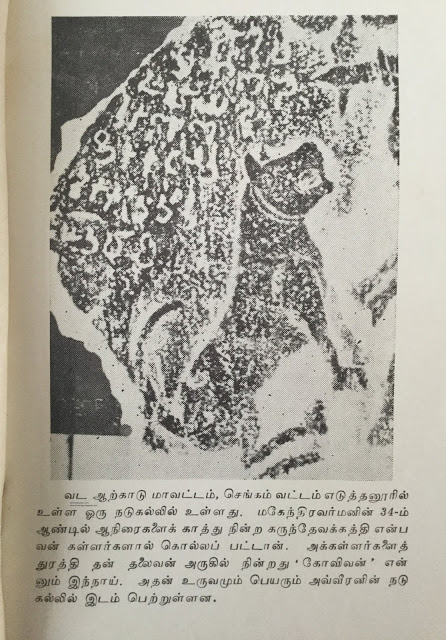
AROUND THE WORLD SEVERAL DOGS HAVE BEEN HONOURED FOR THEIR SERVICE IN THE ARMY AND PUBLIC LIFE. THEY WERE EVEN AWARDED MEDALS FOR THEIR SERVICE IN THE WORLD WARS. BUT TAMILS WERE THE FIRST TO ERECT A STATUE FOR IT 1400 YEARS AGO
Rig Veda dog SARAMA and Mahabharata Dog that walked with the Pandavas to death may be more famous; but we don’t have statues for them. Tokyo Dog Hachiko may have a statue in front of the railway station. But even before that Tamils sculpted a dog to say, ‘THANK YOU’.
Here are the details
Location – Eduthanur in Sengam area of North Arcot District, Tamil Nadu, India
Name of the Dog – KOVIVAN
Year of the Hero Stone Sculpture – 34th Regnal Year of Mahendra Pallava
Approximately 624 CE
Mahendra Varman was crowned in 590 CE while his father Simha Vishnu was alive. Historians calculate that he ruled for 39 years. This included the period while his father was officially the king.
THE STORY OF THE DOG
Why was it honoured in a Hero Stone?
A villager named Karundeva kathi was guarding the cattle of the village. Robbers came to take away the cattle and other property.
He fought with robbers heroically and the dog helped him in the fight. Unfortunately, he was killed along with the dog in the fight.
Grateful Tamils sculpted the dog in the Hero Stone and inscribed both the names of the dog and his master.
Sources book – SENGAM NADU KARKAL, DR R NAGASAMY, DIRECTOR OF ARCHAEOLOGY, TAMIL NADU, 1972
Tamil Poet Tiruvalluvar has composed ten couplets on gratefulness.
Valluvar says
A help rendered in time of need , however small it may be , should be regarded as much larger than even the world –
-Tirukkural 102
The value of help rendered without any expectation of recompense is larger than even the ocean .
-Tirukkural 103
The noble minded will remember for seven births the friendship of those who saved them from affliction.
-Tirukkural 107
There may be forgiveness for any sin but not for ingratitude.
-Tirukkural 110
The couplet 110 is in Sangam Literature book Purananuru verse 34, Valmiki Ramayana and Pancha Tantra stories of Vishnu Sarman.
16 Feb 2017 – Tamil and Vedas … In my article “ VEDIC DOG AND CHURCH DOG”, posted on 18 January 2013, I have explained the oldest reference to dog … Here are some stories about DOG BURIALS in Mesopotamia and Egypt!
19 Aug 2013 – Picture shows Sri Sathya Sai Baba with dogs. For other Dog stories and animal miracles, please read my earlier posts: 1.Animal Einsteins (Part …
20 Aug 2015 – Two dog and donkey stories illustrate this point. I posted… … Following story is from my post on 5 November 2013. Are the Mantras only for …
tags — Tamil dog, Hero Stone, Kovivan, Dog sculpture
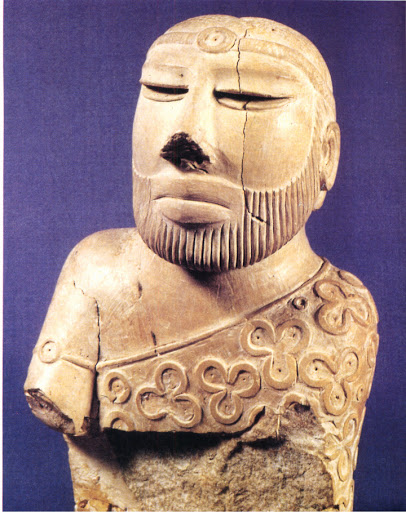
17 cm high Indus Valley Priest King Statue at Karachi Museum, Pakistan.
சிந்து- ஸரஸ்வதி நதி தீர நாகரீகத்தில் ஒரு கம்பீரமான யோகி அல்லது மன்னரின் (Priest King of Indus Valley) சிலை கிடைத்துள்ளது. சங்க இலக்கியத்தில் சொல்லப்படும் ‘நீலக் கச்சை பூவார் ஆடை’ அணிந்துள்ளார். தலையில் பொ ட்டு வைத்தது போல ஒரு பட்டம் கட்டியுள்ளார். கையில் கங்கணம் அணிந்துள்ளார்; ஒரு ஹிந்து யோகிக்குள்ள சர்வ லக்ஷணங்களும் உள; அழகான தாடி. ஆனால் ஐயனுக்கு மீசை இல்லை!!!
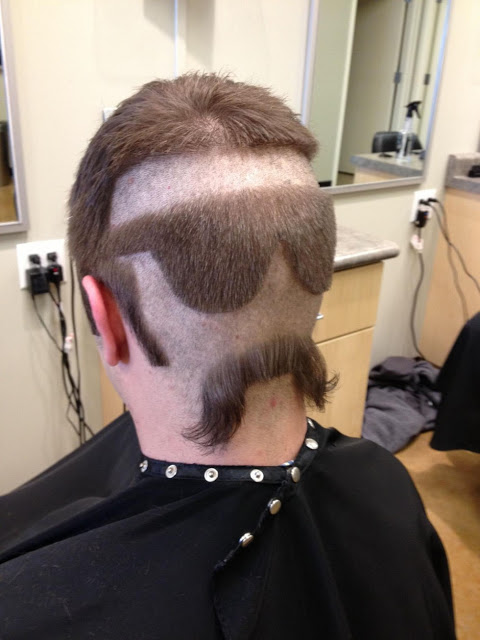
அதாவது மீசை உள்ள இடம் மட்டும் சிரைக்கப்பட்டுள்ளது ஏன் ?ஏன் ?ஏன் ? மத்திய கிழக்கு நாடுகளில் இப்படி ஒரு வழக்கம் இருந்ததாக சிலர் சொல்லுவர் .
குற்றம் செய்தவர்களின் கைகால்களை வெட்டுவது இந்துக்கள் கொடுக்கும் தண்டனை. மாறுகால் மாறு கை வாங்குவர்; அதாவது வெட்டி விடுவார்கள் .
‘செக்ஸ்’ (Sexual harassment) விஷயங்களில் ‘சில்மிஷம்’ செய்தால் மூக்கை வெட்டி விடுவார்கள். ராமனிடமும் லெட்சுமணனிடமும் வாலாட்டிய சூர்ப்ப நகையின் மூக்கை லெட்சுமணன் அறுத்ததை நாம் அறிவோம். மூக்கு உடைபட்டான் (Nose cut) என்ற மரபுத் தொடரையும் நாம் பயன்படுத்துகிறோம் .
பரிவட்டம்
தலைக்கு பட்டம் அல்லது பரிவட்டம் கட்டும் பழக்கம் இந்து புரோகிதர்களிடம் உண்டு. இன்றும் கோவில்களில் பரிவட்ட மரியாதை இருக்கிறது. யாக சாலைகளில் பிராமணர்கள் இப்படி பரிவட்டத்துடன் அமர்கிறார்கள்.
பிராமணர்கள் தங்கள் அடையாளத்தைக் காட்ட சிகையை (Tuft) வெவ்வேறு விதமாக அணிவார்கள் . சிதம்பரம் தீட்சிதர்கள் (முன் குடுமிச் சோழியர்கள்) , கேரள நம்பூதிரிகள் ஆகியோர் சிகைகளில் இந்த வேறுபாட்டைக் காணலாம். அஹிசாத்ரா (உ.பி.) விலிருந்து பரசுராமர் அழைத்து வந்த பிராமணர்கள் திரும்பிப்போகக்கூடாது என்பதற்காக அவர்களுடைய நடை, உடை, பாவனைகளை பரசுராமர் மாற்றிவிட்டதாக ‘கேரளோத்பத்தி’ என்னும் நூல் கூறும்.
ஆயினும் மீசை பற்றிய குறிப்புகளோ அதை உதட்டுக்கு மேல் சிரைக்கும் வழக்கம் பற்றிய குறிப்புகளோ இருப்பதாகத் தெரியவில்லை. இந்தப் புதிர் விடுவிக்கப்பட்டால் இன்னும் கொஞ்சம் தெளிவு பிறக்கும்
வேதகாலத்தில் தலை முடியை பின்னலாக பின்னிக்கொள்ளும் வழக்கம் இரு பாலரிடமும் இருந்தது. “கபர்தின்” (Kapardin) என்றால் மயிரைப் பின்னலாக செய்துகொண்டவர் என்று பொருள். பெண்கள் இரட்டைச் சடைப் பின்னலுக்குப் பதிலாக நாலு ஜடை பின்னல் அணிந்ததாக ரிக்வேதம் சொல்லும் (RV.10-114-3)
பூஷன், ருத்ரன் ஆகிய தெய்வங்கள் பின்னால் சடை அணிந்ததாக வேதம் சொல்கிறது
சீனிவாலி (Sinivalai) என்னும் தேவதை நப்பின்னை – ஸு கபர்தின் — என்று அழைக்கப்பட்டாள்.
.வசிஷ்ட மகரிஷி வம்சத்தினர் வலது பக்கம் பின்னல் அணிந்தனர் – ‘தக்ஷிணதஸ் கபர்த’ ; நேராக சடை தொங்கவிட்டதை ‘புலஸ்தி’ என்றனர்; ‘ஒபாச’ என்ற சொல் பெண்களின் கூந்தலைக் குறித்தது. இங்கும் சீ’னி வாலி’ என்னும் தேவதை ‘ஸ்வவபச’ என்று அழைக்கப்படுகிறார். ‘நப்பின்னை’ என்று பொருள் கொள்ளலாம். ; மேலும் ‘நெருக்கமாக’, ‘லூஸாக’ பின்னப்படும் கூந்தலுக்கும் தனித்தனி சொற்கள் உள்ளன.
மயிர் வெட்டும் தண்டனைகள்
சிந்து சமவெளியில் மேல் மீசையை சிரைத்த சிலையைப் போல மீசையை மட்டும் வெட்டுவது யவனர்களுக்குக் கொடுக்கப்பட்ட தண்டனை என்று புராணங்கள் கூறும். அல்லது தலை முடி முழுதும் சிரைக்கப்படும் என்று பிரம்மாண்ட புராணம் கூறுகிறது .
இமயவரம்பன் நெடுஞ்சேரலாதன்
இமயவரம்பன் நெடுஞ்சேர லாதன் , அட்டூழியல் செய்த யவனர்களைப் பிடித்து கையைப் பின்னால் கட்டி அவர்கள் தலையில் எண்ணையை ஊற்றி அவமானப் படுத்தியதாக ‘பதிற்றுப்பத்து’ என்னும் சங்க கால நூலும் பின்னர் எழுதப்பட்ட சிலப்பதிகாரமும் கூறும். மொட்டை அடித்து ஊர்வலமும் விட்டிருக்கலாம்
ஏனெனில் பழங்காலத்தில் மரண தண்டனை விதிக்கப்பட்டோரின் தலையை மொட்டை அடித்து முகத்தில் கரும்புள்ளி செம்புள்ளி குத்தி சிவப்புச் சட்டை போட்டு ஊர்வலமாக அழைத்து ச் சென்று தூக்கில் தொங்க விடுவார்கள். இதை சம்ஸ்கிருத நூல்களில் காணலாம்.
மஹா பாரதம்
மஹா பாரதத்திலும் மயிர் தண்டனை உளது. திரவுபதிக்குத் தீங்கிழைத்த ஜெயத்ரதனின் தலையை பீமன் பிறைச் சந்திரன் வடிவுள்ள அம்பைக்கொண்டு தாக்கினான். ஐந்து குடுமியை வைத்துவிட்டு மற்ற எல்லா மயிரையும் மொட்டை அடித்தான் . ஐந்து பாண்டவர்கள் ஞாபகார்த்தமாக ஐந்து குடுமி!!!.—மஹா பாரதம் 3-256-9
भल्लापवर्जितैस्तेषां शिरोभिः श्मश्रुलैर्महीम्| तस्तार सरघाव्याप्तैः स क्षौद्रपटलैरिव॥ ४-६३
bhallaapavarjitaisteShaa.n shirobhiH shmashrulairmahiim | tastaara saraghaavyaaptaiH sa kShaudrapaTalairiva || 4-63
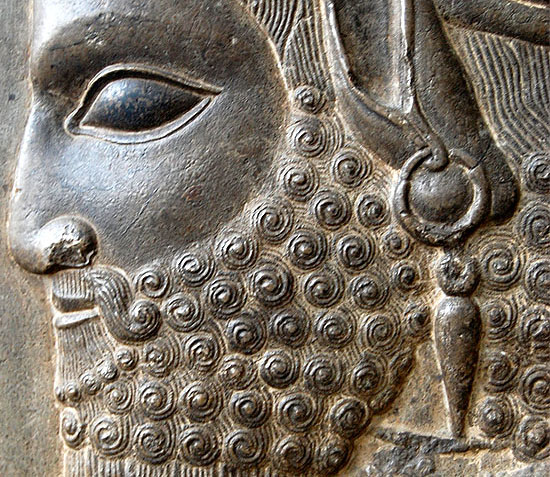
Raghu covered the ground with the bearded heads of westerners that are cut off with crescent-like arrows, as if they are the sheaves of honeycombs swarming with bees. [4-63]
—–FROM SANSKRITDOCUMENTS.ORG
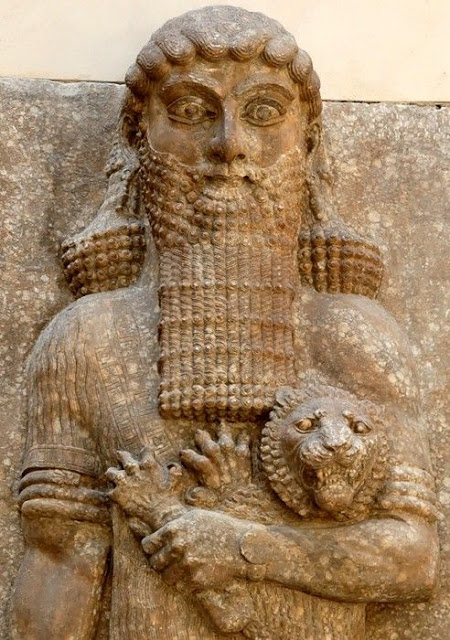
உலக மஹா கவி காளிதாசனும் ரகுவம்சத்தில் இதே உத்தியைக் கையாளுகிறான். ரகுவின் படைகள் பாண்டியர்கள், சேரர்களைத் தோற்கடித்த பின்னர் தரை மார்க்கமாக பாரசீகத்துக்கு – ஈரான் நாட்டுக்கு – செல்கிறது அவர்கள் தாடி தேன் கூடு போல சுருள் சுருளாக இருக்கும்.. அதை பீமன் போலவே பிறைச் சந்திர வடிவ அம்பால் வீழ்த்துகிறான் மாமன்னன் ரகு. ரோஜா போன்ற கன்னம் உடைய , மது குடித்த வாயுடனுள்ள பாரஸீக அழகிகள் முககங்கள் வாடின. பூமி முழுதும் தேன் கூடுகள் விழுந்தது போல பாரசீகர் தலைகள்!!! அவர்களை யவனர்கள் என்றே பாடுகிறான் காளிதாசன்.
நான் முன்னர் ஒரு கட்டுரையில் கூறியது போல வடமேற்கு திசையில் வசிக்கும், தமிழும் சம்ஸ்கிருதமும் பேசாத மிலேச்சர் அனைவரையும் சங்கத் தமிழ் நூல்களும் சம்ஸ்க்ருத நூல்களும் ‘யவனர்’ என்றும் ‘மிலேச் சர்’ என்றும் அழைத்தன. இமயவரம்பன் நெடுஞ்சேரலாதனைப் பாடி , யவனரை இகழ்ந்துரைத்த பார்ப்பனப் புலவர் குமட்டுர் கண்ணனும் நயனில் வன்சொல் யவனர்” என்று மட்டம் தட்டுகிறார். ஆக காளிதாசனும் “யவனர் மயிர் பற்றிப் பாடியதை பார்த்தோம்.
மயிர் என்பது அன் பார்லிமெண்டரி சொல் (Unparliamentary word) அல்ல. திருவள்ளுவரே இரண்டு குறள்களில் ‘மயிர்’ என்றே பாடுகிறார். அது மட்டுமல்ல. முத்தமிழில் — சங்க காலத்தில் — முடிதிருத்துனருக்கு தமிழ் ச் சொல்லே கிடையாது!!! அம்பட்டன், நாவிதன், மயிர் முதலியன ஸம்ஸ்க்ருதச் சொற்களே. முடி திருத்தும் கருவி என்பதும் சம்ஸ்கிருத சொல்லே!!
தலை முடியை ஒரு பக்கம் மட்டும் வெட்டுவது ஒரு தண்டனை ஆகும்.
பிராமணர்களுக்கும் க்ஷத்ரியர்களுக்கும் மரண தண்டனை கிடையாது. பிராமணர்களின் தலை மயிரை சிரைத்து அவமானப்படுத்துவர் இது தினசரி சாவது போன்றது ஒழுக்கத்தைப் போற்றும் பிராமணர்களுக்கு. ஒரு பிராமணன் தலையை மற்றோர் பிராமணன் சிரைத்த செய்தி ‘திக நிகாய ‘நூலில் உள்ளது.
ருக்மிணியின் சகோதரன் பெயர் ருக்மி. . அவனுடைய முடி, மீசை எல்லாவற்றையும் வெட்டித் தள்ளினான் கிருஷ்ணன் .இது பாகவத புராணத்திலுள்ளது .
ஏழாம் நூற்றாண்டு சமண மத நூலான ‘வராங்க சரித’த்தில் ஒரு காடசி வருகிறது; .தனக்குக் ,கீழ்ப்படியவேண்டும் என்று சக்ரவர்த்தி கடிதம் அனுப்புகிறான். அதைக் கையில் வாங்கிய குறு நில மன்னன் கடிதத்தைக் காலுக்கடியில் போட்டுத் தேய்த்துவிட்டு, கடிதம் கொண்டு வந்த தூதனின் தலையை ஒரு பாதி (Half Shaved Head) மட்டும் சிரைத்து அனுப்புகிறான்.
லாட (Bengal in India) தேசத்தில் சீக பாஹுவின் – சிம்ஹ பாஹு — மகன்கள் விஜயனும் அவனது தம்பியும் பொறுக்கமுடியாத அக்கிரமங்களைச் செய்கின்றனர். மக்கள் கதறி முறையிடவே விஜயன் மற்றும் அவன் சகோதரனின் தலை மயிரை பாதி சிரைத்துவிட்டு 700 பேருடன் கப்பலில் ஏற்றி நாடு கடத்துகிறான் அவன் இலங்கையில் வந்து இறங்கி, மதுரைப் பாண்டிய மன்னன் மகளை மணந்து சிங்கள ஆட்சியைத் துவங்குகிறான்.
இப்படி மயிர்க் கதைகள் அநேகம் இருக்கின்றன.!!!
SOURCE BOOK:
‘YONAS AND YAVANAS IN INDIAN LITERATURE’, KLAUS KARTTUNEN, FINNISH ORIENTAL SOCIETY, HELSINKI with my inputs from Tamil sources.
tags — மயிர், தண்டனை,சீனிவாலி, சிந்து சமவெளி, சிரைத்த மீசை,, யோகி
Pictures are taken from various sources for spreading knowledge; this is a non- commercial blog. Thanks for your great pictures.
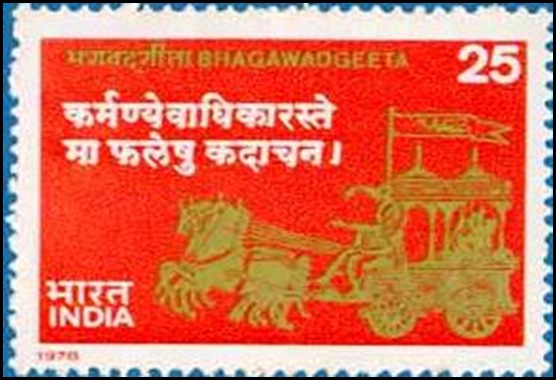
Bhagavad Gita on karma
The orthodox tradition banks on the performance of ‘karmas’. Karma here means the karmas prescribed in the smritis, following Veda. It is classified under various heads. Over the centuries, it has become a subject of great attraction, repulsion, complication and reform.
Bhagavad Gita talks of karma in some detail. But it also warns us: “Gahana karmano gati:” – it is difficult to understand the real nature of karma.The Gita teaching on karma can be stated in brief as under, without technicalities:
For people in the world, karma cannot be avoided. But karma creates bondage. So skill consists in performing karma, without getting into bondage! This is possible only if the desire and attachment to fruit of karma are avoided ie ‘kamya’ karma should be avoided. This is possible if karma is done as ‘yajna’ , without desiring the fruit. Karma then becomes karma yoga, and the fruit of it should be surrendered to Bhagavan.
Bhagavan clearly warns us that pundits will entice us with flowery words (“pushpitam vachaam” into many karmas.(“kriya vishesha bahulaam”){2.42-44} They may get us the higher worlds, but once their fruit is exhausted, we have to come back to this world! ( ksheenae punye, martyalokam visanti) They do not get us liberation.
Bhagavan also says Dana, Yajna, Tapas should not be given up. What does he mean by ‘yajna’ here, as he has warned us about Vedic karmas earlier? It is clear that he cannot mean those big yajnas which only the wealthy can do.
Pancha Maha Yajnas
In the Hindu view, every man born is subject to five debts and these have to be discharged by appropriate karmas, performed as yajna, usually called “pancha maha yajnas”. This is the only karma/yajna enjoined on every dwija but with a peculiarity: Their performance does not confer merit (punya), but non-performance constitutes demerit (papa)! So it has necessarily to be performed as a yajna- ie in discharge of duty, as servicing the debt- as laid down in the Gita itself!
The normal practice of Smartas in respect of performance of any karma is to make a sankalpa ( ie state explicitly the intention and determination) ‘ ‘Parameshwara preetyartam’ ( though other desires are added like ‘sarva mangala avaptyartam’, ishta kamyarta sidhyartam, etc) , and conclude it by dedicating its fruits to Bhagavan ” “Narayanayeti samarpayami, Om Tat Sat, Brahmarpanamastu”. Thus the true spirit of karma is already embedded in the ritual itself, but we have to do it consciously, not mechanically!
Samartha Ramadas on Yajna
This point has been subject to lot of discussions and controversy. Samartha Ramadas has explained it clearly:
It is the duty of Brahmins to perform yajna. But yajna here does not mean Srauta karmas like Vajapeyam, Atiratram, Soma Yajna, etc. It needs special qualifications to perform these yajnas. But by the mere fact of being born a brahmin, he has to discharge the pancha maha yajnas! Pandits usually explain karma/yajna in terms of Agnihotra, etc. They do not talk about pancha maha yajnas which involve service to human beings and other forms of life! But Jnaneshwar has explained yajna only in the sense of pancha maha yajna. In explaining the expression ” yajnashistashina santa: muchyante sarvakilbisher”, (third chapter of Gita) Bhagavadpada too talks of yajna only in the sense of pancha maha yajnas, and not Ashwamedha and such like.
(See: Swaminatha Atreyan: Sri Samartha Ramadas Charitam, Tamil, 2008, p 79-81 )
Sri Ramadas established this position clearly in an assembly of Pundits in Varanasi, by countering and defeating all contrary arguments..
Sri Bhagavannama Bodhendra ( who was the 59th Pontiff of Kanchi Shankara Mutt) too has established, on the basis of our Puranas and Sankara bashya on Sri Vishnu Sahasranama and Bhagavad Gita, that yajna does not mean the big yajnas like Ashvamedha, Vajapeya. These involve himsa, dravyantaram, purushantaram,desaniyamam, kala niyamam, prakara niyamam, etc. Any deficiency or imperfection or deviation in their performance brings bad or unintended consequences. These are almost impossible to perform in this yuga. And all these are after all kamya karmas, which are prohibited by the Gita.
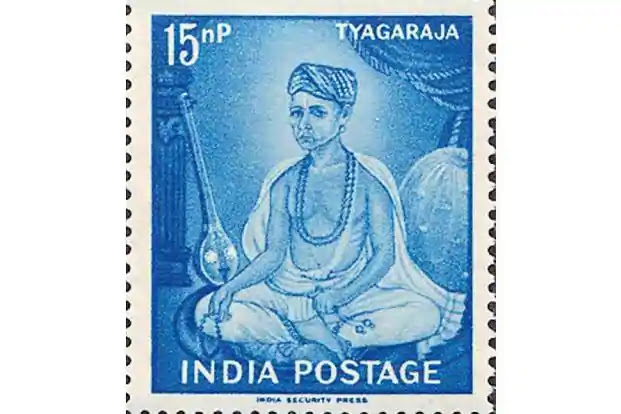
Society in Tyagaraja’s Times
Tyagaraja’s time was one of severe disturbances and disruption in socio-religious life of the Hindus. The smooth flow of Hindu dharma had been interrupted by Muslim invasions and rule; following them, the local rulers had lost their financial power and political independence, and were mutually antagonistic, even seeking support of Muslim sultans against one another, playing into the Muslim hands; the Europeans had come: Portuguese, Dutch,French, besides English; the Christian missionaries were very active. Through all this, the English asserted themselves and slowly made the local rulers dependent on them for support, effectively reducing their span of direct influence. The agriculturists were subject to great suffering. The Brahmin community suffered for want of support. (They could not earn money by following any other occupation, nor could they accept daana from all and sundry; but the traditional means of support were declining). Their greatest problem was regarding dharma: it became difficult to follow the varnasrama, and the Vedic karmas.
Rise of Nama Sidhanta
But what was the alternative? As we saw in previous postings, the Nama Siddhanta took root in Tanjore area in this period, but the old adherents of yajna karmas opposed it as being ‘anacharam’. Sri Bodhendra wrote his treatise “Sri Bhagavan Namamruta Rasodayam” providing a firm sastric base for Nama Sidhanta. He clearly stated:
kali kalmasha chittanam
papa dravya jeevinam
vidhi karma viheenaanaam
gati: Govinda kirtanam.
But still there were murmurs.
Tyagaraja has to be viewed in this background.
In his kritis, Tyagaraja has shown a clear way. First he tackles the Yajnavadins.
Yajna is for the Ignorant
YAJNADULU (Jayamanohari)
Yajnadulu sukhamanuvaariki samu lajnadulu galare Are there (other) ignorant people equal to those who say that yajnas are good? Sujnana daridra paramparula Such people come in paramparas which lack real jnana. Asura chittula jivatma himsukala Yajnadulu sukhamanuvaariki….. These people have the mentality of asura, and the yajnas involve jivahimsa.
No doubt the yajnas were prescribed in the Vedas. But the Vedic dharma changed through the Yugas. In the Kritayuga, it was dhyana, in Treta Yuga it was yajna, in Dwapara it was archana, puja. But in Kali? Yajnas are inappropriate.
Even as the Vedas prescribed yajnas, they were not for all- only for householders. And the very same Veda ( Kaivalyopanishad) also said that any amount of karma cannot lead to Liberation:
Na karmana, na prajaya dhanena tyagenaike amritatvamanasuh parena nakam nihitam guhayam, vibhrajate yadyatayo visanti vedanta vijnana sunischitarthah sanyasayogadyatayaha shuddha satvah te brahmaloke tu parantakale paramritat parimuchyanti sarve
Here are excerpts from a translation done by Major Chadwick, a staunch follower of Bhagavan Ramana, corrected by Ramana himself:
It is not by means of karma immortality is gained, Not even yet by offspring,nor possession of much gold, But by renunciation by some it is attained. The sages who their senses have all thoroughly controlled, Attain that Sat than which high heaven’s Supremacy is less,
Which ever doth within the Heart its radiance unfold. The Adepts by renunciation and one-pointedness Who have become both pure in heart and who have also known The certainty of that one Truth Vedanta does profess,
Attain Self-realization.
From: The Collected Works of Sri Ramana Maharshi, Sri Ramanasramam, 2007. Many terms in the original have deep meaning. For a sample of it, see Talks 511 and 513 (9 and 16 September 1938) in Talks with Sri Ramana Maharshi.
Bhagavan made us see yajna in a new light in the Gita: it is a means of interdependence between man and Devas for their mutual benefit. A man who enjoys what the Devas give without nurturing them in yajna is a thief. But he expanded the meaning of yajna beyond ‘dravya yajna’ to include tapo yajna, jnana yajna, etc! He said these karmas could give prosperity in this world and heaven after death; but once their effect is exhausted, we will have to take birth again. So, giving up kamya karma, one has to perform only ‘niyatam karma’, ‘karyam karma’ ie the ordained duties, that too as yoga, without desire, sankalpa, and attachment to fruit. And the only ordained duty is pancha maha yajna. But in course of time, we forgot the basics and got immersed in yajna karma for their worldly benefits. So Tyagaraja reminds us:
Vedoktam baukarmamu vedagalgu gathagathamau …..(Nee Bhakti Bhagya sudha) The ritual karmas prescribed in the Veda cause distress again and again.( ie by leading to repeated rebirths).
Acharya Shankara and Karma
Acharya Sankara identified man’s problem as Ignorance of his true state, and prescribed only Jnana as the remedy. He said any amount of karma cannot remove ajnana, as they are of the same category. But the embodied being cannot avoid karma altogether, so he has to do it for ‘chitta suddhi’ ie for purification of the mind. But people got attached to yajna/karma for their own sake or for the sake of material benefits, and forgot the adhyatmic goal. So Tyagaraja reminds us that those who are attached to yajnas are ignorant.
The pancha maha yajnas are meant for the welfare of all. including insentient beings, and have to be performed. But the other yajnas are undertaken due to desire, for showing off one’s status and wealth or for prestige, etc.
Raga lobha yuta yajnadulache Bhogamulabbutayadi padava………(Padavi nee) Is that a real status that is obtained by performing yajna accompanied by desire, stinginess,etc? These yajna karmas are performed, prompted by desire and a Rajasika disposition which is the result of one’s one past karma in many previous births:
Bahujanmambula vasanayutulai ahi visha sama vishayakrushtulai bahirananulai Tyagaraju bhajiyinchu Sri Ramuni deliyaka…….(Yajnadulu )
Due to the vasanas acquired in many past janmas, attracted by the sense-pleasures which equal the poison of serpents, ever with a gaze on the world outside, not knowing the truth of Rama worshipped by Tyagaraja, these people indulge in yajna. Are there other ignorant people to match them? The Gita says that the Vedic karmas are subject to the three gunas : Trigunya vishaya veda. (2.45) The object is to rise above them, to go and grow beyond them.
Karmas keep us in Samsara
Tyagaraja Swami says that it is not enough to perform various rites and rituals following karmakanda. Such acts make man sink deep in the forest of Samsara. God’s grace is required to get out of this.
When men followed the karmakanda, undertaking all the rites. desiring their fruit, and were wandering in the forest of Samsara, subject to untold suffering, Did not Rama come as a human Avatara and show them the correct path by his own conduct?
There is little doubt that yajnas are performed mostly for the sake of social prestige, and involve Rajo guna:
Bhuvilo bhogamula koragu Rajasamuna yagadulonarinchi yalayuvarula (Ninne nera) For the sake of enjoying bhogas, people endowed with Rajasa gunas perform yajnas in the world.
Do such yajnas please the Almighty? There is one nama (600) in Sri Lalita Sahasranama: Daksha yajna vinasini.It is known that Daksha performed the yajna due to his dhamba and Mother did not tolerate it but destroyed it! Bhagavan says in the Gita:
“I am rich and well-born. Who else is equal to me? I will perform yajna. I will give. I will rejoice.” Thus deluded by ignorance, Bewildered by many a fancy, covered by the meshes of delusion, addicted to the gratification of lust, they fall down into a foul hell. (From the translation of Swami Swarupananda, Advaita Ashrama) Such yajnas are only in name: ‘nama yajnai’ ( Gita: 16.17)
Sri Tyagaraja reminds us that we should not get addicted to yajnas- as Bhagavan taught us in the Gita long ago! The real Yajnas which merit performance are the pancha maha yajnas , performance of which is a duty, and not a means for profit.
Note:
1.Sri Ramakrishna maintained the same position with regard to Vedic Karmas in general. He did not condemn them, but said they were difficult of performance in this age. He said that the path of devotion shown by Narada is the most suitable path for this age. But he said that Sandhya should not be given up. 2. It is the pancha maha yajna which is stated in Tirukkural No.43 as the prescribed duty of householders.(அறத்துப்பால்—இல்லறவியல்–இல்வாழ்க்கை )
Pictures are taken from various sources for spreading knowledge; this is a non- commercial blog. Thanks for your great pictures.
ஹிந்தி படப் பாடல்கள் – 36 – இரு புதிய குரல்கள்!
R. Nanjappa
இரு புதிய குரல்கள்
சில துறைகளில் “சீனியர்களை” எளிதில் புறக்கணிக்கவோ, மிஞ்சவோ முடியாது. மருத்துவம், சட்டம். அக்கவுன்டன்சி ஆகிய துறைகளில் அவர்களுக்கு மவுசு கூடிக்கொண்டே தான் வரும். சீனியர் வக்கீல் ஒரு வழக்கை எடுத்தால், நீதிபதிகளும் அதிக கவனம் செலுத்துவர். ..சீனியர் ஆசிரியர்களுக்கும் மதிப்பு கூடும்- ஓய்வு பெற்ற பின்பும் அவர்களுக்கு வரவேற்பு இருக்கும்.
சாஸ்திரீய இசையில் பெரியவர்கள் இருந்தாலும், புதிய வித்வான்களும் வந்த வண்ணமிருப்பர். ஒரு நிலைக்குப் பிறகு சீனியர்களின் குரல் எடுபடாது. இளைஞர்களின் குரல் ஓங்கும்!
நமது சினிமா இசையில் ஆறு பாடகர்கள் முக்கிய இடம் பெற்றனர்: முஹம்மது ரஃபி, தலத் மஹ்மூத், முகேஷ், மன்னா டே, கிஷோர்குமார், ஹேமந்த் குமார். இவர்கள் (தலத் தவிர ) சுமார் 30 வருஷம் உச்சத்தில் இருந்தனர். புதிய பாடகர்கள் ஒரு பெரிய ஹீரோ நடிகருக்குப் பாடுவது சாத்தியமில்லை. பெண்களில் லதா-ஆஷா சகோதரிகளை நெருங்க விடவில்லை.
1956-57. மர்ஃபி ரேடியோவும் மெட்ரோ கம்பெனியும் இணைந்து புதிய பாடகர்களை நாடு முழுதும் தேடியது. நௌஷத், அனில் பிஸ்வாஸ், சி.ராம்சந்த்ரா, வஸந்த் தேஸாய், மதன் மோஹன் ஆகிய ஸீனியர் இசைஞர்கள் நடுவர்களாக இருந்தனர். ஆண்களில் மஹேந்த்ர கபூரை தேர்வு செய்தனர். பெண்களில் எவருமில்லை. மஹேந்த்ர கபூர் ஓரளவு கால் ஊன்றினார்.
ஆனால் நமது இசைஞர்கள் அவ்வப்போது புதிய குரல்களை அறிமுகம் செய்துகொண்டிருந்தனர். சுபீர் சென் பற்றிப் பார்த்தோம். இன்று வேறு இருவரைப் பார்க்கலாம்.
ஷ்யாமல்மித்ர
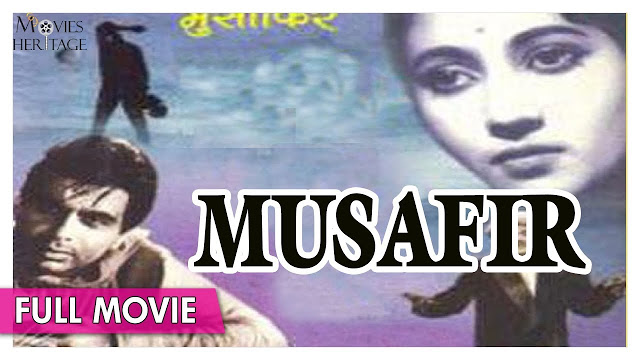
இவரை ஸலில் சவுத்ரி முதலில் ” நௌக்ரி” (1954) என்ற படத்தில் அறிமுகப் படுத்தினார், ‘முஸாபிர்” (1957) என்ற படத்தில் இவருக்குத் தனிப்பாட்டு கிடைத்தது. அருமையான பாடலாகவும் அமைந்தது,
Song: Ek aaye ek jaaye Film: Musafir 1957 Lyrics: Shailendra
Music: Salil Chowdhury Singer: Shyamal Mitra
இது ரிஷிகேஷ் முகர்ஜி டைரக்ட் செய்த முதல் படம். சாதாரண மக்கள் அன்றாடம் படும் பாட்டை விவரிக்கிறது.
எவ்வளவு பொருள் பொதிந்த பாட்டு! இந்த consumer society யின் ஆதிக்கத்தில் நாம் ஒவ்வொருவரும் எவ்வளவு சாமான்களை வாங்கிச் சேர்த்துக்கொள்கிறோம்! கடைசியில் அவ்வளவும் குப்பைக்குப் போகின்றன! பழைய கால பெரிய வீடுகள் போய் சிறிய அடுக்குமாடி தீப்பெட்டி போன்ற இடம் வந்தும் , சாமான் வாங்கும் ஆசை விடவில்லை! வொர்ட்ஸ்வொர்த் Wordsworth சொன்னமாதிரி:
The world is too much with us; late and soon,
Getting and spending we lay waste our powers.
ஷ்யாமல் மித்ராவின் குரல் தனிப்பட்டது. நம் அறுவரின் குரலோடு நெருங்கி வராது. இந்தப் பாடல் எந்த ஹீரோ நடிகரின் மீதோ, வேறு பெரிய நடிகரின் மீதோ படமாக்கப் படவில்லை! ஒரு டீக்கடைப் பையனாக வரும் மோஹன் சோடீ என்ற அன்றைய சில்லறை நடிகன் மீது படமாக்கப்பட்டது. படத்தில் மூன்று பத்திகளும் ஒன்றாக வராது- மூன்று இடங்களில் வரும்! இதனாலெல்லாம் இந்தப் பாட்டை மக்கள் அதிகம் கண்டு கொள்ளவில்லை. சிறிய பாத்திரம்-புதிய குரல் – பெரிய தாக்கம் ஏற்படுத்தவில்லை. ஆனால் 60 ஆண்டுகளுக்குப் பிறகும் இதன் கருத்தாழமும், எளிய மெட்டும் நம்மைக் கவர்கின்றன! ஷைலேந்த்ராவின் பேனா அப்படிப்பட்டது.
This is one of the best movies of Indian cinema. Don’t go by awards or rewards. Rishikesh Mukherjee spreads the spirit of humanism, simple human goodness and homely virtues. India that still lived 60 years ago, from which we all hail.
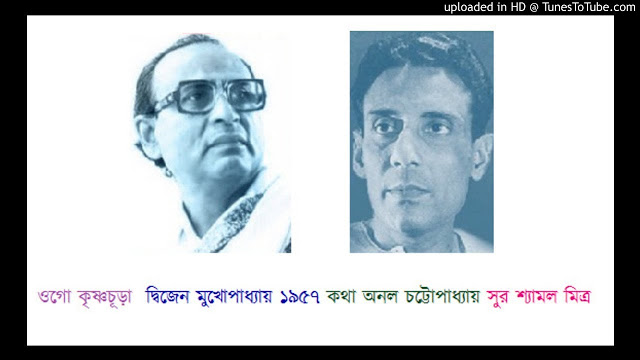
த்விஜேன்முகர்ஜீ
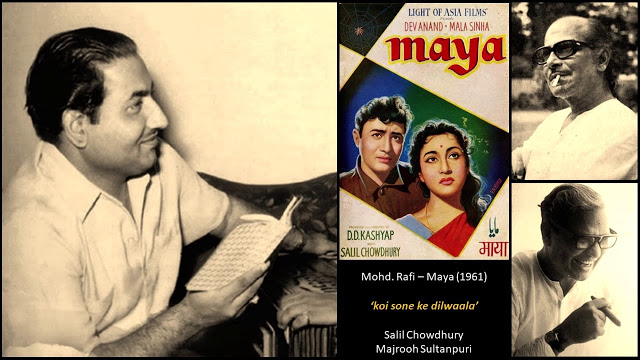
இவரையும் ஸலீல் சவுத்ரி அறிமுகப்படுத்தினார். 1961ல் வந்த ‘மாயா” என்ற படத்தில் ஹீரோ தேவ் ஆனந்திற்காகப் பாடிய சோலோ பாட்டு இது.
ai dil kahaan teri manzil naa koyi deepak hai naa koyi taaraa hai gum hai zameen door aasmaan ai dil kahaan teri manzil
மனமே! உன்இலக்குஎங்கிருக்கிறது?
இங்குஒருவிளக்கும்இல்லை, ஒருதாரகையும்இல்லை!
பூமிமறைந்துவிட்டது, வானம்எங்கோதூரத்தில்‘
மனமே, நீஅடையவேண்டியஇடம்தான்என்ன?
kis liye mil mil ke dil tootate hain kis liye ban ban mahal tootate hain kis liye dil tootate hain patthar se poochhaa sheeshe se poochhaa Khaamosh hai ye sab ki zabaan
ai dil kahaan teri manzil
எதற்காகஇப்படிமனம்உறவாடிபின்உடைந்துபோகிறது?
இந்தமாளிகைஏன்இப்படிகட்டிஉடைந்துபோகிறது?
ஏன்இப்படிமனதுஉடைந்துபோகிறது?
கல்லிடம்கேட்டேன், கண்ணாடியில்கேட்டேன்
மவுனமேஅவற்றின்குரல்!
மனமே, நீஅடையவேண்டியஇடம்தான்என்ன?
dhal gaye naadaan wo aanchal ke saaye rah gaye raste mein apne paraaye rah gaye apne paraaye aanchal bhi chhoota saathi bhi chootaa na hamsafar na caarwaan
அந்தஉறவின்நிழல்வீணில்போய்விட்டது
வழியில்என்னுடையதுபிரிந்துபோய்விட்டது
என்னுடையதுபிரிந்துவிட்டது
நெருக்கமும்நீங்கியது,, துணையும்விட்டது
துணையும்இல்லை, கூடவருபவர்களும்இல்லை
ai dil kahaan teri manzil
naa koyi deepak hai naa koyi taaraa hai
gum hai zameen door aasmaan
மனமே, நீஎங்குதான்சென்றடையவேண்டும்?
ஒருவிளக்கும்இல்லை, ஒருதாரகையும்இல்லை
பூமிகாணவில்லை, வானமும்வெகுதூரத்தில்!
Song: Ae dil kahan teri manzil Film: Maya 1961 Lyrics: Majrooh Sultanpuri
Music: Salil Chowdhury Singer: Dwijen Mukherjee
இது சோகப் பாடல். படத்தின் போக்குடன் சேர்ந்தது. மஜ்ரூஹ்வின் கவிதை பல உள்ளார்ந்த பொருள் தரும் சொற்களைக் கொண்டது.
Many words here go beyond the literal meaning. Mahal means not just a mansion, but the hopes and expectations of the future. Paththar and sheesha obviously mean more than stone and glass: what answer can you expect from them? They obviously mean types of people , or everywhere in the natural and man-made world.. Aanchal ke saaye- literally means the shadow of a piece of worn saree! Here it is taken as standing for female companion. Humsafar, caravan are idiomatic expressions in Urdu. Thus this is great poetry, with lots of involved imagery.
Salil Chowdhury’s tune is enchanting.
த்விஜேன் முகர்ஜி அருமையாகப் பாடியிருக்கிறார். இது ஒரு வங்காளியப் பாட்டின் ஹிந்தி வடிவம் தான்-அவர் முதலில் பாடத் தயங்கினார். இது ஹீரோ தேவ் ஆனந்த் விரும்பிய படியே அவர்மீது படமாக்கப்பட்டது. மிகுந்த வரவேற்பு பெற்றது. ஆனாலும் அவருக்கு ஹிந்தியில் பாட வாய்ப்புகள் வரவில்லை.
இதே பாடலை லதாவும் பாடியிருக்கிறார். எடுபடவில்லை.
த்விஜேன் முகர்ஜீ குரல் ஹேமந்த் குமார் குரல் போல் இருக்கிறது என்றார்கள். இது சரியல்ல, யாரோ போகிற போக்கில் சொல்கிற பேச்சு. இருவர் குரலுக்கும் நல்ல வித்தியாச மிருக்கிறது.
ஷ்யாமல் மித்ர, த்விஜேன் முகர்ஜீ இருவருமே வங்காளி சங்கீத உலகில் மிகப் புகழ் பெற்றவர்கள். ஹிந்தியில் பாட வாய்ப்பில்லாமல் போய்விட்டது. இந்த இரு பாடல்களுமே சிறந்த பாடல்களாக அமைந்து விட்டன. மித்ர சில ஹிந்திப் படங்களுக்கு இசையமைத்தார்.
ஆயிரக் கணக்கில் பாடல்கள் வந்தும் இத்தகைய குரல்களை ஹிந்தித் திரை இசை பயன்படுத்திக் கொள்ளவில்லை.
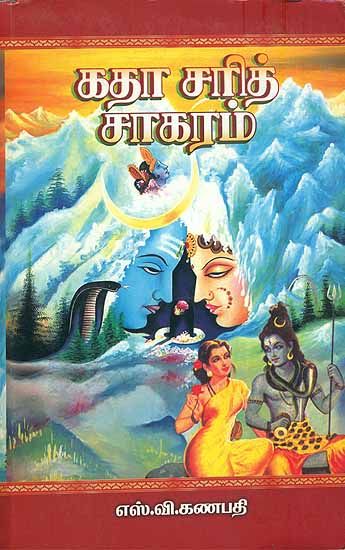
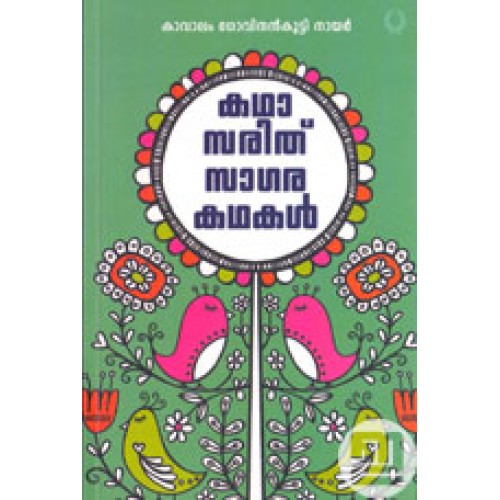
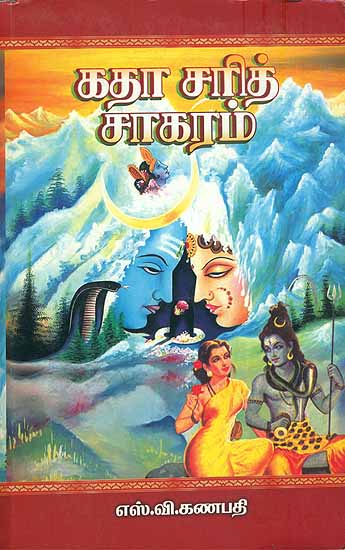
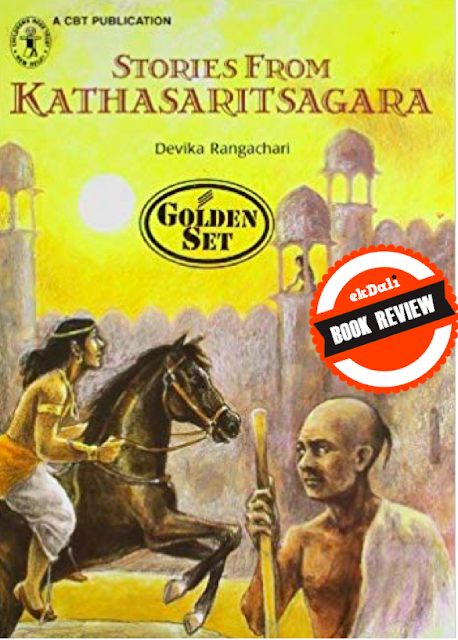
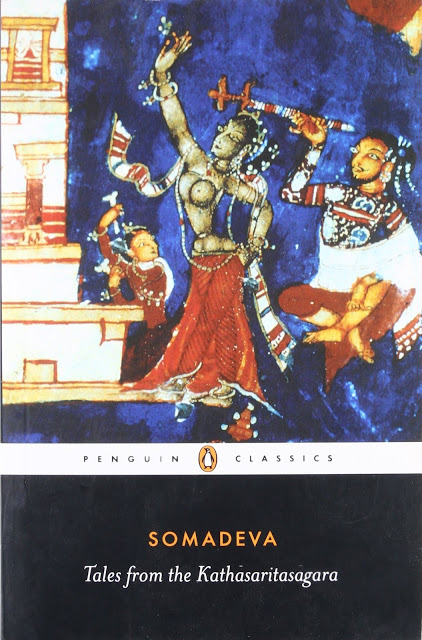
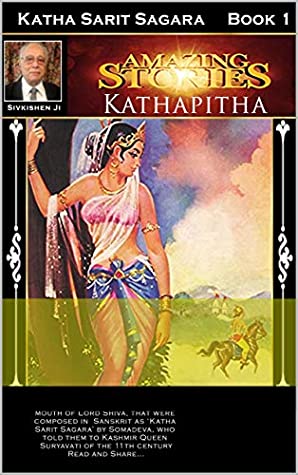
சாகரம் என்றால் கடல். கதைக் கடல் என்ற பொருளைத் தருகிறது கதா சரித் சாகரம்.
ஏராளமான கதைகளுடன் அற்புதமான நீதிகளைத் தருகிறது இந்த நூல். க்ஷேமேந்திரரின் ப்ருஹத் கதா மஞ்சரியை விட சோமதேவரின் கதா சரித் சாகரம் அழகிய நடையில் கதைகளைத் திறம்படச் சொல்கிறது.
சோமதேவர் ஒரு சிவ பக்தர்; சைவர்; பிராமணர். இவரது தந்தையாரின் பெயர் ராமர்.
குல்லுகங்கரா மன்னனான இந்து சந்திரனின் மகள் சூர்யவதிக்காக சோமதேவர் இதை இயற்றினார். காஷ்மீர் மன்னனான அனந்தனின் மனைவி சூர்யவதி இந்த காஷ்மீர் மன்னனின அரசவை கவிஞராக சோமதேவர் இருந்தார்.
அனந்தனைப் பற்றிய செய்தி ஒன்று உண்டு. இவர் தனது அரசுப் பொறுப்பை 1063ஆம் ஆண்டு தனது மூத்த மகனான கலாஸாவிடம் ஒப்படைத்து விட்டு, பின்னர் சில ஆண்டுகள் கழித்து வந்து அதை ஏற்றுக் கொண்டார். பின்னர் இன்னொரு முறை 1077இல் வந்து அரசுப் பொறுப்பை ஏற்றார்.
தனது அரச உரிமையை விட மனமில்லாத மகன் கலாஸா தன் தந்தையைத் தாக்கினார்; இதனால் மனம் நொந்து போன அனந்தன் தன் உயிரைத் தானே மாய்த்துக் கொண்டார்.
இதைக் கேள்விப்பட்டவுன் சூர்யவதி சிதையை மூட்டச் சொல்லி அதில் ஏறி சதியானார். இது நடந்த ஆண்டு 1081.
ஆகவே கதா சரித் சாகரம் 1063லிருந்து 1081ஆம் ஆண்டிற்குள் இயற்றப்பட்டிருக்கலாம் என கருதப்படுகிறது. லம்பகா என்றால் பாகம் என்று பொருள். இது 18 லம்பகாவையும் 134 தரங்கங்களையும் கொண்டுள்ளது. 21388 ஸ்லோகங்கள் இதில் உள்ளன.
உலகில் உள்ள கதைத் தொகுப்பில் எல்லாம் சிறந்ததாகவும் முதலாவதாகவும் விரிவானதாகவும் உள்ள நூல் இது ஒன்றே!
பாரத வாழ்க்கையில் எந்த ஒரு பகுதியையும் பார்க்க வேண்டுமெனில் அதை இந்தக் கதைகளில் பார்க்கலாம். திடுக்கிடும் திருப்பங்கள், மர்மம், கொலை, அறம், பொருள், இன்பம், அரசர்களின் போர் உள்ளிட்ட எதை வேண்டுமானாலும் சொல்லுங்கள், அதைப் பற்றிய கதை ஒன்று இதில் நிச்சயம் உண்டு. சம்ஸ்கிருத நடையோ எளிதானது; நகைச்சுவை ததும்பிய செய்யுள்களும் இதில் உள்ளன.
சந்திரன், சூரியன், இயற்கை வர்ணனை, பெண்களின் அழகு என இதில் வர்ணனைகளுக்குப் பஞ்சமே இல்லை. காவிய அணிகளுக்கு உண்டான இலக்கணம் இதில் காணப்படும்.
மஹாபாரதக் கதைகள், வேதாள விக்ரமாதித்தன் கதைகள், பஞ்சதந்திரக் கதைகள் உள்ளிட்ட பல நூல்களில் காணப்படும் கதைகளும் இதில் உள்ளன.
க்ஷேமேந்திரரின் ப்ருஹத் கதா மஞ்சரி
இந்த நூல் கி.பி.1037ஆம் ஆண்டு வாக்கில் இயற்றப்பட்டதாகக் கருதப்படுகிறது.
இந்த நூல் 18 லம்பகாவையும் 23 குச்சாக்களையும் கொண்டுள்ளது. இதில் உள்ள செய்யுள்களின் மொத்த எண்ணிக்கை 7561.
க்ஷேமேந்திரர் வால்மீகி ராமாயணத்தையும் வியாஸ மஹாபாரதத்தையும் சுருக்கி நூல்கள் இயற்றியுள்ளார். இவற்றின் பெயர்கள் முறையே ராமாயண மஞ்சரி மற்றும் பாரத மஞ்சரி.
ப்ருஹத் கதா ஸ்லோக சங்க்ரஹம்
நேபாளத்தில் கிடைந்த இந்த நூலை இயற்றியவர் புதஸ்வாமின். இவர் சிறந்த கவிஞர். மிகுந்த நகைச்சுவையுடன் கதைகளைத் திறம்படச் சொல்வதில் வல்லவர். 1898ஆம் ஆண்டு இந்த நூல் பிரான்ஸுக்குக் கொண்டு வரப்பட்டு பிரபலமானது.
ஜைன ப்ருஹத் கதா
இது வாசுதேவஹிந்தி என்பவரால் இயற்றப்பட்டது. இதில் இரு பதிப்புகள் உள்ளன. ஒன்றில் 6 பிரஹரணமும் 29 லம்பகாவும் சுமார் 11000 ஸ்லோகங்களும் உள்ளன. இந்த நூலில் கவிதையுடன் வசனநடையும் சேர்ந்திருக்கிறது.
இன்னொரு பதிப்பில் 71 லம்பகாவும் சுமார் 17000 ஸ்லோகங்களும் உள்ளன.
கொங்குவேளிரின் பெருங்கதை
தமிழில் உள்ள இந்த நூலை அரும்பாடுபட்டு வெளிக் கொணர்ந்தவர் உ.வே.சுவாமிநாதையர்.
இதில் 16000 வரிகள் உள்ளன. உதயணனின் கதையை விரிவாக இது கூறுகிறது. நாலடியார், திருக்குறள் ஆகிய நூல்களில் உள்ள கருத்துக்கள் இதில் எதிரொலிக்கின்றன.
கி.பி.750 வாக்கில் இது இயற்றப்பட்டிருக்கலாம் என அறிஞர்கள் கருதுகின்றனர். இது முழுவதுமாகக் கிடைக்காதது ஒரு பெரும் குறை. சுமார் 150 பிரிவுகளை இது கொண்டிருக்கக்கூடும்.
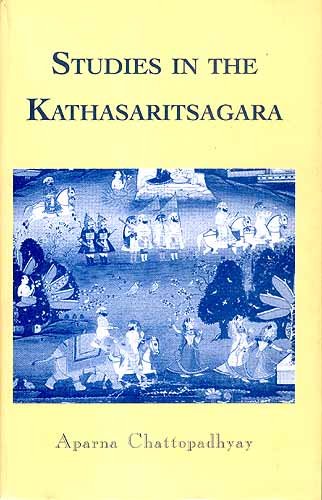
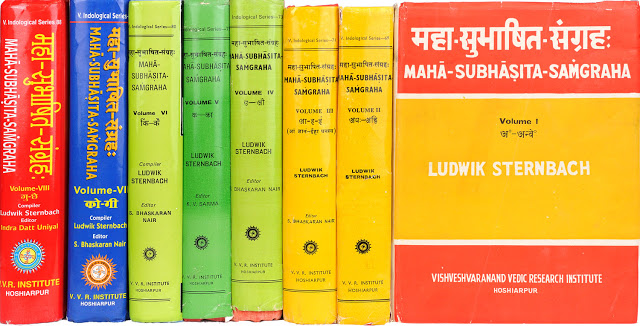
பிரம்மாண்டமான இந்த நூல்களின் பல விவரங்களை நமக்குத் தருபவர் அறிஞர் எல். ஸ்டெர்ன்பாக் (L. Sternbach).
இவரைப் பற்றி ஒரு கட்டுரையை ஏற்கனவே எழுதி இருப்பதால் இவர் செய்த அரிய தியாகத்தையும் ஆற்றிய பணிகளையும் திருப்பி இங்கு கூறவில்லை. தன் சொத்தை முழுவதையும் – வயதான தாயாருக்குப் பராமரிக்க ஒரு சிறு தொகை போக மீதி அனைத்தையும் – இவர் சம்ஸ்கிருதத்திற்காக அர்ப்பணித்தார்!
சுபாஷித வித்வான் என்று அழைக்கப்படும் இவர் சம்ஸ்கிருதத்தின் பால் தீராக் காதல் கொண்டவர். அதிலும் சுபாஷிதங்களில் மிக வல்லவர்.
அனைத்து சுபாஷிதங்களையும் தொகுக்க இவர் பட்ட பாடே பாடு.
இவர் Aphorism and Proverbs in the Katha – Sarit – Sagara என்ற நூலை இரு தொகுதிகளாக வெளியிட்டுள்ளார்.
முதல் பாகம் கதா சரித் சாகரத்திலிருந்து எடுக்கப்பட்ட அழகிய மொழிகளைக் கொண்டது. இவை 50 அத்தியாயங்களில் ஆங்கிலத்தில் தரப்பட்டுள்ளது; அடுத்த தொகுதி இதற்கான மூல சம்ஸ்கிருத ஸ்லோகங்களைக் கொண்டுள்ளது.
சிறந்த ஆராய்ச்சியாளரான இவரது முன்னுரை நீண்ட ஒன்று.
அதிலுள்ள பல முக்கிய விஷயங்களை இந்தக் கட்டுரையில் தந்துள்ளேன்.
பாரதப் பண்பாட்டில் ஆர்வம் கொண்டுள்ளோர் இந்த நூல்களைப் பற்றிய விவரங்களை நிச்சயம் தெரிந்து கொள்ள வேண்டும்.
கதைகளைப் படிக்க வேண்டும்.
அப்போது எப்படிப்பட்ட பாரம்பரியத்தைக் கொண்டவர்கள் நாம் என்பது நன்கு விளங்கும்.











 Tamil and Vedas