Pictures are taken from various sources for spreading knowledge; this is a non- commercial blog. Thanks for your great pictures.
Following are quotations culled out from his various articles and published in Sri Aurobindo’s Vedic Glossary, Sri Aurobindo Ashram, Pondicherry, 1962
1.The Veda is anterior to intellectual age and the method of the Veda is not therefore intellectual.
2.Rishi is not an author but a Seer.
3.Veda does not expound any dogma or religion it is a record of spiritual experiences couched in symbolic language. This is borne by the fact that the language remains same throughout the Veda.
4.The personality of the poet differs in different riks but the Rishis did not aim at poetic expression. For them expression was the means not the aim.
5.What do the riks represent?
The Vedic hymns may indicate the close of a great period of intuitive knowledge; or they may be a selection from some previous collection.
6.The Rig Veda is one in all its parts . Veda cannot be interpreted by separate passages or hymns. If it is to have any coherent
or consistent meaning, we must interpret it as a whole.
7.Why the symbolic meaning of the Veda was lost ?
Firstly, because the initial intensity of the search for the truth was gone; a period of relaxation may have intervened.
Secondly, because the Vedic Rishis were deliberately ambiguous. It was therefore difficult to rediscover their meaning.
The Brahmanas try to preserve the external ritualism of the Veda, while the Upanishads try to restate the internal meaning.
Xxx
AUROBINDO’S QUOTES ON UPANISHADS
1.The Upanishads indicate a revival and not a revolt. Upanishads use the Veda as a help in their spiritual experience and they did not care for the words or the verbal sense of the Veda.
2.The Upanishads taught the uselessness of mere ritual and also the emptiness of mere forms; thus the influence of the Veda was undermined.
3.The Upanishads expressed their thoughts in quite a different language and style. They founded the Vedanta philosophy.
4.At last the Upanishads became the fountainhead of knowledge and the Veda came to be regarded as the book of ritual.
5.The rise of Buddhism in India gave the final blow to ritualism. The Veda then remained with the scholar and such suffered most by losing completely the whole of its central meaning.
The Veda in-fact was never meant for the mere scholar.
tags — Aurobindo, quotes on Vedas, Quotations on Upanishads
Pictures are taken from various sources for spreading knowledge; this is a non- commercial blog. Thanks for your great pictures.
Role of Saints and Sages in Living Religion
Saints play an important role in any religion. They live the great truths and thus demonstrate that religion has to be lived, not just believed in. They also show that it is practicable. It is they who bring the great truths to the attention of the common man, away from the sources which become the preserves of some groups in course of time.
Saints come in many guises. Some are Sages, anchorites fixed to a spot where people get to learn about them and flock to them. Others wander about, like fakirs, teaching and singing, mixing with people. In medieval India, when the country faced Mohammedan threat and orthodoxy broke down, and confined itself within narrow ritualistic walls, it was these saints who went from place to place, talking to the people in their language and teaching them simple ways to spiritual life, shorn of all complications and technicalities, without resort to confusing philosophy and conflicting theology .
It is the fashion in the modern day to write as if the saints were rebels, going away from the mainstream or inventing new, divergent ways. This is pure bunkum. Read the life of saints carefully. A genuine saint never contradicts the scriptures. They point out the hypocrisy that parades in the name of religion, ( this happens in every religion in course of time) they simplify matters and highlight those features and practices which suit the emerging times. Such simplification is not contradiction or repudiation. It is such timely changes that make Hinduism a living force. But the true saints are not ‘reformers’ in the modern secular sense. It is necessary to remember that every cult figure is not necessarily a saint.
Changing Ages: Yuga Dharma
Hinduism has a concept of Yuga dharma; the predominant form of religious discipline and practice has to change with the times. Dhyana was prescribed in Krita yuga, Yajna was for Treta yuga, Archana was for the Dwapara. But the scriptures say that these are not possible in this Dark age called Kali. Man cannot concentrate long, as required in dhyana. Dravya, dana, other means required for yajna lack purity now. Materials used for puja too lack purity: look at how polluted our sacred rivers are, how dirty our temples, how greedy and ill-trained our priests. Even the water used for abisheka is polluted, the milk is reconstituted chemical, the honey is adulterated. All these things are beyond our control, beyond even govt. control! Our ancient Rishis thought about these things, and in their compassion prescribed simple means like uttering the Name of God as the discipline of the age. For, it is possible for man to keep his heart and mind clean, even in the most polluted places. So they said, think of God with a pure heart, utter his names with love, this is sufficient. This is all in our ancient scriptures, not uttered by a later thinker or reformer like Kabir, as some modern writers would have us believe.
The Gita Prescription
The Gita warns us about blind adherence to Vedic karma. Karma is useful and essential, as it imposes some discipline to tame our impulses and prevent us from going wayward on the basis of wild desires. But the kind of elaborate yajna karmas undertaken with a desire for the so called ‘higher’ worlds is a sure means to drag us down further, repeatedly. The Gita says:
Te tam bhuktva swargalokam vishalam ksheene punye martyalokam vishanti Yevam trayi dharmam anuprapanna gatagatam kamakama labhante. 9.21 Having enjoyed the vast svarga world, they enter the mortal world (again) once the merits are exhausted. Thus, following the injunctions of the three Vedas, desiring desires, they (repeatedly) come and go.
Ananyaschintaynato mam ye janah: paryupasate Tesham nityabhi yuktanam Yoga kshemam vahamyaham. 9.22 Those who worship Me without any other thought, (or without thinking of Me as separate)- to such people who are thus devoted to me, I supply what they lack and preserve what they have. Yanti deva vratan devan pitruun yanti pitruvrata: Bhutani yanti bhutejya yanti madhyajino api mam. 9.25 Votaries of devas go to devas; devotees of pitrus go to the pitrus; worshippers of bhutas go to the bhutas.
My devotees come to Me.
And it is not difficult to worship God. We do not require the paraphernalia needed for yajna or the worship of bhutas or pitrus. Patram pushpam phalam toyam Yo me bhaktya prayachchati Tad aham bhaktyupahrutam Asnami prayatatmana: 9.26 Whoever with devotion offers Me a leaf, a flower, a fruit or water- that I accept: the devout gift of pure heart.
South and North
Bhagavan has made matters so simple. But our pundits would only be satisfied with complicated arrangements. If you travel through India, you will notice one thing: religious worship in the South is ritual bound, even in temples where the priest controls the procedures and mantras ( (subject to govt dictats, as Hindu temples are govt. controlled). But in the North, you see people gathering in temples and singing Aarti songs in groups, where the rituals are minimum! After all, the South gave us Acharyas who fought on philosophy; the North gave us all the Avatars who save us directly!
Gita and Vishnu Sahasranama
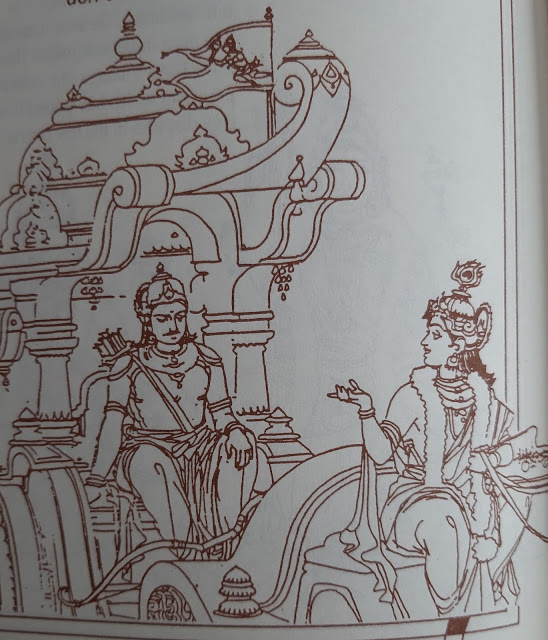
We saw that the Gita arose when Arjuna raised doubts about Dharma. This was before the Mahabharata war. But after the war, after Yudhisthira is crowned the king, he develops doubt about dharma! Was it proper on his part to have fought such a terrible war involving massive slaughter, all for the sake of his kingship? He becomes restless. Krishna directs him to Bhishma, lying on his bed of arrows, to seek instruction on dharma, as Bhishma is an expert in the matter. Bhishma tells him about all the dharmas. But Yudishthira’s head reels “after listening to all the dharmas without remainder- srutva dharman aseshena”. He pointedly asks Bhishma: Tell me one dharma which is decidedly superior!. He raises six pointed questions:
Which one God or Deity is to be worshipped as decided by the sastras?
What is the one object to be attained by people who have taken (human) birth?
Which Deity is to be worshipped with Stotras?
Which Deity is fit to be worshipped through archana for people to attain their welfare?
Which dharma is the supreme one, as decided by you?
By which japa can a man get freedom from this cycle of birth and death?
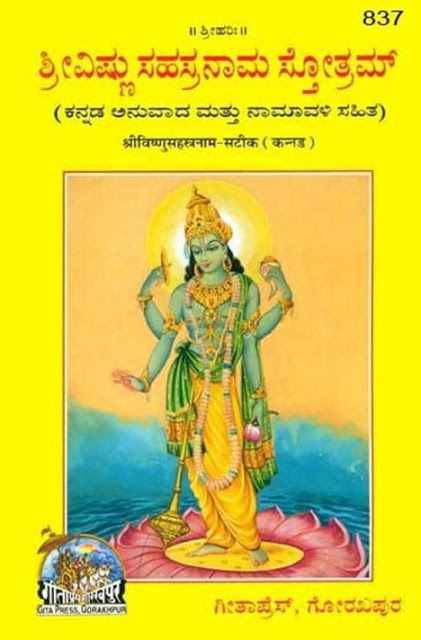
In reply, Bhishma reveals to him Vishnu Sahasranama- the thousand Names of Vishnu, as meeting all his requirements!
“Yeshame sarva dharmanam dhrmo adhikatamo mata:
This is the best of all dharmas- that is what I have decided”, declares Bhishma.
The Gita and the Vishnu Sahasranama are thus integrally connected. The Gita was preached before the War began, the Sahsranama ,after the War ended. Both deal with dharma. Both advocate devotion, surrender as the best means for liberation. The 11th chapter of the Gita reveals the Vishavarupa of Bhagavan; the Sahasranama reveals an easy method to remember and honour that Bhagavan. We need not necessarily associate the name Vishnu with the cult called Vaishnavism! “Vishnu” only means that which pervades everything in the universe, and does not mean any fixed form.The most common shloka on Ganapati starts: “Shuklam bharataram Vishnum”!
Name in the Veda
In fact Veda proclaims:
Sarvani rupani vichitya dhira:
Namani krutva abhivadan yadaste
After a (fruitless ) search for His forms, the earnest devotee lives by holding on to His Names.
This is explained later in the Vishnupurana:
Dhyayan krutae, yajan yajnais
Traetayam dwapare-archayet
Yadapnoti, tadapnoti
Kalau sankeertya Keshavam
Whatever one may obtain by dhyana in Kritayuga, by yajnas in Treta yuga, by archana in Dwapara yuga- that one can get by singing the praises of the Lord, Keshava in the Kali yuga.
Why is Name superior?
In his bashya on Vishnu Sahasranama, Acharya Sankara has given us a rare insight . After listening to all dharmas, Yudhishthira asks Bhishma for that one superior dharma. In what way is it to be considered superior? Why is Dharmaputra not satisfied with the other dharmas? For the expression, “adhikatamo”, Sankara gives the explanation that it is superior because Nama Sankeertan does not involve himsa, dravyantaram, purushantaram, desa,kala, prakara etc. niyama ( ie limitation in some way ); it is without any sort of dosha; it leads to both bhoga and moksha; it is not opposed to Vedic injunctions, it can be followed by all varnas. Nama does not depend on anything else for its performance or effectiveness and with easy effort, confers great benefit.
Why is Name not resorted to?
If Nama Kirtan is such an easy way, why do people not adopt it wholesale? Why are they still attached to various other, more difficult, strenuous and less effective ways? Saints say that this is due to the ‘ruchi’ and strength of ‘vasanas’ acquired through many births! After all, we do have people who prefer stale and bland food! Bhagavan says in the Gita that it is at the end of many births that a great one gets an idea about the greatness of Bhagavan: ” bahunam janmanam ante jnanavan mam prapadyate Vasudeva: saravamiti sa mahatma sudurlabha:”. The Bhagavatam clearly lays down that karmas are to be continued only till one takes to the path of devotion:
Taavat karmani kurvita
na nirvidyeta yavata
Mad katha sravanadau
va sraddha yavan na jayate.
Karmas are to be continued till one gets vairagya and acquires sraddha for bhagavata dharma like listening to the glories of the Lord. ( That is to say, the fruit of all karmas is to become a devotee!)
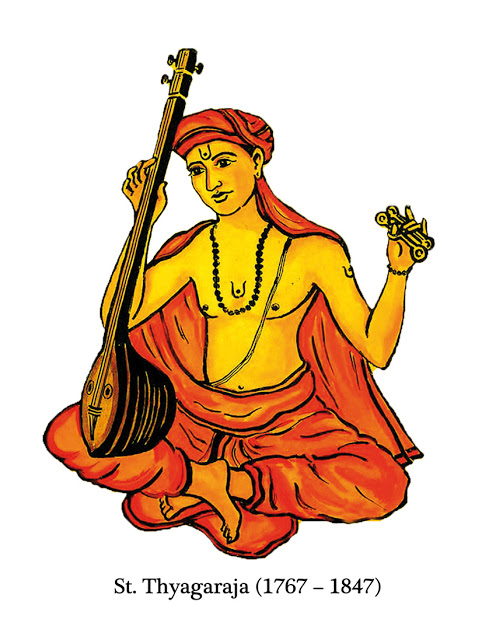
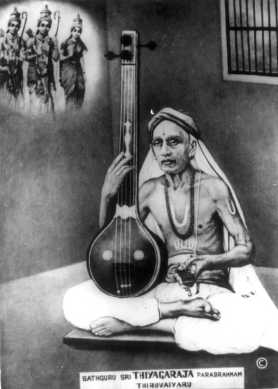
Tyagaraja as Nama Advocate
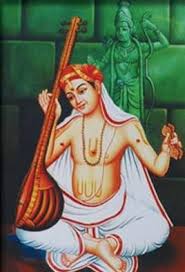
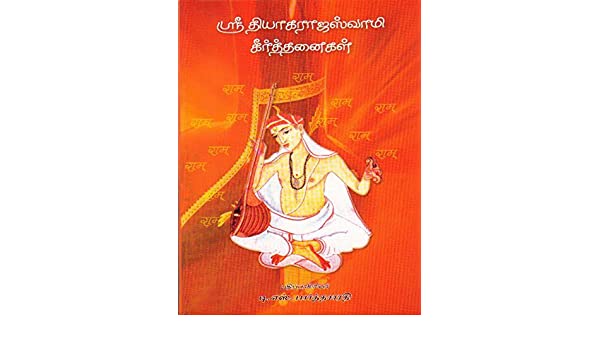
Tyagaraja lived a life devoted to Nama Kirtan. He practiced other forms of devotion too, but his legacy to posterity is the kirtanas. Rama, you are the only treasure of my entire clan- “Neevera kula danamu Santatamu, neevera jeevanamu”, sang Tyagaraja. His kirtanas have become our valued treasure. He shows that we do not even need flowers to worship Rama- the namas themselves constitute the flowers!
Name itself is the flower!
Nama kusuma mula che bujinche nara janmame janmamu manasa. Sriman manasa kanaka pitha muna chelaga jesikoni vara Shiva Rama…..nama kusumamula Nada swaramane vara navaratnapu vedikapai sakala lila vinoduni paramatmunu Sri Ramuni padamulanu Tyagaraja hrud bhushanuni….nama kusumamula O my mind! Installing ( Sri Ramachandra murti) in the splendoured golden seat that is the heart, performing well archanas with the flowers of the names of Rama and Shiva- only such a birth is the real human birth!
The platform is adorned by the nine gems like Nada and Swara! There one has to invoke the presence of the blessed feet of Rama, who performs many lilas and who adorns the heart of Tyagaraja! One who so worships is the one really born ( his is the only true janma).
Here Tyagaraja shows how truly Nama sankirtana does not need any external aid! God is invoked in the heart. His very names constitute the flowers! Good music itself becomes the decoration and adoration. Differences in the forms the Lord takes do not matter- whether Rama or Shiva, it is all His Name! If after getting this human birth, one cannot do even this, what is that birth worth? Elsewhere too he talks of namasmarana as the best flowers:
Harinama smaranambulu virulaura Raghunatha (Paripalaya…) The Harinama smarana that I perform are the good flowers.
Elsewhere, Sri Tyagaraja says:
Nee namamuche na madi nirmalamainadi (Jnanamosaga rada)
By doing kirtana of your name, my mind has become pure.
Name as the Sword
Tyagaraja wants to join Rama’s retinue, but he wants to have only Rama nama as his sword, and the status of a devotee as his patent bow: Rama bhaktudane mudra billayu Rama namame vara katga …. Banturiti The patent bow that is ‘Ramabhakta’ and the excellent sword that is Rama nama! About the ‘sukham’ attained by Rama nama, Tyagaraja sings in a separate kriti. Melu melu Rama nama sukha mee daralo manasa Phala lochana Valmikaadi bhaala nila jaadulu saakshika
O my mind! It is the sukha (attained by repeating) of Rama nama that is the best in this world. I declare this, invoking Lord Shiva with his third eye, Munis like Valmiki, Parvati, Hanuman, as my witnesses! In fact, Tyagaraja describes Rama Nama as fully based on the Veda, as it is dealt with in Upanishads. ( Rama Rahasya, Purva Tapini, and Uttara Tapini Upanishads as also Kali Santaranopanishad) He says: Veda varna niyamamu namamuto ( Evarikai) and Veda saramau namadheyamunu (Talachintane) Tyagaraja has in fact sung nearly 100 kirtanas on the divya namas.
Real Nadopasana
Once some people interested in music were discussing the merits of music as upasana in the presence of Sri Ramana Maharshi. They mentioned Tyagaraja as an example of Nadopasaka. Sri Ramana asked them whether ” Tyagaraja sang what he got or got what he did by his singing”? ( Petradaip paadinaara alladu paadip petraara?பெற்றதைப் பாடினாரா, அல்லது பாடிப் பெற்றாரா ) It is clear that Tyagaraja was a recipient of Divine grace and his music was an expression of that experience. Behind his blessings were his intense devotion through Nama japa, puja etc. People talk of Nadopasana as if it merely involves musical practice. It is of course a different subject. Note: It is difficult to get a direct, full translation of Sankara bashya on Vishnu Sahasranama in English or Tamil, though all extant translations and commentaries are based on it. I believe a full Hindi translation is available from the Gita Press, Gorakhpur. See the expositions of Anna Subrahmanya Iyer. and the Lifco publication. But the best book (in Tamil) on the subject is by Sri S.V. Radhakrishna Sastri, quoting extensive upanishadic sources, published by Agasthiar Book Depot, Trichy.
For a modern interpretation in English, one may refer to the book by Eknath Easwaran.
The extracts from the Gita here are based on the translation of Swami Swarupananda, first published more than a 100 years ago! (Advaita Ashrama)
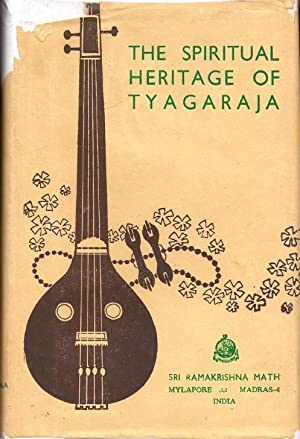
On the importance of Nama Kirtan and Nama Siddhantha, the most valuable resources are the two excellent books of Bhagavannama Bodhendra: Sri Bhagavannamamrita Rasodayam and Sri Bhagavannama Rasayanam; Tamil translation by Sri Krisha Premi, and Angarai Rangaswami Sastrigal (1942), respectively, both published by Sri Bhagavan Nama publications, Chennai-33. For the text of Sri Tyagaraja Kirtanas, I follow the edition by T.S. Parthasarathy, 1976 reprint. Those interested in Devanagari version may see: The Spiritual Heritage of Tyagaraja, by Sri C.. Ramanujachari. RK Math Chennai publication.
Pictures are taken from various sources for spreading knowledge; this is a non- commercial blog. Thanks for your great pictures.
நால் வேதம் , நான் மறை என்றே 4 வேதங்களை தமிழ் இலக்கியம் முழுதும் குறிப்பிடும். ஆனால் சம்ஸ்கிருத நூல்கள் ‘த்ரயீ வேத’ என்றும் ‘சதுர் வேத’ என்றும் 3, 4 ஆகிய இரண்டு எண்களாலும் குறிப்பிடும். காரணம் என்னவெனில் அதர்வண வேதம், பெரும்பாலும் மக்களின் நம்பிக்கைகள், பழக்க வழக்கங்கள், மந்திர தந்திரங்கள் நிறைந்தது. ஏனைய மூன்றும் பெரும்பாலும் இறைவனை துதிபாடுதல் ,வேள்விகள் இயற்றல் பற்றியன. ஆயினும் அதர்வண வேதம் தமிழ் வழ க்குகளை ஆராய பயன்படும் என்பது பேராசிரியர் வையாபுரிப் பிள்ளையின் கருத்து . அரவிந்தரும் வேதத்தின் மூலக்கூறுகள் தமிழுடன் தொடர்புடையது என்று சொல்லி ‘அப்பா’ என்ற சொல்லின் மூலத்தைக் காட்டுகிறார்.
பேராசிரியர் வையாபுரிப்பிள்ளை சென்னை மற்றும் திருவிதாங்கூர் பல்கலைக் கழகங்களில் பெரும் பதவி வகித்தவர். அரவிந்த மகரிஷியோ , சிறையில் ஏற்பட்ட ஒரு கனவுக்குப் பின்னர் — கிருஷ்ண தரிசனத்துக்குப் பின்னர் — தீவிரவாத சுதந்திர போரிலிருந்து ஆன்மிகம் – மொழி ஆராய்ச்சியில் திரும்பியவர். இந்த ஆராய்ச்சிக்கு தமிழ்நாடுதான் கரணம் என்றும் எழுதியுள்ளார்.இதோ அவர்களது அபூர்வ ஆராய்ச்சிகள் :–
மடலேறுதல்
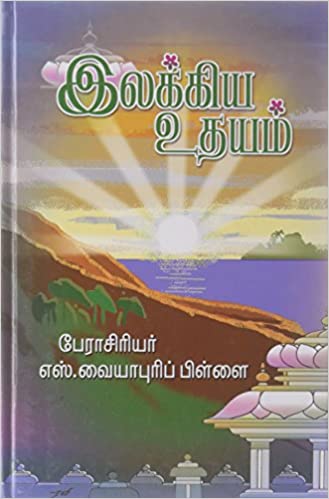
மடலேறுதல் , காதலன் – காதலி சந்திப்பு முதலியன தமிழ் மொழியின் அகத்துறைப் பாடல்களில் மட்டுமே இருப்பதாகப் பலரும் கருதுவர். ஆனால் இதன் மூலக்கூறுகள், தோற்றம் வேதத்தில் இருக்கிறது என்கிறார் சென்னைப் பல்கலைக்கழகப் பேராசிரியர் எஸ். வையாபுரி ப்பிள்ளை . மாபெரும் தமிழ் அரிஞரா ன வையாபுரிப்பிள்ளை 1956ம் ஆண்டு இறப்பதற்குள் ஏராளாமான புஸ்தகங்களை எழுதினார். அவற்றுள் ‘இலக்கிய உதயம்’ என்னும் புஸ்தகம் தமிழ்- சம்ஸ்க்ருத உறவை, தமிழ் – பாலி மொழி பவுத்த நூல்கள் உறவை ஆங்காங்கே எடுத்துக் காட்டும் .
அவர் சொல்லும் சில சுவையான விஷயங்களைக் காண்போம்-
மடலேறுதல்/ மடலூர்தல் என்றால் என்ன?
காதலியின் உருவத்தை ஒரு துணியில் வரைந்து , பனை மடலால் குதிரை வடிவு செய்து , அதில் ஏறி , எருக்கமாலை அணிந்து , ஊரார் பழி சொல்லும்படி தெருவில் ஊர்வலம் செல்வான். இது பல பாடல்களில் உள்ளது. இதோ குறுந்தொகைப் பாடல்-
மாவென மடலும் ஊர்ப; பூ வெனக்
குவிமுகிழ் எருக்கங் கண்ணியுஞ் சூடுப;
மறுகின் ஆற்கவும் படுப;
பிறிதும் ஆகுப காமம் காழ்க்கொளினே
–குறுந்தொகை 17, பரணர்
கிழி , இந்தச் செய்யுளில் வராவிடினும் மாணிக்க வாசகரின் திருக்கோவையாரில் தெளிவாக உளது
கழிக்கின்ற என்னையும் நின்ற நின் கார்மயில் தன்னையும் யான்
கிழி யொன்ற நாடி எழுதி கைக்கொண்டு
— என்று வருகிறது . தன்னுடைய உருவத்தை எழுதாமல் காதலன், தனது ஊர், தனது பெயர் ஆகியவற்றை மட்டும் எழுதுவான் என்பர் உரைகாரர்கள்.
இதே கருத்து அதர்வ வேதத்தில் இருக்கிறது. இதுபற்றி முதலில் விண்டர்நிட்ஸ் (Winternitz) எழுதியதைப் பாருங்கள் —
ஒருவனது பிரதியுருவத்தின் மூலமாக அவனைத் துன்புறுத்தவோ அவன் மீது அதிகாரம் செலுத்தவோ கூடும் என்ற நம்பிக்கை உலகமெங்கும் உள்ளது. புராதன இந்தியாவிலும் அது காணப்படுகிறது. ஒருவன் ஒரு பெண்ணினுடைய காதலைப் பெறவேண்டும் என்று இச்சித்தால் , அவள் உருவத்தைக் களிமண்ணால் செய்து , சணல் நாரினால் அமைத்த நாணொடு கூடிய வில்லைத் தாங்கி , அதன் அம்பின் நுனியில் முள்ளைச் செருகி , ஆந்தையின் சிறகை அம்புச் சிறகு ஆக்கி , கருங்கலினால் அம்பின் தண்டினை அமைத்துக் கொள்வான் ; உருவத்தின் இருதய ஸ்தானத்தை இவ்வம்பினால் குத்திக் குத்தி துளையொன்று உண்டுபண்ணுவான். இது காதற் கடவுளாகிய காமனுடைய அம்பினால் தனது காதற்குரிய பெண்ணின் இதயத்தைத் துளைப்பதற்கு அறிகுறியாகும் . இங்கனம் துளைக்கும்போது அதர்வ வேத மந்திரம் (3-25) சொல்லுவான்.
இதோ அந்த சம்ஸ்கிருத மந்திரத்தின் தமிழாக்கம்:–
“கலக்குறுத்துவன் உன்னைக் கலங்கச் செய்க; உன் படுக்கையில் நீ அமைதியற்றுக் கிடக்க . மனது அச்சுறுத்தும் அம்பினால் உன் இதயத்தை நான் துளைக்கிறேன்
ஆகவே சிறகாகவும் , காதலே நுனியாகவும் , நெறி தப்பாத விருப்பமே தண்டாகவும் உடையது அந்த அம்பு. அந்த அம்பினால் காமன் உன் இதயத்தை துளைப்பான் .
ஈரலை உலர்த்தி , எதிர்ப்பட்டவற்றை எரித்து , சிறகினால் பறந்து செல்லுகிறது; குறி தவறாத அந்த காமனது அம்பினால் நான் உன் இதயத்தை துளைக்கிறேன் .
கனல் விட்டெரியும் காதலால் தஹிக்கப்பட்டு , வாய் உலர்ந்து நீ என்னிடம் வருக. உனது கர்வத்தை தூரத்தே அகற்றி, மனம் இசைந்து, இனிய வார்த்தை பேசி என்னிடத்தே ஈடுபட்டு , என்னுடையவளாகத் தனியே வருக .
உன்னுடைய தாய் இடத்திலிருந்தும் , தந்தை இடத்திலிருந்தும் தோட்டியால் உன்னை வெருட்டி ஓட்டுகிறேன் . அப்பொழுது நீ என் அதிகாரத்துக்குள் ஆவாய் , என் விருப்பத்துக்கு இணங்குவாய்.
மித்திர வருணர்களே ! நீங்கள் அவளுடைய சிந்தனையை எல்லாம் அவளிடத்திலிருந்து ஓட்டி விடுங்கள் .
பின்னர் அவளை உள்ளம் இழக்கச் செய்து , என் அதிகாரத்தின் கீழே அவளை வைத்துவிடுங்கள்” .
இந்த வசிய நெறி தமிழத்தில் பெண்பாலர்க்கு கூடாது என்று விலக்கப்பட்டுள்ளது .
கடலன்ன காமம் உழந்தும் மடலேறாப்
பெண்ணிற் பெருந்த்தக்கது இல் — குறள் 1137
என்று திருவள்ளுவர் சொல்கிறார். ஆனால் , வடநாட்டில் பெண் பாலருக்கும் சம உரிமை வழங்கப்பட்டது அவர்களும் வசிய நெறியில் ஈடுபட்டார்கள்.
(தமயந்தி, வசந்த சேனா போன்ற பல கதைகளில் ஆண்களின் காதலன் ஓவியத்தை எழுதிவைத்து பெண்கள் ஏங்கிய கதைகள் வருகின்றன) .
பெரிய திருமடலில் வரும் வாசகத்திலும் தமிழ்ப் பெண்களுக்கு இது உரியது அல்ல என்ற கருத்து தொனிக்கிறது .
மன்னும் வழிமுறையே நிற்றும் நாம் மானோக்கின்
அண்ணா நடையார் அலரெசா ஆடவர் மேல்
மன்னும் மடலூரார் என்பதோர் வாசகமும்
தென்னுரையில் கேட்டறிவதுண்டு அதனை யாம் தெளியோம்
மன்னும் வடநெறியே வேண்டினோம்;
—8-40 திருமங்கை ஆழ்வார்
இந்த வட நெறி அதர்வ வேதத்தில்தான் கூறப்பட்டுள்ளது
அதர்வ வேத – அகநானூறு ஒற்றுமை
இம்மடற் குறிப்பேயன்றி வேறு சிலவும் அதர்வ வேத – அக நானுறு ஒற்றுமையைக் காட்டும்.
அகநானுற்றில் ‘இரும்பிழி மகா அர் ‘ என்று தொடங்கும் 122-ம் செய்யுளில் இரவுக்குறி வாய்க்காமைக்கான காரணங்களாக ஊர் துஞ்சாமை, அன்னை துஞ்சாமை, காவலர் துஞ்சாமை,, நாய் துஞ்சாமை, முதலியன கூறப்பட்டுள்ளன . இவ்வனைவரும் துஞ்சுக ; அதாவது உறங்குக என்று தலைவி மந்திர உச்சாடனம் செய்வதாக அதர்வ வேதம் 4-5 தெரிவிக்கிறது.
அன்னை துஞ்சுக; தந்தை துஞ்சுக; நாய் துஞ்சுக;
வீட்டிலுள்ள முதியோர்கள் துஞ்சுக;
அவளது சுற்றம் துஞ்சுக ;
அவற்றைச் சுற்றியுள்ள மக்கள் அனைவரும் துஞ்சுக
இவை ஒரு காதலன் தன அன்பிற்குரிய காதலியைக் களவிலே சந்திக்க உச்சாடனம் செய்யும் வாக்கியங்கள் ஆகும். இதனால் இவ்வதர்வ வேதம் தமிழ் நாட்டு இலக்கிய மரபுகள் சிலவற்றை உணர்வதற்குப் பயன்படுவதாகலாம் .
இரவுக்குறி – இரவில் சந்திக்கும் இடம், காலம்
எனது கருத்து
மேலேயும் வையாபுரிப் பிள்ளை சொல்லாத எனது கருத்துக்களை அடைப்புக் குறிக்குள் கொடுத்துள்ளேன் இமயம் முதல் குமரி வரை, ஆப்கானிஸ்தான் முதல் அஸ்ஸாம் வரை- உலகிலேயே பிரமாண்டமான நாடாக இந்திய இருந்தது. அதுவும் குறைந்தது 3500 ஆண்டுகளுக்கு முன்னர். ஆயினும் ஒரே சிந்தனைப் போக்கு , குறிப்பாக விருந்தோம்பல், செய்நன்றி மறவாமை, பாவ புண்ணியம், கர்ம வினை, மறு பிறப்பு, சுவர்க்கம்- நரகம் , இயற்கையின் மீது பய பக்தி, அன்பு, மரியாதை முதலிய ஏராளமாந விஷயங்களில் கருத்தொற்றுமையைக் காண முடிகிறது .
தீவிரவாத தேசபக்த அணியில் இருந்த அரவிந்தர் என்ற வங்காளியை வேத ஆராய்ச்சியிலும், சொல் ஆராய்ச்சியிலும் திருப்பியதே தமிழ் மொழியும், தமிழ் நாடும்தான் என்று அவரே கூறுகிறார். அது மட்டுமல்ல . தமிழும் சம்ஸ்கிருதமும் ஒரே மூலக்கூறுகளை , தோற்றுவாயை உடையது — சொல்லிலும் சிந்தனையிலும் — என்றும் சொல்லி விட்டு, நிறைய உதாரணங்களைக் கொடுக்கிறார். ‘ஆப’ என்னும் சொல் சம்ஸ்கிருதத்தில் தண்ணீர் என்று பொருள்படும். தினமும் பிராமணர்கள் இதை சந்தியாவந்தன மந்திரத்தில் பயன்படுத்துவர். பிராமண ‘அம்மா’மார்கள் குழந்தையை ‘அக்கம்’ சாப்பிடு என்று சொல்லி தண்ணீரைக் கொடுப்பர். இது ஆக்வா (Aqua) என்று லத்தின் மொழியில் உளது ;அரவிந்தர் இதற்கெல்லாம் ஒரு படி மேலே சென்று ஆப – அபத்ய (குழந்தை) – அப்பா ஆகிய மூன்று சொற்களும் ஒரே அடிப்படை உடையன என்று காட்டுகிறார்.
அப்பா= அபத்ய / குழந்தை தருபவர்.
இவ்வித சொற்பிறப்பியல் ஆராய்ச்சி, மநு நிதி நூலிலும் வருகிறது . மனைவிக்கு ‘ஜாயா’ என்ற பெயர் இருப்பதன் காரணத்தை விளக்குகையில் கணவனின் மாற்று உருவத்தை பெற்றுத் தருவதால் மனைவிக்கு ‘ஜாயா’ என்ற பெயர் வந்தது என்பார். தாய்மார்கள் தன் குழந்தையை கணவனின் ம று உருவமாக கருதுவர் . இந்தக் கருத்து வேதத்தில் கல்யாண மந்திரத்திலும் வருகிறது அதாவது கணவரே – மனைவியின் குழந்தை போலத்தான்.
அரவிந்தர் மற்றும் வையாபுரிப் பிள்ளை சொல்லுவது போல வேதத்தை ஆராய்ந்தால் இன்னும் மேலும் பல அபூர்வ ஒற்றுமைகளை வெளிச்சத்திற்குக் கொண்டுவரலாம்.
tags– மடலேறுதல், மடலூர்தல், அதர்வ வேதம் , அகநானூறு, வையாபுரிப் பிள்ளை
Pictures are taken from various sources for spreading knowledge; this is a non- commercial blog. Thanks for your great pictures.
ஹிந்தி படப் பாட்டுக்கள் – 40 – குழந்தைகளுக்குப் பாடுங்கள்! R. Nanjappa
குழந்தைகளுக்குப் பாடுங்கள்! மங்கலம் என்ப மனைமாட்சி மற்றதன் நன்கலம் நன்மக்கட் பேறு —குறள் Love is fulfilled in marriage, and marriage finds perfection in children! குழந்தைகளை வைத்து பல படங்கள் வந்திருக்கின்றன. பூட் பாலிஷ், அப் தில்லி தூர் நஹீ, ஹம் பஞ்சீ ஏக் டால் கே, ஜாக்ருதி போன்றவை குழந்தைகள் படமாகவே அறிமுகப்படுத்தப் பட்டன-ஆனல் வயது வந்தவர்களே அதிகம் பார்த்தார்கள்! குழந்தைப் பருவத்தில் தாலாட்டு நம் நாட்டில் மிகவும் சகஜமாக இருந்தது.
சாதாரணமாகவே பெண்கள் குழந்தைகளைப் பாடித்தூங்க வைப்பார்கள். பெரிதாக ராகம் என்று இருக்காது, ஏதோ சாதாரணப் பாட்டுதான்-இருந்தாலும் பாட்டில் ஒரு rhythm இருக்கும். அது தூளியின் அசைவுடன் சேரும்! குழந்தைகளைத் தூங்க வைக்க அது போதும்! இதுவே பழக்கமாகிவிடும்! இப்படி வளரும் குழந்தைகளுக்கு இயற்கையாகவே இசையில் ஒரு பிடிப்பு வந்துவிடும்! இன்று பெண்கள் ‘அதிகம்’ படித்து வேலைக்கும் போகிறார்கள். குழந்தைகளைப் பார்த்துக்கொள்ள வீட்டில் ஆயா, பிறகு க்ரேஷே, என்று இப்படிக் கதை போகிறது! இன்றைய குழந்தைகள் பாவம், தாலாட்டை அறியார்கள்! குழந்தைகளுக்கான தாலாட்டுப் பாட்டுகள் (லோரி ) நமது படங்களில் நிறையவே இருக்கின்றன. சில படங்களில் மிக நன்கு அமைந்தன. சிலவற்றை இங்கு பார்க்கலாம்,
டிம் டிம் கர்தே தாரே
टिम-टिम करते तारे ये कहते हैं सारे सो जा तोहे स् प्नो मे निंदिया पुकारे टिम-टिम करते सपनों के देश चन्दा मामा राजा बुला रहा है बजाकर सुरों का बाजा चोरी-चोरी खिड़की से करता है इशारे टिम-टिम करते …रंग-बिरंगी परियाँ तुझे झूला झुलाएँगी बिल्ली-तोता-मैना की कहानी भी सुनाएँगी अच्छे-अच्छे तुझे खिलौने देंगी प्यारे-प्यारे टिम-टिम करते …बादलों की पालकी पे तुझको बिठा के चन्दा मामा सारा जग लाएगा घुमा के लौट के आए शान से राजा द्वारे टिम-टिम करते …
டிம் டிம் கர்தே தாரே யே கஹதே ஹை ஸாரேஸோஜா தோஹே ஸப்னோ(ன்) மே நிந்தியா புகாரேடிம் டிம் கர்தே தாரேதாரகைகள் கண்சிமிட்டுகின்றன-கனவில் தூக்கம் அழைக்கிறது, உறங்கு என்று சொல்கின்றனதாரகைகள் கண்சிமிட்டுகின்றன!
சப்னோ(ன்) கே தேஷ் சந்தாமாமா ராஜாபுலா ரஹாஹை பஜாகர் ஸுரோ(ன்) கா பாஜாசோரி சோரி கிட்கீ ஸே கர்தா ஹை இஷாரேடிம் டிம் கர்தே தாரே..கனவு தேசத்தில் சந்தமாமா தான் ராஜா!சுரங்களை வாசித்து உன்னைக் கூப்பிடுகிறார்திருட்டுத் தனமாக ஜன்னலில் வந்து சைகை காட்டுகிறார்!தாரகைகள் கண்சிமிட்டுகின்றன……
அழகான தேவதைகள் உன்னை ஊஞ்சலில் வைத்து ஆட்டுவார்கள்!பூனை, கிளி, மைனா கதையெல்லாம் சொல்வார்கள்!நல்ல நல்ல பொம்மைகளெல்லாம் செல்லக்குட்டிக்குத் தருவார்கள்!தாரகைகள் கண்சிமிட்டுகின்றன….
பாதலோ(ன்) கீ பால்கீ பர் துஜ் கோ பிடா கேசந்தா மாமா ஸாரா ஜக் லாயேகா குமா கேலௌட் கே ஆயே ஷான் ஸே ராஜா துவாரேடிம் டிம் கர்தே தாரே….சந்தமாமா உன்னை மேக தொட்டிலில் உட்காரவைப்பார்உலகம் முழுதும் சுற்றிக் காட்டுவார்நல்ல ஒளியுடன் திரும்பி அழைத்து வருவார்தாரகைகள் கண்சிமிட்டுகின்றன…
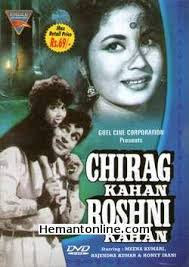
Song: Tim Tim karte taare Film: Chirag Kahan Roshni Kahan 1959 Lyrics & Music: Ravi Singer: Lata Mangeshkar.
இது இசைஞர் ரவியே எழுதிய பாடல். இதில் குழந்தையாக வந்தது டெய்சி இரானி- அவ்வளவு சின்னக் குழந்தையல்ல! இந்தப் பாட்டு மிகப் பிரபலமானது. பின்னணி வாத்ய இசை அவ்வளவு பொருத்தமில்லை என்பது என் கருத்து. இதில் ஒரு வருத்தம். நடித்த மீனா குமாரிக்குக் குழந்தை பாக்கியம் கிட்டவில்லை.(அது ஒரு சோகக் கதை). பாடிய லதா மங்கேஷ்கருக்கும் குழந்தை இல்லை! இன்னொரு தாலாட்டுப் பாட்டு-அதே ஆண்டில் வந்தது.
நன்ஹி கலி ஸோனே சலீहवा धीरे आना नींद भरे पंख लिये झूला झूला जाना नन्ही कली सोने चली हवा धीरे आना नींद भरे पंख लिये झूला झूला जाना नन्ही कली सोने चलीचाँद किरन सी गुड़िया नाजों की है पली आज अगर चाँदनिया आना मेरी गली गुन गुन गुन गीत कोई हौले हौले गाना नींद भरे पंख लिये झूला झूला जानारेशम की डोर अगर पैरों को उलझाए घुंघरू का दाना कोई शोर मचा जाए दाने मेरे जागे तो फिर निंदिया तू बहलाना नींद भरे पंख लिये झूला झूला जाना नन्ही कली सोने चली हवा धीरे आना
காற்றே, மெல்ல வீசு!என் குட்டி மலர் உறங்கச் செல்கிறதுகாற்றே, நீ மெதுவாக வீசு! உன் இறக்கைகளில் உறக்கத்தை தாங்கிவா!அதை தொட்டில் போல ஆட்டித் தூங்க வை!என் குட்டி மலர் உறங்கச் செல்கிறது!காற்றே நீ மெதுவாக வீசு!
இந்த குழந்தை நிலவொளி போன்ற பொம்மை!மிக நாசூக்காக வளர்ந்தது!அன்பு நிலவொளியே! இன்று நீ என் இடத்திற்கு வந்தால்மெல்ல மெல்ல குழந்தைக்குப் பாடு!உறக்கம் நிறைந்த உன் இறக்கைகளில் குழந்தையை தொட்டில் போல ஆட்டு!
மெல்லிய பட்டு நூல் அவள் கால்களில் மாட்டிக்கொண்டால்-அவள் காலில் உள்ள சதங்கையின் மணி சப்தம் செய்தால்-அதனால் என் ராணி விழித்துக்கொண்டால்-உறக்கமே, நீ அவளுக்கு விளையாட்டு காட்டு!காற்றே மெல்ல வீசு-உறக்கம் தங்கும் உன் இறக்கைகளில் அவளை தொட்டில் போல ஆட்டு!
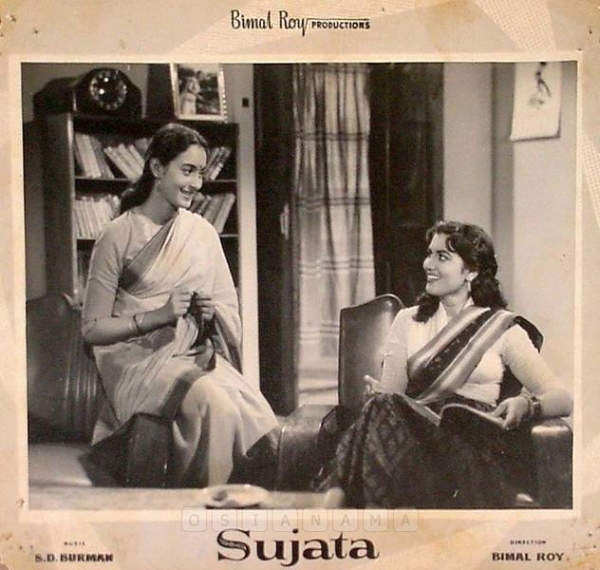
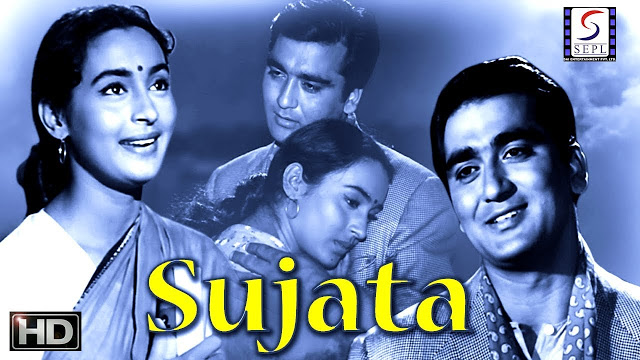
Song: Nanhi kali sone chali Film: Sujata 1959 Lyrics: Majrooh Sultanpuri Music :S.D.Burman Singer: Geeta Dutt. இந்தப் பாடலைப் பாருங்கள்- அசல் கவியின் முத்திரை பதிந்திருக்கிறது! குழந்தைக்கு அர்த்தம் தெரியவேண்டியது அவசியமில்லை யல்லவா! குழந்தைக்கு சங்கீதம், நமக்குத்தான் சாஹித்யம்! மஜ்ரூஹ் சுல்தான்புரி என்றால் சும்மாவா! கீதா தத் இதைப் பாடியதைப் பற்றி நாம் என்ன சொல்வது! எவ்வளவு உணர்ச்சிச் சித்திரமாகத் தீட்டியிருக்கிறார்! இதைப் பாடிய போது அவருக்கு மூன்று சிறு குழந்தைகள்! பின்னாட்களில் மிகவும் சிரமப்பட்டார்.
42 வயதிலேயே காலமானார். இந்தப் பாடலையும் முதலில் பார்த்த பாடலையும் ஒப்பு நோக்குங்கள்! லதா மாதிரி கீதா பாடமுடியாது என்று பலர் சொல்கிறார்கள். இந்த கீதா மாதிரி ஆயிரம் லதாக்கள் பாடமுடியுமா? ஒவ்வொரு குரலில் ஒரு கவர்ச்சி இருக்கிறது. இதைச் சரியாக பயன்படுத்துவது இசைஞரின் திறமை! இந்தப் பாட்டில் மிளிர்வது குரல் வளம் தான்- பக்க வாத்யங்கள் மிகவும் குறைவே! இந்தப் படம் வந்த சமயத்தில் பர்மனுக்கும் லதாவுக்கும் பேச்சு வார்த்தையில்லை. அதனால் தான் கீதாவுக்கு வாய்ப்பு கிடைத்தது! இந்தப் பாட்டை வேறு எவரும் இப்படிப் பாடியிருக்க முடியாது! இதுவும் மிகவும் விரும்பப் பட்ட பாடல்! இப்பாடல்களைப் பாடி பல பேர் குழந்தைகளைத் தூங்கவைத்திருக்கிறார்கள் என்பது உண்மை அனுபவம்! இப்பாடல்களைப் பாடித் தங்களைத் தூங்க வைத்த அனுபவத்தையும் பலர் இன்று பகிர்ந்து கொள்கிறார்கள்! மெத்தப் படித்த நம் இன்றைய அம்மாமார்களும் இந்த செல்வத்தைக் குழந்தைகளுக்கு தாராளமாக வழங்கவேண்டும்! குழந்தைகளைப் பாடித் தூங்க வைக்கும் வழக்கம் மீண்டும் வளரவேண்டும்! தாலாட்டு என்று தனிப்பாடல் அவசியமில்லை- எந்தப் பாட்டும் பாடலாம்! குழந்தைகளுப் பாடுவது lullaby உலகெங்கும் உள்ள பழக்கம். ஒர் ஆங்கிலப் பாடலைப் பார்ப்போம்.
EVENING Hush, hush, little baby, The sun’s in the west; The lamb in the meadow Has lain down to rest.The bough rocks the bird now, The flower rocks the bee, The wave rocks the lily, The wind rocks the tree;And I rock the baby, So softly to sleep… It must not awaken Till daisy-buds peep. ……Annymous.
Pictures are taken from various sources for spreading knowledge; this is a non- commercial blog. Thanks for your great pictures.
மர்பி விதி தொடரில் உள்ள கட்டுரைகளில் இது முதலாவது கட்டுரை!
மர்பி விதி – Murphy’s Law!
ச.நாகராஜன்
எட்வர்ட் மர்பி (Edward A. Murphy) என்பவர் 1949இல் எட்வர்ட்ஸ் ஏர் ஃபோர்ஸ் பேஸில் (Edwards Air Force Bae in 1949 at North Base) பணியாற்றி வந்த ஒரு எஞ்சினியர்.
அவர் கண்டுபிடித்த விதி தான் மர்பி லா எனப்படுகிறது : If anything can go wrong, It will!
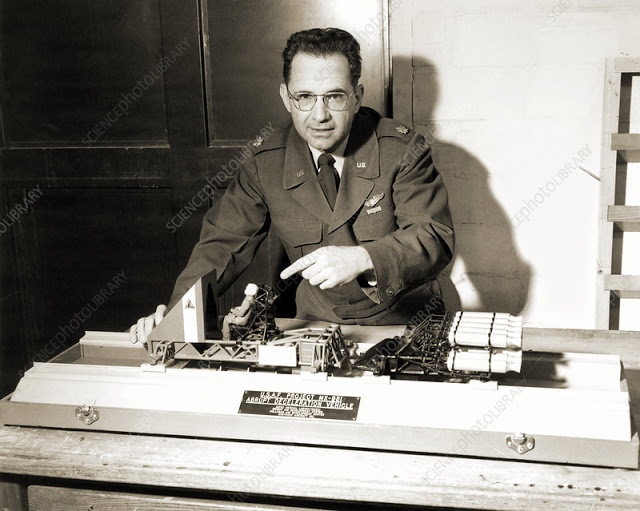
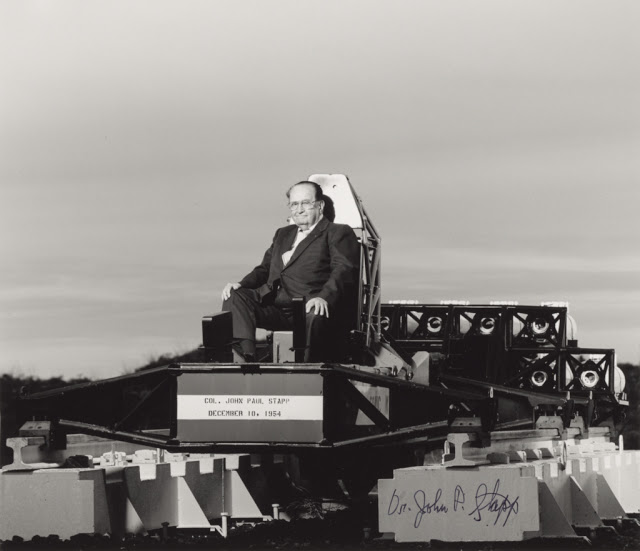
ஒரு நாள் அவரின் கீழ் பணி புரிந்த ஜூனியர் டெக்னீஷியன் ட்ரான்ஸ்ட்யூஸர் ஒன்று தவறாக இணைப்புக் கொடுக்கப்பட்டிருப்பதைப் பார்த்தார். அந்த தவறைப் பார்த்த மர்பி, “அதை எப்படியேனும் தவறாகச் செய்ய வேண்டுமானால் அவர் அந்த வழியைக் கண்டுபிடிப்பார்” (If there is anyway to do it wrong, he ‘ll find it.”) என்று கமெண்ட் செய்தார். டாக்டர் ஜான் பால் ஸ்டாப் (Dr John Paul Stapp) என்பவரும் அந்த ப்ராஜெக்டில் பணியாற்றி வந்தார்.
Dr John Paul Stapp
மர்பியின் இந்த வார்த்தைகளை அவர் உடனே குறித்து வைத்துக் கொண்டார். எங்கும் தவறு நடப்பது சகஜம் தான் என்பதால் அவர் இதை வைத்து ஒரு விதியை உருவாக்கினார். அதை மர்பி விதி என்று அழைத்தார்.
If anything can go wrong, it will என்ற மர்பி விதி உருவானது.
பின்னால் ஒரு பத்திரிகையாளர் கூட்டத்தில் நிருபர்கள் அவரை எப்படி விபத்துக்களைத் தவிர்க்கிறீர்கள் என்று கேட்ட போது அவர் தாங்கள் மர்பி விதியைக் கடைப்பிடிப்பதாகக் கூறினார். இந்த வார்த்தை உடனே பரவியது.
மர்பி விதி உலகெங்கும் பிரபலமானது.
மர்பி விதி அனைவருக்கும் பிடித்துப் போகவே இதன் பல் வேறு ரூபங்கள் உருவாக ஆரம்பித்தன.
ஒவ்வொரு துறைக்கும் ஒரு மர்பி விதி உருவாக ஆரம்பித்தது.
நூற்றுக் கணக்கில் மர்பி விதியும் அதன் உப விதிகளும் இன்று உலகில் பரவலாக பேசப்படுகின்றன.
சில விதிகளை இங்கே பார்க்கலாம்:
Nothing is as easy as it looks.
Everything takes longer than you think.
Anything that can go wrong will go wrong.
If there is a possibility of several things going wrong, the one that will cause the most damage will be the one to go wrong.
Corollary: If there is a worse time for something to go wrong, it will happen then.
If anything simply cannot go wrong, it will anyway.
If you perceive that there are four possible ways in which a procedure can go wrong, and circumvent these, then a fifth way, unprepared for, will promptly develop.
Left to themselves, things tend to go from bad to worse.
If everything seems to be going well, you have obviously overlooked something.
Nature always sides with the hidden flaw.
Mother nature is a bitch.
It is impossible to make anything foolproof because fools are so ingenious.
Whenever you set out to do something, something else must be done first.
Every solution breeds new problems.
Murphy’s Law of Research: Enough research will tend to support your theory.
Murphy’s Law of Copiers: The legibility of a copy is inversely proportional to its importance.
Murphy’s Law of the Open Road: When there is a very long road upon which there is a one- way bridge placed at random, and there are only two cars on that road, it follows that: (1) the two cars are going in opposite directions, and (2) they will always meet at the bridge.
Murphy’s Law of Thermodynamics: Things get worse under pressure.
The Murphy Philosophy: Smile . . . tomorrow will be worse.
Quantization Revision of Murphy’s Laws: Everything goes wrong all at once.
Murphy’s Constant: Matter will be damaged in direct proportion to its value
Murphy’s Corollaries
Left to themselves, things tend to go from bad to worse.
It is impossible to make anything foolproof because fools are so ingenious.
Law of the Perversity of Nature (Mrs. Murphy’s Corollary): You cannot successfully determine beforehand which side of the bread to butter.
Corollary (Jenning): The chance of the bread falling with the buttered side down is directly proportional to the cost of the carpet.
• If we lose much by having things go wrong, take all possible care.
• If we have nothing to lose by change, relax.
• If we have everything to gain by change, relax.
• If it doesn’t matter, it does not matter.
இப்படி மர்பி விதி போல பல விதிகள் உள்ளன. அடுத்து அவற்றையும் ஒரு பார்வை பார்த்து விடுவோம்.
Pictures are taken from various sources for spreading knowledge; this is a non- commercial blog. Thanks for your great pictures.
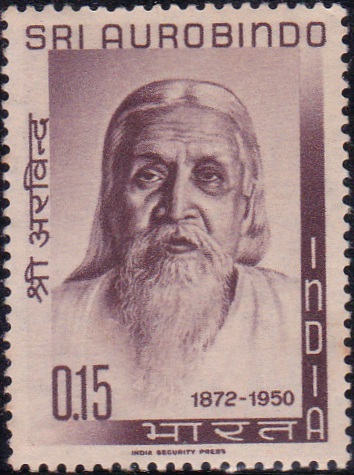
Aravinda Maharishi— Bengali spelling Aurobindo — contributed a lot to the study of Vedic literature. He has translated more than 4500 mantras of the Rig Veda. He has given new interpretation to various Vedic gods including Agni, Varuna, Ashwins, Vishva devas, Indra, Sarasvati, Ocean and Rivers, Dawn/ Ushas, Sons of Darkness and Angirasas.
He interpreted 42 Suktas out of 87 from the Fifth Madala and then took up various Suktas dealing with various other gods.
***
Yaska knew 20 Sholars
The problem of Vedic interpretation was always an open question: the known traditional interpreters are Yaska, Skandaswami, Udgitha, Venkata Madhava, Ananda Tirtha, Madhwa etc. many of them lived before Sayana.
Yaska, centuries before Sayana, mentions in his work several schools and more than 20 prominent individuals who had been in his time. Sayana took up the ritualistic view which was only one of the many possible. The Yajnikas, Aitihasikas, Vaiyakaranas etc and Shakapuni, Shaktala, Udumbara, Tittiki, Gallava, Chamasiras were mentioned by Yaska.
****
“The evidence of the Rig Veda shows that Aryans were not foreigners who had come from outside and settled in the valleys of various rivers,” says Dr Laxman Swarup.
Dr AKCoomar Swamy in the preface to his book ‘A New Approach to the Vedas’ says,
“What right have Sanskritists to confine their labours to the solution of linguistic problems? Is it fear that precludes their wrestling with the ideology of the texts they undertake? The Vedas were not preserved for their language by the ancient Indians”.
****
Knowledge of Tamil helped me!
It was my stay in Southern India which first seriously turned my thoughts to the Vedas. The sharp distinction between Aryan and Dravidian races created by the philologists disappeared.
On examining the vocables of the Tamil language , in appearance so foreign to the Sanskritic form and character, I yet found myself continually guided by the words or by family of words supposed to be pure Tamil in establishing new relations between Sanskrit and its distant sister Latin, and occasionally between the Greek and the Sanskrit…. And it was through this Dravidian language that I came first to perceive what seems to me now the true law, origins and, as it were, the embryology of the Aryan tongues.
****
Comparative Mythology
At the beginning of all human traditions there is this ancient memory.
It is Indra and the serpent Vritra,
it is Apollo and the Python,
it is Thor and the Giants,
Sigurd and Fafner,
it is mutually opposing gods of the Celtic mythology;
but only in the Veda do we find the key to this imagery which conceals the hope or the wisdom of a prehistoric humanity.
My comments
I will add biblical Adam and Eve story where also the snake figures.
Xxx
‘KAVAYAH SATYASRUTAH’ (RV.5-57-8)
Aurobindo explains the Vedic concept of poet.
A mind visited by some highest light and its forms of idea and word, a seer and “hearer of the Truth”, kavayah satyasrutah 5-57-8
The poets of the Vedic verse certainly did not regard their function as it is represented by modern scholars, they did not look on themselves as a sort of superior medicine men and makers of hymn and incantation to a robust and barbarous tribe, but as seers and thinkers– rsi,dhiira–these singers believed that they were in possession of a high , mystic and hidden truth, claimed to be bearers of a speech acceptable to a divine knowledge, and expressly so speak of their utterances , as secret words which declare their whole significance only to the seer,
Kavaye nivacanaani ninyaa vacaamsi
(R V.4-3-16)
Ninyaa vaacaamsi – secret words
This is from the fourth mandala of Vamadeva Rishi.
The Rishi describes himself as one illumined expressing through his thought and speech of words of guidance, secret words— ninyaa vaacaamsi— ‘seer wisdoms’ that utter their ‘inner meaning to the seer’
Kaavyaani Kavaye nivacanaa.
The Veda thus understood stands out, apart from its interest as the world’s first yet extant Scripture, its earliest interpretation of man and the Divine and the universe, as a remarkable, a sublime and powerful poetic creation. It is in its form and speech no barbaric production.
The Vedic poets are masters of a consummate technique , their rhythms are carved like chariots of the gods and borne on divine and ample wings of sound, and are at once concentrated and wide waved, great in movement and subtle in modulation, their speech lyric by intensity and epic by elevation and utterance of great power, pure and bold and grand in outline, a speech direct and brief in impact, full to overflowing in sense and suggestion-so that each verse exists at once as a strong and sufficient thing in itself and takes its place a large step in between what came before and what comes after.
The utterances of the greatest seers Viswamitra, Vamadeva, Dirgatamas and many others, touch the most extraordinary heights and amplitudes of a sublime and mystic poetry and there are poems like the Hymn of Creation that move in a powerful clarity on the summits of thoughts on which the Upanishads lived constantly with a more sustained breathing”.
Pictures are taken from various sources for spreading knowledge; this is a non- commercial blog. Thanks for your great pictures.
SRI TYAGARAJA -8 The Age of Kali
Cyclical time
The Hindu conception of time is cyclical. It has no absolute beginning, unlike the Biblical view which starts at a historical point in time ie with creation. In the Hindu view, there was never a time when creation was not, though it is subject to dissolution, after a period of existence. What is popularly called creation, preservation, destruction is inaccurate: it is manifestation, preservation and dissolution, called accurately in Sanskrit as srishti, stiti and pralaya. This cycle gets repeated, endlessly. The time scale involved is infinitely,fantastically long, defying our imagination. Indeed, it is not long time- however l-o-n-g it is. It is beyond all conceptions of time.
The Biblical view has long since been discredited. Modern science too has no satisfactory explanation. The Big Bang is really like science fiction: nothing more than a big splash in imagination: it does not explain anything eg it does not say what was before the big bang, why it started, what started it. When scientists do not know a thing, but do not want to admit it, they invent a theory!
In our Puranas, there are accounts of srishti. But these do not involve ‘creation out of nothing’ as in the case of the Bible . It is always a fresh manifestation out of what was lying dormant. Vivekananda and Sri Aurobindo have dealt with this subject in modern terms.
The notion of cycle involves repetition, but this repetition is like a spiral-always moving upwards. A cycle is conceived of as consisting of 4 periods called Yugas, each with its own characteristics. People living in the 4 periods differ in vital respects. These are explained in the Bhagavata and other scriptures.
Meaning of human birth
In the Hindu view, there are 84,00,000 forms of life in the universe. Man is at the head, after traversing this long chain.Every form of life has to traverse this long chain. That makes humans kins to everything that is- not just everything that lives. Human birth is considered rare and precious because it has come at the very end of the chain- it is only through human birth that man can attain Liberation ie break the cycle of birth and death and become free. Even Devas cannot do it. The only purpose of birth is for man to attain birth-less state. Failure here means man again sinks into the long chain!
Man is different from other forms of life because man is self-conscious, while every other form of life is conscient to different degrees, but not self-consicent. This is both man’s opportunity, and threat.
There is a progressive deterioration in the quality of human life in the 4 yugas, starting from a state of perfection in Satya or Krita yuga. The lowest point is reached in the Kali yuga, (our present age) leading to pralaya and then a new cycle. This view is shared by all the ancient civilizations.
Troubles in the Kali Age
Srimad Bhagavatam explains the deterioration that will take place in Kali, though it holds out hope too. Popular explanations of Vedanta deprecate the human body as being full of filth, subject to disease, decay, old age and death, etc. But they also ask us to view the human body as an opportunity, as a vehicle for attaining liberation. eg. sariramadhyam khalu dharma sadhanam. The acute stress on negative aspects is only to wean us away from excessive attachment. Indeed, it is an irony that the modern age which condemns idol worship shamelessly indulges in the adoration of the perishable body! Just look at the fashion, cosmetic and beauty industry!
Sri Tyagaraja points out the difficulties and problems associated with the Kali age.
In this Kali age, I cannot (like others) just learn a few clever words to impress others and eke out a living, for the sake of wife and children, developing a stony heart. ( ie in the Kali age, means of livelihood have become the main preoccupation)
Sattaleni dinamulu vachchena kalilona prathama padamulo tali dandri guru bhaktiyu leka palumaru dushkrutyam bonarppa valena……(Sattaleni)
O what a pity! Useless days have come, without the blessings of God! Why should it so happen that even in the first quarter of the Kali age, a state has arisen when people have no devotion for mother, father, guru and indulge in bad deeds repeatedly?
Let us just remind ourselves how ‘old age homes’ are proliferating and how educated, well-heeled people dump their aged parents there! Kali purushudu natakamuna gatta dalasinadu khala matamula neyaga mulaku mekaluga narula jesine! …..(Idi samayamura) Kali Purusha has planned to enact a drama. He will offer the people like sheep in a yajna, in evil religions/sects!
Just look at the new cults, new gurus, new ways that are spreading through the new forms of media! How many can really understand what is happening, without falling prey to a new trend or fashion?
Those who have mastered pornographic literature indulge in flattery and amass wealth. But people just laugh at devotees who have learned the bhakti literature, and ridicule them.
[ It is reported that in this lock-down period due to COVID 19 invasion, viewing of pornographic material has increased on the electronic media.]
Ee Kalinanusarinchina heenajati martyula cheekaku badaga darame ……… (Paripurna kama) Is it possible for me to bear the difficulties caused by those people of low character who follow the bad habits of this Kali age? Kalilo rajasa tamasa gunamu galavari …..(Manasa etulo) In this Kali age, people are full of rajasa and tamasa gunas.
Universal voice of History
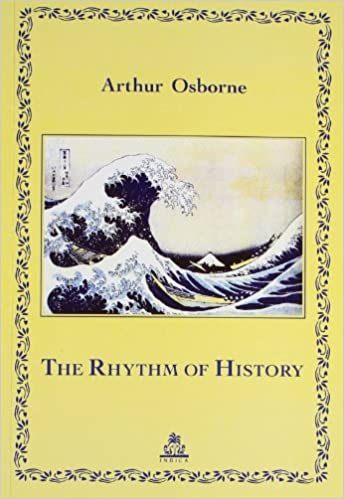
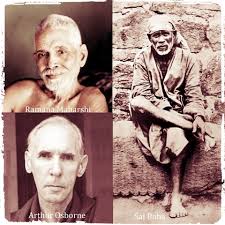
Serious students of history, religion and spirituality have reflected on these issues for long. They note that what is generally viewed as ‘progress’ is only a movement downwards and outwards, “to an ever-increasing externalisation of energy with a corresponding inner poverty.” Though this is well recognised and developed in Hinduism, it is not that other religions are entirely without some idea of it. Arthur Osborne points out:
There are two features about which the traditions of all religions agree in referring to what is called in Hinduism the Tenth Avatar: one is that the submergence of this cycle and the dawn of the next is to be world-wide, and the other is that it is to be cataclysmic……the present civilisation could qualify for such an eventuality since the two most conspicuous facts about it are that it is worldwide and that it goes in terror of destruction.…..
There are certain signs of the end of the Dark Age.. These include the mingling of the castes,the forsaking of the scriptures, the break-up of the family,the ascendancy of women and the teaching of religion by Shudras ( by which can be understood people without true spiritual understanding). The spiritual tradition will go underground and a true Guru be hard to find. This is mentioned as a sign in Christianity also: the coming of false prophets and false Christs…..
Buddhism has very similar doctrine of the recurrent incarnations of the Buddha on earth…..
Christians and Muslims await the second coming of Christ…. fourteen centuries after Mohammad.
… (in) the Cabbalistic writings of the Jews anticipating the Messiah…one of the signs which has been predicted as precedent to that is the return of the Jews to Palestine, which has also now been accomplished.
Note: In all these cases, the symbolism of the White Horse for the Comer is used, as in the case of Kalki Avatar. This is used in the case of ancient Germanic races too.
From: Arthur Osborne: The Rhythm of History, 1959.
These are the things Tyagaraja pointed out in the first half of nineteenth century. But his was not a voice of mere warning or hopelessness. He pointed a way out , but it is for individuals: each one has to decide on his own. There is no mass salvation
.”…each individual’s safety or destruction is, in a sense, in his own hands. Whatever may happen to the world, it depends ultimately on his own sincerity and preparedness what happens to him”.
(Arthur Osborne )
[ It is to be noted that such material is not studied in any formal history course in any university!]
Here, Tyagaraja is a sure guide, Sadguru. His message is essentially for each individual to study, reflect on and adopt in practice. Each individual has to consciously decide to run against the current. Tyagaraja teaches us how to do it.
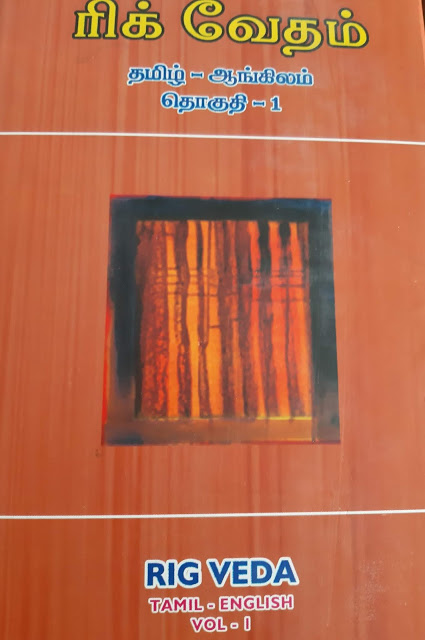
பேராசிரியர் எஸ் . வையாபுரிப்பிள்ளை அவருடைய ‘இலக்கிய உதயம்’ புஸ்தகத்தில் சில ரிக் வேத கவிதைகளையும் அதர்வ வேத கவிதைகளையும் மொழி பெயர்த்துள்ளார் . புஸ்தகம் 1952-ல் வெளியானது. அவர் சென்னை ஸர்வ கலாசாலைத் தமிழ் லெக்சிகன் பதிப்பாசிரியராகவும், தமிழ் ஆராய்ச்சித் துறை தலைவராகவும் திருவிதாங்கூர் ஸர்வ கலாசாலைத் தமிழ்ப் பேராசிரியராகவும் பணியாற்றினார்.1956ம்- ஆண்டு இறந்தார்.
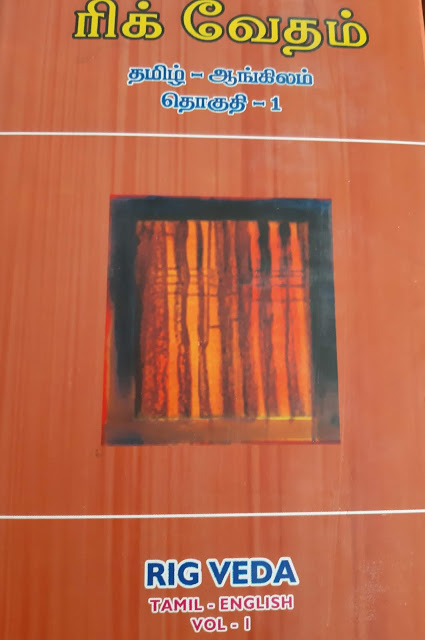
உலகின் பழமையான நூல் ரிக்வேதம். அதில் மிகவும் புதிரான ,பொருள் விளங்காத கவிதை தீர்க்க தமஸ் (அவர் பெயர் -திருவாளர் நீண்ட இருள்) ; பாடிய கவிதை ஆகும் ; இந்தக் கவிதையில் நிறைய எண் – நம்பர் (Number Symbolism) புதிர்கள் உள்ளன . அதையெல்லாம் வீட முக்கியமான வரி- மேற்கோள் – கடவுள் ஒருவரே- அவரை அறிஞர்கள் பல்வேறு விதமாக விளிப்பார்கள் என்ற பேருண்மை வருகிறது.
ஏகம் சத், விப்ராஹா பஹுதா வதந்தி
அதை வையாபுரிப்பிள்ளை அழகாக மொழிபெயர்த்துள்ளார்-
இந்திரனே மித்திரனே வருணனே ஈண்டு
எரிகின்ற அக்கினியே என்று நல்லோர்
தந்தமக்குத் தோற்றியவாறு ரைப்பர் , தெய்வத்
தனிப்புள்ளாம் கருத்தமனும் அவன் காண் ; சார்ந்து
பந்தமுறு பெயர்பலவும் இயல்பினொன்றாய்ப்
பாரித்த ஒருபொருட்கே பகர்வராலோ
விந்தையொரு பெருங்கவிஞர் ; இதனால் சான்றோர்
விளிப்பர் எரி , எமன், மாதரிசுவான் என்றே
–ரிக் வேதம் 1—164-
इन्द्रं॑ मि॒त्रं वरु॑णम॒ग्निमा॑हु॒रथो॑ दि॒व्यः स सु॑प॒र्णो ग॒रुत्मा॑न् ।
46. They call him Indra, Mitra, Varuna, Agni, and he is heavenly nobly-winged Garutman.
To what is One, sages give many a title they call it Agni, Yama, Matarisvan.
****
உஷஸ் என்னும் அழகி
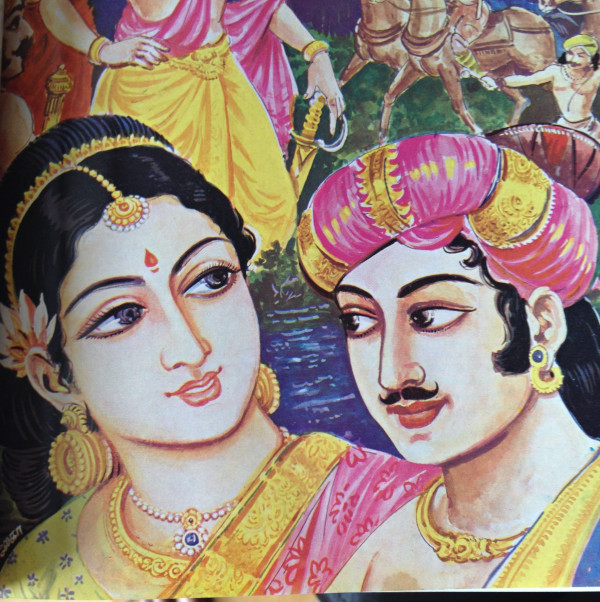
சூரியோதயமும் ஒரு பெண் தெய்வமாகப் பாவிக்கப்பட்டது. அப்பெண் தெய்வத்திற்கு உஷஸ் என்று பெயரிட்டார்கள் . அதன் அழகு புராதன ஆரியர்களுடைய மனோபாவனையைக் கவர்ந்து, பல இனிய காதற் பாடல்களுக்குக் காரணமாயிற்று.












 Tamil and Vedas