Pictures are taken from various sources for spreading knowledge; this is a non- commercial blog. Thanks for your great pictures.
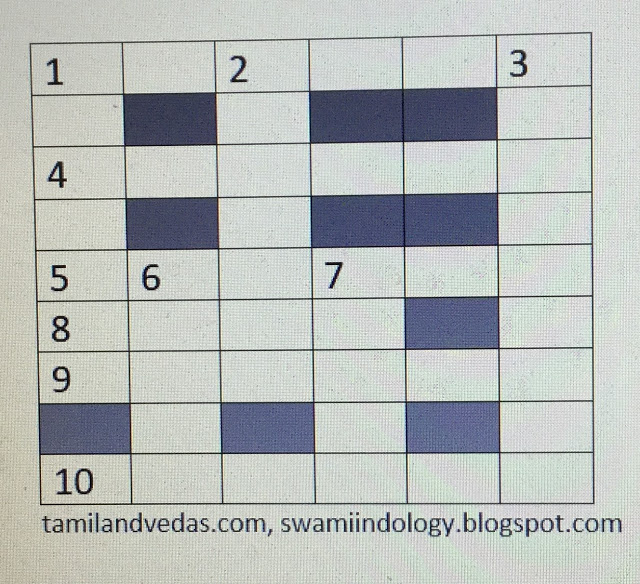
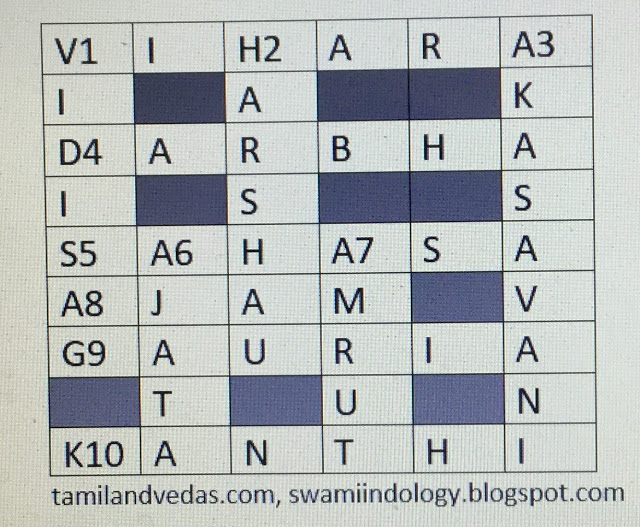
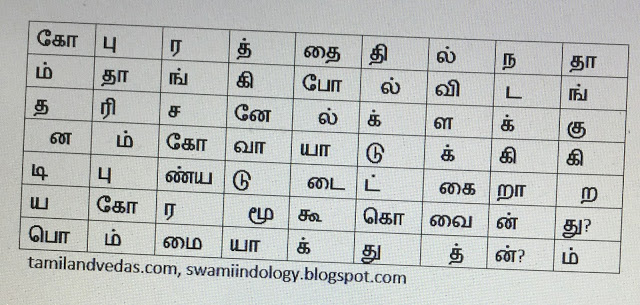
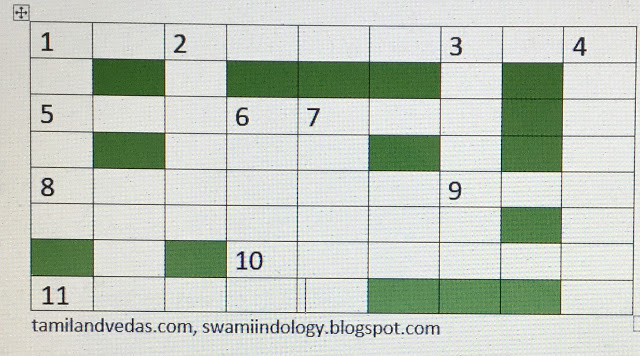
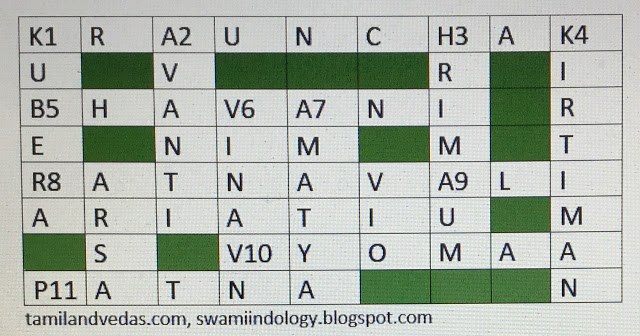
ஒரே சொல் மீண்டும் மீண்டும் வந்தால் ஓரிரு இடங்களில் மட்டுமே கட்டத்தில் இருக்கும். கொண்டு கூட்டி பொருள் கொள்க . விடை கீழே உள்ளது . சில நேரங்களில் படங்களைப் பார்த்தாலும் விடை காண உதவலாம்.
picture sent by lalgudi veda
விடை
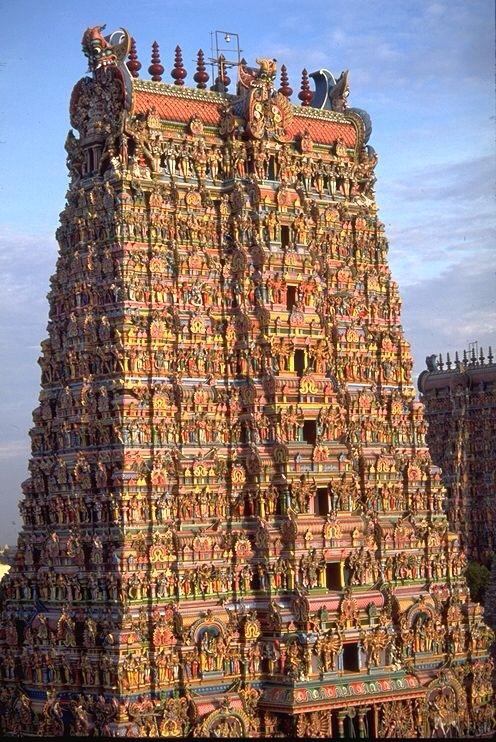
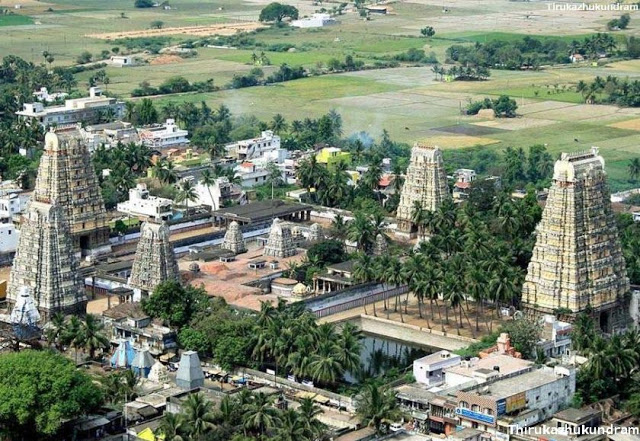
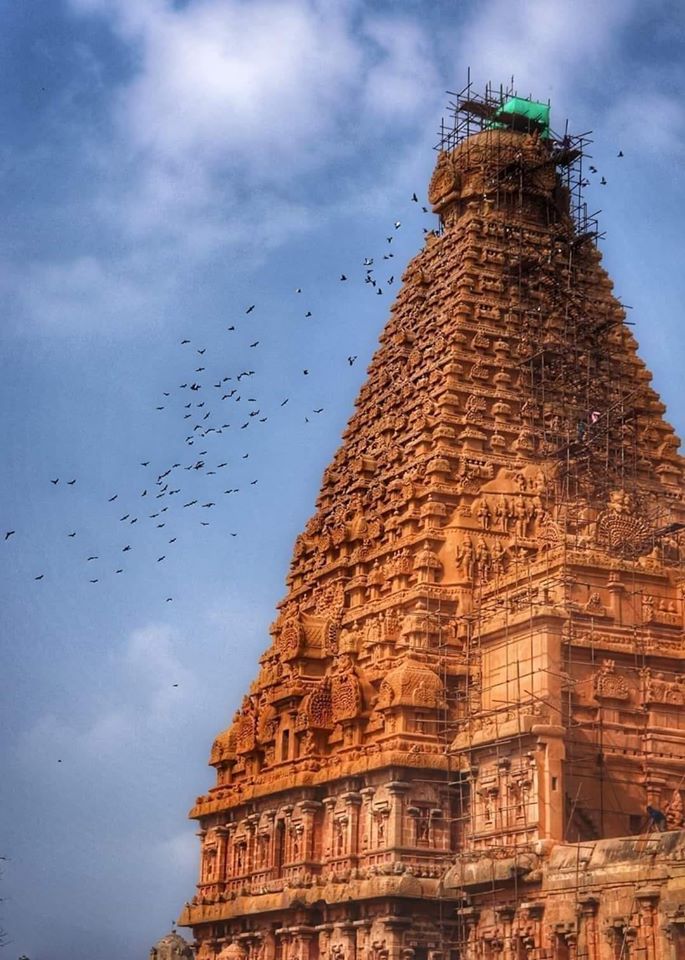
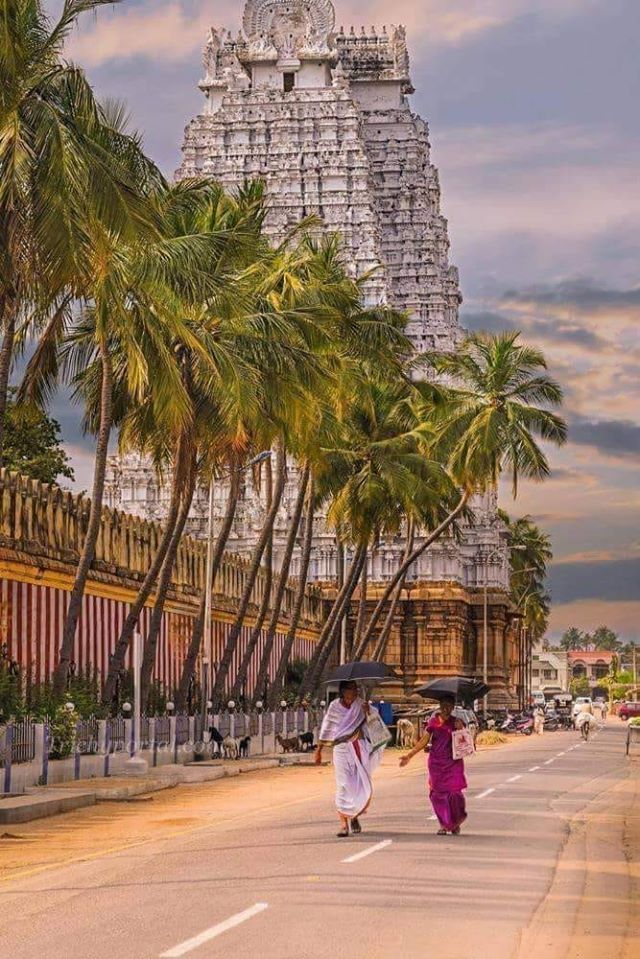
1.கோபுரத்தை பொம்மையா தாங்குகிறது?
2.கோபுரம் தாங்கி போல் நடக்கிறான்
3.கோபுரத்தில் விளக்கை வைத்துக் கொ ட்டுக் கூடையால் மூடுவானேன்?
4.கோபுர தரிசனம் கோடி புண்யம்
Source book :–
பயன்படுத்திய நூல்- கழகப் பழமொழி அகர வரிசை, கழக வெளியீடு
Pictures are taken from various sources for spreading knowledge; this is a non- commercial blog. Thanks for your great pictures.
tamilandvedas.com, swamiindology.blogspot.com
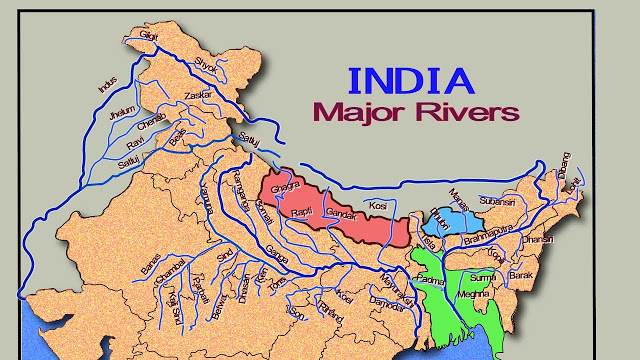
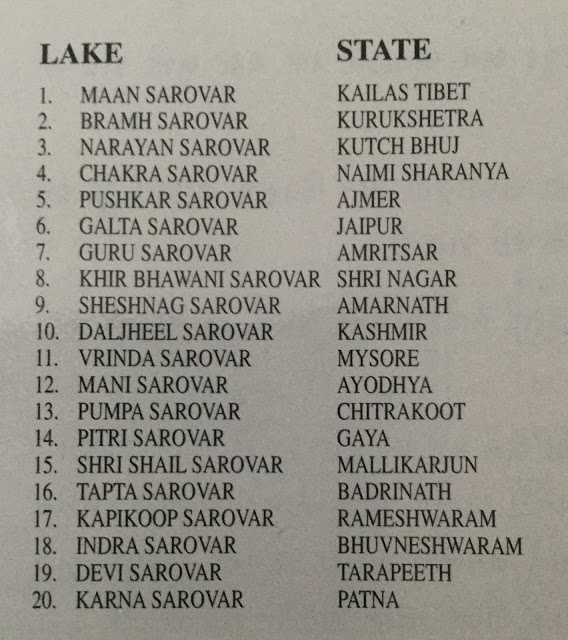
Hindus use holy water taken from sea, lakes and rivers for bathing kings, gods, and on special occasions, ordinary people. During big Yagnas (Fire Sacrifices) and temple consecration (Kumbha Abishekam) ceremonies water is brought from different holy places. Tamil and Sanskrit inscriptions praise certain kings bathing everyday in water brought from four different seas. This is to show that they control all the four directions, i.e. the countries in all four directions.
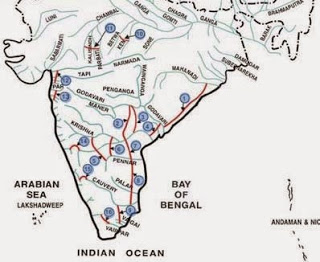
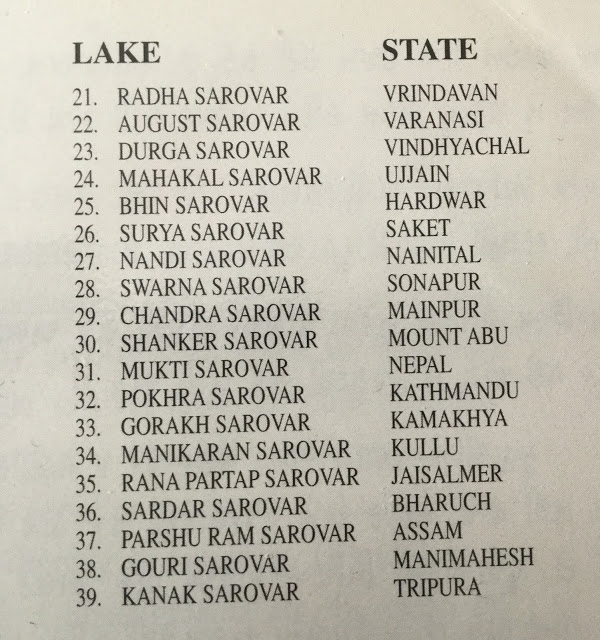
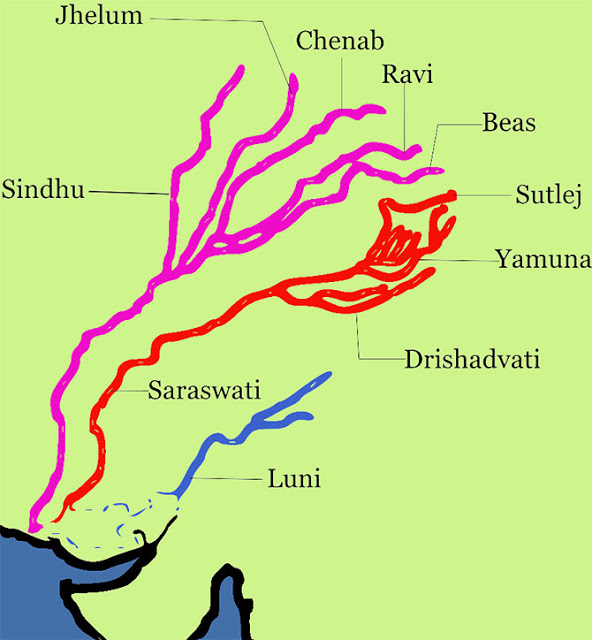
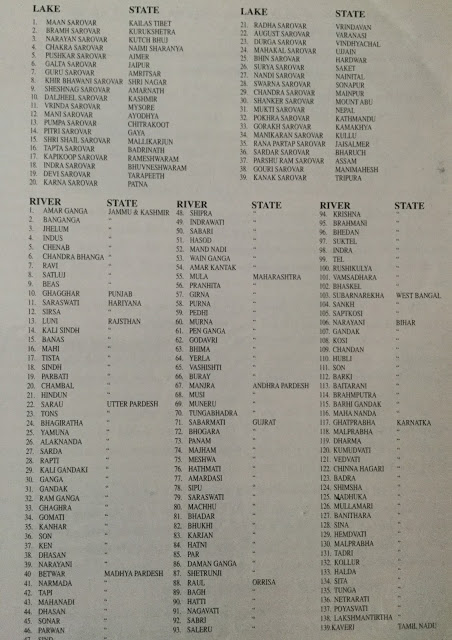
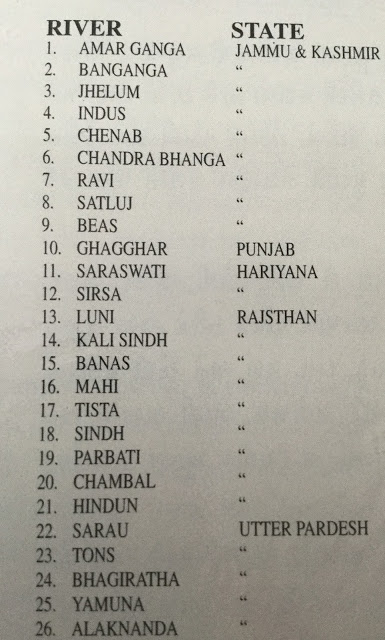
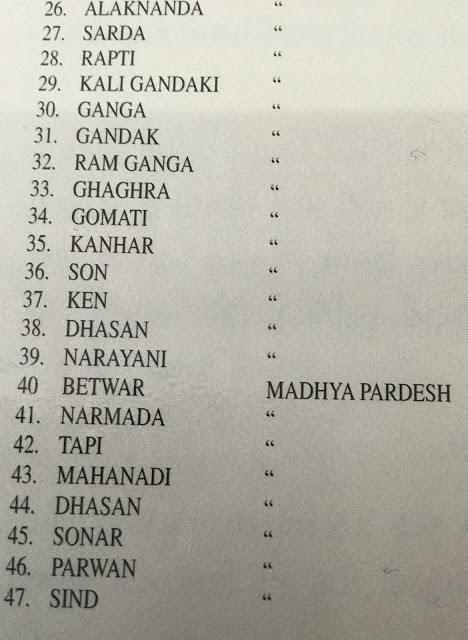
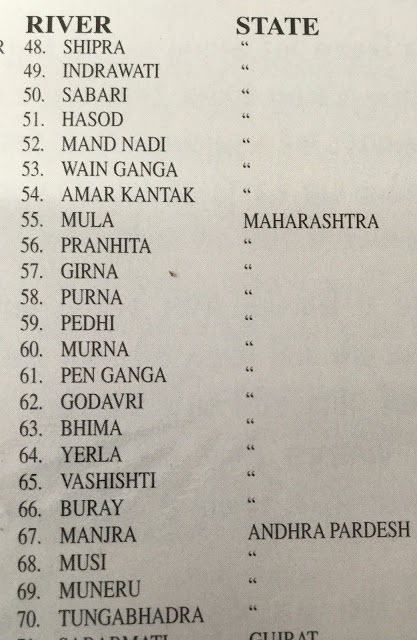
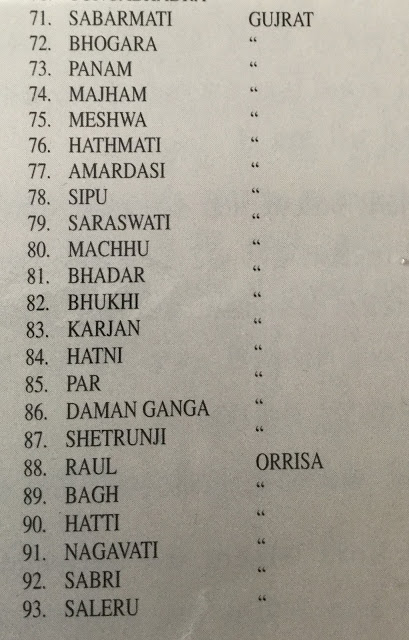
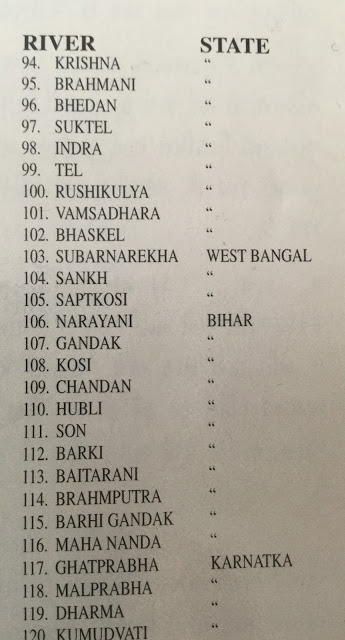
Someone has done a painstaking work by compiling names of the holy rivers and holy sarovars/lakes in different parts of India . This was published in a souvenir on the occasion of a Shivratri Yagna performed in London several years ago.
Pictures are taken from various sources for spreading knowledge; this is a non- commercial blog. Thanks for your great pictures.
SRI TYAGARAJA-28, Tyagaraja’s Rama
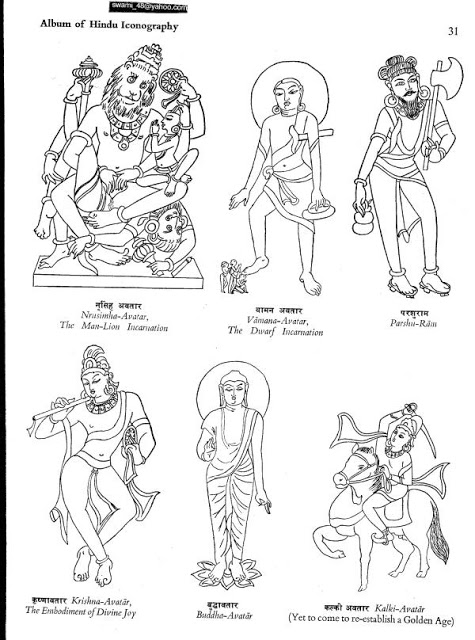
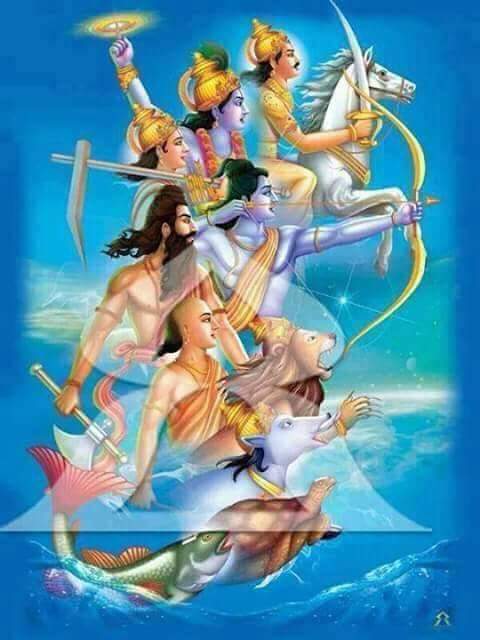
Brahman and Avatara
Rama was the Ishtadevata, Upasana Murti of Sri Tyagaraja. How exactly did Tyagaraja regard Rama? Of course, He is the Avatara, born as the son of Dasaratha, ruled over ayodhya, etc. But the matter is not so simple-it is mysterious.
The English word God has no clear meaning. We have different words to indicate different concepts. The Absolute, Ultimate, Alpha and Omega, is beyond our mind, thought and speech. It (or He, or She) is designated Brahman. But the human mind is incapable of conceiving something like that. So for our sake, that Absolute, Unnamable, Formless Truth comes down , bearing a Form and Name. (There is the concept of Iswara also, which is not relevant here). Those who murmur should ponder: can they understand even a human concept like love in an absolute vacuum? Can they think of love in the absence of any person or object or relation? It is seen that those unfortunate persons not having any one to love or be loved by, at least attach themselves to a pet, an ideal or even a petty thing like a pen or a bike!
Our highest love is reserved for the Most High. And to honour our love, That comes down, descends to our level, to our midst, bearing a name and form. This we call the Avatara.
Avatara in the Gita
Lord Krishna explained this idea in the Gita.
Ajoapi sannavyayaatma
Bhutanaam Ishvaroapisan
Prakrutim swaam adhishtaaya
Sambhavaami aatma mayayaa. 4.6
Though I am unborn, of changeless nature and Lord of beings, yet subjugating My Prakriti, I come into being by MY own Maya.
(The words sambhavami and maya are untranslatable. The translation here is approximate.)
Then does He become a mere human being?
Avyaktam vyaktimapannam
Manyante Mam abhuddhaya:
Param bhavam ajananto
Mam avyayam anuttamam. 7.24
The foolish regard Me, the Unmanifested, as come into manifestation, not knowing my Supreme State- immutable and transcendental.
Naaham prakaasa: sarvasya
Yoga maya samavruta:
Moodhoayam naabhi janati
Loko Mam ajam avyayam 7.25
I am veiled by My Yogamaya. So I am not perceived by every one. This humanity lacking intelligence does not understand Me as the Unborn and the Ultimate Immutable
This maya belongs to Bhagavan. That is why we need His grace to go beyond it and understand and love Him. This is clarified by Bhagavan Himself.
Daivee hyesha gunamayi
Mama maya duratyayaa
Maameva ye prabatyante
Maya metaam taranti te 7.14
This maya of Mine, constituted of the three gunas is difficult to cross over. Only those who are devoted to Me cross over this maya.
Avajaananti Mam moodha
Maanusheem tanum aasritam
Param bhavamajaananto
Mama bhuta maheshvaram. 9.11
Unaware of My higher state, as the great Lord of beings , fools disregard Me, donning the human form.
Those who are able to transcend the maya are fortunate. They perceive Bhagavan in the Avatara.
Yo Mam ajam anaadim cha
Vetti loka Mahesvaram
Asammoodha: sa martyeshu
Sarva papai: pramuchyate. 10.3
He who knows Me (as I am), birthless and beginningless (and therefore deathless and endless),the great Lord of the worlds – he among mortals is undeluded ; he is freed from all sins.
Avatara in Bhagavtam: Act of Compassion
It is to bless people that the Unmanifest Bhagavan comes down with a name and form, as clarified in the Bhagavatam.
Anugrahaya bhutaanaam
Maanusham deham aasthita:
Bhajate daatrusee: kreeda
Ya srutvaa tatparo bhavet.
It is for the sake of conferring blessings on the Jivas that Bhagavan manifests Himself in the human form .
He then indulges in a variety of divine play(leela). At least by listening to them , their minds may turn towards Bhagavan- that is why.
So, the Avatara is a great act of compassion on the part of the Absolute for the benefit of humanity. But the devotee never forgets that the Avatara is also the Absolute.
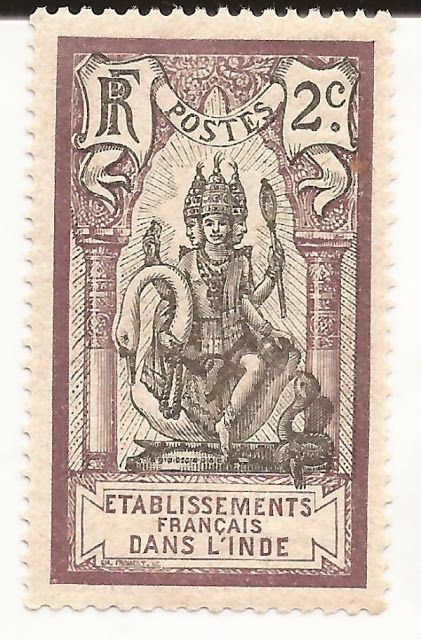
AvataraV.Trimurti
A problem is faced by Hindus here. We also have the concept of Trimurti- the absolute Brahman being regarded as Brahma, Vishnu, Siva. So, how do we regard the Avatara vis a vis the Trimurtis?
It is generally held that all the Avataras are of Vishnu. Brahma is never known to have incarnated. Siva has manifested and performed leelas, but these are not regarded as Avatars.Only Vishnu has taken Avatar.
But in reality there is nothing like this. The Trimurti is a human concept, but the Avatara is a divine fact! The Bhagavan who gives us the Gita is not just one of the Trimurtis! If we study the Gita closely and carefully,we will see that Krishna, sitting in the chariot and speaking to Arjuna, easily transcends His human form and reveals Himself as the Absolute- beyond the Trinity.Arjuna becomes so frightened that he requests this Absolute to assume his normal human form! It is therefore my view that Avatara is superior to the Trinity.
Avatara: Preservation and Destruction
I will just point out one incongruity in the popular idea that Vishnu has taken all the Avatars. Vishnu is supposed to be the Deity of preservation. But in all the Avatars, he has only destroyed something or somebody! In fact this destruction is part of preservation- it is indeed not destruction but transformation or fulfilment! So our idea of one murti for creation, one for preservation, one for samhara is itself imperfect. Sri Bhagavan makes it clear in the Gita:
Yada yada hi dharmasya
glanir bhavati Bharata
Abhyutthanam adharmasya
tadaatmanam srujamyaham 4.7
O descendant of Bharata! Whenever there is decline of Dharma, and rise of Adharma, then I come forth in a body.
Paritranaya Sadhunam
Vinasaya cha dushkrutaam
Dharma samstaapanaartaya
Sambhavaami yuge yuge. 4.8
For the protection of the good, for the destruction of the wicked, for the establishment of Dharma, I come into being in every age.
It is therefore clear that the establishing dharma involves both protection (preservation) and destruction! It cannot be the role of just Vishnu, as popularly conceived! Often, adharma will not go unless those who indulge in it are got rid of!
For instance Duryodhana says:
Jaanaami dharmam na cha me pravritti:
Jaanaami adharmam na cha me nivritti:
Kenaapi devena hrudi stithi tena
Yatha niyuktoasmi tatha karomi (Pandava Gita)
I know what is dharma; but I am not able to observe it. I know what is adharma but I am not able to refrain from it. There is some deva in my heart; as it prompts me, I act.
This is a very clear example of how adharma cannot be removed unless those responsible for it are also removed! Duryodhana is a prime example of one born with demonic tendencies, as explained in the Gita! Such figures are typal ie they cannot be reformed. Thus maintenance of dharma involves destruction too, conceived as the job of Rudra! Besides, we should also remember that the names Brahma, Vishnu and Siva are Vedic and in the Veda they have a significance far different from those given in a puranic context.
It is therefore clear that Avatara is above the Trimurtis!
Rama is more than Trimurtis
Tyagaraja subscribes to this fully. His Rama is not just the son of Dasaratha. The name Rama, the Taraka Nama, existed prior to Ramavatara! Let us see how Tyagaraja regards Rama.
Adi madhya rahita (Nee daya- Todi)
Adi madhyanta rahita (Edari sancharintura)
Adi anta rahita (Aela needaya radu)
Rama is one without beginning, middle and end. He is Brahman.
Oka rupamuna barosi oka rupamuna echi
oka rupamu joochuchuntivi (Innallu- Ghata)
You create the universe assuming one form; assuming another, you preserve it; and in another form, you destroy it!
Vinu Saketaraju visvamaneratha munekki
Tana samarthyamuche daane nadiyinchenae
(Manasa-vardhani)
Bhagavan as Ayodhyapati moves on the Earth as his chariot, and gets everything done by his own skill (or power)
Okatesinapadi noorai veiyai
Chakapakalaadi satuvula nanache nata
Vikaluni kakini brova trimurtulu
venula teesi naarada
Sakala nadipatikai drumakulyula
samharinche nataa (Evarichchirira)
It seems when you sent an arrow, it multiplied into ten, hundred and thousand and controlled the enemies. Even the Trimurtis refrained from saving Kakasura ( when he was pursued by your weapon).For the sake of the king of the Seas, your arrow destroyed the place of residence of the Rakshasas called Drumakulya.
(Who gave you such bow and arrows?)
The Trimurtis represent the three gunas. But Rama is beyond the three gunas.
Mooti kekkuvaina needu gunammulu
(Talachi nantate)
Your characteristics which transcend the three gunas.
Tri saktiyu galigina devudu neevai (Yuktamu gaadu)
You are the Divine who has all the three powers (of creation, preservation and destruction)
Tamasadi guna rahitudu (Undaedi)
One who has transcended the gunas beginning with Tamas.
Besides transcending the three gunas, Bhagavan is also beyond the dualities. He does not have feelings of friend ,enemy, etc. He saves even the Rakshasas and Asuras.
Satrula mitrula samamuga jooche nee
(Enduku nirdaya)
You regard enemies and friends alike.
Here we remember the words of Gita:
Samoaham sarva bhuteshu
Na Mae dweshyoasti na priya:
Ye bhajanti tu Mam Bhaktya
Mayi te teshu chapyaham 9.29
I am the same to all beings; to Me there is none hateful or dear. But those who worship Me are in Me and I too am in them.
Nirvikara guna nirmala (Dinamani vamsa)
One with charactersistics which do not undergo change. The pure.
(Gunas are modifications of mind. Rama is beyond such modifications.)
Vaemako lokaabhi
Cheemalo Brahmalo Siva kesavaadulalo
prema meera melagu chunde birudu vahinchina
(Rama nannu brova)
You are pervading all jivas- from the ant to Brahma, and also Siva and Vishnu with great love.
Srushti pushti nashti seyu panuluni
Nikrushta manuchutu Trimurtula koasagi
(Manasa SriRamachandra)
Rama has felt the three activities of creation, preservation and destruction as of low order and so has left them to the Trimurtis.
Ajagaja rakshaka gajasarmaamba-
raadi daivabhedamulanu leela
kalga jesina (Nijamarmamulanu)
Sri Rama established the differentiation among Brahma, Vishnu and Siva as if in play.
(The kriti goes on to say that those who know this secret cannot be subject to any difficulties.)
Muggurilo maelaina Rama (Siggumali)
Rama, who is above the Trimurtis!
Parvati ramanaarchita pada
Ramaapati vandya paratpara (Sarva bhauma)
Your Feet are worshipped by Siva
You are worshipped by Vishnu.
You are the Paratpara.
Paripurnaavatara (Raghupate Rama)
You have assumed the perfect, most complete Avatara.
Paraesa
(Para Isha) Paramatma
Eeraedu lokamula
Kaadharudagu (Vaerevvarae)
You are the foundation for the fourteen worlds.
Saatvika bhakti bichcha meeyavae….
Trimurtula gati melmi Rama (Bhakti bichcha)
Rama! Please give me as alms bhakti for you which is of an auspicious nature. That alone is superior to even the Trimurtis.
Mummurtulu gumigoodi pogade
muchchata vinukorae
Just listen to this- how the Trimurtis have come together to praise Rama!
Geetad yakhilo upanishad sara Sitavara (Sitavara)
Rama! You shine as the essence of Gita and other Upanishads.
Srushti sthityantakara…..
Onkara panjara keera
purahara sarojabhava kesavaadi
rupa…………………………(Jagadanandakaraka)
One performing the three functions of creation, preservation and destruction.
Has taken the form of Siva (who destroyed the three puras) , Brahma of the lotus, and Vishnu.
Nara kinnara kimpurusha sura
nirjara raja sivaadi ramaapatula
taru bhudharaa naekanda mula….
Leelaganu jooche (Leelaganu)
Humans kinnaras kimpurushas, asuras Devendra,Siva, Vishnu, the lord of Lakshmi, trees, the different worlds – all these should be seen as your play. (Please grant me the association of such holy men who have this vision.)
You gave tamasa guna to Siva, rajasa guna to Brahma, indordinate pride to Indra.
There are at least three kritis where Tyagaraja deals with this subject extensively.
Evarani nirnayinchirira
Etavunara
Endundi vedalitivo.
We have seen the first two in previous postings. So now, we will look at the other one.
Where does Rama hail from?
Sri Rama nee
Endundi vedalitivo Aeyooro ne deliyya
ipudaina delupavayya (Endundi)
Sri Rama!Where do you hail from? Which is your place? I do not know.Lord, at least now reveal them to me.
Anda chandamu verai nadatalella
trigunaateetamai yunnade gaani
Your appearance ( of a prince) is something; but your conduct is different- beyond the three gunas!
Chitukante naparadha chayamula dagilinche
Sivalokamu gadu
Vaturupudai balini vanchinchi yanchuvani
Vaikunthamu gadu
Vitavachamulaadi chiramu drumpabadda
Vidhilokamu gadu
Your place cannot be Sivaloka- where even a small lapse constitutes a big offence.
It cannot be Vaikunta, the place of Vishnu, who after all tricked Mahabali and subjugated him.
It cannot be the world of Brahma who lost one of his five heads for resorting to lustful words.
Didavu dharmamu satyamu mrudubhashalu kalgu
divyarupa Tyagaraja vinuta
Your divine form is full of firmness, dharma, satya, pleasing speech, etc. So where exactly do you come from? (Who indeed are you, because you are so different from the Trimurtis!)
What a splendid way Tyagaraja portrays the nature of Rama, as beyond the Trimurtis! Our Puranas are full of incidents revealing the ‘other side’ of the Trimurtis! (It is almost like the gods in Greek mythology!) Compared to them, Rama is ideal and perfect in all respects! No wonder Tyagaraja has seen the secret behind Him ( nija marmamu telisina vaani) and realised Him as the Brahman, beyond the Trinity!
That is why, we can never get good buddhi without instructions from Satguru : buddhi radu, buddi radu, peddala suddulu vinaka)
Bhagavan Himself declares in the Gita:
Brahmano hi pratistaaham Amrutasya avyayasya cha Sasvatasya cha dharmasya Sukhasya aikaantikasya cha 14.27
For I am the abode of Brahman- the Immortal and Immutable, of everlasting Dharma and the Absolute, Unchanging Bliss. Can we now dare to say that the Avatara is just an aspect of any Deity?
As the Sadguru, Tyagaraja has revealed the Truth of Avatara.
Note:
That a true devotee should not differentiate among Upasana Murtis ( that is, whatever may be one’s own Upasana Murti, he should not denigrate or decry others, and advocate the idea that one is superior to another) is emphasised in the Bhagavata. After Daksha’s Yajna was destroyed by Rudra, the Devas request Rudra to give up his anger and help in the proper completion of the Yajna. Rudra too shows compassion and visits the Yajnashala. Then Lord Narayana also appears there and instructs them about the non-difference among the Murtis (Murti-Samasrayam). Bhagavatam, Skanda 4, Chapter 7.
Bhagavan says:
Aham Brahma cha sarvascha jagata: karanam param Atmeswara upadrishta swayam druga viseshana:
I am Brahma, responsible for creation of the World. I am Siva too. I am the Atma of every one, their master and also the witness for their acts. I am self-effulgent and unconnected with anything. Atma mayam samavisya soaham gunamayeem dwija Srujan rakshan haran visvam dadhrae samjnam kriyochitaam. O Brahmins! Though I am such, I assume the Maya consisting of the three gunas and engage in projection,maintenance and laya of the world. Accordingly, I assume the names of Brahma, Vishnu and Siva. Tasmin brahmanyadvideeye kevalae paramatmani Brahmarudrau cha bhutani bhedenaajnonupasyati.
It is the one lacking intelligence who perceives differences in this One without a second, such as Brahma, Siva and others.
Will any man think of the various parts of his body that some are his, while some belong to others? Likewise my true devotee does not distinguish between Me and other forms of life.
Tryaanaam eka bhaavaanaam Yo na pasyati vai bhidaam. Sarva bhutatmanaam Brahman
Sa santim adhigachchati.
O brahmajnanis!
We three are One. We also appear as all forms of life. One who does not perceive any differences among us attains Peace. -Slokas 50-54. Devotees should ponder how this matches what is said in the Gita!
Pictures are taken from various sources for spreading knowledge; this is a non- commercial blog. Thanks for your great pictures.
tamilandvedas.com, swamiindology.blogspot.com
சிலந்தியின் ஆயுள் எத்தனை ஆண்டுகள் ?
2006ம் ஆண்டில் லண்டன் டெய்லி மெயில் பத்திரிகையில் சிலந்திப் பூச்சி பற்றிய ஒரு கேள்வி பதில் வெளியானது. இதோ அதன் மொழி பெயர்ப்பு.
பொதுவாக சிலந்திகள் ஒன்று அல்லது இரண்டு ஆண்டுகள் வரை வாழ்கின் றன
சிலந்திகளில் 80, 000வகை இருக்கி ன்றன
ஆண் சிலந்திகள் பெண் சிலந்தியுடன் கூடிய வுடன் இறந்து விடும். பெண் சிலந்திகள் முட்டையிட்டவுடன் இறந்து விடும்.
வீட்டி ல் காணப்படும் சிலந்திப் பூச்சிகள் ஓராண்டு முதல் 18 மாதங்கள் வரை உயிர் வாழும்.
தோட்டத்தில் வாழும் ,,,,,,, ஒன்றரை ஆண்டுமுதல் இரண்டு ஆண்டுகள் வரை வாழும்.
பபூன் சிலந்திகள் பிடித்து வைக்கப்பட்ட கூண்டுகளில் 20 ஆண்டுகள் வரை வாழ்ந்ததும் உண் டு .
சிலந்தியின் அளவுக்கும் வாழ்நாளுக்கும் எந்தத் தொடர்பும் இல்லை. பெரிய போன் வலைச் சிலந்தி ஓராண்டு மட்டுமே வாழ்கிறது சிறிய வயலின் சிலந்தியோ மூன்று ஆண்டுகள் வரை உயிருடன் இருக்கின்றன.
Pictures are taken from various sources for spreading knowledge; this is a non- commercial blog. Thanks for your great pictures.
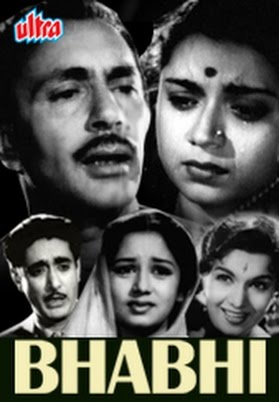
ஹிந்தி படப் பாடல்கள் – 60 – சித்ரகுப்தா!
R. Nanjappa
சித்ரகுப்தா!
ஹிந்தித் திரை இசையில் சித்ரகுப்தா (1917-1991) தனி இடம் பெற்றவர். 1946 முதல் (எஸ்.டி.பர்மன் காலம்) 80கள் வரை (பர்மனுக்கும் பின்னும்) துறையில் இருந்தவர். சுமார் 150 படங்களுக்கு இசையமைத்திருக்கிறார். பல படங்கள் நல்ல இசையைக் கொண்டிருந்தும் திரையில் வெற்றிபெறவில்லை. பல படங்கள் பெரும் வெற்றி பெற்றன. ஆனாலும் இவரை முதல் வரிசையில் வைத்து எண்ணுவதில்லை. இன்று இவரை பலருக்கும் தெரியாது. இசையமைப்பாளர்கள் ஆனந்த்-மிலிந்த் அப்பா என்றால் தெரியுமோ என்னவோ!
புராணப் படங்கள், ராஜா-ராணி கதை, ஸ்டண்டு படம், சமூகப் படம் என எல்லாவித படங்களுக்கும் இசை அமைத்ததால் இவர் தனக்கென ஒரு தனி பாணியை வகுத்துக்கொள்ளவில்லை. ஆனால் இவர் இனிமையை என்றும் கைவிட்டதில்லை. இவர் இசையில் உருவான பல அருமையான பாட்டுக்கள் இருக்கின்றன, இரண்டை இங்கு பார்ப்போம்.
This is a great composition, with sublime lyrics, No one can listen to this song without tears welling up in the eyes!
ராஜேந்த்ர க்ருஷ்ணனின் அருமையான கவிதை, ரஃபியின் குரலில் ஒலிக்கும் பாட்டு! மனதை உருக்கும் படியான கவிதை, உருக்கமாகப் பாடியிருக்கிறார் ரஃபி. மிக அருமையான இசை.கண்கள் பனிக்காமல் இப்பாட்டைக் கேட்க இயலாது. இந்த மாதிரி மனதைத் தொடும் பாடல்களை தற்காலத்தவரால் தரவே இயலாது! Their songs come from the computer, not from the heart!
இது கிருஷ்ணன்-பஞ்சு இயக்கிய ஏவிஎம் படம்- குலதெய்வத்தின் ஹிந்தி வடிவம் என்று நினைக்கிறேன்.
[I am including the audio track because often the original audio tracks have better recording]
இது படம் தொடர்பான பாடல்தான், ஆனாலும் மஜ்ரூஹ் சுல்தான்புரியின் கவிதை சிறப்பானது. இசையும் அருமை. முகேஷின் குரலில் இயல்பாக இருக்கும் உருக்கம் இத்தகைய பாடல்களை உணர்ச்சிக் காவியமாகச் செய்கிறது!
இத்தகைய பல ‘B Grade’ படங்கள் வெற்றிபெறவில்லை, பலருக்கும் தெரிவதில்லை ஆனால் பலவற்றில் அரிய இசை பொதிந்திருக்கிறது. சித்ரகுப்தா இசையமைத்த பல பாடல்கள் இத்தகைய படங்களிலேயே புதைந்து கிடக்கின்றன!
60 ஆண்டுகள் ஆகியும் மக்கள் மனதை விட்டு நீங்காத பாட்டுகள்!
அற்புத சித்தர்கள் தோன்றி அருள் தரும் அற்புத பூமியாகத் தமிழகம் தொன்று தொட்டு விளங்கி வருவதை நமது அறநூல்களும் இலக்கியங்களும் தெளிவாக விளக்குகின்றன.
தன் நலம் கருதாமல் உலக நலம் ஒன்றையே கருதி வாழும் இவர்கள் பஞ்ச பூதங்களையும் மனித குல மேம்பாட்டிற்காக எப்படியெல்லாம் இயங்க வைக்க முடியுமோ அப்படியெல்லாம் இயங்க வைக்கும் ஆற்றல் படைத்தவர்கள்.
சமீப காலத்தில் வாழ்ந்து வரலாற்றுக் குறிப்புகள் மூலமாகவும் உரிய ஆவணங்கள் மூலமாகவும் நாம் பல சித்தர்களைக் காண முடிகிறது.
உலகையே வியக்க வைத்து இறைவனுடன் வெளியில் கலந்த பெருமையைக் கொண்டவர் வடலூர் வள்ளலார் பெருமான் அவர்கள்.
சாகாப் பெருநிலையை மனித குலத்திற்கு கற்பிக்க வந்த பெருமானின் வாழ்வில் நடந்த அற்புதங்கள் பல.
அற்புதங்களை நடத்துவது என்பது அப்படி அற்புதங்களைக் காண்பிக்க வேண்டும் என்பது எந்தக் காலத்திலும் எந்த ஒரு சித்தரும் மனதால் நினைத்துச் செய்வதில்லை.
ஆனால் இயல்பாகவே இறையருளால் அவை நிகழும் போது மனித குலம் வியக்கிறது; பிரமிக்கிறது; குறிப்பெடுத்து வைத்துக் கொண்டு, வரும் சந்ததியினருக்குத் தருகிறது.
சென்னை பிரஸிடென்ஸி காலேஜில் தமிழ்ப் பண்டிதராகப் பணியாற்றி வந்த தொழுவூர் வேலாயுத முதலியார் வள்ளலாரின் அணுக்கத் தொண்டர்களுள் ஒருவர்.
அவர் வள்ளலார் வாழ்க்கையில் நடந்த பல சம்பவங்களை உள்ளது உள்ளவாறே எழுதி வைத்துள்ளார்.
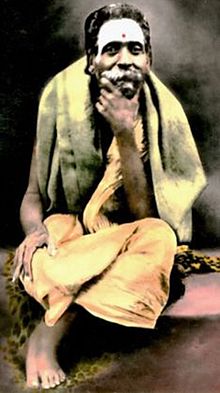
Seshadri Swamikal of Tiruvannamalai
அங்கங்கள் தனித்தனியே இருந்த காட்சி!
வள்ளலாரின் தொண்டர்களுள் ஒருவர் வேலூரைச் சேர்ந்த சண்முகம் பிள்ளை என்பவர். ஒரு நாள் வெளியே சென்ற ஐயா அவர்கள் வரவில்லையே என்று எண்ணிய அவர் வள்ளலாரை வெளியே போய்த் தேட ஆரம்பித்தார். அங்கே அவர் கண்ட காட்சி அவரை பிரமிக்க வைத்தது. வள்ளலாரின் அங்கங்கள் எல்லாம் தனித்தனியாகக் கிடந்தன. அதைக் கண்ட அவர் நடுநடுங்கி, “ஐயோ! இவர் இப்படி ஆகி விட்டாரே” என்று அலறி ஓவென அழலானார்.
ஆனால் திடீரென்று அவர் முன் முழு உருவமாகத் தோன்றிய வள்ளலார் பெருமான், ”நீர், இனிமேல் இது போல வந்து பார்க்காதீர்” என்று அருளுரை புகன்று அகன்றார். வள்ளலார் முன்னே நடக்க அவர் பின்னே தொடர இருவரும் சத்திய தருமச் சாலையை அடைந்தனர்.
இப்படி உடலைப் பிரிப்பது, பின்னர் பூட்டுவது என்பது சித்தர்கள் பலரின் வாழ்விலும் அடிக்கடி நடக்கும் ஒரு சம்பவமாக அமைந்திருக்கிறது.
பல இடங்களில் காட்சி தரல்
திருவதிகைக்கு வருகை புரிந்த வள்ளலார் பகலில் இறை வழிபாட்டிற்காகச் சென்றார். அவரைக் காணக் கூட்டமோ கூட்டம். ஏராளமான பக்தர்கள் தம்மைக் காண விரும்புவதை உணர்ந்த அவரது அருளுள்ளம் உடனே தனது உருவை ஒரே சமயத்தில் இரண்டு மூன்று இடங்களில் தோன்ற வைக்க அன்பர்கள் அந்தக் காட்சியைக் கண்டு புளகாங்கிதம் அடைந்தனர்.
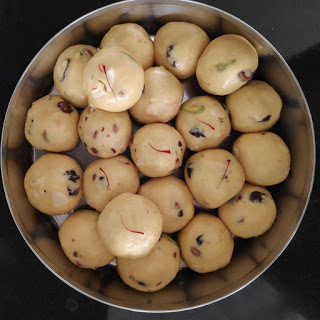
சித்தர் கொடுத்த லட்டு!
ஒரு சமயம் வள்ளலார் கூடலூர் சென்றிருந்தார். அங்கு தமது சீடரான அப்பாசாமி செட்டியார் இல்லத்தில் ஒரு அறையில் தனித்திருந்தார். அபோது அங்கு ஒரு பெரியவர் வேகமாக வந்தார். யாருடைய அனுமதியும் பெறாமல் அவர் வள்ளலார் இருந்த அறையினுள் சென்றார். உள்ளே சென்றவர் வெளியே வரவில்லை. பக்தர்கள் திகைத்தனர். ஒருவாறாக மனதைத் திடப்படுத்திக் கொண்டு அவர்கள் வள்ளலார் இருந்த அறையின் கதவைத் தட்டி உள்ளே சென்று நடந்ததைக் கூறினர். வள்ளலார் சிரித்தார். நம்மைக் காண வந்த சித்தர் அவர் என்று கூறிய அவர், ‘இந்நேரம் அவர் காசியில் இருப்பார்’ என்று கூறினார். அவர் தனக்குக் கொடுத்த லட்டையும் காண்பித்தார்.
சித்தர்கள் ஆகாய மார்க்கமாக நினைத்த இடத்திற்கு நினைத்த சமயத்தில் காலமும் இடமும் கடந்து வருவர் என்பதை பக்தர்கள் உணர்ந்து வியந்தனர்.
இப்படி நூற்றுக்கணக்கான சம்பவங்கள் வள்ளலார் பெருமானின் வாழ்க்கையில் உள்ளன. இவை இறையருளால் ஏற்பட்டனவே தவிர விளம்பரத்திற்காகவோ அல்லது தன் பெருமையை உலகிற்குக் காட்டவோ அவர் செய்ததில்லை. அனைவருக்கும் இறையருளைத் தன் மூலம் வாரி வழங்கிய வள்ளலார் தமிழகம் கண்ட அற்புதமான மகான்;
பிராட்லி கட்டளை
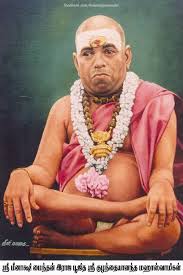
மதுரையை அடுத்த சமயநல்லூரில் நாயக்க மன்னர்களின் ஆரம்ப காலத்தில் அவதரித்து சுமார் முன்னூறு ஆண்டுகளுக்கும் மேலாக வாழ்ந்து மதுரையில் சமாதி எய்தியவர் குழந்தையானந்த சுவாமிகள். இவரது சமாதி அரசரடியில் உள்ளது. பக்தர்கள் வழிபாட்டுக்கென இங்கு தினமும் குழுமுவது இன்றும் நடைபெறுகிறது. சமாதியில் ஸ்ரீசக்ரமும் பிரதிஷ்டை செய்யப்பட்டிருக்கிறது.
அவர் வாழ்வில் நடந்த ஒரு சம்பவத்தை பிரபல தேசபக்தர் சுப்ரமணியம் சிவா அவர்களின் நெருங்கிய உறவினரும் காசியில் வாழ்ந்து வந்தவருமான கேதாரநாத் சிவம் அவர்கள் கூறிய சம்பவம் இது.
குழந்தையானந்தர் வடநாட்டில் சஞ்சரித்துக் கொண்டிருந்த காலத்தில் ஒரு சமயம் அவர் காசி சென்றார். அப்போது காசியில் சப்-கலெக்டராக இருந்தவர் பிராம்லி துரை என்பவர். ஒரு நாள் அவர் ஓரிடத்தில் தன் மனைவியுடன் உல்லாசமாக வீற்றிருந்தார். அப்போது சுவாமிகள் அவதூத கோலத்தில் ஆடையின்றி அவ்வழியே சென்றார். இதைக் கண்ட அவருக்குக் கடும் கோபம் வந்தது. உடனே தன் கையிலிருந்த சவுக்கால் சுவாமிகளை அடித்தார். அது சுவாமிகள் மீது விழாமல் அவர் மனைவி மீது விழுந்தது. மனைவி ஓவென்று அலறினாள். துரைக்கு இன்னும் கோபம் அதிகரித்தது.எதிரில் இருப்பவர் ஒரு மாயாஜால மந்திரவாதி என அவர் நினைத்தார். சேவகர்களை அழைத்து அவரை தன் வீட்டிற்கு இழுத்து வர உத்தரவிட்டார்.
வீட்டிற்குச் சென்ற போது அவர் அடித்த அடி அங்கிருந்த அனைவர் மீதும் பட்டு ரத்தம் கசிந்து கொண்டிருப்பதைப் பார்த்தார். அவர் ஆத்திரம் இன்னும் அதிகமானது.
“இந்த ஆள் ஒரு மாயாவி. இவனை இருட்டறையில் அடையுங்கள்” என உத்தரவிட்டார்.
அதன்படியே உடனடியாக குழந்தையானந்தர் ஒரு இருட்டறையில் அடைக்கப்பட்டார். அறையின் கதவைத் தானே மூடிய துரை அதை நன்கு பூட்டி விட்டுச் சாவியைத் தன் கையில் வைத்துக் கொண்டார்.
பிறகு தனது கோச்சில் ஏறிச் சென்றார்.
என்ன ஆச்சரியம். அவர் வண்டி செல்ல, அதன் முன்னே குழந்தையானந்தர் சாவதானமாக நடந்து சென்று கொண்டிருந்தார். இதைப் பார்த்த துரை பிரமித்தார். அவருக்குக் கோபம் போய், இப்போது பயம் வந்து விட்டது. அங்குள்ளவர்களிடம், ‘இவர் யார்’ என விசாரித்தார்.
அனைவரும் அவரது மகிமை பற்றி எடுத்துரைத்தனர். அத்தோடு அவர்கள், “நீங்கள் செய்தது பெரும் குற்றம்; அவரிடமே போய் மன்னிப்புக் கேளுங்கள். இது தவிர இந்தக் குற்றத்திற்குப் பிராயசித்தம் கிடையாது’ என்று கூறினர்.
பிராம்லி துரை நேரடியாக குழந்தையானந்தரிடம் சென்று சுவாமிகளைப் பணிந்து தான் அறியாமல் செய்த பிழையை மன்னிக்குமாறு வேண்டினார்.
சுவாமிகளின் அருள் உள்ளம் இரங்கியது; அவரை ஆசீர்வதித்தார்.
அன்று முதல் சுவாமிகளின் அணுக்க பக்தனாகி விட்ட பிராம்லி துரை தனது அஞ்ஞானம் நீங்கிய அந்த நாளையே தனது வாழ்வின் புனித நாளாகக் கருதினார். அந்த தினத்தில் ஆராதனை நடத்தக் கட்டளையிட்டார். வருடந்தோறும் அந்த ஆராதனை நடக்க ஆரம்பித்தது. இன்றளவும் காசியில் நடந்து வரும் அது ‘பிராம்லி கட்டளை’ என்ற பெயரால் அழைக்கப்பட்டு வருகிறது.
நகராத ரயில்!
குழந்தையானந்தர் மதுரை ரயில் நிலையத்திற்கு ஒரு முறை சென்றார். சென்னைக்குச் செல்லவிருந்த மெயிலில் ஏறிய குழந்தையானந்தர் ஆங்கிலேய துரை ஒருவருக்கு ரிசர்வ் செய்திருந்த முதல் வகுப்பு சீட்டில் அமர்ந்தார்.
தனது இருக்கைக்கு வந்த துரை அதிர்ந்து போனார். சுவாமிகளை உடனடியாகக் கீழே இறங்கச் சொன்னார். ஸ்டேஷன் மாஸ்டராக இருந்தவர் கல்யாணராமையர் என்பவர். சுவாமிகளிடம் டிக்கட் இல்லை என்பதால் அவரை இறங்குமாறு அவரும் வேண்டினார். பின்னர் பெரும் கூட்டம் கூடவே, வலுக்கட்டாயமாக சுவாமிகள் கீழே இறக்கி விடப்பட்டார்.
சுவாமிகள் ஸ்டேஷன் பிளாட்பாரத்தில் அமர்ந்த வண்ணம் இருக்க கார்டு விசிலை ஊதினார்; டிரைவர் எஞ்சினை இயக்கினார். ரயில் நகரவில்லை. எவ்வளவோ முயன்றும் ரயில் நகராததால் அனைவரும் அயர்ந்தனர். பின்னர் அனைவரும் ஸ்டேஷன்மாஸ்டரிடம் சுவாமிகளிடம் சென்று வேண்டுமாறு வற்புறுத்தினர். ஸ்டேஷன்மாஸ்டரும் அவரிடம் சென்று அவர் முதலில் அமர்ந்த சீட்டையே அவருக்குத் தருவதாகக் கூறி துரைக்கு வேறு ஒரு சீட் ஏற்பாடு செய்தார். சுவாமிகள் இருக்கையில் ஏறி அமர்ந்தார். சந்தோஷத்துடன், ‘இனி ரயில் போகும்டா’ என்றார். ரயில் நகர்ந்தது. அன்றிலிருந்து ஸ்டேஷன்மாஸ்டர் அவரது அணுக்க பக்தராக ஆனார்; அவர் பணி ஓய்வு பெற்ற பின் அடுத்தபடி ஸ்டேஷன்மாஸ்டராக வந்த மெரிட் துரையும் சுவாமிகளின் பரமபக்தரானார். சுவாமிகள் ஸ்டேஷனுக்குள் நுழைந்தால் ஓடிச் சென்று அவரைத் தூக்கி வந்து தனது ஆசனத்தில் அமர்த்தி விடுவார் அவர்.
சுவாமிகள் மெரிட் துரையிடம் அலாதி அன்பு செலுத்தி அவரை விசேஷமாக ஆசீர்வதிப்பது வழக்கம். இப்படி பல்வேறு நிகழ்ச்சிகளால் பலரையும் தனது அன்பு வட்டத்தில் இழுத்து ஆசீர்வதித்து அனுக்ரஹிப்பது குழந்தையானந்தரின் இயல்பு.
சுவாமிகள் 1932ஆம் ஆண்டு சமாதி எய்தினார்.
கிரிவலப் பாதையில் புலி உருவில் வந்த சித்தர்கள்!
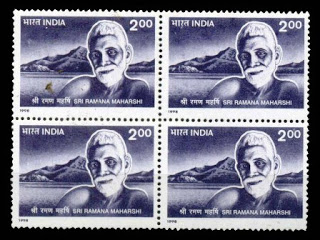
பகவான் ரமணர் திருவண்ணாமலையில் அருளாட்சி செய்து வந்த காலத்தில் அவரை தரிசிக்க ஏராளமான சித்தர்கள் வருகை புரிவதுண்டு.
இப்படி சித்தர்கள் வருவதை பகிரங்கமாக அவர் ஒரு போதும் சொல்வதில்லை. ஆனால் ஒரு சமயம் சாம வேதத்தை ஓதிக் கொண்டே திருவண்ணாமலை கிரிவலம் சென்ற பக்தர்கள் சிலர் ஓடோடி வந்து ரமண மஹரிஷியிடம் தாங்கள் சென்ற வழியில் ஐந்து பெரிய புலிகள் சாலையின் நடுவில் அமர்ந்திருந்ததாகவும் 15 நிமிடங்கள் அவை நகராமல் அங்கேயே இருக்கவே அலறி அடித்துக் கொண்டு ஓடி வருவதாகவும் பயத்துடன் தெரிவித்தனர்.
ரமணரோ மெதுவாக, “எதற்காக சாம வேதத்தை நிறுத்தினீர்கள்? அவர்கள் சித்த புருஷர்கள். உங்கள் வேத கானத்தைக் கேட்பதற்காக அல்லவா அவர்கள் அங்கு வந்துள்ளனர், ஓடி வந்து விட்டீர்களே” என்று கூறினார்.
பக்தர்கள் வியப்பும் பிரமிப்பும் அடைந்தனர்.
நினைத்த இடத்தில் நினைத்த உரு எடுத்து வருவது சித்தர்கள் இயல்பு என்பதையும் பகவான் ரமணர் இருக்கும் இடத்தில் தங்களுக்குப் பெரும் பாதுகாப்பும அருளும் உண்டு என்பதையும் அறிந்து அவர்கள் மகிழ்ச்சி அடைந்தனர்.
ரமணரின் வாழ்வில் நூற்றுக் கணக்கில் அற்புதமான சம்பவங்கள் நடைபெற்றுள்ளன. இது அன்றாட வாழ்க்கையின் ஒரு அங்கம் என்பது போல அவை அமையவே எல்லையற்ற இறையருள் ரமணரின் அருளாசி மூலமாகத் தம்மைக் காக்கிறது என்பதை ரமண பக்தர்கள் உணர்ந்து அந்த அனுபவங்களை மற்ற அனைவருடனும் பங்கிட்டு ஆனந்தித்தனர். அவர்களது பொக்கிஷமான குறிப்புகளை பல்வேறு நூல்களின் வாயிலாக அறிய முடிகிறது
பொதுவாக தமிழகம் சித்தர் பூமி என்பதை சங்க காலம் முதற் கொண்டு நவீன மயமான இந்த அறிவியல் யுகம் வரை நடக்கும் பல சம்பவங்கள் மெய்ப்பிக்கின்றன.
வித்தக சித்தர் கணம் போற்றுவோம்; அருளாசியை அனைவரும் அடைவோம்!
Pictures are taken from various sources for spreading knowledge; this is a non- commercial blog. Thanks for your great pictures.
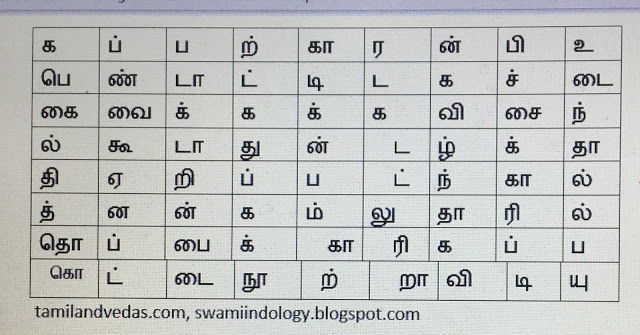
ஒரே சொல் மீண்டும் மீண்டும் வந்தால் ஓரிரு இடங்களில் மட்டுமே கட்டத்தில் இருக்கும். கொண்டு கூட்டி பொருள் கொள்க . விடை கீழே உள்ளது . சில நேரங்களில் படங்களைப் பார்த்தாலும் விடை காண உதவலாம்.
விடை
1.கப்பற்காரன் பெண்டாட்டி தொப்பைக்காரி, கப்பல் உடைந்தால் பிச்சைக்காரி
Pictures are taken from various sources for spreading knowledge; this is a non- commercial blog. Thanks for your great pictures.
SRI TYAGARAJA-27, Devotion is a Divine Gift
It is a fundamental tenet of the bhakti schools that true devotion is a gift from God. The Gita explains that some people are born with the divine qualities, which generally incline one to an astika style of living. Apart from that, one should strive to get devotion in the heart; even then, it is only by Divine grace or dispensation that one gets true bhakti. Even to worship God, we need God’s grace. “Worshipping His Feet by his grace”- அவனருளாலேஅவன்தாள்வணங்கி says Manikkavachaka.Sri Tyagaraja belongs to this school.
Devotion due to divine grace
Rama nee pai tanaku prema bodu Sita
Damarasa nayana needemo mayagaani
O Sitarama, with the lotus eyes! I do not understand what this is-your maya! My fondness for you will never vanish.
Manasu nee padamulane jera
Ganulu nee roopamune kora
Vinu nee paerulake noroora
Tanapai idi nee karunera
For my mind to be always seeking your holy Feet, for my eyes to be always wishing to behold your divine form, my tongue to be always eager to utter your names which my ears hear- is not all this due to your grace?
Worldly pleasures are also due to grace
Bhoganubhava mulandu
Baaguga buddhi neeyandu
Tyagarajuni hrudayamandu
Vaageesa nandamandu
Even when I enjoy worldly pleasures, my buddhi is fixed on you. Due to that, the heart of this Tyagaraja is experiencing divine bliss. Is this not due to your grace? I do not understand this mystery.
This sentiment he expresses in another kriti too.
Bhogamu landuvela buddhi neeyedanunche
Tyagaraja (nammina vaarini)
Even when I enjoy worldly pleasures, this Tyagaraja’s heart lies with you.
It is remarkable how the great saints say the same things in the same words! For, we have a hymn sung by Tirujnanasambandha on Tiruchotrutturai which expresses the same thing! It begins: ” Cheppa nenje nerikol sitrinbam tuppan ennadu arule tunaiyaga”.
செப்பநெஞ்சேநெறிகொள்சிற்றின்பம்
துப்பன்என்னாதுஅருளேதுணையாக
ஒப்பரொப்பர்பெருமான்
It conveys the idea that the mind should never forget that even when one gets to enjoy the worldly pleasures which are obtained in a dharmic way, they come due to the blessings of the Lord! We know that Jnanasambandha received the Lord’s blessings even when he was a small child. Our Tyagarajaswami also says:
Catch them young!
Ento nanu paalanamu chetunani
Chinnanade na cheyi battidive
Assuring me that you will always protect me, you caught hold of my hand when I was very young!
Just think of this scene: a child is crossing a busy road along with his father. In one case, the child is holding on to the hands of his father. In another, the father is taking the hand of the child in his own and leading him across! Which is safer? Here, Tyagaraja says Rama took hold of him even when he was very young-chinna naade! Can he ever go astray? Is this not due to divine grace?
Nee japamu nee smarane neepada puja
Neevaari chelimi yochaki rajika dayavucheyu
(Narasimha)
Please grant me with willing kindness your nama japa, your remembrance, puja to your blessed Feet, and association with your devotees!
If they do not get such blessing, can they experience the taste of Ramanama?
Rama niyada premarahitulaku namaruchi telusuna?
Neevadanune nani lokulu
balkaga dhanyudanaitini…
tolijanmamulanu jesina puja phalamo
leku neetu kataksha balamo
Daivadeenamuga neetu roopamu
naadu maanasabjamuna naadi yundaga
ne nentati bhagyasaalino
Dittatanamu nanu bhakti stiramau
nattuga Sri Rama yennatiki
gattigaanu Tyagarajuni cheyi
batti rakshimchelukovayya (Sita manohara)
People say I belong to your side! I am so fortunate to hear this! I do not know whether this is due to the merit of the puja I did in previous births, or due to the power of your blessings!
By the grace of God , your form is fixed in the lotus of my heart. How much merit I should have accumulated to get this fortune!
Rama! I should have fixed bhakti for you at all times.
So, catch hold of the hands of this Tyagaraja firmly, and always protect him.
Rama neeve gaani nannu
rakshinchevarevare
Rama! Other than you, who else will protect me?
Changing the analogy, we may say Tyagaraja pleading for Rama taking hold of his hand is akin to marchala nyayam – the way of the cat, where the mother cat carries the young in its mouth- as against markata nyayam- the way of the monkey, where the young one has to hold on to the mother! We can easily see which is safer!
Ramuni daya galgina yatani vina
Kanugonu saukhyamu
kamalajukaina kalguna (kanugonu)
Unless one is subject to the grace of Rama, can this kind of bliss that Tyagaraja enjoys be obtained even by Brahma?
Vayasu nooraina eevasudha naeligani
Rama daya leni bratukemi (dayaleni)
Even if one lives for a hundred years, or reigns over this world, what is that life worth without your grace?
Puja japamula vela ponduka neduta
rajilli lokantarangamarmamu delipi
rajiseyani…..dayaleni
At the time of performing puja, and doing japa, if you do not appear before us with love, and pacify us explaining the innate mysteries of the world, what is the use of that kind of birth?
Life’s mysteries resolved due to grace What are these mysteries? Tyagaraja explains them next.
Saguna nirgunapu nijadab baralanu
Shanmatamula marmam
Ashta siddhula vagalu
joopa sandasilli gantini (Nee bhajana gana)
The truth or falsehood behind the saguna and nirguna upasana, the secret of the six matas, the bogus but pompous nature of ashtasiddhis – you explained and I happily understood!
Here Tyagaraja is touching on very important subjects vexing the Hindu sects. The arguments between the advocates of saguna and nirguna forms are endless. This is dealt with in the Gita. This question was also raised before Sri Ramakrishna repeatedly by the English educated youngsters of Calcutta, fifty years after Tyagaraja!
So are the arguments among the followers of the “six systems” endless. These may mean the shanmatas, as are supposed to have been fixed by Sankara ( Saivam, Vaishnavam etc) or the six systems of Indian philosophy like Sankhya, Yoga, Nyaya, Vaisesika, Mimamsa and Vedanta etc. In either case, the debates are intense and often, ugly. Then there is the general fascination with acquiring so called siddhis- extraordinary or supernatural (thaumaturgic) powers . Tyagaraja means to convey that the truth behind these can be understood only by genuine God experience due to the grace of God, and that true devotion is the way to get such grace!
Tyagaraja says Rama taught him more!
Nityaanityamulanu bodhinchi
krutyaa kriyamulanu delipinchi
prayyekudu neevani kanipinchi
bhrutyudaina Tyagaraju cheyi
Pattividuvaradu nacheyi
Patti viduvaradu (Pattividuaradu)
You taught me what is real and unreal.
You made me understand what karmas should be done and what should not be done.
You revealed to me that you are unique among the Forms of God.
So you caught hold of me. Now you should not leave me.
Here too Tyagaraja is dealing with fundamental aspects of our religion/philosophy. Nitya-anitya vastu vivekam is a basic tenet of our philosophy- the serious aspirant should always discriminate between what is real and what is unreal.
Karmas are of many kinds and we should know what to do and what to avoid- karma, akarma, vikarma, as the Gita terms it. There are so many forms for upasana in the Hindu fold, but the two Avatars- Rama and Krishna are preeminent amongthem. The very name Rama is unique and special, as we have already seen. These three subjects are discussed in detail in the Gita! Tyagaraja means that such things can be understood only by personal divine experience- not any amount of reading, theoretical discussion or other means- what is called aparoksha anubhuti!
Swanubhavam
Leelasrushta jagatrayamane kolahala…
Eelaagani vivarimpalenu
Chala swanubhava vedhyame
(Ramabhakti samrajyam)
The three worlds have been created by Rama just as a leela, and they are full of noisy attractions. Only devotion to Rama will confer bliss. Its nature cannot be described by me. It can only be understood by each one through personal experience!
The corpus of Tyagaraja kritis constitute a deep and vast ocean. But it is not one containing ” “dark unfathomed caves”. There are innumerable gems and each time we dip into it, we can bring at least a handful! For this we should study them as literature, which indeed they are! The concert musicians often mutilate the kritis in the name of singing- [ there is a Tamil saying here: பாடினவன்பாட்டைக்கெடுத்தான் ] they do not normally render the full kriti, nor do they enunciate the words in intelligible ways. We should read them as literature. Tyagaraja Kritis are sublime literature.












 Tamil and Vedas