Pictures are taken from various sources for spreading knowledge; this is a non- commercial blog. Thanks for your great pictures.
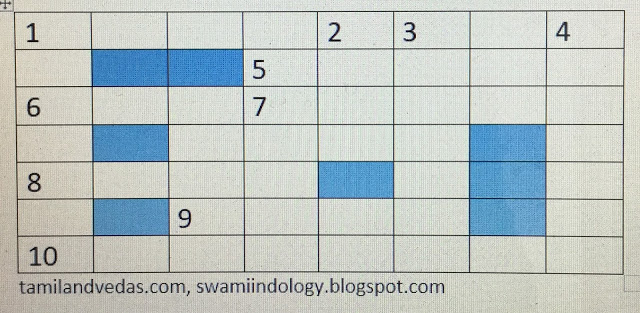
ACROSS
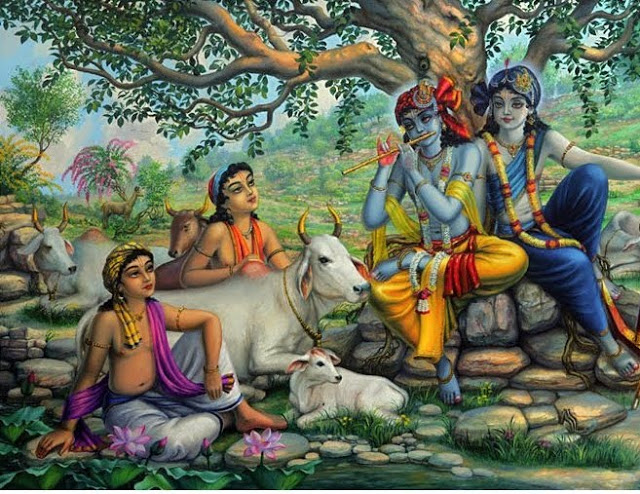
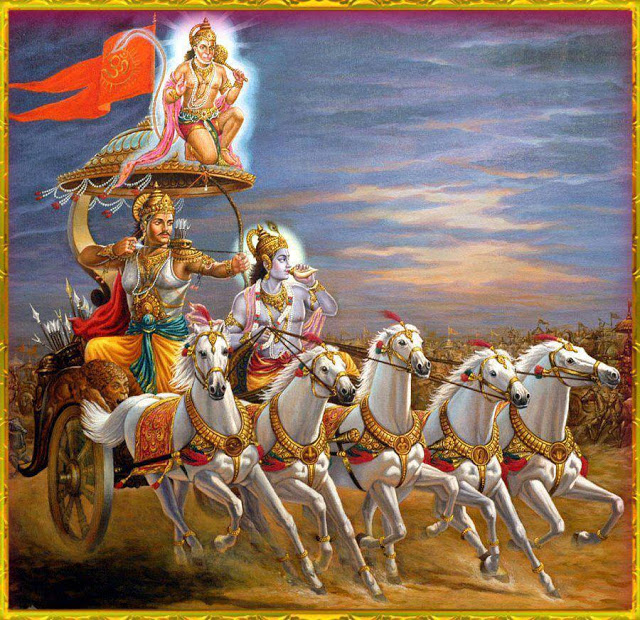
1. (8 letters )- Flute Music of Lord Krishna
5. (4)- virtues; classified as Satva, Rajo, and Tamasa
6. (8)- Hindu geographival division in the centre of Jaambudwipa; also the location of Sumeru mountain
8. (4)- pillar erected after each Yaga/fire sacrifice; they are found in Borneo of Indonesia 4h century CE of Mulavarman); also in Sangam Tamil literature
9. (4)- self; very much in Hindu Upanishads
10. – good smelling
DOWN
1. (7)- third caste in Hindu classification of workers; people doing business
2. 4)- means heavy; Teacher, Planet Jupiter
3. (6)- gap, hanging in balance, different, in Sanskrit
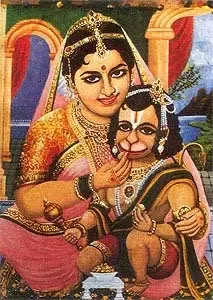
4. (6)- mother of Anjaneya, also means black
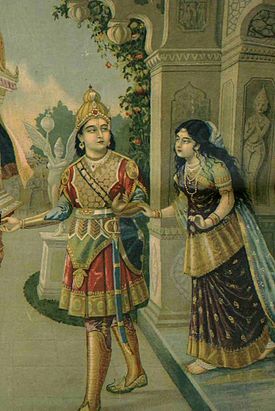
7. (5) – king of Matsya desa; father of Uttara who was married to Abhimanyu
Pictures are taken from various sources for spreading knowledge; this is a non- commercial blog. Thanks for your great pictures.
tamilandvedas.com, swamiindology.blogspot.com
ஒரு சொல் எவ்வளவு அதிகமாகப் பயன்படுத்தப்படுகிறதோ அவ்வளவு உறுதியாக அந்தச் சொல் நிலைத்து நிற்குமாம். இது ஆங்கிலத்தை ஆராய்ந்தோர் வெளியிட்ட ஆராய்ச்சி.
இதற்கான என்னுடைய மறுப்புரை கட்டுரையின் பின் பகுதியில் வருகிறது .
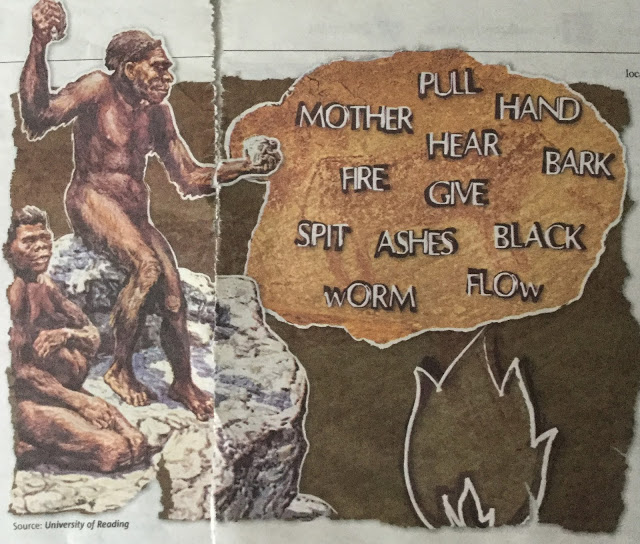
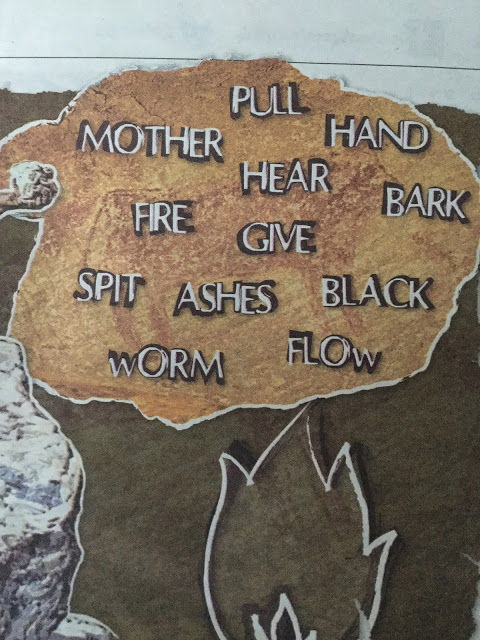
ஆங்கில மொழியில் நான் I (ஐ) YOU நீ (யூ ), நாங்கள் WE (வீ ) என்பன 15, 000 ஆண்டுகளாக மாறவில்லை என்று ஆராய்ச்சியில் தெரியவந்தது. 15,000 ஆண்டுகளுக்கு முன்னர் குகையில் வாழ்ந்த ஆதி மனிதன் பேசிய 23 சொற்களையும் இவர்கள் அடையாளம் கண்டுள்ளனர். இவர்கள் இங்கிலாந்திலுள்ள ரெடிங் (UNIVERSITY OF READING ) பல்கலைக் கழ கத்தைச் சேர்ந்தவர்கள் ஆவர்.தீ (FIRE) யைச் சுற்றி உட்கார்ந்துகொண்டு, மரவுரியை (BARK) அணிந்து கொண்டு, மாமிசத்தை வாட்டி, வதக்கிக் கடிக்கையில் துப்பிக் கொண்டே இருப்பார்கள். ஆகையால் துப்பு (SPIT), மாமிசம், தீ , நீ, நான், அம்மா (MOTHER மதர் ), பேன் /ஈறு (LOUSE, LICE) , சாம்பல், மரவுரி ஆகியன அவர்கள் அடிக்கடி பயன்படுத்திய சொற்கள் என்பது இவர்கள் துணிபு. ஆயினும் இவர்கள் சொல்வது, மாக்ஸ்முல்லர் சொல்வது ஆகியன எல்லாம் பிழையுடைத்து என்று இந்திய தேதிகள் (DATES OR PERIODS) காட்டுகின்றன.
ஒரு மொழி 200 ஆண்டுக்கு ஒரு முறை மாறும் என்ற கணக்கில் ரிக் வேதத்துக்கு தேதி குறித்தார் மாக்ஸ்முல்லர். உடனே வில்சன் முதலானோர் அது தவறு என்று காட்டியவுடன் அவர் ‘ஜகா’ வாங்கினார். இதே கொள்கையை நாம் தமிழுக்கும் வைத்தால் பல நூல்களின் காலம் சரிந்து விழும். திருக்குறள், சங்க நூல்கள், சிலப்பதிகாரம் ஆகிய எல்லாவற்றையும் 200 ஆண்டு வரம்புக்குள் வைக்க முடியாது. தொல்காப்பியத்தை மிகவும் முன் வைக்கிறோம். ஆயினும் மொழி நடை புரியும்படியாகவே இருக்கிறது..
இதை எல்லாம் எப்படிக் கண்டுபிடிக்கிறார்கள்? நமக்குக் கிடைத்த நூல்களில் உள்ள சொற்களை கம்யூட்டரில் போட்டு ஆவை என்ன வேகத்தில் எப்படி மாறுகின்றன என்று பார்ப்பார்கள். அதை வைத்து ஒரு மாடல் MODEL உருவாக்குவார்கள். அதை அதே குடும்பத்தைச் சேர்ந்த மொழிகளுடன் ஒப்பிடுவர். பின்னர் ஆராய்ச்சி முடிவுகளை வெளியிடுவர் . உலகிலுள்ள பழைய மொழிகளை 7 சூப்பர் மொழிக் குடும்பமாகப் பிரித்துள்ளனர் (SEVEN SUPER LANGUAGE FAMILIES) .
இதே போல நமது பழைய 36 நூல்களை (18 மேல் கணக்கு + 18 கீழ்க்கணக்கு) கம்பியூட்டரில் கொடுத்தால் நமது பழைய காலக்கணக்கீடுகள் அட்டை டப்பாக்களில் கட்டிய வீடு போல சரிந்து விழும். சங்க இலக்கிய, தொல்காப்பிய, திருக்குறள் சொல்லடைவுகளை வைத்து ஆராயும் எனக்கே இது தெரிகிறது. கம்ப்யுயூட்டரில் கொடுத்தால் அதன் முடிவுகளை மறுக்கமுடியாது.
‘நான்’, ‘நீ’ மாறாது என்பது தமிழ் மொழியில் பொய்யாக்கப்பட்டு வருகிறது. ‘நான்’ என்ற சொல்லே சங்க காலத்தில் கிடையாது. ‘யான்’தான் இருந்தது. சிலப்பதிகாரம், மணி மேகலையில் கடைசி அத்தியாயங்களில் (காதை) ஓரிரு இடங்களில் மட்டும் வருகிறது. திருக்குறளில் இல்லை. ஆனால் தேவார காலத்திலிருந்து ‘நான்’ வந்து விடுகிறது சங்க காலத்துக்கும் தேவார காலத்துக்கும் 500 ஆண்டு கூட இடைவெளி இல்லை. எப்படி ‘யான்’, நான் ஆக மாறியது? வெள்ளைக்கார ஐரோப்பாவில் மட்டும் 15, 000 (I, WE, YOU) ஆண்டுக்கு மாறவில்லையாம்.
ஆனால் சம்ஸ்கிருதத்தில் அஹம் (நான்) வேதகாலம் முதல் இன்று வரை மாறவில்லை. ‘அஹம்காரம்’ பிடித்தவன் என்று நாம் இப்போதும் சொல்கிறோம். ‘அஹம் பிரம்மாஸ்மி’ என்ற உபநிஷத கால வாக்கியம் மிகவும் பிரசித்தம்.
‘நீ’ என்னும் சொல் சங்க காலம் முதல் இன்றுவரை மாறவில்லை என்பது உண்மைதான். ஆனால் சங்க காலத்தில் இல்லாத ‘நீங்கள்’ எப்போது வந்தது? எப்படி வந்தது? சுருக்கமாகச் சொல்லப்போனால் மொழிக் கொள்கையாளர் (LINGUISTS) சொல்வதெல்லாம் பிதற்றல் என்றே சொல்லத் தோன்றுகிறது..
மாக்ஸ்முல்லர் சொல்வதை பயன்படுத்தினால் சங்க இலக்கியம், திருக்குறள், சிலப்பதிகாரம் முதலியவற்றுக்கு இடையே குறைந்தது தலா 200 ஆண்டு இடைவெளி இருக்க வேண்டும்! திருக்குறள் நடை வேறு. சொல் வேறு. 125 ஸம்ஸ்கிருதச் சொற்களை நூற்றுக் கணக்கான குறள்களில் பயன் படுத்துகிறார்!!
நிற்க !
இன்னும் ஒரு சுவையான விஷயம் .
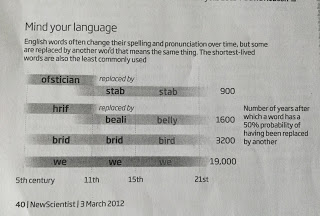
கம்பியூட்டர் மூலம் கிடைத்த இன்னும் ஒரு ஆய்வு. நாங்கள் அதாவது ‘வீ ‘ WE 19,000 ஆண்டுகளாக மாறவில்லையாம். ஆனால் பிரிட் BRID என்பது 3200 ஆண்டுகளுக்கு முன்னர் BIRD பேர்ட் ஆகிவிட்டதாம் . அதாவது ‘R ‘ ஆர் என்னும் எழுத்து அல்லது உச்சரிப்பு இடம் மாறிவிட்டதாதம் . அப்படியானால் நாம் சொல்வதும் சரிதானோ!!! மருதமரம் நிறைந்த மருதை ‘ர்’ இடம் மாறி மதுரை ஆச்சாம் ; குருதை என்பதில் ர/ ஆர் இடம் மாறி குதிரை ஆச்சாம் . மருதை, குருதை என்ற கிராமத்தான் பேச்சுதான் சரி!
ஆங்கிலத்தில் ஆண்டுதோறும் 2500 புதிய சொற்களை ஆக்ஸ்போர்ட் அகராதி சேர்க்கிறது. தமிழ் ஏன் அப்படி வளரவில்லை?? எந்த தமிழ் அகராதி வாங்கினாலும் அதில் சம்ஸ்கிருத சொற்கள்தான் அதிகம் இருக்கின்றன. ஏன் ?
Pictures are taken from various sources for spreading knowledge; this is a non- commercial blog. Thanks for your great pictures.
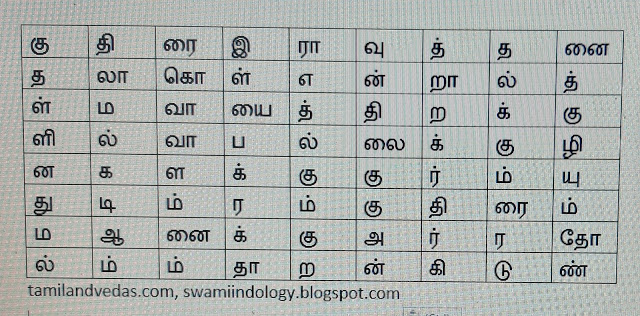
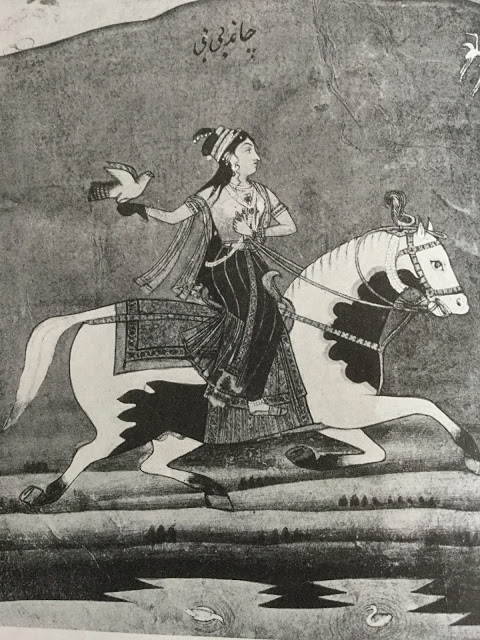
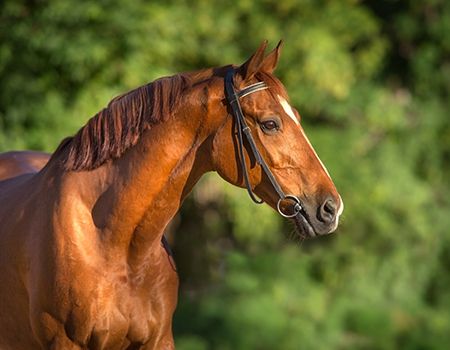
ஒரே சொல் மீண்டும் மீண்டும் வந்தால் ஓரிரு இடங்களில் மட்டுமே கட்டத்தில் இருக்கும். கொண்டு கூட்டி பொருள் கொள்க . விடை கீழே உள்ளது . சில நேரங்களில் படங்களைப் பார்த்தாலும் விடை காண உதவலாம்.
விடை
1.இலவு காத்த கிளி போல
2.கிளியை வளர்த்து பூ னை கையில் கொடுக்கலாமா
3.கிளியைப் போல பேச்சும் மயிலைப் போல நடையும்
4.மாமரம் பழுத்தால் கிளிக்காகும், வேப்ப மரம் பழுத்தால் காக்கைக்காகும்
Source book :–
பயன்படுத்திய நூல்- கழகப் பழமொழி அகர வரிசை, கழக வெளியீடு.
Pictures are taken from various sources for spreading knowledge; this is a non- commercial blog. Thanks for your great pictures.
Sri Ramakrishna and His Gospel
R. Nanjappa
DON’T STEAL RAGS!
There is an interesting story about a devotee of Shirdi Sai Baba. He was desirous of reading Jnaneshwari, the acclaimed Marathi commentary of Bhagavad Gita by the Maharashtrian Saint Jnaneshwar (13th Century). He read the Gita, but whenever he attempted to read Jnaneshwari, he faced some obstruction or evil thoughts and he could not proceed. On a visit to Shirdi, a fellow devotee asked him of his own whether he was reading Jnaneshwari daily! Our man told him of his difficulties. The devotee advised him that he should take a copy of the book, give it to Baba and upon receiving it from Baba’s hands should start reading it. But our man felt it was unnecessary; Baba knew his mind and heart, so why should he resort to this, he thought.
Then he met another devotee, and asked him how he had secured the blessings and grace of Baba. He said that he would approach Baba directly after the Aarti and make his request. As they were thus talking, in the Masjid which was fully crowded, Baba asked our man to come and sit near him with a calm mind. Then Baba charged him with having stolen his rags, and abused him severely! Our friend was nonplussed. He retired to the resting place and was engaged in discussing this incident with two friends, when Baba sent for him and told him that he (Baba) was sitting there ready to give him silken shawl, then why was he intent on stealing the rags! Our man understood: he should approach Baba directly, not seek advice from just anyone!
Approach Teachings of Sages with Care!
This is something we have to remember in studying the life and teachings of the Sages and Saints.
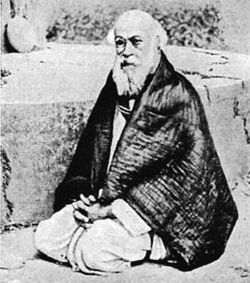
Sri Ramakrishna, Sri Ramana Maharshi and Sri Aurobindo are the three pre-eminent Sages of our times. In studying their teachings we have to observe due care.
Of course, we have to exercise due care in approaching the teachings of any past or ancient sage. In most cases, their exact or own words have not come to us ( eg. Buddha). In some cases we do not know whether they wrote all the works which circulate in their name (eg. Sankaracharya). In cases like Tirumular, the words have inner meanings which are clear only to an initiate. Our Upanishads are not linear or logical like the ordinary literary language, and cannot be approached in a literal manner. So, one has to be cautious in approaching the teachings of any sage.
There are so may books on these Sages, we should know what to read to gain correct understanding.
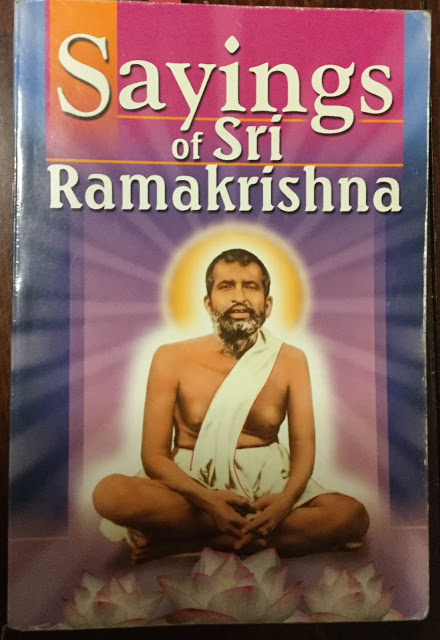
Sri Ramakrishna was a born teacher and was eager to explain spiritual and religious truths to his devotees. Though not ‘schooled’, he was highly learned and proficient in our lore. Above all, he was a ‘realised’ person and ‘knew’. So his teachings had their direct impact on the right people, like seeds falling on well-prepared soil. But he never wrote anything down. All his teachings were given orally, and to specific persons or groups- never in general, as lectures. They were actually not in the form of formal teachings, but conversations, quite informal and spontaneous, addressed to specific persons on definite purpose, and in the local patois which alone Sri Ramakrishna knew and employed.
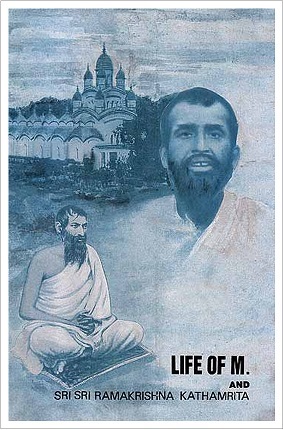
But there is an extraordinary phenomenon associated with the recording of his teachings. Mahendranath Gupta, a house holder, learned school teacher, was his devotee during the last four and a half years of the Sage’s life on earth. He was in the habit of writing his diary daily even from his school days, recording things that happened daily. He was blessed with a graphic memory. When he came to Sri Ramakrishna, he started taking notes of all that he personally observed and heard. He did not record anything on hearsay. He would record where they met, who were present, how they were seated or placed, what each one did or said, what Sri Ramakrishna said, etc. He kept this record in Bengali, his mother tongue and the language spoken by Sri Ramakrishna! So his exact words and expressions were captured. There are many incidents to show that Sri Ramakrishna intended this to happen this way. Sri Ramakrishna did not allow any other devotee to take any notes; when one or two others attempted, he clearly told them that it was not their work!
After Sri Ramakrishna’s passing in 1886, Gupta dedicated his entire life to live and expound the teaching of Sri Ramakrishna. ( We get some glimpses of his life in Paul Brunton’s book , ‘A Search in Secret India’, where he talks of Master Mahashay) He brought out the diary in the form of a Bengali book ‘Sri Sri Ramakrishna Kathamrita’. He did not want to draw any attention to himself, so merely called himself ‘M’, ‘ a disciple of the Master’. But he took many years to complete that. He completed correcting the proof of the last chapter of the last part, the night before he died, on 4 June, 1932. 3 June was Phalaharini Kali Puja day! Thus was the Gospel work completed on a day auspicious to Divine Mother.
How The Gospel came about:
Regarding how he wrote it, he himself said:
I wrote everything from memory after I returned home. Some times I had to keep awake the whole night. Some times I would keep on writing the events of one sitting for seven days, recollect the songs that were sung and the order in which they were sung, and the samadhi and so on. Many a time I did not feel satisfied with my description of the events; I would then plunge myself in deep meditation…..Then the correct image would arise……That is why in spite of the big gap in the physical sense, the story remains so fresh and life like in my mind as if it happened just now….
This is the wonder the reader experiences even today: as we read the Gospel, the scene rolls out before our mind’s eye. We feel the events are taking place just now, we are present there! This cannot be described in mere words. This is the power of the Truth behind it.
This was translated into English under the title ‘The Gospel of Sri Ramakrishna’ by Swami Nikhilananda in the US in 1942, and was edited by Miss Margaret Woodrow Wilson
(President Woodrow Wilson’s daughter) and Joseph Campbell. Swami Vivekananda had read some early chapters before he passed away and went into raptures, at the authentic way it recalled every small incident, mood, word,etc. Later on, all those who had been present and witnessed those incidents, like Holy Mother Sarada Devi were equally thrilled by it. Such is the authenticity of the chronicle. It brings Sri Ramakrishna before our eyes.
In his ‘Foreword’, Aldous Huxley too has gone into raptures:
” ‘M’ produced a book unique, so far as my knowledge goes, in the literature of hagiography……. Never have the small events of a contemplative’s daily life been described with such a wealth of intimate detail. Never have the casual and unstudied utterances of a great religious teacher been set down with so minute a fidelity……..To read through these conversations in which mystical doctrine alternates with an unfamiliar kind of humour, and where discussions of the oddest aspects of Hindu mythology give place to the most profound and subtle utterances about the nature of Ultimate Reality, is in itself a liberal education in humility, tolerance and suspense of judgement.”
So far Sri Sri Ramakrishna Kathamrita in Bengali and the Gospel in English have been the only authentic source of the life and teachings of Sri Ramakrishna. No one has been able to add a jot to it in any manner. Those who read it in the original Bengali are indeed fortunate; the rest of us have to be satisfied with translations. The translation in my own tongue,Tamil, appears unsatisfactory to me; I do not know about the other Indian language translations. But the English translation is superb, including the rendering of the original Bengali songs, thanks to John Moffitt Jr.
But as it happens in the life of every saint, subsequent interpreters, commentators, translators, ‘learned’ scholars have only added their own imagination and prejudices to the subject, and made even simple things sound complicated.
Sri Ramakrishna’s Times
Sri Ramakrishna appeared on the scene in Calcutta which was then the capital of British India, at a time when Bengalees were taking to English education on a large scale, had developed doubts about our religion, were attracted to reform, and generally abandoning their age old ‘dharma’ and taking to secular ways. Sri Ramakrishna was born in 1836- the year in which Macaulay’s scheme of education was introduced in India! After simple days in village during his childhood and boyhood, when he did not show any interest in ‘bread-winning education’, he came to Calcutta around 1855 to assist his elder brother in his priestly duties and eventually settled as the priest of the newly founded Kali temple at Dakshineswar. Here he had a series of direct personal encounters with his Deity, understood her as the Mother of the World. With her guidance, he followed the ways of every sect of Hinduism, as also of Islam ( Sufi) and Christ and realised the inherent truth of all faiths. By 1872, all his experiments were over and he emerged as a natural teacher. It is remarkable that people heard about him and flocked to the temple where he was living, he did not go out at all, except to visit devotees in and around Calcutta. It is more remarkable that it was mainly the educated class which heard about him and came to him. Sri Ramakrishna used to refer to them jokingly as ‘Englishmen’, saying they indulged in words like ‘that, but, it, put’-the few English words he uttered! It was even more remarkable that Narendranath Datta, later Swami Vivekananada, heard about him from an Englishman, a professor in College!
The Kathamritam
Sri Ramakrishna spoke in simple language, used common examples drawn from his rural days, from day to day life to illustrate the points. His teaching was very simple and direct: God alone is True, every thing else unreal. But this unreality is the show or ‘lila’ of God. It is like the magician and his magic. God is the magician, the world his magic. In the end the magician alone will remain. So we have to catch hold of the reality, and work in the world,take part in the lila. The best way for our age is to be a simple devotee, developing a personal attitude of intimacy with God. As people go to the same river to drink water but call it by different names like water, aqua, pani, jal. etc, so people approach the same God but call Him by different names. There is no sense in fighting over the names. He taught that the ancient religion founded by the Rishis would alone endure. He taught that our scriptures were true and still valid.
Sri Ramakrishna did not teach any philosophy. He expounded all the traditional Indian philosophies, and the various methods of practice. But his only advice was for people to have simple faith in God and work sincerely for His Grace. For him personally, God was the Mother. But he did not advocate any specific philosophy or theology. He did not found a new sect. He said the traditional ways of the Hindus were all valid, but all were not suited for our age. For our age, the most suitable path is simple devotion, Bhakti, as laid down by Narada. Sri Ramakrishna’s life and teaching were highly influenced by Ramayana , Srimad Bhagavatam, and the lore of Divine Mother.
But our ‘learned’ people will not be happy with simple solutions. How can an organisation grow without some dogma, some ritual,some mystification, some special claims? So, these have developed around Sri Ramakrishna also. But if I love you, I don’t have to love your dog also! Those who want to learn about Sri Ramakrishna and his life and teaching need only one source and one resource: The Gospel of Sri Ramakrishna. We need not steal or collect rags!
There is no other book like this in religious literature. This is the indispensable primer for all religious aspirants in the modern age.
Note:
1. The word KATHAMRITAM in the title of the Bengali original is a very happy choice, taken from the famous Gopika Gitam episode of Srimad Bhagavatam, that ultimate gospel of all devotees. In a moment of anguish of separation from Lord Krishna the Gopis of Brindavan sing in group:
Tava kathamritam tapta jivanam Kavi bhiriditham kalmashapaham Shravana mangalam shrimadatatam Bhuvi grunanti te bhurida jana 10.31.9
” The nectar of Thy excellences revives the scorched spirit of man. It purifies the sinner, while holy men live on it. To hear it is itself auspicious and peace-generating. They are the real gift-makers who spread Thy name far and wide. O Lord! Tarry not to come before our vision.”
From the translation of Swami Tapasyananda,
Sri Ramakrishna Math, Chennai.
2. In the Narada Bhakti Sutras, Sage Narada states that Bhakti itself is ‘amrutasvarupa’ ( Sutra 3). He holds up the Gopis as the supreme exemplars of Bhakti. ( ‘yatha vrajagopikanam’ Sutra 21) Sri Ramakrishna stressed that in our Kali Age, the way of devotion shown by Narada is the proper way. How apt that this “Kathamritam” taken from the Gopika Gitam should form the title of the Gospel in Bengali! Sri Mahendranath Gupta was a blessed soul!
3. There is a very remarkable incident which shows the Divine hand in bringing out the Kathamritam. Once ‘M’ was travelling in the tram in Calcutta carrying his notebooks which contained his diary entries. While alighting at the destination, he forgot his notebooks and left them in the tram. On reaching home, he realised that the notebooks were missing. He retraced his steps to the stop where he had alighted. He had torn and thrown away the tram ticket.He collected the torn pieces from the ground, put them together and got the ticket number. He then approached the manager of the tram depot. He was able to locate the tram with the aid of that ticket number and could contact the tram conductor. The conductor had noticed the notebooks, and on seeing the name ‘Jayarambati’ ( the place of the Holy Mother) written on it, had carefully kept them! Thus were the lost notebooks recovered! Holy Mother’s name had helped recovery!
4. Once when M expressed desire to renounce the world, Sri Ramakrishna told him that he could not do that since he had “Mother’s work” to do. Whenever Sri Ramakrishna spoke anything particularly important, he would ask M whether he had understood it and ask him to repeat it! Thus Sri Ramakrishna was ensuring that M had the correct understanding of his words! M completed the work of the Gospel on 3 June 1932, which was Phalaharini Kali Puja day- thus was the Mother’s work completed on a day auspicious to Her!
tags – Gospel, Sri Ramakrishna, Mahendranath Gupta
At least 102 Sanskrit words from Rig Veda are in Sangam Tamil Literature according to S Vaidyanathan’s research. His book INDO-ARYAN LOAN WORDS IN OLD TAMIL (Year 1971) is a valuable source for linguistics researchers. Some one must take it further and decide the rules Tamils followed. Several words have different spellings (Eg.Amrita, Balam ); it is strange to see the same author uses different spellings for Balam/strength. And my personal view is that future researchers should take only Sangam Tamil literature excluding Tolkappiam, Silappadikaram and Tirukkural. All the three books belong to fourth or fifth century CE. The language and grammar betray their period.
The next stage is to see what customs are similar in Rig Veda and Sangam Tamil literature and that will help us to decide the chronological order of Sangam Tamil poets and Sangam Tamil works. For instance, King’s white umbrella, Four Divisions of Army, Six seasons etc will help us in research. ( I have already written about these things in my articles)
In my current postings I have relegated Atharva Veda (AV) and Yajur Veda (VS, TS) to Post Sangam and Post Rig Vedic materials. This may be wrong. Actually, we must take it as part of Vedic period. Though foreigners say Rig Veda is the oldest among Vedas, no one is able to point out when Yajur Veda (TS, VS) came and when Atharva Veda (AV) was composed. Even the Rig Vedic period covers at least 500 years.
Foreign scholars themselves are confused and contradicting each other. Even Mr Vaidyanathan pointed out where Emeneau, Burrow, Paul Thieme and others differ in deciding a word is of Tamil or Munda or Sanskrit origin. In short Dravidian linguistics is not studied properly. All Tamil and Sanskrit scholars have pointed out the benders of Bishop Robert Caldwell. I have pointed out already even Neer/water is in old Greek (Nereids= water nymphs). Thanks to Mr Vaidyanathan we have at least a starting point. He has listed over 700 Tamil words in the Index as loan words. Since I think Tolkappiam(TK or Tol), Silappadikaram (CAM), Tirukkural (TKL) and Manimekalai belong to later period, I did not include them in the first part. My second part includes Post Rig Vedic or Post Sangam books.
XXX
POST RIG VEDIC OR POST SANGAM BOOKS
kunam, kunan, virtues, ANN379-22, ANN 83-14
Guna , virtues in Manu குணம், குணன்
**
Neya, PNN 3-4, affection நேய
Sneha , affection, Maitr. Upa
**
pantam , CAM 10-213, attachment
Bandha, binding in RV பந்தம்
**
koram, KLT 96-26, horrible
Ghora , horrible, in TS கோரம்
**
vekam , anger, PNN 37-2 வேகம்
Vega, violent agitation , in the case of earth quake,in AV
**
Jnaanam, CAM 10-94, supreme knowledge
Jnana, knowledge, Sank. Sra ஞானம்
**
antam, TOL.145-24, anti KLT.101-24, end
Anta, end, TS அந்தம்
**
antaram, difference, CAM 3-143
Antara,difference in KALIDASA அந்தரம்
**
aakulam, sorrow, KLT 65-27
Aaula , confusion, in R ஆகுலம்
**
aanai, order, PP 170 ஆணை
Aajnaa, order, in MANU, in R
**
aayulvetar, CAM 5-44, those who have studied the science of health ஆயுள்வேதர்
இரு திறமைசாலியான சங்கீதக் கலைஞர்கள் 35 வருஷங்கள் (1963-98) ஒருங்கிணைந்து சுமார் 650 படங்களுக்கு இசையமைத்தார்கள்! (இந்த எண்ணிக்கை 635-750 என்று சொல்கிறார்கள்). இது உலகிலேயே மிகப்பெரிய சாதனையாக இருக்கவேண்டும்! சாமானிய விஷயமல்ல.
வருஷத்திற்கு 20 படங்கள் என்றால் அதன் தரம் என்னவாக இருக்கும்? படத்திற்கேற்ற, காலத்திற்கேற்ற இசை என்றாலும், காலம் கடந்து நிற்பவை எத்தனை?
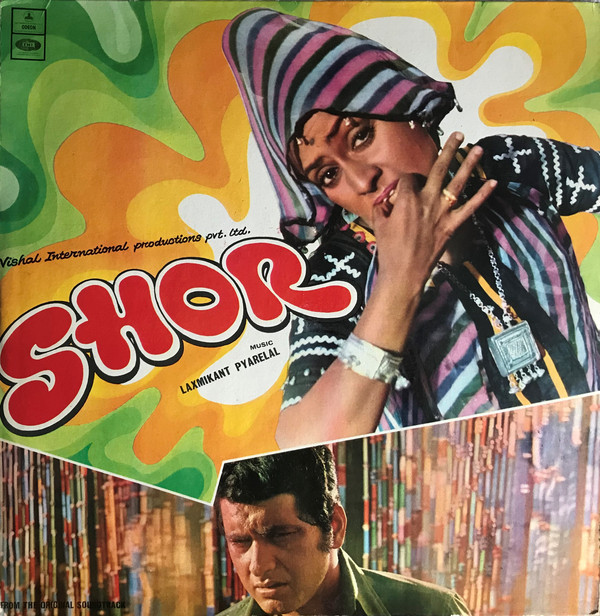
லக்ஷ்மிகாந்த்-பியாரேலால் ஆரம்பகாலப் படங்களில் 1964ல், வந்தது “தோஸ்தி” என்ற படம் – அபார இசை. இன்றும் நினைவில் இருப்பது. இதற்கு அப்போதைய “ஹிந்து” பத்திரிகை நல்ல விமர்சனம் எழுதியது. ரஃபியின் அருமையான, இனிய பாடல்கள்! ஆனாலும் ‘முஹம்மது ரஃபியின் முதிர்ந்த குரல் அந்த (படத்தில் வந்த) இளம் நடிகர்களுக்குப் பொருந்தவில்லை’ என்பதுபோல் ஹிந்து எழுதியது! இதில் வந்த ‘மௌத் ஆர்கன்’ இசையை சிலாகித்து எழுதியது. அதை இசைத்தது ஆர்.டி.பர்மன்! ஒன்றிரண்டு நல்ல பாட்டுக்கள் என்றில்லாமல் படம் முழுதும் நல்ல இசையில் தோய்ந்தது! இதற்கு இணையாக இவர்களின் இன்னொரு படம் சொல்லமுடியுமா என்று தெரியவில்லை!
இவர்கள் இசையில் காலத்தை வென்று நிற்கும் இரு பாடல்களைப் பார்க்கலாம்.
This is a beautiful song, with very nice lyrics. Like all good lyrics, it has symbolic references and can be understood at different levels. This has beautiful orchestration, and a nice beat-rhythm, unlike the usual LP fare. The violin is haunting.
இப்பாட்டு இன்றும் மனதில் இருப்பதில் ஆச்சரியமில்லை.
இந்தப் பாட்டை பெயர்பெற்ற கஃஜல் பாடகர் ஜக்ஜித் சிங்கும் பாடியிருக்கிறார். அதையும் கேளுங்கள்;
எத்தனை அருமையான பாட்டு! என்ன அழகான கவிதை! பெரிய விஷயங்களை எவ்வளவு எளிமையாகச் சொல்லிவிட்டார் ஆனந்த் பக்ஷி!
இந்தப் பாட்டின் ரிகார்டிங்கின் போது ஒரு சிக்கல்! பலமுறை ரிஹர்சல் ஆகியும் லக்ஷ்மி-பியாரேவுக்கு திருப்தியாகவில்லை. பாட்டில் வேண்டிய பாவம் வரவில்லை என்றார்கள். கிஷோர் குமார் கீழே உட்கார்ந்துவிட்டார். கன்னத்தில் கைவைத்துக்கொண்டு, ‘ஏ ஜீவன் ஹை:” என்று மெல்லிய குரலில் பாடத் தொடங்கிவிட்டார்! பியாரேலால் குதித்தார்! ஆஹா, இதுதான் வேண்டியது; தாதா, இப்படியே பாடவும் என, கிஷோர்குமாரும் எழுந்து நின்று கன்னத்தில் கைவைத்தபடியே பாடி ரிகார்டிங்க் நடந்தது! இந்த விஷயத்தை பியாரேலால் கிஷோர்குமார் மகன் அமீத் குமாரிடம் ஒரு நிகழ்ச்சியில் சொன்னார்!
Pictures are taken from various sources for spreading knowledge; this is a non- commercial blog. Thanks for your great pictures.
ENGLISH VERSION IS AT THE END
முதுகுச் சுமையில் யார்?
ச.நாகராஜன்
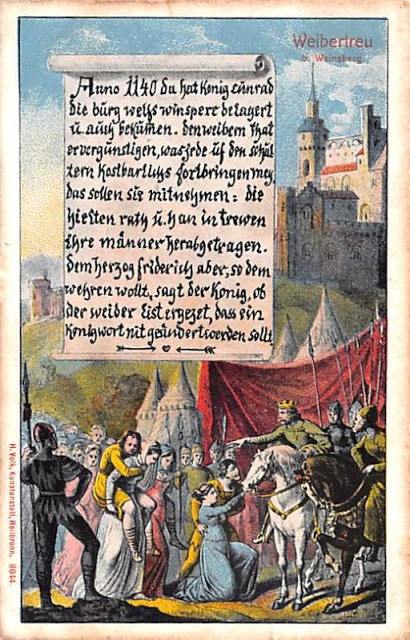
ஹோஹென்ஸ்டான்ஃபென் வமிசத்தைச் சேர்ந்த (Hohenstanfen Dynasty) மூன்றாம் கான்ராட் (1093-1152 – Conrad –III) ஜெர்மனியை ஆண்டு வந்த போது நடந்த உண்மைச் சம்பவம் இது.
1040ஆம் ஆண்டு பேடன் உர்டெம்பெர்க்கில் (Baden-Wurtemberg) உள்ள வெய்ஸ்ன்பெர்க் (Weinsburg) கோட்டையை அவன் முற்றுகை இட்டான். பெரிய முற்றுகை நீடித்தது. இறுதியில் கான்ராட் வென்றான். கோட்டையைக் கைப்பற்றினான்.
மன்னன் அங்கு வாழ்கின்ற பெண்மணிகளுக்கு மட்டும் ஒரு சலுகையை அறிவித்து ஆணையும் இட்டான்.
அவர்களது சொத்தில் அவர்கள் முதுகில் எவ்வளவு தூக்கிச் செல்ல முடியுமோ அவ்வளவு தூக்கிச் செல்லலாம். அவர்களை யாரும் – எந்தப் படைவீரரும் தடுக்க மாட்டார்கள் என்று ஆணையிட்டான்.
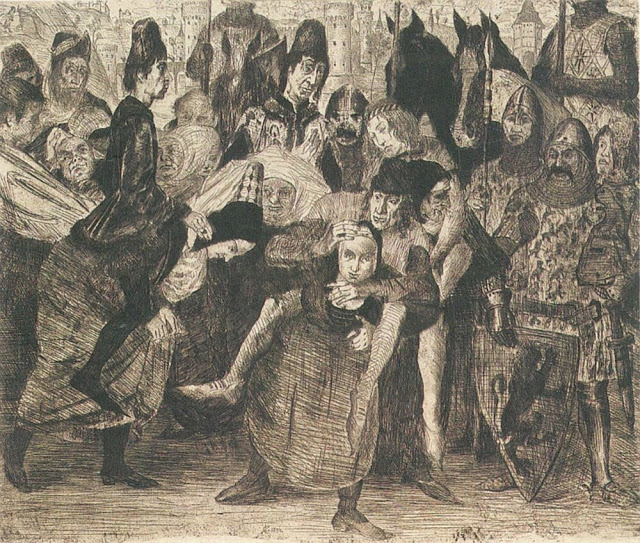
கவுன்டெஸ் வெல்ஃப் என்ற பெண்மணி (Countess Welf) தனது கணவரான ஆறாம் கவுண்ட் வெல்ஃப் – ஐ (Count Welf –VI) தன் முதுகில் ஏற்றிச் சுமந்து சென்றவாறே கோட்டையை விட்டு வெளியே நடக்க ஆரம்பித்தாள்.
கோட்டையின் தலைவி இப்படி அபார துணிச்சலுடன் செல்வதை படை வீரர்கள் வைத்த கண் வாங்காமல் பார்த்த வண்ணம் இருந்தனர்.
தலைவியைத் தொடர்ந்து கோட்டையில் இருந்த அனைத்துப் பெண்மணிகளும் தங்கள் தங்கள் வீட்டில் இருந்த ஆண்களை – கணவர், தந்தை, சகோதரன், குழந்தை யாராக இருந்தாலும் சரி – தங்கள் பலத்திற்கேற்ப முதுகில் சுமந்து செல்ல ஆரம்பித்தனர்.
இந்தக் காட்சியைக் கண்டு திடுக்கிட்ட படைவீரர்கள் ஓடோடிச் சென்று மன்னனிடம் நடந்ததைச் சொன்னார்கள்.
மன்னன் ஒரு நிமிடம் நிதானமாக இருந்தான் – பின்னர் கூறினான் – ஒரு மன்னன் தான் சொன்ன சொல்லைத் தவறுவதில்லை! (A King keeps his word!)
தலைவியைத் தொடர்ந்து அற்புதமான ஒரு ஊர்வலத்தில் அனைத்து ஆண்களும் பத்திரமாக கோட்டையை விட்டு வெளியேறினர்.
கணவன் மீது அபார பற்று கொண்ட ஒரு பெண்மணியின் சரியான வழிகாட்டுதலைக் கண்டு உலகமே பிரமித்தது.
இந்தச் சம்பவம் “Loyal wives of Weinberg” என்ற பெயரில் பிரபலமானது. இந்தக் கோட்டையின் சிதிலங்கள் இந்த வரலாற்றுச் சம்பவத்தை நினைவு கூரும் வகையில் “மனைவியின் விஸ்வாசம்” (Weibertreu) என்று அழைக்கப்படுகிறது. 1998ஆம் ஆண்டு குழந்தைகள் கதையான சின்ட்ரெல்லாவை அடிப்படையாகக் கொண்டு எடுக்கப்பட்ட எவர் ஆஃப்டர் (Ever After) என்ற திரைப்படத்தில் அரசனின் இந்த ஆணை கருவாகப் பயன்படுத்தப்பட்டுள்ளது!
சரித்திரத்தில் வரும் இந்த சம்பவம் மஹாபாரதத்தில் கூறப்படும் நளாயினியின் வாழ்க்கையை நமக்கு நினைவு படுத்துகிறதில்லையா! நளாயினி பெருநோய் பிடித்த தனது கணவர் மௌத்கல்ய முனிவரை தேவதாசியிடம் சேர்க்க கூடையில் வைத்து எடுத்துச் சென்றாள். கற்புக்கரசி நளாயினி பற்றி அனைவரும் அறிவர்.
புராணங்கள் இந்தக் காலத்திலும் பொய்ப்பதில்லை!
நன்றி : Truth weekly
***
ஆங்கில மூலம் இதோ :
The Siege of Weinsberg took place in Weinsberg, in the modern state of Baden-Württemberg, Germany, which was then part of the Holy Roman Empire. The siege was a decisive battle between two dynasties, the Welfs and the Hohenstaufen. The Welfs for the first time changed their war cry from “Kyrie Eleison” to their party cries.[4][5] The Hohenstaufen used the ‘Strike for Gibbelins‘ war cry.
On the death of the Holy Roman Emperor Lothair II in 1137, Henry the Proud was the Welf heir of the patrimony of his deceased father-in-law, and possessor of the crown jewels. He stood as a candidate for emperor, but the local princes opposed him and elected Conrad III, a Hohenstaufen, in Frankfurt on February 2, 1138.[5] When Conrad gave the Duchy of Saxony to Count Albert the Bear, the Saxons rose in defence of their young prince, and Count Welf of Altorf, the brother of Henry the Proud, began the war.
The partly ruined castle “Weibertreu” as it stood in 1515 (drawn after a sketch by Hans Baldung Grien).
Exasperated at the heroic defence of Welfs, Conrad III had resolved to destroy Weinsberg and imprison its defenders.[7] However he suspended the final assault after a surrender was negotiated, in which the women of the city were granted the right to leave with whatever they could carry on their shoulders.
Together the women left their possessions, and lifting their husbands onto their shoulders, headed out of town. When the king, or emperor, saw what was happening he laughed and accepted the women’s clever trick, saying that a king should always stand by his word.[8] This story became known as the “Loyal Wives of Weinsberg” (Treue Weiber von Weinsberg). The castle ruins are today known as Weibertreu (“wifely loyalty”) in commemoration of the event.
The women’s unique interpretation of the king’s orders was used as a plot device in the modern movie Ever After (1998) based on the fairy tale Cinderella.
Pictures are taken from various sources for spreading knowledge; this is a non- commercial blog. Thanks for your great pictures.
ஒரே சொல் மீண்டும் மீண்டும் வந்தால் ஓரிரு இடங்களில் மட்டுமே கட்டத்தில் இருக்கும். கொண்டு கூட்டி பொருள் கொள்க . விடை கீழே உள்ளது . சில நேரங்களில் படங்களைப் பார்த்தாலும் விடை காண உதவலாம்.
Pictures are taken from various sources for spreading knowledge; this is a non- commercial blog. Thanks for your great pictures.
tamilandvedas.com, swamiindology.blogspot.com
இந்த ஆண்டு (2020) மே மாதம் 20-ம் தேதி பெங்களூர் மக்கள் பெரும் இடி ஓசையைக் கேட்டனர். வானத்தில் மேகத்திலிருந்து வந்த ஓசை இல்லை அது. அருகில் நில அதிர்ச்சிக் கருவிகளிலும் பூமிக்கடியில் நில அதிர்ச்சி ஏதும் ஏற்பட்டதாக தகவல் இல்லை. கர்நாடகத்தில் மட்டும் 12 நில அதிர்ச்சிக் கருவிகள் இருக்கின்றன. அதில் எந்த அதிர்வும் பதிவாகவில்லை. கேட்ட ஒலியோ இடி முழக்கத்துக்கும் மேலான ஓலி . இதனால் எல்லோருக்கும் பெரும் கிலி . பின்னர் தற்காப்பு அமைச்க அதிகாரி ஒருவர் ஒரு விளக்கம் கொடுத்தவுடன் மக்களுக்கு கொஞ்சம் மன நிம்மதி.
அதற்குள் இ மெயில், போன், வாட்ஸ் அப், பேஸ்புக் , ட்வீட் எல்லாவற்றிலும் பரபரப்பு. பூகம்பம், போர் முழக்கம், வெடிகுண்டு வீச்சு , வெளி உலக மக்களின் விஜயம் எனக் கற்பனை சிறகடித்துப் பறந்தது.
தற்காப்பு அதிகாரி சொன்னது இதுதான் ;-
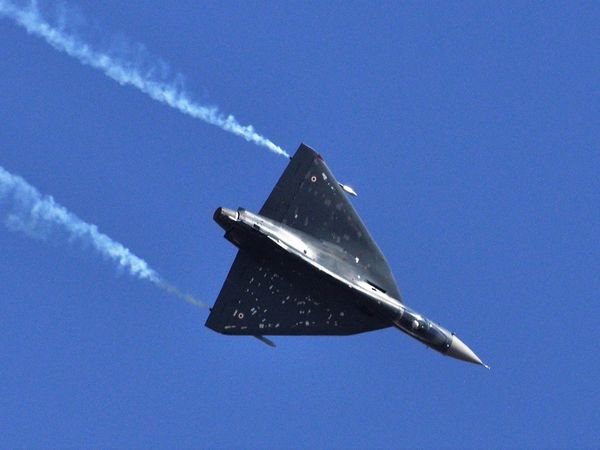
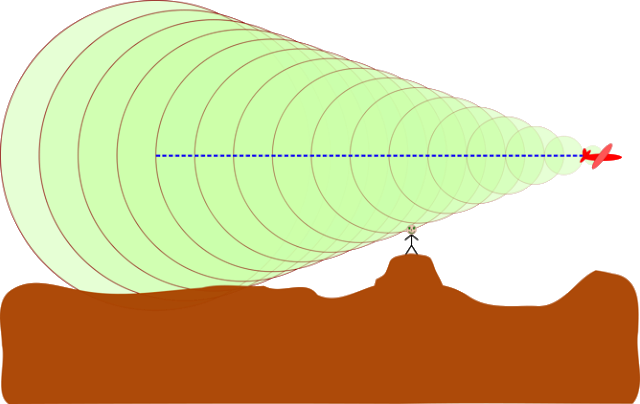
ஒருவேளை , ஒரு வேளை — இது சோனிக் பூம் Sonic Boom – ஒலி வெடி அலையாக இருக்கலாம். நாங்கள் அவ்வப்போது அதி நவீன விமானங்களை சோதனை செய்வது வழக்கம்; அவை தரைக்கு 36,000 அடி முதல் 40,000 அடி உயரம் வரை பறக்கும். அப்படிப் பற க்கையில் சூப்பர்சானிக் (Supersonic) வேகத்திலிருந்து சப் சானிக் (Sub sonic) வேகத்துக்கு இறங்குகையில் இப்படி சோனிக் பூம் Sonic Boom கேட்கும். அது சில நேரங்களில் 65 முதல் 80 கிலோமீட்டர் (50 மைல் ) தொலைவிலுள்ள மக்களுக்கு கூட கேட்கும் என்றார் .
இது ஏற்றுக்கொள்ளக்கூடிய விளக்கமே. அனால் அவரும் ஒருவேளை என்று சொன்னதால் வேறு விளக்கங்களையும் ஆராயவேண்டியுள்ளது .
உலகம் முழுதும் மர்ம ஒலிகள்
மர்ம ஒலி கேட்பது இது முதல் தடவை அல்ல. பெரும்பாலான ஒலிகளுக்கு, சப்தங்களுக்கு, விளக்கம் கிடைத்து விடுகின்றன. விஷமம் செய்யும் பேய்கள், குட்டிச் சாத்தான்களும் இரவு நேரத்தில் சப்தம் உண்டாக்குவதுண்டு
ரிக்வேதம் , மஹாபாரதம் முதலிய நூல்களிலும் மர்ம சப்தம் பற்றிச் சொல்லப்பட்டுள்ளது. உலகிலேயே பழைய நூல் ரிக் வேதம். அதில் முதல் மண்டலத்தில் 164வது கவிதையைப் பாடியவர் தீர்க்கதமஸ் என்னும் கண் தெரியாத கவிஞர் ஆவார். அவர் சுமார் 6000 ஆண்டுகளுக்கு முன்னர் ஒலி எனபதும் 4 வகைப்படும் என்கிறார்.பரா , பஸ்யந்தி, மத்யமா, வைகரி என்று 4 வகையான சப்தங்களில் மனிதர்கள் கேட்கக்கூடியது ‘வைகரி’ என்னும் சப்தம் மட்டும்தான்; ஏனையவை ரிஷிகளுக்கே கேட்கும் என்பார். ஆக ஒலி பற்றிய ஆராய்ச்சியை பல ஆயிரம் ஆண்டுகளுக்கு முன்னரே இந்துக்கள் துவங்கிவிட்டனர்!!
இதற்கு அடுத்தபடியாக கி.மு 3150-ல் நடந்த மஹாபாரத யுத்தத்துக்கு முன் கேட்ட மர்ம சப்தம் ஆகும். போர் நிகழப் போவதைக் குறிக்கும் பல சகுனங்களில் வானத்தில் வந்த குமுறல் ஓசையும் குறிப்பிடப்படுகிறது ; அதாவது மேகமே இல்லாத ஆகாயத்திலிருந்து வந்த சப்தம் அவை.
பாடும் மீன்கள் , பாடும் மணல் குன்றுகள்
இலங்கையில் மட்டக்கிளப்பில் லேடி மானிங் பாலத்துக்குக் கீழே உப்பங்கழியிலிருந்து பாடும் மீன்கள் ஒலி எழுப்புகின்றன. கடலில் திமிங்கிலங்கள் எழுப்பும் ஒலி தொலைதூரம் வரை கேட்கிறது பாலைவனங்களில் சுமார் 30 இடங்களில் பாடும் மணல் குன்றுகள் உள்ளதை அந்தந்த நாடுகள் சுற்றுலாத் தலமாக்கியுள்ளன. சதுப்பு நிலத்தில் மீதேன் (Methane) வாயு வெளியேறுகையில் சப்தம் உண்டாகும். அத்தோடு மீத்தேன் தீப்பற்றி எரிந்தால் அதைத் தமிழர்கள் கொள்ளி வாய்ப்பிசாசுகள் என்று அஞ்சுவர் ..ஆயினும் பெங்களூரு போல மர்ம ஒலி (Mysterious Sound) கேட்ட மற்றோரு இடம்பற்றி பிப்ரவரி 2012ல் நியூ சைன்டிஸ்ட் NEW SCIENTIST என்ற பிரபல விஞ்ஞான சஞ்சிகையில் அமெரிக்காவிலுள்ள வட கரோலினா (North Carolina, USA) கடற்கரையில் ஏற்பட்ட ஒலி பற்றி ஒரு கட்டுரை வந்துள்ளது, இதை கேத் ரவிலியஸ் (Kate Ravilious) எழுதியுள்ளார் . இதோ அவர் சொல்லும் சில சுவையான தகவல்கள்—
“2010ம் ஆண்டு ஜூலை மாதத்தில் ஒருநாள் ஜோடி ஸ்மித் (Jody Smith) என்பவர் மிகப் பெரிய மர்ம ஒலியை வட கரோலினா (அமெரிக்கா) கடற்கரையில் கேட்டார். உடனே சமூக வலைத்தளங்களில் அதைப் பதிவிட 25 மைல் பரப்பளவில் வாழும் பலரும் தாங்களும் அப்படிக் கேட்டதாக எழுதினர் .
வழக்கம் போல குண்டு வெடிப்பா , அணுகுண்டு சோதனையா , நில அதிர்ச்சியா, விண்ணில் பறந்த சூப்பர்சானிக் விமானத்தின் சோனிக் பூம் ஓலியா என்று ஆராய்ந்ததில் அது எதுவு ம் இல்லை என்று தெரிந்தது.
அவர் ஜப்பான், பெல்ஜியம், அமெரிக்கா , ஹாலந்து முதலிய நாடுகளில் இவை வெவ்வேறு பெயர்களில் அதிசயமாக விளங்குவதைக் குறிப்பிடுகிறார். நியூயார்க் பிரதேசத்தில் செனெகா ஏரியில் கூட மர்ம ஒலிகள் கேட்கின்றன. உலகில் 30 பாலைவன மணற் குன்றுகளிலும் இப்படி விநோத சப்தங்கள் கேட்கின்றன.
சில இடங்களில் பூமிக்கடியில் சென்று நில அதிர்வுக்கு கருவிகளைப் புதைத்து வைக்கச் சென்றபோது திடீரென்று வெடி ஒலி கேட்ட அனுபங்களை அவருடன் பலர் பகிர்ந்துள்ளார்கள்
அமெரிக்காவில் கனக்டிகட் என்னும் இடத்தில் மூடஸ் கிராமத்தை அமெரிக்கப் பழங்குடி மக்கள் ‘மச்சி மூடஸ்’ என்றே அழைப்பர்; இதன் பொருள் –’கெட்ட சப்தம் போடும் மூ டஸ்’ என்பதாகும். அதாவது பேய்பிடித்த ஊர். வினோத ஒலிகள் வரும் இடம்.
சமுத்திர ஒலிகள்
சமுத்திரத்திலிருந்து பல்வேறு சப்தங்கள் வருவதற்கு அதன் அடிப்பகுதியில் உள்ள குகைகள், மலைகள், பிளவுகள் , பேரலைகளில் ஏற்படும் நீர்க்குமுழிகள் முதலிய பல காரணங்கள் உள்ளன என்று ஹவாய் பல்கலைக்கழக ஒலி இயல் அறிஞர் மில்டன் கார்சஸ் சொல்கிறார்.
வானத்திலிருந்து வரும் பெரிய விண்கற்கள் (Meteors) பூமியின் காற்றுமண்டலத்தில் நுழையும் போது பெரிய சப்தத்தை உண்டாக்கும் . ஒலி மெதுவாக பயணம் செய்வதால் அது எரிந்து விழுந்த பின்னர்தான் நமக்கு சப்தம் கேட்கும்; அப்போது வானத்தைப் பார்த்தால் அது அழகாக நீல நிறத்தில் அமைதியாகக் காட்சிதரும் . இதுவும் அதிசய சப்தங்களுக்கு ஒரு காரணம் . சில வகையான பருவ நிலையில் சப்தம் அதிக தூரம் பயணம் செய்யும். இப்படிப் பல காரணங்களை விஞ்ஞானம் நமக்குக் கற்றுத் தந்தாலும் விளக்க முடியாத பல செயல்கள் நடந்து கொண்டுதான் இருக்கின்றன. உலகில் பாலைவனங்களில் ஏராளமான மணற் குன்றுகள் இருந்தபோதும், 30 இடங்களில் உள்ள மணல் மேடுகள் மட்டும் ஏன் பாடுகின்றன அல்லது ஊளை இடுகின்றன என்பதை எவராலும் விளக்க முடியவில்லை . எல்லாம் வெறும் ஊகத்தின் அடிப்படையில் அமைந்த கொள்கைகளே.
வட கரோலினா சப்த அதிசயம் பற்றி அறிவியல் கட்டுரை எழுதிய கேத் (Kate) கட்டுரையை முடிக்கும் அழகைப் பாருங்கள்-
வட கரோலினாவில் அன்றொரு நாள் ஜோடி ஸ்மித் கேட்ட சப்தத்துக்கான காரணம் எதுவாக வேண்டுமானாலும் இருந்துவிட்டுப் போகட்டும். நமது பூமி சாதுவான, வாய் பேசாத நல்ல பிள்ளை என்று நாம் நினைத்துக் கொண்டிருந்தோம். நாம் கேட்கும் பல வகை ஒலிகளையும் நவீன கால நடவடிக்கைகளின் எதிரொலி என்று நினைத்துக் கொண்டிருக்கிறோம். ஆனால் நீங்கள் கேட்கும் ஒலி , ஒருவேளை பூமியின் குரலாக (Voice of Earth) இருக்கலாம் !
என் கருத்து
ஒரு வேளை பல மிருகங்கள் தங்கள் மொழியில் தங்களுக்குள்ளேயே பேசிக்கொள்வது போல பூமியும் மற்ற கிரகங்களுடன் பேசிக்கொண்டு இருக்கிறதோ ? அல்லது நம்மிடம் எதாவது சொல்லிக்கொண்டு இருக்கிறதோ ! இனிமேயாவது கவனமாகச் செவி கொடுத்துக் கேட்போமாக!!
tags — பெங்களூரில் , மர்ம ஒலி, பாடும் மீன்கள் , பாடும் மணல் குன்றுகள்,மர்ம ஒலிகள்




















 Tamil and Vedas