Pictures are taken from various sources for spreading knowledge; this is a non- commercial blog. Thanks for your great pictures.
ஒரே சொல் மீண்டும் மீண்டும் வந்தால் ஓரிரு இடங்களில் மட்டுமே கட்டத்தில் இருக்கும். கொண்டு கூட்டி பொருள் கொள்க . விடை கீழே உள்ளது . சில நேரங்களில் படங்களைப் பார்த்தாலும் விடை காண உதவலாம்.
விடை
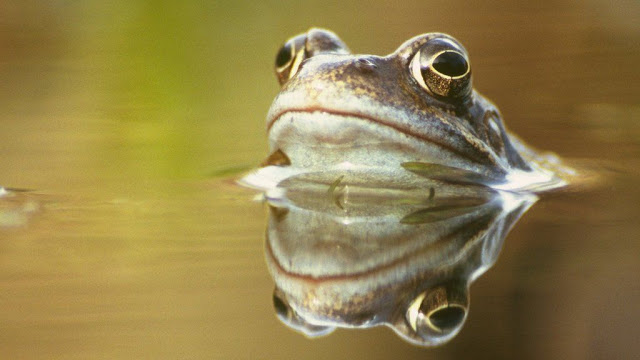
1.தேரை மோந்த தேங்கா ய் போல
2.தேரை வால் போல சுத்த சூனியமாச்சுது
3.நுணலும் தன் வாயா ல் கெடும்
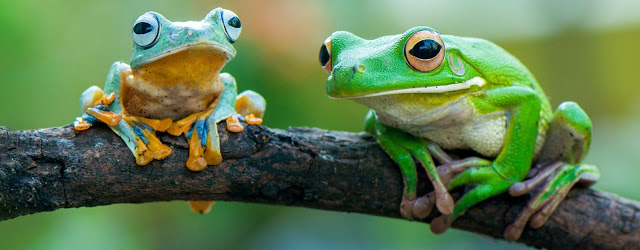
4.தவளை தாமரைக்குச் சமீபமாக இருந்தும் அதன் தேனை உண்ணாது
Source book :–
பயன்படுத்திய நூல்- கழகப் பழமொழி அகர வரிசை, கழக வெளியீடு.
Pictures are taken from various sources for spreading knowledge; this is a non- commercial blog. Thanks for your great pictures.
tamilandvedas.com, swamiindology.blogspot.com
தமிழர்களுக்கு 1500 ஆண்டு கால நல்ல பெயரும் உண்டு ;கெட்ட பெயரும் உண்டு. முதலில் நல்ல பெயரைப் பார்ப்போம்.சேர, சோழ, பாண்டிய மன்னர்கள் உலகிலேயே நீண்டகாலம் ஆண்ட மன்னர் பரம்பரை ஆகும். ஒரிஸ்ஸாவை ஆண்ட காரவேலன் (King Kharavela) என்ற புகழ் பெற்ற மன்னன் சேர,சோழ,பாண்டிய மன்னர்களின் கூட்டணி பற்றி குறிப்பிட்டிருக்கிறான் . அவனது காலம் கி.மு.முதல் அல்லது இரண்டாம் நூற்றாண்டு. அவன் 113 ஆண்டுக் ((த்ரமில சங்காதன் = தமிழ் கூட்டணி ) கூட்டணியை முறியடித்ததாகக் குறிப்பிடுவதால் அசோகர் காலத்தை நெருங்கி விடுகிறோம். அவனும் தமிழ் மன்னர்களைக் குறிப்பிடுகிறான் ஆக 12, 13 நூற்றாண்டு வரை இந்த மூன்று வம்சம் பற்றியும் நாம் படிக்கிறோம். அதற்குப் பின்னர் சுந்தர பாண்டியன் அழைப்பில் வந்த முஸ்லீம் மன்னர்கள் தமிழ் அரச வம்சத்தை அடியோடு ஒழித்து விட்டனர். அங்குமிங்கும் ஒன்றிரண்டு ‘செல்லாக்காசுகள்’ வம்ச பரம்பரை பற்றி பிதற்றின அசோகன் காலம் முதல் 13ம் நூற்றாண்டு வரை 1500 ஆண்டுகளுக்கு மூவேந்தர்களும் இருந்தார்கள். இது போல மூன்று வம்சங்கள் உலகில் வேறு எங்கும் ஆண்டதில்லை . ஆக (Guinness Book of Records) கின்னஸ் புஸ்தகத்தில் பொறிக்க வேண்டிய விஷயமே .
கெட்ட பெயர் என்ன?
உலகிலேயே தங்களுக்குள் சண்டையிட்டுக்கொண்ட வம்சமும் தமிழ் வம்சமே. இது போல 1500 ஆண்டுகளுக்கு சண்டையிட்ட வம்சம் எதுவுமில்லை . ஒருவருக்கொருவர் அடித்துக் கொண்டதை சங்க இலக்கியம் முதல் சுந்தர பாண்டியன் காலம் வரை பார்க்கிறோம். பிரான்சுக்கும்- இங்கிலாந்துக்கும் இடையே ஆயிரம் ஆண்டு யுத்தம் (1000 Year War) நடந்ததாகவெல்லாம் வரலாறு சொல்லும். ஆனால் அவர்கள் இடத்தை வெவ்வேறு வம்சங்கள் ஆண்டன. பாபிலோனிய, சுமேரிய, எகிப்திய நாகரீகங்களிலும் எண்ணற்ற வம்சங்கள் இருந்தன.
வடக்கிலுள்ள நந்த, மௌர்ய , குஷான, குப்த வம்சங்களும் 500 ஆண்டு என்ற எல்லையைக் கடக்கவில்லை.
இதைவிட பெரிய அதிசயம் பாண்டியர் பற்றியதாகும். அந்த அரசர்கள் அந்த வம்சத்து தொடர்ச்ச்சியைக் காட்டுவதற்கு ‘சடையன்’, ‘மாறன்’ என்ற பட்டங்களை மாறி மாறி பயன்படுத்தியதாகும் . இது போல சேர, சோழ வம்சங்களில் காண முடியாது.
ஜடா வர்மன் மகன் மாற வர்மன்
மாற வர்மன் மகன் ஜடா வர்மன்
என்று மாறி மாறி வரும்
மாறவர்மன் அவனி சூளாமணி 620-645 (பொது ஆண்டு அல்லது கி.பி)
செழியன் சேந்தன் 654-670
அரிகேசரி மாறவர்மன் 670-700
கோச்சடையன் ரணதீரன் 700-730
மாறவர்மன் ராஜசிம்மன் 730-765
பராந்தக நெடுஞ்சடையன் 765-815
மாறவர்ம ஸ்ரீ மாற ஸ்ரீ வல்லபன் 815-862
வரகுண வர்மன் 862-880
பராந்தக வீர நாராயணன் 880-900
மூன்றாம் மாறவர்மன் ராஜசிம்மன் 900-920
சோழர் வெற்றி
வீர பாண்டியன் 946-966
ஜடாவர்மன் பராந்தக பாண்டியன் 1087-1132
மாறவர்மன் ஸ்ரீ வல்லபன் 1132-1163
சடைய வர்மன் குலசேகரன் 1163 1175
xxxxx மாறவர்மன் ????????
ஜடா வர்மன் குலசேகரன் 1190-1218
மாறவர்மன் சுந்தரபாண்டியன் 1216-1238
????????
ஜடா வர்மன் சுந்தர பாண்டியன் 1252-1270
மாற வர்மன் குலசேகரன் 1278-1310
ரவி வர்மன் குலசேகரன் 1311-1312
இவர்களுக்கெல்லாம் முந்தியவன் கடுங்கோன் 570-600
Source -1974 மீனாட்சி சுந்தரேஸ்வரர் கோவில் மலர் (for kings list)
****
பாண்டிய மன்னர்களின் வரலாற்றில் நிறைய புரியாத புதிர்கள் உள்ளன .
திருவிளையாடல் புராணம் முழுதும் சம்ஸ்கிருதப் பெயர்களே உள்ளன . ஆக தமிழ் பெயர்களுடன் சம்ஸ்கிருதப் பெயர்களையும் பயன்படுத்தியதை அறிகிறோம்.
மேற்கண்ட பட்டியலில் ‘சுந்தர’, ‘குல சேகர’ என்ற இரண்டு மட்டுமே திருவிளையாடல் புராணத்துடன் ஒத்துப் போகின்றன . ஆனால் அதில் அப்பர் காலத்துக்கு முந்திய வரலாறுகளையும் காண்கிறோம்.
இதைவிட பெரிய புதிர் சுந்தர பாண்டியன் ஆகும்.
நமக்குத் தெரிந்த சுந்தர பாண்டியன்கள் இரண்டு பேர்.
ஒருவர் மீனாட்சியின் கணவர் சுந்தரர்.
இரண்டாவது ஆதி சங்கரர், அவரது சம்ஸ்கிருத உரையில் புகழும் சுந்தர பாண்டியன்.
ஆதி சங்கரர் காலத்தை 732 என்று கொண்டாலும் மேற்கூறிய பட்டியலில் சுந்தர பாண்டியன் இல்லை. காஞ்சி
பரமாசார்ய (1894-1994) சுவாமிகள் சொல்லுவது போல ஆதி சங்கரரை (BCE) கி.மு. காலத்தில் வைத்தால் மதுரை மீனாட்சி கதையும், மெகஸ்தனீஸ் சொல்லும் ‘பண்டேயா’ ராணி கதையும் பழைய சுந்தர பாண்டியனுடன் பொருந்துகிறது .
எனது கருத்து
எகிப்திலும் இந்தியாவிலும் பட்டா பிஷேக காலத்தில் மன்னருக்கு ஒரு புதுப்பெயர் கொடுக்கப்பட்டது. ஆக 2300 ஆண்டுகளுக்கு முன்னர் ஒரு சுந்தர பாண்டியர் இருந்திருக்க வேண்டும். அவருடைய தமிழ்ப் பெயரை நாம் அறியோம் . எப்படி மாறன் , சடையன் பெயர்கள் குறைந்தது 700 வருடங்களுக்குப் பின்பற்றப்பட்டதோ அது போல அதற்கு முந்தைய 700 வருடங்களுக்கு ‘வழுதி’, ‘செழியன்’ என்ற பட்டங்கள் மாறி, மாறி வந்துள்ளன.
வாழ்க தமிழ் வளர்க பாண்டியர் புகழ்
****
கல்தோன்றி மண் தோன்றாக் காலத்தே……….
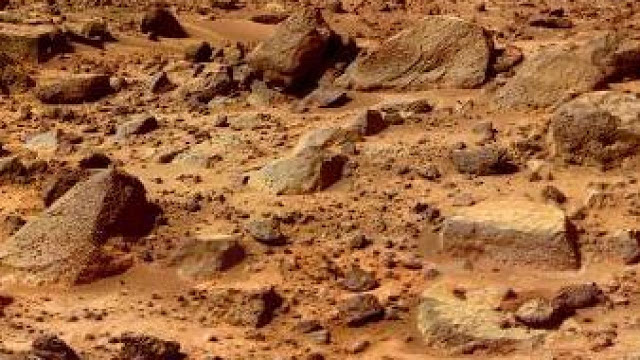
கல் தோன்றி மண் தோன்றாக் காலத்தே வாளொடு முன் தோன்றிய மூத்த குடி’ – என்று தமிழர்கள் ஆடுவார்கள், பாடுவார்கள். இது உயர்வு நவிற்சி அணி; இதை அறியாத பாமரர் இதை அப்படியே சொல்லுக்குச் சொல் பொருள் (literal meaning) கொள்வர். அதாவது நாஸா (NASA) வெளியிடும் செவ்வாய், புதன் கிரக பரப்பைப் பார்த்தால் பிரம்மா ண்டமான பாறைகளைப் பார்க்கலாம். பலகோடி ஆண்டுகளுக்கு முன்னர் அப்படித்தான் பூமியும் இருந்தது. பின்னர் கோடிக்கணக்கான ஆண்டுகளில் பெய்த மழை , அடித்த வெப்பத்தில் அவை சிறிதாக உடைந்தன; மணற்பரப்பும் உருவானது. தமிழர்கள் கோடிக்கணக்கான ஆண்டுகளுக்கு முன்னர் உருவானதாக நம்பும் ஜீவன்களும் நமது நிலப்பரப்பில் இப்போதும் உள .
TAMIL GEOLOGIST!
ஆனால் இதிலும் ஒரு விஞ்ஞான உண்மையை தமிழன் வெளியிட்டுவிட்டான். முதலில் ‘கல்’-தான் இருந்தது; பின்னர் அது மண்ணாயிற்று . அதற்குப் பின்னர் உலோக காலம் (Copper age, Bronze age, Iron age) வந்தது என்று ஜியாலஜி படிப்போர் அறிந்த விஷயங்களை அதே வரிசையில் தமிழன் சொல்லிவிட்டான்.
இது புறப்பொருள் வெண்பா மாலையில் உள்ள வரிகள்; இதை இயற்றியவர் ஐயனாரிதனார் . இவர் இளம்பூரணர் ,
நச்சினார்க்கினியர் முதலிய உரைகாரர்களுக்கும் முந்தையவர். ஆக குறைந்தது 800, 900 ஆண்டுகளுக்கு முந்தி வாழ்ந்தவர் அவருக்கு இவ்வளவு புவி கர்ப்பவியல் (Geology) — ஜியாலஜி தெரிந்தது பாராட்டப்பட வேண்டிய விஷயம். அதைவிட உலகெங்கிலும் நடக்கும் தமிழ்ச் சங்கங்களில் ஏன் சண்டை நடைபெறுகிறது என்பதையும் அவர் விளக்கி விடுகிறார். “வாளொடு” (born with the sword) முன் தோன்றிய மூத்தகுடி என்பதில் சண்டைபோடும் குணம் ரத்தத்தில் இருக்கிறது (Genetically programmed to fight) மரபணுவில் இருக்கிறது, உளவியலில் (Psychological; mindset) இருக்கிறது என்பது அவருக்கு — ஐயனாரிதனாருக்கு — புரிந்திருக்கிறது!!
மேலும் பாரதி தாசனும் இதை உறுதி ப் படுத்துகிறார் –
“கொலை வாளினை எடடா மிகு
கொடியோர் செயல் அறவே
குகைவாழ் ஒரு புலியே உயர்
குணமேவிய தமிழா!…………..
உதவாதினி ஒரு தாமதம் ; உடனே விழி தமிழா”
–என்று உந்துதல் கொடுக்கிறார்
ஆக தமிழன் எங்கிருந்தாலும் சேர, சோழர், பாண்டியர் போல உட்சண்டை (infighting) போட்டுக்கொண்டு , சுந்தர பாண்டியன், எட்டப்பன் போல மாற் றானை (Muslim invaders and the British) அழைத்து தன்னைத் தானே தாழ்த்திக்கொள்ள வேண்டும் என்பது இயற்கை விதி போலும் .
இலங்கைக்குள் பலவகை தமிழர்கள் இருப்பதும், பல்வேறு தமிழ் அமைப்புகள் போட்டி அமைப்புகளை உருவாக்கி வெவ்வேறு தமிழ்த் தேர்வுகள், இசைத் தேர்வுகள் நடத்துவதும், தமிழ்க் கோவில்களின் கமிட்டியிலிருந்து பிரிந்து போய் புதுப் புதுக் கோவில்களை அமைப்பதும் வெளிநாட்டிலும் நாங்கள் ஒற்றுமையாக இருக்க மாட்டோம் என்று சொல்லுவதைப் பார்க்கலாம்!!
Post No. 8234Date uploaded in London – – – 24 June 2020 Contact – swami_48@yahoo.com
Pictures are taken from various sources for spreading knowledge; this is a non- commercial blog. Thanks for your great pictures.
SAINTS AND SAGES: THE JOY AND THE PAIN-1 R. Nanjappa
There is a chapter in the life of all Avatars/Saints/Sages which is full of suffering and pain- for us, devotees.. For it is certain that they themselves were above all such feelings or thoughts.
Lord Shiva sets the tone!
Perhaps this starts with Lord Shiva himself! The Devas and Asuras churned the ocean to get nectar, and they got terrible poison at first! While they were eager for the nectar, they had to find someone to swallow the poison! Who else but the Great Lord could do that? Lord Shiva Mahadeva swallowed the poison and let the Devas and their rivals, cousins Asuras enjoy the nectar! The great upheaval in the life of Rama was caused by a lowly maid servant, leading to Rama’s exile to the forest, Sita’s abduction , war and rescue, lasting 14 years. But poor Rama’s ordeals did not end there. Years into his rule, a dhobhi makes some snide remarks about Rama having accepted his wife after she had spent a year in the house of another! This leads to another painful separation- Sita,pregnant, is sent to the forest. She comes back years later, with the children, but this time she leaves the world- merging with her mother- Earth! Most pious Hindus do not read this portion of the Ramayana at all- it is too painful to bear. Rama himself enters the Sarayu river and does not return. Krishna’s days are painful- from our side. At the end of Mahabharata war, almost every one blames him for the war! Karna and Duryodhana openly accuse him of having caused their death unjustly- against dharma. Krishna gives them an earful, reminding them of all their adharmic acts all through their life, and asks them how such people could talk of dharma when it came to their own case! But Gandhari outdoes them all: she curses him: just as he caused the death of all her sons, his own clan would be wiped out! Somehow, every one forgets all their misdeeds, and feels that Krishna could have prevented the war, but did not! Any way, Gandhari’s words turn true, the entire Yadava clan is wiped out. Krishna wanders alone in the forest, and while resting, a hunter mistakes his ruddy foot for the head of a deer and shoots him with an arrow! Thus Krishna leaves the earth!
The Buddha partakes of a meal at the house of a devotee, Cunda, a metalworker. It consists of some pork and other things.(Some people now say that it was some mushroom,not pork.) The Buddha falls sick. He feels thirsty and sends Ananda his disciple to fetch water. It is said that when he went with the bowl, he found the water muddy and turbid, but when he took it in the bowl, it turned clean! Any way,the Master died shortly thereafter, fully conscious. He told Ananda not to blame Cunda for the meal, as the cause of his death! His last words were that everything in the world- being compounded, was subject to dissolution; all conditioned things were subject to decay. Buddha also told Ananda that they should not bother about honouring his body after death, but strive for their own good! Jesus Christ was betrayed by one of his own disciples, resulting in his crucifixion. But Christ prayed for forgiveness for those responsible for it, saying they did know what they were doing!
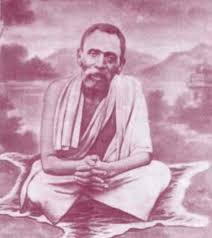
Sri Ramakrishna
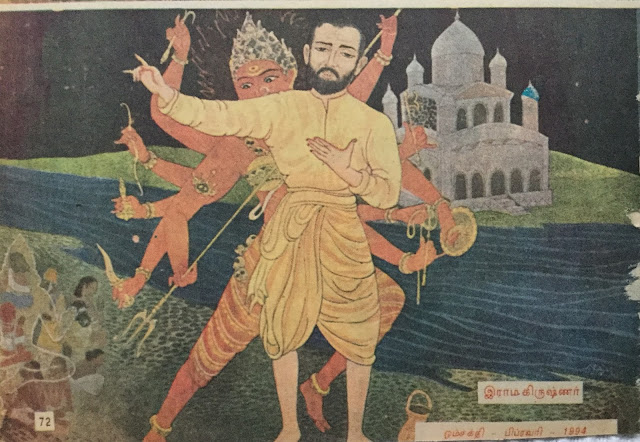
The story of the last year of Sri Ramakrishna’s earthly leela is very painful to read. He was diagnosed with throat cancer, and for facility of treatment was taken to Shyampukur in Calcutta in Sept, 1885. Thus, Ramakrishna had to leave the precincts of his beloved Bhavatarini at Dakshineswar, where he had lived from 1855. He did not find Shyampukur congenial, so they shifted him to a bigger place with open spaces around in Cossipore, another suburb. Ramakrishna had no money, no income, except the pension of Rs.11/- a month that Mathurbabu had arranged. The young disciples attending on him were school/college boys, hardly in their twenties (some of whose parents did not like the boys being with Ramakrishna). None of them was rich, or had employment. Ramakrishna’s expenses were met by two/three householders, who put their own conditions! At one stage, Ramakrishna wanted to get back to Dakshineswar- but the temple authorities- the relatives and descendants of Rani Rasmani and Mathurbabu did not allow him to come back! So, Ramakrishna spent his last days in Cossipore and attained Mahasamadhi after midnight on 15th August 1886. The boys simply took his body and cremated it! There were some bitter quarrels/arguments between two factions – householder followers and ‘disciples’-for his ashes. The disciples-later, monks- managed to outwit the others and retain the larger portion! It was this that Vivekananda carried on his head to be installed at Belur Math later on. Vivekananda admitted that it was a mistake to have cremated the body. In the Hindu tradition, the body of a Sage should have been preserved in Samadhi. Whatever the ardent or ordained followers may say, to us ordinary devotees, all this looks unpleasant and painful.
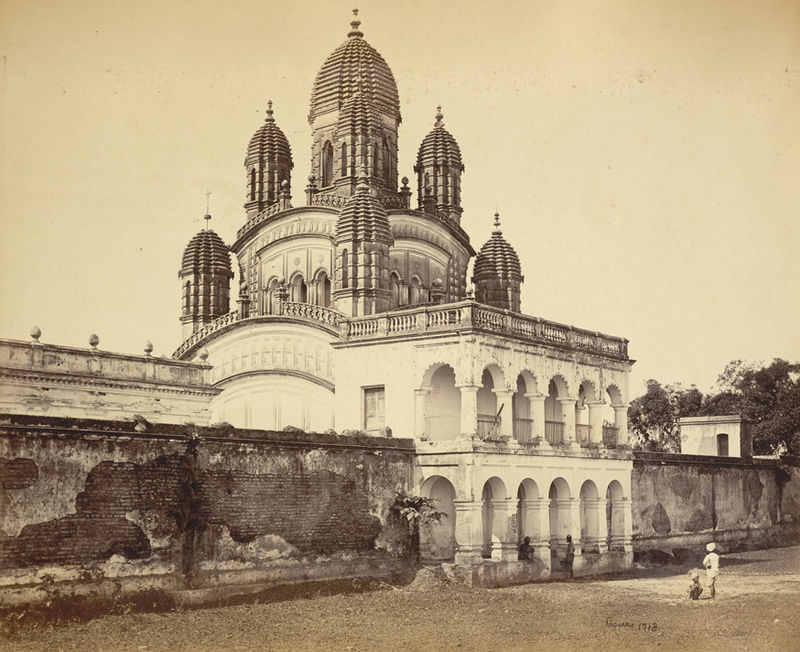
An old view of the Dakshineswar Kali temple.
We cannot at all understand why Sri Ramakrishna had to leave the holy grounds of Dakshineswar, the place of his tapas , his divine experiences and teaching, the place where he stayed for thirty years, in this fashion. Rani Rasmani and Mathurbabu had fully realised the divinity of Ramakrishna. Ramakrishna would say that Mathur had realised that there was “something in this place” -meaning himself; did he render all that service for nothing? Ramakrishna once mentioned that he would live in Dakshineswar as along as Mathurbabu lived; immediately Mathurbabu accosted him, and addressing him as ‘father’ extracted a promise from Ramakrishna that he would not leave Dakshineswar in the lifetime of his wife Jagdamba and son Dwarka. Yet their relatives would not let him come back! This too is difficult to understand.(Jagdamba had died in 1881) Whatever may be Sri Ramakrishna’s divine status, it is plain that he suffered a lot in the last days, which realisation causes us pain.
Sri Vallimalai Swamigal
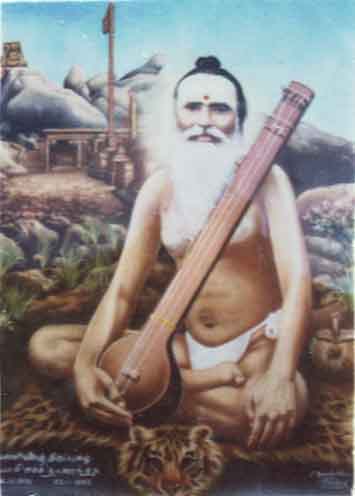
We see this displacement in the case of another Saint, Sri Sachidananda, more familiarly known as Vallimalai Swami, who single-handedly propagated Tiruppugazh songs in the whole of the old Madras Presidency. This swamy is an example of the direct descent of divine grace. An unlettered fellow named Ardhanari, working as a cook in the Mysore palace and given to wrestling, he was directed to go to Palani, one of the famous shrines of Lord Subrahmanya to seek a cure for his stomach ulcers which the palace doctors could not treat.This was in 1908. For 40 days, he lived only on the “abhisheka thirtha”. He got cured! His attachment for Lord Muruga grew.In the meantime, he happened to listen to a Tiruppugazh song, to which a dancer performed during a temple festival. He was enchanted, came to know that it was Tiruppugazh. He got the first volume of the song book from Madras- but he did not know the Tamil alphabet! He learned it from an eight-year old school boy and started learning the songs by heart. Soon he had learned all the 400 songs of the first volume. But he could only recite them like prose, not knowing the meter or the tune. He lived in Palni with his wife and son for 4 years, from 1912 to 1916; then he went on pilgrimages, and wandered on the Himalayas. He returned to Madras in 1916 and went to Tiruvannamalai and was with Ramana Maharshi for a few days when on 13th May 1916, Bhagavan Ramana asked him to go down the hill.Disappointed at such dismissal from holy company, and wondering what offence he had committed, he decided to obey implicitly and walked down the hill.
On the way , he found Seshadri Swami, another great spiritual Master coming up. He came straight to Ardhanari ,embraced him and making him sit by his side, recited a sloka of Sankara in Sanskrit “Atmatvam Girija mati”. Ardhanari did not know Sanskrit.Seshadri Swami himself explained the meaning and asked him whether there was anything like that in Tiruppugazh! Ardhanari recited a few hymns. Seshadri Swami told him: ‘Tiruppugazh is your Mahamantra. One who studies Tiruppugazh need not study the Vedas! Go to Vallimalai and do tapas there’. Ardhanari went there in June, found a natural cave on the hills there and made it habitable.
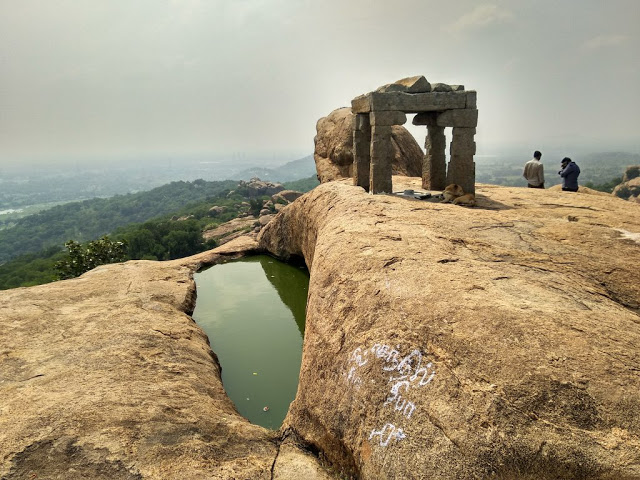
Vallimalai
He continued to live there for 12 years, coming out only for his trips to propagate Truppugazh.It was during this time that he learned to sing Tiruppugazh in the proper chandas and beat (particular way of enunciating and timing), and also in the appropriate Raga! He said later that while on the hill, he used to hear Tiruppugazh songs sung by divine voices at night, to the accompaniment of musical instruments, and this is how he tuned them! He had never learnt any music! In January 1929, Seshadri Swami, his guru, attained Mahasamadhi. Ardhanari, now known as Tiruppugazh Swami attended the ceremonies, returned to Vallimalai and for the next 12 years remained on the hills without coming down! After that he came out again to propagate Tiruppugazh and this continued for about 6 years. But by 1947, a change had come over the villagers, who had supported him since 1916! They became indifferent and even turned hostile! Swami finally decided to quit the place, and left it in 1948, never to return! He distributed whatever was there in the Vallimalai Ashramam among the devotees, came to Madras and lived in the houses of different devotees. In April 1950, Bhagavan Ramana, who had directed him to his Guru Seshadri Swami attained Mahanirvana. Our Swamy attended those ceremonies. He entrusted the deity he was worshipping, Pongi or Valli, who had taught him the Tiruppugazh with Raga and tala, to the care of a chosen person, not a devotee at the time, and attained samadhi in November,1950. It is this Pongi who is now celebrated at Tirumullaivoil, near Chennai, as Sri Vaishnavi! It is by the grace of Valli or Pongi, that one attains devotion to Lord Subrahmanya. It is Valli who, by her devotion, brought the Lord to earth from heaven! The person to whose care Pongi was entrusted, himself became a Spiritual Master later,, first with the name Sadhu Parhasarathy, and finally with the sanyasa name, Swami Anvananda! It is a mystery how the Swami was made to leave his place on the hill and the ashram there! It is strange that the people who had supported him for 30 years turned indifferent or hostile! Was it God’s way of cutting off all traces of earthly attachment? We would never know!
The original image of Vaishnavi, to which Vallimalai Swami transferred the power of Pongi is now in a separate shrine in Tirumullaivoyal, Chennai.
Pictures are taken from murugan.org. wikipedia etc. Thanks.
tags– Saints and Sages-1, Vallimalai Swamigal, Ramakrishna, ***
Pictures are taken from various sources for spreading knowledge; this is a non- commercial blog. Thanks for your great pictures.
நிகழ்காலத்தின் சக்தி! (The power of Now!) – இந்த க்ஷணத்தை நழுவ விடாதீர்!
ச.நாகராஜன்
நிகழ்காலத்தைக் கவனி!
நிகழ்காலம் என்பது 4 முதல் 8 விநாடிகள் என்று அறிவியல் விளக்குகிறது. எவன் ஒருவன் நிகழ்காலத்தில் வாழ்கிறானோ அவனுக்குப் பிரச்சினைகளே ஏற்படாது. ஒரு சுபாஷிதத்தைப் பார்ப்போம் :-
பவிஷ்யம் நாநுசந்தத்தே நாதீதம் சிந்தயத்யபி |
வர்தமானநிமேஷம் து ஹஸன்னேவாநுவர்ததே ||
எதிர்காலத்தில் என்ன நடக்கப் போகிறது என்பதையோ அல்லது கடந்த காலத்தில் என்ன நடந்தது என்பதையோ இவன் சிந்திக்க மாட்டான். ஆனால் நிகழ்காலத்தில் என்ன நடக்கிறதோ அதை புன்சிரிப்புடன் பார்த்து கொண்டு செல்வான்.
This one do not consider what is to happen, nor about what has already passed; but he simply smiles and goes after the current affairs.
(Translation by Dr N.P. Unni, Ex-Vice Chancellor, Sri Sankaracharya Sanskrit University, Kaladi, Kerala)
*
நிகழ்காலத்தைக் கவனித்து நட!
யததீதமதீதம் தத் சந்திக்தம் யத்நாகதம் |
தஸ்மாத் யத்ப்ராப்தகாலம் தன்மானவேன விதீயதாம் ||
எது நடந்ததோ அது (கடந்த காலத்தில்) நடந்து முடிந்து விட்டது. எது நடக்கப்போகிறதோ அது (எதிர்காலத்தில்) இனிமேல் தான் நடக்கப் போகிறது. ஆகவே இப்போது என்ன செய்ய வேண்டுமோ அதைப் பற்றித்தான் மனிதர்கள் கவனிக்க வேண்டும்.
What has already happened is over and what is to happen in future is yet to come. Hence what is to be done at present should be taken care by humans.
(Translation by Dr N.P. Unni, Ex-Vice Chancellor, Sri Sankaracharya Sanskrit University, Kaladi, Kerala)
*
ஒவ்வொரு க்ஷணமும் அரிதே!
ஆயுஷ: க்ஷண ஏகோபி சர்வரத்னைர்ன லப்யதே |
நியதே தத்வ்ருதா யேன ப்ரமாத: சுமஹானஹோ: ||
ஆயுளில் ஒரு க்ஷணம் கூட அனைத்து ரத்னங்களையும் கொடுத்து அடைய முடியாது. அப்படிப்பட்ட அரிய கணங்களை வீணாக்குபவன் ஒரு முட்டாள்.
Even a moment of the life span could not be procured by all the jewels. He who wastes such precious time is a fool.
(Translation by Dr N.P. Unni, Ex-Vice Chancellor, Sri Sankaracharya Sanskrit University, Kaladi, Kerala)
*
கோடி தங்கக் காசுகள் கொடுத்தாலும் ஒரு க்ஷணம் கிடைக்காது!
ஆயு: க்ஷணலவமாத்ரம் ந லப்யதே ஹேமகோடிபி: க்வாபி |
தச்சேத் ரச்சதி சர்வ தத: காதிகா ஹானி: ||
ஆயுளில் ஒரு கணம் கூட கோடிக்கணக்கான தங்கக் காசுகள் கொடுத்தாலும் கிடைக்காது. அது கழிந்து விட்டால் அதை விட கேடு வேறு என்னவாக இருக்க முடியும்!
Even a moment of life could not be obtained by crores of gold coins and if it passes what could be more harmful than this.
(Translation by Dr N.P. Unni, Ex-Vice Chancellor, Sri Sankaracharya Sanskrit University, Kaladi, Kerala)
*
நாளை செய்ய வேண்டியதை இன்றே செய்!
ந கச்சிதபி ஜானாதி கிம் கஸ்ய ஷ்வோ பவிஷ்யதி |
அத: ஷ்வ: கரணீயானி குர்யாத்தைவ புத்திமான் ||
நாளை என்ன நடக்கும் என்பது யாருக்கும் தெரியாது. ஆகவே நாளை செய்ய வேண்டியதை இன்றே புத்திமானானவன் செய்ய வேண்டும்.
Nobody knows as to what is to happen tomorrow. Hence whatever is to be done tomorrow may be done today itself if one is intelligent.
(Translation by Dr N.P. Unni, Ex-Vice Chancellor, Sri Sankaracharya Sanskrit University, Kaladi, Kerala)
கபிலதேவ நாயனார் பாடிய கபிலர் அகவலில் வரும் வரிகள் இவை;
பெருக்காறொத்தது செல்வம்
பெருக்காற் றிடிகரையொத்த திளமை
இடிகரை வாழ் மரமொத்தது வாழ்நாள்
ஆதலால்ஒன்றேசெய்யவும்வேண்டும்
அவ்வொன்றும நன்றேசெய்யவும்வேண்டும்
அந்நன்றும்இன்றேசெய்யவும்வேண்டும்
அவ்வின்றும்இன்னேசெய்யவும்வேண்டும்
அவ்வின்னும்
நாளைநாளைஎன்பீராகில்
நாளைநம்முடைமுறைநாள்ஆவதுமறியீர்
நமனுடை முறைநாள் ஆவதுமறியீர் (138 அடிகள் கொண்டது கபிலர் அகவல்)
இந்த அகவலினால் பெரிதும் கவரப்பட்ட மஹாகவி பாரதியார் அதை எளிய நடையில் புதிய பாடலாகத் தந்தார்.
Pictures are taken from various sources for spreading knowledge; this is a non- commercial blog. Thanks for your great pictures.
ஒரே சொல் மீண்டும் மீண்டும் வந்தால் ஓரிரு இடங்களில் மட்டுமே கட்டத்தில் இருக்கும். கொண்டு கூட்டி பொருள் கொள்க . விடை கீழே உள்ளது . சில நேரங்களில் படங்களைப் பார்த்தாலும் விடை காண உதவலாம்.
விடை
1.அணில் கொப்பிலும் ஆமை கிணற்றிலும்
2.அணில் நெட்டியா தென்னை சாயும் ?
3.அணிற்பிள்ளையின் தலை மீது அம்மிக்கல்லை வைத்தது போல
Pictures are taken from various sources for spreading knowledge; this is a non- commercial blog. Thanks for your great pictures.
tamilandvedas.com, swamiindology.blogspot.com
வேத கால மக்களுக்கு வெளி உலகவாசிகள் பற்றித் தெரியும்? (Post No.8231)
ஆதியில் தெய்வங்களும் பூமியில் மனிதர்களுடன் வாழ்ந்தனராம் ; மனிதர்கள் எங்களுக்கு ‘அதைக்கொடு’ ‘இதைக்கொடு’ என்று நச்சரிக்கவே இந்தப் பிச்சுப் பிடுங்கல்களில் இருந்து தப்பி ப்பதற்காக பூமியிலிருந்து வெளியேறிவிட்டனராம் . இது ஆதி சங்கரரும் சதபத பிராஹ்மணம் என்னும் நூலும் நமக்குத் தரும் தகவல்.
மாதலி தேரில் அர்ஜுனன் விண்வெளிப் பயணம் செய்தபோது பார்த்த ஒளிப்பிழம்புகளைக் கண்டு என்ன என்று வியந்து கேட்கிறான். இவர்கள்தான் பூமியிலிருந்து வந்த புண்ய ஆத்மாக்கள் ; இவர்களைத்தான் பூமியிலுள்ளோர் நட்சத்திரங்கள் என்பார்கள் என்று பதில் தருகிறான் மாதலி(காண்க -வனபர்வம், மஹாபாரதம் ).
தற்காலத்தில் பாரதியாரும் அதற்கு ஆயிரம் ஆண்டுகளுக்கு முன்னர் கம்பன் , அதற்கும் பல நுறு ஆண்டுகளுக்கு முன்னர் மாணிக்கவாசகர் ஆகியோரும் பிரபஞ்சம் பற்றிக் கூறிய கருத்துக்களை முன்னரே கண்டோம்.
இரண்டாவதாக, ஐன்ஸ்டின் தத்துவப்படி ஒளியின் வேகத்தை எவரும் மிஞ்ச முடியாது; அப்படி முந்தும் ஒரு வாகனத்தைக் கண்டு பிடித்தால் அதில் செல்லுபவர் முதுமையை அடையாமல் மார்க்கண்டேயனாக என்றும் 16 வயதுக்காரனாக இருப்பான் என்று சொன்னதையும் கண்டோம். ஆனால் இந்து மத நூல்கள் மனோ வேகம் தான் பெரியவேகம் என்கிறது ;ஒளியின் வேகத்தில், அதாவது ஒரு வினாடிக்கு 186,000 மைல் வேகத்தில் ஒருவர் பயணம் செய்தால் பூமிக்கு அருகிலுள்ள ஆல்பா சென்டரை நட்சத்திரத்துக்கு செல்வதற்கு நாலரை ஒளி ஆண்டுகள் பிடிக்கும் . இப்போது நம்மிடமுள்ள ராக்கெட்கள் அதே நட்சத்திரத்தை அடைய பல நுறு ஆண்டுகள் ஆகும். நமது புராணங்களோ மனோ வேகத்தை உண்மை என்று காட்டுகின்றன. இராமபிரான் எண்ண சக்தியால் இயக்கப்படும் புஷ்பக விமானத்தில் இலங்கையிலிருந்து ஒரே இரவில் அயோத்திக்கு வந்துவிடுகிறான்!
ஆக மனோ சக்தியால் (Thought Power), நினைத்த மாத்திரத்தில் எங்கும் செல்லலாம். நாரதர் போன்றோர் ‘திரிலோக சஞ்சாரி’ என்று அழைக்கப்படுகின் றார். ஆயினும் இவை எல்லாம் அரிது.
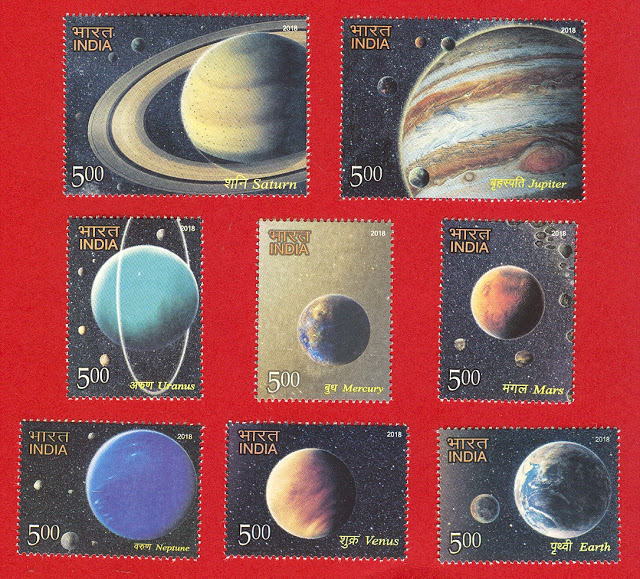
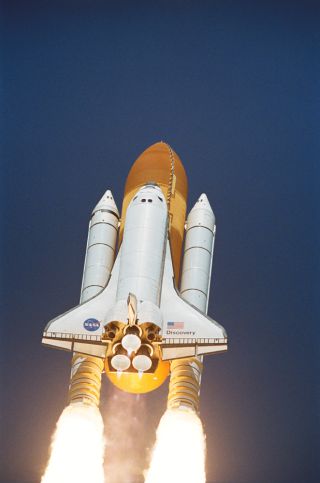
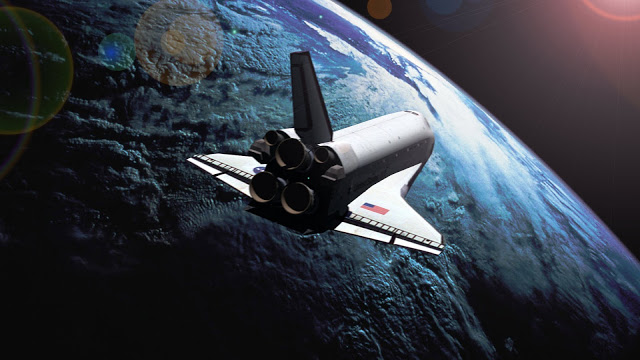
ராக்கெட்டில் சந்திரனுக்கு செல்லலாம் என்று நாம் எல்லோரும் நம்புகிறோம். ஆயினும் 50 ஆண்டுகளில் சந்திரனில் இறங்கியவர் 12 பேர்தான். பூமியில் வேறு ஒரு காலக் கணக்கு, விண்வெளியில் ஒரு காலக் கணக்கு என்பதை எல்லாம் ரேவதி நட்சத்திர கதை விளக்குகிறது . ஒவ்வொரு கல்பத்திலும் தோன்றும் ‘பிரம்மா’வின் ‘ஒரு நாள்’ என்ன என்ற கணக்கு விஞ்ஞானிகளையும் திகைக்கவைக்கிறது! ஏனெனில் 200 ஆண்டுகளுக்கு முன்னர் அவர்களுக்கு பல பில்லியன் நட்சத்திரங்கள், அதைச் சுற்றி வ லம் வரும் கிரகங்கள் பற்றியெல்லாம் தெரியாது .
ரிக்வேதம் என்பதோ உலகின் பழைய நூல். அதில் கூட 100 பூமிகள், 1000 சூரியன்கள் என்ற வரிகள் வருகின்றன . இது போன்ற கற்பனை கூட சில நுறு ஆண்டுகளுக்கு முன்னர் எவருக்கும் கிடையாது. ஆனால் நமது வீட்டுக் குழந்தைகளோ ‘வக்ரதுண்ட மகா காய’ என்ற பிள்ளையார் துதியில் இறைவனை ‘சூர்ய கோடி சம பிரபா’ என்று போற்றுகின்றனர். அதாவது கடவுளை ‘10 மில்லியன் சூரியன்’ போன்ற ஒளி உடையவன் என்கிறது
விஞ்ஞானிகளுக்கும் நமது ஸ்லோகம்தான் நினைவுக்கு வருகிறது. அணுகுண்டு என்னும் மஹத்தான் ஆயுதத்தைக் கண்டுபிடித்தவர் அமெரிக்க விஞ் ஞானி (Father of Atomic Bomb- Robert Oppenheimer) ராபர்ட் ஓப்பன்ஹைமர். ஜப்பானிலுள்ள ஹிரோஷிமா மீது ஆகஸ்ட் 6, 1945 அன்று அணுகுண்டு போட்டு லட்சக்கணக்கானோரை படுகொலை செய்யும் ஒரு மாதத்துக்கு முன்னர் முதல் சோதனை நடந்தது. அதைப்பார்த்த ராபர்ட் ஓப்பன்ஹைமர் “அடக் கடவுளே பகவத் கீதையில் கண்ணன் காட்டிய ஆயிரம் சூரியன் பிரகாசம் போல –திவி சூர்ய சஹஸ்ரஸ்ய – இருக்கிறதே! என்று வியந்தார் . பின்னர் தான் அணுகுண்டு என்னும் ஆயுதத்தைக் கண்டுபிடித்தமைக்கு வருத்தப்பட்டார் .
ஆனால் அவர்க்கும் கூட கிருஷண பரமாத்மாவின் 1000 சூர்ய பிரகாச விஸ்வரூப தரிசனம் தான் நினைவுக்கு வருகிறது!!
***
இதோ ரிக்வேத துதி
ரிக் வேதம் 8-70 துதியில் ஆறாவது மந்திரம்
“இந்திரனே , உனக்கு நிகராக நூறு சொர்க்கங்களும் நூறு பூமிகளும் கூட வராது. ; ஆயிரம் சூரியன்களும் உன்னைப் புலப்படுத்த வல்லமை உடையவையில்லை. . படைக்கப்பட்ட எந்த வானுலக மண்டலமும், பூமியும் வேறு எந்தப் பொருளும் உன்னை நிரப்பும் ஆற்றல் பெற்றன அன்று.”
இப்படியெல்லாம் பாடுவது ஒரு அறிவியல் சமுதாயத்திலேயே நடக்கும் . ஒரு பூமியையே முழுதும் அறியாத பொட்டல் காட்டு , பாலைவன மக்களிடையே இது எடுபடாது. அவர்களுக்குப் புரியவும் புரியாது. பல்லாயிரம் ஆண்டுகளாக வேத மந்திரம் பாதுகாக்கப்பட்டு வருவத்திலிருந்தே இது உண்மை என்று தெரிகிறது.
இது போன்ற நிறைய குறிப்புகள் உண்டு . இந்திரன் என்பது ‘தலைவன்’, ‘அரசன்’, ‘இறைவன்’ என்று பல பொருள்களில் வரும். தமிழில்கூட இறைவன் என்பது கடவுள், அரசன், என்னைக்காக்க வந்த தலைவா என்ற பொருளில் பயன்படுத்தப்படுவதைக் காண்கிறோம் .
27 Sep 2017 – மஹாபாரத வன பர்வத்தில் அர்ஜுனனின் விண்வெளிப்பயணம் (Inter Galactic Space Travel by … மாதலி என்னும் விண்வெளி பைலட்டிடம் (விமானியிடம்) அர்ஜுனன் ஒரு … பறக்கும் பட்டம் (kite) என்றும் மன்னரின் தேர் (Dipper, Chariot) என்றும் அழைத்தன.
https://tamilandvedas.com/tag/வெளி-உலகவாசிகள்/ … வெளி உலக கிரக வாசிகள் (ET) கண்டு பிடிக்கப்பட்டால் அவர்கள் இப்படிப்பட்ட … ஆனால் வெள்ளைக்காரர் களோவெனில் வெளி உலக வாசிகள் தான் இங்கு …
30 Apr 2018 – வெளி உலகவாசிகள் (E.T.), காலம் (Concept of Time) பற்றி கம்பன்! … https://tamilandvedas.com/tag/வெளி-உலகவாசிகள்/ … வெளி உலக கிரக வாசிகள் (ET) கண்டு பிடிக்கப்பட்டால் அவர்கள் இப்படிப்பட்ட காலச் …
Pictures are taken from various sources for spreading knowledge; this is a non- commercial blog. Thanks for your great pictures.
tamilandvedas.com, swamiindology.blogspot.com
RATHA YATRA FACTS
Puri is one of the Seven Sacred Cities of India. It is on the east coast of India. Everyday millions of RSS members pay their pranams/salutes to Puri ad other sacred objects, seven sacred cities and saints. Half baked people now and then say in social media that the ‘British United India’. The seven cities explode those myths.
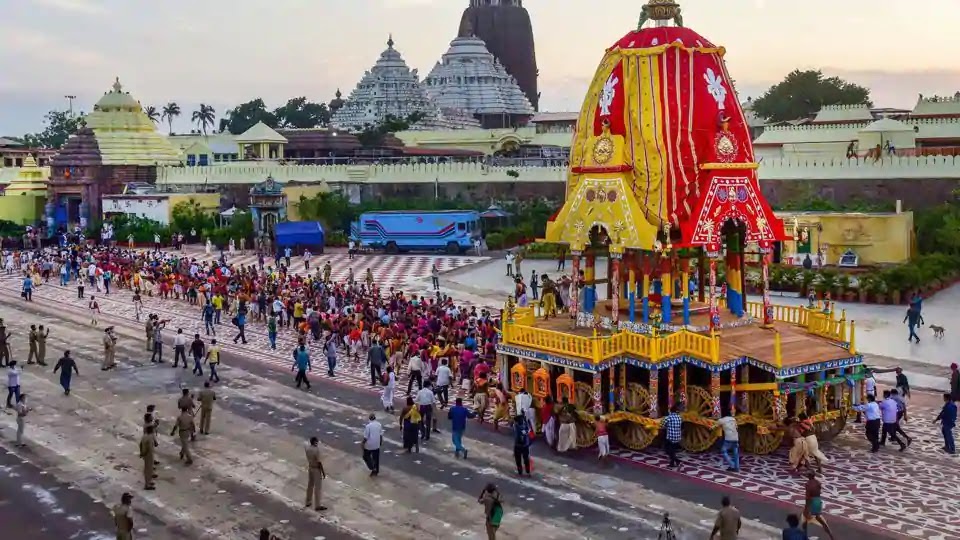
Chariot procession of Puri is one of the largest crowd pulling festivals of India. English word ‘Juggernaut’ came from Jagannath of Puri. There are some unique features in Puri Ratha Yatra which is in the attached Hindustan Times News report. Even the tribal are deeply involved in this festival.
This year it has attracted more social media attention because of the Supreme Court Judgement banning the festival first and allowing it later under strict conditions.
Hare Krishna Movement spread the Ratha Yatra to all big cities around the world.
Here are some interesting facts:
NEWS REPORT FROM HINDUSTAN TIMES
The Jagannath Puri Rath Yatra, one of India’s biggest religious festivals, is underway on Tuesday (JUNE 23,2020) in the temple town PURI in Odisha amid the coronavirus pandemic.
About a million devotees converge in Puri during the festivities but this year people will not be allowed after the Supreme Court placed several conditions, including the imposition of a curfew in Puri during the festivities.
A three-judge bench, headed by Chief Justice of India SA Bobde, said in its order that each chariot would be pulled by not more than 500 people, including officials and police, and there has to be an interval of one hour between pulling of the chariots.
The Odisha government has imposed a 41-hour curfew in the temple town and started Covid-19 tests of 700 temple priests who would pull the three chariots.
PURI RATHA YATRA
Here is all about the Rath Yatra festival in Puri:
* Lord Jagannath, Lord Balabhadra, and Goddess Subhadra are usually worshipped in the sanctum of the famous Jagannath Temple in Puri. They are brought out of the temple every year on the second day of the third Hindu month of Asadha onto the Bada Danda street of Puri in three huge chariots accompanied by Sudarshana Chakra.
* The nine-day Rath Yatra, or the chariot procession, celebrates this annual journey of Lord Jagannath and his two siblings from the 12th-century Jagannath Temple to Gundicha Temple, 2.5km away. The Gundicha Temple is their aunt’s home.
* The rituals for Rath Yatra will begin at 3am inside the 12th-century shrine.
* The Pahandi ritual (procession) will begin at 7am and the deities will board the chariots at the Singha Dwara facing towards the Gundicha Temple by 10am. The Chherapahara ritual will be held at 11.30am. The chariots will be pulled thereafter at around 12pm.
* The three deities are taken in the massive wooden chariots weighing 85 tonnes each. After staying in Gundicha temple for nine days, the three deities come back to the Jagannath Temple on the 10th day in a return journey.
* Lord Jagannath’s chariot Nandighosa is 45.6 feet in height and has 18 wheels. The 45- feet chariot of Lord Balaram comes with 16 wheels and is known as Taladhvaja and Devadalana is Goddess Subhadra’s 44.6 feet chariot with 14 wheels.
* The chariots are built every year only from a particular type of tree.
* Thousands of devotees pull the chariots to their aunt’s temple, the Gundicha Temple. It is considered to be a good omen and is also believed to bring luck and success if one gets a chance to pull the chariots.
* The deities stay at the Gundicha Temple for nine days, after which they ride the chariots back to their Jagannath Temple, a journey known as Bahuda Jatra.
* The chariots on the way back stop at the Mausi Ma Temple or home of Lord Jagannath’s aunt. The deities are offered Poda Pitha, a special pancake which said to be the favourite of Lord Jagannath, at the Mausi Ma Temple.
* In the 425 years of the Rath Yatra, the event has been stopped 32 times, mostly during invasions.
* It was not held for the first time in 1568 when Kala Pahad alias Kala Chand Roy, a general of Bengal king Suleiman Kirrani, attacked the temple and pillaged the deities.
* The last time it could not be held was between 1733 and 1735 when Mohammed Taqi Khan, deputy governor of Odisha, attacked the Jagannath temple, forcing the shifting of the idols to Ganjam district.
FROM HINDUSTAN TIMES , 22-6-2020
TAGS — Puri, Rath Yatra, Ratha, Muslim invasions, juggernaut
Pictures are taken from various sources for spreading knowledge; this is a non- commercial blog. Thanks for your great pictures.
tamilandvedas.com, swamiindology.blogspot.com
PEOPLE MAY THINK THAT THERE IS NO IMAGE WORSHIP DURING VEDIC DAYS. BUT THE MANTRAS IN THE OLDEST BOOK RIG VEDA SHOWS THAT IT WRONG.
The Vedic seers gave more importance to fire sacrifices called Yagas and Yajnas; but they might have made images with clay and wood. Even in 2000 year old Sangam Tamil literature we read about paintings of gods on walls inside the houses. We have ample proof for temple paintings of Indra’s molestation of Ahalya in Tirupparankundram near Madurai. The painting is described in Paripatal of Sangam period. We come to know that Ramayana scenes were painted on the walls inside the houses according to Gata Sapta Sati in Prakrita language.
After the introduction of metal and stone in image making , we might have installed them in public places. Ramayana and Mahabharata have mentioned temples where public go for common worship. Kautilya even suggests to make idols and sell them where the king can put some sales tax. He also asked the kings to organise festivals so that religious business flourishes. We have proof for celebration of Indra festival in Ramayana and Sangam Tamil literature. Valmiki’s favourite simile is ‘he fell like Indra Dwaja’. (on the last day of Indra festival the Flag post is used to be knocked down) .
Vedic gods have a human aspect. They are often described in human form holding weapons in their hands and dressed with certain ornaments. An old hymn in the RV 8-29 describes the gods not too differently from the iconography of later times
Here is the hymn
1.One is a youth , brown, active and wise, who adorns himself with gold. It is about Soma.
2.Another radiant is stationed at the origin, wise among gods . it is Agni.
3. Another, firm among the gods, carries an iron sword in hand. It is Twashtar
4.Another holds the thunderbolt steady in his hand, by which he slays dragons. It is Indra
5.Another bears a shar weapon in his hand, luminous and fierce, with healing powers. It is Rudra .
6.One guards over the path, like a thief. He knows the treasures. It is Pusan
7.another, wide in movement, has measured out three steps, where the gods abide. It is Vishnu .
8.The twins travel with a single wife and dwell far away like travellers . They are Ashwins
9.Two have fashioned the supreme seat in heaven, like emperors anointed with ghee. They are Mitra and Varuna
10.These, while chanting, meditated out the great song, by which they caused the sun to rise (They, here mean the Angirases or, according to Sayana, Atri.
Rig Veda 8-29 (Rishi Manu)
At least ten gods are mentioned here with their attributes.
One more interesting is the mention of Dr Rudra. He is attributed with healing powers. Even the Yajur Veda Mantra Rudram praises him as Doctor and Medicine (Bishak and Besajam)
Another translation (by Ralph T H Griffith
1. ONE is a youth brown, active, manifold he decks the golden one with ornament.
2. Another, luminous, occupies the place of sacritice, Sage, among the Gods.
3. One brandishes in his hand an iron knife, firm, in his seat amid the Deities.
4. Another holds the thunderbolt, wherewith he slays the Vrtras, resting in his hand.
5. Another bears a pointed weapon: bright is he, and strong, with healing medicines.
6. Another, thief-like, watches well the ways, and knows the places where the treasures lie.
7. Another with his mighty stride hath made his three steps thither where the Gods rejoice.
8. Two with one Dame ride on with winged steeds, and journey forth like travellers on their way.
9. Two, highest, in the heavens have set their seat, worshipped with holy oil, imperial Kings.
10. Some, singing lauds, conceived the Sama-hymn, great hymn whereby they caused the Sun to shine.
Posts about Vedic riddle written by Tamil and Vedas. … Four are his horns, three are the feet that bear him; his heads are two, his hands are seven in number.
Pictures are taken from various sources for spreading knowledge; this is a non- commercial blog. Thanks for your great pictures.
tamilandvedas.com, swamiindology.blogspot.com
MODERN RISHI-3
R. Nanjappa
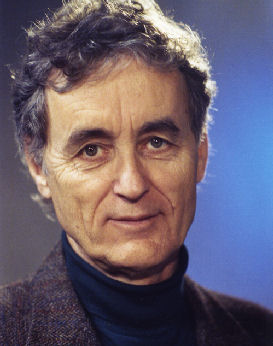
Fritjof Capra
Way of the Rishi
The essence of the Rishi is that he discovers or uncovers an aspect of Reality which permanently changes our understanding, and also helps in the further evolution of our consciousness. We may outwardly continue to do the same things as before, but we do so from a different state of knowledge and understanding.
The Zen masters say: Before enlightenment, mountains are mountains and waters are waters; after enlightenment, mountains are not mountains and waters are not waters; but when he attains to the abode of rest, mountains are once again mountains and waters are again waters!
(Ch’uan Teng Lu.)
Who can describe such a state in words! It has to be experienced!
Thus the Rishis continue to live what to us appears as normal lives, though they experience the world differently.
One test of the Rishi is that the wisdom he reveals is permanent, and does not undergo revision or reversal. Every philosophy and theology has its contradictions and counterpoints. But so far, no one has contradicted a Rishi (or the true mystic) This state is what has been described as the “perennial philosophy” by Aldous Huxley. Perhaps, it is better to call it ‘perennial Wisdom’- Sophia perennis.
The Rishis and mystics do not contradict each other; they keep supplementing each other, because the Wisdom they speak about is inexhaustible. This can hardly be said of philosophy, theology or even science.
Rishi and his insight
How does the Rishi arrive at his insight? Popular claims and criticism both suggest that Rishi does not follow reason, and quite a few are prejudiced that he is therefore anti-rational. Really, it is this attitude which is anti-rational! No statement of any Rishi has ever contradicted reason, but it may not stop with reason! There are different, and higher faculties and modes of perception. Even in respect of fine music or art, there is no standard way of appreciation. Albert Einstein, perhaps the greatest scientist of our age, had a totally different understanding of reality from the normal scientist. His first reading of Euclid, it is said, mesmerised him through its visual and spatial forms. He thought in images, not words. As Einstein himself said:
“The words of the language, as they are written and spoken, do not seem to play any role in my mechanisms of thought. The psychical entities which seem to serve as elements in thought are certain signs and more or less clear images which can be voluntarily reproduced or combined..The above mentioned elements are, in my case, of visual and some of muscular type.”
Quoted from: Howard Gardner: Frames of Mind. p.190. Basic Books, Tenth Anniversary Edition,1993.
Can we say, then, that Einstein was simply “rational” in the normal sense of the word? Was he then irrational? Those who celebrate reason as the highest faculty of man are in a fools’ paradise or madcap world. And they call the Rishis and mystics abnormal! Einstein himself said:
“It is certain that a conviction akin to a religious feeling, of the rationality or intelligibility of the world lies behind all scientific work of a higher order.” – 1923
“Try and penetrate with our limited means the secrets of nature and you will find that, behind all the discernible concatenations, there remains something subtle, intangible, and inexplicable. Veneration for this force beyond anything that we can comprehend is my religion.” – 1927.
Both quotations taken from: The New Quotable Einstein, edited by Alice Calaprice, Princeton University Press, 2005.
Another aspect of the Rishi is that his insight embraces the whole of life. There are no borders or compartments in it. Once we accept those insights, not only our view of the world, but our very way of life changes. A Rishi lives his truth.
Science and divided consciousness
In our times, science is accepted as the supreme standard of highest knowledge or wisdom. Yet, all science progresses by contradiction. Yesterday’s hypothesis in disproved today, and the same fate awaits today’s theory! In the last three centuries, very few facts of science have remained unchanged or unchallenged.
The greatest accomplishment of science is the division of life or the world and the knowledge relating to it into disparate disciplines. In the process, each separate discipline has been so much specialised (narrowed down) that today there is not a single body of knowledge in the name of science which looks at the world as a whole! There are physicists, chemists, astronomers , astro-physicists, biologists, etc but there is no “scientist” as such today! Yet, any sane person experiences the world as a unity- as a system of connected or related patterns; without this understanding, one would be mentally unstable.
Back to Unity! Fritjof Capra
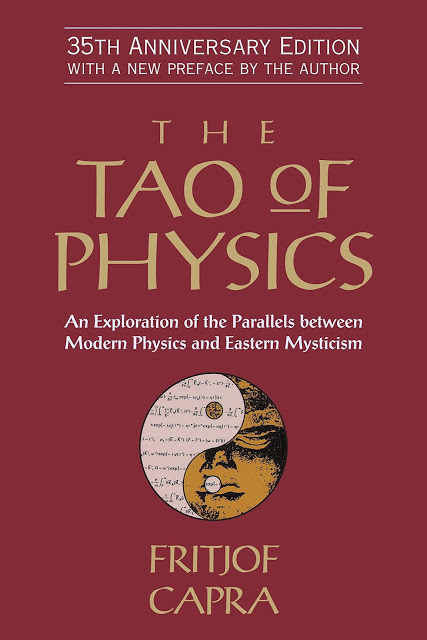
There have been some scientists who have attained to this realisation, and it is entirely to their credit that they did so through their science! But they did not stop at any artificial borders. Perhaps the foremost among them is Fritjof Capra. A Physicist, and researcher in subatomic particles, he burst on the world of thought with his 1975 book “The Tao of Physics”. In it he related how the latest findings of atomic physics corroborated the age old mystical wisdom of all the Eastern traditions- Vedanta, Taoism, Zen, Chinese Yin-Yang.
He confirmed the basic wisdom of these traditions- which posit a Unity beyond all contradictions, which unites all opposites.
“The multitude of things and events around us are but different manifestations of the same ultimate reality”.(p.87)
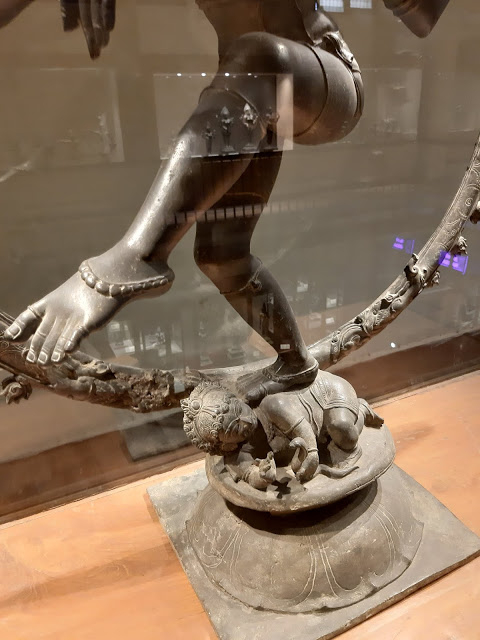
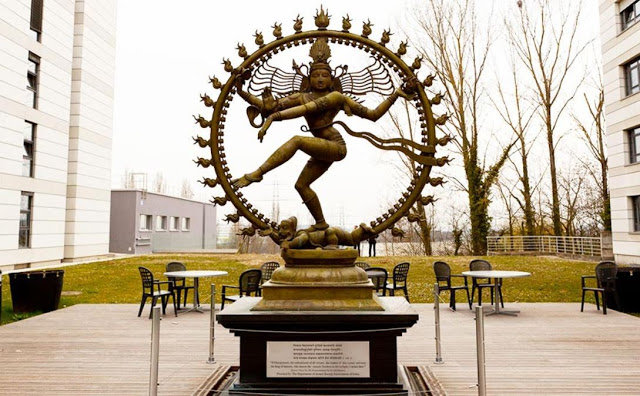
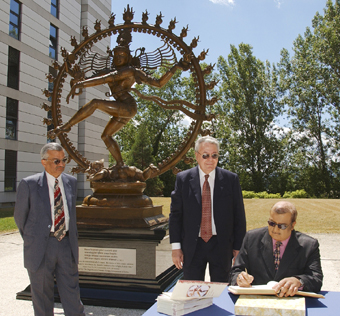
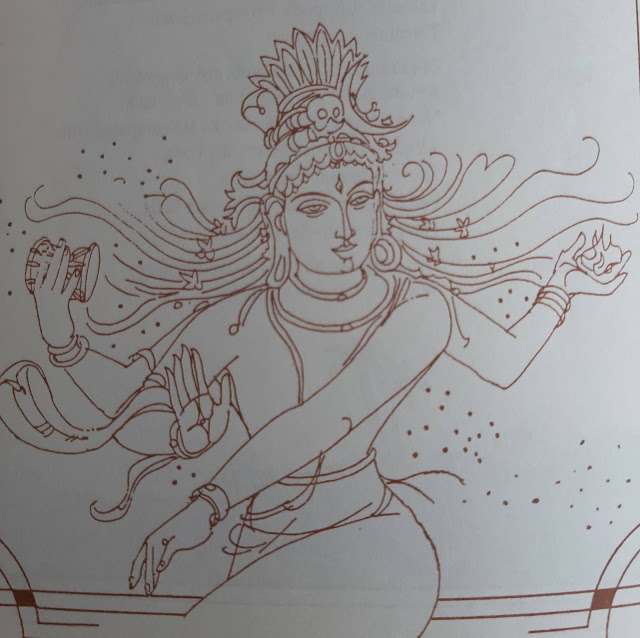
Another basic insight he discovered was that the universe is not static,but in constant flux. And he related it to the image of dancing Shiva!
In a passage of outstanding beauty and insight, he said:
“To the modern physicists, then, Shiva’s dance is the dance of subatomic matter. As in Hindu mythology, it is a continual dance of creation and destruction, involving the whole cosmos; the basis of all existence and of all natural phenomena. Hundreds of years ago, Indian artists created visual images of dancing Shivas in a beautiful series of bronzes. In our time, physicists have used the most advanced technology to portray the patterns of the cosmic dance. The bubble-chamber photographs of interacting particles, which bear testimony to the continual rhythm of creation and destruction in the universe, are the visual images of the dance of Shiva equalling those of the Indian artists in beauty and profound significance. The metaphor of the cosmic dance thus unifies ancient mythology, religious art, and modern physics. It is indeed, as Coomaraswamy has said,’poetry, but none the less science”. (p.245)
Dance of Shiva, Dance of Cosmic Delight!
How did Capra arrive at this insight? Like in all great but true scientists, some faculty above and beside reason was at work! In the preface to the first edition of the book, he said:
“Five years ago, I had a beautiful experience which set me on a road that has led to the writing of this book. I was sitting by the ocean one late summer afternoon, watching the waves rolling in and feeling the rhythm of my breathing, when I suddenly became aware of my whole environment as being engaged in a gigantic cosmic dance. Being a physicist i knew that the sand,rocks, water and air around me were made of vibrating molecules and atoms, and that these consisted of particles which interacted with one another by creating and destroying other particles. I knew also that the Earth’s atmosphere was continually bombarded by showers of ‘cosmic rays’, particles of high energy undergoing multiple collisions as they penetrated the air. All this was familiar to me from my research in high-energy physics, but until that moment I had only experienced it through graphs, diagrams and mathematical theories. As I sat on that beach,,my former experiences came to life; I ‘saw’ cascades of energy coming down from outer space,in which particles were created and destroyed in rhythmic pulses; I ‘saw’ the atoms of the elements and those of my body participating
in this cosmic dance of energy; I felt its rhythm and ‘heard’ its sound and at that moment I knew that this was the Dance of Shiva, the Lord of Dancers worshipped by the Hindus.” (p.11. Written in December,1974)
All quotations here from: The Tao Of Physics, Third edition, Shambhala, 1991
We get an idea here how the great scientist, mystic or Rishi actually “sees” what he knows! We can also see that it is not seeing with the physical or even the mind’s eye! This is the experience of which we speak when we talk of true knowledge by identity.
Capra has written other books since, but each one builds on this basic wisdom of a unity behind the universe, of a pattern which connects everything, of the web of which we all are part.
The choice before mankind is whether we will be guided by this wisdom which can lead us to the Buddha (State of Enlightenment) or by mere secular knowledge, which surely takes us to the Bomb!
Fritjof Capra has shown us how we are all part of the great Universe! Conventional science since the days of Descartes divided man and nature,man and God, man and other forms of life, and even man from man, and man from his own inner Self.. Capra has turned it upside down. He has shown us the path to Unity and sanity! Establishment science may ignore him, but his insight cannot be contradicted.
I salute Fritjof Capra as one of our great modern Rishis!.
COOMARASWAMY WITH TAGORE
NOTE:
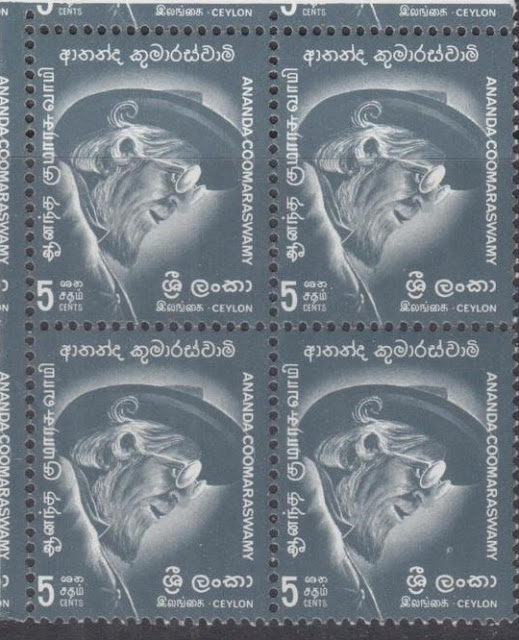
‘Coomaraswamy’ mentioned above is Ananda Coomaraswamy (1877-1947), the great scholar and savant and advocate of Indian wisdom. His book ‘The Dance of Shiva’ is a favourite.
He said in the book that the dance of Shiva is ” the clearest image of the activity of God which any art or religion can boast of”.
tags – Dance of Shiva, MODERN RISHI-3 ,Fritjof Capra,
Pictures are taken from various sources for spreading knowledge; this is a non- commercial blog. Thanks for your great pictures.
ஜகாரியா கானை எதிர்த்த சீக்கியர்களின் வீரம்!
ச.நாகராஜன்
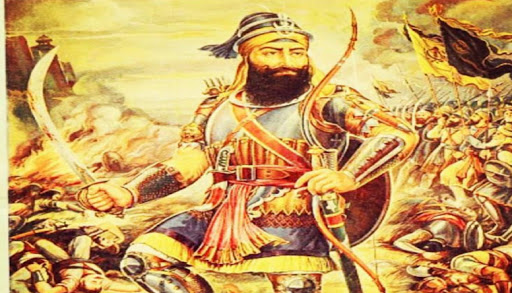
பாரத வரலாற்றில் பொன்னெழுத்துக்களால் பொறிக்கப்பட வேண்டிய சீக்கியர்களின் வீர வரலாறுகள் மறைக்கப்பட்டும் மறக்கப்பட்டும் இருப்பது வருத்தத்திற்குரியது.
எடுத்துக்காட்டாக ஒரு வீர வரலாறை இங்கு பார்ப்போம்.
பெர்சியாவை ஆண்டு வந்த நாதிர் ஷா (Nadir Shah) ஆப்கானிஸ்தானத்தில் உள்ள காபூலிலிருந்து 1738ஆம் ஆண்டு இந்தியா மீது படையெடுத்தான். டெல்லி வரை சென்று கொள்ளை அடித்தான்; கொலை செய்தான்.
1739ஆம் ஆண்டு அவன் கோடை காலத்தில் பெர்சியாவிற்குத் திரும்பிச் செல்லும் போது அவன் கொள்ளையடித்த ஏராளமான செல்வத்துடன் சென்றான். அதில் கோஹினூர் வைரமும் இருந்தது. ஏராளமான பெண்களையும் பிடித்துச் சென்றான்; அடிமை வேலைக்கான ஆட்களையும் பிடித்துச் சென்றான்.
கோடை கால வெயில் கடுமையாக இருந்ததால் பகலில் பயணப்படாது இரவில் மட்டுமே அவன் சேனையுடன் பயணத்தை மேற்கொண்டிருந்தான்.
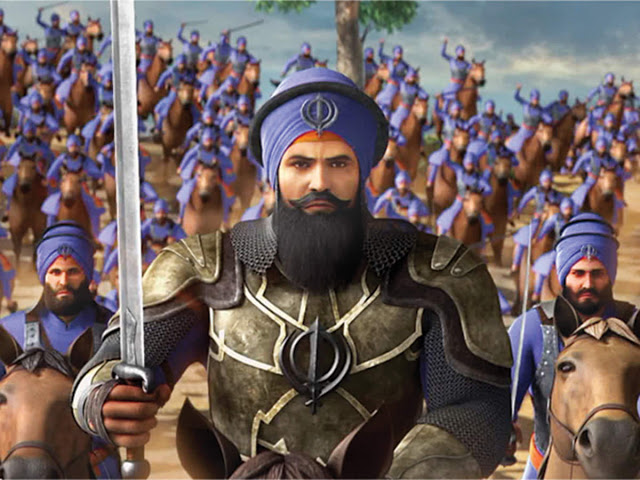
சரியாக பகல் 12 மணிக்கும் சரியாக நள்ளிரவு 12 மணிக்கும் சீக்கிய வீரர்கள் அவன் மீது பஞ்சாபிலிருந்து சிந்து வரை கொரில்லா தாக்குதலை தொடர்ந்து மேற்கொண்டனர். இந்தத் தாக்குதல் மூலம் ஏராளமான சிறைப்பிடிக்கப்பட்ட பெண்களை அவர்கள் விடுதலை செய்து மீட்டனர். அத்துடன் கலைஞர்களும், அடிமைகளும் விடுவிக்கப்பட்டனர்; ஏராளமான செல்வமும் மீட்கப்பட்டது.
சீக்கியர்கள் பற்றி இன்று வழங்கும் பகல் 12 மணி இரவு 12 மணி ஜோக்குகள் இந்தத் தாக்குதலின் அடிப்படையிலேயே எழுந்தவை. இதனுடைய மூலமான வீரப் போரை அறியாமல், உண்மையான வீரத்தை அறியாமல் 12 மணியை மட்டும் எடுத்துக் கொண்டு விவரம் அறியாமல் ஒருவிதமாகத் தவறாக பரிகசிப்பவை தாம் இன்றைய ஜோக்குகளான இவை!
ஜகாரியா கான் (Zakarya Khan – மரணம் :1745) தனது தந்தையான அப்துஸ் சமத் கானுக்குப் (Abdus-Samad Khan) பின்னர் 1726ஆம் ஆண்டு லாகூரில் கவர்னராகப் பதவியேற்றான். இதற்கு முன்னால் ஜம்முவின் கவர்னராக 1713 முதல் 1720 முடியவும் காஷ்மீர் கவர்னராக 1720 முதல் 1726 முடியவும் அவன் பதவி வகித்தான்.
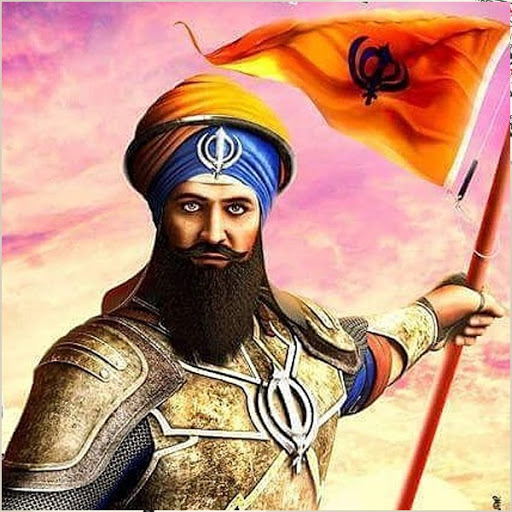
லாகூரில் சீக்கிய தலைவர் பண்டா சிங் பஹாதூருக்கு (Banda Singh Bahadur) எதிராக அரசு எடுத்த நடவடிக்கைகள் அனைத்திலும் இவன் பங்கு உண்டு. குர்டாஸ் நங்கலில் (Gurdas Nangal) பண்டா சிங்கை 1715இல் பிடித்த அவன், டெல்லிக்கு சிறைக் கைதிகளுடன் சென்றான். செல்லும் வழியில் இருந்த கிராமங்களிலெல்லாமிருந்து சீக்கியர்களைச் சிறைப் பிடித்தான்.
முகலாய தலைநகரை அவன் அடைந்த போது 700 மாட்டு வண்டிகளில் துண்டிக்கப்பட்ட தலைகள் இருந்தன. இன்னும் 700 சிறைக்கைதிகளும் இருந்தனர். 1726இல் கவர்னரானவுடன் அவன், சீக்கியர்களுக்கு எதிரான கடுமையான கொள்கைகளை வகுத்து அவர்களைப் பெரிதும் துன்புறுத்தலானான்.
அவனது படைகளால் அச்சுறுத்தப்பட்டதால் சீக்கியர்கள் தொலைதூரங்களில் உள்ள மலைப் பகுதிகளிலும் அடர்ந்த காடுகளிலும் ஒளிந்து வாழ்ந்தனர்.
என்றாலும் விடாமல் அரசாங்க பொக்கிஷத்தையும் அரசாங்க வண்டிகளையும் சேனை வீரர்களையும் சீக்கியர்கள் தொடர்ந்து தாக்கி வந்தனர்.
இந்த கடுமையான தாக்குதலால் ஜகாரியா கான் அவர்களைப் பேச்சு வார்த்தைக்கு அழைக்க வேண்டிய நிர்பந்தம் ஏற்பட்டது.
1735இல் அரசாங்க ஆணை ஒன்றைப் பிறப்பித்து சீக்கியர்களைப் பிடித்துக் கொல்லுமாறு அவன் உத்தரவிட்டான்.
சீக்கியர்களின் தலை முடியை வெட்டிக் கொண்டு வருவோருக்கு விசேஷ பரிசுகள் அறிவிக்கப்பட்டன.
சீக்கியர்களைப் பிடிக்க தகவல் தருவோருக்கு பத்து ரூபாய் வழங்கப்பட்டது.
சீக்கியர்களின் வெட்டப்பட்ட தலையைக் கொண்டு வருவோருக்கு ஒவ்வொரு தலைக்கும் 50 ரூபாய் வழங்கப்பட்டது.
உயிரோடு பிடிக்கப்பட்ட ஒவ்வொரு சீக்கியருக்கும் 100 ரூபாய் வழங்கப்பட்டது.
சீக்கியர்களின் வீடுகளைக் கொள்ளையடிப்பது சட்டபூர்வமான ஒன்றாக அங்கீகாரமாக்கப்பட்டது.
சீக்கியர்களுக்கு தங்க இடம் கொடுப்பதோ அவர்கள் பயணத்திற்கு உதவி செய்வதோ குற்றமாக அறிவிக்கப்பட்டது.
இதற்காக 20000 (போலீஸ்) கண்காணிப்பாளர்களை அவன் பணியில் அமர்த்தினான்.
கிராமப்புறங்களில் பிடிக்கப்பட்ட சீக்கியர்களை சங்கிலியால் பிணைத்து இழுத்து வந்தான்.
இவர்களில் பிரதானமாக இருந்தவர்கள் : பூஜ்யர் பாய் மானி சிங், (Bhai Mani Singh) பாய் தாரு சிங் (Bhai Taru Singh) உள்ளிட்டோர் ஆவர்.
கடுமையான சித்திரவதைக்கு உள்ளாக்கப்பட்ட பின் லாகூரில் உள்ள நகாஸ் குதிரைச் சந்தையில் (Nakhas, the horse market) இவர்களின் தலைகள் வெட்டப்பட்டன. இந்த இடம் இநத வீரத் தியாகிகளை கௌரவிக்கும் விதமாக ஷாஹித்கஞ்ச் (Shahidgang) என்று பின்னர் பெயரிடப்பட்டது.
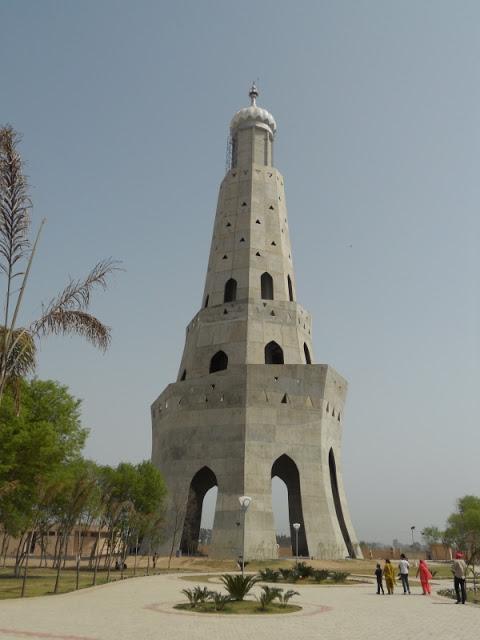
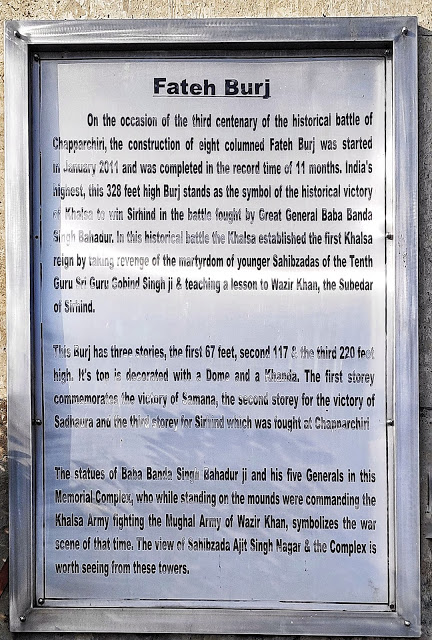
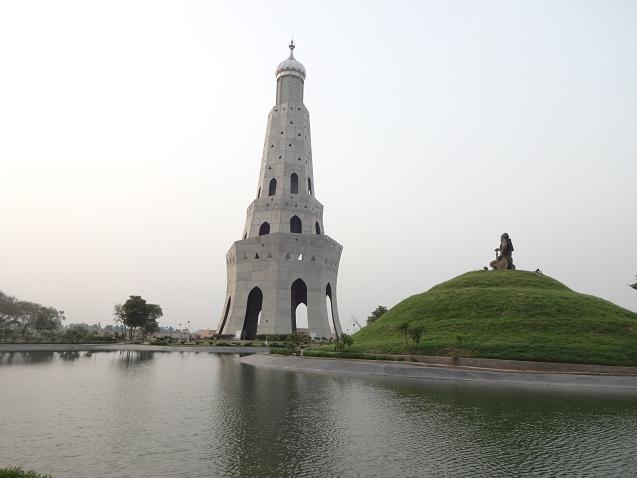
TALLEST VICTORY TOWER IN PUNJAB IN SAS DISTRICT.
இப்படி சொல்லவொண்ணா கொடுமையை எல்லாம் கட்டவிழ்த்த பின்னும் கூட, ஜகாரிய கானால் வெற்றி பெற முடியவில்லை.
லாகூரில் 1745ஆம் ஆண்டு ஜூலை முதல் தேதியன்று அவன் இறந்தான்!
வீர சீக்கியரின் வரலாறு பெரும்பாலானோருக்குத் தெரியாத நிலை தான் இன்று நிலவுகிறது!
வாழ்க சீக்கிய வீரர்கள்! வாழ்க மாபெரும் தியாகிகள்!
TAGS- ஜகாரியா கான், பண்டா சிங் பஹாதூர் , Banda Singh Bahadur, சீக்கியர்





















 Tamil and Vedas