Pictures are taken from various sources for spreading knowledge; this is a non- commercial blog. Thanks for your great pictures.
tamilandvedas.com, swamiindology.blogspot.com
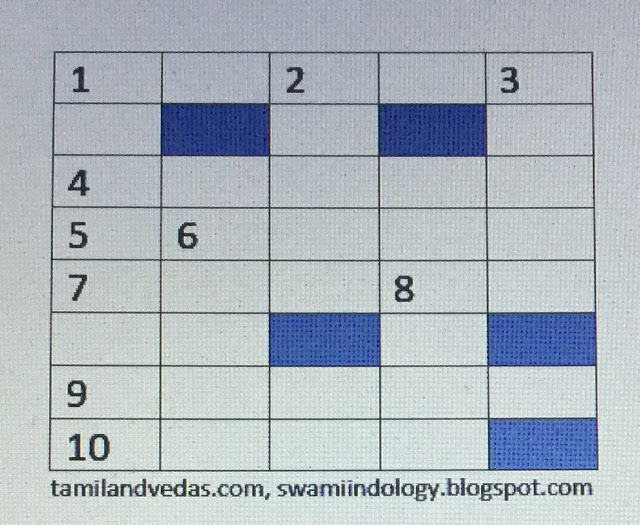
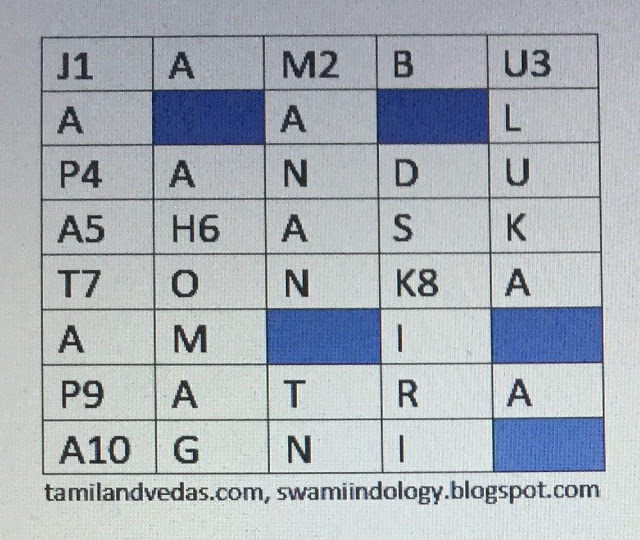
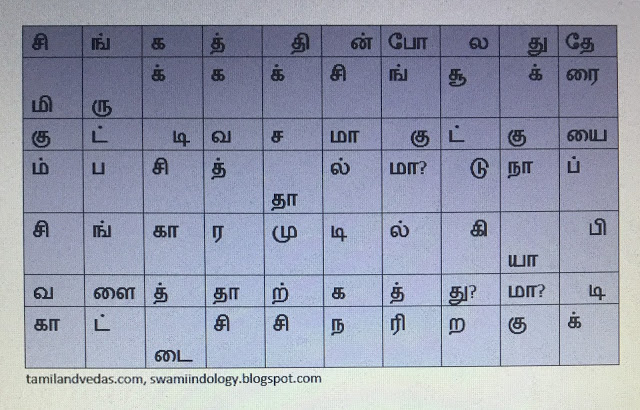
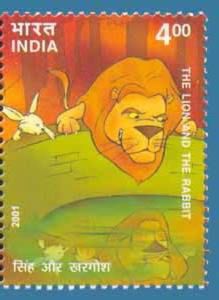
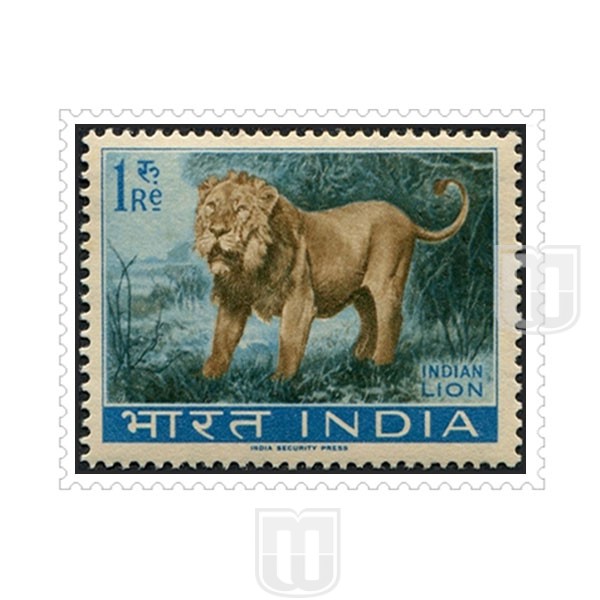
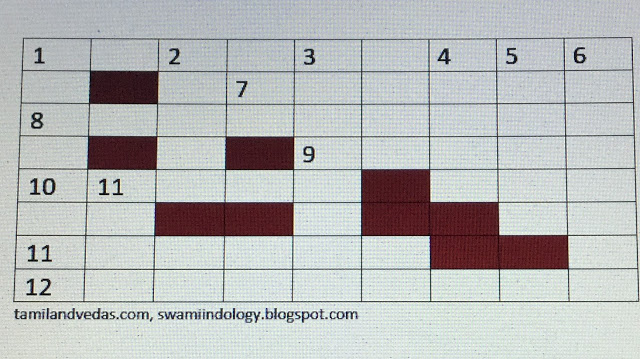
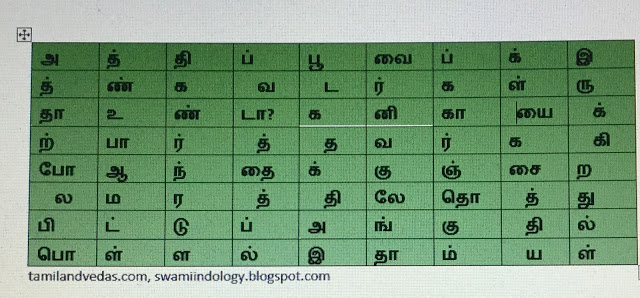
ஒரே சொல் மீண்டும் மீண்டும் வந்தால் ஓரிரு இடங்களில் மட்டுமே கட்டத்தில் இருக்கும். கொண்டு கூட்டி பொருள் கொள்க . விடை கீழே உள்ளது . சில நேரங்களில் படங்களைப் பார்த்தாலும் விடை காண உதவலாம்.
ANSWER
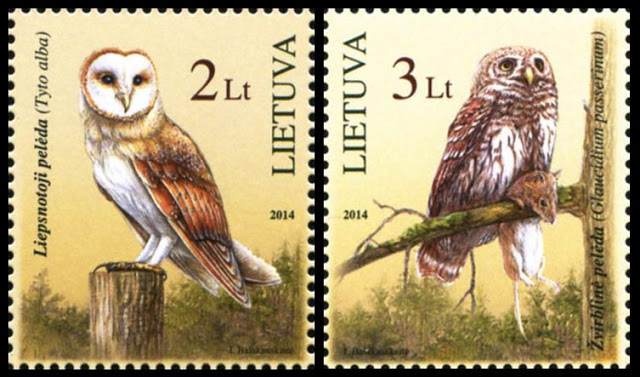
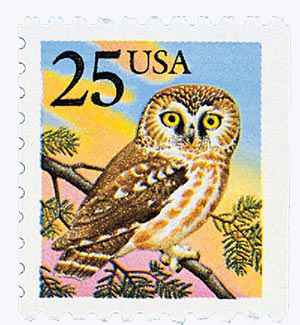
1.சிங்கத்தின் காட்டை சிறு நரி வளைத்தாற் போல
2.சிங்கத்துக்கு நாயா சிங்கார முடி சூட்டுகிறது ?
3.சிங்கமிருக்கக் குட்டி வசமாகுமா ?
4.சிங்கம் பசித்தால் தேரையைப் பிடிக்குமா?
Source book :–
பயன்படுத்திய நூல்- கழகப் பழமொழி அகர வரிசை, கழக வெளியீடு
Onomatopoeia means the formation of a word from a sound associated with what is named.
In simple language ‘sound based words’ or words based on sounds.
We call the cuckoo bird on the basis of the sound made by the bird.
Indians call the row crow ‘KA KA’ (in both Sanskrit and Tamil) on the basis of its call ‘KA KA KA’.
But in Europe it makes CROW, CROW, CROW sound and not ka ka ka sound! That is why English call it CROW.
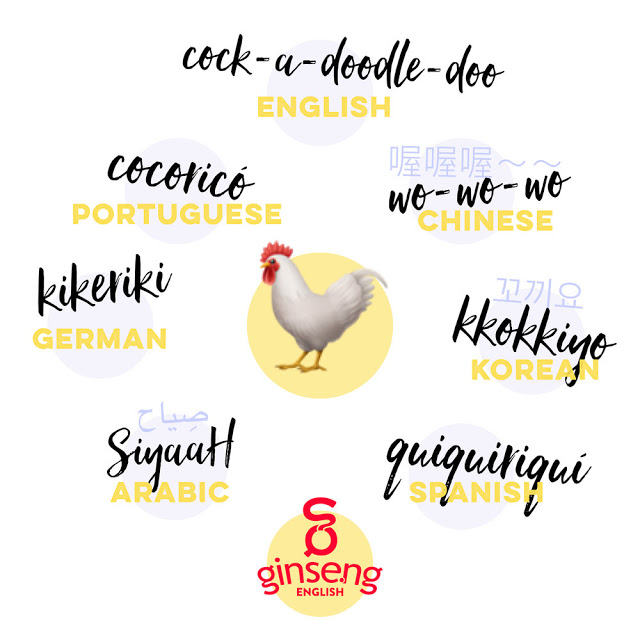
In Tamil, the cocks/roosters make the sound KOKKARA KOKKARA KO…. repeatedly. But English or European cocks make the sound
COCK-A -DOODLE- DO!
Now the question is ‘Do they speak differently depending upon their geographical locations?’ ‘Are they influenced by the languages the humans speak in those locations?’
I believe the humans correlate the sounds with the sounds in their languages. The best example is how the English and the Greeks corrupted the names in India for 2000 years.
In my home state Tamil Nadu, a few famous towns are Thanjaavuur, Thuuththukkudi and Thirunelveli. The English corrupted them as Tanjore, Tuticorin and Tinnelvely.
The land’s southernmost holy town Kanyaa kumari became Cape Comorin. Thousands of Hindu names were corrupted like this. Invading Muslims were worse than the British invaders of India. They completely obliterated the Hindu names and corrupted them with Hydera, Ahmeda, Allaha etc retaining only the Sanskrit (Jan)apada.
In Asia all countries retained the Sanskrit’ Sthana’ in Pakistan, Turkmenistan, Kazakastan etc.
In a way it is good. No one can destroy Sanskrit language in any part of the world at any time in history. The word Grama is in all English towns as Ham!’. Unlike other languages Sanskrit will live as long as human race survives on earth. All Tamil books Sanskrit words!
Greeks corrupted more Hindu names –
Orthora – Uraiyur
Pandionoi – Pandyas
Soretoi – Chozas or cholas
Modoura – Madurai
Dymirike – Dramila , Tamil
Tyndis – Tondi
Mouziris – Musiri
There is a very long list covering from Sri Lanka to Afghanistan!
(We must also remember how the colloquial expressions by local people change some names beyond recognition:
Aral Vay Mozi- Aramboli,
Airavatha Nallur – Aylaanur
Kumbakonam – Kumbonam
Thirupparay Thurai – Tirupplathurai etc )
Coming back to onomatopoeia ,
I have taught Tamil to Europeans for over 20 years at the University of London (SOAS). Tamil has a special letter La (Za) which is similar to a sound in Chinese and French.
In the first class I taught them the pronunciation of 12 vowels and 18 consonants.
Whenever I said Za (la) they got it as RR.
Fruit is Pazam (Palam) in Tamil. With very great difficulty they learnt this simple Tamil word after several days of practise and said paRRam!
This shows that they associate the sound with which they are already familiar.
This proves one more thing-
Linguists are liars!
In English there is a famous Golden saying-
There are three kinds of LIES and they are
Lies, Damned Lies and Statistics!
Now please change them to Lies, Linguistics and Statistics!
The reason is there are beautiful Sanskrit names Dasaratha, Pratardhana etc in Mitanni civilisation of 1400 BCE. But they wrote in their own way like the corruptive Greeks and English.
They wrote them as Tushratta, Pratartana etc. Then the half baked scholars said it may be the early form of Sanskrt etc.
Even today Malaysian, Sri Lankan and Mauritius Hindus corrupt Sanskrit words in this way just to suit the native languages. They write Damyanti as Tamayanti, Devi as Tevi.
One Tamil name got corrupted beyond recognition!
Marutha Muthu as Murdermuthu!!!
A murderer from birth!!!!!
So never trust a linguistic rascal.
Throughout the Vedic literature these rascals have done immense damage.
200 JOKES IN HINDU VEDAS!!!!!!!!!!
There are 200 animals, plants that are SYMBOLICALLY sacrificed in the Asvamedha Yajna including persons like doctors, carpenters, potters . These Vedic linguists don’t know majority of the terms. One will interpret ‘X’ word as a plant, another as an animal, another as a tree and another as a creature. In short, there are 200 jokes cracked by 100 scholars. I will give the long list in another article.
So linguists are not only LIARS but also BLOODY JOKERS as well!
There is a bitch in the West and for her all Vedic literature talks about SEX, HOMO SEX , LESBIAN, INCEST and PERVERTED SEX. It reflects her family background.
Coming back to Linguistic liars,
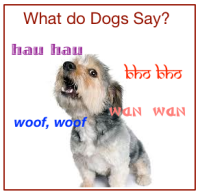
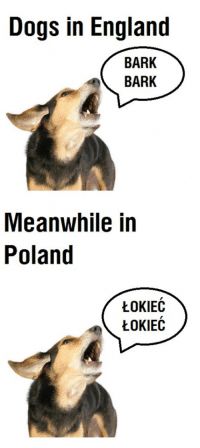
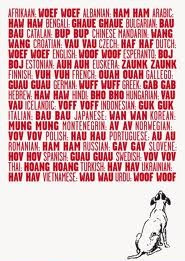
The linguists are splitting their hair and dashing their heads on walls after hearing the dog sound (Barking) in many languages. They cant explain why men hear it differently in Poland and Holland, Canada and Grenada, Pakistan and Kazakhstan!!!
In Tamil all children are taught the dogs bark
WAL, WAL, WAL or (LOL, LOL, LOL too)
In all Indian languages it makes different sounds!
Let me jump to my conclusion:
Never believe a linguist; each language is different. First study the culture and then interpret; foreigners who have translated Hindu Vedas and other scriptures have done immense damage to Hindus and India. Instead of writing a ‘southerner’ they wrote Dravidian with capital D by giving racial connotation; instead of writing noble, cultured, honourable they wrote Aryan with a capital A, giving racial connotation. That is why I call them half baked with a motive .
Now read about the Dog Linguistics!
Here are some barks from different languages
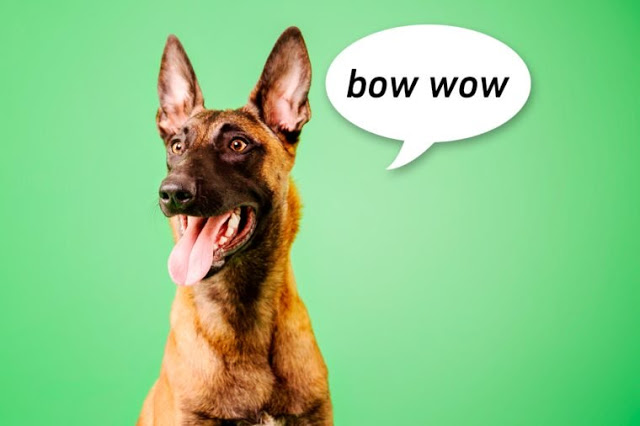
English – woof, woof; ruff, ruff; arf, arf (large dogs and also the sound of sea lions); yap, yap; yip, yip (small dogs), bow wow
What happened to the kingdom of Tanjore is typical of the British brutality, deception and dastardly double game of rank rascals. In 1769, when the British concluded the treaty with Haider Ali, the Raja of Tanjore was recognised as a British ally. Tanjore was a phenomenally rich region. But Mohammad Ali, the Nawab of Arcot had an eye on the fabulous wealth of Tanjore. He proposed to the English that the Raja of Tanjore should also be made to pay for his expenses, and thus repay the debt to the company. The company too had coveted the wealth of Tanjore- it was indeed so fabulous. So, the company’s court of Directors in London wrote to Fort.St.George on 17 March 1769:
It appears most unreasonable to us that the Raja of Tanjore should hold possession of the most fruitful part of the country, which can alone supply an army with subsistence ….We therefore enjoin you to give the Nawab such support in his pretensions as may be effectual…..Whatever sums may be obtained from the Raja of Tanjore, we expect shall be applied to the discharge of the Nawab’s debt to the Company.
The faithfuls in Madras followed the order. The Nawab besieged Tanjore in 1771, and it could save itself only by paying 400,000 sterling. But this only whetted the English appetite, and Tanjore was invaded once again and captured on 16 September, 1773. The Raja and his family were imprisoned in the fort, and his dominions were transferred to the Nawab! The Nawab regarded the Hindu kingdom as hostile and conquered, and exacted so much money that Tanjore was completely ruined within a few years.
Later, giving evidence before the Committee of Secrecy in 1782, an Englishman, Mr.Petrie said:
“Before I speak of the present stage of Tanjore country, it will be necessary to inform the Committee that not many years ago that province was considered as one of the most flourishing, best cultivated, populous districts of Hindustan. I first saw this country in 1768, when it presented a very different picture from its present situation.
Tanjore was formerly a place of great foreign and inland trade; it imported cotton from Bombay and Surat, raw and worked silks from Bengal, sugar, spices,etc. from Sumatra, Malacca, and the eastern islands; gold, horses, elephants and timber from Pegu, and various articles of trade from China. It was by means of Tanjore that a great part of Haider Ali’s dominions and the north-western parts of Mahratta empire were supplied with many European commodities, and with a species of silk manufacture from Bengal , which is almost universally worn as a part of dress by the natives of Hindustan. The exports of Tanjore were muslins, chintz, handkerchiefs, ginghams, various sorts of long-cloths, and a coarse printed cloth, which last constitutes a material article in the investments of the Dutch and the Danes, being in great demand for the African, West Indian, and South American markets.
Few countries have more natural advantages than Tanjore: it possesses a rich and fertile soil, singularly well supplied with water from the two great rivers Cavery and Coleroon, which, by means of reservoirs, sluices, and canals, are made to disperse their waters through almost every field in the country; to this latter cause we may chiefly attribute the uncommon fertility of Tanjore. The face of the country is beautifully diversified, and in its appearance approaches nearer to England than any other part of India that I have seen.
Such was Tanjore not many years ago but its decline has been so rapid, that in many districts it would be difficult to trace the remains of its former opulence…Since the year 1771,…the country having been twice the seat of war, and having undergone revolutions in the government, trade, manufactures, and agriculture were neglected, and many thousands of inhabitants went in quest of a more secure abode.”
I will ask my Indian friends, even those who hail from Tamil Nad or Tanjore itself, whether they have read all this in their so called “history” books in school or college?
Pictures are taken from various sources for spreading knowledge; this is a non- commercial blog. Thanks for your great pictures.
ஹெல்த்கேர் மே 2020 இதழில் வெளியாகியுள்ள கட்டுரை!
புத்தக அறிமுகம்
ஆரோக்கியமான மனம்! ஆரோக்கியமான உடல்!! – 1
(Healthy Mind, Healthy Body)
வேதாந்த கேசரி பத்திரிகை வெளியீடு,ஸ்ரீ ராமகிருஷ்ண மடம் சென்னை – 4
ச.நாகராஜன்
ஸ்ரீ ராமகிருஷ்ண மடத்திலிருந்து மாதந்தோறும் வெளியாகும் பிரபலமான ஆங்கில ஆன்மீகப் பத்திரிகை வேதாந்த கேசரியில் வெளியாகியுள்ள கட்டுரைகளின் தொகுதி இது. 231 பக்கங்கள் கொண்ட இந்த நூலில் மொத்தம் 19 கட்டுரைகள் உள்ளன. ஒவ்வொரு கட்டுரையும் தேர்ந்த நிபுணர்களாலும் ஸ்வாமிஜிக்களாலும் எழுதப்பட்டுள்ளதால் ஆரோக்கியமான உடல் மற்றும் ஆரோக்கியமான மனம் பெறுவதற்கான அறிவுரைகளைப் பெற முடிகிறது.
ஹோலிஸ்டிக் ஹெல்த்
Holistic Health என்ற கட்டுரை ஸ்வாமி கௌதமானந்தா அவர்களால் எழுதப்பட்டுள்ளது.
அன்னை சாரதா தேவி ஜயராம்வாடியில் உள்ள சிம்ஹவாஹினி கோவிலில் உள்ள களிமண் மூலம் பல வியாதிகளைக் குணப்படுத்துவதில் நம்பிக்கை கொண்டிருந்தார். ஏன் பாம்பு கடித்த விஷம் கூட பூமியின் மண்ணால் போக்கப்பட்டிருக்கும் பல கேஸ்களை நாம் காண்கிறோம். யோகா தெராபி என்பது ஆஸ்த்மா, அதிக இரத்த அழுத்தம், வயிற்றுப் புண், போன்ற வியாதிகளை மூலிகைகள் மூலமும் பிராணாயாமம் போன்ற யோக முறைகளின் மூலமும் தீர்க்கப்படும் ஒரு சிகிச்சை முறையாகும்.
மியூசிக் தெராபி என்பது இசையின் மூலம் சிகிச்சை பெறும் ஒரு முறையாகும்.
பெங்களூரில் உள்ள NIMHANS-ஐச் சேர்ந்த டாக்டர் பி.என். மஞ்சுளா (Dr B.N.Manjula) மற்றும் பல மூளை இயல் நிபுணர்கள் இசையானது பல மூளை சம்பந்தப்பட்ட வியாதிகளைக் குணப்படுத்துகிறது என்பதை உறுதிப்படுத்துகின்றனர்.
ஸ்வாமி விவேகானந்தா ஆன்மீக அருளுரைகள், வியாதிகளைக் குணப்படுத்தும் என நம்பினார். “நன்கு உறுதியாக மறுக்கமுடியும் எனில் விஷமுள்ள பாம்பின் விஷம் கூட உங்களை ஒன்றும் செய்ய முடியாது” என அவர் கூறினார்.
பாபுராம், யோகேன் என்ற பக்தர்கள் வியாதியால் அவஸ்தைப் பட்ட போது ஸ்வாமிஜி, ” ‘நான் ஆத்மா; வியாதியால் நான் எப்படி பாதிக்கப்பட முடியும்’ என்று தொடர்ந்து ஒரு மணி நேரம் தியானித்தால் வியாதி மறைந்தே போகும் என்று பாபுராம் மற்றும் யோகேனிடம் கூறுங்கள்” என்றார்.
ஆகவே வியாதி என்பதைப் போக்க என்னென்ன வழிமுறைகள் உண்டோ அவை அனைத்தையும் கையாள முடிவதைப் பார்க்கிறோம். வாழ்க்கையின் அடிப்படை மதிப்புகள் பற்றிய அறிவும் சேரும் போது சிகிச்சை பூரண சிகிச்சையாக மிளிரும்.
ஹெல்த் அண்ட் ஸ்பிரிட்சுவல் லைஃப்
Health and Spritual Life என்ற கட்டுரை ஸ்வாமி பஜனானந்தா அவர்களால் எழுதப்பட்டுள்ளது.
அன்னம் என்பது பிரம்மம்.
தைத்திரீய உபநிஷத் நான்கு விரதங்களை அனைத்து மக்களுக்கும் உபதேசிக்கிறது.
உணவை வீணாக்காதே (உணவைத் தவறான முறையில் சமைப்பது அல்லது அதை வீணாக்குவது)
உணவை மறுக்காதே
உணவின்றி வீட்டிற்கு வரும் அதிதியைத் திருப்பி அனுப்பாதே
உணவு அதிகமாக சமைக்கப்பட வேண்டும். (அதாவது உணவு உற்பத்தி கூட வேண்டும்)
உணவிற்கு அடுத்தபடி உறக்கமும் உடல் பயிற்சியும் தேவை.
மனச்சோர்வுக்கும் இதர வியாதிகளுக்கும் நடைப்பயிற்சி உள்ளிட்ட உடல் பயிற்சிகள் தீர்வாக அமைகின்றன.
இத்துடன் பயோரிதம் எனப்படும் உடல் லயத்தையும் மனதில் கொள்ள வேண்டும்.
பயோ ரிதம், ல்யூனார் ரிதம், ஆன்யுவல் ரிதம் (Bio Rhythm, Lunar Rhythm, Annual Rhythm) என லயம் மூவகைப் படுகிறது.
சில மனிதர்கள் 24 மணி அல்லது 25 மணி அல்லது 36 மணி அல்லது 48 மணி நேர சுழற்சியைக் (Cycle) கொண்டிருக்கின்றனர். இது பயோரிதம் ஆகும்.
சிலர் சந்திரனின் அடிப்படையில் 28 நாள் சுழற்சிக்கு உட்படுகின்றனர். சிலரோ சூரிய சுழற்சிக்குத் தக ஒவ்வொரு பருவகாலத்திற்குத் தக்கபடி மாற்றங்களை அடைகின்றனர். ஆகவே நீங்கள் எந்த அடிப்படையில் இயங்குகிறீர்கள் என்பது முக்கியமானது.
இவற்றுடன் மனத் தடைகளைப் போக்க இறை பிரார்த்தனை இன்றியமையாதது.
ஆகவே இவை அனைத்தையும் மனதில் கொண்டு வாழ்க்கை முறையை அமைத்துக் கொள்ள வேண்டும்.
ட்ரஸ்டிங் இன்னர் விஸ்டம்
அடுத்து Trusting Inner Wisdom என்ற கட்டுரையை அந்தோணி ஏ.அல்லினா (Anthony A. Allina) எழுதியுள்ளார்.
ஆத்ம ஈடுபாட்டுடன் இல்லாத வேலை அர்த்தமற்றது என்று கூறும் அல்லினா 1978இல் தனது புதிய க்ளினிக்கைத் தொடங்கிய போது ஆடோஜெனிக் ட்ரெயினிங் (Autogenic Training) என்ற புதிய தியான முறையைக் கற்றார். பல வியாதியஸ்தர்களுக்கு அவர் இந்த தியான முறையைக் கற்பித்த போது அதிசயிக்கத் தக்க விதத்தில் அவர்கள் மன அமைதியை அடைந்தனர்.
மருந்து என்பது மேலை நாட்டு மருந்தை மட்டும் கொடுப்பதல்ல; உடலின் உள்ளிருக்கும் மனதிற்கும் அமைதியைத் தருவதே என்பதை உணர்ந்தேன் என்கிறார் அல்லினா.
இப்படி உடல் மற்றும் மன ஆரோக்கியம் சம்பந்தப்பட்ட 16 கட்டுரைகள் உள்ளன.
Pictures are taken from various sources for spreading knowledge; this is a non- commercial blog. Thanks for your great pictures.
நமது பிளாக்கில் எஸ்.நாகராஜன் எழுதிய கட்டுரைகளின் பட்டியலை 2016 முதல் வெளியிடுகிறேன். இது அகர வரிசைப்படி இல்லாவிடினும் இண்டெக்ஸ் INDEX போன்றதே.
இந்தப் பட்டியலை பிரிண்ட் செய்து வைத்துக் கொண்டால் உங்களுக்குத் பிடித்த கட்டுரைகளை நேரம் கிடைத்தபோது படிக்கலாம்
கட்டுரைகளை பிளாக்கில் பெறுவது எப்படி?
பிளாக்கிற்குப் போய் தேடுவதை விட கூகுளில் (google) தேடுவது எளிது. கட்டுரையின் தலைப்பை காப்பிcopy செய்து கூகுளில் பேஸ்ட் paste செய்யுங்கள் அதன் பிறகு ஆங்கிலத்தில் from tamilandvedas.com என்று எழுதி க்ளிக் (click) செய்யுங்கள்.
from swamiindologly.blogspot.com
என்று எழுதியும் பெறலாம்.
எடுத்துக்காட்டு:
ஒவ்வொரு மனிதனின் கடைசி விநாடிfrom tamilandvedas.com
ஒவ்வொரு மனிதனின் கடைசி விநாடி from swamiindology.blogspot.com
நீங்கள் சிறு பிழை விட்டாலும் நீங்கள் எதிர்பார்த்தது கிடைக்காமல் வேறு விஷயம் வரும். அதில் நேரத்தை வீணடிக்காமல் மீண்டும் ஒரு முறை சரியாக எழுதி முயற்சி செய்யுங்கள். இரண்டு பிளாக்குகளில் ஒன்றில் கிடைத்து விடும்
கட்டுரை பெறுவதில் ஏதேனும் சிக்கல் இருந்தால் எங்களைத் தொடர்பு கொள்ளுங்கள் .
June 2017
1-6-17 3960 இங்கேயே இருக்கிறது ஜென்!
2-6-17 3963 மஹாகவி பாரதியார் பற்றிய நூல்கள்-32-ஸ்ரீ கபாலி
சாஸ்திரிக்கு ஸ்ரீ அரவிந்தரை தரிசனம் செய்ய உதவிய
பாரதியார்!
3-6-17 3966 பகுத்தறிவாளர்களுக்கு சவால் விடும் குறள் பாக்கள்!
4-6-17 3969 எண் ரகசியம் – 3 தொண்ணூறு க்யாட் கரன்ஸி!
5 -6-17 3972 Management Stories which you must definitely read!
6 -6-17 3975 காண்டு படங்கள்!
7-6-17 3978 மஹாகவி பாரதியார் பற்றிய நூல்கள்-33-புதுவை வாழ்க்கை-1
8-6-17 3981 Management Jokes Positive Thinking Vs Negative Thinking!
9 -6-17 3984 மஹாகவி பாரதியார் பற்றிய நூல்கள்-33-புதுவை வாழ்க்கை-2
10 -6-17 3987 ஆங்கிலத்தில் நகைச்சுவை கவிதைகள்!
11-6-17 3990 மஹாகவி பாரதியார் பற்றிய நூல்கள்-33- 3 புதுவை
வாழ்க்கை – 3
12-6-17 3993 ஆற்றல் புரட்சி செய்யும் 13 வயதுச் சிறுவன்!
13-6-17 3996 மூளை ஆற்றலை மேம்படுத்தும் வழிகள்! ஹெல்த்கேர் கட்டுரை
14-6-17 3999 பேடண்ட் கிங் யோஷிரோ நகாமட்சு!
15-6-17 4002 மூளை பற்றிய பிரம்மாண்டமான ஆராய்ச்சி!
16-6-17 4005 விடமின் டி பற்றாக்குறை உள்ளவர்களா நீங்கள்?
17-6-17 4008 மறைந்திருக்கும் ஆற்றல்
18-6-17 4011 கம்பன் தரும் சித்திரம் – இந்திரஜித்தின் வீட்டைக் காவல்
Pictures are taken from various sources for spreading knowledge; this is a non- commercial blog. Thanks for your great pictures.
tamilandvedas.com, swamiindology.blogspot.com
ஒரே சொல் மீண்டும் மீண்டும் வந்தால் ஓரிரு இடங்களில் மட்டுமே கட்டத்தில் இருக்கும். கொண்டு கூட்டி பொருள் கொள்க . விடை கீழே உள்ளது . சில நேரங்களில் படங்களைப் பார்த்தாலும் விடை காண உதவலாம்.
Pictures are taken from various sources for spreading knowledge; this is a non- commercial blog. Thanks for your great pictures.
tamilandvedas.com, swamiindology.blogspot.com
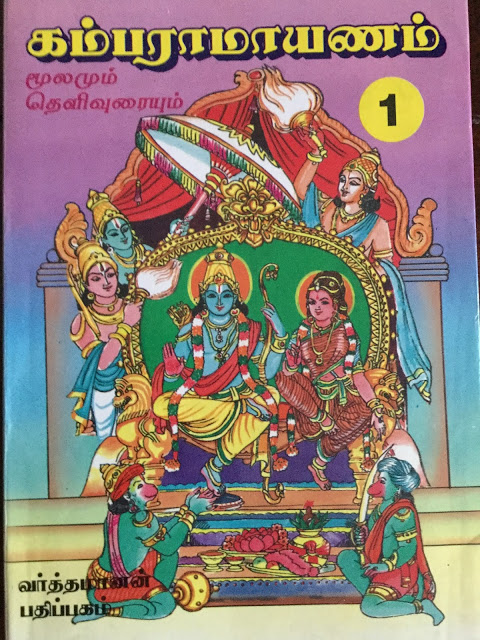
கம்பனைக் ‘காப்பி’ (copy) அடித்தாரா காந்திஜி ?
காந்திஜி சொன்ன ராம ராஜ்யம்!
மஹாத்மா காந்தி தனது வாழ்நாள் முழுதும் ராம ராஜ்யம் ஒன்று அமைக்க கனவு கண்டார். ஆனால் அவர் கண்ட கனவு நனவாகவில்லை அது அரசியல் விஷயம் . இங்கு விவாதிக்க விரும்பவில்லை.
ராம ராஜ்யம் என்றால் என்ன?
ஒரு இளம்பெண் தைரியமாக, பயமே இல்லாமல் , நள்ளிரவிலும் நடமாடக் கூடிய நாடு அது. அதாவது உண்மையான சுதந்திரம் பெற்ற நாடு அது என்றார். இந்துக்கள் ரிக் வேத கல்யாண மந்திரத்தில் – (RV.10-85 ) சொல்லும் முதல் வரி ‘உண்மையே பூவுலத்தைத் தாங்கி நிற்கிறது ‘ – என்ற அடிப்படையில் அமைந்த நாடு அது.
ராம ராஜ்யம் பற்றி வால்மீகியை விட அழகாக வருணிக்கிறான் கம்பன் .
அயோத்தியில் தானம் செய்ப்பவர்களே இல்லை.
இது என்னடா , அவ்வளவு கருமிகளா அந்த மக்கள் ?
இல்லை!
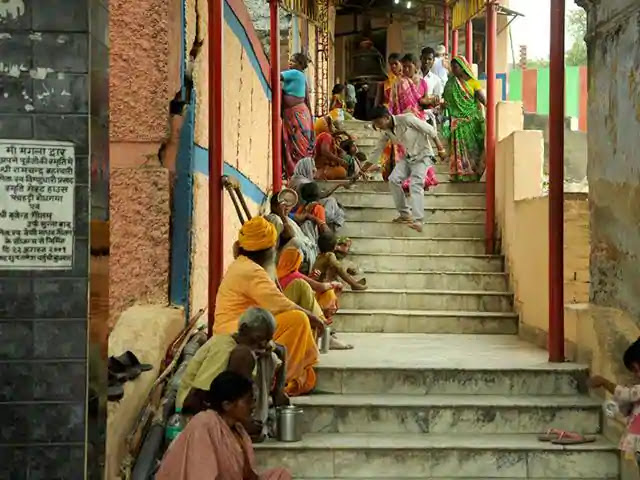
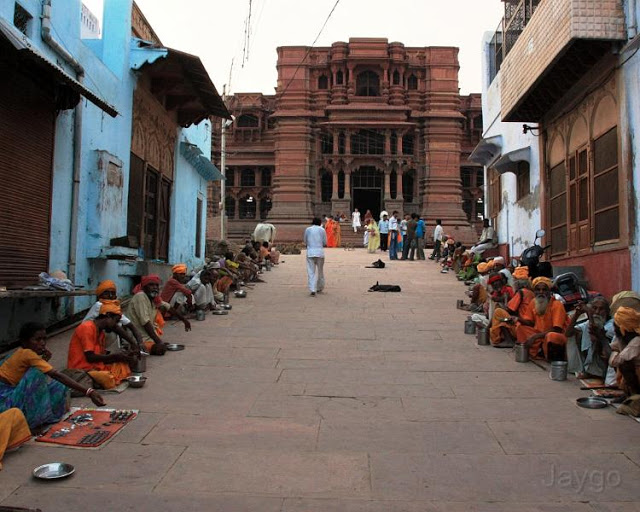
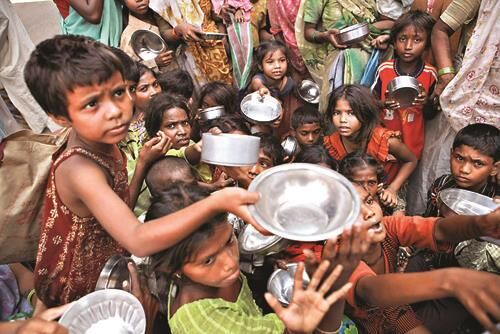
அந்த நாட்டில் பிச்சைக் காரர்களே இல்லை!!
பிச்சை கேட்க ஆள் இருந்தால்தானே தானம் தருமம், நன்கொடை எல்லாம்.
கார்ல் மார்க்ஸும் (Karl Marx) நம்மைக் காப்பி அடித்தே ‘கம்யூனிசம்’ பற்றிப் பேசினார் போலும்.
ஆனால் அவர்கள் குத்து வெட்டு கொலை வன்முறை என்பதையும் சேர்த்துக் கொண்டதால் ரொம்ப விலகிப் போயினர் (Ends justify Means)
‘எல்லாரும் எல்லாப் பெருஞ் செல்வமும் எய்தலாலே’ — என்று சமதர்ம சமுதாயத்தைக் கம்பன் படம்பிடித்துக் காட்டுகிறான்.
இப்படி ஒரு சமுதாயம் அம்மைந்துவிட்டால் பின்னர் கிருதயுகம் வந்து விடும் !
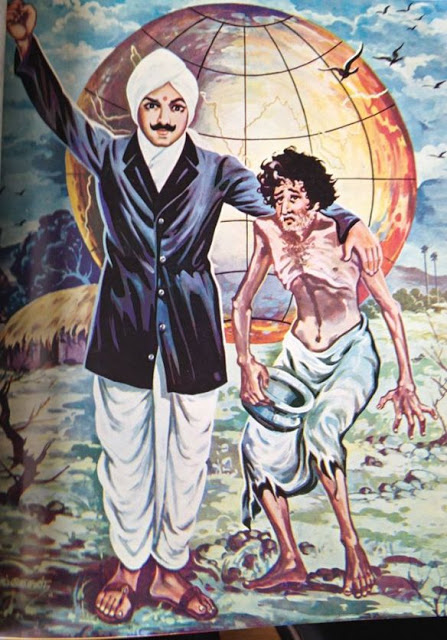
அதைத்தான் பாரதியும் கனவு கண்டான் –
“இடிபட்ட சுவர் போல கலி விழுந்தான்
கிருத யுகம் எழுக மாதோ” — என்று இடி முழக்கம் செய்தான் .
“பொய்க்குங் கலியை நான் கொன்று
பூலோகத்தார் கண் முன்னே
மெய்க்குங் கிருதயுகத்தினையே
கொணர்வேன் தெய்வ விதியிஃதே”
அதே பாட்டில்
“கிருத யுகத்தினைக் கேடின்றி நிறுத்த
விரதம் நான் கொண்டனன் ; வெற்றி
தருஞ் சுடர் விநாயகன் தாளிணை வாழியே”– என்கிறான் .
வாழ்க பாரதி!!
XXXX
இதோ கம்பன் பாடல் –
“கல்லாது நிற்பர் பிறர் இன்மையின் கல்வி முற்ற
வல்லாரும் இல்லை அவை வல்லர் அ ல்லாரும் இல்லை
எல்லாரும் எல்லாப் பெருஞ் செல்வமும் எய்தலாலே
இல்லாரும் இல்லை உடையர்களும் இல்லை மாதோ”
—கம்ப ராமாயணம், பால காண்டம், நகரப் படலம்
பொருள்-
கல்வியில் பல பிரிவுகள் உண்டு; இவர் மருத்துவத்தில் டாக்டர் பட்டம் (Ph.D) பெற்றவர். இவர் இலக்கியத்தில் டாக்டர் (D.Litt.) பட்டம் பெற்றவர் என்று யாருமே அயோத்தி யுனிவர்சிட்டியில் (University of Ayodhya) இல்லை . ஏனெனில் எல்லோரும் எல்லாத் துறைகளிலும் டாட்டர் பட்டம் வாங்கிவிட்டனர் . இவர்தான் சிறந்தவர், அவர்தான் சிறந்தவர் என்றும் சொல்லமுடியாது .
மக்கள் அனைவரும் எல்லா வகை செல்வங்களையும் பெற்றிருப்பதால் அங்கே ஏழைகளே இல்லை.; மில்லியனர், பில்லியனர் (Millionaire, Billionaire) என்று கோடீஸ்வரர், லட்சாதிபதி பட்டியலையும் ஆண்டுதோறும் பத்திரிகைகள் பிரசுரிப்பதில்லை.
“கள்வார் இலாமைப் பொருள் காவலும் இல்லை
கொள்வார் இலாமைக் கொடுப்பார்களும் இல்ல்லை மாதோ”
குப்தர் காலத்தில் இந்தியாவுக்கு விஜயம் செய்த சீன யாத்ரீகன் பாஹியான், 2600 ஆண்டுகளுக்கு முன்னர் இந்தியா எப்படி இருந்தது என்று எழுதி இருக்கிறான். வீட்டுக்குப் பூட்டுப் போடாத நாடு இது என்கிறான் . திருடர்கள் இல்லை; ஆகையால் காவலும் இல்லை. பிச்சைக் கார்களையே பார்க்க முடியவில்லை என்று மற்ற யாத்ரீகர்கள் எழுதி வைத்துள்ளனர். இதுதான் ராமராஜ்யம் .
Pictures are taken from various sources for spreading knowledge; this is a non- commercial blog. Thanks for your great pictures.
INDIA WAS NOT POOR
STORY OF INDIA’S ECONOMIC DOWNFALL – 1
R. Nanjappa
Introduction
This essay is in continuation of the one on Adam Smith. It may appear that these are merely economic matters, and would interest only students of economics. That is not correct. After Nehru took over as PM, he promoted the Marxist view that India was poor and backward because of its agriculture. He completely obliterated the insights of Gandhiji. On the other hand, Dr. Ambedkar too propagated the view that India’s backwardness was due to is village-based economy. Thus both of them worked against the spirit of Gandhiji.
Today, Indian public life is dominated by Nehru-admiring leftist-secular crowd, and the large SC/ST sector of Ambedkarites. Lakhs of school and college students learn this view as the official history of India. I found that last year the Plus 2 Economics textbook in Tamil Nadu still advocated this view and praised Nehru and his 5 Year Plans! This is the default position.
So it is necessary to counter this distorted view of history. Our people have to learn that India was not poor when the British came here and our poverty was caused by them. What better source to learn it from than the testimony of the British themselves?
Hence this article. R. Nanjappa
*
INDIA WAS NOT POOR
STORY OF INDIA’S ECONOMIC DOWNFALL
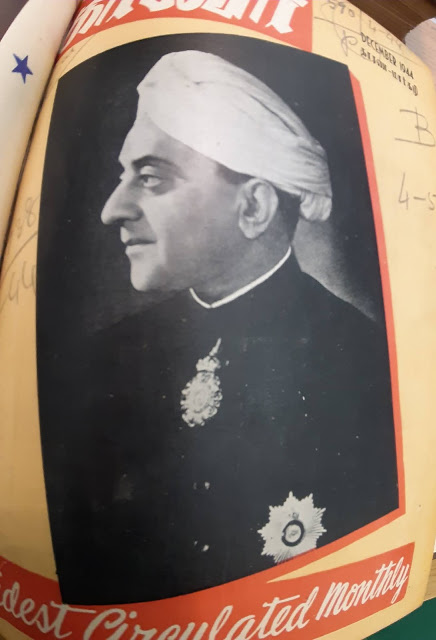
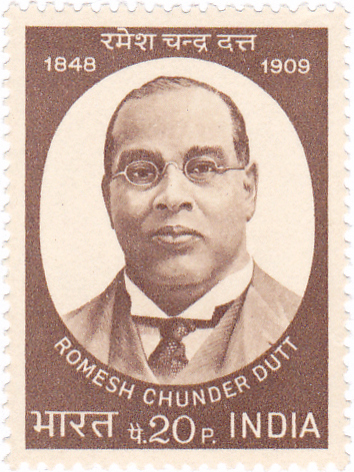
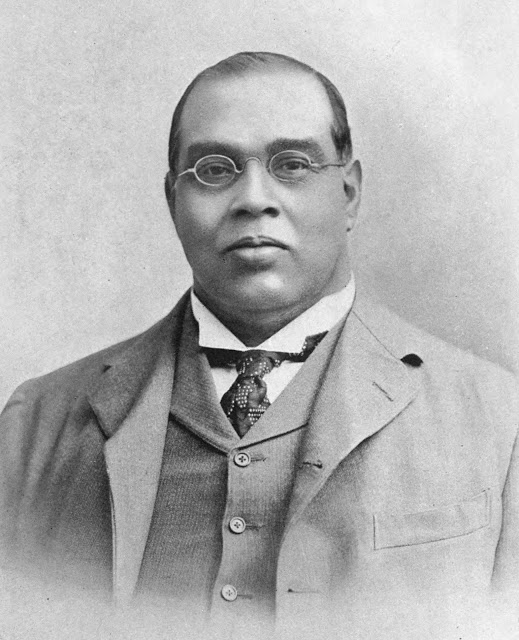
Romesh Chunder Dutt
It was given to a distinguished Indian- Romesh Chunder Dutt- to follow on the work of Adam Smith and investigate the state of the Indian economy in the wake of the rule by East India Company.
He published two distinguished volumes on the subject by the turn of the 19th century. He was a member of the ICS, but had retired voluntarily at the age of 49 to devote himself to his literary and academic pursuits. He did pioneering and painstaking research, accessing original documents and his volumes are full of statistics, gathered from official sources. He was not given to polemics, but but the serious facts he pointed out in sober language made great impact.
Sri Dutt was President of the Indian National Congress
at its 15th Session at Lucknow, 1899.
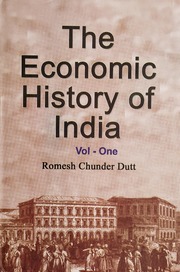
The Economic History of India
In the preface to the first edition of the first volume published in 1901, he pointed out:
the poverty of the Indian population at the present day is unparallelled in any civilised country.
the famines of 1877 and 1878, of 1889 and 1892, of 1897 and 1900 had carried off at least fifteen million people- the population of a fair-sized European country.
the sources of national wealth in India have been narrowed under British rule.
the British manufacturer (in the words of historian H.H.Wilson) “employed the arm of political injustice to keep down and ultimately strangle” the Indian competitor with whom he could not contend on equal terms.
quoting Colonel Briggs, he said: ” A Land Tax like that which now exists in India professing to absorb the whole of the landlord’s rent, was never known under any government in Europe or Asia.”
under the native rulers, all their money was spent in India and helped Indians. Even their expenses on war went to support the princely houses and the thousands of soldiers and their families. Even their gorgeous palaces, their luxuries and monuments they built fed and encouraged the manufacturers and artisans of India. Under wise kings or foolish ones, the taxes collected flowed back to the people and fructified their trade and industries.
but the East India company changed all this. They bought their merchandise out of the revenues of India and sold them in Europe for their profit. They extracted high interest on their stock. All the money they raised in India flowed to Europe.
Then Dutt pointed out the more damaging developments:
East India company’s trade was abolished in 1833. The company was abolished in 1858, but the policy continued. The empire was transferred from the company to the Crown, but the people of India paid the purchase-money! Indian Debt was 51,000,000 pounds sterling in 1857, but rose to 97,000,000 in 1862. And following forty years of ‘peace’, it stood at 200,000,000 in 1901! One half of the net revenues of India, then 44 million sterling, flowed annually to England.”Verily the moisture of India blesses and fertilises other lands”.
Thus, the dawn of a new century found India deeper in distress and discontent than any preceding period of history.
For those who desire to be well informed in these matters, there is a no alternative to reading the book of R.C.Dutt. It is not possible to give even a summary as it is so full of factual details, all gathered from official sources, like documents of Commissions, proceedings before committees, official reports, eye-witness accounts, etc. He explains in graphic detail how our native trade was systematically destroyed: the company transported its goods free of tax, while the local merchants were taxed heavily; unable to compete, they had to fold up. All the revenues collected in India were treated as profit and remitted abroad. The land revenue was so high that it left no income or surplus with the farmers. What happened in Bengal was repeated elsewhere.

















 Tamil and Vedas