PICTURE POSTED ON FACE BOOK BY GEETHA SWAMINATHAN TODAY 29720
WRITTEN BY S NAGARAJAN
Post No. 8423
Date uploaded in London – – –29 July 2020
Contact – swami_48@yahoo.com
Pictures are taken from various sources for spreading knowledge; this is a non- commercial blog. Thanks for your great pictures.
இந்தப் பட்டியலை பிரிண்ட் செய்து வைத்துக் கொண்டால் உங்களுக்குத் பிடித்த கட்டுரைகளை நேரம் கிடைத்தபோது படிக்கலாம்
கட்டுரைகளை பிளாக்கில் பெறுவது எப்படி?
பிளாக்கிற்குப் போய் தேடுவதை விட கூகுளில் (google) தேடுவது எளிது. கட்டுரையின் தலைப்பை காப்பி copy செய்து கூகுளில் பேஸ்ட் paste செய்யுங்கள் . அதன் பிறகு ஆங்கிலத்தில் from tamilandvedas.com என்று எழுதி க்ளிக் (click) செய்யுங்கள்.
from swamiindologly.blogspot.com
என்று எழுதியும் பெறலாம்.
எடுத்துக்காட்டு:
இயற்கையின் கணித ரகசியம்- 1 from tamilandvedas.com
இயற்கையின் கணித ரகசியம்- 1 from swamiindology.blogspot.com
நீங்கள் சிறு பிழை விட்டாலும் நீங்கள் எதிர்பார்த்தது கிடைக்காமல் வேறு விஷயம் வரும். அதில் நேரத்தை வீணடிக்காமல் மீண்டும் ஒரு முறை சரியாக எழுதி முயற்சி செய்யுங்கள். இரண்டு பிளாக்குகளில் ஒன்றில் கிடைத்து விடும்
கட்டுரை பெறுவதில் ஏதேனும் சிக்கல் இருந்தால் எங்களைத் தொடர்பு கொள்ளுங்கள் .
BONALU FESTIVAL IN SECUNDERABAD, ANDHRA EVEN YEARS AGO.
January 2014
ஜனவரி ஸ்வர்ண லோகம் – 23 மேலும் சில ஜென் கதைகள் -1
சம்ஸ்கிருதச் செல்வம் – 20
சம்ஸ்கிருதச் செல்வம் – 21
சம்ஸ்கிருதச் செல்வம் – 22
Februry 2014
சம்ஸ்கிருதச் செல்வம் – 23 கண்ணனின் பக்தி அறம் பொருள்
இன்பம் முக்தி தரும்!
ஸ்வர்ண லோகம் – 24 மேலும் சில ஜென் கதைகள் – 2
சம்ஸ்கிருதச் செல்வம் – 24 சூரிய உதயம், அஸ்தமனம் கண்டு
உத்வேகம் பெறலாம்!
5-2-14 818 ? ஸ்வர்ண லோகம் – 25 மேலும் சில ஜென் கதைகள் -3
6-2-14 822 சம்ஸ்கிருதச் செல்வம் – 25 அறிவு வளரும் விதம்!
7-2-14 825 ராமாயண வழிகாட்டி- 15
9-2-14 829 ஸ்வர்ண லோகம் – 26 மேலும் சில ஜென் கதைகள் – 4
9-2-14 830 சம்ஸ்கிருதச் செல்வம் – 26 ஐந்து பெயர்களின் பெயரைக்
கூறாதே! ஐந்து விதமாகப் பேசாதே!
11-2-14 833 ஸ்வர்ண லோகம் – 27 வாழ்வையும் சாவையும் புரிந்து
கொள்ளுங்கள்!
15-2–14 841 சம்ஸ்கிருதச் செல்வம் – 27 ஐந்து ‘ஜ’காரமும் ஐந்து ‘வ’காரமும்!
15-2–14 842 சம்ஸ்கிருதச் செல்வம் – 28 லலலலல ஐந்து ‘ல’கார மனைவி!
18-2–14 848 ? சம்ஸ்கிருதச் செல்வம் – 29 மனைவிகளின் பெருமையும், லேக
தோஷமும்!
19-2–14 851 சம்ஸ்கிருதச் செல்வம் – 30 பசுவும், பாம்பும்!
22-2–14 857 சம்ஸ்கிருதச் செல்வம் – 31 எது அழகு?
24-2–14 861 ராமாயண வழிகாட்டி – 16
26-2–14 867 சம்ஸ்கிருதச் செல்வம் – 32 அஹிம்சையே உயர்ந்த தர்மம்!
Pictures are taken from various sources for spreading knowledge; this is a non- commercial blog. Thanks for your great pictures.
tamilandvedas.com, swamiindology.blogspot.com
சம்ஸ்க்ருத மொழி பற்றிய வியப்பான தகவல்களைக் கேட்டால் இதுதான் உலகிலேயே பழைய மொழி என்று தலையில் அடித்துச் சத்தியம் செய்யலாம் . என்ன ஐயா, ஆதாரம்? என்று பலரும் வினவலாம் . இதோ விடை பகர்வேன் .
உலகில் ஒரு இனத்தின் பெயர் இல்லாத ஒரே பழைய மொழி சம்ஸ்கிருதம். சீன தமிழ், லத்தின், கிரேக்க, பாரசீக , எபிரேய மொழிகள் அந்தந்த இனத்தின் பெயரால் அமைந்தவை; அதாவது குறுகிய பூகோள எல்லைக்குட்பட்டவை ; சம்ஸ்கிருதம் உலக மக்கள் அனைவர்க்கும் சொந்தம்.
மேலும் பேச்சு மொழியான , அதாவது கொச்சசையான சம்ஸ்கிருதமான பிராக்ருதத்தில் அசோகர் கல்வெட்டுகளை வெளியிட்டார் . அவருக்கு 400 ஆண்டுகளுக்குப் பின்னர் வந்த ருத்ரதாமன் (RUDRA DAMAN) என்ற மன்னன் துணிச்சலாக , மிக நீண்ட சம்ஸ்கிருத மொழி கல்வெட்டை கி.பி.150ல் வெளியிட்டான். அடுத்த நிமிடத்தில் வியட்நாமில் ஒரு சம்ஸ்கிருத கல்வெட்டு; அடுத்த நொடியில் போர்னியோ காட்டுக்குள் ஒரு சம்ஸ்கிருத கல்வெட்டு. என்ன அதிசயம்!! பல ஆயிரம் மைல்களுக்கு சம்ஸ்கிருதம் எதிரொலித்தது.
அதாவது ருத்ரதாமனின் எழுத்து பல லட்சம் சதுர மைல்களுக்குப் பரவ 150 ஆண்டுகள்தான் பிடித்தன. இந்தப் புதிருக்கு என்ன விடை ? உலகம் முழுதும் எல்லா அறிஞர்களுக்கும் சம்ஸ்க்ருதம் தெரியும் ; உண்மையில் அங்கு எல்லாம் அதற்கும் முன்னரே சம்ஸ்கிருதம் இருந்ததது. ஆனால் கற்களில் பொறிக்கவில்லை .
ஆனால் இதைவிட அதிசயம் இப்போது துருக்கி நாட்டிலுள்ள , சிரியாவின் எல்லையிலுள்ள போகஸ்கொய (Bogazkoy) என்னும் இடத்தில் கி .மு 1380-ல் கைச் சாத்திடப்பட்ட ஒரு களிமண் கல்வெட்டு கிடைத்துள்ளது. அதில் ரிக்வேத மந்திரத்தில் என்ன வரிசையில் தெய்வங்கள் சொல்லப்பட்டதோ அதே வரிசையில் இந்திரன் மித்ரன் வருணன், நாஸத்யர்கள் (அஸ்வினி தேவர்கள்) எழுதப்பட்டுள்ளன. ஆகையால் இன்று உலகில் பயன்படும் மொழிகளில் சம்ஸ்கிருதக் கல்வெட்டே பழமையானது. இதை மேலும் உறுதிப்படுத்தும் வகையில் தசரதன் கடிதங்கள் (Dasaratha or Amarna letters in Egypt) எகிப்தில் கிடைத்தன. கி.மு 1400 முதல் நிறைய சம்ஸ்கிருதப் பெயர்கள் கல்வெட்டில் கிடைத்திருக்கின்றன.
ஆக சம்ஸ்கிருதம் கல்வெட்டில் புகுந்தது கி.மு 1400ல். அப்போது , மோசஸ் சொன்ன பத்து கட்டளைகள் பிறக்கவில்லை; கிரேக்க மொழி இலக்கியம் பிறக்கவில்லை; தமிழ் மொழி இலக்கியம் பிறக்கவில்லை ;லத்தின் மொழி இலக்கியம் பிறக்கவில்லை. சீன மொழியில் தனிப்பாடல்கள் கொஞ்சமிருந்தன
இது ஒரு புறமிருக்க, ஒரு நாட்டின் மொழி வளர்ச்சிக்கு சான்றாக இலக்கண ஆசிரியர்களும் இலக்கண நூல்களும் இருக்க வேண்டும். நம் தாய் மொழியான தமிழில் தொல்காப்பியருக்கு சம காலத்தவராக 12 பேர் இருந்தனர். அவர்களுடைய நூல்கள் எல்லாம் அழிந்து போயின. ஆயினும் சுமார் 2000 ஆண்டுகளுக்கு முன்னர் வாழ்ந்த தொல்காப்பியர் அவர்களுடைய பெயர்களைச் சொல்லாமல் 200 இடங்களில் “என்மனார், என்ப, மொழிப , மொழிமனார்” என்று கதைக்கிறார் அதாவது பழைய இலக்கண ஆசிரியர்களின், குறிப்பாக அகத்தியரின் கூற்று .
பாணினி என்ற உலகப் புகழ் சம்ஸ்கிருத இலக்கண வித்தகர் 2700 ஆண்டுகளுக்கு முன்னர் வாழ்ந்ததை கோல்ட்ஸ்டக்கர் (Theodor Goldstucker) என்ற யூத மத சம்ஸ்கிருத அறிஞர் நிரூபித்துள்ளார் . அவர் சம காலத்து கிறிஸ்தவ சம்ஸ்கிருத அறிஞரான மாக்ஸ் முல்லரை கிழி கிழி என்று கிழிக்கிறார் . இருவரும் ஜெர்மனியில் பிறந்தவர்களே . லண்டனில் வாழ்ந்தவர்கள்.
பாணினிக்கு முன்னர் 68 சம்ஸ்கிருத ஆசிரியர்கள் இருந்தனர். இவர்களின் பெயர்களை பர்னல் (Burnell) , மாக்ஸ்முல்லர் (Max Muller) நூல்களில் காண்கிறோம் . பாணினி கூட பல சம்ஸ்கிருத ஆசிரியர் பெயர்களைச் சொல்கிறார். வடக்கத்திய ,கிழக்கத்திய மொழிப் பிரயோகங்களையும் ஆங்காங்கே சுட்டிக்காட்டுகிறார். இன்றுவரை சம்ஸ்கிருத மொழியில் ஆயிரம் இலக்கண நூல்கள் வந்துள்ளன . இவையெல்லாம் சம்ஸ்கிருதம்தான் உலகிலுள்ள மொழிகளில் பழமையானது என்பதைக் காட்டுகின்றன.
அப்படியானால் ரிக்வேதம் என்பது 6000 ஆண்டுகளுக்கு முந்தையது; மாக்ஸ்முல்லர் சொன்னது தவறானது என்று தெரிகிறது. ரிக் வேதத்தை வான சாஸ்திர குறிப்புகளின் அடிப்படையில் கி.மு 4000 முதல் கி.மு 6000 வரை பால கங்காதர திலகரும் (B G Tilak) ஜெர்மானிய அறிஞர் ஹெர்மன் ஜாகோபியும் (Herman Jacoby) தேதி குறித்துள்ளனர்
அது போகட்டும் ; சம்ஸ்கிருதத்தில் 2000 வினைச் சொற்கள் இருந்ததை பாணினி கால நூல்கள் காட்டுகின்றன. ஆயினும் சுமார் 700 வருடங்களுக்குப் பின்னர் பாணினியின் புஸ்தகத்துக்கு பேருரை – மஹா பாஷ்யம் — எழுதிய பதஞ்சலி முனிவர் காலத்தில் (150 BCE) சம்ஸ்கிருதத்தில் 800 வினைச் சொற்களே உபயோகத்தில் இருந்தன . இதைக் குறிப்பிடும் பதஞ்சலி முனிவர் ஏனைய 1200 வினைச் சொற்களை கற்பனை என்று கருதிவிடக்கூடாது என்றும் நம்மை எச்சரிக்கிறார் . அதாவது காலக்கிரமத்தில் நிறைய சொற்கள் வழக்கொழிந்து போகின்றன.
இதற்குத் தமிழிலும் எடுத்துக்காட்டுகள் உள . தமிழில் தொல்காப்பியருக்குப் பின்னர் சுமார் 20 இலக்கண நூல்கள் வந்தன. ஏன் ? மாற்றங்கள் ஏற்பட்டவுடன் அதை விளக்கவும் புது விதிகளை சொல்லவும் அவை உதவுகின்றன.
தொல்காப்பியர் நீண்ட உவமை உருபுப் பட்டியல் தருகிறார். அதில் ‘போல’, ‘அன்ன’ (மாதிரி) என்ற சில சொற்களையே சங்க இலக்கியப் புலவர்கள் பயன்படுத்தினர். நிறைய உவமை உருபுகள் சங்க இலக்கியத்தின் 30,000 வரிகளில் இல்லை. திருக்குறளின் 2660 வரிகளில் இல்லை. இது எதைக் காட்டுகிறது?
தாங்கள் புதிய இலக்கண நூல்கள் இயற்றினாலும் பழங்காலத்தில் இப்படி எல்லாம் இருந்திருக்கிறது என்று காட்டுவது மரபு என்பதைக் காட்டுகிறது.
உலகில் முதல் முதல் சொற்பிறப்பியல் (Etymology) நூல் எழுதியவர் (Yaska) யாஸ்கர். இவரை வெள்ளைக்காரர்கள் கி.மு.850-ல் வாழ்ந்தவர் என்பர் . அவரே 400 வேத சொற்களுக்கு அர்த்தம் கிடைக்கவில்லை என்கிறார். இதை நமக்கு எடுத்துச் சொன்னவர் மொழியியல் அறிஞரான அரவிந்த மகரிஷி .
ஆக சம்ஸ்கிருதம்தான் உலகின் பழைய மொழி என்பதற்கு உலகின் மிகப்பழைய கல்வெட்டு, பாணிணிக்கு முந்தைய 68 ஆசிரியர்கள், 1000 சம்ஸ்க்ருத இலக்கண நூல்கள் , 2000 வினைச் சொற்கள் , யாஸ்கர் காலத்திலும் பதஞ்சலி காலத்திலும் வழக்கொழிந்து போன சொற்கள் பட்டியல் ஆகியன சான்று பகர்கின்றன.
இதற்கெல்லாம் ஆதாரம் வேறு எங்காவது இருக்கிறதா?
புறநானுற்றிலும் பிருஹத் ஆரண்யக – பெருங் காட்டு – உபநிஷத்திலும் இருக்கிறது
இருங்கோ வேள் பற்றிப் பேசும் கபிலர் , “உன்னைத் தெரியுமேடா ? உங்க அப்பனையும் தெரியுமேடா ! நீ 49 தலைமுறைக்கு முன்னர் கண்ணன் ஊரான துவாரகையிலிருந்து வந்தவன்தானேடா” என்று பாடுகிறார் (புறம் 201) . அதியமானைப் பாடிய அவ்வையாரும் “டேய் உன்னையும் தெரியும், உங்க அப்பனுக்கு அப்பனான சுப்பனையும் எனக்குத் தெரியும்டா; கரும்பைக் கொண்டுவந்தவர் உன் மூதாதையர்” என்கிறார்; ராமனின் சூரிய குல முதல் மன்னன் பெயர் இக்ஷ்வாகு ; தமிழில் ‘கரும்புத் தடியன்’ அல்லது ‘வெல்லப் பாகு’ எனலாம்.
சிந்து -ஸரஸ்வதி நதி தீர நாகரீகத்தில் சர்க்கரை கிடைத்திருப்பதால் இக்ஷ்வாகு அங்கே இருந்திருப்பார் ; அல்லது அவர்களின் வழிவந்தோர் சிந்துப் பிரதேசத்தை ஆண்டிருப்பர். மஹாபாரத யுத்தத்தில் பங்கு கொண்ட சிந்து தேச ராஜாக்கள் அனைவரும் சம்ஸ்கிருதப் பெயர்கள் உடையோர்தான் .
இதற்கு முந்தைய பெருங்காட்டு — பிருஹத் ஆரண்யக – உபநிஷத்துக்கு வெள்ளைத்தோல் அறிஞர்கள் சுட்டும் காலம் கி.மு 850. அவர்கள் யார் யார் இந்த உபனிஷத் ரகசியத்தை வழி வழியாகச் சொல்லிக் கொடுத்தனர் எனப்தில் சுமார் 60 தலை முறைகளைக் கூறுகின்றனர். அவ்வளவு தலைமுறைகளையும் பெயர் சொல்லி பட்டியல் போட்டுள்ளனர். பல ரிஷிகளின் பெயர்கள் வேறு எந்த இந்துமத நூலிலும் இல்லை ; அவ்வளவு பழமையானது ; ஒரு தலை முறைக்கு 30 ஆண்டுகள் வைத்தாலும் 1800 ஆண்டுகள்; அத்தோடு கி.மு 850ஜக் கூட்டினால் 2650 ஆண்டுகளுக்கு முன்னர் போய்விடுவோம். அதாவது சிந்து-சரஸ்வதி நதிக்கரை நாகரீகத்துக்குப் போய்விடுவோம்.
ஆக இலக்கிய, தொல் பொருட் துறை, வரலாற்றுச் சான்றுகள் (கி.மு 1500 வாக்கில் கடலில் மூழ்கிய துவாரகை கண்டு பிடிக்கப்பட்டுள்ளது ) கிடைத்திருப்பதால் சம்ஸ்கிருதமே உலகின் பழைய மொழி என்று எவர் தலை மீது அடித்தும் சத்தியமாகச் சொல்லலாம் . காஞ்சி பரமாசார்ய சுவாமிகள் (1894-1994) எழுதிய சம்ஸ்கிருதப் பாடல் எம்.எஸ்.சுப்புலட்சுமியின் இனிய வாய்ப்பாட்டு மூலம் உலகெங்கும் ஒலித்ததும் டாக்டர் ராகவன் நமது காலத்தில் எழுதிய சம்ஸ்கிருதப் படைப்புகளும் , கர்நாடகத்தில் ஒரு பிரதேசம் முழுதும் சம்ஸ்கிருதத்தில் பேசுவதும். உலகம் முழுதும் சம்ஸ்கிருதத்தை மாணவர்கள் கற்பதும் , சம்ஸ்கிருதத் சொற்களை நீக்கினால் தமிழ் மொழியில் பாதி அல்லது முக்கால்வாசி பழந் தமிழ் நூல்கள் அழிந்து போகும் , சிதைந்து போகும் என்பதும் சம்ஸ்கிருதம் உயிருள்ள மொழி, உலகின் மிகப்பழைய மொழி என்பதற்கு சான்று பகரும்
தமிழும் சம்ஸ்கிருதமும் இந்தியத் தாயின் இரு கண்கள்.
Pictures are taken from various sources for spreading knowledge; this is a non- commercial blog. Thanks for your great pictures.
tamilandvedas.com, swamiindology.blogspot.com
ஒரே சொல் மீண்டும் மீண்டும் வந்தால் ஓரிரு இடங்களில் மட்டுமே கட்டத்தில் இருக்கும். கொண்டு கூட்டி பொருள் கொள்க . விடை கீழே உள்ளது . சில நேரங்களில் படங்களைப் பார்த்தாலும் விடை காண உதவலாம்.
ANSWER
1.வீட்டுக்கு வீடு வாசற்படி.
2.கட்டியவனுக்கு ஒரு வீடு , கட்டாதவனுக்கு ஊரெங்கும் வீடு
3.கட்டின வீட்டுக்கு எட்டு வக்கணை
4.வீட்டைக் கட்டிப் பார், கலியாணம் செய்து பார்
5.வீடு பற்றி எரியும்போதா கிணறு வெட்டுவது?
Source book :–
பயன்படுத்திய நூல்- கழகப் பழமொழி அகர வரிசை, கழக வெளியீடு
Pictures are taken from various sources for spreading knowledge; this is a non- commercial blog. Thanks for your great pictures.
tamilandvedas.com, swamiindology.blogspot.com
பெரிய கம்பெனிகளில் உள்ள கம்ப்யூட்டர் ஊழியர்கள் , அவர்கள் வாங்கும் சம்பளத்தை நியாயப் படுத்துவதற்காக சாப்ட்வெர் அப்டேட் (Software Update) செய்து நம்மைத் தொல்லைக்கு உள்ளாக்குகிறார்கள். உடனே அப்டேட் Update செய் என்று நம்மை மிரட்டவும் செய்கிறார்கள். அவர்களுக்கு அடிபணிந்து அப்டேட் செய்தலோ நாம் முன்னர் செய்த வேலை எல்லாம் கண்டபடி மாறும் அல்லது மறையும். இன்னும் சில கம்ப்யூட்டர்களோ எழுதியதை எல்லாம் சேவ் SAVE செய்யாமல் நம்மைக் காராசேவை ஆக்கிவிடும் . மைக்ரோசாப்ட் (MICROSOFT) போன்ற நிறுவனங்களோ ஆண்டுதோறும் வோர்ட் WORD விலைக்கு வாங்குபடி செய்து நம்மைக்கொள்ளை அடிக்கிறார்கள். அவர்கள் கம்பெனிகளை அடிக்கும் கொள்ளையோ கணக்கு வழக்கு இல்லை . எல்லாம் இறுதியில் நம் தலை மீது விழும். ஒவ்வொன்றும் யானை விலை, குதிரை விலை சொல்கிறார்கள்!!
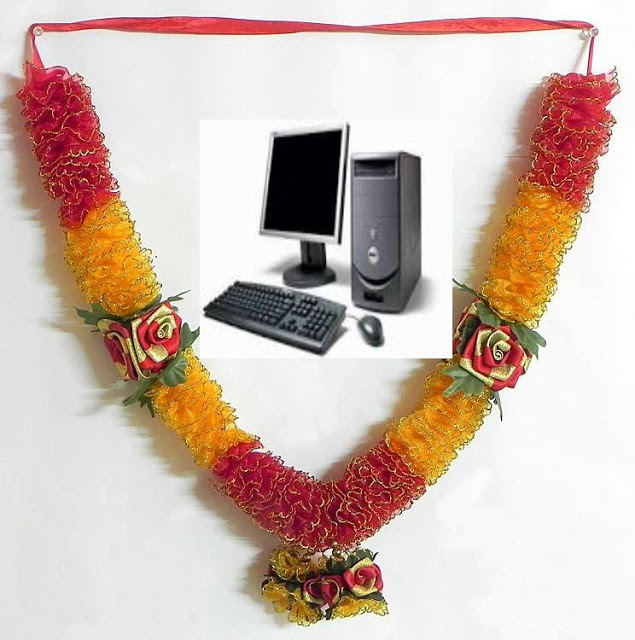
இந்த சூழ்நிலையில் நாம் தினமும் கந்த சஷ்டி கவசத்துடன் கம்ப்யுட்டர் கவசம் படிப்பதும் தேவை ஆகிறது என்று கருதி தேவராய சுவாமிகளுக்குப் போட்டியாக ஒரு நகைச் சுவை கவசம் எழுதி அதை பேஸ்புக்கிலும் வாட்ஸ் அப்பிலும் பரப்பிவருகிறார்கள் . என் அண்ணன் சீனிவாசன் ‘யாம் பெற்ற இன்பம் பெறுக இவ்வையகம்’ என்று எனக்கு அனுப்பினார். நானும் ‘மன்னுயிர்க்கெல்லாம் இன்பம் கிடைக்க’ இங்கே பகிர்கிறேன்.; அனைவரும் படித்துப் பயன்பெறுக. எந்தக் கம்ப்யூட்டராவது UPDATE YOUR SOFTWARE NOW ‘அப்டேட் யுவர் சாப்ட் வேர் நவ்’ என்று மிரட்டினால் மூன்று முறை படியுங்கள்!!!
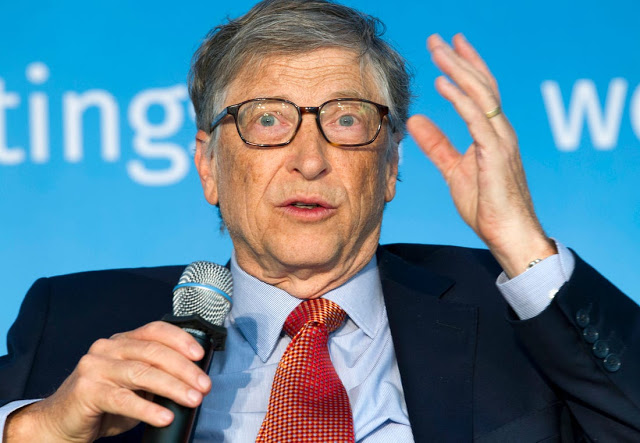
பில் கேட்ஸ் வாழ்த்து
துதிப்போர்க்கு தொங்குதல்போம் வைரஸ்போம்-நெஞ்சில்
பதிப்போர்க்கு பிராட்பேண்ட் களிப்பேற்றும்
கீபோர்டு விரைந்தோடும் அனுதினமும் கணினி சிஸ்ட கவசமதனை
Pictures are taken from various sources for spreading knowledge; this is a non- commercial blog. Thanks for your great pictures.
WHAT IS THE GOOD LIFE? – 1
R. Nanjappa
The ancients had a good idea of The Good Life Every philosophy, religion and even socio-political theory is concerned with this question, and attempts to answer it in its own way. The result has been not only confusion about what constitutes the good life, but also uncertainty about how to attain it. Contending systems compete for the human mind and allegiance. In the resulting conflict, modern man seems to have become indifferent to the question.
Superficially, we may say that the East and the West approached this question from different angles and arrived at different answers. But a more diligent effort would reveal this to be faulty perception. It would be more accurate to say that the real difference is not between the East and West, but between the Ancient and modern attitudes. Mahatma Gandhi was one of the few who truly understood this issue and wrote about it in his “Hind Swaraj” in 1909. It is a pity that his involvement in active politics distracted his mind and diverted his attention and energies to a hundred other subjects. However, he had the economic key to this issue.
We find the early Greek philosophers exercised over this issue. We generally associate the systematic development of Greek philosophy with Socrates and Plato. Even Roman Cicero said that it was Socrates who brought philosophy from the heavens to earth. However, it is not that philosophical efforts were lacking before, or that even Socrates and Plato systematised it. Philosophical efforts- inquiry about the nature of life and the world- have never been absent from human consciousness; at the same time, no attempt was made to make a ‘system’ out of the old insights or teachings.
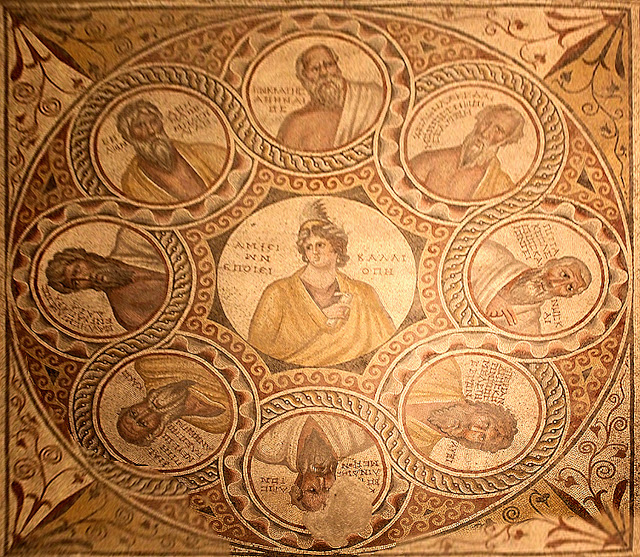
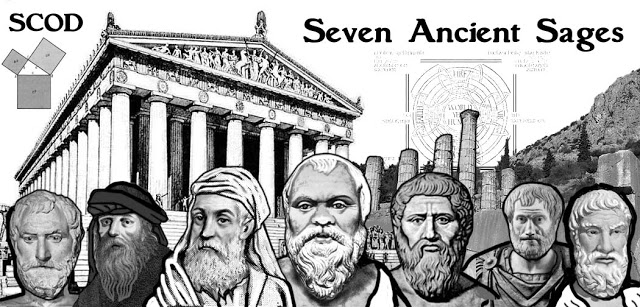
Just as we Indians have the tradition of the 7 Rishis, the early Greeks are said to have had 7 sages! And like in our case, their names vary. (In India, the composition of the 7 varies in each yuga). None of them was a philosopher in the sense of a mere thinker, but were rulers and legislators. Each one of them is associated with a main saying which gives a clue to their idea of the good life.
1. Cleobulus of Lindos. c.600 BC.
“Moderation is the best thing”. “Seek virtue rather than pleasure” “Be superior to pleasure”
2.Solon of Athens. 638-558 BC.
“Keep everything in moderation”.
3.Chilon of Sparta. 6th century BC.
“You should not desire the impossible”. “Do not dislike divination” “Do not speak evil of the dead”. “Do not laugh at a person in misfortune”.
4.Bias of Priene.
“Most men are bad.” “Do not praise an undeserving man because of his riches.” “Gain your point by persuasion, not by force.” “Cherish wisdom, as a means of travelling from youth to old age, for it is more lasting than any other possession”.
5.Thales of Miletus. 624-546 BC
“KNOW THYSELF”. It is this which was engraved on the front arch of the Oracle at the Temple of Apollo at Delphi
6.Pittacus of Mytilene. 640-568 BC
“You should know which opportunities to choose”. “Forgiveness is better than revenge.” “Power shows the man”
7.Periander of Corinth. c.627 BC
“Be farsighted with everything.”
“Pleasures are transient, honour is immortal.” “Live according to your income.” “Success brings many to ruin”. “The soft speeches of the wicked are full of deceit'”
Roman copy from a Greek Original. Vatican Museums.
It is remarkable that these sages lived around the time of our own Buddha! Their sayings too bear remarkable similarity to the teachings of the Buddha. The Buddha taught the middle way- ie avoidance of extremes, which amounts to moderation.
Pictures are taken from various sources for spreading knowledge; this is a non- commercial blog. Thanks for your great pictures.
மஹரிஷி கபிலர் : கங்கை நதி பூமிக்கு வந்த காரணம்!
ச.நாகராஜன்
மஹரிஷி கபிலரின் சரித்திரம் சுவையான ஒன்று.
ஸ்ரீமத் பாகவதம், ராமாயணத்தில் பால காண்டம், விஷ்ணு புராணம் உள்ளிட்ட புராண இதிஹாஸங்களில் கபிலரின் சரித்திரத்தை விரிவாகக் காணலாம்.
பகீரதன் தவமும் அதனால் பூமிக்கு கங்கை வந்ததும் கபிலரின் சரித்திரத்தில் ஆரம்பிக்கிறது!
ஸ்ரீ ஹரியானவர் கர்த்தப பிரஜாபதிக்கும் தேவபூதிக்கும் மகனாக கபிலர் என்ற பெயருடன் அவதரித்தார்.
அவர் பாதாள லோகத்தில் தவம் செய்து கொண்டிருந்தார்.
சூரியபகவானிடத்தில் சக்ரதனு என்ற பெயருடன் பிறந்ததாகவும் பின்னால் கபிலர் என்ற பெயர் அவருக்கு ஏற்பட்டது என்ற இன்னொரு விருத்தாந்தமும் உண்டு.
சகர மஹாராஜன் சூரிய வமிசத்து அரசன். அவன் எல்லையற்ற வலிமையால் பூமியை ஒரு குடைக் கீழ் அரசாண்டு வந்தான். அவனுக்கு இரண்டு மனைவிகள். ஒருத்தி சுமதி. இன்னொருத்தி கேசினி.
சுமதிக்கு அறுபதினாயிரம் புத்திரர்கள் பிறந்தனர். அவர்கள் அறுபதினாயிரம் சகரர்கள் என அழைக்கப்பட்டனர்.
கேசினிக்குப் பிறந்தவன் பெயர் அஸமஞ்சன். அஸமஞ்சனின் புத்திரன் பெயர் அம்சுமான். அவன் ஒரு அதிரதன்.
சகரன் ஒரு சமயம் அசுவமேத யாகம் ஒன்றைச் செய்தான். யாக குதிரையின் பின்னே தன் பேரனான அம்சுமானை அனுப்பினான்.
அந்த யாகத்தை நடத்த விடக் கூடாது என்று இந்திரன் பொறாமையினால் ஒரு நாள் ராக்ஷச உருவை எடுத்து யாக குதிரையைத் திருடிக் கொண்டு போய் விட்டான்.
யாக தீக்ஷையில் இருந்த சகரனை நோக்கி அவனது குரு குதிரை அபகரிக்கப்பட்ட செய்தியைத் தெரிவித்தார். குதிரை வராமல் யாகம் பூர்த்தியாகாது. ஆகவே குதிரையைக் கொணருமாறு அவர் வேண்டினார்.
சகரன் குதிரையைக் கண்டுபிடித்துக் கொண்டு வருமாறு தனது அறுபதினாயிரம் புத்திரர்களுக்குக் கட்டளையிட்டான். உலகெங்கும் அவர்கள் குதிரையைத் தேட ஆரம்பித்தனர். குதிரை கிடைக்காததால் பூமியை அவர்கள் வெட்ட ஆரம்பித்தனர்.
இதனால் அனைத்து ஜீவன்களும் துன்பம் கொண்டன; மாண்டன.
அறுபதினாயிரம் யோஜனை விஸ்தீரணத்திற்கு பூமி தோண்டப்பட்டது. இதைக் கண்ட தேவர்கள் உள்ளிட்டோர் பிரம்மதேவரிடம் சென்று முறையிட்டனர்.
அவர், பூமிதேவியின் நாதனான விசுவதேவரால் சகரர்களுக்கு நாசம் உண்டாகும் என்றும் கவலைப்பட வேண்டாம் என்றும் அவர்களுக்குத் தைரியம் சொல்லி அவர்களை அனுப்பினார்.
சகரர்கள் பூமியைத் தோண்டி பாதாள லோகத்தை அடைந்தனர். அங்கு கபிலர் தவம் செய்து கொண்டிருந்தார்.
அவருக்குச் சமீபத்தில் குதிரை கட்டப்பட்டிருந்தது. அவர் தான் அந்தக் குதிரையைக் கவர்ந்து வந்ததாக நினைத்த சகரர்கள் அறுபதினாயிரவரும் கோபம் கொண்டு கபிலரை ஆயுதம் கொண்டு தாக்க ஆரம்பித்தனர்.
“நீ தான் எங்கள் யாகக் குதிரையைத் திருடிக் கொண்டு வந்திருக்கிறாய், ஓ. துஷ்டனே, எங்களிடம் இப்போது அகப்பட்டுக் கொண்டாய்” என்று சகரர்கள் கபில முனிவரை நோக்கிச் சொல்ல அவர் வெகுண்டார்.
கண்களைத் திறந்து பார்த்து ஹூம் என்று ஆர்ப்பரித்தார்.
ஒப்பற்ற தவமுடைய மஹாத்மா என்பதால் அவருடைய கோபாக்னி சகரர்கள் அறுபதினாயிரவரையும் எரித்துச் சாம்பலாக்கியது,
வெகு காலம் தன் குமாரர்கள் வராததைக் கண்ட சகரன் தன் பேரனான அம்சுமானை அழைத்து அக்குதிரையைக் கொண்டு வருமாறு கட்டளையிட்டான்.
அம்சுமானும் சகரர்கள் சென்ற வழியே சென்றான். சகரர்கள் பூமியைக் குடைந்து சென்ற வழியைக் கண்ட அவன் அந்த வழியே பாதாள லோகம் சென்றான்; அங்கு கபில முனிவரைக் கண்டான்.
அவரை வணங்கி அம்சுமான் தொழுது துதித்தான்.
கபிலர் அம்சுமானை நோக்கி, “ மகனே! நீ குதிரையைக் கொண்டுபோய் உன் பாட்டனிடம் சேர்ப்பிப்பாயாக! யாகத்தை நிறைவேற்றி வை! உன் பேரன் மூலம் கங்கா நதியைப் பூலோகத்திற்குக் கொண்டு வரக் கூடியதாகிய வரத்தை உனக்கு அளிக்கிறேன். நீ செல்வாயாக!” என்று அருளுரை கூறினார்.
அம்சுமான் முனிவரை வணங்கிப் பின், “ஓ! ஸ்வாமி! உமது சாபத்தால் எரிந்து சாம்பலாகி விட்ட எனது சிற்றப்பன்மார்கள் சுவர்க்கத்தை அடையும்படியாக ஒரு வரத்தைத் தந்தருள வேண்டும்” என்று விண்ணப்பம் செய்து பிரார்த்தித்தான்.
அதற்கு கபிலர், “உனது பேரனால் கொண்டு வரப்போகும் கங்கா நதியின் தீர்த்தத்தினால் இறந்து போன உன் சிற்றப்பன்மார்களுடைய எலும்பும் சாம்பலும் நனைக்கப்பட்ட மாத்திரத்திலேயே அவர்கள் சுவர்க்கத்தை அடைவார்கள்’ என்று கூறியருளினார்.
அத்துடன் மேலும் அவர் கூறினார்: “பக்தி சிரத்தையுடன் இம் மஹாநதியில் யார் ஒருவர் தீர்த்தமாடுகிறார்களோ அவர்கள் தங்கள் பாபங்களைக் களைந்து கடைத்தேறுவார்கள். அது மட்டுமல்ல, இறந்தவர்களின் சரீரத்தைச் சார்ந்த , எலும்பு, தோல், நரம்பு, கேசம், சாம்பல் முதலியவற்றில் ஏதாவது ஒன்று இப்புண்ணிய தீர்த்தத்தால் ஸ்பரிசிக்கப்படுமாயின் அந்த உடலுக்குரியவன் உடனே சுவர்க்கம் புகுவான்.”
அம்சுமான் அவரை வணங்கி விடை பெற்று குதிரையுடன் சகர மஹாராஜாவிடம் வந்து சேர்ந்தான். அதன் பின்னர் சகரனின் அஸ்வமேத யாகம் நிறைவேறியது.
அம்சுமானுடைய பேரனான பகீரதன் அரும் தவம் செய்து கங்கையைப் பூமிக்குக் கொண்டு வந்தான்.
பரிசுத்தமான கங்கை நீர் பாதாள லோகத்திற்குச் சென்று சகர மஹாராஜனின் எரிந்து கிடந்த குமாரர்களின் சாம்பல் குவியல் மேல் படவே அவர்கள் அனைவரும் சுவர்க்கம் அடைந்தனர்.
இதன் மூலம் பாவம் போக்கும் ஜீவ நதியான கங்கா நதி பூவுலகில் என்றும் பாயும் பாக்கியம் பூவுலக மக்களுக்கு ஏற்பட்டது!
***
முக்கிய குறிப்பு : கபிலாரண்யம் என்பது தான் கலிபோர்னியா போன்ற அதிசயச் செய்திகளை காஞ்சி பெரியவாள் ஒரு உரையில் குறிப்பிட்டிருக்கிறார். அன்பர்கள் அவசியம் படிக்க வேண்டிய உரை அது.
படித்து மகிழலாம்!
இதைப் பற்றிய திரு சுவாமிநாதனின் கட்டுரை இந்த பிளாக்கில் நவம்பர் 2011இல் வெளியாகி இருக்கிறது.
கட்டுரை தலைப்பு : ‘Is California, USA – Kapila Aranya – Kanchi Sankaracharya”
Pictures are taken from various sources for spreading knowledge; this is a non- commercial blog. Thanks for your great pictures.
இந்தப் பட்டியலை பிரிண்ட் செய்து வைத்துக் கொண்டால் உங்களுக்குத் பிடித்த கட்டுரைகளை நேரம் கிடைத்தபோது படிக்கலாம்
கட்டுரைகளை பிளாக்கில் பெறுவது எப்படி?
பிளாக்கிற்குப் போய் தேடுவதை விட கூகுளில் (google) தேடுவது எளிது. கட்டுரையின் தலைப்பை காப்பி copy செய்து கூகுளில் பேஸ்ட் paste செய்யுங்கள் . அதன் பிறகு ஆங்கிலத்தில் from tamilandvedas.com என்று எழுதி க்ளிக் (click) செய்யுங்கள்.
from swamiindologly.blogspot.com
என்று எழுதியும் பெறலாம்.
எடுத்துக்காட்டு:
கர்ம பலன்கள் – சித்திரகுப்தன் கரன்ஸி! from tamilandvedas.com
கர்ம பலன்கள் – சித்திரகுப்தன் கரன்ஸி! from swamiindology.blogspot.com
நீங்கள் சிறு பிழை விட்டாலும் நீங்கள் எதிர்பார்த்தது கிடைக்காமல் வேறு விஷயம் வரும். அதில் நேரத்தை வீணடிக்காமல் மீண்டும் ஒரு முறை சரியாக எழுதி முயற்சி செய்யுங்கள். இரண்டு பிளாக்குகளில் ஒன்றில் கிடைத்து விடும்
கட்டுரை பெறுவதில் ஏதேனும் சிக்கல் இருந்தால் எங்களைத் தொடர்பு கொள்ளுங்கள் .
August 2013
– – இசை தரும் நோயற்ற வாழ்வு – 3 (பாக்யா 21-9-12 அ.து. 83)
– – இசை தரும் நோயற்ற வாழ்வு – 4 (பாக்யா 28-9-12 அ.து. 84)
– – இசை தரும் நோயற்ற வாழ்வு – 5 (பாக்யா 5-10-12 அ.து. 85)
– – இசை தரும் நோயற்ற வாழ்வு – 6 (பாக்யா 12-10-12 அ.து. 86)
September 2013
– – ஸ்வர்ண லோகம் – 1 ஸ்வர்ண புத்தர்!
– – ஸ்வர்ண லோகம் – 2 சர்ச்சிலுக்கு சாந்தி தந்த புத்தர்
– – ஸ்வர்ண லோகம் – 3 தேரவாதம், மஹாயானம் தோன்றிய
வரலாறு!
– – ஸ்வர்ண லோகம் – 4 புத்தம் சரணம் கச்சாமி!
– – ஸ்வர்ண லோகம் – 5 உலகப் போரின் போது அனைத்தையும்
If one takes birth in this world one should come with qualities which bring fame; if not it is better not to appear at all – Tirukkural 236
AUGUST 9 SUNDAY
There is no greater boon to man than the renown gained by giving the poor – Tirukkural 231
AUGUST 10 MONDAY
All the praise that the learned sing centres on the fame of those who give the needy — Tirukkural 232
Janmashtami 11th August 2020
AUGUST 11 TUESDAY
Poverty which conduces to fame , and death which brings glory , are the lot of none but the wise – Tirukkural 235
AUGUST 12 WEDNESDAY
Those who cannot achieve fame should blame themselves and not those who criticize them — Tirukkural 237
AUGUST 13 THURSDAY
Uththishta , Yaso labha – Bhagavad Gita 11-33
Arise , Attain glory
AUGUST 14 FRIDAY
Whence glory without virtue
Rajatarangini 8-2419
August 15 Independence Day
AUGUST 15 SATURDAY
Tremulous are lives like waves; fame lasts till time’s end-
Bharatamanjari
AUGUST 16 SUNDAY
Protect your body with wealth; but safeguard your reputation with both body and wealth —
–Kahavatratnakar
AUGUST 17 MONDAY
Conciliation leads neither to fame nor glory ––Valmiki Ramayana 6-21-16
AUGUST 18 TUESDAY
Where is honour without daring
Katha sarith sagara – 5-2-225
AUGUST 19 WEDNESDAY
Addiction vice acts like an axe to the creeper of eminence
Harivamsa 14-744
AUGUST 20 THURSDAY
Glory is attained by the virtuous
Subhasita ratna bhandagaram 3-116
AUGUST 21 FRIDAY
Those who regard fame as their wealth have to guard it from their foes
Raghu vamsa 3-48
AUGUST 22 SATURDAY
If a man cannot acquire fame so that it may live after him such failure is a source of ignominy to him — Tirukkural 238
AUGUST 23 SUNDAY
The land burdened with bodies of flesh and blood without fame will grow barren of useful products — Tirukkural 239
AUGUST 24 MONDAY
Only those who live without creating a bad reputation, may be said to live, and those who do not earn fame may be counted among the dead — Tirukkural 236
AUGUST 23 TUESDAY
Those who consider fame as their wealth
Raghu vamsa 14-35
AUGUST 26 WEDNESDAY
Glory never perishes —-Kahavatratnakar
AUGUST 27 THURSDAY
Better death than an infamous life –
Vikramacarita
AUGUST 28 FRIDAY
Hair lost, the yak lives not. Honour lost noblemen leave their life
Pictures are taken from various sources for spreading knowledge; this is a non- commercial blog. Thanks for your great pictures.
tamilandvedas.com, swamiindology.blogspot.com
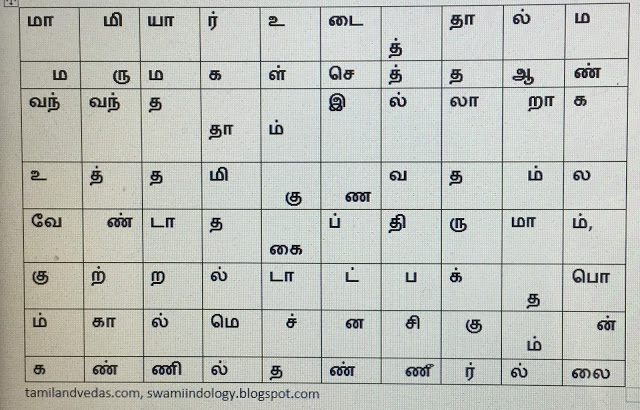
ஒரே சொல் மீண்டும் மீண்டும் வந்தால் ஓரிரு இடங்களில் மட்டுமே கட்டத்தில் இருக்கும். கொண்டு கூட்டி பொருள் கொள்க . விடை கீழே உள்ளது . சில நேரங்களில் படங்களைப் பார்த்தாலும் விடை காண உதவலாம்.
ANSWER
1.மாமியார் உடைத்தால் மண் கலம், மருமகள் உடைத்தால் பொன்கலம்
2.மாமியார் செத்த ஆறாம் மாதம் மருமகள் கண்ணில் தண்ணீர் வந்ததாம்
3.மாமியார் இல்லாத மருமகள் உத்தமி, மருமகள் இல்லாத மாமியார் குணவதி
4.வேண்டாத மாமியாருக்கு கைப்பட்டால் குற்றம், கால் பட்டால் குற்றம்
5.மாமியார் மெச்சின மருமகள் இல்லை, மருமகள் மெச்சின மாமியார் இல்லை
Pictures are taken from various sources for spreading knowledge; this is a non- commercial blog. Thanks for your great pictures.
BY R. Nanjappa
AN ASSESSMENT
Prabhupada represented a specific tradition within the Hindu matrix. He carried the message of Chaitanya Mahaprabhu to the West, and fulfilled his prophecy, made 500 years ago, that the name of Krishna would be celebrated in all countries of the world. He established a firm basis for worship of Krishna not merely as one of the Avatars, but as the fountain source of all Avatars. This is not a mean achievement. He did not start something on his own, but based himself entirely on Bhagavad Gita and Srimad Bhagavatam as interpreted by his Acharyas.
Prabhupada criticised not only the modern civilization, but also the other philosophical systems of India, especially Mayavada and impersonalism. To those belonging to other traditions, this would appear to be an excess. But he was being true to his line.
The conflict among the various schools of Indian philosophy will never end, and it cannot be settled by logic. So we need not be disturbed by Prabhupada’s exuberance in representing his system. The point is, he offered his system and it has attracted and satisfied millions all over the world.
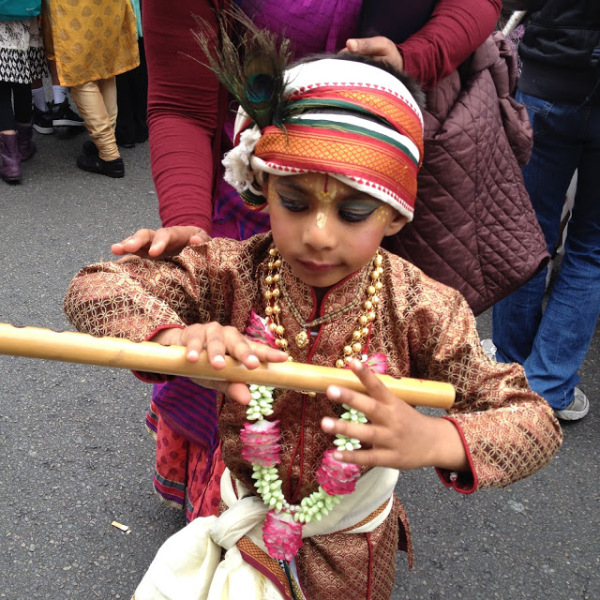
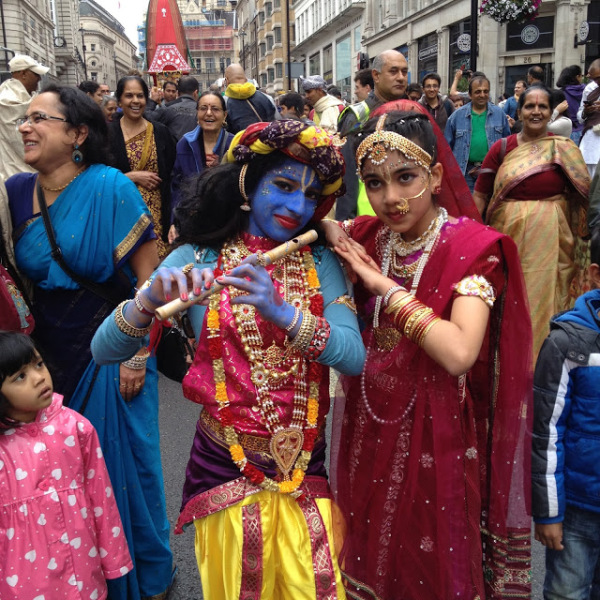
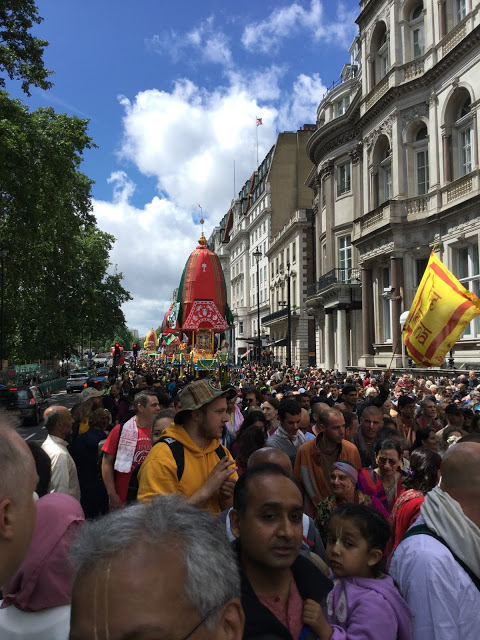
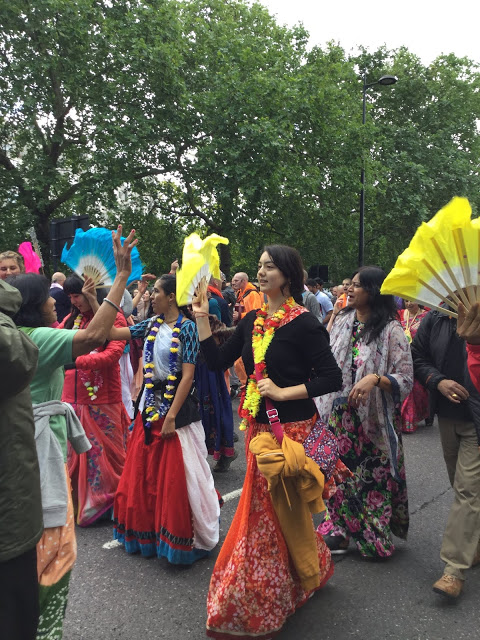
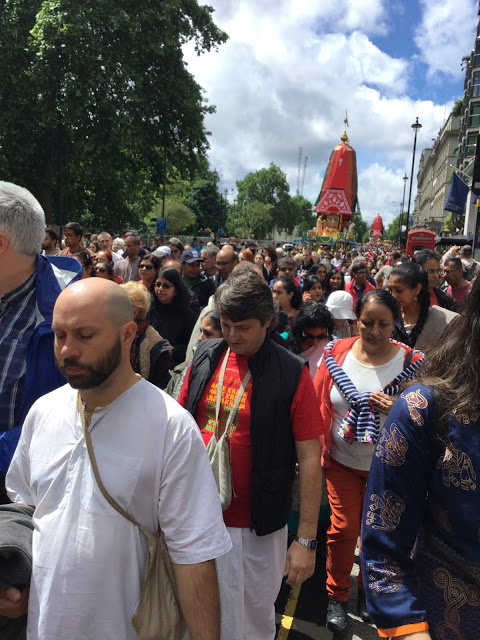
2019 LONDON RATHA YATRA
Prabhupada did establish one fact clearly. That is, the Bhagavad Gita is the supreme scripture of the Vedic tradition and it is amplified by Srimad Bhagavatam. The Gita establishes that Brahman came as Paramatma and Bhagavan. That Bhagavan is Krishna. Bhagavan has clearly spoken of “ananya bhakti” as the ultimate word (paramam vacha) in spiritual matters. This bhakti is to a Person- Bhagavan- and not to an ideal or concept. Prabhupada established this fact with force and clarity. This is unexceptionable.
By himself translating and encouraging others to do so, Prabhupada has left an enormous corpus of authentic philosophical and theistic literature of his tradition. These are brought out in excellent printed volumes. No other tradition in India has done this- none of the established Mutts has done this. This is a service worthy of emulation. This is perhaps the lasting contribution of Prabhupada. Printing and publishing authentic literature is more important than building temples. Not everyone can or may visit temples, but books can enter every home.
Prabhupada faced the world outside India on his own terms. He did not try to please or placate the West. He did not compromise. He did not flatter the West, but told their deficiencies face to face. But he did it without malice, with genuine compassion and concern for their welfare. He has carried one strain of Hindu religion across the world. He has made Gaudiya Vaishnavism an international force. He thus put an end to Indian exclusivism, Indians turning to themselves.
Many countries in the world today celebrate Rath Yatra, while Indians themselves do not do it in most places! Most Hindu youths are brought up without any religious study or instruction in a systematic manner- while every person initiated into the Hare Krishna movement is instructed and trained. Many scholars have emerged from their ranks and enriched their tradition with outstanding contributions. And many of them are so advanced in sadhana as to become fit for initiating others. Even after witnessing this, our orthodox Mutts have done nothing much in a systematic way. It was only Swami Chinmayananda who could attract the youth with the message of the Upanishads and Gita in the 70s and 80s, packaging it in attractive modules. That was a wave, but it abated after him. Prabhupada has provided a valid model for all Hindus to follow.
Prabhupada’s role lasted just twelve years. He gave tremendous push to Hare Krishna chanting, construction of temples and centres, publication and distribution of books, initiation of new members and their training, farming and educational activities. Such constructive, concrete achievement on such a massive scale is unmatched by anyone in modern India.
Prabhupada struggled in India before he went to America. He correctly assessed that if he made an impact in the West, India would automatically imitate! This is indeed what happened! The ISKCON centres at Mumbai, Vrindavan and Mayapur were raised mainly with contributions from book sales abroad!
Prabhupada towers above all our traditional acharyas. Whether it was Sankara, Ramanuja or Madhva, they spoke to a Hindu audience within India which was aware of the traditions. Their appeal was, and still continues to be, mainly to the elite. They did not talk to the masses or mlecchas.
Prabhupada went to the land of mlecchas and spoke to them of Krishna. He presented the teaching without complications. He presented the teaching so they could follow- chanting, puja, prasad and holy discussion. He made Krishna a world celebrity- Krishna is now known in every country! Krishna is celebrated in every country!
2019 PICTURES
DANGERS OF CHARISMA
Prabhupada acquired tremendous charisma. Though he did not project himself, he became extremely popular. He was venerated by his devotees for his religious fervour, sincerity, scholarship, fidelity to tradition, total dedication to Krishna, and the standards of personal purity that he maintained. This was bound to create problems after his demise. As in any organisation with vast resources and global reach, personality and ego clashes were bound to happen. There are differing voices within the movement. But these are not unusual in any field, and need not unduly disturb us. No movement can carry on in the old spirit after the demise of its charismatic founder leader. That is why Gandhiji wanted that the Indian National Congress should be disbanded after Independence, but the Gandhicaps did not care.
Two features may be noted here.
1. Prabhupada went to America at a critical time, when it faced youth unrest. The youth there faced crises on many fronts. His message of Krishna Consciousness was timely, practical and filled a felt need, a psychological void. This is the hand of history. The world has changed on this account forever. It is ” a revolution to change the entire course of human history” as Prabhupada claimed.
2. Some people have attempted hypnotic regression and past life reading of some of the early entrants to the Hare Krishna movement in the West. They came to the conclusion that many of these had in fact been associated with India and its religion in past lives! If this is true, it is revealing: It is a matter of tremendous importance. There may be many such souls taking birth abroad and they need to hear about authentic Hindu traditions. This is one more reason why Hinduism should spread abroad, but it should be of a genuine, authentic tradition, not a modern compromising outfit. The proponent should be a sincere, genuine representative of a valid tradition, and not a mere advocate of “show-bottle spiritualism” as Prabhupada called it.
Prabhupada’s life and work is a bright chapter in the history of modern Hinduism. Hinduism can survive and flourish only when it expands, breaks out beyond its self-imposed constraints and limitations. This is the practical message of Prabhupada, in a world which has become a global village.
Prabhupada’s achievement is the wonder of complete dedication to a transcendental ideal, without deviation, as described in Bhagavad Gita:
bahushaakha: anantaa: cha buddhaya: avyavasaayinaam
O Scion of Kurus, in this there is but a single one-pointed determination.
The purposes of the undecided are innumerable and many-branching.
Prabhupada was the exclusive advocate of Krishna Consciousness- ambassador of Krishna to the whole world. He has laid the foundations of world-wide Krishna Rajya!
All Glory to Srila Baktivedanta Swami Prabhupada!
Note:
Though group chanting and singing of Divine names has been in vogue in India, it did not assume the form and dimensions of a mass movement before Prabhupada. I will relate some developments here.
Sri Bodhendra, (1610-1692) 59th Pontiff (1638-1692) of Kanchi Sankara Mutt, initiated the Nama Sankirtana movement in the Tamil speaking areas. It caught on especially in the Tanjore area. He had got the idea of the greatness of Nama Siddhanta from his own guru-the previous pontiff, on his visit to Kashi. The guru had seen the damages wrought by Muslim invasions in the North and the near impossibility of resorting to Vedic karma. He found an ideal solution in Nama Siddhanta and asked Bodhendra to visit Puri Jagannath on his way to Kanchi and collect an important manuscript on Nama Siddhanta. On his guru’s orders, he came to Puri Jagannath and studied a manuscript- Bhagavan Nama Kaumudi- written by one Lakshmidhara Kavi, on the greatness of Nama Siddhanta.. On his return, Bodhendra wrote some books on Bhakti, among them two manuals on Nama Bhakti and its relevance for the times as the most effective religious sadhana. These are “Bhagavan Namamruta Rasodayam” and “Bhagavan Namamruta Rasayanam”. Of these, the former is an elaborate treatise on the nature and importance of singing/chanting the names of Bhagavan as the most effective and self-sufficient Sadhana for this Kali age. It is an all-inclusive exercise, which can be adopted without any caste, gender or other restrictions. It confers all the benefits of the orthodox Vedic practices, which are not suitable for this Kali age. This he establishes authoritatively on the basis of our scriptures. He categorically declared:
Kali kalmasha chittaanaam, papa dravya jivinam
vidhi karma vihinaanaam gatir Govinda kirtanam.
In this Kali Age, people’s mind and intellect are polluted. They earn livelihood by engaging in sacrilegious acts. They perform karma without observing proper rules. Singing the names of Govinda is the only remedy for them.
Sri Bodhendra spread the Nama Sankirtana movement, visiting village after village and initiating people in Nama Japa. The movement caught on and acquired the status of Sampradaya bhajan. It flourished in the old Tanjore area It did not focus exclusively on Krishna/Vishnu and made no distinction between Vishnu and Shiva for devotional purposes. It is quite likely that this owes its origin to the Sankirtana movement initiated by Chaitanya Mahaprabhu in the previous century, with Puri as an important center. But the Mutt itself did not adopt it as the main course, and it did not become a mass movement. It is confined to a few pockets and mainly to the Brahmin community.
We can now appreciate how momentous is the achievement of Prabhupada in having elevated Krishna Sankirtan as an international phenomenon, embracing even the mlechchas!
Some recent Books:
– Swami in a Strange Land: by Joshua M.Green. Indian edition by Jaico, 2018
– My Memories of Srila Prabhupada: by Bhakti Vikas Swami, 2012
– Love, Medicine and Music: by Roger Siegel,Tulsi Books, 2013
– Chasing Rhinos With The Swami-vol.1&2: by Shyamasundar Das
– Prabhupada- Messenger of The Supreme Lord by Satsvarupa Dasa Goswami, 2014
– Our Family Business by Vaisesika Dasa, 2016
– Bhagavan Nama Rasodayam: Sanskrit original with Tamil commentary : by Krishnapremi;
Bhagavan Nama Publications, Chennai-33, 2003.
For a fascinating and detailed study of the philosophy and practices of Krishna devotion according to Vaishnava traditions, please see:
Bhakti Yoga- Tales and Teachings from the Bhagavata Purana by Edwin F.Bryant, Macmillan, 2018.























 Tamil and Vedas