Pictures are taken from various sources for spreading knowledge.
this is a non- commercial blog. Thanks for your great pictures.
tamilandvedas.com, swamiindology.blogspot.com
Newspaper cutting dated 11-1-1982
Sir
In his book ‘The Six Systems of Indian Philosophy’, Max Muller has translated the conversation between Svetaketu and his father Aruni, extracted from the first Khanda of Chadogya Upanishad as follows:–
Father to Svetaketu–
Svetaketu! as you are conceited, considering yourself well read and stubborn, my dear son, have you ever asked for that instruction by which we hear what is not heard, by which we perceive what is not perceived, by which we know what is not known?
What is that instruction, Sire? He asked.
The father replied
My dear son, as by one clod of clay all that is made of clay is known, the difference being only the name, arising from speech, the truth being that all is clay.
And as , my dear son, by one nugget of gold, all that is made of gold is known, the difference being only the name , arising from speech, the truth being that all is gold.
And as my dear son, by one pair of nail scissors, all that is made of steel (Karshana ayasam) is known, the difference being only the same, arising from speech, the truth being all that is steel— thus my dear son, is that instruction.
This Upanishad is said to belong to Sama Veda . All the Vedic Upanishads are supposed to be prior to the age of the great epics Ramayana and Mahabharata. If what is interpreted by Max Muller is correct, we have to believe that all the metals, especially gold and steel were widely in use at that time. Of course, Ramayana and Mahabharata do mention the use of mechanical devices prevalent at those times.
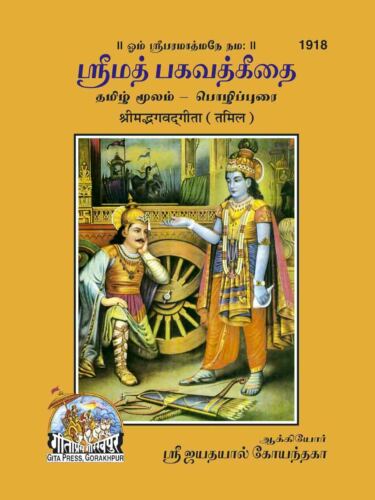
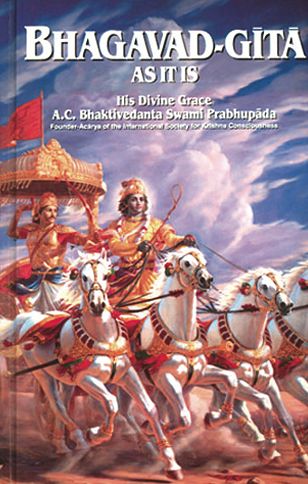
In Bhagavad Gita 61st sloka of chapter 18, Sri Krishna , says as follows
The Lord dwells in the hearts of all beings, O Arjuna, and by his Maya causes all beings to revolve as though mounted on a machine (18-61). The concept of a revolving machine to be mounted upon should lead us to believe that mechanics at that time was much advanced.
Similarly Gita also mentioned mirror and the effect of rust on it- Karma yoga 3- 38;. The 2-67th sloka of Sankhya yoga also compares the roving senses to be carried away as the ‘wind carrying a ship on water’.
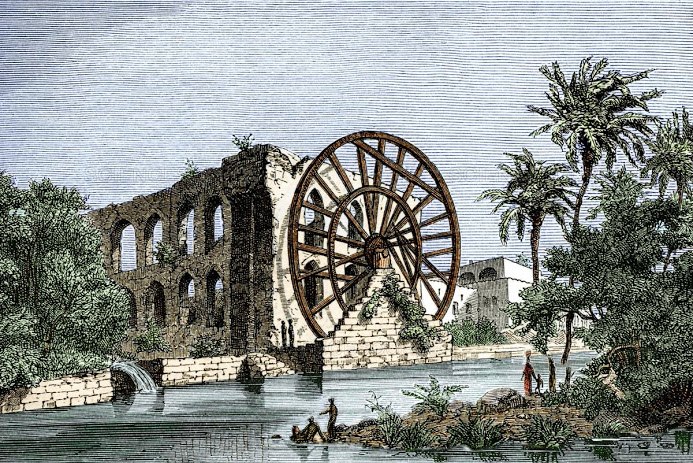
It is generally said that the industrial revolution has dawned upon when man discovered the wheel to start with. If that be the case the references about mechanics in the Vedic period are a pointer to the factor that our history and culture developed in the long course of time along with development in mechanics and other discoveries, including sophisticated clothing like silks.
We come across reference to Padukas and also umbrellas in different places and in varying contexts in the epics. Paduka gained that much of importance when Bharata ruled the country with Sri Ram’s Padukas, treating them as symbolic representation of Rama. Umbrellas appear as royal status symbol in almost all places. But there appears to be no reference to anywhere about spectacles . Does it mean that eye sight those days needed no assistance or help even after advanced old age? Or is it a later necessity which has become unavoidable for the present age when we are born and brought up in artificial bright lights?
Pictures are taken from various sources for spreading knowledge;
this is a non- commercial blog. Thanks for your great pictures.
tamilandvedas.com, swamiindology.blogspot.com
நடந்தவை தான் நம்புங்கள்! – 14
ச.நாகராஜன்
மூன்று விளையாட்டு வீரர்கள்!
1
நீ பாதி, நான் பாதி, நண்பா!
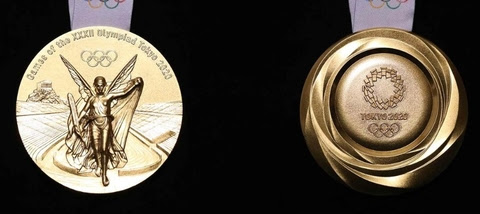
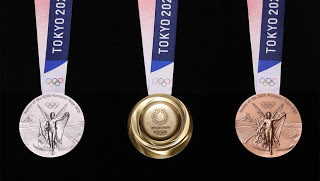
1916ஆம் ஆண்டு பெர்லினில் ஒலிம்பிக் போட்டி நடைபெற்றது. ஜப்பானைச் சேர்ந்த இரண்டு போல் வால்ட் வீரர்கள் (Poe Vaulters) அதில் கலந்து கொண்டனர். ஷுஹெரி நிஷாடா மற்றும் சுயி ஓ (Shuhei Nishada and Sueo Oe) என்ற பெயருடைய அந்த இரு வீரர்களும் ஒரே உயரத்தைத் தாண்டினர். முதல் இடத்தைப் பிடித்தவர் எர்ல் மெடோஸ் (Earl Meadows) என்பவர். அவர் தங்க மெடலைத் தட்டிச் சென்றார். அடுத்தாற் போல இந்த இரு வீரர்களும் இரண்டாவதாக இருந்தனர். இருவரும் ஒருவரோடு ஒருவர் போட்டியிட முடியாது என்று திட்டவட்டமாகச் சொல்லி விட்டனர். நிஷிடாவே வெள்ளி மெடல் பெற இரண்டாவதாக அறிவிக்கப்படலாம் என்று அவர்கள் முடிவெடுத்தனர். மூன்றாவதாக வெங்கல மெடலை சுயி ஓ பெறுவது என்று முடிவெடுக்கப்பட்டது. இருவரும் ஜப்பானுக்குத் திரும்பினர்.
அங்கு உண்மையிலேயே யார் இரண்டாவது இடத்தைப் பெறத் தகுதியானவர் என்று பார்த்து விடலாம் என்று எண்ணினர். இருவரும் மீண்டும் மீண்டும் முயன்ற போதும் கூட ஒரே உயரத்தையே தாண்டினர். இறுதியாக இருவரும் தங்கள் வெள்ளி மற்றும் வெங்கல மெடல்களை ஒரு பொற்கொல்லரிடம் கொடுத்துப் பாதியாக வெட்டச் சொன்னார்கள். பிறகு அதை ஒட்டச் சொன்னார்கள். எப்படி என்றால் ஒட்டிய புதிய ஒலிம்பிக் மெடலில் ஒரு பாதி வெள்ளி, மறு பாதி வெங்கலம். இப்படி ஒரு தனித்துவம் மிக்க ஒலிம்பிக் மெடல்கள் இவை தாம்!
2
19 ஒலிம்பிக் மெடல் வென்ற ‘கவனக்குறைவு வியாதி’ கொண்ட வீரர்!
மைக்கேல் பெல்ப்ஸ் (Michael Fred Phelps) உலகம் இதுவரை கண்டிராத அபூர்வ நீச்சல் வீரர். ஒரு ஒலிம்பிக் விளையாட்டில் 8 தங்க மெடல்களை ஒருவர் வெல்லக் கூடும் என்பதை யாராலும் கற்பனை செய்து கூடப் பார்க்க முடியாது. அவர் அதைச் செய்து காட்டினார். அமெரிக்கரான பெல்ப்ஸ்
30-6-1985 அன்று பிறந்தவர்.
2008ஆம் ஆண்டு பீகிங் ஒலிம்பிக்கில் 8 தங்க மெடல்களை அவர் வென்றார். இவரது சாதனைப் பட்டியல் மிக நீண்ட ஒன்று.
மொத்தம் 28 ஒலிம்பிக் மெடல்களை அவர் வென்றார். அதில் 23 தங்க மெடல்கள்! இதில் முக்கியமான விஷயம் என்னவெனில் அவர் 7 வயது
சிறுவனாக இருந்த போதே ஏடிஹெச்டி (ADHD – Attention Deficit Hyper activity Disorder – கவனக்குறைவு மிகை இயக்கக் குறைபாடு ) என்ற நோயால் பாதிக்கப்பட்டிருந்தார். அதற்காக சிகிச்சையும் பெற்றார். ஆனால், அவர் தான் எடுத்துக் கொண்ட விஷயத்தில் மிகவும் ஒருமுனைப்பட்ட சக்தியைக் காண்பித்து ஒவ்வொரு போட்டியிலும் வென்றார்.
மன வியாதி கொண்டாலும் கூட ஒருவர் சாதித்துக் காட்ட முடியும் என்பதை நிரூபித்த அவர் தனக்கென ஒரு வெற்றி பார்முலாவை உருவாக்கிக் கொண்டிருந்தார். அதாவது நீச்சல் போட்டி ஆரம்பமாகும் முன்னரேயே தான் வெற்றி பெற்றதாக மனக் கண்ணில் கண்டு அதை அப்படியே நிஜமாக்கிக் காட்டுவார். ஒரு குறிக்கோளை எண்ணினால் அதை அடைய வெறி கொண்டால் போதும் வெல்லலாம் என்பதே அவரது வெற்றி பார்முலா!
3
ஃபுட் பால் மேட்ச் டிக்கட் வாங்க நின்று கொண்டிருந்தவரை ‘வாங்க வேண்டாம்’ என்று தடுத்தார் அவர் நண்பர்.
‘ஏன்’ என்று கேட்டார் டிக்கட் வாங்கப் போனவர்.
‘ஏனென்றால் விளையாட்டு ஆரம்பிக்கும் முன்னாலேயே எனக்கு என்ன ஸ்கோர் என்று தெரியும்’ என்றார் நண்பர்.
ஆச்சரியப்பட்டுப் போய், “அப்படியா, என்ன ஸ்கோர்?” என்று கேட்டவருக்கு வந்தது பதில்.
Pictures are taken from various sources for spreading knowledge.
this is a non- commercial blog. Thanks for your great pictures.
tamilandvedas.com, swamiindology.blogspot.com
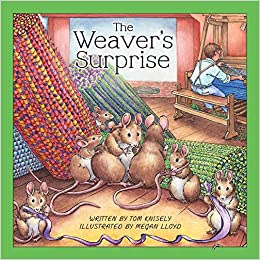
எலி கடிக்குது நெசவு நூலை ! கவலை கடிக்குது என் மனதை !
TRUE HINDUS AND TRUE TAMILS NEVER DELETE THE AUTHOR’S NAME AND BLOG’S NAME
BY LONDON SWAMINATHAN
உலகிலேயயே பழமையான நூல் ரிக்வேதம் ; ஜெர்மன் அறிஞர் ஹெர்மன் ஜாகோபியும் இந்திய சுதந்திரப் போராட்ட வீரர் பால கங்கா தர திலகரும் கி.மு 4500 க்கு முந்தையது என்று வான சாஸ்திர ரீதியில் காட்டினார்கள். வில்சன் முதலானோர் கி.மு.2000 என்றனர். மாக்ஸ்முல்லர் முதலில் கி.மு 1200 என்று சொல்லி மற்ற அறிஞர்களிடம் செமை அடி வாங்கிய பின்னர் இது கி.மு. 1500 க்கு முந்தையது; எவரும் இதன் காலத்தைக் கணிக்கவே முடியாது என்று சொல்லி ‘ஜகா’ வாங்கினார்.
துருக்கி-சிரியா எல்லையில் பொகஸ்கொய் (Bogazkoy Inscription) என்னும் இடத்தில் கண்டுபிடிக்கப்பட்ட களிமண் படிவ கியூனிபார்ம் கல்வெட்டும் ரிக் வேத தெய்வங்களை அதே வரிசையில் குறிப்பிடுவதால் தொல்பொருட் துறை ஆதாரமும் கிடைத்துவிட்டது. இப்போது சந்தேகப் பேர்வழிகளும் , இந்து மத விரோதிகளும் கூட கி.மு 1700 என்று கதைக்கத் துவங்கியுள்ளனர்!
ரிக் வேதம் அற்புதமான கவிதைத் தொகுப்பு ஆகும். அதிகமான உவமைகள் தாய்க்கும் தந்தைக்கும் பிள்ளைகளுக்கும் உள்ள அன்பு, பாசம், நேசம் குறித்துப் பேசுகின்றன .
நதிகள் இடையே உரையாடலாகவும் , இந்திரன் மீதான துதியாகவும் இந்தப் பாடல் அமைந்துள்ளது
“ஏய் , புலவா ! மறந்துவிடாதே;, நீ எங்களுடன் நடத்திய உரையாடலை மறந்து விடாதே! வருங்கால சந்ததியினர் இதைப் போற்றி பாடப்போகிறார்கள் .
“புலவரே , கவிதைகள் /சூக்தங்கள் மீதுள்ள உன் ஆர்வத்தை எங்களுக்கும் சொல் ; மனிதர்களுக்கு இடையில் எங்களைத் தாழ்த்தி, மட்டம்தட்டிப் பாடி விடாதே ; உனக்கு வணக்கம்” . இவ்வாறு நதிகள் சொல்கின்றன.
உடனே விசுவாமித்திரர் பாடுகிறார் …
நதி சகோதரிகளே! உங்களைப் பாடுகிறேன் ; அன்போடு கேளுங்கள்; நான் தொலை தூரத்திலிருந்து தேரில் வந்து இருக்கிறேன். நீங்கள் தாழ்ந்து வணங்குங்கள் சுலபமாய் உங்களைத் தாண்ட உதவுங்கள் . உங்கள் நீரோட்டம் என் தேர்ச் சக்கரத்தின் அச்சுக்கும் கீழே இருக்கட்டும்.”
உடனே நதிகள் பதில் சொல்கின்றன
“புலவா , நீ சக்கரம் உடைய தேரோடு வந்திருப்பதை நாம் அறிவோம். . நீ தொலைவிலிருந்து வந்ததாகச் சொன்னதையும் நாங்கள் செவி மடுக்கிறோம்
நாங்கள் குழந்தைக்கு பாலூட்டும் தாய் போலவும் , காதலன் கட்டி அணைக்க வசதியாக தாழத்தணியும் இளம் அழகி போலவும் உனக்கு உதவி செய்வோம்”.
ரிக் வேதம் 3-33-8/9
இப்படி உரையாடல் நீடிக்கிறது
இதுபற்றி வேதங்களுக்கு பாஷ்யம் எழுதிய சாயனர் ஒரு கதையும் சொல்கிறார் :-
இங்கே விபாஸா , கதுத்ரி என்ற இரண்டு நதிகள் பாடப்படுகின்றன. விசுவாமித்திரர் ஒரு மன்னர். அவர் நிறைய செல்வத்தை ஈட்டிக்கொண்டு இவ்விரு நதிகளும் கூடும் இடத்திற்கு வந்தபோது இதைப் பாடினார் . இது கவிதை அழகு மிகவும் நிறைந்தது .
விபாஸ என்பது இப்போது பியாஸ் என்று அழைக்கப்படுகிறது. இதை வியாஸ நதியின் மரூஉ என்றும் செப்புவர். கதுத்ரி என்பது அமிர்தசரஸ் நகரின் தெற்கில் பாயும் நதியாக இருக்கலாம் என்றும் யூகிப்பர்
கவிதையை முழுதும் படித்து அனுபவியுங்கள் !
***
என் கருத்துக்கள் :–
என்ன அற்புதமான கவிதை ! இயற்கை பற்றிய வருணனையும் காதலன்-காதலி அன்பும், தாய்ப்பால் ஊட்டும் தாயின் அன்பும் உவமைகளாக வருகின்றன. எந்த அளவுக்கு வேத கால இந்துக்கள் பாசமும் நேசமும் கொண்டனர் என்பதை இந்தப் பாடல் நமக்குத் தெரிவிக்கிறது.
அது மட்டுமல்ல; வேத கால இந்துக்களை நாடோடிகள் என்று எழுதிய அழுக்கு மூஞ்சிகளின் முகத்தில் கரி பூசுகிறது . எல்லாவற்றுக்கும் மேலாக இந்தக் கவிதையை “எதிர்கால மக்கள் பாடப்போகிறார்கள்” என்று நதியின் கூற்றாக புலவன் சொன்னது எவ்வளவு உண்மையாயிற்று! ஹெர்மன் ஜாகோபி, திலகர் கணக்குப்படி 6500 ஆண்டுகளுக்குப் பின்னர் இந்தக் கட்டுரையை நாம் ரசித்துக் கொண்டு இருக்கிறோம். ‘பொய்யா நாவுடையோர் புலவர்’ என்பது மெய்யாகிப் போயிற்று . இதற்கு இணையான கவிதையை நான் எங்கும் படித்ததில்லை ( லண் டன் சாமிநாதனாகிய நான் 27,000+++ வரிக ளையுடைய 18 சங்க கால நூல்களையும், எட்டு ஆண்டுகளுக்கு, இரு முறை வாசித்துள்ளேன். அவற்றின் மீது நூற்றுக் கணக்கான கட்டுரைகளை இதே பிளாக்கில் எழுதியுமுள்ளேன்)
‘பால் நினைந்து ஊட்டும் தாயினும் சாலப் பரிந்து’ என்றும், ‘அம்மையே அப்பா ! ஒப்பிலா மணியே’ என்றும் மாணிக்கவாசகர் பாடியது இந்த வேத மந்திரத்தைப் பயின்றதால் தானோ!
xxxx
ஐயோ ஐயோ எலி கடிக்குது நெசவு நூலை !
இன்னொரு கவிதையையும் பார்ப்போம். இது நெசவாளர் உவமையைத் தருகிறது. வேத கால இந்துக்கள் என்ன தொழில் செய்தனர் என்பது மிக நீண்ட பட்டியல். ஆனால் அவர்களை நாடோடி என்று சொன்னவர்களுக்கு ‘செமை அடி, மிதி அடி’ கொடுக்கும் பாடல் இது. கவலையில் வாடிய ஒரு புலவனின் புலம்பல். நம்மில் எவருக்கேனும் கவலை இல்லாத வாழ்வு இருந்து இருக்கிறதா ?
கவசன் ஐலுசன் என்ற புலவர் விஸ்வே தேவர்களை — பல கடவுளரை — நோக்கிப் பாடுகிறார் …
ரிக் வேதம் 10-33-3
“என்னுடைய இருபுற விலா எலும்புகளும் சக்களத்திகளைப் போல ( இரட்டை மனைவி) நோவு கொடுக்கின்றன. என் மனமோ வேடனால் அச்சுறுத்தப்பட்ட பறவை போல படபடக்கிறது நோயும் பசியும், வெறுமையும் என்னை வாட்டுகின்றன.; கவலைகள் நூலைக் கடித்துக் குதறும் எலிகளைப் போல என்னை தின்கின்றன. இந்திரனே, மகவானே, சதக்ரதுவே! ; எங்களுக்கு நிறைய செல்வத்தைத் தந்து ஒரு தந்தை போல கவனித்துக்கொள்.”
இதைப் படிக்கும்போது சங்க காலக் கவிதைகளில் வரும் வறுமையில் வாடிய பாணர்கள் நினைவுக்கு வரும். எல்லா காலங்களிலும் மனித குலத்தில் ஏற்ற தாழ்வுகள் இருந்தன. கிருஷ்ண பரமாத்மா மாளிகையில் வசித்தபோது, அவருடைய கிளாஸ்மேட் classmate குசேலர்/ சுதாமா குடிசையில் வறுமையில் சோற்றுக்கு ‘லாட்டரி அடித்ததை’ , ‘தாளம் போட்டதை’ நாம் அறிவோம். அதே போல இந்த நெசவாளர் காலனி குடும்பமும் வறுமையில் வாடிற்று ; அப்பாவைப் போல என்னைக் கவனித்துக் கொள் என்ற உவமை அக்கால குடும்பங்களில் நிலவிய பாச பந்தங்களை எடுத்துக் காட்டுகிறது .
இப்படி எவ்வளவோ கவிதைகள் உள்ளன கவிதை வேட்டையைத் தொடர்வோம் .
நெசவாளர் இடையே, வறுமையில் வடிய புலவர் போலும் அல்லது அவர்களுடைய வறுமையை பிரதிநிதித்வப் படுத்த(to represent the poor weavers) பாடினார் போலும் !
கவலைங்களும் வறுமையும் மறையட்டும்!!
–subham–
TAGS- எலி, கடிக்குது ,நெசவு, கவலை ,ரிக்வேதம், நூல், மனது ,
Pictures are taken from various sources for spreading knowledge.
this is a non- commercial blog. Thanks for your great pictures.
tamilandvedas.com, swamiindology.blogspot.com
( I find Vedic references numbers are wrong )
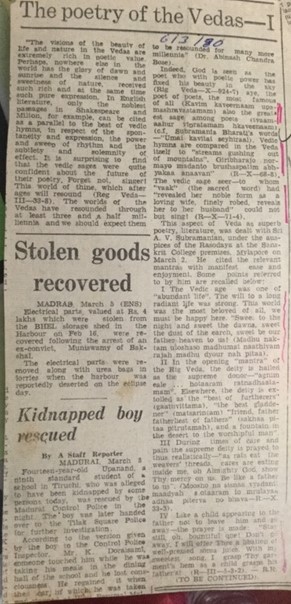
Indian Express newspaper cutting dated 6-3-1980
The visions of the beauty of life and nature in the Vedas are extremely rich in poetic value. Perhaps, nowhere else in the world has the glory of dawn and sunrise and the silence and the sweetness of nature, received such rich and at the same time such pure expression.
In English literature , only such noblest passages in Shakespeare and Milton, for example, can be cited as a parallel to the best Vedic hymns, in respect of the spontaneity and expression, the power and sweep of rhythm and the subtlety and solemnity of effect. It is surprising to find that the Vedic sages were quite confident about the future of their poetry
Never Forget This word of thine, O Singer !
Which future generations shall re-echo
— RV 3-33-8
The words of the Vedas have resounded through at least three and a half millennia and we should expect them to be resounded for many more millennia— (Dr. Abinash Chandra Bose).
Indeed, God is seen as the poet who with poetic power has fixed his beauty in the sky – RV
Aye, the poet of poets, the most famous of all
‘Kavim kaveernaam Upamasra vasthamam’
Also the greatest sage among the poets
‘Tvaam aahur vipratamam kaveenaam.’
In Subrahmanya Bharati s words
‘Umai kavithai seykiral’.
Vedic hymns are compared in the Veda itself to streams gushing out of mountains
The Vedic sage -seer to whom Vaak, the sacred word had revealed her noble form as a loving wife, finely robed, reveals her to her husband, could not but sing –RV10-71-4
.
The aspect of Veda as superb poetry, literature, was dealt with Sri A.V.Subrahmanian under the auspices of Rasodaya at the Sanskrit college premises, Mylapore on March 2. He cited the relevant mantras with manifest ease and enjoyment. Some points referred to by him are recalled below,
SWEET NIGHT AND DAY
1.The Vedic age was one of abundant life. The will to live a long and radiant life was strong. This world was the most beloved of all, we must be happy here.
Sweet to the night and
Sweet to the dawns
Sweet the dust of the earth,
Sweet be our father heaven to us.
‘Madhu naktam utoshaso madhumat naathivam rajah madhu dhyaur nah pitas’
2.In the opening mantra of the Rigveda the deity is hailed as the Supreme donor,
Agnimeele….. hotaaram ratnadhaatamam. Elsewhere the deity is extolled as the best of furtherers— gaatuvittama- the best gladdener— matsarintam, friend, father, fatherliest of fathers—sakhaayo pitaa pitrutamah and a fountain in the desert to the worshipful man.
RATS AND WEAVER
3.During times of care and pain the Supreme deity is prayed to thus realistically—-
As rats eat the weaver’s threads, cares are eating inside me, Oh Almighty God, show Thy mercy on us. Be like a father to us.
Moosho na sisnaa vyadanti Maadhyah sotaaram to mrulayaa adhaa piternava no bhava RV 10-33-3
CHILD AND FATHER
4.Like a child appealing to his father not to leave him and go away, the prayer is made
Stay still O Bountiful One
Don’t go away. I will offer Thee a libation of
Well pressed Soma juice .
With my sweetest song,
I grasp thy garment’s hem as a child grasps his father’s
Pictures are taken from various sources for spreading knowledge;
this is a non- commercial blog. Thanks for your great pictures.
tamilandvedas.com, swamiindology.blogspot.com
திருக்குறுங்குடி பற்றிய வல்லோசை மிகுந்த இரு பாடல்கள்!
ச.நாகராஜன்
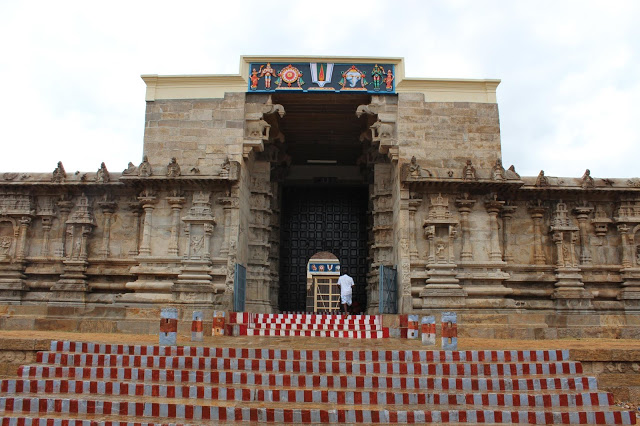
திருக்குறுங்குடி திருநெல்வேலி மாவட்டத்தில் நாங்குநேரி வட்டத்தில் அமைந்துள்ள ஒரு திவ்ய ஸ்தலம். 108 வைணவ திவ்ய க்ஷேத்திரங்களுள் இதுவும் ஒன்று. திருநெல்வேலியிலிருந்து இது 41 கிலோமீட்டர் தொலைவில் உள்ளது.
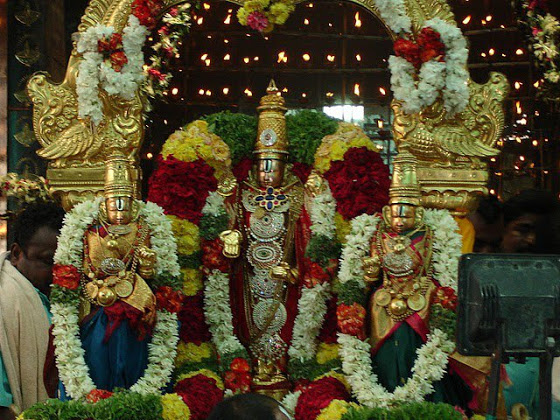
மூலவர் : வைஷ்ணவ நம்பி தாயார்: குறுங்குடிவல்லி நாச்சியார்.
ஒரு முறை சோழ மன்னன் ஒட்டக்கூத்தர், புகழேந்தி புடை சூழ திருக்குறுங்குடிக்கு விஜயம் செய்தான்.
ஒட்டக்கூத்தரை நோக்கி, “இங்கு எழுந்தருளி அருள் பாலிக்கும் திருமால் குறித்து ஒரு பாடலைப் பாடுவீராக. அது வல்லோசை மிகுந்த கட்டளைக் கலித்துறையாக அமைய வேண்டும்” என்றான்.
Pictures are taken from various sources for spreading knowledge.
this is a non- commercial blog. Thanks for your great pictures.
tamilandvedas.com, swamiindology.blogspot.com
I have dealt with this anecdote in my earlier articles. But hearing from Swami Ranganathananda makes it more interesting. Moreover, he gives it from a book written by a Parsi. Here is a story
from my paper cutting dated August 15, 1988, Bhavan’s Journal.
Swamiji writes
It will be educative to study the spirit and method of their reception in India.
That story is impressively presented in a book entitled
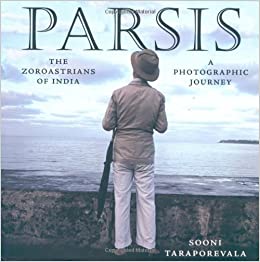
‘The Parsis’ written by a Parsi scholar Mrs Piloo Nanavutty and published by the National Book Trust, New Delhi, India. I was much impressed when I read that book. It contains a touching narration of the story of the Parsi refugees coming to the western coast of our Gujarat state and what happened to them.
Pp 38-40
“Under the Arabs, Iranians were forcibly converted to Islam. Those who clung to their ancient faith were persecuted and fled to the mountains of Kohistan in Khorasan. According to tradition they stayed here for 100 years. Then they went to the Persian gulf port of Hormuz where they are said to have remained for 15 years.
From there they set sail in seven junks, according to the Reverend Henry Lord writing in 1930 and arrived at Diu or Div, an island off the southern extremity of Kathiawar. They stayed there for 19 years and they again set sail this time for Sanjan, a small fishing village on the west coast of Gujarat where they landed around 785 (CE) , and where the local Hindu Raja Jadi Rana or Jadhav Rana gave them shelter.
According to Behman Kaikobad, when the Parsis approached Jadi Rana, he imposed five conditions on them. These were
1.The explanation of Zoroastrian religion to the Raja by the Parsi high priest who accompanied the refugees and had safeguarded the sacred fire all the way from Iran to India;
2.The adoption of Gujarati as their mother tongue
3.The adoption of sari by Parsi women;
4.The surrender of all weapons
5.And finally, the Parsi wedding processions to be held in the dark.
This last might have been a request from the refugees themselves, a protective measure to avoid the attention of other communities to an alien community in their midst.
A far more vivid account of the meeting between the Persian refugees and Jadhav Rana, than that in the Kissa, is given in the Gujarati Garbas, group songs and dances, composed by the Parsis and sung by Parsi women on such happy occasions as Navjots and weddings.
I give the story in prose which was once sung in verse:
Jadhav Rana issued a proclamation inviting all citizens to assemble in open maidan (meadow). On a throne covered with rich drapes, the Raja took his seat. He was dressed in royal robes, wore a magnificent turban and embroidered velvet slippers. Ranged round him were his mounted body guards, dressed in white, holding glittering spears.
At a signal from Jadhav Rana, the Persian refugees were brought into the centre of the assembly. Their frail, old priest, holding a small Afarghan with the sacred fire, was the spokesman for the group through an interpreter.
What is it you want from us, O strangers from a far land? Asked Jadhav Rana.
Freedom of worship, Sire, replied the old priest.
Granted. What else do you wish?
Freedom to bring up our young in our own traditions and customs.
Granted. What else do you wish?
A small piece of land that we could cultivate, so that we may not be a burden to the people among whom we live.
Granted. In return what will you do for the country of your adoption?
The old priest asked for a brass bowl to be filled with milk and brought to the assembly. This was done. He then stirred a spoon full of sugar in the bowl and holding it up in his trembling hands, asked,
Does any man see the sugar in this bowl of milk?
All shook their heads
Sire, said the priest, we shall try to be like this insignificant amount of sugar in the milk of your human kindness.
There were murmurs of approval from the crowd.
Then at a signal from the priest, all the refugees — men, women and the children — prostrated themselves in full length on the ground. Each picked up a hand full of earth and, with tears streaming their faces, they pressed it to their eyes and forehead .
Then after washing their hands and faces, the refugees turned their faces to the sun and recite d the Kusti prayers and performed Kusti ritual”.
How true it has been throughout the history of these twelve hundred years- this silent, sweetening, by the Parsis , of the milk of Indian society and culture.
When two cultured people meet together, this is what will happen.
Have you any parallel to this in any part of the world?
Pictures are taken from various sources for spreading knowledge.
this is a non- commercial blog. Thanks for your great pictures.
tamilandvedas.com, swamiindology.blogspot.com
முதலில் புதிய, சுவையான விஷயத்தைக் கொடுக்கிறேன். இதை 29 ஆவது பாயிண்டாக எண் NUMBERED AS 29TH POINT கொடுத்தாலும் புதியது என்பதால் முதலில் சொல்கிறேன்:-
பெரியோர்கள் எழுதிய எல்லா புஸ்தகங்களிலும் எதாவது சில தவறுகள் இருக்கத்தான் செய்யும். அதனால்தான் ‘யானைக்கும் கூட அடி சறுக்கும்’ என்ற பழமொழி எழுந்தது போலும்!
கோபாலன் என்றால் கண்ணன். மாடு மேய்ப்பவன். சிலப்பதிகார கோவலன் பெயரும் கோபாலன்தான் ப=வ இடம் மாறும் என்பது இந்திய மொழிகளில் காணும் விதி. வங்கம் என்பதை பங்க தேசம் என்பர் அவர்கள். இன்னும் சில சொற்களில் முதல் எழுத்து மறைந்து விடும். இதற்கும் எல்லா மொழிகளிலும் எடுத்துக்காட்டுகள் உள்ளன . அதே போல அஜபாலன் என்றால் ஆட்டிடையன் என்று பொருள்.
அஜ என்றால் ஆடு- பாணினி சூத்திரம் 4-1-4; 4-2-39 —
ஆஜக என்றால் ஆட்டுமந்தை ;
ஆடுகளும் செம்மறி ஆடுகளும் சேர்ந்து இருந்தால் ‘அஜாவி’ அல்லது அஜைட ;
ஜாபால – ஆட்டிடையன் ;
மஹா ஜாபால – 4-2-38 = ஆடுகள் பிசினஸ் BUSINESS நடத்தும் முதலாளி ;
(மாஸாத்துவன் , மாநாயக்கன் என்ற சிலப்பதிகார கதாபாத்திரங்கள், கோவலன் என்பதெல்லாம் தூய சம்ஸ்க்ருத சொற்கள் = மஹா சார்த்தன் / நில வணிகர் தலைவன் ; மஹா நாயகன் = கடல் வணிகர் தலைவன் ; கோவலன் = கோபாலன் .)
வி.எஸ். அக்ரவாலா / அகர்வால் , ஆடுகள் பற்றிய குறிப்புகளை சொல்லிவிட்டு தன ‘மேதாவிலாச’த்தைக் காட்டுகிறார். ஜாபால என்பது எபிரேய / ஹீப்ரு மொழியுடன் தொடர்புடையது என்றும் யோபெல், அல்லது ஜோபில் YOBEL OR JOBIL என்றால் ஆட்டின் கொம்பு என்றும் அதிலிருந்தே ஜூபிளி JUBILEE என்ற சொல் நமக்குக் கிடைத்ததென்றும் பகர்கிறார். பாணினிக்கு செமிட்டிக்-ஈரானிய சொற்கள் பற்றிய பரிச்சயம்/தொடர்பு இருப்பதை இது காட்டுகிறது என்றும் உரைக்கிறார். இதற்கு மறறொரு எடுத்துக்காட்டு ஆலகால விஷம் என்ற சொல் என்றும் தொடர்கிறார். (அராபிய ஹலகில , ஹாலாஹல பற்றி முன்னரே என் கட்டுரையில் கொடுத்துவிட்டேன்).; கர்ஷ என்ற பழத்தை குறிக்கும் சொல்லும் இப்படிப்பட்டதே என்று முடிக்கிறார்.
மாடு மேய்ப்பவன் கோ–பாலன், ஆடு மேய்ப்பவன் அஜ– பாலன் என்பதை நாம் எளிதில் காணலாம். இவர் ஏன் இப்படி கஷ்டப்பட்டு பொருள் சொல்கிறார் என்று தெரியவில்லை . இதை இங்கு எழுதுவதன் காரணம் நம்மிடமிருந்து ந்தச் சொல் மத்திய கிழக்கு வரை சென்றது என்பதைக் காட்டவே!
XXXX
இதுவரை பல ஆங்கில, தமிழ் கட்டுரைகளின் மூலம் நான் கீழ்கண்ட விஷயங்களை உங்களுடன் பகிர்ந்துள்ளேன் . ஆனால் ஆலகால விஷம் , குக்குலு வாசனைப் பொருள், மற்றும் கோணி ஆகியனவும் மத்தியக் கிழக்கிலிருந்து இந்தியாவுக்கு வந்தது என்று வேத சொற்களின் அடைவு/ இண்டக்ஸ் VEDIC INDEX தயாரித்த கீத் KEITH மற்றும் பாணினி அறிந்த இந்தியா என்ற INDIA AS KNOWN TO PANINI புஸ்தகம் எழுதிய வி.எஸ் அக்ரவாலா (அகர்வால்) கூறுவது வினோதமாக உள்ளது .
XXX
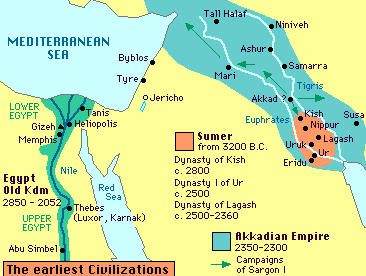
INDO- SUMERIAN SIMILARITIES
1. மைல் கல் ஒற்றுமை
2..பிரளயம் – மீன் -கப்பல்-மனு கதை
3.சு+ மேரு SU+ MER மலை பெயர் ஒற்றுமை
4.சிக்குராட்ZIGGURAT – சிகர – கோவில்
5.மன்னர் ஆட்சி ஆண்டுகளைக் குறிக்கையில் ஆயிரம் என்ற எண்ணை சேர்க்கும் ஒற்றுமை.
XXXX மன்னன் 36 ஆயிரம் ஆண்டுகள் ஆண்டான். தசரதனுக்கு
60 ஆயிரம் மனைவியர் ; தமிழர்களும் மூன்று சங்கம் பற்றிக் கூறுகையில் இப்படி ஆயிரம் சேர்த்தனர்
6.பெயர்களுக்கு முன்னர், முன் ஒட்டு PREFIX சேர்த்தல்- நின், என், சின்
இது சம்ஸ்க்ருத பாணி:– சு+மதி சு+ குமார், சு +கந்தன். தமிழரும் ஸம்ஸ்க்ருதத்தைப் பின்பற்றி ,
ந+க்கீரன், ந+ச்செள்ளை, ந+க்கண்ணை, ந+ப்பின்னை, இளம்+ நாகன், முது +குடுமி, ந+ப்பாலத்தன் என்று சங்க காலத்தில் பெயர் வைத்துக் கொண்டனர்.
7.கிரஹணம் பற்றிய கருத்து (SOLAR, LUNAR ECLIPSES)
8.சக்கரத்தைப் பயன்படுத்தல் USE OF WHEEL
9.மேதான திஷ்ட, உத்தான பிஷ்டிம் என்பன புராண
நாபா நேதிஷ்ட , உத்தான பாதன் என்பனவற்றோடு
ஒப்பிடலாம் . NAMES IN BOTH CULTURES.
10. ராம சந்திரன் , பரத சந்திரன் , கிஷ்கிந்தா என்பன ரிம் சின் , வரத் சின் , கிஷ் ராஜ்யம் ஆகியவற்றில் உளது. RIM SIN, VARAD SIN, KINGDOM OF KISH
11.கல்ஹணர் எழுதிய ராஜதரங்கிணியும் , வராஹமிஹிரர் எழுதிய பிருஹத் ஜாதகம், சம்ஹிதையும்
கலியுகத் துவக்கம் 3102 என்பதை ஏற்காமல் கி.மு 2600 என்று 502 ஆண்டுகளைக் குறைத்துக் கணக்கிடுவது மர்மமாக உள்ளது. இன்று உலகெங்கிலும் வாழும் ஒவ்வொரு மதத்தினரும் பல்வேறு காலண்டர்களை ஒரே நேரத்தில் பயன்படுத்துகின்றனர். புத்தர் விஷயத்திலோ பர்மா, இலங்கை, திபெத், இந்தியா கணக்கீட்டில் 400 வருஷம் வித்தியாசம் வருகிறது. அதிசய ஒற்றுமை என்னவென்றால் கி.மு, 2600-ஐ ஒட்டி சுமேரிய பிரளய கதை வருகிறது . ஆக அப்போதிலிருந்து ஒரு புதுக் கணக்கு துவங்கி இருக்கலாம் . தமிழ் நாடு அரசு கடந்த 50 ஆண்டுக்குள் திருவள்ளுவர் ஆண்டைப் பின்பற்றுகிறது. இந்திய அரசு ரேடியோவில் ‘சக வருஷ’த்தை அறிவிழ்க்கிறது . எல்லோரும் ஆங்கில ஆண்டை நடை முறையில் பின்பற்றுகிறோம். அதுவோ மகா தப்பு. செப்டம்பர் என்பதை (9), அக் டோபர் (10) என்பதை பத்து என்று தப்புத் தப்பாகச் சொன்னாலும் நாம் அதை ஏறுக்கொண்டுள்ளோம்.
சப்த- 7, அஷ்ட-8, நவம்பர்-9, தசம்பர் -10 என்பதை ஜூலியஸ் சிசர், போப்பாண்டவர் கிரிகாரி மாற்றி குழப்பம் உண்டாக்கினார்கள். இது போல கல்ஹணர் செய்த கலியுக குழப்பத்தை ஓரளவு சுமேரியா ஆதரிக்கிறது.
12.ஒன்பதின் மடங்கை இரண்டு கலாசார கணக்கீட்டிலும் காண்கிறோம்; யுகம் எல்லாவற்றையும் ஒன்பதால் வகுக்கலாம்.
13.உத்தரகுரு என்னும் அதிசய பூமியை புராண , இதிஹாசங்கள் புகழ்கின்றன. இதை பத்தர் குரு என்று சுமேரியர்கள் சொல் கின்றனர்
14.வாகன ங்களின் மீது கடவுள் பவனி வருவதை இரு கலாசாரங்களிலும் காண்கிறோம். சுமேரியா என்பது தெற்கு இராக் பகுதி மட்டுமே என்றாலும் ஒவ்வொரு காலத்திலும் ஆட்சியாளரைப் பொறுத்து அவர்களின் அதிகார வீச்சு பரவலாக இருக்கும் .
15.சுவஸ்திகா சின்னம், தந்தப் பொருட்கள், இந்திய ரத்தினைக் கற்கள் இரண்டிலும் உள
16.அசீரிய மன்னர்கள் அனைவரும் தங்களை அசுரர்கள் என்று அழைத்ததுக் கொண்டனர். ரிக் வேதத்திலும் இந்திரன், வருணன் ஆகியோர் அசுரர் என்று புகழப்படுகின்றனர் . பாணினி ‘அசுர ஜனபத’ த்ததையும் குறிப்பிடுகிறார்
17.துலாபாரம் கொடுப்பது
18.ராஜா மகன் ராஜா ஆவது
19.புராணங்கள் போலவே மன்னர் பட்டியலை அளிப்பது (வரருசி /பெரோசஸ் BEROSUS ) என்பவர் முறையான மன்னர் பட்டியலைத் தருகிறார்.
20.அலிகி , விளிகி ALIGI, VILIGI என்ற அசுரர் தொடர்பான சொற்கள் அதர்வண வேதத்தில் உளது. சுமுகன் என்பவரை மநு ‘மோசமான மன்னர்’ BAD KINGS பட்டியலில் குறிப்பிடுகிறார். இவை னைத்தும் சுமேரியாவில் உளது
‘சுமுகன் பெயர் மர்மம்’ கட்டுரையில் விளக்கியுள்ளேன்
21.இருதலைக் கழுகு (அண்ட பேரண்ட பக்ஷி ) இரண்டு பண்பாட்டிலும் உளது
23.மலை மகள் கல்யாணம் (மதுரை மீனாட்சி கல்யாணம், திருப்பதி பாலாஜி கல்யாண உற்சவம் போல ஆண்டுதோறும் நடை பெறும் )
24. கோவில்களில் தேவதாசி முறை
25.பாம்பு ராணி
26.கோவில் வாசலில் துவஜ ஸ்தம்பம்
27. ‘மான’ என்னும் எடை:–
குறளில் வள்ளுவர் ‘மானப் பெரிது’ என்பார். பிராமணர் வீட்டுக் கல்யாணங்களில் ஓதி விடுகையில் சத’மானம்’ போவது என்ற ((100 எண் தங்க காசு மந்திரத்தைச் சொல்லி விட்டு ….)). இன்னார் ஓதிவிட்டது லக்ஷம் கட்டி வராகன் என்று அய்யர் உயர்ரத குரலில் அறிவிப்பார். இதே முறையை மன்னர் பற்றிக் கூறுகையிலும் ஆயிரம் என்று சேர்த்துச் சொல்லுவார்கள் சுமேரிய மன்னர்கள் 36000, 45000 ஆண்டுகள் ஆண்டனர் என்று வரருசி /பெரோசஸ் எழுதியதை இன்று 36, 45 என்றே புஸ்தகங்கள் கூறும்.
28. இந்தியாவின் வடகோடியில் இருந்து தென் கோடி வரை புரம் . புரி , பூர் , ஊர் என்பதை இன்றும் காணலாம் . ஹஸ்தினாபுரம் துவங்கி கருவூர், உறையூர் வரவு உளது. சுமேரியாவின் மிகப்பெரிய நகரமும் ஊர் – புரி என்றே அழைக்கப்பட்டது
16 Feb 2021 — WRITTEN BY LONDON SWAMINATHAN. Post No. 9272. Date uploaded in London – –16 FEBRUARY 2021. Contact – swami_48@yahoo.com. Pictures are taken from various sources for spreading knowledge. this is a non- …
12 Dec 2020 — tamilandvedas.com, swamiindology.blogspot.com … உடலுக்குப் பூசும் வாசனைப் பொருட்களில் குங்கிலியம் … ஏனெனில் அவர்கள் மத வழிபாட்டுத் தல ங்களில் அதர்வண வேதம் சொல்லும் பொருள், …
tamilandvedas.com, swamiindology.blogspot.com … மரத்துண்டுகள், சம்ஸ்க்ருத மன்னர் பெயர்கள் பற்றி எழுதியுள் ளேன் . … சுமேரிய கல்யாணம்- இந்து திருமணம் ஒப்பீடு (Post No.3723) … என்பதும் க்மேர் என்பதும் குமேருவில் பிறந்த சொற்கள் என்பதே!
tamilandvedas.com, swamiindology.blogspot.com … சுமேரிய கல்யாணம்- இந்து திருமணம் ஒப்பீடு (Post No.3723) … இந்த வழக்கம் வட இந்திய இந்துக்களிடையே – குறிப்பகத் தமிழ்நட்டுக்கு – வடக்கில் இன்றும் …
25 Dec 2018 — பழங்கால இந்தியாவில் நிறைய தர்ம சாஸ்திரங்கள் (சட்ட … அவனுக்கு முன்னரே பாபிலோனியா, சுமேரியா முதலிய அரசுகளின் … முதலில் மநுவின் சட்ட நூலுக்கும் ஹமுராபி சட்டத்துக்கும் உள்ள மேம்போக்கான ஒற்றுமைகளைக் …
Pictures are taken from various sources for spreading knowledge;
this is a non- commercial blog. Thanks for your great pictures.
tamilandvedas.com, swamiindology.blogspot.com
திருநெல்வேலியிலிருந்து மாதந்தோறும் வெளியாகும் ஹெல்த்கேர் இதழில் ஏப்ரல் 2021 இதழில் வெளியாகியுள்ள கட்டுரை!
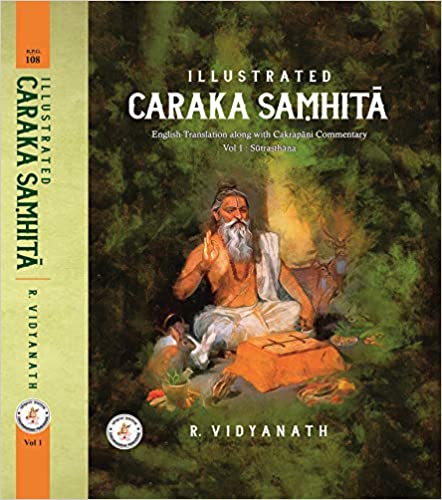
ஆசார்ய சரகர்: ஆயுர்வேத நூல் அருளிய மஹான்!
ச.நாகராஜன்
இன்று உலகெங்கும் பிரபலமாகி இருக்கும் ஆயுர்வேத சிகிச்சை முறை பாரதத்தில் உதித்தது தான். இதை முறைப்படுத்தி ஒரு நூலாக வழங்கியவர் ஆசார்ய சரகர்.
வேத முறையிலான வைத்தியம் இது என்பதால் வேதம் கூறும் பூரண ஆயுளான 120 ஆண்டுகள் ஆரோக்கியமாக ஒரு மனிதன் வாழ்வதற்கான அற்புதமான ரகசியங்களையும் அனுபவ பூர்வமான நடைமுறைகளையும் சரகர் தனது நூலான சரக சம்ஹிதையில் தந்திருக்கிறார்.
எல்லாவற்றையும் ஆராய்ந்து அதிலிருந்து உரிய சிகிக்கை முறைகளைத் தருவதோடு அறநெறிகளை அனைவரும் கடைப்பிடித்து ஆரோக்கியத்துடன் 120 ஆண்டுகள் பூரண ஆயுளுடன் வாழ வேண்டும் என்பதே அவரது ஆசை.
ஒரு நாள் சரகர் தனது சிஷ்யர்களுடன் வனப் பகுதியில் சஞ்சரித்துக் கொண்டிருந்தார். பூக்களையும் செடிகளையும் மரங்களையும் நன்றாக ஆராய்ச்சி செய்வது அவரது பண்பு. அவரது சஞ்சாரத்தில் ஒரு அபூர்வமான மலரைக் கண்டார். இதுவரை பல நூறு பூக்களை அவர் பார்த்திருந்தாலும் கூட அது இதுவரை பார்த்திராத அபூர்வமான புஷ்பம்! உடனே அதை எடுக்க அவர் தனது காலை முன் வைத்தார். உடனேயே நின்று விட்டார்.
அருகிலிருந்த சிஷ்யர் ஒருவர், “ஆசார்யரே, உங்களால் இதைப் பறிக்க முடியவில்லை எனில் நான் சென்று பறித்து வரவா?” என்று அவரிடம் அனுமதி கேட்டார்.
ஆசார்யர் அவரை நோக்கி, “சிஷ்யா! எதிலும் ஒரு நியதி உண்டு. இதைப் பறிக்க அனுமதி வேண்டுமே” என்றார்.
“அனுமதியா? யாரிடமிருந்து? ஒரே ஒரு பூ! வனாந்திர பிரதேசம். இதைப் பறிக்க யாரிடம் அனுமதி பெற வேண்டும்?” என்றார் சிஷ்யர்.
சரகர் அவரை நோக்கி, “அப்பனே, ராஜ நீதி வேறு, அறநெறி முறை வேறு.இங்கு யாரும் காணப்படவில்லை என்றாலும் கூட, இந்தப் பகுதிக்கு உரிமையாளராக இருக்கும் குடியானவனிடம் அனுமதி பெற்று அல்லவா இதைப் பறிக்க வேண்டும். இதுவே அறநெறி முறையாகும்” என்றார்.
சொன்னதோடு நில்லாமல் வெகு தூரம் சென்று அந்தப் பகுதிக்குச் சொந்தமானவரை விசாரித்து அறிந்து கண்டு அவரிடம் அந்த ஒரு பூவைப் பறிக்க அனுமதி கேட்டுப் பெற்றார்.
அறநெறியே வாழ்க்கைக்கான அடிப்படை விதி என்பதை ஆசார்யரிடமிருந்து கற்றனர் சிஷ்யர்கள்.
தேசமெங்கும் இப்படி அலைந்து திரிந்து ஒவ்வொன்றையும் பற்றி ஆராய்ந்ததால் அவர் சரகர் என்ற பெயரைப் பெற்றார். சரகர் என்றால் அலைபவர் என்று பொருள்.
இப்படி அவர் வாழ்க்கையில் ஏராளமான சம்பவங்கள் உண்டு.
சரக சம்ஹிதாவில் 120 அத்தியாயங்கள் உண்டு.
இந்த நூல் எட்டுப் பகுதிகளைக் கொண்டது. 1) சூத்ர ஸ்தானம் 2) நிதான ஸ்தானம் 3) விமான ஸ்தானம் 4) சரீர ஸ்தானம் 5) இந்திரிய ஸ்தானம் 6) சிகித்ஸா ஸ்தானம் 7) கல்ப ஸ்தானம் 8) சித்தி ஸ்தானம்
சரகர் ஆதிசேஷனின் அவதாரமாகவே கருதப் படுகிறார்.
சிகிச்சை முறையில் மந்திர பிரயோகத்தையும் அவர் கூறியிருப்பது ஒரு தனிச் சிறப்பாகும்.
விஷ்ணு சஹஸ்ரநாமத்தை உச்சரித்தால் ஜுரம் போகும் என்பது அவரது அருளுரை.
மருத்துவம் பற்றிய 60 ரிஷிகளின் கூற்றை அவர் கூறுகிறார். இப்படி வசிஷ்டர், ஜமதக்னி, வாமதேவர், பிருகு உள்ளிட்ட மஹரிஷிகளை அவர் ஆங்காங்கே மேற்கோள் காட்டுகிறார்.
தாவரத்திலிருந்து உருவாக்கப்படும் 341 மருந்து வகைகளை அவர் பட்டியலிடுகிறார்.
விலங்குகளிடமிருந்து உருவாகும் 177 மருந்து வகைகளையும் உலோகம் மற்றும் தாதுப் பொருள்களிலிருந்து உருவாகும் 64 மருந்து வகைகளையும் அவர் குறிப்பிடுகிறார்.
சரகர் வாழ்ந்த காலத்தைச் சரியாக நிர்ணயிக்க முடியவில்லை என்ற போதிலும் பொதுவாக அவர் இன்றைக்கு 2200 ஆண்டுகளுக்கு முற்பட்டவர் என்பது தெரிகிறது.
சரக சம்ஹிதை லத்தீன், அராபி மொழி உள்ளிட்ட ஏராளமான மொழிகளில் மொழிபெயர்க்கப்பட்டுள்ளது.
1898ஆம் ஆண்டு அமெரிக்காவில் நியூயார்க்கில் சார்லஸ் எல்.டானா, ஜோஸப் கொல்லியர்ஸ், பெடரிக் பாட்டர்ஸன் மற்றும் பர்னாட் ஷாஸ் (Charles L.Dana, Joseph Colliers, Federick Petterson and Barnad Sachs) ஆகியோரால் ஆரம்பிக்கப்பட்ட மருத்துவ சங்கத்திற்கு ‘சரகா க்ளப்” என்று அவரை மரியாதை செய்யும் விதமாகப் பெயர் சூட்டப்பட்டது.
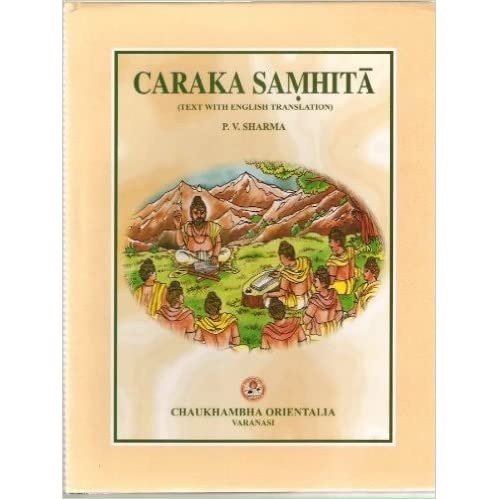
உலகெங்கும் பெரிதும் மதிக்கப்படும் இவரது நூலுக்கு ஏராளமானோர் விளக்கவுரைகள் எழுதியுள்ளனர். சம்ஸ்கிருத மூலமும் ஆங்கில மொழிபெயர்ப்பும் உள்ள சரக சம்ஹிதை இப்போது கிடைக்கிறது.
சரகரைப் பற்றி அமெரிக்காவின் தலை சிறந்த மருத்துவ நிபுணரான டாக்டர் ஜார்ஜ் க்ளார்க் கூறுவது இது:
“As I go over each fasciculus I arrive at only one conclusion and that is this:
If the physician of the present day world drop from the pharma copoeia all the modern drugs and treat their patients according to the method of Charaka there would be the least work for the undertakers and fewer chronic invalid to the world.” – George Clerk (Leading Physician, USA)
“ஒவ்வொரு சிறுபகுதியாக நான் படிக்கும்போது, நான் ஒரே ஒரு முடிவுக்குத் தான் வருகிறேன். அது இது தான்:
இன்றைய நாளில் உள்ள மருத்துவர்கள் மருந்தியலில் உள்ள அனைத்து நவீன மருந்துகளையும் விட்டு விட்டு சரகர் சொல்கின்ற முறை போல தங்கள் நோயாளிகளை சிகிச்சை செய்ய ஆரம்பித்தார்களெனில் சவங்களைச் சுமந்து செல்பவர்களுக்கு மிகக் குறைந்த வேலையே இருக்கும். அத்துடன் உலகில் நோயால் செயலற்று இருப்பவர்களும் குறைவாகவே இருப்பர்.”
நவீன மருத்துவத்தில் முன்னேறியுள்ள மேலை உலகம், இதை விட சரகருக்கு என்ன புகழுரையைத் தர முடியும்?!














 Tamil and Vedas