சங்கத் தமிழ் இலக்கியத்தில் புராணக் காட்சிகள்-1 (Post No.11,301)

WRITTEN BY LONDON SWAMINATHAN

Post No. 11,301

Date uploaded in London – 27 SEPTEMBER 2022         

Contact – swami_48@yahoo.com

Pictures are taken from various sources for spreading knowledge.

this is a non- commercial blog. Thanks for your great pictures.

tamilandvedas.com, swamiindology.blogspot.com

https://www.pustaka.co.in/home/author/london-swaminathan

Xxx

பழந் தமிழ் நூலான தொல்காப்பியம் முதல் பிற்காலத்தில் வந்த ‘சமயம் அல்லாத’ நூல்களில் கூட  வேத இதிஹாச, புராண கதாபாத்திரங்ககளைக் காண்கிறோம். அமிர்தம், கங்கை நதி , இமய மலை , கற்புக்கரசி அருந்ததி, சப்த ரிஷிக்கள், ராஜ சூய யாகம் , யூப நெடுந் தூண் , ஆகியவற்றையும் இந்திரன், வருணன், விஷ்ணு, ஸ்கந்தன் , சிவன் ஆகியோரையும் சங்க நூல்களில் காண்கிறோம் . புறநானூறு, அக நானூறு காட்டும் ராமாயணக்  கதைகள் கம்பனிலோ , வால்மீகியிலோ  இல்லை என்பதும், கண்ணன் – கோபியர் கதையை 2000 ஆண்டுகளுக்கு முன்னரே தமிழன் எழுதிவிட்டான் என்பதும் பெருமைக்குரிய விஷயங்கள்.

தனம் தரும் கஜலெட்சுமி

சில புராணக் காட்சிகளைக் காண்போம்:

ஒரு புலவர் மலைகளையும் காடுகளையும் கடந்து செல்கிறார். அப்போது ஒரு அறிய காட்சியைக் காண்கிறார். இரண்டு புறம் மலைகள்; அந்த இரண்டிலும் அருவி நீர் கொட்டிக்கொண்டு இருக்கிறது. இந்த அ ருவிகளுக்கு இடையே ஒரு வேங்கை மரம் பூத்துக் குலுங்குகிறது. இதைப் பார்த்தவுடன் கஜ லெட்சுமி உருவம் அவர்  மனதுக்கு வந்துவிடுகிறது. உடனே கவி மழை பொழிகிறார்;

கபிலரின் குறிஞ்சிக்கலி – 44 ஆம் பாடல்

கதிர் விரி கனை சுடர்க் கவின் கொண்ட நனம் சாரல்    44-1

எதிர் எதிர் ஓங்கிய மால் வரை அடுக்கத்து,              

அதிர் இசை அருவி தன் அம் சினை மிசை வீழ,         

முதிர் இணர் ஊழ் கொண்ட முழவுத் தாள் எரி வேங்கை,     

வரி நுதல் எழில் வேழம் பூ நீர் மேல் சொரிதரப்,           

புரி நெகிழ் தாமரை மலர் அம் கண் வீறு எய்தித்         

திரு நயந்து இருந்தன்ன தேம் கமழ் விறல் வெற்ப! 

*ஞாயிற்றின் கதிர்கள் விரிந்து அடர்ந்த ஒளியால் அழகு கொண்ட அகன்ற மலைச்சாரலில், எதிர் எதிரே ஓங்கி நின்ற கரிய மலைத்தொடர்களில்,  அதிருகின்ற இசையை எழுப்பும் அருவி, தனது அழகிய கிளைகளின் மேல் விழ, முதிர்ந்த மலர்கொத்துகள் மலர்கின்ற முழவு போலும் அடிமரம் படைத்த்த, (மலர்களின் நிறம் காரணமாக) நெருப்புபோல் தோன்றும் வேங்கை மரத்தின் மேல், நெற்றியில் வரிகளையுடைய அழகிய களிறு ஒன்று, மலரும் நீரும் கலந்து ( தீ அணைக்க?) பொழிய, மொட்டு அவிழ்ந்த தாமரை மலர், தன்னிடத்தே அழகு பெற்று, திருமகள் விரும்பி இருப்பது போல், அதன் தேனின் மணம் கமழும் வெற்றியை உடைய மலைநாடனே!.

GAJA LAKSHMI FROM DENMARK (200 BCE)

கஜ லட்சுமியின் படம் எல்லார் வீட்டுக் கதவுகளிலும் , குறிப்பாக நாட்டுக்கோட்டை செட்டியார் வீட்டுத் தேக்கு  மரக்கதவுகள் அல்லது வாசலில் பொறிக்கப்பட்டிருக்கும். இலங்கையின் தென் கோடியிலும் கஜ லெட்சமி உள்ளாள் . டென்மார்க் நாட்டிலுள்ள சதுப்பு நிலப்பகுதியில்  குண்டஸ்ட்ரப்(Gundestrup in Denmark) என்னும் இடத்தில் கிடைத்த அண்டாவிலும் கஜலெட்சமி இருக்கிறாள். இவை அனைத்தும் 2000 ஆண்டுகளுக்கு முந்தியவை. ஆகையால் தமிழ்ப் புலவருக்கு கஜலட்சுமி காட்சி தந்ததில் வியப்பில்லை!

Xxx

ராவணனை அலற வைத்த கயிலை மலை

அடுத்த காட்சியைக் காண்போம் :

கபிலரின் குறிஞ்சிக்கலி – 38 ஆம் பாடல்

இமைய வில் வாங்கிய ஈர்ஞ் சடை அந்தணன்                 38-1

உமை அமர்ந்து உயர் மலை இருந்தனன் ஆக,               

ஐ இரு தலையின் அரக்கர் கோமான்                                  

தொடிப் பொலி தடக்கையின் கீழ் புகுத்து, அம் மலை    

எடுக்கல் செல்லாது உழப்பவன் போல –                              38-5

உறு புலி உரு ஏய்ப்பப் பூத்த வேங்கையைக்                

கறுவு கொண்டு, அதன் முதல் குத்திய மத யானை,     

நீடு இரு விடர் அகம் சிலம்பக் கூய்த், தன்                 

கோடு புய்க்கல்லாது, உழக்கும் நாட! கேள்;  

பொருள்:

*கயிலையிலே சிவ தனுசுவை வளைத்த ஈர சடையை உடைய அந்தணனாகிய சிவன், உமையவளொடு அமர்ந்து இருந்தான். அப்போது பத்து தலைகளை உடைய, அரகர்களின் தலைவன் இராவணன், வளை பொலிந்த தன் கைகளை அடியில் புகுத்தி  பின் அந்த மலையை எடுக்க முடியாமல் (அரற்றி) உழல்பவன் போல், 

புலியின்  உருவம் என ஏமாறும் வண்ணம் பூக்கள பூத்திருந்த வேங்கை  மரத்தின் அடியை சினத்தால் குத்திய மதம் கொண்ட யானை, நெடிய இருண்ட மலையகம் முழுதும் ஒலிக்குமாறு கூவி தன் கொம்புகளை மீட்டு எடுக்க முடியாமல் உழக்கும் நாட்டை உடையவனே! கேட்பாயாக!

ராவணன் தன் அகந்தை எல்லை மீறிப் போகவே சிவனும் உமையும் வசிக்கும் கயிலை மலையையே தூக்க முயற்சி செய்து , கைகள் நசுங்கவே, அலறிக்கொண்டு , கெஞ்சிக் கேட்டு விடுதலை பெற்றான். இதைத் தேவாரம் பாடிய  திரு ஞான சமம்பந்தர் ஒவ்வொரு பதிகத்தின் இறுதியிலும் பாடி இருக்கிறார். அவருக்கு  முன்னரே கபிலர் பாடியதில் வியப்பில்லை.

Xxxx

முருகனின் முத்து மாலை

மற்றொரு  புலவருக்கு வானத்தில் பறவகைகளைக் கண்டவுடன் முருகன் ஞாபகம்  வந்துவிடுகிறது . குமரியிலிருந்து பறவைகள் இமய மலைக்குக் குடியேறுவதை  தமிழர்கள் நன்கு அறிவார்கள். இது ஆண்டுதோறும் நடைபெறும்  பற வைகள் குடியேற்றம் ஆ கம்.இது .

நெடுவேள் மார்பில் ஆரம் போலச்

செவ்வாய் வானம் தீண்டி மீன் அருந்தும்

பைங் காற் கொக்கின் நிரை பறை  உகப்ப

……………………..

–அக நானூறு 120, நக்கீரர்

திருமுருகாற்றுப்படை பாடிய முருக பக்தரான  நக்கீரர் , வாய்ப்பு கிடைத்த போதெல்லாம் முருகனைப் பாடிப் பரவுவது இயற்கைதான். அவர் சொல்கிறார் —

பெரும்புகழுடைய  முருகப் பெருமானின் மார்பில் சூட்டப்பட்ட முத்துமாலை போலச் சிவந்த வானத்தில் பொருந்தி, மீனை உண்ணும் பசிய காலை உடைய கொக்கினம் , வரிசையாய்ப் பறந்து உயர, பகற்பொழுதைப் போக்கி ஞாயிறு மேற்குத் திக்கில் மறைய மலையை  அடைந்தது.

பறவைகள் குடியற்றத்தைக் காணும் பறவை இயல் ஆர்வலர்களுக்கு இந்தப் பாடலின் பொருள் தெள்ளிதின் விளங்கும் ; வானத்தைப் பார்த்தால் வெள்ளை நிறக் கொக்குகள் ,அரை வட்ட வடிவில் , ஆங்கில எழுத்தான  V  வடிவில் , பறக்கும் . அதை முத்துமாலை என்று வாருணித்தது பொருத்தமே.

To be continued…………………………….

Tags- புராணம், சங்க இலக்கியம், இந்து மதம்,கடவுள், முருகன் , முத்து மாலை, ராவணன், கயிலை மலை
KARI for Elephant is Not a Tamil Word? -Part 8 (Last Part) Post No.11,300

WRITTEN BY LONDON SWAMINATHAN

Post No. 11,300

Date uploaded in London – 27 SEPTEMBER 2022         

Contact – swami_48@yahoo.com

Pictures are taken from various sources for spreading knowledge.

this is a non- commercial blog. Thanks for your great pictures.

tamilandvedas.com, swamiindology.blogspot.com

https://www.pustaka.co.in/home/author/london-swaminathan

Xxx

Part 8 (Last Part)

Sangam age Tamil poet Nallantuvanaar was enjoying the scene of elephants bathing in the flooded river; he saw elephants bathing with their mates in such depths that their trunks get submerged- Akanaanuuru verse 43.

Nalvelliyaar (Miss Good Friday) was a poetess who was acquainted with the mountain scenery and the life of the animals there, especially of the elephants. Here is one description:

There is a pathetic picture of a family of elephants. The male is killed by a tiger, and the bereaved mate with its young one close to it, grieves over the loss like the warrior fatally wounded in a battle field – Natrinai 47

The elephants always move in a herd with a leader among them. The poetess refers to this in a comparison wherein she states that that the hero who has to leave his love returns to his village like the male elephant deserted by its herd- Akanaanuuru 32.

Paranar , one of the oldest and celebrated Sangam poets, punned on the word Venkai which means both a tiger and a tree with yellow flowers. The elephant hears the blended notes of the musical instruments of musicians and mistakes it for the roar of a tiger, gets angry, attacks a blossomed Venkai tree tears off its branches and wearing it on its head makes a roar that echoes in the mountain rocks-Pathitruppaththu 41

A block of rock covered with the Venkai blossoms looks like the coloured spots and stripes on the cheetah or tiger. So Tamils used this word to mean both the tree and the animal. They, very often, used it as apun.

Tamils were so wealthy they used ivory dice made up of elephant’s tusk- Akanaanuuru 135.

Mamulanar (maa muula naar) describes a horrible scene of a python slowly devouring a male elephant when its mate spends sleepless nights  roaring with great sorrow- Natrinai 14

In another picture , a tiger attacks a male elephant whose loud roar terrifies its mate and makes it run away leaving its young one; after a while the poor  female elephant searches for the young one with its trunk raised up and placed on its head, – really an affectionate mother searching for her missing child –

Akananuru 347

Uttiyar (uuttiyaar) is an unidentified poet of Sangam period. Like the compilers of the Rig veda, Tamils also named the unidentified poets with their repeated words or unique expression in the poem. The phrase used by the poet is ‘uutti anna’- paint like, is used as his name. He is describing a pathetic scene. A young elephant was carried away by a swift mountain stream immediately after a heavy rain. Its mother cried aloud and its father searches for it in the flowing current of water- Akananuru

Animal intelligence

Kavan Mullaipputanar  gives us some information on wise  elephants.  They are pictured wise enough to suspect a pit as one dug out by the hunters to catch them though in fact it is a well dug out and unfinished as no water was found in it- Akananuru 21

The dried leaves over it are thought of by the elephants as having been wantonly used by the hunters to camouflage the pit and to deceive the animals coming that way, and they get angry and fill it up. This the poet must have seen with his own eyes or learnt from the reports of others.

There are many similes comparing the mountain to an elephant. It is most appropriate when the waterfall on the mountain is compared to the must of the ruttish elephant.

A Konku tree of golden blooms is compared to an elephant. Adorned with gold ornaments- Kalittokai 42

Everything dark, huge and majestic suggests to the poets’ comparisons with the elephant, the greatest mammal of the hill. The blocks of rocks in the hills are to the poet like the elephants– Kalittokai 108.

The ruttish elephant that breaks its pegs, kills its keeper and runs wildly, is compared to a ship that is driven by the storm from its moorings–Maturaikkanchi  375-383.

There are some happy scenes watched by the pots as well. The baby elephants are said to play with the boys of the adjacent village (Kuruntokai 394) . There is a picture of a young elephant competing  with a boy and running to take a wood apple just fallen from the tree in front of the house- Purananuru 181

The broad leaves of the Cempu plant and the lotus waving in the wind remind the poets of the ceaseless waving of the ears of the elephant- Kuruntokai 76

A block of huge rock washed by rain resembles the washed elephant- Kuruntokai 31

Very often elephant’s trunk was compared to a snake- Akananuru 349, 391

All the body parts of the animal’s body are compared to something in nature. In Sangam Tamil books.

— Subham —

 Tags- Elephant, Kari, Tamil, Intelligence, similes 

பிரமிக்க வைக்கும் கர்ம பலன் சம்பவங்கள் மூன்று (Post No.11,299)

WRITTEN BY S NAGARAJAN

Post No. 11,299

Date uploaded in London – –    27 SEPTEMBER 2022                  

Contact – swami_48@yahoo.com

Pictures are taken from various sources for spreading knowledge.

this is a non- commercial blog. Thanks for your great pictures.

tamilandvedas.com, swamiindology.blogspot.com

கென்னடி – மிட்சுபிஷி – செர்னோபில் – பிரமிக்க வைக்கும் கர்ம பலன் சம்பவங்கள் மூன்று!

ச.நாகராஜன்

1

இந்த மூன்று உண்மைச் சம்பவங்களையும் ரஷிய மொழியிலிருந்து ஆங்கிலத்திற்கு மொழி பெயர்த்துள்ளவர் செய்ம் ஜெஹாவி (Chaim Zehavi)

இதைத் தமிழில் தருகிறேன்.

2

இரண்டாம் உலக மகா யுத்த காலம். யூதர்களின் தலை விதி பற்றிய உண்மை அறியப்பட்ட நேரம். ஆனால் இன்னும் கூட அவர்களைக் காப்பாற்ற முடியும் என்ற நிலை.

சில பணக்கார யூதர்கள் ஒரு கப்பலை விலைக்கு வாங்கினார்கள். அதன் மூலமாக தங்கள் குடும்பத்தினரை பத்திரமாக அமெரிக்காவிற்கு அனுப்பி விடலாம் என்பது அவர்கள் எண்ணம்.

ஆனால் அவர்களுக்கு அமெரிக்காவில் நுழைய விசா வேண்டுமே. ஆகவே அவர்கள் லண்டனில் உள்ள அமெரிக்க தூதரை அணுகினார்கள். அப்படி விசா வழங்குவது அவருக்கு ஒன்றும் கடினமான காரியம் அல்ல, ஆனால் அவர் தீர்க்கமாக மறுத்து விட்டார்.

ஆகவே தங்கள் குடும்பத்தினரைக் காப்பதற்காக அந்த யூதர்கள் விசா இன்றிப் பயணமானார்கள்.

அமெரிக்க தூதருக்கு இது தெரிந்தவுடன், அவர் உடனே வாஷிங்டனில் உள்ள அதிகாரிகளுடன் தொடர்பு கொண்டு ஒரு கப்பலில் விசா இல்லாமல் சட்டத்திற்குப் புறம்பான முறையில் சிலர் அமெரிக்கா வருவதாகத் தகவலை அறிவித்தார். போரின் பயங்கரங்களை எல்லாம் மீறி ஒருவழியாக யூதர்கள் அமெரிக்காவை அடைந்தனர். ஆனால் அமெரிக்காவிற்குள் நுழைய அவர்களுக்கு அனுமதி வழங்கப்படவில்லை. அந்த துரதிர்ஷ்டவசமான யூதர்கள் அனைவரும் லண்டனுக்கு திருப்பி அனுப்பப்பட்டனர். லண்டன் எரிந்து கொண்டிருந்தது. அங்கே அகதிகள் முகாம்களில் அவர்கள் எரிந்து சாம்பலாயினர்.

இந்த விஷயம் தெரிந்தவுடன் லண்டனில் இருந்த யூத குரு  அங்கிருந்த அமெரிக்க தூதரிடம் வந்து கூறினார்:

“உங்களுடைய இந்த செய்கை உங்களது பதவிக்கு உகந்த ஒன்று அல்ல. நீங்கள் மனிதர் என்று அழைக்கப்படக் கூட லாயக்கில்லாத ஒருவர். நூற்றுக்கணக்கானோரின் மரணத்திற்கு காரணமாக இருக்கும் நீங்களும் உங்கள் வம்சாவளியினரும் பல தலைமுறைக்குச் சபிக்கப்பட்டவர்கள் ஆவீர்கள்”. இதைக் கூறிவிட்டு அவர் சென்றார்.

அந்த அமெரிக்க தூதரின் பெயர் ஜோ கென்னடி (JOE KENNEDY) அவர் தான் ஜாக் கென்னடியின் (JACK KENNEDY) தந்தை!

 3

இரண்டாம் உலகப் போரின் போது நடந்த இன்னும் ஒரு சம்பவம். லிதுவேனியா நகரம்.

அங்கிருந்த ஜப்பானிய தூதர் ஒரு கனவான். இரக்கமுள்ள மனிதர். நாஜிகள் செய்யும் அக்கிரமங்களை அவர் ஆதரிக்கவில்லை.  ஐரோப்பிய நீதி அமைப்பின் எதிர்காலம் பற்றி அவருக்குக் கவலையாக இருந்தது. அவர் தனது பதவி அதிகாரத்தை வைத்து யூதர்களுக்கு ஜப்பான் வருவதற்கான விசாக்களை வழங்கினார். ஜப்பானிலிருந்து அவர்கள் அமெரிக்காவிற்குச் சென்றனர். இதனால் பல்லாயிரக்கணக்கான யூதர்களை அவர் காப்பாற்றினார்.

இதைக் கண்டுபிடித்த ஜெர்மானிய அதிகாரிகள் உடனே அவரை அந்தப் பதவியிலிருந்து அகற்ற வேண்டும் என்று கோரினர்.

ஜப்பான் நாஜிகளின் கூட்டாளி. ஆகவே ஜப்பான் வேண்டுகோளை ஏற்றது.

ஆனால் அவர் பதவிக் காலம் முடிய இன்னும் இரு வாரங்கள் இருந்தது. அந்த இரண்டு வாரங்களையும் பயன்படுத்தி நிறைய பேரை பணிக்கு அமர்த்தி  இரவும் பகலுமாக வேலை செய்து இன்னும் நிறைய பேருக்கு விசாக்களை வழங்கச் செய்தார். இதனால் இன்னும் ஏராளமான யூதர்களின் உயிர்கள் காப்பாற்றப்பட்டது.

இது மிகவும் அபாயகரமான ஒரு பணி தான். பிரமிக்க வைக்கும் ஒன்று!

வில்னா சினாகோக்கிலிருந்து (Vilna Synagogue) கிளம்புவதற்கு

முன்னர் யூதர்கள் அவருக்கு நன்றி சொல்ல அவரிடம் வந்தனர்.

“நீங்கள் யூதர்களுக்கு ஆற்றிய இந்தச் செயலை ஒரு போதும் மறக்கமாட்டோம். இந்தக் கடனை நாங்கள் நிச்சயம் உங்கள் வம்சாவளியினருக்கு ஈடு செய்வோம். கடவுள் உங்களையும் உங்கள் வம்சாவளியினரையும் ஆசீர்வதிப்பாராக” என்று உளமுருக அவர்கள் கூறிச் சென்றனர்.
இந்த அற்புதமான மனிதர் ஜப்பானுக்குத் திரும்பினார். அற்புதமான முறையில், அவருக்குத் தண்டனையாக அவர் வேலையிலிருந்து நீக்கப்பட்டதோடு அவர் பென்ஷன் மட்டுமே நிறுத்தப்பட்டது.


பதவியை இழந்த அவர் தனது குடும்பத்தினரைக் காப்பாற்றுவதற்காக ஒரு சிறிய பட்டறையை ஆரம்பித்தார்.

அவர் பெயர் மிட்சுபிஷி! (MITSUBISHI)
 
                                           4 

 
உக்ரேனின் சக்தி வாய்ந்த தலைவரின் சிலை ஒன்று கியவ் (KIEV) நகரின் மையத்தில் உள்ளது. அந்தத் தலைவரின் பெயர் போக்டன் கெமில்னிட்ஸ்கி.(BOGDEN KHMELNITSKY).

அவர் ஒரு அழகிய குதிரை மீது அமர்ந்து கொண்டிருக்கிறார். அவரது வலது கையில் ஒரு வாளைப் பிடித்திருக்கிறார். அந்த வாளின் நுனி ஆகாயத்தை நோக்கி இருக்கிறது. அவர் தான் உக்ரேனின் சுதந்திரத்திற்கான எடுத்துக்காட்டு. கெமில்னிட்ஸ்கி உக்ரேனியர்களின் பெருமிதத்திற்கான தலைவர். அங்கு வருகை புரிவோரெல்லாம் அந்த சிலையின் அழகைப் பார்த்து வியப்பர்.

ஆனால் பலருக்கும் அவர் செமிடிக் இனத்தவருக்கு எதிராக மிருகத்தனமாகச் செயல்பட்டவர் என்பது தெரியாது.

அவரது மனச்சாட்சிக்கு நன்கு தெரிந்தபடியே யூதர்களுக்கு எதிராக ஏராளமான நிகழ்வுகள் நடைபெற்றன. யூதர்களின் நகரங்களும் கிராமங்களும் எரிக்கப்பட்டன. அப்பாவியான ஏராளமான கொன்று குவிக்கப்பட்ட யூதர்களின் ரத்தம் கொட்டியது.

எதிர்காலத்தில் மேதைகளாகவும் சாதனையாளர்களாகவும் திகழக் கூடிய எத்தனை பேரை உலகம் இழந்ததோ!

அவரது இரக்கமற்ற அரக்க குணத்தால் பெண்களும் குழந்தைகளும் கூடத் தப்பவில்லை.

இது வரலாற்று உண்மை.

சபிக்கப்பட்ட கெமில்னிட்ஸ்கியால் உக்ரேனுக்கு பெரும் துயரம் ஏற்பட்டது.

ஆனால் ஒரு நகரத்தில் குறிப்பிடத்தகுந்த அளவு அவரது செயல் கொடூரமானதாக இருந்தது.

சினோகோக் என்ற அந்த நகரில் கெமில்னிட்ஸ்கியும் அவரது குண்டர் கூட்டமும் யூதர்களின் அனைத்து வீடுகளையும் தரைமட்டமாக்கியது. அவர்களின் சொத்துக்களைச் சூறையாடியது.

சிறுவர்களும் பெண்களும்சினாகோக்கிலிருந்து (Synagogue) தூக்கிச் செல்லப்பட்டு இரக்கற்ற முறையில் முற்றிலுமாக எரிக்கப்பட்டனர். ஒரு யூதர் கூட அங்கு உயிருடன் இல்லை; அங்கு மீதி இருந்தது அந்த நகரின் பெயர் மட்டும் தான்.

ஆனால் ஆண்டுகள் பல கழிந்து தண்டனை வந்தது.

அந்த நகரின் பெயர் செர்னோபில். அது தான் சினாகோக் இருந்த இடம்.

அங்கு தான் அணு உலைக் கூடம் அமைக்கப்பட்டது.

அங்கு தான் உலகின் மிக மோசமான அணு ஆயுத விபத்து ஏற்பட்டது.

ஆம், யூதர்கள் அழிக்கப்பட்ட அதே இடத்தில் தான் உலகின் மிக கோரமான விபத்து ஏற்பட்டது.

அது விளைவித்த அழிவு … வார்த்தைகளால் சொல்ல முடியாத ஒன்று!

5

மேலே குறிப்பிடப்பட்டுள்ள மூன்று சம்பவங்கள் வியப்பைத் தரும் உண்மை சம்பவங்கள்.

இவற்றினால் நாம் அறிந்து கொள்வது :-

நல்ல கர்மம் நல்லதைத் தரும்; தீய கர்மம் ஒரு போதும் அதைச் செய்தவரை விடாது. தீயதைத் தந்தே தீரும்!

இவற்றால் தனி நபர் விதி (Individual fate) மற்றும் கூட்டு விதி (Collective Fate) இரண்டையும் நன்கு அறிந்து கொள்ளலாம்.

பகவத்கீதையில் ஶ்ரீ கிருஷ்ணரின் ஒரு அருள் வாக்கை என்றும் நாம் மறக்கவே கூடாது :

ந ஹி கல்யாண க்ருத் கஶ்சித் துர்கதிம் கச்சதி …  

                 (அத்யாயம் 6 ஸ்லோகம் 40)

பொருள் : கல்யாண பாவனையுடன் – (நல்லதை விழையும் பாவனையுடன்) கர்மம் செய்பவன் (ஒரு நாளும்) – எந்த நிலையிலும் துர்கதியை அடைய மாட்டான்.

***

 Tags- கர்ம பலன்,  சம்பவங்கள்

புத்தக அறிமுகம் – 69

ஆங்கிலம் அறிவோமா?

நூலில் உள்ள அத்தியாயங்கள்

01)ஆங்கில மொழி விநோதங்கள்

02)சொற்கள் பிறந்த விதம்

03)பிழைகளைத் தவிர்ப்போம்

04)மரபுச் சொற்களும், மரபுத் தொடர்களும்

05)சில வினாக்களும் விடைகளூம்

முதல் அத்தியாயமான ஆங்கில மொழி விநோதங்களில் உள்ள தலைப்புகள்:

 1)நூல் அறிமுகம்

 2)எழுத்தின் சிறப்புகள்

 3)ஐந்து வௌவல்

 4)பொருள் பொதிந்த பத்து வார்த்தைகள்

 5)சிறிய சொற்களே சிறந்தவை!

 6)பெரிய்ய்ய்ய வார்த்தைகள், நீளமான வார்த்தைகள்

 7)சிறப்பான சில வார்த்தைகள்

 8)வாக்கிய அமைப்பு

 9)மீண்டும் மீண்டும் வரும் வார்த்தைகள்

10)சக்தி வாய்ந்த ‘கமா’

11)எப்படியும் மாற்றலாம்!

12)அடிப்படைச் சொற்கள் 850! மொத்தச் சொற்கள் எட்டு லட்சம்! 13)மொழிபெயர்ப்புக் கலை

14)குறுக்கெழுத்துப் புதிர்

15)ANAGRAM

16)ஆங்கில எழுத்திலக்கணமும் உச்சரிப்பும் (ALPHABET) 17)PALINDROME

18)ஆங்கில உச்சரிப்பு

19)சொற்களின் மகிமை

20)DOUBLETS

21)OXYMORONS

22)PANAGRAM

23)TONGUE TWISTERS

24)பொருத்தமான பேச்சுக்கு ஒரு முடிவே இல்லை!             

**.

நூலைப் பற்றிய சிறு அறிமுகக் குறிப்பு:-

உலக மொழியான ஆங்கிலத்தைக் கற்பதற்கான ஆர்வத்தைத் தூண்டும் நூல் இது! ஆங்கிலம் கற்பதற்கான ஆர்வத்தைத் தூண்டும் நூல்! ஆங்கில மொழி விநோதங்கள், சொற்கள் பிறந்த விதம், பிழைகளைத் தவிர்ப்போம், மரபுச் சொற்களும், மரபுத் தொடர்களும், சில வினாக்களும் விடைகளும் என்னும் ஐந்து அத்தியாயங்களில் ஆங்கில மொழியை அறிமுகம் செய்து வைக்கிறது இந்த நூல். அனாக்ராம், கிராஸ்வேர்ட் பஸில், கடினமான இருபது வார்த்தைகள், குயுக்தி வார்த்தைகள், Doublets, Oxymorons, Panagram, Tongue Twisters என ஆங்கில மொழியின் அருமையான பரிமாணங்களையும் ரொபாட், மெஸ்மரிஸம், சேண்ட்விச், ஏஒன், பிகினி, பாய்காட் போன்ற, ஏராளமான சொற்கள் தோன்றிய விதத்தையும் நூல் அழகுற விளக்குகிறது. ஆங்கில அறிவை வளர்த்துக் கொள்ள விரும்புபவர்கள் படிக்க வேண்டிய நூல்!

*

இந்த நூல் திருமதி நிர்மலா ராஜூ அவர்களால் அவரது www.nilacharal.com மூலமாக வெளியிடப்பட்டுள்ளது. இதை (EBOOK) டிஜிடல் வடிவமாகப் பெற விரும்புவோர் www.nilacharal.com இணையதளத்தில் EBOOKS என்ற பகுதியில் AUTHOR-ஐ தேர்ந்தெடுத்தால் எழுத்தாளர் பகுதியில் ச.நாகராஜன் (61) என்ற பெயரைக் காணலாம்.

அங்கு சொடுக்கினால் ச.நாகராஜன் எழுதிய 61 புத்தகங்களின் விவரத்தைக் காண முடியும். ஆங்கிலம் அறிவோமா? நூலைப் பற்றிய  சிறுகுறிப்பு, விலை விவரத்தைக் காணலாம்; அதை வாங்கலாம்.

Singapore, National Library இல் நிலாச்சாரல் வெளியீடுகள் இடம் பெற்றுள்ளது குறிப்பிடத்தக்கது. 

 ———–

யாளி என்னும் அதிசய மிருகம்! (Post No.11,298)

WRITTEN BY LONDON SWAMINATHAN

Post No. 11,298

Date uploaded in London – 26 SEPTEMBER 2022         

Contact – swami_48@yahoo.com

Pictures are taken from various sources for spreading knowledge.

this is a non- commercial blog. Thanks for your great pictures.

tamilandvedas.com, swamiindology.blogspot.com

https://www.pustaka.co.in/home/author/london-swaminathan

Xxx

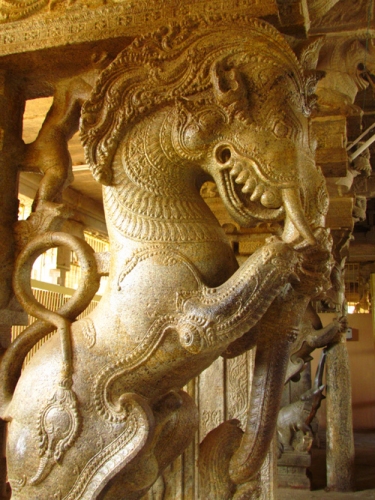
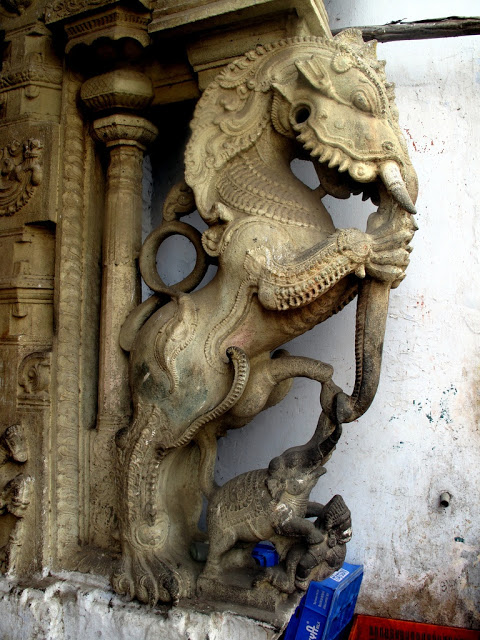
யானை என்பதை ஆனை என்று சொல்லுவது போல.யாளி என்பதை தமிழ் நூல்கள் ஆளி என்றே குறிப்பிடுகின்றன  இது அழிந்துபோன மிருகங்களில் ஒன்று. சிங்கம் போன்ற உடலும் யானை போன்ற துதிக்கையும் உடைய இந்த மிருகத்தை கோவில் தூண்களில் காணலாம். குறிப்பாக நாயக்கர் வம்ச கட்டிடக் கலையில் இது முக்கிய இடம்பெறுகிறது.

இந்த மிருகம் குறித்து தமிழ் சங்க இலக்கிய நூல்கள் 2000 ஆண்டுகளாகப் பாடுகின்றன. சில சுவையான விஷயங்களைக் காண்போம்.

நக்கண்ணையார் (Miss Sulochana= Nak Kannaiyaar) என்ற பெண் புலவர் பாடுகிறார்:-

இடம்படுபு  அறியா வலம்பட்டு வேட்டத்து

வாள்வரி  நடுங்கப்புகல் வந்து ஆளி

உயர்நுதல் யானைப்  புகர் முகத்து ஒற்றி

வெண்கோடு புய்க்கும் தண் கமழ் சோலைப்

பெருவரை அடுக்கத்து –அகநானூறு  252

பொருள்

தன்னால் வீழ்த்தப்படும் விலங்குகள் இடப்பக்கத்தில் விழுவதை அறியாத வெற்றி பொருந்திய வேட்டைப் புலிகளையும் நடுங்கச் செய்யும் யாளி, புள்ளிகள் மிகுந்த யானையின் முகத்தில் பாய்ந்து தாக்கி அதன் தந்தங்களைப்  பறிக்கும் மலைச்  சாரல் .இது நக்கண்ணை (செல்வி சுலோசனா) பாடிய பாடல்.

xxxx

யானையை சிங்கம் தாக்கும் பாடல்கள் ஸம்ஸ்க்ருதத்தில் உள்ளன. ஆ னால் யாளி பற்றிய குறிப்புகள் குறைவு. சங்கத் தமிழ் நூல்களிலும் சுமார் எட்டு இடங்களில் மட்டுமே ஆளி பயிலப்படுகிறது.

ஆளி வரும் பாடல்கள் :

அகநானூறு  78, 252, 301;

புறநானூறு 207;

பொருநராற்றுப்படை 139;

குறிஞ்சிப்பாட்டு 252;

பரிபாடல் 8-64 (சிங்கம் என்ற பொருளில் அல்ல ; வேறு பொருள்)

நற்றிணை 205;

இது தவிர பிற்கால  நூல்களான சிலப்பதிகாரத்திலும் 25-48, திணைமாலை நூற்றைம்பது நூலிலும்.காணக்கிடக்கின்றன.

யாளி என்ற சொல் பெரும்பாணாற்றுப் படையில் ஒரே ஒரு இடத்தில் வருகிறது

சம்ஸ்க்ருத நூல்களில் வியாழம் என்றும் குறிப்பிடப்படுகிறது

Xxxx

புறநானூற்றில் இளவெளிமான் என்பவன், புலவர் பெருஞ்சித்திரனாரை வருக வருக என்று வரவேற்காது ஏதோ பிச்சைக்காரனுக்கு பிச்சை போடுவது போல, முகம் காணாது, பரிசு கொடுத்ததால், அவருக்குக் கோபம் ஏற்பட்டது. உண்டோ குரங்கேற்றுக் கொள்ளாத கொம்பு என்று கம்பன் சொல்லிவிட்டுப் போனது போல ‘இந்த உலகம் பெரிதடா என்னைப் போன்றோரை பேணி வளர்ப்பவர் பலராடா’ என்று சொல்லிவிட்டு சிங்கம் போல வீறு நடை போடடா என்று தம்மைத்தாமே ஊக்குவித்துக் கொண்டு நடக்கிறார்.

வருகென வேண்டும் வரிசை யோர்க்கே

பெரிதே உலகம்; பேணுநர் பலரே;

மீளி முன்பின் ஆளி போல

உள்ளம் உள்அவிந்து அடங்காது வெள்ளென

நோவா தோன்வயின் திரங்கி

வாயா வன்கனிக்கு உலமரு வோரே— புறநானூறு 207;

இதில் வரும் முக்கியமான வரி மீளி முன் பின் ஆளி போல ; இதற்குப் பொருள் அரிமா நோக்கு.; அதாவது சிங்கப் பார்வை; காட்டில் சிங்கம் கம்பீரமாக நடந்து விட்டுப் பின்னால் ஒரு look லுக்- ‘நோக்கு’ விடும். அதைத் தொடர்ந்து வர எந்த மிருகத்துக்கும் துணிவு இருக்காது. அதனால் காட்டிற்கு அதுவே அரசன். யாரும் அதை வோட்டுப்போட்டுத் தேர்ந்தெடுக்கவில்லை. ஆர். எஸ். எஸ் இயக்கத்தின் அறிக்கைகளிலும் சிங்கத்தைப் போட்டு அதன் கீழ் ஸ்வயமேவ ம்ருகேந்த்ரதா — என்று எழுதியிருப்பார்கள். இந்துக்கள் பிறப்பிலேயே தலைவர்கள் என்பது இதன் பொருள். சிங்கம் முன் பின் பார்த்து நடக்கும் அரிமா நோக்கைக் குறிப்பிடும் பெருஞ் சித்திரனார் (Mr Big Painting) , கம்பீர நடை போடுகிறார்.

இந்த வரி  ஸ்வயமேவ ம்ருகேந்த்ரதா– ஹிதோபதேசம், கருட புராணம் முதலியவற்றில் வருகிறது

விக்ரமார்ஜித சத்வஸ்ய ஸ்வயமேவ ம்ருகேந்த்ரதா – ஹிதோபதேசம் 2-19

வீரமுள்ளோனுக்கு அரச பதவி இயல்பாகவே வந்து சேரும் .

xxx

மீளிமுன்பின் ஆளி போல -அரிமா நோக்கு

நா பிஷேகோ ந ஸம்ஸ்காரஹ

ஸிம்ஹஸ்ய க்ரியதே வனே

விக்ரமார்ஜித சத்வஸ்ய

ஸ்வயமேவ ம்ருகேந்த்ரதா

  — கருட புராணம்

பொருள்:

காட்டில் எவரும் முடிசூட்டி, சிங்கம் அரசனாவதில்லை. தனது பராக்ரமத்தின் துணை கொண்டே தானே விலங்குகளின் அரசனாக அமைகிறது சிங்கம்.

Xxx

அதே ஸ்லோகத்தின் மறறொரு வடிவம் (இதுவுமது)

நாபிஷேகோ ந சம்ஸ்கார: சிம்ஹஸ்ய க்ரியதே ம்ருகை:|
விக்ரமார்ஜிதராஜ்யஸ்ய ஸ்வயமேவ ம்ருகேந்த்ரதா ||

xxxx

 நற்றிணையில் (பாடல் 205) இளநாகனார் பாடிய பாடல்

அருவி ஆர்க்கும் பெருவரை அடுக்கத்து

ஆளி நன் மான்வேட்டு எழுகோள் உகிர்ப்

பூம் பொறி உழுவை தொலைச்சிய வைந் நுதி

ஏந்து வெண் கோட்டு வயக் களிறு இழுக்கும்

துன் அருங்கானம் என்னாய் நீயே

பொருள்

“கடுமையான கானகம் வழியே மலைச் சரிவில் நீ செல்ல வேண்டும். அங்கு நீர்வீழ்ச்சிகள் ஆர்ப்பரிக்கும். அங்கு புலியால் கொல்லப்பட்ட யானையை ஆளி இழுத்துச் செல்லும். செல்வத்தைச் சேர்க்கக் கருதி நீ சென்றால் அழகிய நிறம் கொண்ட இந்தக் கன்னியின் அழகு இன்றொடு உன்னுடன் போய் விடும் அல்லவா!”.

xxxx

முடத்தாமக் கண்ணியார் பாடிய

பொருநராற்றுப்படை 139 முதல் 142 வரிகள்

ஆளி நன்மான் அணங்குடைக் குருளை

மீளி மொய்ம்பின் மிகுவலி செருக்கி

முலைக்கோள் விடா அ மாத்திரை ஞெரேரென

தலைகோள் வேட்டம் களிறு அட்டா அங்கு

Xxx

பெரும்பாணாற்றுப் படை என்னும் நூலில் கடியலூர் உருத்திரங் கண்ணனார் சொல்கிறார் –

மழை விளையாடுங் கழை வளரடுக்கத்

தணங்குடை யாளி தாக்கலிற்  பலவுட ன்

கணஞ் சால் வே ழங் கதழ்வுற் றா அங் –257-259

பொருள்

மேகங்கள் விளையாடித் திரியும்   மூங்கில் வார்கின்ற பக்கமலையிலே தம்மை வருத்தும் யாளி பாய்கையினால் , கொழுத்த யானைகள் பலவும் கலங்கிட ……………..

Xxx

கபிலர் பாடிய குறிஞ்சிப் பாட்டில் புலி, சிங்கம், கரடி போன்ற கொடிய விலங்குகள் என்ற பொருளில் ஆளி வருகிறது :

அளை செறி  உழுவையும் ஆளியும்  உளியமும்

புழற் கோட்டாமான் புகல் வியும் களிறும் 252-253

பொருள்

குகைகளில் வாழும் புலிகளும், யாளிகளும், கரடியும், காட்டு எருமைகளும் ,யானையும் உள்ள குறிஞ்சி நிலம்.

XXXX

அக நானூறு 78ம் பாடலில் முந்திய கருத்துக்களே வருகின்றன ; இது புலவர் நக்கீரன் பாடியது.

நனந்தலைக் கானத்து ஆளி அஞ்சி

இனம் தலைத் தரூஉம் எறுழ் கிளர் முன்பின்

வரி ஞிமிறு மார்க்கம் வாய்புகு கடா அத்து

 அக நானூறு 78

பொருள்

தன் இன யானைகளைக் காத்தற் பொருட்டு , ஆண் யானையானது, வண்டுகள் ஒலிக்கும் வாயிற் புகும் மத நீரையுடையவாறு  மற்ற யானைகளைச் சூழ்ந்து நிற்கச் செய்யும்.; கரடு முரடான கையால் தழுவும். அதன் காதலியான முதல் கர்ப்பத்தை உடைய இளம் பிடி யானையானது யாளிக்கு மிகவும் அஞ்சி நடுங்கும் மலைச் சாரல்  இது என்று புலவர் பாடுகிறார்.

xxx

மதுரை இளம் கெளசிகனார் பாடிய பாடல் அகநானூறு 381ல் உள்ளது

ஆளி நல் மான் அணங்குடை ஒருத்தல்

மீளி வேழத்து நெடுந்தகை புலம்ப

ஏந்தல் வெண் கோடு வாங்கி ,குருகு அருந்தும்

அஞ்சுவரத் தகுந ஆங்கண் , மஞ்சுதப

அழல் கான்று திரிதரும் அலங்கு கதிர் மண்டிலம்

பொருள்

விலங்குகளை வருத்தும் தனமையுடைய ஆண் ஆளி , வன்மையுடைய யானையின் தலைவனான ஆண் யானை வருந்த அதன் வெண்மையான கொம்பைப் பறித்துக் குருத்தைத் தின்னும் அச்சம் தரும் வழி அது 

ஆக எல்லா இடங்களிலும் ஆளியின் வலிமையை வலியுறுத்தி அது யானையின் தந்தங்களையே பறித்து விடும் என்று புலவர்கள் சொல்லுவதால் அவை முன்காலத்தில் இருந்திருக்கவேண்டும் என்றே துணியலாம்.

xxx

இதே பிளாக்கில் வெளியான கட்டுரைகள்

யாளி | Tamil and Vedas

https://tamilandvedas.com › tag › ய…

·Translate this page

யாளி! ச.நாகராஜன். yali. தென்னிந்தியக் கோவில்களில் பெரும்பாலான கோவில்களில் விசித்திரமான …

யாளி தத்தன் | Tamil and Vedas

https://tamilandvedas.com › tag › ய…

·Translate this page

6 Oct 2018 — Valluvar with Brahmin’s sacred thread;excavated at Mylapore in Chennai. Compiled by London Swaminathan. swami_48@yahoo.com

–subam—

Tags– அரிமா நோக்கு, யாளி, ஆளி , சிங்கம், யானை , வேங்கை , சங்க நூல்கள்

KARI for Elephant is Not a Tamil Word? -Part 7 (Post No.11,297)

WRITTEN BY LONDON SWAMINATHAN

Post No. 11,297

Date uploaded in London – 26 SEPTEMBER 2022         

Contact – swami_48@yahoo.com

Pictures are taken from various sources for spreading knowledge.

this is a non- commercial blog. Thanks for your great pictures.

tamilandvedas.com, swamiindology.blogspot.com

https://www.pustaka.co.in/home/author/london-swaminathan

Xxx

 Picture shows Swamiji Krishna of Ayakkudi near Tenkasi in Ayyappan Temple

Two-thousand-year-old Tamil Sangam literature has lot of stories on elephants. The real-life scenes were witnessed by the Tamil poets while crossing thick forests. They saw tigers fighting elephants, fights between elephants, and elephants helping other elephants, music loving elephants, war elephants and last but not the least ivory cots and dolls.

Let us look at more poems in this seventh part.

There is a very interesting scene seen by the poet. Suddenly a hailstorm happened, and the little ice balls were crashing on the elephant’s head. He described it as pearls falling on is head. Hindus believe that pearls not only come from sea grown oysters but also from various sources including elephants’ tusks.  Probably that made the poet to remember pearls and pearl necklace. The poet’s name is Mr Goldsmith White Snake; he was from a town called Tankaal. So he was called Tankal Porkollan Ven Nakanaar.

His suffix Snake is also interesting. There are over 20 Naga poets in Tamil Sangam poems. There are more Nagas in Gupta inscriptions and Sri Lankan History book Mahavamsa. They were all from North India. We know that Snake came from Naaka and Serpent came from Sarpa—both Sanskrit words. So their suffix show that they came from Himalayas and went up to Sri Lanka.

Another interesting co incidence is that the sound Naga, Naagha mean Mountain, Snake and Elephant in Sanskrit.

The poet was a goldsmith by profession. He says,

“The fall of hail on the spotted face of elephant is like throwing of pearls on a hill and the hail collecting together on the rock below is like adorning it with crystals”-(See Aka Naanuuru verse 108).

xxx

Mr Kannadasan in Tamil Sangam

Hindus discovered that no one could sleep without dreams. REM- Rapid Eye Movement cause dreams in living beings. Science journals are writing about REM in the modern days. But Hindus discovered that birds, insects, and all mammals including men dream every day. Tamil and Sanskrit poets sang and composed poems on animal dreams. Brahmins pray three times every day to give them sweet dreams. At the end of Sandhyavandanam three times a day, they take a water drop from the place where they did water oblation called Sadhyavandana and place it on their forehead saying “let all the bad dreams get destroyed”.

That is a mantra from Rig Veda:

adya no deva savitah prajavatsavjh saubhagam. para duhsvapniyagum suva.

ii i i

om visvani deva savitur duritani para suva.

 yad bhadram tanna asuva.

Send us this day O Savitar, prosperity with progeny, drive from us the nightmare. O God Savitar,

drive away from us all sorrows and misfortune, and send us all that is for our good. (R.V. 5 : 82 : 4 – 5 )

Sangam poet Mr Dasan Kannan, son of Kanna Dasan (in Tamil Thaayan kannanaar) sings, that “on the mountain slope bee goes to the venkai tree flowers , sucks honey from them, then flies to the honeyed Kantal flowers and sleeps there dreaming of the flow of rut in the face of the elephant”.

So here we see a bee dreaming for rut on the face of elephant.

xxx

MISS SULOCHANA’S STRANGE POEM

There was a poetess by name Miss Sulochana 2000 years ago. Her name in Tamil was Nakkannaiyaar.

Tamil women followed Sanskrit names by affixing ‘Su= Good ‘with their names. In Sanskrit we see Su sila, Su mathi, Su Gandhi, Su Keerti , Su Haasini, Su Vaasini etc. Tamils used the same Su= Na in naming girls. We have Nap Pinnai, Nac Chellai, Nak Kannai, Nal Velli, Nan Mullai- all Sanskrit prefixed names in Sangam Tamil period.

Nakkannai means – Su=Nak, Lochana=Eye or look.

Good looking or Good eyed girl or woman is named Sulochana= Nakkannai.

English word Look came from Lochana.

This poetess Nakkannaiyaar (Sulochana) sings about a rare animal called Yaali (in Tamil Aaali). It was a lion like animal, extinct now. So it is considered a mythological animal. She says,

“Even the tiger that which hates prey falling on its left, is trembling at the sound of Yaali, which attacks the elephant ferociously, strikes at its facea nd pulls off its tusks” (See Akanaanuru verse 252)

Yaali is rarely mentioned in Sangam literature . We find the word in eight places only. Actually, the word Lion or Leo is a mirror image of Yali (Liya= Yali/Leo/Lion)

To be continued……

சரணாகதி உத்தியைக் கையாள் : பலவீனத்தைச் சக்தியாக மாற்று! (Post No.11,296)

WRITTEN BY S NAGARAJAN

Post No. 11,296

Date uploaded in London – –    26 SEPTEMBER 2022                  

Contact – swami_48@yahoo.com

Pictures are taken from various sources for spreading knowledge.

this is a non- commercial blog. Thanks for your great pictures.

tamilandvedas.com, swamiindology.blogspot.com

மானேஜ்மெண்ட் வழிகள்!

சரணாகதி உத்தியைக் கையாள் : பலவீனத்தைச் சக்தியாக மாற்று!

ச.நாகராஜன்

உலகெங்குமுள்ள பல்லாயிரக்கணக்கானோர் விரும்பிப் படித்துள்ள

புத்தகம் ராபர்ட் க்ரீன் எழுதியுள்ள The 48 laws of power! (by Robert Greene).

இதில் அவர் வெற்றி பெற 48 விதிகளைக் கடைப்பிடிக்குமாறு அறிவுறுத்துகிறார்.

48 விதிகளில் 22வது விதி சரணாகதி உத்தி.

அதை விளக்க அவர் கூறும் அருமையான இரு எடுத்துக்காட்டுகளை இங்கே பார்ப்போம்.

பிரெஞ்சுக்காரர்களைக் கண்டாலே பிடிக்காமல் அவர்கள் மீது வெறுப்புற்று லண்டனில் இருந்தோர் அவர்களைக் கண்ட இடத்தில் தாக்கிக் கொண்டிருந்த காலம் அது.

பிரபல பிரெஞ்சு மேதையான வால்டேர் லண்டனில் ஒரு இடத்தில் மறைந்து வாழ்ந்து கொண்டிருந்தார்.

ஒரு நாள் தெருவில் அவர் நடந்து சென்று கொண்டிருந்த போது சிலர் அவரை பிரெஞ்சுக்காரர் என்று இனம் கண்டு கொண்டு, “இதோ இருக்கிறான் பிரெஞ்சுக்காரன். பிடி, அவனை” என்று கோபத்துடன் அவரைச் சூழ்ந்து கொண்டனர். கூட்டத்தினரின் கோபத்திற்கு எல்லையே இல்லை.

வால்டேர் பார்த்தார். “அன்பார்ந்த இங்கிலாந்து மக்களே! நான் ஒரு பிரெஞ்சுக்காரன் என்று தானே என்னைக் கொல்லப் பார்க்கிறீர்கள்.

நான் இங்கிலாந்தில் ஒரு ஆங்கிலேயனாகப் பிறக்காமல் போனதே எனக்கு அளிக்கப்பட்ட கொடும் தண்டனை! இதை விட இன்னொரு கொடுமையான தண்டனை இருக்க முடியுமா, என்ன?” என்றார்.

இதைக் கேட்ட கூட்டத்தினர் மிகுந்த சந்தோஷமுற்று ஆரவாரம் செய்தனர்.

அவரை ஒன்றும் செய்யவில்லை.  பத்திரமாக அவர் தனது இருப்பிடம் செல்ல உதவி செய்தனர்.

எந்த இடத்தில் எதிர்க்க வேண்டும் எங்கு சரணாகதி அடைய வேண்டும் என்பதைத் தெரிந்து கொண்டால் தான் இந்த உலகில் இந்தக் காலத்தில் வாழ்க்கையை வெற்றிகரமாக ஆக்கிக் கொள்ள முடியும்!

இன்னொரு சம்பவம்.

ஆயிரத்தி தொள்ளாயிரத்து இருபதுகளைத் தொடர்ந்து வந்த வருடங்களில் கம்யூனிஸ கொள்கை நன்கு பரவ ஆரம்பித்தது.

ஜெர்மானிய எழுத்தாளரான பெர்டால்ட் ப்ரெஸ்ட் (Bertolt Brecht) கம்யூனிஸ கொள்கையின் பால் ஈர்க்கப்பட்டு தனது கவிதைகள் மற்றும் எழுத்துக்களில் புரட்சி சிந்தனையை விதைத்துக் கொண்டே இருந்தார்.

பின்னால் ஹிட்லர் ஜெர்மனியில் சர்வாதிகாரியான போது அவர் மீது நாஜிக்களின் பார்வை சென்றது.

ஆகவே 1941 வாக்கில் அவர் அமெரிக்காவிற்கு புகலிடம் தேடிச் சென்றார்.

அங்கே ஹாலிவுட்டில் தனது திறமையைக் காட்டலானார். ஆனால் தனது முதலாளித்துவ எதிர்ப்பு சிந்தனையை அவர் விடவே இல்லை.

ஹாலிவுட்டில் அவரால் வெற்றி பெற முடியவில்லை.

ஆகவே 1947ஆம் ஆண்டில் அவர் ஐரோப்பாவிற்கே திரும்பிச் செல்ல எண்ணி அதற்கான ஏற்பாட்டைச் செய்தார்.

அந்த சமயத்தில் ஹாலிவுட்டில் அமெரிக்காவிற்கு எதிராக ஏராளமானோர் புகுந்து அமெரிக்காவை பாழ்படுத்துகின்றனர் என்று அமெரிக்க காங்கிரஸ் தீர்மானித்து அப்படிப்பட்டோரை விசாரிக்க ஒரு கமிட்டியை அமைந்த்தது.

ப்ரெஸ்ட் உட்பட்ட நிறைய பேருக்கு கமிட்டி முன்னால் ஆஜராகுமாறு சம்மன் வந்தது.

இதனால் வெகுண்ட பல ஹாலிவுட் சிந்தனையாளர்கள் ஒன்று சேர்ந்து இந்த கமிட்டியைப் புறக்கணிக்கத் தீர்மானித்தனர்.

அவர்கள் அனைவரும் ஒரு குழுவாக ஒன்று சேர்ந்தனர். அந்தக் குழு ஹாலிவுட் 19 என்று அழைக்கப்பட்டது.

19, செப்டம்பர் 1947, அன்று அவருக்கு கமிட்டி முன்னால் ஆஜராக உத்தரவு வந்தது. இன்னும் ஒரு மாதத்தில் அவர் ஐரோப்பா திரும்ப திட்டமிட்டிருந்தார். என்ன செய்வது?

ஹாலிவுட் 19 இல் இருந்த குழுவினர் அனைவரும் கமிட்டியுடன் ஒத்துழைக்காமல் தாறுமாறாய் பேசுவதோடு கமிட்டியினரை ஏளனம் செய்தவாறு இருந்தனர்.

பெர்ஸ்ட்டுக்கு இது பிடிக்கவில்லை. ‘சீப் பப்ளிசிடிக்காக’ கமிட்டியை எதிர்த்து என்ன பிரயோஜனம்? என்று அவர் கேட்டார்.

கமிட்டியில் இருப்பவர்கள் புத்திசாலிகள் என்பதையும் அவர் சுட்டிக் காட்டினார்.

ஹாலிவுட் 19 குழுவினர் அவர் பேச்சைக் கேட்கவில்லை. ‘உங்கள் வழியில் நீங்கள் போகலாம்’ என்று சொல்லி விட்டனர்.

செப்டம்பர் 30. கமிட்டி முன் ஆஜராக, குறித்த நாள் வந்தது. கமிட்டியின் முன் பெர்ஸ்ட் ஆஜரானார்.  நல்ல அழகிய சூட் அணிந்து கொண்டு கமிட்டியின் சேர்மனுக்குப் பிடித்தமான சிகார் ஒன்றையும் எடுத்துக் கொண்டார். சேர்மன் ஒரு சிகார் பிரியர்.

கூடவே ஒரு மொழிபெயர்ப்பாளரையும் அழைத்துக் கொண்டு சென்றிருந்தார் பெர்ஸ்ட்.

ஏராளமான கேள்விகளை கமிட்டியினர் கேட்டனர்.

பொறுமையாக மெதுவாக பதில் சொன்னார் ப்ரெஸ்ட். ஒரு மணி நேரம் கழிந்தது.

கமிட்டியில் ஒருவர் ஒரு ஆங்கில கவிதையைக் காட்டி இந்த கவிதை முதலாளித்துவத்தை எதிர்த்து நீங்கள் எழுதியது தானே என்று கேட்டார்.

“இல்லை என்று பதில் சொன்ன பெர்ஸ்ட் தான் ஜெர்மானிய மொழியில் தான் கவிதை எழுதியதாகச் சொல்லி அதை மெதுவாகப் படிக்க ஆரம்பித்தார். மொழி பெயர்ப்பாளருக்கு அதன் அர்த்தத்தையும் சொல்லிக் கொடுத்தார்.,

‘பிறகு அடுத்த கேள்வியை இன்னொருவர் கேட்ட போது தான் ஹிட்லரை எதிர்த்து எழுதியதை அவர்கள் ஏன் பார்க்கவில்லை’ என்று கேட்டார்.

அவரது பேச்சு அனைவருக்கும் பிடித்து விட்டது. அவரை மட்டும் ஒரு வித நிபந்தனையும் இன்றி திரும்பிப் போக கமிட்டி அனுமதித்தது. அவர் ஐரோப்பா திரும்பவும் கமிட்டியினர் உதவி செய்தனர்.

‘எதிர்க்கக் கூடாத நபருடன் எதிர்க்கக் கூடாத இடத்தில் எதிர்க்காதே; சரணாகதி அடைந்து விடு’ என்பதை நன்கு உணர்ந்து கொண்டு நடந்தார் பெர்ஸ்ட். அமெரிக்க அரசின் கோபத்திற்கு ஆளாகாமல் தண்டனையிலிருந்து தப்பித்தார்.

இதர ஹாலிவுட் 19 குழுவினர் பல இன்னல்களுக்கு ஆளானார்கள்.

ஆகவே சரணாகதி அடைய வேண்டிய சமயத்தில் சரணாகதி அடை என்பது தான் சரியான உத்தி.

ராபர்ட் க்ரீன் கூறும் 22 விதி இது:-

விதி 22 : சரணாகதி உத்தியைக் கையாள்: பலவீனத்தைச் சக்தியாக மாற்று.

Law 22: Use the surrender tactic: transform weakness into power

***

 புத்தக அறிமுகம் – 68

நேதாஜி சுபாஷ் சந்திர போஸ்

 நூலில் உள்ள அத்தியாயங்கள்

1.போஸின் பிறப்பு

 2.பள்ளிப் படிப்பு

 3.கல்லூரி வாழ்க்கை

 4.மீண்டும் கல்கத்தா

 5.கேம்பிரிட்ஜில்

 6.இந்திய தேசீய காங்கிரஸ்

 7.புதிய கட்சி உதயம்

 8.மாந்தளை சிறையில்..

 9.இளைஞர்களின் தலைவர்

10.வியன்னா வாழ்க்கை

11.போஸின் திருமணம்

12.காங்கிரஸ் தலைவரானார்

13.மகாத்மாவுடன் கருத்து வேறுபாடு

14.பார்வேர்டு பிளாக்

15.போஸ் தப்பி விட்டார்

16.·ப்ரீ இண்டியா செண்டர்

17.ஆஜாத் ஹிந்த் ரேடியோ

18.இந்திய தேசீய ராணுவம்

19.சப்மரீன் பயணம்

20.ராஷ்பிஹாரி போஸின் அழைப்பு

21.தற்காலிக சுதந்திர அரசு

22.தற்காலிக இந்திய அரசின் மந்திரிசபை

23.இம்பால் பிடிபடுமா?

24.வீரர்களின் துன்பம்

25.ஜப்பானின் சரணாகதி

26.கடைசிப் பயணம்

27.துயரச் செய்தி

28.நடந்தது என்ன?

29.அஸ்திக்கு அஞ்சலி

30.ஜப்பானிய டாக்டரின் அறிக்கை

31.நேதாஜி இறந்தாரா?

32.செங்கோட்டை விசாரணை

33.நேதாஜியின் அன்றாட வாழ்க்கை

34.செயல்முறையும் குணநலன்களும்

35.இந்தியா விடுதலை அடையும்

36.ஒப்பற்ற தலைவர்

**

நூலைப் பற்றிய சிறு அறிமுகக் குறிப்பு:-

இந்திய சுதந்திரத்தைப் பெறுவதற்காக அஹிம்சை வழியின் மூலம் அண்ணல் காந்தியடிகள் பெரும் முயற்சி செய்தபோது இன்னொரு முகமாக அந்த சுதந்திரத்தைச் சீக்கிரம் அடைய சிங்கப்பூரில் ஒரு ராணுவத்தையே உருவாக்கி ஆங்கில ஏகாதிபத்தியத்தை நடுநடுங்க வைத்த மாவீரன் நேதாஜி. இளைஞர்களுக்கு உத்வேகம் தரும் அவரது வாழ்க்கை வரலாறு 36 அத்தியாயங்களில் விளக்கப்பட்டுள்ளது. அவரது ராணுவம் பற்றிய சுவையான தகவல்கள், அவரது மறைவு குறித்து எழுந்த சந்தேகங்கள் ஆகியவற்றை விரிவாக இந்த நூலில் படிக்க முடியும்.

*

இந்த நூல் திருமதி நிர்மலா ராஜூ அவர்களால் அவரது www.nilacharal.com மூலமாக வெளியிடப்பட்டுள்ளது. இதை (EBOOK) டிஜிடல் வடிவமாகப் பெற விரும்புவோர் www.nilacharal.com இணையதளத்தில் EBOOKS என்ற பகுதியில் AUTHOR-ஐ தேர்ந்தெடுத்தால் எழுத்தாளர் பகுதியில் ச.நாகராஜன் (61) என்ற பெயரைக் காணலாம்.

அங்கு சொடுக்கினால் ச.நாகராஜன் எழுதிய 61 புத்தகங்களின் விவரத்தைக் காண முடியும். நேதாஜி சுபாஷ் சந்திர போஸ் நூலைப் பற்றிய  சிறுகுறிப்பு, விலை விவரத்தைக் காணலாம்; அதை வாங்கலாம்.

Singapore, National Library இல் நிலாச்சாரல் வெளியீடுகள் இடம் பெற்றுள்ளது குறிப்பிடத்தக்கது.

**

MORE ABOUT TAMIL’S STRANGE LIZARD ASTROLOGY/ OMENS (Post No.11,295)

WRITTEN BY LONDON SWAMINATHAN

Post No. 11,295

Date uploaded in London – 25 SEPTEMBER 2022         

Contact – swami_48@yahoo.com

Pictures are taken from various sources for spreading knowledge.

this is a non- commercial blog. Thanks for your great pictures.

tamilandvedas.com, swamiindology.blogspot.com

https://www.pustaka.co.in/home/author/london-swaminathan

Xxx

Some interesting titbits from 2000 year old Sangam Tamil Literature:

Motherly love is greater than anything else in the world. Even preying wild animals spare the very little ones. They are sympathetic towards such animals. When the greatest philosopher Sankara saw a snake protecting a pregnant frog under pouring rain in Sringeri, he established one of his Ashramams (religious centre) there.

Tamil poet Otal Antaiyar (Othal Aanthaiyaar) is a keen observer of nature. His pictures of the lives of birds and animals are interesting. A cennaai (wild dog) with its mate refrains from attacking a female deer with its young one (Ainkurunuuru verse 354).

Some of the comparisons of this poet are quite original and appropriate too. The creepers climbing round the trees and waving in the wind are compared to the ladies swaying or moving in the arms of their husbands. (Ainkurunuuru verse 400).

Colours in Tamil

Uraiyur Maruttuvan  Taamotaranaar (Dr. Damodaran of Uraiyur) is a famous Tamil poet who had a keen eye for colours. His name shows that 2000 year old Tamil poets had Sanskrit names. We find other names such as Kamakshi (kaamak kanni), Lochana  (Ulochanar), Valmiki, Brahma, Kesava, Mahadeva (maa thevanaar), Rudraksha (uruththiran kannanar), Narasimha (daamap pal ), Vishnudaasan (Vinnan Thaayan), Kannadaasan (Kannanthaayan), Bhutapandya, Mahadevi (perun thevi) and many more.

Professor M Varadarajan in his Ph.D.thesis on the Treatment of Nature in Sangam Literature says,

“The poet (Dr Damodaran) has a keen eye for emphasizing the contrasts in colours as seen in his picture of the char coal like faded  Kaaya flowers mixed with the fiery bright Ilavu blossoms (Akanaanuuru verse 133). The red ground is said to be adorned with golden Venkai flowers (which is very often compared to tigers)”- Akam 133.

The white rat with its small legs, coloured hair and Kunri like eyes forms a beautiful picture by itself (Kunri is Abrus seeds/Rosary pea)- Akanaanuuru 133.

Apart from this there is another picture of a rat with cup like ears resembling Konku bloom (Puranaanuuru 321).

White rat is called Velleli in Tamil. Now they are sold as pets for children in the West.

xxx

Lizard Omens/Prediction

Tamils considered lizard’s chirps as an omen prophesying good or bad news.

Ilattup Putan Tevan (eezaththup Bhuuthan Devan) Sri Lankan Tamil poet, settled in Tamil Nadu, sings about lizard astrology that was observed by the Tamils 2000 years ago. Even today Tamil Panchangams (almanac) publish Palli Jothidam saying what will happen if it falls on a particular part of body of a person and what is going to come depending upon the direction from which it makes chirping sound or clicking sounds. Bengalis interpret it only one way. It means Yes or Correct in Bengali.

The poet says even the pigs observe this to emphasize that Tamils are so much involved in it (So superstitious)!

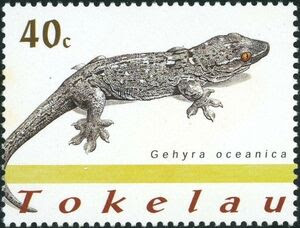
The wild pig (boar) is wise enough to listen to the tickling sound of the lizard (Gecko) and carefully enters the Tinai (millet plants) field in the night (Akanaanuuru verse 88).

But Ukkirap peru vazuthi clearly says that a wild porcupine even abandoned its venture of going out when it heard the lizard in Natrinai verse 98. It was about to go out of its den for the food and at that time heard the lizard and went back to its rocky den thinking it is a bad omen.

An anonymous poem in the same Natrinai (verse 169) anthology says that the hero believed that his girlfriend or wife would have heard positive tickling sound of wall lizard indicating his returning home on that day. This gives us the impression that the wall lizards in the houses are greatly welcomed and supported by the Tamils.

Another poet Kavan Mullaip Putanar says the lizard on the Kalli tree makes its characteristic tickling sound with its bell like voice and is said to be predicting events to the wayfarers (Akanaanuuru verse 151). Lizards are prognosticators for Tamils.

A lizard on the tombstone / nadu kal  on the way of travellers make clicking sounds and the wayfarers pause a while on hearing its tickling sounds according to Maruthan Ila Nagan (Mr Junior Naga poet)- Akananuru 387.

Some poets described lizards as Muthu Vaay Palli or Kani Vaay Palli.

 The epithets ‘Muthu Vaay’ and Kani Vaay are interpreted by the commentators ‘as one who can foretell or predict future events’. Palli is the Tamil word for lizard/gecko.

Here is a scene where the lizard’s noise brings some good news. The hero finishes his duty in the distant country and starts to his village when he keenly desires that the lizard at home should tickle whenever she thinks of him and thus give her hopes of his return and relieve her of distress and despair. See Akananuru 351 by Porunthil Ilam Keeranaar

The lady companion at home hears its lovable noise at midnight and consoles the heroine by interpreting its sound  suitably. See Natrinai 333 by Kallikkudi Puutham Pullanaar .

My Old articles

lizard astrology – Tamil and Vedas

https://tamilandvedas.com › tag › lizard-astrology

22 Jul 2012 — Posts about lizard astrology written by Tamil and Vedas. … Big tabular columns are in the Panchang for birds and lizards predictions.

You visited this page on 25/09/22.

Kondhs – Tamil and Vedas

https://tamilandvedas.com › tag › kondhs

9 Oct 2016 — Tamils have superstitions about sneezing, crows, lizard chirping and fluttering of eyes. It is seen in 2000-year-old Sangam Tamil literature …

—subham–Tags- Lizard, Gecko, Omen, Predition, Astrology

KARI for Elephant is Not a Tamil Word? -Part 6 (Post No.11,294)

WRITTEN BY LONDON SWAMINATHAN

Post No. 11,294

Date uploaded in London – 25 SEPTEMBER 2022         

Contact – swami_48@yahoo.com

Pictures are taken from various sources for spreading knowledge.

this is a non- commercial blog. Thanks for your great pictures.

tamilandvedas.com, swamiindology.blogspot.com

https://www.pustaka.co.in/home/author/london-swaminathan

Xxx

 Picture shows Swamiji Krishna of Aykudi (near Tenkasi) giving prasad to an elephant.

More from 2000 year old Sangam Tamil Literature:

Otal Antaiyar (Othal Aanthaiyaar) is a Tamil poet who composed 100 poems of Ainkurunuuru besides a few poems of Kurunthokai. All his poems describe arid dry (Paalai in Tamil) lands. His pictures of birds and animals under scorching sun are full of pathetic feelings. The elephant is afraid of the scorching heat of the ground and is careful not to touch it with its trunk (see Ainkurunuuru verse 321) . He also described the elephant as having small eyes and lined and spotted trunk. Tamil word Vezam for elephant is used by him.

In another verse he said, the thirsty elephant searches for water in vain and finally raises its trunk and breathes hard like the blowing of a horn (see Ainkurunuuru verse 327). Here he used the Tamil word Yaanai for elephant. That is the most common word used until this day for elephant.

Forest fires are described throughout Tamil and Sanskrit literature. Vedic literature is the oldest one which described the wild fires in detail. Otal Antaiyar described it from a different angle. The poet saw the forest fire from a distance spreading in the mountain and aptly compares it to a gold chain adorning the back of the elephant (Ainkurunuuru verse 356). It is very interesting to note that the poet’s imagination jumped from a wealthy city to a dark forest in a fraction of a second.

Elephant Intelligence

I am surprised to read articles on Animal Intelligence in famous science magazines like Nature and Scientific American. They are too late compared to Hindus. We have hundreds of references to the animal intelligence and dreams. Westerners still have not yet not studied the dreams of animals properly. We have reports of even animal dreams.

Hindus have not only been watching animals but also learning from them. Dattatreya’s lessons from Nature are already posted here. Hindus talked about six lessons offered by the crows.

The elephant is resourceful in saving its mate as well as itself from danger. (see my post on Gajendra Moksha in Africa). When the male elephant slips and fall into a deep slippery pit, its mate breaks of big branches and throws them into the pit so as to improve steps for the animal to come up.( Aka naanuuru 8). It was seen by Perunkundrur Kizaar 2000 years ago!

Xxxx

Avvaiyaar , greatest of the Tamil poetesses,  sings about the strength of a crocodile which can even kill a mighty elephant. Gajendra Moksha story is very familiar to Hindus which is seen in Gupta sculptures at Deogarh.-Puranaanuuru 104

Remembering the Gajendra Moksha story many poets including Tiruvalluvar sings that a crocodile is more powerful in water than any other animal. (Kural 495)

Katiyalur Uruththirankannanar (Mr Rudraksha or Mr Red Eye) sings about the tusks of the elephant in  his poem Parumpanaatrup patai; he compared the bent banana fruits to tusks of the elephants (lines 358-359).

To be continued………………………………….

 Tags- Gajendra Moksha, Elephant intelligence, Sangam Literature

சக்தி பெற 48 விதிகள் : ராபர்ட் க்ரீன் நூல்!  – 2 (Post No.11,293)

WRITTEN BY S NAGARAJAN

Post No. 11,293

Date uploaded in London – –    25 SEPTEMBER 2022                  

Contact – swami_48@yahoo.com

Pictures are taken from various sources for spreading knowledge;

this is a non- commercial blog. Thanks for your great pictures.

tamilandvedas.com, swamiindology.blogspot.com

சக்தி பெற 48 விதிகள் : ராபர்ட் க்ரீன் எழுதியுள்ள நூல்! ஒரு அறிமுகம்! – 2

The 48 laws of power by Robert Greene

ராபர்ட் க்ரீன் எழுதியுள்ள The 48 laws of power! (by Robert Greene) புத்தகத்தில் உள்ள 48 விதிகளில் முதல் 24 விதிகளைப் பார்த்தோம்.

அடுத்த 24 விதிகள் இதோ:-

விதி 25 : உங்களைப் புதிதாக உருவாக்கிக் கொள்ளுங்கள்

Law 25: Re-Create Yourself

விதி 26 : தூய்மையானவராக இருங்கள்.

Law 26: Keep your hands clean

விதி 27 : மக்களின் தேவைக்குத் தக ஒரு புதிய கோட்பாட்டு முறை உருவாக்கப்படுவதாக அவர்கள் நம்பும்படி நடந்து கொள்ளுங்கள்.

Law 27: Play on people’s need to believe to create a cult like following

விதி 28 :தைரியமாகச் செயலில் இறங்குங்கள்.

Law 28: Enter action with boldness

விதி 29 : ஆரம்பம் முதல் கடைசி வரை அனைத்தையும் திட்டமிடுங்கள்.

Law 29: Plan all the way to the end

விதி 30 : உங்களது சாதனைகள் எல்லாம் பெரிய முயற்சிகளால் அடைந்தது போல இல்லாமல் காட்டுங்கள்.

Law 30: Make your accomplishments seem effortless

விதி 31 : விருப்பத்தேர்வுகளை கட்டுப்பாடுடன் வைத்திருங்கள். நீங்கள் விரும்பும் துருப்புச்சீட்டுகளைக் கொண்டு மட்டும் மற்றவர்களை விளையாட விடுங்கள்.

Law 31: Control the options, get others to play with the cards you deal

விதி 32 : மற்றவர்களின் கற்பனைக் கனவுகளை வைத்து விளையாடுங்கள்.

Law 32: Play to people’s fantasies

விதி 33  : ஒவ்வொருவரது பலஹீனம் என்ன என்பதைக் கண்டறியுங்கள்.

Law 33: Discover each man’s thumbscrew

விதி 34  : உங்களுக்கே உரிய தனிப் பாங்கில் மேலானவராக மிளிருங்கள். ஒரு அரசர் போல நடந்து அதைப் போலவே மற்றவர் உங்களை மதிக்கும்படி செய்யுங்கள்.

Law 34: Be royal in your own fashion. Act like a king to be treated like one

விதி 35  : எதை எப்போது செய்ய வேண்டும் என்ற டைமிங்’ கலையில் நிபுணராகத் திகழுங்கள்.

Law 35: Master the art of timing

விதி 36  : உங்களால் பெற முடியாததை அசட்டை செய்து புறக்கணியுங்கள். அவற்றைக் கண்டு கொள்ளாமல் விட்டு விடுவதே அவற்றைப் பழி தீர்த்தது போல ஆகும்.

Law 36: Disdain things you cannot have, ignoring them is the best revenge

விதி 37  : மற்றவர்கள் பார்த்தே ஆக வேண்டும் என்பது போன்ற வாண வேடிக்கைகளைச் செய்யுங்கள்.

Law 37: Create compelling spectacles

விதி 38  : உங்கள் பாணியில் உங்கள் விருப்பப்படி சிந்தியுங்கள் ஆனால் மற்றவர்களை போல நடந்துகொள்ளுங்கள்.

Law 38: Think as you like but behave like others

விதி 39 :  மீனைப் பிடிக்க குட்டையைக் குழப்புங்கள்.

Law 39: Stir up waters to catch fish

விதி 40  : வெட்டிச் சாப்பாடை – இலவசமாகப் பெறுவதை இகழுங்கள்.

Law 40: Despise the free lunch

விதி 41 : உங்களை விடப் பெரிய மனிதரின் சாம்ராஜ்யத்தில் அடி எடுத்து வைப்பதைத் தவிருங்கள்.

Law 41: Avoid stepping into a great man’s shoes

விதி 42  : ஆட்டிடையனை அடியுங்கள்ஆடுகள் சிதறி ஓடும்.

Law 42: Strike the shepherd and the sheep will scatter

விதி 43  : மற்றவர்களின் இதயம் மற்றும் மனத்தை அறிந்து செயல்படுங்கள்.

Law 43: Work on the hearts and minds of others

விதி 44  : கண்ணாடி பிரதிபலிப்பு யுக்தியைக் கையாண்டு எதிரியை செயலிழக்கச் செய்யுங்கள்!

Law 44: Disarm and infuriate with the mirror effect

விதி 45 :  மாற்றம் அடைய வேண்டியதன் அவசியத்தை உபதேசியுங்கள். ஆனால் ஏராளமான சீர்திருத்தங்களை உடனே செய்யாதீர்கள்.

Law 45: Preach the need to change, but never reform too much at once

விதி 46 : கொஞ்சம் கூடப் பிழை இல்லாதவராக, (குறையே இல்லாதவராக) ஒரு போதும் காட்டிக் கொள்ளாதீர்கள்.

Law 46: Never appear too perfect


விதி 47 : நீங்கள் கொண்டிருக்கும் லட்சியத்திற்கு அப்பால் செல்லாதீர்கள். வெற்றி பெறும் போது எப்போது  நிறுத்த வேண்டும் என்பதை அறிந்து கொள்ளுங்கள்.

Law 47: Do not go past the mark you aimed for. In victory, know when to stop

விதி 48 : வடிவமற்றவராக (தேவைக்குத் தக மாறி கொண்டே இருப்பவராக) உங்களைக் கருதிச் செயல்படுங்கள்.

Law 48: Assume formlessness

அருமையான வெற்றி பெறுவதற்கான விதிகள் 48ஐப் படித்து முடித்தால் உற்சாகம் பெறுவது உறுதி.

டேல் கார்னீகி, நெப்போலியன் ஹில், கோப் மேயர் கிறிஸ்டியன் டி. லார்ஸன் ஆகியோர் எழுதிய நூல்களுக்கும் இந்த புத்தகத்திற்கும் பெரிய வேறுபாடுகள் உண்டு.

ஏராளமான உண்மைச் சம்பவங்களை ஒவ்வொரு அத்தியாயத்திலும் பிரமிக்க வைக்கும் விதத்தில் தருகிறார் ராபர்ட் க்ரீன்.

அத்தோடு உலகெங்குமுள்ள நீதிக் கதைகள் வேறு எடுத்தாளப்படுகின்றன.

ஆனால் இதைக் கடுமையாக விமரிசனம் செய்பவரும் உண்டு.

மற்றவர்களை சூழ்ச்சித் திறத்துடன் கையாள வழி சொல்கிறது என்பது சிலரின் விமரிசனம்.

நாம் வாழ்கின்ற போட்டி மிகுந்த உலகில் எதை எப்படி யாரிடம் கையாள வேண்டும் என்பதைத் தெரிந்து கொள்ள ஒரு புத்தகம் இது என்பது இதை ஆதரிப்போரின் பதில்.

ஆங்காங்கே தனித் தனியான உதிரிச் சம்பவங்களைக் காட்டி எப்படி அனைவருக்குமான ஒரு பொது விதியை உருவாக்க முடியும் என்பதும் இதை விமர்சிப்பவர்களின் கேள்வி.

ஆனால் இந்த 48 விதிகளைப் படிப்போர் தமக்கென தம் அளவில் ஒரு பாதையை வகுத்துக் கொண்டு முன்னேறலாம் என்பது மட்டும் உறுதி.

படியுங்கள்.

உங்கள் வழியை வகுத்துக் கொள்ளுங்கள்.

பயனடையுங்கள்.

**

புத்தக அறிமுகம் – 67

உலகின் அதிசய இடங்கள்

நூலில் உள்ள அத்தியாயங்கள்

1.நடந்தாய் வாழி அமேஸான்!

 2.வானவில் பாலம்

 3.பிரமிக்க வைக்கும் வானெர்ன் ஏரி

 4.உர்குப் கூம்புகள்

 5.வெர்டான் பள்ளத்தாக்கு

 6.மரகதத் தீவு

 7.  ப்ராசாஸி குகைகள்

 8.உயிருள்ள மியூசியம்

 9.கல் மரங்கள்

10.உலகின் உயரமான வெய்ல் நீர்வீழ்ச்சி

11.இயற்கையின் ஆனந்தக் கண்ணீர்

12.மிரள வைக்கும் சாவுக்கடல்

13.கெய்சர் வெந்நீர் ஊற்றுக்கள்

14.அண்டார்டிகா ஐஸ்

15.அழகிய ஆல்ப்ஸ்

16.இமயமலை நமது மலையே

17.பனி மனிதன் இருக்கிறானா?

18.பிரமிக்க வைக்கும் ஒட்டகச்சிவிங்கி

19.ஏஞ்சல் நீர்வீழ்ச்சி

20.அதிசயத் தீவு! ஈஸ்டர் ஐலேண்ட்

21.எட்னா எரிமலை சீறுகிறது

22.மனித இனம் தோன்றிய அதிசயங்களின் நாடு

23.மனிதன் தோன்றிய இடம்

24.லூர்தேஸ்- கிறிஸ்தவர்களின் அற்புத நகரம்

25.ஆதாம் ஏவாள் காதலித்த இடம் கண்டுபிடிப்பு

26.இமயமலைக் குகையில் வாழ்ந்த லண்டன் பெண்மணி!

27.பதினெட்டு பாலைவனங்களில் ஒரு பயணம்!

28.புலிக்கும் முதலைக்கும் அஞ்சாத அரசி

29.ஐஸ் ராணி

30.டயானா டூர்!

** 

நூலைப் பற்றிய சிறு அறிமுகக் குறிப்பு:-

 உலகில்தான் எவ்வளவு அதிசயமான இடங்கள்! அமேசான், வானவில் பாலம், உர்குப் கூம்புகள், வெர்டான் பள்ளத்தாக்கு, மரகதத் தீவு, ஃப்ராசாஸி குகைகள், கல் மரங்கள், உலகின் மிக உயரமான வெய்ல் நீர்வீழ்ச்சி எனப் பூமியின் அதிசய இடங்கள் பலவற்றைப் பற்றி விரிவாக விளக்கும் நூல்! நாமே பணம் செலவழித்துச் சென்றாலும் இத்தனை அதிசய இடங்களை நம்முடைய இந்த ஒரே வாழ்நாளில் பார்த்து விட முடியாது. ஆனால் தன் எழுத்தாற்றலால் இவை அனைத்தையும் ஒரே நாளில் நம் கண் முன்னே கொண்டு வந்து நிறுத்துகிறார் ஆசிரியர்!

*

இந்த நூல் திருமதி நிர்மலா ராஜூ அவர்களால் அவரது www.nilacharal.com மூலமாக வெளியிடப்பட்டுள்ளது. இதை (EBOOK) டிஜிடல் வடிவமாகப் பெற விரும்புவோர் www.nilacharal.com இணையதளத்தில் EBOOKS என்ற பகுதியில் AUTHOR-ஐ தேர்ந்தெடுத்தால் எழுத்தாளர் பகுதியில் ச.நாகராஜன் (61) என்ற பெயரைக் காணலாம்.

அங்கு சொடுக்கினால் ச.நாகராஜன் எழுதிய 61 புத்தகங்களின் விவரத்தைக் காண முடியும். உலகின் அதிசய இடங்கள் நூலைப் பற்றிய  சிறுகுறிப்பு, விலை விவரத்தைக் காணலாம்; அதை வாங்கலாம்.

Singapore, National Library இல் நிலாச்சாரல் வெளியீடுகள் இடம் பெற்றுள்ளது குறிப்பிடத்தக்கது.

**

KARI for Elephant is Not a Tamil Word- part 5 (Post No.11,292)


WRITTEN BY LONDON SWAMINATHAN

Post No. 11,292

Date uploaded in London – 24 SEPTEMBER 2022         

Contact – swami_48@yahoo.com

Pictures are taken from various sources for spreading knowledge.

this is a non- commercial blog. Thanks for your great pictures.

tamilandvedas.com, swamiindology.blogspot.com

https://www.pustaka.co.in/home/author/london-swaminathan

Xxx

So far, we have seen what Tamil poet Tiruvalluvar said about elephant in 8 couplets and what Manu said in 13 couplets.

Now let us look at 2000 year old Tamil Sangam Literature. It has 18 books called Ettuthokai (8 Ettuth thokai) and Pattupattu ( 10 Paththuppaattu ). Let us look at some interesting poems.

Malaipatukatam (kataam) is one of the ten idylls (Pattuppattu).  The author of this idyll is Perumkaucikanaar. Out of the 583 lines, he describes in fifty lines, the various sounds heard in a mountain(malai). He compares the mountain to an elephant, the whole noise becomes the rut of the elephant and hence the book is called Malaipatukataam meaning ‘the rut of the mountain’.

The poet reminds us of the Sanskrit words for elephant and mountain. In Sanskrit Nagha is mountain and Naagha is elephant.

Aalankuti vankanaar compared the leaves of the Aaampal plant with the ears of the she-elephant (Pidi in Tamil) in Natrinai verse 230.

Aalamperi saattanaar paints another picture through his poem in Natrinai verse 255 which tells us that the thunder during heavy rain struck and killed a cobra that was searching for its disgorged gem (Naaga ratna). He also describes the fight between a tiger and an elephant.

Fight between an elephant and a tiger is a common scene in the forests of Tamil Nadu in those days.

Avur Muankilar(aavuur muulan kizaar), a poet of the agricultural region compared the breathing of an elephant to the sound of mutton frying in oil (Purananuru verse 261). He was a keen observer of nature.

Izattu Putan tevanar (eezatthup puuthan thevanaar), probably a Sri Lankan poet settled in Tamil Nadu, described the fight between a tiger and an elephant (Akanaanuru). In another verse he says the flow of rut of the elephant attracts bees and their humming sound is musical enough to attract acunam which listens to it and mistakes it for the tune of lyre (Yaal in Tamil).

Mythical Acunam and Snake attracting Nagin Tune

Acunam is a mythical animal which likes anything that is musical, but it would die if the music is loud. So hunters played light music and attracted them and beat the drums very hard and made the sound harsh and caught them. Some described it as a bird and others as an animal. Even snake was called Maa Acunam

Tamils probably used it for all creatures which are attracted by music. In Tamil Nadu there is a belief that you can play on Makuti  instrument, a wind pipe, and attract snakes. Punnaaka varaali (Nagin tune) is the raga/tune the snake charmers play on Makuti instrument.

A few days back I attended Mr Udaiyalur Kalyanaraman’s performance of Radha kalyan (Divine Wedding of Lord Krishna with Radha) in London. He was singing an Ashtapadhi verse (of Jayadeva) in Punnaaka varaali raga. He was jokingly said “please beware of Snakes. Look under your feet’ and then he added that “actually a snake came when the particular Ashtapadhi was sung in another place in Tamil Nadu”.

Nagha and Naaga are interesting words in Sanskrit which mean mountain, elephant and snake and poets use them liberally in double entendre (Siledai in Tamil) verses.

In another verse Putan Tevanar says that the form of the tinai (millet plant) ear looking like the trunk of an elephant (Kunthokai verse 360)

To be continued………………………………….

Tags- Acunam, snake, Nagin tune, Punnaga varali, Elephant, Kari,  Sangam Literature, Udaiyalur Kalyanaraman