சுபாஷித ரத்ன பாண்டாகாரம் என்ற சம்ஸ்க்ருத நூலில் ஆயிரக்கணக்கான ஸம்ஸ்க்ருத பொன்மொழிகளும் தனிப்பாடல்களும் இருக்கின்றன. சிவ பெருமானைக் கிண்டல் செய்வது போல போற்றித் துதிக்கும் கவிகளும் அதில் இடம்பெறுகின்றன .
இதோ இரண்டு கவிதைகள் :
பார்வதி எப்படித்தான் சமாளிக்கிறாளோ ? என்று பார்வதியைப் புகழ்கிறார் ஒரு கவிஞர்
ஸ்வயம் பஞ்சமுகஹ புத்ரெள கஜானனஷடானநெள
திகம்பரஹ கதம் ஜீவேத அத்ர பூர்ணோ ந சேத் க்ருஹஹ
அவருக்கோ ஐந்து முகங்கள் ; அவருக்கு இரண்டு மகன்கள் ; ஒருவனுக்கு யானைத் தலை; இன்னொரு பையனுக்கு ஆறு தலைகள் ; அந்த வீட்டில் மட்டும் அன்னபபூரணி (பார்வதி) இல்லாவிடில் சிவன் எப்படி வாழ முடியும்?
ஐந்து தலைகள் உள்ள சிவனுக்கு + யானைத் தலை உடைய ஒருவனுக்கு+ ஆறுதலை கொண்ட ஒருவனுக்கு (12 வாய்களுக்கு) போஜனம் சமைக்கும் பார்வதி எப்பேற்பட்ட பெண்ணாக இருக்கவேண்டும்? அவள் அன்ன பூரணியே — என்று துதிக்கும் கவிதை இது.
XXX
மற்றொரு கவிஞருக்கு சிவன் பிச்சை எடுப்பது வியப்பை ஏற்படுத்துகிறது. இறைவனுடைய லீலா வியூதிகளை யாரே அறிவார் ?
ஸ்வயம் மஹேசஹ ஸ்வ சுரோ நகேஷஹ ஸகா தனேசஹ தனயோ கணேசஹ
ததாபிக்ஷஆடனமேவ சம்போஹோ பலீயஸீ கேவலமீச்வரேச்சா
அவரே கடவுளர்க்கெல்லாம் கடவுள்(மஹா+ ஈசன் ); அவருடைய மாமனாரோ இமய மலைக்கே தலைவர் !அவருடைய நண்பரான குபேரனோ செல்வத்துக்கு எல்லாம் அதிபதி! மகனோ கணங்களுக்கு எல்லாம் அதிபதி; அப்படி இருந்தும் இந்த சிவன் பிக்ஷை எடுத்து உண்ணுகிறாரே ! இறைவனின் விருப்பம் இவர்களுக்கு எல்லாம் மேலானதன்றோ
பிற்காலத்தில் காளமேகம் போன்ற புலவர்கள் இப்படி புகழ்வது போல இகழ்வது அல்லது இகழ்வது போல புகழ்வது என்ற தொனியில் செய்யுட்களை இயற்றியுள்ளனர் .
XXX
மாணிக்கவாசகரும் கூட சிவபெருமானை கிண்டல் செய்வது போலப் புகழ் கிறார் ;
ஏய் சிவா ! நீ சரியான ஏமாந்த சோணகிரி ! ஒண்ணுமே இல்லாத என்னை எடுத்துக்கொண்டு உன்னையே எனக்கு தந்துவிட்டாயே ; இப்ப சொல்லு : யாரப்பா புத்திசாலி ? நீயா, நானா ? என்று சிவனின் எல்லையற்ற கருணையைப் புகழ்கிறார் திருவாசகம் என்னும் நூலில்:
புத்தகம் ராபர்ட் க்ரீன் எழுதியுள்ள The 48 laws of power! (by Robert Greene)
மற்றவர்கள் உங்களைத் தவறாகப் பயன்படுத்தாமல் காத்துக் கொள்ளும் வழிகளைக் கூறுகிறது இந்த நூல்.
காலத்திற்கேற்ற நூல் இது.
அமெரிக்க சிறைகளில் கைதிகள் விரும்பிப் படிக்கும் நூல் இது.
ஆனால் சிறையில் இது தடை செய்யப்பட்ட புத்தகமாகவும் ஆகி விட்டது.
சில பள்ளிகளில் இது பாட புத்தகமாகவும் இப்போது வைக்கப்பட்டுள்ளது.
அப்படி என்ன 48 விதிகள்?
இதோ பார்ப்போம்!
விதி 1 : எஜமானனை மிஞ்சி அடி எடுத்து வைக்காதே!
Law 1:Never outshine the master
விதி 2 : நண்பர்களிடம் அதிக நம்பிக்கை வைக்காதே! எதிரிகளை எப்படிப் பயன்படுத்தலாம் என்பதைக் கற்றுக் கொள்!
Law 2:Never put too much trust in friends, learn how to use enemies
விதி 3 : உனது நோக்கங்களை மறைத்து வைத்துக் கொள்.
Law 3: Conceal Your Intentions
விதி 4 : தேவையை விட குறைவாகவே சொல்.
Law 4: Alwayssay less than necessary
விதி 5 : மரியாதையைப் பொறுத்துத் தான் எல்லாமே. ஆகவே அதை உயிரைக் கொடுத்துக் காத்துக் கொள்.
Law 5: So much depends onreputation, guard it with your life
விதி 6 : எப்பாடுபட்டேனும் அனைவரின் கவனத்தையும் ஈர்த்துக் கொண்டே இரு.
Law 6: Court attention at all costs
விதி 7 : மற்றவரை உனக்காக வேலை செய்ய விடு! புகழை உனக்கு வரச் செய்!
Law 7:Get others to do the work for you, but always take the credit
விதி 8 : மற்றவர்களை உன்னிடம் வரச் செய். அவசியம் என்றால் தூண்டிலும் போடு.
Law 8: Make other people come to you, use bait if necessary
விதி 9 : உனது செயல்களால் வெற்றி பெறு ; வீண் விவாதத்தினால் அல்ல!
Law 9:Win through your actions, never through argument
விதி 10 : தொற்று வேண்டாம் : சந்தோஷமற்றவரையும் துரதிர்ஷ்டசாலிகளையும் தவிர்த்து விடு.
Law 10: Infection:Avoid the unhappy or the unlucky
விதி 11 : மற்றவர்களை உன்னை நம்பியே இருக்குமாறு செய்யக் கற்றுக் கொள்.
Law 11: Learn tokeep people dependent on you
விதி 12 : உனது எதிரியை வீழ்த்த தேவைப்படும் போது மட்டும் நேர்மையையும் தாராள மனப்பான்மையையும் கடைப்பிடி.
Law 12: Use selective honesty and generosity to disarm your victim
விதி 13 : உதவியைப் பெறும் போது, மற்றவரின் சுயநல ஆதாயத்தைச் சுட்டிக் காட்டு, அவர்களது கருணையையோ நன்றியையோ அல்ல.
Law 13: When asking for help,appeal to people’s self interest, never their mercy or gratitude
விதி 14 : நண்பனாக போஸ் கொடு, ஆனால் ஒற்றனைப் போல வேலை பார்.
Law 14: Pose as a friend, work as a spy
விதி 15 : உனது எதிரியை முற்றிலுமாக அழித்து ஒழி.
Law 15: Crush your enemy totally
விதி 16 : வலிமையையும் கௌரவத்தையும் பெற நீ ஒரு இடத்தில் இல்லாமல் இருப்பதைக் கடைப்பிடி.
Law 16: Use absence to increase strength and honor
விதி 17 : மற்றவர்களை என்ன நடக்குமோ என்ற பயத்தில் இருக்கச் செய்; இப்படித் தான் நடக்கும் என்று மற்றவர்களை நிச்சயிக்க விடாமல் செய்!
Law 17: Keep others in suspended terror,cultivate an air of unpredictability
விதி 18 : உன்னைப் பாதுக்காக ஒரு கோட்டையைக் கட்டாதே, தனிமை மிகவும் ஆபத்தானது.
Law 18: Do not build a fortress to protect yourself,isolation is dangerous
விதி 19 : யாரிடம் தொடர்பு கொள்கிறோம் என்பதை அறி; தவறானவரின் கோபத்திற்கு ஆளாகாதே!
Law 19: Know who you’re dealing with,do not offend the wrong person
விதி 20 : யாரிடமும் உறுதி அளிக்காதே.
Law 20: Do not commit to anyone
விதி 21 : எளிதில் ஏமாறுபவனைப் பிடிக்க ஏமாளியாக உன்னைக் காட்டு; உன்னிடம் இருப்பதை விட கொஞ்சம் குறைவான புத்தி இருப்பதாகக் காட்டு!
Law 21: Play a sucker to catch a sucker,seem dumber than your mark
விதி 22 : சரணாகதி உத்தியைக் கையாள்: பலவீனத்தைச் சக்தியாக மாற்று.
Law 22: Use the surrender tactic:transform weakness into power
விதி 23 : உனது சக்திகள் அனைத்தின் மீதும் கவனத்தைக் கொள்.
Law 23: Concentrate your forces
விதி 24 : அரசவையில் ஜால்ரா அடிப்பவரைப் போல நேர்த்தியாக விளையாடு
Law 24: Play the perfect courtier
முதல் 24 விதிகளைப் பார்த்தோம்; அடுத்த 24 விதிகள் தொடரும்!
**
புத்தக அறிமுகம் – 66
அதிரடி மன்னன் ஜாக்கிசான்
நூலில் உள்ள அத்தியாயங்கள்
1.ஏழையின் எழுச்சி
2.இளமையும் வறுமையும்
3.திரை உலகின் முதல் வெற்றி
4.1962 முதல் 1976 முடிய
5.ப்ரூஸ்லீயுடன் ஜாக்கிசான்
6.அனுபவம் பெறும் படங்கள்
7.திருப்பு முனை
8.கவர்ச்சி நடிகர்!
9.ஜாக்கிசானும் லோ வீயும்
10.ஜாக்கிசானும் வில்லிசானும்
11.தாயின் பாசம்
12.மூன்று வெற்றிப்படங்கள்
13.பெரிய அண்ணன் சாமோ ஹங்
14.புகழ் தந்த போலீஸ் ஸ்டோரி
15.ஆர்மர் ஆ·ப் காட் (1986)
16.மிராக்கிள்ஸ் போலீஸ் ஸ்டோரி II (1988)
17.சூப்பர் காப்
18.கிரைம் ஸ்டோரி (1993)
19.விபத்துக்கள்
20.நைஸ் கை (1997)
21.வெற்றிக்கான விலை
22.குடும்ப வாழ்க்கை
23.தொடரும் சரித்திரம்
**
மிக ஏழ்மையான குடும்பத்தில் பிறந்து, இன்று உலகமே வியக்கும் ஆசிய சூப்பர் ஸ்டாராகத் திகழும் ஜாக்கிசானின், போராட்டம் நிறைந்த வாழ்க்கையைக் கூறும் நூல்.
ஜாக்கிசான் 1962இல் நடித்த முதல் படத்தில் தொடங்கி 1997இல் வெளியான ‘நைஸ் கை’ படம் வரை ஒவ்வொன்றாக விவரிக்கிறது. மயிர்க் கூச்செரியும் சண்டைக் காட்சிகளில் உயிரைப் பொருட்படுத்தாது நடிப்பவர். அவர் உடலில் அடிபடாத பாகமே இல்லை. ஹாலிவுட்டையே வெற்றி கொண்ட ஜாக்கிசானின் வரலாறு இளைஞர்களுக்கு உத்வேகம் ஊட்டும் ஒன்று! இதன் அணிந்துரையில் திரு.அபஸ்வரம் ராம்ஜி அவர்கள், “அதிசயிக்க வைக்கும் முயற்சியுடன் எளிய நடையில் அரிய இந்தப் புத்தகத்தை எழுதியிருக்கிறார்” என்று நூலாசிரியரைப் பாராட்டுகிறார்.
*
இந்த நூல் திருமதி நிர்மலா ராஜூ அவர்களால் அவரது www.nilacharal.com மூலமாக வெளியிடப்பட்டுள்ளது. இதை (EBOOK) டிஜிடல் வடிவமாகப் பெற விரும்புவோர் www.nilacharal.com இணையதளத்தில் EBOOKS என்ற பகுதியில் AUTHOR-ஐ தேர்ந்தெடுத்தால் எழுத்தாளர் பகுதியில் ச.நாகராஜன் (61) என்ற பெயரைக் காணலாம்.
அங்கு சொடுக்கினால் ச.நாகராஜன் எழுதிய 61 புத்தகங்களின் விவரத்தைக் காண முடியும். அதிரடி மன்னன் ஜாக்கிசான் நூலைப் பற்றிய சிறுகுறிப்பு, விலை விவரத்தைக் காணலாம்; அதை வாங்கலாம்.
Singapore, National Library இல் நிலாச்சாரல் வெளியீடுகள் இடம் பெற்றுள்ளது குறிப்பிடத்தக்கது.
Manu Smrti, the first law book in the world, which is older than Hammurabi’s law book, also talks about elephants. He used words Hastin, Varana and Kunjara for elephant. One must remember that word Varanam was used by Tamil saint poetess Andal of seventh century CE in her Varanam Aayiram (thousand elephants).
Manu says 2-157
A priest who has not learnt the Veda is like an elephant made up of wood, like a deer made up of leather; these three bears nothing but the name,
Here we get more information of the dolls that were made many thousand years ago. Children of our forefathers played with elephant toys. Tirumular, Tamil saint also sang about elephant dolls. Even today foreign tourists visiting India buy elephant dolls the most.
xxx
Manu 3-10
Here Manu talks about Samudrika Lakshana (Hindu science of body features indicating behaviour). And here we see walking like an elephant is appreciated.
He should marry a woman who does not lack any part of her body and who has a pleasant name, who walks like a goose or an elephant, whose body hair and the hair on the head is fine, whose teeth are not big and who has delicate limbs.
Xxx
Manu 3-162
Manu lays lot of conditions for the ceremony for the dead; in the exclusion list of invitees , elephant trainer is also found.
Xxx
Riddle in Manu 3-274
Manu used a riddle in this sloka which cannot be interpreted satisfactorily. He says ,
The ancestors say “May there be born into our family one who will give us food mixed with milk, with honey, with melted butter on the thirteenth day when the SHADOW OF THE ELEPHANT IS CAST TOWARDS EAST.
Commentators are still struggling to find the meaning for the elephant shadow. Shadows fall to the east in the evening. That is a straight forward interpretation. Manu could have said ‘in the afternoon or evening’ if he really meant that. So, others don’t accept the simple meaning. They think it is a particular day when the sun is in the constellation of the THE ELEPHANT’S TRUNK. Manu might have meant Hasta nakshatra, in the month of Magha in Hindu calendar. Another commentator says it is the day when a solar eclipse occurs. Unless no supporting evidence comes from other authoritative sources, the riddle can’t be solved.
Xxx
4-124
Manu bans Vedic recitation on certain days and certain times. Continuing it he says,
A person mounted on a horse should not recite , nor anyone on a tree, an elephant , a boat, a donkey or a camel or standing on salty ground; nor any one traveling in a carriage.
It shows us the transport used by the twice born in those days.
Xxx
Manu 7-96
Here Manu explains the share in the war booty. He says,
Horses and chariots, elephants, parasols, money, grain, livestock, women, all sorts of things and non -precious metals belong to the man who wins.
So, elephants won in a battle belongs to the victorious hero.
This sloka/couplet describes the fighting of kings. He says,
He should fight with horses and chariots on level grounds, with boats and elephants on marshes, with bows on grounds covered with trees and shrubs, and with swords, shields, and similar weapons on mounds.
Xxx
Manu 8-34
Strange are the ways of executing people that were followed around the world. Thieves are sentenced to death in India. Here Manu says thieves must be killed with elephants. This unique type of death sentence is in Tamil and Sanskrit literature. During Mahendra Varman (600 CE) period, Jains made the Pallava king to execute Tamil Saivite saint Appar by an elephant. But it saluted and bowed to him and went away. Here Manu says,
Property that has been lost and then found should be kept in the custody of appropriate people; if the king catches thieves, they should be killed by an elephant. Kovalan, Tamil hero in the epic Silappadikaram was falsely accused of theft and was executed by the Pandya king without proper enquiry. His wife Kannaki burnt down the Pandya capital Madurai City to avenge her husband’s death.
Xxx
Manu 8- 296
The wonder is that Manu touches all subjects like an encyclopaedia. He even talks about what punishment should be given for road accidents. Even today, millions of people are killed due to road accidents around the world. Manu says,
If a man is killed (in a road accident) the driver’s offence is equal to that of a thief; if a large animal like cow, elephant, camel or horse is killed his offence is half of that (50% thief)
Though Manu gives less punishment for killing animal, there was a Choza king in Tami Nadu whose name itself was Manu Neethi Choza; he executed his own son for killing a calf in a road accident 2000 years ago. So people forgot his real name and called the king Mr Manu Smrti. His statue is in Tiruvarur. He is praised in Tamil literature for following the law of blood for blood, eye for eye . But in reality, Manu was not that strict. One who reads Manu in full wound agree with me. He was very considerate in many issues.
Xxx
Manu 11-69
If someone kills animals that will make him to lose his caste status. Manu says,
Killing a donkey, horse, camel, elephant, goat, sheep, fish, snake, buffalo should be recognised as the cause of sinking into the status of a mixed caste.
One should note that even, fish and snake are included here.
Xxx
Manu 11-137
Manu talks about unintentional killing of animals by a priest. He says,
For killing a horse he should donate a garment; for an elephant , five black bulls; for a got or sheep, a draught ox should be donated; for a donkey , a calf.
Xxx
Manu 12-43
Here Manu talks about transmigration of souls; he says who will be born as what if one incurs sins. He says ,
People who have Tamasa guna (darkness)will be born as elephants, horses, servants, barbarians, lions, tigers and boars at the middle level of existence. Each category is divided into bad, worse, worst levels.
Xxx
Manu 12-67
Manu gives a long and interesting list of rebirths. He explains what would you be in your next birth if you steal,
For a deer or an elephant – a wolf (you will become a wolf in your next birth)
For a horse – a tiger
For stealing fruits and roots – you will be born a monkey
For a woman – a bear
For water- a sparrow
For vehicles – a camel
For livestock – a goat
In the next part we will find more interesting information from other books.
To be continued…………………….
Tags- Elephant, in Manu Smrti, Manu neethi choza, Appar, Priest, Riddle in Manu
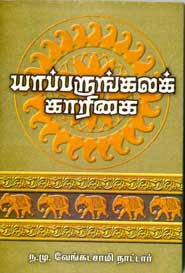
இப்படிப்பட்ட அருமையான பிரபுவாகிய காளிம்பனைத் தன்னிடத்தே கொண்டதும் தொண்டை மண்டலம் தான் என தொண்டை மண்டல சதகம் தனது 28ஆம் பாடலில் கூறிப் புகழ்கிறது.
பாடல் இதோ:
இடஞ்சூழுங்காரிகை யாப்பிற்குதாரண மென்றுகொண்ட
விடஞ்சூழரவென் றெவாயிற்றோற்றி வெறிகமழ்வேங்
கடஞ்சூழ்கரடக் கடாக்களிற்றானியற் காளிம்பன்மேல்
வடஞ்சூழெனச்சொன்ன பாமாலையுந்தொண்டை மண்டலமே
பாடலின் பொருள்;
தமிழ் உலம் அனைத்திலும் சூழ்ந்திருக்கின்ற யாப்பருங்கலக் காரிகை என்னும் இலக்கண நூலில் உதாரணமாக எடுத்தாளப் பட்ட பாடலான
‘விடஞ்சூழரவு’ என்று தொடங்கி ‘வடஞ்சூழ்’ என்பதைப் பின்னால் கொண்டு முடிந்த பாடலானது பழமை வாய்ந்த புலவர் ஒருவரால் பாடப்பெற்றது. அந்தப் பாமாலையைப் பெற்ற, மதம் பொருந்தித் தன் நிழலைச் சூழ்ந்து மலையும் கடாக் களிற்றுச் சேனையை உடையவனும் வேங்கட மலையைச் சூழ்ந்த தமிழ் நாட்டுக்கு அதிபனுமாகிய ‘காளிம்பன்’ என்னும் இயற்பெயரை உடைவனும் தொண்டை வேளாளப் பிரபுக்களில் ஒருவனேயாம்.
ஒரு பிரபுவை தமிழ்ப் புலவர் அருமையாகப் பாட, அந்தப் பாடலை தமிழின் சிறந்த இலக்கண நூல்களுள் ஒன்றான யாப்பருங்கலக்காரிகை உதாரணச் செய்யுளாக எடுத்துக் காட்ட, அப்படிப்பட்ட புலவரையும், புலவர் பாடிய வள்ளலையும் கொண்டது தொண்டை மண்டலம்!
***
புத்தக அறிமுகம் – 65
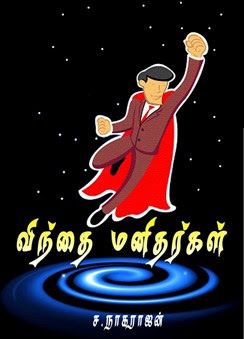
விந்தை மனிதர்கள்
நூலில் உள்ள அத்தியாயங்கள்
1.மேஜிக் மன்னன் ஹௌடினி
2.மேஜிக் நிபுணர் அலெக்ஸாண்டர் ஹெர்மன்
3.ஸ்டாலினை மயக்கிய விந்தை மனிதர் வுல்ப் மெஸ்ஸிங்
4.ரஷிய சாமியார் ரஸ்புடீன்
5.அற்புதமனிதர் எட்கர் கேஸ்
6.மெஸ்மரிஸத்தை உருவாக்கிய மேதை மெஸ்மர்
7.சைக்கோ சிகிச்சையின் தந்தை க்விம்பி
8.வெறும் கத்தியால் ஆபரேஷன் செய்தவர் – அரிகோ
9.அந்தரத்தில் மிதக்கும் அற்புத மனிதர் ஹோம்
10.ஆவிகளைக் காட்டிய அதிசய மனிதர் – எக்லிங்டன்
11.உடலை விட்டு உயரே உலவியவர் – முல்டூன்
12.காலத்தை வென்ற ஓவியர் – லியனார்டோ டா வின்சி
13.ஒரு லட்சம் ஜாதகங்களை ஆராய்ந்தவர் – மைக்கேல்
14.கைரேகை மூலம் எதிர்காலம் சொன்னவர் – சீரோ
15.007ன் மூலகர்த்தா- விந்தை ஜோதிடர் ஜான் டீ
16.உலக பலன்களை விளக்கியவர் – நாஸ்டர்டாம்
17.சைக்கிக் டிடெக்டிவ் – நெல்ஸன் பால்மர்
18.பெண்டுலம் மூலம் கொலையைத் தடுத்து நிறுத்தியவர்- ராபின் வின்போ
19.அதிசய சம்பவங்களை ஆராய்ந்தவர் – சார்லஸ் ·போர்ட்
20.யூரி கெல்லர் – பார்வையாலேயே ஸ்பூனை வளைப்பவர்
21.நெப்போலியனை பிரமிக்க வைத்த பெண் -ஆருட ராணி லெனார்மனா
அதிசயங்கள் கோடி உள்ள அண்டத்தில் மனிதன், இறைவனின் மகத்தான படைப்பு! ஐம்புலன்களால் அவன் ஆற்றும் செயல்கள் பிரமிப்பைத் தருகின்றன! ஆனால் ஐம்புலன்களையும் மீறிய விந்தைகளை நிகழ்த்தும் மனிதர்களைப் பற்றி அறியும்போதோ பிரமிப்பின் உச்சத்திற்கே நாம் செல்கிறோம்! இப்படிப்பட்ட 28 பேரின் வாழ்வில் நடந்த சுவையான நிகழ்ச்சிகளையும் அவர்கள் விந்தை மனிதர்களாகத் திகழ்வதற்கான காரணத்தையும் விளக்கும் விந்தை நூல் இது! தமிழில் இதுவரை வெளிவராத புதிய விஷயங்களைக் கொண்டுள்ள நூல்!! அதிசயமான சாதனைகள் படைத்தவர்களைப் பற்றி அற்புதமாக நூலாசிரியர் எழுதியிருப்பதைத் தனது அணிந்துரையில் தமிழறிஞர் திரு சு.ஸ்ரீபால் அவர்கள் பாராட்டியுள்ளார்!
*
இந்த நூல் திருமதி நிர்மலா ராஜூ அவர்களால் அவரது www.nilacharal.com மூலமாக வெளியிடப்பட்டுள்ளது. இதை (EBOOK) டிஜிடல் வடிவமாகப் பெற விரும்புவோர் www.nilacharal.com இணையதளத்தில் EBOOKS என்ற பகுதியில் AUTHOR-ஐ தேர்ந்தெடுத்தால் எழுத்தாளர் பகுதியில் ச.நாகராஜன் (61) என்ற பெயரைக் காணலாம்.
அங்கு சொடுக்கினால் ச.நாகராஜன் எழுதிய 61 புத்தகங்களின் விவரத்தைக் காண முடியும். விந்தை மனிதர்கள் நூலைப் பற்றிய சிறுகுறிப்பு, விலை விவரத்தைக் காணலாம்; அதை வாங்கலாம்.
Singapore, National Library இல் நிலாச்சாரல் வெளியீடுகள் இடம் பெற்றுள்ளது குறிப்பிடத்தக்கது.
We have seen so far, the oldest image of Elephant is in India (Indus- Saraswathi River basin civilization) and the oldest word for Elephant is in the Rig Veda, the oldest book in the world.
We have also seen that the word Elephant is derived from Sanskrit Ibha, that became erepa in Phoenician, elepas in Greek and Latin and Ibha in Tamil (see 500 year old Tiruppugaz of Arunagirinathar and older literature). We also saw that Karin is found in older Sanskrit literature.
Now I add more points from the most famous Tamil work Tirukkural of Tiruvalluvar:
Elephant is used by the poet at least in 8 places-
A fierce elephant that has faced lancers, can be foiled by a fox, if it is struck in a marshy ground – 500
Here Tiruvalluvar uses the animal fables such as Panchatantra and Hitopadesa to teach us that cunningness can defeat even the most powerful person. Great Hindu heroes like Veera Vallala were defeated by Sultans’ cunningness. Veera Sivaji used the same tactics to defeat the Moghul kings and Sultans
Though wounded with arrows, theelephant stands firm in his greatness; he who has spirit never loses heart when he fails- 597
Through elephant, the poet teaches us a lesson; Forward ever, Backward never.
Theelephant is huge and has big tusks; but assailed by the tiger, he flinches in fear- 599
Ancient Tamil land was greener than today. Thick forests occupied in the west of Tamil Nadu. So poets know about the fights in forest.
A tame elephant is employed to ensnare a wild one. So make one action the means of achieving another- 678
This is a good lesson. Attract someone with something.
The oldest reference to this is available Kautilya’s Artha shastra; later we find it in 2000 year old Akananuru. Paranar gives some interesting information about catching elephants. Some Tamil men used to visit prostitutes in the night. One woman accuses them of immoral behaviour and the news reaches the ears of that courtesan. Immediately she says, Let him come to this red light area; I will drag him by his neck chain and clothes and hug him and bind him with my plaited hair and imprison him in my chest, in front of his own woman, like the Aryan trained women elephants catch the male elephants. If I don’t do it I will consider my mother has wasted her time in raising me.
Here we get the word Aryan trained female elephants. So it looks like North Indians used this technique first. Tamils used another technique to catch elephants, which is also described in the literature. They dug a big pit and hid it by covering it with bamboo sticks and leaves in their usual route. When they come to drink water, at least one of them will fall in the pit. Then they catch it and bring it home.
VALMIKI RAMAYANA
Valmiki also used it 3-56-31, 6-16-6
तत्रैनां तर्जनैर्घोरैः पुनस्सान्त्वैश्च मैथिलीम्।
आनयध्वं वशं सर्वा वन्यां गजवधूमिव।।3.56.31।।
Translation
तत्र there, सर्वाः all, एनां मैथिलीम् this Sita, घोरैः terrrific, तर्जनैः threatening, पुनः again, सान्त्वश्च by gently coaxing, वन्याम् wild, गजवधूमिव like a female elephant, वशम् under control, आनयध्वम् being her.
There you all bring her under control through forcing and cajoling as one would do to tame a wild she elephant.
“Previously in a forest called Padmavana, some maxims were spoken by elephants, which saw men with nooses in hand. Hear and I shall tell them.”
naagnirnaanyaani shastraaNi na naH paashaa bhayaavahaaH | ghoraaH svaarthaprayuktaastu j~naatayo no bhayaavahaaH || 6-16-7
“For us, fire or weapons or nooses are not begetting fear. The terrific kinsmen, incited by selfishness are begetting fear to us.”
Xxx
Having Wealth is watching Elephant Fighting from High Hill
What is achieved by a man that has wealth is like witnessing a fight betweenelephants, having climbed to the top of a hill- 758
Tiruvalluvar himself should have watched such a fight in the thick of the forest. Ancient Hindu kings arranged fights between bulls, cocks and elephants ( I have published a picture of arranged elephant fight from an old English book in my blog)
This couplet comes under the topic ‘On Making Wealth’ .
Tiruvalluvar used elephants more than any other animal to teach us moral lessons and management lessons. No wonder he did it because the ancient Chera (Kerala) country was full of elephants. There is even a saying in Tamil that (Pandya country is famous for pearls, Choza country is famous for food (rice) and Chera country is famous for Elephants.2000 year old Sangam poets also used this animal more than others.
The poet compares the safety and security of a person getting down to a business enterprise, with the full backing of limitless financial resources behind him, without any risks in the undertaking, to the person on the hill watching the fighting elephants.
The chief advantage of wealth is the security it gives
xxx
Aim High
Tiruvalluvar give us a management lesson. Think like Ambani and Adani and achieve it; think like Tata, Birla, Goenka and Mittal and achieve it ; even if you fail in it, you don’t lose much; always Aim High is his lesson taught through elephants.
To hold a lance aimed at an elephant and miss it better than an arrow that has hit a hare in the forest- 772
Having thrown his spear at an elephant, he is delighted to pull out the spear struck in his own body- 774.
Both these couplets occur under the topic Valour. The poet is taking us to a battle field where a hero is facing an elephant brigade. The whole world knows that Hindus invented Chess game (Chatur Anga= Four Fold army) on the basis of four fold army – Ratha Gaja Turaga Pathaathi- Chariot, Elephants, Horse, Footmen (soldiers).
Think big and get it done is the lesson, we learn from the elephants.
For the Kural couplet 774 ,Dr S M Diaz, IG of Police, Tamil Nadu, gives us more information in his beautiful English commentary on Tirukkural.
His translation is
A soldier’s javelin wounded an elephant, which ran away with it, but looking around for a weapon,
He spotted another javelin stuck in his own body and smilingly retrieved it.
Diaz adds
Rajaji (First Governor General of India) interprets it
“The hero hurls his javelin at the attacking elephant, which runs away with the javelin sticking to its body. He then looks about for a fresh weapon, with which to receive the next elephant. At that time, he realises for the first time, that a javelin has pierced him and is sticking in his own body, without his having known it. Smiling at joy in finding a weapon, he plucks it out and arms himself with it.
Tamil Nadu Police Medal
IPS officer Diaz adds,
“In this connection, I recollect some pride, that I was instrumental in helping to fabricate the design of the Chief Minister’s Police Medal on instructions from the then Chief Minister, representing the soldier plucking his steel from his own body and standing ready to face the next elephant. This medal is awarded every year for gallantry to policemen on September 15.
xxx
The bodice that her well formed bosom is the cloth that covers the eyes of an elephant in a rut- 1087
This is poet Kalidasa’s favourite image as well.
In the foot note on this couplet V V S Iyer records:
But for the vestment (covering her beauteous breasts) men would be smitten by her beauty and die. It is usual for mahouts to cover with metal plates the eyes of the elephants, which are expected to become rabid.
Diaz adds
By drawing a veil across the full and beautiful breasts of the young lady , Valluvar enhances the beauty and aesthetics of the female form. On the other hand , Kalidasa, in Sakunthalam, does the opposite. In the first clandestine view by Dushyanta of Sakunthala, her garments are loosened by a lady attendant, and the breasts are brought into his clear view.
To be continued………………………………..
Tags- Elephant fights, Tirukkural, Rut, S M Diaz, Valmiki, Elephant catching, Kautilya
நாம்சென் பள்ளத்தாக்கில் ஒரு குடிசையில் ஒரு தம்பதி வாழ்ந்து வந்தனர்.
கணவன் ஹூ சாங் எப்போதும் புத்தகம் படித்த வண்ணமாகவே இருப்பார். நல்ல அறிவாளி. ஏழு வருடங்கள் இப்படி கழிந்தன.
ஒரு நாள் ஹூவின் மனைவி அவரிடம் வந்தாள்.
“இதோ பாருங்கள்! இனி மேல் என்னால் முடியாது! உங்கள் புத்தகப் படிப்பால் பயன் என்ன? எனது இளமையெல்லாம் வீணாகப் போய் விட்டது. மாற்றிக் கொள்ள ஒரு ரவிக்கையும் கிடையாது. உள்ளாடையும் கிடையாது. மூன்று நாட்களாக எனக்கு உணவும் இல்லை. இனிமேல் என்னால் முடியாது! என்ன செய்வது, சொல்லுங்கள்?” என்றாள் அந்தப் பெண்மணி.
இதைக் கேட்டவுடன் தனது புத்தகத்தை மூடினார் ஹூ.
தீவிர சிந்தனையில் ஆழ்ந்தார். ஒரு முடிவுக்கு வந்தவர் போல திடீரென்று எழுந்த அவர் ஒரு வார்த்தையும் பேசாமல் வெளியே கிளம்பினார்.
நகரின் மையப் பகுதிக்கு வந்த அவர் அங்கு சென்ற ஒருவரைப் பார்த்து வணங்கினார்.
“ஐயா! இந்த நகரில் பெரிய பணக்காரர் யார்? தயவு செய்து சொல்லுங்கள்” என்றார்.
கேள்வி கேட்டவரை விநோதமாகப் பார்த்த அந்த வழிப்போக்கர்,
“ஐயா! நீர் எந்த ஊர்? இப்படி ஒரு கேள்வியை இங்கு நின்று கொண்டு கேட்கிறீர்கள்! இதோ, எதிரில் பாருங்கள். ஜொலிஜொலிக்கும் மாபெரும் மாளிகையை! இங்கு தான் ஊரின் பெரிய செல்வந்தர் வசிக்கிறார். அவரைப் பார்க்க 12 வாயில்களைக் கடந்து போக வேண்டும்” என்று சொன்னார்.
அவருக்கு நன்றி தெரிவித்த ஹூ 12 வாயில்களைக் கடந்து செல்வந்தர் பேட்டி கொடுக்கும் பெரிய அறைக்குச் சென்றார்.
செல்வந்தரைப் பார்த்து வணங்கிய ஹூ, “ஐயா! வணக்கம்! எனக்கு பத்தாயிரம் யாங் வேண்டும். ஒரு நல்ல வியாபாரத்தைத் தொடங்கப் போகிறேன். அதை உங்களுக்கு விரைவில் திருப்பித் தந்து விடுவேன்”
என்றார்.
செல்வந்தர் ஒரு கணம் கூட தாமதிக்காமல், “தருகிறேன். யாரிடம் எப்போது தர வேண்டும்?” என்று கேட்டார்.
“உடனேயே தாருங்கள். அந்தப் பணத்தை சந்தையில் உள்ள பெரிய கமிஷன் வியாபாரிடம் தந்து விடுங்கள். அவரை நான் பார்க்கிறேன்”
என்றார் ஹூ.
“இதோ உடனேயே சந்தையில் பெரிய கமிஷன் வியாபாரியான கிம்மிடம் அதைத் தர ஏற்பாடு செய்கிறேன்” என்றார் செல்வந்தர்.
“மிக்க நன்றி! அடிக்கடி வந்து பார்த்து உங்களைத் தொந்தரவு செய்ய மாட்டேன். அடுத்து பணத்தைத் திருப்பிக் கொடுக்க வரும் போது பார்க்கிறேன்” என்ற ஹூ அவரை வணங்கி விட்டுச் சென்றார்.
ஹூ சென்றவுடன் செல்வந்தரைச் சுற்றி இருந்தவர்கள் அவரை நோக்கிச் சரமாரியாக கேள்விகளைக் கேட்க ஆரம்பித்தனர்.
“யார் இந்த ஆள்? இதுவரை இவரை யாருமே பார்த்தது கிடையாது.
பார்க்க மிகவும் சாதாரணமாக இருக்கிறார்! இவருக்கு இவ்வளவு பெரிய தொகையைக் கொடுக்க எப்படி உங்களுக்கு மனம் வந்தது? இது சரியா!” என்று அவர்கள் கேட்டனர்.
செல்வந்தர் பதில் கூறலானார்: ”இங்கு வருபவர்கள் எல்லாம் நெளிந்து குழைந்து உண்மையே இல்லாத வார்த்தையை எல்லாம் சொல்லி என்னைப் புகழ்ந்து பின்னர் பணத்தைக் கேட்பார்கள். இதோ வந்தாரே, அவரது முகத்தில் உண்மை ஒளி வீசுகிறது. சொல்வதைச் செய்து காட்டுபவர் அவர். வளவள என்று பேசாமல் சுருக்கமாகச் சொல்ல வேண்டியதைச் சொன்னார். பெற வேண்டியதைப் பெற்றார். பாருங்கள், கூடிய விரைவில் இந்த நகரிலேயே பெரிய வணிகராக அவர் திகழப் போகிறார்”
பல பேரைத் தினமும் பார்க்கும் செல்வந்தரின் கணிப்பு படியே
நடந்தது.
வணிகத்தில் துணிந்து செயலாற்றிய ஹூ பெரும் லாபத்தைப் பெற்றார். கடனைத் திருப்பிச் செலுத்தினார்.
அவரது மனைவி அடைந்த மகிழ்ச்சிக்கு எல்லையே இல்லை.
சரி, இந்தக் கதை சொல்லும் நீதி என்ன?
ஒரு செயலைச் செய்யத் தொடங்கும் போது துணிவுடன் அதில் இறங்கி முனைப்புடன் செயலாற்றுங்கள் (Enter Action With Boldness) என்பது தான் நீதி!
‘THE 48 LAWS OF POWER’ என்ற தனது புத்தகத்தில் Robert Greene இதை ஒரு உதாரணமாக எடுத்துக் காட்டுகிறார்! (464 பக்கங்கள்)
Enter Action With Boldness) என்பது தான் அவர் கூறும் இருபத்தி எட்டாவது விதி!
**
புத்தக அறிமுகம் – 64
சிறுவர் புராணக் கதைகள்
நூலில் உள்ள அத்தியாயங்கள்
1. துருவன்
2. பிரகலாதன்
3. பகீரதன்
4. ஸ்ரீ கிருஷ்ணர்
*
நூல் பற்றிய சிறு குறிப்பு இது :
இந்துப் புராணங்கள் தங்கச் சுரங்கங்கள்! வற்றாத ஜீவ நதிகள்! இவற்றிலிருந்து தேர்ந்தெடுக்கப்பட்ட நான்கு கதைகளை இந்நூலில் காணலாம். திட உறுதிக்கு உதாரணமான துருவன், பக்திக்கு உதாரணமான பிரகலாதன், விடாமுயற்சிக்கு உதாரணமான பகீரதன், வாழ்க்கையை முறையாக வாழக் கீதை மூலம் பாதை வகுத்துத் தந்த அவதார புருஷன் ஸ்ரீ கிருஷ்ண பரமாத்மா ஆகியோரின் வரலாறுகளைப் புராணத்தின் மூலத்திலிருந்து வழுவாமல், சுவையான தமிழ் நடையில் எழுதப்பட்டுள்ள இந்நூல் சிறுவர்களுக்கு மட்டுமில்லை, அனைவருக்குமே ஏற்றது!
*
இந்த நூல் திருமதி நிர்மலா ராஜூ அவர்களால் அவரது www.nilacharal.com மூலமாக வெளியிடப்பட்டுள்ளது. இதை (EBOOK) டிஜிடல் வடிவமாகப் பெற விரும்புவோர் www.nilacharal.com இணையதளத்தில் EBOOKS என்ற பகுதியில் AUTHOR-ஐ தேர்ந்தெடுத்தால் எழுத்தாளர் பகுதியில் ச.நாகராஜன் (61) என்ற பெயரைக் காணலாம்.
அங்கு சொடுக்கினால் ச.நாகராஜன் எழுதிய 61 புத்தகங்களின் விவரத்தைக் காண முடியும். சிறுவர் புராணக் கதைகள் நூலைப் பற்றிய சிறுகுறிப்பு, விலை விவரத்தைக் காணலாம்; அதை வாங்கலாம்.
Singapore, National Library இல் நிலாச்சாரல் வெளியீடுகள் இடம் பெற்றுள்ளது குறிப்பிடத்தக்கது.
Elephant is one of the animals mentioned a lot in Tamil literature. There is a special genre called Barani, which is sung only on a hero who killed 1000 elephants. It is an exaggeration, and the real meaning is one who has encountered many elephants in aa battle. Kalingathu Barani in Tamil describe it in detail.
We have also read about the Huna king Mihirakula whose hobby is to drive elephants to the edge of mountain cliff and happily watching their rolling down the hills and broken into pieces.
Another thing mentioned in our literature is kings watching pre -arranged elephant fighting in the vast play ground; he used to sit on a high and safe stage with his paraphernalia and watch it.
Natural fights between elephant and tiger or lion in the dense and thick forest are described in Tamil literature.
Magesthenes’ account of catching the elephants agrees with the present practice. ‘Catching an elephant with an elephant’ is a phrase used by Chanakya and Tiruvalluvar in their books. They use a female elephant to lure a male elephant.
Appolonius of Tyana in the close of the first half of our modern era, has give detailed description of Indian elephants. He found wild elephants from marsh as stupid and idle while those from plains were useful animals, tractable and imitative. The later were taught to dance, to jump to the sound of pipe. He speaks very high about their docile nature, love for their keeper and how they would eat from their master’s hand like a dog and coax him with their trunks. He tells that at night these animals would moan piteously (quite different from their usual roar) to bewail their slavery.
According to Q.Curtius Rufus (41-54 CE) the elephants of India are more tamed than those tamed in Africa and their size corresponds to their strength. Pliny agrees with Curtius and notes that India produced the largest elephants. Arrian describes the modes in which they are hunted. Polybius says that the African elephants would neither endure the smell nor the trumpeting of their Indian congeners….
Xxx
Elephant in Amarakosa
The oldest thesaurus in the world is Amarakosa in Sanskrit. It is at least 2000 year old. It has the following information on elephant:-
Amarasimha, the author of the lexicon, lists the names of elephant, its rut, furiousness, female elephant, and then its temporal juice, water emitted from its trunk. Then he describes its frontal globes, forehead, eye ball root of ear, corner of its eye, part below the frontal globes, tusks, marks on its face, shoulder, and thigh.
He even goes into the details of pike to drive him, hook to guide him, post to which he is secured, chain for his feet, leather girt, dressing an elephant, its stable etc.
No language has such a unique thesaurus/ lexicon. Tamils followed Amarasimha and composed their so called Tamil Nikandus, but with lot of Sanskrit words.
There are over 100 proverbs on elephants in Tamil.
To be continued………………………
Tags- Amarakosa, Amarasimha, Elephant, catching, Greek view, Karin, Tamil word
வால்மீகி ராமாயணத்தில் (வா.ரா) பெண்கள் -7 (இறுதிப் பகுதி)
அபூர்வமாக பெண்ணே வேறு ஒரு ஆடவனுடன் சேர்ந்ததை அஹல்யா- இந்திரன் சம்பவத்தில் காணலாம் . அஹல்யா தெரிந்தே தவறு செய்கிறாள்
பெண்கள் தவறு செய்ததாக வரும் பகுதி மிகமிகக் குறைவு; அப்படி நேர்ந்ததையும் ஆயிரக்கணக்கான ஆண்டுகளாக எழுதி அதை இன்றும் புராண , இதிகாசங்களில் நம்மை வாசிக்க வைத்திருக்கிறார்கள் நம் முன்னோர்கள் . இதில் இரண்டு உண்மை நமக்குத் தெரிகிறது
1.புராண, இதிஹாங்கள் அனைத்தும் உண்மையே. அவர்கள் கசப்பான உண்மைகளைக் கூட மறைக்கவில்லை. அப்படி மறைக்க வேண்டும் என்று நினைத்திருந்தால் இதை மறைத்து இருப்பார்கள். அது மட்டுமல்ல. அந்த அ ஹல்யாவும் , தனது தவறுக்கு வருந்தி தண்டனையை ஏற்றுக்கொண்டதால் இன்றுவரை உதாரணமான பெண்மணிகளின் பெயர்களில் அவள் பெயரையும் சேர்த்து போற்றி வணங்குகின்றனர் .
அஹல்யா, த்ரௌபதீ,சீதா,தாரா மண்டோதரி ததா
பஞ்சகன்யா ஸ்மரேன் நித்யம் சர்வ பாப விநாசனம்
இரண்டாவது உண்மை, இது மற்ற பெண்களுக்கும் ஆண்களுக்கும் எச்சரிக்கை! ஏனெனில் தவறிழைத்த இந்திரனும் தண்டிக்கப்பட்டான் . யானைக்கும் கூட அடி சறுக்கும் என்பது போல பெரியோரும்கூட தவறு செய்ய முடியும். துர்கா சப்த ஸ்லோகீயின் முதல் ஸ்லோகம் இதற்கு உதாரணம். ஞானிகளையும் கூட (அவர்கள் அகந்தை காரணமாக) ஒரு நிமிடத்தில் துர்கா தேவி விழுத்தாட்டிவிடுவாளாம் .ஞானீனாம் அபி சேதாம்ஸி தேவி பகவதி ஹி ஸா
பலாத் ஆக்ருஷ்ய மோஹயா மஹாமாயா பிரயச்சதி
XXX
EVERY SINNER HAS A FUTURE; EVERY SAINT HAS A PAST
ஒவ்வொரு ‘பாவி’க்கும் ஒளிமயமான எதிர்காலம் உண்டு
ஒவ்வொரு முனிவனுக்கும் (தவறான) கடந்த காலமும் உண்டு –என்று ஆங்கிலத்தில் சொல்லுவார்கள்.
இந்து மதத்தில் பாவமன்னிப்பு உண்டு என்பதற்கு அஹல்யா, அஜாமிளன் கதைகள் உதாரணம்.
XXXX
அஹல்யா சம்பவம் குறித்து வால்மீகி சொல்வதைக் காண்போம்:
1-48-18/19
ஓ பேரழகியே !ஆசைவயப்பட்டவர்கள் மாதவிலக்கு காலம் முடிவதற்காக காத்திருக்க மாட்டார்கள் ( குழந்தை பெறுவதற்கு உரிய தருணத்துக்காக); அழகிய இடை உடைய பெண்ணே நாம் இருவரும் சேருவதை நான் விரும்புகிறேன் — என்று இந்திரன் கூறுகிறான்.
सुसमाहिते சமமான உறுப்புகளை உடைய அழகியே!, अर्थिन:ஆசை வயப்பட்டவர்கள் , ऋतुकालम् ருது காலம் வரும்வரை , न प्रतीक्षन्ते காத்திருக்கமாட்டார்கள் , सुमध्यमे அழகிய இடை உடையவளே , अहम् I, त्वया सह நான் உன்னோடு सङ्गमम् இணைவதற்கு , इच्छामि ஆசைப்படுகிறேன்.
XXXX
ரகு நந்தன! இந்திரன்தான் சந்நியாசி வேடத்தில் வந்திருக்கிறான் என்பதை அறிந்தும் அவனுடன் கூட விரும்பினாள்
मुनिवेषं सहस्राक्षं विज्ञाय रघुनन्दन।
मतिं चकार दुर्मेधा देवराजकुतूहलात्।।1.48.19
முனிவேஷம் ஸஹஸ்ராக்ஷம் விக்ஞாய ரகுநந்தன
மதிம் சகார துர்மேதா தேவராஜ குதூஹலாத் –1.48.19
रघुनन्दन ராமா , दुर्मेधा: தீய எண்ணம் கொண்ட , मुनिवेषम् முனிவர் வேடத்திலுள்ள , सहस्राक्षम् கண்ணாயிரம்/ இந்திரன் , विज्ञाय என்பதை அறிந்தும் , देवराजकुतूहलात् வானுலக வேந்தனின் ஆசைக்கு , मतिं चकार இணங்கிணாள் .
Xxx
விதவையர் வாழ்வு
கணவனை இழந்தோர், விரத வாழ்வு கடைப்பிடித்தனர். தலைவாரி பூச்சூட வில்லை. அணிகலன்களை அணியவில்லை. ஆயினும் அவர்கள் மரியாதையுடன் நடத்தப்பட்டனர் .பட்டாபிஷேகம், திருமணம், இறுதிச் சடங்கு ஆகிய அனைத்திலும் அவர்களும் பங்கு கொண்டதை வா. வருணிக்கிறார்.
na paryadevanvidhavA na cha vyAlakR^itaM bhayam |
na vyAdhijaM bhayan vApi rAme rAjyaM prashAsati || 6-128-99
ந பர்யதேவன் விதவா ந ச வ்யாலாக்ரிதம் பயம்
ந வ்யாதிஜம் பயன் வாபி ராமே ராஜ்யம் ப்ரஷாசதி 6-128-99
99. ராமே = ராமன் ; ப்ரஷஸ்தி = ஆட்சிபுரிகையில் ; ராஜ்யம் – அந்த நாட்டில் ந விதவாஹா பர்யதேவன் ; வருத்தம் அடைந்த விதவைகள் எவருமிலர்.;ந பயம் ஆஸீத் -பயம் என்பதே இல்லை ; வ்யாலாக்ரிதம் – வன விலங்குகளிடமிருந்து; ந பயம்- அச்சமே இல்லை. வ்யாதிஜம் -நோய்களிடம் இருந்தும் (பயமில்லை)’
கெளசல்யா தேவிக்கு ராம , லட்சுமண, சுக்ரீவன் ஆகியோர் உரிய மரியாதை செலுத்தும் காட்சி வா.ரா.வில் இருப்பதால் விதவைகள் புறக்கணிக்கப்பட்ட வில்லை என்பதை அறிய முடிகிறது.
Pictures are taken from various sources for spreading knowledge;
this is a non- commercial blog. Thanks for your great pictures.
tamilandvedas.com, swamiindology.blogspot.com
அறிவியல் அறிஞர் வாழ்வில்! 10
ச.நாகராஜன்
19
ஆவி உலகத்தை ஆராய்ந்த விஞ்ஞானி வாலஸ்!
ஆல்ஃப்ரட் ரஸ்ஸல் வாலஸ் (Alfred Russel Wallace பிறப்பு 8-1-1823 மறைவு 7-11-1913) பரிணாமக் கொள்கையைக் கண்டுபிடித்ததில் முக்கியமான விஞ்ஞானி. இவர் சார்லஸ் டார்வினின் சம காலத்தவர். பெரிய விஞ்ஞானியாகத் திகழ்ந்ததோடு இவர் ஆவி உலகத்தில் அதிக நம்பிக்கை கொண்டவராகவும் இருந்தார். வியக்க வைக்கும் பல அனுபவங்களையும் பெற்றார்.
1869ஆம் ஆண்டு வாலஸை அவரது நண்பரான ராபர்ட் சேம்பர்ஸ் (Robert Chambers) என்பவர், மிகப் பணக்காரப் பெண்மணீயான மிஸ் டக்ளஸுக்கு (Miss Douglas) அறிமுகப்படுத்தி வைத்தார்.
மிஸ் டக்ளஸ் ஆவி உலகத் தொடர்பில் ஆர்வம் உள்ளவர். லண்டனில் சவுத் அட்லி தெருவில் உள்ள அவரது வீட்டில் இப்படி ஆவி உலக சம்பாஷணைகள் அடிக்கடி நடைபெறும்.
ஒரு நாள் நடைபெற்ற சம்பவம் இது:
ஹாஸ்க்ஸ்பி (Haxby) என்ற ஒரு இளைஞர் தபால் அலுவலகத்தில் வேலை பார்ப்பவர். அவர் ஒரு சிறந்த மீடியம் – ஆவிகளுடன் பேசுபவர்.
ஒரு நாள் ஆவி ஒன்றிற்கு அழைப்பு விடுவிக்கப்பட்டது. சில நிமிடங்களில் திரைச்சீலை நடுவிலிருந்து தலைப்பாகையுடன் பெரிய டர்பன் அணிந்து வெள்ளை வெளேரென செருப்பு அணிந்த கிழக்கு இந்தியாவைச் சேர்ந்த ஒரு பெரிய உருவம் தோன்றியது. அந்த அறையில் அங்கும் இங்கும் அது சென்றது. சுற்றிச் சுற்றிப் போகின்ற போது பெரிய இசைப்பெட்டியைத் தூக்கியது. தலைக்கு மேல் வைத்துக் கொண்டு ஆடியது. ஒவ்வொருவர் அருகிலும் வந்து வணங்கியது. தனது ஆடைகளையும் கையையும் தொட்டுப் பார்க்கவும் அனுமதித்தது.
அனைவரும் அந்த உருவத்தை கதவு அருகில் நிற்கச் சொன்னார்கள். அந்த உருவத்தின் உயரம் குறிக்கப்பட்டது.
பின்னர் ஹென்ஸ்லீ வெட்ஜ்வுட் (Hensleigh Wedgwood) என்பவர் செருப்பை அளக்கும் ஒரு ஸ்கேலை எடுத்துக் கொண்டு வந்து அந்த உருவத்தை ஒரு நாற்காலியில் அமரச் செய்து செருப்பைக் கழட்டி விட்டு அதன் காலைச் சுற்றி மார்க் செய்தார்.
நெடு நேரம் பேசிய பின்னர் அந்த ஆவி அங்கிருந்து சென்றது.
உடனே அனைவரும் ஆவியுடன் பேசிய மீடியமான ஹாக்ஸ்பியை உட்காரச் சொல்லி அவரது காலைச் சுற்றி மார்க் செய்தனர்.
ஆவியின் காலடிச் சுவடு அளவானது மீடியமாக இருந்த ஹாக்ஸ்பியின் காலடி அளவை விட ஒன்றே கால் அங்குலம் அதிகமாக இருந்ததைக் கண்டு அனைவரும் அதிசயித்தனர்.
அதே போல கதவருகில் குறிக்கப்பட்ட உயரமானது மீடியமான ஹாக்ஸ்பியின் உயரத்தை விட ஆறு அங்குலம் அதிகமாக இருந்தது.
அறையின் கதவும் ஜன்னலும் நன்றாக மூடப்பட்டு தாழ்ப்பாள் போடப்பட்டிருந்தது.
இவை அனைத்தும் அந்த ஆவி உலகப் பேச்சு உண்மை தான் என்பதை நிரூபித்தது.
என்றாலும் கூட விஞ்ஞானியாக இருக்கும் வாலஸ் இதையெல்லாம் நம்பக் கூடாது என்று அவரது நண்பர்கள் பலர் கூறினார்கள். ஆனால் வாலஸோ தன் நம்பிக்கையில் உறுதியாக இருந்தார். அவர் எழுதிய தி ஸயிண்டிஃபிக் ஆஸ்பெக்ட் ஆஃப் தி சூப்பர்நேச்சுரல்’ (The Scientific Aspect of the Supernatural) என்ற புத்தகம் புகழ்பெற்ற ஒரு நூல்!
20
மனதில் கேட்ட கேள்விகளுக்கு விடையைப் பெற்ற விஞ்ஞானி!
ஆவி உலகம் என்று ஒன்று உண்டு; ஆவிகளுடன் தொடர்பு கொள்ளலாம் என நம்பிய விஞ்ஞானிகளில் குறிப்பிடத்தகுந்த பலரில் ஒருவர் செயிண்ட் ஜார்ஜ் ஜாக்ஸன் மிவார்ட்! (St. George Jackson Mivart பிறப்பு 30-11-1827 மறைவு 1-4-1900). லண்டனில் பிறந்து வளர்ந்த இவர் ஒரு உயிரியல் நிபுணர். இறை நம்பிக்கை உடையவர்.
மிவார்ட், ‘தி ஸயிண்டிஃபிக் ஆஸ்பெக்ட் ஆஃப் தி சூப்பர்நேச்சுரல்’ (The Scientific Aspect of the Supernatural) என்ற புத்தகத்தை எழுதிய விஞ்ஞானி வாலஸின் நண்பர். அந்த நூலை ரசித்துப் படித்தவர்.
இந்தப் புத்தகத்தால் கவரப்பட்ட அவர் தானே ஆவி உலக ஆராய்ச்சியில் ஈடுபடலானார்.
1878ஆம் ஆண்டு, குளிர்காலம். இடம் : இத்தாலியில் உள்ள நேபிள்ஸ் நகரம்.
வாலஸுக்குத் தெரிந்த திருமதி குப்பி ( Mrs Guppy) என்ற ஒரு மீடியம் தனது கணவருடன் அங்கு வாழ்ந்து வந்தார்.
குப்பிக்கு வாலஸ் தனது நண்பரான மிவார்ட் பற்றிய அறிமுகக் கடிதம் ஒன்றையும் கொடுத்து அனுப்பி இருந்தார்.
மிவார்ட் மூன்று முறை குப்பியுடன் ஆவி உலகத் தொடர்பைக் கொண்டார்.
முதல் முறையில் மிவார்ட் பல கேள்விகளை தன் மனதிற்குள் கேட்டுக் கொண்டார். அதற்கான விடைகளை ஆவி உலகிலிருந்து பெற்றார். இது வெகுவாக அவரை ஆச்சரியப்படுத்தியது.
இன்னொரு முறை இந்த ஆவி உலகத் தொடர்பு ஒரு இருட்டறையில் நடைபெற்றது. திடீரென்று அந்த அறையில் மர்மமான முறையில் மலர்கள் தோன்றின.
வாலஸுக்கு எழுதிய கடிதத்தில் மிவார்ட் எழுதினார் இப்படி: “அறைக் கதவு மூடி இருந்தது. அறை நன்றாக சோதனை செய்யப்பட்டிருந்தது. போதுமான முன்னெச்சரிக்கை நடவடிக்கைகள் மேற்கொள்ளப்பட்டிருந்தன. நான் ஆச்சரியமே படவில்லை. ஏனெனில் உங்களிடமிருந்தும் மற்றவர்களிடமிருந்தும் இது பற்றி நிறையக் கேள்விப்பட்டிருக்கிறேன். இந்த நிகழ்வு என்னை வெகுவாகத் திருப்திப்படுத்தியது. ஒரே ஒரு தரம் பார்த்த உண்மை நூறு தடவை பார்த்ததற்குச் சமம்!”
இந்தக் கடிதத்தில் மிவார்ட் தனது பல முடிவுகளை வாலஸுக்குத் தெரியப்படுத்தி இருந்தார்.
அவற்றில் முக்கியமானவை :
“1) எனக்கு இதுவரை தெரியாத, புலன்கள் மூலமாக உணரத்தக்க பல பொருள்களை எடுத்துச் செல்லும் ஒரு புது சக்தியைப் பார்த்தேன்.
2) நேரில் உதவும் உதவியாளர்களைத் தவிர்த்து அப்படி இல்லாமல் தானே பலவற்றைச் செய்யும் ஒரு அறிவையும் பார்த்தேன்.
3) இந்த ஆவி உலகத் தொடர்பு நிகழ்வுகளில் எனது மனதில் உள்ளதை அறியக் கூடிய ஒரு அறிவார்ந்த சக்தியும் தன்னை எனக்குக் காட்டியது.
சில வருடங்களுக்குப் பிறகு மிவார்ட் பிரான்ஸில் உள்ள லூர்தூஸுக்கு சென்றார். அங்கு நிகழும் கன்னி மேரி நிகழ்த்தும் அற்புதங்களையும் ஆராய ஆரம்பித்தார்.
21
காயத்ரி மந்திரத்தின் பெருமையைக் கூறிய விஞ்ஞானி
இந்திய நாட்டைப் பெரிதும் மதித்து நேசித்த பெரிய விஞ்ஞானி ஜே.பி.ஹால்டேன் (J.B.Haldane பிறப்பு 5-11-1892 மறைவு 1-12-1964).
இங்கிலாந்தில் ஆக்ஸ்போர்டில் பிறந்தவர் ஹால்டேன். ஜாக் என்ற செல்லப் பெயரால் அனைவராலும் அறியப்பட்டவர்.
அவர் உயிரியலில் வல்லுநர். தாவர இயலில் பெரிதும் ஈர்க்கப்பட்டு அதில் தீவிர ஆய்வில் ஈடுபட்டார். 1917ஆம் ஆண்டு முதல் தடவையாக இந்தியாவுக்கு வந்த அவர் இந்தியப் பண்பாடு, ஹிந்து மதம், இந்திய வாழ்க்கை முறை ஆகியவற்றால் பெரிதும் கவரப்பட்டார். இந்தியாவிற்கே போக வேண்டும் என்று அடிக்கடி சொல்லிக் கொண்டிருப்பார்.
லண்டன் யுனிவர்ஸிடி காலேஜிலிருந்து தனது பதவியை விட்டு விட்டு 1957ஆம் ஆண்டு இந்தியா வந்த அவர் 1964 ஆம் ஆண்டு புவனேஸ்வரில் காலமாகும் வரை இந்தியாவிலேயே இருந்தார்.
பிரிட்டனின் அரசியல் கொள்கைகள் அவருக்குப் பிடிக்கவில்லை. உலகெங்கும் பல்வேறு அறிவியல் நிகழ்ச்சிகளில் அவர் கலந்து கொள்ளும் போது கிரேக்க லத்தீன் மொழிகளிலிருந்து மேற்கோள்களைச் சுட்டிக் காட்டுவது போல, இந்திய மொழிகளில் உள்ள இலக்கியத்திலிருந்து அனாயசமாக மேற்கோள்களை எடுத்து அள்ளி வீசுவார். கொல்கத்தாவில் ஸ்டாடிஸ்டிகல் இன்ஸ்டிடியூட்டில் அவருக்கு பணியாற்ற அழைப்பு வரவே அங்கு அவர் வந்தார்.
400 ஆய்வு பேப்பர்களையும் 24 புத்தகங்களையும் படைத்த அவர், “ஹிந்து மதம் ஒரு அறிவியல் அணுகுமுறையைக் கொண்டிருப்பது இந்தியர்களுக்கு ஒரு பெரிய வரபிரசாதமாகும்” என்று குறிப்பிட்டார்.
காயத்ரி மந்திரம் பற்றி அடுத்து அவர் சொன்ன கருத்து இந்து மதத்திற்கே பெருமை தரும் ஒன்றாகும்.
“காயத்ரி மந்திரத்தை ஓதுவது புவி, காற்று, வான் ஆகியவை பெருமை வாய்ந்தவை என்பதை நினைவுபடுத்துவதாகும். அவை பற்றி மிகுந்த சக்தியுடன் ஒவ்வொருவரும் நினைக்க வேண்டும். நூற்றுக்கு ஒருவர் இதை ஓதினால் கூட போதும், இந்தியா அறிவியலில் உலகிற்கே தலைமை வகித்து நடத்தும்”
(Hinduism enjoins a scientific attitude and this is a great advantage for Indians in their approach to science. The repetition of Gayatri Mantra reminds one that earth, air, and sky are a glory and that it is one’s duty to think about them to the utmost of his power. If one out of hundred persons who repeat it would do the same, India would lead the world in science.
‘Science and the Enquiring Mind’, ‘The Hindustan Times’, May, 18, 1956)
காயத்ரி மந்திரம் பற்றி அவர் கூறிய பொன்மொழி :-
“The Gayatri Mantra should be carved on the doors of every laboratory of the world“.
“காயத்ரி மந்திரம் உலகில் உள்ள ஒவ்வொரு லாபரட்டரியின் கதவுகளில் பொறிக்கப்பட வேண்டும்.”
***
புத்தக அறிமுகம் – 63
வெற்றிக்கலை!
நூலில் உள்ள அத்தியாயங்கள்
1.வெற்றிக்கலை
2.குறிக்கோள்
3.நம்பிக்கை
4.உற்சாகமே உயிர்
5.மலர்ச்சி, மகிழ்ச்சி
6.இனிமையான ஆளுமை
7.ஒத்துழைப்பு
8.சேமிப்பு
9.கற்பனை வளம், மூளையின் நுட்பம்
10.ஒருமுனைப்படுத்தல்
11.சுயயோசனை
12.தலைமைப்பண்பு
13.தோல்வியில் துவளாமை
14.தன்னடக்கம்
15.ஆக்கபூர்வமான சிந்தனை
16.சரியான முடிவு எடுத்தல்
17.உடல் நலமும், ஓய்வும்
18.இறை நம்பிக்கை
19.பிரார்த்தனையின் வலிமை
20.ஊதியத்திற்கு மேல் உழைத்தல்
21.சகிப்புத்தன்மை
22.நேரத்தைப் பயன்படுத்தல்
23.நேரத்தைப் பயன்படுத்தல் -2
24.மறத்தலும், மன்னித்தலும்
25.வெற்றிக்கு உற்ற துணை
26.முடிவுரை
27.படிக்க வேண்டிய நூல்களின் பட்டியல்
*
நூல் பற்றிய சிறு குறிப்பு இது :
வெற்றி என்பது என்ன? அதை அடைவதற்கான வழிமுறைகள் என்னென்ன என்பனவற்றை விளக்கும் நூல்! குறிக்கோளை நிச்சயிப்பது, தன்னம்பிக்கை, உற்சாகம், ஊதியத்திற்கு மேல் உழைப்பது, பிரார்த்தனையின் மகிமை என வெற்றியை அடைவதற்கான வழிமுறைகள பல்வேறு அத்தியாயங்களில் எளிய தமிழில் கூறுகிறது இந்நூல். ஏராளமான செயல்முறை உத்திகளும் நூலில் இடம்பெற்றுள்ளன. பெரியோர்களின் வாழ்க்கையில் நிகழ்ந்த அருமையான நிகழ்ச்சிகளைக் குறிப்பிடுவதன் மூலம் உத்வேகத்தையும் ஊட்டுகிறார் ஆசிரியர்.
இந்த நூலுக்கு முன்னுரை வழங்கி கௌரவித்திருப்பவர்
பிரபல டைரக்டரும் கதாசிரியரும் பாக்யா இதழின் ஆசிரியருமான திரு கே.பாக்யராஜ் அவர்கள்.
அவர் தனது முன்னுரையில், வெற்றி ரகசியத்தை வெளியிடக் கூட விருப்பமின்றி அல்லது நேரமின்றி வெற்றி பெற்றவர்கள் மும்முரமாகச் செயலாற்றிக் கொண்டிருக்கும்பொழுது இந்த நூலாசிரியர் அதை இப்படிப் பிறருக்கும் பயன்படும் வகையில் சீராகவும் சிறப்பாகவும் வெளியிட்டிருப்பதைப் பாராட்டுகிறார்.
*
இந்த நூல் திருமதி நிர்மலா ராஜூ அவர்களால் அவரது www.nilacharal.com மூலமாக வெளியிடப்பட்டுள்ளது. இதை (EBOOK) டிஜிடல் வடிவமாகப் பெற விரும்புவோர் www.nilacharal.com இணையதளத்தில் EBOOKS என்ற பகுதியில் AUTHOR-ஐ தேர்ந்தெடுத்தால் எழுத்தாளர் பகுதியில் ச.நாகராஜன் (61) என்ற பெயரைக் காணலாம்.
அங்கு சொடுக்கினால் ச.நாகராஜன் எழுதிய 61 புத்தகங்களின் விவரத்தைக் காண முடியும். வெற்றிக்கலை நூலைப் பற்றிய சிறுகுறிப்பு, விலை விவரத்தைக் காணலாம்; அதை வாங்கலாம்.
Singapore, National Library இல் நிலாச்சாரல் வெளியீடுகள் இடம் பெற்றுள்ளது குறிப்பிடத்தக்கது.
WE HAVE AT LEAST 45 WORDS FOR ELEPHANT IN TAMIL NIKANDU/thesaurus (See My Earlier Article)
Since ancient Tamils considered Tamil and Sanskrit two eyes of the same man they never differentiated the two words in dictionaries and thesauruses. There is no Tamil dictionary or nikandu/thesaurus without Sanskrit words. In fact, my research shows that there are more Sanskrit words in these so-called Tamil dictionaries.it shows Tamils considered both of them their own mother tongues. It is true with Tamil literature as well. They used both the languages as if their own mother tongues. There is another reason which supports my theory that both the languages came from the same root; devotees of Siva believe that both the languages came from the sound of kettle drum of Lord Siva
Kari in Tamil means charcoal or elephant. But other meanings such as hand, witness, black pepper, accusation are also there.
In Sanskrit Kaarin and Karin are used for elephant. And Hasti, Ibha, Gaja are also used.
Now the question is KARI a Tamil word or not?
If we take it chronologically it comes first only in Sanskrit.
Wilson in his translation of the Rig Veda finds it in 4-34-3 of Rig Veda. Most famous Sanskrit lexicon/ thesaurus Amarakosa lists many names for elephant including Kari.
I can interpret it in two ways. The animal which is black (kari in Tamil) is Kari; so it is a Tamil world
The animal which has a prominent hand/trunk (Kara= Hand) is Karin; so it is Sanskrit.
One rare and interesting co incidence is both Kari in Tamil and Ibha in Sanskrit mean ‘Number Eight’ as well!
Kari is found in more ancient literature in Sanskrit. Mahabharata, Kiratarjuniya, Amarakosa etc and the authors used Karin for elephant.
In Tamil, Kari means Charcoal or that which is burnt to ash. For elephant, Sangam poets used Vezam, Yaanai, Kaliru and seldom used Kari.
xxx
Etymology of Elephant from Sanskrit
The English word Elephant is derived from Sanskrit ‘Ibah’, which is found in the Vedas. It changed to Erepa in Phoenician. R/L changes are seen through out the world. Panini was the first one to put it in grammar. Erepa became elepha in Greek and Latin. Elephant is a holy animal for Hindus .All the temples and Mutts do Go Puja (cow worship) and Gaja Puja (elephant worship). The oldest picture of elephant is in the Indus seal. That shows Hindus are the one who took it to different parts of the world. It is part of Chatur Anaga of army and Chaturanga/chess game as well.
Asvaghosa , who came after Kalidasa, also refers to elephants with the names , Gaja, Gajendra, Hasti, Kari, Karin , Kunjara, Kalabha, Vaarana, Naag, Rsabha, Dvipa and Dviipendra. Many names are in the Amarakosa.
Egypt, though an African country, did not use elephant at all . We cant see it Egyptian Pyramid paintings . Only after contacting with Hindus they learnt to control horses and elephants .
Hastin, Gaja, Karin , Rsabha and Ebha are all found in the Vedic literature
The chess game that was invented by Hindus also made elephant as part of the four fold army. The name of Asvattama, the elephant, was used to defeat the Kauravas. All the elephants have special names in Hindu books.
Asvaghosa says
The elephants are found in the forests of Himalayas. They caught them with the help of elephant catchers. Sometimes they became wild and were controlled with help of Ankusa.
To be continued………………………….
tgs- Elephant, etymology, Ibha, Indus seal, Rig Veda




 Tamil and Vedas