Pictures are taken from various sources for spreading knowledge.
this is a non- commercial blog. Thanks for your great pictures.
tamilandvedas.com, swamiindology.blogspot.com
xxxx
An article by Saurabh Kwatra was published in the Times of India in 2001. I give below the dates in the article.
The present analysis is a modest attempt to use astronomy, astrology and the science of together in elevating the status of Ramayana from an epic to chronological reality.
(then the author explains the birth charts etc from the facts given by Valmiki)
The author arrived at the following dates for the important events in Ramayana:
Birthday of Rama- December , 7323 BCE Ram Navami day 9300 years ago)
Marriage with Sita- April 7, 7307 BCE
Rama’s Exile- November 29, 7306 BCE
Hanuman’s entry into Lanka- September 1, 7292 BCE
Hanuman’s meeting with Sita- September 2, 7292 BCE
Construction of the bridge /Setu- October 26-30, 7292 BCE
Beginning of great war- November 3, 7292 BCE
Kumbakarna’s death – November 7, 7292 BCE
Ravana was killed by Rama – November 15, 7292 BCE
Rama’s return to Ayodhya- December 6, 7292 BCE
(author explained astronomical positios of stars and planets to justify his conclusion)
****
Another article shows one has to dig at least 60 meters to get the archaeological evidence for Ramayana which is not possible in North India’s Gangetic plains.
Rig Veda 10,000 Years old (8000 BCE)
In the 1990s, Nevoli Cori in Turkey was excavated. They have found the sculpture of a bald man, that fits the description of a Vedic priest. It is dated 8000 BCE.
Linguistic studies conducted by R D Gray and Q D Atkinson of the University of Aucland, New Zealand say the oldest Indo European language , which is over 10,000 years old, bears close affinity to Rig Vedic Sanskrit.
These findings confirm the theory proposed by B G Siddharth, Director General of B M Birla Science Centre , that the Rig Vedic civilization could be dated as far back as 10,000 years.
(I am throwing away the paper cuttings which are 20 years old; the above matter is just the bullet points from those cuttings)
–subham—
Tags –Ramayana dates, birthday of Rama, wedding date of Sita
நெய்யை உருக்கி, தயிரைப் பெருக்கி சாப்பிட வேண்டும்– என்ற மருத்துவப் பழமொழியின் பொருளை முந்தைய கட்டுரையில் கண்டோம் இதோ அடுத்த பழமொழி – வறுத்த பருப்பை விடாதே, சுட்ட எண்ணெயைத் தொடாதே!
சுட்ட எண்ணெயைப் பயன்படுத்தலாம். ஆயினும் நம்மவர்கள் அந்தக் காலத்தில் சுட்ட எண்ணெயைத் தொடாதே என்று சொன்னார்கள் ; காரணம் என்னவெனில் அதைப் பாதுகாத்து வைக்காமல் அதே சட்டியில் வைத்து மீண்டும், மீண்டும் பயன்படுத்துகையில் அதில் அதிகம் அசுத்தங்கள் பூச்சி பொட்டுக்கள் சேர்வதற்கு வாய்ப்புகள் அதிகம் இருந்தன.
தற்கால ஆராய்ச்சிகளும் பல நிபந்தனைகளுடன்தான் சுட்ட எண்ணெயைப் பயன்படுத்த அனுமதிக்கிறது. முதலில் அதில் என்ன பண்டத்தைப் பொறி த்தீர்கள், அதை இதற்கு முன் எத்தனை முறை பயன்படுத்தினீர்கள் என்பதைப் பொறுத்தே அதை நல்லதா கெட்டதா என்று சொல்ல முடியும்;. பலரும் அந்த எண்ணெயை ஆறவைத்து பாட்டிலில் விட்டு, குளிர்பதனப் பெட்டி என்னும் பிரிட்ஜில் வைத்து விடுகிறார்கள் இப்படிச் செய்தால் அதை மீண்டும் பயன்படுத்தலாம்.
மேலும் எந்தப் பண்டத்தை முதலில் பொறித்தீர்களாளோ அதே பண்டத்துக்கு மேலும் பயன்படுத்தலாம். அல்லது முந்திய பண்டத்தின் மணம் இதிலும் ஏறும். எடுத்துக்காட்டாக வெங்கா யத்தைப் பொறித்துவிட்டு அடுத்த படியாக நீங்கள் எந்தப் பண்டத்தைப் பொறித்தாலும் அதில் வெங்காய மணம் ஏறக்கூடும்.
குறிப்பாக விருந்தாளிகள் வருகையில் அல்லது இறைவனுக்குப் படைக்கையில் எல்லாவற்றுக்கும் புதிய எண்ணெயைப் பயன்படுத்த வேண்டும் என்று தாய்மார்களுக்குச் சொல்லாமலே விளங்கும்
இதற்கான அறிவியல் விளக்கம் என்ன என்பதையும் காண்போம்.
Repeatedly heated cooking oils (RCO) can generate varieties of compounds, including polycyclic aromatic hydrocarbons (PAH), some of which have been reported as carcinogenic. Taking into account exploratory study, the present review aims to provide the consumption of RCO and its fumes cause the high incidence of genotoxic, mutagenic, tumorigenic and various cancers.
மீண்டும் மீண்டும் அதாவது பலமுறை எண்ணெயைச் சுடவைக்கும்போது அதில் பாலிசைக்ளிக் அரோமேட்டிக் காம்பவுண்ட்ஸ் என்னும் ரசாயனப் பொருட்கள் உண்டாகின்றன. அவை புற்றுநோயை உண்டாகும் ரசாயனப் பொருட்களில் ஒன்றாகும்
மேலும் நமது சகோதரிகள் சமையல் அறையில் அந்தப் புகையையும் சுவாசிக்கின்றனர். அதுவும் புற்றுநோய்க்கான காரணிகளாக அமைகிறது
நோயாளிகளையோ நோயற்றவர்களையோ இதற்காக நிறுத்தி ஆராய்ந்து இந்த முடிவினை விஞ்ஞானிகள் கண்டுபிடிக்கவில்லை. ஏற்கனவே டாக்டர்கள் கம்ப்யூட்டரில் சேகரித்து வைத்த தகவலின் அடிப்படியில் அறிவியல் சஞ்சிகையில் வெளியிடப்பட்டுள்ளது.
நாம் மருத்துவரிடம் சென்றால், குறிப்பாக மேலை நாடுகளில், அவர்கள் நமது வாழ்க்கை முறை, அன்றாட நடவடிக்கைகள் பற்றி பல கேள்விகளையும் கேட்பார்கள்; நமக்கு கோபமும் ஆத்திரமும் கூட் வரக்கூடும். இது என்னடா, நான் முதுகு வலி என்று போனால் அவர் சமையல் அறையில் நீங்கள் எத்தனை மணி நேரம் இருக்கிறீர்கள், வெப்பம் எப்படி, புகைபோக்கி உண்டா என்றெல்லாம் கேட்கிறார்களே என்று நமக்கு எண்ணத் தோன்றும் ஆயினும் நாம் சொல்லும் எல்லா பதில்களையும் அவர்கள் அப்படியே கம்பியூட்டரில் பதிவு செய்கிறார்கள். பிற்காலத்தில் ஆராய்ச்சியாளர்கள் புகை போக்கி என்று ஆய்வு பட்டனைத் தட்டினாலும் கம்ப்யுயூட்டர் அத்தனை புகைபோக்கி விஷயங்களையும் கொட்டிவிடும். அப்படி செய்யப்பட ஆராய்ச்சியில் சுட்ட எண்ணெய் பற்றி கிடைத்த முடிவுதான் மேற்சொன்ன புற்று நோய் விஷயம் .
****
( புற்று நோய் என்பது என்ன என்று உங்களுக்குத் தெரிந்திருக்கும். கொத்தனாரைக் கூப்பிவிட்டு செங்கற்களைத் வைத்து கட்டிடம் கட்டச் சொன்னோம். அவர் சரியாக அளவு பாக்காலமல் செங்கற்களைத் தாறுமாறாக வைத்துக் கட்டினால் அடுத்த மழையில் கட்டிடமோ சுவரோ சரிந்துவிடும். இதே போல நமது உடலில் செல் என்னும் செங்கற்ககளை புதுப்பிக்கும் வேலை ஒவ்வொரு நிமிடமும் நடக்கிறது. அவை நம் உடல் உறுப்புளைக் கட்டி வருகிறது; யாரோ ஒன்றோ அல்லது ஏதோ ஒன்றோ தவறான தகவலைக் கொடுத்தவுடன் அந்த செல்கள் தாறு மாறாக வளரத் தொடங்குகின்றன. அதை நாம் கட்டி என்போம் அந்தக் (Tumour) கட்டிகள் மற்ற ரத்தக் குழாய்களையோ நரம்புகளையோ அழுத்தினால் பிரச்சினை பெரிதாகி மரணம் சம்பவிக்கிறது
ஏன் செல்கள் தவறான தகவலை அனுப்புகின்றன என்பதற்கு சில காரணங்கள் மட்டுமே இதுவரை தெரிய வந்துள்ளன. புகை பிடித்தல், தடை செய்யப்பட ஒருட்களை சாப்பிடுதல் அணுசக்தி கதிரியக்கத்தில் நிற்றல் முதலியன சில. அடுப்பறையில் புகையைச் சுவாசித்தல், கடுமையான வெப்பத்துக்கு அருகில் நிற்றல் முதலியவற்றையும் ஆராய்ந்ததில் மேற்கண்ட சுட்ட எண்ணெய் தகவல் கிடைத்தது. இது செல்களில் உள்ள க்ரோமோசோம்களைப் பாதிக்கிறது).
****
இப்பொழுது வறுத்த பருப்புக்கு வருவோம். நிலக்கடலை அல்லது கொண்டைக் கடலையை வறுத்துச் சாப்பிடும் பழக்கம் உலகெங்கிலும் உளது. அத்தோடு மக்காச் சோள விதைகளையும் வறுத்து விற்கிறார்கள்.
வறுத்த பருப்பு உடலுக்கு நல்லது; அவைகளில் தேவையான உலோகச் சத்துக்களும் வைட்டமின் சத்துக்களும் இருக்கின்றன. அவைகளைச் சாப்பிடுவதால் ரத்தத்தில் சர்க்கரைச் சத்து ஏறுவது இல்லை அல்லது குறைவு. இதை glycaemic index கிளைசெமிக் இண்டெக்ஸ் என்பார்கள் பச்சை வாழைப்பழம் சாப்பிட்டால் எவ்வளவு ,பழுத்த வாழைப்பழம் சாப்பிட்டால் எவ்வளவு க்ளைசெமிக் இண்டெக்ஸ் (ரத்தத்தில் சர்க்கரை ஏறுதல் ) என்றெல்லாம் தற்காலத்தில் கண்டு பிடித்து இருக்கிறார்கள் .
Roasted chickpeas are also rich in essential vitamins and minerals, such as iron, magnesium, and folate, which support overall health. Additionally, they have a low glycaemic index, making them a good snack for maintaining stable blood sugar levels.
ஆயினும் முக்கியமான மெத்தியோனைன் என்ற அமினோ அமிலத்தை அது அழித்துவிடுகிறது( Heat treatment causes loss of methionine). வறுத்த பருப்பிலுள்ள புரதச் சத்து உடலில் எளிதில் சேரும்; ஆனால் கொதிக்க வைத்த பருப்பிலுள்ள புரத்தச் சத்து உடலில் மெதுவாகக் கலக்கிறது வறுத்தால் மணமும் சுவையும் கூடுகிறது அதை வறுக்க ஆலிவ் எண்ணெய் முதலியவற்றைப் பயன்படுத்தினால் அதன் நற்பயன்களும் சேரும்.
வறுத்த நிலக்கடலையைச் சாப்பிடுவதால் ஏற்படும் நன்மைகள்:
1.இருதயத்துக்கு வலுவூட்டும் கொழுப்புச் சத்து இருக்கிறது; கெட்ட கொலஸ்ட்ராலைக் குறைக்கும்
2.ரத்தக் குழாய்களின் பலவீனத்தைத் தடுக்கும் பொருளும் உள்ளது
3.ரத்த அழுத்தத்தை முறைப்படுத்தும் மக்னீசியமும் இருக்கிறது
4.புரதச் சத்தும் கொழுப்புச் சத்தும் சரிவிகிதத்தில் உள்ளன
5.உடல் உற்பத்தி செய்யாத நல்ல அமினோ அமிலங்களை வறுத்த கடலை நமக்கு கொடுக்கிறது
6. உடல் தசைகள் வளர உதவுகின்றன. குறிப்பாக பசித்த நேரத்தில் முழு சாப்பாடு கிடைக்காதபோது இது பசியையும் தணித்து உடலுழைப்புக்குத் தேவையான சக்தியையும் தரும்.
கெடுதிகள் என்ன ?
மேலை நாட்டில் நிறைய பேருக்கு அலர்ஜி/ ஒவ்வாமை உண்டு.
ஆகையால் எல்லா பாக்கெட் மேலும் பொட்டலம் மேலும் அலர்ஜி எச்சரிக்கை இருக்கும். அவர்கள் இதைத் தவிர்ப்பது நல்லது
இந்தப் பருப்பை வறுக்கும் போது அதில் உப்பினைச் சேர்க்கிறார்கள் சுவை கூடினாலும் அதிலுள்ள சோடியம் ரத்த அழுத்தத்தை அதிகரிக்கும்
கடைசியாக கெட்டுப்போன பூஞ்சைக்காளான் பிடித்த பருப்புகளைக் சாப்பிடாமல் இருக்க வேண்டும் ஏனெனில் அவை புற்றுநோயை உண்டாக்கும்
****
மஹாத்மா காந்திக்கு மிகவும் பிடித்தது நிலக்கடலை. லண்டனில் எல்லா குஜராத்தி கோவில்களிலும் பிரசாதத்தில் நிலக்கடலையும் சேர்க்கிறார்கள். கடலை மிட்டாய் பிடிக்காத தமிழர்கள் உண்டா ? கடலை மிட்டாய் வாழ்க. அளவோடு சாப்பிடுங்கள்.
****
ஆங்கிலக் குறிப்புகளை கீழே இணைத்துள்ளேன் ; தேவையானோர் அவைகளை பயன்படுத்திக் கொள்ளலாம்
Heat treatment causes loss of methionine
Roasted Peanut Benefit in Heart Health
Healthy Fats: Roasted peanuts contain monounsaturated and polyunsaturated fats, which are beneficial for heart health, helping to lower bad cholesterol levels and reduce the risk of heart disease.
Antioxidant Properties: They are also a good source of antioxidants, such as resveratrol, which can improve heart health by protecting against arterial damage.
Blood Pressure Regulation: Magnesium found in roasted peanuts contributes to blood pressure regulation, further supporting cardiovascular health.
Roasted Peanut Benefit in Blood Sugar Control
Low Glycemic Index: Roasted peanuts have a low glycemic index, meaning they do not cause large spikes in blood sugar levels, making them a safe snack for individuals managing diabetes.
Rich in Magnesium: Magnesium has been linked to a lower risk of type 2 diabetes through its role in glucose metabolism, and roasted peanuts are a good source of this essential mineral.
Protein and Fat Balance: The balance of protein and healthy fats in roasted peanuts helps in slow digestion and steady energy release, aiding in blood sugar control.
Roasted Peanut Benefit in Muscle Building
High-Quality Protein: Roasted peanuts are a great source of high-quality protein, essential for muscle growth and repair. This makes them an excellent snack for athletes or anyone looking to increase muscle mass.
Amino Acids: They provide essential amino acids that the body cannot produce on its own, which are crucial for muscle development and repair.
Energy for Workout: The healthy fats in roasted peanuts offer sustained energy, making them a beneficial pre-workout snack to fuel physical activities and muscle building.
Side-Effects of Eating Roasted Peanuts
While roasted peanuts offer numerous health benefits, there are potential side-effects worth noting:
Allergic Reactions: Peanuts are a common allergen, and consuming them can trigger severe allergic reactions in some individuals, including anaphylaxis.
High Calorie Count: Due to their high fat content, roasted peanuts are calorie-dense, which could contribute to weight gain if consumed in excessive amounts.
Increased Sodium Intake: Some roasted peanuts come with added salt, which can lead to increased sodium intake, potentially raising blood pressure.
Risk of Contaminants: Peanuts can be susceptible to aflatoxins, a type of mould that can be carcinogenic. Proper storage and choosing high-quality products can minimize this risk.
Eating roasted peanuts in moderation is key to avoiding these potential side effects, ensuring you can enjoy their benefits without adverse effects.
பிரார்த்தனை மகிமை வாய்ந்தது என்று உலகில் உள்ள பெரியோர்கள் எல்லாம் கூறியதை நாம் நன்கு அறிவோம். அனைத்து மதங்களும் வற்புறுத்தும் ஒரு வாழ்வியல் முறை பிரார்த்தனை.
அறிவியல் உலகில் இதை வலியுறுத்திச் சொன்னவர் பிரான்ஸை சேர்ந்த சர்ஜனும், பிரபல உயிரியல் நிபுணருமான நோபல் பரிசு பெற்ற விஞ்ஞானி அலெக்ஸிஸ் காரல்!
பிரார்த்தனையின் மகிமை
வேண்டிடில் மேல் உலகும் எளிதாயிடும்
– திருமங்கை ஆழ்வார்– நெடுமாலவன் எனத் தொடங்கும் பாடல்
அறியாமையிலிருந்து அறிவுக்கு இட்டுச் செல்க!
இருளிலிருந்து ஒளிக்கு இட்டுச் செல்க!
இறப்பிலிருந்து சாகா அம்ருதத்தன்மைக்கு அழைத்துச் செல்க
– உபநிடதம்
பிரார்த்தனையின் போது எதை வேண்டுகிறீர்களோ அதைப் பெறுவீர்கள்; வேண்டியது கிடைத்துவிட்டதாகவே நம்புங்கள். அதைப் பெறுவீர்கள்.
– இயேசுபிரான்
சொர்க்கத்திற்கு திறவுகோல் பிரார்த்தனை. ஆண்டவனிடம் அவனுடைய அருளன்பைக் கேளுங்கள். அவனிடம் கேட்கப்படவேண்டுமென்று அவன் பிரியப்படுகிறான். கேட்டவை கிடைக்கும் வரை பொறுமையுடன் முயற்சித்தலே மேலான பிரார்த்தனை!
– நபிகள் நாயகம்
இந்த உலகில் கற்பனைக் கனவுகளில் பெறுவதை விட அதிகமானவற்றை பிரார்த்தனை மூலம் பெறலாம்.
– கவிஞர் டென்னிஸன்
பிறப்பும் இளமையும்
அலெக்ஸிஸ் காரெல் 1873-ம் ஆண்டு ஜூன் மாதம் 26-ம் தேதி பிரான்ஸில் லியான் என்னும் நகரில் பிறந்தார். இறை வழிபாட்டில் ஈடுபட்ட குடும்பம் அவருடையது. அவர் லியான் பல்கலைக்கழகத்தில் மருத்துவப் பிரிவில் சேர்ந்து படிக்கலானார்.
பிரான்ஸ் ஜனாதிபதியின் கொலை
1894-ம் ஆண்டு பிரான்ஸின் ஜனாதிபதியான ஃப்ராங்கோயில் கார்னாட் என்பவர் லியானில் ஒரு அரசியல் மேடையில் பேசும்போது கொல்லப்பட்டார். அவரை அடிவயிற்றில் கத்தியால் குத்தி விட்டான் ஒருவன். இரத்த வெள்ளம் பெருகி ஓட அதைக் கட்டுப்படுத்த மருத்துவர்களால் முடியவில்லை. இரு நாட்கள் கழித்து அவர் ஆபரேஷன் டேபிளில் மரணமடைந்தார். ஜனாதிபதியின் பேச்சைக் கேட்டவர்களுள் ஒருவராக இருந்தார் மருத்துவ மாணவரான காரெல். இந்தச் சம்பவத்தால் திடுக்கிட்ட காரெல் இதற்கு ஒரு மருத்துவத் தீர்வைக் கண்டுபிடிக்க உறுதி பூண்டார். புரட்சிகரமான ஒரு அறுவைச் சிகிச்சை முறையை அவர் ஏற்படுத்தினார்.
காரெலின் தாயார் லேஸ் தொழிலில் பக்குவமானவர். சிறு சிறு ஊசிகளைக் கையாண்டு அருமையான பட்டு வேலைகளை அவர் செய்வார். காரெலும் இந்த உத்தியைத் தாயரிடமிருந்து கற்று அதில் நிபுணரானார்.
ஆக, இந்த உத்தியை அறுவை சிகிச்சையில் கையாளலாமே என்று அவர் நினைத்தார்; அதற்கென ஒரு உத்தியைக் கண்டு பிடித்தார். ரத்த நாளங்களைப் பற்றி நன்கு ஆராய்ந்த அவர் 1900-ம் ஆண்டிம் லியானில் உடல் கூறியல் பிரிவில் சேர்ந்து மிருகங்கள் மீதான சோதனைகளை மேற்கொண்டார். அங்கு தனது உத்தியைக் கையாண்டு ரத்த நாளங்களை ‘ரிப்பேர்’ செய்யும் முறையை உருவாக்கினார். ஒரு ஆய்வுப் பேப்பரையும் எழுதினார்.
இது மருத்துவ உலகில் பெரும் பரபரப்பை ஏற்படுத்தியது. 1904-ம் ஆண்டு சிகாகோ பல்கலைக் கழகத்தில் வேலையில் சேர்ந்தார் அவர்.
டாக்டர் சார்லஸ் குத்ரி என்பவருடன் இணைந்து அவர் வேலை பார்த்தார். டாக்டர் சார்லஸ், காரெலின் திறமையைக் கண்டு வியந்தார். சிறுநீரகத்தைப் பதியம் செய்யும் உத்தி இதனாலேயே பின்னால் விளைந்தது. 1906-ல் காரல் நியூயார்க்கில் உள்ள ராக்பெல்லர் நிறுவனத்திற்கு மாறினார். அவரது பதியங்களும் அறுவை சிகிச்சை முறைகளும் அனைவரையும் பிரமிக்க வைத்தன.
1912-ல் அவருக்கு மருத்துவத்திற்கான நோபல் பரிசு வழங்கப்பட்டது.
லூர்துஸ் பயணம்
1902-ம் ஆண்டு அலெக்ஸிஸ் காரெலின் ஒரு நண்பர் அவரை லியானிலிருந்து லூர்தூஸுக்கு ரயிலில் கொண்டு செல்லப்படும் நோயாளிகளைக் கவனித்துக் கொள்ள வருமாறு வேண்டுகோள் விடுத்தார். காரெல் ஒரு பகுத்தறிவுவாதி. லூர்துஸில் நடக்கும் அற்புதங்களை அவர் நம்பவில்லை. என்றாலும் கூட நண்பருக்காக ரயிலில் வர ஒப்புக் கொண்டார். மே மாதம் 28-ம் தேதி அன்று அவர் நோயாளிகளுடன் பயணப்பட்டார்.
ரயிலில் மேரி பெய்லி என்ற ஒரு பெண்மணி மரணத்தின் விளிம்பில் இருந்தாள். அவளுக்கு இருந்த நோய் ட்யூபர்குலாஸ் பெரிடோனிஸ் என்னும் வியாதி. அவளைச் சோதித்த காரெல் அவள் இறந்து விட்டாள் என்றே முடிவு கட்டினார். லூர்துஸிற்குக் கொண்டு செல்லப்பட்ட அவள் கோமா நிலையில் அங்குள்ள மருத்துவமனையை அடைந்தாள். அவள் வயிற்றின் மீது லூர்துஸின் புனித தீர்த்தம் மூன்று முறை தெளிக்கப்பட்டது. என்ன ஆச்சரியம், அவள் நாடித்துடிப்பு சீராக ஆரம்பித்தது. அவள் வயிறில் இருந்த வீக்கம் வற்ற ஆரம்பித்தது. இன்னொரு முறை தீர்த்தம் தெளிக்கப்பட்டவுடன் அவள் முற்றிலும் குணமாகி விட்டாள். தனது படுக்கையிலிருந்து எழுந்த அவள் மறுநாள் தனியாக ரயிலில் ஏறி லியான் திரும்பினாள்.
இதைப் பார்த்த காரெலுக்கு தன்னையே நம்ப முடியவில்லை. 1937-ம் ஆண்டு அவளது 58-ம் வயதில் இறக்கும் வரை ஆரோக்கியத்துடன் அவள் இருந்தாள்.
எந்த வித மருந்தும் இல்லாமல் ஒரு தீர்த்தம் தெளிக்கப்பட்டவுடன் இறக்கும் நிலையில் இருந்த ஒரு பெண் எப்படி சாதாரண நிலைக்குத் திரும்ப முடியும்? அந்த அற்புத சம்பவம் அவரை முற்றிலுமாக மாற்றியது.
இதற்குப் பின்னர் லூர்துஸிற்கு இன்னொரு முறை வந்த போது 18 மாத கண்பார்வையற்ற ஒரு குழந்தை கண்பார்வை பெற்ற சம்பவத்தையும் அவர் நேரில் கண்டார்.
பெரும் ஆத்திகராக மாறிய அவர் பிரார்த்தனையின் பலனைப் பற்றி அற்புதமாக ஒரு பெரிய கட்டுரையையே எழுதியுள்ளார். உலகின் தலை சிறந்த கட்டுரைகளில் ஒன்றாக இன்று வரை அது போற்றப்படுகிறது!
(I give below the important points, from the old paper cuttings I have collected)
Hindu Gods in Japan
Sea God- Varuna- Suiten
King of Gods- Indra- Taishakuten
God of Success- Ganesh- Shoten
God of Wealth- Kubera- Bishamon
Goddess of Learning- Sarswati- Benten
Goddess of Fortune- Lakshmi- Kichijoten
Mahesh- Shiva- Daikoku
Divine architect- Visvakarman- Bishukatsuma
In the annals of Todaji Temple , it has been stated that the worship of Sarsvati and Lakshmi was first introduced in 722 CE and continued down the centuries.
Lakshmi in Japan
In Bessom Zakki (Desription of Gods) written in the 12th century, written in Siddham script, a corrupt Sanskrit mantra reads as follows,
Sarasvatai svaha, namo Sarasvatyai mahadevyai svaha, namo bhagavata mahadevyai sarsvati sidhyatu mantrapadami svaha.
A description of Sarasvati occurs in the voluminous text Ashabasho by Shocho 1205-82 and the rituals connected with her worship have been recorded by Ryoson 1279 CE to 1349 CE in chapter CXLIX of his Byaku Hokku Sho (The White Jewel of Indian Tradition).
***
Buddhism in Japan : dates
Buddhism was officially introduced into Japan from Korea in 552 CE.
Buddhist scriptures were brought to the Japanese court by a representative of the Korean King Paikje.
Ancient Sanskrit manuscripts in old Brahmi script are preserved in Horyuji, the most ancient monastery in in Japan.
The patronage of Empress Suiko 592-628 CE to Buddhism , spread the study of Sanskrit Buddhist scriptures .
Dosho 700 CE went to China to study Buddhist scriptures.
Scriptures of Nagarjuna and Aryadeva were known to Japanese.
Panchatantra and Jataka fables were narrated with Japanese names. Classical literature of Japan shows both Hindu and Buddhist influence. First phase of Classical literature was 784 to 1100 CE and the last phase was 1241 to 1500 CE.
( the matter in Brahmi script must be researched)
— subham—
Tags – Hindu deities, Japanese names, Buddhism , Hinduism, in Japan
Pictures are taken from various sources for spreading knowledge.
this is a non- commercial blog. Thanks for your great pictures.
tamilandvedas.com, swamiindology.blogspot.com
xxxx
நெய்யை உருக்கி, தயிரைப் பெருக்கி சாப்பிட வேண்டும்
Use ghee after melting, and curds diluted
இரண்டு மருத்துவ, ஆரோக்கிய பழமொழிகளை ஆராய்வோம்.
மோர் பற்றி முன்னரே நிறைய எழுதிவிட்டேன் (கடைசியில் பழைய குறிப்புகளைக் கொடுத்துள்ளேன்)
சாப்பாட்டின் முடிவில் மோர் குடிக்க வேண்டும் ; தயிராகச் சாப்பிட்டால் ஜீரணம் ஆவது கடினம். அதை நீர்விட்டு மோர் ஆக்கி சாப்பிடுவது நலம்.
நெய்யை ஏன் உருக்க வேண்டும்? அப்போதுதான் நறுமணம் வெளிப்பட்டு; சாப்பாட்டில் ஆர்வம் அதிகரிக்கும். மேலும் எதையும் சூடாகப் பரிமாறினால் கூடுதலாக சாப்பிடுவார்கள்; ஆறிப்போனால் அதற்கு மகிமை குறைவு. ஆறிய கஞ்சி பழங்கஞ்சி என்று அலட்சியப்படுத்தும் பழமொழியே நமக்கு உருக்கிய, சூடான நெய்யின் பெருமையை உணர்த்தும்.
***
நெய்யில் கொழுப்புச் சத்து இருப்பது உண்மைதான்; ஆனால் அந்த கொழுப்புச் சத்து அதிகம் தீங்கிழைக்காத மானோசாச்சுரேட்டட் எண்ணெயும் ஒமேகா-3யும் நிறைந்த நல்ல சத்து ஆகும்
மானோசாச்சுரேட்டட் எண்ணெய் என்பது தீமை செய்யாத கொழுப்புச் சத்து; ஆனால் அளவுக்கு மிஞ்சினால் அமிர்தமும் விஷம் என்பதை நினைவிற்கொண்டு சாப்பிட வேண்டும்
மேலும் உருக்கிய நெய்யிலுள்ள ஒமேகா-3 என்பது உடலிலுள்ள முக்கிய உறுப்புகள் திறமையுடன் செயல்படத் தேவைப்படுகிறது. ஒரு நாளைக்கு நமது இருதயம் ஒரு லட்சம் முறை ரத்தத்ததை உடலுக்குள் பம்ப் செய்கிறது அதாவது பலூனில் தண்ணீர் நிரப்பி அதை அழுத்தினால் எப்படி தண்ணீர் வேகமாக வெளியே செல்லுமோ அது போல பீய்ச்சி அடிக்கிறது. மூளையோ மணிக்கு 260 மைல் வேகத்தில் செய்தியை அனுப்புகிறது. கண்களோ பத்து கோடி செல்களைக் கொண்டு ஒளியை ஊட்டி நமக்கு பார்வையை அளிக்கிறது இதற்கான ஒமேகா-3 வெளியிலிருந்தே கிடைக்கிறது ; அதாவது நாம் சாப்பிடும் உணவிலிருந்து கிடைக்கிறது
Omega-3 supports major organs in the body, helping them to function normally, such as the heart, brain and eyes. When these organs work optimally, the heart pumps over 100,000 times a day, the brain passes information around at over 260 mph and over 100 million cells in the eye work to convert light into signals which enable you to see. Omega-3 is ESSENTIAL because the body cannot produce it from scratch and can only get it through outside sources such as diet and supplements.
***
வயிற்றில் புண் அல்லது குடல் /இரைப்பை அழற்சி நோய் உண்டானால் ஆயுர்வேத சிகிச்சைப்படி நெய்யினைத் தருகிறார்கள் அது ஜீரணத்துக்கான சுரப்பிகளை ஊக்குவித்து தேவையான என்சைம்களை சுரக்கவைக்கும்; புண்களை ஆற்றும்
According to Ayurveda, when an individual is suffering from chronic ulcer or gastritis, ghee is used to promote healing within the intestinal tract. It lubricates the connective tissues and stimulates the digestive enzymes
***
நெய்யிலுள்ள மேலும் ஒரு நல்ல பொருள் ப்யூட்டிரிக் அமிலம் ஆகும். ஜீரண சக்தி இல்லாதவர்களுக்கு இந்த அமிலம் இல்லை என்பதைக் கண்டறிந்துள்ளனர். இது நெய்யில் இருப்பதால் ஜீரண சக்தி- செமிக்கும் சக்தி—அதிகரிக்கும்.
It is often observed that people suffering from digestive problems do not produce butyric acid. They also show low levels of fatty acid and other related oils. Since ghee is rich in butyric acid and other vitamins and oils, it proves to be an amazing product to heal the gut.
****
நெய்யில் பல வகைகள் உண்டு பசுக்கள் ஏ 1, ஏ 2 என்ற இரண்டு வகை புரத்தச் சத்துக்களுடன் நமக்கு வெண்ணை, நெய்யினை அளிக்கின்றன. சில உயர்ந்த ஜாதி பசுக்களின் நெய்யில் ஏ- 2 உள்ளது . புல்லை மட்டும் மேயும் பசுக்களின் நெய்யினை மட்டுமே உபயோகிக்க வேண்டும் இது குடலுக்கும் வயிற்றுக்கும் வலிமை ஊட்டும்; மேலே குறிப்பிட்ட நல்ல சத்துக்கள் அனைத்தும் இந்த ஏ- 2 நெய்யில் இருக்கிறது
A1 ghee is derived from cows that produce both A1 and A2 protein. A2 ghee on the other hand is derived from cow breeds like Gir, Badri, and Sahiwal. While any ghee of high quality is beneficial for your gut health, it is advisable to select grass-fed A2 ghee. This particular product is power-packed with essential nutrients to improve your digestive well-being.
****
மோரின் மகிமை
1.லலித அந்தானி கீதானி ப்ரஸூத அந்தம் யெளவனம்
விசாகாந்தா மேக மாலா தக்ரந்தம் கலு போஜனம்
பாடலின் முடிவு ராகத்தால் சிறக்கும்; பிள்ளை பெறுவதால் இளமை சிறக்கும்;
மேகங்கள் சூழ்வதால் வைகாசி மதம் சிறப்படையும் ; விருந்தின் முடிவில் மோர் குடிப்பதால் சாப்பாடு சிறக்கும்.
****
ஒரு கவி மோரின் பெருமையைப் புகழ்கையில் , அது இந்திரனுக்கும் கூட கிடைக்காது என்கிறார் .
2.அம்ருதம் துர்லபம் ந்ருணாம் தேவானாம் உதகம் ததா
பித்ரூணாம் துர்லபஹ புத்ரஹ தக்ரம் சக்ரஸ்ய துர்லபம்
பொருள்:-
மனிதர்களுக்கு அமிர்தம் கிடைப்பது அரிது.
தேவர்களுக்கு தண்ணீர் கிடைப்பது அரிது.
தந்தையருக்கு நல்ல மகன்கள் கிடைப்பது அரிது.
இந்திரனுக்கு மோர் கிடைப்பது அரிது.
உணவில் மோர் சேர்ப்பதன் அவசியத்தை கவிஞர் இப்படி வலியுறுத்துகிறார் போலும்.
****
3.போஜனாந்தே பிபேத் தக்ரம் வாசராந்தரே பிபேத் பய:
நிசாந்தே ச பிபேத் வாரி த்ரிபி: ரோகோ ந ஜாயதே
சாப்பிட்ட பின்னர் மோர் குடிக்க வேண்டும், இரவில் பால் குடிக்க வேண்டும், காலையில் எழுந்தவுடன் தண்ணீர் குடிக்க வேண்டும். இந்த மூன்றும் செய்தால் நோயே அணுகாது.
kalkionlie இதழில் 2024 செப்டம்பர் 29-ம் தேதி இதழில் வெளியாகியுள்ள கட்டுரை!
விஞ்ஞானமா, மெய்ஞானமா, எது சிறந்தது?
ச. நாகராஜன்
காலிங் பெல் அடித்தது. அதைக் கேட்ட வீட்டுக்காரர் வந்து கதவைத் திறக்கிறார்.
வாசலில் விஞ்ஞானி தலைமையிலான ஒரு தகர்க்கும் படை வந்து நின்று கொண்டிருக்கிறது.
அயர்ந்து போன வீட்டுக்காரர், “என்ன விஷயம்?” என்று கேட்கிறார்.
படை: நாங்கள் உங்கள் வீட்டை இடிக்கப் போகிறோம். ஏதோ தப்பாய் இருக்கிறது
.
வீட்டுக்காரர்: “இந்த வீட்டில் நான் பல வருடங்களாக வசித்து வருகிறேன். இது எனது சொந்த வீடு! இதில் எந்த விதத் தவறும் இல்லை. என்ன தப்பைக் கண்டீர்கள்?”
படை: எங்களுக்குச் சரியாகத் தெரியாது. ஆனால் வேலையை முடித்து விட்டால் என்ன என்று தெரிந்து விடும்.”
வீட்டுக்காரர்: வீட்டை இடித்த பிறகு ஒரு தவறும் இல்லை என்று கண்டுபிடித்து விட்டால் அதை மீண்டும் கட்டித் தருவீர்களா?”
படை: உண்மையாகச் சொல்லப் போனால் முடியாது. (ஒரு விஞ்ஞானி எப்போதுமே எளிமையாக, நேர்மையாகத் தான் பதில் சொல்வார்.) மீண்டும் எப்படிக் கட்டுவது என்பது எங்களுக்குத் தெரியாது.
வீட்டுக்காரர்: தப்பான ஒரு காரணத்திற்காக இப்படி இடித்து விட்டு, இடித்தது தப்பு என்று உணர்ந்து விட்டீர்கள் என்றால் என்ன செய்வீர்கள்?
படை: எங்களது கண்டுபிடிப்பு தற்காலிகமான ஒன்று தான். அது மாறக்கூடியது! என்றாலும் கூட எங்களது அருமையான இடித்தல் வழியைப் பாருங்கள். அனுபவியுங்கள். ஒவ்வொரு செங்கல்லாக இதை இடிப்பதைப் பாருங்கள். எங்களது இடித்தல் உத்தியில் மட்டுமே கவனம் செலுத்துங்கள். முடிவில் அல்ல.”
இது தான் விஞ்ஞான ஆய்வுகளின் தன்மை. ஆய்வுகளில் அன்றன்று தோன்றிய அல்லது கிடைத்த முடிவுகளை அறிவித்து விட வேண்டியது.
500 பேரிடம் கேள்வி கேட்டு அதற்குக் கிடைத்த பதிலை வைத்து, “மனித குலம் முழுவதற்குமான உண்மைகளை” பெரிதாகத் தம்பட்டம் அடித்துச் சொல்லி விட வேண்டியது.
இன்னொரு ஆய்வில் 1000 பேரிடம் அதே கேள்வியைக் கேட்டு இதற்கு நேர் எதிர்மாறான முடிவு கிடைத்தால், அதை இன்னும் பெரிதாகத் தம்பட்டம் போட்டுப் பெருமையாகக் கூற வேண்டியது.
எத்தனை ஆய்வுகள்! எத்தனை முடிவுகள்! தலை கிறுகிறுக்கிறது!!
நியூட்டன் புவி ஈர்ப்பு விசை பற்றி, “ஆப்பிளிலிருந்து கிரகங்கள் நட்சத்திரங்கள் வரை அனைத்துப் பொருள்களும் ஒன்றை ஒன்று ஈர்க்கிறது” என்று சொன்னார். ஆஹா! நியூட்டன் புவி ஈர்ப்பு விசையைக் கண்டுபிடித்துச் சொல்லி விட்டார் என்று புகழ்ந்து தள்ளினார்கள்.
ஆனால் புத கிரகம் பற்றிய விஷயத்தில் அவர் கூறியது தவறாக இருந்தது.
அதில் தவறைக் கண்ட ஐன்ஸ்டீன் தனது கொள்கையைச் சொன்ன போது, “ஆஹா! ஐன்ஸ்டீன் சரியாகச் சொல்லி விட்டார்” என்று புகழ்கிறார்கள். ஐன்ஸ்டீன் தத்துவத்தில் உள்ள தவறுகளைக் காண்பவர்கள் ப்ளாக் ஹோல் பற்றி ஆராயத் தொடங்கி இருக்கிறார்கள்.
இது தவிர, எந்த ஒரு நவீன கண்டுபிடிப்பிற்கும் அதன் விளைவிலிருந்து பாதுகாத்துக் கொள்ள ஒரு போலீஸ் படை, அல்லது ஒரு தற்காப்புப் படை தேவையாக இருக்கிறது!
உதாரணங்கள்? ஏராளம்!
அணுகுண்டு கண்டுபிடிக்கப்பட்டது. உலகமே நடுங்குகிறது. அடுத்தது விழுந்தால் என்ன செய்வது. கிறுக்கனான இன்னொரு ஹிட்லரோ அல்லது முஸோலினியோ அதைக் கையில் வைத்து எந்த நாட்டிலாவது போட்டால்…?
மொபைல் போன் வந்தாலும் வந்தது – சைபர் கிரைம் படைகள் ஆங்காங்கே முழு நேர வேலையில் ஈடுபட வேண்டியிருக்கிறது.
இண்டர்நெட் வந்தது – அது தீவிரவாதிகள் விரும்பி ஏற்கும் ரகசிய தகவல் பரிமாற்ற தளமாக உபயோகப்படுகிறது. இதைக் கண்காணிக்க இணையதள துப்பறியும் படை தயாராக இருக்கிறது!
மார்ஃபிங் வந்தது. குடும்பப் பெண்மணிகள் பயப்படுகிறார்கள். எங்கே தங்கள் தலையை நிர்வாண கவர்ச்சிப் பெண்ணின் உடம்பில் ஒட்டி வாழ்க்கையை நாசமாக்கி விடுவார்களோ என்று!
செயற்கை நுண்ணறிவு எனப்படும் ஏ.ஐ. வந்து விட்டது.
ஆகப் பெரும் விஞ்ஞானி ஸ்டீபன் ஹாகிங் சொன்னது போல மனித குல அழிவிற்கே வழி வகுக்கிறோமோ என்ற பயமும் வந்து விட்டது.
செயற்கை நுண்ணறிவில் சிறந்து விளங்கும் ரொபாட்டுகள் தங்களுக்குள் பேசிக் கொண்டு தங்கள் எஜமானர்களான மனிதர்களை ‘ஒரு வழி செய்து விட்டு’ ரோபாட் ராஜ்யத்தை அமைத்து விட்டால்….
இப்படி ஒரு எழுத்தாளர் அறிவியல் புனைகதை தானே எழுதி இருக்கிறார் என்று சமாதானப்படுத்த வேண்டாம்.
ஏனெனில் அப்படி ஒரு சாம்ராஜ்யத்தை எதிர்க்க மனிதர்கள் யாரும் இருக்கமாட்டோம்!
விஞ்ஞானத்தின் போக்கு இப்படி என்றால் மெய்ஞானத்தை எடுத்துக் கொள்வோம்.
அது கூறும் உண்மைகள் நித்தியமானவை, சத்தியமானவை. அவற்றை மேற்கொள்பவன் யாரையும் நிந்திக்கமாட்டான்; அழிக்க மாட்டான்.
மாறாக அன்பான உலகத்தை என்றும் இருக்கும் படி நிறுவி அன்பே தெய்வம் என்று தெய்வ மயமாக வழி கோலுவான்.
A carved cylinder seal (left), made in the ancient city of Uruk between 3500 and 3100 BC, is seen next to a sample of the motifs left behind by the seal when it’s rolled over clay.Sepia Times/Universal Images Group/Getty Images
HISTORY FLASH; USE THIS TO DECIPHER HARAPPAN SCRIPT
POSTED BY London swaminathan on 6-11-2024 from CNNCNN —
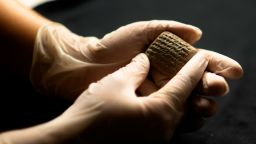
Researchers have uncovered links between the precursor to the world’s oldest writing system and the mysterious, intricate designs left behind by engraved cylindrical seals that were rolled across clay tablets about 6,000 years ago.
Scholars consider cuneiform the first writing system, and humans used its wedge-shaped characters to inscribe ancient languages such as Sumerian on clay tablets beginning around 3400 BC. The writing system is thought to have originated from Mesopotamia, the region where the world’s earliest known civilization developed that’s now modern-day Iraq.
Before cuneiform, however, there was an archaic script using abstract pictographic signs called proto-cuneiform. It first appeared around 3350 to 3000 BC in the city of Uruk, in modern southern Iraq.
But the origins of proto-cuneiform’s emergence have been murky, and many of its symbols remain undeciphered.
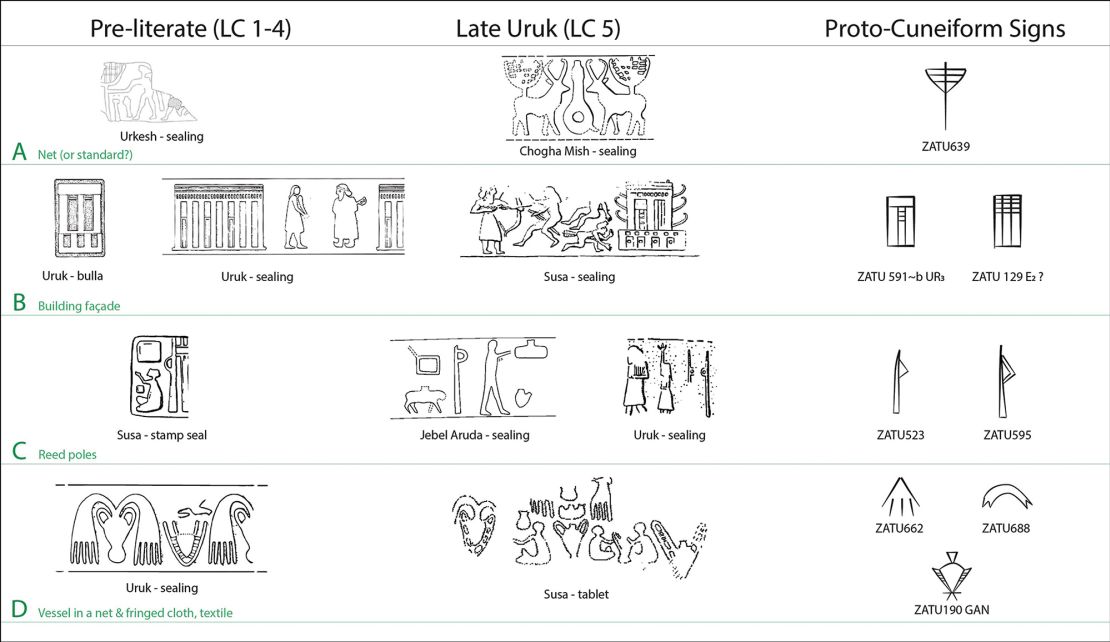
Researchers conducting a careful analysis of proto-cuneiform symbols were surprised to uncover similarities when they studied the engravings of cylinder seals invented in Uruk in 4400 BC and used to imprint motifs on soft clay. Not only do some of the symbols match exactly, but they also appear to convey the same meanings in relation to ancient transactions and trade.
A study detailing the similarities was published Tuesday in the journal Antiquity.
“Our findings demonstrate that the designs engraved on cylinder seals are directly connected to the development of proto-cuneiform in southern Iraq,” said lead study author Silvia Ferrara, a professor in the department of classical philology and Italian studies at the University of Bologna. “They also show how the meaning originally associated with these designs was integrated into a writing system.”
The results of the analysis could change the way scholars understand how writing was invented, and what it suggests about the advancements of ancient civilizations that developed technologies such as accounting and writing thousands of years ago.
From accounting to writing
Uruk, now known as Warka, was one of the earliest cities to arise in Mesopotamia, and it served as a center of cultural influence that could be traced from what is now southwest Iran to southeast Turkey.
The ancient metropolis is where cylinder seals were invented and used for administrative purposes.
Seal-cutters engraved designs on the cylinders, which could then be rolled across wet clay to transfer the motifs. A preliterate society widely used the seals in an early accounting system that helped track the production, storage and movement of crops and textiles. The motifs on the seals acted as an early form of branding to identify commodities, according to the study authors.
In addition to the seals, the accounting systems, which developed during the fourth millennium BC, also physically documented the trade of goods using tags, numerical tablets, tokens and clay balls called bullae.
Researchers have long thought that proto-cuneiform developed from these early accounting methods, but there was no definitive link to show how the transition occurred. And unlike the cylinder seals, the hundreds of iconographic signs attributed to proto-cuneiform have only ever been found on tablets in southern Iraq.
“The close relationship between ancient sealing and the invention of writing in southwest Asia has long been (recognized), but the relationship between specific seal images and sign shapes has hardly been explored,” Ferrara said. “This was our starting question: Did seal imagery contribute significantly to the invention of signs in the first writing in the region?”
The team systematically compared motifs from the cylinder seals with proto-cuneiform pictographs to see whether any of them correlated in both shape and meaning. The researchers anticipated making marginal and indirect connections, but instead they identified seal images that appeared to directly transform into proto-cuneiform signs, suggesting that seals played a role in the developments that led to the birth of the first writing system, Ferrara said.
Motifs carved into cylindrical seals (left and center) were compared with abstract proto-cuneiform symbols.Kathryn Kelley et al./University of Bologna
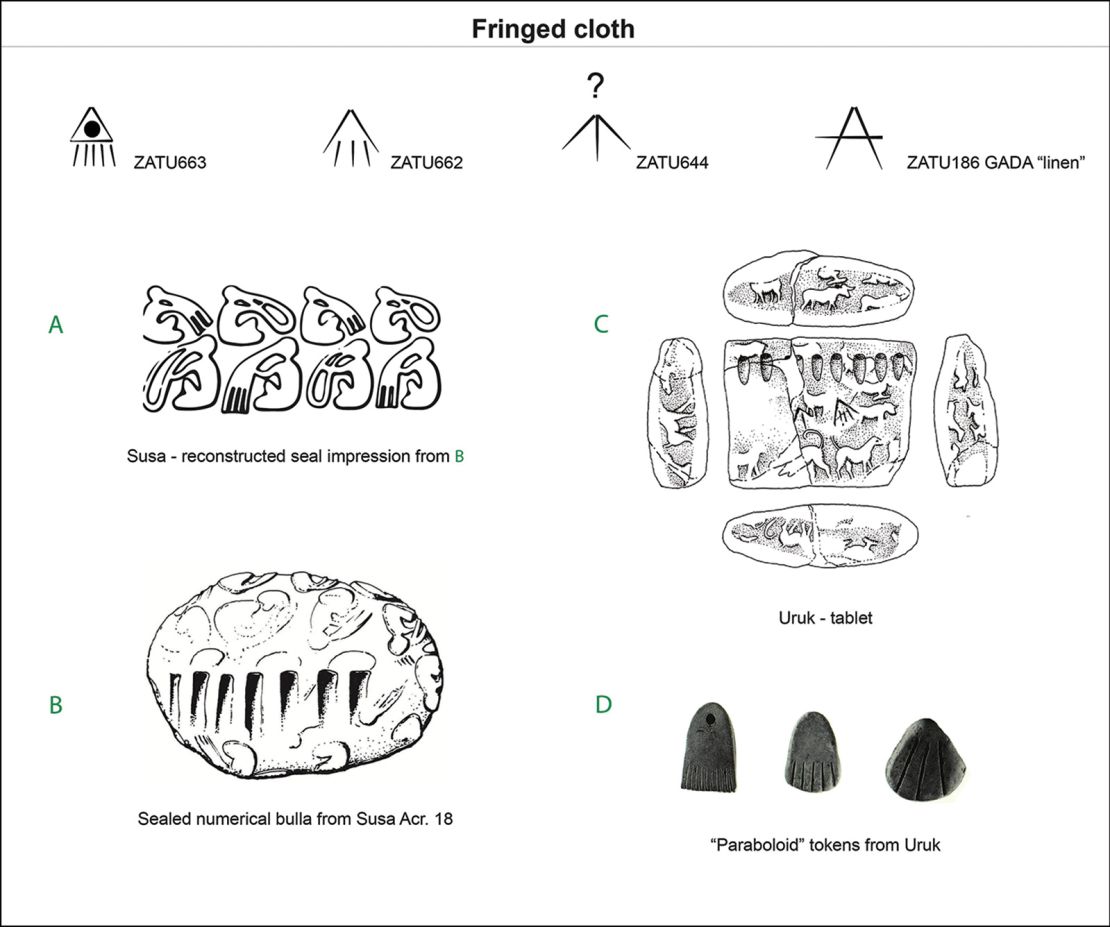
The images with the strongest connection related to the transport of jars and cloth, said study coauthor Kathryn Kelley, a research fellow in the department of classical philology and Italian studies at the University of Bologna. The symbols showed images of fringed textiles and vessels being carried in nets, many of which are moving toward building facades. The exchanges of these items occurred between or within different cities and likely involved various temples, so the seals and tablets helped document the transactions, according to the study authors.
“We focused on seal imagery that originated before the invention of writing, while continuing to develop into the proto-literate period,” said Kelley and study coauthor Mattia Cartolano, research fellow at the University of Bologna, in a joint statement. “This approach allowed us to identify a series of designs related to the transport of textiles and pottery, which later evolved into corresponding proto-cuneiform signs.”
Establishing an ancient link
Such similar depictions in seals and proto-cuneiform signs indicate a close relationship between the two, said Eckart Frahm, the John M. Musser Professor of Near Eastern Languages and Civilizations at Yale University. Frahm was not involved in the study.
“The article does this for the first time, establishing persuasively that a number of (proto-cuneiform) signs have iconographically close parallels in the image repertoire of the seals,” Frahm said. “Even more ambitiously, the authors seek to show, through a contextual analysis, that clusters of images on seals can be found in similar configurations on inscribed clay tablets.”
It’s apparent that ancient Mesopotamians used the seals alongside writing for thousands of years, so one form of documentation wasn’t just naturally replaced by the other.
The team is now eager to investigate what kinds of products were carried within the vessels in nets, and why the imagery endured over such a large geographic area for so many centuries — and why the exchanges were important enough to be documented on clay tablets.
These drawings reflect similar motifs related to fringed cloth found on tablets, seals and tokens.Kathryn Kelley et al./University of Bologna
Previously, researchers thought that plain tokens contributed to the system for numerals used in proto-cuneiform signs, while complex tokens bearing incisions and other markings were the basis for the nonnumerical signs, but that turned out not to be the case, said Dr. J. Cale Johnson, professor of the history of knowledge in the ancient world at Freie Universität Berlin. Johnson was not involved in the new study.
“This gap in the origin story — where do the nonnumerical proto-cuneiform signs come from — was left unresolved,” Johnson said. “Although people have often said that the images of the nonnumericalsign must be coming from seal (glyphs) or some other kind of representation, there has been very little work to concretely identify precursors. But this paper is an important step in identifying those concrete precursors.”
Deciphering unknown symbols
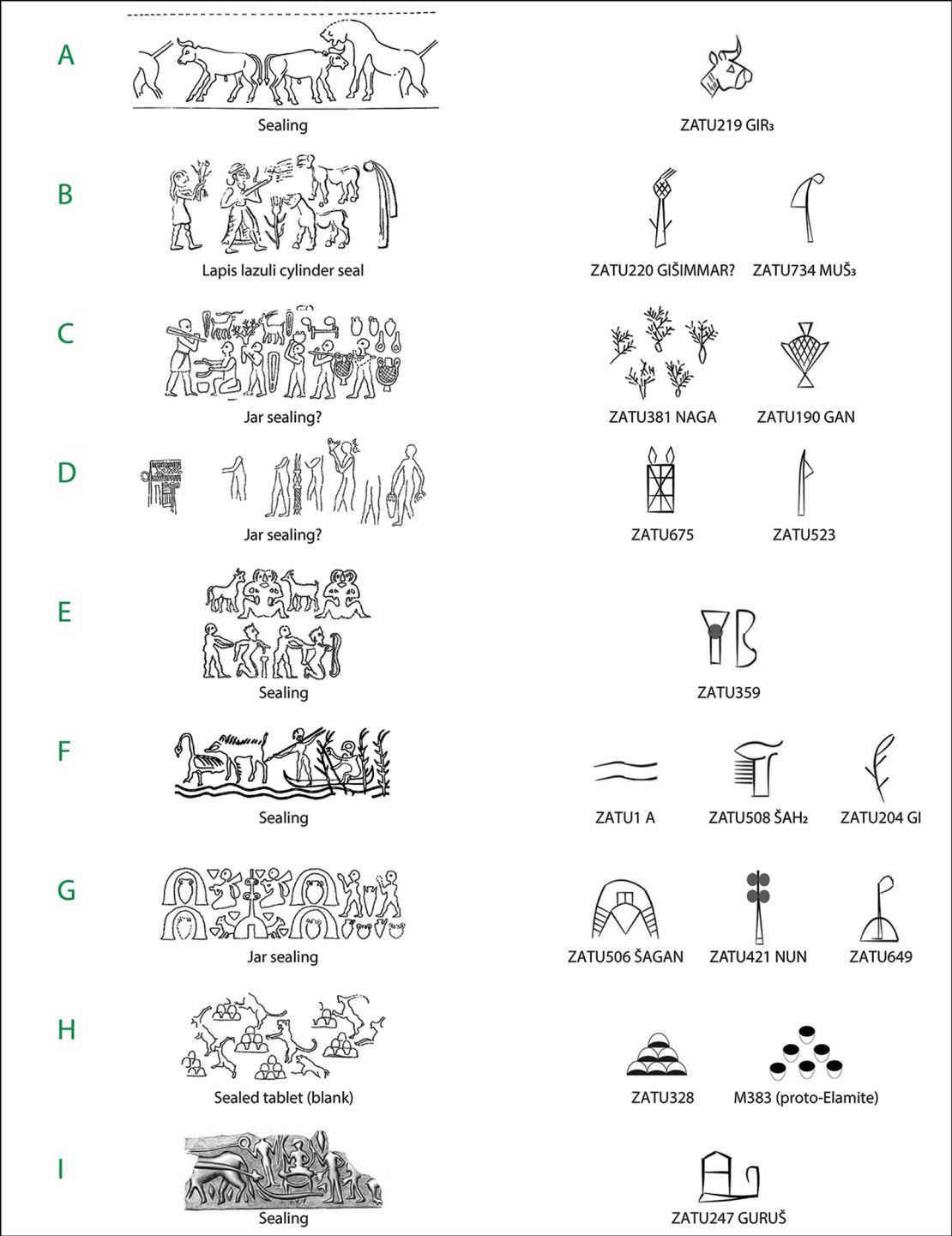
The more researchers uncover about ancient cities such as Uruk and the connections between the iconography ancient civilizations used, the more they may be able to decipher the hundreds of unknown proto-cuneiform pictographs, the study authors said.
“In view of the stylized and often abstract nature of many proto-cuneiform signs — a strong contrast with the much more picture-like Egyptian hieroglyphs — a full consensus on what these signs represent and where they originated will probably never be reached, but that does not mean one shouldn’t try to explore the issue,” Frahm said.
Correlating seal motifs (left) with proto-cuneiform pictographs could help researchers decipher hundreds of the symbols whose meaning is still unknown.Kathryn Kelley et al./University of Bologna
Writing seems like a necessary technology that would naturally develop over time, but it was only invented independently — without knowledge of the existence of writing — a few times in world history, Ferrara said.
“So, it has long been a question of interest what social and technological conditions encouraged the conceptual, cognitive leaps that resulted in written language,” Ferrara said. “While the jury is still out on how much language coding the earliest phase of cuneiform actually has, importantly, it led to ‘true’ writing within a few centuries, so the invention of proto-cuneiform is a watershed.”
Understanding that motifs from seals are directly related to the pictographs that would eventually lay the foundation for the first writing system shows how meaning was transferred from motifs to script, the study authors said.
“The conceptual leap from pre-writing symbolism to writing is a significant development in human cognitive technologies,” Ferrara said. “The invention of writing marks the transition between prehistory and history, and the findings of this study bridge this divide by illustrating how some late prehistoric images were incorporated into one of the earliest invented writingwriting systems.” systems.”
To play a musical instrument before a buffalo and it is not listening to it is a proverb found around the world.
From India to China, Japan and other Southeast Asian countries, the proverb is used. In Tamil we used to say blowing a conch in the ear of a deaf person. There is a Chinese story for this proverb.
The musician Gongming Yi was playing the lute, while a cow was nearby. He began to play an exquisite melody for the cow, but she took no notice of it. Then he played a melody imitating the buzzing of mosquitoes and the cry of a calf. The cow wagged its tail and pricked up its ears and began to listen attentively.
Teachers used these proverbs when the students were not listening to him, but listening to the teacher when he spoke about films.
In Thai language they say
Si so haikway fang.
In Bihari in India,
He plays the flute before the buffalo and it sits and ruminates.
“Bhensh ke aage bin bajana”
****
In Sindhi language it is,
Years have passed in playing music to the sheep without any profit to them.




 Tamil and Vedas