Written by London Swaminathan
Post No.7687
Date uploaded in London – 13 March 2020
Contact – swami_48@yahoo.com
Pictures are taken from various sources for spreading knowledge; this is a non- commercial blog. Thanks for your great pictures.
Believe it or not – setting up brothel is one of the 32 good things listed in Hindu books. To save family women from sex perverts Hindus have even approved Red Light Areas. Hindu Puranas/ mythology books, list 32 meritorious activities. Though the lists have a few changes in different texts most of them are same.
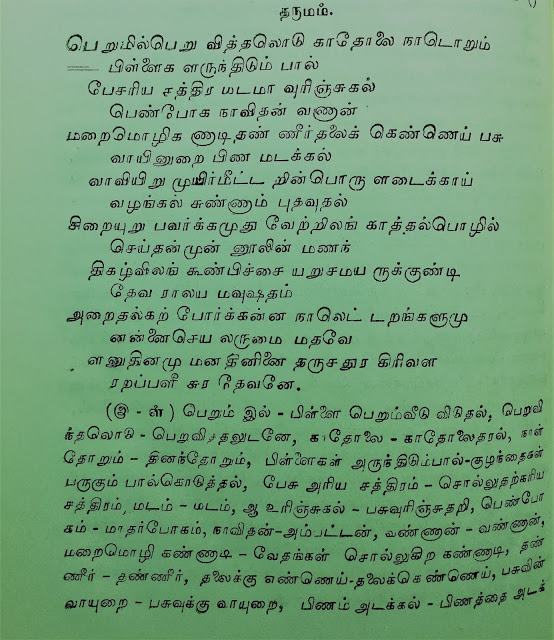
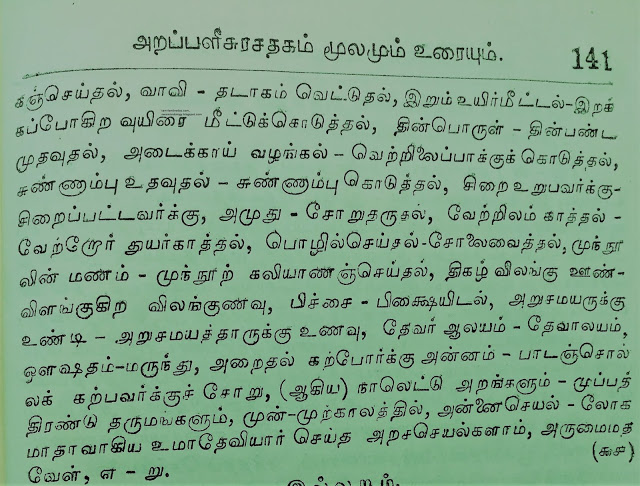
Tamil literature has several Satakas like the famous Bhatruhari Satakam and Arya Satakam in Sanskrit. Sataka means 100 verses. They are mostly ethical works, and a few are historical. About 200 years ago one poet called Ambalavana Kavirayar composed Arappaleeswara Sataka in the name of Lord Shiva at Kolli Hills in Tamil Nadu. In one of the 100 verses he lists all the 32 good activities. In the olden days kings or local philanthropists did those good works. Few individuals also went out of the way to do such great works.
Here is the list of 32 things with some examples:-
1.Setting up Maternity Homes
2.Providing Pre-Natal and Ante-Natal care for women
(Maternity care is provided in every culture around the world; but no one has listed it as one of the duties or as a meritorious work)
3.Piercing Ears of the Young born babies
4.Providing them Ear Studs
(Hindus have been practising acupuncture for thousands of years. I have already written how the grand old celibate of Mahabharata Bhisma lived on Arrow Bed for two months and decided the date of his departure from the earth. Hindus found out that piercing the ears in early years and wearing gold studs or at least a wooden stick will open the wisdom nerves. For women an extra piercing of nose is done when they reach teen age)
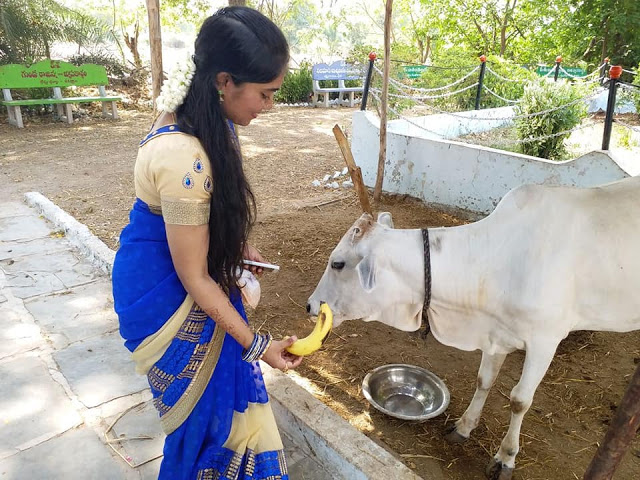
5.Giving Milk to Children
(Now we send milk powder to famine affected or economically backward countries. In the olden days provision of milk is listed as one of the 32 Dharmas (duty which earns merits).
6.Constructing Choultries
(From the period of Asoka till the Muslim and British occupation of India ,Hindu kings constructed Free Boarding and Lodging facilities for travellers, particularly pilgrims. My home town Madurai was famous for Mangamma Chattiram (choultry) very near Railway Station. About 100 years ago everyone stayed free of cost in the huge building with 100s of rooms. Very near that was a Marwari Choultry for people travelling to Rameswaram and Kanyakumari. I myself have taken 100s of pilgrims for Free lodging during the Opening Ceremony of Vivekananda Rock Memorial in Kanyakumari. Several Tamil towns still bear the suffix Chattiram/Choultry in Tamil Nadu until this day reminding us of the golden days of free lodging and free boarding service)
7.Constructing Mutts
Mutts are religious centres with one religious head where Tamil or Sanskrit hymns are taught. They provided free hostel stay for students. Like the Christian parish, each Mutt has its own catchment area.
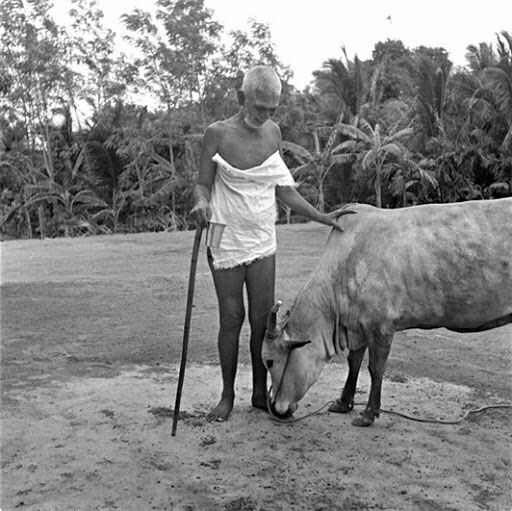
8.Pillars for Cows
Hindus’ greatest contribution to the world is domestication of cows and horses (and Decimal System). They worshipped Cow as goddess. So they constructed pillars to cows where they can rub their bodies to relive itching. And in such places water tanks provided continuous water supply for cows, horses and birds.
9.Setting up brothels
The needs of amorous men should not affect common men. To save the family women and teenage girls, Hindus provided (or allowed) separate places for Devadasis. Sangam Tamil Literature provides the pictures of Paraththai Cheris (Para Stree became ‘Paraththai’ in Tamil and Prostitute in English; cheri is locality)
10.Provision of Dhobis/ Laundry Service
11.Provision of Barbers
Both these services were available free of cost for mendicants and ascetics. Others supported them by giving money or all the provisions for their families.
12.Provision of Mirrors
(When Hindu women celebrate some auspicious events in their houses they always invite young and teenage girls and provide them mirrors, combs and Kunkumam. So provision of mirrors is considered one of the good things. Till this day women are doing it during Navaratri, Durga Puja and several other women only events)
13.Water Distribution from Thatched Sheds
(From Mahabharata Sallian to Apputhi Adikal of Periya Purana in Tamil, we see people setting up water distribution sheds to provide good, clean and sweet water to everyone. Even today during Hindu festivals , hundreds of such thatched sheds are constructed to distribute water, butter milk (diluted Yogurt) and Panakam (sweet liquid with jaggery, cardamom and other spices. In a tropical country like India pilgrims desperately need this. Hindus follow this custom even in London ; during Tamil Temple festivals, Hindus distribute water bottles, juice cartons and butter milk.)
14.Help to have oil bath
(India is a tropical country lashed out by two monsoons. Therefore, dust is unavoidable. Every Hindu man is supposed to have an oil bath on Saturdays and every woman on Fridays. They apply gingelly oil or coconut oil with or without herbs and take a bath. This relives the body of dirt and pain. So provision of such service to poor people is considered a great act of merit. In Madurai there was a freedom fighter who used to provide such service to children of slum dwellers. Now a days the concept and habit of oil bath is disappearing with the advent of shampoo culture.)
15.Fodder to animals and Food for Birds
(Every Hindu is supposed to do Pancha Yagna / Five Sacrifices every day and one of them is Bhuta Yagna. That is to feed the pet animals, cow and birds in the vicinity and ants in the ground. Every housewife draws beautiful Kolams in the front of the house every morning. The Kolam/ Rangoli flour they use feed the ants. Then they cook rice and provide it to the crows. Others sprinkle grains for the birds. Feeding cows is a ritual for orthodox Hindus)
16.Cremating Dead Bodies
(If anyone who has no relatives dies, one or two take the responsibility of cremating the body with all due honours. Though it is a hard job, every town had some gooid people who did such work without expecting any money.)
17.Constructing Tanks, Lakes
(India is an agricultural country. Water is needed for irrigation. So kings constructed tanks and lakes in temples and outside the town. It helped irrigating the temple Parks called Nandavanams. It maintained the water table in every well at the back of the house. Now wells are replaced by taps. But yet tanks and lakes are needed for saving water. The town council maintain them. Sometimes they themselves construct them).
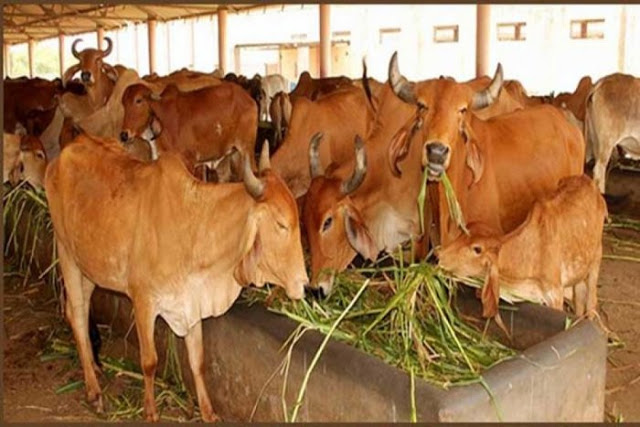
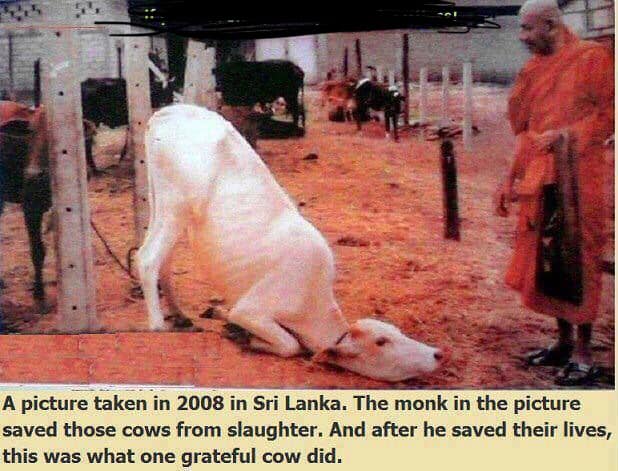
18.Saving Life
(Every day we read in news papers some stories where some people save the life of others. They become great heroes. If they survive then they get medals. Saving life is appreciated in every culture. In Tamil Nadu and neighbouring states every region has some Hero Stones for the heroes who saved the town from some dangers. Hindu epics and Puranas have lot of stories about saving even animals. Story of Sibi is in 2000 year old Sangam Tamil literature and earlier Puranas.)
19.Giving Eatables/Anna Dhanam
Providing sweets and other unavailable eatables to poor children is a good deed. During Deepavali (Diwali) sweets are distributed. Annadhanam , that is provision of food, is done in every temple.
20.Provision of Betel, Areca Nuts and Lime
Chewing betel leaves and Supari smeared with calcium hydroxide is a typical South Asian custom. This is considered one of the good things.
21.Helping the needy
It may be in the form of providing them food, attire, shoes/sheppals, specs, money. May even include psychological consultation. Consoling the bereaved.
22.Setting up Parks
Ancient Hindu literature, particularly, Buddhist Jataka Tales, give graphic accounts of big parks. Every South Indian Temple has attached Parks/ Nandavanam. People enjoyed going there. They served as rendez vous for lovers according to Sanskrit dramas. Hindus are environmentally conscious and allocated one particular tree for every temple.
23.Constructing Temples
India has over two lakh temples. Tamil Nadu alone has 45, 000 temples. They are huge architectural wonders. They serve the spiritual, religious, psychological, wander lust needs of Hindus.
24.Provision of Medicines
Jains of India set up hospitals even for birds and animals. All service is given free. We read from inscriptions that hospitals were also constructed by Hindu Kings.
25.Food for Students
Students who studied the Vedas and its allied six subjects went round the towns and begged for food. They collect freshly cooked food and share it with their Gurus. Buddha followed this custom and banned cooking inside Viharas, monasteries etc. In Madurai, the Vedic students from Dhanappa Mudali Street and Rameswaram patasalai near River Vaigai used to come to my house for (begging) food. They must go to Brahmins houses and beg with the words Bhavati Biksham Dehi. Manu Smrti says that students of three castes must do it. Only the three words were used in different order.
26.Constructing Roads or Tom Tomming
There is a word in Tamil (araithal) which may mean constructing roads or providing communication facilities like Tom Tom. In the olden days Orders of the Kings were communicated to people by drum beats. When I was a student, Madurai city faced Cholera disease. Then the tom tom man came and announced it by beating little drum. When ban orders under section 144 were proclaimed they did tom toming. So the word Araithal may be announcing, proclaiming or constructing roads with sand and stones.
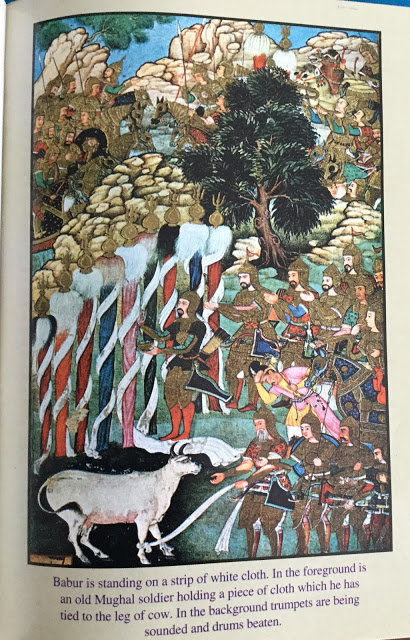
27. Helping Prisoners with Food
Even community service to prisoners is listed as one. Tamil epic Manimekalai described the good service done to prisoners. Though they were named as criminals, Hindus never attached any taboo. Manu Smriti says the minute one undergoes punishment, the sin attached to the crime is done away.
28. Helping Beggars
Lame, Dumb, Blind and disabled or invalids beg for food. Hindus are asked to help them.
29.Helping to get Married
Nowadays we see Costly matrimonial service. In the olden days, some good hearted men and women helped youngsters to get married. They did not stop with exchanging horoscopes. They went all the way to cook food for hundreds of people who attend the wedding ceremonies. They collected money for the minimum gold jewels and the Mangala Sutra (Thali).
30.Feeding the Ascetics
Adi Shankara streamlined Hindu worship into six divisions; Providing them food for those is considered a great religious duty. Even Buddhis followed this. They went to monasteries and provided food to the monks.
31 and 32. In the above listing piercing ear and providing ear stud is given as one itme. But it is given as two different duties or meritorious acts in the Tamil verse. And in the same way provision of betel leaves and Lime are given as two different duties.
The number here doesn’t matter. The amazing spirit of help and the scientific approach to cater to the physical, spiritual and psychological needs of the community must be appreciated.
–subham–
 Tamil and Vedas