Research Paper written by London Swaminathan
Date: 24 September 2017
Time uploaded in London- 14-26
Post No. 4241
Pictures are taken from various sources; thanks.
The Yellow metal – GOLD—figured in scores of hymns in the Rig Veda, the oldest religious book in the world. The Vedic seers talk about gold in big quantity. This shows that the Vedic society was a rich and civilized society. In Sangam Tamil literature, which came several thousand years later than the Rig Veda, we hear about poets getting lot of gold from the Chera (Kerala) Kings in the book Patitruppathu. In the post Sangam Silappadikaram we read about Tulabharam where gold was given to a Brahmin equal to the weight of mighty Chera king Senkuttuvan. We knew that the Roman gold poured into Tamil Nadu and they took black pepper and Indigo colour in exchange of gold coins. But several thousand years before this, where did the Vedic people get that much gold? It is a mystery.
In the later Mahabharata and Puranas we read about a mysterious country called UTTARA KURU where Arjuna and Yuthisthira got gold. But in the Vedic times Hindus talk about gold in their Dhana (Donation Hymns) stuthis!
( I have written five articles here in this blog several years ago to prove the INDIA IS THE RICHEST COUNTRY IN THE WORLD even today.
The amount of gold with the Hindu women and the amount of jewellery with the temples and Maharajas (ex) are huge.
Let me give some hymns where we see the Gold:-
1.HIRANYA
Hiranya in the Rig Veda and later denotes Gold. Perhaps they got it from the bed of rivers. Certain rivers are called Gold (Sone= swarna). Indus is also described as a golden stream. Extraction of gold and washing of gold are recorded in the Vedic literature!
Gold is the object of the wishes of the Vedic singer and golden treasures are mentioned as given by the patrons along with thousands of cows and horses!
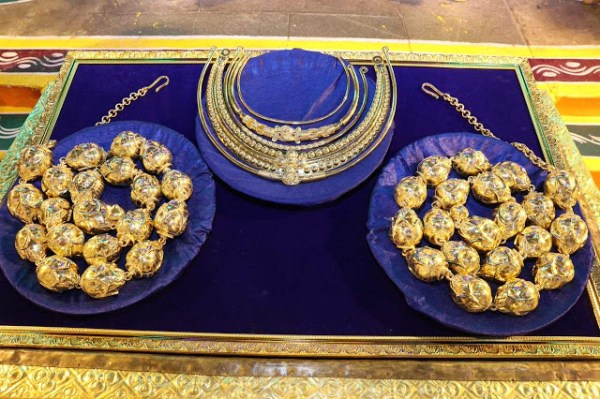
Gold was used for ornaments for neck and breast (Niska), for ear rings (Karna Sobhana) and even for CUPS!!!. Gold is always associated with the gods.
Gold in the RV: 1-43-5; 3-34-9, 4-10-6, 17, 11
Gold in the Atharva Veda:- 1-9-2; 2-36-7; 5-28-6; 4-38-2
Golden River Indus – RV 10-75-8; 6-61-7; 8-26-18
Extraction and Purification of gold: RV 1-117-5; AV 12-1-6, 26, 44 and Taittiriya Samhita and satapata Brahmana
Gold Ornaments: Taittiriya Samhita, Taittiriya Brahmana, Satapata Brahmana.
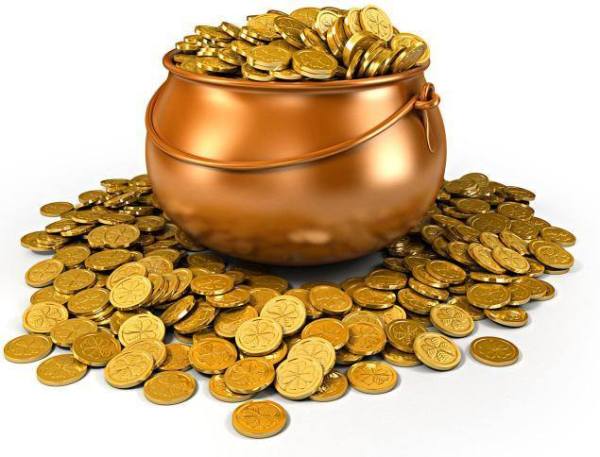
OLDEST GOLD CURRENCY IN THE WORLD!
A gold currency was known to Vedic people; definite weights of gold are mentioned (astaa-prud)- Taittiriya Samhita, Kathaka Samhita
Satamana =Weight of 100 Krishnalas (Gundu Mani in Tamil) is found in the Brahmanas and samhitas.
If we take the Vedic period to a time then mighty Sarasvati was flowing, then the oldest gold coin is from India.
Even today the Brahmin priests in all the weddings say in the mantra satamanam Bhavatu!
Rajata (silver) is also mentioned in the Vedas
Megasthanes bears testimony to the richness in gold of India in his time (see Diodorous Siculus 2-36; Strabo pp 703, 706.)
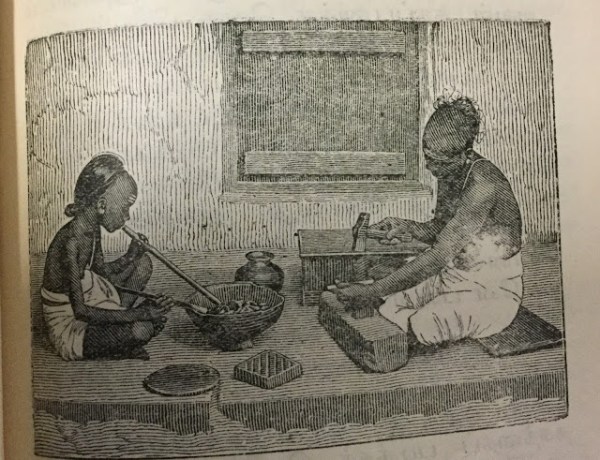
Hiranyakara is goldsmith and his work is mentioned in the Yajur Veda (Vajasaneyi Samhita 30-17; Taittiriya Brahmana 3-4-14-1
2.HARITA
Harita is also gold mentioned in the Atharva Veda (AV) 5-28-5-9; Kathaka Samhita- 8-5
3.SUVARNA
Suvarna ( Sona, Sone etc) is gold and used through out India even today. It is the name of the girls as well.
It is found in Taiitiriya Samhita, Atharva Veda and several Brahmanas.
Those who read foreigners’ accounts of describing Vedic Aryans as nomads, uncivilized, pastoral will know those writers were Pukka idiots and wrote with a motive of belittling Hinduism. Since Vedic society was a well advanced, civilized society, we read a lot about a good number of ornaments and gold coins and their weights.
Coinage is known to the civilised world only rom the sixth century BCE in Europe. If Vedic Niska is a coin then India is the first country to issue coinage. The word Satamanam (100) is used from Vedic days to date.
4.NISKA
Niska is frequently found in the RV (2-33-10;8-47-15 etc) and later (AV 5-14-3, 7-99-1, 20-131-8).
Kalidasa used coinage in the first century BCE
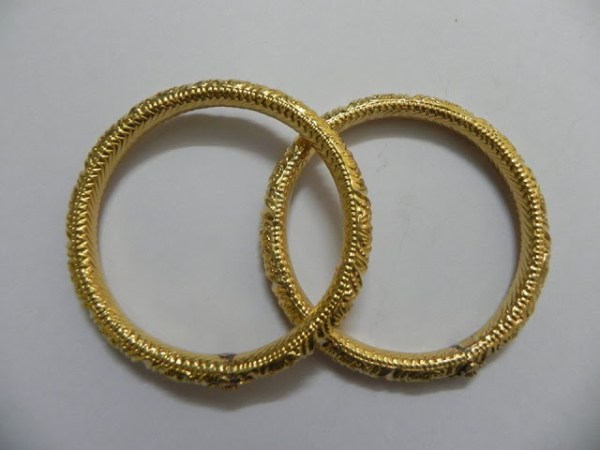
Niska is considered a neck ornament, may be made of coins (Kasu Mali in Tamil); even today women in South India is fond of Coin Necklace. So it might have meant both coin and necklace made up of coins.
Words such as niska-kantha, Niska-griva (having a gold ornament on the neck) are found in several places ( RV 5-19-3; AV 5-17-14) in the Vedic books.
A Niska of silver is also mentioned in the Panchavimsa Brahmana.
As early as the Rig Veda traces are seen of the use of Niskas as a sort of currency, says Keith and Macdonell in the Vedic Index. A singer celebrates the receipt of 100 Niskas and a hundred steeds; he could hardly require the Niskas merely for the purpose of personal adornment. Later use of Niskas as currency is quite clear (AV 20-127-3)
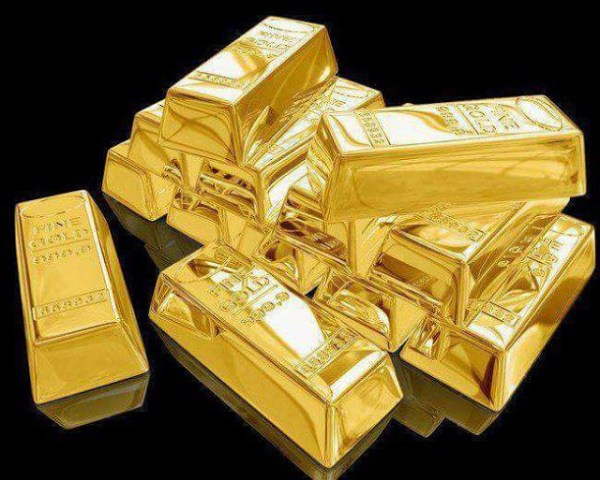
This shows the Vedic society was an Economic Super Power. Several thousand years before he Greeks Hindus used he first coinage, that too, gold coinage!!!
5.CANDRA
Candra appears to denote gold in a certain number of passages from the Rig Veda onwards (RV 2-2-4; 3-31-5;AV 12-2-53).
The number of words in the Veda for gold also indicate that they were using this in enormous quantity.
6.JATARUPA
Jatarupa (possessing native beauty) is the name of gold in the later Brahmanas and sutras (Aitareya 8-13; Brahdaranyaka Upanishad 6-4-25) etc.
7.KRSNALA (Gundumani)= Abrus Precatorius
Krsnala denotes the berry of the Abrus precatorius, used as a weight according to the later authorities (Manu 8-134), one Maasa (bean) being equated to four Krsnalas. In the sense of a weight it occurs in the Taittiriya and other Samhitas and later.
This is another proof that they wieighed gold and valued. So it is possible that Niska is a proper gold currency.
One important factor is that gold occurs from the oldest portions of the Rig Veda Mandalas.
8.SIX DIFFERENT GOLD FEES (DAKSHINA)
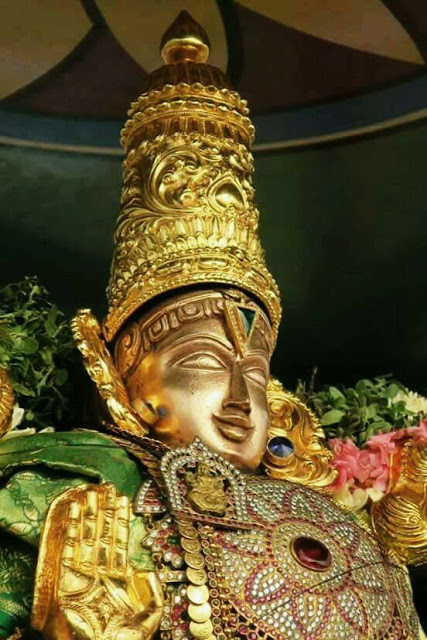
In the description of the observance of the catur-hotra fire ceremony given in the tait. Brah 3-12-5 (11, 12) ,as many as five or six different gold fees are described under the common name of dakshina, including perpetual fees, GOLD BRICKS, sugar mixed with clarified butter when gold is not forthcoming, and cows equal in number to the bricks.
With regard to a gold gift to the priest, it is in sata Bra 3-4-24/27
There are four kinds of sacrificial gifts
Gold- Thereby indeed he preserves his own life
Then the cow, thereby he preserves his own breath also is food
Then cloth, thereby he preserves his own skin
Then the Horse, for the horse is thunderbolt; he therefore makes a leader……
9.ORIGIN OF GOLD
Agni is at one time cast his eye on the waters- May I pair with them, he thought.
He came together with them, and his seed became gold. For this reason, the latter shines like fire, it being Agni’s seed.
–Sata Br 2-1-1-5
In sat Br 2-2-3-28 the above is given as a reason why the priests’ fee for a particular sacrifice is gold!
10.Danastutis ( Donation Hymns)
GOLDEN CHARIOT!!!
Brahmatithi says
As Kasu, Chedi’s son, gave me a hundred head of buffaloes, and ten thousand cows
He who hath given me for mine own ten kings like gold to look upon
No man, not any, goes upon the path on which the Chedis walk
No other prince, no folk is held more liberal of gifts than they.
RV 8-5- 37 to 39
The Rishi Vasa Asvya thus praises the liberality of Prithusravas, the son of Kanita:
Now let the godless man approach who hath received so great
As Vasa Asvya, when this light of morning dawned, received from Prithusravas, from Kanita’s son
Steeds 60,000 and 10000 kine and 20,000 camels I obtained
Ten hundred brown in hue and other ten red in three spots;
in all 10,000 cows
Ten browns that make my wealth increase, fleet steeds whose tails are long and fair
Turn with swift whirl my chariot wheel
The gifts which Prithusravas gave, Kanita’s son munificent
HE GAVE A CHARIOT WROUGHT OF GOLD; the prince was passing beautiful, and won himself lofty fame
And now to Vasa Asvya here this stately woman is led forth
ADORNED WIT ORNAMENTS OF GOLD
(Stately woman= probably the wife of the conquered king)
11.Golden Fort in Aitareya Brahmana (1-23)
The gods and demons were engaged in warfare
The evil demons, like to mighty kings
made these worlds castles, then they formed the earth
into an Iron citadel, the air
Into a silver fortress, and the sky
Into a fort of gold. Where at the gods
said to each other, Frame we other worlds
In opposition to these fortresses
Then they constructed sacrificial places
Where they performed, a triple burnt oblation.
By the first sacrifice they drove the demons
Out of their earthly fortresses, by the second
Out of the air, and by the third oblation
Out of the sky. Thus were the evil spirits
Chased by the gods in triumph from the worlds.
Monier Williams gave the above in metrical rendering from the Brahmana.
Perhaps this lead to the story of destruction of Tripura, hanging in the sky, in later Puranas.
There are lot more references to gold in the Vedas. This shows the richness of the society. They aimed high and thought about only positive things.
Reference: Vedic Index of Names and Subjects, Keith and Macdonell
The Vedas and Brahmanas, Caxton Publications
Rig Veda by Griffith
-Subham-
 Tamil and Vedas