
Post No. 8109
Date uploaded in London – 5 June 2020
Contact – swami_48@yahoo.com
Pictures are taken from various sources for spreading knowledge; this is a non- commercial blog. Thanks for your great pictures.
tamilandvedas.com, swamiindology.blogspot.com
Khadata – Modata ‘Eat and be Happy ‘: A DINING HALL 2700 YEARS AGO!! (Post No.8109)
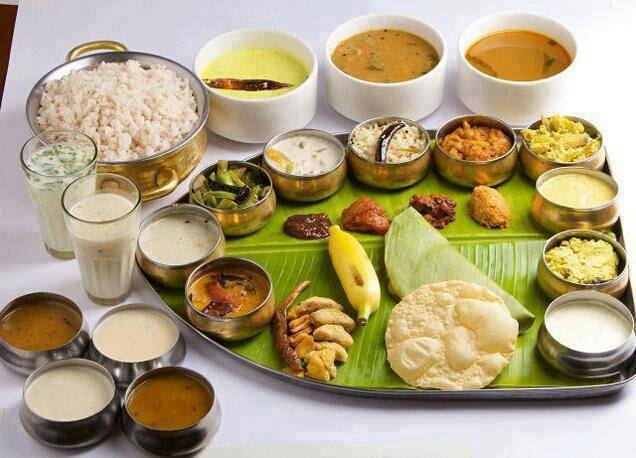
Panini wrote a grammar for the living, spoken language of his days. From his Ashtadhyayi we come to know what sounds he heard in the kitchen and public. He never mentioned Sanskrit anywhere in his work. He simply mentioned ‘bhaashaa’ for spoken language, that is Sanskrit and Chandas for Vedic poetry . He gives some interesting information about the sounds he heard in dining halls and kitchen 2700 years ago . He took into account the whole of India because he mentioned the dialectical differences in the languages of the East and North. He covered an area from Afghanistan to Assam and Asmaka on the Godavari. He spoke about black pepper, liqorice and sandal from the Southernmost part of India. He mentioned,
Khadata – modata = Eat and be Happy
Asnita – pibhataa = Eat and Drink
Pachata- bhrinjjtaa = Cook and Fry
Bhinddhi- lavanaa= Pour the salt
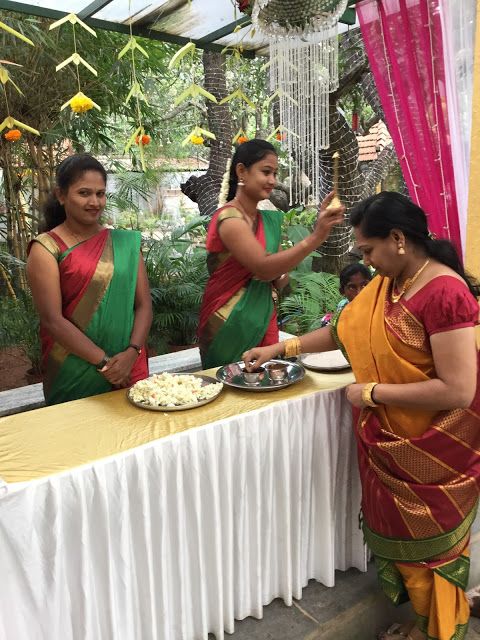

Panini must have heard all these in the festive kitchens and dining halls during his days.
This extraordinary penetration into popular life and language accounts for panini’s extensive linguistic material. He noticed even such minute details as the names of the wells on the left and right banks of the river Vyas/ Beas 4-2-74
The term ‘Bhaashaa’ as used by Panini is the language distinguished from the sacred texts , viz. Chandas and Brahmana literature. He notes variations of idiom in Sanskrit spoken in the east and the north in India .
****
LET US EAT ‘ANU’
Panini mentioned several types of rice, pulses and other cereals known to us. But he mentioned certain plants not even known to Kautilya of fourth century BCE .This shows he lived at least a few hundred years before Kautilya of Arthasastra
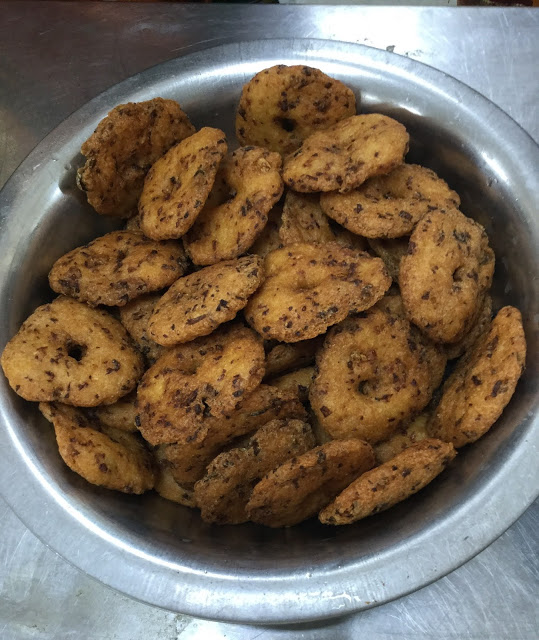
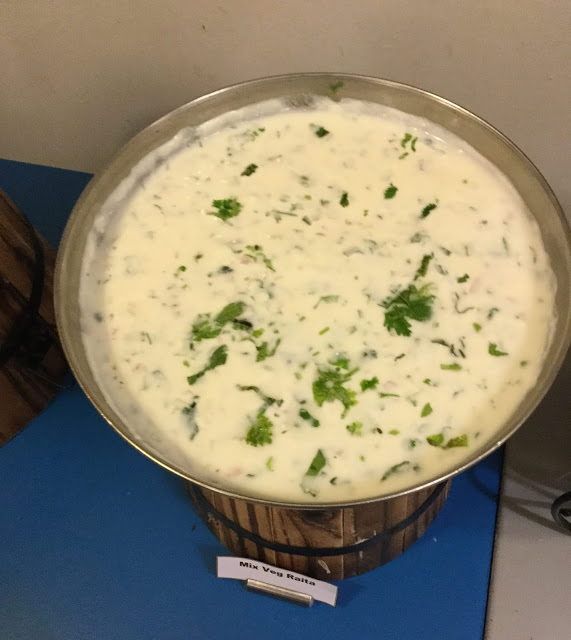
Anu (Panicum Miliacaeum, Varagu in Tamil, Cheena in Hindi) 5-2-4- a very small grain consumed mostly by poor people. It is grown as a rainy cop. It is mentioned with Priyangu in the Yajur Veda 18-13
Among the fibrous plants panini mentioned Umaa (linseed ) and Bhangaa ( hemp). Kautilya refers to Atasi and sana (Sanal in Tamil) in place of Uma and Bhanga . Panini also mentioned cloth made from linen as Aumaa 4-3-158

XXX
Spoken language or not ?
The question whether Sanskrit was the spoken language in Panini’s time or only a written language is often raised. Goldstucker, Keith and Leibbich hold that panini’s Sanskrit was the spoken language used by the cultured classes of his time. Grierson only disagreed with them.
Following quotes prove that Panini wrote a grammar for a spoken language –
Prasna 3-2-117
Prishta-prativachana 3-2-120 = questions and answers
Prasamsaa – kutsaa = praise and censure
Duraad- dhuute = calling from a distance
Greetings 8-2-83/86
Nigrihyaanuyoga = expressions in oxytone for censuring an opponent worsted in arguments
Bhartsana = threats 8-2-95
Vichaaryamaana= mental deliberation 8-2-97
Kshiyaa = censuring a lapse in polite conduct
Aasiih – benediction
Praisha = bidding 8-2-104
Aakhyaana = narration 8-2-105
Aamantrana = friendly persuasion 8-1-33
Pariipsaa = haste 8-1-42
Anujnaaaishanaa = permission 8-1-43
As nanu gachchhaami = May I go, Sir ?
Ayathaabhiprettaakhyaana 3-4-59
Manye – I think 1-4-106; 8-1-46
The activities of all grades of persons in society , such as a musician, hunter, shoe-maker, cook, salesman, trader, ferryman, author, mendicant, devotee, farmer, cowherd, prince, councillor etc., were analysed and taken note of grammatically.
Source –
INDIA AS KNOWN TO PANINI , V S AGRAWALA, UNIVERSITY OF LUCKNOW, 1953 (with my inputs/comments)
tags – Eat and be Happy, Panini on food, Kitchen, Dining hall
 Tamil and Vedas