Compiled by London swaminathan
Date: 19 September 2016
Time uploaded in London:15-15
Post No.3169
Pictures are taken from various sources; thanks.
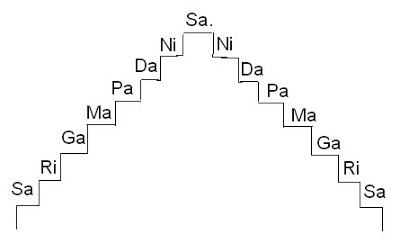
“Several pentatonic and hexatonic series of notes (Taanas) of music were named after Vedic rites. For example
Ni-dh-pa-ma-ga-ri- was called Agnistoma
Ri-nidha-pa-ma-ga- was known as Asvamedha
And
Ma-ga-sa-ni-dha-pa was called Mahaavrata
This musical aspect of the rites needs further investigation”. (See Matanga’s Brhaddesi. Also see Bharata Muni’s Natyasastra (Ghosh 1967)
–from Subhash Kak’s ‘The Asvamedha’
Xxx

Astronomy in Asvamedha Yajna
The Asvamedha rite is the ritual sacrifice of the Sun (time) to regenerate it. The narrative touches upon the inner and outer Asvas through the symbolism of the horse.
The Satapata Brahmana says that the year begins with full moon of Phalguna (SB 6-2-2-18), which is when the Asvamedha was performed. On the other hand, in the Mahabharata the performance culminates on the full moon of Caitra(Mbh 14-76).The beginning of the year used in the M Bh is different from the one in the SB.
The precession of the earth causes the month to shift with respect to seasons at a rate of 2000 years per month, therefore a time gap of about 2000 years exists between its descriptions in the SB and in the MBh. The word ‘precession’ is from the fact that that this circuit runs opposite to that of the normal sequence, so in the precessional shift, Caitra precedes Phalguna. Thus the M BH appears to remember a tradition that was earlier than that of the SB.
Recent estimates of the date of the SB using new hydrological evidence are relevant o his discussion. Briefly, it is now believed that the Sarsvati river dried up around 1900 BCE due to a massive earthquake that caused its tributary Yamuna to be captured by the Ganga. Since the Rig Veda lauds the Sarasvati as the great River that flows from the mountain to the sea,this Veda should be prior to the date of 1900 BCE. According to other authorities, the river stopped flowing all the way to the sea a thousand years earlier, which is why the Harappan sites are not all the way down to the sea, and 1900 BCE represents a further desiccation which led to a collapse of the Harappan economy.
The astronomical references in the SB about the Krittikas never swerving from the east and the Saptarishis rising from the north correspond to this general time period. In a new study Achar argues that these observations indicate around 3000 BCE. The SB itself recorded old tradition, so its own compositional date could be several centuries later.
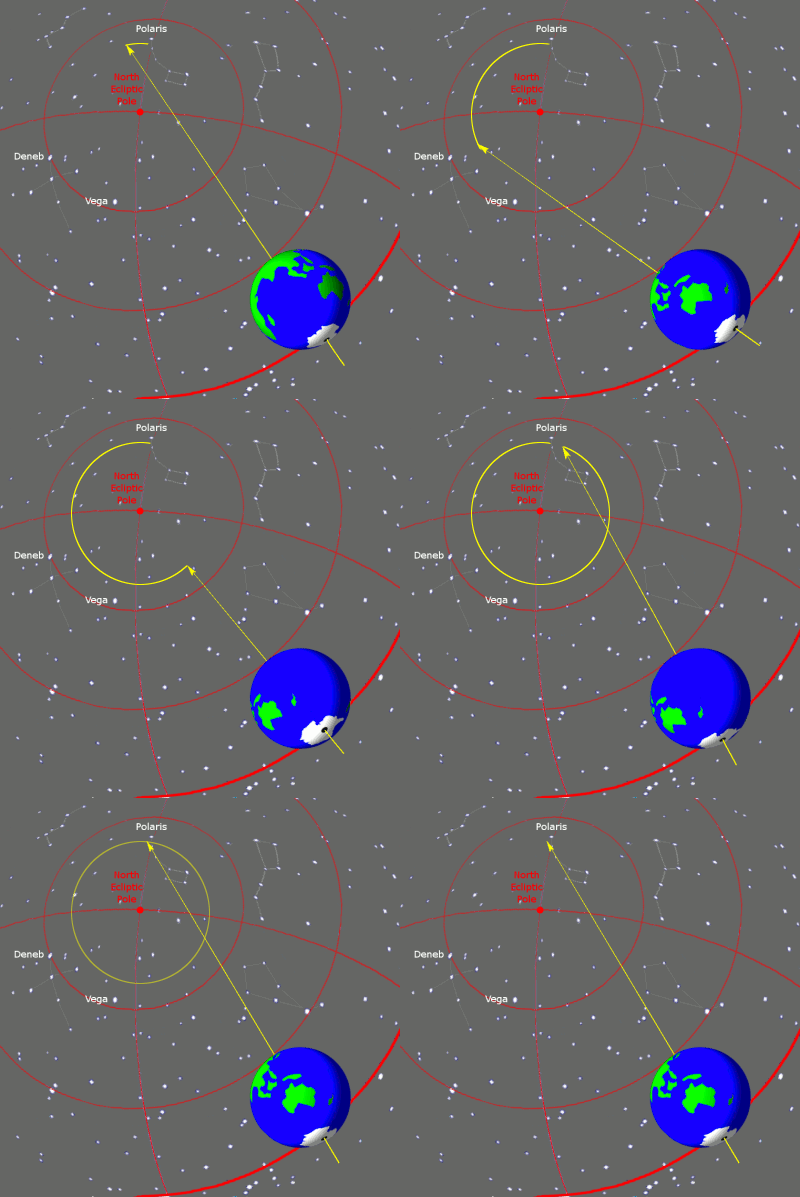
Earth’s precession makes the seasons shift by a nakshatra every thousand years.
Asvini- 200 BCE
Bharani – 1200 BCE
Krittika – 2200
Rohihi – 3200
Mrgasiras – 4200
The lists in the brahmanas begin with the Krttikas indicates that it was drawn up in the third millennium BCE. The legend of cutting off of Prajapatis head indicates a time when the year began with Mrgasirsa in the fifth millennium BCE.
The SB story of the marriage between the seven sages, the stars of Ursa Major, and the Krittikas is elaborated in the Puranas where it is stated that the Rishis remain for a hundred years in each nakshatra. In other words, during the earliest times in India there existed centennial calendar with a cycle of 2700 years. Tis Saptarishi calendar is still used in certain parts of India even today.
Its current beginning is taken to be 3076 BCE., but the notices by the Greek historians Pliny and Arrian suggest that, during the Mauryan times, this calendar was taken to begin in 6676 BCE. All this indicates that there was a very ancient tradition of calendars in India.
The holding of the Asvamedha in Caitra points to this rite having been celebrated in the 3rd or 4th Millennium BCE.
–from Subhash Kak’s ‘The Asvamedha’

–Subham–
 Tamil and Vedas
You must be logged in to post a comment.