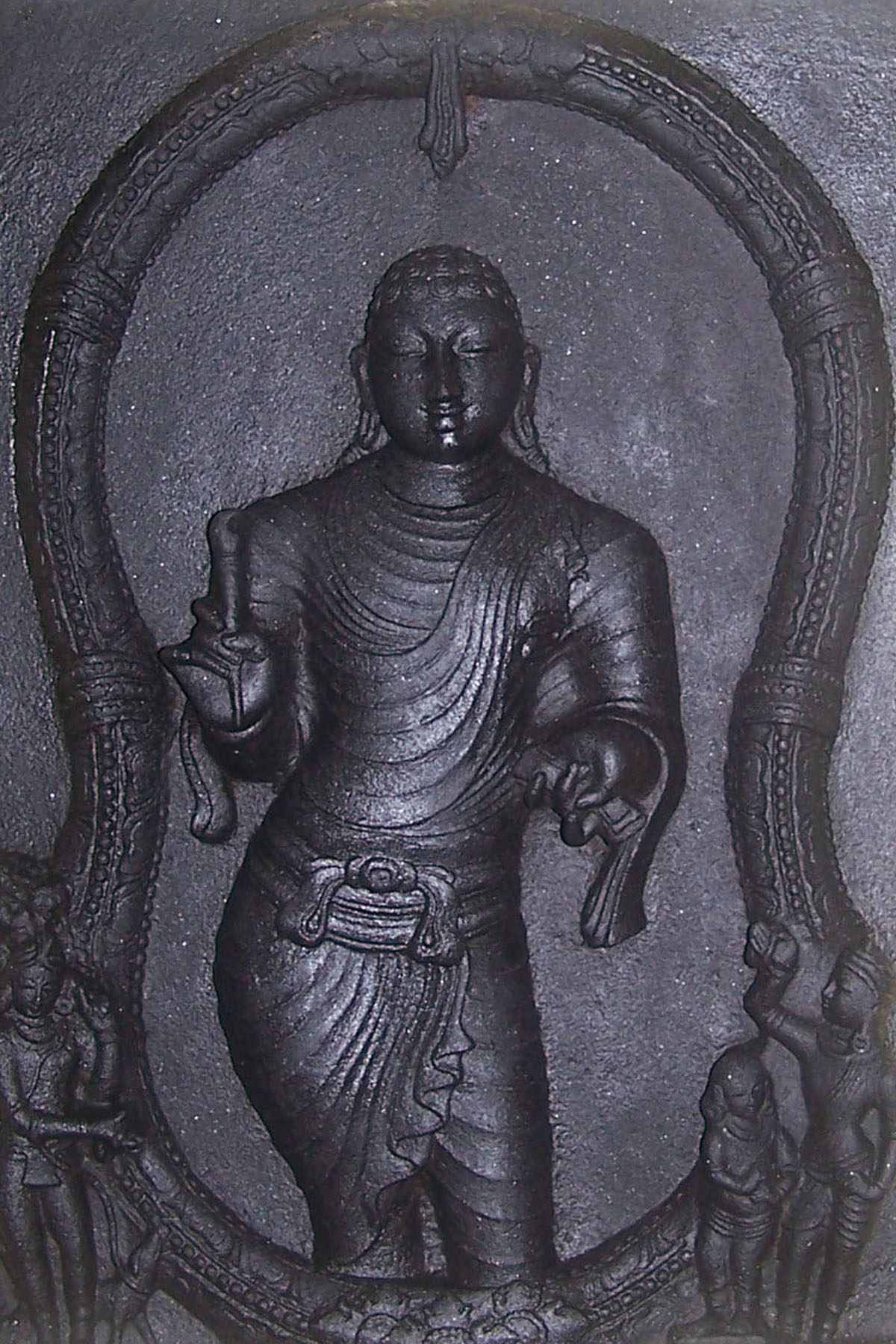
Picture of Tamil Prince Ilango
Research Article written by London swaminathan
Post No. 1778; Date 5th April 2015
Uploaded from London at 22-03
We have stories of at least four ancient Indian kings who sacrificed their right to rule. Because of their great sacrifice their names are entered into our literature and remembered for ever.
Devapi of Rig Vedic Period
Dustaritu Paumsayana of Vedic Period
Bhisma of Mahabharata Period
Ilango of Tamil Sangam Period
The interesting stories about these people are as follows:-
Devapi (RV 10-98) abdicated the throne in favour of his brother. According to the Nirukta (2-10), Devapi was the elder Kuru prince, but his younger brother Santanu became the king. There was a prolonged drought in the kingdom and Devapi acted as the priest of the king and brought rain by performing a sacrifice. The Brhaddevata gives us the same story but adds that Devapi abdicated because of his skin disease.
King Dustaritu Paumsayana, a king of the Srnjayas had to abdicate for his misrule (Satapata Brahmana 12-9-3-1). We have the stories of Vijaya who was banished from Kalinga/Vanga region who established a new kingdom in Sri Lanka. Other kings thrown out were Vena, Nahusa and Sumuka. But theirs was not abdication; they were driven out from their kingdoms.

Bhishma’s Great Sacrifice
Bhishma’s sacrifice was highly praised by the epic. His name was Devavrata. He sacrificed his right to rule for the sake of his father. His father Shantanu fell in love with a fisherwoman (Satyavati). Her father insisted that Shantanu could marry her only when he promised him that her child would succeed him to the throne of Hastinapura. When Shantanu was not ready to give such a promise, Devavrata came to know about his father’s love for Satyavati. He renounced the throne of Hastinapura. The entire country praised him for his sacrifice and then he was called Bhishma (man of terrible vow).
King Edward VIII of Britain wanted to marry a divorced American woman Wallis Simpson; it was opposed on moral, political and legal grounds. He renounced the throne in 1936 and married the woman.

Tamil Prince Ilango
Ilango (also written Ilanko) was the younger son of King Ceralatan who ruled the western coastal area (Kerala) of South India. His elder brother was Senguttuvan. He was celebrated in the Tamil epic Silappadikaram written by his brother Ilanga. They lived in the Second century CE.
One day, when the king Ceralatan was sitting in the audience hall, there came to the court an astrologer who predicted the immediate death of the reigning king and the passing of the throne to his younger son (Ilango). It was an age of faith in Astrology. The prediction was a rude shock to Senguttuvan, brother of Ilango. He was the elder son and heir apparent to the throne. Ilnago noticed this, and in order that his brother might enjoy the kingdom, he became a monk. Once he became a monk, he could not be a king. The assumption of holy orders was to assure his brother that he would not stand to the way of his brother’s hopes and aspiration. He left the palace immediately and lived in Gunavayir Kottam, a temple.
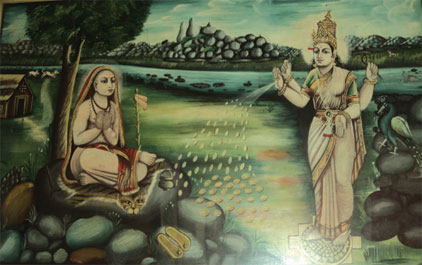

Pictures of Vidyaranya and Adi Shankara
Hindus believed that once a person becomes a monk, astrological predictions won’t come true. It is a way out or an exit strategy to defeat the fate or to beat the Karma theory. When Adi Shankara was caught by a crocodile, he told his mother that his present life was finished, but once his mother allowed him to become a monk, he would live. His mother said yes and the crocodile left him. That was like his “second birth”.
When Vidyaranya prayed for immense wealth, goddess appeared before him and told him that he couldn’t become rich in that birth, he immediately became a monk. Later he realised that Hindu monks couldn’t touch money. He gave all the gold bars given by the Goddess to Harihara and Bhukka to establish the Vijanagara Empire. In the same way, by taking a “second birth” as ascetic, Ilango wiped out his first existence. He beat astrology by becoming an ascetic.
Source books:
Who is Who in the Mahabharata by Subash Mazumdar
A cultural Index to Vedic Index, Edited by N N Bhattacharya
The Cilappatikaram by Prof. V R Ramachandra Dikshitar
 Tamil and Vedas
You must be logged in to post a comment.