

COMPILED BY LONDON SWAMINATHAN
swami_48@yahoo.com
Date: 22 OCTOBER 2019
British Summer Time uploaded in London – 15-55 am
Post No. 7126
Pictures are taken from various sources; beware of copyright rules; don’t use them without permission; this is a non- commercial, educational blog; posted in swamiindology.blogspot.com and tamilandvedas.com simultaneously. Average hits per day for both the blogs 12,000.
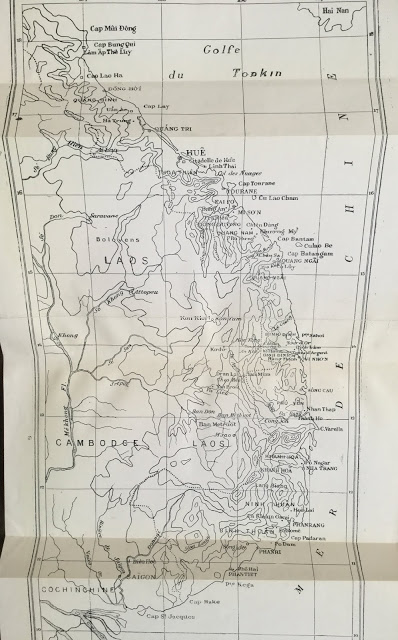
Malayan Peninsula was called Swarnabhumi in Indian literature. It is proved by the temple donations made by the Hindu kings of Vietnam (Champa) and Cambodia (Kamboja).
The booty taken by the Chinese from time to time after the sack of Champa (Vietnam ruled by Hindus was known as Champa) throws interesting light on the wealth and social condition of the country. In 446 CE, they took 1,00,000 pounds of pure gold. In 605 CE they took the golden tablets of eighteen kings, 1350 Buddhist manuscripts and also some musicians.
King Jayavarman VII of Cambodia founded 121 Dharmasalas and 102 hospitals and erected 798 temples according to the inscriptions.
Naked people wore clothes!
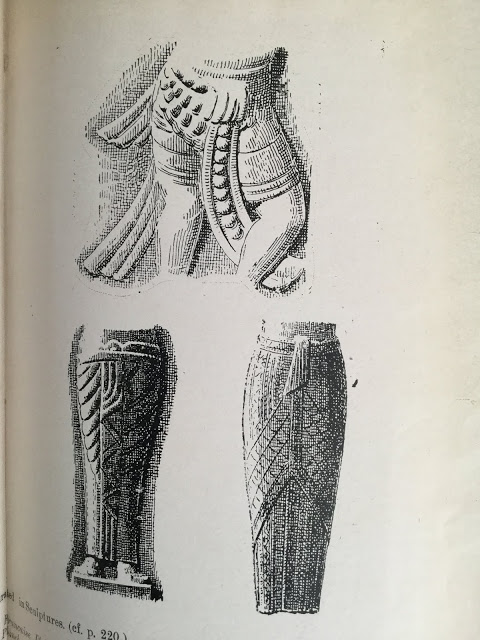
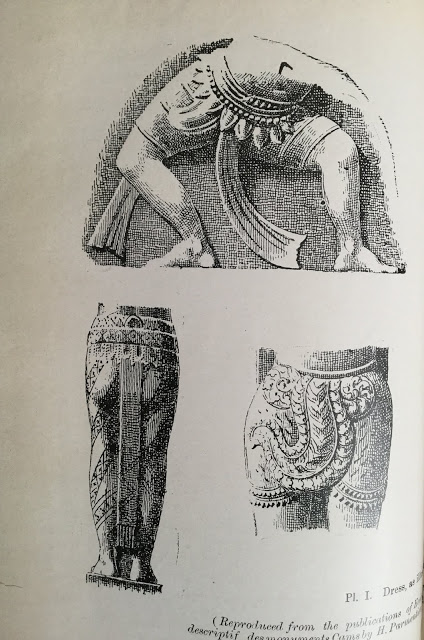
An interesting account of the people of Funan is given in a Chinese text composed in the beginning of sixth century CE. It shows the great changes that had come over them as a result of Hindu rule. The most important of these was the wearing of clothes. Men and women went about naked when Kaundinya first landed in the country about the first century. Even the Naga princess (Soma) he married had no clothes on. But we read in the Chinese account mentioned above that the men of noble families use sarong made of brocade. The poor people covered their bodies with a piece of cloth.
(even R C Majumdar, who quoted above passages says that the Chinese are wrong. The people wore minimum clothes and they were not naked)
(My comments- Even Mahatma Gandhi, after seeing Tamil farmers, wearing a piece of cloth, started wearing minimum clothes. And Winston Churchill called him ‘half naked fakir’).
Back to Champa…….
The people were used to luxury. Their articles of trade were gold, silver and silk. They used golden rings and bracelets and silver vessels. They organised cock fight and pig fight for their amusement. They constructed boats 80 to 90 feet long and 6 to 7 feet wide, the front and back of which were shaped like head and tail of a fish. The king lived in a storeyed pavilion. The women also used to ride on elephants.
Chinese accounts
The luxury and wealth of other colonies is also referred to in the Chinese texts. The following account of Po-li is preserved in the History of the Liang Dynasty.
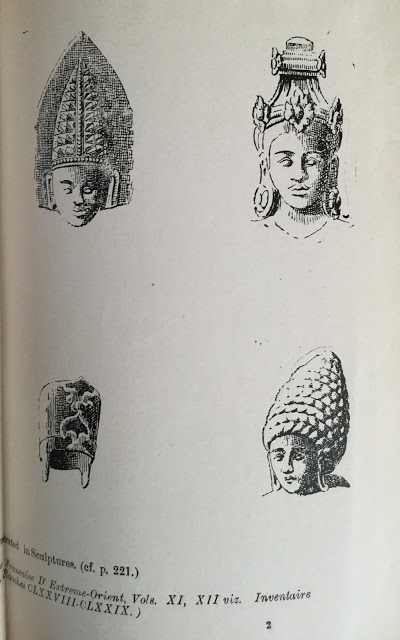
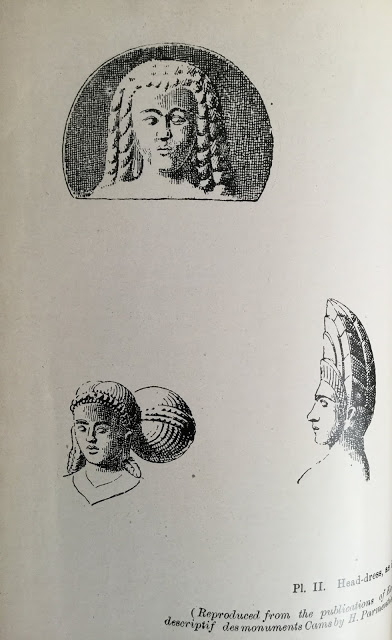
“The king’s name is Kaundinya. He uses the texture of flowered silk wrapped around his body ; on his head he wears a golden bonnet of more than a span high, and adorned with various precious stones (gems). He carries a sword inlaid with gold and sits on a golden throne, with his feet on a silver footstool. His female attendants are adorned with golden flowers and all kind of jewels, some of them holding chowries of white feathers or fans of peacock feathers. When the king goes out, his carriage which is made up of different kinds of fragrant wood, is drawn by an elephant. On the top of it is a flat canopy of feathers, and has embroidered curtains on both sides. People blowing conches and beating drums precede and follow him.
Source book- Ancient Indian Colonisation in South East Asia by DR R C Majumdar, 1953/1954 Lectures
One pound is 453 grams.

subham–
 Tamil and Vedas