Post No. 8040
Date uploaded in London – – – 25 May 2020
Contact – swami_48@yahoo.com
Pictures are taken from various sources for spreading knowledge; this is a non- commercial blog. Thanks for your great pictures.
Characteristics of a True Devotee
True Bhakti is great but not easy!
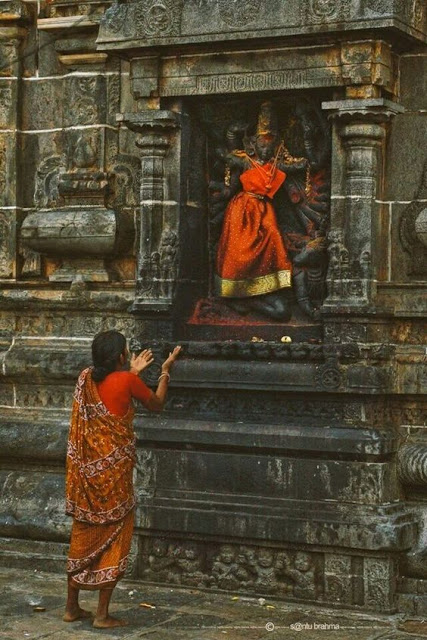
Tyagaraja has extolled the importance and virtues of Bhakti. Why is it considered great? Is it because it is easy? No, true Bhakti is not easy. But the result is sure! In no other sphere in this world can one be sure of the desired result of his actions or efforts. But devotion to Bhagavan brings its sure rewards! “Na me bhakta pranasyati- My devotee is never destroyed”, declares Bhagavan in the Gita! (9.31) Bhagavan alone is subject to our will- nothing else in this wide world. This is not to say that He will fulfill every wish of ours, but only that if we desire Bhagavan and Bhagavan alone and make efforts in that direction, He makes Himself accessible. Our relationship with everything in this world is based on our body,and ceases with our body. But our connection with Bhagavan, once made, is for ever. We are bound to you for ever, in the seven fold seven births, declares Andal. “Etraikkum ezhezh privikkum untannodu utrome yavom”. எற்றைக்கும் ஏழேழ் பிறவிக்கும் உந்தன்னோடு உற்றோமேயாவோம் உமக்கே நாம் ஆட்செய்வோம் That is why bhakti is considered great. The bond true bhakti creates is timeless, not just permanent.
Bhaktas in Puranas

But how does a true bhakta conduct himself? How can we know unless we see one in real life?
The Puranas give us names of many great devotees.One popular sloka goes:
Prahlada Narada Parashara Pundarika
Vyasaambareesha Suka Saunakha Bhishma dalpyan
Rukmangadarjuna Vasishtha Vibhishanadin
Punyaniman parama Bhagavatan smarami.
Let us remember the great devotees: Prahlada, Narada,etc.The very act of remembrance confers blessings.
Narada himself praises the Gopis of Vraja in his Bhaktisutras. Prahlada in turn praises the devotion of Gajendra, the elephant king. Manikkavachaka expresses anguish that he does not have devotion like that of the hunter, Kannappa. Our Tyagaraja Swami praises the Haridasas and Bhadrachala Ramadas. Sri Ramakrishna praised Rama Prasad. In the Ramayana, we see the devotion of Sabari. The devotion of Lakshmana and Bharata are disguised as brotherly love. Dasaratha too can be considered a great devotee of Rama, for he dies at Rama’s departure! In the Mahabharata, Kunti and Draupadi excel as devotees.
Kunti’s Prayer
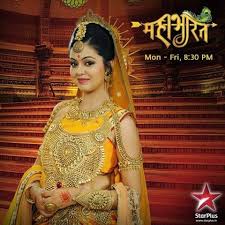
In fact, Kunti dies on hearing that Krishna has left the earth. She has given us an exceptional, perhaps the best , most moving prayer in our entire devotional literature:
Yatha Hrushikesa khalena Devaki
Kamsena ruddhaadhichiram shucharphitaa
Vimochitaaham cha mahatmaja vibho
Tvayaiva naathena muhur vipatganaat.
O my Lord! Controller of the indriyas! Did you protect me like you protected Devaki who was confined in jail for long and suffered? You protected me with my children from every danger.
( Here, Kunti recalls with great feeling that Krishna protected just Devaki, his mother and did not save her six children whom Kamsa killed, whereas in her case, she was saved with all her children from every single danger and trial!)
Vipada: santu na: shashvat
Tatra tatra Jagadguro
Bhavato darsanam yatsyaad
Apunarbhava darsanam
O Krishna , the Jagadguru!
Let all those dangers befall me, which bring me your darsanam, which will remove from me the possibility of another birth!
Srimad Bhagavatam 1.8.23 &25
Her idea is that Bhagavan’s darsanam destroys future births, so it is worth having it even if dangers befall her, as they cause such darsanam. How many of us will dare to utter such a prayer?
Lives of Devotees
Our Puranas and Itihasas narrate instances of such devotees. The lives of devotees have been compiled in Marathi under the title Maha Bhakta Vijayam. The Tamil classic dealing with the lives of 63 Saivite Saints is called Periya Puranam – the Great Ancient Tale. There is a story relating to the poet-saint Avvaiyar. Once she was tested by Lord Subrahmanya in the guise of a shepherd boy who asked her what was the greatest thing in the world. After reeling off other things, she said God was the greatest thing but since He too is confined in the heart of the Devotee, it is the greatness of the Devotee which is greatest, beyond all words!

Bhakta in the Gita
Even so, we feel confident only when we see a real devotee in action. When Krishna talks of stitaprajna, Arjuna immediately asks him for a description of such a one, how does he speak, sit and walk! (Gita,2.54) Later, Bhagavan gives a description of devotee.
Adveshta sarva bhutanam
Maitra: karuna eva cha
Nirmamo nirahankara:
Sama dukkha: sukha kshamee.
Santushta: satatam yogee
Yatatma drudha nishchaya:
Mayyarpita mano buddhir
Yo mad bhakta: sa Me priya: 12.13,14
He who hates no creature, and is friendly and compassionate towards all, who is free from the feelings of “I” and “mine”, even-minded in pain and pleasure, forbearing,ever content, steady in meditation,self-controlled,having firm conviction, with mind and intellect fixed on Me- such a devotee is dear to Me.
Yasmaan nodvijate loke
Lokaan nodvijate cha ya:
Harshaamarshabhayod vegair
Mukto ya:sa cha me priya: 12.15
He by whom the world is not agitated, and who cannot be agitated by the world, who is freed from joy, envy, fear,and anxiety- he is dear to Me.
Anapeksha: shuchir daksha
Udaseeno gatavyatha:
Sarvaarambha parityagi
Yo Madbhakta sa: me priya: 12.16
He who is free from dependence, who is pure, prompt, unconcerned, untroubled, renouncing (kartrutva from) every undertaking, who is devoted to Me- he is dear to Me.
Yo na hrushyati na dweshti
Na shochati na kaangshati
Shubhasubha parityaagi
Bhaktiman ya: sa me priya: 12.17
He who neither rejoices,nor hates, nor grieves nor desires, renouncing good and evil, full of devotion,-he is dear to Me.
Sama: shatrau cha mitrae cha
Tatha maanapamaanayo:
Seetoshna suhka duhkheshu
Sama: sanga vivarjita:
Tulya ninda stutir mauni
Santushto yena kena chit
Aniketa sthiramatir
Bhaktiman me priyo nara: 12.18.19

He who is the same to friend and foe, and also in honour and dishonour, who is the same in heat and cold, in pleasure and pain, who is free from attachment; to whom censure and praise are equal; who is silent, content with anything, homeless, steady-minded, full of devotion, – that man is dear to Me.
Ye tu dharmyaamrutam idam
Yatoktam paryupasate
Shraddhadhaana Matparamaa
Bhaktaste ativa me priya: 12.20
And they who follow this Immortal Dharma, as described above, endowed with sraddha regarding Me as the Supreme Goal, and devoted- they are exceedingly dear to Me.
Here what tough qualities of head and heart are indicated as the requirement of a Bhakta, to qualify for Bhagavan’s approval! Bhakti is not any sentimental woolly-headedness. It involves tough discipline and cultivation of stern virtues. Above all, it involves true character!
Tyagaraja’s Bhakta
Our Tyagaraja Swami is soaked in the tradition of true bhakti. He gives us his picture of the true devotees of God.
Bhaktuni chaaritamu vinave manasa Sitarama
O Mind. I will tell you the conduct of a true devotee of Sitarama. Listen carefully.
(Aa) Saktileka taa goruchu jeevan-
muktudai anandamu nondu…….
He has given up attachment to every thing, and is happy in himself as a jivan mukta.
Japatapamulu taa jesiti nanaraadu
adigaaga mari
kapataatmudu manamai balgaraadu
upama tanaku leka undavalenani
yoorayoora tirugagaraadu
sapala chittudaiyalu sutulapai
saaregu bhrama kaaradane Hari
He should not boast that he is performing japa and tapas.
He should not talk in a hypocritic vein.
He should not go about, seeking publicity that there is no match to him.
He should not be attached to his wife and children, with a mind full of passion.
Bhava vibhavamu nijamani yenjagaraadu
adikaka mari
Shiva madhava bhedamu jeyagaraadu
Bhuvanamandu daane yogyudanani
Bongi potta saakagaraadu
Pavanatmaja dhrutamau Sitapati
Paadamulanu yemara raadanu Hari.
He should not think that the pleasures of the world obtained in the householder’s stage are real or permanent.
He should not differentiate between Shiva and Vishnu.
He should not think that he alone is perfect, and lead a life resorting to lies.
He should never forget the Feet of Rama, always borne by Hanuman.
Rajasa tamasa gunamulu gaaraadu
Adigaakanu
Avyaja munanu raaledanagaaraadu
Rajayoga margamu nee chittamu
Rajuchuda vidavagaraadu
Rajasikamaniyaina Tyagaraja
Saguni maravaraadane Hari
The bhakta should not cultivate rajasa, tamasa gunas or be swayed by them.
He should not expect that he would gain divine grace without deserving it.
He should not give up meditation. He should not cease from striving to obtain devotion to Bhagavan.
He should never forget Hari, the friend of moon-wearing Shiva.
Tyagaraja relates some more qualities in another kriti- Karuna yela gante.
Paramatmudu jeevatmudu yogadai
Baragu chundu bhaktaparadeenuni
Karuna yela gante nee vidhame
Kalyanasundara Rama
Rama blesses those devotees who strive with the conviction that Jivatma and Paramatma are One. What are the characteristics of such a devotee?
Anrutam baadadu alpula vedadu
Sunrupula goluvadu suryuni maravadu
He will never tell lies. He will never ask for anything from low people. He will not serve even good kings. He will not forget (to worship) the Sun.
Maamsamu muttadu madhuvunu traagadu
Parahimsa seyadu yeruganu maravadu
He will not touch meat. He will not taste liquor.
He will not injure others. He will not stop learning.
Mooddeeshanamula vaadadu
Jeevanmuktudai tirugu madamunu joopadu
He will not have the three desires ( for wife, wealth and progeny). He will not go about claiming that he is a jivanmukta.
Vanchana seyadu varulado bongadu
Chanchala chittudai saukhyamu viduvadu
He will not resort to deceit or treachery. He will not utter untruth . He will not entertain worries and lose his peace of mind.
Saakshiyani delisiyandu lakshyamu viduvadu
Kanjakshuni Tyagaraja rakshakudainavaani
Having the trust that God (or own Atma) is the Eternal Witness,he will never swerve from the (spiritual) aim.
This is how Rama’s grace is obtained ( or manifests).
Unlike a yogi, or a sanyasi, the Bhakta does not leave society, but lives in it. He has therefore to integrate well with others. The Gita says that even a Jnani will have to conduct himself properly in the world and should not disturb the faith of others, in the interests of Lokasangraha. So the behaviour of the bhakta assumes importance.

Narsinh Mehta
In our spiritual literature, we have another instance of a Saint-poet giving us the characteristics of the true devotee- the real Vaishnava. This is from Sri Narsinh Mehta!
Vaishnava jan to tene kahiye
Je peed parayi jaanere
Paradukhke upakar kare toye
Man abhimaan na aanere
Sakala loka maan sahune vande
Ninda na kare kaeneere
Vaach kaach man nischala raakhe
Dhan dhan jananee taeneere
Sama drishti se trishna tyagi
Para stri jene maatare
Jihvatan ki asatya na bole
Par dhan nav jhale haath re
Moha maaya vyape nahi jene
Dridh vairagya jene man maan re
Ram Naam sun taali laagi
Sakala tirath tena tan ma re
Van lobhi ne kapat rahit che
Kaam krodh nivaarya re
Bhane Narasiyyo tenu darshan karta
Kul ekoter taarya re
He is the true Vaishnava
Who knows the pain of others.
Even if he has occasion to help others,
He will not allow his mind to get proud.
A Vaishnava tolerates and praises the whole world.
He will not speak ill of others.
He will keep his words,actions and mind pure.
His mother is indeed blessed.
He sees everything equally, gives up greed and avarice.
He regards other women as his own mother.
His tongue will not utter untruth.
He will never touch the wealth of others.
A Vaishnava does not succumb to the allurements of the world.
He is detached from worldly pleasures.
They are enchanted by the name of Ram.(God)
All the holy tirthas are in their body.
They have abjured greed and deceit.
They have renounced lust and anger.
Narsi longs to meet such a soul
Whose very sight will liberate his entire lineage.

In these days of media hype, and paid publicity, we really do not know how to identify a real devotee! But going through the literature gives us the company of many great bhaktas. It is said : Yat bhavam, tad bhavati: we become what we think of. May be, thinking of these great devotees for long will move and mould our stony hearts and convert our crude minds too to the devotional fold!!
TO BE CONTINUED …………………………………………..
 Tamil and Vedas