Pictures are taken from various sources for spreading knowledge; this is a non- commercial blog. Thanks for your great pictures.
இடைஞானியார் வரலாறு!
ச.நாகராஜன்
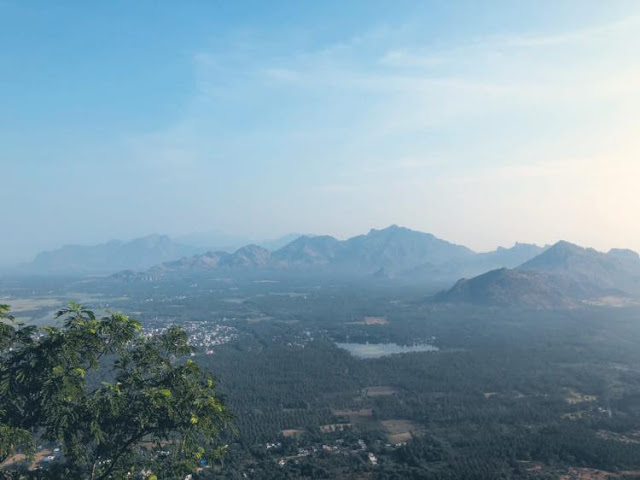
கொங்கு மண்டலத்தில் ஆம்பிரா நதி தீரமான தென்கரை நாட்டுக் கொற்றவனூரில் இடையர் தலைவர் ஒருவர் வசித்து வந்தார். அவரது சிறு வயது மகன் ஒரு நாள் ஆடுகளை மேய்க்க ஊதியூர் மலைப் பகுதியில் ஏறிச் சென்றான்.
தந்தையோ, ‘அந்த மலையில் கொடிய விலங்குகள் உள்ளன; ஆகவே அங்கு செல்லாதே’ என்று எச்சரித்து அறிவுறுத்தினார்.
மாலை நேரமானது. ஆடுகள் சென்ற வழியில் சிறுவன் பின் தொடர்ந்து சென்றான். இருள் சூழ்ந்து விடவே வழி தெரியாது அவன் காட்டிலேயே தங்கினான்.
பொழுது விடிந்தது.
அங்கிருந்த கல் ஒன்றின் மீது தான் எடுத்த விதைகளை வைத்து இன்னொரு கல்லால் தட்டினான் அவன். அடிக்கல்லிலிருந்து ரத்தம் பெருகிற்று.
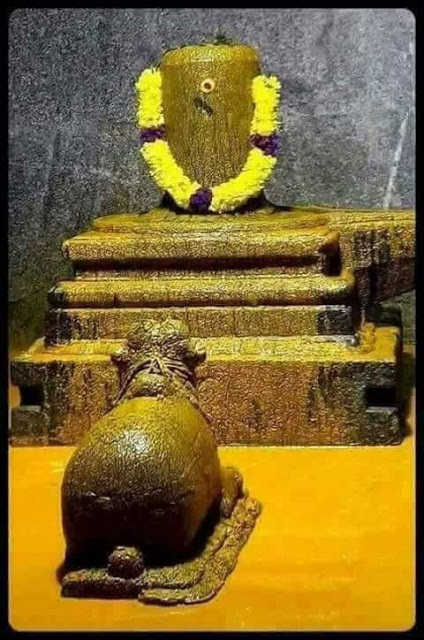
அடிக்கல்லாக இருந்தது ஒரு சிவலிங்கம். என்ன செய்வதென்று தெரியாமல் கண் இரண்டும் இருண்டு போக சிவலிங்கத்தைப் பிடித்தவாறே திகைத்து நின்றான் அவன்.
முதல் நாள் சென்ற பிள்ளை வரவில்லையே என்று பயந்த இடையர் தலைவர் மலைப் பகுதியில் வந்து தேடலானார்.
சிறுவனைக் கண்டு அவன் இருந்த நிலையைக் கண்டு வருந்தினார்.
நம்மை ஆட்கொள்ளும் ஆண்டவன் செயல் என்று எண்ணிய அவர் அந்தச் சிவலிங்கம் மீது வெயில் மழை படாது பந்தல் அமைத்தார். அதைக் கோயிலாக்கி பால், தயிர் ஆகியவற்றைக் கொண்டு வந்து குடம் குடமாக அபிஷேகம் செய்தார்.
பூக்களைக் கொண்டு சிவலிங்கத்தை அலங்கரித்தார்.
நைவேத்யம் செய்து அதை அர்ப்பணித்து தந்தையும் பிள்ளையும் தவறாமல் வணங்கலாயினர்.
நாட்கள் சென்றன.தந்தை சிவபதம் அடைந்தார்.
சிறுவனோ விபூதி, ருத்ராக்ஷம் அணிந்து பஞ்சாக்ஷரம் ஓதி இறைவனைத் தொழுது பணிவிடை செய்து வரலானான்.
சிவபிரான் அவன் மீது அருள் கூர்ந்தார்; அவனுக்கு சிவ ஞானம் புகட்டி அவனைக் கணநாதனாக்கினார்.
அவர் இடைஞானியானார்!
இன்று வரை இடைஞானியாரின் சந்ததியார் அக்கோவிலில் நவராத்திரி காலத்தில் அம்பு போடுதல் போன்ற மரியாதையை அடைந்து வருகின்றனர்.
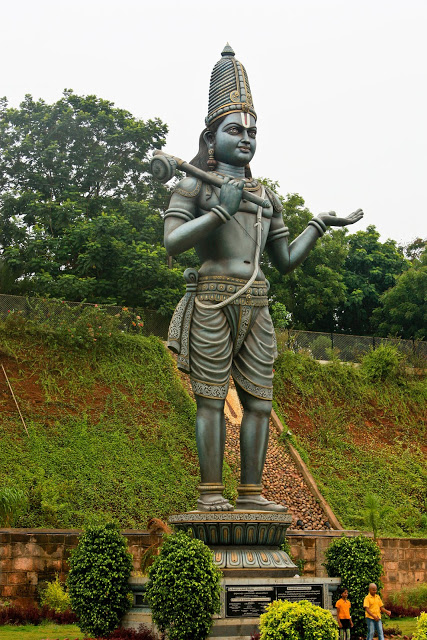
கொற்றவனூர் சிவாலயத்தில் இந்த இடைஞானியாரின் விக்கிரகம் இருக்கிறது; அதற்கு பூஜையும் செய்யப்பட்டு வருகிறது.
இந்த இடைஞானியாரின் வரலாற்றை கொங்கு மண்டல சதகம் தனது 38 வது பாடலில் எடுத்துரைக்கிறது இப்படி :-
ஒருவிதை யைத்தட்டு மாயர் மதலை யுவமையிலா
அரியஞா னங்கொளச் சென்னியிற் செந்நீ ரருவியெனச்
சொரியநின் றன்னான் றனையாண்ட முக்குட் சுயம்புவென்று
மருவி வளர்தென் கரைநாடு சூழ்கொங்கு மண்டலமே
பாடலின் பொருள் :-
ஒரு விதையை வைத்துச் சிறு கல்லால் தட்டிய இடைச் சிறுவன், மெய்ஞானத்தைப் பெறுமாறு அடிக்கல்லாக நின்ற தமது திருமுடியிலிருந்து இரத்தம் வடியக் காட்டி, அருள் புரிந்த அப்பிரமேயர் வீற்றிருக்கும் தென்கரை நாடு அமைந்திருப்பது கொங்கு மண்டலத்திலேயாம்!
Pictures are taken from various sources for spreading knowledge; this is a non- commercial blog. Thanks for your great pictures.
Ashtadhyayi written by Panini is at least two thousand seven hundred years old according to Goldstucker and two great Sanskrit scholars Bhandarkars. Though Panini did not write a book on the arts of India, we get lot of information from his work on subjects ranging from A to Z, I.e. astronomy to zoology. And music is one of the subjects dealt with by him.
Approximately five hundred years after him, we see a lot of musicians and musical instruments in the famous Bharhut sculptures in Madhya Pradesh, 300 BCE). The Jataka tales of the same period or slightly earlier also confirm the music talents of ancient India. Surprisingly Panini’s Sanskrit words are found even in 2000 year old Sangam Tamil literature.
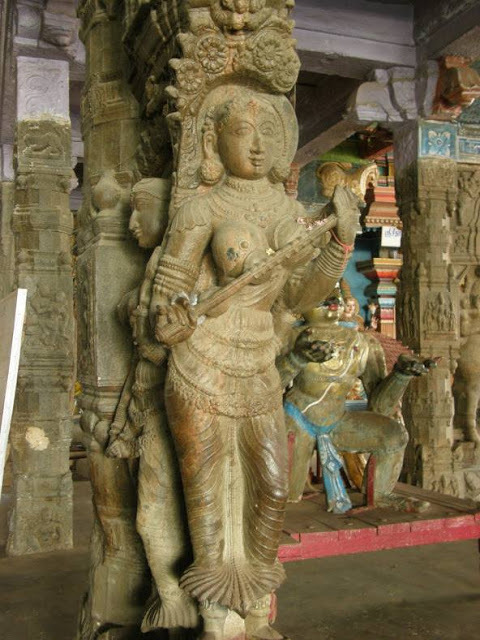
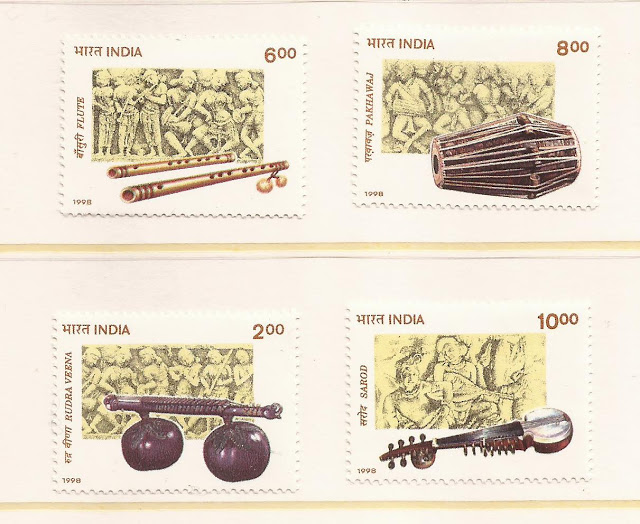
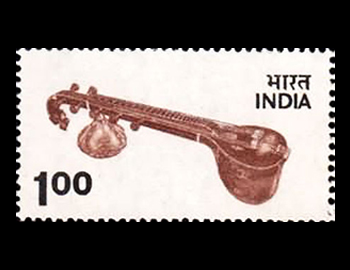
Vina (VEENA) was the most popular instrument in ancient India. No wonder we see it in the hands of Goddess Sarasvati and Veena Dakshinamurthy. Tamil Sangam poets never used the word Veena. But we see Naradar Veena in the Tamil epic Silapaadikaram. Before that we see Yaaz (Yaal) in Tamil literature.
The word ‘thurya’ used by Panini is found in Tamil Sangam work Madurai Kanchi.
Panini called music Silpa, ie.that is an art . Jataka stories called it Sippa in Pali, colloquial form of Sanskrit.
In ancient India dance and music went hand in hand.
Music comprised Nritya – dance, Gita-song, Vaadita- instrumental music and sometimes Natya- Stage acting. Khantivadi Jataka tale also put the four together as art.
Kautilya who came after Panini, says Gita, Vaadya, Nrtita and Natya
together.
Following musical words are found in Ashtadhyayi of Panini:–
Giti 3-3-95
Geya 3-4-68
Gathaka , vocalist-3-1-146
Gayana 3-1-147
Nartaka, dancer -3-1-145
Nritya, dancer-1-3-89;7-2-57
Natya, stage acting-4-3-129
Natasutra, treatise on dramatical art -4-3-110
Turya,orchestra- music band-2-4-2; Though it is a group of people it is used in singular.
Set of players on Mridangam and Panava was referred to as Maardangkika-Paanavikam
Patanjali s Mahabhasya and later Kasika give us more information
Parivaadaka-player on a stringed instrument.
Panini refers to Veena in several sutras 3-3-65
Jataka tales mentioned an orchestral band as Vinaavaadini turiyaani
*****
SAMMADA
PANINI explained Sammada and Pramada as festivity. We see it in Bharhut sculptures inscribed as
Saadakam sammadam turam devaanam
Meaning
Instrumental and vocal music performed in the place of gods.
The scene shows several groups namely singers, four female dancers and an orchestral band- turya – comprising of female lyre players, a hand clapper, a cymbalist and a taborer.
It looks like one flute player is also joined them in some places because we see it reference to five players on musical instruments in Nidana Katha, Jataka tales 1-32
Panchangika tuuriya.
Sammada,therefore is a festive celebration in which dance and music played an essential part
SAMANA in Rig Veda has lot of interpretations. From Olympics to Indra Viza to Great Fun Fair (see page 429 of Vedic Index Second Part by Keith)
****
REFERENCES TO INSTRUMENTS
Upavinayati meant one who sings with the lyre;
Apavinam meant singing without lyre-6-2-187.
Musical notes produced from a lyre – nikvana 3-3-65
Madduka, a small tabor 4-4-56
Jharihara – cymbalists
The tala with the help of palm is also referered to Paanigha and Taalagha 3-2-55; .
Players on drums or earthen jar4-3-4
Jataka tales mentioned it as Khumba thunika and the commentary explained it as
Ghatadaddara Vaadaka.
Later Kasika also explains Daardurika as Potter
***
3000 Year Continuity!
Even today in Tamil, we use Veena, Mridangham, Ghatam, Mattalam etc.
Thuriya is in Madurai Kanchi which describes the condition of Pandya country of great king Nedun chelian .
TAMIL REFERENCES
Thuuriyam – Madurai Kanchi line 460
Change of Spelling
The spelling changes will help us to find out the chronology of the works
Vaadita changes to Vaadhya
Vaadhya changes to Vaacchiam in Tamil ; in later works such as devotional poems
I have already given the list of musical instruments found in Malaadukadam of Sangam period and Karaikkal Ammaiyar, the earliest Bhakti poetry of Madame of Karaikkal, appr. Fifth century CE
14th century commentator Nacchinarkiniyar used the spelling VACHCHINYANGAL throughout his commentaries.
‘Pan’ means song or Raga/melody in Tamil. Paanan is a singer. So Panavam cane be linked. Greek god PAN is also linked to this word.
Vedic Index of Keith and Macdonell gives a long list of Musical instruments in the Vedic literature: –
Aaghaati /cymbal
Aadambara /drum
Karkari / lute
Kaandaviinaa / lute
Gargara
Godhaa
Talava
Tuunava / flute
Dundubhi / drum
Naadi / reed flute
Pinga
Bakura, Baakura, Bekura
Bhumidundhubi / earth drum
Lambara / drum
Vanaspati / drum
Vaana / harp
Vaani/ lyre
Vaanici
Vaadana / plectrum
Vaadita / music
Viinaa / lute
Over 20 instruments are listed in a book of hymns!!
I have written about music al instruments including Bhumi Dundhubi in the Vedas elsewhere.
Ravana had Veena in his flag. He was a great Veena player and well versed in Sama Veda.
12 Sep 2018 – Veena or Vina is seen in the hands of Sarasvati and Veena Dakshinamurthy (Shiva). Ravana and Agastya were very good Veena players. I have already given the story of a competition beween the two. Narada, the inter …
Pictures are taken from various sources for spreading knowledge; this is a non- commercial blog. Thanks for your great pictures.
ஹிந்தி படப் பாடல்கள் – 33 – மெட்டுக்கள்-தாவுதல் சகஜம்!
R. Nanjappa
மெட்டுக்கள்-தாவுதல் சகஜம்! இந்தியத் திரை இசைக்கு ராகங்களே அடிப்படையாக இருக்கின்றன. ஹிந்தித் திரையிசையில் சலில் சவுத்ரி ஒருவர்தான் மேற்கத்திய இசையில் வல்லுனராக இருந்தார்.- Notation, chords என்று எல்லா முறைகளும் அவருக்கு அத்துபடி.ஆனாலும் இறுதியில் அவர் அமைக்கும் சங்கீத்திற்கு ஒரு ராக அடிப்படை இருக்கும். 1961ல் வந்த சாயா என்ற படத்தில் ‘இத்ன ந முஜ் ஸே” என்ற பாட்டு ஒரு மோஃஜார்ட் ஸிம்ஃபனியைத் தழுவியது; ஆனால் இறுதியில் அது பைரவி ராகக் கட்டுக்குள் வந்துவிட்டது! அவர் இசையமைத்து கிஷோர் குமார் பாடி பிரபலமான “சோடா ஸா கர் ஹோகா” பாட்டு அவர் வீட்டு நேபாலி கூர்க்கா படிய ஒரு நாட்டுப்புறப்பாடல் மெட்டில் அமைந்தது! மெட்டுக்கள் ராகத்திலிருந்து கடன் வாங்கப் படுகின்றன எனில், ஒரு மெட்டிலிருந்து இன்னொரு மெட்டு உருவாக்குவது அவ்வளவு கடினமல்ல. . இதை நம்மவர்கள் தவறாகவும் கருதுவதில்லை! பல பாடல்களில் வேறு பாடல்களின் சாயல் இருக்கும். It is given to too few to be truly creative or utterly original. பல ஹிந்திப் பாட்டின் மெட்டுக்கள் தமிழுக்கு வந்திருக்கின்றன. சில அப்படங்கள் தமிழில் வந்தபோது உருவானவை, சில அப்படியே ‘அலாக்காகத்” தூக்கி வரப்பட்டவை, வேறு படங்களில் இடம்பெற்றவை. இப்படிச் சில பாடல்களைப் பார்க்கலாம்.
டண்டி பவன் சலேठंडी पवन चले, सांझ ढले कू कू कोयल बोले, जिया डोले जिया डोले, पवन चले प्यारे-प्यारे बाल संवारे शाम आई ले के नज़ारे – (2) नीले नीले पीले पीले -2, देखो गगन मे भी फूल खिले पवन चलेचंदा तारे खड़े यह सारेआओ खेले हमे पुकारे – (2) कह दो चुन्नू , कह दोमुन्नू मुनु – (2) रत होने को है हम चले, पवन चलेठंडी पवन चले, सांझ ढले कू कू कोयल बोले, जिया डोले जिया डोले, पवन चले டண்டி பவன் சலே,
சாஞ்ச் டலேகூகூ கோயல் போலே, ஜியா டோலே ஜியா டோலே, பவன் சலேகுளிர்ந்த காற்று வீசத் தொடங்கி விட்டது,மாலை நேரம் பரவத்தொடங்கி விட்டது,குயில்கள் கூகூ வெனப் பாடத்தொடங்கிவிட்டன, மனதும் ஆடத் தொடங்கி விட்டது!குளிர் காற்று தொடங்கி விட்டது!ப்யாரே ப்யாரே, பால் ஸ(ன்)வாரே, ஷாம் ஆயீ லேகே நஃஜாரேநீலே நீலே, பீலே பீலே, தேகோ ககன் மே பீ ஃபூல் கிலே பவன் சலேஅன்பே! மாலை நேரம் நல்ல காட்சிகளுடன் வந்துவிட்டது!நீ உன் கூந்தலை சரிசெய்துகொள்!அதோ நீல, மஞ்சள் வண்ணப் பூக்கள் வானத்திலும் மலர்ந்துவிட்டன!குளிர் காற்று வீசுகிறது!சந்தா தாரே கடே யஹ் ஸாரே, ஆவோ கேலே ஹமே புகாரேகஹ் தோ சுன்னு, கஹ்தோ முன்னு,ராத் ஹோனே கோ ஹை ஹம் சலேபவன் சலே…நிலவும் தாரகைகளும் எல்லாம் வந்துவிட்டனவா வா என நம்மை விளையாட அழைக்கின்றனகுழந்தைகளே-சுன்னு முன்னு_இரவு வந்துவிடும் நாம் போகலாம் என்று சொல்லுங்கள்!குளிர்ந்த காற்று வீசத்தொடங்கி விட்டது!
இது குழந்தைகளுக்காகப் பாடியது போலும். [இது படத்தில் இடம் பெறவில்லை, அதனால் சந்தர்ப்பம் புரியவில்லை.] மிக இனிய பாடல். தலத் குரலில் அப்படி ஒரு குழைவு! இந்த மெட்டை ‘இல்லற ஜோதி’ என்ற தமிழ்ப்படத்தில் வரும் ‘அனார்கலி’ நாடகத்தில் பயன்படுத்திக் கொண்டனர். ‘களங்கமில்லாக் காதலிலே’ என்ற பாட்டு. ஆனால் ஹிந்திப் பாட்டில் இருந்த இனிமை இல்லை. பின்னணி வாத்ய கோஷ்டியும் வேறு விதம்.- நாடகத்தில் வருவது என்பதால் அப்படிச் செய்தனரோ என்னவோ! இசை ஜி.ராமனாதன். ஏன் இப்படிச் செய்தார் எனத்தெரியவில்லை. ஹிந்தி அனார்கலியில் வரும் “யே ஃஜிந்தகீ உஸீகீ ஹை” என்ற மிகப்பிரபலமான பாட்டின் மெட்டை ‘காவேரி” படத்தில் ‘என் சிந்தை நோயும் தீருமா” என்ற பாட்டிற்குப் போட்டார். அதுவும் சுமார் தான். ஆல்ஃபிரட் ஹிட்ச்காக்கின் 1956 படமான The Man Who Knew Too Much ல் வரும் “When I was just a little girl” என்ற பாட்டின் மெட்டை ஆரவல்லி படத்தில் பயன்படுத்தினார், அங்கும் சுமார் தான். ஓரு பெரிய ஆள் ஏன் இப்படிச் செய்யவேண்டும்?
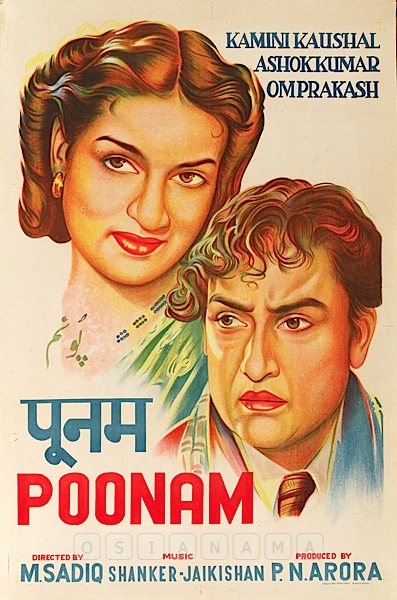
ஜூமே ஜூமே தில் மேராझूमे झूमे दिल मेरा, झूमे झूमे दिल मेराचंदा की चाँदनी में झूमे झूमे दिल मेरा
अँगड़ाई आने लगी, मस्ती भी गाने लगीआँखों में प्यार लिये रात भी जाने लगीचंदा की चाँदनी में …मैं नाचूँ प्यार नाचे, मेरा सिंगार नाचेतारों ने साज़ छेड़ा दिल की पुकार नाचेचंदा की चाँदनी में …जीने का ढंग आया, ले कर उमंग आयाकिरनों के दीप जले, गीतों को संग लायाचंदा की चाँदनी में …
ஜூமே ஜூமே தில் மேரா ஜூமே ஜூமே தில் மேராசந்தாகீ சாந்த்னீ மே ஜூமே ஜூமே தில் மேராஅங்க்டாயீ ஆனே லகீ, மஸ்தீபீ கானே லகீஆங்கோமே ப்யார் லியே ராத் பீ ஜானே லகீசந்தா கீ சாந்த்னீ மேமை நாசூ(ன்) ப்யார் நாசே, மேரா ஸிங்கார் நாசேதாரோ நே ஸாஃஜ் சேடா தில் கீ புகார் நாசேசந்தா கீ சாந்த்னீ மே .ஜீனே கா டங்க் ஆயா, லேகர் உமங்க் ஆயாகிரனோ(ன்) கே தீப் ஜலே, கீதோ(ன்) கோ சங்க் லாயாசந்தா கீ சாந்த்னீ மே..என் மனம் துள்ளூகிறது, என் மனம் துள்ளுகிறதுநிலவின் ஒளியில் என் மனம் துள்ளுகிறதுவெட்கம் வருகிறது, மகிழ்ச்சியில் பாட்டும் வருகிறதுகண்ணில் காதலைத் தாங்கி இரவும் நகரத்தொடங்கி விட்டதுநிலவின் ஒளியில்…..நான் ஆடுகிறேன், என் அன்பு ஆடுகிறது, என் அழகும் ஆடுகிறது,தாரகைகள் வாத்திய மிசைக்க மனதின் குரலும் ஆடுகிறது!நிலவின் ஒளியில்வாழும் வகை தெரிந்துவிட்டது,நம்பிக்கையும் வலுத்துவிட்டதுநிலவொளி என்னும் விளக்கு எரிகிறது, இசையை உடன் கூட்டி வந்ததுநிலவின் ஒளியில். ..
. Song: Chanda ki chandni mein Film: Poonam 1952 Lyrics: Hasrat Jaipuri Music: Shankar Jaikkishan Singer: Lata
இது ஹஸ்ரத் ஜெய்புரியின் ஆரம்பகாலப் பாடல்களில் ஒன்று.காதல் வசப்பட்ட பெண் பாடுவதாக இருக்கிறது. ஓரளவு ‘ஓவர்” என்றே சொல்லலாம்.. இந்த மெட்டை தமிழில் “ரத்தக்கண்ணீர்” படத்தில் “ஆட்டத்தைப் பார்த்திடாமல் ஆளை ஆளைப் பார்க்கிறாய்” என்ற டி.வி. ரத்தினம் பாடும் பாட்டிற்குப் பயன்படுத்திக் கொண்டார்கள். தமிழ் படத்தில் இந்தப் பாட்டு வரும் இடம் தெரிந்தவர்கள், இந்த மெட்டை அதிகம் விரும்பமாட்டார்கள். அதனால் ஒரிஜினல் ஹிந்திப் பாட்டையும் கேட்கத் தோன்றாது! This is how an original tune is degraded when transported across genres! A matter of sensitivity or sensibility! Those who adopt (or even adapt) a tune should not trivialise it. பழைய பக்திப் பாடல்களை சினிமா மெட்டுகளில் பாடும்போது இதை நாம் உணர்கிறோம்!
ஸௌபார் ஜனம் லேங்கேवफ़ा के दीप जलाए हुए निगाहों में भटक रही हो भला क्यों उदास राहों में तुम्हें ख्याल है तुम मुझसे दूर हो लेकिन मैं सामने हूँ, चली आओ मेरी धुन में
வஃபா கே தீப் ஜலாயே ஹுயே நிகாஹோ(ன்) மேபடக் ரஹீ ஹோ பலா க்யோ(ன்) உதாஸ் ராஹோ(ன்) மேதும்ஹே கயால் ஹை தும் முஜ் ஸே தூர் ஹோ லேகின்மை ஸாம்னே ஹூ(ன்)சலீ ஆவோ மேரி துன் மேகண்களில் விசுவாசம் என்னும் விளக்கை ஏற்றிக்கொண்டுஏன் இந்த துக்கப் பாதையில் வீணில் அலைகிறாய்?நீ என்னை விட்டு தூரத்தில் இருப்பதாக நினைக்கிறாய்
நான் எதிரிலிலேயே இருக்கிறேன், என் பாட்டைக் கேட்டு வந்துவிடு!
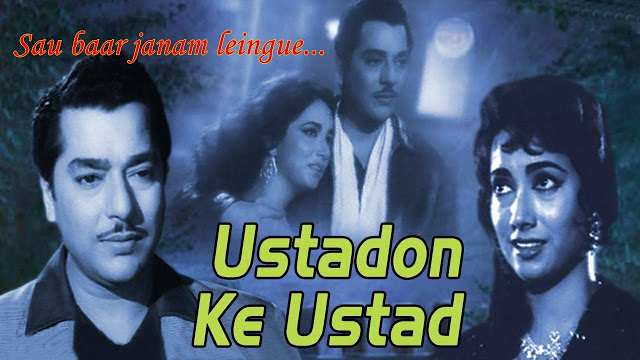
सौ बार जनम लेंगे, सौ बार फ़ना होंगे ऐ जाने वफ़ा फिर भी हम तुम ना जुदा होंगे
ஸௌ பார் ஜனம் லேங்கே, ஸௌ பார் ஃபனா ஹோங்கேஐ ஜானே வஃபா ஃபிர் பீ ஹம் தும் நா ஜுதா ஹோங்கேநூறுமுறை பிறப்பெடுப்பேன், நூறு முறை இறந்து படுவேன்ஆனாலும் அன்பே, நாம் இருவரும் பிரியமாட்டோம்.
किस्मत हमें मिलने से रोकेगी भला कब तक इन प्यार की राहों में भटकेगी वफ़ा कब तक कदमों के निशाँ खुद ही मंजिल का पता होंगे सौ बार जनम लेंगे…
கிஸ்மத் ஹமே மில்னே ஸே ரோகேகீ பலா கப் தக்இன் ப்யர் கீ ராஹோ(ன்) மே படகேகீ வஃபா கப் தக்கத்மோ(ன்) கே நிஷான் குத் ஹீ மன்ஃஜில் கா பதா ஹோகாஸௌ பார் ஜனம் லேங்கே..நாம் மீண்டும் சந்திப்பதை இந்த விதி எத்தனை நாள் தான் தடுக்கும்?அன்பின் விசுவாசம் எத்தனை நாள் தான் இப்படித் தடுமாறும்?..கால் தடமே லட்சியத்தின் முகவரியாக இருக்கும்!நூறு முறை பிறந்தாலும்….. ये कैसी उदासी है, जो हुस्न पे छाई है हम दूर नहीं तुमसे, कहने को जुदाई है अरमान भरे दो दिल, फिर एक जगह होंगे सौ बार जनम लेंगे…
ஸௌ பார் ஜனம் லேங்கே இந்த அழகிய முகத்தில் ஏன் இந்த சோகக் களை?பிரிந்திருக்கிறோ என்பது வெறும் சொல்லளவே1நான் உன்னை விட்டு அதிக தொலைவில் இல்லை!நம்பிக்கை நிறைந்த இரு உள்ளங்கள் மீண்டும் ஓரிடத்தில் கூடும்!நூறு முறை பிறந்தாலும்……
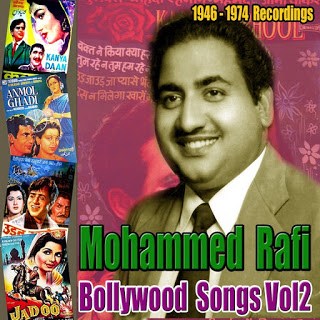
Song: Sau bar janam lenge film: Ustado(n) ke ustad 1963 lyrics: Asad Bhopali Music Ravi Singer: Mohammad Rafi
இந்தப் படத்தை தமிழில் “வல்லவனுக்கு வல்லவன்” என்ற பெயரில் எடுத்தார்கள். அதில் இந்தப் பாடலை கவிஞர் கண்ணதாசன் அவருக்கே உரிய பாணியில் எழுதினார். பாடல் மொழிபெயர்ப்பு இல்லை. ‘நூறு முறை பிறந்தாலும் இறந்தாலும்” என்ற கருத்தை தொகையறாவில் சொன்னார்.” ஓராயிரம் பார்வையிலே உந்தன் பார்வையை நானறிவேன்” என்பதைப் பல்லவியாக வைத்தார். ஹிந்தியில் ‘நூறு முறை பிறந்தாலும்” என்பதே பல்லவி-முக்கிய கருத்து. மேலும் ஹிந்தியில் ஒரு முக்கிய வரி: “கத்மோ(ன்) கா நிஷான் குத் ஹீ மன்ஃஜில் கா பதா ஹோகா” இந்த இடத்தில் நம் கவிஞர் ” உன் காலடி ஓசையிலே உன் காதலை நான் அறிவேன்” என்று எழுதியிருக்கிறார். Creative freedom enjoyed by great artistes. ஹிந்தியில் கவி அஸத் போபாலியின் கவிதைக்கு அரிய இசை ரவியினுடையது. இவர், எழுதிய கவிதைக்கு இசையமைப்பதில் வல்லவர். உணர்ச்சி பூர்வமாக இனிய குரலில் பாடியிருப்பவர் ரஃபி. இது ரவி, ரஃபி அஸத் போபாலி ஆகிய மூவருக்குமே ஒரு மைல் கல்லாக அமைந்த பாடல். தமிழில் இசை வேதா என்று போட்டிருக்கிறார்கள். அது தவறு. ஹிந்தி மெட்டில் எந்த மாற்றமும் இல்லை! இப்படி எத்தனையோ மெட்டுக்கள் குடிபெயர்ந்திருக்கின்றன!
Pictures are taken from various sources for spreading knowledge; this is a non- commercial blog. Thanks for your great pictures.
R.Nanjappa
Great Teachers
Great Teachers, like philosophers, spring from a specific environment, both physical and cultural, economic and political. They also come from some religious-spiritual background. But what makes them great is not just that they represent and reflect or renew the tradition, but change and transform it, either by enrichment or even by branching off on their own, even if it involves at times a radical departure from their old traditions. This standard can be applied to all the great philosophers and poet-saints of India. All the great leaders in the spiritual field whom we remember are initiators of new paths, not repetitors of the old. It is as if they come with a commission from God to meet the needs of particular times. On the surface, we may speak of tradition as if it is fixed, but within it is very flexible. Every great teacher has left behind a universal message. They are local in origin, global in impact, universal in spirit.
Mainstream Hindu orthodoxy today stems from Acharya Sankara, but he was a great reformer. His followers make him appear like a fixed event, but the Smartas who claim his tradition have all been innovators in their own way. They quietly initiated a revolution, like Sankara before him. Sankara gave a unified philosophical base for his interpretation of Vedanta, and also consolidated ritual religion on the basis of Shanmata. This gave a broadness and depth to the religious and spiritual life of the Smartas as against the exclusiveness of the others which became sects.
Muslim Invasions
With the onset of the Muslim invasions, a new chapter begins in Indian cultural and religious history. Up to then, India had assimilated all foreign elements who chose to settle here. But the Muslims came with a distinct mission to loot and plunder, and later, to convert, conquer and subdue. Not only assimilation was impossible, it became increasingly difficult to practise our religion in our own land, and we withdrew into a shell. No power in the North could stem the Muslim tide and our Rajput states fell one by one. Vijaynagar rose in 1336 and for over 200 years protected the South from Muslim expansion, but with its fall in 1565 things became difficult. The Marathas then rose in 1674 and held for another century or so, but by their fall in 1818, the Europeans had come in and the British had established themselves in Bengal. Hindu India had not only lost its supremacy and independence, but its very identity. [It is necessary to remember that the British took over from the Marathas, not from the Mughals. See the extent of Maratha empire at the relevant time.]
Through all this, the Tanjore region underwent lot of turmoil. The Cholas had fallen in the 13th century to the Pandyas. Madurai was invaded in 1311 by Malik Kafur for loot and plunder; it was invaded again 1314 by Khusrav Khan and in 1323 by Ulugh Khan who finally defeated and destroyed the Pandyan kingdom and annexed it to the Delhi sultanate, of which Ulugh Khan later ascended the throne in the name Mohammad bin Tughlaq! Tamil Nad lost its independence. Muslims ruled from Madurai, persecuting Hindus and inflicting heavy sufferings on them, chronicled by their own men like Ibn Batuta, apart from others.
Hindu temples were desecrated, including Srirangam. In 1371 they were defeated by Vijaynagar forces under the command of Kumara Kampanna Udayar, son of Bukka Raya I. ( On his way Kampanna had to face opposition from the Sambuvarayars who ruled around Kanchipuram and supported the Delhi sultans; he defeated them.) Srirangam Temple was restored to its glory.
After the fall of Vijaynagar empire in 1565, the Nayaks heading Madurai gradually asserted their independence and they conquered Tanjore in 1646. Vijayaraghava of Tanjore was killed by Chokkanatha Nayak of Madurai who annexed Tanjore and placed his brother Alagiri on Tanjore throne in 1673. But soon Alagiri declared his independence. A son of Vijayaraghava approached the Bijapur sultan to help him get back his kingdom. The sultan sent an army under the command of Venkoji (Ekoji), brother of Shivaji to Tanjore in 1675, but on winning, Venkoji himself became the ruler, thus beginning the Maratha rule in Tanjore. It lasted until 1855 when the last Maratha ruler, Shivaji II died without a male issue, the British refused to recognise the adopted son, and Tanjore was annexed to British territories under the Doctrine of Lapse.
It is necessary to recall these facts as there is a tendency on the part of Tamil historians to whitewash the Muslim rule in Madurai, and its atrocities on Hindus, and overlook the role of Vijaynagar in saving our religion and culture in the Tamil region. Linguistic nationalism did not exist in those days, and all native rulers were Hindu, including the Tamil kings and chieftains. However, there was no lasting unity among them and even Tamil kings fought among themselves fiercely, in the name of valour, even from Sangam days, as seen from many of the songs in Purananuru. Pattinappalai even describes how the Chola Karikala destroyed the fertile lands of the other kingdoms within the Tamil territory.
Tanjore region merits special attention. With its rich delta, its economic potential was great, but it had suffered greatly through all this political turmoil for two centuries. Independent farmers had declined, and become labourers. People suffered from excess demands from the rulers. Long before the annexation the British had reduced the King to a titular toy, making him dependent on a pension, whose rule really did not extend beyond the fort.[ The same happend in Delhi where it was said:
The empire of Shah Alam
Extended from Delhi to Palam]
He was therefore unable to support the people or help them either militarily or economically.
Nama Siddhanta
With all this, however, it is a marvel that somehow it managed to keep its cultural life and traditions alive. All its rulers had encouraged learning and fine arts, within the constraints. But it had undergone a subtle change. The old ritual traditions had declined, in the absence of regular and firm royal support and a new bhakti movement had started, based on Nama Siddhanta. Initiated by Bodhendra (d.1694) (59th Sankaracharya of Kanchi Mutt) supported by others like Sridhara Venkatesa Ayyaval, Sadashiva Brahmendra, Sadguru Swami, Narayana Tirtha, Melattur Venkatarama Sastri (1770-1830), it had taken firm hold and spread. (Incidentally, all of them were Smartas, who were Advaitins by conviction, and liberal by temperament in religious matters, without bigotry.)
They were aware of the changing times and the unsuitability of the old ways and so combined all the relevant and practical old elements like mantra, japa with Nama Siddhanta which would suit any one as it did not demand much by way of resources, organization or patronage. They did not seek to change society or tackle all its problems, but only wanted to keep alive some practical way for the people to pursue religious and spiritual goals, so that they would not be totally overwhelmed by the external forces and pressures. They did not talk philosophy, but of a sure way to seek God.
Great Philosophers and Bhakti movement
It is necessary to place these facts in context. The last of the great orthodox philosophers was Sri Madhvacharya (1199-1278). Sri Ramanuja came earlier (1017-1137) Sankara had come even earlier. Though these Acharyas talked philosophy, they had already combined lot of theology. In fact, Sankara’s Advaita is pure philosophy, but his system survives in practice because of the system of worship he instituted, though this involves some contradiction with strict Advaita. After them no great figure propounded pure philosophy, but only advocated bhakti. Let us look at them:
Jayadeva 12th Century
Jnanadeva 1275-1296
Namdev 1270-1350
Ramananda 1299-1410
Narsi Mehta 1414-1481
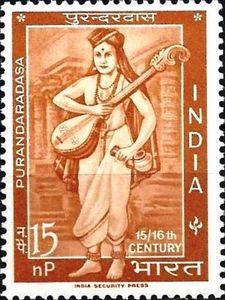
Purandaradasa 1484-1564
Chaitanya Mahaprabhu 1486-1534
Mirabai 1498-1557
Goswami Tulsidas 1497-1623
Tukaram 1577–1650
Samartha Ramadas 1609-1681
Bhadrachala Ramadas 1620-1680
Sadashiva Brahmendra 17th Century*
Sri Bodhendra -1692*
Sridhara Ayyaval 1635-1720*
Narayana Tirtha 1650-1745*
Sadguru Swami 1776-1817*
* All these in the Tanjore area!
All these great souls lived during the period of great turmoil, when Hindus faced persecution from Muslims and later Christian missionaries and it is they who saved and served the common man. None of them talked philosophy- it was merely incidental to their teaching Bhakti. It was thus Bhakti and Bhakti movement alone that saved the common people in the medieval period, and served their religious aspirations and spiritual needs.
Tyagaraja’s birth
We can now see clearly where Sri Tyagaraja belongs! And what would have been the atmosphere like in Tanjore area where he too was born . He was born in Tiruvarur on 4 May 1767 ( very easy to remember: 4-5-67). By that time Bhakti movement had taken root. The songs of Purandaradasa and the story of Bhadrachala Ramadas were already well known in orthodox circles. Tyagaraja combined with it the ideals of Narada and the elements of Vedanta. His own experience of worship of Ishtadevata through mantra japa, puja and Kirtana provided an excellent model. Singing with the mouth and thinking in the mind, we can burn away all sins, declared Andal in 9th century:”:vaayinal paadi manadinaal sindikka poya pizhaiyum pukutaruvan ninranavum teeyinil toosakum”. [“வாயினால்பாடிமனதினால்சிந்திக்க, போயபிழையும்புகுதருவான்நின்றனவும்தீயில்தூசாகும்“]
“Dhyayan stuvan namasyancha”, declares Vishnu Sahasranama. Tyagaraja combined all this with “Sankirtya Narayana Sabdha matram” so that we may get rid of our suffering and attain sukham! It is a great privilege and fortune to be able to study Sri Tyagaraja Sahitya!.
Note:
Orthodox circles tend to deify holy figures, and neglect socio-cultural history, and the politico-economic environment. In writing biographies of even recent figures, they focus on the unusual and the miraculous aspects. This has happened in the case of Sri Tyagraja also. These books do not cover the social history of the period, or the economic conditions of the society then. When we understand how unsettled the conditions were then, we will be able to appreciate better the role and contribution of Tyagaraja. He was not just music composer or bhajan singer. One invaluable resource here is: William J.Jackson: Tyagaraja-Life and Lyrics, OUP, 1991. See also his Tyagaraja and the Renewal of Tradition, Motilal Banarsidass,1994.
Hindu concept of dharma is so unique; there being no central religious authority to enforce it, it depends on the Kshatriya power for its very survival. Swami Vivekananda was an admirer of Buddha personally, but has pointed out that after his advent, Kshatriyas declined in India and when the Muslim invasions took place, there was no strong Kshatriya resistance. Sri Aurobindo agreed with this and also added that Sankara’s Mayavada also contributed to this, since it drew people away from this world. People became tamasic in the name of Satvik.
We have two positive examples to prove this from recent history. A strong Vijaynagar empire was able to stop Muslim expansion in India for two centuries. Later, strong Maratha power was able to engage the Muslims and stop their expansion for another century. Shivaji in fact spoke of Swaraj. Behind both these powers were strong Dharmic forces: Vidyaranya ( Sringeri Pontiff) behind establishment of Vijaynagar empire and Samarth Ramadas behind the great Shivaji. And both were Smarta Advaitins!.
Conversely, we also see how the ‘secular’ govt of Independent India has been inimical to Hindu dharma. India is not even a Hindu country now- Hindus have no “homeland”!
3. Samarth Ramadas outwitted the decree of Sultans that no Hindu temples should be built or worship conducted in them by organising Bhajan sabhas where Hanuman Vigrahas were quietly installed, and Rama worshipped. This spread widely and later provided support base for Shivaji. Our mainline history books do not record such vital things. For a thrilling account of those times, see:
Swaminatha Atreyan:Sri Samartha Ramadas Charitam, (Tamil) Bhagavan Nama Publications,Chennai-33, 2008. 4. Whatever may be the philosophical differences, there is a large area of agreement between the Smartas and Madhvas. Their Acharyas and learned men had also been close. Sri Vijayeendra Tirtha (1517-1614) was a friend of Appayya Dikshita (1520-1593) and they delighted in each other’s company. Vijayeendra Teertha was responsible for saving the temples of Kumbhakonam at a crucial time, including the famous Shiva temples. Details can be read in Amman Satyanathan’s book on Vijayeendra Teertha.
5. In North India, at a crucial time, Ramcharit Manas of Tulsidas became the rallying point for the common Hindus. Tulsidas was an advaitin, though he was a devotee- indeed goswami. He stressed pure bhakti. In the South, Sri Vyasaraja (1460-1539) established 732 Hanuman images in different places for people to worship and thus united them in Bhakti.
Philosophy divides; bhakti unites.
6. Bhakti is a common element in all the three main schools of Vedanta: Dwaita, Visishtadvaita and Advaita. However, there is a big qualitative difference between the position of bhakti in Advaita on the one hand, and the other two on the other. This is an important question for Smartas. For Sankara, Brahman alone is real ie Satya, jnana alone is the valid path to liberation. Iswara is coterminus with Jiva and jagat. In the ultimate analysis, even Iswara has to be given up. So the whole scheme has an unconvincing tone. Absolutely speaking, for Sankara the whole issue of Jiva, jagat and Ishwara is unreal, and is a concession to ignorance. But the Bhakti schools believe that Iswara can grant Liberation, and Bhakti can lead to Ishwara. And some schools go to the extent of saying that we should seek bhakti and not mukti, as Ishwara can grant it. They rate bhakti even higher than mukti, a sentiment often expressed by Sri Ramakrishna. It is remarkable that all the Tanjore based saints/holy men stressed bhakti, though they were all Advaitins/ Smartas.. The Nama Siddhanta that they evolved falls under the 9 forms of bhakti revealed by Narada.
For a detailed and reasoned discussion on the role of Bhakti in Vedanta, see: Swami Tapasyananda: Bhakti Schools of Vedanta, Sri RK Math, Chennai, 1990.
For a detailed discussion on Sankara’s position, based on his own works, see:Sudhakshina Rangaswami: The Roots of Vedanta, Penguin, 2012.
7. For some idea about the prosperity of the Tanjore region, and how it was looted/destroyed by the machinations of the Nawab of Arcot and the wily British, see Romesh Chander Dutt: The Economic History of India, Publications Division, Government of India.
Academic discussions and debates can be dry and unprofitable. They certainly lead us nowhere. This is where a Sadguru is relevant with his practical experience. Sri Ramakrishna advocated Bhakti. Sri Ramana said; ‘enquire or surrender’. Sadguru Tyagaraja Swami says: “Anuragamuleni sujnanamu raadhu” ie
Pictures are taken from various sources for spreading knowledge; this is a non- commercial blog. Thanks for your great pictures.
வேத மந்திரங்கள் மூலம் தீ மூட்டப்பட்ட உண்மை சம்பவம்!
ச.நாகராஜன்
வேத மந்திரங்களுக்குச் சக்தி உண்டா என்று கேட்போருக்கு ஏராளமான அறிவியல் சோதனைகளைப் பற்றி ஏற்கனவே எழுதியுள்ளோம்.
வேத மந்திரங்களை முறைப்படி ஓதி அதன் மூலம் தீ மூட்டப்பட்ட சம்பவத்தை இதை முன் நின்று நிகழ்த்திய டாக்டர் பி.வி. வார்தக் (Dr. P.V.Vartak) பி.டி.ஐக்கு 20-5-1974 அன்று செய்தியாகத் தந்தார்.
புனேயில் பிரபலமான சர்ஜனாகத் திகழ்ந்தவர் வார்தக். அவர் ஒரு சோதனையைச் செய்ய விரும்பினார்.
சுதாகர்த் நகரைச் சேர்ந்த காசிநாத் பந்த் சிடோர் (Kashinath Panth Sidore or Sudhagarth) நவ சண்டியை உபாசிக்கும் ஒரு உபாசகர்.
அவர் முன்னர் டாக்டர்கள், இயற்பியல் விஞ்ஞானிகள், இரசாயன வல்லுநர்கள், உளவியல் நிபுணர்கள், மந்திரவாதிகள் ஆகியோர் குழுமினர்.
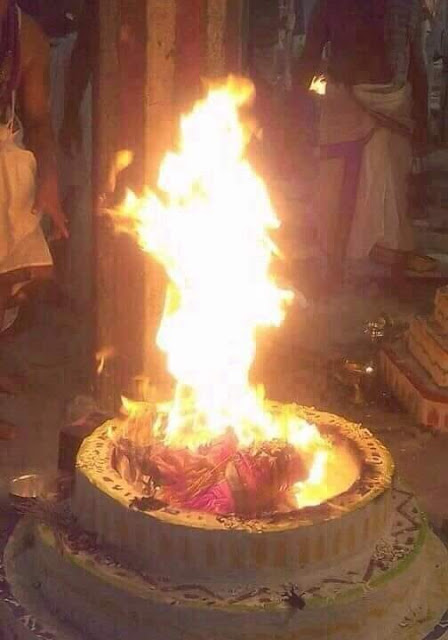
சிடோர் ஒரு குண்டத்தில் சில மரத்துண்டுகளை வைத்தார். கம்பீரமாக ‘அக்னிமீளே புரோஹிதம்’ என்ற மந்திரத்தை உச்சரிக்க ஆரம்பித்தார். மந்திரங்களைத் தொடர்ந்தார்.
மூன்றாவது முறையாக அவர் மந்திரங்களை உச்சரிக்கும் போது மரத்துண்டுகளில் ஒரு தீப்பொறி தோன்றியது. சில நிமிடங்கள் அக்னி கொழுந்து விட்டு எரிய ஆரம்பித்து அனைத்து மரத்துண்டுகளும் தீப்பிடித்து எரிய ஆரம்பித்தன.
இந்த நிகழ்ச்சியை கூர்ந்து, கவனமாக, ஜாக்கிரதையான கண்களுடன் குழுமியிருந்தோர் இமை கொட்டாமல் பார்த்துக் கொண்டே இருந்தனர்.
இதை அவர் முதல் தடவையாகச் செய்யவில்லை. மூன்றாவது முறையாக இப்படி மந்திரங்களின் மூலம் அக்னியை வரச் செய்து மரத்துண்டுகளை எரிய விட்டிருக்கிறார்!
இந்த சோதனையை ஆரம்பிக்கும் முன்னர் தேர்ந்தெடுக்கப்பட்ட டாக்டர்களின் குழு ஒன்று அவரை உடல் ரீதியாகவும் உள்ள ரீதியாகவும் சோதனை செய்தது. ஆகவே விஞ்ஞானிகளுக்கு எந்த விதமான சந்தேகமும் எழவில்லை.
அமிர்தபஜார் பத்ரிகா நாளிதழைச் சேர்ந்த மனீந்த்ர சந்த்ர பால் அதிசயித்துப் போனார்.
அவர் கூறினார் : “ For the welfare of humanity this spiritual side of life should not be sacrificed at the altar of material science, the handling of which is always fraught with danger and destruction.” – “மனித குலத்தின் நலனுக்காக இந்த ஆன்மீக வாழ்க்கையின் ஒரு பக்கமானது உலோகாயத விஞ்ஞானத்தின் முன் வைக்கப்படக்கூடாது; அது எப்போதும் அழிவையும் அபாயத்தையும் உருவாக்கும் ஒன்று”
விஞ்ஞானிகளுக்கு இந்த ரகசியம் தெரிவிக்கப்பட்டால் உலகமே அழிந்தல்லவா போகும்?!
நிகோலஸ் டெஸ்லா தனது சோதனை ஒன்றில் ஒரு கட்டிடத்தையே தரைமட்டமாக்கி விட்டார்.
அந்த சக்தியை எப்படி உருவாக்குவது என்று கேட்ட போது அவர் பதிலே சொல்லவில்லை.
சாகும் வரை அந்த இரகசியத்தை அவர் வெளியிடவே இல்லை.
“இதைச் சொன்னால் மனித குலத்தின் நாசத்திற்கு வழி வகுத்தவன் ஆவேன்” என்று எண்ணினார் அவர். அந்த உயரிய நோக்கத்தில் அபாயகரமான சக்தியை உருவாக்கும் வழியை அவர் சொல்லவேயில்லை!
அணுகுண்டுக்கு வழி வகுத்த ஐன்ஸ்டீன் பின்னால் மிகவும் வருத்தப்பட்டார்.
ஏ.கே. 47 துப்பாக்கியைக் கண்டுபிடித்த ரஷிய விஞ்ஞானி மைக்கேல் கலாஷிகோவ் (Mikhail Kalashnikov) பின்னாளில் மிகவும் மனம் வருந்தி சர்ச்சில் பாவ மன்னிப்பு கேட்டதை ஏற்கனவே எனது கட்டுரையில் விவரித்துள்ளேன்.
அபாயகரமான டைனமைட்டைக் கண்டுபிடித்த ஆல்ஃப்ரெட் நோபலை நாசகார வியாபாரி என்று பத்திரிகைகள் விவரிக்கவே மனமுடைந்து போய் அவர் மிகவும் வருந்தினார்; நோபல் பரிசை நிறுவினார்; அமைதிக்கான ஒரு பரிசும் அதில் சேர்க்கப்பட்டது!
மந்திரங்களுக்குச் சக்தி உண்டு என்பதை நிரூபிக்க நடத்தப்பட்ட இந்த சம்பவம் நமக்கு மகிழ்ச்சி அளிக்கும் ஒன்று!
ஏனெனில் ஹிந்துக்கள் எப்போதுமே சர்வே ஜனா சுகினோ பவந்து என்பதையே தங்களின் ஒரே தாரக மந்திரமாகக் கொண்டவர்கள்.
ஹிந்துக்களால் அனைவரும் வாழ்வார்களே தவிர ஒரு போதும் அழிய மாட்டார்கள்!
Pictures are taken from various sources for spreading knowledge; this is a non- commercial blog. Thanks for your great pictures.
A poor Brahmin in a village used to beg and give what he got into the hands of his wife. She used to cook and set out the food and in doing so strike her husband one blow daily with the broom stick. So thinking, she is a termagant, how many days must I endure beating at her hands, he said to his wife,
“I am going to neighbouring village for ten days.”
“If you go, whom shall I beat with this broom stick? “She asked.
He replied, “there is a Peepal (peepul) tree , that I have tended, beat that”.
Accordingly when he had left, setting out the food, she struck the tree with the broom stick.
That blow fell on a hobgoblin who had been living in the tree for a long time.
On this the ghost said to itself, “Oh my god, she is a greater hobgoblin than I “and ran away from the tree.
While running away it saw the woman’s husband who was walking towards next village. The hobgoblin called out, “my body aches from being struck one day only. How many days have you been beaten! I will do you a favour to get rid you of her persecution.
If you ask what it is, I will take possession of the daughter of the king of this place. Whoever comes and make incantations I will not go. But if you come, I will leave her. You will be rewarded by the king. You can live happily” .
So saying the ghost entered into king’s daughter. The king sent for many sorcerers around the country, but could not drive away the ghost.
The Brahmin also went, pretended as a sorcerer and said to the spirit after some incantations,
“Leave the king’s daughter now and go”.
The ghost replied, “I will go now. But if you come to me for the second time, I will kill you”.
So saying it went away.
The king finding the spirit was gone , rewarded the Brahmin who pretended as a sorcerer. The king asked the ‘sorcerer’ to stay in the palace permanently.
Whilst it was so, the spirit entered into the daughter of king’s minister. When the king came to know about it, he sent the palace sorcerer to the minister’s house.
Accordingly, he went to the place and the spirit became angry and came to kill him, saying, “why have you come? Don’t you remember my condition?”
“My wife is coming to strike you again. I came to you, just to tell you the news and warn you”.
As soon as the hobgoblin heard this, ran away from the palace as quickly as possible.
–a Tamil folk tale from 1896 book –
( I have already posted one similar story replacing the Brahmin with a crude singer)
Pictures are taken from various sources for spreading knowledge; this is a non- commercial blog. Thanks for your great pictures.
A New Series on Sri Tyagaraja!
Sadguru SRI TYAGARAJA-1
R. Nanjappa
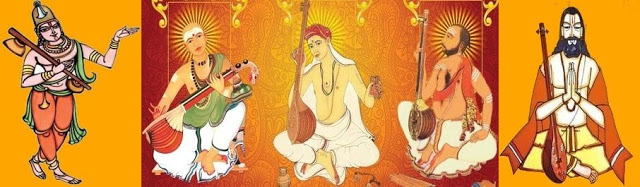
Leading light of Musical Trinity
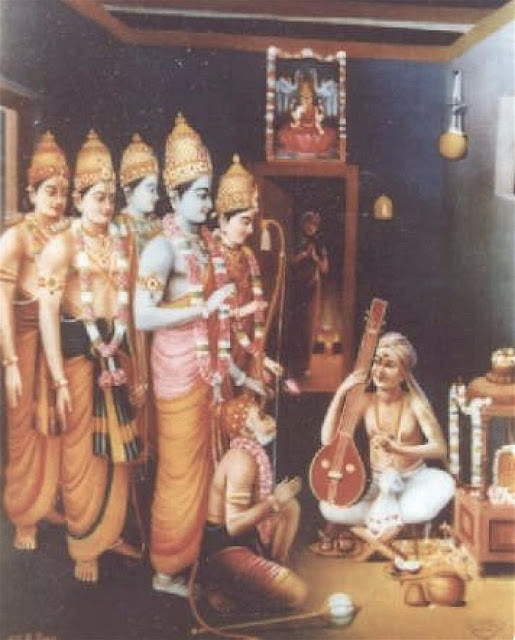
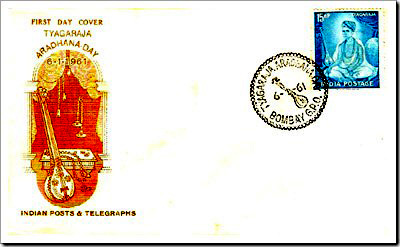
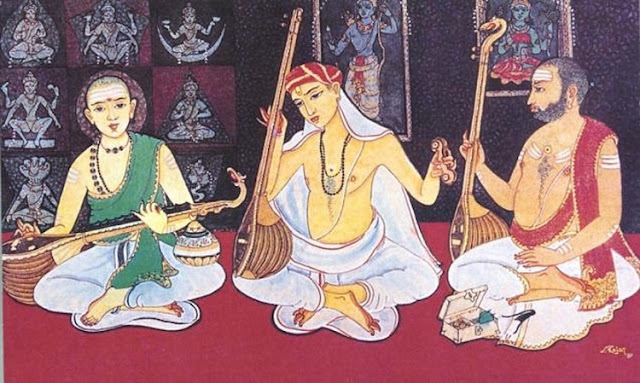
Sri Tyagaraja is mainly regarded as a musician, the leading light of the Carnatic musical Trinity, composer and musical genius. Though Purandaradasa is considered the pitamaha of Carnatic music, it is Sri Tyagaraja who gave the definitive ‘kirtana’ structure to Carnatic compositions. This also made the raga swaroopa clear and distinct. We know many ragas now only through his Kirtanas. While his ‘kritis’ are the mainstay of performing musicians, his life forms a very attractive subject for ‘harikatha’ exponents, who extol him as a Saint. Carnatic music being based on ‘sahitya’, (unlike Hindustani music which is mainly based on ‘swara’,) the quality of compositions becomes important. It is agreed by authorities that his compositions are divinely inspired. Tyagaraja himself sings: “bhukti mukti galgu nani keerthanamu bodhinchevadu” ie it is Sri Rama himself who had taught him the kirtans which confer worldly welfare and liberation.
Sadguru
It is to be noted that among the Trinity, Sri Tyagaraja alone is called “Sadguru”. Sadguru is not just a vidyaguru, or deeksha guru, but one who shows the way to Truth (Sat) or Liberation. No higher benefit or benediction can be conferred on a human being on earth. So, while the compositions of the Trinity and the other great personalities before and after him are full of musical and other excellences, there is something in the sahitya of Sri Tyagaraja which makes it distinct, unique and sublime.
Bhakthi based Music
Carnatic music, in its pure classical form, is bhakti based, because music is considered divine and is used mainly as an instrument of soul elevation, not means of mere entertainment. Aesthetic pleasure surely accompanies the musical experience, either as a listener or performer, but all such pleasures, however intense, are transitory and what makes music memorable in the long run is something more sublime than mere listening pleasure, or impressive words of the composition. It has to touch the core of one’s being.
All the great classical composers sing only about God. This, even when they employ the Sringara rasa, as in the case of Kshetrayya or Jayadeva. And it reaches the high peaks of philosophy as in the case of Sadashiva Brahmendra, or heart melting devotion in the case of Purandaradasa. But somehow Tyagaraja stands above all, and encompasses all as the Sadguru.
Why Tyagaraja is Sadguru
The precise reason why Tyagaraja has to be considered Sadguru is that he combines three ancient and formidable traditions in Indian spiritual experience, and shows how they can be practised in the turbulent times.
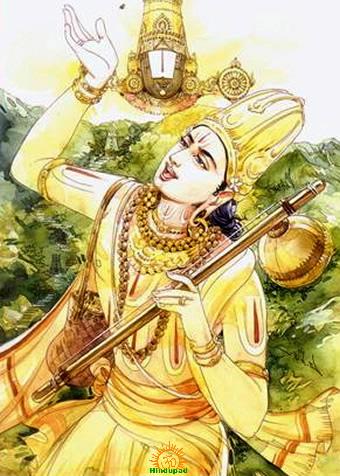
the tradition of combining music with devotion, as taught by Narada
the tradition of devotion to Ishtadevata, without hatred of other forms of God- mainly based on Purana-Itihasa ie Avatara
the tradition of adhyatmic or spiritual quest,based on viveka and vairagya, as taught in the Vedantic tradition.
Tyagaraja blends all three with natural ease and supreme skill.. This is based on his own personal experience.
Honouring previous saints
Like most genuine Sadgurus, Tyagaraja blazes his own trail. He does honour all previous saints in general ( endaro mahanubhavulu) and singles out some for special veneration like Narada, ( Narada Guruswamy, Vara Narada , Sri Narada Natha, etc), Bhadrachala Ramadas ( dheerudau Ramadasu) and the Haridasas ( haridasulu vedala, mucchata konni aanandamaye dayalo).
But Sri Tyagaraja Swami surpasses all, and he has combined the essence of all previous traditions. He does not merely follow in the grooves of any fixed tradition, but has shown a new path, suitable for the emerging age. Most gurus belong to a tradition, either in teaching Vidya or giving Deeksha, and they cannot do better or more than preserve and pass on the tradition. But time renders most such traditions ineffective or unsuitable for changing circumstances. Traditional adherents do not know how to adapt, or do not dare. It is the Sadguru who opens up a new path.
It is not that a Sadguru transforms the whole world. No, it has never happened in the history of the world. Even Incarnations have not done it. Christianity spread through political power and commercial and military might, but it has not transformed the world or any part of it. The followers of one God and one Book and the only begotten Son are divided into more than 100 factions and they fought two world wars mainly among themselves. The followers of Prophet Mohammad conquered other lands and peoples with the sword, and openly preach jihad in the world, though their factions are busy fighting each other where they rule.. But they have not transformed the world . The role of the Sadguru is not to change the world, but to show individuals how they can attain the spiritual goal in a changing world.
We will examine, on the basis of Tyagaraja’s own kritis, whether and how this title of Sadguru fits him.
Note:
1.In the Indian tradition, music i.e., sangeeta, is treated as Gandharva Veda. It is considered ‘Lalitakala’, one which easily pleases. But its instant appeal is to the mind, which has a natural tendency to run out into the world. eg Shakespeare writes : If music be the food of love, play on, give me excess of it.” ( Twelfth Night) So our tradition associated it with God and spiritual effort, and this is how our classical music developed. Music is used as a way to reach God.
2. It is held that Carnatic music derives from or follows Narada, and Hindustani music, Hanuman. On this, see Ra.Ganapati’s book, (in Tamil) “Jaya Hanuman”.
3. Today, Sahitya dominates Carnatic music. Though Hindustani ustads sing bhajans and render some ‘bandishes’, it is largely free of sahitya. It is said that this is due to the Muslim invasion and rule of the North, where the musicians had to sing to please the sultans and badshah, and not God. Swami Vivekananda has some interesting observations on music, scattered through his works.
In our effort here, we will be focusing on Tyagaraja’s sahitya, not on music as such.










 Tamil and Vedas