தரச் சரிவின் காரணம்? திரையிசையின் தரம் தாழ்ந்துவிட்டது-தாழ்ந்து வருகிறது என்று பரவலாகச் சொல்கிறார்கள் யோசித்தால் இரண்டு முக்கிய காரணங்கள்.தெரியும். ஒன்று, சில இசைஞர்கள் தொடங்கிவைத்த புதிய உத்திகள் அம்சங்கள்-, குறிப்பாக மேலை நாட்டு இசையின் சில அம்சங்கள்- eg. Beat. இதை முதலில் புகுத்தியவர் சி.ராம்சந்த்ரா. ஆனால் அவர் இனிமையை இழக்கவில்லை. பிறகு ஓ.பி நய்யார் ஒரு புதிய சகாப்தத்தை தொடங்கினார். அப்பட்டமான மேற்கத்திய இசை. ஆனால் அவரும் இனிமையை விடவில்லை. அவர் கேட்ட தொகையைக் கொடுக்க இயலாத தயாரிப்பாளர்கள், வேறு இசைஞர்களை நய்யார் பாணியை பின்பற்றச் செய்தார்கள். கடைசியில் நய்யாருக்கே மார்கெட் இல்லாமலாகிவிட்டது! ஷங்கர் ஜெய்கிஷனும் இந்த வலையில் (குழியில்?) விழுந்தார்கள். 60களில் அவர்கள் இசையமைத்த ஒரு படத்திற்கு வந்த விமர்சனத்தில்.”ஃபிலிம்ஃபேர்” பத்திரிகை இப்படி எழுதியது: The music may be intended to be breezy, but it only succeeds in being noisy. பின்னர் ஆர்.டி. பர்மன் வந்தார். நமது திரை இசை முற்றிலும் திசை மாறியது. அதற்குப்பின் இதுவே பழக்கமாகிவிட்டது. ஆர்.டி பர்மன் காலத்திலும் தாரிப்பாளர்கள் பிறரிடமும் அதே பாணி இசையைக் கேட்டனர். 1977ல் வந்த ‘கரோண்டா’ – Gharaonda – படத்திற்கு இசையமைத்த ஜெய்தேவிடமும் இதையே கேட்டனர். அவர் தயங்கினார், இசையவில்லை. அவர் உதவியாளர்கள், ‘நாம் சமாளித்துக் கொள்ளலாம், மறுக்காதீர்கள்’ என்றனர். விளைவு?
‘ஏக் அகேலா இஸ் ஷஹர் மே” என்ற அழகிய பாடல்! அது ஜெய்தேவ் செய்த மாஜிக்! ஆர்.டி.பர்மனுக்குப் பின் வந்தவர்கள் இன்னும் அதள பாதாளத்திற்கே சென்றுவிட்டனர்! தாழ்ந்த ரசனை என்ற வெந்தழலை மக்கள் சிந்தையில் இட்ட இசைஞர்களே அதற்கு இந்தனம்** ஆகி விட்டனர்! திரை இசையின் தரம் தாழ இன்னொரு முக்கிய காரணம் ஸ்டார் நடிகர்கள். நல்ல இசை இவர்களைச் சுற்றியே வருகிறது.50களில் இவர்கள் மென்மையான பாத்திரங்களில் வருவார்கள். gentle, gentlemanly roles. திலீப் குமார், தேவ் ஆனந்த், ராஜ் கபூர், பரத் பூஷண், ப்ரதீப் குமார் என்ற எந்த முன்னணி நடிகரின் படத்திலும் ‘ஜென்டில்” ஹீரோ தான்! இசையும் அதற்குத் தகுந்த முறையில் கனமாக, இனிமையாக இருந்தது. ஷம்மிகபூர் வந்ததும் ஹீரோவின் பிம்பம் மாறியது. பிறகு அமிதாப் பச்சன் அடிதடி சகாப்தத்தைத் தொடங்கினார். நல்ல இசையும் உதைவாங்கி, ஓடிவிட்டது! ராஜேஷ் கன்னா மட்டுமே இதற்கு விலக்காக இருந்தார். 70களில் அவர் படங்களில் மட்டுமே நல்ல இசை இருந்தது! ரசிகர்கள் விரும்புவதைத்தானே தரவேண்டும் அதைத்தானே தருகிறோம் என்பார்கள். ஆனால் ரசிகர்களை இந்த நிலைக்குத் தள்ளியது யார்? Fish rots from the mouth (not from the tail), என்பார்கள். சரிவு மேலிடத்திலிருந்துதான் தொடங்குகிறது. 50 களில் வந்த இந்த பாட்டுக்களைக் கேளுங்கள். இப்போது இப்படி வருமா?
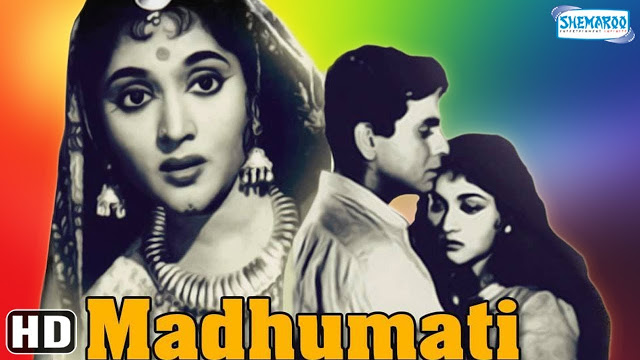
ஸுஹானா ஸஃபர்.
#सुहाना सफ़र और ये मौसम हसीं हमें डर है हम खो न जाएँ कहींஸுஹானா ஸஃபர் ஔர் யே மௌஸம் ஹஸீ(ன்)ஹமே டர் ஹை ஹம் கோன ஜாயே(ன்) கஹீ(ன்)இனிய பயணம், அருமையான பருவம்இங்கேயே எங்கோ மறைந்து விடுவேனோ என பயம் வந்துவிட்டது!
ये कौन हँसता है फूलों में छुपकर बहार बेचैन है किसकी धुन पर कहीं गुनगुन, कहीं रुनझुन, कि जैसे नाचे ज़मीं सुहाना सफ़र..
யே கௌன் ஹஸ்தா ஹை பூலோ(ன்) மே சுப் கர்பஹார் பேசைன் ஹை கிஸ்கீ துன் பர்கஹீ குன் குன் கஹி(ன்) ருஞ்சுன் கீ ஜைஸே நாசே ஃஜமீன்.ஸுஹானா ஸஃபர்……இந்த மலரினுள் மறைந்து இருந்து சிரிப்பது யார்?எவருடைய இசையைக் கேட்டு இந்த வஸந்தம் தன் வசமிழந்து விட்டது?
மெல்லிய குரலிசை, மெல்லிய சலங்கை சப்தம்-பூமியே நடனமாடுகிறதோ?
ये गोरी नदियों का चलना उछलकर के जैसे अल्हड़ चले पी से मिलकर प्यारे-प्यारे ये नज़ारे निखार है हर कहीं सुहाना सफ़र..
யே கோரீ நதியோ(ன்) கா சல்னா உசல்கர்கே ஜைஸே அல்ஹட் சலே பீ ஸே மில்கர்ப்யாரே ப்யாரே யே நஃஜாரே நிஸார் ஹை ஹர் கஹீஸுஹானா ஸஃபர் .இந்த நதிப்பெண் இப்படி இரைச்சலுடன் ஒடி வருகிறாள்-யாரோ பெண் தன் காதலனைச் சந்தித்துவிட்டு ஓடிவருவது போல் இருக்கிறது!.இந்த அழகிய காட்சிகள் எங்கும் மகிழ்ச்சிமயமாக்கி விட்டது!...
वो आसमां झुक रहा है ज़मीं पर ये मिलन हमने देखा यहीं पर मेरी दुनिया, मेरे सपने, मिलेंगे शायद यहीं सुहाना सफ़र.
ஓ ஆஸ்மான் ஜுக் ரஹா ஹை ஜமீ(ன்) பர்யே மிலன் ஹம்னே தேகா யஹீ(ன்) பர்மேரீ துனியா மேரீ ஸப்னே மிலேங்கே ஷாயத் யஹீஸுஹானா ஸஃபர்.…… அதோபார்- நீல வானம் பூமியைத் தொடுகிறது!இந்த சந்திப்பை நான் இங்கு முன்பே பார்த்திருக்கிறேனோ?என் உலகம், என் கனவு-இங்கேயே நிறைவுபெறும்!இனிய பயணம், அருமையான பருவம்….
இங்கே ஹீரோ பார்ப்பது வானம்-பூமியின் சங்கமம். இது கடந்தகால-நிகழ்கால, நிகழ்கால-எதிர்கால சங்கமங்களின் அறிகுறியாக நிற்கிறது (என்பது கதைப்போக்கிலிருந்து நாம் பின்னர் தெரிந்துகொள்கிறோம்.) நாம் இந்தப் பாடலில் இசை-கவிதை-குரல் ஆகிய மூன்று நதிகளின் சங்கமத்தை அனுபவிக்கிறோம்! இந்தப் படத்தில் தலத் மஹ்மூத் பாடுவதாக இருந்தது. முகேஷ் அப்போது கஷ்டத்திலிருந்தார்,அதனால் தன் நண்பர் முகேஷுக்கு விட்டுக்கொடுத்தார் தலத்! இருவருமே இசைஞர் சலீல் சவுத்ரிக்கு உகந்தவர்கள்! யே கௌன் ஹன்ஸ்தாஹை ஃபூலோ(ன்) மே சுப் கர்: ‘ மலரினூடு நீயே இருத்தியால் மலர் பறிக்கவும் மனம் நண்ணேன்” என்ற தாயுமானவரின் வாக்கு நினைவுவருகிறது! இன்று இத்தகைய இயற்கைக் காட்சிகளை ரசிக்க நமக்கு நேரம் இருக்கிறதா?
When the green wood laughs with the voice of joy, And the dimpling stream runs laughing by; When the air does laugh with our merry wit, And the green hill laughs with the noise of it; When the meadows laugh with lively green, And the grasshopper laughs in the merry scene; – William Blake: Laughing Song,
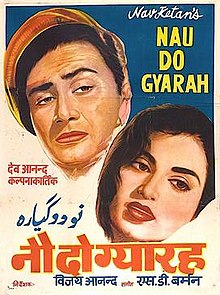
1794. ஹம் ஹை ராஹி ப்யார் கே हम हैं राही प्यार के, हमसे कुछ ना बोलिएजो भी प्यार से मिला, हम उसी के हो लिएஹம் ஹை ராஹி ப்யார் கே, ஹம் ஸே குச் ந போலியேஜோ பீ ப்யார் ஸே மிலா, ஹம் உஸீ கே ஹோ லியேநான் அன்பின் பாதையில் போகிறேன், என்னை எதுவும் சொல்லாதீர்கள்!என்னிடம் யார் அன்புடன் வருகிறார்களோ, நான் அவர்களுக்கு அடிமை!
दर्द भी हमें कुबूल, चैन भी हमें कुबूल हमने हर तरह के फूल, हार में पिरो लिए जो भी प्यार…
தர்த் பீ ஹமே கபூல், சைன் பீ ஹமே கபூல்ஹம்னே ஹர் தரஹ் கே ஃபூல், ஹார் மே பிரோ லியேஜோ பீ ப்யார் ஸே மிலா…கஷ்டம் வந்தாலும் சரி, சுகம் வந்தாலும் சரி- எனக்கு சம்மதமே!
எல்லா வகை மலர்களையும் நான் மாலையில் தொடுத்து விடுவேன்!
धूप थी नसीब में, धूप में(तो) लिया है दम चांदनी मिली तो हम, चांदनी में सो लिए जो भी प्यार…
தூப் தீ நஸீப் மே, தோ தூப் மே லியா ஹை தம்சாந்த்னீ மிலீ தோ ஹம், சாந்த்னீ மே ஸோ லியேஜோ பி ப்யார் ஸே…வெய்யிலில் தான் இருக்கவேண்டுமென்று .. எழுதியிருந்தால், அங்கேயே பிழைத்துக் கொண்டேன்நிலவொளி கிடைத்தாலோ அதிலேயே தூங்கிவிட்டேன்.
दिल पे आसरा किये हम तो बस यूँ ही जिये इक कदम पे हंस लिए, इक कदम पे रो लिए जो भी प्यार…
தில் பே ஆஸ்ரா கியே, ஹம் தோ பஸ் யூ(ன்) ஹீ ஜீயேஇக் கதம் பே ஹஸ் லியே, இக் கதம் பே ரோ லியேஜோ பீ ப்யார் ஸே…. மனதில் நம்பிக்கை வைத்து, இயல்பாக வாழ்ந்து வருகிறேன்ஒரு அடியில் சிரிப்பு, ஒரு அடியில் அழுகை- அதனால் என்ன?…
राह में पड़े हैं हम, कब से आप की क़सम देखिये तो कम से कम, बोलिए न बोलिए जो भी प्यार…
ராஹ் மே கடே ஹை ஹம், கப் ஸே ஆப் கீ கஸம்தேகியே தோ கம் ஸே கம், போலியே ந போலியேஜோ பீ ப்யார் ஸே மிலா…எவ்வளவு நேரமாக உங்கள் வழியில் காத்திருக்கிறேன்! உங்கள் மீது ஆணை!பேசினால் பேசுங்கள், இல்லையென்றால் வேண்டாம்- குறைந்தது பார்க்கவாகிலும் கூடாதா?
Song: Hum hai rahi pyar ke Film: Nau Do Gyarah 1957 Lyricist: Majrooh Sultanpuri Music: S.D.Burman Singer: Kishore Kumar
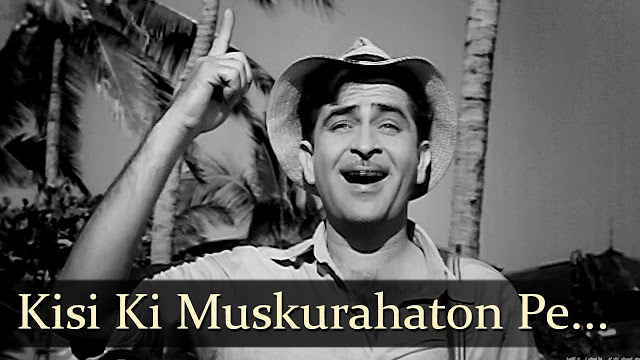
எத்தனை இனிய பாடல்! கிஷோர் குமாரின் முந்தைய ஆண்டுகளில் பாடிய அருமையான பாடல்! வாழ்க்கைத் தந்துவங்களைச் சொல்லும் பாடல். இயற்கையிலிருந்து எடுத்த சொற்கள்; ஹர் தரஹ் கீ ஃபூல், தூப், சாந்த்னீ- ஆகுபெயராக நின்று எல்லவித அனுபவங்கள், கஷ்டம், சுகம் ஆகியவற்றைக் குறிக்கின்றன. வாழ்க்கையில் வருவதை ஏற்றுக்கொள், சந்தோஷமாயிரு, அன்புடன் பழகு என்ற இந்த மன நிலையைக் கொண்டவனாக இங்கு ஹீரோவை வருணிக்கிறார். சென்ற அத்தியாயத்தில், இரண்டு பாடல்களில் பெண்களின் கண்ணோட்டத்தைப் பார்த்தோம். இங்கு ஆண்களின் மனஓட்டத்தைப் பார்க்கிறோம். அவர்கள் குதிரையிலும் சைக்கிளிலும் போனார்கள். இங்கு ஒருவர் இயற்கைக் காட்சிகளை ரசித்துக் கொண்டே நடக்கிறார் ; ஒருவர் சிறிய டிரக்கில் போகிறார். ஆனால் அதே மன நிலைதான்!
Beauty, Love, Hope- the beauty around inspires hope of Love! Or, may we say, the hope of Love induces one to notice the beauty around! The same romantic mood! Thou wilt not languish here, O Fried, for whom I travel in these dim uncertain ways Thou wilt assist me as a Pilgrim gone In quest of highest Truth. -Wordsworth ****** **
இந்தனம் என்றால் விறகு என்று பொருள்! (சுந்தரம் பிள்ளையின் பிரயோகம் இது. “வந்தவிக் கயவர் நும் சிந்தையிற் கொளுத்திய வெந்தழற் கவரே இந்தனம் ஆகுக” என்பார் அவர்)
Pictures are taken from various sources for spreading knowledge; this is a non- commercial blog. Thanks for your great pictures.
ச.நாகராஜன்
சம்ஸ்கிருதத்தில் பல்லாயிரக்கணக்கான காதல் கவிதைகள் உள்ளன. அவற்றை ரசிக்காதோர் இல்லை – (சம்ஸ்கிருதத்தின் பால் வெறுப்பில்லாதவர்கள் நிச்சயம் படித்து அல்லது கேட்டு ரசித்திருப்பர்)
இந்தக் காதல் கவிதைகளின் தொகுப்புகள் பலவும் பல்வேறு அறிஞர்களால் தொகுக்கப்பட்டு வேறு இருக்கின்றன.
போஜ மன்னன் தான் எழுதிய சரஸ்வதி கண்டாபரணம் நூலில் சிறந்த பாடல்களை எடுத்துக் காட்டாகக் காட்டுவது வழக்கம்.
உக்தி என்ற கவிதை இலக்கணத்தை விளக்க வந்த போஜ ராஜன் அருமையான கவிதை ஒன்றை எடுத்துக் காட்டாக காட்டுகிறான்.
கவிதை இது தான் :
குஷலம் தஸ்யா ஜீவதி
குஷலம் ப்ருஷ்டாஸி ஜீவதீத்யுக்தம் |
புனரபி ததேவ கதயஸி
ம்ருதாம் நு கதயாமி யா ஸ்வசிதி ||
குஷலம் – அவள் நன்றாக இருக்கிறாளா? (Is she well and cheerful?)
தஸ்யா ஜீவதி – அவள் உயிரோடு இருக்கிறாள்! (She lives)
குஷலம் – நான் கேட்டது அவள் நன்றாக இருக்கிறாளா என்று! (“I ask you, “is she well?”)
ப்ருஷ்டாஸி ஜீவதீத்யுக்தம் – நான் பதில் சொன்னேன் – அவள் உயிரோடு இருக்கிறாள் என்று (I have replied , “She lives”)
புனரபி ததேவ கதயஸி – நீ சொன்னதையே திருப்பிச் சொல்கிறாய்! (You are saying again the same thing)
ம்ருதாம் நு கதயாமி யா ஸ்வசிதி – அவள் இன்னும் சுவாசித்துக் கொண்டிருக்கும் போது அவளை இறந்து விட்டாள் என்று சொல்லச் சொல்கிறாயா?
(“Am I to say she is dead when she still breathes?”)
(English Translation : A.A.R)
ஆர்யா சந்தத்தில் அமைந்துள்ள இது காலத்தை வென்ற ஒரு காதல் கவிதை.
தோழியிடம் அவன் காதலியைப் பற்றி தலைவன் ஆவலுடன் நலம் விசாரிக்கிறான்.
தோழியோ அவள் மூச்சு மட்டும் நிற்கவில்லை – உன்னைப் பிரிந்து என்பதை அழுத்தம் திருத்தமாக, “தஸ்யா ஜீவதி” என்று சுருக்கமாகச் சொல்லி விடுகிறாள்.
அவளுடைய எல்லா நலன்களும் அழிந்தொழிந்தன; நடைப்பிணமாக இருக்கிறாள் (கோமா ஸ்டேஜிலோ?!) – மூச்சு மட்டும் ஓடுகிறது என்று இப்படிச் சிறப்பாகச் சொல்வது காவிய சொற்குணங்களில் உக்தி என்ற பெயரை அடையும்.
இப்படி 24 சொற்குணங்கள் உள்ளன. 23ஆவதாக அமைவது உக்தி. எப்படிப்பட்ட மஹா ரஸிகனாக இருந்திருந்தால் போஜன் தான் இதை ரஸித்ததோடு காலம் காலமாக உலக மக்கள் அனைவரும் ரஸிக்கத் தக்க ஒரு உதாரணக் கவிதையாகக் காட்டி இருப்பான்?!
கவிதா ரஸிகர்கள் அவசியம் படிக்க வேண்டிய ஒரு நூல் போஜ மஹாராஜனின் சரஸ்வதி கண்டாபரணம்!
Pictures are taken from various sources for spreading knowledge; this is a non- commercial blog. Thanks for your great pictures.
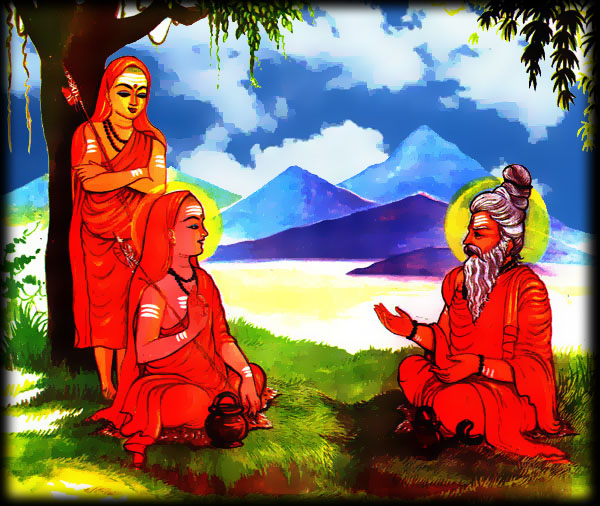
The servants ran to their king and reported some illegal occupation inside the palace.
When the king asked them for more details they told him it was one in saffron cloth , looking like a saint . Despite their protest he didn’t bother to move an inch.
Then the king told them not to worry. He straight away went to the saint and saluted him. Paid all respects due to a saint.
He came to know that he was an ascetic who was doing religious pilgrimage. When he saw the big building in the night, he just slept there thinking that it was a choultry (Chatram) because he was extremely tired.
((From Wikipedia– Choultry is a resting place, an inn or caravansary for travelers, pilgrims or visitors to a site, typically linked to Buddhist, Jain and Hindu temples. They are also referred to as chottry, choultree,chathra, choltry, chowry, chawari, chawadi, choutry, chowree or tschultri.))
Then the conversation began:-
Swamiji, this is a king’s palace. And you know that you cant sit and sleep anywhere you like. If you have told me, I would have allocated a beautiful hut in the vast and beautiful garden area.
Then the saint smiled and said to him
Alright . I will ask you a few questions and then I will leave if you say so.
The ascetic asked the king:-
Who built this vast and beautiful place?
The king proudly replied, My father built it.
Who lived before you?
Indeed it was my father, the great king.
Who is residing here now?
Of course it is ME. King of the country.
Who will occupy this palace after ten or twenty years?
By God’s grace my eldest son will rule the country from here.
The ascetic continued,
Look , you told me that no one lives here for ever. People come and go. Don’t you think this place is also like a choultry where pilgrims stay for a few days and the leave. You are also a pilgrim and stay in the place for some time.
Ok , now I have to go to another Punsya Kshetra (holy place) today . Good Bye.
After the ascetic left, the king was thinking about what he said. From that day he also shed his ego and started ruling the country like a philosopher -king; like Janaka Maharaja.
Pictures are taken from various sources for spreading knowledge; this is a non- commercial blog. Thanks for your great pictures.
மானவ தர்ம சாஸ்திரம் என்றும், மனு ஸ்மிருதி என்றும் அழைக்கப்படும் மநு நீதி நூலின் கடைசி அத்தியாயத்துக்கு – 12 ஆவது அத்தியாயத்துக்கு– வந்துவிட்டோம். மொத்தமுள்ள 2685 ஸ்லோகங்களில் இன்னும் 126 பாடல்களே மீ தி உள்ளன. அவற்றில் 72 ஸ்லோகங்களை இன்று காண்போம். கடைசி இரண்டு மூன்று அத்தியாயங்கள் பிரமாணர்களுக்கானது. ஆயினும் சில விஷயங்கள் பொதுவானவை. முதலில் Bullet Points புல்லட் பாயிண்டுகளில் சில சுவையான விஷயங்கள்.
இதில் மனு பயன்படுத்தும் சில சொற்களுக்கு எவருக்குமே அர்த்தம் தெரியவில்லை.12-63, 12-64ல் பல பிராணிகளின் பெயர்களைச் சொல்கிறார். ‘அதில் தைல பாக’ என்ற உயிர் ஜீவனை ஒருவர் கரப்பான் பூச்சி என்பார். இன்னொருவர் பறவையோ பறக்கும் பிராணியோ என்பார் . அப்படியே மொழி பெயர்த்தால் எண்ணெய்க் குடியன் (oil drinker) என்று பொருள் வரும். இதை வைத்து சில வியாக்கியனக்காரர்கள், பாஷ்யக்காரர்கள் இதை ‘எண்ணெய் சாப்பிடும் பிராணி’ என்பர். மனுவின் நூல் எவ்வளவு பழமையானது என்பதற்கு இதுவும் ஒரு உதாரணம். பாபிலோனிய ஹமுராபிக்கும் முன்னர், உலகின் முதல் சட்டப்புத்தகம் எழுதிய வித்தகன் மனு என்று நான் இதுவரை 11 அத்தியாயங்களில் பல உதாரணங்களைக் கொடுத்துளேன்.
பத்து வகை பாவங்களை முதல் பத்து ஸ்லோககங்களில் பட்டியல் இடுகிறார் . உலகில் இந்துக்கள் மட்டுமே மூன்று வகை பாவங்களை தரம் பிரித்துள்ளனர்.. மனத்தினால், சொற்களினால், உடம்பால் செய்யக்கூடிய பாவங்களை மனோ, வாக், காயம் என்று பாகுபாடு செய்தனர். இந்த அற்புதமான பிரிவினையை வேறு எங்கும் காண முடியாது. மனு தர்ம சாஸ்திரத்தைக் கரைத்துக் குடித்த திருவள்ளுவன், திருக்குறள் எனப்படும் தமிழ் வேதத்தில் ‘பாவம்’, ‘பாவி’ என்னும் சம்ஸ்கிருத சொற்களை அப்படியே கையாளுகிறார்.
முக்கோல் அந்தணர் என்று முனிவர்களை சங்க இலக்கியங்கள் போற்றும். . அந்த முக்கோலின் சம்ஸ்கிருத வடிவம் ‘த்ரிதண்டி’ . எல்லா சன்யாசிகளும் இதை வைத்திருந்தாலும் வைஷ்ணவர்கள் இதை ஜீயர் என்பதுடன் சேர்த்து பயன்படுத்துவர். மனோ, வாக், காய மூன்றிலும் பாவம் செய்ய மாட்டோம் என்பதை இது காட்டுகிறது என்று விளக்குகிறார்; 12-10 ஸ்லோகம் இதை இயம்பும். 9-26 ஸ்லோகத்திலும் இது வரும் .
நம்மில் பெரும்பாலோர் சொற்களினாலும், மனத்தினாலும் பாவம் செய்கிறோம். யார் ஒருவருக்கு ‘திரிகரண சுத்தி’ இருக்கிறதோ அவர்களுக்கு அற்புத சக்திகள் மிக எளிதில் கிடைக்கும். மிருகங்களும் அவர்களுக்கு வசப்படும்.
மூன்று குணங்கள் முதலியன பற்றியும் க்ஷேத்ர ., க்ஷேத்ரக்ஞன் ஆகியன பற்றியும் மனு பேசுவதெல்லாம் பகவத் கீதையிலும் உளது.
****
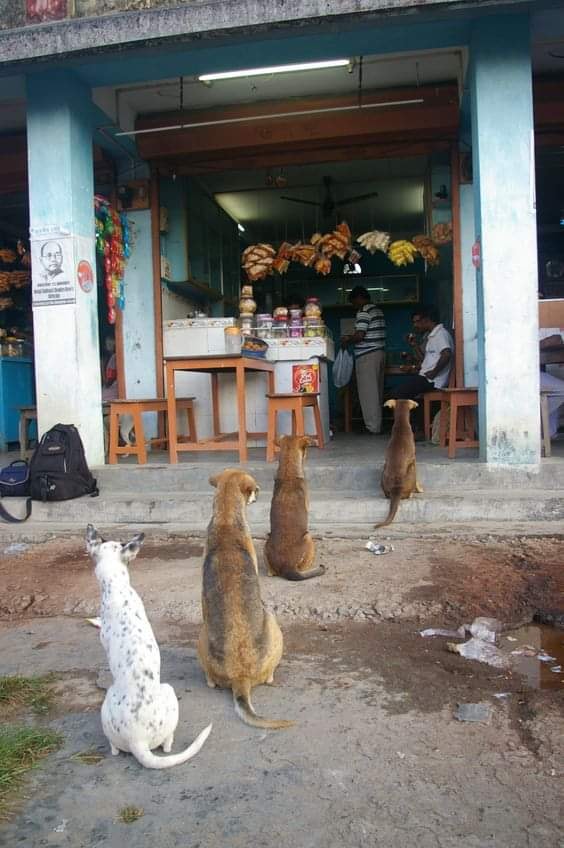
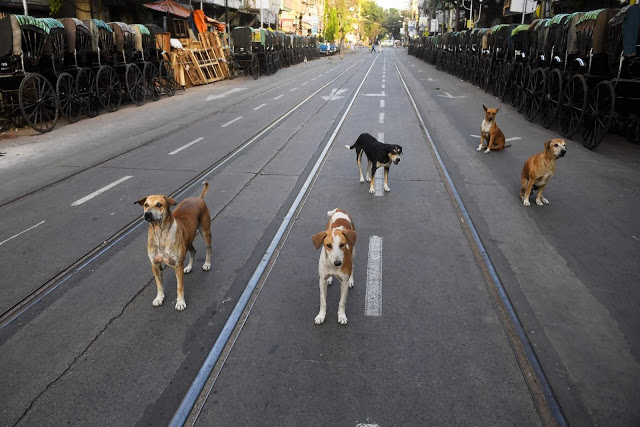
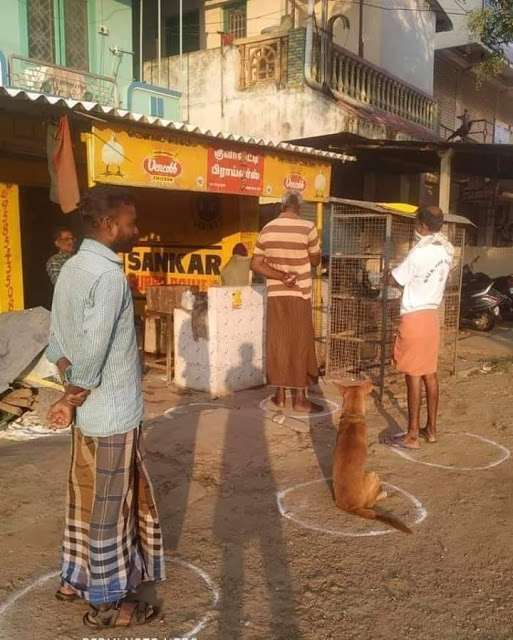
எலியாக, நாயாக, கழுதையாக, பன்றியாக பிறப்பவன் யார்?
இந்த அத்தியாயத்தில் மநு முக்கியமாக கதைப்பது எந்த வகை பாவங்கள் செய்வோர் என்ன வகை பூச்சிகளாக , பிராணிகளாகப் பிறப்பர் என்னும் நீண்ட பட்டியலாகும் . மனிதர்கள் பிராணிகளாகவும், பிராணிகள் மனிதர்களாகவும் பிறக்க முடியும்; பேய்களாகத் திரிய முடியும் என்பார் மனு. இதை நாம் பல புராணக் கதைகளிலும் காண்கிறோம்.
என் கருத்து –
இதில் புரியாத பல சம்ஸ்கிருத சொற்களை மநு பயன்படுத்துவது நகைச்சுவைப் (humour)பகுதி என்றே நான் கருதுகிறேன். ‘பின்பக்க ஆசன வாயில் கண் இருக்கும் பேய்’ என்பதெல்லாம் JOKE ‘ஜோக்’ என்றே சொல்ல வேண்டும். தங்க நகைத் திருடன் பொற்கொல்லனாகப் பிறப்பான் என்று சொல்கிறார். அப்படியானால் பொற்கொல்லர் ஜாதியே பிராணிகளுக்கு நிகராக வந்துவிடும். இதையெல்லாம் அப்படியே பொருள் கொள்ளாது அதன் பின்னுள்ள அர்த்ததை புரிந்து கொள்ள வேண்டும். ஒரு பொற்கொல்லன் கோவலனுக்கு அநியாயமாக மரணதண்டனை வாங்கிக் கொடுத்ததற்க்காக ஆயிரம் பொற்கொல்லர்களை பாண்டியன் தீயில் எரித்துக் கொன்றான் என்று சிலப்பதிகாரத்தில் இளங்கோ அடிகள் சொல்கிறார். இதை அப்படியே பொருள் கொள்ளாது அவர்களைத் தண்டித்தார் என்று பொருள் கொள்வதே சாலப்பொருத்தம். அதே கொள் கையை மனுவிலும் பின்பற்றுக.
****
பகவத் கீதை முதலிய நூல்களில் குண கர்ம விபாக யோகத்தில் விளக்கப்படாத ஒரு அரிய விஷயத்தை மநு விளம்புகிறார். ஒவ்வொரு குணத்திலும் கூட மூன்று பிரிவுகள் —தலை, இடை , கடை—– என மூன்று பிரிவுகளாகப் பிரித்து அவர்கள் மறு பிறப்பில் என்ன ஆவார்கள் என்கிறார் .
12-41 முதல் 43 வரை — மூன்று தமோ குணப் பிரிவுகள்
12-45 முதல் 47 வரை — மூன்று ரஜோ குணப் பிரிவுகள்
12-48 முதல் 50 வரை — மூன்று ஸத்வ குணப் பிரிவுகள்
12-5 முதல் 12-9 வரை பத்து வகை பாவங்கள்
12-10 திரி தண்டி — முக்கோல் – என்றால் என்ன?
12-54 முதல் பாவாத்மாக்கள் எந்தப் பிராணியாக பிறப்பர் என்னும் பட்டிய ல்
12-61 பொற்கொல்லரும் பிராணிகள் பட்டியலில்! சிலர் இதை தட்டாரப் பூச்சி என்பர்
12-59, 12-60, 12-71 , 12-72 பேய் வகைகள்
***
இதோ ஒரிஜினல் மொழி பெயர்ப்பு 12-72 வரை ………………………….
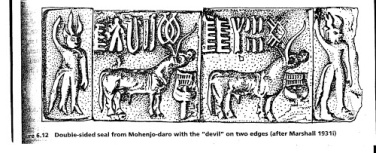
INDUS VALLEY GHOSTS, DEVILS
tags — மநு நீதி நூல் – பகுதி 51, யார் பிறப்பர் ?, நாய், கழுதை, பாம்பு, பல்லி, பன்றி
Pictures are taken from various sources for spreading knowledge; this is a non- commercial blog. Thanks for your great pictures.
ஹிந்தி படப் பாடல்கள் – 31 – இளமைக் கனவுகள்!
R. Nanjappa
இளமைக் கனவுகள்!
Songs from Zapolya
Up, up ! ye dames, ye lasses gay ! To the meadows trip away. ‘Tis you must tend the flocks this morn, And scare the small birds from the corn. Not a soul at home may stay : For the shepherds must go With lance and bow To hunt the wolf in the woods to-day.
Leave the hearth and leave the house To the cricket and the mouse : Find grannam out a sunny seat, With babe and lambkin at her feet. Not a soul at home must stay : For the shepherds must go With lance and bow To hunt the wolf in the woods to-day.
இது ஆங்கிலக் கவி Samuel Taylor Coleridge எழுதிய கவிதை.
அந்தக் காலத்து கிராமப்புறச் சூழ்நிலையைச் சொல்வது. ஸீஸனில் ஆண்கள் எல்லோரும் நரி வேட்டையாடப் போவார்கள். அதனால் பெண்கள் அன்று வீட்டை விட்டுக் கிளம்பி, ஆடு மேய்க்கவேண்டும், வயலிலிருந்து குருவிகளை ஓட்டவேண்டும் என்று பாடுகிறார்! நம் வள்ளிக்குத் தங்கைகள் உலகெங்கிலும் உண்டு போலும்!
இன்று நமது இளம் பெண்கள் இப்படிக் கிளம்பினால் என்ன செய்வார்கள்? நமது திரைக் கவிகள் சொல்வதைப் பார்ப்போம்!
இளம் பெண்கள், குதிரை சவாரி செய்கிறார்கள். மேலே வானத்தில் ஒரு சிறு விமானம் பறப்பதைப் பார்க்கிறார்கள். பாடுகிறார்கள்.
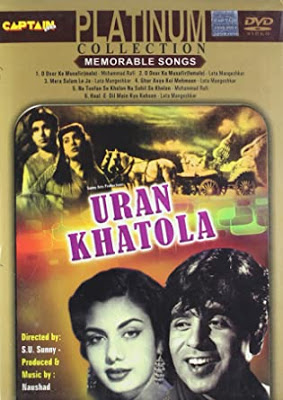
மேராஸலாம்லேஜா
को: अहाहहा अहा ह हा हा अहा ह हा ह हा मेरा सलाम ले जा ल: मेरा सलाम ले जा, दिल का पयाम ले जा, उल्फ़त का जाम ले जा (उड़न खटोले वाले आ रे)-2 को: मेरा सलाम ले जा, दिल का पयाम ले जा, उल्फ़त का जाम ले जा (उड़न खटोले वाले आ रे)-2
ल: ल ल ल ला ल ला ला ल होऽ को: ल ल ल ला ल ला ला ल होऽ ल: उड़ता हवाओं में, बादल के छाँव में, कौन से गाँव में जायेगा तू
ल: नीचे ज़मीन है, दुनिया हसीन है, दिल को यकीन है आयेगा तू को: नीचे ज़मीन है, दुनिया हसीन है, दिल को यकीन है आयेगा तू होय, मेरा सलाम ले जा, दिल का पयाम ले जा, उल्फ़त क जाम ले जा (उड़न खटोले वाले आ रे)-2
ल: ल ल ल ला ल ला ला ल होऽ को: ल ल ल ला ल ला ला ल होऽ ल: ऊँची उड़ान है, पलकों पे जान है, आगे तूफ़ान है जाना कहीं ल: मंज़िल भी दूर है, हिम्मत भी चूर है, आना ज़रूर है आजा यहीं होय, मेरा सलाम ले जा, दिल का पयाम ले जा, उल्फ़त क जाम ले जा (उड़न खटोले वाले आ रे)-2
ஆஹாஹா ….
மேரா ஸலாம் லேஜா, தில் கா பயாம் லேஜா, உல்ஃபத் கா
ஜாம் லேஜா
உடன் கடோலே வாலே ரா ஹீ
ஓ விமான சவாரியே!
என் வாழ்த்தை ஏற்றுக்கொள்!
என் மனம் சொல்லும் செய்தியைக் கேள்
அன்பில் திளைத்துவிடு!
உட்தா ஹவாவோ(ன்) மே, பாதல் கே சாவ்(ன்) மே, கௌன் ஸே காவ்(ன்) மே
ஜாயேகா தூ?
நீசே ஜமீன் ஹை, துனியா ஹஸீன் ஹை, தில் கோ யகீன் ஹை,
ஆயேகா தூ
மேரா ஸலாம் லேஜா……
இந்த மேலெழுந்து கிளம்பும் காற்றில், அந்த மேகங்களின் நிழலில்,
அப்படி எந்த ஊருக்கு நீ போகவேண்டும்?
இங்கே கீழே பூமி இருக்கிறது! இந்த உலகம் அழகானது!
நீ வருவாய் என என் மனம் நம்புகிறது!
ஊஞ்சி உடான் ஹை, பல்கோ(ன்) மே ஜான் ஹை, ஆகே தூஃபான் ஹை,
Music: Naushad Singers: Lata Mangeshkar and Chorus.
இது சில இளம் பெண்கள் விளையாட்டாகப் பாடிச் செல்வது- சிறிது குறும்பும் கலந்திருக்கிறது!
படம் 1955ல் தான் ரிலீசானது; ஆனால் இந்த ரிகார்டு மட்டும் ஏதோ காரணத்தினால் ஒரு வருஷம் முன்னதாகவே 1954லேயே வெளியிடப்பட்டது! பினாகா கீத் மாலாவில் தூள் கிளப்பியது!
பாட்டு, மெட்டு, லதாவின் அன்றைய இணையற்ற இனிய குரல் என மூன்றும் சேர்ந்து எங்கோ நம்மை இழுத்துச் செல்கின்றன!
உரன் கடோலாவின் ஒவ்வொரு பாட்டிற்கும் ராகம் சொல்பவர்கள், இதற்கு மட்டும் ஏனோ சொல்வதில்லை!
[ஒரிஜினல் 78 rpm இசைத்தட்டில் இதன் பின்னாலிருப்பது ‘மோரே சையா(ன்) ஜீ- இது பிலூ ராகத்தில் இருப்பது!]
இங்கு இன்னொன்றும் சொல்லவேண்டும். இப்பாட்டின் ஆரம்பத்தில் ‘ஆ ஹா ஹா..” என்று இழுக்கிறார்கள். இது ஷம்ஷாத் பேகம் குரல்போல் இருக்கிறது! முதலில் அவர் குரலில் பதிவாகி, பின்னர் லதா பாடினாரோ என்னவோ தெரியவில்லை!
குதிரைச் சவாரி காலத்திற்குப் பிறகு? சைக்கிள் வந்ததே! இதோ, அதில் பாடிச் செல்லும் சில பெண்கள்!
பன் கே பஞ்சீ காயே(ன்)
ल : बन के पंछी गाएँ प्यार का तराना -२ मिल जाए अगर आज कोई साथी मस्ताना -२ तो झूमें ये धरती और झूमे आसमाँ हो को: बन के पंछी …
ल : आईं हसीनों की टोलियाँ -२ को : आ हा हा ल : बोलें पिया-मिलन की बोलियाँ मंज़िल पे आए कोई नैना मिलाए कोई भर दे ये उल्फ़त की झोलियाँ को : मंज़िल पे आए … ल: बन के पंछी … को: बन के पंछी …
ल : खेतों पे छाईं जवानियाँ -२ को : आ हा हा ल : पत्तों पे लिखीं कहानियाँ फूलों की डाल जैसे रंगीं रुमाल कोई दे-दे हमें भी निशानियाँ को : पत्तों पे लिखीं … ल: बन के पंछी … को: फूलों की डाल …
பன் கே பஞ்சீ காயே ப்யார் கா தரானா
மில் ஜாயே அகர் ஆஜ் கோயீ ஸாதீ மஸ்தானா
தோ ஜூமே யே தர் தீ ஔர் ஜூமே ஆஸ்மான் ஹோ
நாம் பறவையாக மாறுவோம்! காதல் கீதம் இசைப்போம்!
இன்று மனதிற்குகந்தவர் யாராவது கிடைத்துவிட்டால்-
ஆஹா, இந்த பூமி மகிழ்ச்சியில் பொங்குமே!
இந்த வானும் மகிழ்ச்சியில் பொங்குமே!
ஆயீ ஹஸீனோ(ன்) கீ டோலியா(ன்)
போலே(ன்) பியா மிலன் கீ போலியா(ன்)
மன்ஃஜில் பே ஆயே கோயீ நைனா மிலாயே கோயீ
பர்தே யே உல்ஃபத் கீஜோலியா(ன்)
பன் கே பஞ்சீ….
இதோ, அழகிகளின் குழு வந்துவிட்டது!
காதலர்களுடன் சந்திப்பதைப் பற்றிப் பேசுகிறார்கள்!
இங்கு யாராவது நம் இடத்திற்கு வந்து, நம்முடன் கண் கலந்து
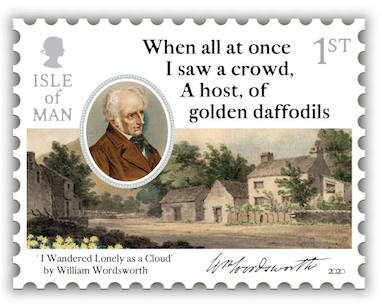
This song is a great example of “romantic ” poetry. Romanticism in literature is a faith in nature as nature (not as studied by science), a faith in the pre-industrial past, emphasis on individual emotion and experience, and a generally happy and hopeful attitude to the future. The situation here in the song is not related to a specific person, but expresses a general wish! Wordsworth, Keats, Coleridge are the best examples of romantic poetry.. Wordsworth wrote:
Of Truth, of Grandeur, Beauty, Love, and Hope And melancholy Fear subdued by Faith; Of blessed consolations in distress; Of Moral strength, and intellectual Power, Of joy in widest commonalty spread..
See how Beauty, Love and Hope are reflected here, and spread in the entire group of girls!
இந்தப் பெண்கள் ஏதோ நினைக்கிறார்கள்! கனவு காண்கிறார்கள்! பிக்னிக்கில் அது பாட்டாக வருகிறது! கண்களுடன் கலக்கவோ, கைக்குட்டை தரவோ இன்னும் யாரும் வரவில்லை! ஆனாலும் அதைப்பற்றி நினைப்பதில் (அந்த வயதில்) தவறில்லையல்லவா!
“ஓருமுறை தான் வரும், கதை பல கூறும், உல்லாசப் புதுமைகள் காட்டும் இளமை” என்று தமிழில் ஒரு பழைய பாடல் உண்டு!
எத்தனை அருமையாக எழுதியிருக்கிறார் ஹஸ்ரத் ஜய்புரி! அதற்கேற்ற இசை! லதாவின் இனிய குரல்!மனதைச் சொக்கவைக்க வேறு என்ன வேண்டும்?
Pictures are taken from various sources for spreading knowledge; this is a non- commercial blog. Thanks for your great pictures.
வில்லிப்புத்தூரார், கண்ணதாசன்?!
இரண்டு பாடல்களில் மட்டுமே வரும் ஒரு அபூர்வ அணி – ஒற்றைமணி மாலை அணி!
ச.நாகராஜன்
வியாஸர் இயற்றிய மகாபாரதத்தைத் தமிழில் தந்தவர் வில்லிப்புத்தூரார்.
அழகிய நடையில் இனிய சந்தத்தில் ஏராளமான அணிகளுடன் உள்ள வில்லி பாரதம் படிப்போரைப் பரவசப்படுத்தும் அற்புத காவியம்.
சுமார் 4337 பாடல்கள் கொண்ட வில்லி பாரதத்தில் ஒற்றைமணி மாலை அணி என்ற அபூர்வ அணி, ஒரே ஒரு இடத்தில் மட்டுமே அடுத்தடுத்து வரும் இரண்டு பாடல்களில் உள்ளன.
ஒற்றை மணி மாலை அணி என்றால் என்ன?
ஒரு செய்யுளில் முன்னிரண்டு அடிகள், மூன்றாம் அடி, நான்காம் அடி என்ற நான்கு அடிகளிலும் தனித் தனிப் பொருள்களுக்குத் தொடர்ச்சியைக் கூறுவது ஒற்றை மணி மாலை அணி எனப்படும்.
சூது போர்ச் சருக்கத்தில் 53 மற்றும் 54ஆம் பாடல்களில் வில்லிப்புத்தூரார் இந்த அணியைச் சிறப்புறக் கையாள்கிறார்.
பாடல்களைப் பார்ப்போம்.
இந்திரப்ரஸ்த நகரின் வளத்தைக் கூறும் செய்யுள்கள் இவை.
ஊடு எலாம் நறும் பொய்கை நீள் வாவியின் உடம்பு எலாம் மலர் பூவின் தோடு எலாம் எழு சுரும்பு இனம் மதுகர சொல் எலாம் செழும் கீதம் பாடு எலாம் இளம் சோலை மென் பொங்கரின் பணை எலாம் குயில் ஓசை நாடு எலாம் நெடும் புனல் வயல் கழனியின் நடுவு எலாம் விளை செந்நெல்
ஊடு எலாம் – இந்திரப்ரஸ்த நகரின் உள்ளே உள்ள இடங்களிலெல்லாம்
நறும் பொய்கை – நன்னீரை உடைய குளங்களும்
நீள் வாவியின் உடம்பு எலாம் – பெரிய அந்தக் குளங்களில் இடம் முழுவதிலும்
மலர் – தாமரை, அல்லி, ஆம்பல் ஆகிய மலர்களும்
பூவின் தோடு எலாம் – அந்தப் பூக்களின் இதழ்களிலெல்லாம்
எழு சுரும்பு இனம் – மேலெழுந்து மொய்க்கின்ற வண்டுகளின் கூட்டங்களும்
மதுகர சொல் எலாம் – அந்த வண்டுகளின் வாயொலிகளில் எல்லாம்
செழும் கீதம் – சிறப்பான இசைப்பாட்டுக்களும் (எழுகின்றன)
பாடு எலாம் – அந்தக் குளங்களின் பக்கங்களில் எல்லாம்
இளம் சோலை – இளம் சோலைகளும்
மென் பொங்கரின் பணை எலாம் – மென்மையான அச்சோலைகளில் உள்ள மரக்கிளைகளில் எல்லாம்
குயில் ஓசை – குயிலினங்களில் குரல்களும்
நாடு எலாம் – அந்த இந்திரப்ரஸ்த நாடு முழுவதிலும்
நெடும் புனல் வயல் – மிகுதியான நீர் பாய்ந்த வயல்களும்
நீண்ட கழனியின் நடுவு எலாம் – அக்கழனிகளின் நடு இடங்களில் எல்லாம்
விளை செந்நெல் – விளைகின்ற செந்நெல் பயிர்களும் உள்ளன.
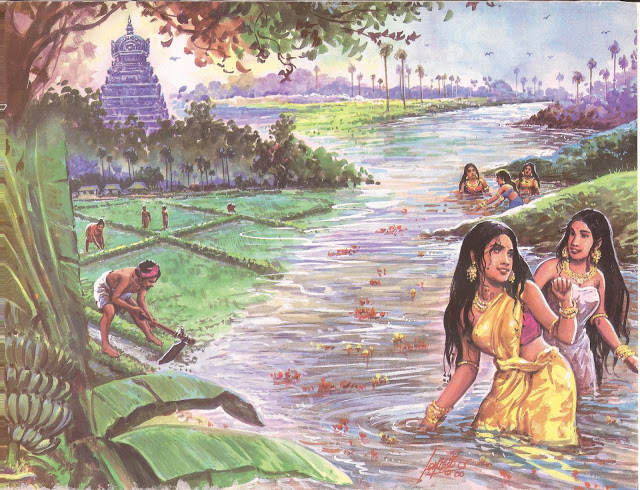
குளம், குளங்களில் மலர்கள், மலர்களில் இதழ்கள், இதழ்களில் வண்டுக் கூட்டம், வண்டுக்களின் வாய் ஒலி, அதில் எழும் இசைப்பாட்டு, அருகில் சோலைகள், சோலைகளின் மரங்கள், அதன் கிளைகள், கிளைகளில் குயில்கள், குயில்களின் கீதம், என்றும், இப்படி நகர் முழுவதும் பரவியுள்ள வயல்கள், வயல்களின் நடுப்பகுதி, அங்கு விளைந்திருக்கும் செந்நெல் பயிர்கள் என அழகுற ஒரு மாலை போல தொடுத்திருக்கும் பான்மை தான் ஒற்றைமணி மாலை அணியாகும்.
அடுத்த பாடலின் பொருள் :-
அருகுஎலாம்மணிமண்டபம் – அந்த நகரத்தின் ஒன்றுக்கு ஒன்று அருகில் உள்ள இடங்கள் தோறும் அணி மண்டம் அல்லது மணி மண்டபங்கள் உள்ளன.
அவிர்ஒளிஅரங்குஎலாம் – விளங்குகின்ற ஒளி உடைய அரங்கம் முழுவதும் (Auditorium Lighting)
சிலம்புஓசை– நடனமணிகள் அழகுற ஆடுவதால் எழும் சிலம்பு ஓசையும்
வளர்பழனம் குருகுஎலாம் – கழனிகளில் எல்லாம் செழுமையுற வாழ்கின்ற நீர் வாழ் பறவை இனங்களும்
அபுள்எலாம் – அந்தப் பறவை இன இடங்களில் எல்லாம்
கூடல்இன்புறஊடல் – ஆண் பெண் பறவைகள் கூடிப் புணர்ச்சி கொள்ள அதற்கிடையில் சிறு சிறு ஊடல்களும் எழ,
முருகுஎலாம்கமழ்துறைஎலாம் – பலவகை நறு மணம் கமழும் நீர்த்துறைகளில் எல்லாம்
தரளம் – முத்துக்களும்
வெண்முத்துஎலாம் – வெண்ணிறமான அந்த முத்துக்களில் எல்லாம்
நிலாவெள்ளம் – சந்திரகாந்தி போன்ற நிலா வெள்ளமும்
நதிஎலாம்பருகல்ஆம்புனல் – அந்நகரத்தைச் சார்ந்து ஓடுகின்ற நதிகளில் எல்லாம் குடிக்கக் கூடிய தெள்ளிய நீரும்
நீர்எலாம்பங்கயபசும்கானம் – அந்த நீரிலெல்லாம் பசுமை நிறமான தாமரைக் கொடிகளின் தொகுதியும் நிரம்பி உள்ளன.
அடடா, என்ன அடுக்கு வர்ணனை!
மணி மண்டபங்கள், அதில் ஒளி வெள்ளம், அந்த ஆடரங்கில் ஆடும் நடனமணிகள், அவர்களின் நாட்டிய அசைவில் கால் சிலம்பிலிருந்து எழும் சிலம்போசை, அருகில் கழனிகள், அங்கு பறவையினங்கள், அவற்றிடையே கூடல், ஊடல், நீர்த்துறைகளில் முத்துக்கள், முத்துக்களின் ஒளி, அது சந்திரகாந்தக்கல் போல ஒளி வெள்ளமாகப் பொழிவது, அருகில் ஓடுகின்ற தெள்ளிய நீர், அதுவோ பருகக் கூடிய அளவு சுத்தமான நீர், அந்த நீரில் பசுமையான தாமரைக் கொடிகள்…
இப்படிப்பட்ட நகரில் விதுரன் புகுந்து சென்றான். அரச தெருக்களில் எல்லாம் துந்துபி வாத்தியங்கள் என்ன, வரவேற்பு என்ன … என்று இப்படி அடுக்கிக் கொண்டே செல்கிறார் வில்லிப் புத்தூரார்.
இது தான் கவி மழை.
பாரதக் கவி மழையில் நாம் அணியாய்க் காண்பது பல்வேறு அணிகளை!
அந்த அணிகளில் அபூர்வமான அணி ஒற்றைமணி மாலை அணி!
அதை இரண்டே இரண்டு பாடல்களில் ஒரே இடத்தில் மட்டும் கையாளுகிறார் வில்லிப்புத்தூரார் தக்க முறையில்,
வியக்கிறோம்! வில்லிப்புத்தூராரைப் போற்றுகிறோம்!!
வாழ்க தமிழ்! வெல்க பாரதம்!!
****
அது சரி, இது ஒரு புறம் இருக்கட்டும்,
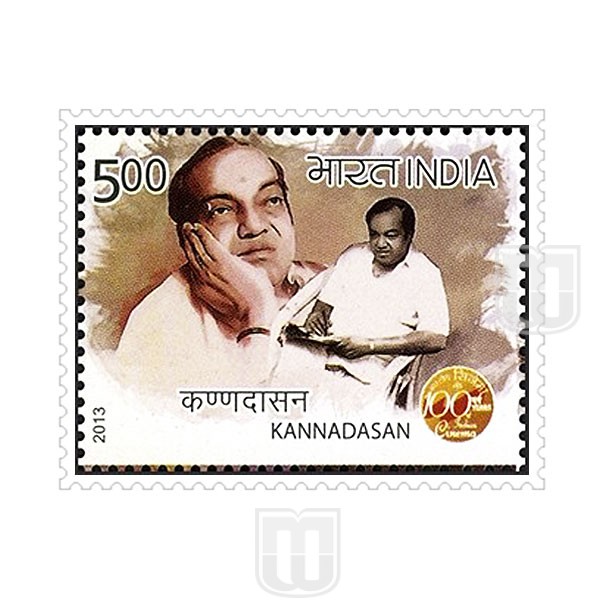
1961ஆம் ஆண்டு வெளி வந்த படம் தாயில்லா பிள்ளை.
கே.வி.மஹாதேவன் இசை அமைத்த படம்.
கண்ணதாசன் எழுதியுள்ள பாடல் இதோ: (பாடல் நேரம் 3.25 நிமிடம்)
பொல்லாத தடையை எண்ணி புலம்புதையா கலங்குதையா (சின்ன)
கவியரசு கண்ணதாசனின் இந்தப் பாடலில் வருகிறதே, அது என்ன அணி?!
***
இந்தப் பாடலைப் பற்றிய ஒரு சுவையான சம்பவமும் உண்டு. அதை எனது ‘திரைப்படப் பாடல்களோடு ஒரு பயணம்’ நூலில் விரிவாக எழுதி இருக்கிறேன். சுருக்கம் இதோ:
ரசிகர் ஒருவர், “மாமரத்துக் கிளைதனில் மாடப்புறா எப்படிக் கூடு கட்டும்; மாடத்திலே கூடு கட்டுவதனால் தானே அதற்கு மாடப்புறா என்று பெயர்” என்று ஒரு கேள்வியை எழுப்பி விட்டார்.
கவிஞர் திகைத்தார்.
ஆனால் இன்னொரு ரசிகர் இதற்கு அருமையான விளக்கத்தைத் தந்தார்.
“மாடத்திலே தான் மாடப்புறா கூடு கட்டும் என்பது உண்மை தான்; ஆனால் இந்தக் கதையில் பிள்ளை இருக்கும் கதையமைப்பைப் பாருங்கள்; அதற்காகத் தான், வேறு இடத்தில் இருக்கும் பிள்ளையை ‘ மாமரத்துக் கிளைதனில் மாடப்புறா கூடு’ என்று கவிஞர் பூடகமாகச் சொல்லி இருக்கிறார்” என்றார் அவர்.
கவிஞர் ஒத்துக் கொண்டார். எல்லா ரசிகர்களும் மனம் மகிழ்ந்தனர்!
Pictures are taken from various sources for spreading knowledge; this is a non- commercial blog. Thanks for your great pictures.
We have come to the last chapter of Manu Smrti. In this 12th chapter he deals with transmigration of souls. He is giving us an interesting list of who will become what if one commits sins. Some of the words he used are not at all understood clearly. If they are translated literally, they will sound very funny.
The interesting things in bullet points:–
*in the first nine couplets the sins done by Mano, Vak and Kaya are explained. This Thought, Word and Deed approach is typical Hindu. In other religions we see sinning. But Hindus show that even thinking bad is also a sin.
*Couplet explains Tri Dandin. Three-pronged attack on evils.
*Three Gunas etc are echoes of Bhagavad Gita.
*Other interesting is a long list of animals to show who are born as such animals.
*If we translate certain words given by Manu, hey will sound like the following:-
12-47 guhyakas- gnomes;
12-49 sadhyas – controlled by suggestion;
12-59 preta – dead body/ ghosts;
12-60 brahma rakshas – brahmin ghost;
12-63 tailapaka – oil drinker ; no commentator knows what it is. Winged animal? Or bird ? or cockroach?
12-71 ulkamukha – comet mouth
12-71 kuutapuutana – false stinking;
12-72 maitarakshijyotika- ghost who sees with an eye in the anus;
12-72 cailasaka – moth eater
This shows Manu lived long ago and so no commentator can give correct interpretation.
Bhrigu narrated what he heard from Manu. Perhaps there was a big time gap between the two.
***
From 12-1 to 12-72 Manava Dharma Sastra
TEN KINDS OF SIN IN THOUGHT, WORD AND DEEDS
12-1. ‘O sinless One, the whole sacred law, applicable to the four castes, has been declared by thee; communicate to us now, according to the truth, the ultimate retribution for their deeds.’
2. To the great sages (who addressed him thus) righteous Bhrigu, sprung from Manu, answered, ‘Hear the decision concerning this whole connexion with actions.’
3. Action, which springs from the mind, from speech, and from the body, produces either good or evil results; by action are caused the various conditions of men, the highest, the middling, and the lowest.
4. Know that the mind is the instigator here below, even to that action which is connected with the body, and which is of three kinds, has three locations, and falls under ten heads.
5. Coveting the property of others, thinking in one’s heart of what is undesirable, and adherence to false doctrines, are the three kinds of sinful mental action.
6. Abusing others, speaking untruth, detracting from the merits of all men, and talking idly, shall be the four kinds of evil verbal action.
7. Taking what has not been given, injuring creatures without the sanction of the law, and holding criminal intercourse with another man’s wife, are declared to be the three kinds of wicked bodily action.
8. A man obtains the result of a good or evil mental act in his mind, that of a verbal act in his speech, that of a bodily act in his body.
9. In consequence of many sinful acts committed with his body, a man becomes in the next birth something inanimate, in consequence of sins committed by speech, a bird, or a beast, and in consequence of mental sins he is re-born in a low caste.
***
WHO IS A ‘TRI DANDIN?’
12-10. That man is called a (true) tridandin in whose mind these three, the control over his speech (vagdanda), the control over his thoughts (manodanda), and the control over his body (kayadanda), are firmly fixed.
11. That man who keeps this threefold control over himself with respect to all created beings and wholly subdues desire and wrath, thereby assuredly gains complete success.
12. Him who impels this corporeal Self to action, they call the Kshetragna the knower of the field); but him who does the acts, the wise name the Bhutatman (The Self consisting of the elements).
13. Another internal Self that is generated with all embodied (Kshetragnas) is called Giva, through which (the Kshetragna) becomes sensible of all pleasure and pain in (successive) births.
14. These two, the Great One and the Kshetragna, who are closely united with the elements, pervade him who resides in the multiform created beings.
15. From his body innumerable forms go forth, which constantly impel the multiform creatures to action.
16. Another strong body, formed of particles (of the) five (elements and) destined to suffer the torments (in hell), is produced after death (in the case) of wicked men.
17. When (the evil-doers) by means of that body have suffered there the torments imposed by Yama, (its constituent parts) are united, each according to its class, with those very elements (from which they were taken).
18. He, having suffered for his faults, which are produced by attachment to sensual objects, and which result in misery, approaches, free from stains, those two mighty ones.
19. Those two together examine without tiring the merit and the guilt of that (individual soul), united with which it obtains bliss or misery both in this world and the next.
20. If (the soul) chiefly practises virtue and vice to a small degree, it obtains bliss in heaven, clothed with those very elements.
21. But if it chiefly cleaves to vice and to virtue in a small degree, it suffers, deserted by the elements, the torments inflicted by Yama.
22. The individual soul, having endured those torments of Yama, again enters, free from taint, those very five elements, each in due proportion.
23. Let (man), having recognised even by means of his intellect these transitions of the individual soul (which depend) on merit and demerit, always fix his heart on (the acquisition of) merit.
THREE GUNAS
12-24. Know Goodness (sattva), Activity (ragas), and Darkness (tamas) to be the three qualities of the Self, with which the Great One always completely pervades all existences.
25. When one of these qualities wholly predominates in a body, then it makes the embodied (soul) eminently distinguished for that quality.
26. Goodness is declared (to have the form of) knowledge, Darkness (of) ignorance, Activity (of) love and hatred; such is the nature of these (three) which is (all-) pervading and clings to everything created.
27. When (man) experiences in his soul a (feeling) full of bliss, a deep calm, as it were, and a pure light, then let him know (that it is) among those three (the quality called) Goodness.
28. What is mixed with pain and does not give satisfaction to the soul one may know (to be the quality of) Activity, which is difficult to conquer, and which ever draws embodied (souls towards sensual objects).
29. What is coupled with delusion, what has the character of an undiscernible mass, what cannot be fathomed by reasoning, what cannot be fully known, one must consider (as the quality of) Darkness.
30. I will, moreover, fully describe the results which arise from these three qualities, the excellent ones, the middling ones, and the lowest.
31. The study of the Vedas, austerity, (the pursuit of) knowledge, purity, control over the organs, the performance of meritorious acts and meditation on the Soul, (are) the marks of the quality of Goodness.
32. Delighting in undertakings, want of firmness, commission of sinful acts, and continual indulgence in sensual pleasures, (are) the marks of the quality of Activity.
33. Covetousness, sleepiness, pusillanimity, cruelty, atheism, leading an evil life, a habit of soliciting favours, and inattentiveness, are the marks of the quality of Darkness.
34. Know, moreover, the following to be a brief description of the three qualities, each in its order, as they appear in the three (times, the present, past, and future).
35. When a (man), having done, doing, or being about to do any act, feels ashamed, the learned may know that all (such acts bear) the mark of the quality of Darkness.
36. But, when (a man) desires (to gain) by an act much fame in this world and feels no sorrow on failing, know that it (bears the mark of the quality of) Activity.
37. But that (bears) the mark of the quality of Goodness which with his whole (heart) he desires to know, which he is not ashamed to perform, and at which his soul rejoices.
38. The craving after sensual pleasures is declared to be the mark of Darkness, (the pursuit of) wealth (the mark) of Activity, (the desire to gain) spiritual merit the mark of Goodness; each later) named quality is) better than the preceding one.
****
Devil on Indus Seals
TRANSMIGRATION OF SOUL
12-39. I will briefly declare in due order what transmigrations in this whole (world a man) obtains through each of these qualities.
40. Those endowed with Goodness reach the state of gods, those endowed with Activity the state of men, and those endowed with Darkness ever sink to the condition of beasts; that is the threefold course of transmigrations.
41. But know this threefold course of transmigrations that depends on the (three) qualities (to be again) threefold, low, middling, and high, according to the particular nature of the acts and of the knowledge (of each man).
42. Immovable (beings), insects, both small and great, fishes, snakes, and tortoises, cattle and wild animals, are the lowest conditions to which (the quality of) Darkness leads.
43. Elephants, horses, Sudras, and despicable barbarians, lions, tigers, and boars (are) the middling states, caused by (the quality of) Darkness.
44. Karanas, Suparnas and hypocrites, Rakshasas and Pisakas (belong to) the highest (rank of) conditions among those produced by Darkness.
45. Ghallas, Mallas, Natas, men who subsist by despicable occupations and those addicted to gambling and drinking form the lowest order of conditions caused by Activity.
46. Kings and Kshatriyas, the domestic priests of kings, and those who delight in the warfare of disputations constitute the middling rank of the states caused by Activity.
47. The Gandharvas, the Guhyakas, and the servants of the gods, likewise the Apsarases, belong all to the highest rank of conditions produced by Activity.
48. Hermits, ascetics, Brahmanas, the crowds of the Vaimanika deities, the lunar mansions, and the Daityas (form) the first (and lowest rank of the) existences caused by Goodness.
49. Sacrificers, the sages, the gods, the Vedas, the heavenly lights, the years, the manes, and the Sadhyas (constitute) the second order of existences, caused by Goodness.
50. The sages declare Brahma, the creators of the universe, the law, the Great One, and the Undiscernible One (to constitute) the highest order of beings produced by Goodness.
51. Thus (the result) of the threefold action, the whole system of transmigrations which (consists) of three classes, (each) with three subdivisions, and which includes all created beings, has been fully pointed out.
52. In consequence of attachment to (the objects of) the senses, and in consequence of the non-performance of their duties, fools, the lowest of men, reach the vilest births.
53. What wombs this individual soul enters in this world and in consequence of what actions, learn the particulars of that at large and in due order.
54. Those who committed mortal sins (mahapataka), having passed during large numbers of years through dreadful hells, obtain, after the expiration of (that term of punishment), the following births.
***
tiger women on Indus seals
BIRTH AS DOG, PIG, ASS ………………………..
12-55. The slayer of a Brahmana enters the womb of a dog, a pig, an ass, a camel, a cow, a goat, a sheep, a deer, a bird, a Candala, and a Pukkasa.
56. A Brahmana who drinks (the spirituous liquor called) Sura shall enter (the bodies) of small and large insects, of moths, of birds, feeding on ordure, and of destructive beasts.
57. A Brahmana who steals (the gold of a Brahmana shall pass) a thousand times (through the bodies) of spiders, snakes and lizards, of aquatic animals and of destructive Pisakas.
58. The violator of a Guru’s bed (enters) a hundred times (the forms) of grasses, shrubs, and creepers, likewise of carnivorous (animals) and of (beasts) with fangs and of those doing cruel deeds.
59. Men who delight in doing hurt (become) carnivorous (animals); those who eat forbidden food, worms; thieves, creatures consuming their own kind; those who have intercourse with women of the lowest castes, Pretas.
60. He who has associated with outcasts, he who has approached the wives of other men, and he who has stolen the property of a Brahmana become Brahmarakshasas.
***
GEM THIEVES BECOME Gold Smiths !
12-61. A man who out of greed has stolen gems, pearls or coral, or any of the many other kinds of precious things, is born among the goldsmiths.
62. For stealing grain (a man) becomes a rat, for stealing yellow metal a Hamsa, for stealing water a Plava, for stealing honey a stinging insect, for stealing milk a crow, for stealing condiments a dog, for stealing clarified butter an ichneumon;
63. For stealing meat a vulture, for stealing fat a cormorant, for stealing oil a winged animal (of the kind called) Tailapaka, for stealing salt a cricket, for stealing sour milk a bird (of the kind called) Balaka.
64. For stealing silk a partridge, for stealing linen a frog, for stealing cotton-cloth a crane, for stealing a cow an iguana, for stealing molasses a flying-fox;
65. For stealing fine perfumes a musk-rat, for stealing vegetables consisting of leaves a peacock, for stealing cooked food of various kinds a porcupine, for stealing uncooked food a hedgehog.
66. For stealing fire he becomes a heron, for stealing household-utensils a mason-wasp, for stealing dyed clothes a francolin-partridge;
67. For stealing a deer or an elephant a wolf, for stealing a horse a tiger, for stealing fruit and roots a monkey, for stealing a woman a bear, for stealing water a black-white cuckoo, for stealing vehicles a camel, for stealing cattle a he-goat.
68. That man who has forcibly taken away any kind of property belonging to another, or who has eaten sacrificial food (of) which (no portion) had been offered, inevitably becomes an animal.
***
BORN AS GHOSTS
12-69. Women, also, who in like manner have committed a theft, shall incur guilt; they will become the females of those same creatures (which have been enumerated above).
70. But (men of the four) castes who have relinquished without the pressure of necessity their proper occupations, will become the servants of Dasyus, after migrating into despicable bodies.
71. A Brahmana who has fallen off from his duty (becomes) an Ulkamukha Preta, who feeds on what has been vomited; and a Kshatriya, a Kataputana (Preta), who eats impure substances and corpses.
12-72. A Vaisya who has fallen off from his duty becomes a Maitrakshagyotika Preta, who feeds on pus; and a Sudra, a Kailasaka (Preta, who feeds on moths).
To be continued……………………….
tags – – Manu 12th Chapter, Transmigration, Ten sins





















 Tamil and Vedas