SRI TYAGARAJA-19, Tradition of Devotees (Post No.8060)

WRITTEN BY R. NANJAPPA                        

Post No. 8060

Date uploaded in London – – – 28 May 2020   

Contact – swami_48@yahoo.com

Pictures are taken from various sources for spreading knowledge; this is a non- commercial blog. Thanks for your great pictures.

SRI TYAGARAJA-19,  Tradition of Devotees


Devotees are a distinct community

Every saint in the bhakti tradition is unique, but together they all constitute a distinct category, different from those great souls who pursue other paths. In the end, all genuine paths should lead to God or Liberation and in that sense are equal but they are not the same.

In India, pundits have argued endlessly on the comparative merits or ease of the various paths, especially Bhakti, Jnana and Karma, each with  its own almost endless variety. Such debate is often sickening and absurd. Real jnanis down the ages have been great devotees, as devotees have been full of Jnana. The debates are indulged in mainly by those who lack either jnana or bhakti or both. The Gita gives us detailed characteristics of stitaprajna, jnani, bhakta, yogi and we can observe that they are all the same, viewed from different angles.

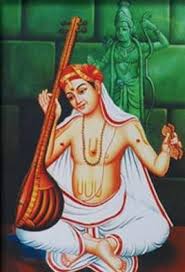
Sri Tyagaraja regarded Narada as his Guru. And Narada combines both jnana and bhakti to an extraordinary measure, much as Vyasa did later. But Narada is taken as the prime exemplar of the path of devotion, especially suited for this Kali age.This was proclaimed clearly by Sri Ramakrishna in the 19th century. Coming before him, Sri Tyagaraja claimed  his lineage from Narada, and is staking his claim to be regarded primarily as belonging to the parampara of Bhakta-Bhagavatas. With characteristic humility, such devotees consider themselves  the devotee of devotees! Says Tyagaraja:

Bhadrachala Ramadasu
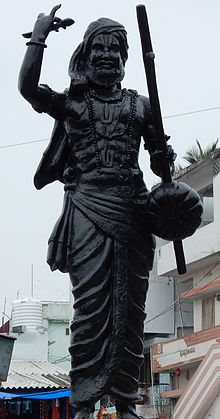

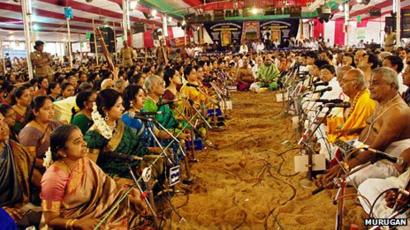
Ramadasa dasa Tyagarajanuta…..(brindavana lola)
Tyagaraja who is the servant of Ramadasa.

The reference is to Kancherla Gopanna, affectionately called Bhadrachala Ramadasu, for his extraordinary devotion and exploits concerning the Rama temple at Bhadrachalam, also drawing in the Muslim ruler Tani Shah. He lived (1620-1680) just a hundred years before Tyagaraja (1767-1847) and his life must have assumed legendary proportions among the devout, especially during those turbulent times. He sang his heart out in devotion, if also in distress,and in a way his kirtanas can be regarded as models for Tyagaraja, as they combine intense personal call for protection, along with recalling incidents from the life of Rama the great Avatar, besides describing his gunas, Nama, etc. Tyagaraja had great admiration and fascination for Ramadas. He sings about him in at least 3 other places.


Bhagavadagresarulagu Narada
Prahlada Parashara Ramadasulu
baguga Sri Raghuramuni padamula
bhakti jesina reeti Tyagarajuniki ipudu
Kaligi yunte gada kalgunu……….(Kaligi yunte)

How can Tyagaraja obtain bhakti  for Sri Rama like the great bhagavatas Narada, Prahlada, Parashara and Ramadasa had, unless he has great merits? ( ie unless it is ordained by his previous punya, as written in his forehead).

Here, Tyagaraja ranks Ramadas along with legendary,canonical figures like Narada, Prahlada and Parashara, who constitute the very foundation of the bhakta-bhagavata tradition!

In the Devagaandhari kriti, Ksheerasagara sayana, Sri Tyagaraja recounts how Rama saved Gajendra, Draupadi, and built the bridge to Lanka to save Sita and in that context recalls how he saved Ramadas:

Dheerudau Rama dasuni bandhamu
deerchinadi vinnanura

I have heard about how you removed the chains binding the heroic Ramadas.

Here, Tyagaraja values the heroism of Ramadas and ranks him along with Gajendra, Draupadi and even Sita! No wonder, he calls himself a servant of Ramadas! 

In the kriti “Emi dova palkuma”, Sri Tyagaraja says:

Ramadasu vale naite Sita 
Bhama mandalinchunu

Had I been a devotee like Ramadasu, perhaps Sita Devi might have recommended my case.

The idea that Sita has to recommend his case to Rama is in accord with the Sri Vaishnava tradition that the Mother has to recommend the case to the Lord. Sri Ramadasu himself sings in a kirtan: 
Sita to Recommend:

Nanu brovu mani cheppave, Sitamma talli

Nanu brovu mani cheppave

Nanu brovu mani cheppu narishiromani

Janakuni kuthura janai Janakamma

Prakkana jeruka chekkili nokkuchu

chakkaka marukeli chokki yundedi vela

Lokantharangudu Srikantha ninukooti

Ekanta muna neka chayyanuna vela

Atrija vinutudu bhadragirisudu

Nidramelkoluvela nelataro bodhinchi

Nanu brovu mani cheppave

O Mother Sita, please tell Rama to save me.

O jewel among women, Janaka’s daughter, Janaki, 

O mother, please tell Rama to save me.

Please tell his sweetly, when he is alone with you at a pleasant moment..

This shows the esteem Tyagaraja had for Ramadasu. He feels a kinship with all devotees everywhere.

Devotees are relatives

Dhara nijabhagavadagresaru levaro varellanu
vara Tyagarajuniki parama baandavulu
                                         …….Seetamma

The genuine devotees all over the world constitute the dear relatives of Tyagaraja.

Devotees delight in the company of other devotees:
Rama bhakti samrajyam
 emaanavula gabbeno manasa
Aamanavula sandarsana
matyanta brahmanandame

 Getting devotion for Rama  is like attaining the samrajyam ie the post of Chakravarti. Only the darsan of such devotees can confer delight like the bliss of Brahman.


Inta kannananda memi O Rama Rama

Santa janula kolla sammatiyunte gani

Aaduchunadamuna baduchu eduda

raveduchu manasuna goodi yundedi chalu

O Rama! If the mind can feel at peace in the company of bhagavatas who are always engaged in Harikirtan, can there be a greater bliss?

It is enough to dance forgetting the self, to sing immersed in the flow of divine music, requesting Bhagavan to appear before us!

Devotees enjoy each other’s company


In fact Bhagavan tells us in the Gita that this is how the devotees enjoy themselves when they meet:
Satatam kirtayanto mam yatantascha drudavrata:

Namasyantascha mam bhaktya nityayukta upasate
                                                    9.14

Glorifying me always and striving with firm resolve, 
bowing down to Me in devotion, always steadfast, they worship Me.


Machchitta madgatapranaa bodhayanta: parasparam

Kathayanthascha mam nityam tushyanti cha ramanti cha                                                10.9 

With their minds wholly on Me, with their senses absorbed in Me, enlightening one another, and always speaking of Me, they are satisfied and delighted.


This is what the Gopis also sing about in the Gopika Gitam: (Srimad Bhagavatam)
Tava kathamrutam taptajivanam
kavi bhiriditam kalmashapaham
sravana mangalam srimadatatam
bhuvi grunanti te bhurida jana:         10.31.9

The nectar of your story saves people from the suffering due to the three kinds of taapas. It is sung by Kavis (Jnanis). It eradicates all our papas. It is sweet to listen to and confers auspiciousness. It confers prosperity and is widespread. Those who recite the story are the most blessed people in the world.


Viewed in this background, we realise how deeply soaked Tyagaraja is in the tradition of bhakta-bhagavata! At every step his kirtanas take us back to the very fountain  and source of devotion : Bhagavatam, Gita, Ramayana!  At various places Tyagaraja remembers and honours all the ancient bhaktas and bhagavatas.

Honour to ancient devotees

Parama bhagavata mauni vara sasi
Vibhakara Sanaka Sanandana
Digeecha sura kimpurusha kanaka-
kachipusuta Narada Tumburu
Pavanasunu balachandara dhara Suka
Sarojabhava bhusuravarulu
parama pavanulu ghanulu sasvatulu
Kamalabhava sukhamu sadanubhavulu gaka

Endaro Mahanubhavulu

Andariki vandanamu

I salute all the great souls:

The great Munis who are supreme bhagavatas,

Chandra and Surya, Sanaka and Sanandana,
Dikpalakas,Devas, Kimpurushas, Prahlada, Narada, Tumburu, Anjaneya, Lord Shiva, Suka, Brahma, the great among the Brahmanas. These are all pure souls, who have no end and always enjoy divine bliss. I salute all of them, and also all the other great souls.


Tushtudai barega sadbhakta
(Manasa Sri Ramachandra)


Real bhaktas are always full of happiness.


With such a disposition, what can a real bhakta need or ask from God?

Devotee doesn’t ask for anything

Srimantulau nee sodarulu seyu reeti
Paada seva koritini
Chirakalamaina maata yokatira
Vemaru balgajalara   ……..(Sri maaninee)

I only desire to render service to you such as your blessed brothers perform. This is what I have been requesting you for a long time. Should I repeat it a thousand times?

Such devotees feel their job is over with surrender; it is for the Lord to dispense things in His own way:


Entarani tanakentaponi ni
chenta viduvajala

Whatever comes, whatever goes, I will never leave your presence. (Because that itself is the greatest treasure or fortune)

Antakari nee chenta jeri
Hanumantudai koluvaleda


Shiva who conquered Yama- did He not assume the form of Hanuman and serve you?
Seshudu Shivuniki bhushudu Lakshmana

veshiyai koluvaleda
Adisesha, who is the ornament of Shiva- did he not incarnate as Lakshmana and serve you?
Sishtudu mauni varishtudu gobba

Vasishtudu hitudu gaaleda
That great Jnani, the great Vasishta- did he not become your purohit (Acharya) to teach you the beneficial (correct ) way?
Naravara neekai suraganamulu

Vanarulai koluvaleda

Did not the Devas assume the form of monkeys in order to serve you as Rama,  the best of men?
The idea is that all these great Ones merely desired to serve Rama in different ways. How can Tyagaraja wish for anything else? Everything is left to Him.


Manasu telisi 

brochinanu marachinanu neeve Rama
                                   ……(Itara daivamu)
I
f you know my heart and save me, or forget me, you are my only refuge.

Nee krupa vittamanusu jaala  ….(Kori vachchiti)
I take it that your blessings are the greatest wealth.

Such devotees delight in the company and even at the mere sight of other devotees.


Bliss of Haridasas


Haridasulu vedale muchchata kani

Anadamaye dayalo

O the merciful, generous One! The sight of Haridasas
walking the streets with Tyagaraja gives such great pleasure!
Hari Govinda Narahari Rama Krishna yani

Varusaga namamu karunato jeysusu
They are singing names like “Hari, Govinda, Narahari, Rama, Krishna,” with great feeling.
Sangatiganu mrudanga ghoshamulache

Bongusu veethula kegusu merayuchu
They are taking rounds of the streets with Sankirtan, blending with the sounds of mrudanga, full of overflowing happiness and delight
Chakkani hariche jikkitimani madi

jokkuchu namame dikkani pogaduchu

They feel so completely united with Bhagavan that they have lost their head , and take Him as the sole refuge and offer praise

Dittamuga nadu kattuto nadugulu
Bettuchu talamu batti gal galla naga
Tying the uttariyam firmly at the waist, keeping steps softly one by one, marking ‘gal, gal’ sound with karatalam,
Jnamuto Rama dhyanamuto manchi

Ganamuto menu dana mosanguchu
With full awareness, complete dhyana on Rama, with sweet music , dedicating the body completely for Rama seva,
Rajarajunipai jajulu challuchu

Rajilluchu Tyagarajunito goodi
haridasululu vedale
They shower jaji flowers on Rama, the king of kings. Such a sight of the Haridasas together gives such great pleasure!

 Such is the tradition of Bhakta-Bhagavata that Sri Tyagaraja represents , upholds and celebrates! We may say he has demonstrated that the way of true devotion is still possible and practicable. Here, Tyagaraja is not only the Sadguru, but Acharya who lived  his life  in the light of what he said.  

TO BE CONTINUED ………………………..

கிளியாகப் பிறந்த புத்தர் சொன்ன நீதி (Post No.8059)

WRITTEN BY LONDON SWAMINATHAN

Post No. 8059

Date uploaded in London – 28 May 2020   

Contact – swami_48@yahoo.com

Pictures are taken from various sources for spreading knowledge; this is a non- commercial blog. Thanks for your great pictures.

tamilandvedas.com, swamiindology.blogspot.com

கிளியாகப் பிறந்த புத்தர் சொன்ன நீதி

ஜாதகக் கதைகள் புத்தரின் பூர்வ ஜன்மக் கதைகள் ஆகும் . இவற்றில் அவர் மனிதர்கள், மிருகங்கள், பறவைகள் முதலியனவாகப் பிறந்த கதைகளும் உண்டு. இவை குறைந்தது 2300 ஆண்டுப் பழமை உடைத்து; ஏனெனில் இந்தியாவிலும் பல நாடுகளிலும் இந்தக் கதைகள் சித்திரங்களாகவும் சிற் பங்களாகவும் படைக்கப்பட்டுள்ளன. பல மொழிகளில் ஆதிகாலத்திலேயே மொழிபெயர்க்கப்பட்டுள்ளன . இன்று 500 க்கும் மேலான ஜாதகக்   கதைகள் இருந்த போதிலும் 500 மட்டுமே ‘ஒரிஜினல்’ கதைகள் என்பது தெரியவந்துள்ளது.

ஜாதகக் கதைகள் அனைத்தும் பழங்கால இந்தியாவில் வழங்கிய கதைகள் ; அவற்றை புத்த மதத்தினர் தங்கள் கொள்கைகளைப் பரப்ப பயன்படுத்தினர் என்பதை எல்லா ஆராய்ச்சியாளர்களும் ஒப்புக்கொள்வார்கள். மதம் என்பதை ஒதுக்கிவைத்துவிட்டு இக்கதைகளை ஆராய்ந்தால் அக்கால சமுதாய நிலை தெரியவருகிறது .

ஜாதகக் கதைகளில் 484-ஆவது கதை ‘சாலி கேதார ஜாதகம்’ எனப்படும். அதாவது நெல் வயல் பற்றியது. சாலி என்பது அரிசியைக் குறிக்கும்.

கதைச் சுருக்கம் பின்னவருமாறு :

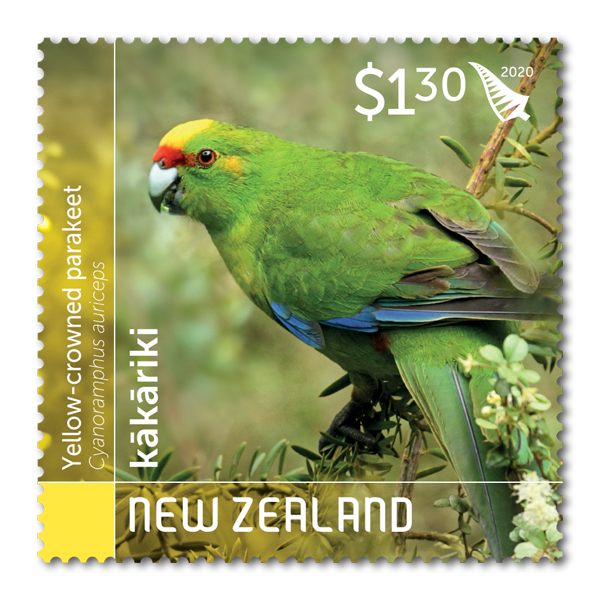
போதிசத்துவர் ஒரு கிளியாகப் பிறக்கிறார். அறிவின் ஆற்றலால் கிளிகளின் தலைவர் ஆகிறார். தினந்தோறும் மற்ற கிளிகளுடன் சென்று நெல் வயல்களில் நெற் கதிர்களை மேய்வது வழக்கம்.  வயது முதிர்ந்த பெற்றோர்கள் (கிழ கிளிகள்) கேட்டுக்கொண்டதால் அது இப்பொறுப்பினை ஏற்றது. மற்ற கிளிகள்  வயிறு புடைக்க தின்றுவிட்டுத் திரும்பிவிடும். போதி சத்துவராகப் பிறந்த தலைமைக் கிளி மட்டும் தான் சாப்பிட்ட பின்னர் தானியக் கதிர்களையும் எடுத்து செல்லும் . இவை அனைத்தும் ராஜகிருஹத்துக்கு அருகிலுள்ள சாண்டில்ய கிராமத்தில், கௌசிகன் என்ற அந்தரின் நிலத்தில் நடந்தது. அவருக்கு 1000 ஏக்கர் நிலம் இருந்தது. அதில் 500 ஏக்கரை உறவினர்களுக்குப் பிரித்துக் கொடுத்துவிட்டு மீதி 500 ஏக்கர் நிலத்தை வைத்திருந்தார். அதைக் கிளிகள் மேய்ந்த வேகத்தைப் பார்த்தவுடன் காவற்காரன் அந்தணரிடம் சென்று என்ன செய்வதென்று கேட்கிறான். கௌசிகன் என்ற அந்தணரும் உனக்குத் தெரியாதா என்ன? குதிரை மயிரால் ஆன வலையை விரித்து தலைமைக் கிளியைப் பிடித்து வா என்கிறார்.

அவனும் அவ்வாறே செய்து கிளிகளின் தலைவனைச் சிறைப் பிடித்துக்  கொண்டுவருகிறான் . பின்னர் அந்த ணருக்கும் கிளிக்கும் உராயாடல் நடக்கிறது. அதில் அந்த பிராமணன் கேட் கேள்விக்கு கிளி பதில் சொல்கிறது. தான் தினமும் சாப்பிட்டுவிட்டு மூன்று பேருக்கு தானியம் கொண்டு செல்வதாகாச்  சொல்கிறது.

நான் ஒரு கடனைத் திருப்பிக் கொடுக்கிறேன். அதற்கு ஒரு கொத்து தானியம்.

நான் ஒரு கடனும் கொடுக்கிறேன் ; அதற்கு ஒரு கொத்து தானியம்.;

பிற்காலத்துக்காக வைப்பு நிதியும் வைத்துக் கொள்கிறேன் ;அதற்கு ஒரு கொத்து தானியம்.

ஆகையால் மூன்று தானியக் கதிர்களைக் கொண்டு செல்கின்றேன்.

கிளி சொன்ன பதிலைக் கேட்ட பிராமணன் வியப்படைந்து மேலும் விளக்கம் கேட்கிறான்.

அதற்குக் கிளி அளித்த விளக்கம் பின்வருமாறு-

என் வயதான பெற்றோர்க்கு நான் படைக்கும் தானியம் – கடனைத் திருப்பிச்  செலுத்துவதாகும்

என் குஞ்ச்சுகளுக்கு நான் கொடுக்கும் உணவு கடன் கொடுப்பதாகும் .

ஏழை எளிய , இயலாத கிளிகளுக்கு நான் கொடுப்பது வைப்பு நிதி ஆகும். (அதாவது வங்கியில் போடும் பிக்ஸட் டெபாசிட் Fixed Deposit) .

இதைக்கேட்ட உடனே அந்தப் பிராமணன் தனக்குச் சொந்தமான 500 ஏக்கர் நிலத்தையும் கிளிக்கே அளிக்கிறான். ஆனால் அதுவோ நிலம் எனக்கு வேண்டாம் என்று சொல்லிவிடுகிறது அந்தணனும் நீயும் உன் சுற்றத்தாரும் வேண்டுமளவுக்கு இனிமேல் சாப்பிட்டுக் கொள்ளுங்கள் என்கிறான் . கிளியை விடுதலை செய்து விடுகிறான்.

இது அருமையான கருத்தைச் சொல்கிறது . முதலில் ஒருவன் பெற்றோர்க்கு செய்ய வேண்டிய கடமை ; இரண்டாவது குழந்தைகளைக் காப்பாற்ற வேண்டிய கடமை; கடைசி தருமம், சமுதாயத்துக்குச் செய்ய வேண்டிய கடமை. இந்தப் புண்ணியம் மறு ஜன்மப் பிறப்பிலும் உதவும் என்பதை இந்துக்கள் ஒப்புக்கொள்வர்

இது வள்ளுவன் குறளிலும் எதிரொலிக்கிறது:-

துறந்தார்க்கும், துவ்வாதவர்க்கும், இறந்தார்க்கும்

இல்வாழ்வான் என்பான் துணை – குறள் 42

மூன்று வகை விதிக்களுடனும் இதை ஒப்பிடலாம். பிராரப்தம், சஞ்சிதம், ஆகாம்யம் என்பது மூன்று வகை விதிகளை விளக்கும்.

கதையிலுள்ள நீதியைத் தாவிர நாம் அறியும் விஷயங்கள் –

1.மறு பிறப்பு 2.நம்பிக்கை, 3.அந்தணரும் 1000 ஏக்கர் நெல் வயல் வைத்திருந்தமை, 4.உறவினருக்குப் பிரித்துக் கொடுத்தது, 5.கிளிகளைப் பிடிக்க குதிரை மயிரால் வலை பின்னுவது, 6.சாண்டில்ய கோத்திர பெயரில் கிராமம் இருப்பது, 7.அந்தணரின் அறுதொழில்களில் ஒன்று தானம் கொடுத்தல்- அதன்படி 500 ஏக்கர் நிலத்தையும் அவன் கிளிக்குக்கு கொடுப்பது, 8.பறவைகளின் அறிவு. 9.மனிதர்களுக்குள்ள மூன்று கடமை முதலியன.

தமிழ் இலக்கிய ஒப்பீடு

திருக்குறளில் 42, 43 ல் இதே கருத்து இருப்பது;

சாண்டில்ய கோத்திரப் புலவர் அதே பெயரில் சங்க இலக்கியத்தில் இருப்பது.

கோசிக (கௌசிக) பெயரும் கோத்திரமும் சங்க இலக்கிய, சிலப்பதிகார நூல்களில் காணப்படுவது

இவற்றை ஒப்பிட்டு மகிழலாம்.

ஜாதகக் கதைகள் இமயம் முதல் குமரி வரை ஒரே பண்புகள் நிலவியத்தைக் காட்டுகின்றன.

இதில் வரும் கவிதைகளை ஆங்கிலத்தில் கவிதை வடிவிலேயே மொழி பெயர்த்துள்ளனர். கவிதைப்  பகுதியை தமிழிலும் கவிதைகளாகச் செய்வது சுவையை அதிகரிக்கும் .

குறள் 42 என்பது மநு நீதி நூலின் 6-89 ஸ்லோகத்தின் மொழிபெயர்ப்பு. இல்வாழ்வான் என்பவன் பிரம்மச்சர்ய மாணவர்களுக்கும் , வானப்ரஸ்தாஸ்ரம PENSIONERS பென்ஷனர்களுக்கும் , யாசகம் கேட்கும் துறவியர்க்கும் உதவுவதால் இல்லலறத்தானே சிறந்தவன் என்பது மனுவின் வாக்கு. குறளிலும் ‘இறந்தார்’ என்பதை இரு பொருள்பட உரைகாரர்கள் வியாக்கியானம் செய்துள்ளனர்.

tags– கிளி, புத்தர் , நீதி

–subham–

ஹிந்தி படப் பாடல்கள் – 50 – குழந்தைகளுக்குப் பாட்டு! (Post No.8058)

WRITTEN BY R. NANJAPPA                        

Post No. 8058

Date uploaded in London – – – 28 May 2020   

Contact – swami_48@yahoo.com

Pictures are taken from various sources for spreading knowledge;

 this is a non- commercial blog. Thanks for your great pictures.

ஹிந்தி படப் பாடல்கள் – 50 – குழந்தைகளுக்குப் பாட்டு!

                                   R. Nanjappa

குழந்தைகளுக்குப் பாட்டு!

குழந்தைகள் ஒரு படத்தில் வந்தால் விருவிருப்பு கூடும். அவர்களை மையமாக வைத்து

கதை ஓடும்.

அவர்களால் ஒரு முக்கிய திருப்பம் கதையில் வரும்.

2002ல் Tom Hanks நடித்த Road to Perdition என்ற படம் வந்தது. இதில் அவர் மகனாக 

நடிக்கும் பையன், “அப்பா, நீ என்ன வேலை செய்கிறாய்என்று கேட்பான். ஒரு தாதா

கும்பலில் இருக்கும் அவரால் பதில் சொல்ல முடியாது! அவர் வாழ்க்கையே மாறிவிடுகிறது!

1956ல் The Man Who Knew Too Much என்ற Alfred Hitchcockக்கின் படம் வந்தது.

இதிலும் ஒரு பையன்அவனை வைத்து கதையில் ஒரு திருப்பம்! அதற்கு ஒரு பாட்டு!

When I was Just a little girl

When I was just a little girl
I asked my mother, what will I be
Will I be pretty
Will I be rich
Here’s what she said to me

Que será, será
Whatever will be, will be
The future’s not ours to see
Que será, será
What will be, will be


When I grew up and fell in love
I asked my sweetheart, what lies ahead

Will we have rainbows
Day after day
Here’s what my sweetheart said

Que será, será
Whatever will be, will be
The future’s not ours to see
Que será, será
What will be, will be
 

Now I have children of my own
They ask their mother, what will I be
Will I be handsome
Will I be rich
I tell them tenderly

Que será, será
Whatever will be, will be
The future’s not ours to see
Que será, será
What will be, will be

Que será, será 

Song: When I was just a little girl Film: The Man Who Knew Too Much 1956

Lyrics: Ray Evans & Jay Livingston Music Composer : Jay Livingston

Singer: Doris Day

Youtube link: https://www.youtube.com/watch?v=3FKA-3uRdQY

There are dozens of  cover versions. Our own Bhanumathi has also sung!

link for Bhanumathi’s song: https://www.youtube.com/watch?v=P3-ehVA4mTY 

எளிய பாடல்! இது உலகம் முழுவதும் மிகப் பிரபலமடைந்தது! இதன் பின்னாலும் ஒரு

கதை!

இதை இப்படத்தில் டோரிஸ் டே பாடுகிறார். அவரை ஹீரோயினாகப் போடுவதற்கு

ஹிட்ச்காக்கிற்கு இஷ்டமில்லைஅவர் ஒரு பாடகிதான், வேண்டாம் என்றார். ஆனால்

பட நிறுவனத்தின் ஏஜெண்டுகள் இதை ஏற்றுக்கொள்ளவில்லை.அவர் கட்டாயம் வேண்டும்

என்றனர். அப்படியானால் அவருக்கு ஒரு பாட்டு வேண்டும், அதில் ஏதாவது

ஆங்கிலமில்லாத சொல் இருக்கவேண்டும் என்றார் ஹிட்ச்காக்!

அதன்படி பாட்டு எழுதிய இவான்ஸ்ஆர்ம்ஸ்ட்ராங்க் ஜோடி Que Sera, Sera என்ற

Spanish சொற்களைச் சேர்த்தனர். (இது எந்த மொழி என்பதைப் பற்றி பெரிய ஆராய்ச்சியே

நடந்திருக்கிறது) இது குழந்தைகள் பாட்டு போல் இருக்கிறது, பாடமாட்டேன் என்று 

டோரிஸ் டே சண்டித்தனம் செய்தார். கடைசியில், “ஒரே ஒரு டேக் தான்,

எடுத்து கொள்ளுங்கள்என்று சொல்லி ஒரே ஒருமுறை பாடினார்! இது உலகப் புகழ்

பெற்றது! டோரிஸ் டேவின் மிகச்சிறந்த பாட்டாகஅவருடைய அடையாளப் பாட்டாகக் 

கருதப்படுகிறது!

இந்தப் பாட்டு உலகப் புகழ் பெற்றாலும், கத்தோலிக்க மதகுருக்கள் இதற்கு எதிர்ப்பு

தெரிவித்தனர். கத்தோலிக்கர்கள் இதை பாடக்கூடாது என்றனர். புகழ்பெற்ற எழுத்தாளர்

பிஷப் Fulton Sheen இதை எதிர்த்து எழுதினார். [நான் கத்தோலிக்கக் காலேஜில் 6

வருஷம் படித்தவன், இதை நேரடியாக அறிவேன்.] காரணம்? இது விதியில் (Fatalism)

நம்பிக்கை வளர்க்கிறது என்றார்கள். நல்ல வேளை! உலகம் முழுதும் கத்தோலிக்கர்

இல்லை! கடைசியில் அவர்களும் சட்டை செய்யவில்லை. இந்தப் பாட்டு இன்றும்

பிரபலம் தான்சொல்லால் விளக்கமுடியாத உண்மை ஒன்று இதில் புதைந்திருக்கிறது!

நாம் உணர்கிறோம்Whatever will be, will beஆருயிர் முறைவழிப் படூஉம்!

உலகெங்கிலும் மக்கள் மனதைத் தொட்ட பாட்டு இது! உலகின் பல மொழிகளில்

இதைப் பாடிப் பதிவு செய்திருக்கிறார்கள்.

இதை நம்மவர்கள் விட்டுவைப்பார்களா? தமிழில் “சின்னப் பெண்ணான போதிலேஎன்று

இந்த மெட்டில் ஒரு பாட்டு ஆரவல்லி படத்தில் வந்தது. பட்டுக்கோட்டை பாட்டெழுத 

ஜி. ராமனாதன் இசையில், ராஜாஜிக்கி பாடினார்கள்.

ஹிந்தியில் இந்த மெட்டு அப்படியே வந்ததாக எனக்கு நினைவில்லை. “தில்லி கா தாதா

(1962) என்ற படத்தில் மஹேந்த்ர கபூர்ஆஷா போன்ஸ்லே பாடும் ஒரு டூயட்டில் இந்த

சாயல் இருக்கும் 

(இசை: என்.தத்தா).

(வேறு ஒரு பாட்டும் இருக்கலாம்நினைவில்லை) ஆனால் கதையில் வரும் குழந்தை

சம்பந்தப்பட்ட விஷயத்தை எடுத்துக்கொண்டார்கள்.. ஒரு படத்தில் பாட்டமைத்தார்கள்.

அம்மா பையனுக்கு அறிவுரை சொல்வதாக வரும் பாட்டு. இந்தப் பாட்டை வைத்து

கதையில் திருப்பம் வரும்!.

meethi meethi baato(n) se, meethi meethi
meethi meethi baato(n) se, bachna zara
duniya ke logo mein hai, jaadu bhara
meethi meethi

இனிக்க இனிக்கப் பேச்சைக் கேட்டால், ஜாக்கிரதையாக இரு!

உலகத்தில் ஜனங்கள் கபடம் நிறைந்தவர்கள்!


khub tej hai, ilm jise
koi chor bhi le na sake
bhar le khazana, tera zamana
jag mein rahega, tera naam sada

கல்வி நிறைந்த பெருத்த செல்வம்

இதை எந்தத் திருடனும் எடுத்துச் செல்ல முடியாது!

இதை நீ  நிறப்பிக்கொள்! உலகம் உன்னுடையதாகும்

உன் பெயர் உலகில் என்றும் நிலைத்திருக்கும்!


mehnat se din raat padhunga
pahla number pass karunga, shabash

நான் இரவு பகல் பாடு பட்டுப் படிப்பேன்

முதல்  நம்பரில்  தேறிவிடுவேன்!

சபாஷ்!


meethi meethi baato se, bachna zara
duniya ke logo mein hai, jaadu bhara

இனிக்க இனிக்கப் பேச்சைக் கேட்டால், ஜாக்கிரதை!

khel kud mein khona nahi
baat baat mein rona nahi
tu hai sitara, chanda se pyaara
karna jahan mein, koi kaam bada

சதா விளையாட்டு என்று பொழுதைக் கழிக்காதே

தொட்டதற்கெல்லாம் அழாதே

நீயே தாரகை, சந்திரனைவிட அழகு,

உலகில் எதாவது சாதனை செய்!


hindustan ki shaan banunga
desh ka uncha naam karunga, shabash 

இந்தியாவில் பிரகாசிப்பேன்!

தேசத்தின் பெயரை உயர்த்துவேன்!

சபாஷ்!


meethi meethi baato se, bachna zara
duniya ke logo mein hai, jaadu bhara
meethi meethi

இனிக்க இனிக்கப் பேச்சைக் கேட்டால், ஜாக்கிரதை!

jhoom jhoom tufa ki nazar
raahe gher le teri agar
jhoom jhoom tufa ki nazar
raahe gher le teri agar
hoga andhera, koi na tera
fir tu bachega kaise, humko bata  

புயல் உன் பாதையைச் சூழ்ந்துகொண்டு,

எங்கும் இருள் சூழ்ந்து, உனக்கென்று எவரும் இல்லாவிட்டால்

எப்படித் தப்புவாய், எனக்குச் சொல்!

tufano(n) se nahi darunga
himmat se main nikal padunga, shabash


புயலுக்கெல்லாம் அஞ்சமாட்டேன்

துணிவுடன் வெளிவந்துவிடுவேன்!

சபாஷ்!
meethi meethi baato se, bachna zara
duniya ke logo mein hai, jaadu bhara

இனிக்க இனிக்கப் பேச்சைக் கேட்டால், ஜாக்கிரதை!

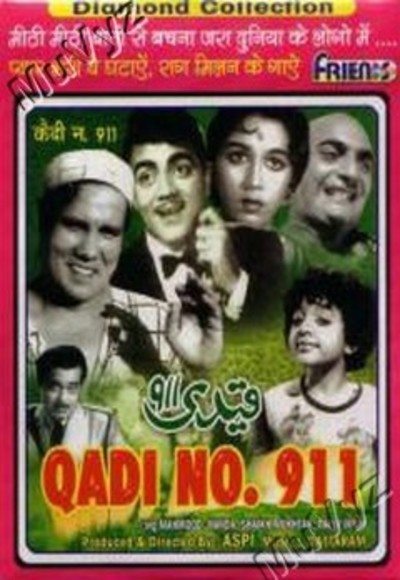
Song: Meethi meethi batho(n) se  Film: Qaidi No.911 1959

Lyrics: Hasrat Jaipuri

Music: Dattaram  Singers: Lata Mangeshkar & Daisy Irani

YouTube link: https://www.youtube.com/watch?v=RsH24zE_oHI

ஹஸ்ரத் ஜெய்புரியின் நல்ல கவிதை; தத்தாராமின் இனிய இசை.தத்தாராம் சிறந்த இசைஞர்,

இவரை நாம் பின்னர் பார்க்கப் போகிறோம்.

[இந்தப் பாடலின் சரியான ஹிந்தி வடிவம் கிடைக்கவில்லை]

இந்தப் படத்தை தமிழில் கைதி கண்ணாயிரம் என்று எடுத்தார்கள்.. இந்த மெட்டில்.

“கொஞ்சிக் கொஞ்சிப் பேசி மதிமயக்கும்’ என்ற பாட்டை மருதகாசி எழுதினார்.

கே.வி.மஹாதேவன் இசை,…

இப்படி நல்ல நல்ல விஷயங்கள்- பாட்டோ, கவிதையோ , எங்கிருந்து வந்தால் என்ன?

ரசிப்போம்!

 .

                                                      ***

Attachments area

Preview YouTube video Doris Day – Whatever Will Be Will Be Que Sera Sera (Best All Time Hits Forever 2014 / HQ) Mu©o

Doris Day – Whatever Will Be Will Be Que Sera Sera (Best All Time Hits Forever 2014 / HQ) Mu©o

Preview YouTube video Doris Day – Que sera sera – Lyrics

Doris Day – Que sera sera – Lyrics

Preview YouTube video when i was just a little girl.. ♥ ♥ By Bhanumathi Ramakrishna

when i was just a little girl.. ♥ ♥ By Bhanumathi Ramakrishna

Preview YouTube video Meethi Meethi Baaton Se Bachna Zara – Lata Mangeshkar – QAIDI NO 911 – Nanda, Sheikh Mukhtar

Meethi Meethi Baaton Se Bachna Zara – Lata Mangeshkar – QAIDI NO 911 – Nanda, Sheikh Mukhtar

காட்டு வாத்துக்கள் பறக்கின்றன, குருவே! (Post No.8057)

WRITTEN BY S NAGARAJAN                     

Post No. 8057

Date uploaded in London – – – 28 May 2020   

Contact – swami_48@yahoo.com

Pictures are taken from various sources for spreading knowledge; this is a non- commercial blog. Thanks for your great pictures.

காட்டு வாத்துக்கள் பறக்கின்றன, குருவே!

ச.நாகராஜன்

புத்த குருமார்கள் சீடர்களுக்கு ஞான நிலையை எய்த பல்வேறு வழிகளைக் கையாண்டனர். சில அடிகளும் சீடர்களுக்கு விழுவதுண்டு.

ஒவ்வொரு குருவுக்கும் ஒவ்வொரு வழி. மாஸ்டர் மாஜு ஒரு  முறை கையாண்ட வழி இது:-

மாஸ்டர் மாஜு டயொய் (Mazu Daoyi) ஒரு நாள் தன் சீடரான பைஜாங் ஹுவாய்ஹையுடன் (Baizang Huaihai – 720-814) நடந்து சென்று கொண்டிருந்தார்.

எப்படியாவது தனது சீடர் உயரிய நிலையை எய்து விட வேண்டும் என்பது அவரது அவா.

அப்போது தலைக்கு மேலே சில பறவைகள் பறந்து சென்று கொண்டிருந்தன. மாஜு, பைஜாங் ஹுவாங்ஹையைப் பார்த்து, “ அவை என்ன?” என்று கேட்டார்.

பைஜாங் ஹுவாங்ஹை, “ காட்டு வாத்துக்கள் என்று பதில் கூறினார்.

 “அவை எங்கே போகின்றன?” என்று அடுத்த கேள்வி வந்தது.

“அவை பறந்து போய் விட்டன” என்று பதில் சொன்னார் பைஜாங் ஹுவாங்ஹை.

 இதைக் கேட்டவுடன் மாஜூ தனது சீடரின் மூக்கை அழுத்தமாகப் பிடித்துத் திருகினார். பைஜாங் ஹுவாங்ஹை வலியால் துடித்தார். ஓவென்று அலறினார்.

இப்போது மாஜு கேட்டார் :” இன்னும் அவை பறந்து போய் விட்டன என்று தான் சொல்கிறாயா?”

இந்தச் சொற்களைக் கேட்டவுடன் அந்த க்ஷணமே அவருக்கு உயரிய ஞானம் ஏற்பட்டு விட்டது! ஒரு பெரிய அரிய அனுபவத்தை அவர் பெற்றார்.

இது எப்படி ஞானம் திடீரென்று வந்தது.

மூக்கை அழுத்தமாகப் பிடித்து வலிக்கும் படி திருகினால் ஞானம் வந்து விடுமா?

முதலில் இருந்த நிலைக்கும் மூக்கைத் திருகிய பின்னர் இருந்த நிலைக்கும் இடையே என்ன நடந்தது?

உண்மையிலேயே காட்டு வாத்துக்கள் பறந்து தான் போயின. ஆகவே தான் பைஜாங் ஹுவாங்ஹை அவை பறந்து போய் விட்டன என்று பதில் சொன்னார்.

ஆனால் அவர் கூறிய பதில் உலகியல் நிலைக்கு ஏற்பச் சொன்ன பதில்.

அவர் உலகியல் இயல்பான, வருவது- போவது என்ற நிலையிலேயே இருந்தார்.

அதைக் கடந்து செல்ல வேண்டும் என்ற உணர்வு அவருக்கு இல்லை.

நிலையற்ற இந்த உலகில் வருவதும் போவதுமாக ஆயிரக்கணக்கான விஷயங்கள் ஒவ்வொரு கணமும் நடந்து கொண்டே தான் இருக்கின்றன. நல்லது, கெட்டது, வருவது, போவது இவை சகஜம்.

ஆனால் உண்மையான இயல்பான நிலை என்பது இவற்றையும் கடந்த சூனியம்; அமைதி! எழுவது, அழிவது, வருவது, போவது என்று பேசுவதற்கு எதுவுமே இல்லை.

இந்த வாய்ப்பைத் தன் சீடருக்கு ஞான நிலையை அடையச் செய்ய உறுதி பூண்ட குரு நன்கு பயன்படுத்திக் கொண்டார்.

அவரது மூக்கைத் திருகியவுடன் இந்த நிலையை அவர் கடந்து விட வேண்டும் என்று அவர் எதிர்பார்த்தார்.

அது தான் நடந்தது.

பின்னர் சீடர் பெரும் ஞானியானார்.  உலகியலில் நாம் பார்க்கும் அனைத்தையும் தாண்டி இருப்பது தான் சாந்தி என்பதை அவர் உணர்ந்து கொண்டு அனைவருக்கும் உபதேசிக்க ஆரம்பித்தார்.

அல்லல் படும் மனதை அமைதிப் படுத்தி அனைத்து சாதாரண உலகியல் நடப்புகளைத் தாண்டி அப்பால் போனால் வருவது சாந்தி! அதுவே புத்த நிலை!

tags காட்டு வாத்துக்கள்,புத்த குருமார்

****

நாய்கள் – 4 பழமொழிகள் – கண்டுபிடியுங்கள் (Post No.8056)

நாய்கள் – 4 பழமொழிகள் – கண்டுபிடியுங்கள் (Post No.8056)

WRITTEN BY LONDON SWAMINATHAN

Post No. 8056

Date uploaded in London – 27 May 2020   

Contact – swami_48@yahoo.com

Pictures are taken from various sources for spreading knowledge; this is a non- commercial blog. Thanks for your great pictures.

ஒரே சொல் மீண்டும் மீண்டும் வந்தால் ஓரிரு இடங்களில் மட்டுமே கட்டத்தில் இருக்கும். கொண்டு கூட்டி பொருள் கொள்க . விடை கீழே உள்ளது . சில நேரங்களில் படங்களைப் பார்த்தாலும் விடை காண உதவலாம்.


விடை

1.நா ய் வே டம் போட் டால் கு லை க்க வே ண் டும்

2.நாய் நக் கிச் சமு த்தி ரம் கு றை யுமா?

3.நாய் வி ற்ற காசு குலை க்குமா?

4.நாயைக் கண் டால் கல் லைக் காணோம்,

 கல்லைக் கண்டால் நாயைக்  காணோம்.

Source book :–

பயன்படுத்திய நூல்- கழகப் பழமொழி அகர  வரிசை, கழக வெளியீடு

-subham–

Tamil – Sanskrit Relationship – Lecture by Sastri- Part 7 (Post No.8055)

compiled BY LONDON SWAMINATHAN

Post No. 8055

Date uploaded in London – 27 May 2020   

Contact – swami_48@yahoo.com

Pictures are taken from various sources for spreading knowledge; this is a non- commercial blog. Thanks for your great pictures.

tamilandvedas.com, swamiindology.blogspot.com

Here is part seven of P S Subrahmnya Sastri’s lecture in Trivandrum in early 1946 under the auspices of University of Travancore.

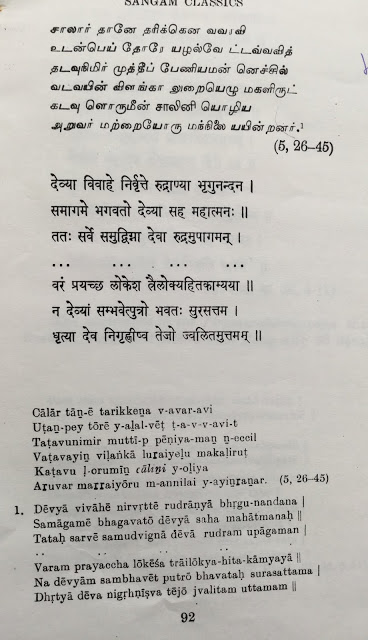
Page 82 – Sri Sastri illustrates the Karma theory in Sangam Tamil literature

Page 83 – Brahmins’ Fire sacrifice

Page 84 – Garudacayana sacrifice in Purananuru

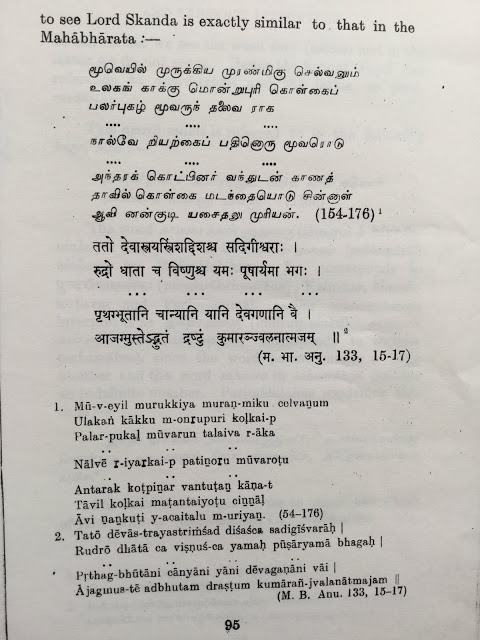
Pages 86-89 – Skanda explained with the help of Upanishad

Page 90 – Birth of Brama in Tamil

Page 91 – 95 Birth of Skanda


tag Tami and Sanskrit Relationship, part 7

to be continued…………………………….

RIG VEDIC SANSKRIT WORDS IN SANGAM TAMIL LITERATURE – PART 2 (Post No.8054)

Compiled  BY LONDON SWAMINATHAN

Post No. 8054

Date uploaded in London – 27 May 2020   

Contact – swami_48@yahoo.com

Pictures are taken from various sources for spreading knowledge; this is a non- commercial blog. Thanks for your great pictures.

tamilandvedas.com, swamiindology.blogspot.com

THIS IS SECOND PART; FIRST PART WAS POSTED YESTERDAY.

30. Taaram- PPL 12-6, the Red Cedar, தாரம்

Daaru , a piece of wood in RV

Daaru , Pinus devadaru Since the Sutr period

31.Yupam,  PNN 15-21, 224-8, sacrificial pillar

Yupa in RV, sacrificial pillar, யூபம்

32.Mani, ANN.131-9, eye ball

Mani, gem in RV

33.Ari, gold, PMP 490,

Hari , reddish brown in RV

(Also Hariyupa= Harappa in RV)

34.Matam ,NT 6-2, Matan ANN 289-4, beauty

Mada – hilarity in RV, மதன்

35.Paaram PNN 145-4, relations, பாரம்,

Bhaara, load in RV

36.Tava p pativam ,PPL 5-75, oath of penance

Tapas, penance in RV தவப் படிவம்

Patima ,likeness, Pali; Pratimaa, image, likeness in RV

37.Valam, battlefield PNN 19-17, success ,PNN4-1

Bala, strength in RV வலம்

38.Pazam, Pazan , MKI 576, 529, fruit

Phala in RV பழம் பலன்

39.Kazutai ,ANN 343-12, donkey

Gardabha in RV, donkey கழுதை

(also note Tamil has another word for donkey, Attiri in ANN120; so kazutai is borrowed from RV)

40. Paruti , sun, PMP 2 பருதி

Paridha , surround, enclose in RV

Paridhi, a halo around sun or moon in Raghuvamsa

41.Pasu, Ai.Kn 271-3, cow

Pasu , animals in RV பசு

42.Paruvam ,CPP.250, season

Parvan , a period of tie in RV பருவம்

43.CIRAM, PPL.7-4, head#

Siras , head in RV சிரம்

44.TACAI, PNN 177-13, flesh தசை

Tvac in RV, skin, Tacaa, skin, bark in Prakrit

45.VANNAM, PNP.203, CAM.14-90, colour

Varna , colour in RV வண்ணம்

xxxxxx

WORDS FROM POST VEDIC or  POST SANGAM LITERATURE

Ankuli , CAM 22-44, finger ring

Anguli , VS; Anguri AV, finger அங்குலி

xx

Kantikai KLT 96-14, necklace கண்டிகை

Kanthikaa – since H

Kantha – neck – Sat.Bra

Xx

Tuuni MP 39, quiver தூணி 

Tuuna , Kat.Sr , quiver

Xx

Vetikai, CAM 5-148 pial வேதிகை

Vedi , an altar in RV

Xxx

Kokulam CAM 17 , a herd of cows கோகுலம்

Go, cow in RV, also Kula, clan in RV

Xx

Vayira mani (CAM 1-48; Maa mani CAM 12-49

Mani in RV, gem; வயிர மணி,

Vajra , Sad.br., diamond

Xx

Cantirakuru ,CAM 14-195, white pearl

Candra, colour of gold in RV சந்திர குரு

Guru ,heavyin RV

Cantirapaani CAM 6-104, a kind of pearl

Paani , variety in Old Tamil சந்திர பாணி

Xx

Uttarakauttan CAM 15-179, name of a king

Uttara , excellent in RV உத்தர கவுத்தன்

Kaustuba , name of a celebrated jewel from Epics

Xx

Koti kalinkam ,CAM 21-32, name of a country

Koti in RV கோடி கலிங்கம்

Kalinga , name of a country in epics (also Panini)

Xxx

Paratakumarar , sons of a merchant, CAM 5-158

Bharata in RV பரதகுமாரர்

Kumaara , son, in RV

Xx

Valayam CAM 10-74, garden

Valayam , bracelet in epics வலயம்

Xx

Mayil , PNN.56-7, CPP.165, peacock

Mayuura , in VS, peacock மயில்

Xx

Mantilam KTK 300-7, world மண்டிலம்

Mandala , country, in AV prisi.

Aditya mandala – space around the sun in Sat.Br

Xx

Taarakai PPL 19-19, star தாரகை

Taarakaa in AV, star

Xx

Kuncaram , PNN 308-11, elephant

Kunjara in Manu, epics குஞ்சரம்

Xx

Makaram , a shark , TMP.25

Makara in VS மகரம்

Xx

Nayanam, eye, PPL.9-9

Nayana in epics நயனம்

Xx

Kampalam, NT 24-4, woollen cloth

Kambala in AV கம்பளம்

Xxx

Kaacu, TMP.16, precious stone

Kaaca , glass pearls in Sat.Br காசு

(Kaasu – Puram 353-2; Akam.269-15, 293-7, 315-12, 363-8;TMP-16, Narr-66-9, 274-4, Kurun.67-4, 148-3, 274-2, Ainkuru.310-1; Kali.85-5)

Xx

Tamaniyam, gold, PMP 332

Tamaniya , gold in Epics தமனியம்

Xx

Patumam , a kind of ruby, CAM.14-186 பதுமம்

Padma is one of the Nine Treasures of Kubera in R

Xx

Aaram , a string, CPP.2 தாரம்

Haara , a string in Mbh.

Xx

Taamam ,CAM 3-112, wreath தாமம்

Daaman ,fetter in RV ( daama- rope ,garland in middle I.E)

Xx

Arattam, red, CAM 14-86,  அரத்தம்

Rakta , red in Sank.Gr. Sut

Xxx

Cunnam, powder, PMP.221 சுண்ணம்

Cuurna, powder in  Sank.sr.sut

To be continued…………………………..

tags — Rig Veda, Words, Sangam Tamil, Part 2

SRI TYAGARAJA- 18, Control of Mind (Post No.8053)

WRITTEN BY R. NANJAPPA                        

Post No. 8053

Date uploaded in London – – – 27 May 2020   

Contact – swami_48@yahoo.com

Pictures are taken from various sources for spreading knowledge; this is a non- commercial blog. Thanks for your great pictures.

SRI TYAGARAJA- 18,  Control of Mind

Sadhana involves all faculties

Sadhana in religious life involves the three faculties of man: body, speech (vak), and mind. There are many explanations, details, diverse paths but ultimately they all come to just these three. The rationale is very simple, though obscured by too much theory or philosophy: man performs karma  only through these faculties, and karmas usually result in punya or papa (religious merit or demrit); and hence these faculties should also be employed in seeking the remedy. Puja, japa and dhyana- these are done respectively by body, speech and mind.

As Sri Ramana Maharshi explained:

திடமிது பூசை  செபமுந் தியானம்
உடல்வாக்குளத்தொழில் உந்தீபற
உயர்வாகுமொன்றிலொன் றுந்தீபற


This is certain: worship, incantations and meditation are performed respectively with the body, the voice and the mind and are in this ascending order of value.
-Translation by Arthur Osborne

 All these amount to action, though most people regard only bodily action as action.(See Note below) 

Mind is the central faculty in man. Vak or speech arises first in mind, which also provides the blueprint for bodily action. Mindless action or speech is only done by an absolute idiot or mad person. Complete correspondence among thought, speech and action is the mark of virtue. The Veda declares:

Vang me manasi pratisthita

Mano me vachi pratisthitam….

Rtam vadishyami, Satyam vadishyami

May my speech be well established in my mind. May my mind be well established in my speech. I will speak the Rta (right). I will speak the truth (Satya).

Control of mind V.strengthening the mind

Control of mind is the highest discipline in all paths. All the diverse sadhanas ultimately involve control of mind, called by various names like mano nasa, mano laya, mano nigraha, etc. However, the different paths engage the mind in different ways, and do not always or invariably result in stilling the mind or controlling the thoughts. Modern psychological methods seek to ‘strengthen’ the mind, whatever it may mean. Many yogic practices also lead to strengthening the mind, resulting in development of unusual and usually undesirable and unspiritual powers, even though the classic definition by the greatest authority viz Patanjali means by yoga “chitta vritti nirodha” ie control of the modifications of the mind. Many forms of meditation too involve making the mind strong ie powerful; it may achieve temporary stillness but the mind asserts itself in the end.

As explained in the Katha Upanishad, the mind and other faculties of man are outward-oriented, ie they are naturally attuned to the external world. What happens in the case of “strengthening” the mind as prescribed by psychologists or practised  by  popular yogis is to incline the mind even more towards the external world. This surely is not the intention of real Yoga.

Only Two Ways

If we observe ourselves carefully, we will realise how fast our mind works and how thoughts succeed one  another, with lightning speed, even when our body is still. We traverse the whole universe in no time, sitting in an arm chair. On the contrary, when we circumambulate a holy place or undertake a pilgrimage on padayatra, the mind achieves stillness, even while the body is in motion!  Many thoughts are replaced by one thought, like an elephant is given a piece of wood to play with its trunk, which otherwise will not be still.

Traditionally, our religion prescribes many sadhanas for controlling the mind.  But in the modern day, only two authorities have made things clear, and simple. Sri Ramakrishna prescribed complete surrender to God as the way to kill the mind. Sri Ramana asked us to question the mind! The mind is a bundle of thoughts. If we ask to whom the thoughts occur, we will see they come to ‘us’. But who are we? This enquiry ( to be sharply distinguished from what is usually called ‘meditation’) will lead us to the source whence thoughts arise (as against the usual practice of trying to battle the thoughts to still them!) 

In both cases, the mind is the instrument of the ego, and when the ego is surrendered or its source questioned, the mind is annihilated, not just stilled. This is the essence of spiritual practice, as against ritual observances or psychological postures of the modern day.

Tyagaraja-practical teacher

Sri Tyagaraja is a practical teacher, and is not interested in developing theories.  All the mantras, tantras and other religious practices are prescribed only for controlling the mind, but what do they achieve if they fail in this?

Manasu Swadeenam

Manasu swadheenamaina aaghanuniki

mari mantra tantramu lela

Tanuvu taanu gadani yenchuvaniki

tapasu cheyanala Dasaratha bala

Anni nivanuchu yenchina vaniki

Asrama bhedamu lela

Kannu gattu mayalani yenchuvaniki

kanthala bhrama lela Dasaratha bala

Aajanmamu durvishaya rahituniki

gataa gata mika yela

Raja Rajesha Niranjana nirupama

Rajavadana Tyagaraja vinuta

For the adept (Jnani) who has controlled his mind, what is the need for mantra and tantra? ( The implication is that these are needed only for controlling the mind.)

O son of Dasaratha!

When one has realised that he is not the body ( ie given up the dehatma-buddhi), what is the necessity of undertaking Tapas?

When one realises that You are everything (in the universe ie Vasudeva sarvam iti, as the Gita says), where is the need for different ashramas (like Sanyasa, vanaprasta, etc)?

When one has understood that this world is the maya which blinds one’s (true) vision, how can he get attracted by women ( and wealth,etc)? 

When one has avoided any form of bad thoughts since birth, why should he indulge in thoughts about the past or the future?

O the king of kings! O the one without blemish! O the one without peer! O the one with the pleasant  countenance! O the one worshipped by Tyagaraja!

This is an important kriti which all earnest seekers should learn by heart, because it gives the essence of all spiritual sadhanas! It gives the secret of both what is to be achieved and how to achieve it! One has to control the mind; one has to give up the dehatma buddhi; one has to realise that God has become the whole universe; one has to realise that the world is unreal (ie impermanent); one has to avoid all bad thoughts. As we practice these, they become stabilised and become our achievements. This is the result of all mantra, tantra, tapas, ashrama regulations, etc. (If they do not lead to this, they are useless).

The repeated reference to Rama as Dasaratha bala has a tinge of sad irony. Dasaratha lost control of himself due to his infatuation for his young queen! But Rama is Niranjana ie without any blemish! (black spot) We have to worship him!

Sadly, our performing musicians do not sing this kriti often, nor do they render all the charanas!

Manasu Nilpa Shakti

Manasu nilpa sakti leka pote

madhura ghanta virula puja emi jeyunu

Ghana durmadudai ta munigite

Kaveri Mandakini yetu brochunu

Somidamma sogasu gandra gorite

Somayaji swargarhudauno

Kamakrodhudu tapam bonarchite

ghachi rakshinchuno Tyagarajanuta

If one cannot control the mind, what is the use of (performing ) puja with the ringing of bells ( and such ostentation)?

If one plunges in the water with thick ego ( or other bad qualities),how can Cauvery and Ganga save him?

If the wife of the Somayaji desires to seek pleasure with some one else, will the Somayaji become eligible for heaven?

If one full of kama and krodha performs tapas, will that tapas save him? Tell me, O Rama, worshipped by this Tyagaraja!

This is a hard-hitting kriti, exposing the hypocrisy  prevalent in  religious circles. Cultivation of moral and ethical virtues and standards (yama and niyama) is the first requisite for sincere religious practice in all true paths. Without them, mere rituals will not yield any results. Sri Ramakrishna used to say that while one goes to the Ganges for a ceremonial bath, his sins ascend the nearby tree and wait; and while he returns, they again seize him! Purity of mind, cultivation of virtues is the prime necessity. Tiruvalluvar says in the Kural:

Purat tooimai neeral amaiyum ahat tooimai

Vaaimaiyal kaanap padum.

புறந்தூய்மை  நீரால் அமையும் அகந்தூய்மை

வாய்மையால் காணப் படும். 298

External cleanliness is obtained by a bath with water; but inner purity is seen by correspondence between one’s word and  action.

Giving up kama and krodha is pre-requisite for even taking up tapas. Kama esha: krodha esha:, declares the Gita. The life of Visvamitra fully illustrates the fall due to kama and krodha.

Manasu Vishayam

How to control the mind? Only by resorting to the Lord’s feet.

Manasu vishaya natavitula kosagite

Ma Ramuni krupa galguno manasa

Tanatalu pokarintiki teesi petti

Taa gukkalu tolu reeti gado

Tavitiki rangada boyi kooti

tapila kothi kompoyinadu gado

chevitiki upadechinchinatu gado

Sri Tyagarajanutuni dalanchaka

O my mind! Tell me, if one does not meditate on the Murti worshipped by Tyagaraja, but hands over his mind to the evil forces represented by the five senses, can he obtain that Rama’s grace?

Is it not like removing the door of one’s house and handing it over to 

somebody else, and then trying to chase away the dogs (that try to enter his house)?

Is it not like the case of a woman who resorts to immoral conduct for the sake of powdered rice husk, whose rice-pot is carried away by the monkey?

Is it not like blowing the conch shell in the ears of a deaf fellow?

So control of mind is the requisite for all spiritual endeavours, and is also the result of all such endeavours!

Gitartham

It is the controlled mind which can perceive the spiritual truths!

Gitarthamu sangitanandamu 

Nee tavuna judara o manasa

Sitapati charanabjamu lidukonna

Vatatmajuniki baaga telusura

Harihara bhaskara kaaladi karmamu

lanu matamula marmamula neringina

harivara roopudu hari haya vinutudu

vara Tyagaraja varadudu sugira

O mind! Realise the meaning of  Bhagavad Gita and the bliss of sangita in your own place! (In the mind itself!)

Hanuman, who always bears the feet of Sitapati in his heart knows this fact well.

The great leader of the monkeys knows well the secret of the five forms of authority viz Vishnu, Shiva, Surya, Time ( kala) and karma, and also the secrets of the religions. He is venerated by Indra and is always immersed in bliss.

Here, Tyagaraja enumerates the greatness of Hanuman, but even he is always having Rama’s lotus feet in his heart. So he has realised the meaning of Gita and Sangitananda in his own heart. Thinking of the Lord is the way to purify the mind, and all religious truths will be revealed to one of such pure mind/heart.

Purity of mind is obtained by worshipping the Lord, with true devotion.He gives it as a blessing.

Neeke dayarake

Neeke dayaraka ne jeyu panulella

neraveruna Rama

Ekopinchaka nenu neevanu jnani

kelaagu sukha michune O Raghava

Manasu nilvanivaaru mayajalamu jesi

mari mukti konanau ne

Rama! If you do not show mercy to this Tyagaraja, will the actions undertaken by me bear fruit?

Without having ananya bhakti for you, if a jnani thinks , ” I am different, You are different”, how can he attain sukham, O Raghava?

Can one unable to control the mind ( fix it in one place) attain Liberation through some magic ( maya jaalam)?

Control of mind gives one calmness and this in turn leads to saukyam, ie real welfare. No amount of learning is of use unless such shanti of mind is attained through its control.

Shantamu leka, saukyamu ledu

Taantunikaina Vedantunikaina

Shantamu leka saukhyamu ledu.

Whether one has subjected the indriyas, or mastered Vedanta, one cannot get sukham without getting a peaceful mind.

Daara sutulu dhana dhanyamu lundina

Saareku japatapa sampada galgina

Yagadi karmamu lanniyu jesina

baguga sakala hrda bhavamu delisina

Agama sastramu lanniyu jadivina

bhagavatulanuchu baguga beraina…

Shantamu leka saukhyamu ledu.

Even if one has wealth in the form of wife and children,

even if one has the fortune to be always engaged in japa, tapas, etc,

even if one performs yajnas and and all such rituals,

even if one can read the minds of all others,

even if one has fully learned all the Veda sastras,

even if one has earned a name as a Bhagavata,

if one does not have that quiet mind called upasantam, one cannot attain real welfare (happiness)


What happens when one is able to control the mind?

Maanasa vanachara vara sancharamu nilipi
Murti baguga podaganeva
rendaro mahanubhavulu ……….Endaro mahanubhavulu

Those who can stop the antics of the monkey that is mind, and can perceive the form of the Lord-  they are the great souls.

Saraguna padamulaku swanatamanu
sarojamunu samarpanamu seyuva
rendaro mahanubhavulu

Those who can  unreservedly offer the lotus of their heart at your Feet- they are the great souls. 

Purity of mind-heart is the highest virtue that Tyagaraja insists upon in the devotee. If he mentions any virtue of his own, even by inadvertence, it is that he is of a pure heart/mind as in vimala hrudaya Tayagaraja palam in Nadatanum,  sumati Tyagaraja in Nidhichala, etc. He has numerous references to this one virtue in his kritis; I have just indicated a few according to my limited capacity. But we learn one sure thing: Control of mind is both sadhana and the result of all sadhanas, made possible only by  Divine Grace.

Note:
Manu is our authority on this matter. He says:


Adattanam upadaanam himsa chaivavidhanata:

Paradaropaseva cha shariramtrividam smrutam.
                                         Manu.XII.7
Appropriating wealth without offering, slaughter without sanction, adultery- these are bodily sins.
Paarushyamanrutam chaiva paishunyam chapi sarvasa:

Asambaddha pralapascha vangmayam syachchaturvidam.                      Manu.XII.6
Harsh speech, telling a lie, backbiting, and idle and irrelevant talk- these are the four types of vocal sins.
Paradravyeshvabhidhyanam manasanishtachintanam

Vitathaabhiniveshascha trividam karma maanasam.
                                              Manu.XII.5
Thoughts about appropriating another’s property, thought of injuring another, identification of self with the body- adopting the false ‘dehatmabuddhi’- these are  the three types of mental sins.
As if to address these exactly, the Gita prescribes:

Devadvijaguruprajna pujanam
Shaucham arjavam
Brahmacharyam ahimsa cha
Shariram tapa uchyate.                    XVII.14

Worship of Gods, Brahmanas, the preceptor and jnanis; purity observed in respect of person, conduct and wealth; straightforwardness, continence and harmlessness- these are called the penance of the body.


Anudvegakaram vakyam

Satyam priya hitam cha yat
Swadhyayabhyasanam chaiva
Vangmayam tapa uchyate                XVII.15

Speech which causes no offence, is truthful and pleasant; wholesome study and contemplation  of Veda, japa of the Divine names- these are called the penance of speech.

Mana: prasada: saumyatvam
Maunam atmavinigraha:
Bhava samshuddhi: ityetat
Tapo manasamuchyate.                  XVII.16

Cheerfulness of mind, gentleness, habit of constant meditation on God, control of mind and purity of heart- these are called penances of the mind.


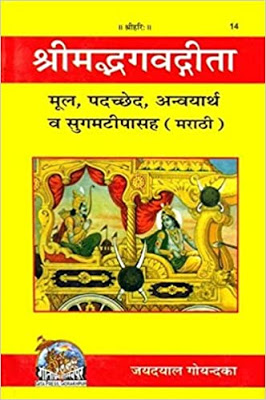
Please see the excellent book ‘The Secrets of Gita’ by Sri Jayadayal Goyandka (Gita Press, Gorakhpur) for details.

To be continued……

tag – Sri Tyagaraja- 18

குட்டிக்கதை- கழுதைப் பிரம்மச்சாரி (Post No.8052)

WRITTEN BY LONDON SWAMINATHAN

Post No. 8052

Date uploaded in London – 27 May 2020   

Contact – swami_48@yahoo.com

Pictures are taken from various sources for spreading knowledge; this is a non- commercial blog. Thanks for your great pictures.

tamilandvedas.com, swamiindology.blogspot.com

குட்டிக்கதை- கழுதைப் பிரம்மச்சாரி

பலரும் குடும்ப பாரத்தைப் பொறுக்கமுடியாமலோ அல்லது ஏற்க பயந்தோ  அல்லது வாழக்கையில் நடந்த சோகம் காரணமாகவோ புத்த மாதத்தில் சேர்ந்தனர்.

கீழேயுள்ள புத்த மதக் கதை தம்ம பத , ஜாதகக்  கதைகளின் வியாக்கியானப் பகுதியில் வருகிறது. புத்தகோஷர் என்ற கயா நகர பிராமணன் இதை எழுதி இருக்கலாம். அவர் புத்த மதத்துக்கு மாறிய பின்னர் சம்ஸ்க்ருதத்தில் நிறைய எழுதினார்.

“ஒரு வணிகன் வாரணாசியிலிருந்து தட்சசீலத்துக்கு மட்பாண்டங்களை விற்கப் போனான். அவன் ஒரு ஆண் கழுதையின் மீதும் பொருட்களை ஏற்றிச்  சென்றான். அவன் வியாபாரம் செய்து கொண்டிருக்கையில் ஆண் கழுதை மேயப்போனது . அப்போது அதைச் சந்தித்த பெண் கழுதை , அடக் கடவுளே, எவ்வளவு தூரத்துக்கு நீ பெரிய பாரத்தைச் சுமந்து வந்திருக்கிறாய், என்ன கொடுமை என்று பரிந்து பேசியது. அதாவது கிணற்றடி ஊர்வம்பு.

ஆண் கழுதைக்கு சுதந்திர வேட்கை பிறந்தது. நான் உன்னுடன் வாரணாசிக்குத் திரும்பி வரமாட்டேன் என்று ‘ஸ்டிரைக்’ செய்தது. அவனுக்கு என்ன நேரிடப் போகிறது என்று வேடிக்கை பார்க்க, ஊர் வம்பு பேசிய பெண் கழுதையும் அருகில் வந்தது.

வியாபாரிக்குப் பெண் கழுதையின் விஷமம் புரிந்தது. ஓஹோ, இது பெண்ணாசையால் இது இப்படிப் பிதற்றுகிறது என்று யூகித்து ஒரு தந்திரம் செய்தான் . நீ வாரணாசிக்குத் திரும்பி வா. உனக்கு அழகான பெண் கழுதையைக் கல்யாணம் கட்டித் தருவேன் என்று ஆசை காட்டினான் . இதனால் ஆனந்தம் அடைந்த ஆண் கழுதை அவனுடன் வாரணாசிக்குத் திரும்பிச் சென்றது.

சில நாட்கள் சென்றன. ஆண்  கழுதை  எஜமானனின் வாக்குறுதியை நினைவுகூர்ந்தது . உடனே வணிகனும் , இதில் இரண்டு பேச்சுக்கு இடமேயில்லை. இதோ கல்யாணத்தை முடித்து வைக்கிறேன். ஆனால் ஒன்று. இதோ பார் . நீ என் வேலைக்காரன் ; உனக்கு மட்டும்தான் நான் தினமும் உணவு கொடுப்பேன். உன் மனைவிக்கு நீதான் உணவு தேடித் தரவேண்டும்; நாளைக்கு குழந்தை குட்டிப் பெற்றுக் கொண்டால் அதுவும் உன் பொறுப்பு – என்று செட்டியார் போலக்  கறாராகப் பேசினான் வணிகன். நீ எல்லாவற்றையும் யோசித்துப் பார் – என்றான்.

MY COMMENTS

கழுதை இதைக் கேட்டு பயந்தே போனது. Oh My God ‘ஓ மை காட்’ , இந்த குடும்ப பாரத்தை சுமந்து எனக்குப் பழக்கமில்லை . உங்கள் சரக்கு பாரத்தை சுமப்பதே போதும் ; கல்யாணமும் வேண்டாம் ; கத்தரிக்காயும் வேண்டாம் என்று சொல்லிவிட்டது” .

இதை வேடிக்கை கதை என்பதைவிட அக்கால புத்த விஹாரங்களின் உண்மை நிலை என்றே நான் நினைக்கிறேன். வெற்று ச் சோற்றுக்கு அலையும் சோம்பேறித் தடியன்களும் மடத்தில் சேர்ந்து ‘மடத்தடியன்’களாக மாறிய கதை இது.

சங்கம் சரணம் கச்சாமி

வாழ்க புத்தன் ;  வளர்க சங்கம்

tags — குட்டிக்கதை, கழுதை, பிரம்மச்சாரி, 

ஹிந்தி படப் பாடல்கள் – 49 – வாழ நினைத்தே வாழ்வோம்! (Post No.8051)

WRITTEN BY R. NANJAPPA                        

Post No. 8051

Date uploaded in London – – – 27 May 2020   

Contact – swami_48@yahoo.com

Pictures are taken from various sources for spreading knowledge; this is a non- commercial blog. Thanks for your great pictures.

ஹிந்தி படப் பாடல்கள் – 49 – வாழ நினைத்தே வாழ்வோம்!

R. Nanjappa

வாழ நினைத்தே வாழ்வோம்!   உலகம் என்பது என்ன? இங்கு எப்படி வாழவேண்டும்? இதை விளக்கத்தான் பல மதங்கள், தத்துவங்கள் முயற்சிக்கின்றன. பல ஞானிகளும் பெரியோர்களும் வாழ்ந்து காட்டி விளக்கியிருக்கிறார்கள். உலகம் அவர்களைப் போற்றிக் கும்பிடுகிறது, பின் தன் வழியிலேயே போகிறது. இதைப் புரிந்து கொள்வது கடினம், ஏன் புரிந்துகொள்ள வெண்டும்? நீயும் உலகத்தின் போக்கோடு செல் என்பது ஒருவகை  சித்தாந்தம்.

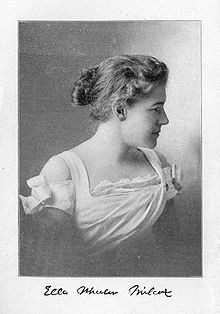
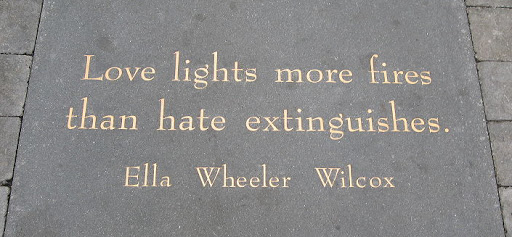
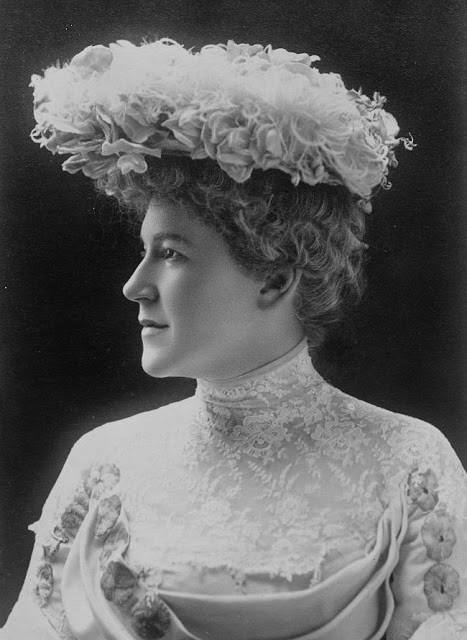
அமெரிக்க கவிஞர் Ella Wheeler Wilcox (1850-1919,),   The Way of The World என்று ஒரு கவிதை எழுதினார்.     The Way of The World 1884 Laugh, and the world laughs with you,
    Weep, and you weep alone ;
For the brave old earth must borrow its mirth,
    It has troubles enough of its own.
Sing, and the hills will answer,
    Sigh ! it is lost on the air ;
The echoes rebound to a joyful sound,
    But shrink from voicing care.
Rejoice, and men will seek you,
    Grieve, and they turn and go ;
They want full measure of all your pleasure,
    But they dont want your woe.
Be glad and your friends are many,
    Be sad and you lose them all ;
There are none to decline your nectard wine,
    But alone you must drink lifes gall.
Feast, and your halls are crowded ;
    Fast, and the world goes by ;
Succeed and give and it helps you live,
    But no man can help you die,
There is room in the halls of pleasure
    For a long and lordly train ;
But one by one we must all file on
    Thro the narrow aisles of pain.
 
 A long and lordly train –


இதை “காரவான்” என்று ஹிந்தி/உர்துவில் சொல்வார்கள்.  சிறு சிறு குழுக்கள் சாரிசாரியாகச் செல்வது!. உலகம் அப்படிப் போய்க்கொன்டிருக்கிறது. ‘இது எங்கு போகிறது என்று கேட்காதீர்கள்- நாமும் சேர்ந்து போகவேண்டும், பின் தங்கி விடக்கூடாது’ என்று ஒரு கருத்து! இதோ, இந்தக் கருத்தில் ஒரு பாடல்.     யே ஹன்ஸ்தா ஹுவா காரவான்   [Ye Hansata Hua Karavan Zindagi KaNa Poocho Chala Hai KidharTamanna Hai Ye Saath Chalte RaheHam Na Beete Kabhi Ye Safar] – [2]Wah Wah Hmm Hmm Hmm

Hmm]

சிரித்து மகிழ்ந்து செல்லும் இந்த ‘வாழ்க்கை” என்னும் பயணிகள் குழு சாரிசாரியாக எங்கு செல்கிறது? ஓ அதைக் கேட்காதே நாமும் அதனுடன் சேர்ந்து செல்லவேண்டும் என்பதே ஆசை! இந்தப் பயணத்தில் நாம் பின் தங்கிவிடக் கூடாது!  

Zameen Se Sitaro Ki Duniya Mein Jaaye Ha HaWahan Bhi Yahi Geet Ulfat Ke Gaye AchhaZameen Se Sitaro Ki Duniya Mein JaayeVahan Bhi Yahi Geet Ulfat Ke GayeMohabbat  Ki Duniya Ho Gham Se BegaanaRahe Na Kisi Ka Bhi Dar Ajee Dar KaisaYe Hansata Hua Karvan Zindagi Ka…….  

இந்த பூமியை விட்டு, அந்த தாரகைகளின் உலகிற்குச் செல்வோம்! அங்கும் இதே காதல் கீதத்தை இசைப்போம்! அந்த அன்பான உலகம் துக்கம் இல்லாமல் இருக்கட்டும்! யாரிடமிருந்தும் பயம் இல்லாமல் இருக்கட்டும்!  

Bahaaron Ke Din Ho Jawaan Ho Najare Aha Ha HaHaseen Chandni Ho Nadee Ke Kinare, Kya Baat HaiNa Aaye Jahan Bhool Kar BadnasibeeBanaaye Wahi Apna Ghar Na Na NaYe Hansata Hua Karavan Zindagi KaNa Poocho Chala Hai KidharTamanna Hai Ye Saath Chalte RaheHam Na Beete Kabhi Ye Safar  

எப்பொழுதும் அங்கு வசந்தம் நிலவட்டும்! காட்சிகள் என்றும் இளமையாக இருக்கட்டும்! அழகிய நதிக்கரையில் இனிமையான நிலவொளி வீசட்டும்! எந்த இடத்தில் தப்பித் தவறியும் துரதிருஷ்டம் வராதோ அந்த இடத்தில் நாம் வீடு கட்டி இருப்போம்! உலகம் சிரித்து மகிழ்ந்து எங்கு போகிறது?  

Song: Ye Hanstahua karavan zindagi  Film: Ek Jhalak 1957 Lyrics: S.H.Bihari Music: Hemant Kumar Singers: Hemant Kumar & Asha Bhonsle YouTube link: https://www.youtube.com/watch?v=0K3yhNy0Grs    

ஹேமந்த் குமாரின் இனிய இசை, இனிய குரல்! உற்சாகமூட்டும் பாடல்! அமெரிக்காவில் ஒருவர் பாடி ஒரு பாட்டு பிரபலமாகிவிட்டால், வேறு பல முன்னணிக் கலைஞர்களும் இசைக்குழுக்களும் அந்தப் பாட்டைப் பாடும்/இசைக்கும். இவற்றை “Version Song” என்று சொல்வார்கள். இந்த முறையை இந்தியாவில் கொண்டு வர முயன்றார்கள்- வெற்றியடையவில்லை! இந்த ஹேமந்த் குமார் பாட்டை முகேஷையும் பாட வைத்தார்கள் (தனியாக-சினிமாவில் அல்ல). அதுவும் நன்றாகவே அமைந்திருக்கிறது என்று நினைக்கிறேன்.  

அதற்கான YouTube link:https://www.youtube.com/watch?v=3lYcliQ86KU இதையும் கேட்டு மகிழுங்கள். இரண்டிற்கும் வீடியோ இல்லை.    

ராஹி தூ மத் ருக் ஜானா   ஹேமந்த் குமாரின் குரலிலேயே இன்னொரு அரிய பாட்டைக் கேட்போம்: அதுவும் எதிர்காலத்தில் நம்பிக்கையூட்டும் பாடல்.


Raahi tu mat ruk jaanaa, toofan se mat ghabaraana  Kabhi to milegi teri manzil  
Kaheen door gagan ki chhaon mein   பயணியே, நீ வழியில் நின்றுவிடாதே புயலைக்கண்டு அஞ்சாதே! உன்னுடைய இலக்கு என்றோ ஒரு நாள் கிடைத்துவிடும் எங்கோ- தூரத்தில் இந்த வானத்தின் கீழே!       

Maana ki gahari hai dhaara   Par hai kaheen to kinaara  Tu bhi mila aasha ke sur mein   Man ka ye ekataara   Kabhi to milegi teri manzil   Kaheen door gagan ki chhaon mein   நீரின் ஓட்டம் ஆழமாக இருக்கிறது- என்பது தெரியும் ஆனால் கரையும் தான்  இருக்கிறதே! ஆசை என்னும் ஸ்வரத்தில் நீயும் உன் மனதின் வீணையைக் கூட்டு! உன்னுடைய இலக்கு என்றோ ஒரு நாள் கிடைத்துவிடும்!


Hote hain mausam ke phere
Raaton ke sang hain savere
Jaake agar lauti hain saansein
Lautenge phir din tere
Jaake agar lauti hain saansein
Lautenge phir din tere
Kabhi to milegi teri manzil
Kahin door gagan ki chhaon mein
Kahin door, kahin door
Kahin door, kahin door, kahin door
   

பருவ காலங்கள் மாறிமாறி வருகின்றன இரவோடு காலையும் வருகிறது விட்ட மூச்சு திரும்பி வந்தால்- உனக்கும் இன்னொரு நாள் வந்துவிடும்! உன்னுடைய இலக்கை என்றோ ஒரு நாள் நிச்சயம் அடைவாய்! அது எங்கோ தூரத்தில் இருந்தாலும் உன் இலக்கு வந்துவிடும்!  

Sabaka hai ooparavaala   Sabako usi ne sambhaala   Jab bhi ghire gam ka andhera   Usane kiya ujiyaala   Kabhi to milegi teri manzil   Kaheen door gagan ki chhaon mein    

நம் எல்லோருக்கும் மேல் இறைவன் இருக்கிறான் அவரே அனைவரையும் காத்துவருகிறார் துன்பம் என்னும் இருள் கவிந்தபோது- அவரே ஓளி வீசச் செய்தார்! இந்தப் பரந்த வானத்தின் கீழே என்றோ ஒரு நாள் உன் இலக்கு கிடைத்தே தீரும்!  

Song: Rahi Tu Mat Ruk Jana Film: Door Gagan Ki Chaon mein 1964 Lyrics: Shailendra Music; Kishore Kumar   Singer: Hemant Kumar YouTube link:  https://www.youtube.com/watch?v=ihO0cLXtUJ0    


இந்தப் பாடல் படத்தில் மூன்று பகுதிகளாக வருகிறது. கிஷோர் குமாரின் இசையில் ஹேமந்த் குமார் பாடியது! ஷைலேந்த்ராவின் அருமையான கவிதை. நல்ல கவிஞன் மக்களுக்கு நம்பிக்கையூட்டும் சொற்களைச் சொல்லவேண்டும்! இது கிஷோர்குமாரின் சொந்தப் படம். அவர் மகன் அமீத்குமாரையும் இதில் நடிக்க வைத்தார் அவரே இயக்கியது.அருமையான பாடல்கள்.   இது The Proud Rebel (1958) என்ற ஆங்கிலப்படத்தின் கதையைத் தழுவியது. பார்க்க வேண்டிய நல்ல படம். இசையையாவது கேட்டு மகிழ்வோம்.  

Kishore Kumar was a creative artiste, multi-faceted genius. Many people may not know that during the Emergency (1975-77), he was asked to attend and perform in a Congress rally. He refused. Sanjay Gandhi banned his songs on the Radio and Door Darshan. Kishore Kumar did not care and did not budge. 

  Attachments area Preview YouTube video yeh hansta hua carvan zindagi ka-Ek Jhalak yeh hansta hua carvan zindagi ka-Ek Jhalak Preview YouTube video ye hansta hua karwan by mukesh a version song ye hansta hua karwan by mukesh a version song Preview YouTube video Rahi tu mat ruk jana..Kishore Kumar_Shailendra_Himant kumar..a tribute      

tag- ஹிந்தி படப் பாடல்கள் – 49
to be continued…………………………