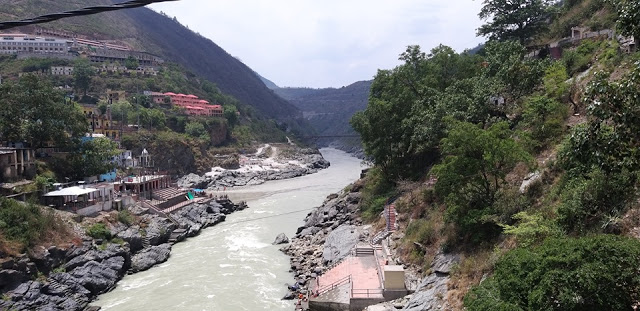
SRI TYAGARAJA-25, Prayer and Petition-1 (Post No.8096)

WRITTEN BY R. NANJAPPA                        

Post No. 8096

Date uploaded in London – – –  3 June 2020   

Contact – swami_48@yahoo.com

Pictures are taken from various sources for spreading knowledge; this is a non- commercial blog. Thanks for your great pictures.

SRI TYAGARAJA-25,               Prayer and Petition-1

As a bhakta, Tyagaraja was soaked in the tradition of true devotion- ie bhakti for its own sake, as an end in itself, and not as a means to any other end. He never sought any boons, and he had strong views on the subject. But before we go to that, we must see what our scriptures say on the subject, so that we may truly appreciate the stand of Tyagaraja.


Booming Boon business!


Our  Itihasa- Puranas contain many interesting features, which most of us do not think much about, in our preoccupation with the main stories. One of them is that many characters from all categories- humans- commoners and kings alike, Asuras, Rakshasas,etc undertake severe penance and other hardships, to please various Deities or acquire some powers. When the Deities appear before them ( they invariably do, soon or late), they seek and obtain boons. And they get damned by these very boons!.

The stories of Visvamitra, Kunti, many kings and asuras are well known. Dasaratha got into difficulty by granting boons to Kaikeyi, but even then his habit of offering to grant boons did not end. When he makes his appearance from Swarga towards the end, he again asks them what boons they want! 

Seeking or granting boons seems to have been a booming business! It seems even God was aware of this trend or tendency! Whenever He or She appeared, they would on their own accord tell the people to ask for boons!

This has percolated down to our popular religious practice. Almost every stotra has a portion containing phalasruti- detailing what benefit would flow out of its recital or japa! So much so, popular religion is no more than a system of prayers, followed by  petitions! (Oh, our old Congress leaders before Sri Aurobindo and Tilak just believed in this national pastime-prayer and petition , but to the British governmentt!)

The Katha Upanishad deals with three boons granted by Yama on his own to Nachiketas, who is but a boy. But Nachiketas only uses them for his enlightenment, in fact to know the mystery behind death. Yama tempts him with many worldly pleasures, and tries to dissuade him from knowing this ultimate mystery, but has to yield in the end.This is in fact the second defeat for Yama at the hand of mortals. Savitri had outwitted him earlier, to get her husband back to life!  ( In the case of Markandeya, it was Lord Siva who dealt with Yama).
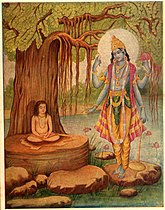
Dhruva
Bhagavata has two stories containing child stars- Dhruva and Prahlada. Both are instructive in their different ways.

Dhruva was prevented from sitting on  the lap of his father King Uttanapada by his stepmother, saying that he should have been born as her son to claim that privilege. Deeply stung, and dejected, he is instructed by his mother to worship Lord Vasudeva, telling him how his ancestors had done so and attained great worldly and spiritual gains. He goes to the forest to do penance, determined to attain an exalted status. Narada visits him there and  tells him that he was a mere child, should not feel hurt by the sense of honour or insult, take everything as the result of karma and return home. But Dhruva is not to be fooled, stands firm like a true kshatriya scion. Seeing his resolve, Narada is pleased and instructs him on how to undertake his penance, imparting him the mantra.Says Narada:

Paricharya Bhagavato   yaavatya: purvasevita:
Taa mantrahrudayenaiva prayunjyaan mantramurtaye
                                                      4.8.58
Our ancestors have worshipped Bhagavan in various ways.They have shown us different methods.. Following them, you must worship Bhagavan who is mantraswarupi with the mantra I have given you.


Evam kayena manasa vachasa cha manogatam

Paricharyamano  Bhagavan  bhaktimatparichryayaa

Pumsaamamaayinaam samyag bhajataam bhavavardhana:

Sreyo disadyabhimatam uaddharmaadishu dehinaam
                                                      4.8.59-60


Bhagavan  ever resides in the heart. When one worships Him, through body,mind and speech with intense devotion and love, Bhagavan intensifies his devotional spirit. He also grants the wishes of the devotee- dharma, artha, kama, moksha, etc.
Viraktaschendriyaratau bhaktiyogena bhuyasa
Tam nirantara bhavena bhaje taaddha vimuktaye. 4.8.61


I
f such a one develops detachment from worldly pleasures, and desires to attain Liberation, he should engage in worship with ceaseless Bhakti.


Dhruva undertakes his tapas accordingly . It becomes so intense by the sixth month that the whole world is shaken.
The Lord appears before him and says:

Vedaaham te vyavasitam hrudi rajanyabalak

Tat prayachchami                                  4.9.19

I know what is in your mind. I grant it to you ( though it is not easy to attain).

That is the eternal “Dhruva” state, which will be honoured even by the stars and the seven Rishis . He also grants Dhruva  the kingship in due course, and all the worldly enjoyments, saying that at the end of it all Dhruva will think of Bhagavan and attain Vaikunta from which there is no return.


In two remarkable passages, in the words of Sage Maitreya Bhagavatam records what exactly happened:

Soapi sankalpajan Vishno: 
Paadasevopa  saaditam
Prapya sankalpa nirvanam
Naatipreetobhyagaatpuram.             4.9.27

  Even though getting his desires fulfilled by worshipping the Feet of Bhagavan,  Dhruva did not feel really contented and returned to his city without feeling any sense of exuberant happiness ( which should have been the case, for one who had had darshan of Bhagavan)


Maatu: sapatnya vaagbaanair 

hrudi viddhastu taan smaran
Naichchan muktipater muktim 
Tasmaat taapamupeyivaan.              4.9.29

Dhruva was hurt by the words of his stepmother and was always keeping that in mind. So, even when Bhagavan appeared before him, he did not obtain the boon of Liberation. Now, having obtained Bhagavan’s darshan, the blemishes of his mind have disappeared and so he realised his fault and felt self-pity. 
Dhruva talks to himself:


Samadhina naika yatpadam
Vidu: Sanandaadaya oordhvaretasa:
Maasairaham shatbhir amushya paadayos-
Chaayaamupetyaapagata:pruthangmati:       .4.9.30

 Nitya Brahmachari Yogis like Sananda controlled their senses and due to the tapas performed in many births got to know the Feet of Bhagavan. But I got the shelter of the Lord’s feet in just six months. But my mind led astray by worldly thoughts, I have been shunted a long way off.

Aho padam amaanatmyam
manda bhagyasya pasyata
Bhavachchida: padamoolam
Gatvaayaache yadantavat.                           4.9.31


Oh What a pity! Look at my senselessness, which has caused this misfortune! I  directly got the Feet of Bhagavan which totally removes the bonds of this samsara, but I only desired a status which is after all impermanent!

Mayaitatpraarthitam vyartham chikitseva gataayushi

Prasadya jagadaatmaanam tapasa dushprasadanam
Bhavachchida mayacheaham bhavam bhagyavivarjita:
                                                                  4.9.34

Whatever I obtained  by pleasing the Lord who cannot be easily pleased by tapas and such means, is totally useless. My effort is useless, like nursing a corpse. Who can be so luckless like me? Bhagavan totally destroys all the bonds of this mundane existence, but I sought the same bonds! Oh, what a pity!


Thus we see that though Dhruva is celebrated and his achievement is not inconsiderable, yet it falls short of the ideal, and he is himself aware of it! That Bhagavan granted him Vaikunta is entirely due to His grace!
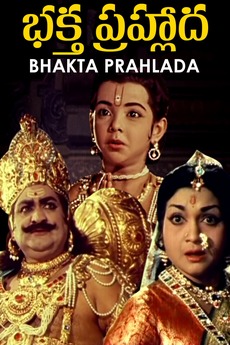


Prahlada

 Prahlada’s case is more interesting, and instructive in a different way. It is too well-known to require repetition here. He too gets instructed by Narada, but even before his birth, when he was a fetus in his mother’s womb! (This itself is a remarkable episode.

There Narada reveals that Prahlada was born with ‘divine sampath’ as we learn in the Gita, though in this case  he is the son of an asura!Please see Bhagavatam,7.7.) But the point is: the Lord appears before him and asks him to seek boons Bhagavan says:

Prahlada bhadra bhadram te

preetoham te asurottama

Varan vruneeshvaabhi matam

Kamapooroasmyaham nrunaam.                     7.9.52

Prahlada! You have attained all good things, May you be blessed in all ways. O the scion of the Asuras, I am very pleased to see you. It is My way to grant the wishes of people. Ask Me whatever boons you desire.

Mamapreenata ayushman  darsanam durlabham hi Me

Drushtva Mam na punarjantur atmanam taptum arhati.

O the one who has obtained long life! It is extremely difficult for one who has not pleased Me to have My darsanam. But after having got My darsanam, the jiva should not have any unfulfilled longing.                  7.9.53

Preenanti hyatha Mam dheera:

sarva bhavena saadhava:

Sreyas kama mahabhaga:

Sarvaasaam asishaam patim.                        7.9.54

I am the one to fulfil all desires. So the intelligent devotees who seek their welfare endeavour to please Me by all means.

Here, Narada says:

Evam pralobhyamaanoapi  vararlokabhralopanai:

Ekantitvad bhagavati naichchat tanasurottama:  7.9.55

Boons  tempt even  the great sadhakas. Though Bhagavan told him repeatedly that He would grant all boons, Prahlada, the best among the asuras, being intent on devotion without seeking returns, did not like the boons.

Bhaktiyogasya tat sarvamantaraayatayaarbhaga:

manyamaano Hrusheekesam smayamaana vuvaach ha.

                                                                         7.10.1

Even though Prahlada was but a child, since he knew that to obtain boons was an obstacle to the path of pure bhakti, he addressed Hrushikesa with a smile:

Prahlada says:

Maa maam pralobhayottyaa

aasaktam kameshu tairvarai:

Tatsanga bheeto nirvinno

mumukshutvaam upasrita:                    7,10.2

O Lord! I am without interest  or attachment  to any worldly pleasure since my birth. Please do not tempt me now with the offer of boons! I have taken refuge with you, in order to get free from all the troubles which arise out of the hosts of worldly desires. I dislike all such desires. They repel my mind.

Bhrutya lakshana jijnasur bhaktam 

kameshvachodayat

Bhavaan samsara bijeshu 

hrudaya grantishu prabho.                   7.10.3

O Prabho! You would like to test me to know whether  I  have got the characteristics of a real bhakta. That is why you are prompting me to ask for boons! Are not the boons desired only for the sake of worldly pleasures? Such desires further tighten the bonds of the heart, and entangle one in the cycle of birth and death.

Nanyatha teakhilaguro ghateta karunatmana:

Yasta aasisha aasaaste  na sa bhrutya:

sa vai vanik.                                     7.10.4
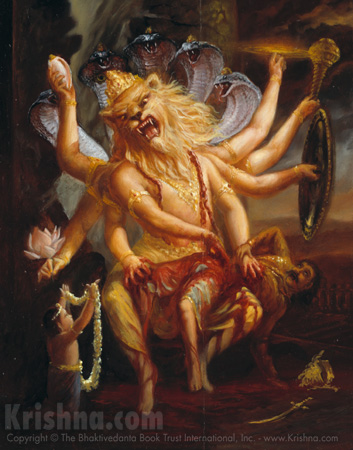
Lord! You are Unequalled. You are the Guru of the entire world. I think you are talking like this only to test me. I can’t think of any other reason. For, you are the embodiment of mercy. ( How then is it fair for you to offer to grant boons, to entangle devotees  further in the bonds of the world?) The one who seeks to fulfil his desires by asking for boons from you, is not your real devotee;no, not at all. He is just a trader, exchanging goods.

(This reminds us of the great words of the Gopis of Vraja that they are the unpaid servants of the Lord- ” asulka daasika:” Gopika Gitam; Bhagavatam 10.31.2)

Aasaasaano na vai bhrutya:

Swamin yaasisha atmana:

Na swami bhrutyata: 

Swamyamichchan yo  raati chasisha:      7.10.5

One who seeks favours from his master is not a true servant. Similarly, one who tries to fulfil his desires just for the sake of getting one’s work done, and to get the status of a master, is not a true master.

Aham tvakamastvad bhaktasvam 

cha swaamyanapasraya:

Naanyathehaava yorartho

Rajasevakayoriva                                   7.10.6

I am your nir-upadika bhakta ( not expecting anything from you). You are a Master who doesn’t want anything from anyone. The relationship between Raja (master) and servant subsists on the basis of some mutual benefit. But the relationship between You and me is not based on any such interest.

Yadi raaseesa me kaamaan 

varaamstvam varadarshabha

Kaamaaaam hrudya samroham 

Bhavatastu vrune varam                               7.10.7

Lord! You are the One who grants boons to even the boon-givers. If You desire that you must grant me some boon, you must only grant me this boon that the seed of desire never sprouts in my mind!

Indriyani mana: prana

Atma dharmo dhritir mati:

Hri sri teja: smriti:

satyam yasya nasyanti janmana                    7.10.8

(I seek this one boon because) Once the seed of desire sprouts in the mind, then the indriyas, manas, prana, body, adherence to dharma, firmness, contentment,buddhi, sense of shame, wealth, peace, memory, adherence to truth- all these will be totally destroyed.

Vimunchati yada kaamaan maanavo  manasi sthitaan

Tarhyeva pundarikaksha  bhagattvaya kalpate.    7.10.9

O the lotus-eyed One! Only when a man  totally removes all traces of desires from his mind, does he become fit to be called your devotee.

Bhagavan confers on Prahlada one boon: that Prahlada may enjoy the pleasures of the Asuras till the end of that kalpa, in order to please Him! But:

Katha madiya jushamaana: priyaastva-

Mavesya mamatmani santamekam

Sarveshu bhuteshvadhi  yajnameesam

Yajasva yogena cha karma hinvan.         7.10.12

Yajnas constitute My body. I reside within all jivas. Think of Me in your heart, without any sense of differentiation. Keep listening to My stories which are dear to you. Worship Me through all the karmas you perform. Offer the fruits of all karmas to Me. Through this, destroy the fruits of karmas yet to be performed.

Bhogena punyam kusalena papam

kalevaram kalajavena hitva

kirtim vishuddham  suraloka gitam

Vidaya Mameshyasi  mukta bandha:       7.10.13

By enjoying the pleasures of the world, destroy the result of your punya karmas. Destroy your sins by performing your karmas without desire or attachment. Shed your body which has resulted from your prarabda karma by the force of Time (Kala. ie the body will go when the time is up).

Thereafter, come and join Me. Your fame will be sung and celebrated  by the residents of Devaloka.

This is a longish quotation. But this section is  of the utmost practical significance for all sincere sadhakas. Many pauranikas relate the story of Dhruva and Prahlada but these slokas are not explained. We must bear them in mind before we see what Tyagaraja has to say on the subject. We may also note here how the secrets of Upasana have been revealed by the Lord Himself.

To be continued   …………………..
MYSTERIOUS SOUND IN BENGALURU, MAHABHARATA AND USA (Post No.8095)

WRITTEN BY LONDON SWAMINATHAN

Post No. 8095

Date uploaded in London – 3 June 2020       

Contact – swami_48@yahoo.com

Pictures are taken from various sources for spreading knowledge; this is a non- commercial blog. Thanks for your great pictures.

tamilandvedas.com, swamiindology.blogspot.com

MYSTERIOUS SOUND IN BENGALURU, MAHABHARATA AND USA (Post No.8095)

People have been wondering about mysterious sounds heard now and then from the days of Mahabharata i.e.3150 BCE.

I can even go back to the Rig Vedic days i.e. 4000 BCE to 6000 BCE dated by Bala Gangadhara Tilak and Herman Jacobi. The world’s first phonologist and acoustical engineer cum Rig Vedic poet Mr Long Darkness ( Dirgatamas) sings about four different sounds in Rig Veda hymn 1-164-45. Dirgatamas (in English Mr Long Darkness), the world’s first blind poet sings about four different sounds Para, Pashyanti, Madhyama and Vaikhari. Of the four sunds, Vaikhari is the  only one is heard by humans. So Sound research was mastered by the Hindus before 4000 BCE.

Now to Bengaluru,

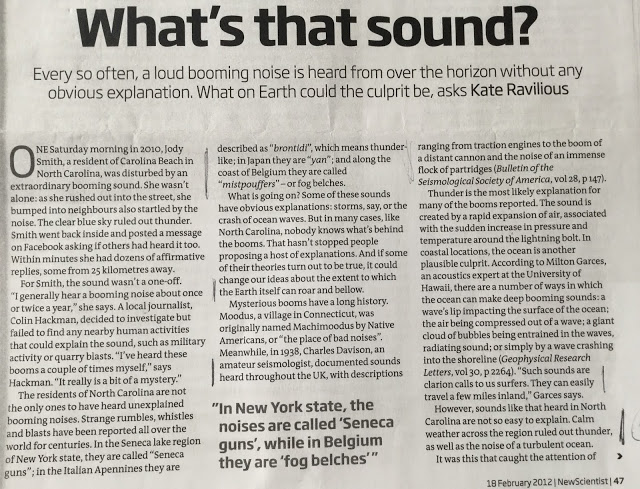
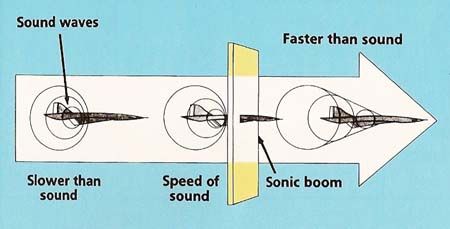
On My 20, 2020 Bangaloreans heard a mysterious sound . Lot of tweets messages and e mails were exchanged between people and later came the explanation from a defence expert that ‘it is PROBABLY a sonic boom’. Here is the news item. After reading it please read the NEW SCIENTIST magazine article on mysterious sounds heard around the world (attached herewith).

Bengaluru: The mystery of the strange loud ‘earthquake-like’ thunderous sound heard by thousands in Karnataka’s Bengaluru on Wednesday (May 20,2020) has finally been unravelled.

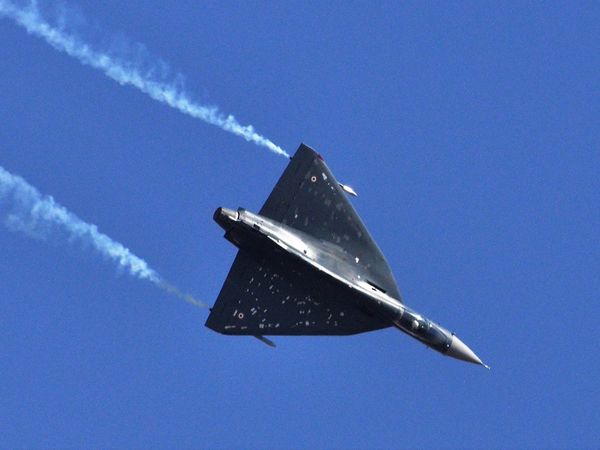
A clarification given by the Ministry of Defence said the ‘Bangalore sound’ heard earlier today probably related to Indian Air Force’s (IAF’s) routine testing of aircraft involving “supersonic profile”.   

It was a routine IAF test flight involving a “supersonic profile” which took off from Bengaluru Airport and flew in the allotted airspace well outside city limits, the Ministry of Defence spokesperson said in the clarification.

The aircraft belonged to the Aircraft Systems & Testing Establishment (ASTE), whose test pilots and flight test engineers routinely test out all aeroplanes, it added.

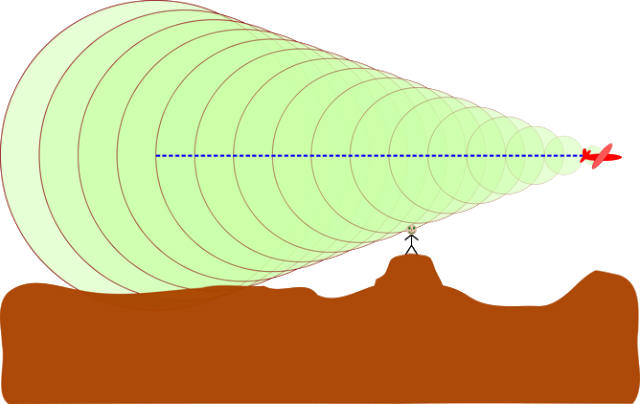
“The sonic boom was PROBABLY heard while the aircraft was decelerating from supersonic to subsonic speed between 36,000 and 40000 feet altitude,” the statement, as per ANI, said.  

“The aircraft was far away from the city limits when this occurred. The sound of a sonic boom can be heard and felt by an observer even when the aircraft is flying as far away as 65 to 80 kilometres away from the person,” it added. 

The explanation comes as a relief for fact-checkers, as bizarre rumours circulated on the internet around the involvement of “aliens” and “extra-terrestrials” as the ‘mystery’ went unsolved for many hours.   

xxxx

Mahabharata and Sri Lanka

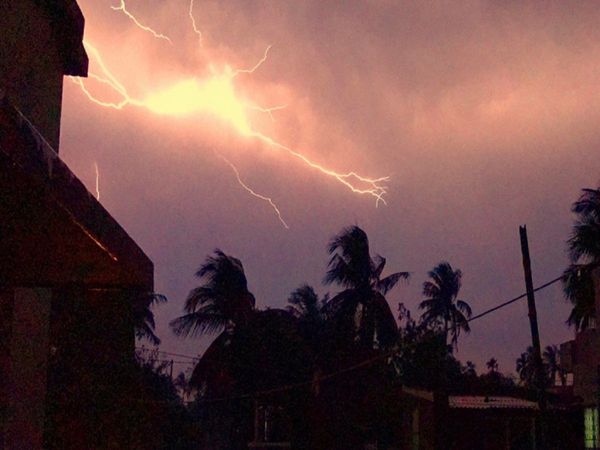
In the Mahabharata , when the bad omens were described which  foretold the impending war, roaring sounds from the sky is also listed. It is clearly told that the sounds were heard when there were no clouds.

Singing Fish of Sri Lanka in Kallady, under Lady Manning Bridge, Batticoala) is also known for long time .Mysterious sound comes from the sea.

According to tradition, between April and September a strange noise – described variously as resembling a plucked guitar or violin string, or the sound produced by rubbing a wet finger around the rim of a glass – can be heard from the depths of the lagoon. The “singing” is allegedly strongest on full moon nights, though no one knows exactly what causes it.

The most popular explanation is that it’s produced by some form of marine life – anything from catfish to mussels – while another theory states that it’s made by water flowing between boulders on the lagoon floor.

Singing Dunes and Whale Songs

We already know about whale songs in the oceans and singing dunes in deserts around the world. But yet the mysterious sounds heard from the sky from the days of Mahabharata are not explained satisfactorily. We know that there were no supersonic flights creating Sonic Booms during Mahabharata times.

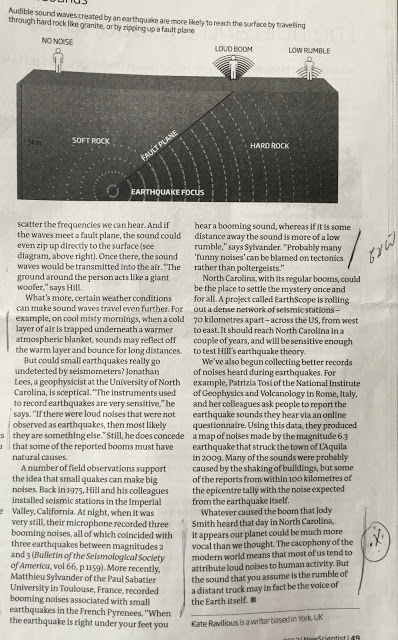
The New Scientist article by Kate Ravillious on 18th February 2012 is very interesting. It is about booming sounds heard in Carolina beach in North Carolina

Such sounds are heard around the world and their names are

Seneca Guns – Seneca Lake, New York;

Bronttidi – Italian Apennines ;

Yan in Japan;

Mistpouffers (Fog Belches)  – Belgium

Machimodus , Connecticut – USA

North Carolina Beach – USA

Barisal Guns – Bangladesh

Seeschießen (sea/lake gunshots)- Netherlands

Kate’s article on ‘What is that Sound?’ finishes beautifully:-

“Whatever caused the boom that Jody Smith heard on that day in North Carolina, it appears our planet could be much more vocal than we thought. The cacophony of the modern world means that most of us tend to attribute loud noises to human activity. But the sound that you assume is the rumble of a distant truck may in fact be the Voice of the Earth itself.”

See the attachments :-

tags Mysterious sound, sonic boom, Bengaluru, North Carolina

ஹிந்தி படப் பாடல்கள் – 56 – இரு மணிகள் – ஜானி வாக்கர்! (Post No.8094)

WRITTEN BY R. NANJAPPA                        

Post No. 8094

Date uploaded in London – – –3  June 2020   

Contact – swami_48@yahoo.com

Pictures are taken from various sources for spreading knowledge; this is a non- commercial blog. Thanks for your great pictures.

ஹிந்தி படப் பாடல்கள் – 56 – இரு மணிகள் – ஜானி வாக்கர்!

R. Nanjappa

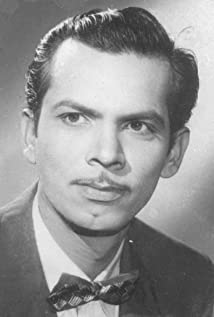
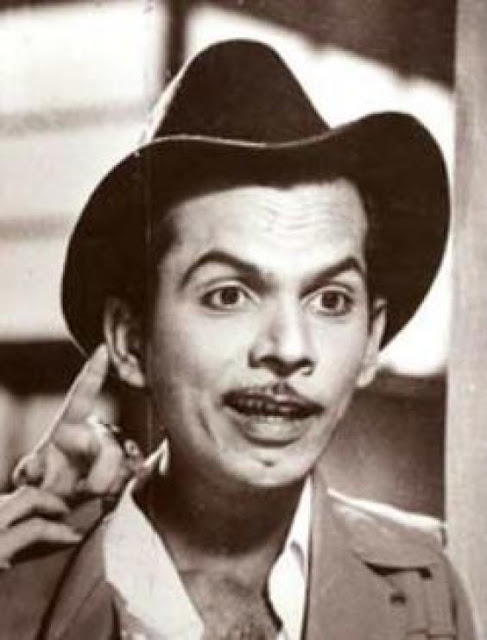
ஜானி வாக்கர்!

இந்திய திரைப்படங்களில் காமெடி நடிகருக்கு சிறப்பிடம் உண்டு. இது நமது காவிய இலக்கிய மரபும் கூட, நாயகனுடன் விதூஷகனும் இருப்பான்! ஆனால் அவனால் பல முக்கிய வேலைகள் நடைபெறும்!

ஹிந்தித் திரையில் காமெடியில் தனி முத்திரை பதித்தவர் ஜானி வாக்கர். (1926-2003) இவர் ஒரு காலத்தில் மிகப் பிரபலமடைந்து அவர் பெயரிலேயே ஒரு படம் வந்தது!

இவர் நாசூக்காக விரசமில்லாமல் நடிப்பார். இவருக்கு ஒரு அதிருஷ்டம்: பல படங்களில் இவருக்கு நல்ல பாடல்கள் அமைந்து ஹிட் ஆயின! முஹம்மது ரஃபியின் குரல் இவருக்கு மிகவும் பொருந்தும் அல்லது ரஃபி அப்படிப் பாடுவார்! இவருக்கு ரஃபி பாடிய இரு பாடல்களைப் பார்க்கலாம்.

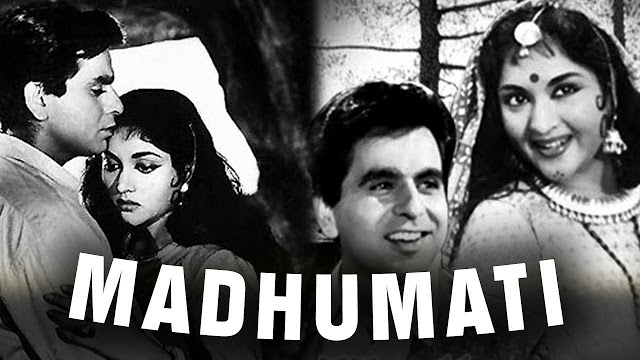
ஜங்கல் மே மோர் நாசா

जंगल में मोर नाचा
किसी ने ना देखा हाय
हम जो थोड़ीसी पी के ज़रा झूमे
हाय रे सबने देखा
जंगल में मोर नाचा


गोरी की गोलगोल अँखियाँ शराबी
कर चुकी हैं कैसेकैसों की खराबी
इनका ये ज़ोर ज़ुल्म किसी ने ना देखा
हम जो थोड़ी सी

किसी को हरेहरे नोट का नशा है
किसी को बूटसूट कोट का नशा है
यारों हमें तो नौ टांक का नशा है
हम जो थोड़ी सी…  

ஜங்கல் மே மோர் நாசா கிஸீ நே நா தேகா ஹாய்

ஹம் ஜோ தோடீ ஸீ பீகே ஃஜரா ஜூமே

ஹாய் ரே ஸப்னே தேகா

ஜங்கல் மே மோர் நாசா….

காட்டில் மயில் ஆடியது யாரும் பார்க்கவில்லை

நான் ஏதோ சிறிதுசரக்கைஉள்ளே தள்ளி சிறிது ஆடினேன்

எல்லோரும் பார்த்து விட்டார்கள்

காட்டில் மயில் ஆடியதை யார் பார்த்தார்கள்?

கோரீ கீ கோல் கோல் ஆங்கியா ஷராபீ

கர் சுகீ ஹை கைஸே கைஸே கோ கராபீ

இன் கா யே ஜோர் ஜுல்ம் கிஸி னே நா தேகா

ஹம் ஜோ தோடீ ஸீ….

அழகியின் உருண்ட கண்கள் போதை தருவன

யார் யார்  மனதை எல்லாமோ கெடுத்துவிட்டன

இவளின் இந்த பொல்லாங்கை யாரும் கண்டுகொள்ளவில்லை!

நான் ஏதோ சிறிது குடித்துவிட்டு சிறிது ஆடினேன்

எல்லோரும் பார்த்துவிட்டார்கள்!

கிஸீ கோ ஹரே ஹரே நோட் கா நஷா ஹை

கிஸீ கோ பூட்ஸூட்கோட் கா நஷா ஹை

யாரோ ஹமே தோ நௌடாங்க் கா நஷா ஹை

ஹம் ஜோ தோடீஸி

சிலருக்கு புதிய புதிய ரூபாய் நோட்டின் மீது போதை!

சிலருக்கு பூட்சூட்கோட் என்று  போதை

அரே, எனக்கென்னவோ சிறிது ஆட்டம்பாட்டம் என்றால் போதை

நான் ஏதோ சிறிது குடித்துவிட்டு சிறிது ஆடினால் எல்லோரும் பார்க்கிறார்கள்!

காட்டில் மயில் ஆடியதை யார் பார்த்தார்கள்!

Song: Jungle mein mor nacha Film: Madhumati 1958 Lyrics: Shailendra

Music : Salil Chaudhury  Singer. Mohammad Rafi

YouTube link: https://www.youtube.com/watch?v=Ut60A4vwHlE

இந்தப் பாட்டில் ரஃபியின் குரலும் ஜானி வாக்கரின் குரலும் நடிப்பும் எப்படி ஒத்துப் போகிறது பாருங்கள்!

இதில் ஒரு முக்கிய அம்சம் என்னவெனில் ரஃபி, ஜானி வாக்கர் இருவருமே பாட்டிலைத் தொடாதவர்கள்!

[“Jungle mein more nacha kis ne dekha” is a Hindi proverb. It means that even good things should be widely known to get appreciation.]

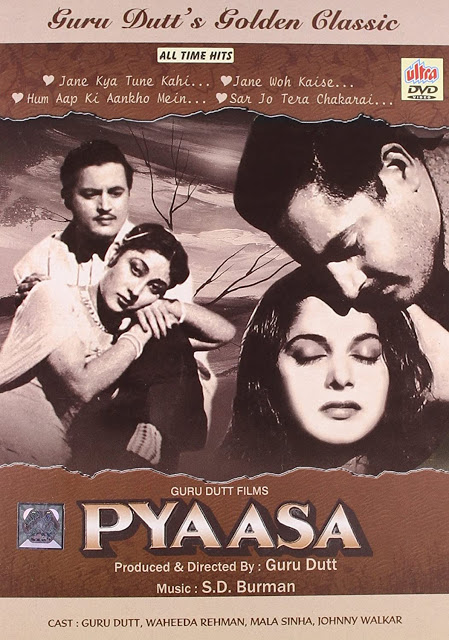
ஸர் ஜோ தேரா சக்ராயே

सर जो तेरा चकराये  या दिल डूबा जाये
आजा प्यारे पास हमारे
काहे घबराये, काहे घबराये

तेल मेरा है मुस्की
गंज रहे ना ख़ुस्की
जिसके सर पर हाथ फिरा दूँ
चमके क़िस्मत उसकी
सुन सुन सुन, अरे बेटा सुन
इस चम्पी में बड़ेबड़े गुण
लाख दुखों की एक दवा है
क्यूँ ना आजमाये
काहे घबराये, काहे घबराये
सर जो तेरा चकराए

प्यार का होवे झगड़ा
या बिज़नस का हो रगड़ा
सब लफड़ों का बोझ हटे
जब पड़े हाथ इक तगड़ा
सुन सुन सुन, अरे बाबू सुन
इस चम्पी में बड़ेबड़े गुण
लाख दुखों की एक दवा है
क्यूँ ना आजमाये
काहे घबराये, काहे घबराये
सर जो तेरा चकराए

नौकर हो या मालिक
लीडर हो या पब्लिक
अपने आगे सभी झुके हैं
क्या राजा, क्या सैनिक
सुन सुन सुन, अरे राजा सुन
इस चम्पी में बड़ेबड़े गुण
लाख दुखों की एक दवा है
क्यूँ ना आजमाये
काहे घबराये, काहे घबराये
सर जो तेरा चकराए… 

தேல் மாலிஷ், சம்பீய்!

ஸர் ஜோ தேரா சக்ராயே யா தில் டூபா ஜாயே

ஆஜா ப்யாரே, பாஸ் ஹமாரே

காஹே கப்ராய், காஹே கப்ராய்

தேல் மேராஹை முஸ்கீ

கஞ்ச் ரஹே நா குஸ்கீ

ஜிஸ்கே ஸிர்பர் ஹாத் ஃபிரதூ(ன்)

சம்கே கிஸ்மத் உஸ்கீ

ஸுன் ஸுன் ஸுன், அரே பேடா ஸுன்

இஸ் சம்பீமே படே படே குன்

லாக் துகோ(ன்) கீ ஏக் தவாஹை

க்யூ(ன்)   நா ஆஜ்மாயே

காஹே கப்ராயே, காஹே கப்ராயே

தலைக்கு மாலிஷ் செய்துகொள்ள வேண்டுமா?

தலை சுற்றுகிறதா? மனம் நொந்துபோயிருக்கிறதா?

அப்பனே, என்னிடம் வா! ஏன் பயப்படுகிறாய்!

என் தைலம் மருந்து போன்றது

அரிப்பெல்லாம் போய்விடும், வரட்சியும் போய்விடும்!

யார் தலையில் தான் கைவைத்து மாலிஷ் செய்கிறேனோ,

அவர்களுக்கு நல்ல காலம் பிறந்துவிடும்!

அரே பேட்டா, சொல்வதைக் கேள்

இந்த மாலிஷ் நல்ல  குணமுள்ளது!

லட்சம் தொந்தரவுகளுக்கு இது ஒரே மருந்து!

நீ ஏன் செய்து பார்த்துக்கொள்ளக்கூடாது?

ஏன் பயப்படுகிறாய்?

ப்யார் காஹோவே ஜக்டா

யா பிஸினஸ் கா ஹோ ரக்டா

ஸப் லஃப்டோ(ன்) கா போஜ் ஹடே

ஜப் படே ஹாத் இக் தக்டா

ஸுன் ஸுன் ஸுன், அரே பாபு ஸுன்

இஸ் சம்பீ மே படே படே குன்

லாக் துகோ(ன்) கீ ஏக் தவாஹை

க்யூ(ன்) ஆஜ்மாயே

காஹே கப்ராய்….

காதல் விவகாரத்தில் சண்டையா?

பிஸினஸ் பிரச்சினையா?

என் வலிய கை தலைமேல் பட்டால் போதும்– 

அத்தனை தொந்தரவுகளும் ஓடிப்போய்விடும்!

அரே பாபு, நான் சொல்வதைக் கேள்

இந்த மாலிஷுக்கு நல்ல குணமுண்டு

லட்சம் பிரச்சினைகளுக்கு இது ஒரே தீர்வு

நீ ஏன் இதைச் செய்து பார்க்கக்கூடாது?

ஏன் பயப்படுகிறாய்?

நௌகர் ஹோ யா மாலிக்

லீடர் ஹோ யா பப்லிக்

அப்னே ஆகே ஸபீ ஜுகே ஹை

க்யா ராஜா க்யா ஸைனிக்

ஸுன் ஸுன் ஸுன், அரே ராஜா ஸுன்

இஸ் சம்பீமே படே படே குன்

லாக் துகோ கீ ஏக் தவாஹை

க்யூ(ன்) நா ஆஜ்மாயே

காஹே கப்ராயே..
வேலைக்காரனோ, எஜமானோ

தலைவனோ, தொண்டனோ

என் முன் எல்லோரும் தலை குனிகிறார்கள்!.
ராஜாவும் சிப்பாயும் அப்படித்தான் தலை குனிகிறார்கள்!

ராஜா, நான் சொல்வதைக் கேள்

இந்த மாலிஷில் நல்ல பயன் உண்டு

லட்சம் பிரச்சினைகளுக்கு இது ஒரே மருந்து

நீ ஏன் செய்து பார்க்கக்கூடாது?

ஏன் பயப்படுகிறாய்?

Song: Sar jo tera chakraaye  Film: Pyaasa, 1957 Lyrics: Sahir Ludhianvi

Music : S.D.Burman  Singer: Mohammad Rafi

YouTube link: https://www.youtube.com/watch?v=rJiohcg-gKo

This is a legendary, truly iconic song.

இங்கும் பாருங்கள்- குரல் ஒற்றுமை! ஜானி வாக்கரின் முக பாவனைக்கும் சேஷ்டைகளுக்கும் ஏற்ப ரஃபியின் குரலில் மாற்றங்கள், ஏற்ற இறக்கங்கள்!

ரஃபி, ஜானி வாக்கர் இருவரும் Made for each other என்று தோன்றுகிறது!

இதற்கு இசை எஸ்.டி. பர்மன் என்று போட்டாலும், இந்த மெட்டு முதலில் ஆர்.டி பர்மனுக்கே உதித்தது என்று சொல்கிறார்கள்!

ஜானி வாக்கருக்காக ரஃபி அனேக ஜன ரஞ்சகமான பாட்டுக்கள் பாடியிருக்கிறார்.

ரஃபி, ஜானி வாக்கர் இருவரும் சொந்த வாழ்க்கையிலும் நல்லவர்கள். புகழின் உச்சியில் இருக்கும் போது, காமெடி அசிங்கப்படுவது கண்டு ஜானி வாக்கர் நடிப்பதை நிறுத்தினார். ‘குழந்தை குட்டிகளுடன் படம் பார்க்க வருகிறாகள்  என்று தெரியும், அதற்குத் தகுந்தபடிதான் காமெடி இருக்கவேண்டும், அப்படி இல்லாத இடம் எனக்கு வேண்டாம்’ என்று ஒதுங்கி விட்டார்.

தமிழில் “ஹலோ மிஸ்டர் ஜமீன்தார்” படத்தில் இப்பாடலின் கருத்தில் ஒரு பாட்டு இருந்தது என்று நினைவு.

This is a tribute to a great actor and good person.

Attachments area

Preview YouTube video Madhumati -Jangal Mein Mor Nacha

Madhumati -Jangal Mein Mor Nacha

Preview YouTube video Sar Jo Tera Chakraye – Johnny Walker, Mohammed Rafi, Pyaasa Song

Sar Jo Tera Chakraye – Johnny Walker, Mohammed Rafi, Pyaasa Song

பாரத ஸ்தலங்கள்! – 2 (Post No.8093)

WRITTEN BY S NAGARAJAN                     

Post No. 8093

Date uploaded in London – – – 3 June 2020   

Contact – swami_48@yahoo.com

Pictures are taken from various sources for spreading knowledge; this is a non- commercial blog. Thanks for your great pictures.

பாரத ஸ்தலங்கள்! – 2

ச.நாகராஜன்

பாரத ஸ்தலங்களின் பட்டியல் தொடர்ச்சி..

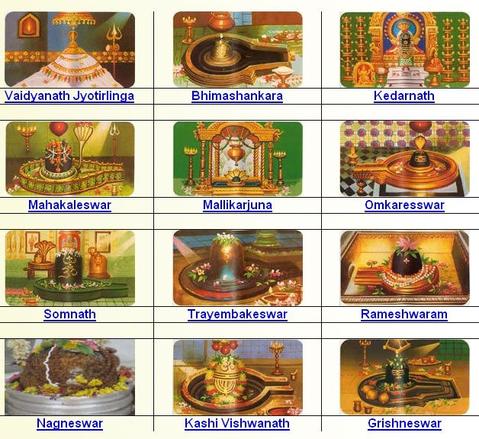
10. துவாதச ஜோதிர்லிங்க ஸ்தலங்கள்

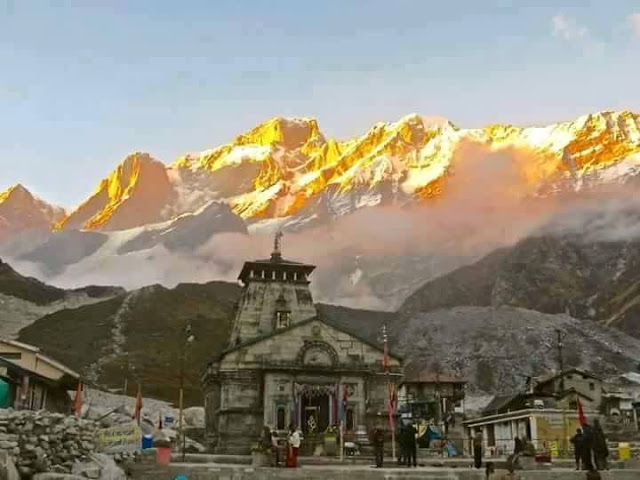
1. சோமநாத் (குஜராத்) 2.மல்லிகார்ஜுனம் (ஆந்திர பிரதேசம்) 3. மஹாகாலேஸ்வர் (மத்ய பிரதேசம்) 4. கேதார்நாத் (உத்தரகண்ட்) 5. ஓங்காரேஸ்வரர் (மத்ய பிரதேசம்) 6. பீமா ஷங்கர் (மஹராஷ்டிரம்) 7. காசி விஸ்வநாதர் ( உத்தர பிரதேசம்) 8. த்ரியம்பகேஸ்வர் (மஹராஷ்டிரம்) 9. வைத்யநாத் (ஜார்கண்ட்) 10. நாகேஸ்வரர் (உத்தரகண்ட்) 11.ராமேஸ்வரம் (தமிழ்நாடு) 12. குஷ்மேஷ்வர் (ராஜஸ்தான்)

*

11.108 சக்தி பீடங்கள்

கட்டுரை எண் : 7335  வெளியான தேதி : 13-12-2019 காண்க.

*

12. 108 வைஷ்ணவ திருப்பதிகள்

ஆந்திர பிரதேசம் மற்றும் வட இந்தியா

1. திருமலா (திருப்பதி) ஆந்திர பிரதேசம்  2. அஹோபிலம் ஆந்திர பிரதேசம் 3. முக்திநாத், சாலிகிராமம் நேபாளம் 4. நைமிசாரண்யம் உ.பி. 5. மதுரா உ.பி. 6. கோகுலம் உ.பி. 7. ரகுந்தாதர் ஆலயம் உத்தர்கண்ட் 8.பத்ரிநாத் ஆலயம் உத்தர்கண்ட் 9. ஜ்யோதிமட்  உத்தர்கண்ட் 10. அயோத்யா உ.பி. 11. த்வாரகா குஜராத்.

மலைநாடு

12. ஸ்ரீ பத்மநாபஸ்வாமி ஆலயம், திருவனந்தபுரம் 13. திருகட்கரை 14. மூழிக்களம் 15. திருவல்லா 16. திருகடிதானம் 17. செங்குன்றூர் 18. திருப்புள்ளியூர் 19. திருவாரன்விளை 20. திருவான்வந்தூர் 21. திருநாவாய் 22. வித்துவக்கோடு

மதுரை

23. திருமயம் 24. திருக்கோஷ்டியூர் 25. கூடல் அழகர் பெருமாள் கோவில் 26. அழகர்கோவில் 27.திருமோகூர் 28. ஸ்ரீ வில்லிப்புத்தூர் 29. திருத்தங்கள் 30. திருப்புல்லாணி

காஞ்சிபுரம்

31. திருக்கச்சி 32. அஷ்டபுஜகரம் 33. திருவெஃகா 34. திருத்தண்கா (தூப்புல்) 35.திருவேளுக்கை 36. திருக்கள்வனூ 37.திரு ஊரகம் 38. திரு நீரகம் 39. திருக்காரகம் 40. திருக்கார்வானம் 41. திருப்பரமேஸ்வர விண்ணகரம் 42. திருப்பவளவண்ணம் 43. திருப்பாடகம் 44. நிலாத் திங்கள் துண்டம் பெருமாள் கோவில் 45. திருப்புட்குழி

சென்னை

46. திருவல்லிக்கேணி 47. திருநீர்மலை 48. திருவாடானை 49. திருக்கடல்மல்லை 50. திருநின்றவூர் 51. திருவள்ளூர் 52. திருக்கடிகை

மயிலாடுதுறை மற்றும் சீர்காழி

53. திருவழுந்தூர் 54. திருவிந்தளூர் 55. காழீசிரம விண்ணகரம் 56. திருக்காவளம்பாடி 57.திருச்செம்பொன்சேய் 58. திரு அரிமேய விண்ணகரம் 59. திரு வண்புருஷோத்தமம் 60. திருவைகுந்த விண்ணகரம் 61. திருமணிமாடம்

62. திருதேவனார்தொகை 63. திருத்தெற்றியம்பலம் 64. திருமணிக்கூடம் 65.திருவெள்ளக்குளம் 66. திருப்பார்த்தன்பள்ளி 67. தலை சங்க நன்மதியம் 68. திருச்சிறுபுலியூர் 69. திருவாலி-திருநகரி

தஞ்சாவூர்

70. திருச்சித்ரகூடம் 71. திருக்கண்ணன்குடி 72. திருநாகை 73. திரு தஞ்சை 74. திருக்கூடலூர் 75. திருக்கவித்தாலம் 76. திரு ஆதனூர் 77. திருப்புள்ள பூதங்குடி 78. திருக்குடந்தை 79. திருச்சேறை 80. திருநந்திபுர விண்ணகரம் 81. திருநாரையூர் 82. திரு விண்ணகர் 83. திரு வெள்ளியங்குடி 84. திருக்கண்ண மங்கை 85. திருக்கண்ணபுரம் 86. திருவந்திபுரம் 87. திருக்கோவலூர் 88. திருக்கண்டியூர்

திருச்சி

89. ஸ்ரீரங்கம் 90. திருக்கோழி 91. திருகரம்பனூர் 92. திருவெள்ளறை 93. திரு அன்பில் 94. திருப்பேர் நகர்

திருநெல்வேலி

95. திருவரமங்கை 96. திருக்குறுங்குடி 97. ஸ்ரீவைகுந்தம் 98. திருவரகுணமங்கை 99. திருப்புளிங்குடி 100. திருக்குறுகூர் 101. திருத்துளை வில்லி மங்கலம் 102. திருக்கோளூர் 103. திருக்குளந்தை 104. தென் திருப்பேரை

கன்யாகுமரி

105. திருவட்டாறு 106. திருவன்பரிசரம்

விண்ணுலகம்

107. திருப்பாற்கடல் 108. பரமபதம்

108 திருப்பதிகளை சுலபமாக நினைவில் கொள்ள நூற்றெட்டு திருப்பதியகவல் உள்ளது ( 59 அடிகள் கொண்டது இந்த அகவல்)

*

13. அறுபடை வீடுகள்

1. திருப்பரங்குன்றம்  2. திருச்செந்தூர் அல்லது திருச்சீரலைவாய் 3. திருவாவினன் குடி (பழனி)   திருத்தணி 4. திருவேரகம் (சுவாமிமலை) 5.திருத்தணி 6. பழமுதிர்சோலை

*

14. பஞ்ச சபைகள்

1.ஆலங்காடு – இரத்தின சபை 2. குற்றாலம் – சித்திர சபை 3. சிதம்பரம் – கனக சபை (பொன்) 4. நெல்வேலி – தாமிர சபை 5. மதுரை – இரஜத சபை (வெள்ளி)

*

15. பஞ்ச பூத ஸ்தலங்கள்

1. திருவாரூர், காஞ்சி – பிருத்வி – நிலம்

2. திருவானைக்கா – அப்பு – நீர் 3. திருவண்ணாமலை – தேயு – தீ 4. திருக்காளத்தி – வாயு – காற்று 5. சிதம்பரம் – ஆகாயம் – விசும்பு அல்லது வான்

*

at Vdidhyanatham, Jyotirlinga sthala

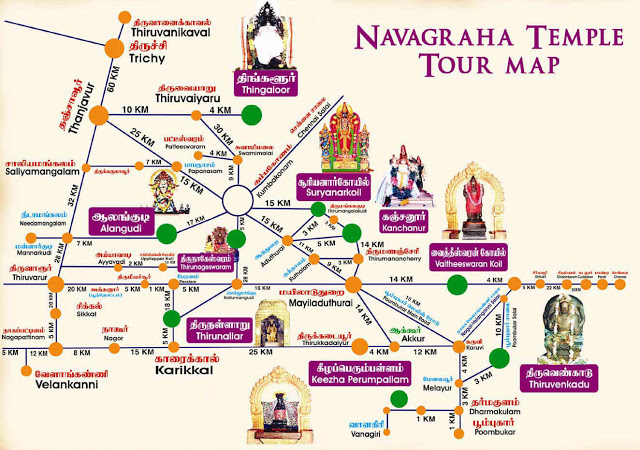
16. நவகிரஹ ஸ்தலங்கள்

அனைத்து தலங்களும் தமிழ்நாட்டில் உள்ளவை.

1. சூரியனார் கோவில் – சூரியன் – கஞ்சனூரை அடுத்து 2 கிலோமீட்டர் தொலைவில் உள்ளது.

2. திங்களூர் – சந்திரன் (சூரியனார் கோவிலிலிருந்து திருவையாறு செல்லும் பாதையில் திருவையாற்றுக்கு நான்கு கிலோமீட்டர் முன்னதாக அமைந்துள்ள தலம் இது)

3. வைத்தீஸ்வரன் கோவில் – செவ்வாய் (மாயவரத்திலிருந்து 15 கிலோமீட்டர் தொலைவில் உள்ளது)

4. திருவெண்காடு – புதன்

5. ஆலங்குடி – வியாழன் (குரு) (கும்பகோணத்திலிருந்து 17 கிலோமீட்டர் தொலைவில் உள்ளது)

6. கஞ்சனூர் – சுக்கிரன் (மாயவரத்திலிருந்து திருவையாறு செல்லும் பாதையில் 25 கிலோமீட்டர் தொலைவில் உள்ளது)

7. திருநள்ளாறு – சனி (காரைக்காலிலிருந்து 3 கிலோமீட்டர் தூரத்தில் உள்ளது)

8. திருநாகேஸ்வரம் – ராகு (கும்பகோணத்திற்கு அருகில் மூன்று கிலோமீட்டர் தொலைவில் உள்ளது இது)

9. மேலப்பெரும்பள்ளம் – கேது (காரைக்கால் தரங்கம்பாடி வழியே பூம்புகார் செல்லும் வழியில் மேலையூருக்கு அருகில் உள்ள தலம் இது)

tags – பாரத ஸ்தலங்கள்! – 2

***************

4 கழுதைப் பழமொழிக ளைக் கண்டுபிடியுங்கள் (Post No.8092)

WRITTEN BY LONDON SWAMINATHAN

Post No. 8092

Date uploaded in London – 2 June 2020       

Contact – swami_48@yahoo.com

Pictures are taken from various sources for spreading knowledge; this is a non- commercial blog. Thanks for your great pictures.

tamilandvedas.com, swamiindology.blogspot.com

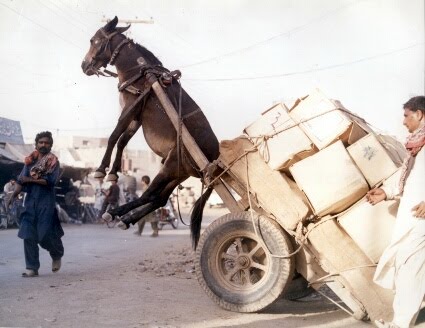
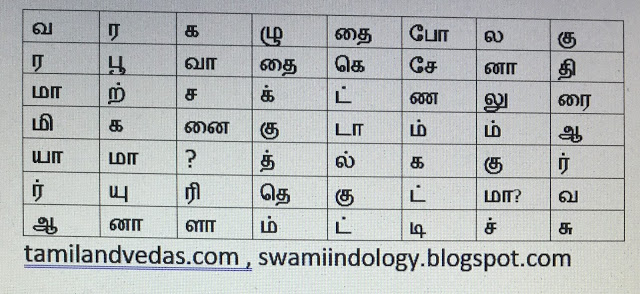
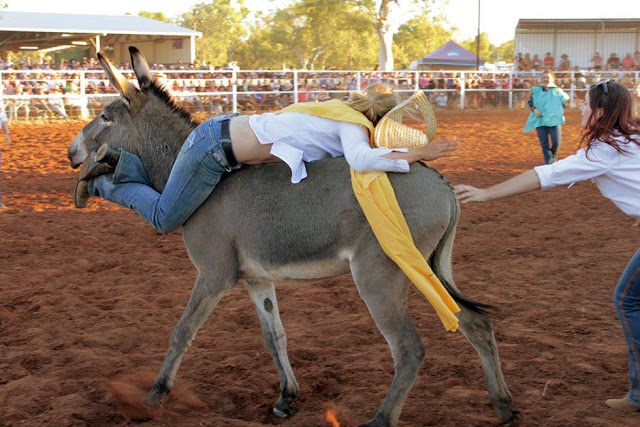
ஒரே சொல் மீண்டும் மீண்டும் வந்தால் ஓரிரு இடங்களில் மட்டுமே கட்டத்தில் இருக்கும். கொண்டு கூட்டி பொருள் கொள்க . விடை கீழே உள்ளது . சில நேரங்களில் படங்களைப் பார்த்தாலும் விடை காண உதவலாம்.

விடை

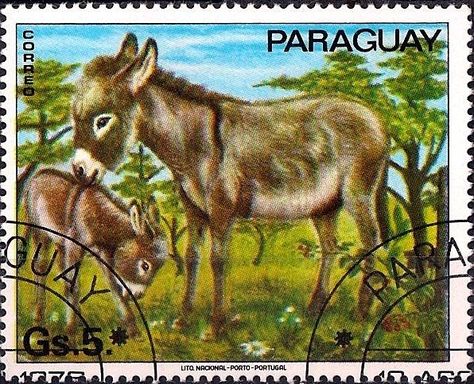
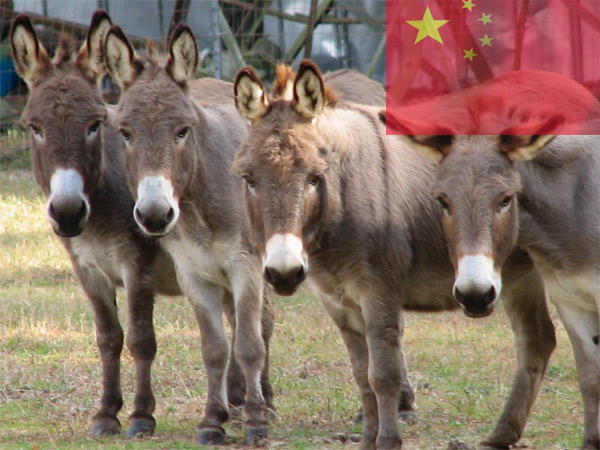
வர வர மாமியார் கழுதை போல ஆனாளாம்

கழுதை கெட்டால் குட்டிச்  சுவர்

கழுதைக்குத் தெரியுமா கற்பூர வாசனை

கழுதைக்கு சேணம் கட்டினாலும் குதிரை  ஆகுமா?

Source book :–

பயன்படுத்திய நூல்- கழகப் பழமொழி அகர  வரிசை, கழக வெளியீடு

-tags —  கழுதை, பழமொழி

ஆங்கில மொழி விநோதங்கள் (Post No.8091)

WRITTEN BY LONDON SWAMINATHAN

Post No. 8091

Date uploaded in London – 2 June 2020       

Contact – swami_48@yahoo.com

Pictures are taken from various sources for spreading knowledge; this is a non- commercial blog. Thanks for your great pictures.

tamilandvedas.com, swamiindology.blogspot.com

இன்டர்நெட் மற்றும் ஈ மெயில் காரணமாக ஆங்கில மொழியில் பல புதிய சொற்கள் உருவாகி வருகின்றன . நாம் இப்போது ஸர்வ சாதாரணமாக  உனக்கு இ மெயில் செய்கிறேன், அதை. கூகுள் செய்து பார் என்று ஆங்கிலத்தில் புதிய வினைச் சொற்களைப் பயன்படுத்துகிறோம்.

ஆங்கிலத்தில் 98 நிமிடங்களுக்கு ஒரு முறை ஒரு புதிய சொல் உருவாகிறது என்பது பத்து ஆண்டுக்கு முன் வெளியான செய்தி. இப்போது இன்னும் வேகமாக மொழி வளரும் .

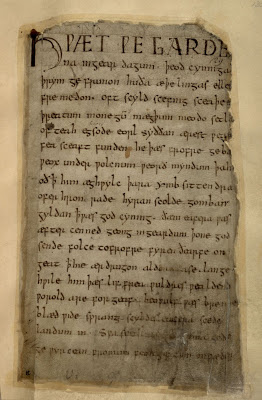
ஆனால் ஒரு அதிசயம் பழைய கால ஆங்கில நூல் ஆகும். 1000 ஆண்டுகளுக்கு முன்னர்தான் ஆங்கில மொழியில் புது நூல் வெளிவந்தது .அதன் பெயர் பியாவுல்ப் (Beowulf) . அது ஒரு ஸ்காண்டிமேவிய கதை. ஸ்காண்டிநேவியா என்பது சுவீடனும் நார்வேயும் சேர்ந்த பிரதேசம் ஆகும்..

அதை ஒரு ஆங்கிலேயனிடம் கொடுத்தால் அவனுக்கு எதுவும் புரியாது. எழுத்திலும் சொற்களிலும் பொருளிலும் அதி பயங்கர மாற்றம் . ஆனால் அதே கால கம்ப ராமாயணப் பாடலை ஒரு தமிழன் கையில் எடுத்தால் பெரும்பாலான சொற்களுக்கு அர்த்தம் புரியும். அதற்கு முன் வந்த திருக்குறளை எடுத்தாலும் அர்த்தம் சொல்லிவிடலாம். திருக்குறள் எழுதப்பட்ட தமிழ் எழுத்து வடிவம் மட்டும் மாறிவிட்டது. இது எதைக் காட்டுகிறது ? ஆங்கில மொழி அசுர வேகத்தில் மாறி வருகிறது; மாறிவிட்டது..

உலகில் கால் பகுதியினருக்கு ஆங்கிலம் தெரியும் .இந்தப் பூ உலகில் 25 சத மக்களுக்கு ஆங்கில மொழி தெரியும். நாலு பேரில் ஒருவருக்கு ஆங்கிலம் புரியும்.

உலக மொழி கண்காணிப்பு (Global Language Monitor) அமைப்பின் அதிகாரி பால் பேயாக் சொல்கிறார்- “நாங்கள் ஹாலிவுட், பாலிவுட் திரைப்பட உலகையும் விடுவதில்லை. அங்கும் புதிய சொற்கள் உருவாகின்றன”.

ஆங்கிலத்தில் பத்து லட்சம் சொற்கள் இருந்தாலும் சாதாரண மனிதன் பயன்படுத்துவது 14,000 சொற்கள்தான். ஆனால் சொல்வலை வேட்டுவர்கள் 70,000 சொற்கள் வரை பயன்படுத்துவர்.

ஒரு புதிய சொல்லை ஆங்கிலத்தில் எப்படிச் சேர்ப்பார்கள் தெரியுமா ? அது பத்து கோடிப் பேருக்கு விளங்க வேண்டும். அதை எப்படிக் கண்டுபிடிப்பது? உலகிலுள்ள முக்கியமான பத்திரிகைகள், திரைப்படங்கள், டெலிவிஷன் ஒளிபரப்புகளில் 25,000 முறை ஒரு புதிய சொல் புழங்கிவிட்டால் பின்னர் அகராதியில் சேர்த்துவிடுவார்கள்.

தமிழ் மொழிக்கு இப்படியெல்லாம் ஒரு அமைப்பு இல்லாதது பெரிய குறையே. இப்போது கடைகளில் வாங்கும் தமிழ் அகராதிகளில் தமிழ்ச் சொற்களைவிட ஸம்ஸ்கிருதச் சொற்கள்தான் அதிகம். அதில் தவறில்லை. மக்களின் புழக்கத்தில் உள்ளதை எல்லோருக்கும் புரிவதைச் சேர்த்துள்ளனர். ஆனால் பிறமொழிச் சொற்களை பிற மொழி என்று குறியீடு மூலம் குறிப்பிட்டால்  நலம் பயக்கும். ஸம்ஸ்கிருத சொற்களை அகற்றக்கூடாது . அப்படி அகற்றினால் திருக்குறள் கூடப் புரியால் போய்விடும். ஏனெனில் திருவள்ளுவரே 125-க்கும் மேலான ஸம்ஸ்கிருத சொற்களை பயன்படுத்துகிறார். இதில் ‘காமம்’ என்ற ஒரு சொல்லை எடுத்துக் கொண்டாலே 20 குறள்களில் அந்தச் சொல் வரும். ‘மனம்’ என்ற சொல் இப்படி பத்து குறளகளில் வரும். அதாவது பெரும்பாலான குறள்களில்  சம்ஸ்கிருதம்தான் !

xxxx

மொழி பெயர்ப்பால் மூழ்கிய கப்பல்

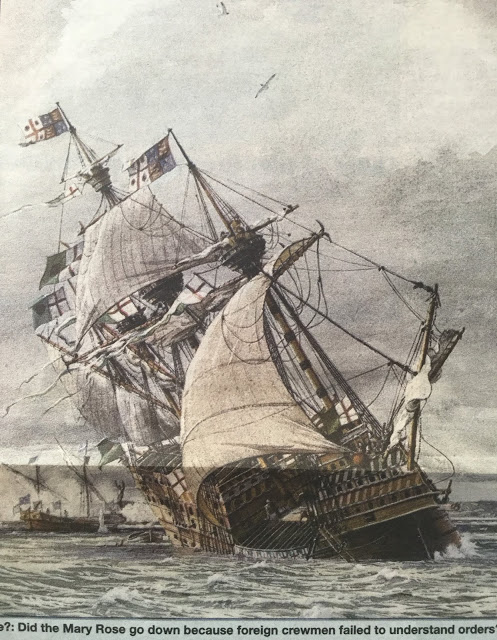
மொழியும் மொழி பெயர்ப்பும் எவ்வளவு முக்கியம் என்பதற்குப் பல உதாரணங்கள் உண்டு. பைபிளானது ஏசு கிறிஸ்து பேசிய அராமிய மொழியிலிருந்து ஹீப்ரு , கிரேக்க மொழிகளுக்கு மாற்றப்பட்டு ஆங்கில மொழிக்கு வருவதற்குள் ஏராளமான பிழைகள் நேர்ந்தன. மொழி தெரியாததால் கப்பலையே மூழ்க வைத்த சம்பவம் இதோ :-

1545ம் ஆண்டில் பிரெஞ்சுக் காரார்களுக்கும் ஆங்கி  லேயர்களுக்கும் இடையே போர் நடந்தது அப்பொழுது பிரிட்டிஷ் கடற்படைக் கப்பலான மேரி ரோஸ் (Mary Rose) மூழ்கி விட்டது. இதன் காரணம் அதில் வேலை பார்த்த ஸ்பானியர் களுக்கு (ஸ்பெயின் நாட்டவர்) ஆங்கிலம் புரியவில்லை. பிரிட்டிஷாருக்கு சொந்தமான கப்பலில் பெரும்பாலும் ஸ்பானியர் வேலை பார்த்தனர். போர்க்கப்பலில் எமர்ஜென்ஸி ஏற்பட்டபோது கப்பல் மாலுமி கொடுத்த கட்டளையை அவர்கள் தவறாகப் புரிந்துகொண்டு நேர் எதிர் மாறாகச் செய்தனர். இறந்த கப்பல் ஊழியர்களின் பற்களை தற்போது,

ஆராய்ந்ததில் பெரும்பாலோர் ஸ்பெயின் நாட்டவர் என்பது தெரிய வந்தது.

xxxx

300 மொழிகள் முழங்கும் லண்டன்

உலகின் பெரும்பகுதியை ஒரு காலத்தில் பிரிட்டன் ஆண்டதாலும், உலகின் விமானப் போக்குவரத்துக்கு நடுவில் லண்டன் நகரம் அமைந்திருப்பதாலும் இங்கு 300 மொழிகளை பேசுவோர் காணப்படுகின்றனர். இவர்கள் 270 இன மக்கள் ஆவர். வேலை படிப்பு, என்ற காரணத்துக்காக குடியேற்றகாரர்கள்  வருவார்கள். ஆனால் திரும்பிச் செல்வதே இல்லை. அப்படி வெளியே போனால் அவர்களில் பெரும் பாலோர் வெள்ளைக்காரர்களாக இருப்பர்; சில ண்டுகளுக்கு முன்னர் வந்த புள்ளி விவரத்தின்படி இந்தியர்கள்தான்  அதிகம் வந்தனர் . அதற்கு அடுத்த நிலையில் இருப்பது நைஜீரியர்கள் .இப்படிச் சிறப்புடையது லண்டன நகரம் .

இங்கு பல்வேறு மொழி பேசுவோர் இருப்பதாலும் மேற்கிந்தியத்தீவு நாடுகளின் ராப் Rap Music மியூசிக் பிரபலமனதாலும் கொச்சை மொழி சொற்கள் புதிதாகத் தோன்றுவதும் உண்டு. ஜெம் Gem என்றால் ரத்தினம் அல்ல. முட்டாள் என்று பொருள். நங் Nung என்றால் நல்ல என்றும் கோஸ்ட் Ghost என்றால் ஆள் அடிக்கடி காணாமற் போவான் என்றும், கிரிஸி Greezy என்றால் கெட்ட என்றும் பொருள். Skadoosh ஸ்கடுஸ் = பை , குட் பை Good Bye !!!

tags- ஆங்கில மொழி, விநோதங்கள், கப்பல்,மொழி பெயர்ப்பு,300 மொழிகள்

—-subham–

SRI TYAGARAJA-24, Differences between Divine Forms (Post No.8090)

WRITTEN BY R. NANJAPPA                        

Post No. 8090

Date uploaded in London – – – 2 June 2020   

Contact – swami_48@yahoo.com

Pictures are taken from various sources for spreading knowledge; this is a non- commercial blog. Thanks for your great pictures.

SRI TYAGARAJA-24

Differences between Divine Forms


Saguna upasana and Avatara

Popular Hindu religion is mainly based on Saguna upasana- devotion to a divine form. And such forms abound.

An allied aspect is the concept of Avatara, which has been authoritatively explained in the Gita. It is a peculiarity that only Vishnu is believed to take Avatars. Other divinities do assume human forms and sport in the world among men, but they are not considered Avatars.

Though Brahman is the One ultimate Truth, It is considered under various names and forms for devotional purposes, as Iswara.. Ekam Sat, vipra: bahuda vadanti- the Truth is One, Sages call it variously is one of the most famous statements of the Veda.

 The most fundamental division is of Trinity, though only Vishnu and Siva are regularly worshipped. Then there is the cult of the Mother Goddess- Shakti. With the rise of the Bhagavata tradition, worship of Vishnu as such has receded into insignificance; the worship of the Avataras of Rama and Krishna constitute the backbone of popular Hinduism.

Siva himself constitutes a Trinity, with Ganapati and Subrahmanya.
Then there is Surya- the famous Savitru or Savita of the Veda.

Siva, Vishnu & Shakti

These six- Surya, Shiva, Vishnu, Shakti, Ganapati, Subrahamanya constitute the six main Deities for regular worship. Interestingly, each one is a favourite in different parts of the country! The Smartas worship all under the Panchayatana system of worship. But there are cults around each, and they engage in constant quarrel and denigration of each other. Acharya Sankara showed the Vedic base of all these Deities, and formalised them as “shanmatas” but the quarrels have not abated. The ones between Saivites and Sri Vaishnavites are notorious in the South, while the ones among Saivites, Saktas and Vaishnavites are well-known in Bengal. These followers would not even sit and dine together! Such things are seen even today, as when you read the literature of ISKCON, or  of any sectarian Saivite or Vaishnava Mutt. Any serious reader of such literature is most likely to develop distaste for all the deities! Such hatred among the sects was very common in the 19th century and we read in the life of Sri Ramakrishna how he tried to reconcile the quarelling sects. In fact, it is in this context that he talked about the unity of ‘matams’, as clarified by Holy Mother. It is sad that such attitudes still prevail.

Integration of Vedic and Puranik elements

The Smartas however continue with the integral approach. They are the ones who stick to  the real, original Vedic way, following the ‘Smritis”.  They have many Grama devatas, family deities, many Ishatadevatas, many Upasana murtis, many mantras for dhyana and japa, etc. But when it comes to any ritual act or worship based on Veda, (Vedic karma) the sankalpa starts with recalling 15 names of Vishnu, is done for the sake  of pleasing Parameshwara, and at the conclusion the fruits are surrendered to Narayana and the whole dedicated to Brahman! The very names of Rama and Krishna are uttered to ensure internal and external purity, and to infuse correct tithi, vara, nakshatra, etc, with divine power, no matter what else is done. No acharya or philosopher or intellectual has invented a better or simpler method to ensure unity in practice. This neatly dovetails Vedic and Puranic elements in nice ritual form. This also unifies Siva-Vishnu aspects in a single neat stream of actual daily  practice. In the orthodox South Indian bhajans, they utter an important shloka: Hari Narayana Durita Nivarana Paramananda Sadashiva Shankara!

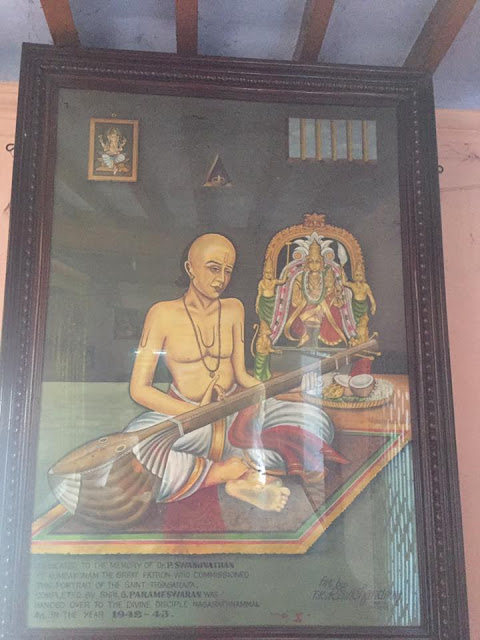
Sri Tyagaraja was a Smarta. His chosen Deity was Rama, his mantra  for japa was Ramashadakshari. But he chose to reside in Tiruvaiyaaru, the hallowed kshetra of Panchanadisa Siva- the Lord of the Five rivers of the Cauvery Delta, a fact of which he was proud. And he was equally proud of his name Tyagaraja, the name of the presiding Deity -Siva-of Tiruvarur, where he was born, and which he has immortalised through every one of his kritis! Just for curiosity, contrast this with the fact that the Vishnu Sahasranama starts with the name “Visvam”, which is the name of Siva at Kashi; but have you come across any South Indian Sri Vaishnava Visishtadvaitin with the name Visvanath- though it is the first name in the Vishnu Sahasranama?

Tyagaraja accepted “Apat Sanyas” one day before his samadhi, from Paramahamsa Parivrajaka

Sri Brahmananda Swami- obviously hailing in the Smarta tradition!

Tyagaraja above sectarian distinctions

Sri Tyagaraja was totally above all such cult divisions, or distinctions,which he decried strongly. When he talks of that blessed soul who enjoys the bliss of reciting the Taraka nama of Rama, he mentions as his mark:

Daiva bhedamu leka    (Sukhi evvaro)

Without making distinctions between the different forms of God! This along with “satyamu dappaga”- without swerving from Truth. 

That is, a true devotee of Rama will not denigrate other Deities. After all, does not the very name Rama incorporate the essence of the names of both Vishnu and Siva? ( as we saw earlier)


Eeduleni malayamarutamuche
goodina Cauvery tatamandu….
Sivuru goru yogyamaina
Sundaramagupuramu dorakenanuchu

Eemahilo sogasaina chola

seemaiyandu varamaina Panchanada pura
dhamuni chentanu vasiyuntakai
nee madi nenchaga

(Muripemu galige gada, Rama)


O Rama!

Have you become proud that you got this beautiful place,on the shores of Cauvery, where the matchless (fragrant and cool) Southwind blows, which Lord Siva has of His own accord chosen for his sojourn? 

You made up your mind to reside in this Chola Desa, the most beautiful part of the world, in this excellent kshetra Tiruvaiyaaru, the abode of Lord Panchanadisa, to be just near to Him!  

We can easily see how gracefully Tyagaraja connects Rama and Siva! This is the ancient abode of Lord Siva, who is the presiding Deity of this place but Rama chooses the place to be near Him!

Sriman manasa kanaka peetamuna
chelaga jesi konivara Siva Rama
Nama kusuma mulache pujinche 
narajanmame janmamamu manasa

(Nama kusuma)


O mind! Establishing Rama in the beautiful pedestal of the heart, to worship Him with the flowers of the names of Siva and Rama- only such a birth is the real human birth!


We have already seen how in another kriti he talks of doing puja with both Tulasi and Bilva!


Siva Madhava bhedamujeyaka radu

Tyagaraja sakhuni marava radane Hari

(bhaktuni Charitramu)
 

The devotee should not make distinction between Siva and Vishnu.
He should not forget Hari, the friend of Siva!


How do the devotees of one Form reconcile to other forms and avoid any hatred or dislike for them? The secret is the knowledge that all Forms are His- the One; they have chosen one for their convenience or  inclination. Whatever forms they see, they only think of their own chosen form!


Paradaivamula juchinantane 
bhavamandu neevai barageda
vaiyya

(Nee chittamu)

When I have darshan of other Deities, it is You who is appearing before my mind!

Puranapurushadagu Ramuniki ya-
purari kini neeku, rajadhari!
machcharana verencha radu
anu Tyagaraju

(karuna juda vamma-Todi)

This Tyagaraja declares that one should not make any distinction between Rama, the ancient one, Siva, the one who burnt the three puras, and you. (You, Rama and Siva are not different)

 This is a kriti Tyagaraja sang on Dharmasamvardhini, the consort of Panchanadisa at Tiruvaiyaaru! So, he takes the Siva-Vishnu abhedam a step higher, to include Shakti also. This whole kriti is very moving, for its devotional fervour.


Bhagavatulu Harinama kirtanamu
Baguga susvaramulato vinta
Ragamulanu yalapamu cheyuvai 
bhoga mulanu juchi
Nagabhushunudu  karunanidhiyai
Vegamu sakala sujana rakshanamuna
Jaka mukudai gorggala nosagu

(Muchchata Brahmadulaku)

Bhagavatas are singing Harinama Sankirtan , with correct swaras and elaborate alapana of the various Ragas. Observing this grandeur, the Lord wearing the serpents , the Ocean of Mercy, has become vigilant (eager) to bless all the good people quickly, and comes out grandly on His procession, declaring that he is the One who is going to fulfill the requests of the devotees.

This is a kriti on Panchanadisa (Lord Siva), describing the grandeur of the procession of the Deity through the streets of the town. The Bhagavatas are singing Harinama Sankirtan. Lord Siva is coming out eagerly to extend quick blessings! Can the non-difference between Siva and Vishnu be described more grandly or clearly?
In a kriti, “Nammakane mosa bodu”, Tyagaraja mentions Nataraja as worshipping Rama. But in another kriti, he talks of the two as one!


Deva Rama Rama Mahadeva Raghava!

Bhaavajarari rupa gelabhava paavanaava
Maha Sankara Karunakara
Nisamkaradruta sara
Bhaktavasankara danujaahava

Nissanka rasika Tyagaraja                    (Deva Rama)

O Rama! Mahadeva! Raghava! O of the form of Siva who burnt down Manmatha! One who explains everything through his dance! O the pure one! Save me.
O the Beneficial One! The fund of compassion! O the one bearing arrows in hand! O the one who has no doubt about subduing the enemies! O Rasika! Tyagaraja Deva!


This is a remarkable kriti. It celebrates Rama and Mahadeva as of one form!
We do not know to which Kshetra this kriti refers.

People have wondered that though Tyagaraja was born in Tiruvarur, and named after the Deity of that temple, not a single kriti on that kshetra or Deity has come down to us ( though he remembers Tyagaraja in every one). This kriti employs the phrase “Tyagaraja Deva” instead of the usual “Tyagaraja vinuta” . Taking this and other clues in this, Sri T.S Parthasarathy has  held that this is about Tiruvarur. 

As followers of the Vedic tradition, Hindus should eschew distinctions among different forms of Deities. Ishwara is one, his form for worship is chosen by people according to their taste. Why should they quarrel? Sri Tyagaraja has shown the way to enjoy the Form we adore, but also to find the unity.

Note:

Hindu sects quarrel about the forms of their Deities, which are many. But such quarrels are also common among both Christians and Muslims, even though they speak of one BooK, one Prophet and Only Begotten Son of God!  .There are more than 100 denominations among Christians,( based on organization and belief) and those belonging to one will not enter the Church of another. Non-Catholics will not use the Catholic Bible or accept their interpretation of dogma.There are more than 70 divisions among Muslims and they are always quarreling among themselves.There are divisions among Buddhists too. So, it seems to be a fact of our world that people easily find ways to differ from one another! ‘On the earth, the broken arcs”, declared Robert Browning! But our Tyagaraja is urging us to rise above narrow sectarian divisions. Devotion to our chosen deity should not involve dislike for other Forms.

–TO BE CONTINUED

tag – Sri Tyagaraja-24

ஹிந்தி படப் பாடல்கள் – 55 – முஹம்மது ரஃபி! (Post No.8089)

WRITTEN BY R. NANJAPPA                        

Post No. 8089

Date uploaded in London – – – 2 June 2020   

Contact – swami_48@yahoo.com

Pictures are taken from various sources for spreading knowledge; this is a non- commercial blog. Thanks for your great pictures.

ஹிந்தி படப் பாடல்கள் – 55 – முஹம்மது ரஃபி!

R. Nanjappa

முஹம்மது ரஃபி

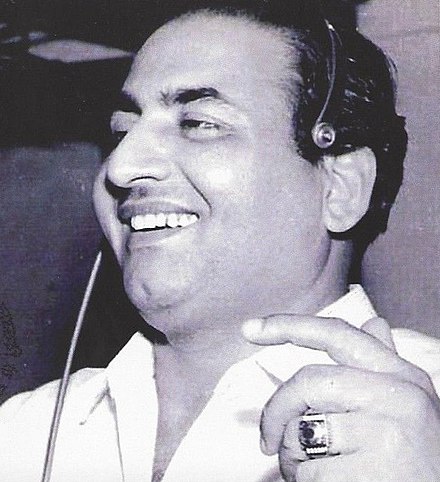
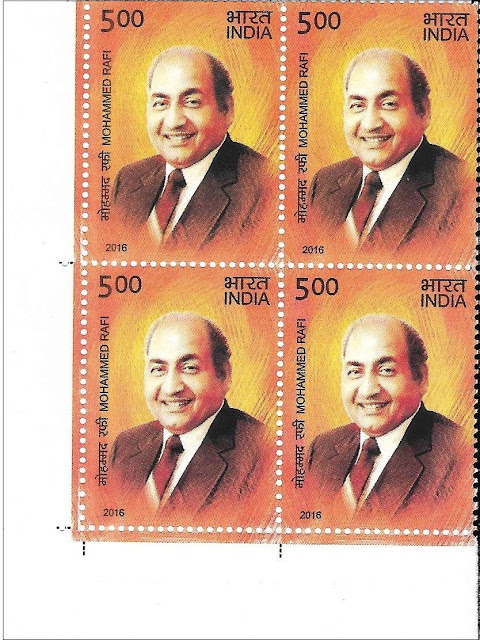
ஹிந்தித் திரை இசைப் பாடகர்களில் முதல் இடத்தை வகிப்பவர் முஹம்மது ரஃபி. முப்பது வருஷங்களில் சுமார் 7000 பாடல்கள் பாடியிருக்கிறார். இவர் குரல் அனேகமாக எல்லா நடிகர்களுக்கும் பொருந்தியது. சில சந்தர்ப்பங்களில் சிலருக்கு தலத் மெஹ்மூத், முகேஷ் என தனிப்பட்ட குரல் சிறந்திருந்தது; ஆனால் பொதுவாக எல்லா  நாயகர்களும் இவர் குரலையே முதலில் விரும்பினர். 20 ஆண்டுகள் இந்த நிலை நீடித்தது; 1971ல் ஆராதனா வந்த பிறகு கிஷோர்குமார் முதல் இடத்திற்கு வந்தார்.

நாயகர்களுக்கு மட்டுமின்றி, எல்லோருக்குமே இவர் குரல் பொருந்தியது, அதனால் இவரை எல்லா இசைஞர்களும் சகட்டு மேனிக்குப் பயன்படுத்தினர். அதனால் இவருக்கு ஒரு தனித்தன்மை இல்லாது போயிற்று. மேலும் நாளடைவில் இவர் குரல் வளம் மாறியது. அதுவும் ஷம்மி கபூருக்காக உரத்த குரலில் பாடி இவர் குரலில் இருந்த இனிமை மங்கியது.

அனில் பிஸ்வாஸ் (1914-2003), எஸ்.டி பர்மன், ஹேமந்த் குமார் முதலிய வங்காள இசைஞர்களுக்கு ரஃபி குரலின் மீது அவ்வளவு பிடிப்பு இருந்ததில்லை. முதல் பத்து ஆண்டுகளில் பர்மன் ரஃபி குரலை அதிகம் பயன்படுத்தவில்லை. 1957ல் குருதத்தின் “ப்யாஸா” படத்தில் குருதத்திற்காக ரஃபி குரலைப் பயன்படுத்த வேண்டிய கட்டாயம் பர்மனுக்கு வந்தது. அதனால் அவர் ரஃபிக்கு தனிப்பயிற்சி அளித்து, அந்தப் பஞ்சாபியின் குரலை மிக இனிமையாக மாற்றினார்! ரஃபியின் குரலில் இருந்த இனிமையைச் சரியாகப் பயன்படுத்திக் கொண்டவர்கள் நௌஷத், எஸ்.டி பர்மன், ஒ.பி.நய்யார், ஜெய்தேவ், என்.தத்தா, மதன் மோஹன் ஆகிய சிலர் தான். அதிலும் பர்மன் இசையில் ரஃபியின் குரல் மிகச் சிறந்து ஓளிரும். அப்படி அமைந்த இரு பாடல்களைப் பார்க்கலாம்.


ஹம் பேகுதீ மே தும்

हम बेखुदी में तुमको पुकारे चले गये
साग़र में ज़िन्दगी को उतारे चले गये
हम बेखुदी में

देखा किये तुम्हें हम, बनके दीवाना
उतरा जो नशा तो, हमने ये जाना
सारे वो ज़िन्दगी के सहारे चले गये
हम बेखुदी में

तुम तो ना कहो हम, खुद ही से खेलें
डूबे नहीं हमीं यूँ, नशे में अकेले
शीशे में आपको भी उतारे चले गये
हम बेखुदी में

ஹம் பேகுதீ மே தும்கோ புகாரே  சலேகயே

ஸாகர் மே ஃஜிந்தகீ கோ உதாரே  சலேகயே

ஹம் பேகுதீ மே

என் வசமிழந்து நான் உன்னை அழைத்துக்கொண்டிருந்தேன்

அப்படியே என் வாழ்க்கையை இந்த மதுக்கோப்பையில் அமிழ்த்திவிட்டேன்

நான் என் வசமின்றி இருந்தேன்..

தேகா கியே துமே ஹம் பன்கே தீவானா

உத்ரா தோ நஷா தோ ஹம் நே யே ஜானா

ஸாரே ஃஜிந்த கீ கே ஸஹாரே  சலேகயே

ஹம் பேகுதீ மே தும்

நான் உன்னைப் பார்த்த நாட்களில் காதல் பைத்தியமாக இருந்தேன்.

அந்த மயக்கம் தீர்ந்ததும்

என் வாழ்க்கையின் துணை அனைத்தும் நீங்கிவிட்டது என அறிந்தேன்

நான் என் வசமின்றி இருந்தேன்

தும் தோ நா கஹோ ஹம் குத் ஹீ ஸே கேலே

டூபே நஹீ ஹமே யூ(ன்) நஷே மே அகேலே

ஸீஷே மே ஆப்கோ பீ உதாரே சலே கயே

ஹம் பேகுதீ மே

நான் ஏதோ தனியாக இந்த விளையாட்டில் ஈடுபட்டேன்

(என்னுடனேயே விளையாடினேன்) என நீ சொல்லாதே

இந்த மயக்கத்தில் நான் தனியாக விழவில்லை!

உன்னைத்தான் என் கோப்பையில் ஊற்றிக்கொண்டிருந்தேன்!

நான் என்வசமின்றி இருந்தேன்.

Song: Hum bekhudi mein tum Film: Kala Pani 1958 Lyrics: Majrooh Sultanpuri

Music: S.D.Burman  Singer: Mohammad Rafi    Raag: Chayanaat

YouTube link: https://www.youtube.com/watch?v=DnMFPAh-lME

This is an excellent example of super Urdu poetry, which can be interpreted at various levels. This is a situational song and can be appreciated better in the film context. Obviously a love song, its intention was not straight.

But even as a stand alone, we can enjoy the music.

ரஃபியின் குரலின் இனிமையை சொல்ல சொற்கள் இல்லை. “சலேகயே” என்று அவர் இழுக்கும் இடமும் அதற்கு முன் கொடுக்கும் சிறு தயக்கமும் மிக அருமை- பல விஷயங்களச் சொல்லாமல் சொல்கிறது.

சாயாநாட் ராகத்தில் அமைந்த மிக அருமையான பாடல் இது.

கண்களை மூடிக்கொண்டு அமைதியாகக் கேளுங்கள்- இதே வார்த்தைகள் பிரார்த்தனை போல் அமையும்!

நாம் எத்தனைபேர் சுயப் பிரக்ஞையோடு. வழிபாட்டில் ஈடுபடுகிறோம்?

Full credit goes to the supreme lyrics and the sublime tune!

This song is indeed based on a non-film Bengali song sung by Burman himself! Ghum Bhulechchi Nijhum

Listen to it here: https://www.youtube.com/watch?v=A9WfK6ndkRs

Can you decide which version is better? Burman is behind both!

[ This film Kala Pani was based on A.J.Cronin’s 1953 novel “Beyond This Place”]

ஸூரஜ் கே ஜைஸீ கோலாயி

सूरज के जैसी गोलाई (गोलाई!)
चँदा कि ठंडक भी पाई (श्श्श्श्हा)
ठनके तो प्यारे दुहाई
लई लई लई लई

तेरी धूम हर कहीं
तुझ सा यार कोई नहीं
हम को तो प्यारे तू सब से प्यारा
लई लई लई लई
तेरी धूम

दुनिया की गाड़ी का पहिया
तू चोर तू ही सिपहिया
राजों का राजा रुपैया -2
लई लई लई लई
तेरी धूम

बूढ़ों की तू ही जवानी (*cough cough*)
बचपन की दिलकश कहानी
तेरे बिना दूध पानी -2
लई लई लई लई
तेरी धूम

दौलत का मज़हब चलाके (ओम धनाय नमः!)
हम एक मन्दिर बनाके (हरे धन्! हरे धन्!)
पूजेंगे तुझको बिठाके -2
जय जय जय जय
तेरी धूम

சூரஜ் கே ஜைஸீ கோலாயீ (கோலாயீ)

சந்தா கீ டண்டக் பீ பாயீ

டன்கே தோ ப்யாரே துஹாயீ

லயி லயி லயி லையி

சூரியனைப்  போன்ற வட்டவடிவமான உருவம்!

சந்திரனைப் போன்ற குளிர்ச்சி!

உன் ஒலியைக் கேட்டாலோ எங்கும் கோலாஹலம்!

ஆஹா ஆஹா ஆஹா ஆஹா

தேரீ தூம் ஹர் கஹீ(ன்)

துஜ்ஸா யார் கோயீ நஹீ

ஹம் கோ தோ ப்யாரே தும் ஸப்ஸே ப்யாரா

லயி லயி லயி லயி

தேரீ தூம் ஹர் கஹீ(ன்)

எங்கெங்கும் உன் புகழ்ச்சி ஆரவாரந்தான்!

உன்னைவிட வேண்டியவர்கள் யாரும் இல்லை!

எங்களுக்கோ எல்லோரையும் விட நீ தான் மிகவும் பிரியமானவன்

ஆஹா ஆஹா ஆஹா ஆஹா

எங்கெங்கும் உன் பிரபாவம்தான்!

துனியா கீ காடீ கா பஹியா

தூ சோர் தூ ஹீ சிபஹியா

ராஜோ(ன்) கா ராஜா ருபய்யா

லயி லயி லயி லயி

தேரீ தூம் ஹர் கஹீ(ன்)

உலகம் என்னும் வண்டிக்கு நீதான் சக்கரம்

நீயே திருடன், நீயே போலீஸ்!

ரூபாய் தான் ராஜாக்களுக்கெல்லாம் ராஜா!

ஆஹா ஆஹா

எங்கெங்கும் உன் பிரபாவம்தான்!

பூடோ கீ தூ ஹீ ஜவானீ

பச்பன் கீ தில்கஷ் கஹானீ

தேரே பினா தூத் பானீ

லயி லயி லயி லயி

தேரீ தூம் ஹர் கஹீ(ன்)

நீ இருந்தால் கிழவர்களுக்கும் இளமை வந்தது போல்தான்!.

சிறியவர்களுக்கோ நீயே மனதிற்குகந்த கதை!

நீ இல்லாவிட்டால் தண்ணீரைத்தான் பால் என்று கொள்ளவேண்டும்!

ஆஹா ஆஹா

எங்கெங்கும் உன் பிரபாவம்தான்

தௌலத் கா மஜ்ஹப் சலாகே (ஓம் தனாய நம🙂

ஹம் ஏக் மந்திர் பனா கே (ஹரே தன்! ஹரே தன்)

பூஜேங்கே துஜ்கோ பிடாகே

ஜய் ஜய் ஜய் ஜய்

தேரீ தூம் ஹர் கஹீ(ன்)…

பணத்தையே மதமாக்குவோம்! (ஓம் தனாய நம🙂

நாம் ஒரு கோவில் கட்டுவோம் (ஹரே பணம்! ஹரே பணம்!)

உன்னை அங்கு அமர்த்தி பூஜை செய்வோம்

ஜய ஜய ஜய ஜய

எங்கெங்கும் உன் பிரபாவம்தான்

Song: Suraj ke jaisi golayi  Film: Kala Bazar 1960 Lyrics: Shailendra

Music: S.D.Burman Singer: Mohammad Rafi

YouTube link: https://www.youtube.com/watch?v=jhLy2WfoXnY

எவ்வளவு இனிமையான இசை! ரஃபியின் குரலில் தான் என்ன இனிமை! பின்னணி வாத்யங்களின் இனிய முழக்கம்!  இதை விஜய் ஆனந்த் படமாக்கிய விதம் பலருக்கும் பிடிக்கும்! எளிமையான பாட்டாக இருந்தாலும் இப்படி அர்த்தமுள்ளதாக ஏன் இப்போது எழுதுவதில்லை? இசையில் இனிமை எங்கு போனது?

These two songs showcase the best in our golden years: good lyrics, nice melody, sweet voice and nice picturisation!

This is a double bonus for us- on account of Burman and Rafi!

Attachments area

Preview YouTube video Kala Pani Hum Bekhudi Mein Tumko Pukare Mohd Rafi

Kala Pani Hum Bekhudi Mein Tumko Pukare Mohd Rafi

Preview YouTube video Ghum Bhulechhi Nijhum

Ghum Bhulechhi Nijhum

Preview YouTube video SOORAJ KE JAISEE GOLAYEE -RAFI – S D BURMAN -SHAILENDRA (KAALA BAZAR (1960)

SOORAJ KE JAISEE GOLAYEE -RAFI – S D BURMAN -SHAILENDRA (KAALA BAZAR (1960)

tags- ஹிந்தி படப் பாடல்கள் – 55


Rig Vedic Words in Tamil Sangam Literature-Part 5 (Post No.8088)

WRITTEN BY LONDON SWAMINATHAN

Post No. 8088

Date uploaded in London – 2 June 2020       

Contact – swami_48@yahoo.com

Pictures are taken from various sources for spreading knowledge; this is a non- commercial blog. Thanks for your great pictures.

tamilandvedas.com, swamiindology.blogspot.com

71.Intirar PNN 182-1 gods, Indra PPL 8-33

Indra name of a god in R V இந்திரர்

Xxx

72.Kapilar, name of Shiva, PPL.337

Kaplia, reddish in RV, கபிலர்,

Xxx

73.Purantaran, name of Indra, PPL 5-56, name of Indra

Purandara , epithet of Indra in RV புரந்தரன்,

Xxx

74.Vacciram, PNN.241-3, the thunderbolt,

Vajra, thunderbolt in RV வச்சிரம்

Xxxx

75.Patimam , PATIMAI, PATIVAM ANN. , CAM 15-158; 11-66, idol

Pratima, ido, in RV படிமம்,

Xxxx

76.Tuti, prayer , praise, Aink.Nu 106-2,

Paraa aM, praying, ANN துதி, , பரா அம் (அகம்.99)

STUTI, prayer, in RV

Xxx

77.Arucci, worship PPL.8-108 அருச்சி

Arc, worship in RV

Xxx

78.Aaraatanai, worship, prayer, PPL 6-11

Aradh, to propitiate, in RV ஆராதனை

Arc. To praise in RV

Xxx

79.Arakkan, PNN.378-19, arakkar, KLT.38-3; demon

Raksas, demon I,in RV அரக்கன்

Xxx

80.Tavam, penance, PNP.91

Tapas, penance in RV தவம்

Xxxx

81.Anki, PP.54,fire

Agni in RV அங்கி,

Xxxx

82.Aavuti, sacrificial fire, PNN 15-19 ஆவுதி

Aahuti, offering to the gods in sacrificial fire in RV.

Xxx

83.Mantiram, PPU.30-33, hymn

Mantra, hymn in RV மந்திரம்

Xxx

84.Avi, oblation, PNN .377-5

Havis in RV அவி

Xxx

85.Ottiram, Aink.Nu.301-1, oblation

Hotra, oblation in RV ஒத்திரம்

Xxx

86.Yaman, PPL. 11-8, god of death யமன்

Yama , god who presides over the deceased in RV

Xxx

87.viccai,  knowledge, KLT 149-4 , vincai. CAM

vidya ,knowledge,  15-36  RV, விச்சை /விஞ்சை

xxx

88.aaciriyar, teacher, PP 170

aacaarya, teacher in RV ஆசிரியர்,

xxx

89.kavitai, poetry, PL 6-8,

kavi, a wiseman in RV கவிதை

xxx

90.akaram, the letter a,  TOL 1-11 அகரம்

akaara , the letter a in RV Pratisakya

xxx

91.maana, Kali 81-19, 89-12,Maanaa, Natrinai 73-2, 233-3, best, heavy, high, special , excellent,outstanding, renown, weighty, மாண

mana- weight, maana -pride, in RV 8-78-2; 1-89-8

see Vedic Index for Maana, Manaa

xxx

92.urkam, a meteor,  PNN 41-4

ulka, a meteor in RV உற்கம்

xxx

POST SANGAM OR POST VEDIC MATERIALS

Amarar, PNN 55-3, the gods அமரர்

Amara , immortals in Sat.Br

Xxx

சலதாரி

Calataari, who bears water Shiva in PPL.9-6

Jala/water, dharin/ bearing in epics and Manu

Xxx

காமர், காமன்

Kamar, Kaman KLT . 94-33;147-47, god of love

Kaama, god of love, in AV

Xxx

உமை

Umai, name of goddess, TMP.153

Uma, name of the goddess in T sitter. Ara.

Xxx

திரு

Tiru, goddess of wealth, PNN 179-5

Sri, goddess of wealth, Sat.Br

Xxx

பிடகை

Pitakai, flower basket, MKI.397

Pitaka, a basket in the epics

Xxx

பூதம்

Puutam, demon PMP.235

Bhuta, demon, Asva.grha

Xxx

வாணன்

Vaanan, name of a demon, MKI 203

Bana, name of a demon in the epics.

Xxx

Aattirai, journey, KTK.293-1, Yaattirai, PPL.19-18,

Yaatra in Mahabharata யாத்திரை /ஆத்திரை

Xxx

தானம்

Taanam, giftsTKL.19

Daana, gifts in RV

Xxx

நிரயம் நிரையம்

Nirayam, niraiyam, hell, PNN. 5-6: ANN.67-6

Niraya, hell, in Smrtis

Xxx

Mankalam , auspicious, TOL.PORUL 69-10, puram.332-5 ,மங்கலம்

Mangala, auspicious, Sat.Br

xxx

nimittam, good omen ,TOL.PORUL 16-2 

nimitta, omen, Smritis, Epics, நிமித்தம்

xxx

tarumam , righteousness ,  CAM 10-163

dharma, right,  in RV, தருமம்,

xxx

curuti, sound of the Vedic hymns,  PPL 18-52

sruti, the Vedas in Ait.Br சுருதி,

xxx

patam, word, KLT 60-13 ,

pada, word, in Ait.Br பதம்,

xxx

urokini, name of the ninth star, NNV 163 

rohini, star, in TS உரோகிணி,

xxx

aatirai, name of the 6th star,  KLT  150-20

aardraa, star in AV ஆதிரை

xx

makam, name of the tenth star,  PP.35

maghaa ,star in  AV மகம்

xxx

தூரியம்

tuuriyam, musical instrument, 151MKI 460 

tuurya, musical instrument, in Panini and MBH

xxx

nittam, dancing,  PPL 12-43,

nrtta, dancing in AV நித்தம்

xxx

naatakam, drama, PMP 55,

naataka, drama in R நாடகம்

xxxx

அரங்கு

aranku , NT 3-3, arankam KLT 79-4,

ranga , place of public amusement in MBH

xxx

maanaakkan, Kuruntokai 33-1, மாணாக்கன்

maanavaka in Panini and earlier

tags –Rig Veda words, in Sangam literature, part-5

to be continued…………………………………………………….

பாரத ஸ்தலங்கள்! – 1 (Post No.8087)

WRITTEN BY S NAGARAJAN                     

Post No. 8087

Date uploaded in London – – – 2 June 2020   

Contact – swami_48@yahoo.com

Pictures are taken from various sources for spreading knowledge; this is a non- commercial blog. Thanks for your great pictures.

பாரத ஸ்தலங்கள்! – 1

ச.நாகராஜன்

பாரதம் ஒரு தெய்வீக நாடு. இது போல இன்னொரு தெய்வீக நாடு இந்தப் பூவுலகில் இல்லை.

தேவர்களும் இங்கு பிறப்பெடுக்க ஆவலாக உள்ளார்கள் என நமது அறநூல்கள் கூறுகின்றன.

தென்கோடி குமரி முனையிலிருந்து வட கோடி இமாலயம் வரை உள்ள தலங்கள் லட்சோபலட்சம் எனலாம்.

இந்த தலங்களின் தொகுப்பையும் தலங்களின் மஹிமையையும் பல்லாயிரக்கணக்கான நூல்கள் மற்றும் கட்டுரைகள் விளக்கியுள்ளன. ஆயிரமாயிரம் அறிஞர்கள் இதைப் பற்றிக் காலம் காலமாக அவ்வப்பொழுது கூறி வந்துள்ளனர்.

நூல்களை யாத்துள்ளனர்.

சிவ ஸ்தலங்கள் 1008க்கும் மேற்பட்டவை; வைணவ திருப்பதிகள் 108 + ஆங்காங்குள்ள வைணவத் தலங்கள்; சக்தி பீடங்கள் 108; முருகன் தலங்கள் ஏராளம்; விநாயகர் தலங்கள் ஏராளம்; சூரிய பூஜை ஸ்தலங்கள் ஏராளம், நவகிரஹ ஸ்தலங்கள், அவதாரங்களின் ஸ்தலங்கள், இராமாயண ஸ்தலங்கள், மஹாபாரத ஸ்தலங்கள், புராண வரலாறு கொண்ட ஸ்தலங்கள், ரிஷிகளின் ஸ்தலங்கள், தேவார ஸ்தலங்கள், மகான்களின் ஸ்தலங்கள்/சமாதிகள், விசேஷமான தீர்த்தங்களைக் கொண்ட ஸ்தலங்கள், ஜைன, புத்த ஸ்தலங்கள், என இப்படி கூறிக் கொண்டே போகலாம்.

 மஹாமஹோபாத்யாய உ.வே.சுவாமிநாதையர், தி.வெ.கோபாலையர், செங்கல்வராய பிள்ளை உள்ளிட்ட ஏராளமானோர் தலங்களைப் பற்றிய குறிப்புகளை முடிந்த மட்டில் அற்புதமாகச் சேகரித்து நூல்களாக வெளியிட்டுள்ளனர். தமிழ் தவிர இதர மொழிகளில் உள்ள நூல்களுக்கு ஒரு அளவே இல்லை; அதில் உள்ள தகவல்களும் பிரமிக்க வைப்பவையாகும்.

என்றாலும் இது முடிந்த ஒன்று அல்ல. சிவ ஸ்தல மஞ்சரி போன்ற நூல்களைத் தேடிக் கண்டுபிடித்து அந்த நூல்களைத் தொகுத்தாலேயே நாம் இது வரை அறிந்திராத பல நுணுக்கமான விஷயங்களை அறிந்து கொள்ள முடியும்.

பிரம்மாண்டமான அறிஞர் சபை ஒன்று கூட வேண்டும்; அவர்களுக்குத் தேவையான ஏராளமான பொருள் உதவி தர வேண்டும். அப்படிச் செய்தால் ஒரு வேளை தலக் களஞ்சியம் ஒன்று அற்புதமான அனைத்துத் தகவல்களுடன் உருவாகக் கூடும்!

 எப்படியெல்லாம் தலங்கள் விசேஷமான ஒரு பெருமையைப் பெறுகின்றன; பக்தர்களுக்கு அருள் பாலிக்கின்றன என்பதைச் சுட்டிக் காட்ட ஒரு சிறு பட்டியல் இங்கு தரப்படுகிறது.

1. மோக்ஷபுரிகள் ஏழு (முக்தி தலங்கள் ஏழு)

  1. அயோத்யா 2. மதுரா 3. மாயா (ஹரித்வார்) 4. காசி 5. காஞ்சி  6. அவந்திகா (உஜ்ஜயினி) 7.த்வாரகா

*

2. சப்தவிடங்க ஸ்தலங்கள்

1.திருவாரூர் – வீதிவிடங்கர் – அஜபா நடனம்

2.திருநள்ளாறு – நகரவிடங்கர் – உன்மத்த நடனம்

3.திருநாகைக்காரோணம் – சுந்தரவிடங்கர் – பாராவாரதரங்க நடனம் – விசி நடனம்

4. திருமறைக்காடு – புவனிவிடங்கர் – ஹம்ஸபாத நடனம்

5. காறாயில் – ஆதிவிடங்கர் – குக்கு நடனம்

6. கோளிலி – அவனிவிடங்கர் – பிருங்க நடனம்

7. திருவாய்மூர் – நீலவிடங்கர் – கமல நடனம்

*

3. காசிக்குச் சமமான தலங்கள் ஆறு

1.ஸ்வேதாரண்யம் 2. பஞ்சநதம் 3. கௌரி மாயூரம் 4. மத்யார்ஜுனம் 5. சாயாவனம் 6. ஸ்ரீ வாஞ்சியம்

*

4. பஞ்ச ஆரண்ய ஸ்தலங்கள்

  1. திருக்கருகாவூர் 2. அவளிவநல்லூர் 3. ஹரித்வார மங்கலம் 4. ஆலங்குடி 5. திருக்கொள்ளம்புத்தூர்

*

5. பஞ்ச ஆரண்ய ஸ்தலங்கள் (இன்னும் ஒரு தொகுப்பின் படி)

1. ஆலங்காடு  – வடாரணியம் (ஆலமரம்)

2. எவ்வுளூர் – வீக்ஷாரணியம் (ஈந்து)

3. கூவம் (திருவிற்கோலம்) -நைமிசாரணியம் (தருப்பை)

4. பாசூர்  – வம்சாரணியம் (மூங்கில்)

5.வெண்பாக்கம் – பத்ரிகாரணியம் (இலந்தை)

*

#

6. சக்கராபள்ளி சப்த ஸ்தலங்கள்

  1. சக்கராப் பள்ளி 2. அரிச்வரம் 3. சூலமங்கலம் 4. நந்தீசுவரம் 5. பசுபதிகோயில் 6. தாழமங்கை 7. திருப்புள்ளமங்கை

*

7. கும்பேஸ்வரரின் சப்த ஸ்தான தலங்கள்

  1. கும்பகோணம் 2. கலயநல்லூர் 3. திருவலஞ்சுழி 4. தாராசுரம் 5. சுவாமிமலை 6. கொட்டையூர் 7. மேலக்காவேரி

*

8. அஷ்டவீர ஸ்தலங்கள்

  1. திருக்கண்டியூர் (பிரமன் சிரம் கொய்த தலம்)
  2. திருக்கோவிலூர் (அந்தகாசுரனை வதம் செய்த தலம்)
  3. திரு அதிகை (திரிபுரத்தை எரித்த தலம்)
  4. திருப்பறியலூர் (தட்சன் சிரம் கொய்த தலம்)
  5. திருவிற்குடி (ஜலந்தாசுரனை வதம் செய்த தலம்)
  6. வழுவூர் (யானையை உரித்த தலம்)
  7. திருக்குறுகை ( காமனை எரித்த தலம்)
  8. திருக்கடவூர் (யமனை உதைத்த தலம்)

*

9. பஞ்ச க்ரோச ஸ்தலங்கள்

  1. திருவிடைமருதூர் 2. திருநாகேஸ்வரம் 3. திருத்தாலேசுரம் (தாராசுரம்) 4. சுவாமிமலை 5. திருப்பாடல்வனம் (கருப்பூர்)

முடிவே இல்லாத இந்தப் பட்டியலை முடிந்த மட்டும் தொடர்ந்து பார்க்கலாம்!

***

பல்வேறு தலங்களைப் பற்றி ஏற்கனவே பல கட்டுரைகளை எழுதியுள்ளேன்.

அகத்தியருடன் தொடர்பு கொண்ட தலங்கள், நவ கிரஹ தலங்கள், மஹாபாரத தலங்கள், இராமாயண தலங்கள், சக்தி பீட தலங்கள், சூரிய பூஜை தலங்கள் உள்ளிட்ட ஏராளமான கட்டுரைகளை www.tamilandvedas.com தளத்தில் படித்திருக்கும் அன்பர்களுக்கு இன்னும் விரிவாக தலங்களைப் பற்றித் தெரிந்து கொள்ள இந்த தல அறிமுக/விஜயத் தொடர் ஒரு புதிய பகுதியாக அமையும்.

தல தரிசனம் தொடர்வோம்.

***

tags – பாரத ஸ்தலங்கள் – 1