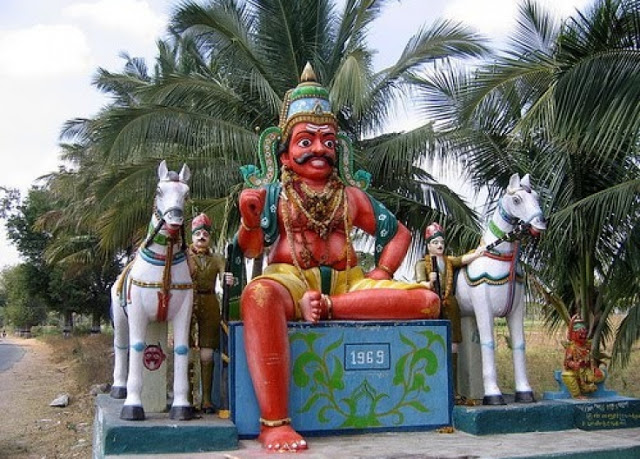
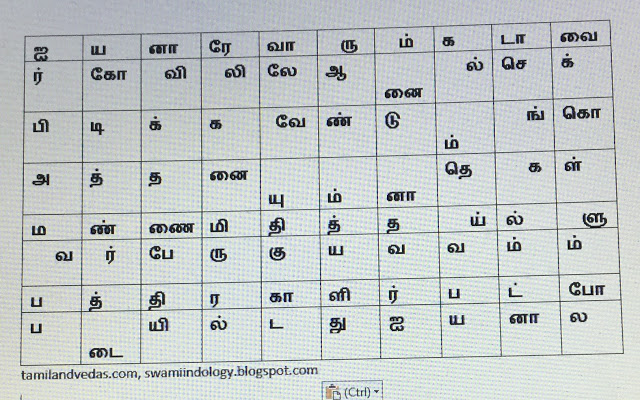
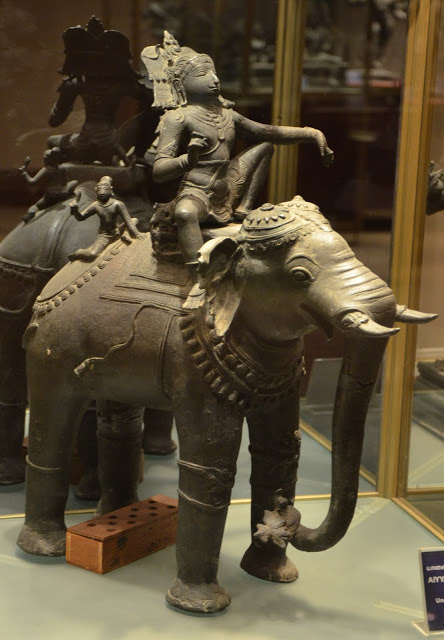
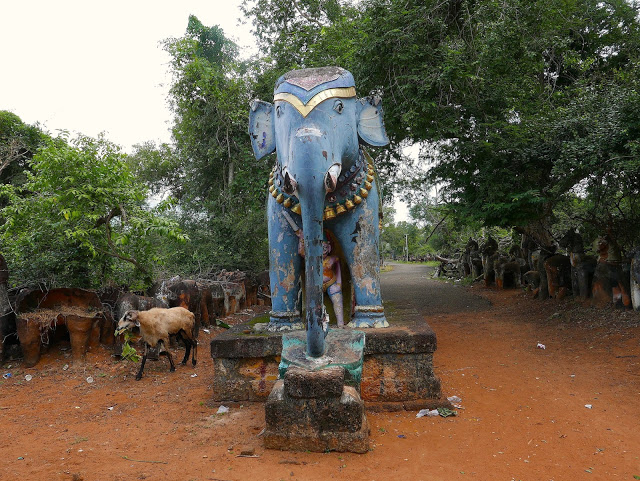
ஒரே சொல் மீண்டும் மீண்டும் வந்தால் ஓரிரு இடங்களில் மட்டுமே கட்டத்தில் இருக்கும். கொண்டு கூட்டி பொருள் கொள்க . விடை கீழே உள்ளது . சில நேரங்களில் படங்களைப் பார்த்தாலும் விடை காண உதவலாம்.
ANSWER
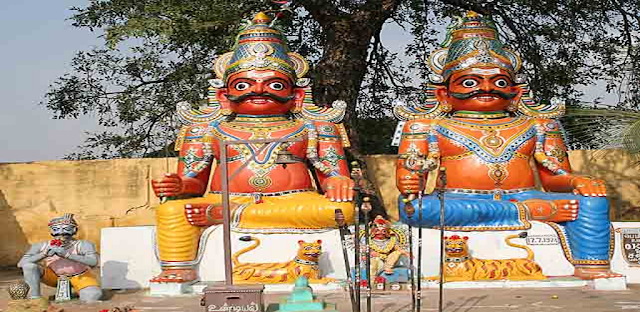
1.ஐயனாரே வாரும் கடாவைக் கொள்ளும்
2.ஐயனார் கோவிலிலே ஆனை பிடிக்கவேண்டும்
3.ஐயனார் கோவில் செங்கல் அத்தனையும் தெய்வம்
4.ஐயனார் கோவில் மண்ணை மிதித்தவர் அத்தனைபேரும் பத்திரகாளி
5.ஐயனார் படையில் குயவனார் பட்டது போல
Source book :–
பயன்படுத்திய நூல்- கழகப் பழமொழி அகர வரிசை, கழக வெளியீடு
Pictures are taken from various sources for spreading knowledge; this is a non- commercial blog. Thanks for your great pictures.
tamilandvedas.com, swamiindology.blogspot.com
கடல் கெழு செல்வி யார் ? அகநானூற்றில் ஒரு புதிர்
அக நானூறு என்பது சங்க இலக்கியத்தில் ஒரு நூல். 18 ‘மேல் கணக்கு’ நூல்களில் ஒன்று; 2000 ஆண்டு பழமையுடைத்து; இதில் ஒரு அதிசயச் செய்தி வருகிறது. அது ரிக் வேதம், கிரேக்க நாட்டு இலக்கியம் தொடர்புடையது. நீர் என்பது தமிழ்ச் சொல்லா அல்லது சம்ஸ்கிருதத் சொல்லா என்னும் புதிரை விடுவிக்கிறது.
முதலில் பாடலைப் பார்த்துவிட்டு ஆராய்ச்சியில் புகுவோம்.
பாடல் எண் 370; பாடியவர் – அம்மூவனார்
“கடல்கெழு செல்வி கரை நின்றாங்கு
நீயே கானல் ஒழிய , யானே
வெறிகொள் பாவையின் பொலிந்த என் அணி துறந்து
ஆடு மகள் போலப் பெயர்தல்
ஆற்றேன் தெய்ய ; அளக்க இவ்வூரே “
பொருள்
காதலியைக் காண காதலன் பகல் நேரத்தில் வந்தான். அவன் இப்படி அவ்வப்பொழுது I LOVE YOU ‘ஐ லவ் யூ’ சொல்லிவிட்டு நைசாக நழுவுவது தோழிக்குப் பிடிக்கவில்லை. இப்படி எத்தனை பெண்களோடு அவன் போகிறானோ என்று அவளுக்கு ஒரு ஸம்சயம் (DOUBT) ; அவனை நான் உன்னை கல்யாணம் செய்துகொள்வேன் என்று ‘ப்ராமிஸ்’ (PROMISE) செய்ய வைக்க வேண்டும் என்பது தோழியின் ஆசை. ஆகையால் அவன் வந்தது தெரியாதது போல பாவலா / பாவனை (PRETEND) செய்து இப்படிக் கூறுகிறாள்.
“தோழியே! இரவில் வீட்டுக்குப் போனால் தந்தையின் கடுமையான பாதுகாப்பில் சிக்கிவிடுவேன்; காதலனைக் காண முடியாது ; அதனால் இறந்து விடுவேன் என்கிறாய். நன் ஒரு (IDEA) ஐடியா சொல்கிறேன். நீ அந்திக் காலத்துக் கடல் தெய்வம் (SEA NYMPH OR SEA GODDESS) கரையில் நின்றாற்போல் நிற்பாயாக. ; யானும் ஆடுமகள் / (DANCER) டான்ஸர் போல நின்னுடன் இருப்பேன்.”
இதில் அம்மூவனார் சொல்லும் ‘கடல்கெழு செல்வி’ (SEA NYMPH) யார் எதற்காக டான்சர்/DANCER அவளுடன் இருக்கிறாள் என்பதே புதிர்.
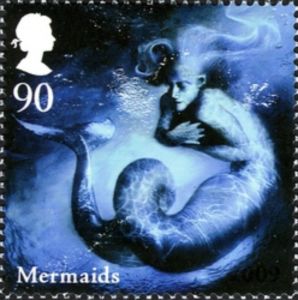
இதில் பழைய உரைகாரர்கள் கடல்கெழு தெய்வம் என்பதற்கு ‘நீரர மகளிர்’ (WATER NYMPHS) என்று எழுதியுள்ளனர். ‘நீரர மகளிர்’ என்பதற்கு நீரில் வாழும் தெய்வங்கள் என்று ஆனந்த விகடன் தமிழகராதி கூறுகிறது. கிரேக்க புராண அகராதி (DICTIONARY OF MYTHOLOGY) முழுதும் ‘நேர், நெற்’ என்பதெல்லாம் தண்ணீர் என்ற பொருளிலேயே வருகிறது; நெரெய்ட்ஸ் (NEREIDS) என்பன மத்திய தரைக் கடலில் வாழும் ‘நீர் தேவதைகள்’ என்றும் நெரேயஸ் (NEREIUS) என்பவன் கடல் நீரில் வாழும் வயதான மனிதன் என்றும் சொல்லும். ஆக ‘நீர்’ என்பது ‘தண்ணீர்’ என்னும் பொருளில் கிரேக்க (GREEK) மொழியில் உள்ளது
வெள்ளைக்காரர்கள் சொல்லும் மொழிக் கொள்கைப்படி கிரேக்க மொழிக்கும் தமிழ் மொழிக்கும் ‘ஸ்னானப்ராப்தி’ கூட கிடையாது ; அது (GREEK) சம்ஸ்கிருத மொழி மூலம் உடையது என்பதாகும். ஆக ‘நீர்’ என்பது சம்ஸ்கிருத சொல் என்று வாதாடலாம்!!!!
ரிக் வேதத்தில் உள்ள “நீர்” என்ற சொல்லும் “நாராயண/ நீரில் படுத்திருப்பவன்” என்ற சொல்லும் தமிழ் மொழிச் சொல் என்ற வெள்ளைக்காரன் வாதமும் சுநீதி குமார சட்டர்ஜியின் (LINGUIST) வாதமும் கேள்விக் குரியதாகிறது . இதுமட்டுமல்ல; காமம், மனம், உலகம் என்று திருவள்ளுவரும் சங்கத் தமிழ் புலவர்களும் ஆயிரக்கணக்கான இடங்களில் பயன்படுத்துவதெல்லாம் சம்ஸ்கிருதச் சொற்கள் என்றும் வெள்ளைக்காரர் ஒப்புக்கொள்வர் ; உண்மையில் தமிழும் சம்ஸ்கிருதமும் ஒரே மூலத்தில் இருந்து வந்த ஒரே மொழிக் குடும்பத்தைச் சேர்ந்தவை என்ற என்னுடைய புதிய மொழிக் கொள்கை வலுப்படுகிறது.
முடிவு என்ன?
நீர் என்பது தமிழும் அல்ல; சம்ஸ்கிருதமும் அல்ல. இரண்டுக்கும் பொதுவான மூல மொழி. ஆக சம்ஸ்கிருதமும் தமிழும் ஒரே மூலத்தில் — சிவனின் உடுக்கை ஒலி யில் பிறந்த — ஒரே மொழிக் குடும்பத்தைச் சேர்ந்தவை ; வெள்ளைக்காரன் சொன்னதெல்லாம் தப்பு !!!
சரி, அது என்ன கடல் தெய்வம்?
மணிமேகலை என்னும் காப்பியமே கடல் வணிகர்கள் நம்பும் ‘மணிமேகலா’ என்ற கடல் தெய்வத்தின் அடிப்படையில் அமைந்தது என்பது அந்தக் காப்பியத்திலேயே உள்ளது.
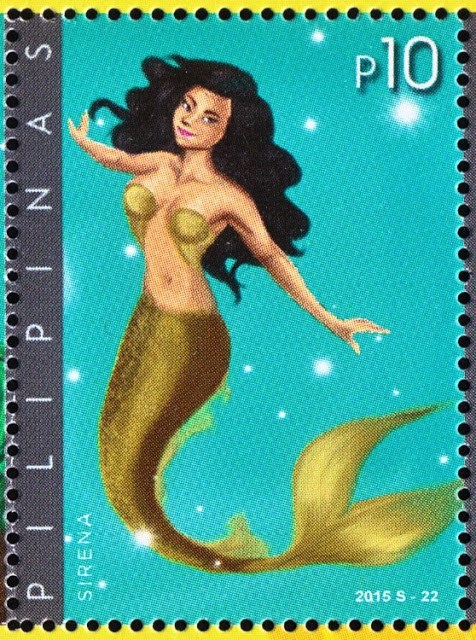
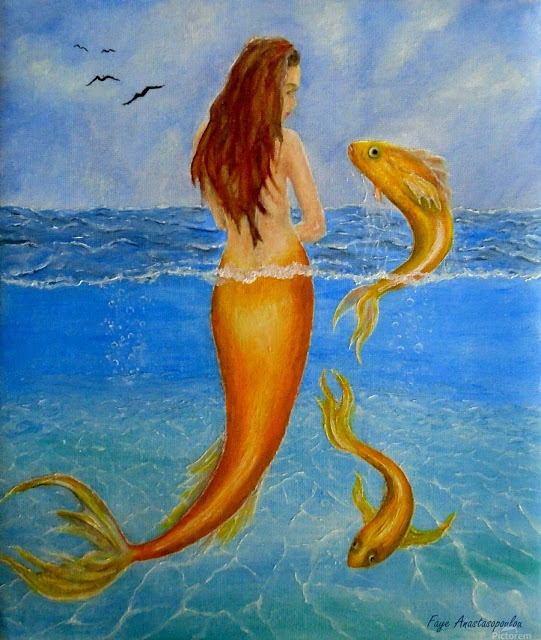
கடல் தெய்வம், கடல் தேவதை பற்றி சம்ஸ்கிருத இலக்கியம், தமிழ் இலக்கியம் முழுதும் உளது. சிலர் ‘பாதி உடல் மீன் போலவும் மீதிப் பாதி பெண்’ போலவும் இருக்கும் என்றும் வருணிப்பர். கிரேக்க புராண அகராதியில் ஒவ்வொரு கடலுக்கும், மலைக்கும் வெவ்வேறு பெயரால் வேறு வேறு புதிய பெயர் கொடுப்பர்!
ஆக இந்தக் கடல் தெய்வ நம்பிக்கையும் கிரேக்க – இந்துத் தொடர்பைக் காட்டுகிறது நான் சொல்லும் மொழிக் கொள்கைக்கும், இந்து-கிரேக்க தொடர்புக்கும் (INDO-GREEK CONNECTION) ஏராளமான சான்றுகளை முந்தைய கட்டுரைகளில் கொடுத்துவிட்டதால் அரைத்த மாவையே அரைக்கப்போவதில்லை.
கலித் தொகையில் கடல் தெய்வம் !
கலித்தொகை என்னும் சங்க நூலில் நல்லந்துவனார் பாடிய நெய்தற் கலியிலும் கடல் தெய்வம் (SEA GODDESS/ SEA NYMPH) பற்றிய செய்தி வருகிறது
“பெருங்கடற் தெய்வம் நீர் நோக்கித் தெளித்து , என்
திருந்திழை மென் தோள் மணந்தவன் செய்த
அருந்துயர் நீக்குவேன் போல்மன் பொருந்துபு
………………………”
கலித் தொகை 131
பொருள்
சுறா மீனின் மருப்பால் ஆன பலகை ; நெய்தல் மலர் மாலை சூடிய காதலி.; தாழை விழுதால் ஆகிய கயிற்றில் தொங்கும் ஊஞ்சல் .
தோழி சொல்கிறாள்
கடல் தெய்வத்தின் பெயரைச் சொல்லி , உன்னைப் பிரிய மாட்டேன் என்று சத்தியம் செய்தானே உன் காதலன்! சிறிது காலம் உன்னை மறந்திருப்பதால் ஏற்படும் உனது வருத்தத்தை நான் தீர்க்க வேண்டியுள்ளது.
பாடலின் பின்னணி – முன்பு நான் உன் காதலனிக் கிண்டல் செய்தேன் ; நீயோ அவனுக்கு SUPPORT சப்போர்ட் பண்ணியே பேசினாய்; அவனும் சந்தோஷமாக உன் ஊஞ்சலை ஆட்டி மகிழ்ந்தான். கொஞ்ச நாளாக வரவில்லை ….. இப்படி போகிறது பாடல்.
நமது கேள்வி
யார் அந்தக் கடல் தெய்வம்? அதாவது வடக்கிலும் தெற்கிலும் ஒரே நம்பிக்கை நிலவியது. ரிக் வேதத்தில் அஸ்வினி தேவர்கள் இருவரும் கடலில் செய்த பல அற்புதச் செயல்கள் உள்ளன ; கடல் தெய்வமான வருணனை தொல்காப்பியரும், ரிக் வேதமும் விதந்து ஓதுகின்றனர் ; சுறாமீனின் கொம்பை நட்டு பரதவர்கள் செய்த வழிபாட்டை சங்க இலக்கியமும் குறிப்பிடுகிறது. ரிக்வேத பரத இன மக்களுக்கும் தமிழ் நாட்டு பரதவ மீனவர்களுக்கும் தொடர்பும் இருக்கலாம் ; கடல் தெய்வ வழிபாடு ரிக்வேதம் முதல் கன்யா குமரி பகவதி தேவி வரை உளது என்பதே என் துணிபு !
tags —
கடல் கெழு செல்வி, கலித் தொகை, கடல் தெய்வம்,நீர்,நீரர மகளிர்,
Pictures are taken from various sources for spreading knowledge; this is a non- commercial blog. Thanks for your great pictures.
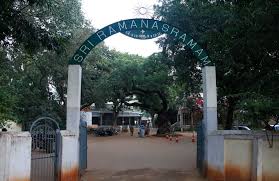
3. Sri Ramanasramam
The famous arch of the Asramam. By Rajachandra (Own work) CC BY-SA 3.0
creative commons via Wikimedia commons.
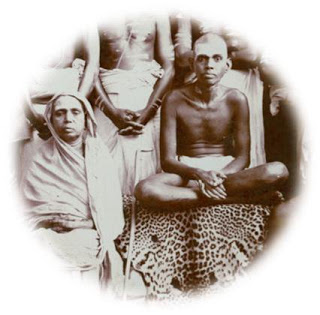
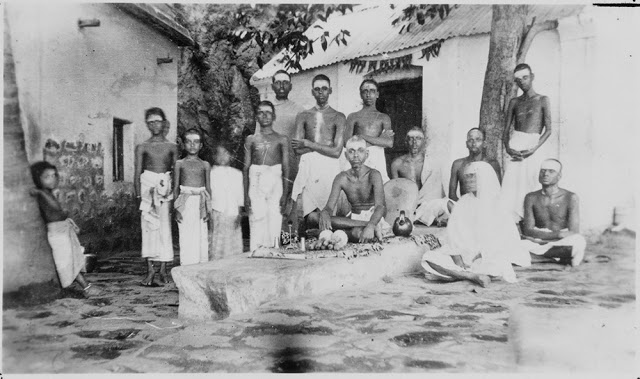
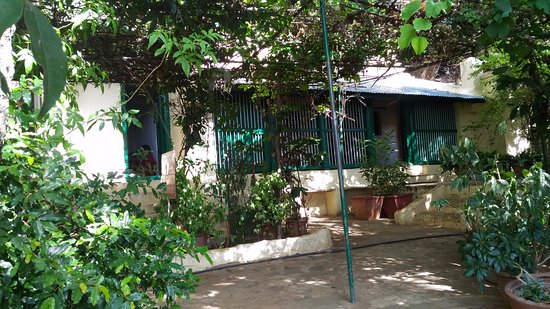
The Mother’s body was interred in a samadhi at the foot of the hill, with a thatched roof over it. Bhagavan used to come down from Skandasramam daily and spend some hours at the Samadhi. One day, in Nov-Dec, 1922 he came down but did not return! The others found that he would not move, and they too came down. This was the beginning of the Ramanasramam. Mother is its heart. Bhagavan said that the Power that brought him to Tiruvannamalai brought him here!
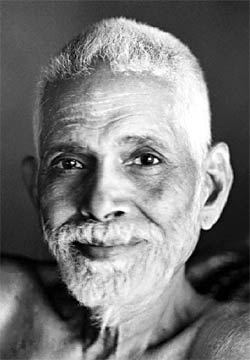
Bhagavan and Mother.
Photo copyright Sri Ramanasramam. Gratefully acknowledged.
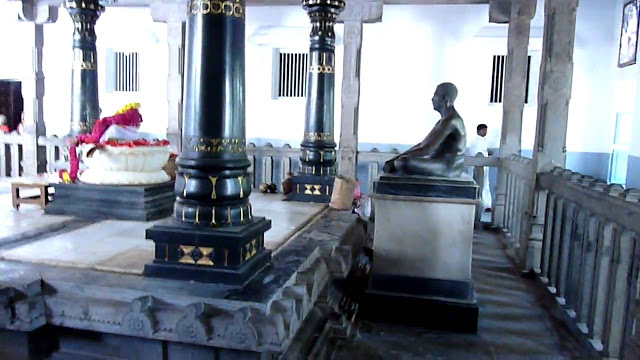
It was here that a beautiful temple was erected over the Samadhi of Mother, and the deity named “Matrubhuteswara”- Lord who is Mother! It took 10 years for completion – Bhagavan had not allowed collection of money in the name of the Asramam.
This is perhaps the only temple in India erected by a Jnani for his Mother. Ramana took active interest in its construction at every stage. The account by Major Chadwick is worth reading.
It is here that C.K Subramanya Iyer, the Tamil scholar came and got transformed into Muruganar. All the core teachings of Bhagavan we owe him: he was instrumental in persuading Bhagavan to compose the ‘Reality in Forty Verses’, Upadesa Undiyar.
He himself composed/ recorded Guru Vachaka Kovai. He wrote the Ramana Sannidhi Murai. The first item here-Ramana Puranam- is important because most of it was written by Bhagavan himself, correcting and adding to what Muruganar had written!
It was here that Paul Brunton came and wrote about Ramana in the book that made Bhagavan widely known in the world.
Ramana was accessible to all, sitting in the Old Hall. People could talk to him without any formalities, ask questions, raise doubts and converse. From the commonest villager to the members of Royalty could come to him. Some of the questions and talks and the general events have been recorded by devotees in three books.
Here came the cow Lakshmi, to whom also Bhagavan granted “Vimukti”, as he had done to Mother. And he did something for Lakshmi which he did not do for Mother: he composed a verse in honour of her liberation, indicating the details of the day, star, etc and clearly stating that it was the “day of her liberation” ” vimukta naal”. “விமுக்த நாள்”.
He had a goshala and dining hall constructed. Feeding of the devotees increased in scale.
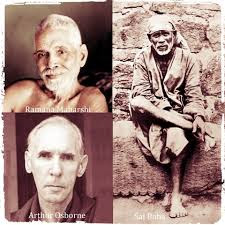
It was here that Arthur Osborne came, preceded by his wife and children! Osborne later wrote some of the most authentic literature on Ramana, and made them known all over the world.
It was here that Bhagavan attained Mahanirvana.
Some of the more human, and more humourous aspects of Bhagavan’s nature were noticed here. Perhaps the most significant of these was that he gave up ‘Giripradakshina’- of which he was very fond- for the sake of devotees. Since he used to take his own time for it, some times lasting 2/3 days, he did not want visitors to get disappointed at his absence! In fact this is the mysterious aspect of his life. He was never in the habit of welcoming any one, or giving permission to leave- though people would keep him informed. Whether he spoke or not, he was particular that no one should be denied access to him: he could be seen! He was particular about it even on the last day!
Some of the more specific things he did for devotees can be recalled here:
Once, one of his old school-mates from Madurai came. He had some bad period as indicated in astrological calculations. Bhagavan asked him to stay in the Asramam, not to go outside the gates! If he had to go somewhere, he would send someone with him to ensure that he went to just that place- which he would have told Bhagavan- and returned straight to the Asramam. He thus spent the year at the feet of Bhagavan!
Once Bhagavan had nursed a monkey, which had fallen from the tree, became lame and had been turned out of its group. It was called ‘nondi paiyan’- the lame boy! (Bhagavan never addressed an animal as ‘it’. It was always he or she). After Bhagavan attended on it, it was accepted back into the fold. In due course, it became the King of the tribe!
Rajaji, Rajendraprasad and Dr. Radhakrishnan had all visited him. Rajaji said that he liked Advaita concept,but being a Vaishnavaite, he found it embarrassing to reconcile! Bhagavan told him that every one had his karma! Rajendra Prasad did not open his mouth at all! And Radhakrishnan too did not ask any questions. People remarked how the learned professor, noted for his lectures, sat silent in the Presence! And all three of them became India’s First Citizens!
At that time, there was a controversy whether Bhagavan was a Guru! He did not make any claims, accepted no one as a disciple, gave no initiation, showed no other external signs of being a guru! Major Chadwick and Arthur Osborne, each in his own way, made Bhagavan admit that he was indeed the Guru. Their recorded experiences are important.
Once, Osborne had to go to Madras to take up a job for his livelihood. He took with him a big portrait of Bhagavan. Bhagavn joked: “See, he is taking Bhagavan with him” On reflection, this is not a joke at all!
Bhagavan has revealed for all devotees three means or “physical supports of Grace”
There is Arunachala the Hill, which Bhagavan has said is Lord Shiva himself.
There is Mother’s Shrine- Matrubhuteswara temple which was consecrated by Bhagavan himself with his own hands. Bhagavan was intensely attached to it.
There are his “Collected Works”. In the Preface to the first edition, written by T.K.Sundaresa Iyer, a humble school teacher, at the instance of Bhagavan himself, Bhagavan added, in his own hands the words CERTAIN that the study of it would confer devotion and lead to liberation.
What more could a true devotee aspire for?
Srimad Bhagavatam means: “The blessed story of Bhagavan”. Yet, when we open it, we come across stories of devotee after devotee! Ramayana is the story of Rama and Sita! Everything revolves round them. But Bhagavatam is the story of devotees! In every instance Bhagavan came down for the sake of devotees! It is the devotee who brings out the glory of Bhagavan!
Likewise, we see in the earthly history of Bhagavan Ramana that he descended from his high state of Samadhi to confer blessings on devotees and show them the way for Liberation in the dark days of Kali! Every incident connected with his life is on account of somebody or the other! Blessed are the devotees on whose account we got such spiritual wealth!
The Divine can be understood only through the devotee! Sri Ramakrishna used to say: Bhagavatam-Bhakta- Bhagavan !
NOTE:
Some of the descriptions here may be idealistic! Time has touched everything and changed some beyond recognition, for the liking and taste of old devotees! The huge crowds, the hurly-burly, the business atmosphere everywhere, the construction of too many modern buildings not in accordance with the spirit or style of the place, the continuous encroachment and defilement of the Hill itself – these are all painful for the old devotees to bear! For those who have gone round the Hill in moon light or even starlight, walking on the mud road 45 years ago, walking on the tar road, or concrete pavement under glaring electric lights is not at all pleasant- a pilgrimage has been made a picnic! The path has become a busy road, killing the old peace and quiet.
2. Devotees would be telling how they prayed to him for something and got relief, or some other ‘miracles’. Bhagavan never encouraged such talks. He never claimed credit for such things and would invariably attribute them to “Automatic Divine Activity”. Arthur Osborne’s family came to Tiruvannamalai during the Second World War, when Arthur was a prisoner of the Japanese in Bangkok. Adam, his son of 3 years, prayed to Bhagavan to bring back his father! At the end of the war Arthur came back. He was entering the Asramam for the first time. On seeing him. Bhagavan remarked to Adam and others in the hall:’ So Adam’s prayer has been answered; his Daddy has come back safely’. Bhagavan uttered these words in English, and Osborne understood that it was for his sake, as Adam knew Tamil!
Many people have written about Ramana, and more continue to write. It is only Arthur Osborne who has revealed the inner secret or essence of Bhagavan’s guidance: Bhagavan’s teaching is simple and direct- any one could talk about it. It is only the tremendous power of Bhagavan’s Grace that would enable any one to practise it!
Thus we see that Bhagavan’s earthly life after his Madurai Experience was solely devoted to the welfare of the devotees. It is they who bound him with love, and confined him to his abode at Arunachala.
Pictures are taken from various sources for spreading knowledge; this is a non- commercial blog. Thanks for your great pictures.
By ச.நாகராஜன்
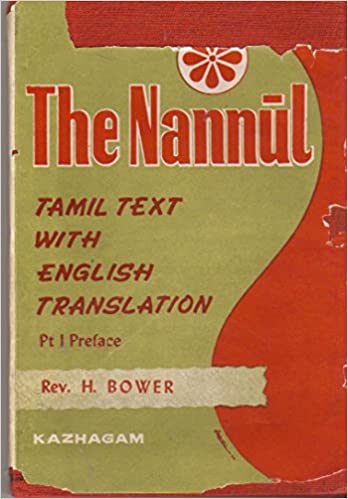
இடைக்காலத் தமிழ் இலக்கண நூலான நன்னூலை இயற்றியவர் பவணந்தி முனிவர். 12ஆம் நூற்றாண்டின் பிற்பகுதியில் இவர் வாழ்ந்தவர் என கருதப்படுகிறது.
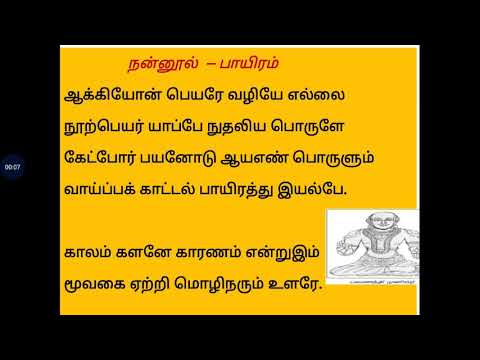
இவர் சீயகங்கன் என்ற சிற்றரசனின் ஆதரவில் அவனது தூண்டுதலின் பேரில் நன்னூலை இயற்றினார். இதை நன்னூலில் இவர் எழுதிய கீழ்க்கண்ட சிறப்புப்பாயிரத்தின் இறுதி வரிகள் மூலம் அறிய முடிகிறது.
கொங்கு மண்டலத்தில் குறும்பி நாட்டில் சனகாபுரம் என்ற சீனாபுரத்தில் இவர் பிறந்து வளர்ந்தவர்.
இவரைப் போற்றி கொங்கு மண்டல சதகம் 47ஆம் பாடல் அமைகிறது.
“கங்கக் குரிசி துவக்கநன் னூலைக் கனிந்து புகல்
துங்கப் புலமை பவணந்தி மாமுனி தோன்றிவளர்
கொங்கிற் குறும்பு தனிலாதி நாத குருவிளங்கு
மங்குற் பொழிற்சன காபுர முங்கொங்கு மண்டலமே
(கொங்கு மண்டல சதகம்)
பாடலின் பொருள் : சீயகங்க அரசன் மனம் மகிழுமாறு நன்னூல் என்னும் இலக்கண நூலைப் புகன்ற தமிழ்ப் புலமை மிக்க பவணந்தி முனிவர் பிறந்து வளர்ந்தது குறும்பி நாட்டில் ஆதிநாத தீர்த்தங்கரர் விளங்குதலான சனகாபுரம் (சீனாபுரம்) இருப்பது கொங்குமண்டலமே.
இவரது ஊரைப் பற்றித் தொண்டை மண்டல சதகம் கூறும் பாடல் இது:
தன்னூர்ச் சனகையிற் சன்மதி மாமுனி தந்தமைந்தன்
நன்னூ லுரைத்த பவணந்தி மாமுனி நற்பதியுங்
சின்னூ லுரைத்த குணவீர பண்டிதன் சேர்பதியும்
மன்னூ புரத்திரு வன்னமின் னேதொண்டை மண்டலமே
இவர் பிறந்த இடமாக சன்மதி வாழ்ந்த தொண்டைமண்டலத்தை இது குறிப்பிடுகிறது. இப்படி இரு ஊர்களை இரு வேறு பாடல்களில் கொங்கு மண்டலமும் தொண்டை மண்டல சதகமும் கூறுவதால் சற்றுக் குழப்பம் ஏற்பட்டாலும் பாடல்களை நுணுகி ஆராய்ந்தால் நமக்குக் கிடைக்கும் உண்மை இது:
கொங்கு மண்டல சதகத்தில், “பவணந்தி மாமுனி தோன்றி வளர்…. சனகாபுரம்’ என வருகிறது.
தொண்டை மண்டல சதகத்தில், “சனகையிற் சன்மதி மாமுனி தந்த மைந்தன்” என வருகிறது.
ஆகவே இவர் தோன்றி வளர்ந்தது சீனாபுரம் என்றும் சன்மதி முனிவரது புத்திரர் இவர் என்றும் முடிவு செய்யலாம்.
பவணந்தி முனிவர் ஒரு துறவி ஆவார். இதை மேலே குறிப்பிடப்பட்டிருக்கும் நன்னூல் பாயிரத்தின் கடைசி வரிகளான,
“பன்னருஞ் சிறப்பிற் பவ ணந்தி
என்னு நாமத் திருந்தவத் தோனே” என்ற வரிகளால் அறியலாம்.
ஜைன மதத்தில் துறவிகளுக்கு நந்தி என்ற நாமம் சூட்டப்படுவது வழக்கமாக இருந்து வந்திருக்கிறது.
கனக நந்தியுங் குனக நந்தியும் திவணநந்தியும்” என்று கூறியருள்கிறார்.
ஆகவே சன்மதி மாமுனிவர் ஞான பிதா என்றும் பவணந்தி முனிவரை ஞான புத்திரர் என்றும் கொள்ளலாம்.
ஆக பவணந்தி பிறந்து வளர்ந்தது கொங்கு மண்டலத்தில் என்றும் அவர் சன்மதி முனிவரிடம் உபதேசம் பெற்றுத் துறவு பூண்டது தொண்டை மண்டலத்தில் என்றும் முடிவு செய்யலாம்.
பவணந்தி தோன்றி வளர்ந்த சீனாபுரம் எனப்படும் சனகை என்பது கோயமுத்தூர் மாவட்டம் ஈரோடு தாலுகாவில் பெருந்துறை ரயில் நிலையத்திற்கு அருகில் இருக்கிறது.
இந்த இடத்தில் ஆதிநாதர் தீர்த்தங்கரர் கோவில் இருக்கிறது.
ஜைன பிராமணர்கள் இன்றும் இங்கு பூஜை செய்து வருகின்றனர்.
சன்மதி முனிவரைக் குறிக்கும் சனகை என்னும் சனநாதபுரமானது காவேரியின் வடகரையில் இருக்கும் மாவிலங்கையாக வேண்டும்.
இப்போது மைசூரில் திருமுக்கூடல் நரசபுரம் பகுதியைச் சேர்ந்தது இந்தக் கிராமம். இது கங்க ராஜ்யத்தில் அமைந்தது.
இதற்கும் கங்க நாட்டுப் பழைய ராஜதானியாகிய தலைக்காட்டுக்கும் இடையே காவேரி தான் இருக்கிறது.
இதைக் குறித்துக் கீழ்க் கண்ட சாசனக் குறிப்புகளால் அறிய முடிகிறது.
முடி கொண்ட சோழ மண்டலத்து கங்கை கொண்ட சோழவள நாட்டு இடை நாட்டு ஜனக புரத்து..
கங்க பாடியான முடி கொண்ட சோழ மண்டலத்துத் தென்கரை இடை நாட்டு மாயிலங்கையான ஜனநாதபுரத்து..
கங்க பாடி தென் கரை யிடை நாட்டு..
பெரிய நாட்டு மாயிலங்கையான ஜனநாதபுரத்து..
பெரும் புலவரான பவணந்தி மாமுனியை மதிக்க வேண்டிய விதத்தில் தமிழகம் மதிக்கிறதா, இன்று?
Pictures are taken from various sources for spreading knowledge; this is a non- commercial blog. Thanks for your great pictures.
tamilandvedas.com, swamiindology.blogspot.com
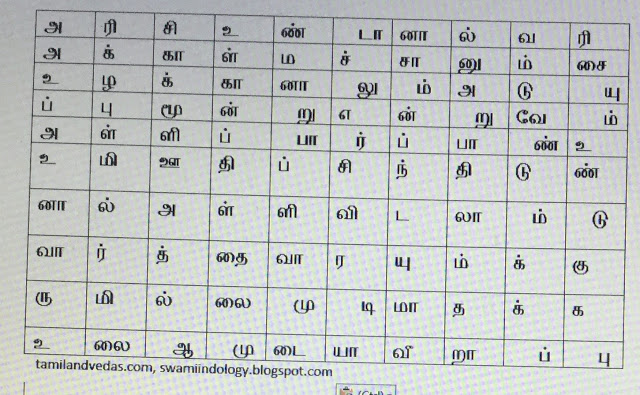
ஒரே சொல் மீண்டும் மீண்டும் வந்தால் ஓரிரு இடங்களில் மட்டுமே கட்டத்தில் இருக்கும். கொண்டு கூட்டி பொருள் கொள்க . விடை கீழே உள்ளது . சில நேரங்களில் படங்களைப் பார்த்தாலும் விடை காண உதவலாம்.
ANSWER
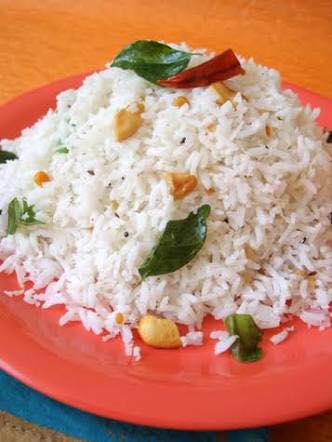
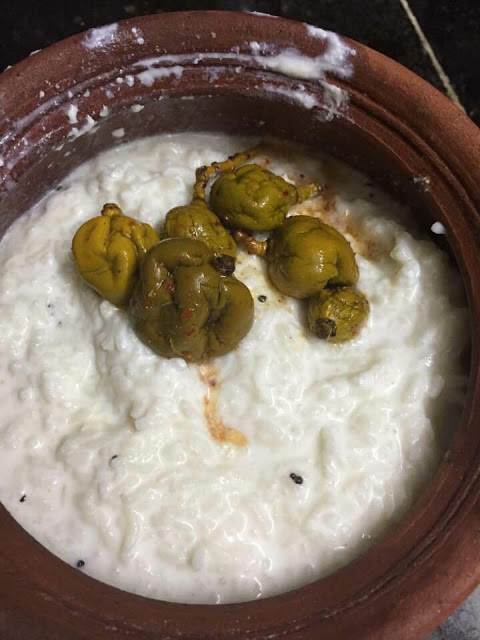
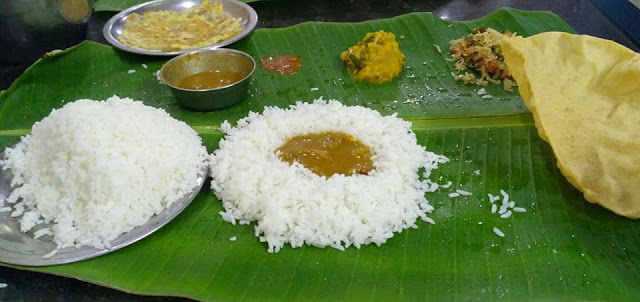
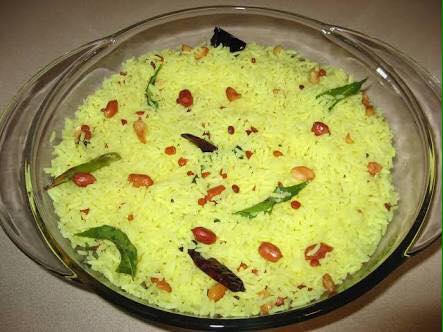
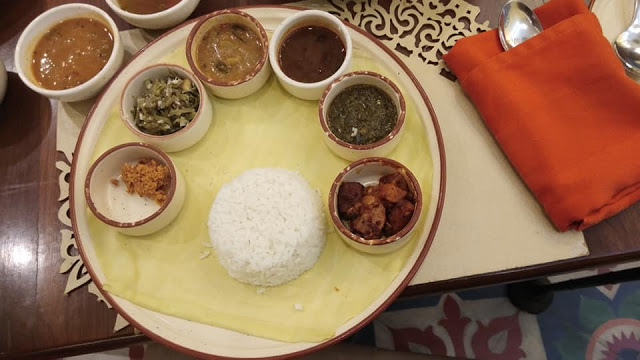
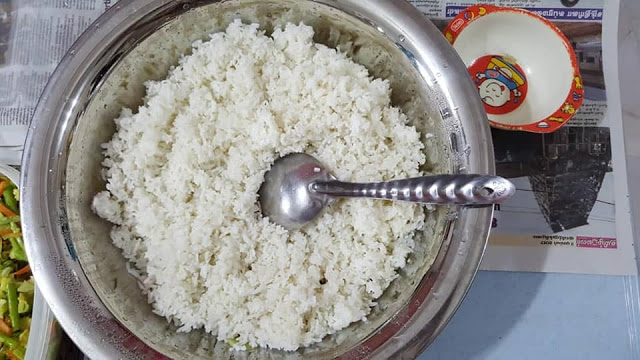
1.அரிசி உழக்கானாலும் அடுப்பு மூன்று வேண்டும்
2.அரிசி உண்டானால் வரிசையும் உண்டு ,அக்காள் உண்டானால் மச்சானும் உண்டு
3.அரிசி என்று அள்ளிப்பார்ப்பாருமில்லை, உமி என்று ஊதி ப்பார்ப்பாருமில்லை.
4.அரிசி சிந்தினால் அள்ளிவிடலாம், வார்த்தை சிந்தினால் வாரமுடியுமா
5.அரிசிக்குத் தக்க உலையும் ஆமுடையானுக்குத் தக்க வீறாப்பும்
Source book :–
பயன்படுத்திய நூல்- கழகப் பழமொழி அகர வரிசை, கழக வெளியீடு
Pictures are taken from various sources for spreading knowledge; this is a non- commercial blog. Thanks for your great pictures.
tamilandvedas.com, swamiindology.blogspot.com
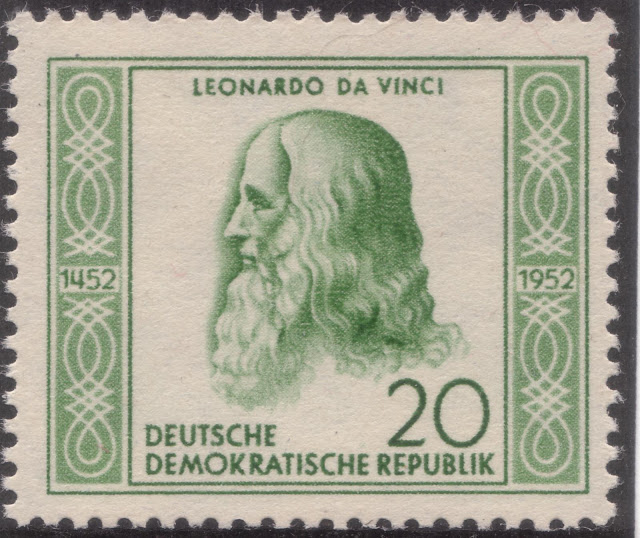
Who is Leonardo da Vinci ?
Leonardo da Vinci (1452-1519) was an Italian painter, sculptor, architect, engineer and scientist. One of the greatest figures of Italian Renaissance, he was active in Florence, Milan and from 1516 in France.
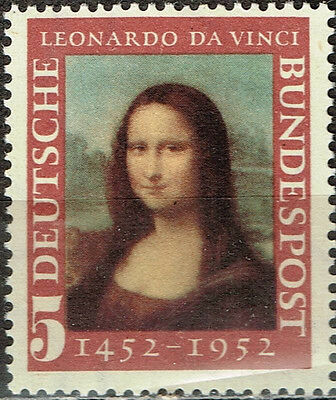
As state engineer and court painter to the Duke of Milan, he painted the Last Supper mural, and on his return to Florence painted the MONALISA, now in Louvre, Paris.
His notebooks and drawings show an immensely inventive and enquiring mind studying aspects of the natural and scientific world from anatomy and botany to aerodynamics and hydraulics–The Hutchinson Encyclopaedia
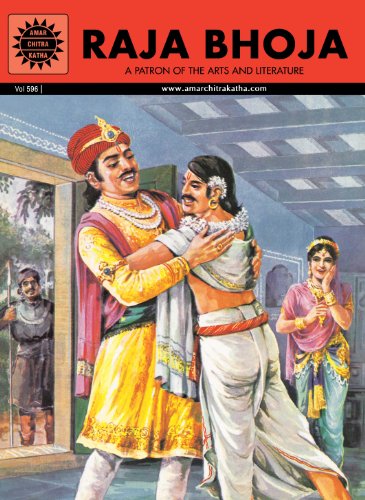
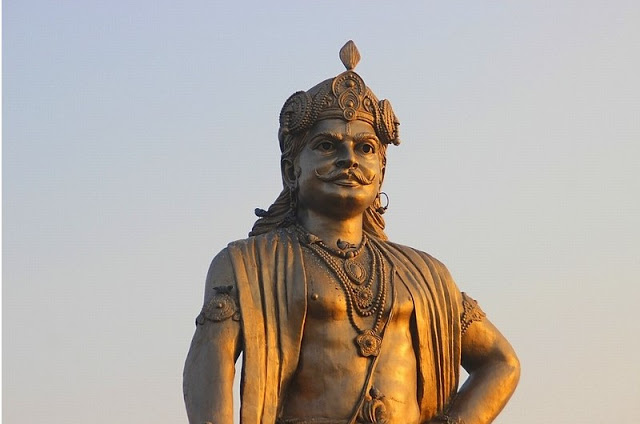
Who is Bhoja Raja?
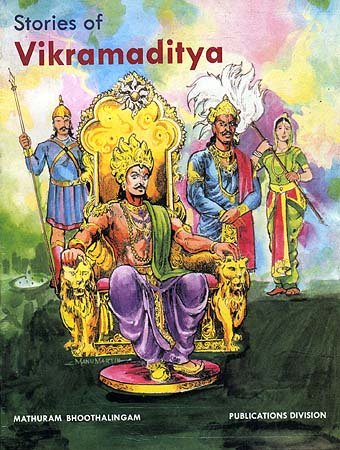
India had a great king named Vikramditya alias Bhoja in the second century BCE. He was a great friend of the world famous poet KALIDASA. He lived around second century BCE is proved by the use of his 200 similes out of 1500 by Sangam Tamil poets. That Bhoja was a great scholar and became a household name in India through the Vikram and Vetala stories. All other kings who named themselves as Vikramaditya and Bhoja only pretended to be the original Vikramaditya in scholarship and valour. That great Vikramaditya drove away all the foreigners such as Yavanas and Sakaras .
King Bhoja who ruled from Dharanagara in Madhya Pradesh was also known as Vikraraditya. He lived 500 years before da Vinci. He wrote at least 84 books touching from Aerodynamics to Zoology.
In France we see 18 kings named as Louis. In Vatican we see umpteen Popes named after Paul, Gregory, Francis etc. In ancient Egypt 11 kings named after Rameses. Unfortunately we did not name our kings and Rishis with numbers . The scholar cum king Bhoja beat da Vinci in all respects.
xxxx
Who was the original Bhoja alias Vikramaditya?
Here is his story as reported in an Orissan book
“Near in the series of kings, comes Raja Bhoja, who reigned for 127 years, that is from about BCE 180 to BCE 50. H e was ,according to Orissan chronicles, a brave, liberal, just and merciful Emperor. He conquered the whole of India and took tributes from all kings of India. His court was adorned by the presence of 750 eminent poets , the chief of whom was Kali dasa, author of the 752 Ashloks called the Chanak or Chataka and Maha Nataka.
Raja Bhoja invented boats, the weavers’ looms, the wheeled carriages, or at least in his time the use of them first became common. In his reign the Yavanas from Sindhu Desa invaded the country in great force but Bhoja discomfited and destroyed them, and afterwards captured many of their possessions and cities.
Sri Bickermajit or Vikramaditya ( whom some call brother, and others son of Bhoja raja, while other accounts state no connection) succeeded to the throne and reigned 135 years. He was master of all sciences and a great magician. Through fear of his power, the Yavanas all left the country. At last came Salivahana from the Deccan who attacked and conquered Vikramaditya, put him to death and assumed the reigns of empire.
Source
The Vamsavalis of Orissa by A Stirling, year 1825
He gave the source as manuscripts 3 or 4 centuries old and records in Oriya at the temple of Jaganath Temple at Puri
Here we see some mix ups between two great Bhoja kings of India with a time gap of 1000 yeas both of them were equally intelligent, innovative and valorous. It is the same confusion we see in the stories of Adi Sankara and Abinava Sankara with again a time gap of 1000 years.
Bhoja was renowned as a scholar-king, and several books are attributed to him. Because these books cover an enormous range of topics, it is not certain if he actually wrote all these books or if he only commissioned these works, acting as a patron of their actual writers. But it is known that he was an expert on poetry, and the treatise Shringara-Prakasha was definitely authored by him.[77]
According to Ajada, who wrote a commentary titled Padaka-prakasha on Sarasvati-Kanthabharana, Bhoja wrote 84 books. The surviving works attributed to Bhoja include the following Sanskrit-language texts (IAST titles in bracket):[78][79]
Bhujabala-bhima (Bhujabalabhīma), a work on astrology
Champu-Ramayana or Bhoja-Champu (Campūrāmāyaṇa), a re-telling of the Ramayana in mixture of prose and poetry, which characterises the champu genre. The first five kandas (chapters) are attributed to Bhoja. The sixth and seventh chapters were completed by Lakshmana and Venkatadhvarin respectively.
Charucharya (Cārucārya), a treatise on personal hygiene
Raja-Martaṅda (Rājamārtanḍa) or Patanjali-Yogasutra-Bhashya, a major commentary on the Yoga Sutras of Patanjali; includes an explanation of various forms of meditations
Raja-Mriganka-Karana (Rājamrigankakaraṅa), a treatise on chemistry, especially dealing with the extraction of metals from ores, and production of various drugs.
Samarangana-Sutradhara (Samarāṇgaṇasūtradhāra), a treatise on architecture and iconography. It details construction of buildings, forts, temples, idols of deities and mechanical devices including a so-called flying machine or glider.
Sarasvati-Kanthabharana (Sarasvatīkaṇṭhabharaṇa), a treatise on Sanskrit grammar for poetic and rhetorical compositions. Most of it is a compilation of works by other writers. Some of the poetic examples provided by him in this work are still appreciated as the highest cream of Sanskrit poetry.
Shalihotra (Śālihotra), a book on horses, their diseases and the remedies
Shringara-Prakasha (Śṛṅgāraprakāśa), treatise on poetics and dramaturgy
Sringara-Manjari-Katha (Śṛṅgāramanjarīkathā), a poem composed in akhyayika form
Tattva-Prakasha (Tattvaprākaśa), a treatise on Shaivite philosophy. It provides a synthesis of the voluminous literature of the siddhanta tantras
Vidvajjana-Vallabha, treatise on astronomy
Vyavahara-Manjari (Vyavahāramanjarī), a work on dharmaśāstra or Hindu law
Yukti-Kalpataru, a work dealing with several topics including statecraft, politics, city-building, jewel-testing, characteristics of books, ship-building etc.
The Prakrit language poems Kodanda-Kavya and Kurma-Sataka are also attributed to Bhoja.[79] The Kodanda-Kavya (Kodaṅḍakāvya) was found inscribed on stone slab fragments at Mandu.[80] The Kurma-Sataka (Avanikūrmaśataka), which praises the Kurma (tortoise) incarnation of Vishnu, was found inscribed at the Bhoj Shala in Dhar.[81]
Sangitaraja, attributed to Kalasena or Kumbha, names Bhoja as an authority on music, which suggests that Bhoja also compiled or wrote a work
17 Jun 2015 – Tamil and Vedas. A blog exploring themes in Tamil and vedic literature. Brain Surgery in Ancient India: Bhoja and …
போஜ ராஜன் | Tamil and Vedas
tamilandvedas.com › tag › போஜ-…
7 Jul 2012 – உலகப் புகழ் பெற்ற கவிஞன் காளிதாசனும் அவனை ஆதரித்த மன்னன் போஜனும் இணைபிரியா நண்பர்கள். ஒரு நாள் சபைக்கு …
பல்கலை வித்தகன் அதிசய மன்னன் …
tamilandvedas.com › 2012/12/12
12 Dec 2012 – பல்கலை வித்தகன் அதிசய மன்னன் போஜராஜன் எழுதியவர்: ச. … இன்றைய போபால் (போஜன் நிறுவிய போஜபாலே இன்று போபால்!) … இதனால் கலக்கம் அடைந்த முஞ்ச ராஜன் போஜனைக் கொல்லுமாறு தன் பணியாளரிடம் உத்தரவிட்டான்.
போஜன் | Tamil and Vedas
tamilandvedas.com › tag › போஜ…
20 Aug 2016 – (for old articles go to tamilandvedas.com OR swamiindology.blogspot.com). இந்தியாவை ஆண்ட மன்னர்களில் மிகவும் சிறப்பாக ஆண்ட பெருமையுடையவன் போஜன்.
மூளையில் | Tamil and Vedas
tamilandvedas.com › tag › மூள…
18 Jun 2015 – இவனுடைய சம்ஸ்கிருத இலக்கணக் கல்வெட்டு மசூதிக்குள் கண்டு பிடிக்கப்பட்டு பெரும் பரபரப்பை ஏற்படுத்தியது பற்றி காஞ்சி …
சிவன் ‘இறந்தான்’- புலவர் விட்ட க(வி …
tamilandvedas.com › 2013/03/09
9 Mar 2013 – Forms of Sankaranarayana and Ardhanari போஜ ராஜன் என்ற மன்னன் மாபெரும் அறிவாளி. … ஏதேனும் பாட்டு எழுதிச் சென்றால் போஜ மான்னன் தனது போஜனத்துக்கு வழி செய்வானே … பல்கலை வித்தகன் அதிசய மன்னன் போஜராஜன்In “Sanskrit Literature”.
இந்த நூல் எது? – 1 (Post No.2676) | Tamil and Vedas
tamilandvedas.com › 2016/03/30
30 Mar 2016 – … THE PICTURES; THEY ARE COPYRIGHTED BY SOMEONE. (for old articles go to tamilandvedas.com OR swamiindology.blogspot.com). தெரிந்து கொள்ள வேண்டிய நூல். இந்த நூல் எது?
tags- Bhoja, Da Vinci, Leonardo, vikramaditya story,
Pictures are taken from various sources for spreading knowledge; this is a non- commercial blog. Thanks for your great pictures.
2.Skandasramam.
A view of Skandasramam
Mother’s arrival caused significant changes in the external life of Bhagavan Ramana at Virupaksha cave.. Some tremendous things happened.
When Mother came to live permanently with Bhagavan,, she could not stay in Virupaksha cave. Every day in the evening , she would return to the town, to stay with a lady devotee, and return to the cave the next morning. The repeated climbing of the hill was a strain on her. Some lady devotees pleaded for her to stay in the cave itself, but other devotees did not agree, not knowing what Bhagavan would say, and fearing that other ladies might also seek to stay there. The discussion was going on, and Mother was about to return to town. Bhagavan got up, took hold of Mother’s hand and said: ” Come Mother, if not here, we can stay elsewhere”. The other devotees woke up, and allowed her to stay.
This event is significant for two/three reasons. Mother was his mother, but the moment she came to stay with him, she had also become a devotee- ananya devotee, giving up everything else! So, Bhagavan had to protect her. But he also had regard for other devotees- so did not over rule them!
And he had no attachment for the place-he was ready to leave! [In fact, Bhagavan tried two-three times to leave everything and go on his own, but he was frustrated in such attempts.}
There is one significant trait in Bhagavan- he never interfered with the arguments of devotees or wanted matters of the Asramam to be settled in his way! He allowed them to have their way- they had to discuss and settle among themselves. They would later inform him. He had subtle but strong ways of conveying his displeasure.
There is a later event but worth mentioning here. In the last months of his earthly life, after the kumbhabishekam of Mother’s shrine, they built a beautiful stone mantapam in front and wanted Bhagavan to shift there from his old room.
He did not come initially, he did not want to come. Reason: the very building – its style, grandeur, etc- would deter simple people from the surrounding villages, and make them hesitate to enter it! Bhagavan always ensured that he was accessible to all. Even on his last day, lying terribly sick, he told them that devotees should be allowed to see him!
But soon, they would leave Virupaksha cave. Water was scarce. A devotee, Kandan, had noticed it and selected a place further up on the the Hill, cleared the thorny bushes and made it fit to stay. And they found a natural spring with perennial supply of water! In honour of the devotee, it was named “Skandasramam”. Ramana stayed here for 7 years.
This reveals another trait of Bhagavan- he never asked anything of his devotees, and never prevented them from doing anything on their own: he neither permitted, nor prevented.
It was here that Mother started cooking and feeding the devotees- something which continues to this day!
It was here that many regular devotees joined as inmates.
It was here that Narayana Guru visited Bhagavan and considered him “Raja Sarpam”. He composed some beautiful Sanskrit verses in praise of Ramana,
It was here that regular chanting of the works of Bhagavan-Tamil parayana – started.
It was here that Bhagavan conferred “Liberation” on Mother. He was with her on the last day, 19 May, 1922, the whole time it was known that her end was near; from 8 am. Bhagavan sat with his right hand on her spiritual heart, and the left on her head. He did not move even for food. He has himself revealed what happened:
The vasanas of the previous births and latent tendencies which are seeds of future births came out.She was observing one after another the scenes of experiences arising from remaining vasanas. As a result of series of such experiences she was working them out….
Mother was made to undergo all her future births in that comparatively short time.
When someone said mother had passed away, Bhagavan corrected him: “She did not pass away. Adangi vittadu, Adakkam.” அடங்கிவிட்டது, அடக்கம்.(She [It] was absorbed).
Bhagavn has revealed tremendous secrets here. The Liberation of Mother draws the curtain on Skandasramam, which marked one of the happy periods.
One incident here brings out Bhagavan’s concern for devotees. He would sit on a particular rock in the morning while cleaning his teeth, etc. He usually moved with “unhurried pace”. He would keep sitting there for some time. This spot could be easily seen from some part of the town below. It seems some old ladies who could not climb the hill and come to Skandasramam for Bhagavan’s darshan had made a habit of having their darshan from the town, while Bhagavan was seated on the rock. It seems they had also taken a vow that they would not eat without seeing Bhagavan. On those days Ramana did not sit on the usual spot, the ladies could not have their darshan, and so would skip their food! When Bhagavan came to know this, he made it a point to sit on the rock!
Also, while on his rounds on the Hill, he would often make a detour, and visit some old villager or other at his hut, his old acquaintances, now too old or sick to move, and also accept the things they gave for him to eat- usually some cold gruel made of ragi or such local grains. He would say that he relished this simple food, rather than the rich fare they gave in the Asramam.
Bhagavan also related how in the olden days when he used to wander on the hill, the village women would be collecting firewood and such things there in the hot sun. On seeing the Swami, they would ask him to pour cold water on their back. It seems they got relief in this way. While saying this, Bhagavan’s voice would choke, and tears would well up in his eyes!
Pictures are taken from various sources for spreading knowledge; this is a non- commercial blog. Thanks for your great pictures.
கொங்கு மண்டல சதகம் பாடல் 50
இது நாகமலை என்றால் நாகம் ஏன் படம் எடுத்து ஆடவில்லை? – பிரதிவாதி பயங்கரனின் இந்தக் கேள்விக்குப் பதில் என்ன?!
ச.நாகராஜன்
திருச்செங்கோட்டில் நடந்த ஒரு சுவையான சம்பவம் இது.
பாண்டிய நாட்டில் திருக்குருகூரில் பிரதிவாதி பயங்கரன் என்ற பெயர் கொண்ட பிரபலமான புலவன் ஒருவன் இருந்தான். ஒவ்வொரு ஊராகச் சென்று அங்குள்ள சிறந்த புலவர்கள் மற்றும் தேர்ந்த வித்துவான்களை வாதுக்கு அழைத்து அவர்களைத் தோற்கடித்து அவர்களது பொருளையும் அவர்களிடமிருக்கும் நூல்களையும் கவர்ந்து வருவது அவன் பழக்கம்.
தேச சஞ்சாரம் செய்து வருகையில் ஒரு சமயம் அவன் திருச்செங்கோடு வந்தான்.
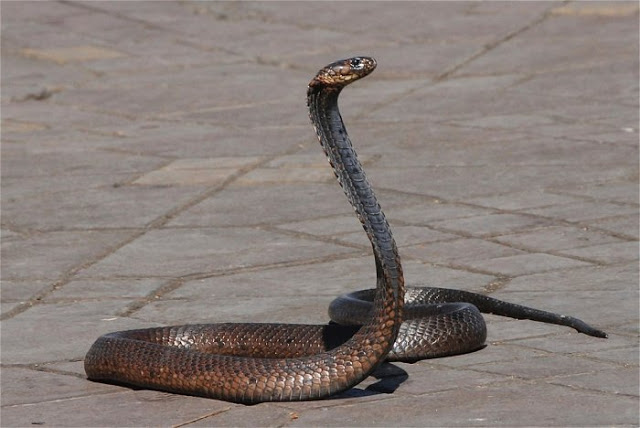
திருச்செங்கோடு எல்லையை நெருங்கிய அவன் பாம்பு வடிவமாகத் தோன்றிய நாகாசலத்தை நோக்கிப் பல்லக்கில் இருந்தபடியே ஒரு பாடலைப் பாடத் துவங்கினான்.
“சமர முகத்திருச் செங்கோடு சர்ப்ப சயிலமென
வமரிற் படம்விரித் தாடாத தென்னை?
திருச்செங்கோட்டில் உள்ள மலையை சர்ப்ப சயிலம் எனக் கூறுவார்களேயானால், அது ஏன் படம் எடுத்து ஆடவில்லை என்பது கேள்வி.
இதை முதல் இரண்டு அடிகளில் கேட்ட பிரதிவாதி பயங்கரன் அடுத்த இரண்டு அடிகளை முடிக்க முடியாமல் திணறினான்.
பிரதிவாதி பயங்கரன் வந்து கொண்டிருக்கிறான் என்ற செய்தியை முன்னமேயே கேட்ட திருச்செங்கோட்டின் பிரபல புலவரான குணசீல்ன் அந்தச் செய்தியைக் கேட்டுத் திடுக்கிட்டார்.
வம்புக்கு வரும் பிரதிவாதி பயங்கரனை வாதில் வெல்ல முடியாதே என்பது அவரது கவலை.
முதல் இரண்டு அடிகளை ஓலையில் எழுதிய பிரதிவாதி அதை ஊருக்குள் அனுப்பி பதில் சொல்ல எந்தப் புலவராலாவது முடியுமா என்று வாதுக்கழைத்தான்.
ஓலையைக் கண்ட குணசீலர் பயந்து போனார். ‘செங்கோட்டு வேலவனே, நீயே கதி’ என்று கூறி நித்திரை கொண்டார்.
தூக்கத்தில் அவர் கனவில் வந்த வேலவன், “பயப்படாதே! பிரதிவாதியை நான் பார்த்துக் கொள்கிறேன்” என்று கூறி அருளினான்.
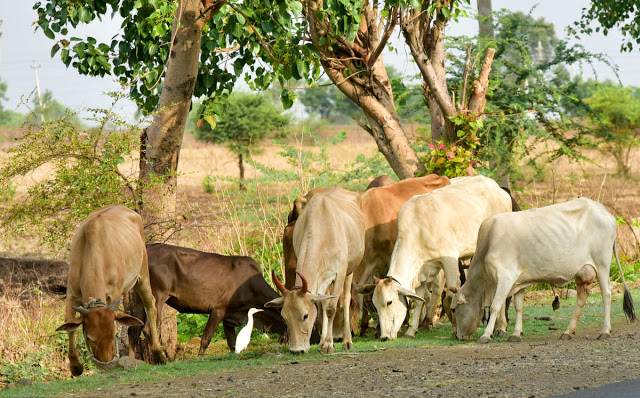
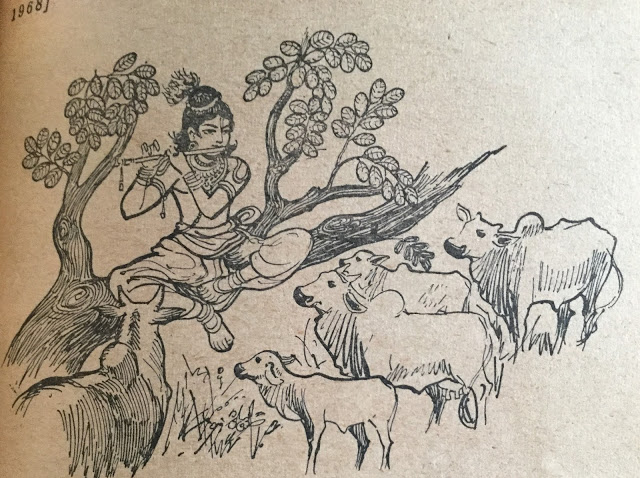
நேராக பிரதிவாதியின் முன் மாடு மேய்ப்பவனாகத் தோன்றிய வேலவன்,
“சமர முகத்திருச் செங்கோடு சர்ப்ப சயிலமென
வமரிற் படம்விரித் தாடாத தென்னை?” என்ற பிரதிவாதியின் கேள்வியைச் சொல்லி, அதுவா?,
“நமரின் குறவள்ளி பங்க னெழுகரை நாட்டுயர்ந்த
குமரன் திருமரு கன்மயில் வாகனங் கொத்துமென்றே”
என்று கூறினான்.
பொருள் : குறவள்ளி பங்கனான திருமருகன் குமரனின் வாகனமான மயில் பாம்பு படமெடுத்தால் கொத்தும் என்று பயந்து அந்தப் பாம்பு படம் எடுக்கவில்லை.
பளீரென்ற பதிலைக் கேட்ட பிரதிவாதி ஒரு கணம் அசந்து நின்றான்.
பல்லக்கிலிருந்து இறங்கிய அவன் மாடு மேய்ப்பவனைப் பார்த்து, “ அப்பனே! நீ யார்? உன் நாக்கில் சரஸ்வதி நர்த்தனம் ஆடுகிறாளே” என்று கேட்டான்.
“புலவரே! நான் இந்தத் திருச்செங்கோட்டில் உள்ள குணசீலர் என்னும் வித்துவானின் கடை மாணாக்கன். கண்ட சுத்தி பாடுவதில் தாமதமுடையவன்” என்று பதிலிறுத்தான் மாடு மேய்க்கும் வேலவன்.
“இப்படி ஒரு புலமைத் திறனுடன் இருக்கும் நீ மாடு மேய்க்கலாமா?” என்ற கேள்வியை விடுத்தான் பிரதிவாதி.
“ஓ! புலவரே! எல்ல உலகத்தும் உள்ள உயிர் வகைகளில் பசுவைப் போல பயன் தரும் ஜன்மம் ஒன்று கூட இல்லை. எல்லா தேவர்களும், எல்லா புண்ணிய நதிகளும் பசுவில் பொருந்தி உள்ளன. அதன் மலமும் ஜலமும் கூட பரிசுத்தமாக்க வல்லதன்றோ? இதை நீர் அறியீரோ” என்றான் வேலவன்.
இதைக் கேட்ட பிரதிவாதி நடுங்கிப் போனான்.
குணசீலரின் கடை மாணாக்கனே ஆகமம் அறிந்து இந்தப் போடு போட்டால் குணசீலர் என்னவெல்லாம் சொல்வாரோ என்று எண்ணிய பிரதிவாதி பல்லக்கைத் திருப்பிக் கொண்டு ஊர் போய்ச் சேர்ந்தான்.
இந்தச் சம்பவத்தைத் திருச்செங்கோட்டு மான்மியம் விரிவாகக் கூறுகிறது.
இந்தப் பெருமையை கொங்கு மண்டல சதகம் தனது 50 வது பாடலில் இப்படிக் கூறுகிறது:
“பெருமை மிகு “மா வச்சிலம் பரமெனிற் பெட்புறுமவ்
வரவு படம்விரித் தாடாததென்” னென்ற கத்துனுமோர்
கருவி வெருக்கொள வாமேய்ப் பவனா கனிந்துதிரு
மருகன் மயில்கொத்து மென்றெனச் சொல் கொங்கு மண்டலமே”
பாடலின் பொருள் :- “ இது நாகமலை என்றால் நாகம் படத்தை விரித்து ஏன ஆடவில்லை? அதன் காரணம் என்ன?” என்று அகங்காரம் கொண்ட புலவன் கேட்க, அவன் திடுக்கிடும்படி செங்கோட்டு வேலவர் மாடு மேய்ப்பவனாக வந்து “இலக்குமியின் மருமகனாகிய முருகக் கடவுளின் வாகனமாகிய மயில் மலையின் மேல் இருப்பதால் அது கொத்தி விடும் என்று பயந்து ஆடாமல் இருக்கிறது” என்ற விடையளித்த பெருமை கொண்டதும் கொங்கு மண்டலமே!”
வாதுக்கு வந்தவனின் வம்புக் கேள்விக்கு அருமையான முருகனின் பதிலைக் கொண்ட பெருமையைக் கொண்ட கொங்கு மண்டலத்தைப் போற்றிப் புகழ்வோம்!
Pictures are taken from various sources for spreading knowledge; this is a non- commercial blog. Thanks for your great pictures.
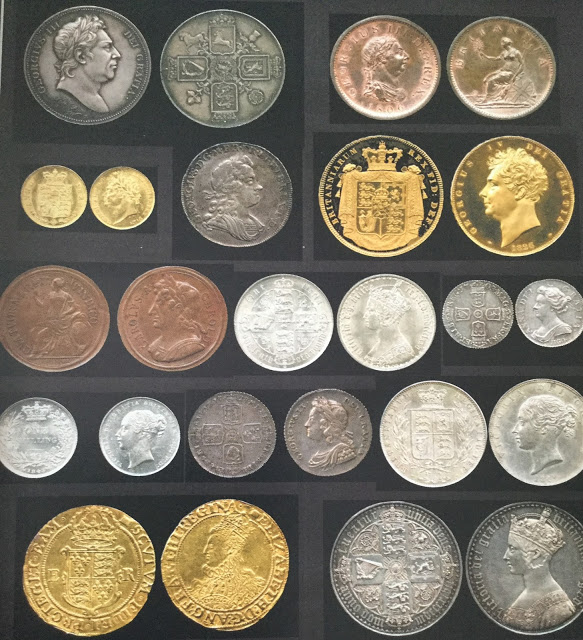
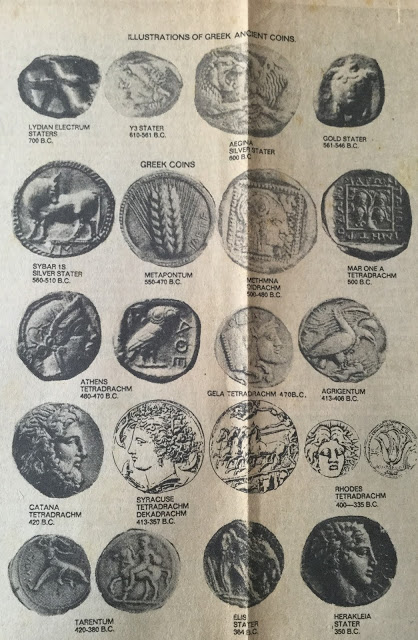
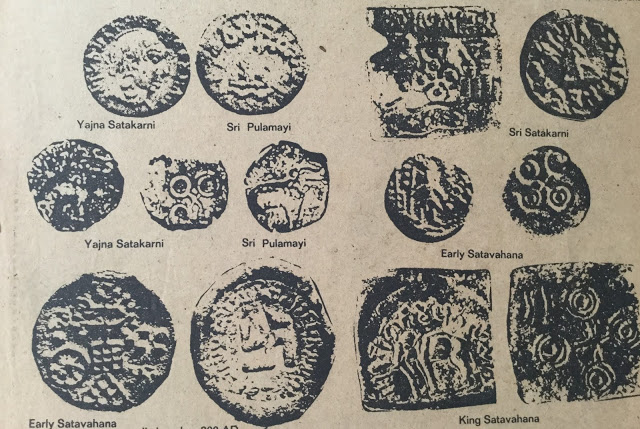
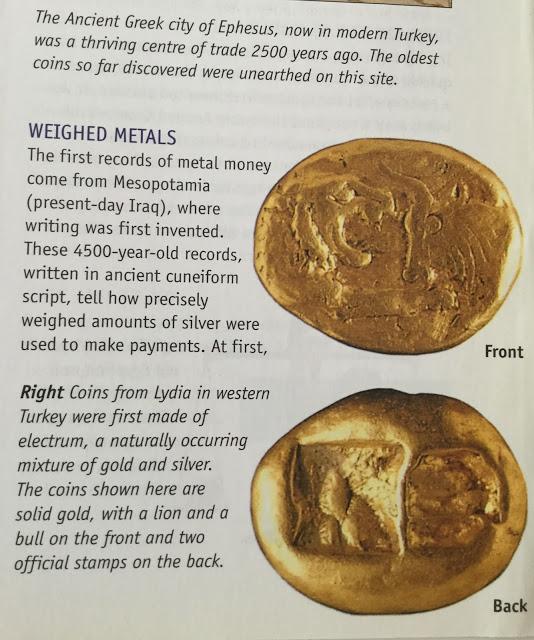
ANCIENT COINS OF HINDU SATAVAHANA KINGS
நமது பிளாக்கில் எஸ்.நாகராஜன் எழுதிய கட்டுரைகளின் பட்டியலை March 2015 முதல் வெளியிடுகிறேன். இது அகர வரிசைப்படி இல்லாவிடினும் இண்டெக்ஸ் INDEX போன்றதே.
இந்தப் பட்டியலை பிரிண்ட் செய்து வைத்துக் கொண்டால் உங்களுக்குத் பிடித்த கட்டுரைகளை நேரம் கிடைத்தபோது படிக்கலாம்
கட்டுரைகளை பிளாக்கில் பெறுவது எப்படி?
பிளாக்கிற்குப் போய் தேடுவதை விட கூகுளில் (google) தேடுவது எளிது. கட்டுரையின் தலைப்பை காப்பிcopy செய்து கூகுளில் பேஸ்ட் paste செய்யுங்கள் அதன் பிறகு ஆங்கிலத்தில் from tamilandvedas.com என்று எழுதி க்ளிக் (click) செய்யுங்கள்.
from swamiindologly.blogspot.com
என்று எழுதியும் பெறலாம்.
எடுத்துக்காட்டு:
மோடி ஜி! தட்டிப் பார்த்தால் தங்கம்!! from tamilandvedas.com
மோடி ஜி! தட்டிப் பார்த்தால் தங்கம்!! from swamiindology.blogspot.com
நீங்கள் சிறு பிழை விட்டாலும் நீங்கள் எதிர்பார்த்தது கிடைக்காமல் வேறு விஷயம் வரும். அதில் நேரத்தை வீணடிக்காமல் மீண்டும் ஒரு முறை சரியாக எழுதி முயற்சி செய்யுங்கள். இரண்டு பிளாக்குகளில் ஒன்றில் கிடைத்து விடும்
கட்டுரை பெறுவதில் ஏதேனும் சிக்கல் இருந்தால் எங்களைத் தொடர்பு கொள்ளுங்கள் .
March 2015
1-3-15 1683 சம்ஸ்கிருதச் செல்வம் – 18 நீரில் அமிழ்ந்த சுரைக்காய்!
3-3-15 1687 தமிழ் திரைப்படங்களில் ராமர் – 7
4-3-15 1689 Memory Queen Draupadi!
5-3-15 1691 சம்ஸ்கிருதச் செல்வம் – 19 எண்ணெய் இல்லாமல் விளக்கை
எரிப்பது எப்படி?
6-3-15 1694 தமிழ் திரைப்படங்களில் ராமர் – 8
7-3-15 1696 சம்ஸ்கிருதச் செல்வம் – 20 மாந்தோப்பில் உள்ள மரங்கள்!
8-3-15 1699 தமிழ் திரைப்படங்களில் ராமர் – 9 யாருக்கு ஜானகி
காத்திருந்தாள்?
9-3-15 1701 சம்ஸ்கிருதச் செல்வம் – 21 முள்ளைத் தின்று மகிழும் ஒட்டகம்!
10-3-15 1704 தமிழ் திரைப்படங்களில் ராமர் – 10
11-3-15 1707 தமிழ் புத்தாண்டு சித்திரையில் துவங்குவது ஏன்?
12-3-15 1710 சம்ஸ்கிருதச் செல்வம் – 22 வரியை ஏய்க்க நினைத்தவன்
கதை!
13-3-15 1712 தமிழ் திரைப்படங்களில் ராமர் – 11
14-3-15 1716 ஆண்டுகள் அறுபது ஏன்?
15-3-15 1718 தமிழ் திரைப்படங்களில் ராமர் – 12 அஞ்சிலே ஒன்று பெற்றான்!
16-3-15 1721 Pun in Sanskrit Literature!
17-3-15 1724 How to acquire Wealth – The Hindu Way!
18-3-15 1727 சம்ஸ்கிருதச் செல்வம் – 23 காக்கை உட்காரப் பனம்பழம்
விழுந்த கதை!
19-3-15 1730 சம்ஸ்கிருதச் செல்வம் – 24 செம்மறி ஆட்டுக் கூட்டம்!
20-3-15 1733 தமிழ் திரைப்படங்களில் ராமர் – 13
21-3-15 1737 The true Friend who comes along with you after your Death!
22-3-15 1739 தமிழ் திரைப்படங்களில் ராமர் – 14 தாலாட்டில் ராமர்!
24-3-15 1746 சம்ஸ்கிருதச் செல்வம் – 26 வசந்த கால வருகையும் புண்ணிய
பலனும்!
26-3-15 1750 தமிழ் திரைப்படங்களில் ராமர் – 15 அற்புதப் பாடல் ராகவனே
ரமணா!
27-3-15 1751 இராமாயண வெண்பா!
30-3-15 1759 அண்ணாமலை அதிசயம்!
31-3-15 1762 சம்ஸ்கிருதச் செல்வம் -27 தேங்காய்க்குள் இளநீர் எப்படி
வந்தது?
April 2015
1-4-15 1764 How Paul Brunton was directed to go to Bhagavan Ramana
Maharishi! – 1
2-4-15 1767 How Paul Brunton was directed to go to Bhagavan Ramana
Maharishi! – 2
3-4-15 1770 தமிழ் திரைப்படங்களில் ராமர் – 16 வைதேகி ராமன் கை
சேரும் காலம்!
4-4-15 1773 Paul Brunton by Annie Chan Fung
5-4-15 1776 What you have learnt is handful, what you haven’t learn is..
6-4-15 1779 சம்ஸ்கிருதச் செல்வம் – 28
கொக்கின் தலையில் வெண்ணையை வைத்துப் பிடிக்கலாமா?
7-4-15 1782 தமிழ் திரைப்படங்களில் ராமர் – 17 ஒரு தாரம் என்னும்
உயர்வினைக் காட்டிய அவதாரம்!
8-4-15 1785 சம்ஸ்கிருதச் செல்வம் – 29 விதை ஒன்று போட சுரை ஒன்று
முளைக்குமா?
9-4-15 1788 முடிவுரை : சம்ஸ்கிருதச் செல்வம் இரண்டாம் பாகம்!
10-4-15 1791 ஆன்மீக அறிவியல் ஆய்வாளர் ச.நாகராஜன் அறிம்முகம்!
15-4-15 1800 Baffling Questions and Beautiful Answers in Spirituality – I
16-4-15 18 02 Baffling Questions and Beautiful Answers in Spirituality – II
17-4-15 1805 Baffling Questions and Beautiful Answers in Spirituality – III
18-4-15 1808 மதுர கவி திருப்புகழ்!
19-4-15 1810 50 reasons people give for believing a God
20-4-15 1813 Baffling Questions and Beautiful Answers in Spirituality – IV
21-4-15 1816 Baffling Questions and Beautiful Answers in Spirituality – V
’
22-4-15 1822 கவிதைப் புதிர் – 1 மான் விழியாளுக்கு எது ஆபரணம்?
24-4-15 1824 கவிதைப் புதிர் – 2 கேசவர், த்ரோணர், கௌரவரை வைத்து












 Tamil and Vedas